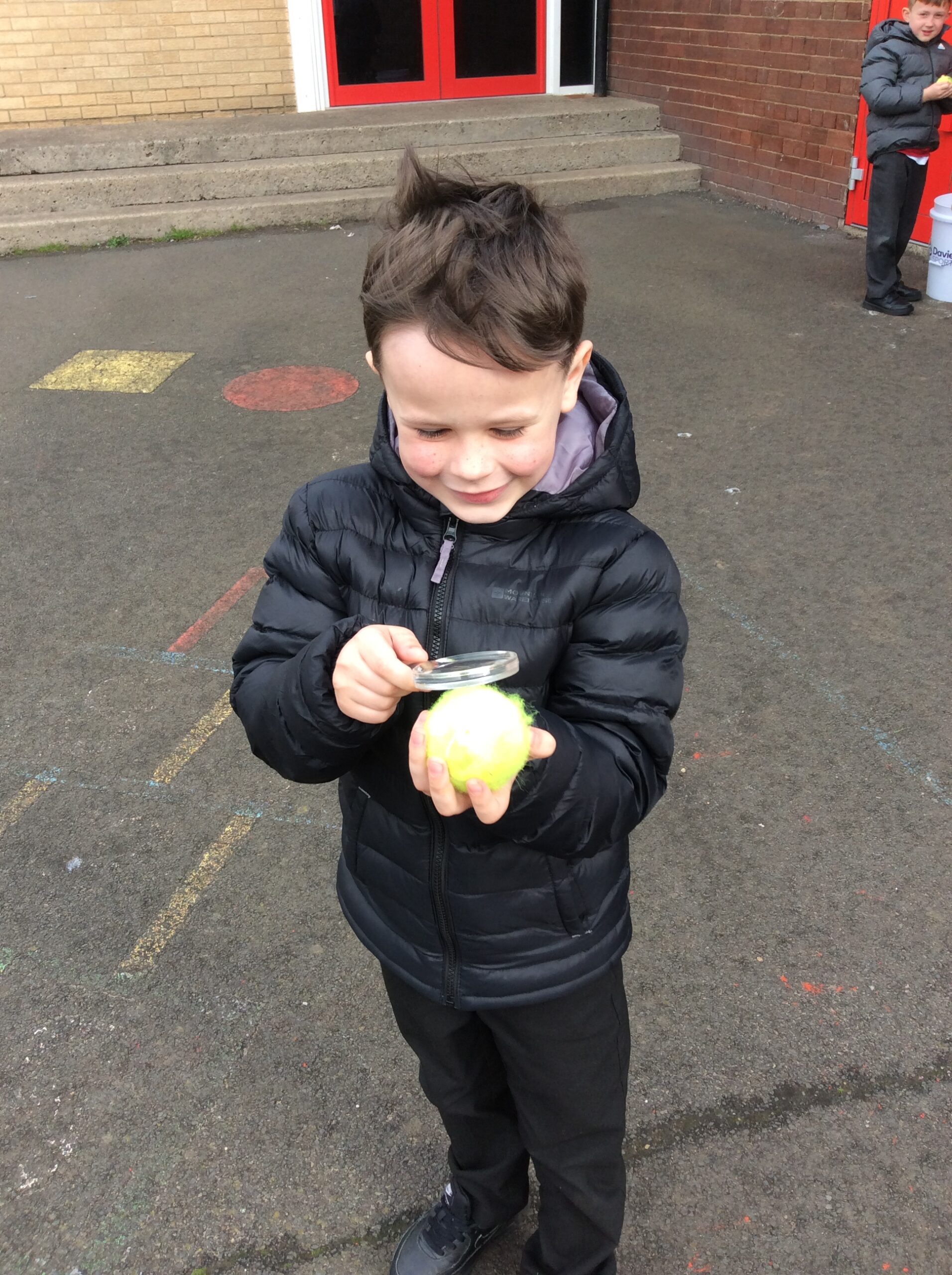
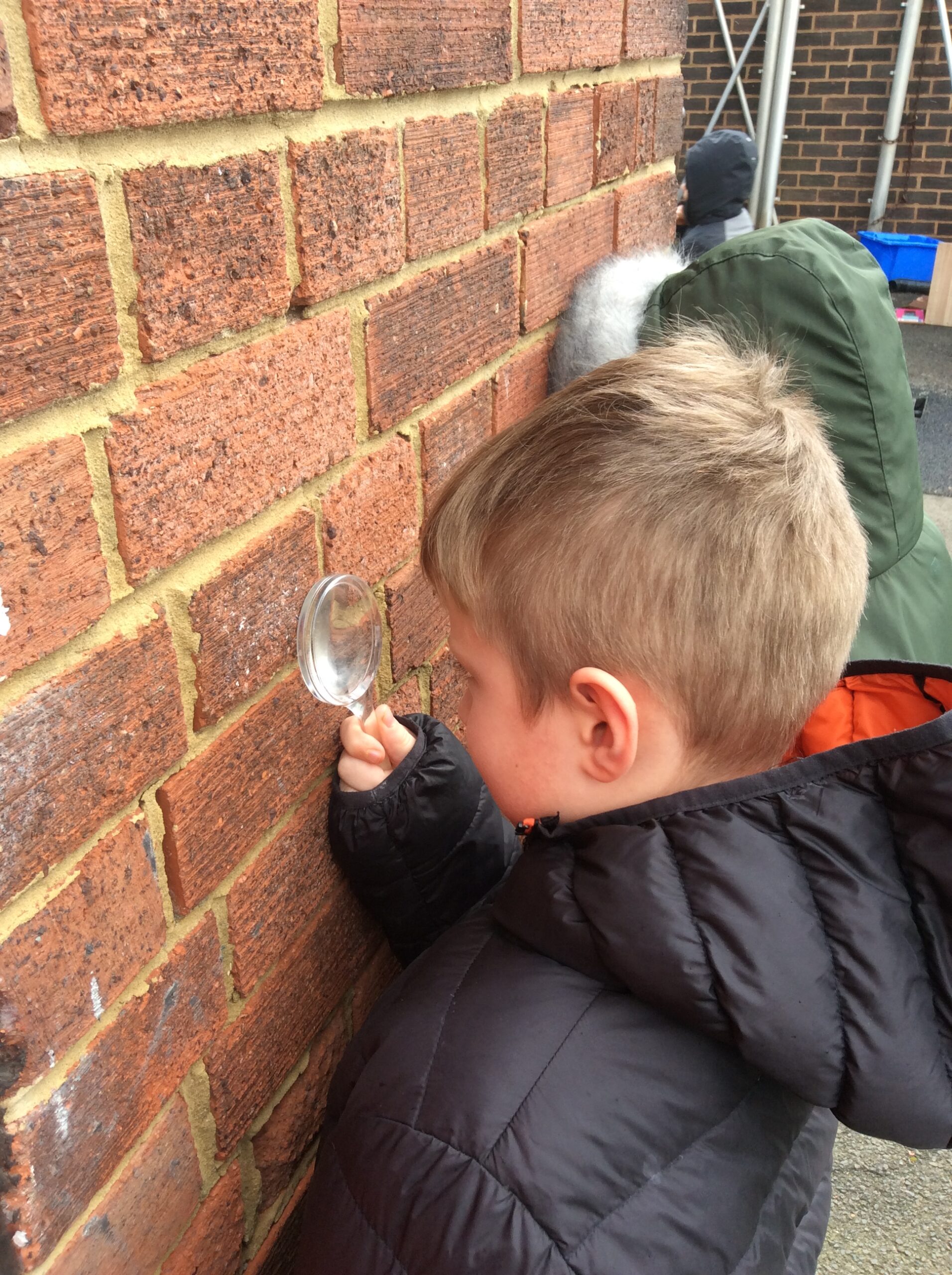
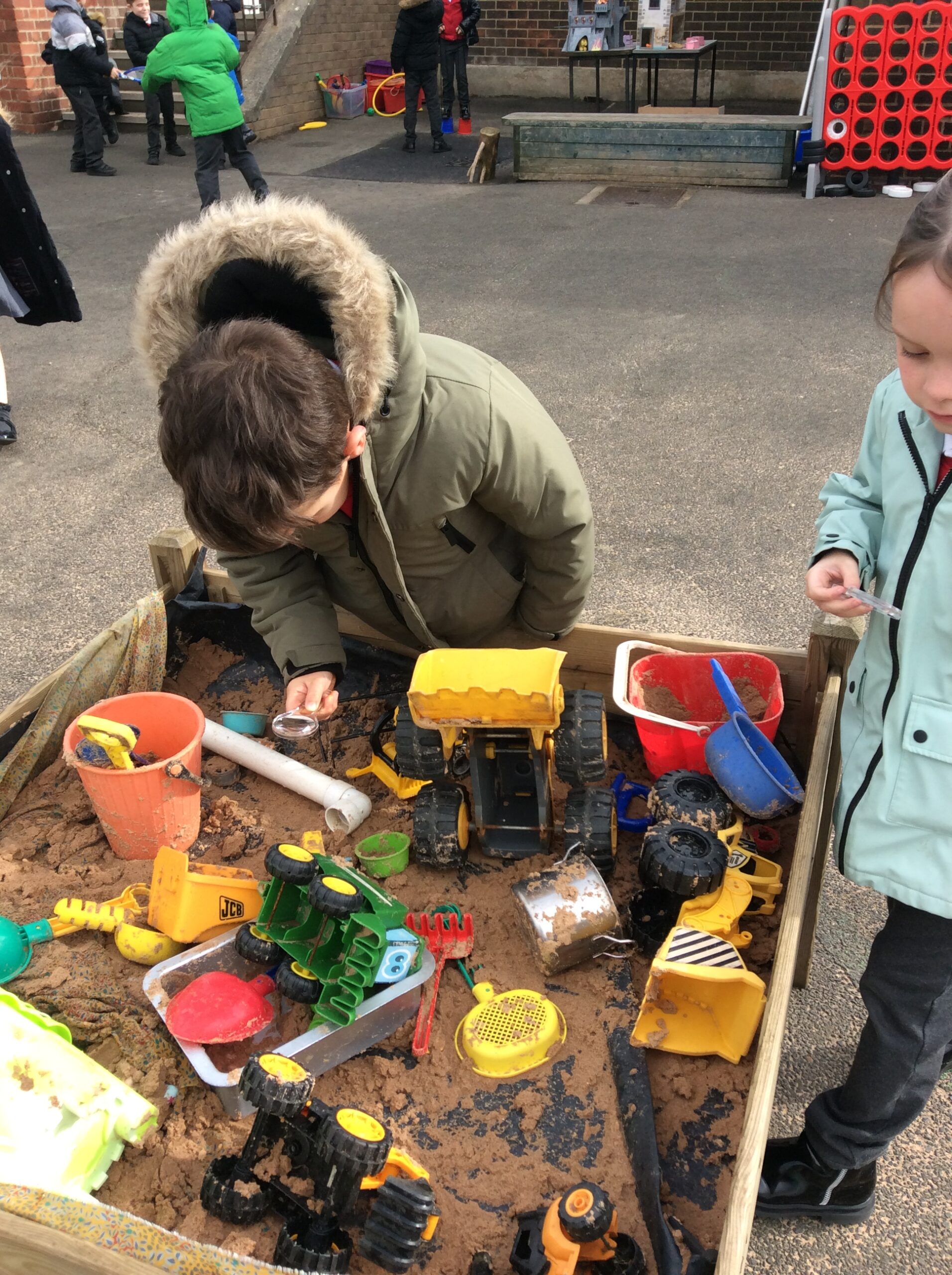
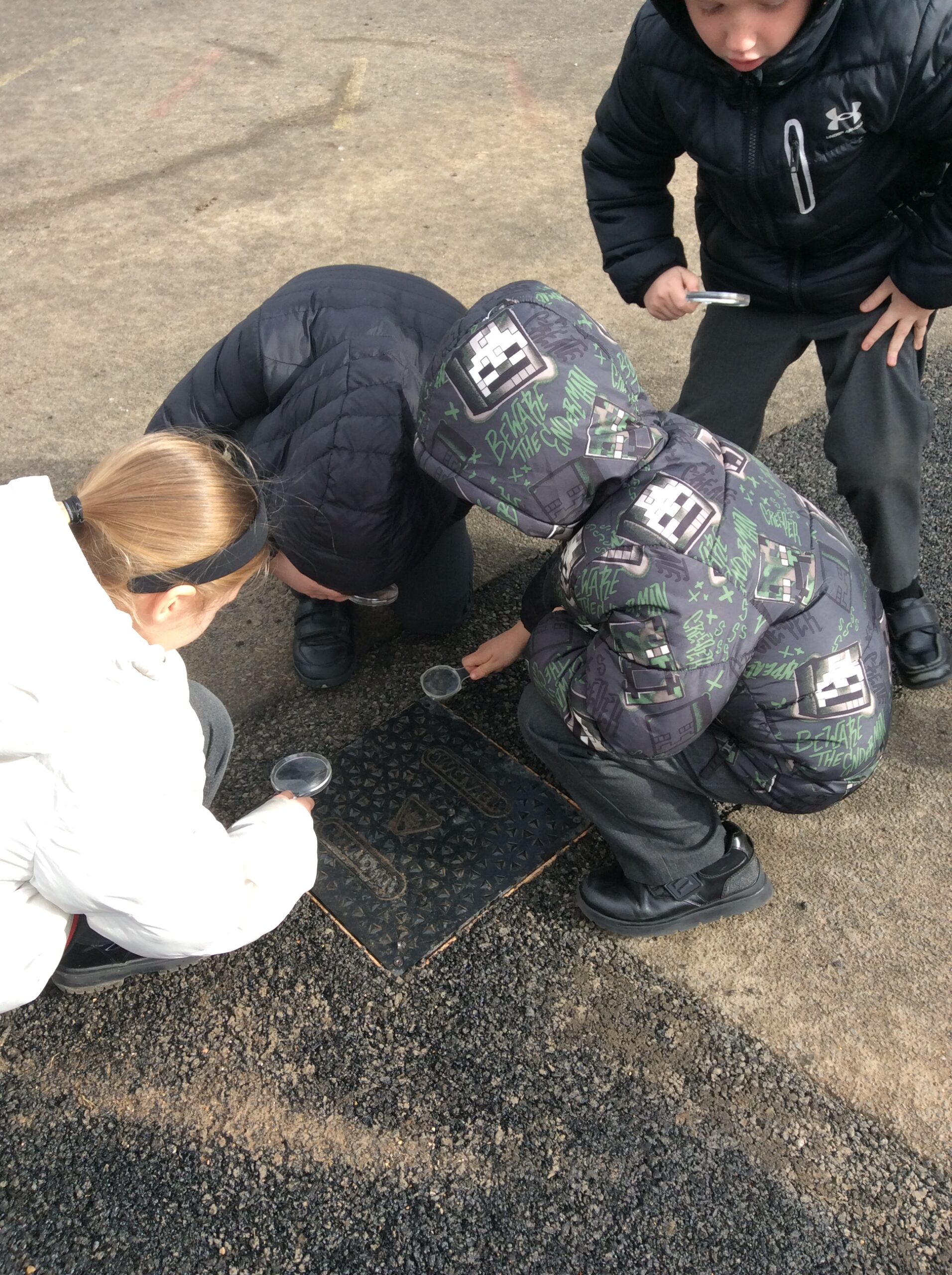
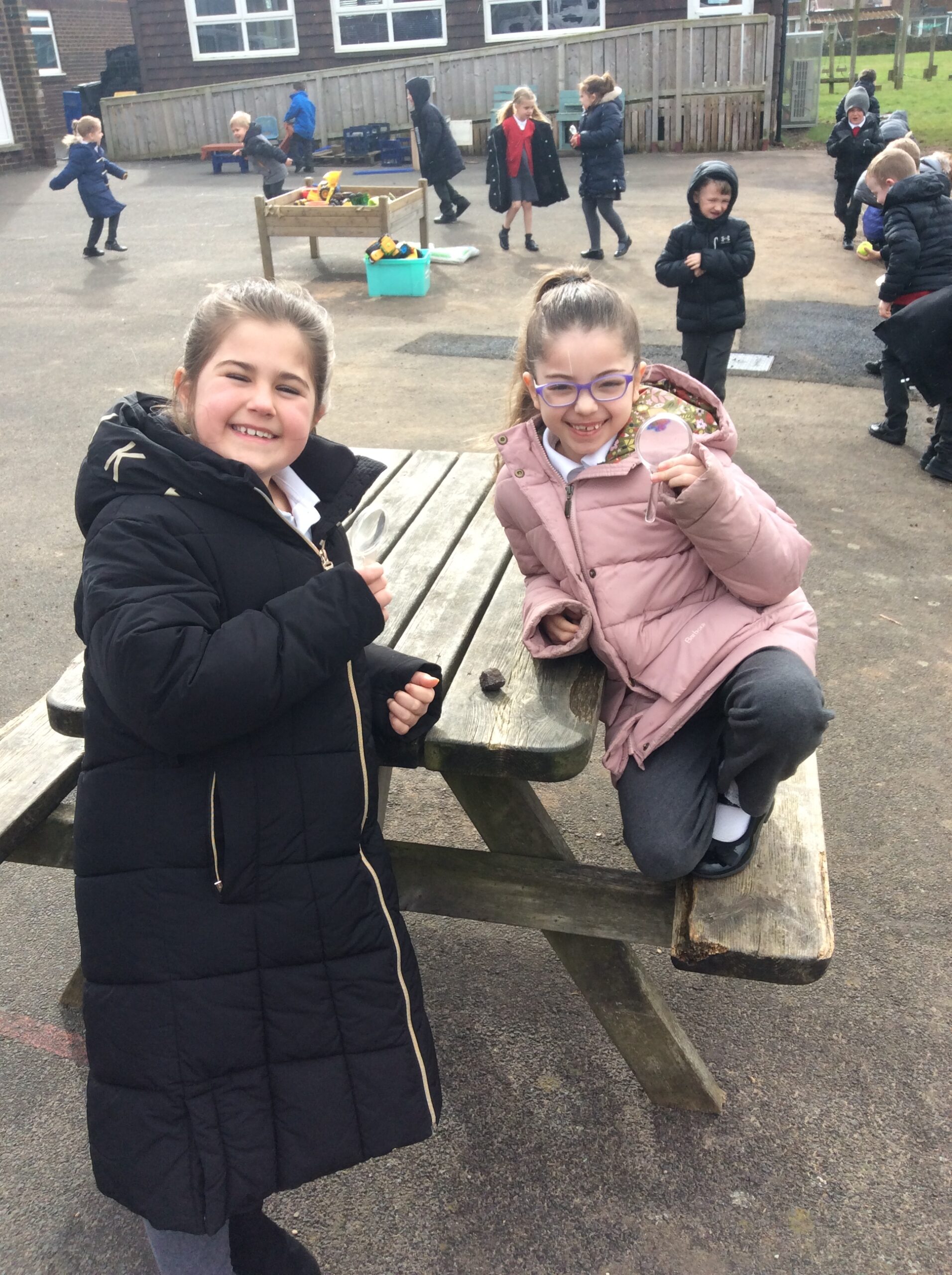
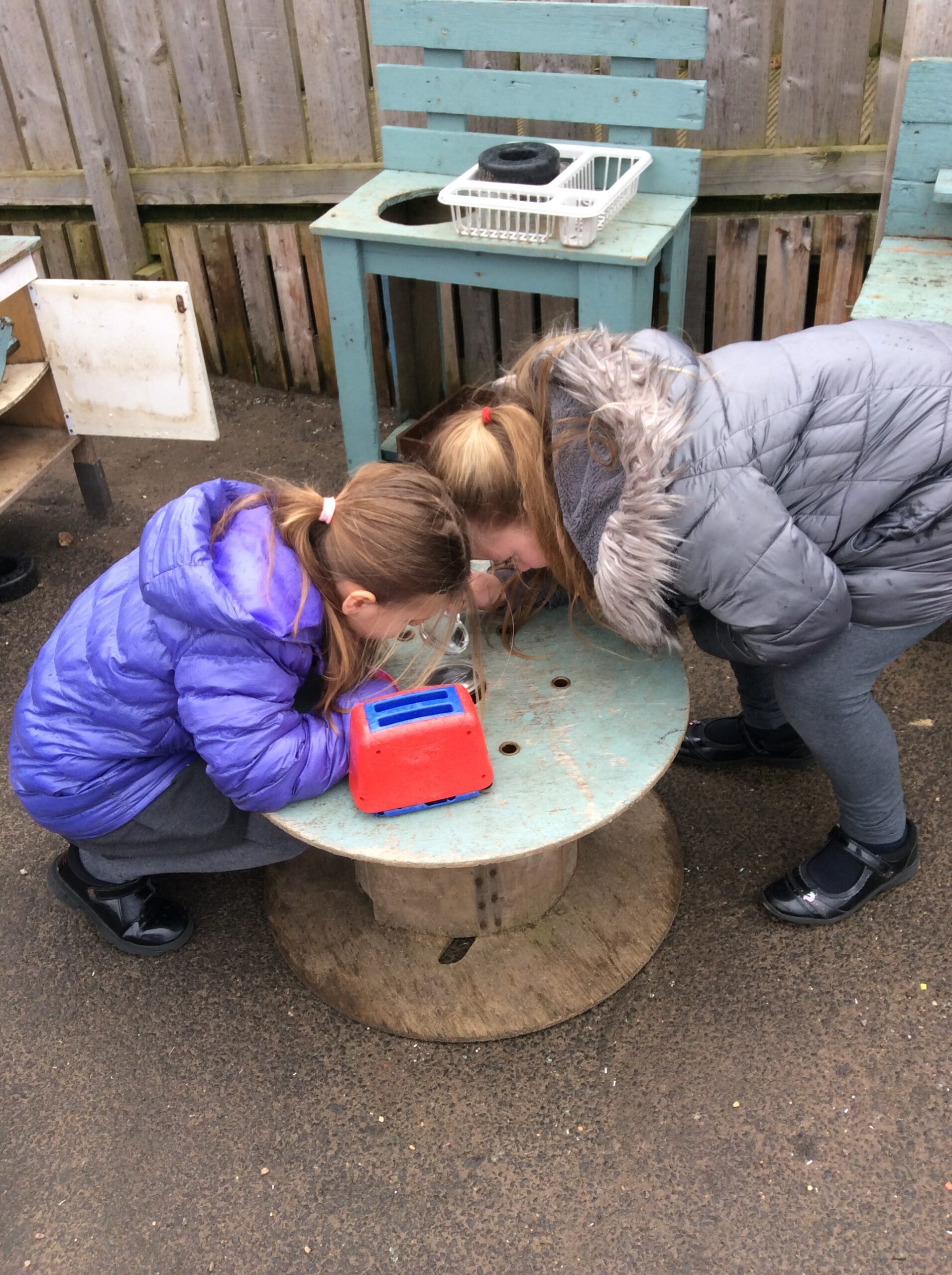
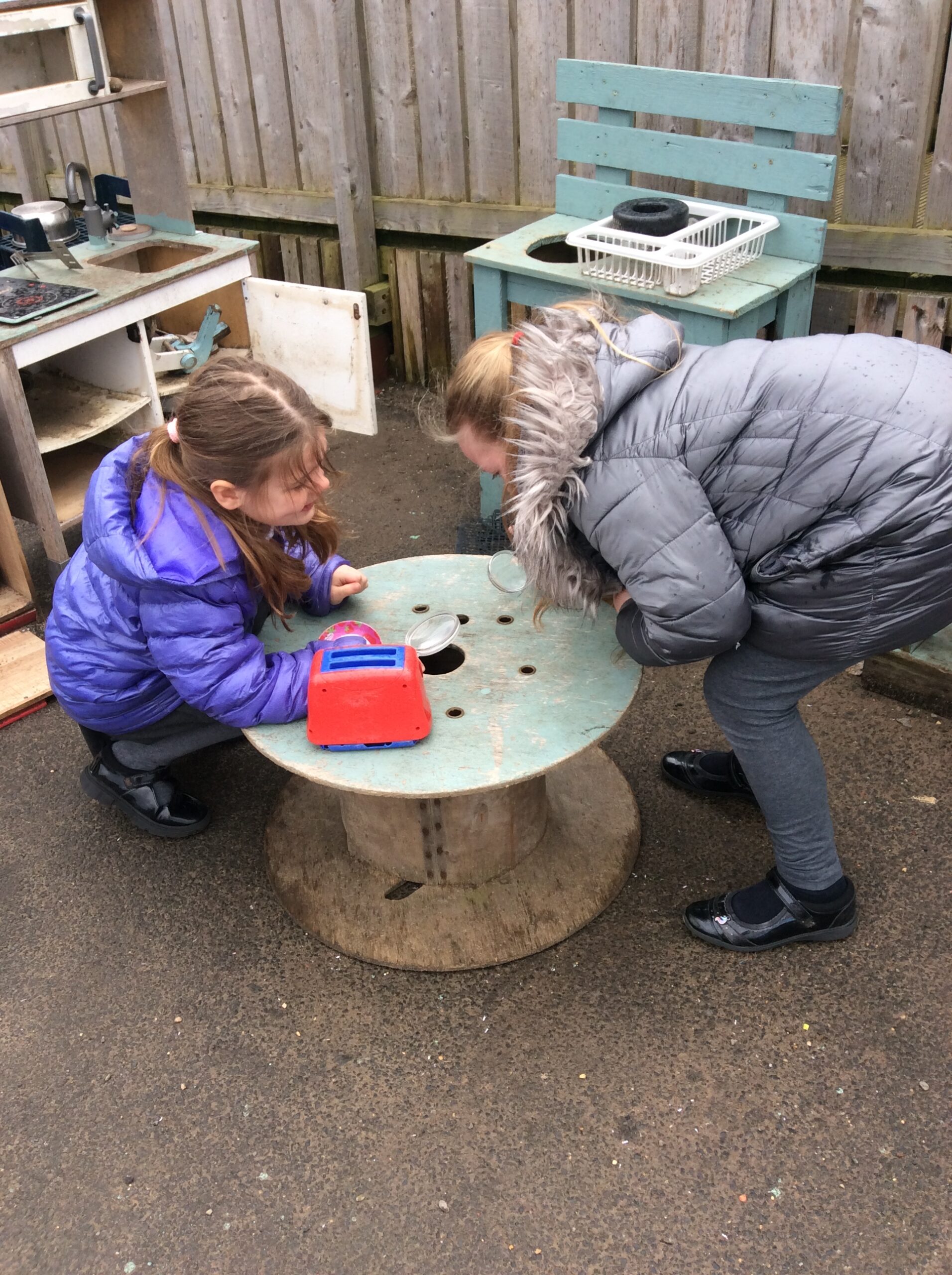
As part of Science Week Year 2 have been finding out about a key scientist Charles Darwin. This has made us look closer at the world around us. We have been using magnifying glasses to explore different plants and materials to have a closer look at their surface.
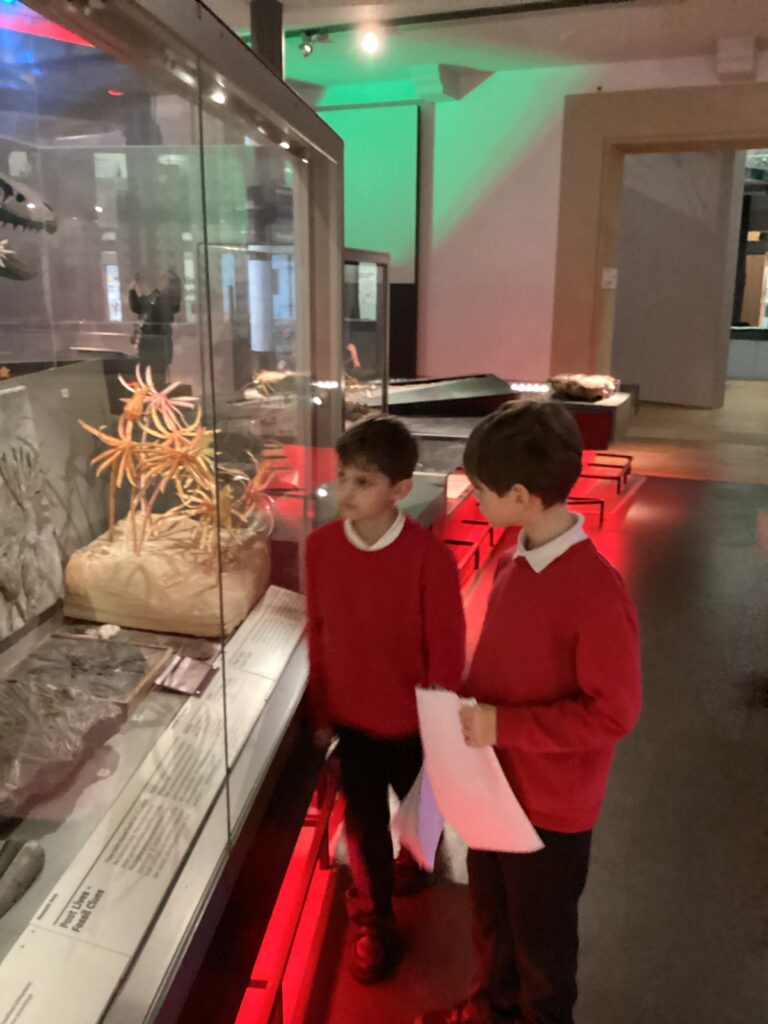
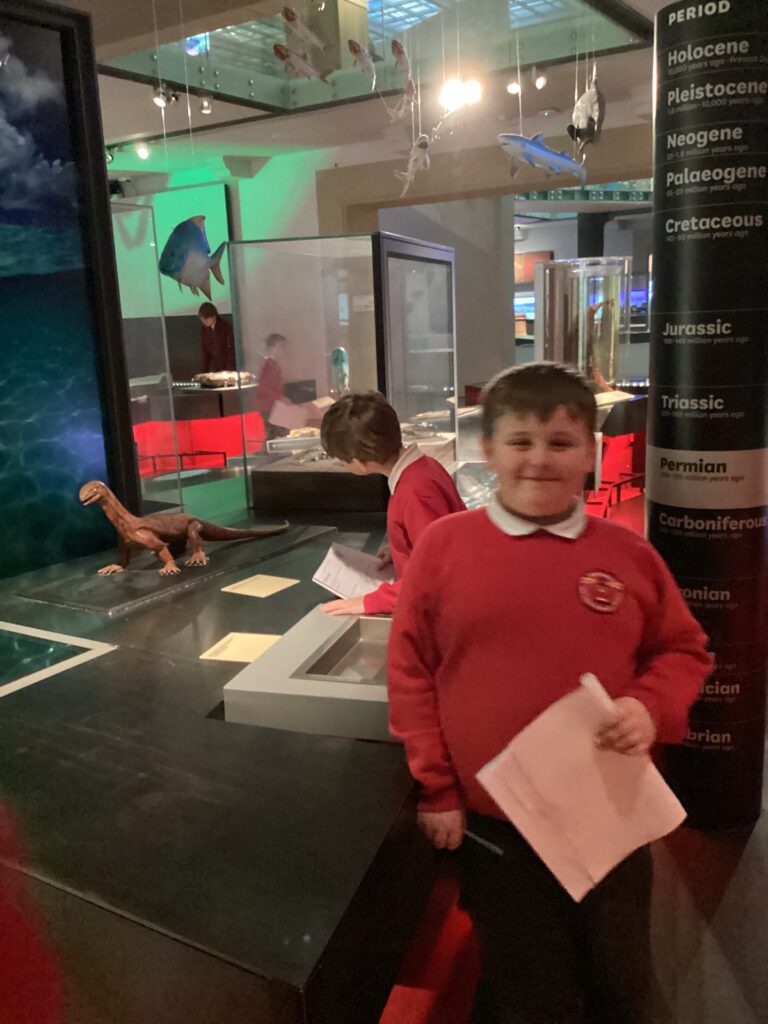
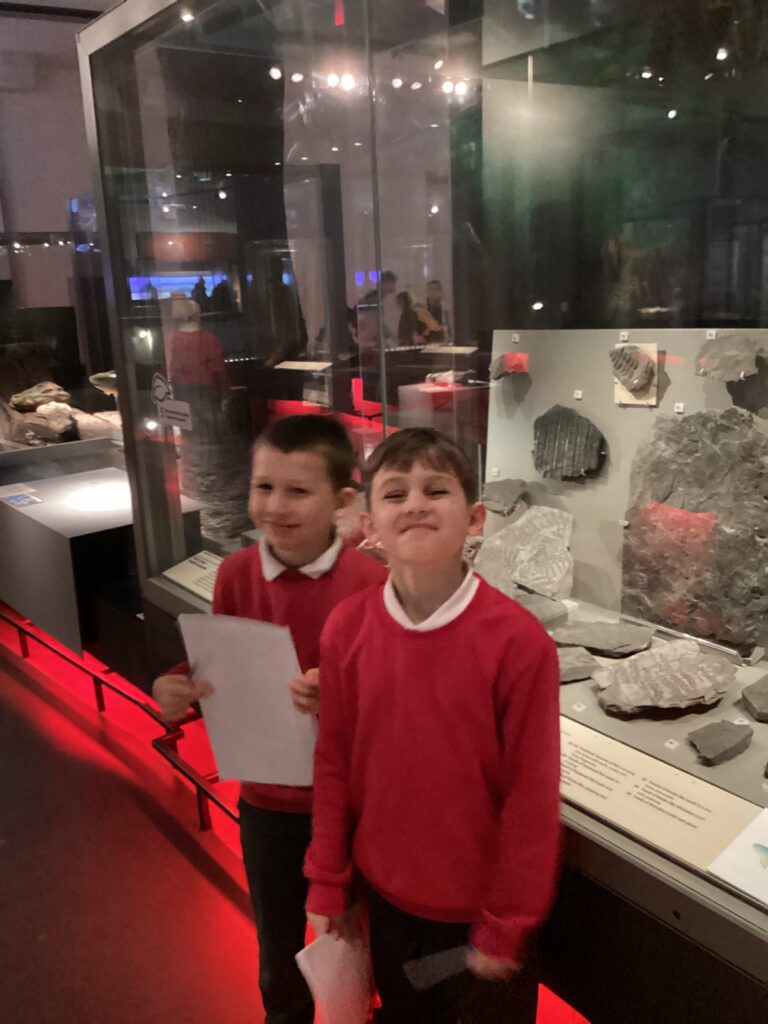
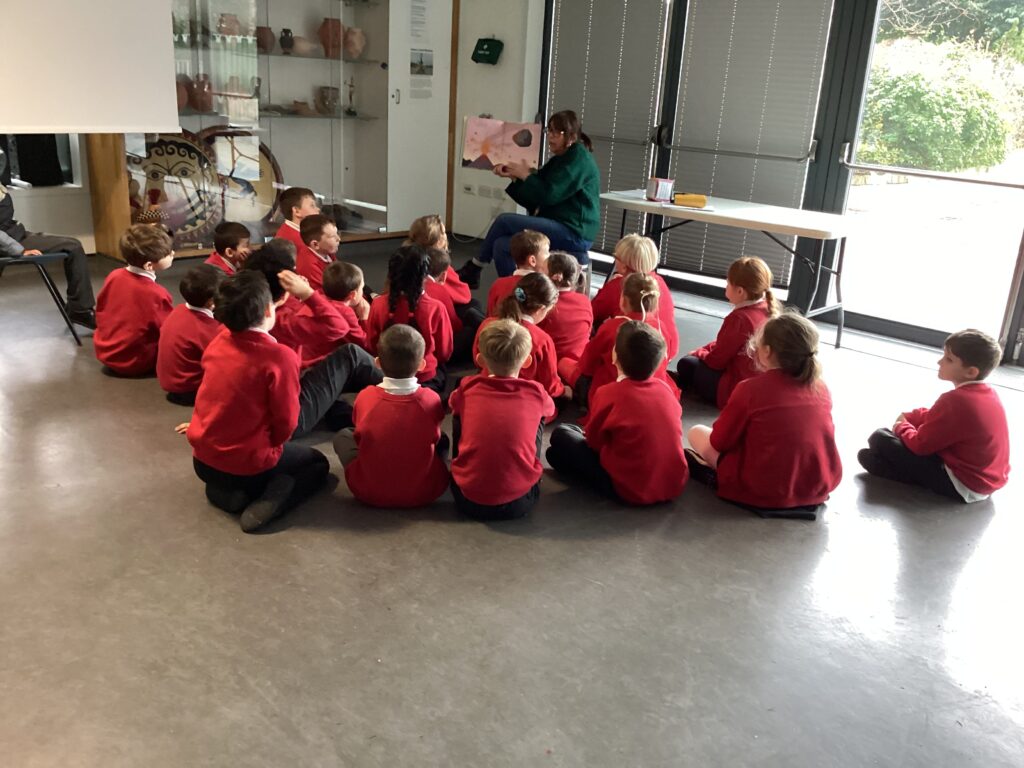
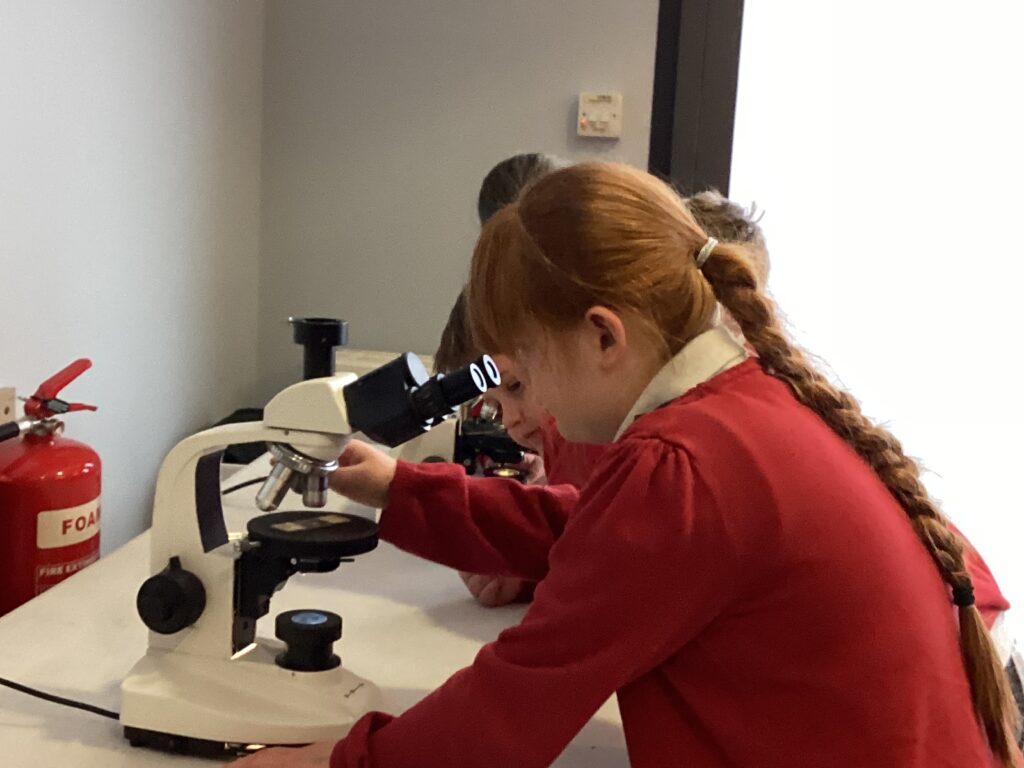
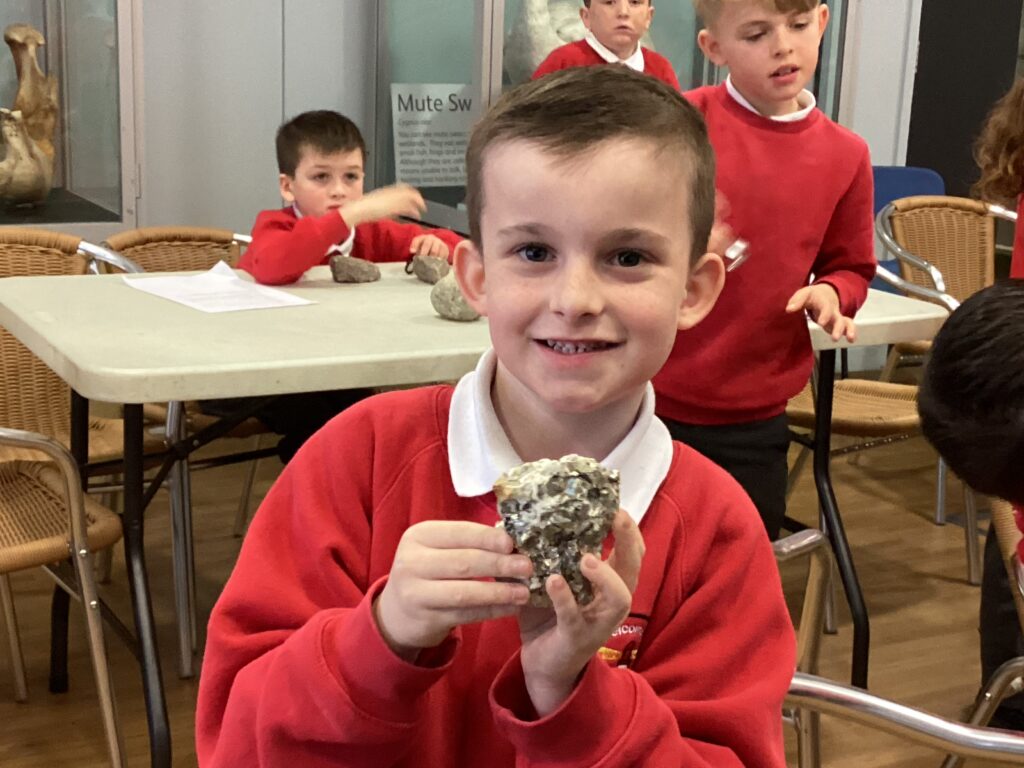
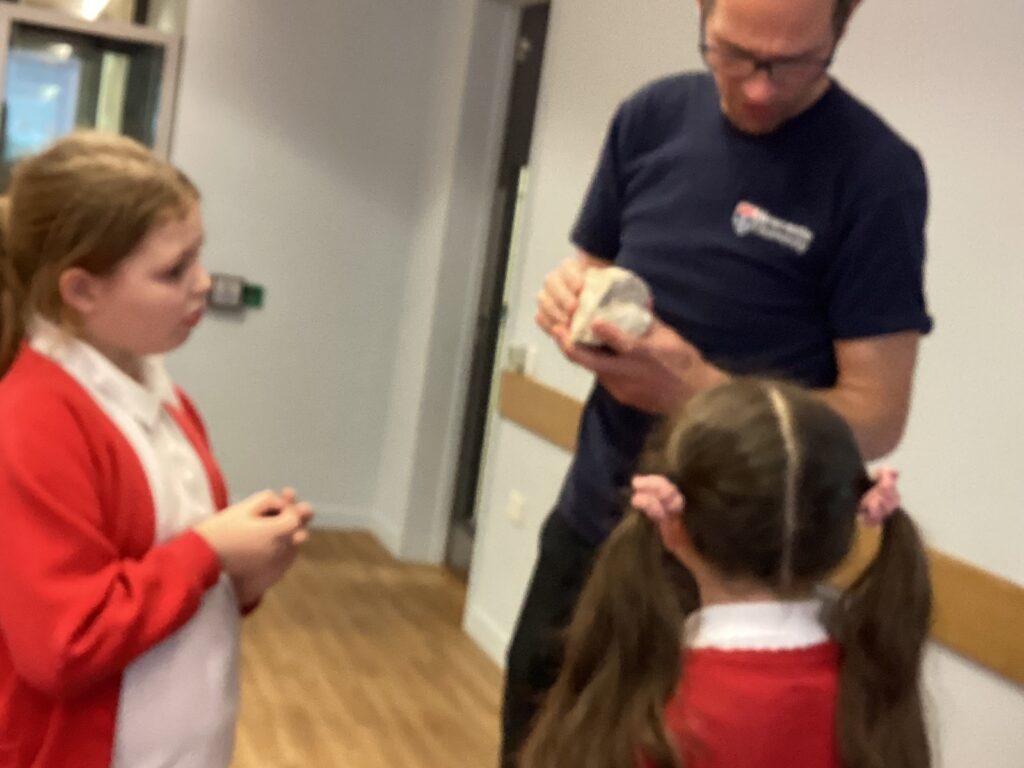
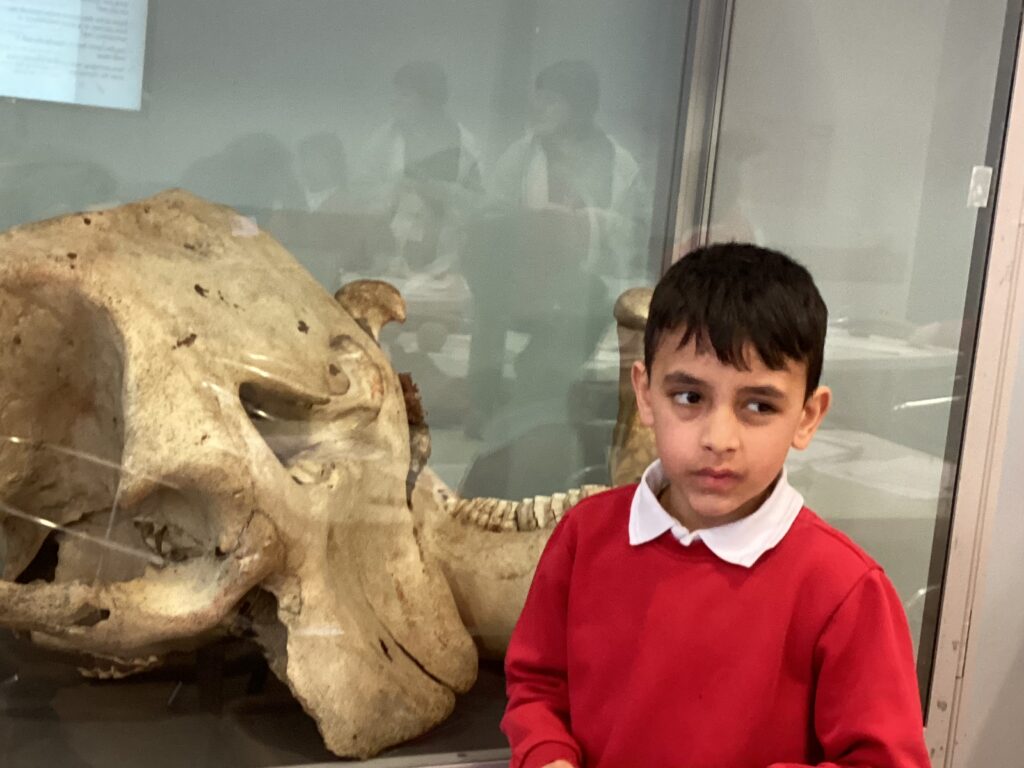
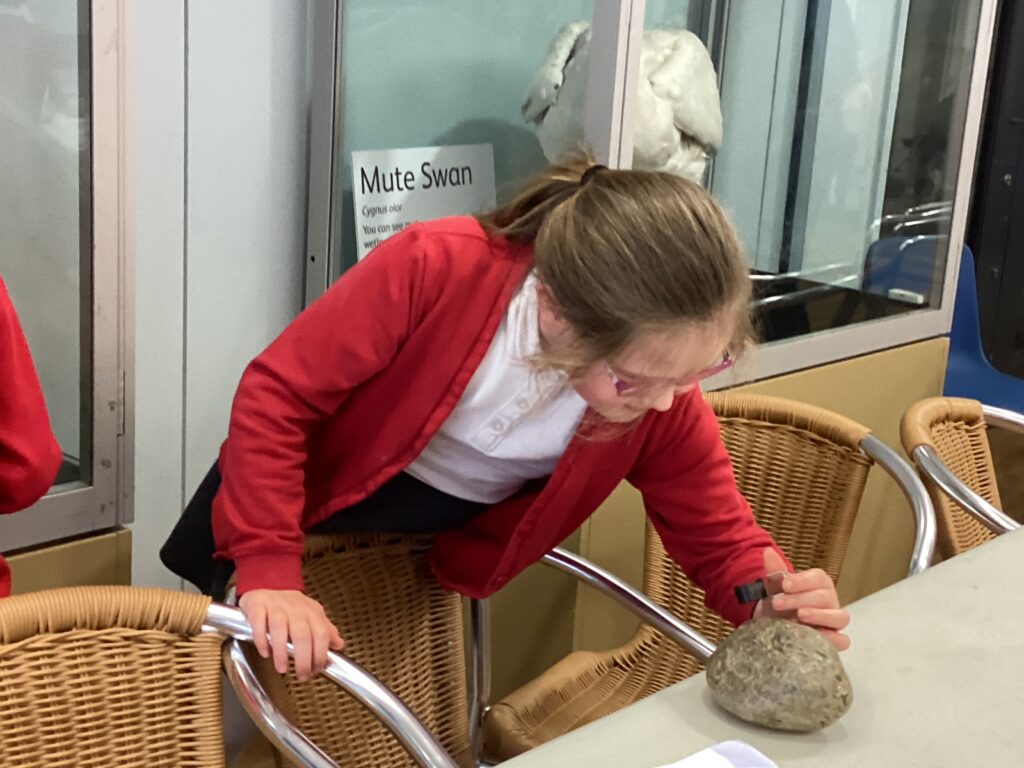
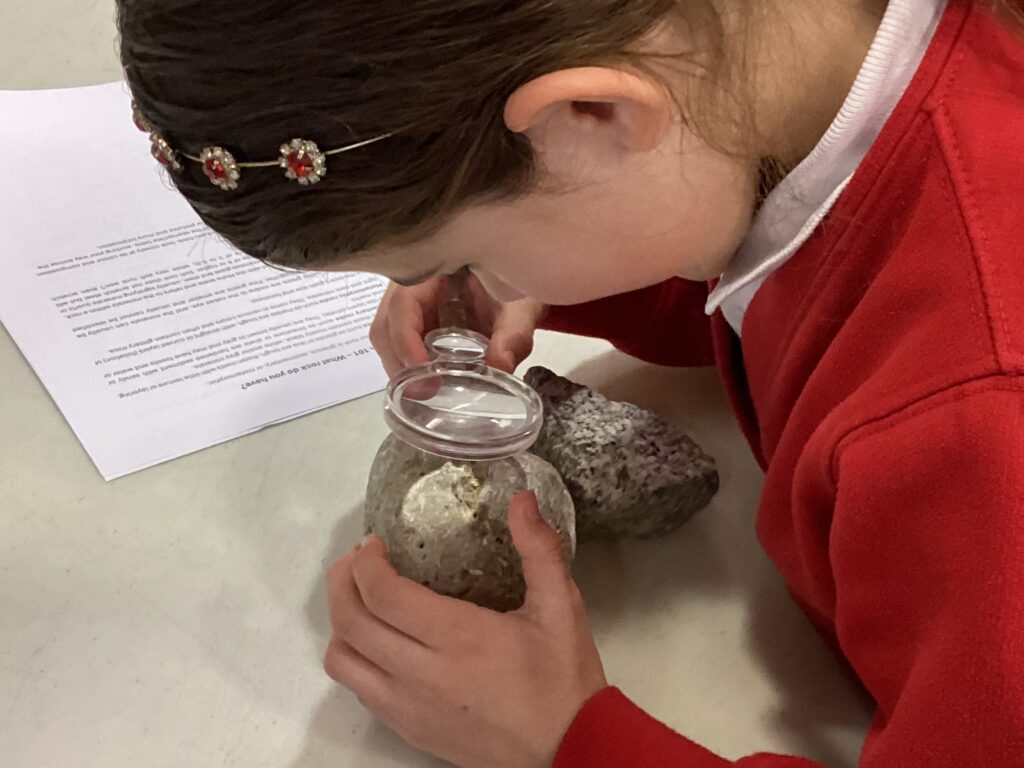
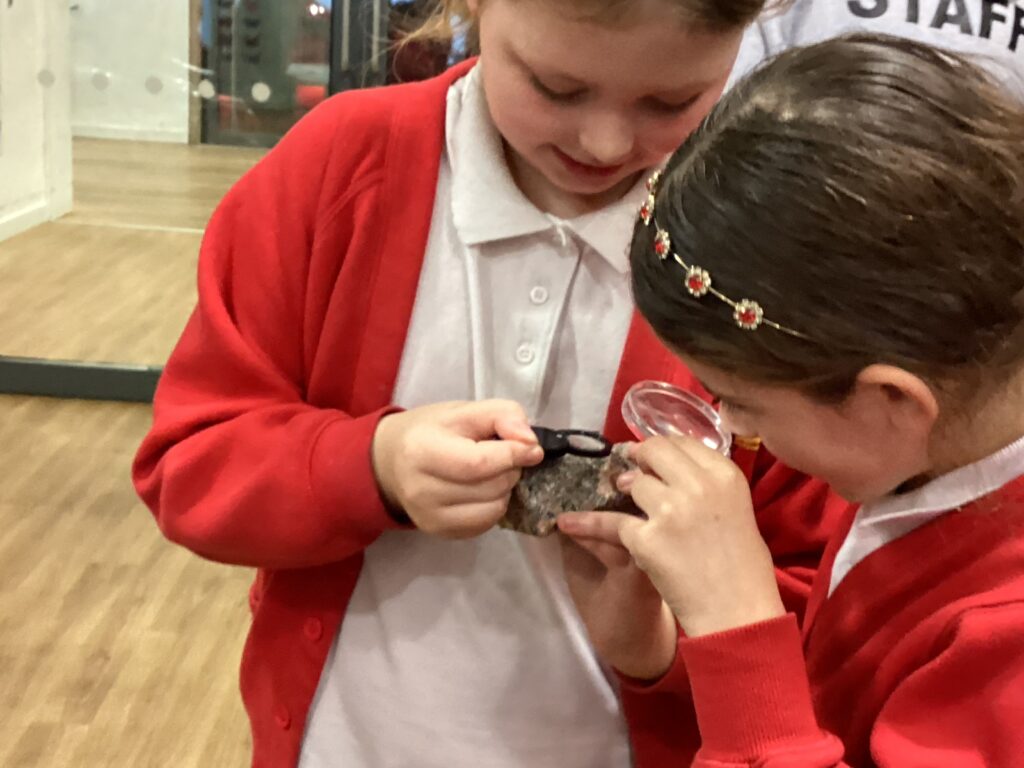
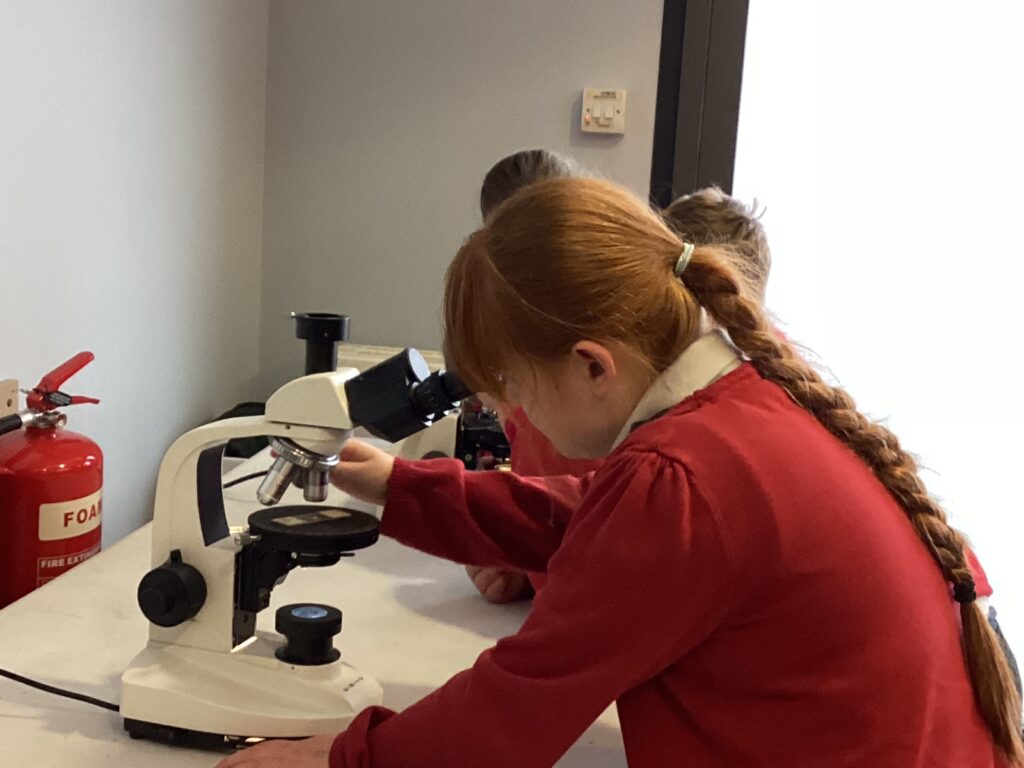
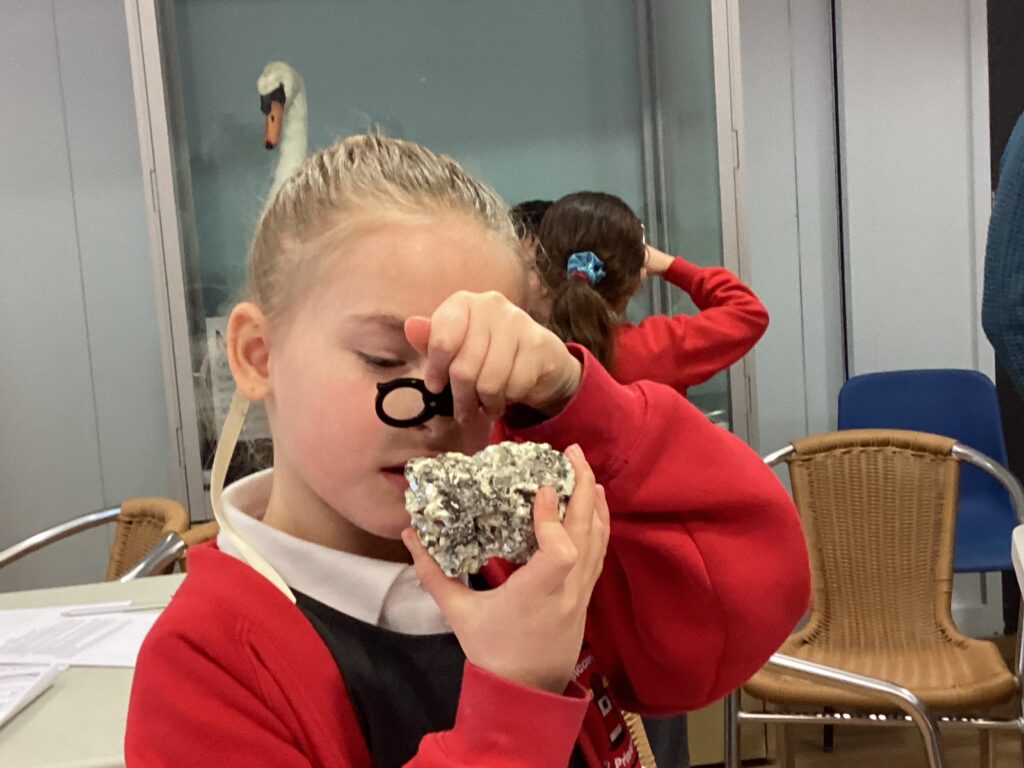
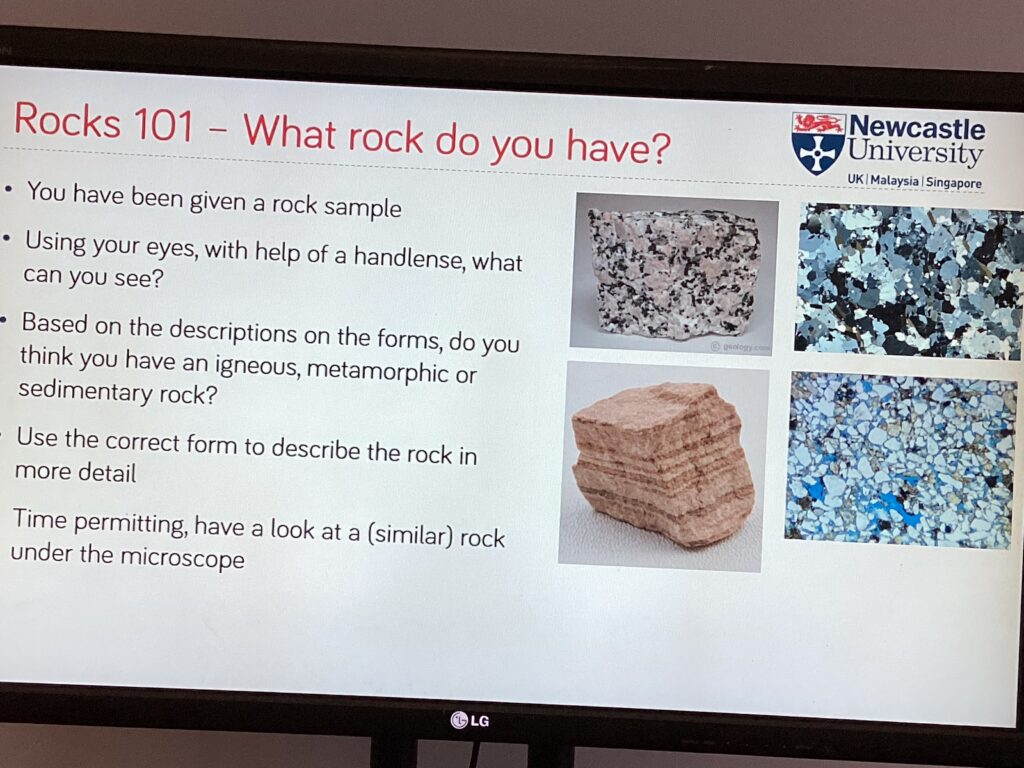
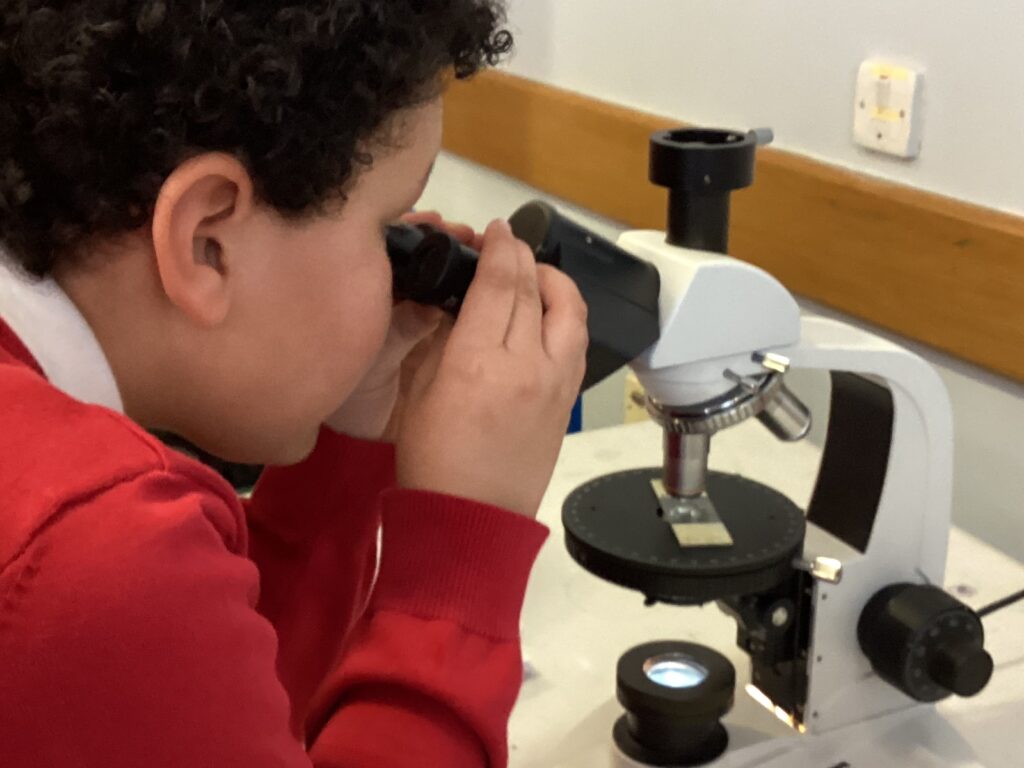
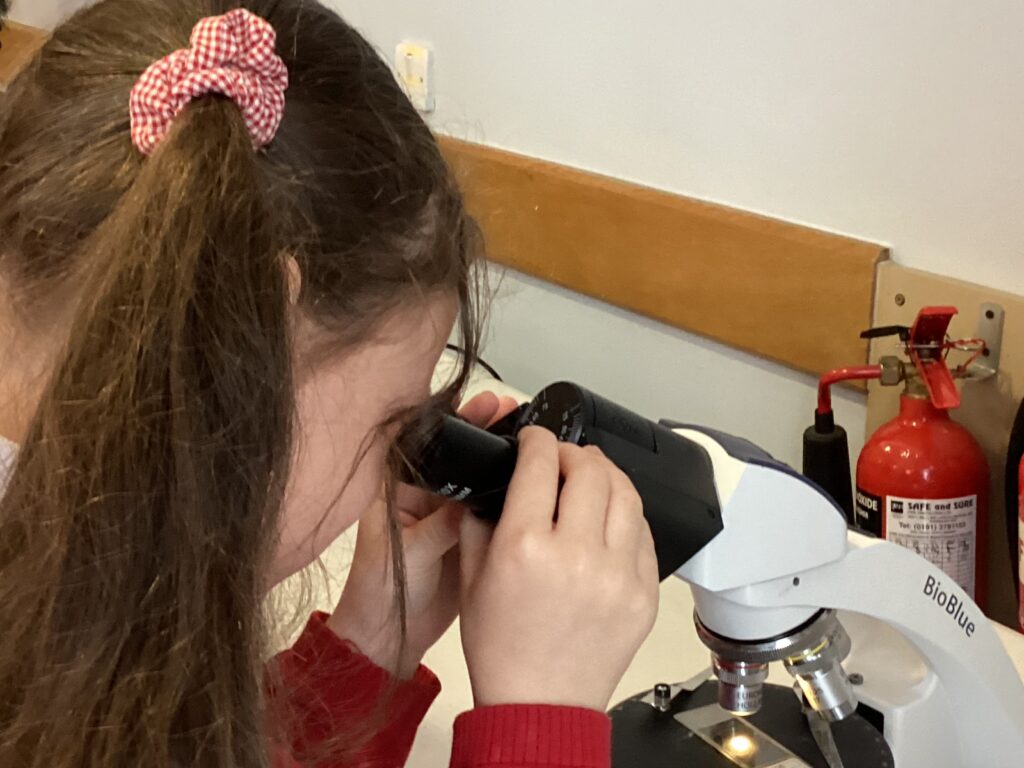
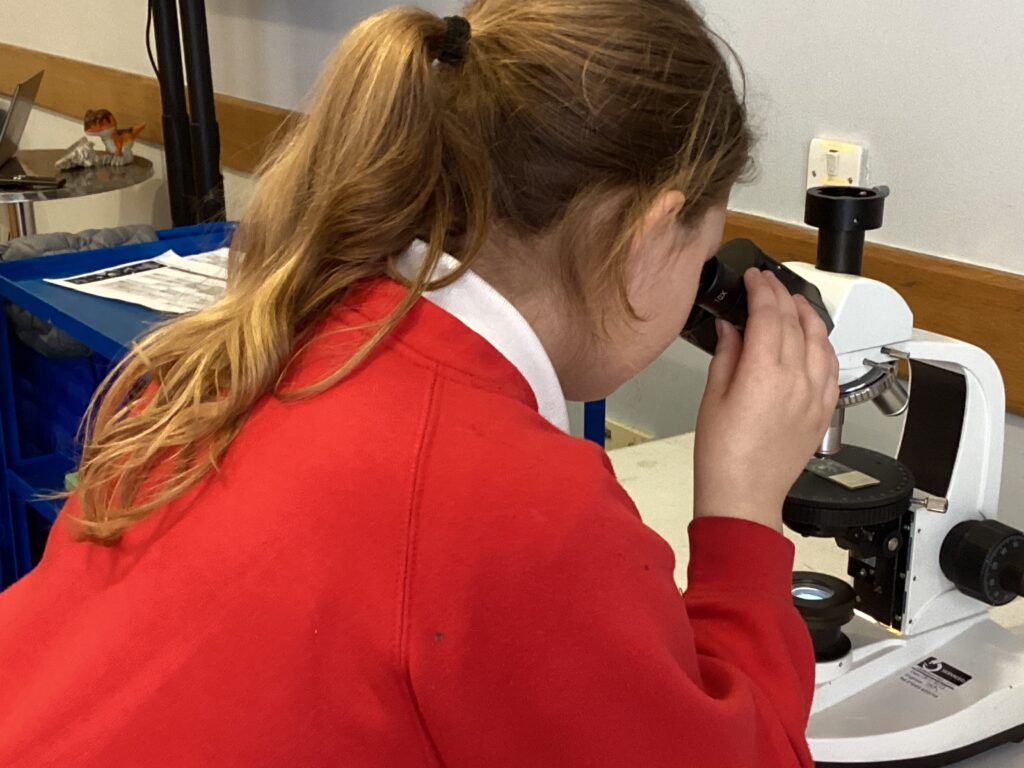
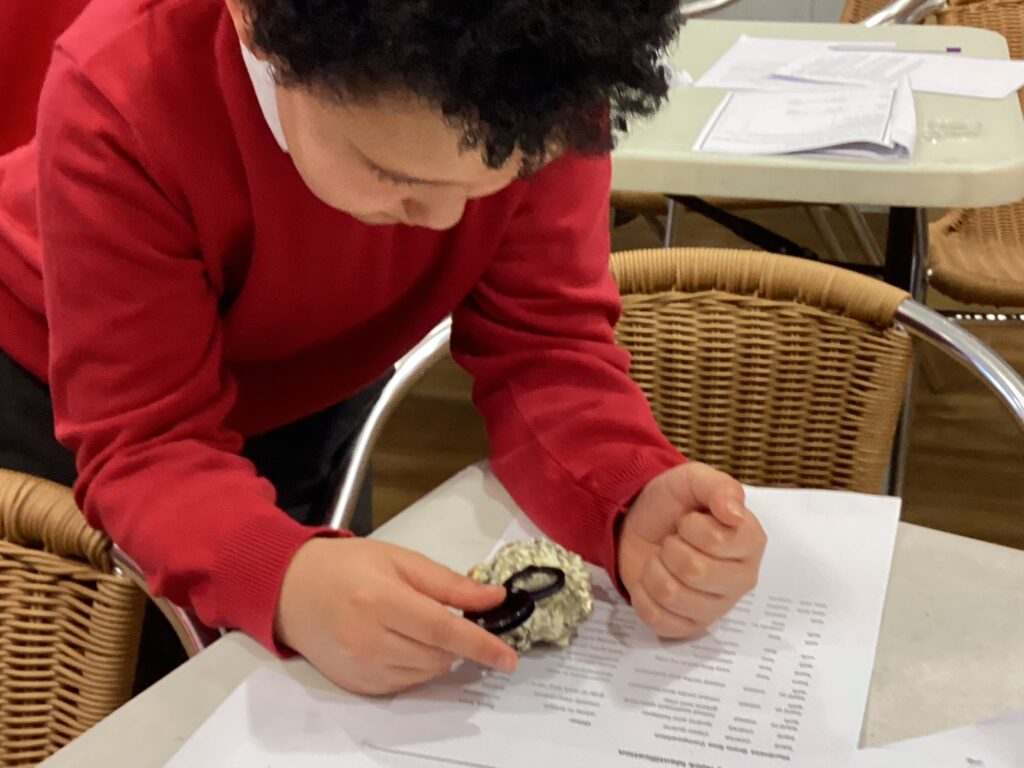
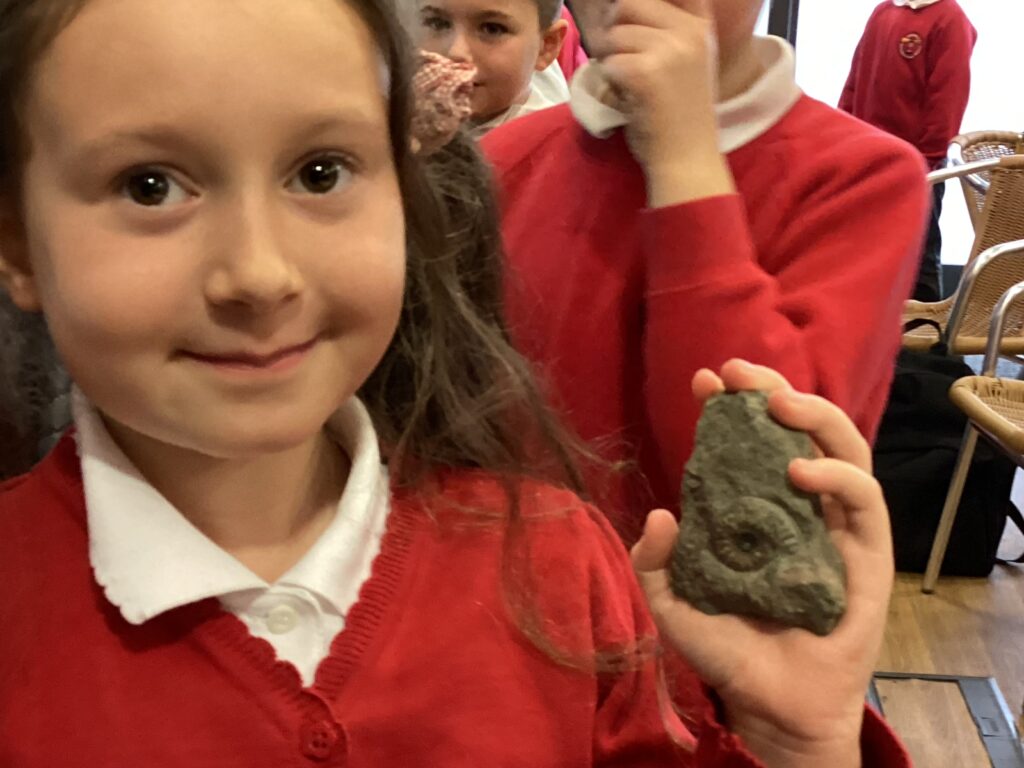
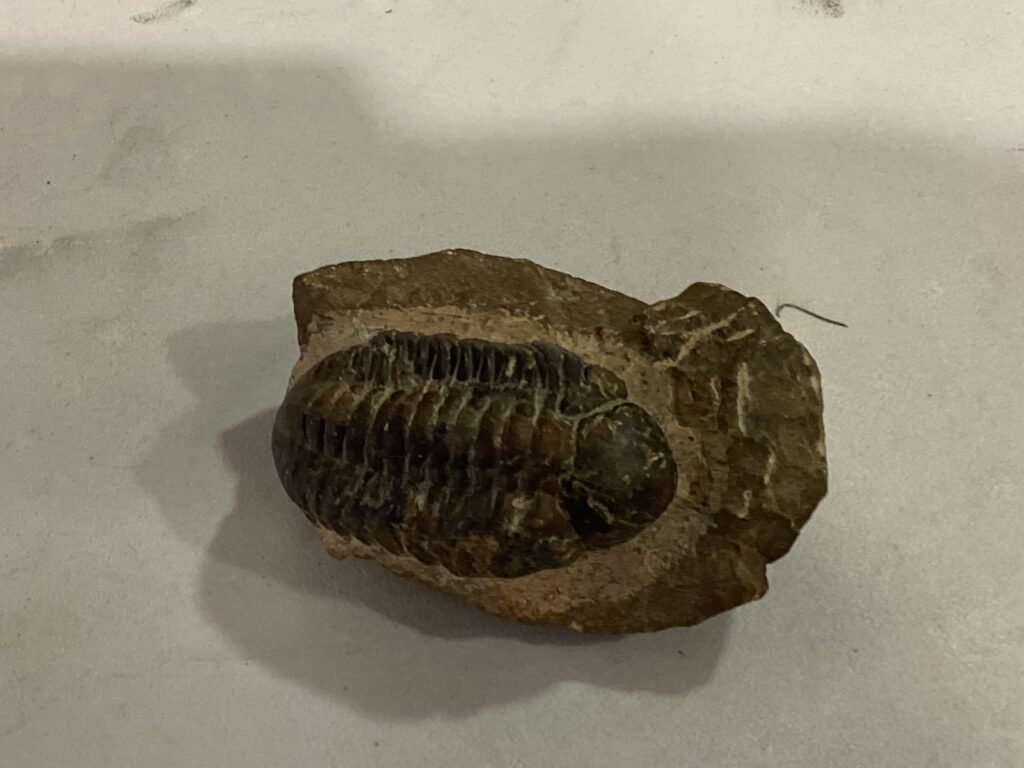
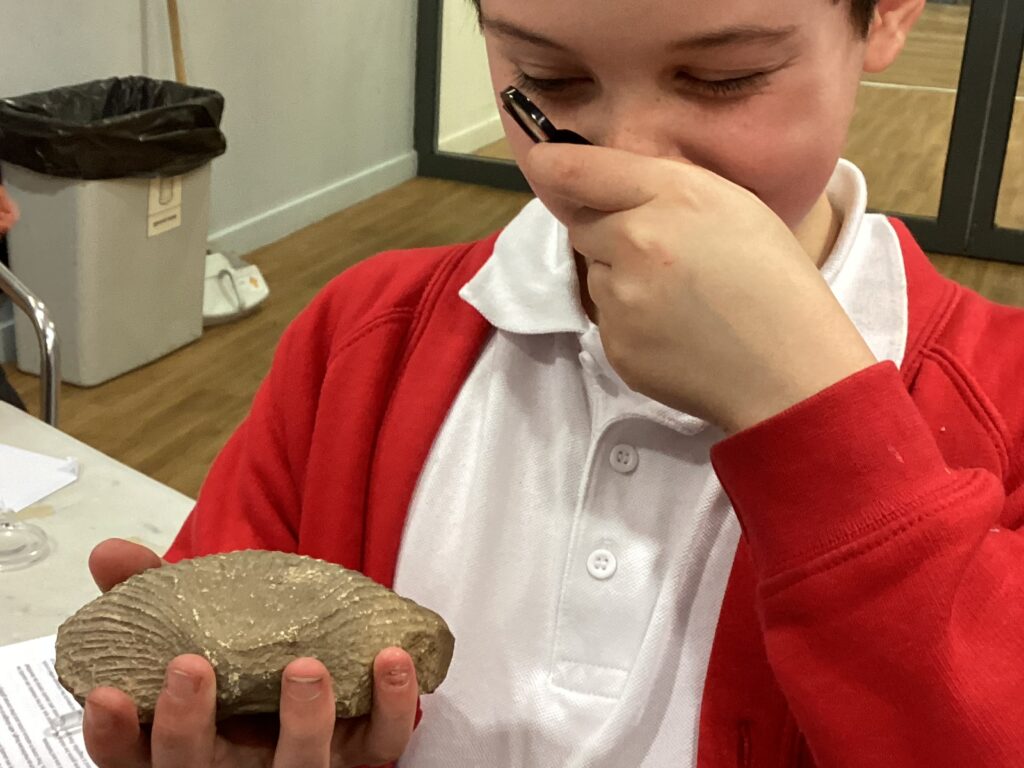
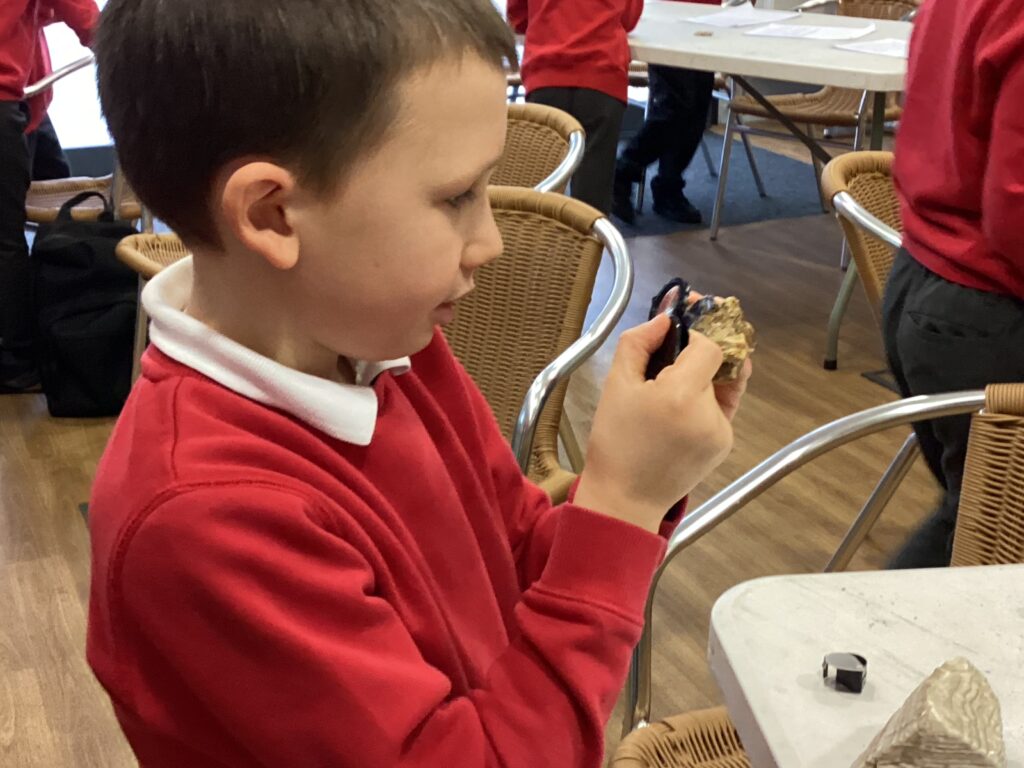
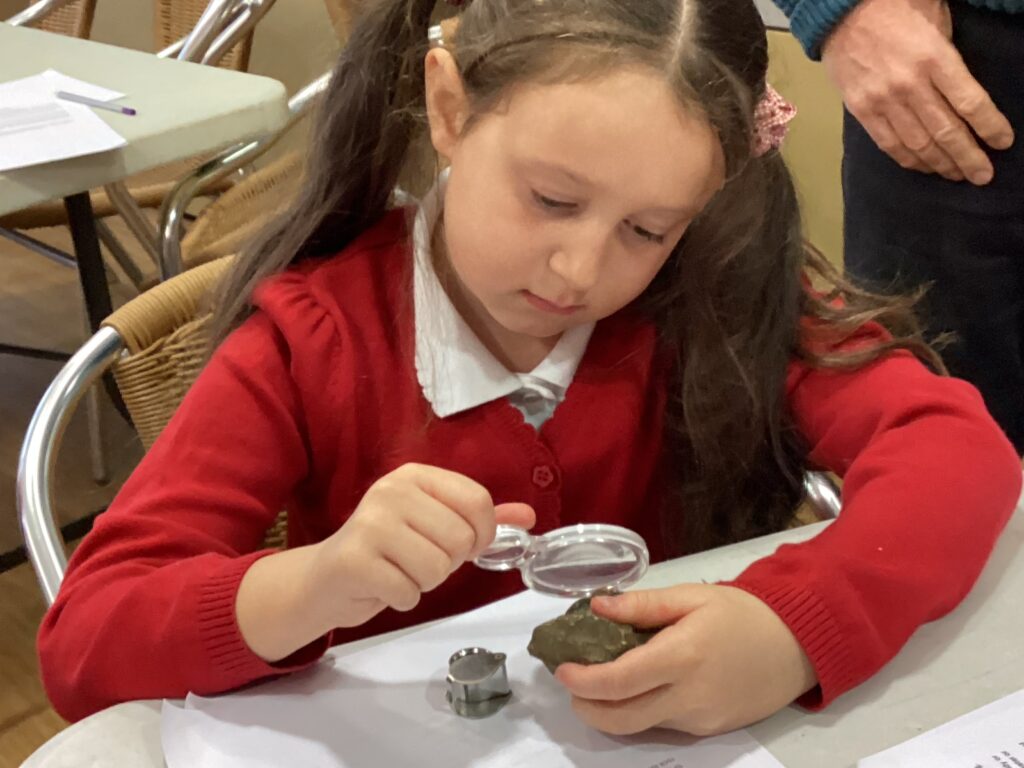
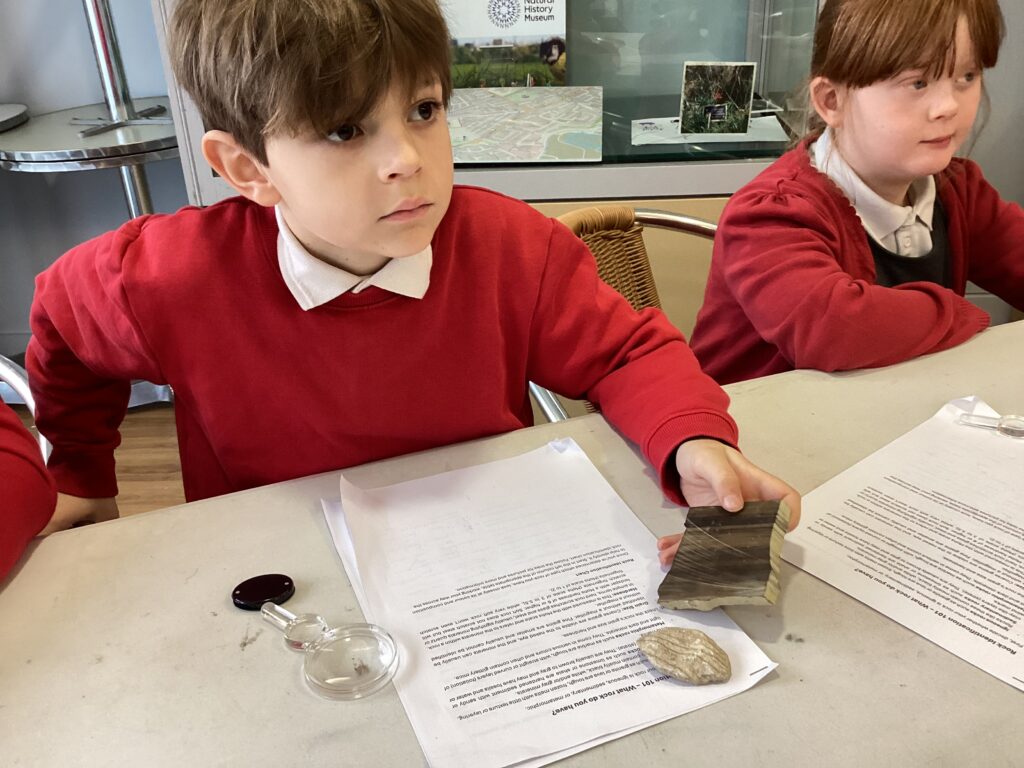
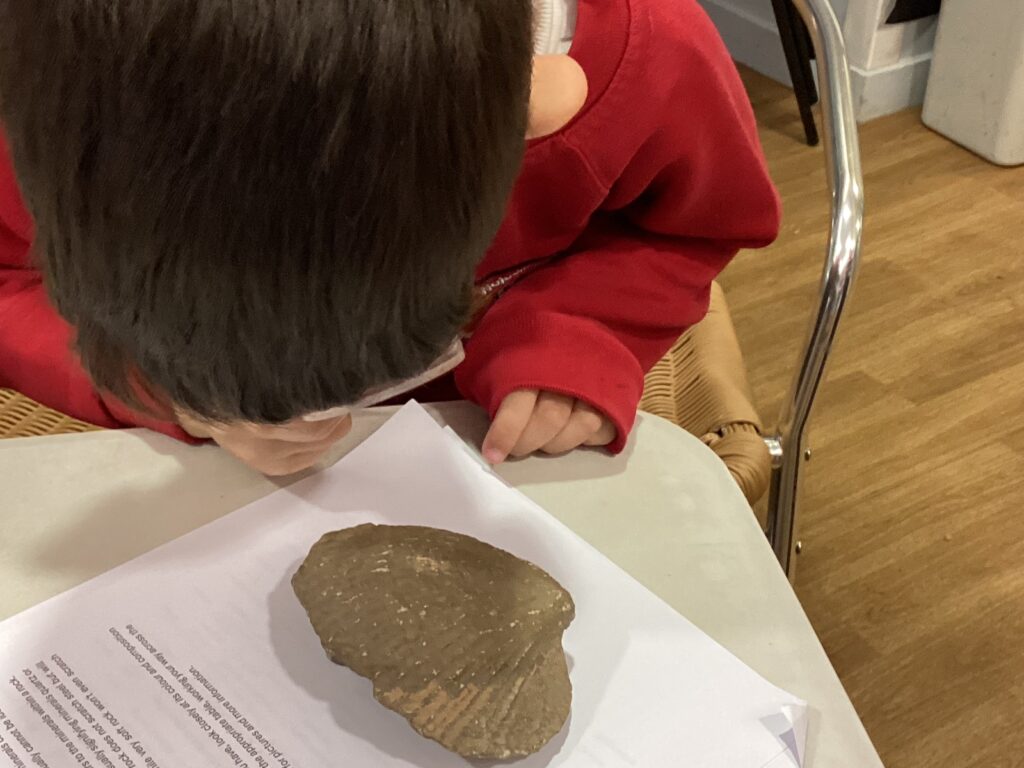
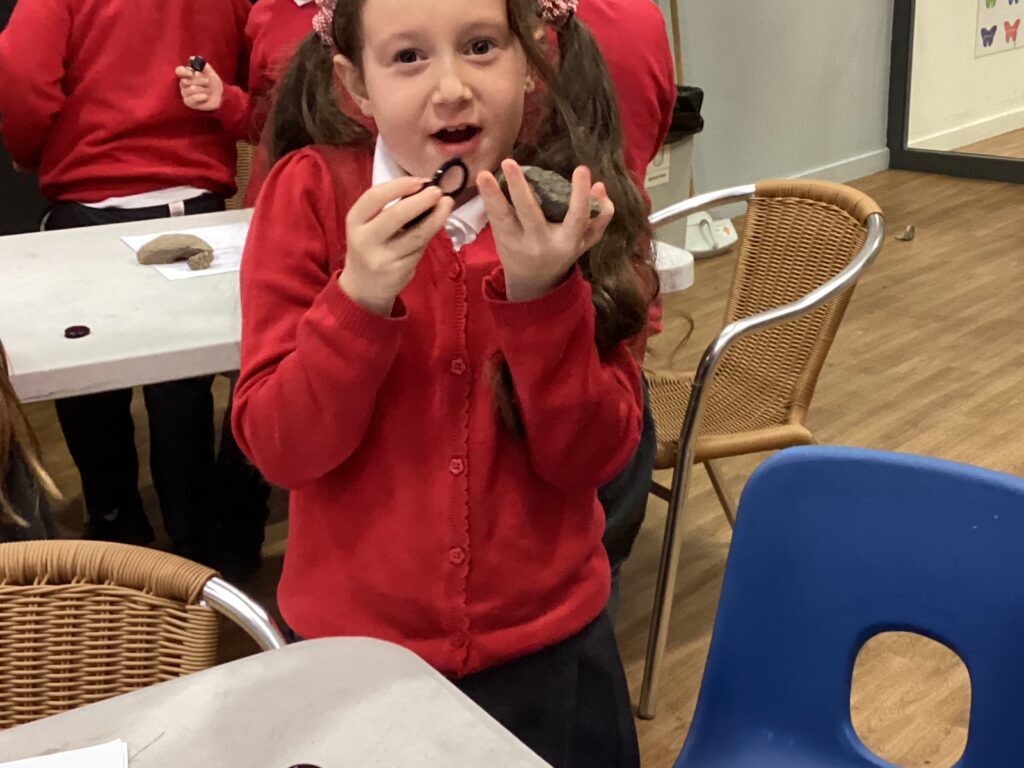
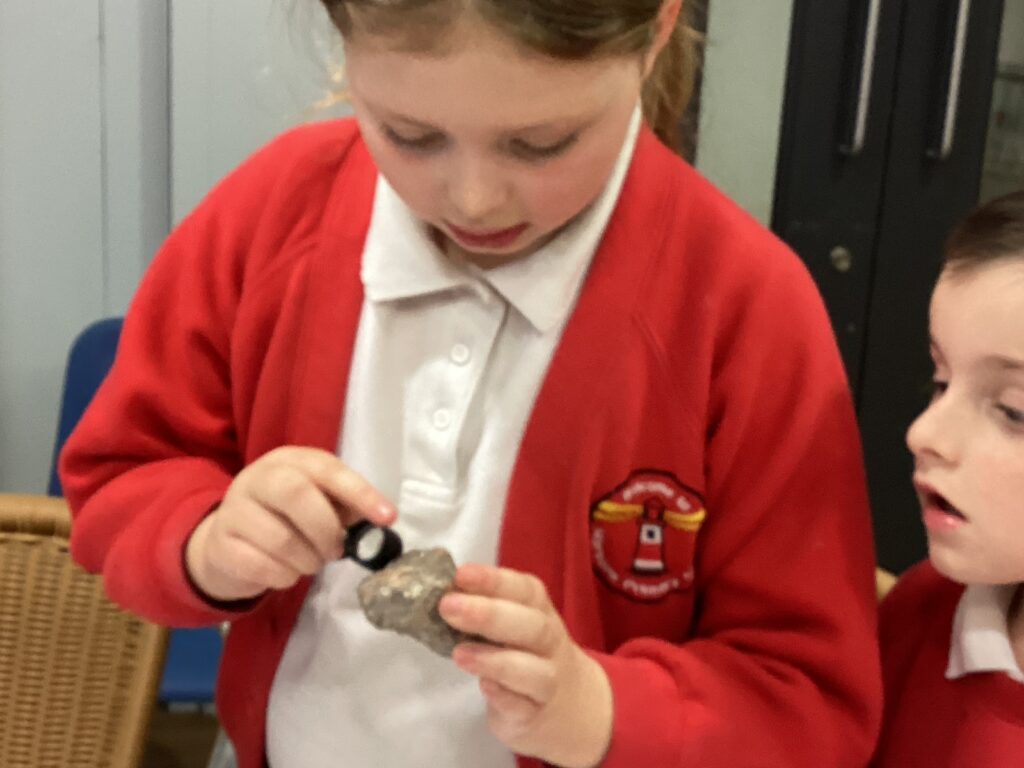
As part of Science Week Year 3 visited the Great North Museum and worked with Professor Cess from Newcastle University. Together they investigated rocks and fossils using microscopes, hand lenses and ancient artefacts. They also used software to discover that our community is built upon a bedrock of sandstone. Y3 enjoyed their visit and completed some super learning. So proud of you Y3!
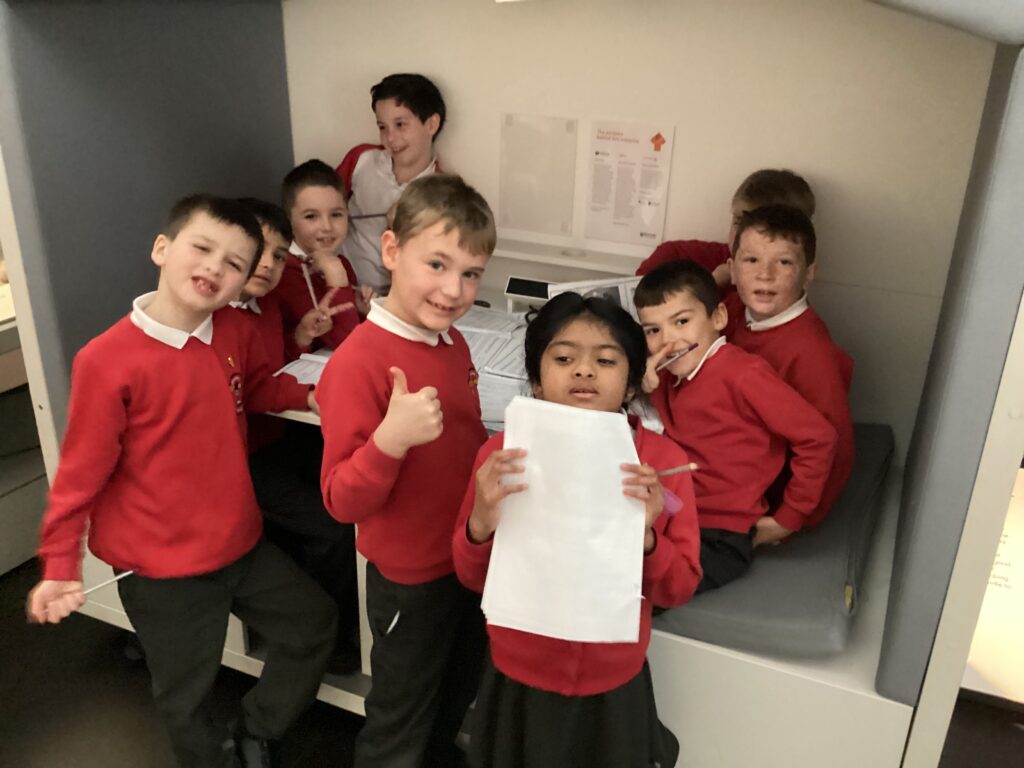
Y3 Science Week
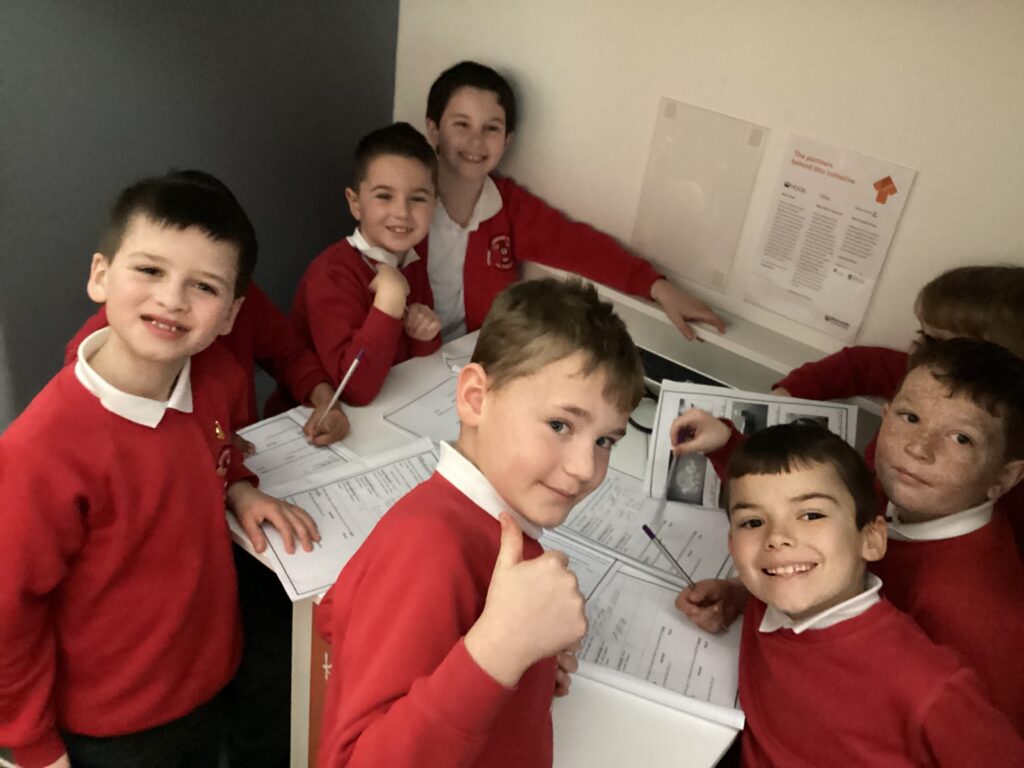
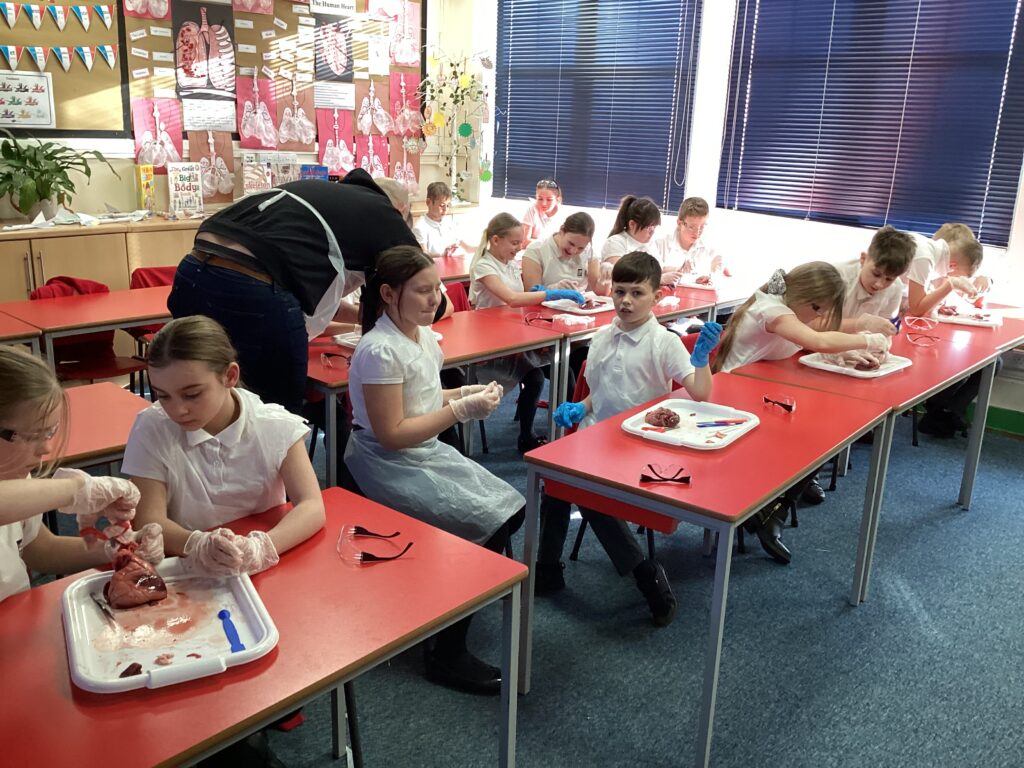
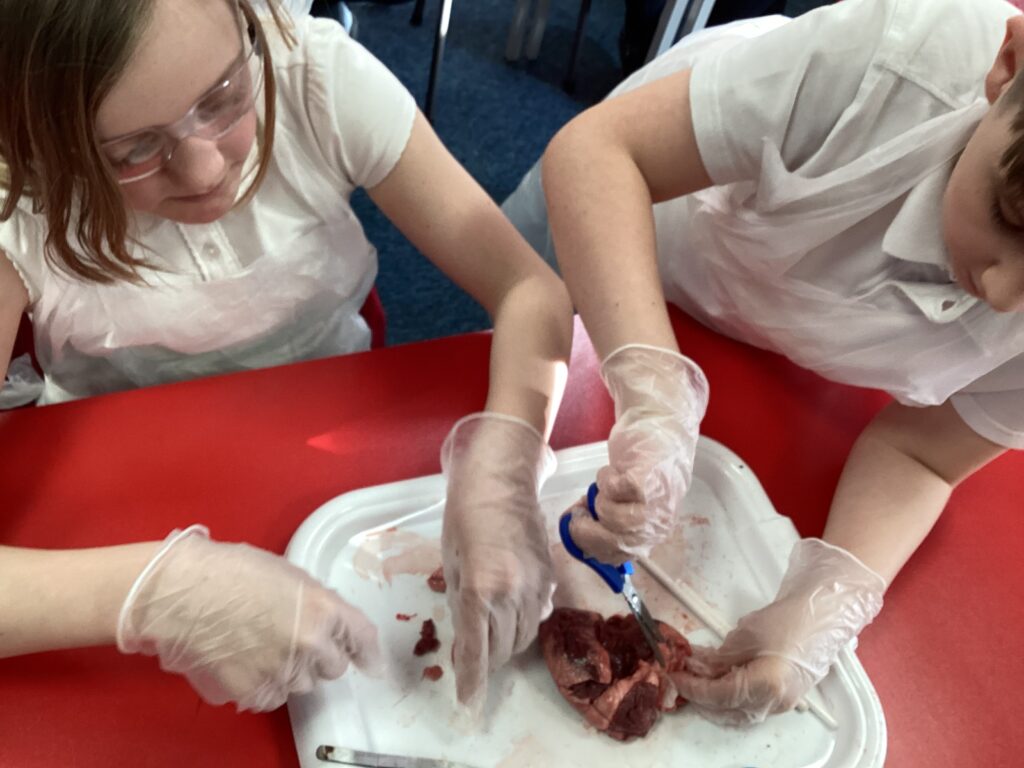
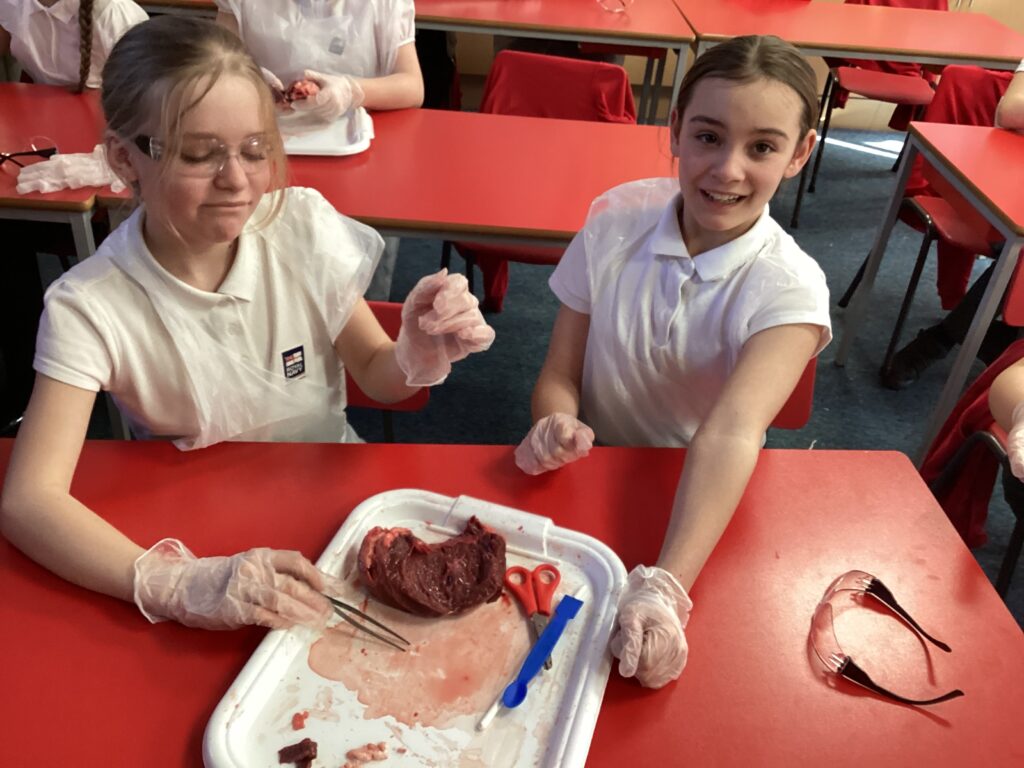
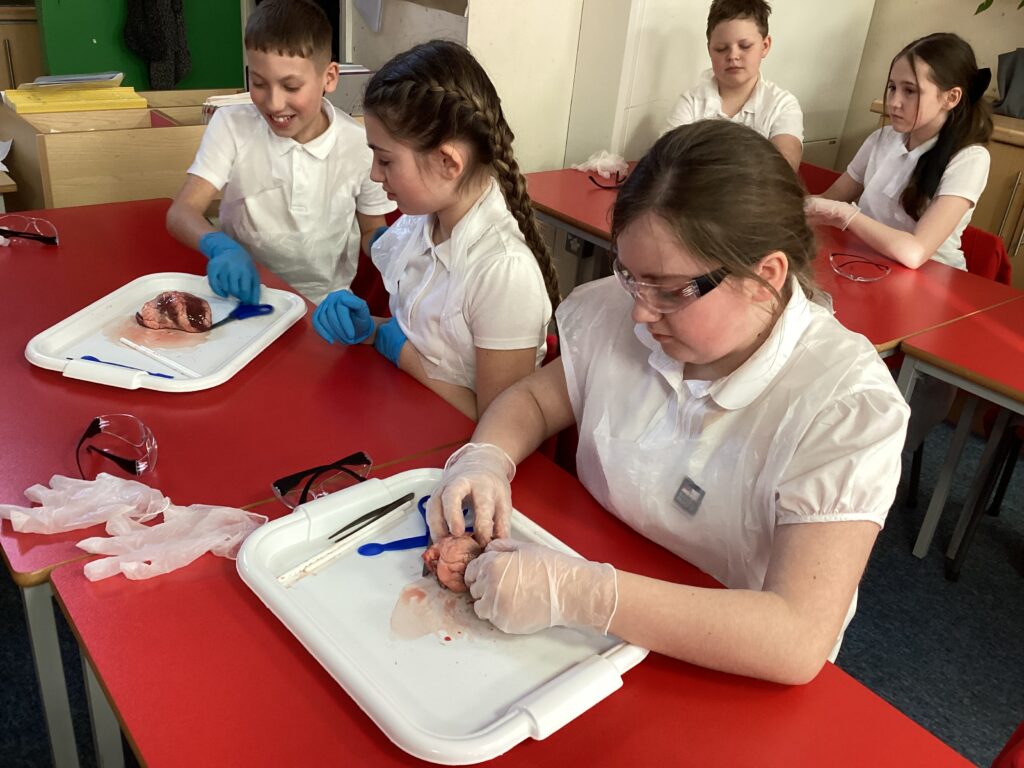
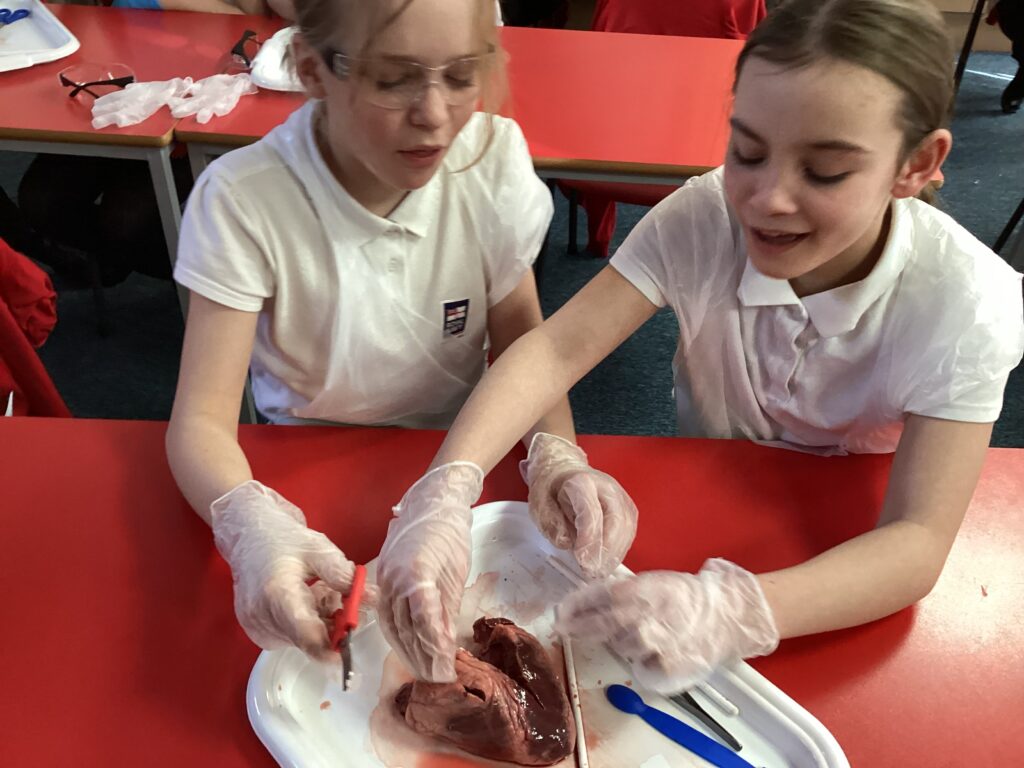
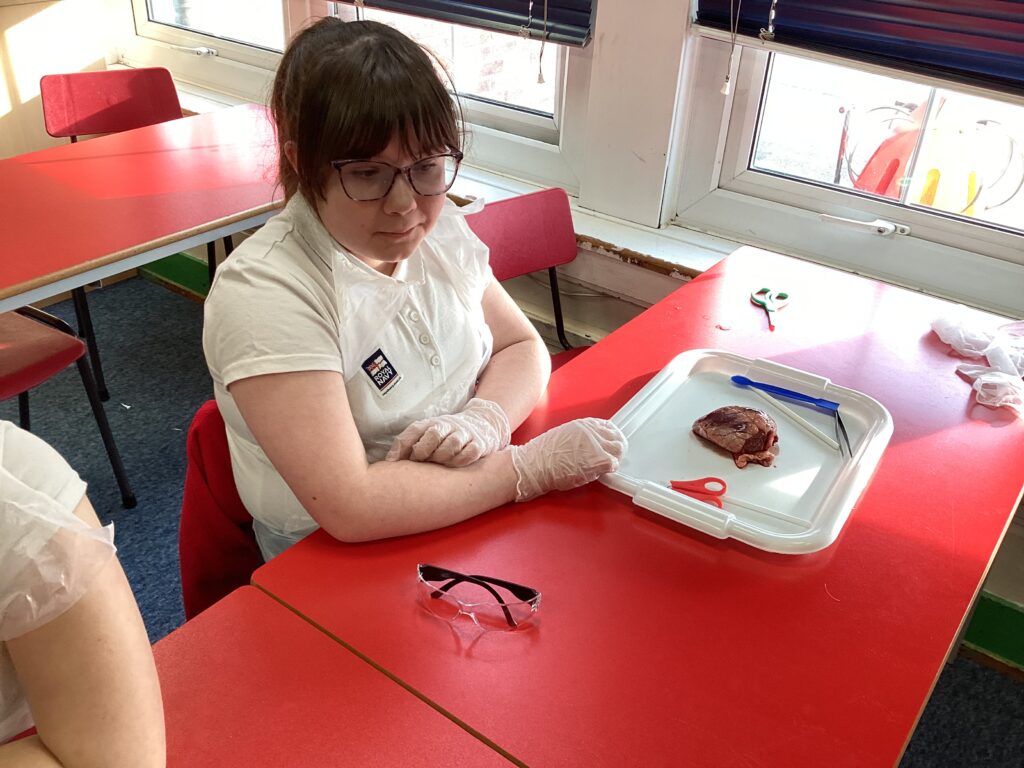
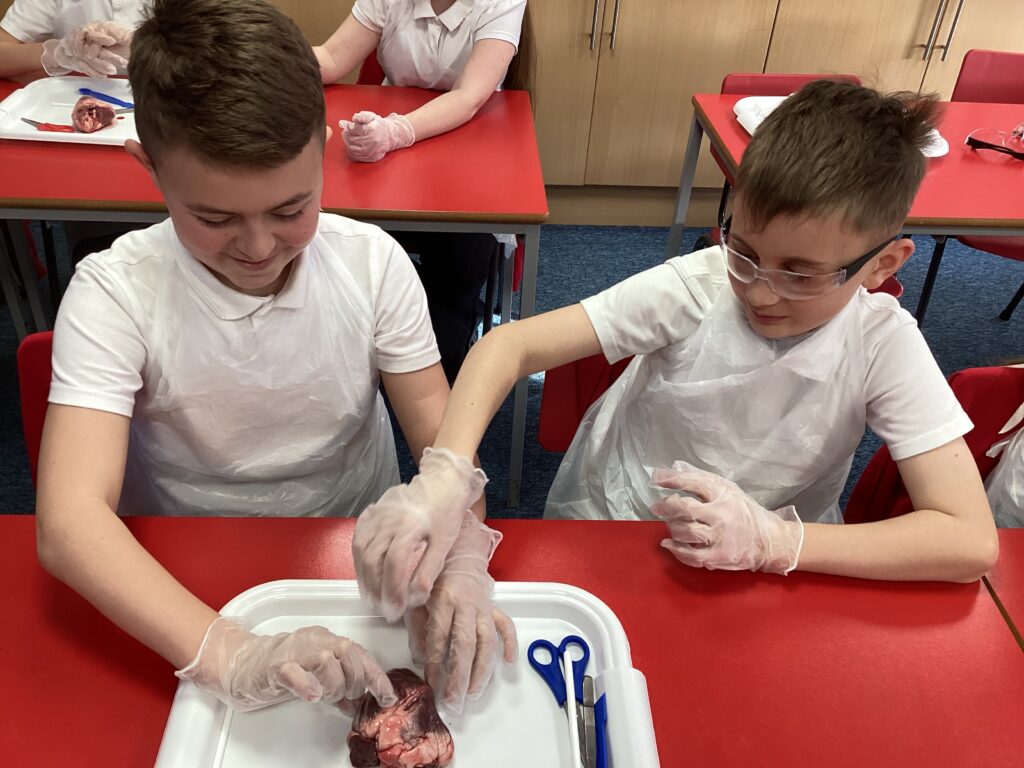
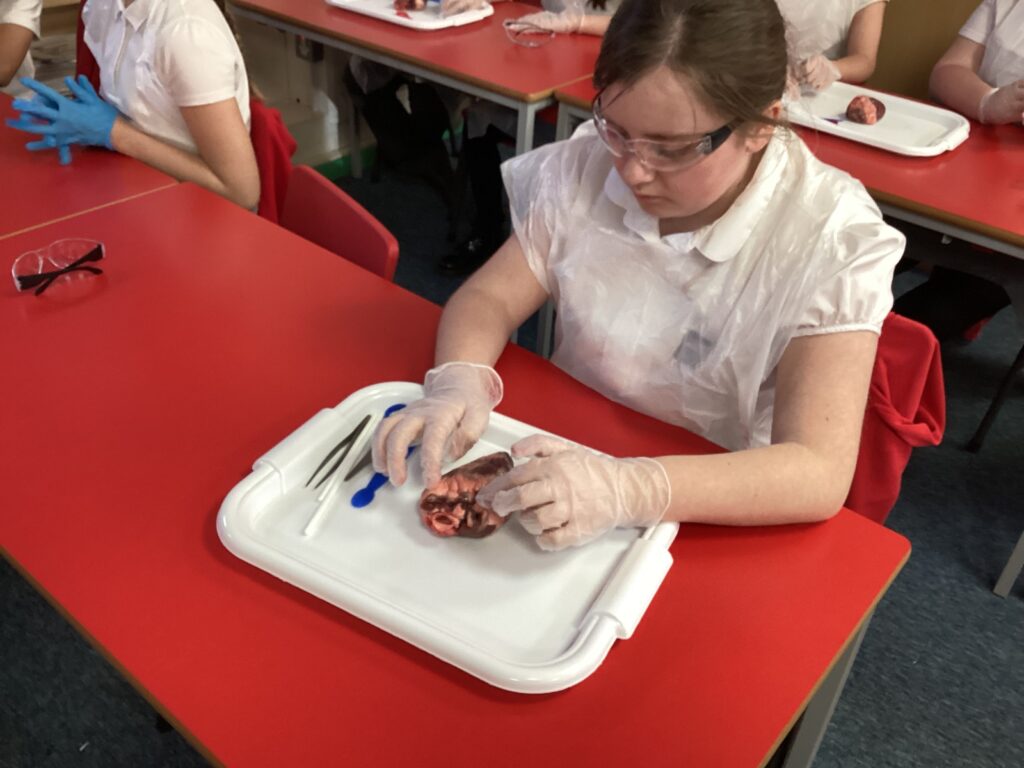
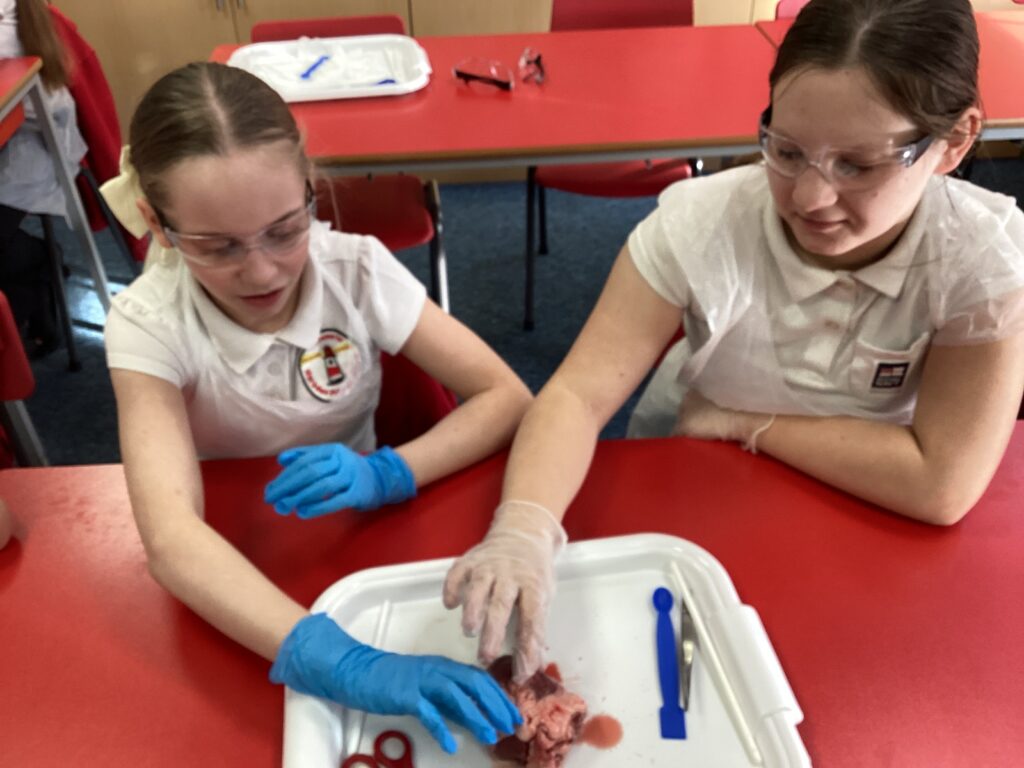
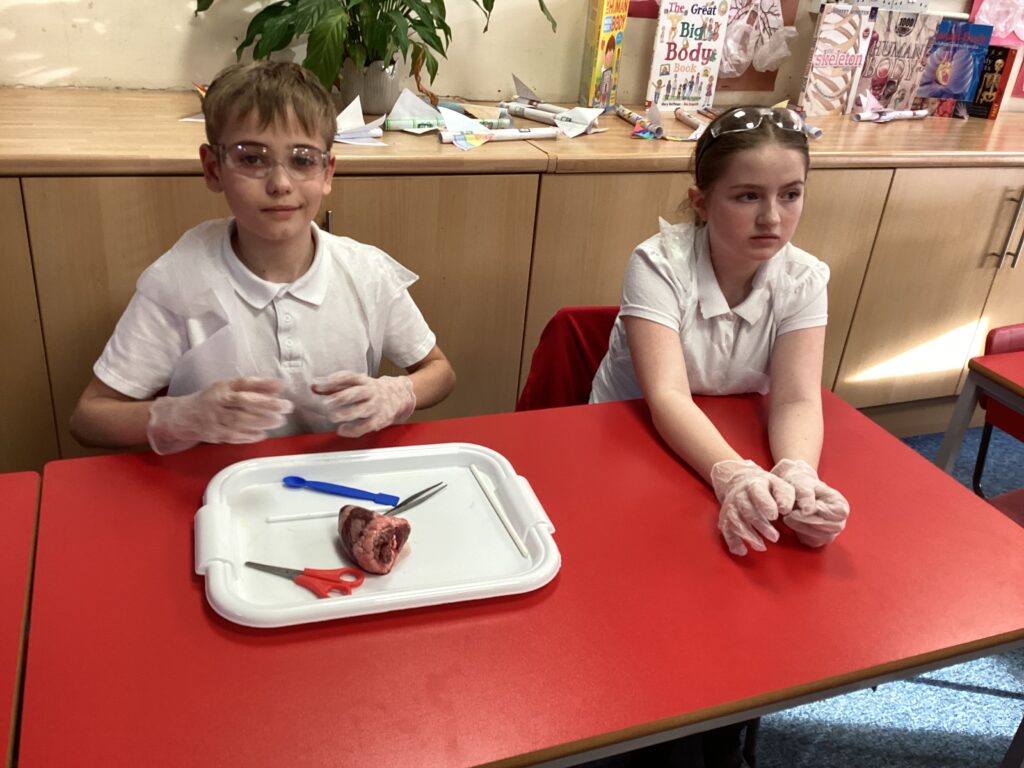
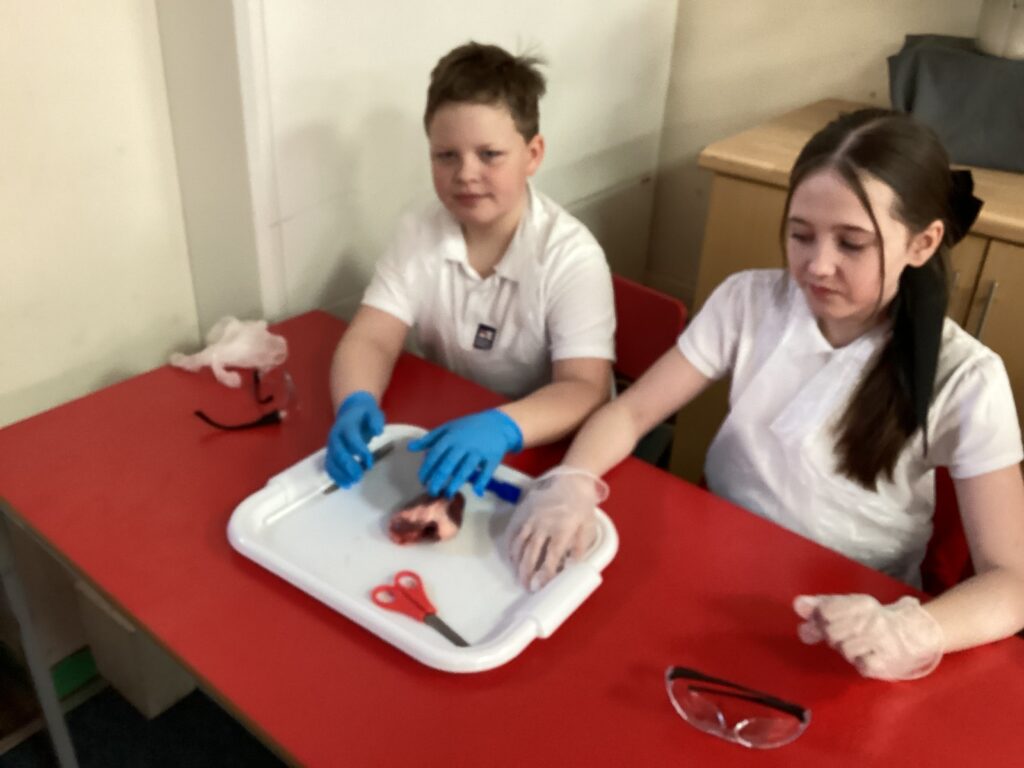
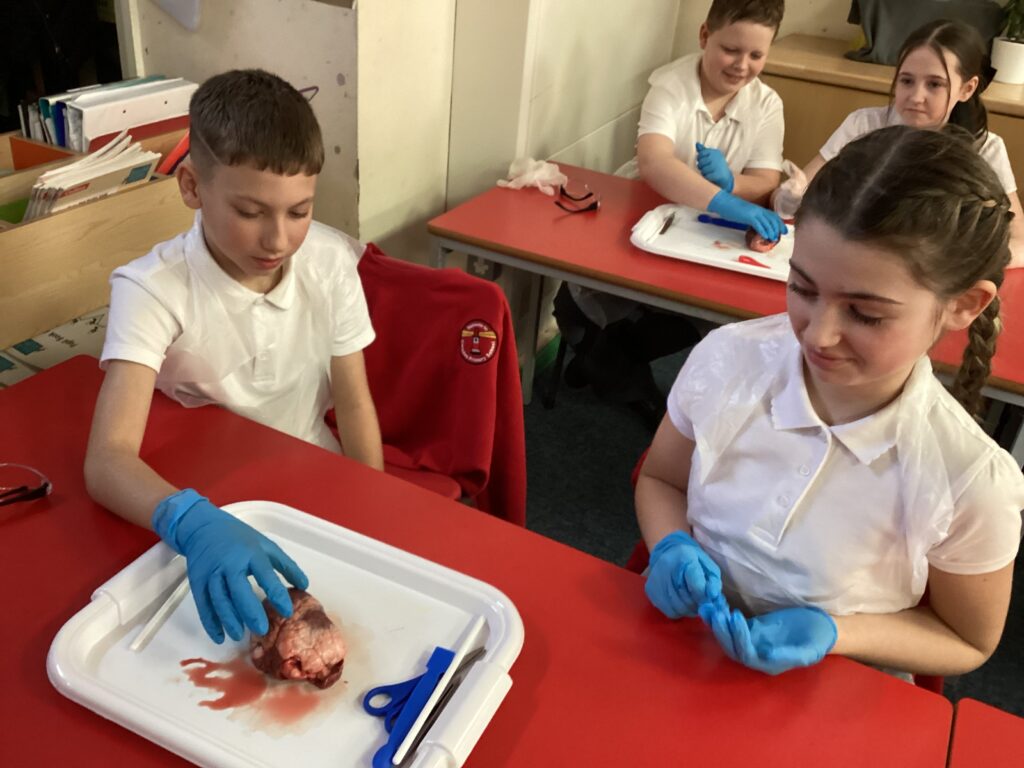
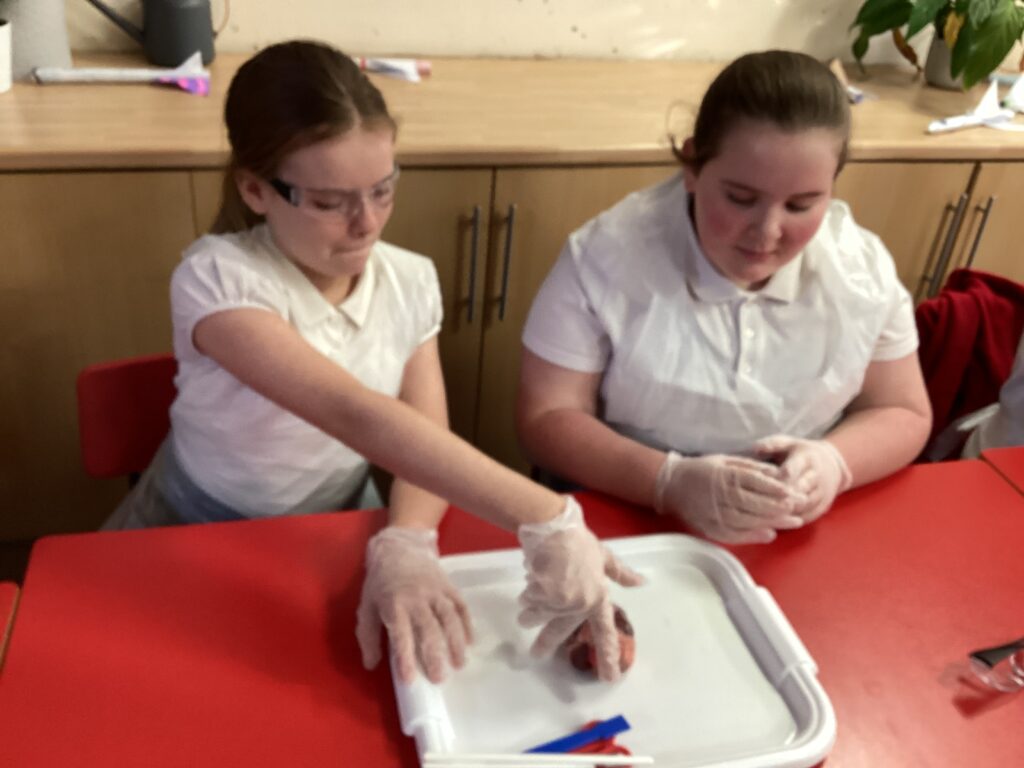
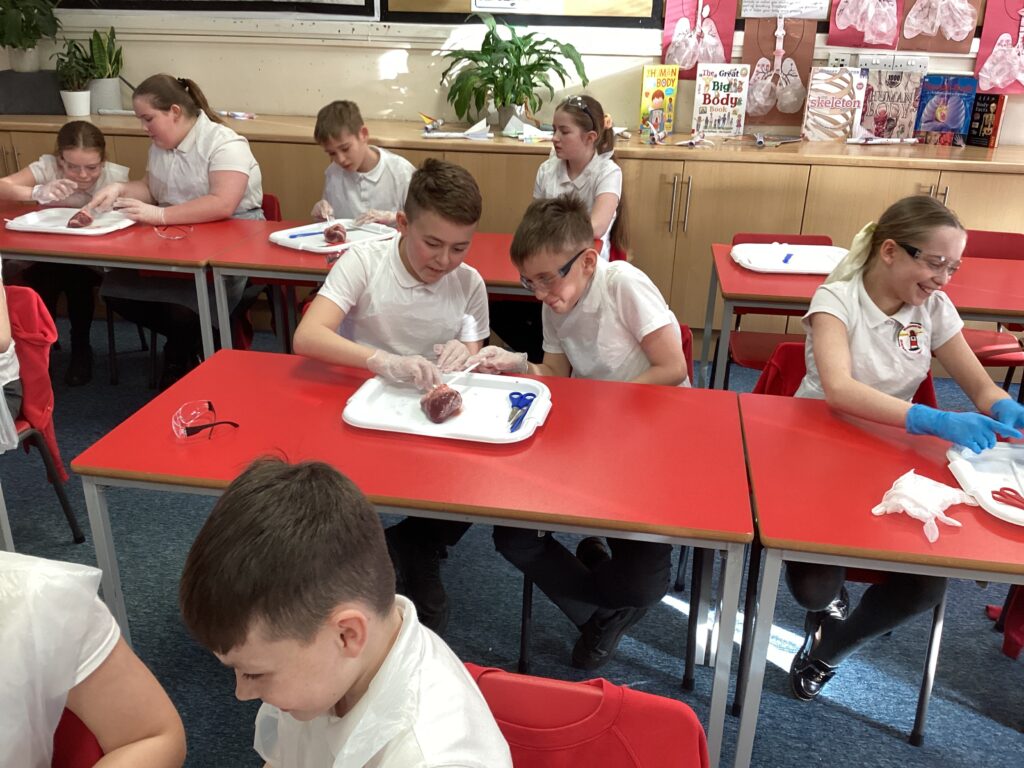
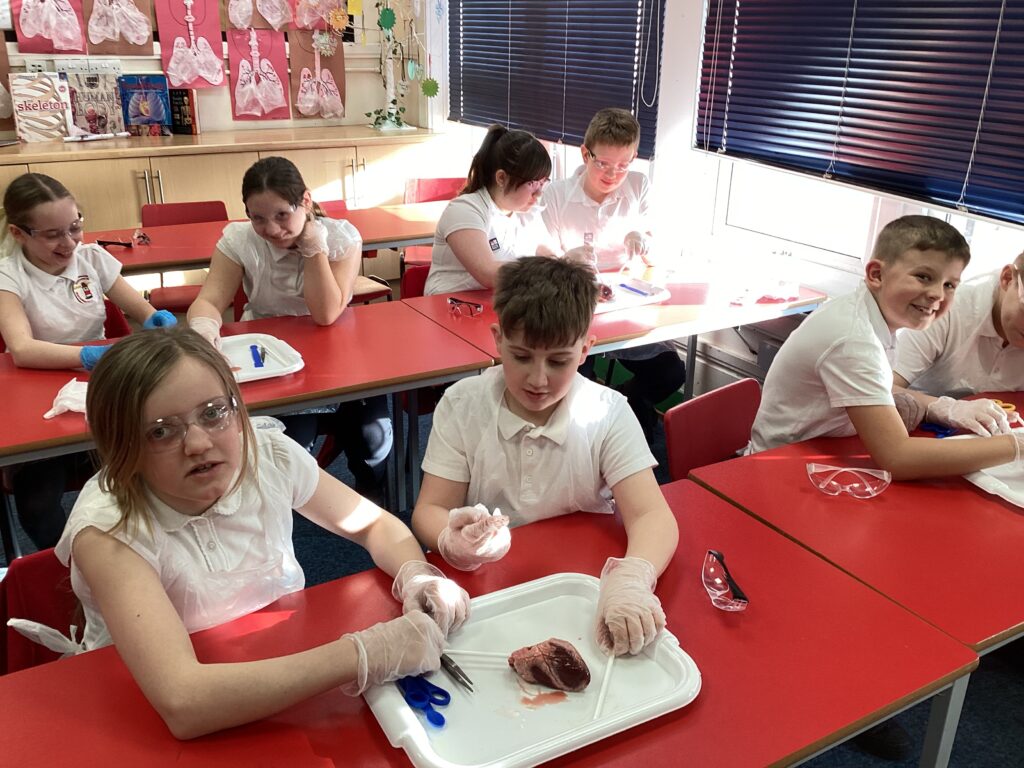
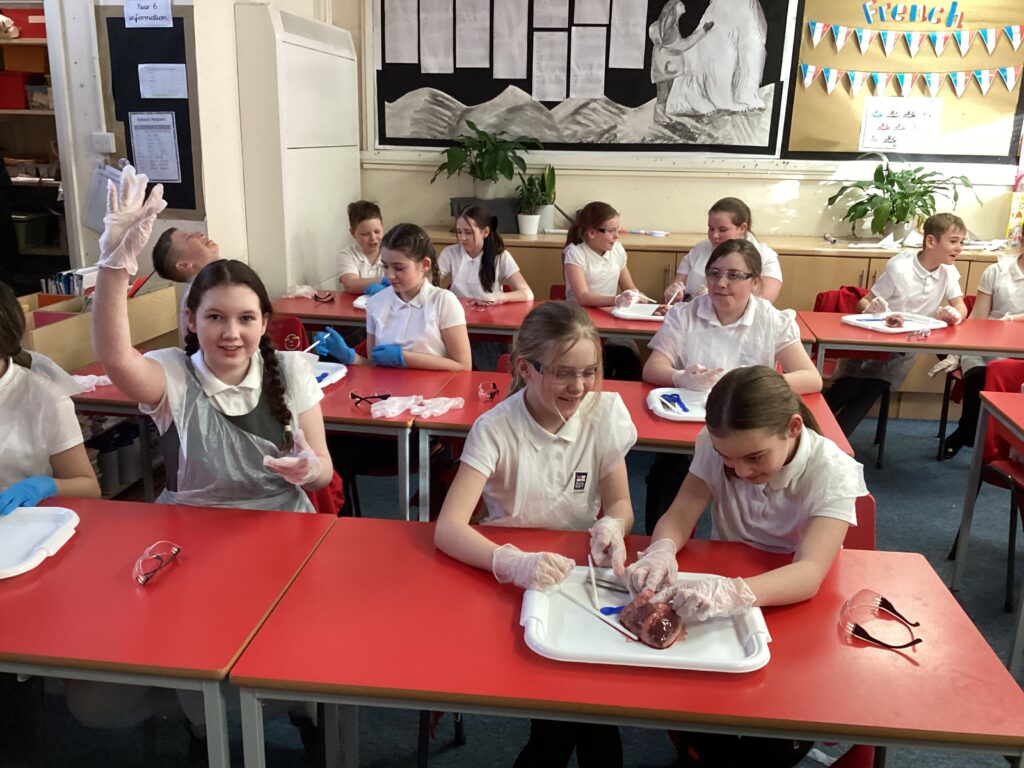
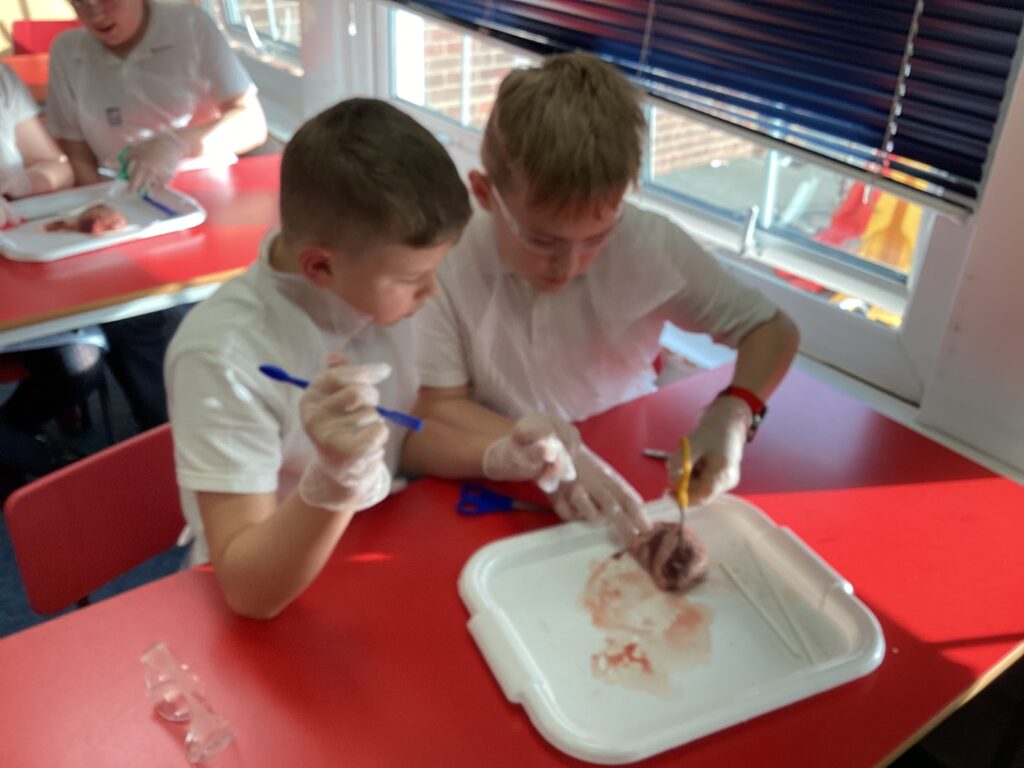
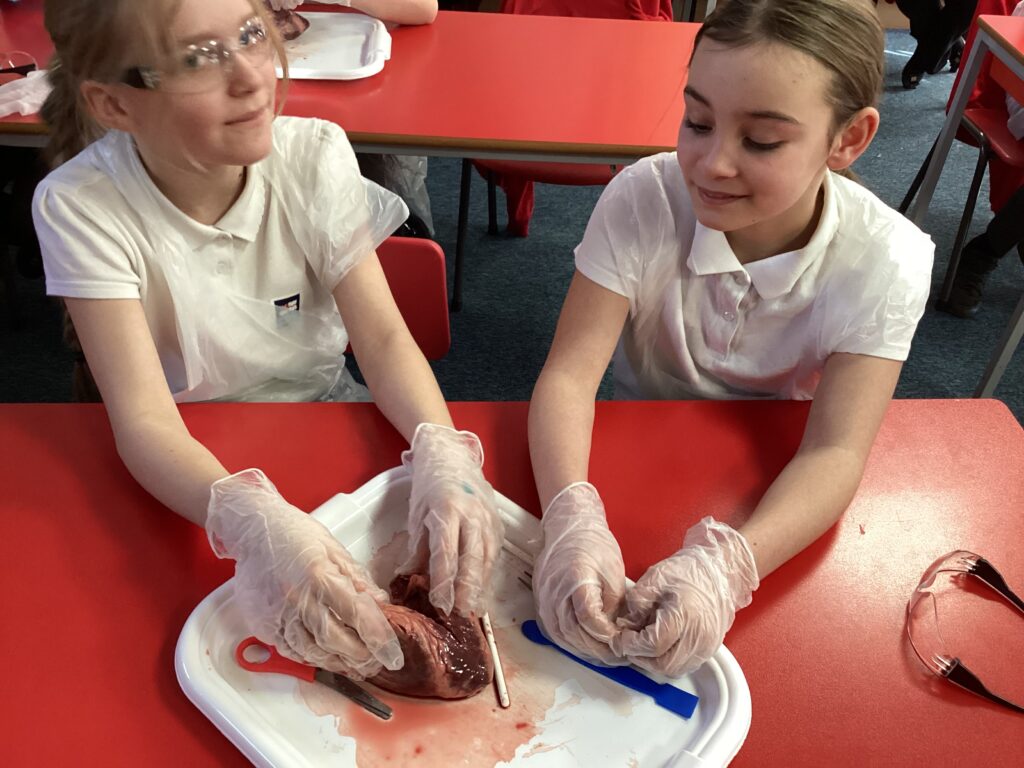
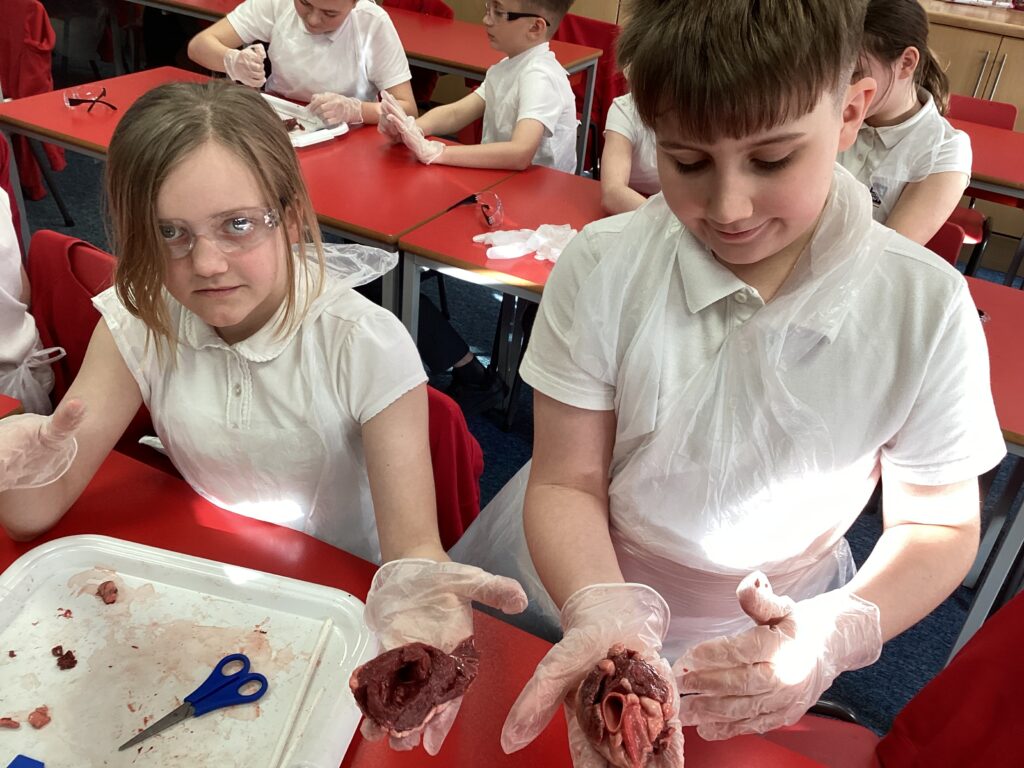
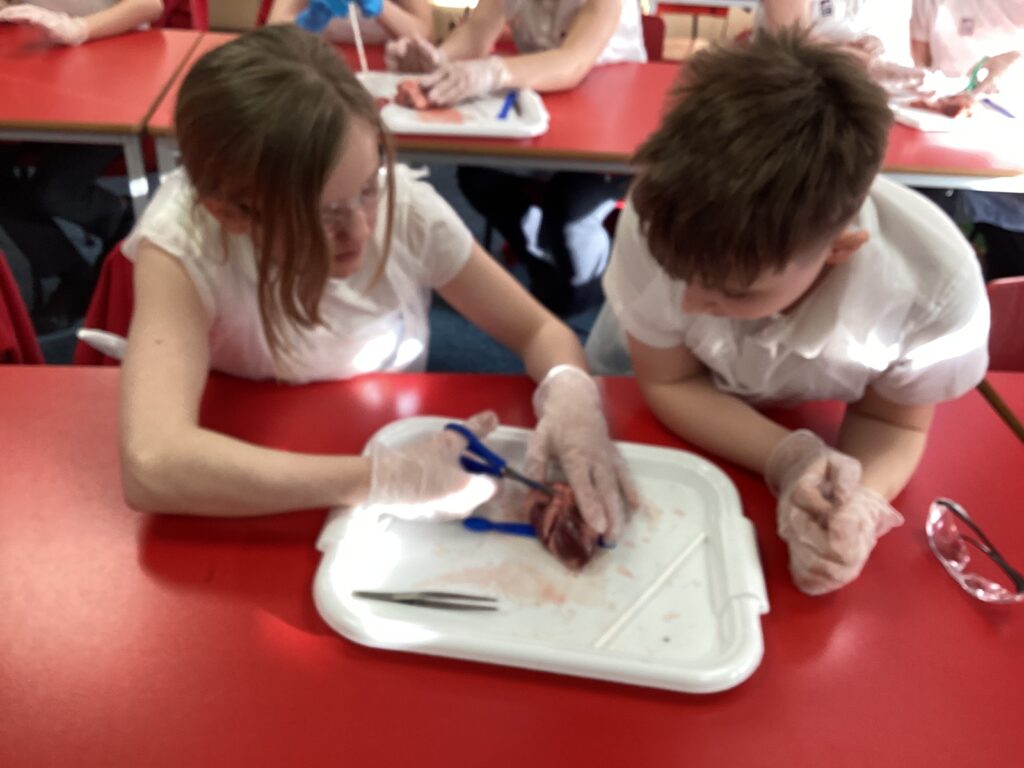
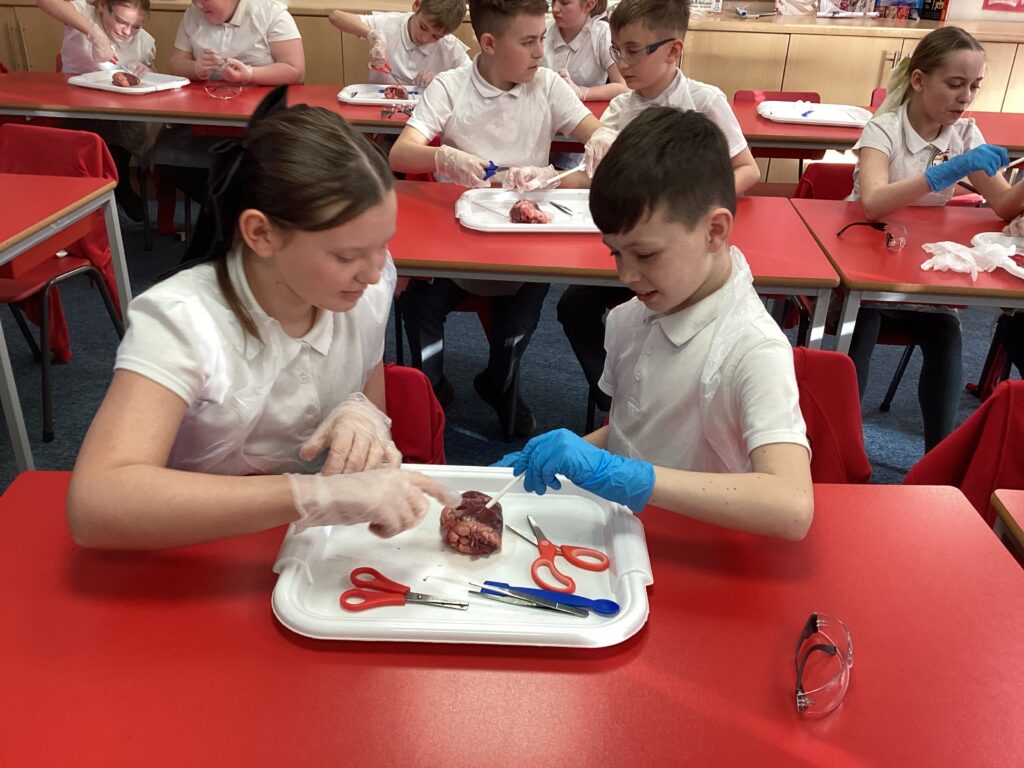
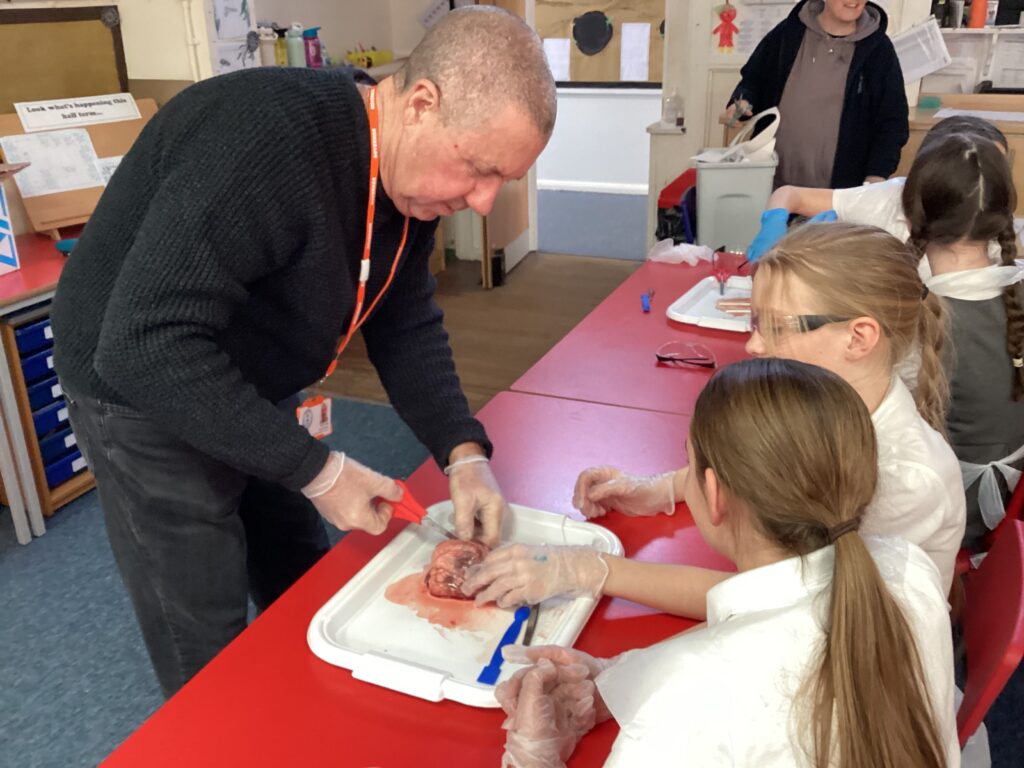
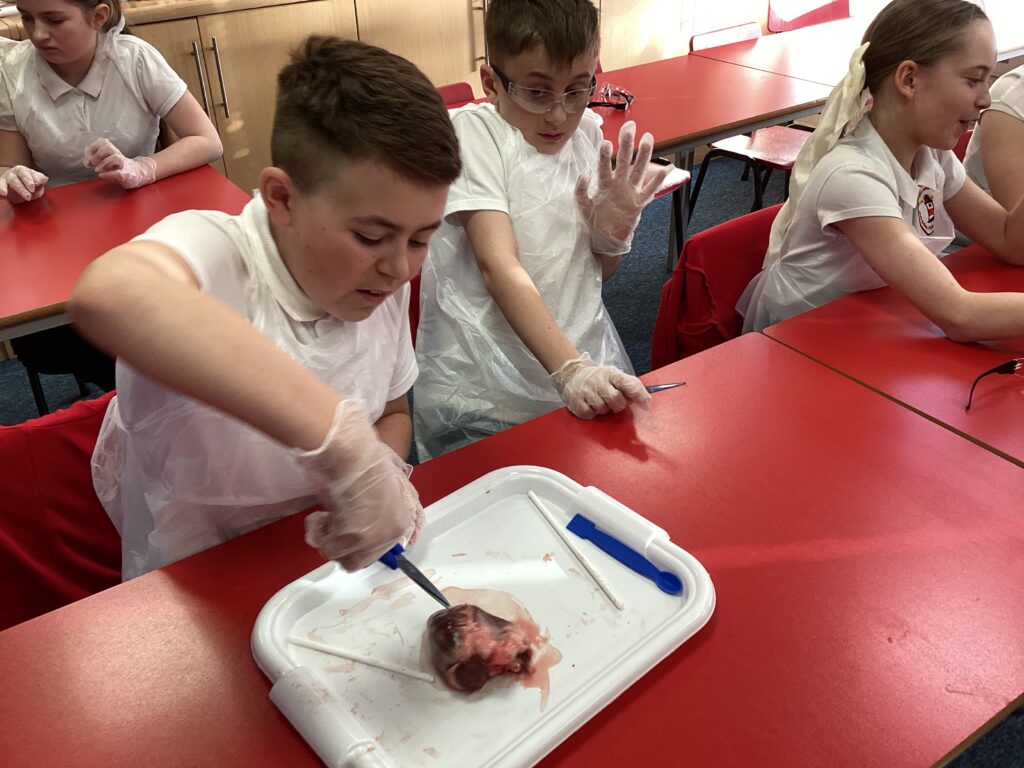
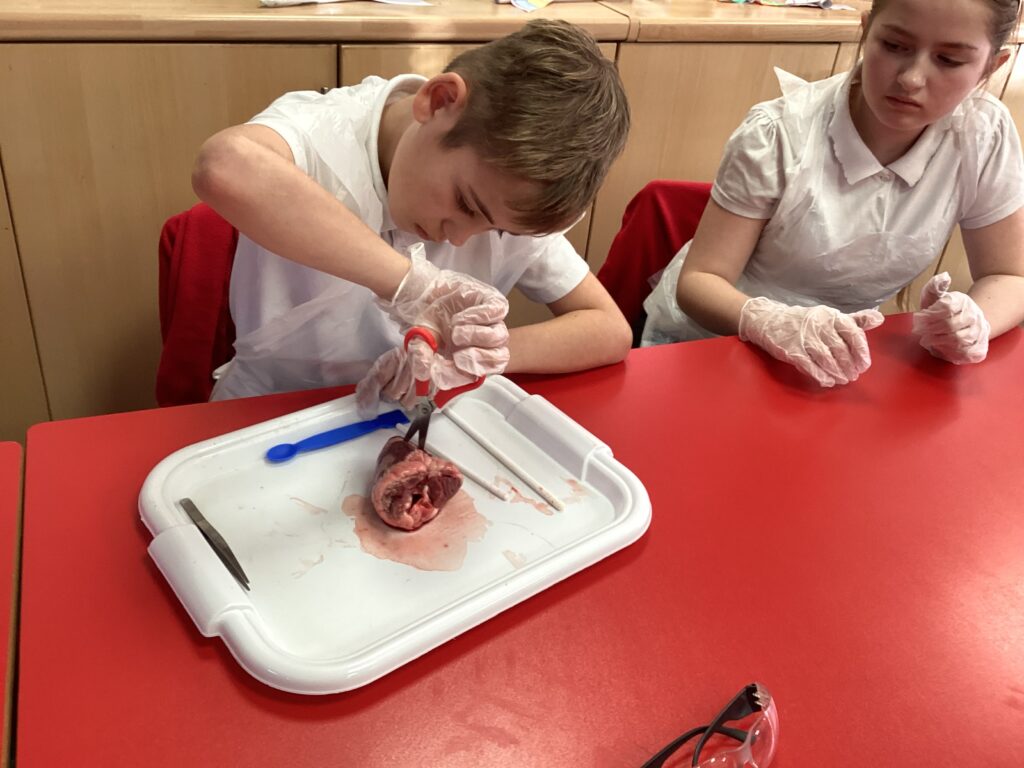
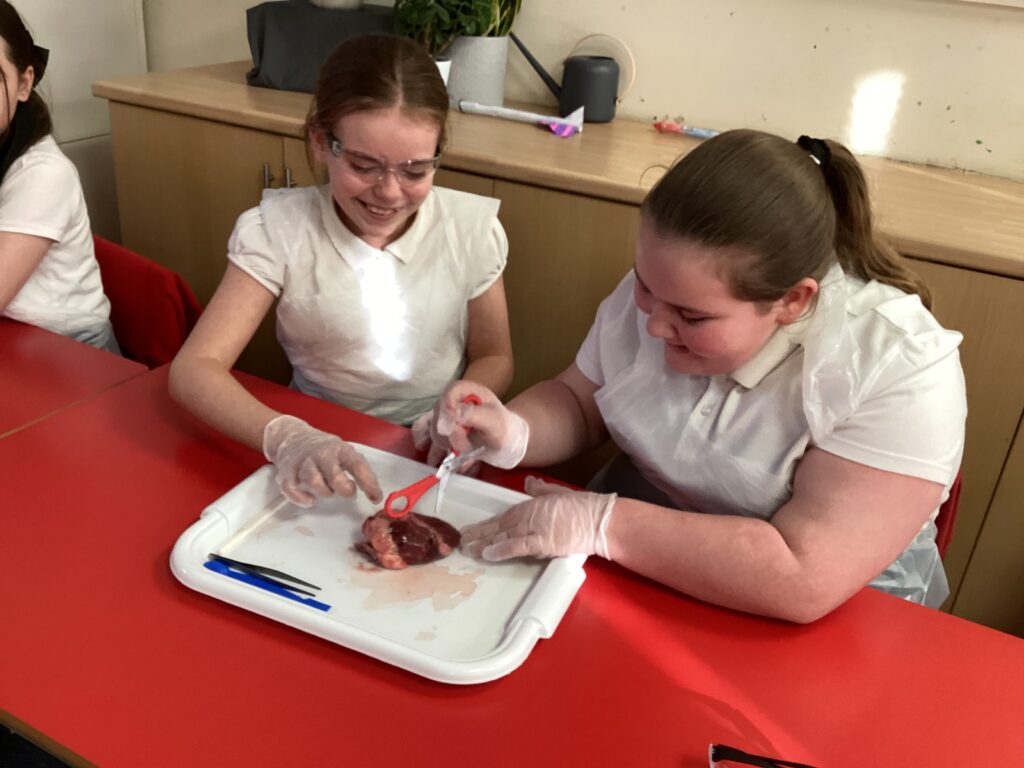
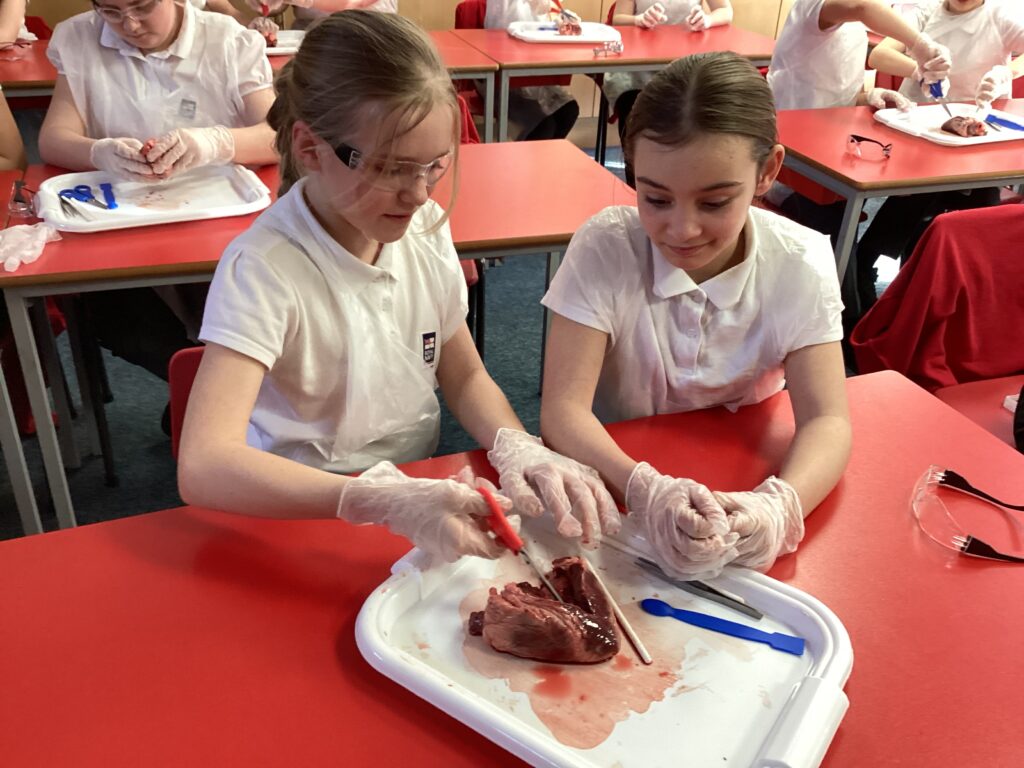
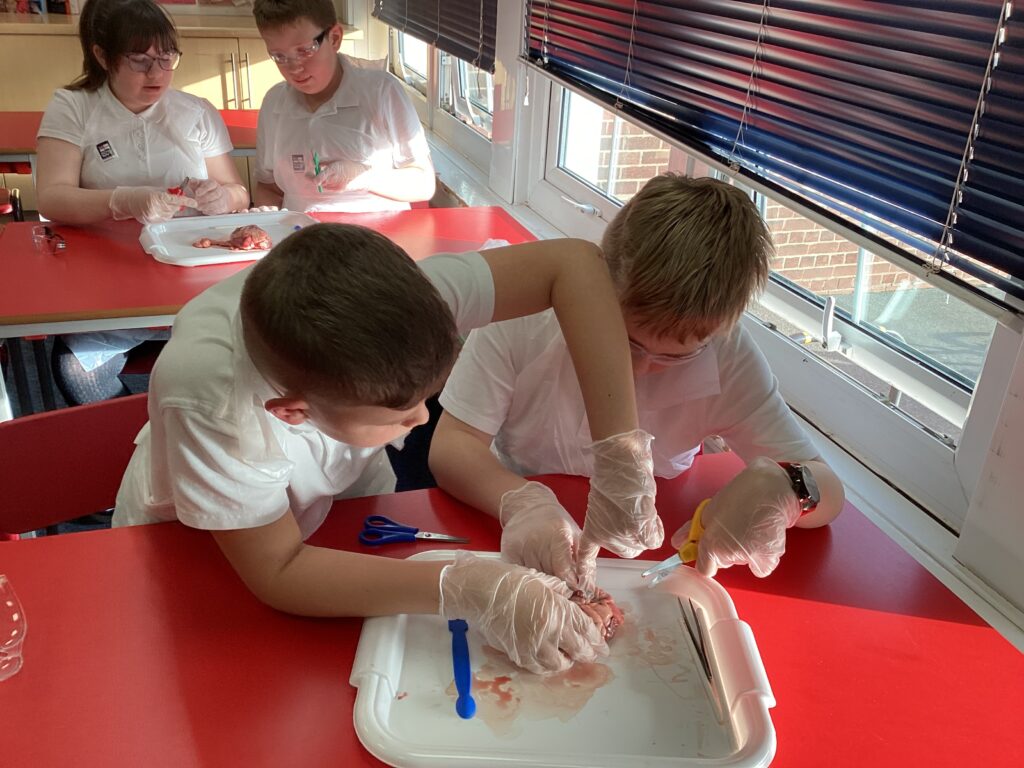
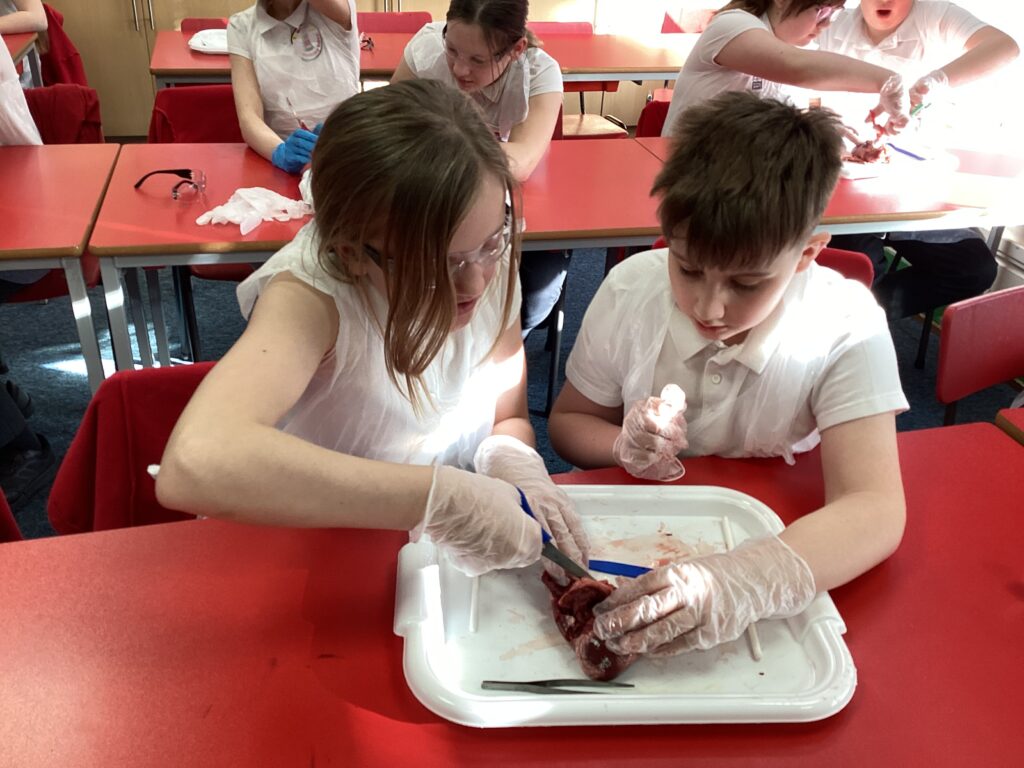
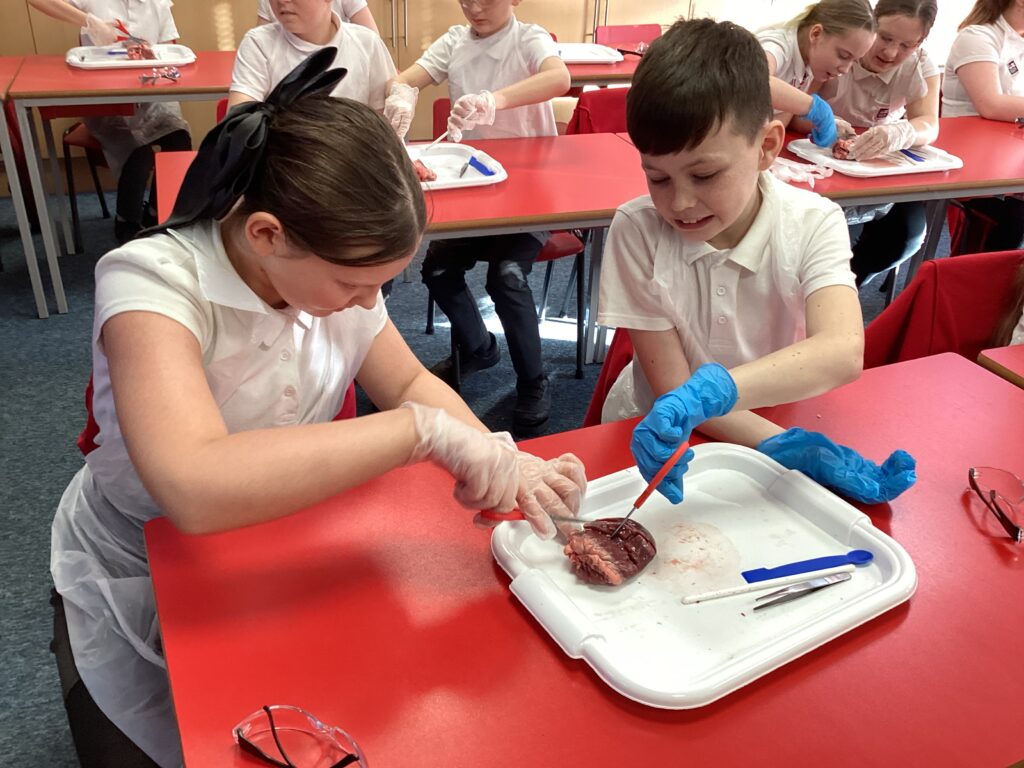
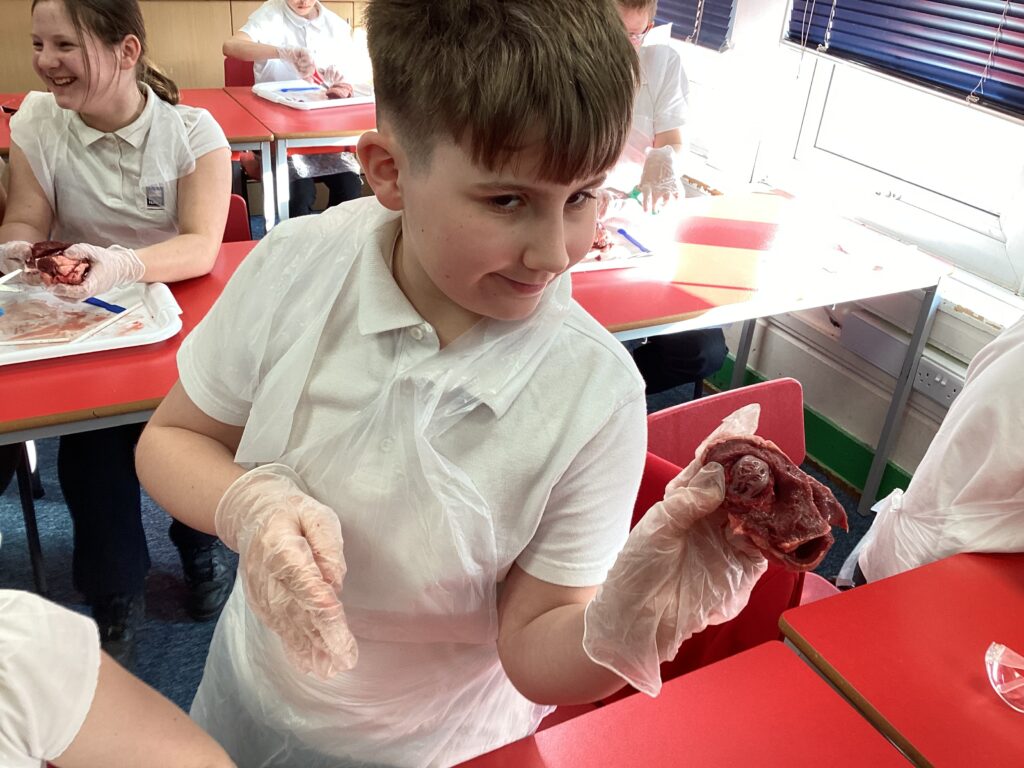
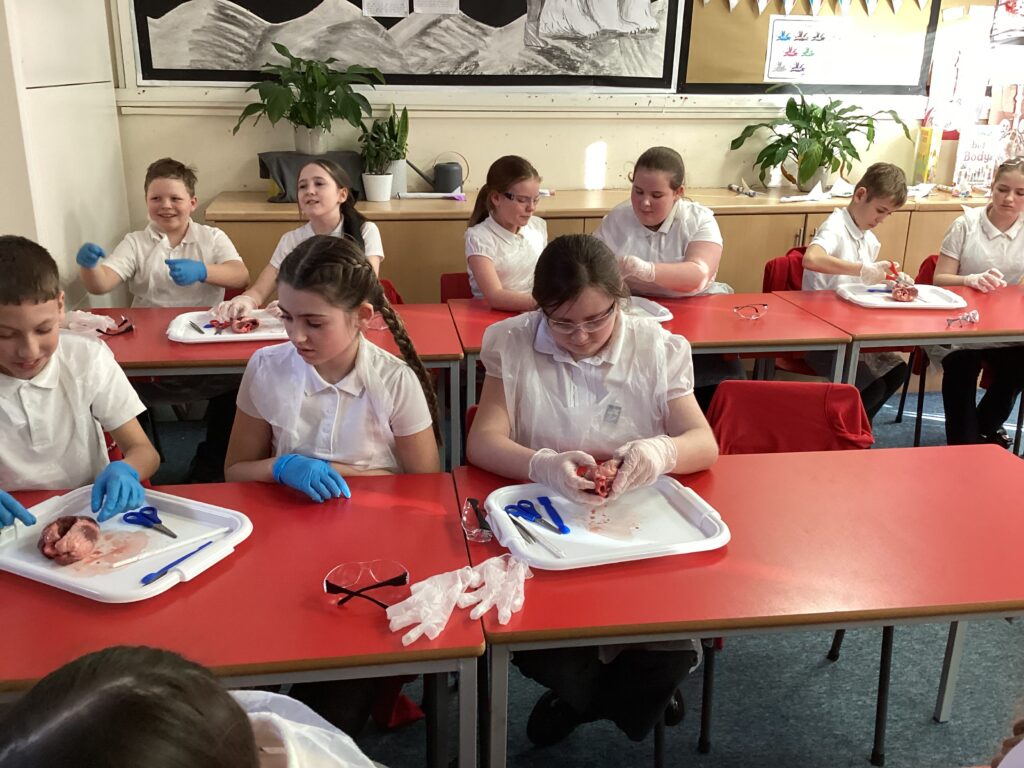
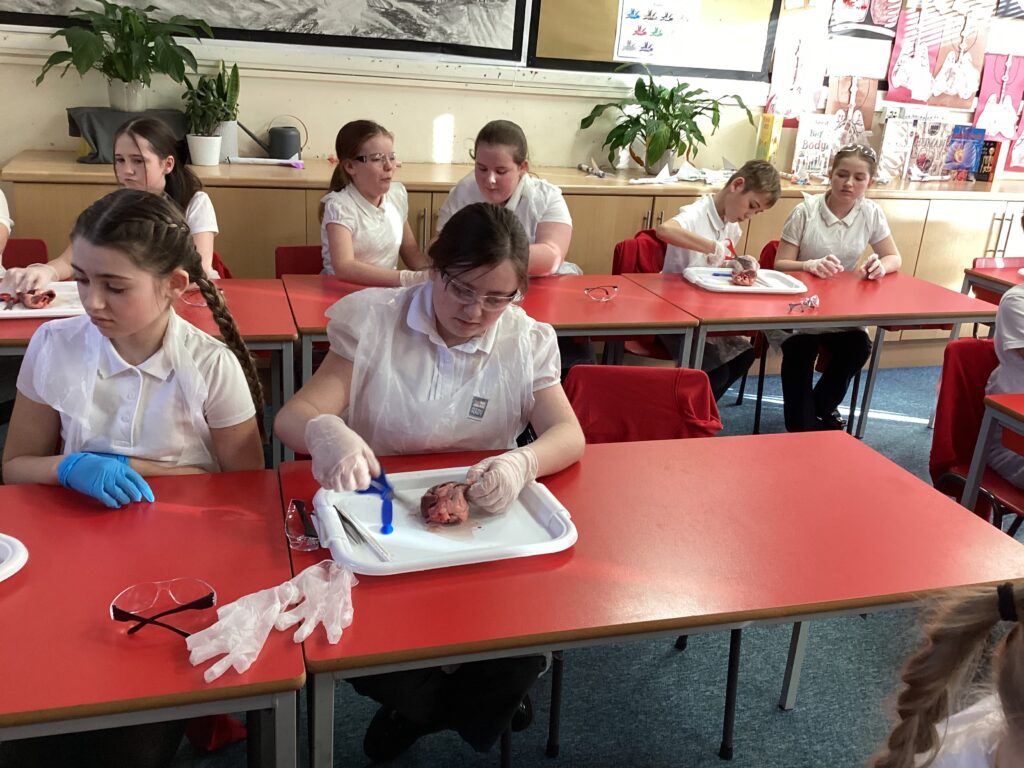
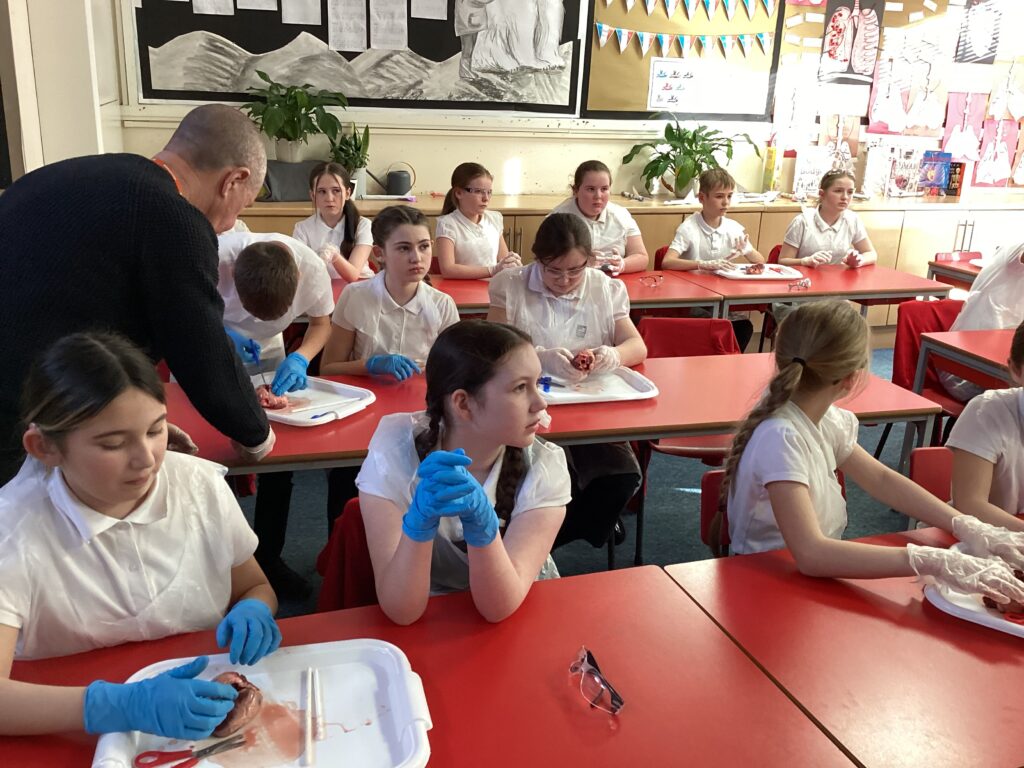
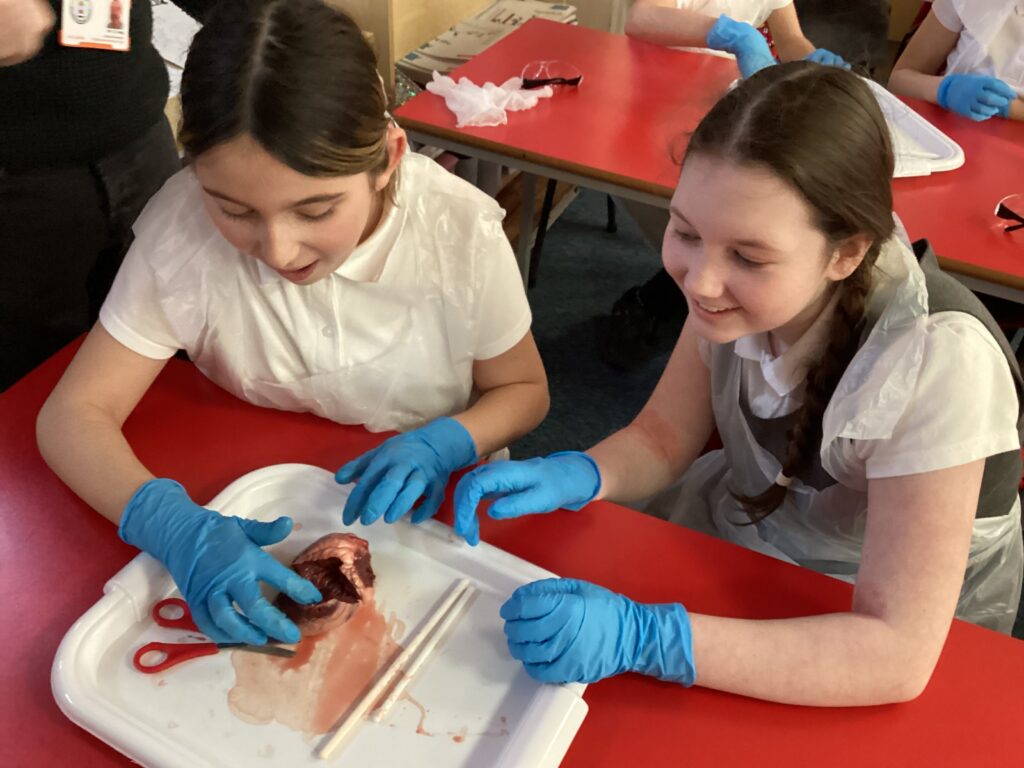
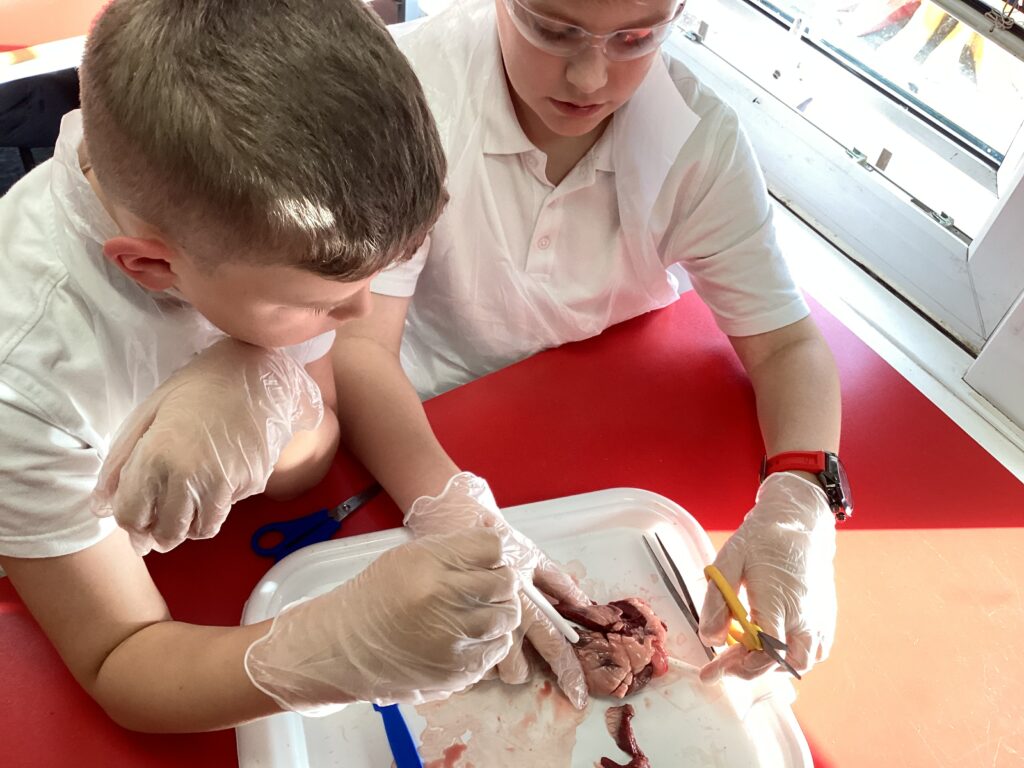
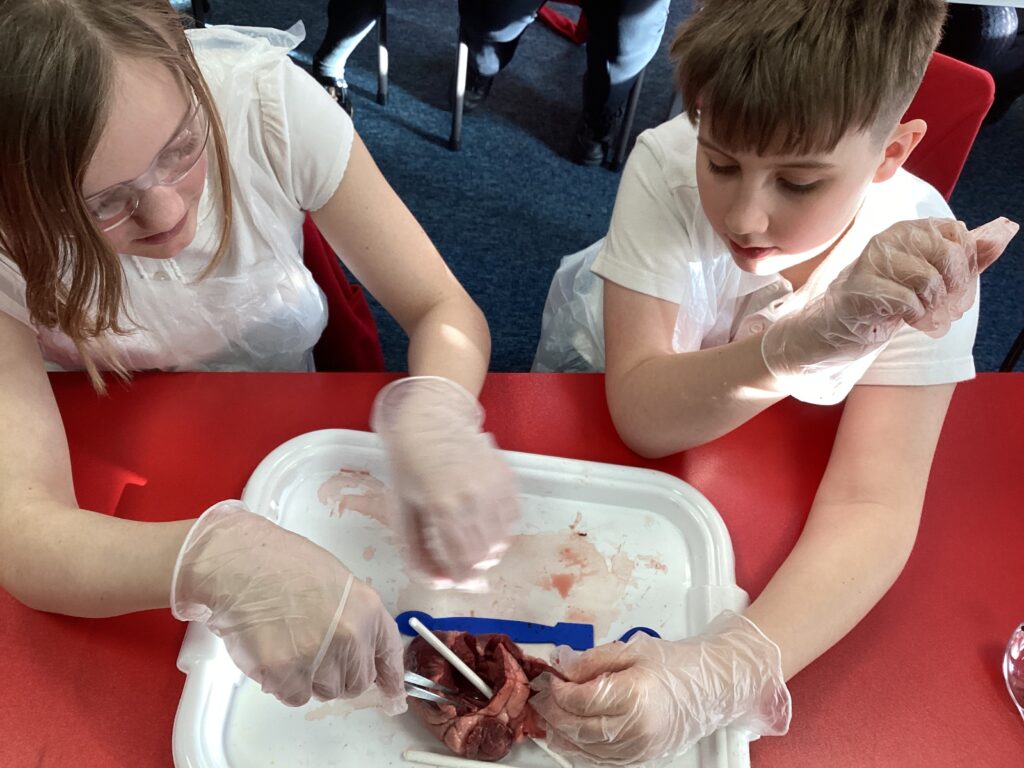
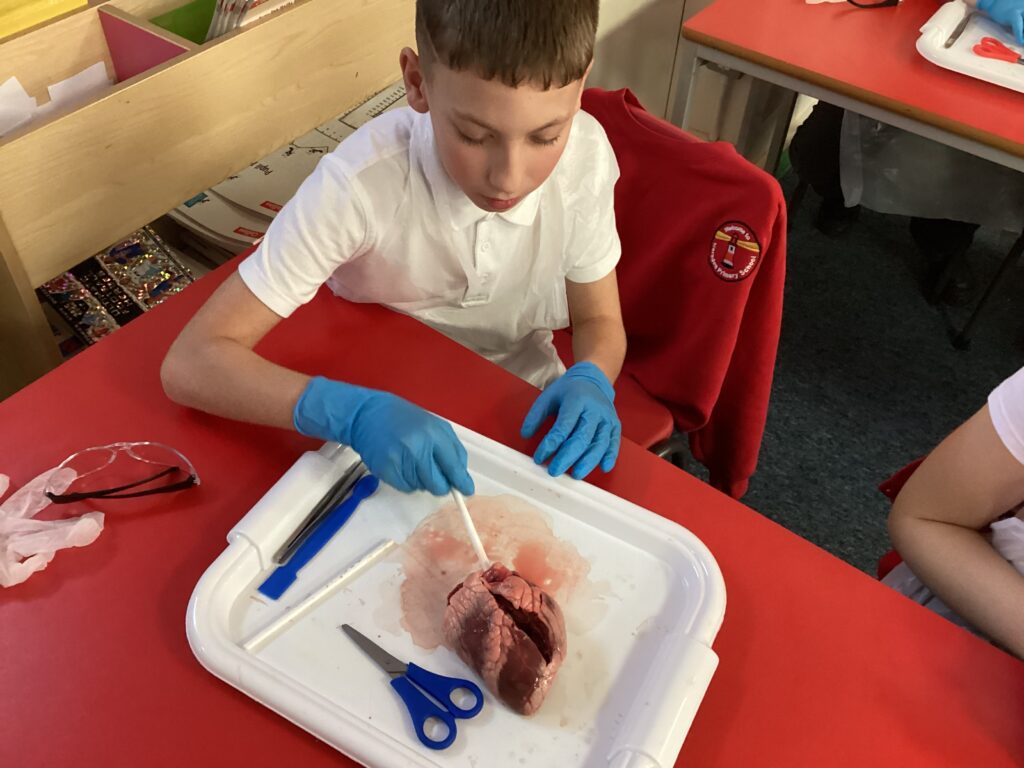
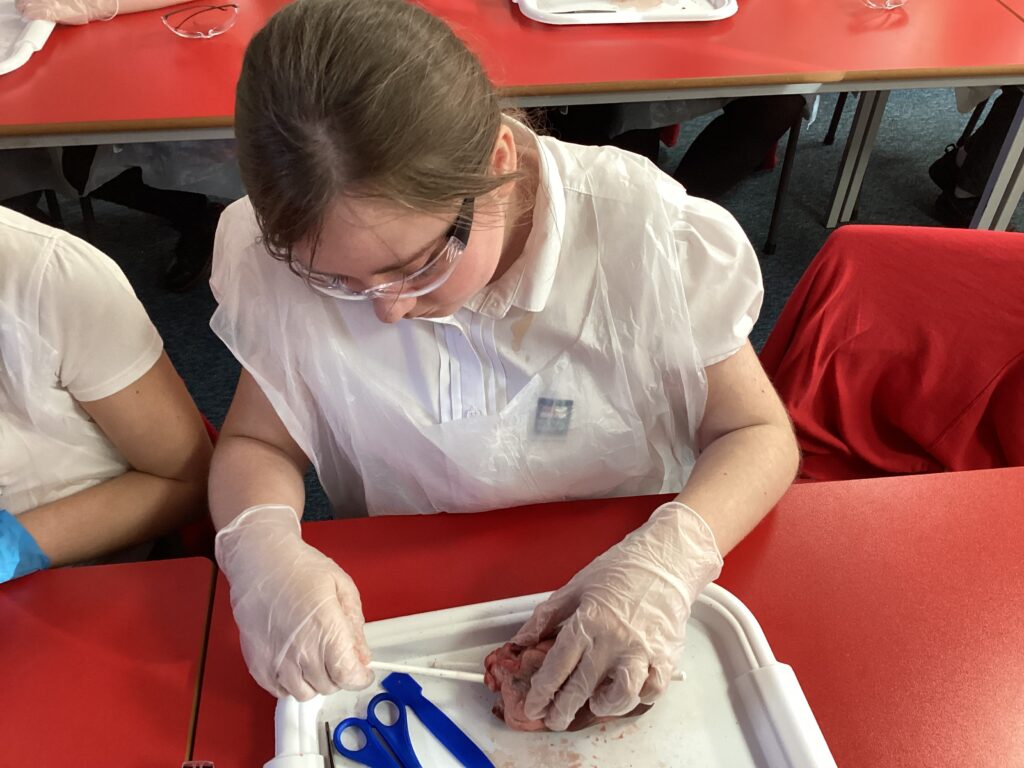
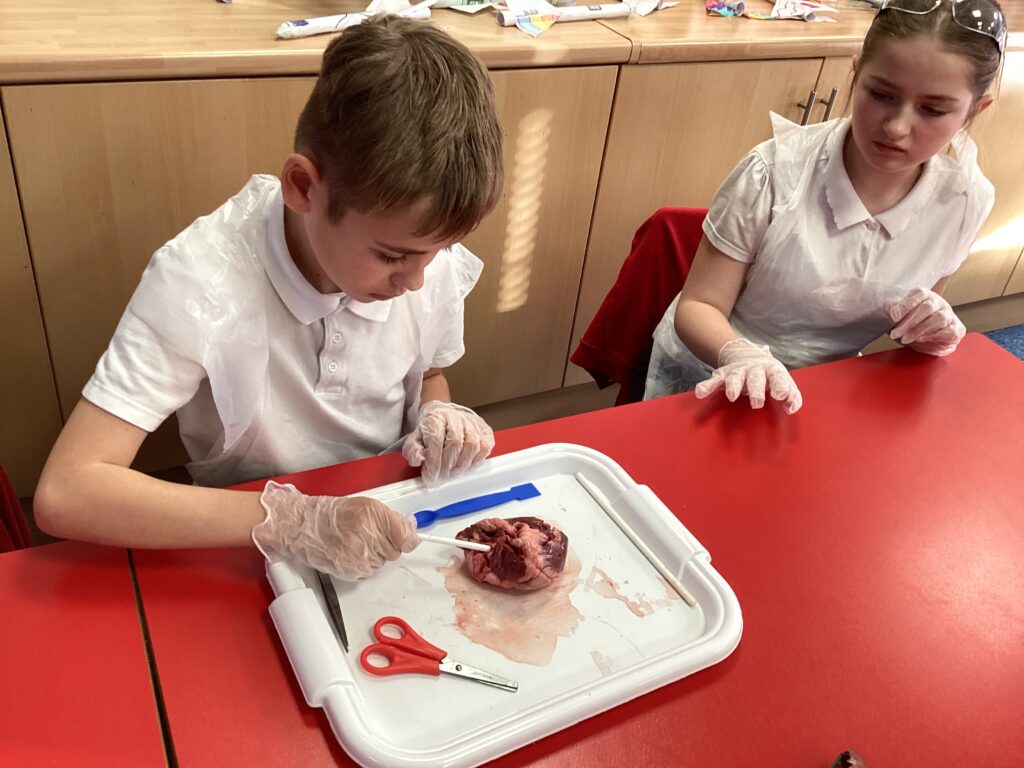
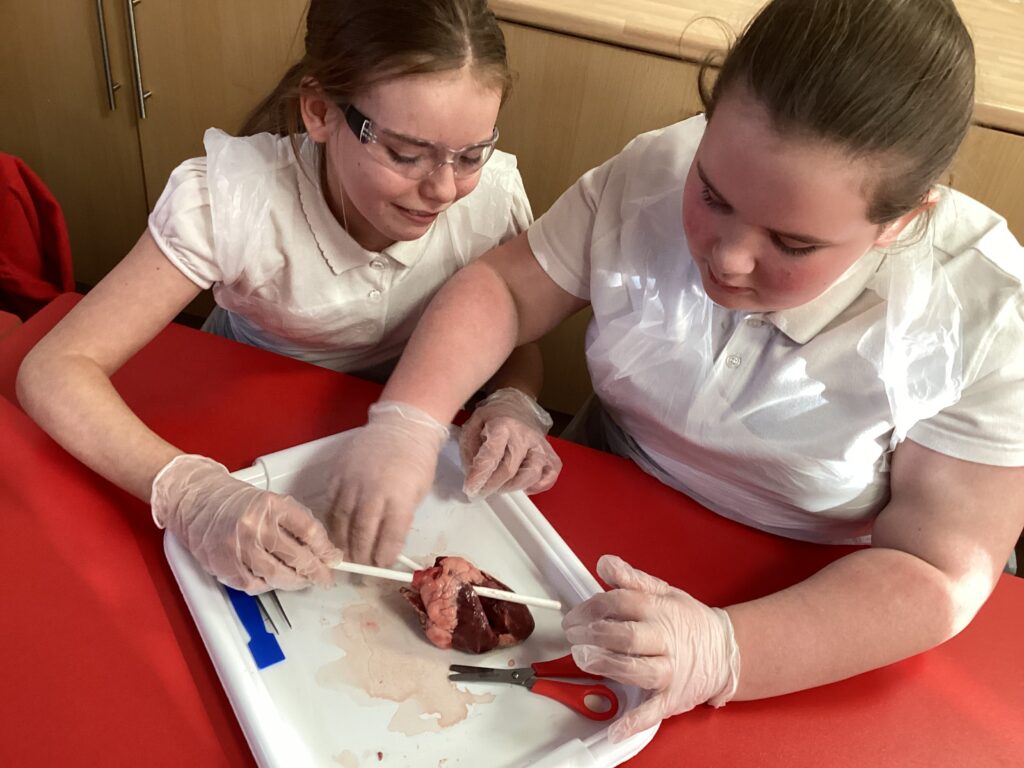
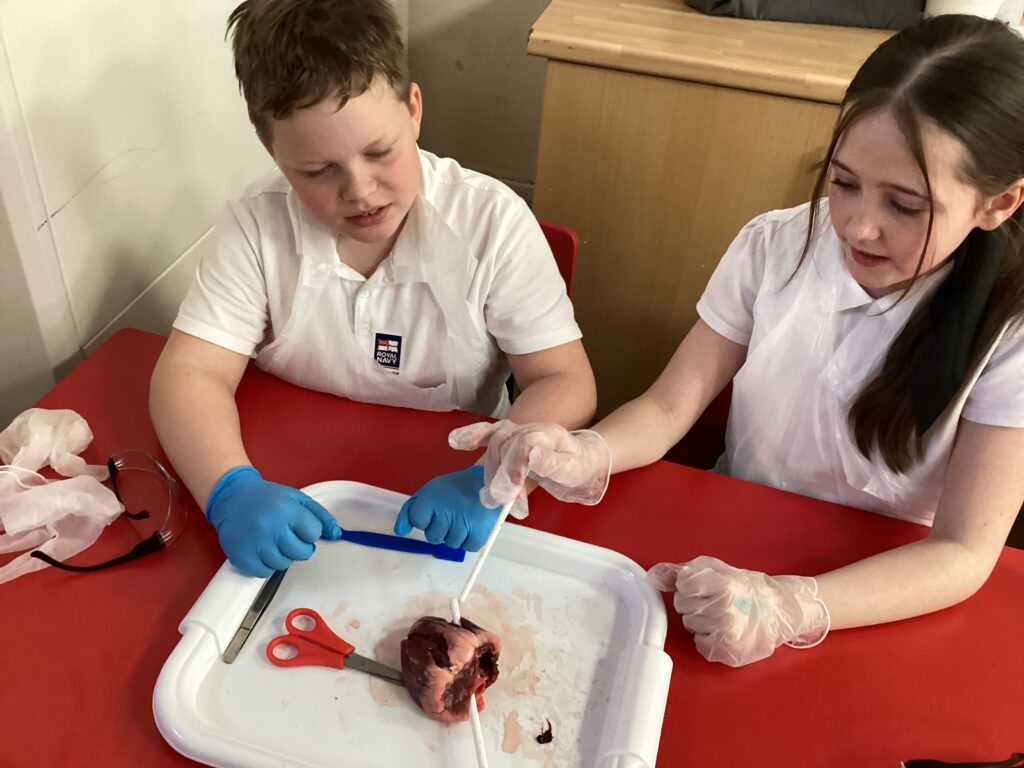
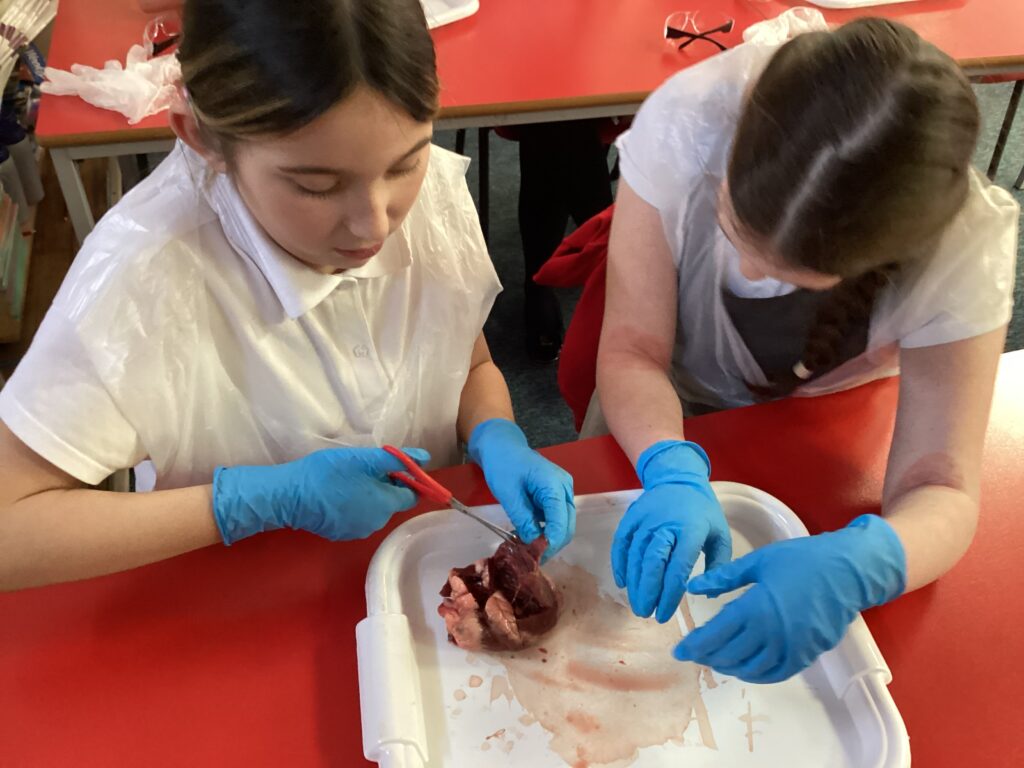
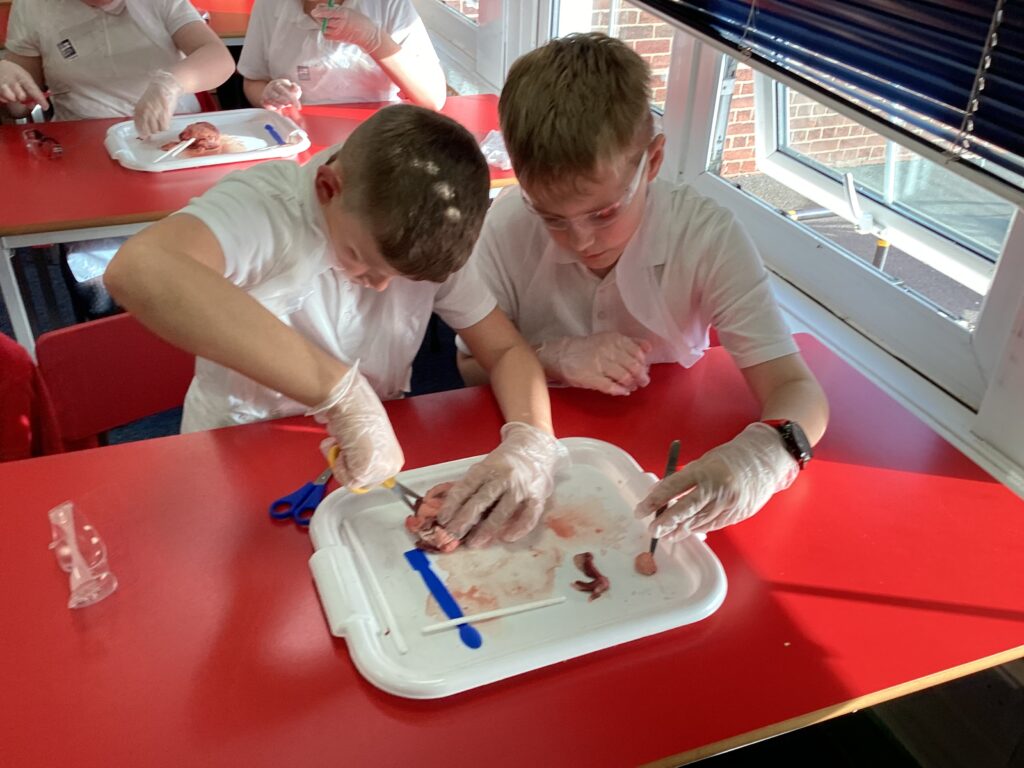
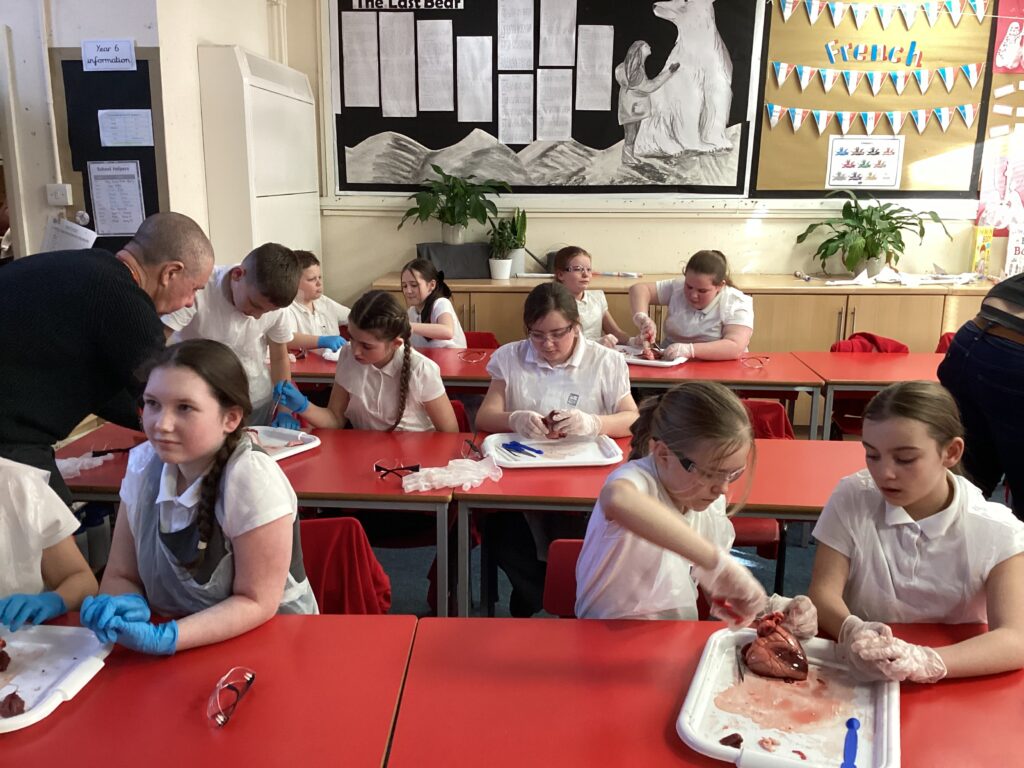
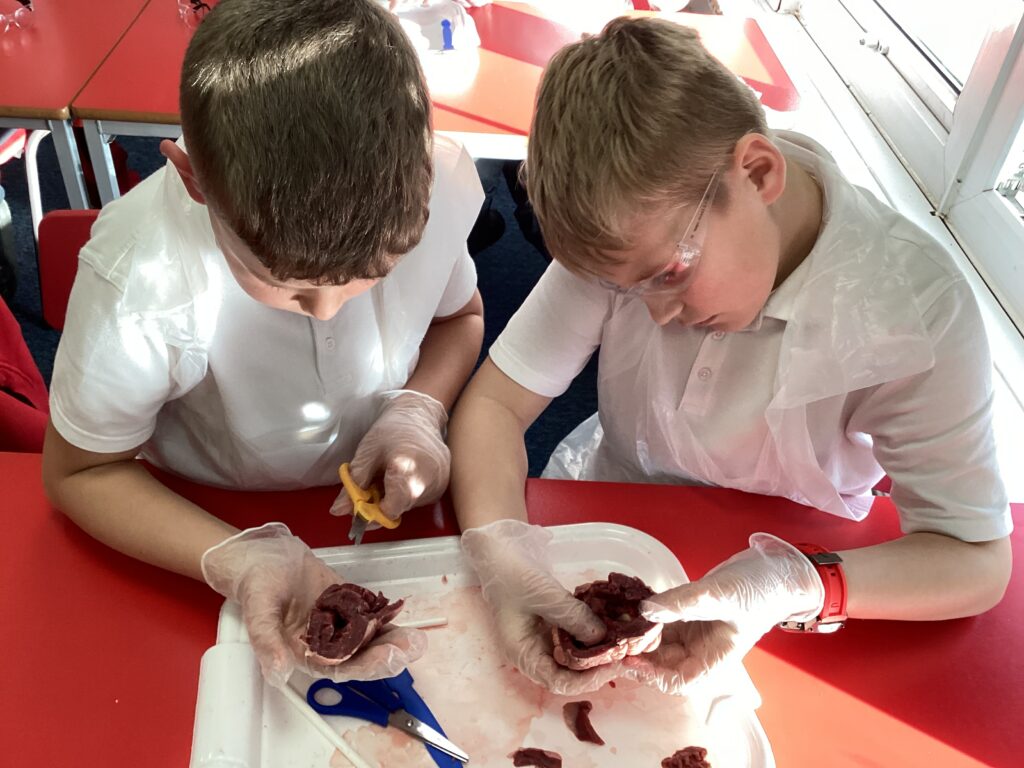
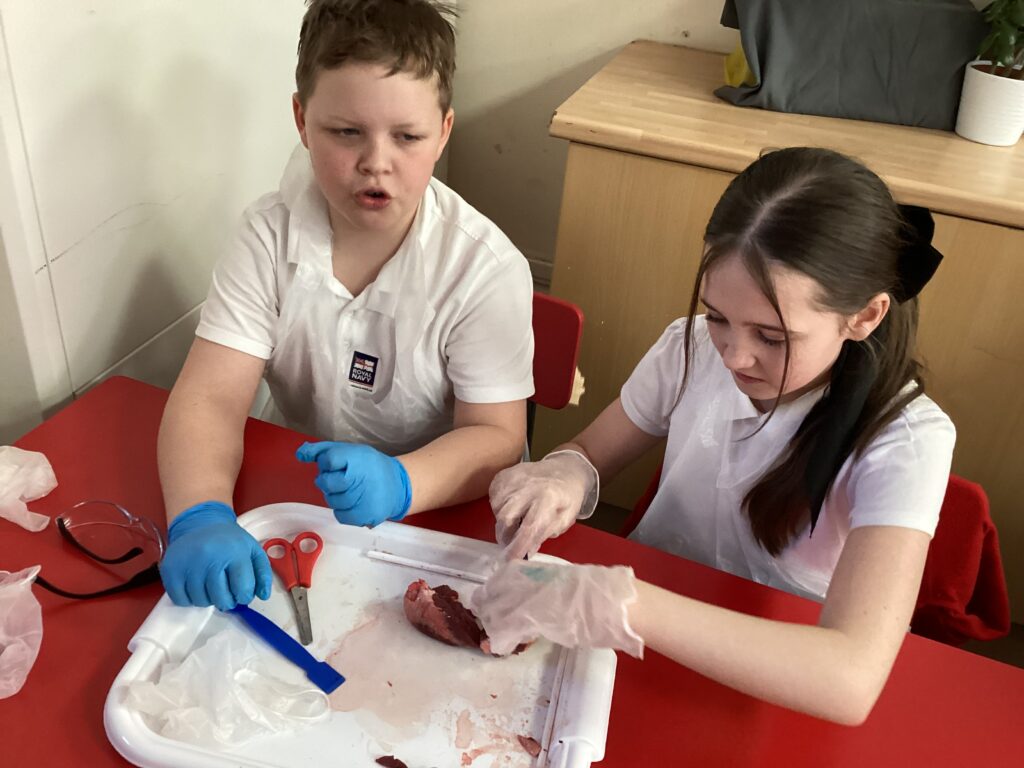
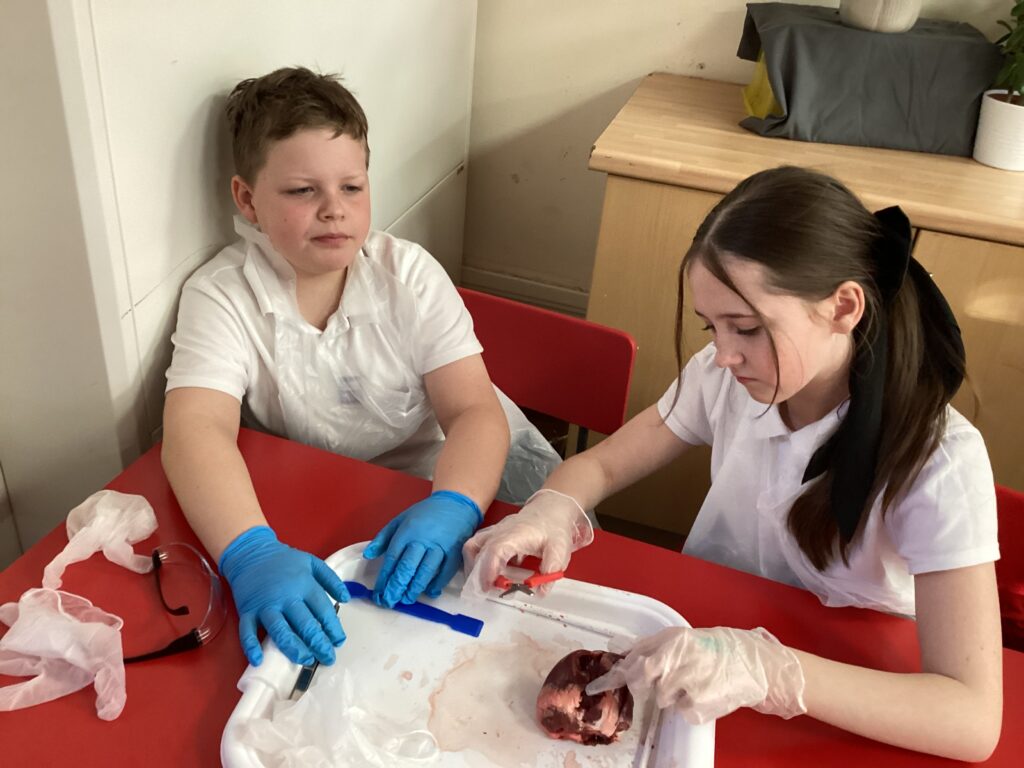
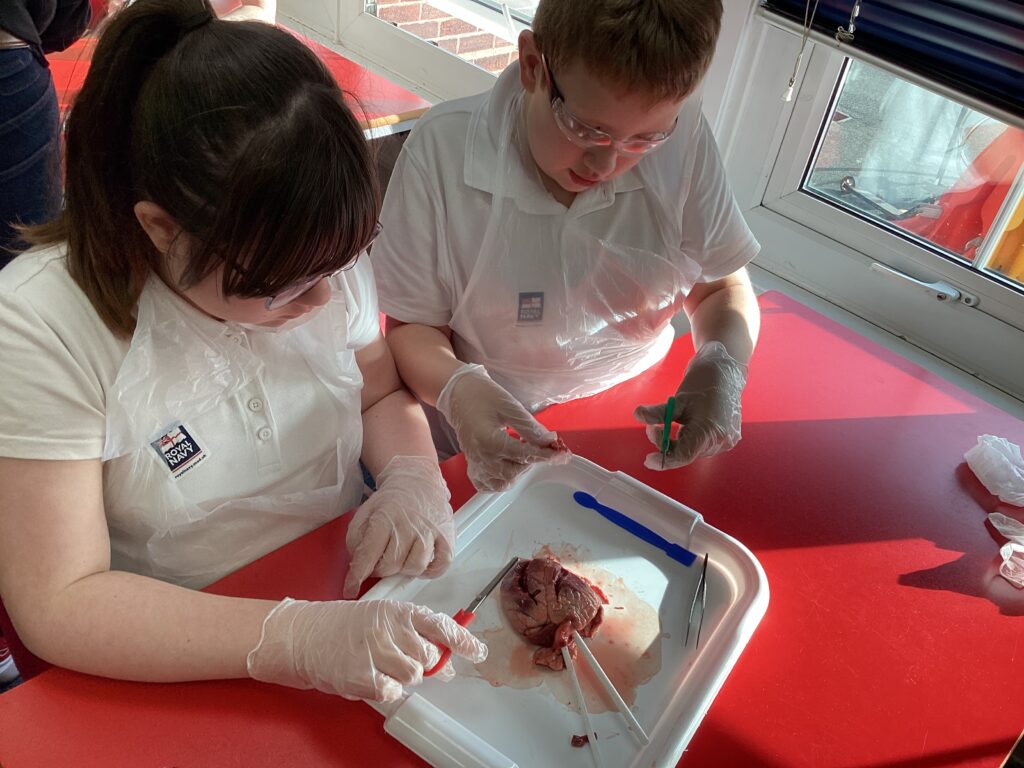
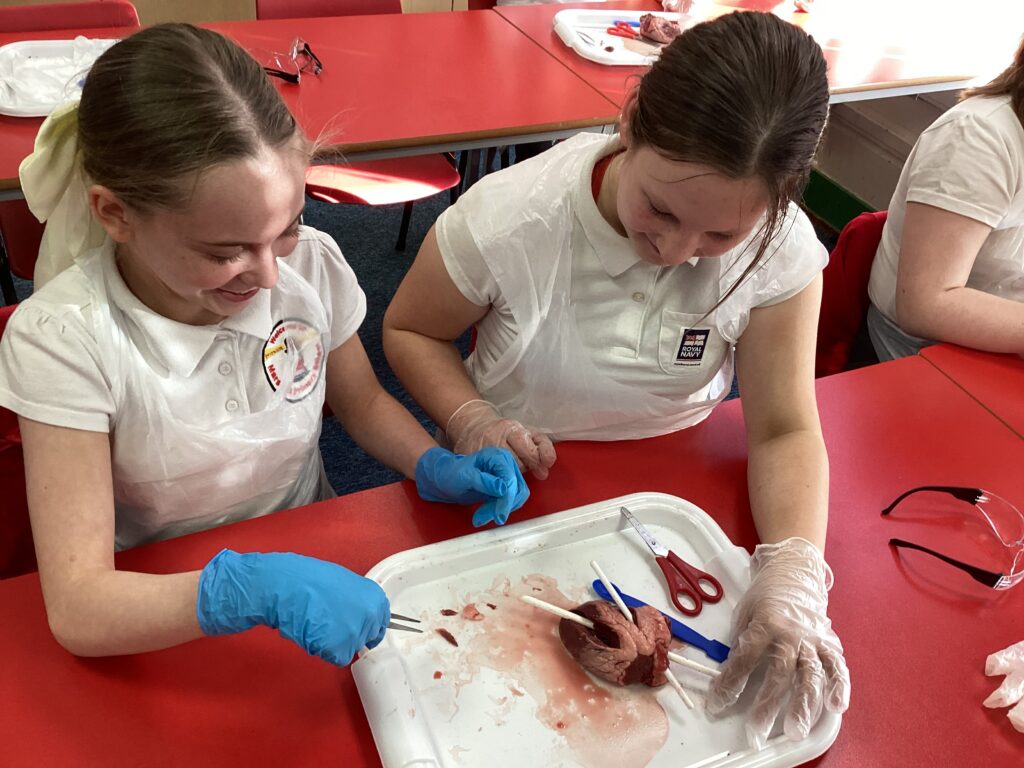
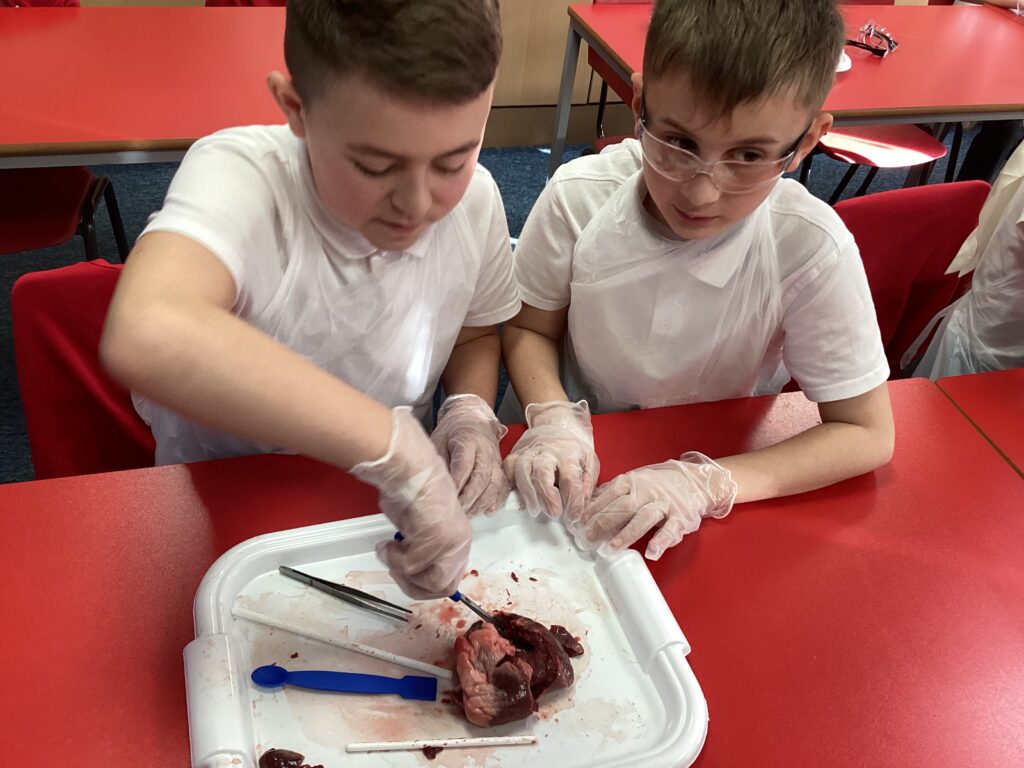
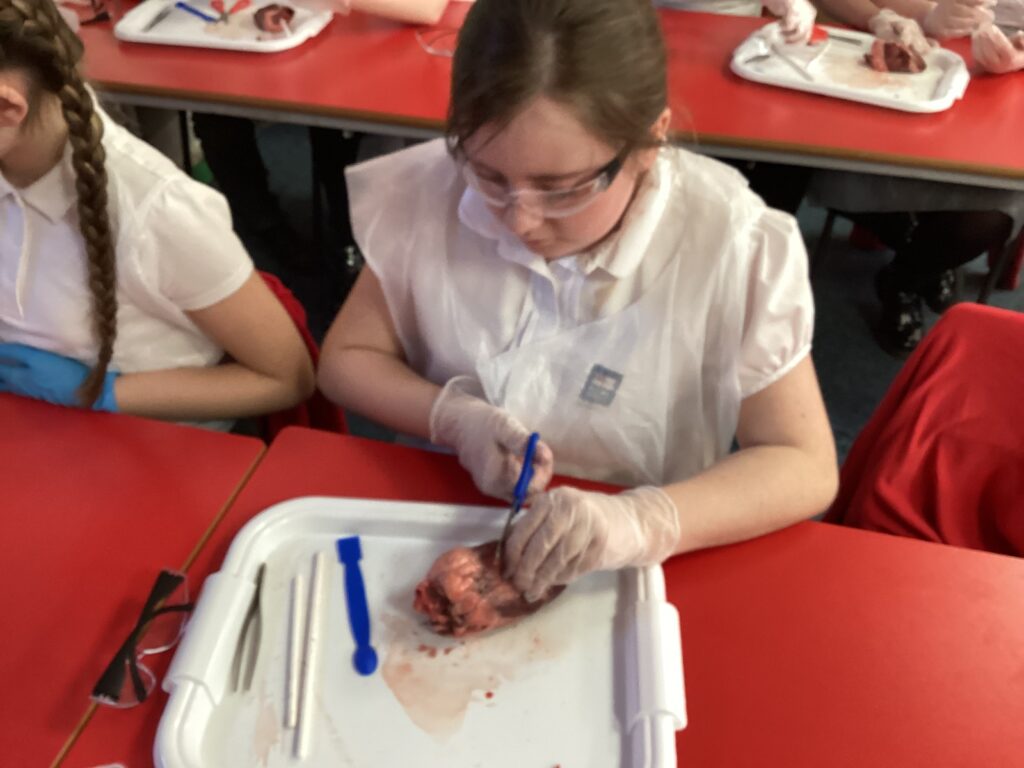
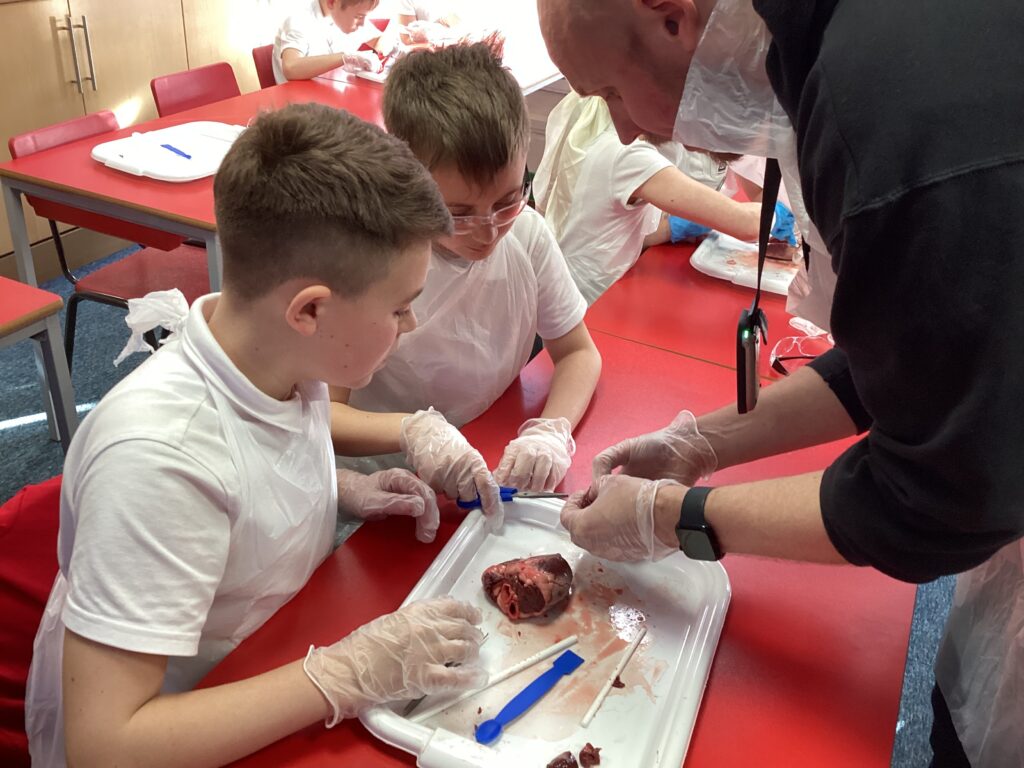
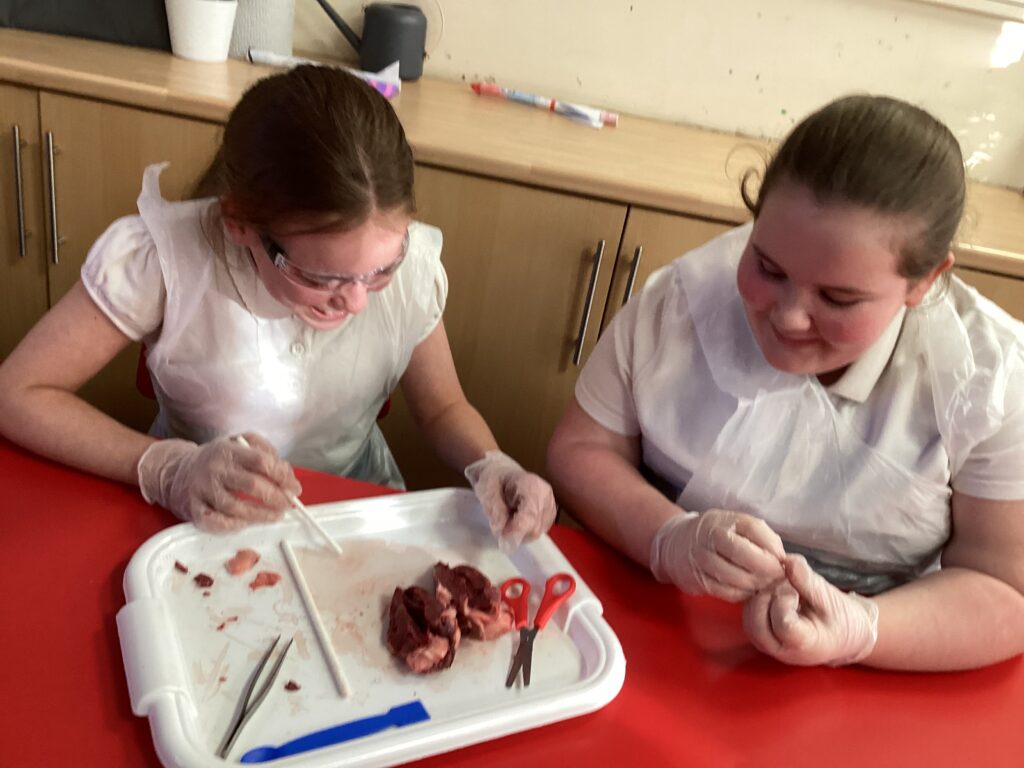
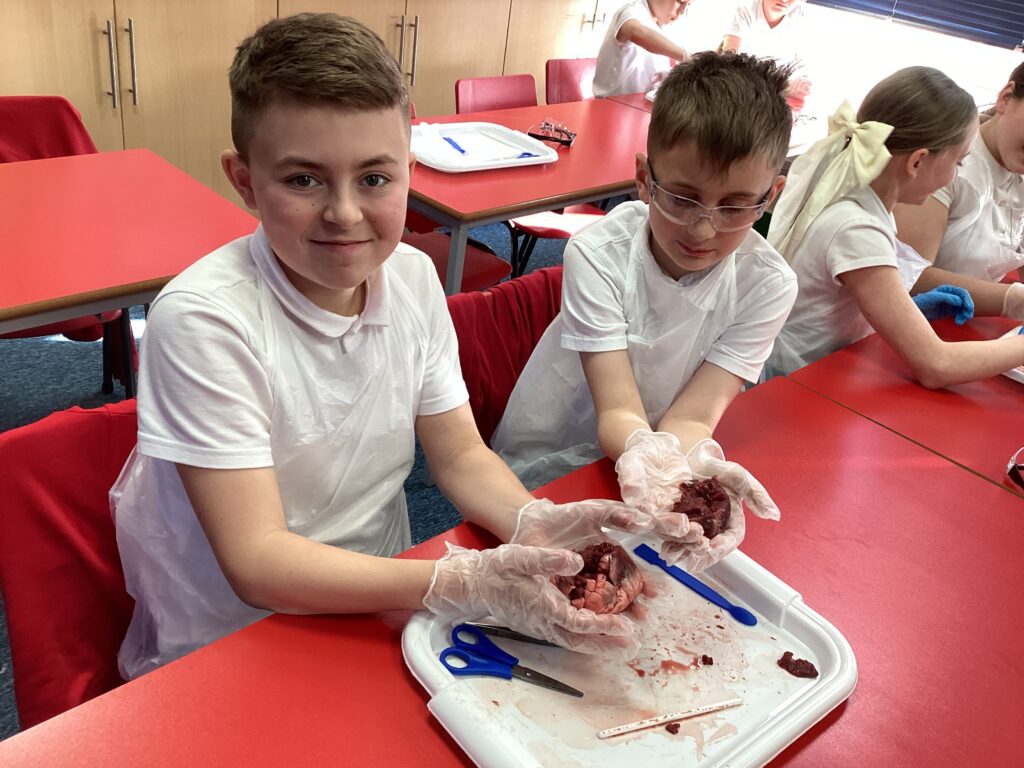
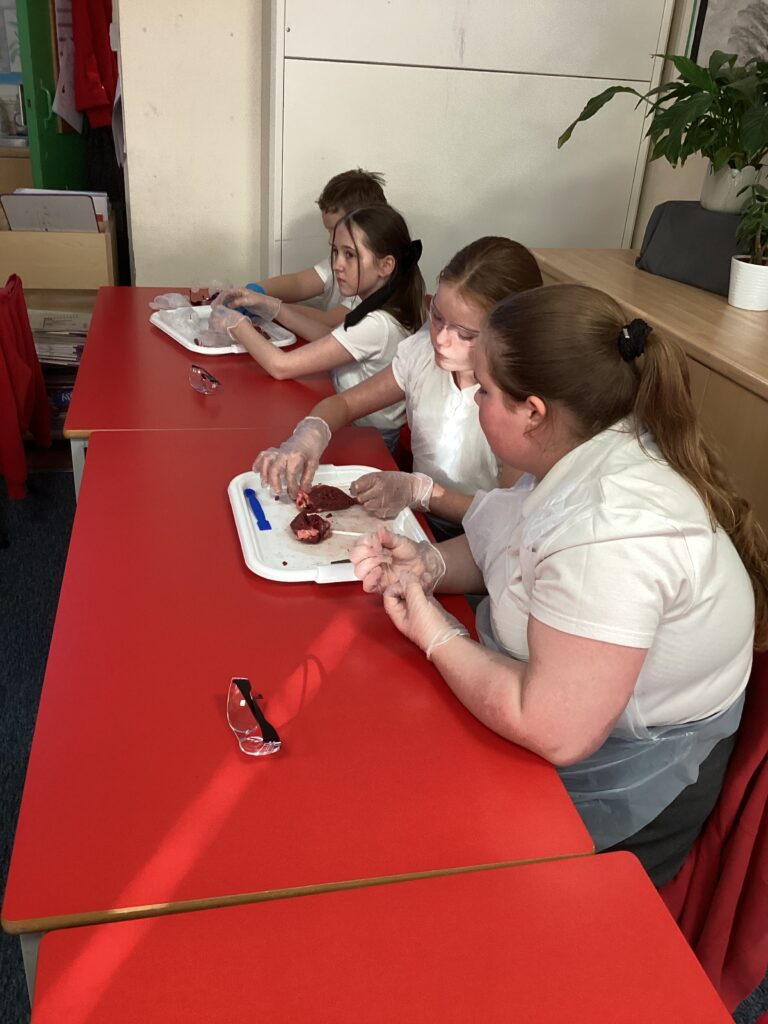
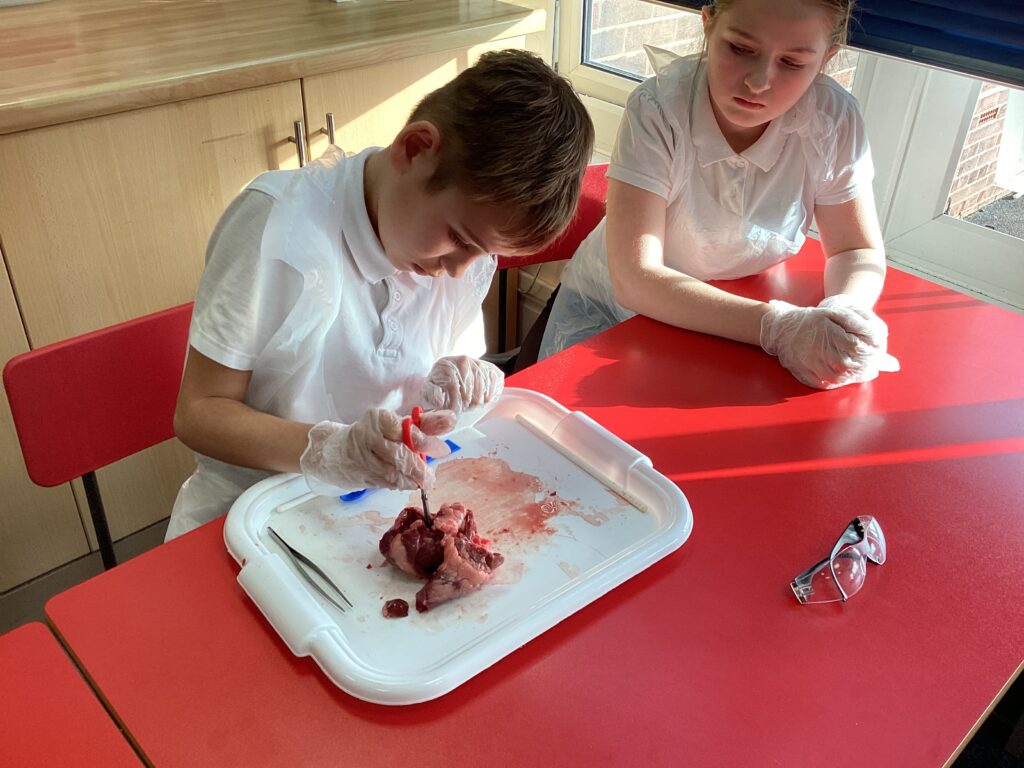
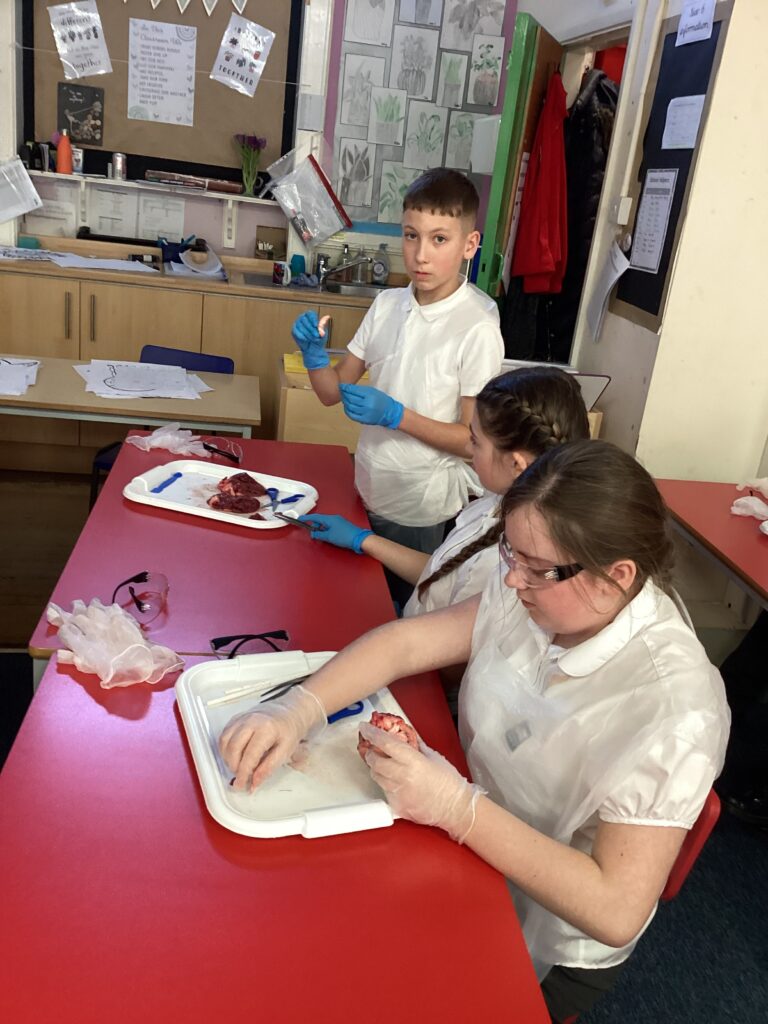
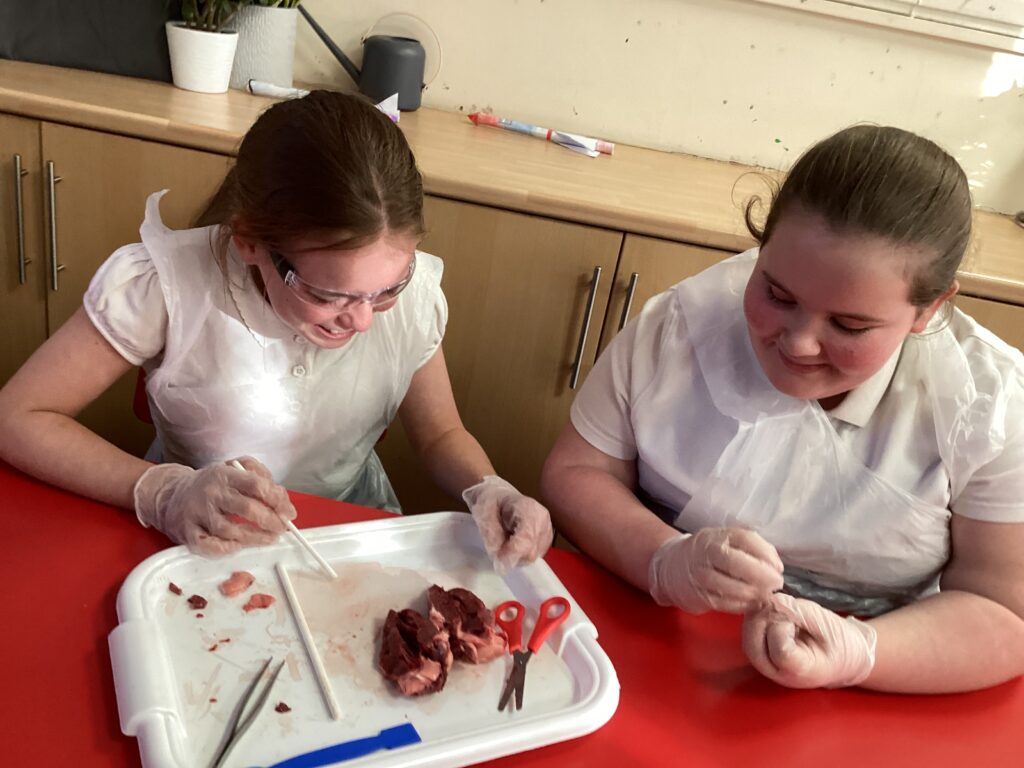
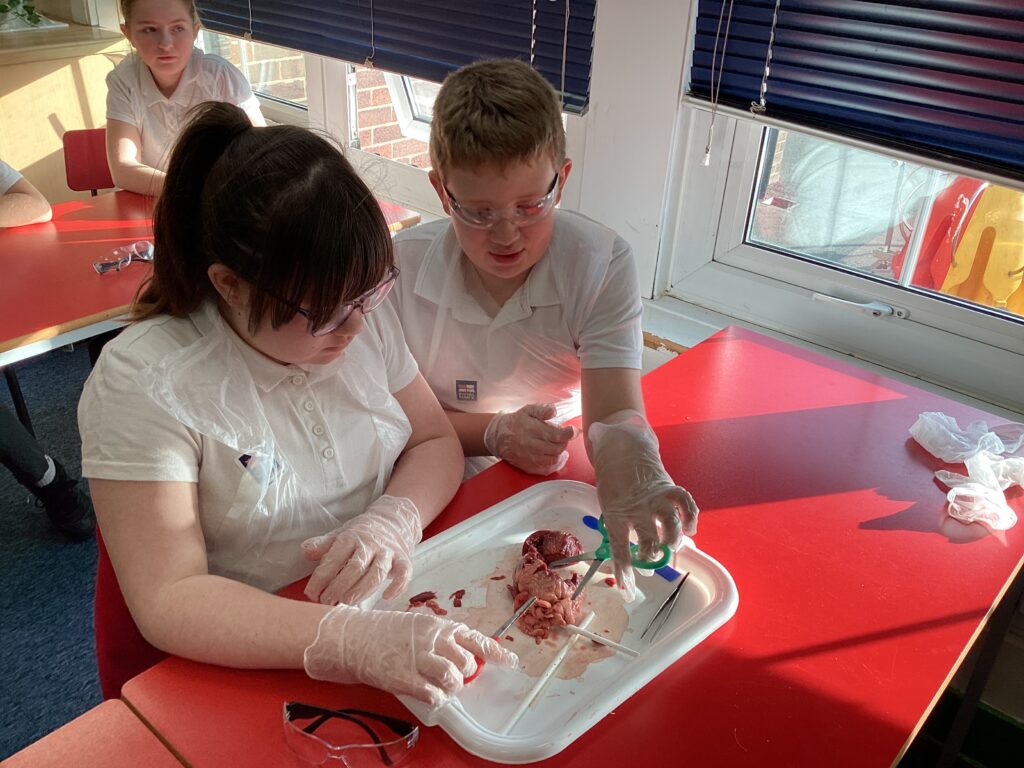
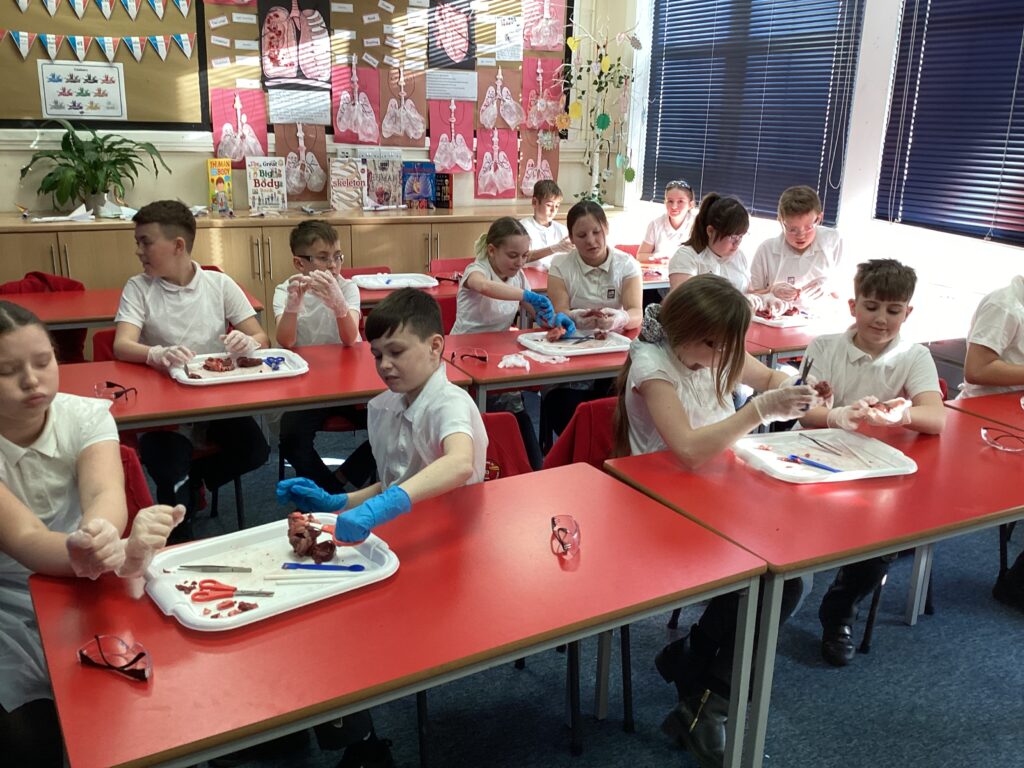
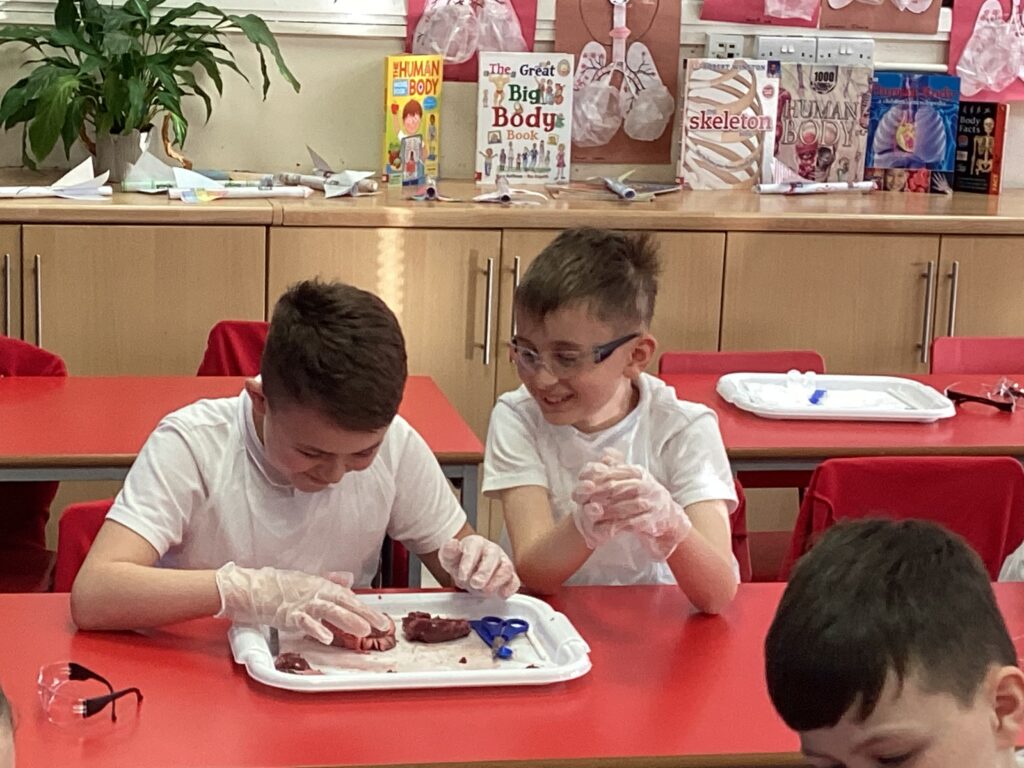
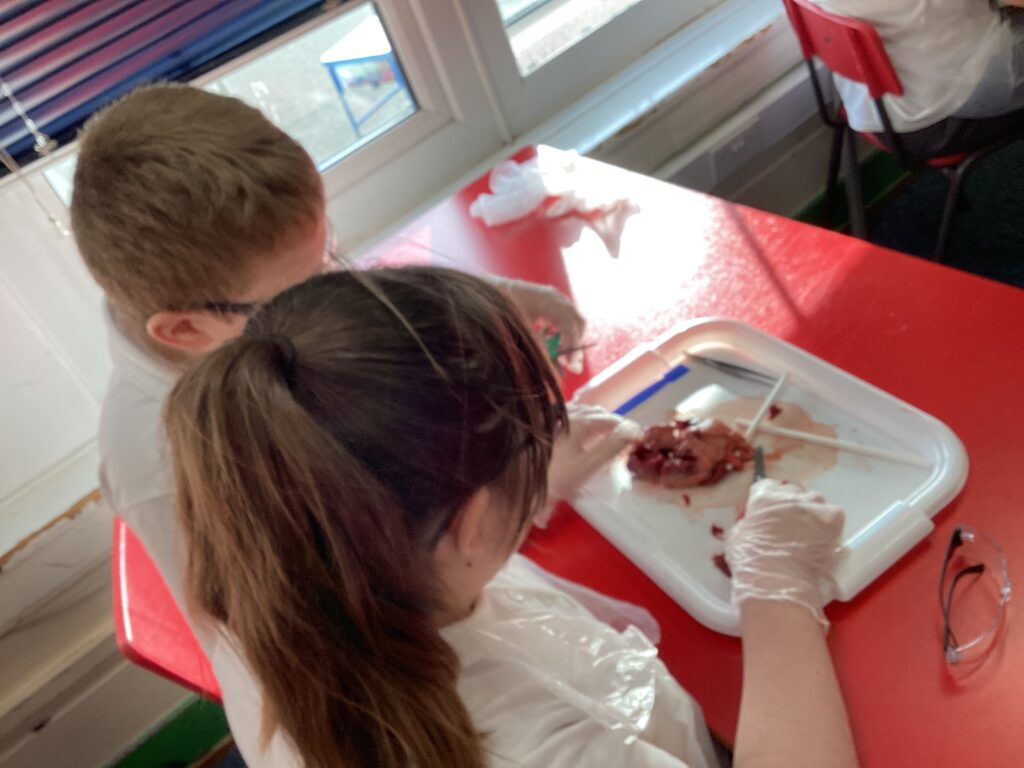
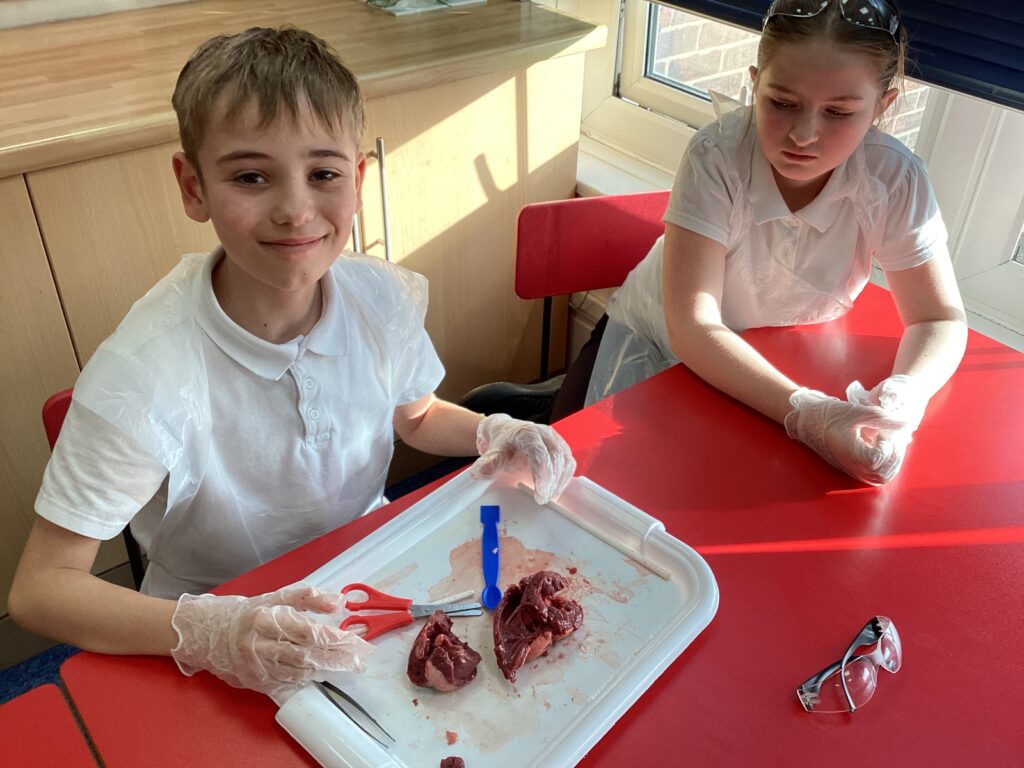
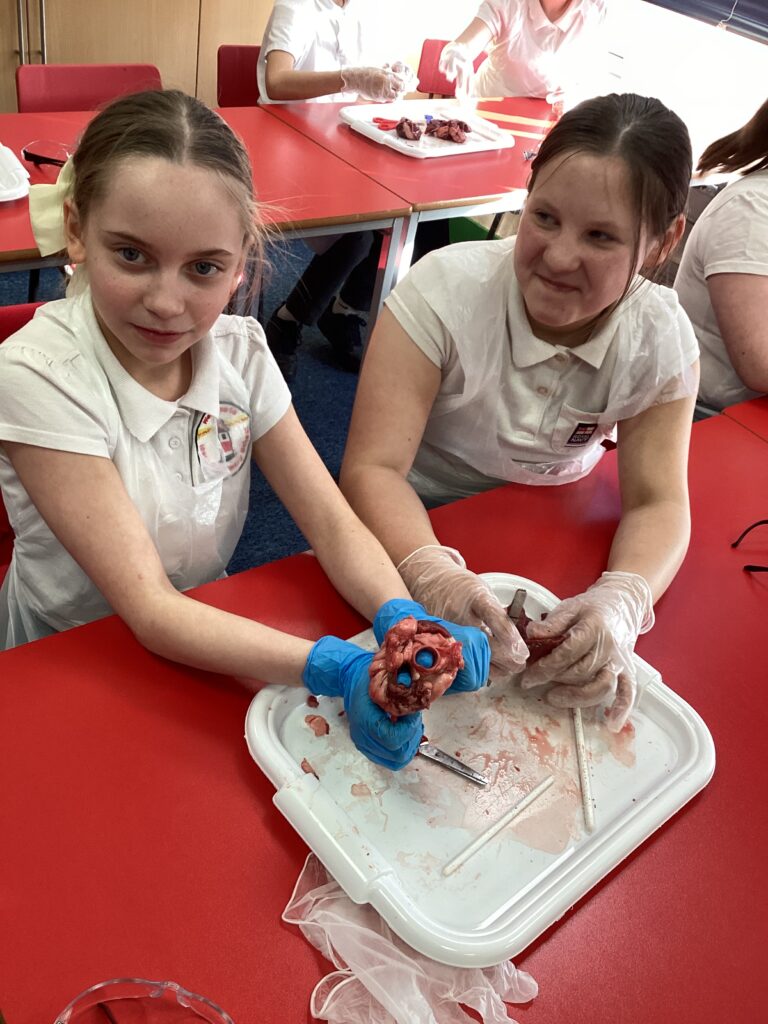
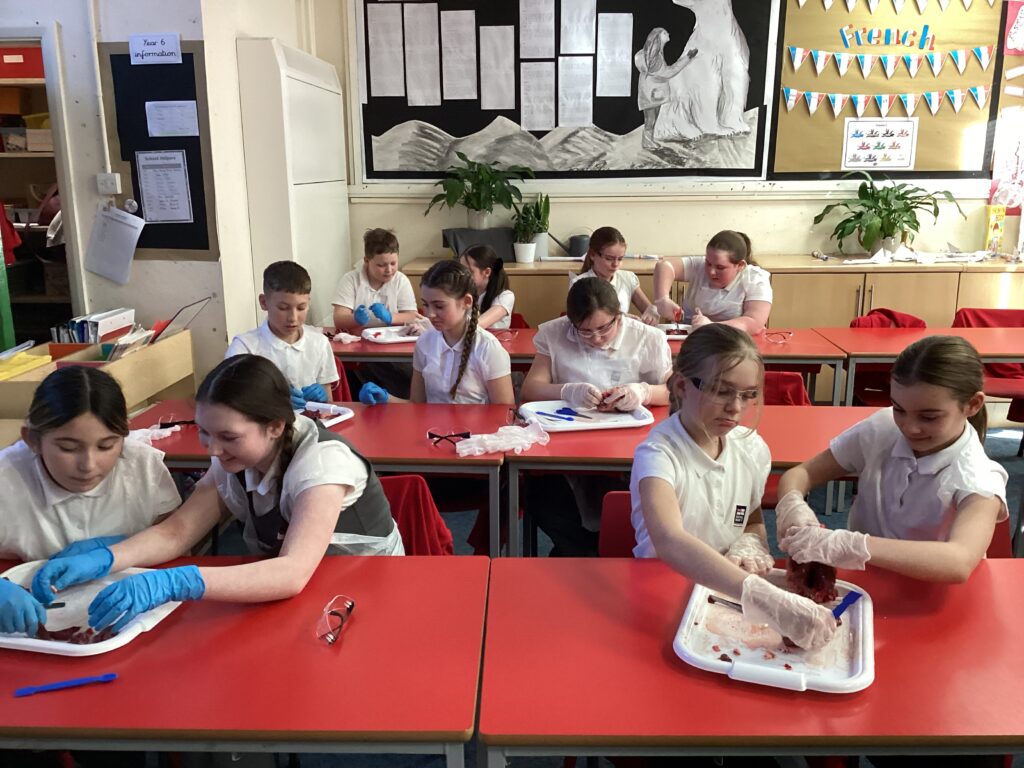
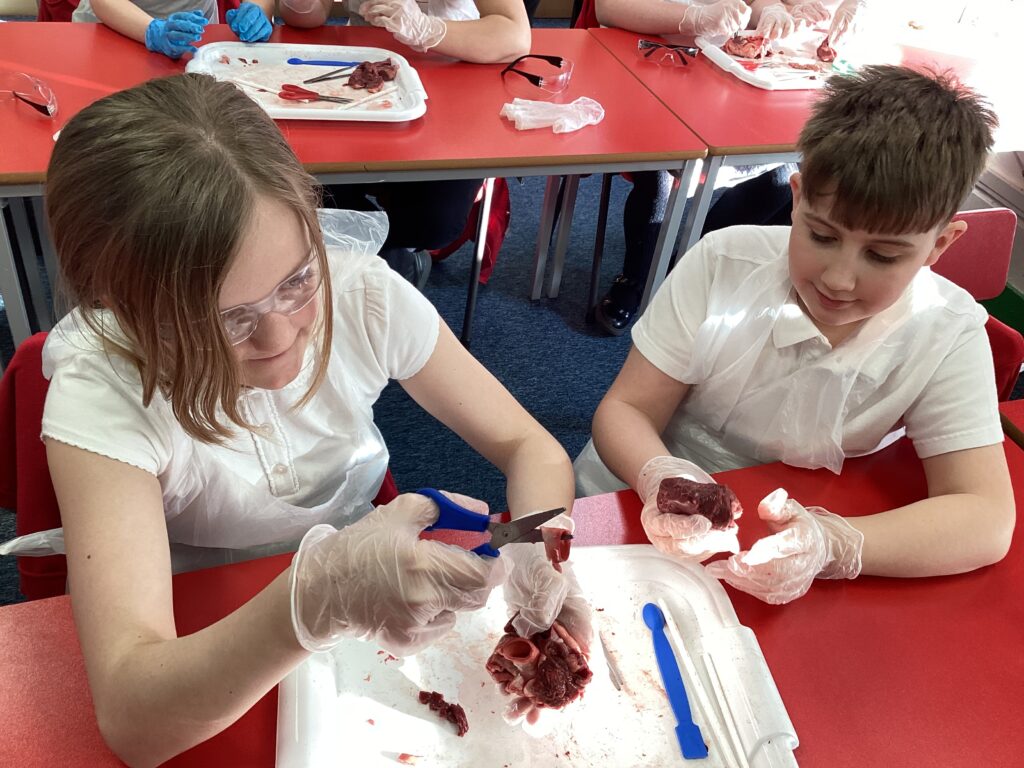
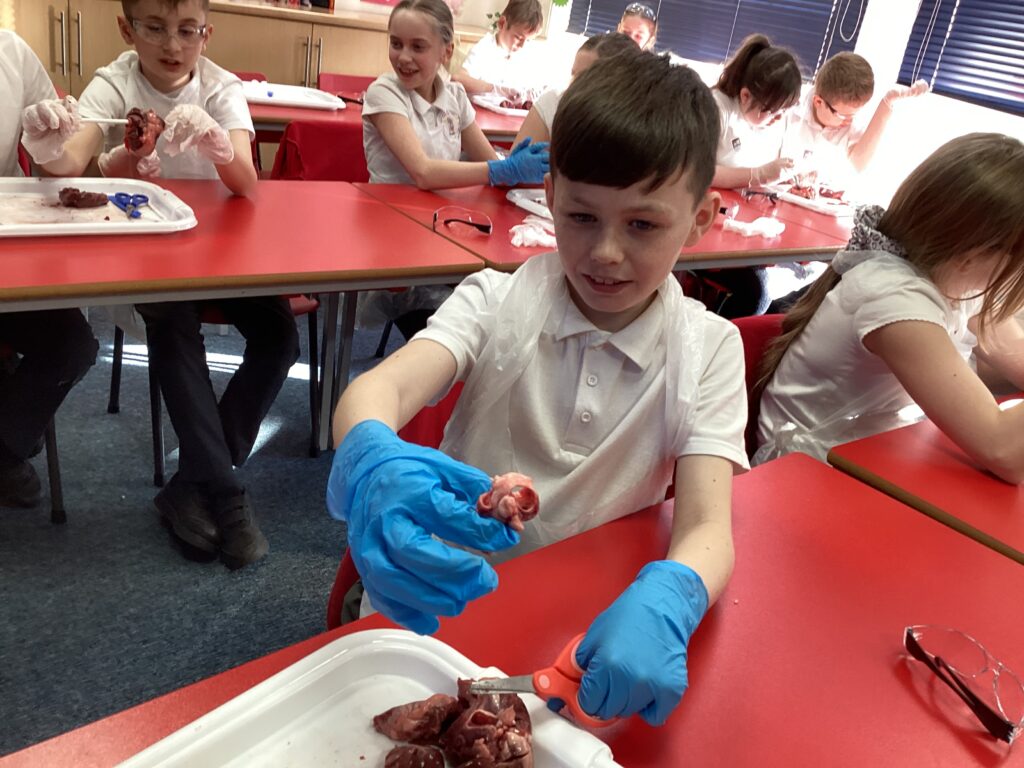
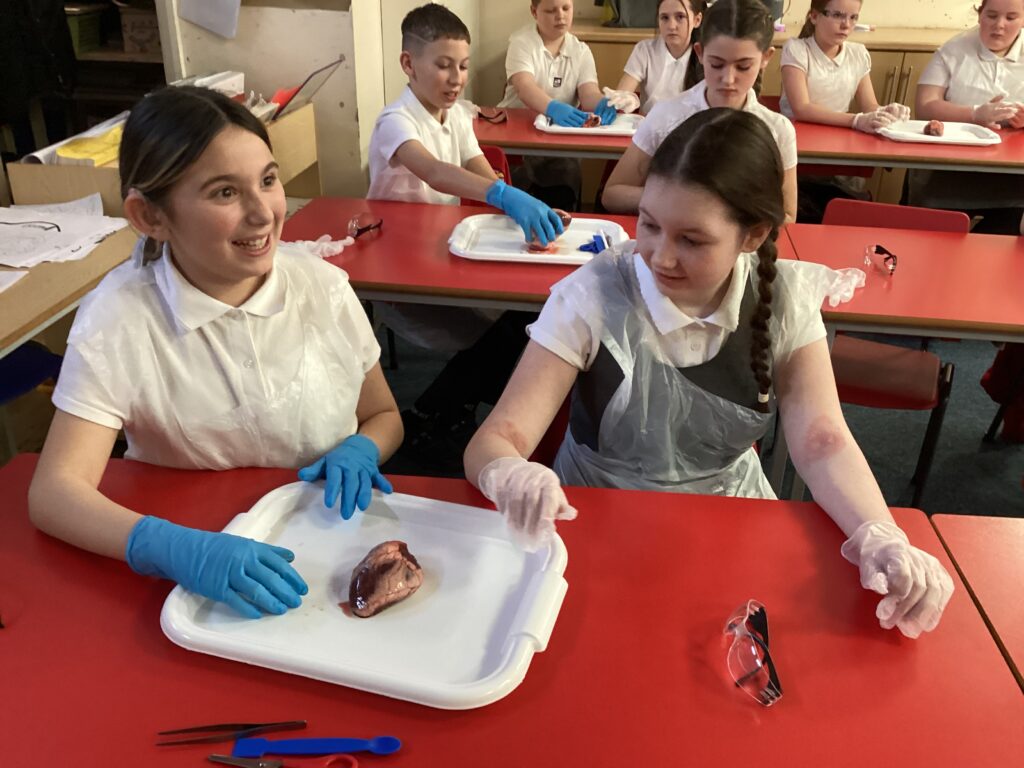
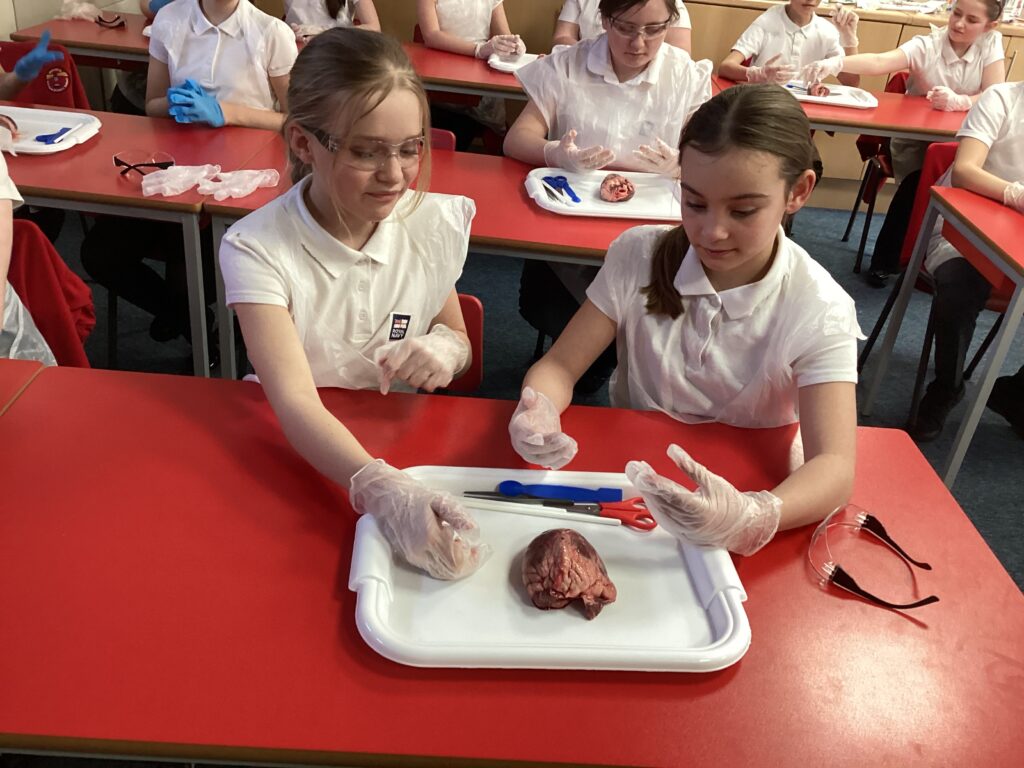
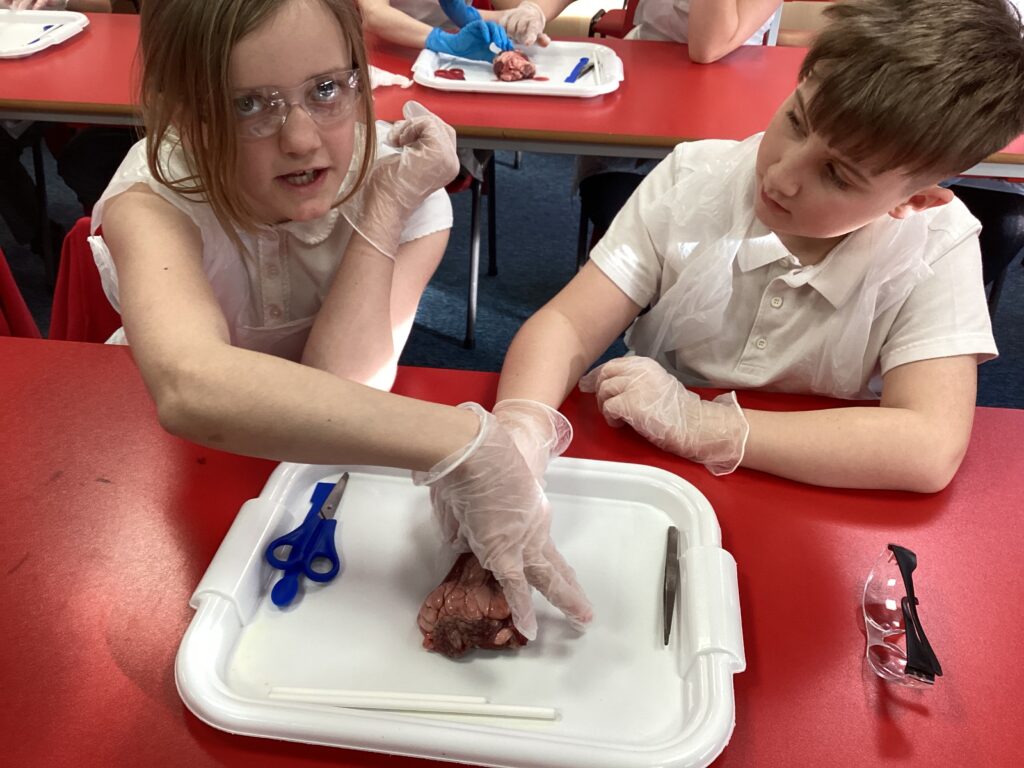
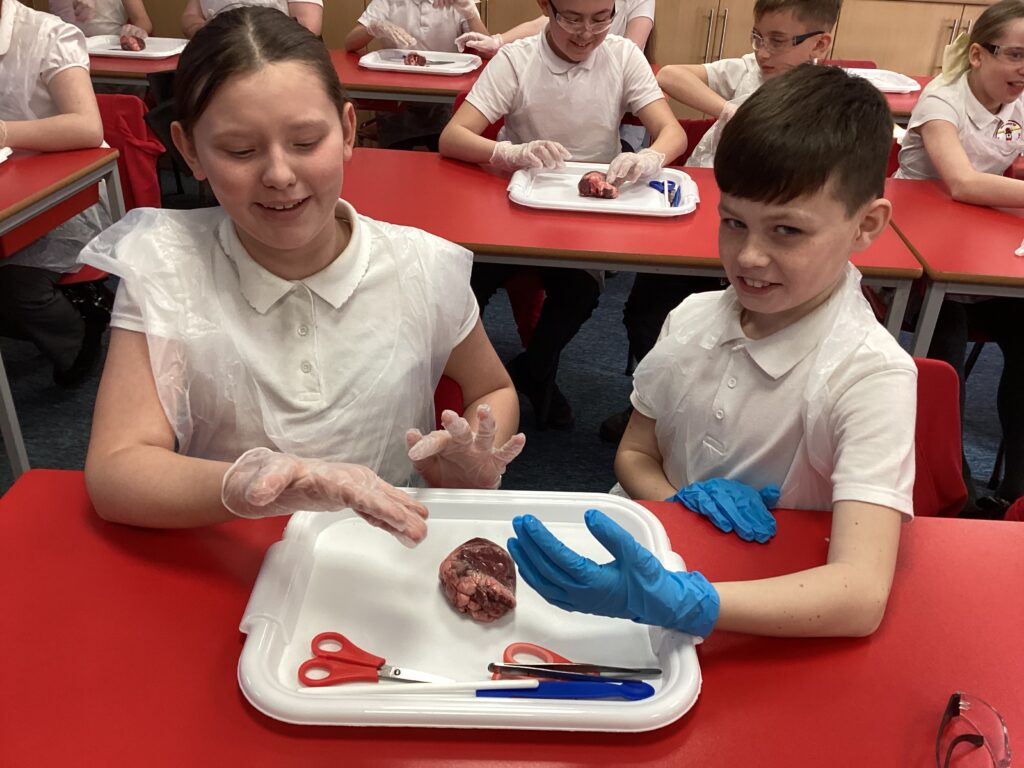
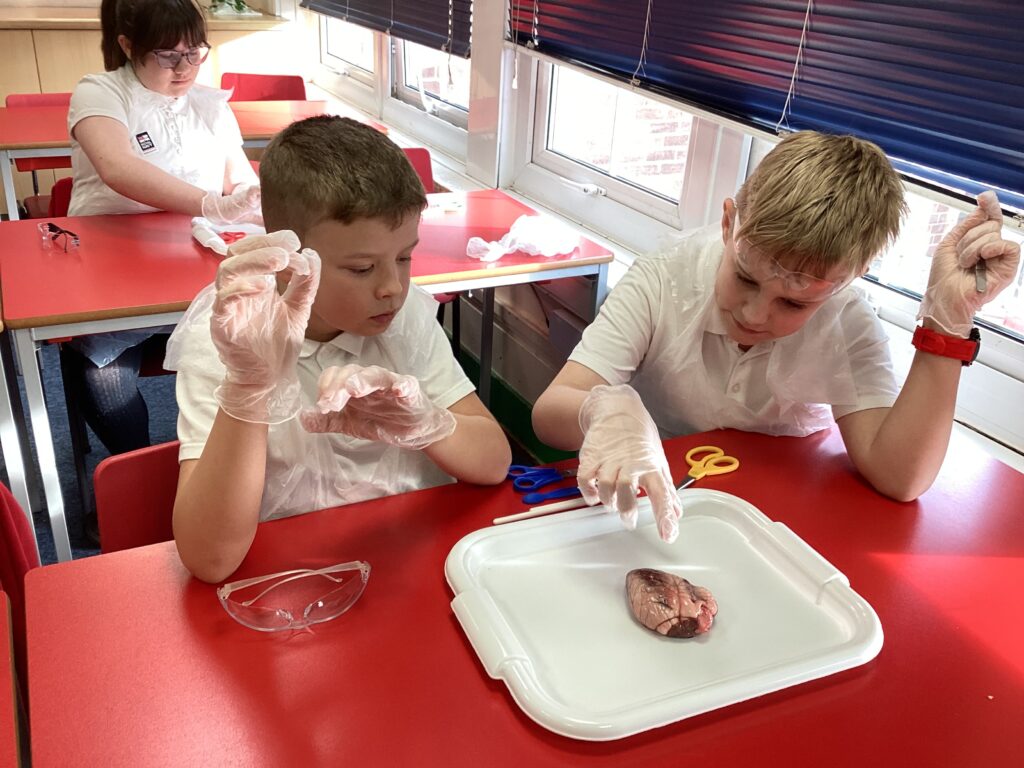
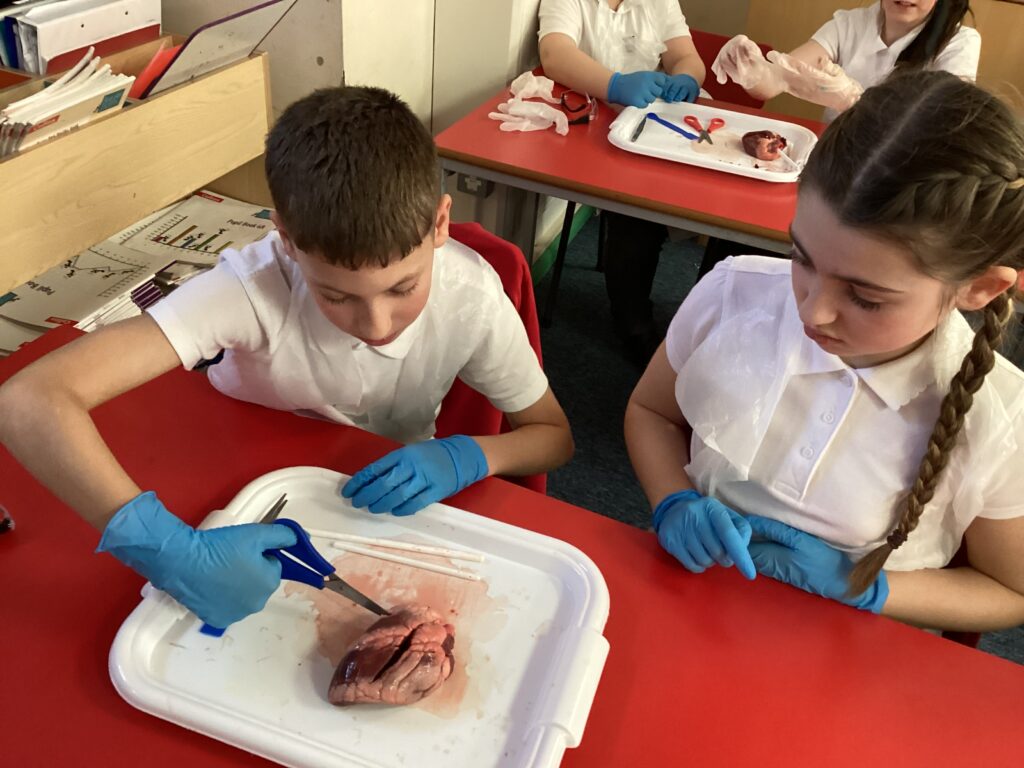
This week, Y6 tried their hand at being heart surgeons! To learn more about the organ for their science topic, the class dissected some sheep hearts and looked at how they worked.
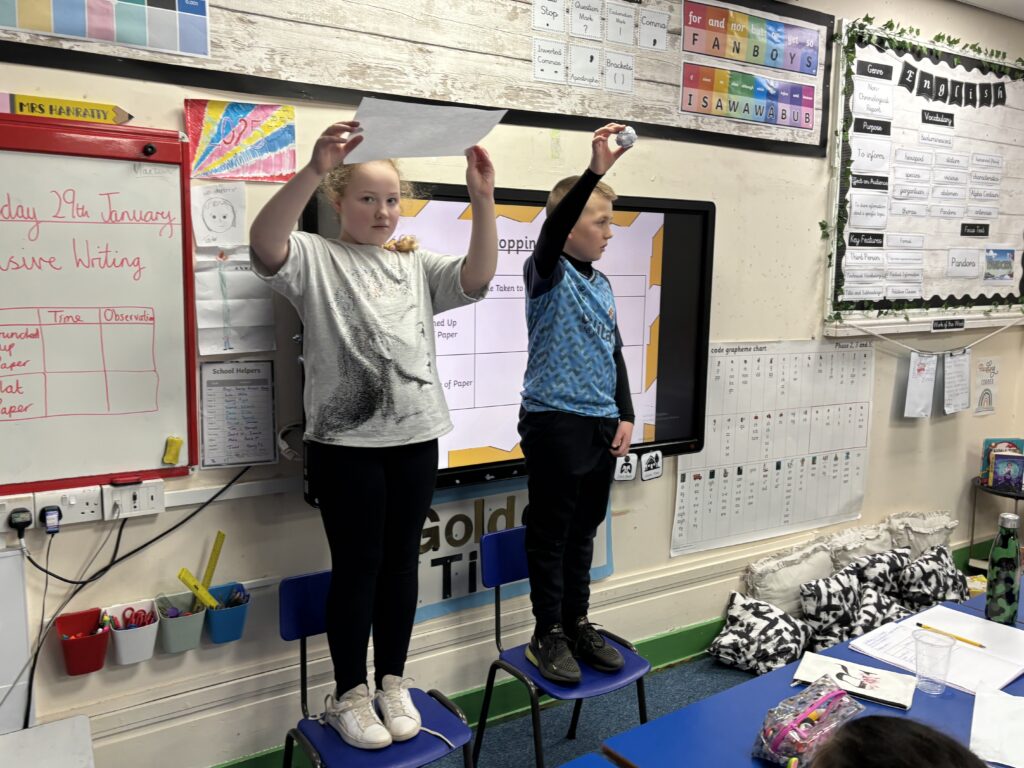
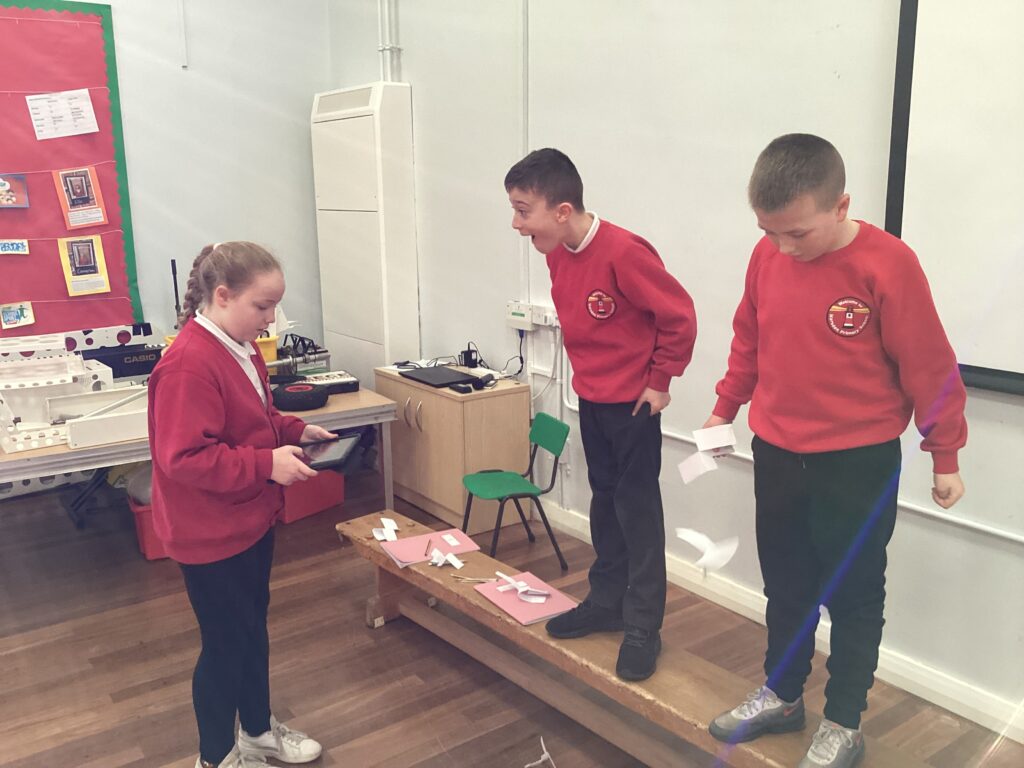
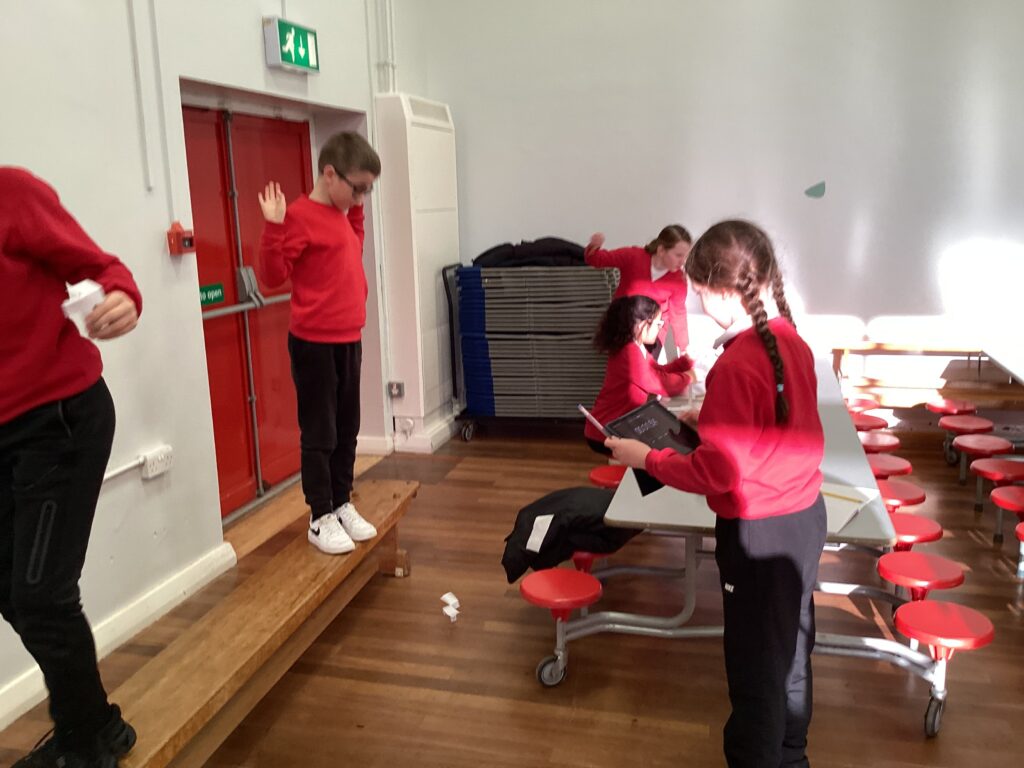
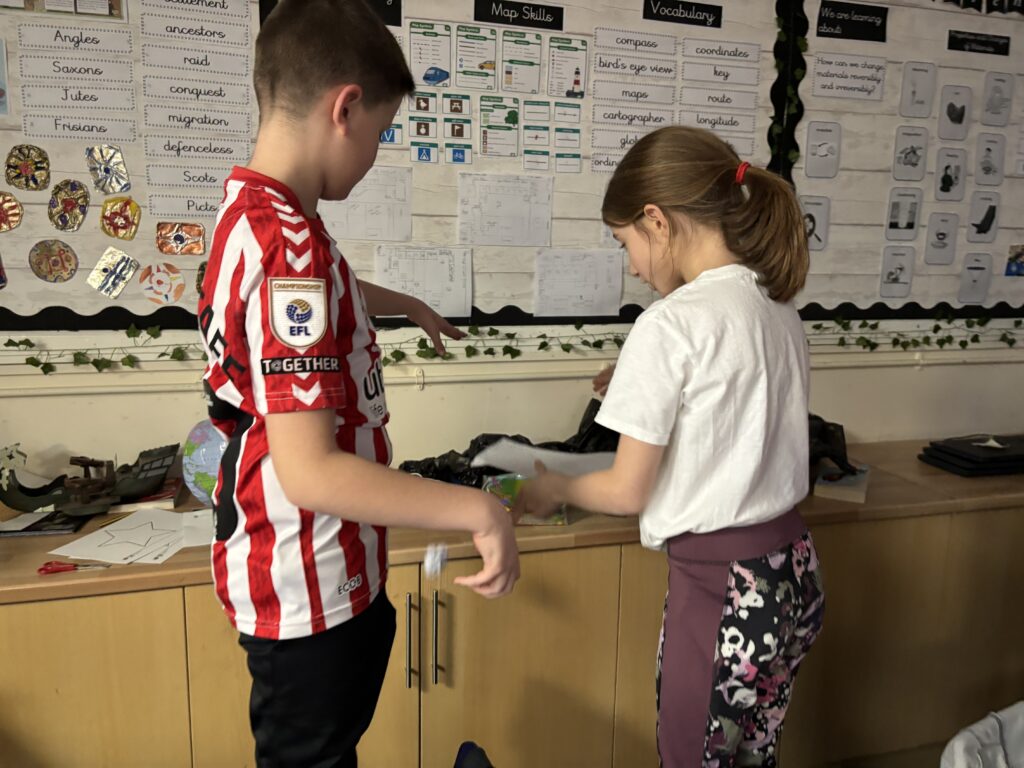
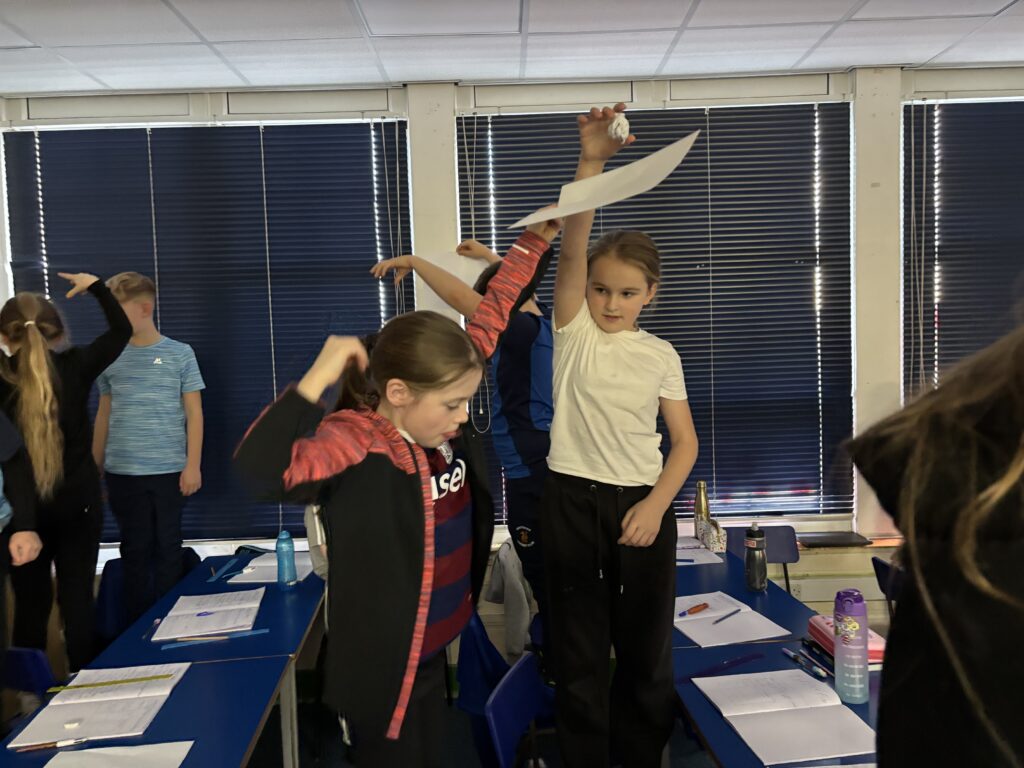
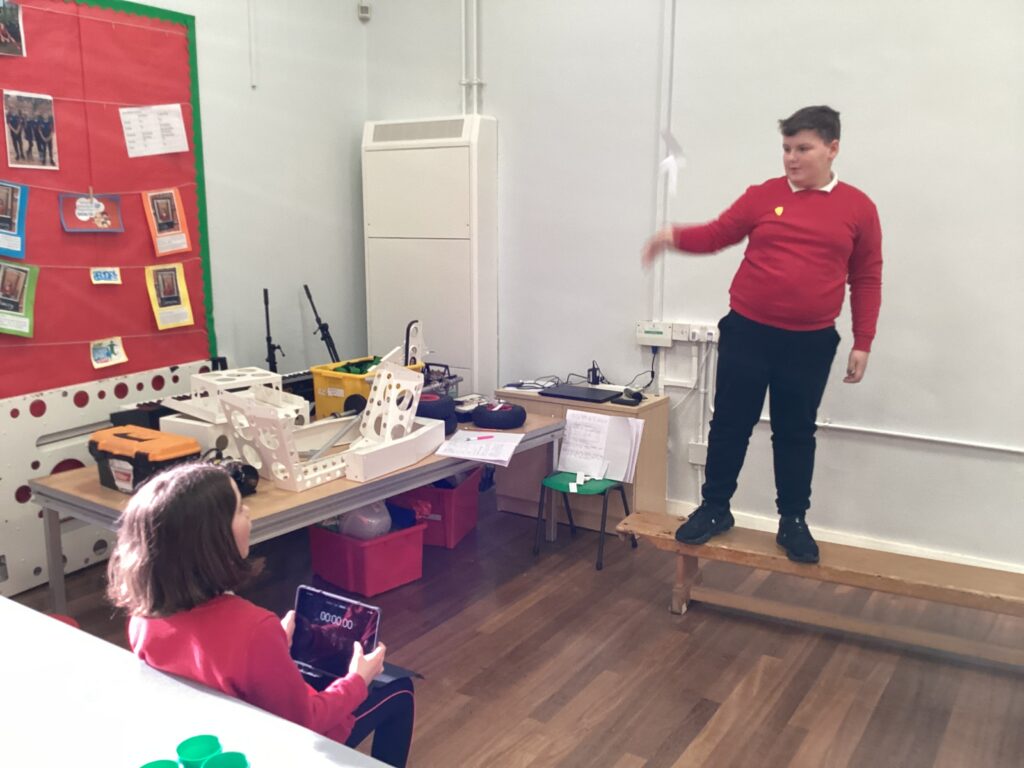
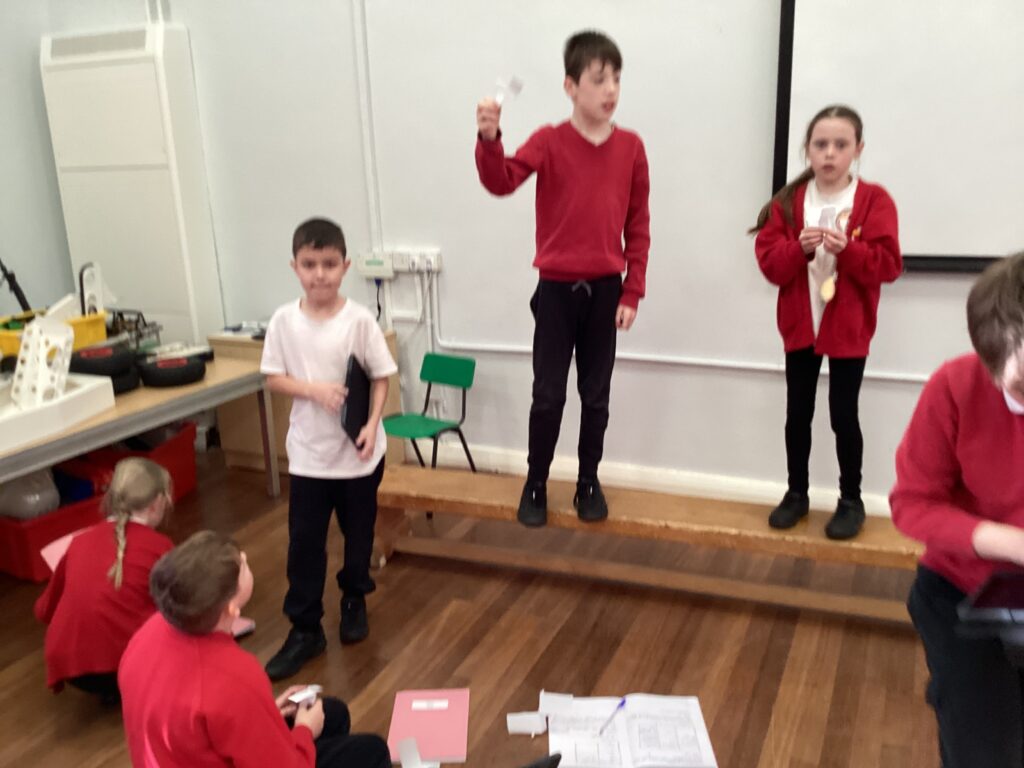
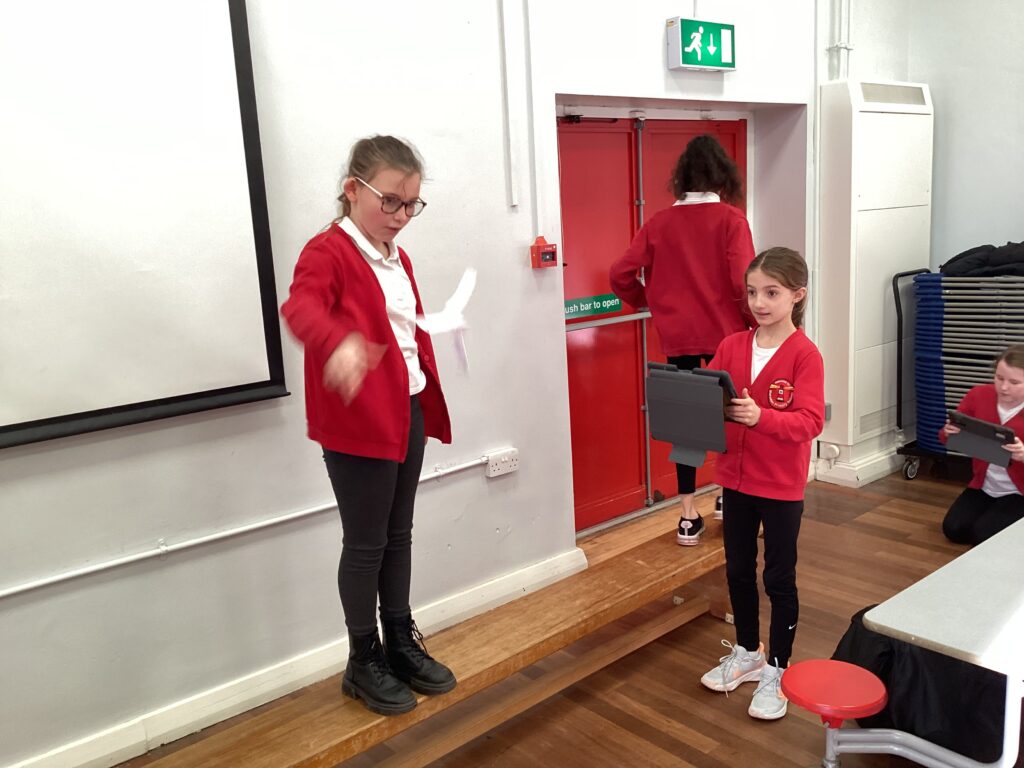
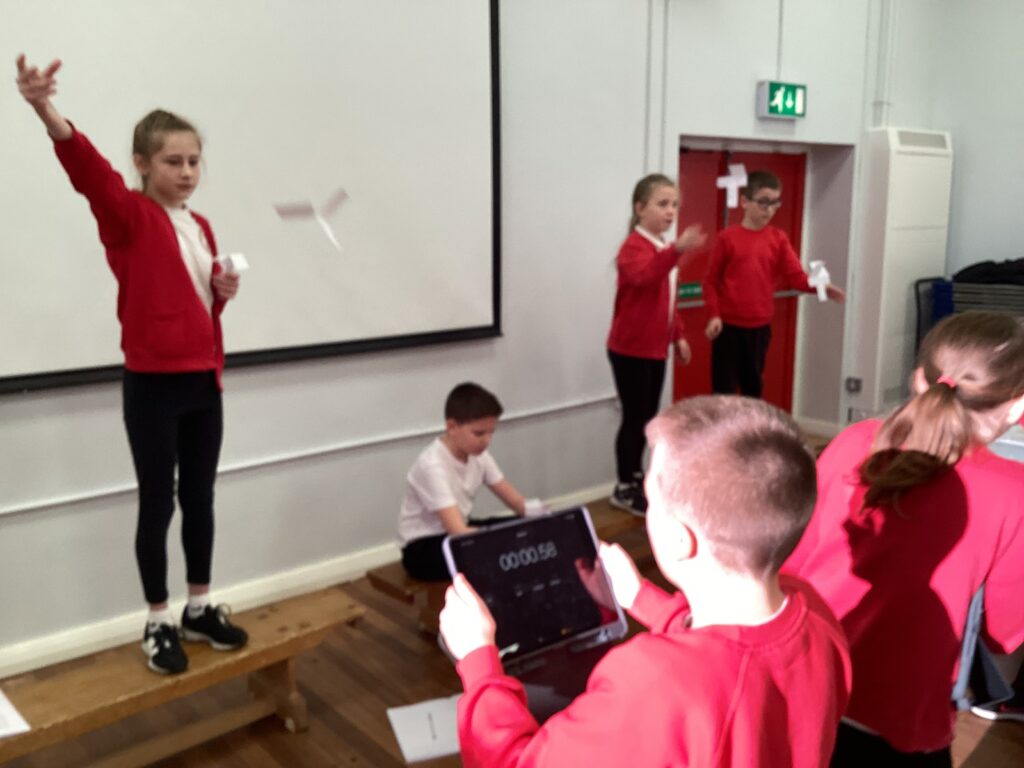
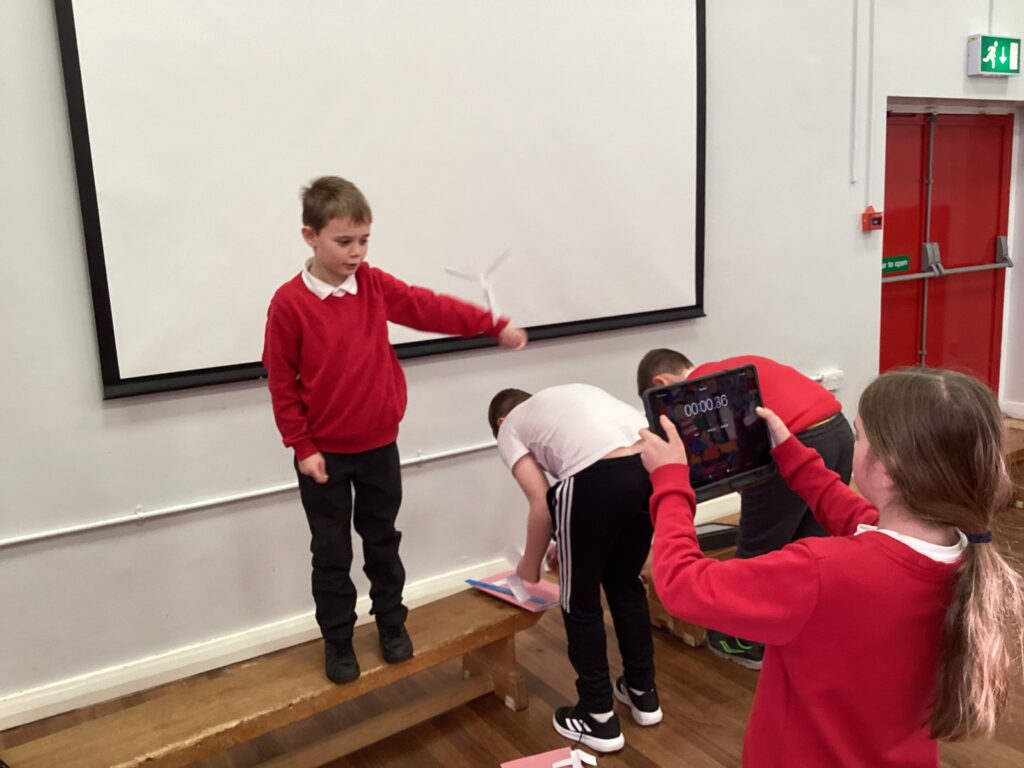
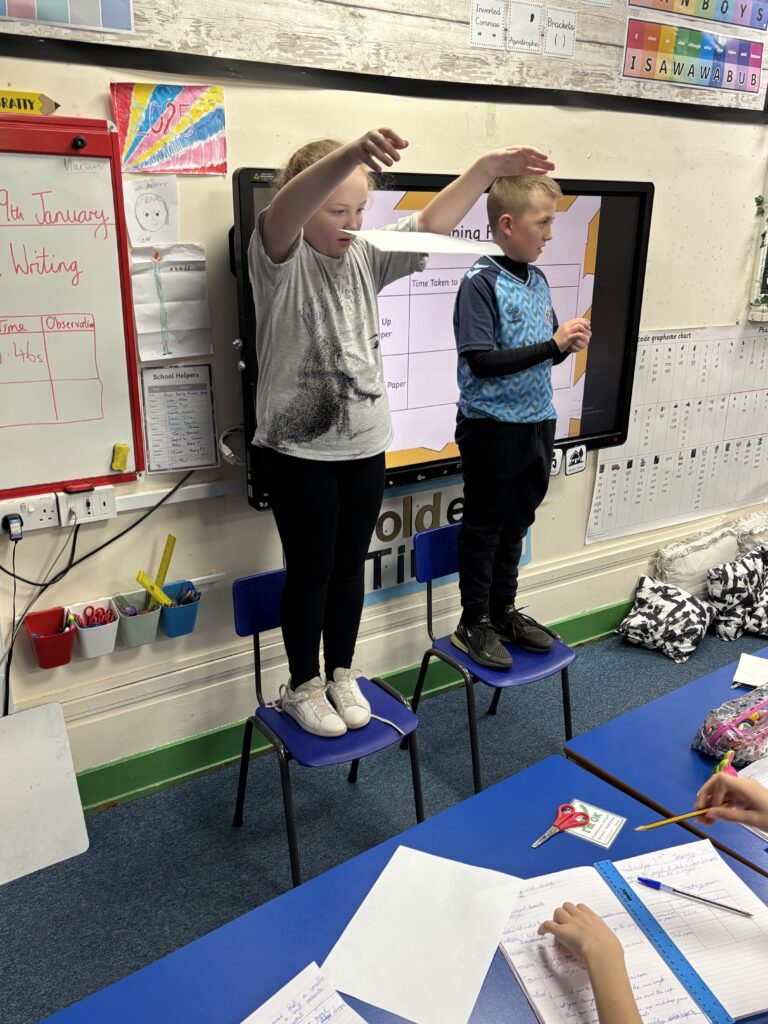
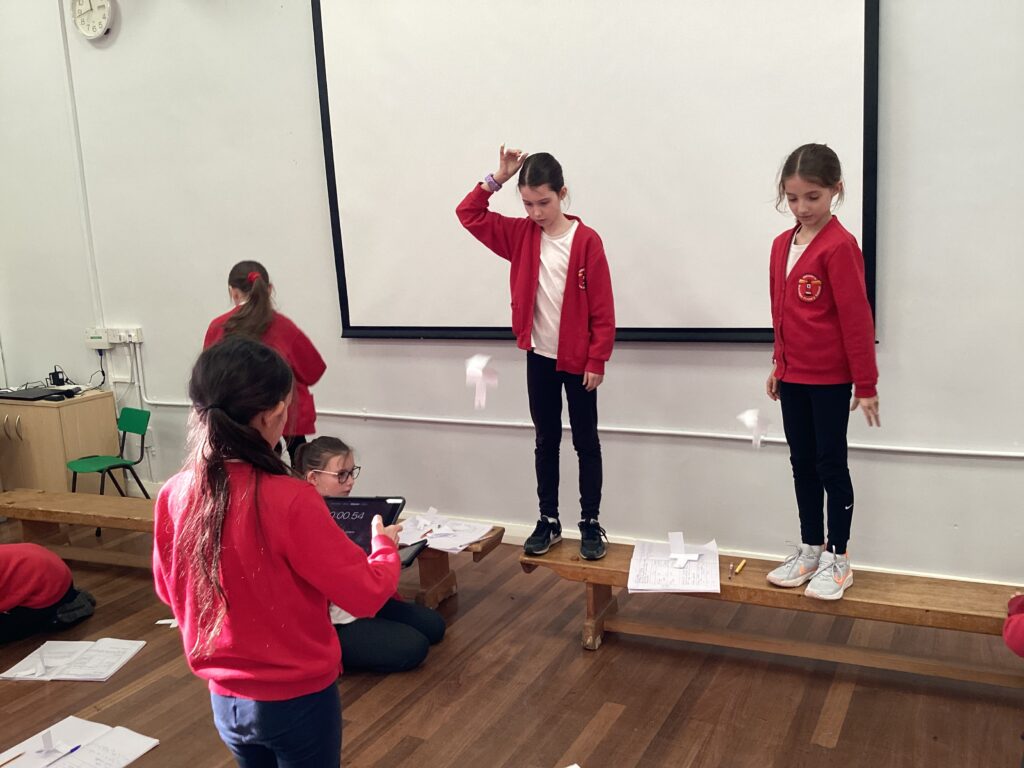
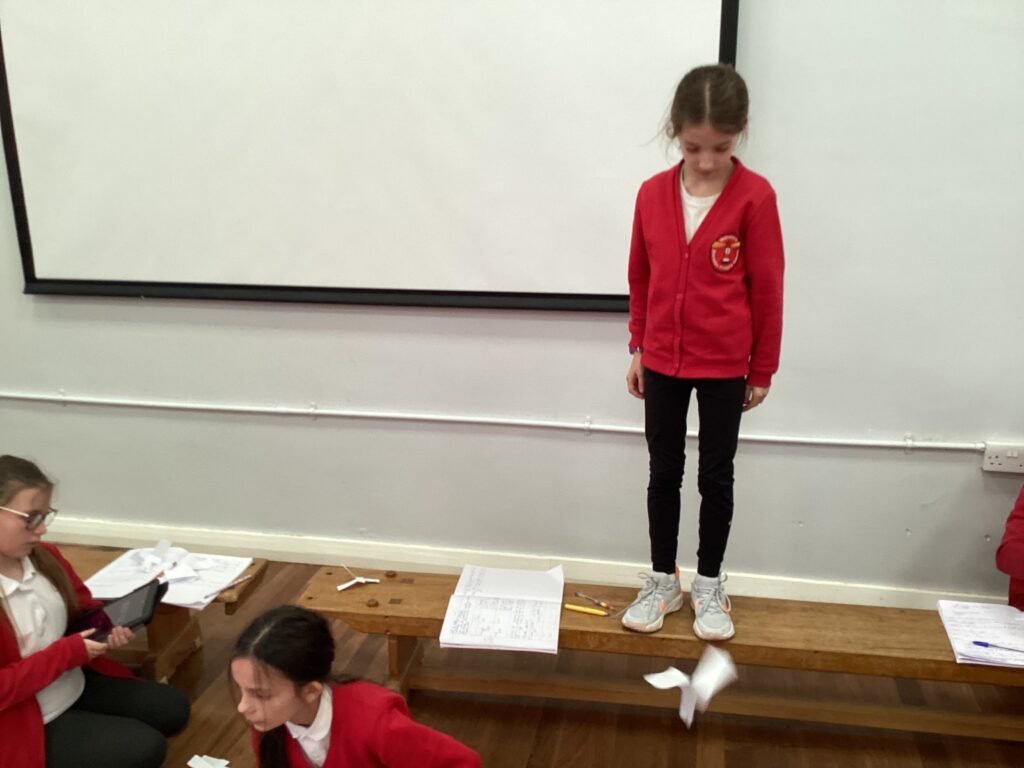
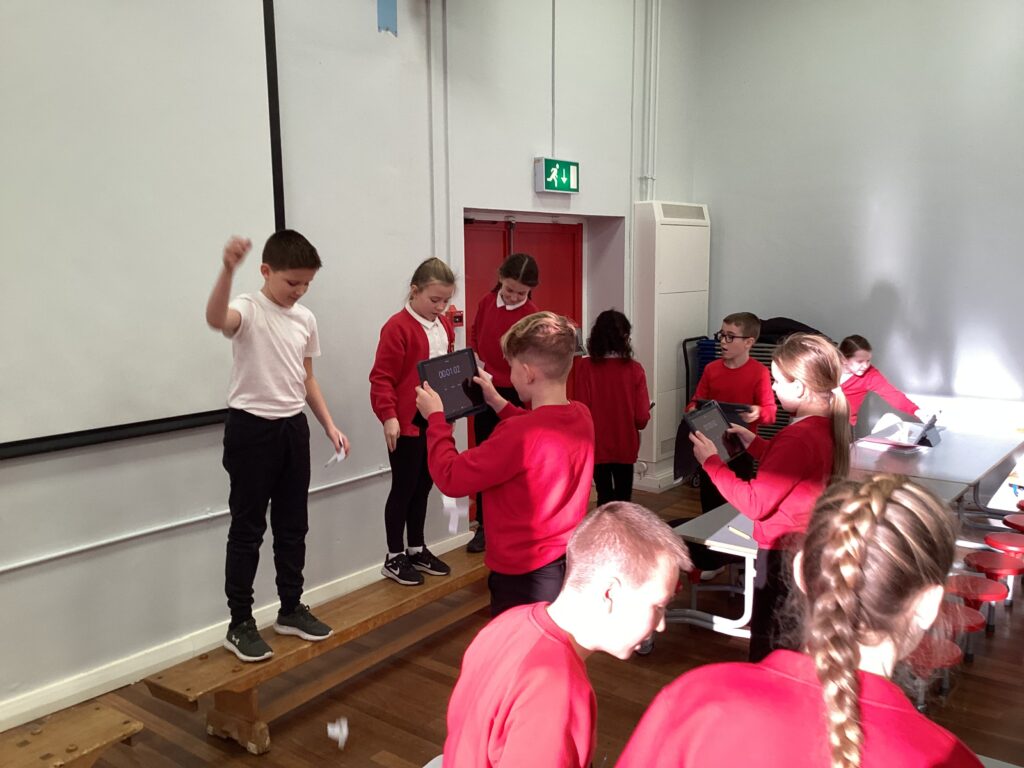
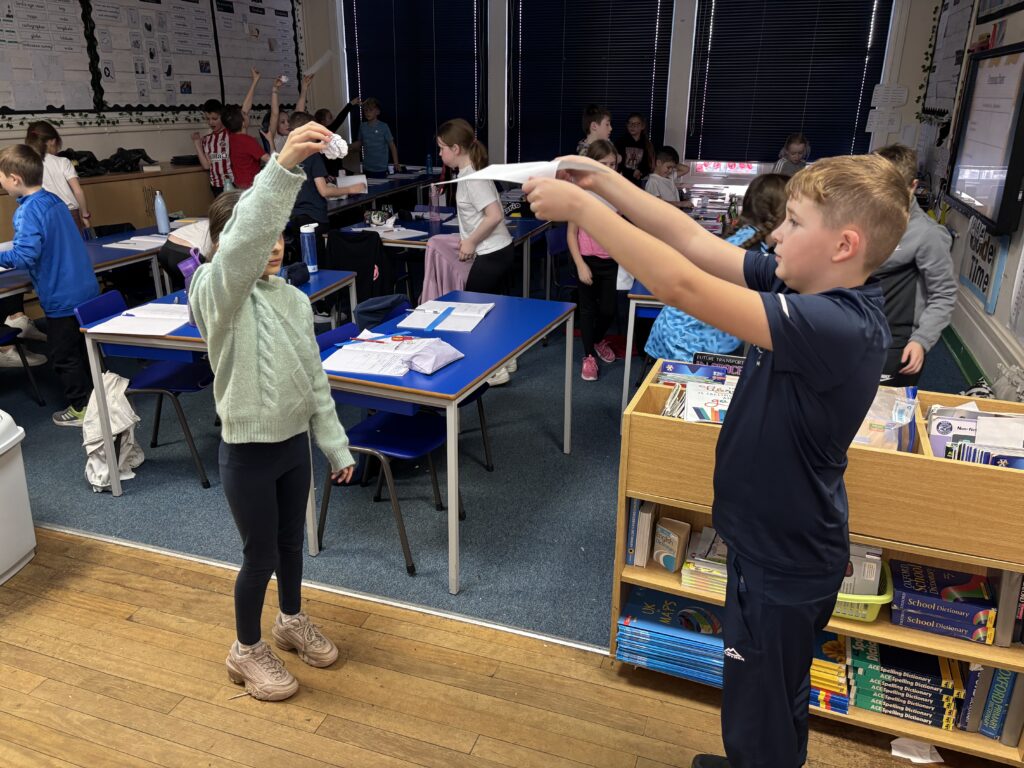
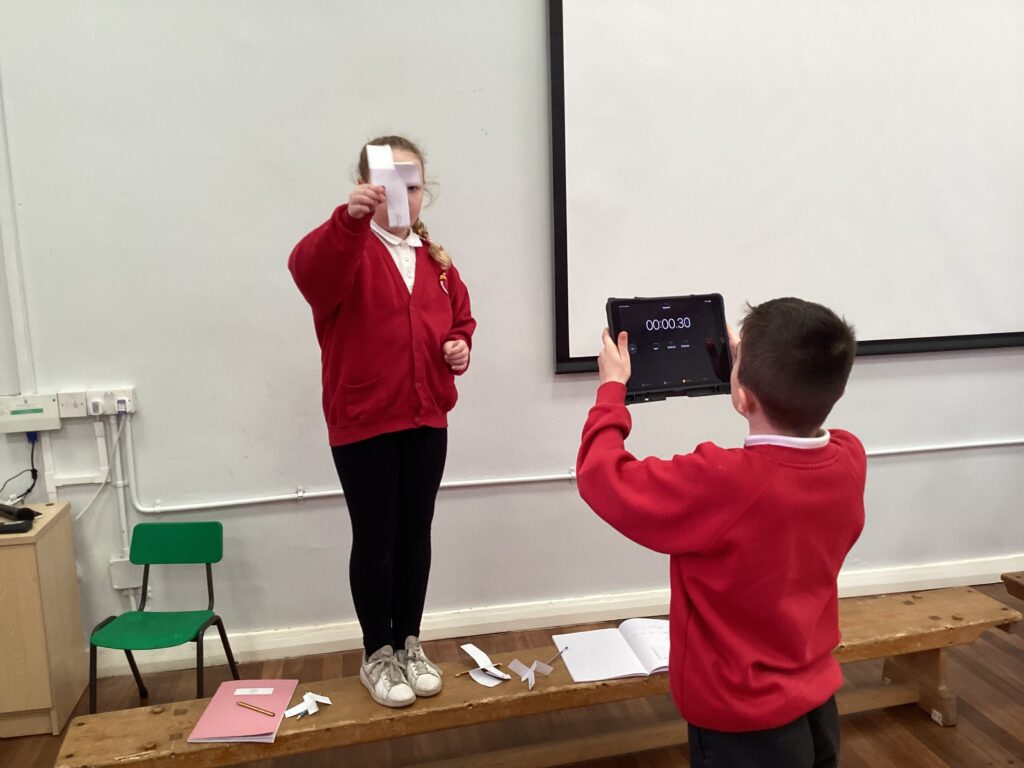
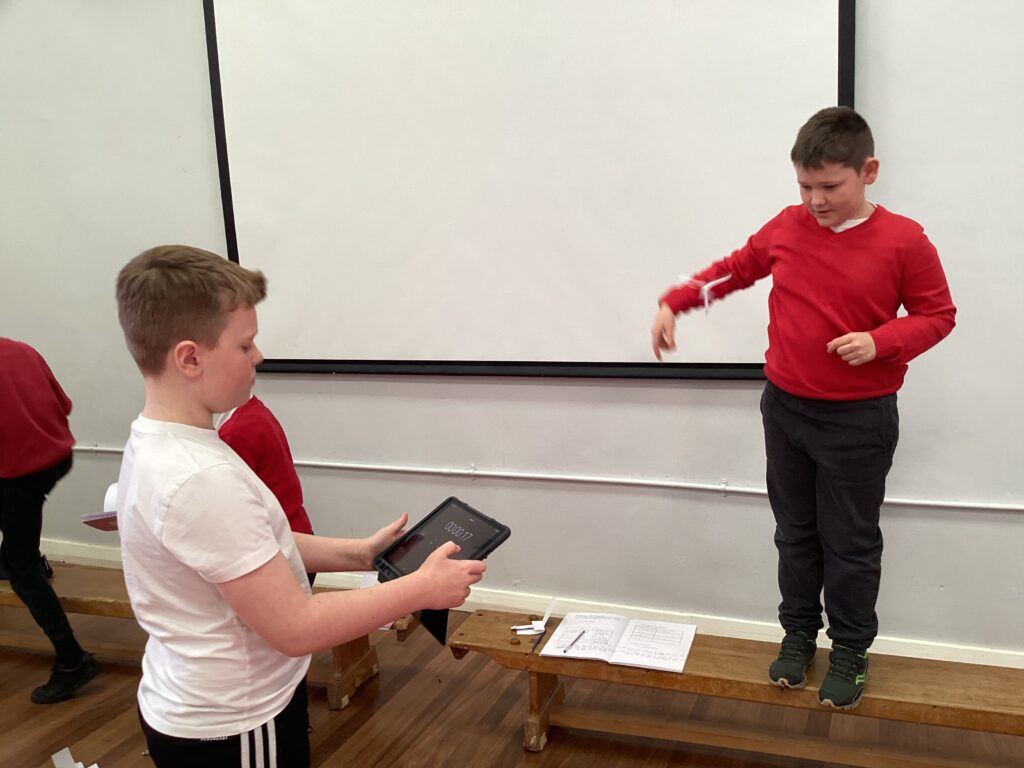
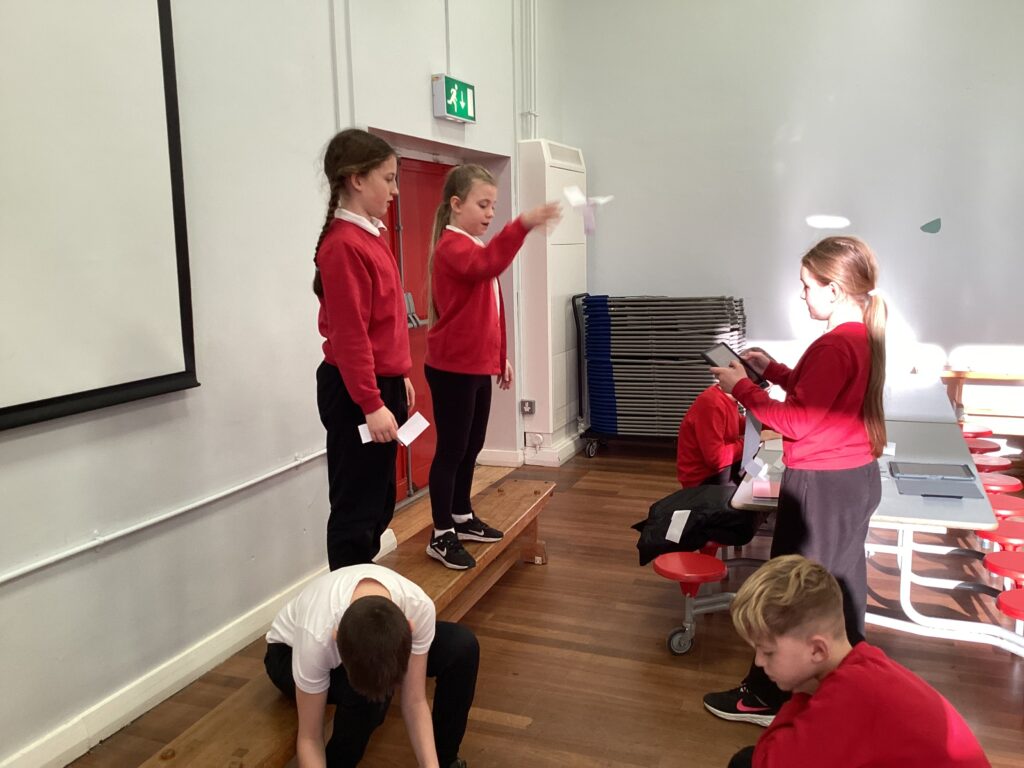
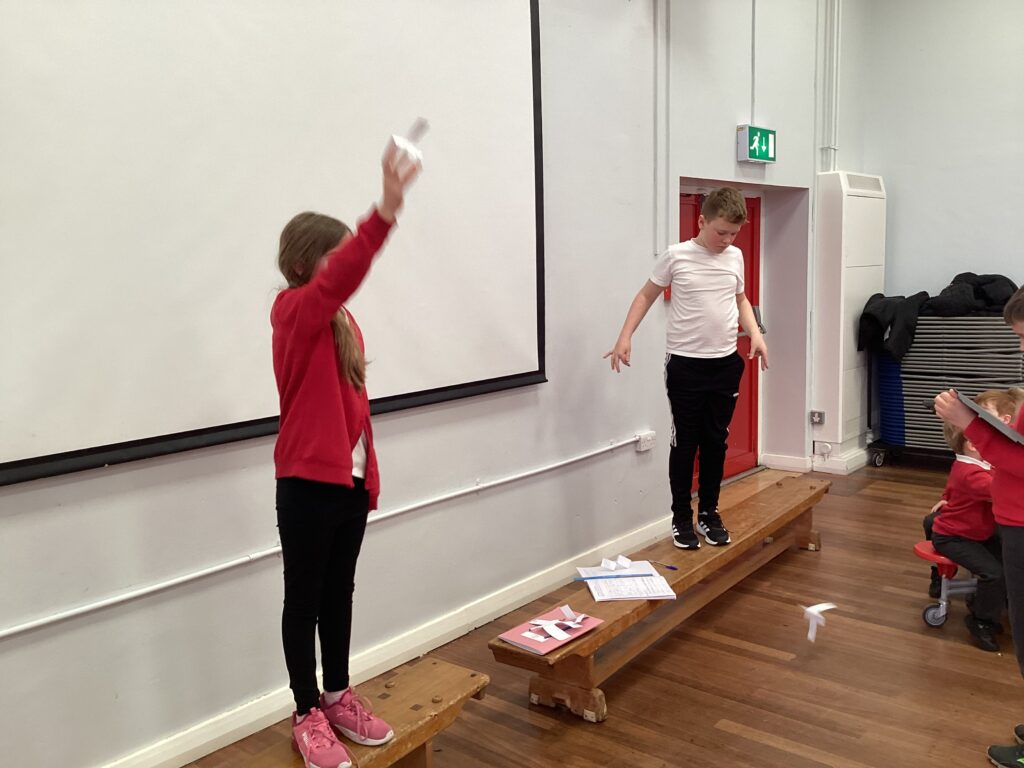
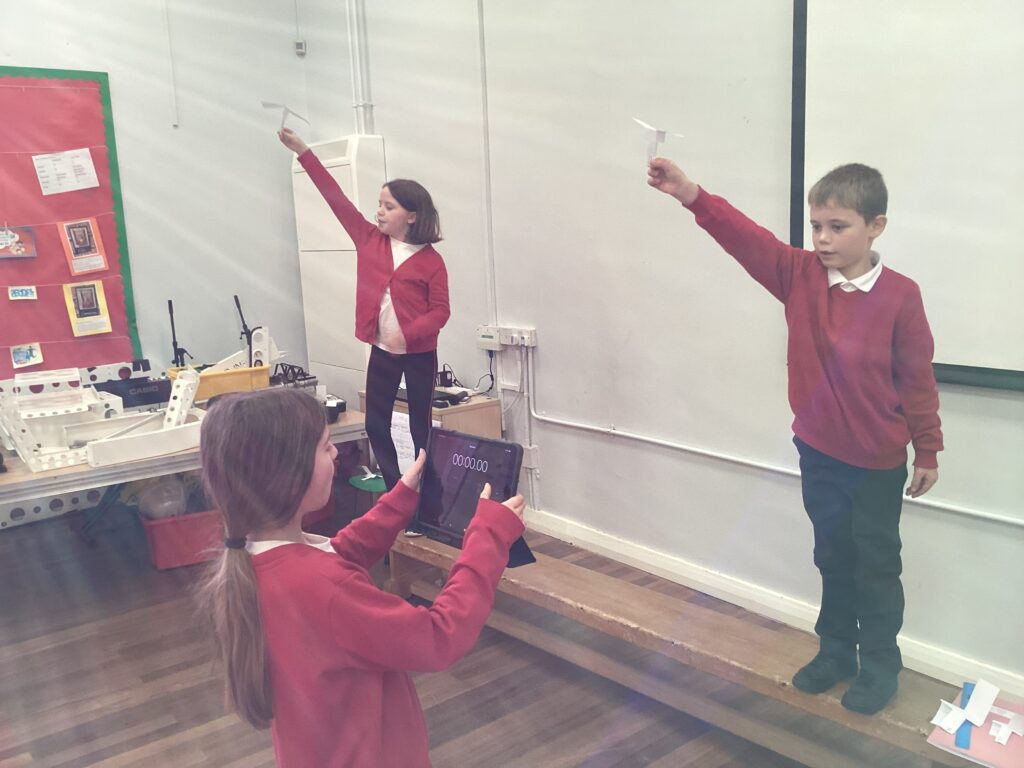
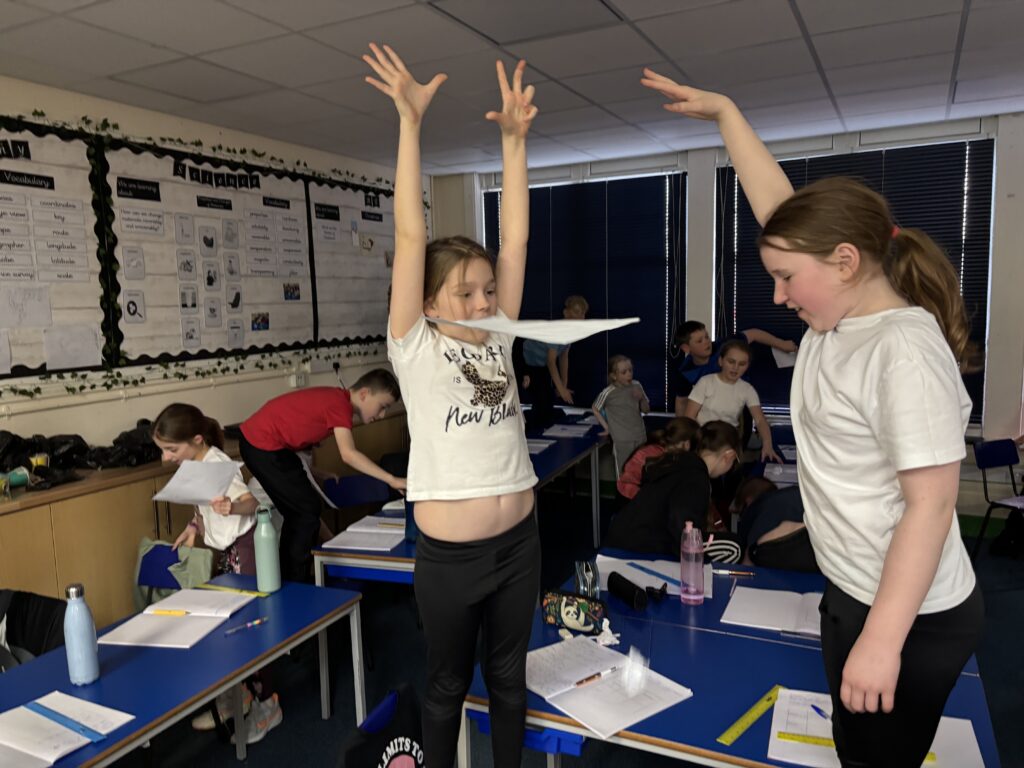
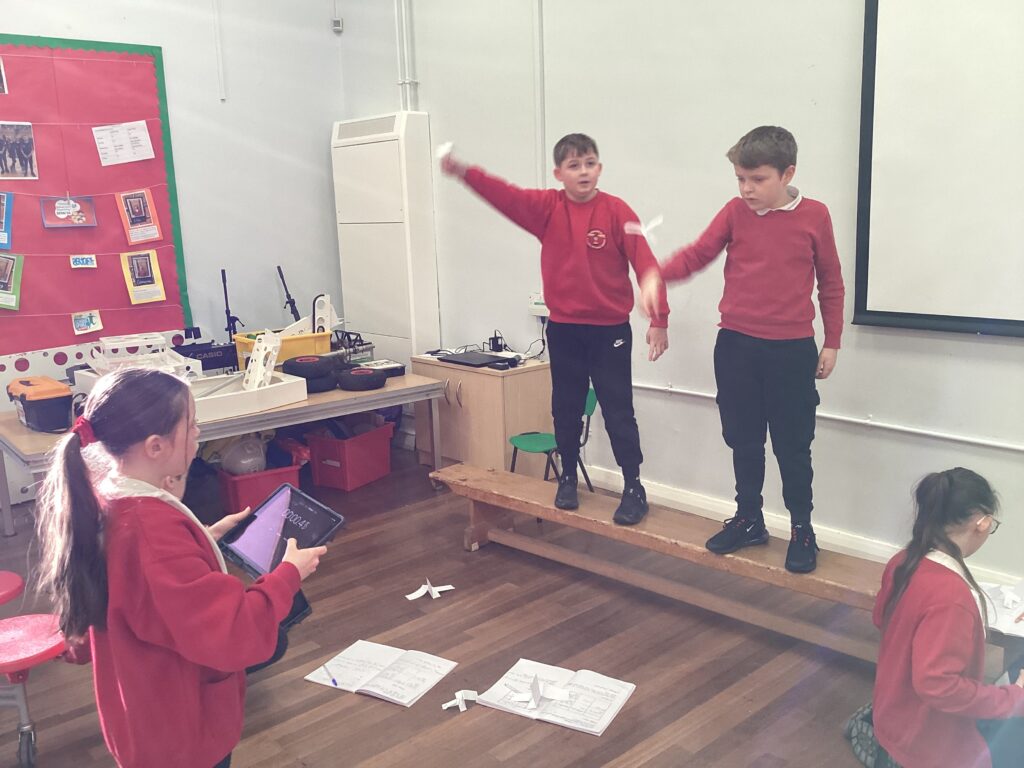
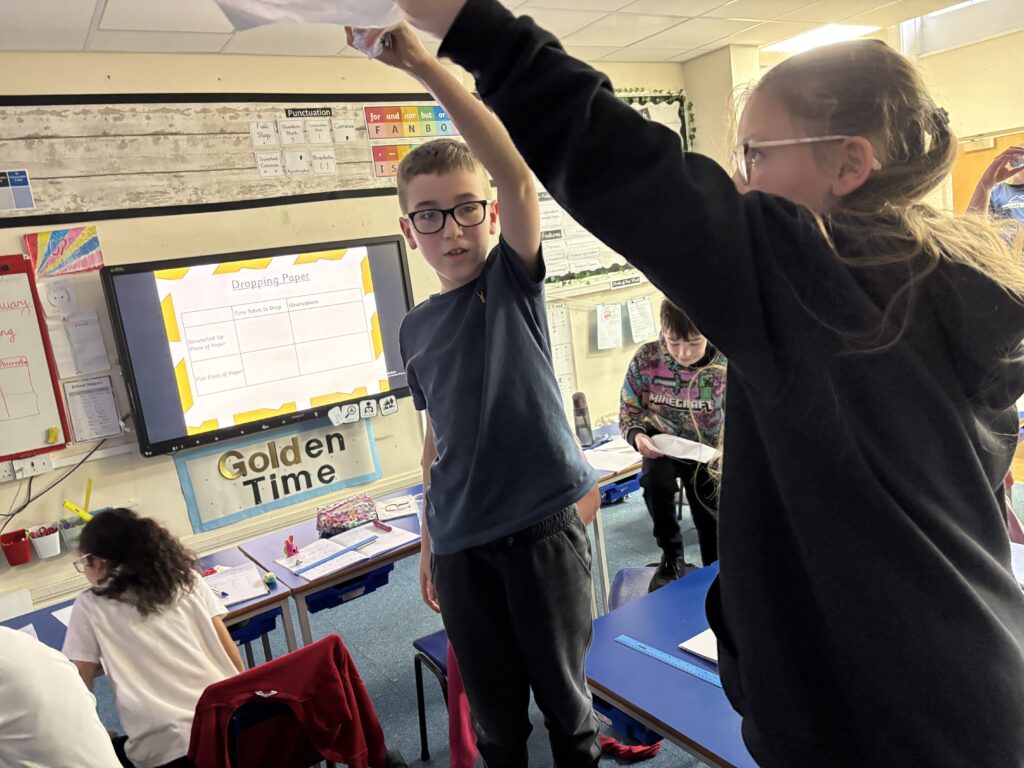
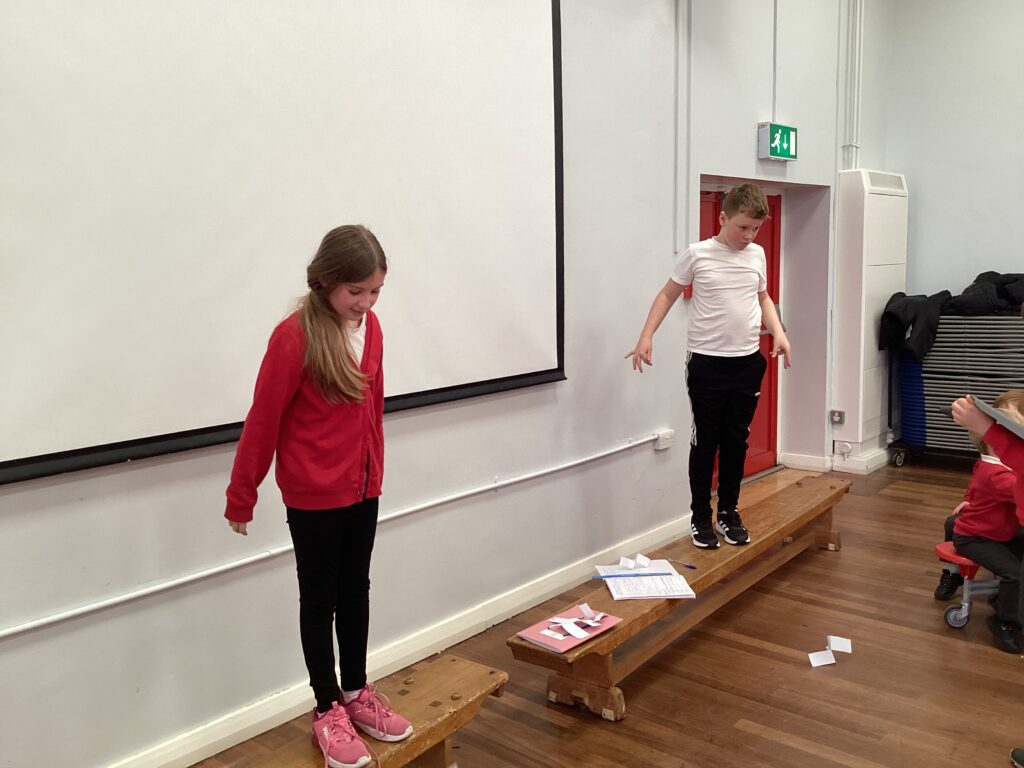
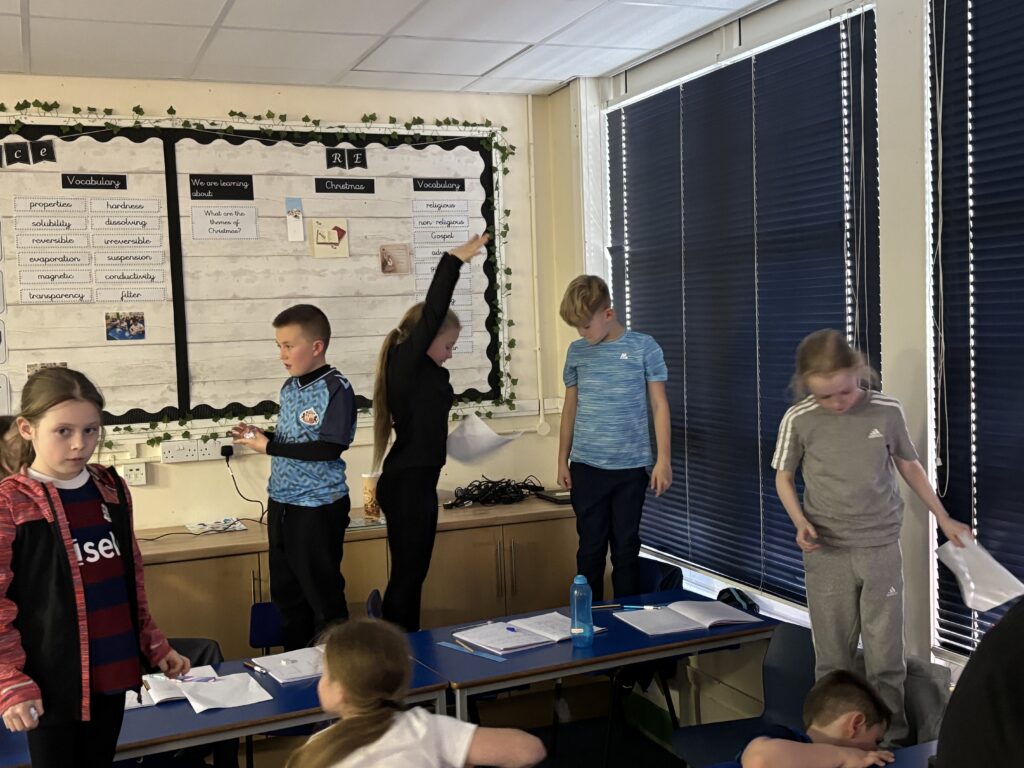
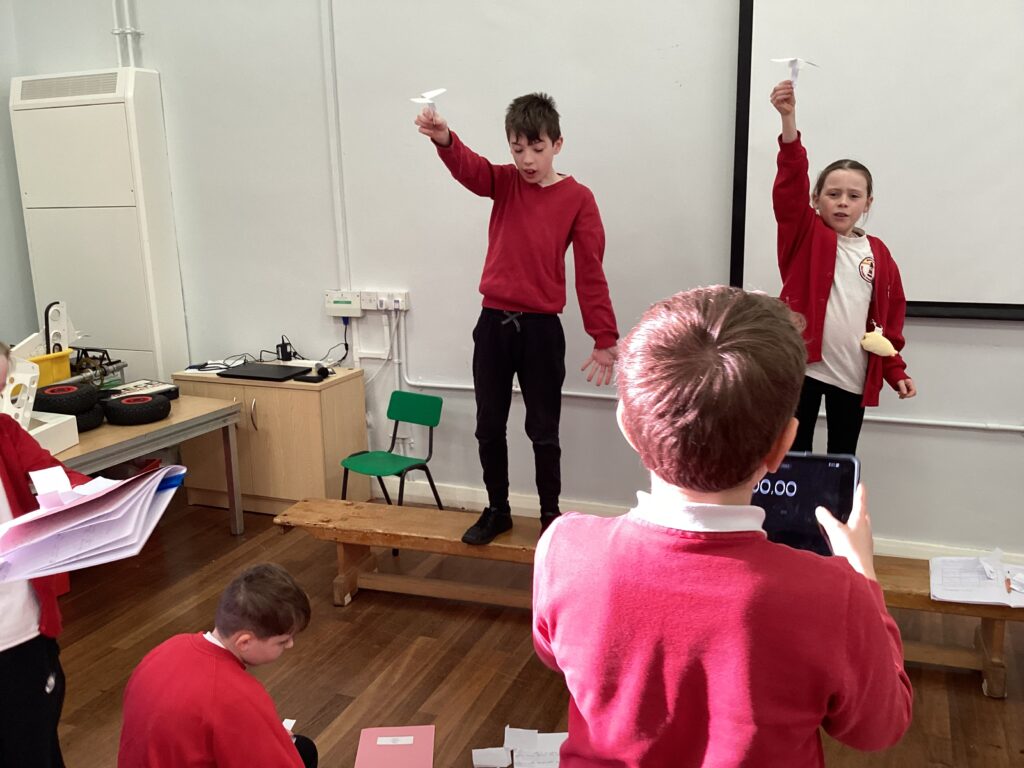
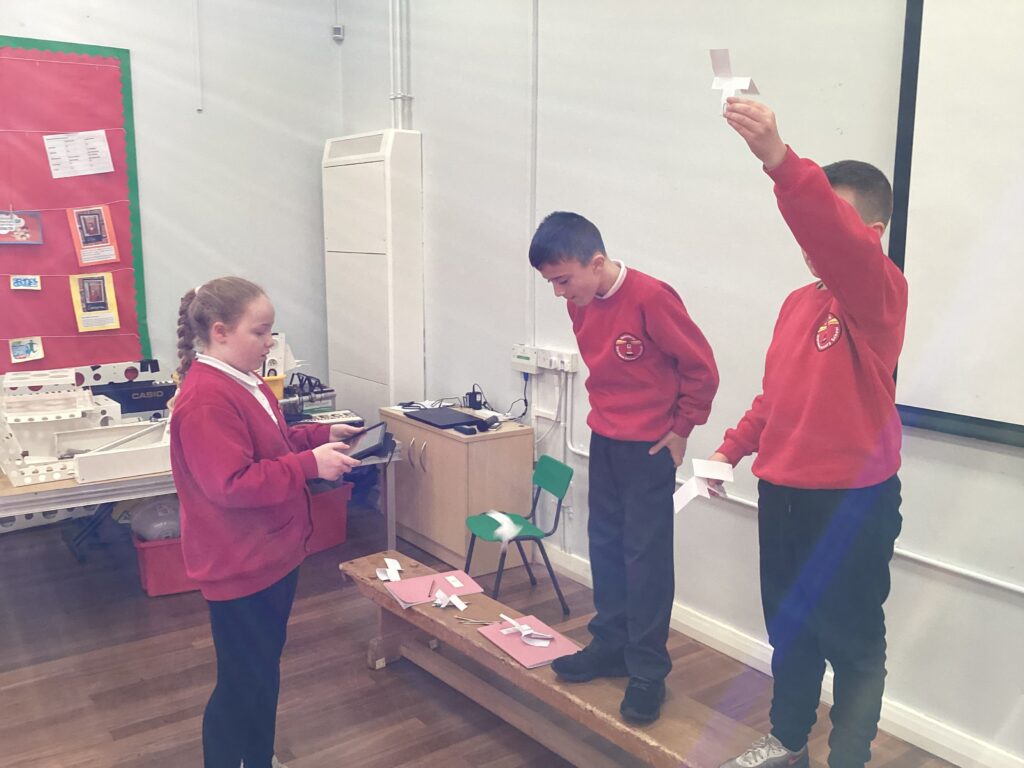
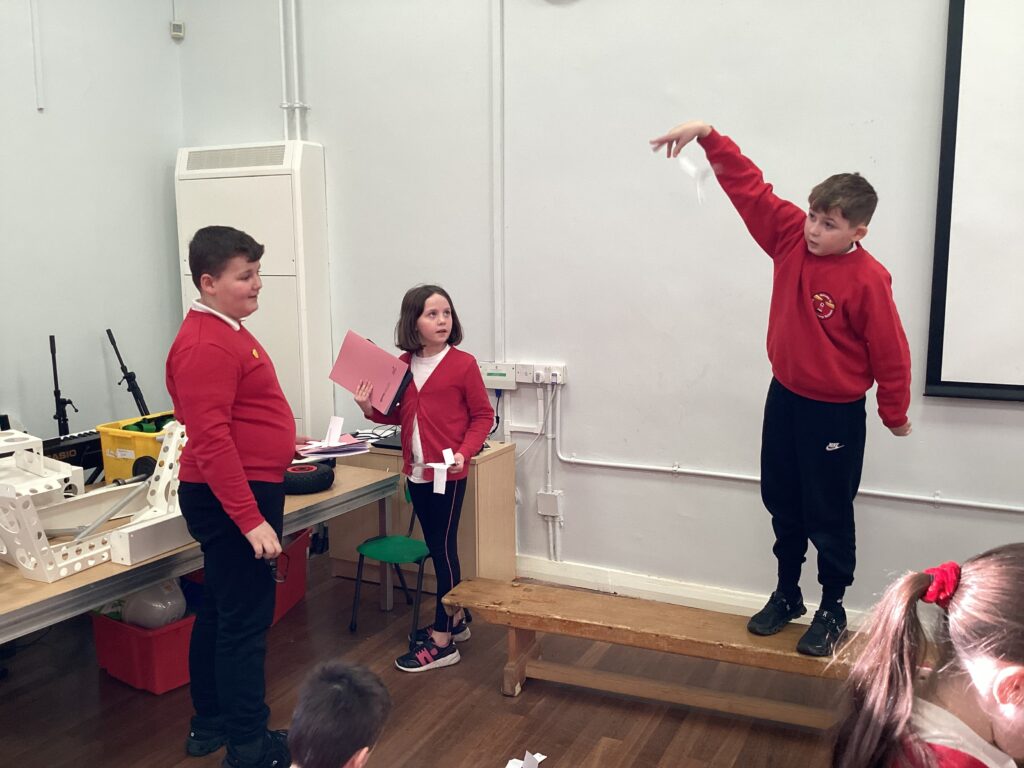
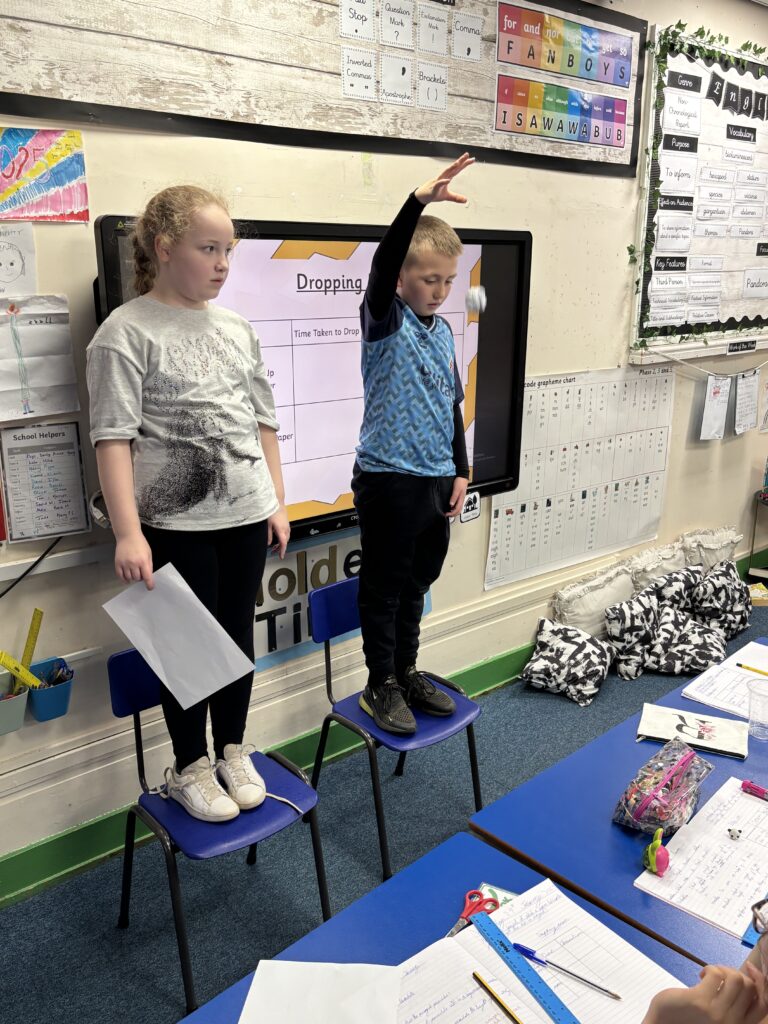
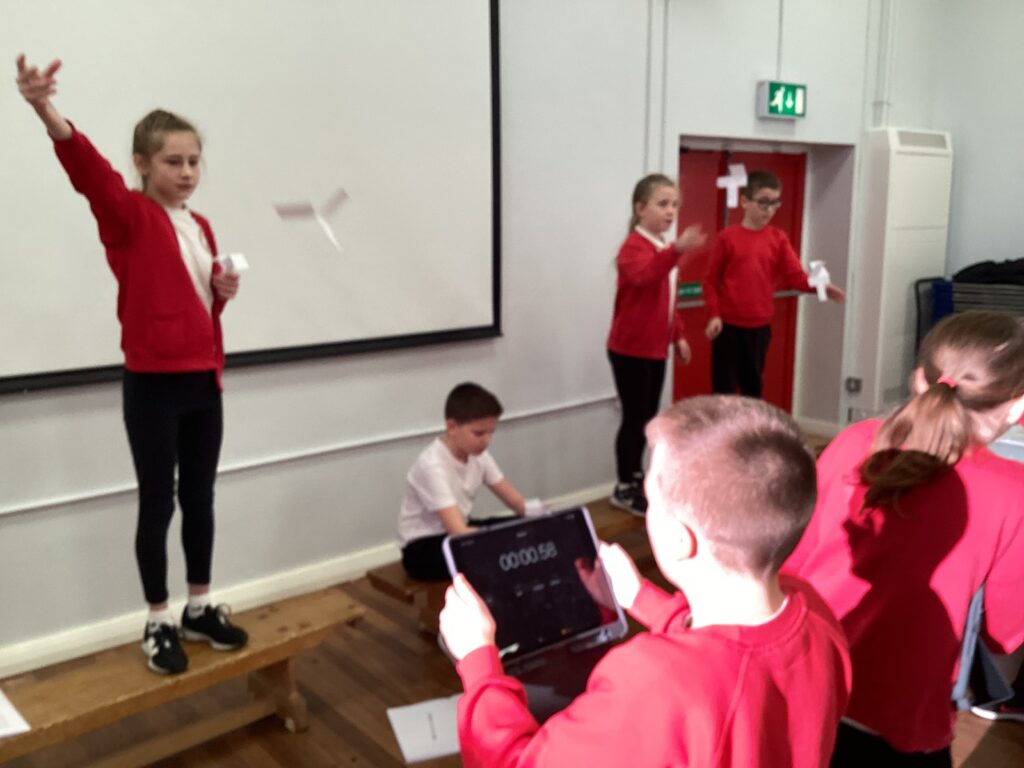
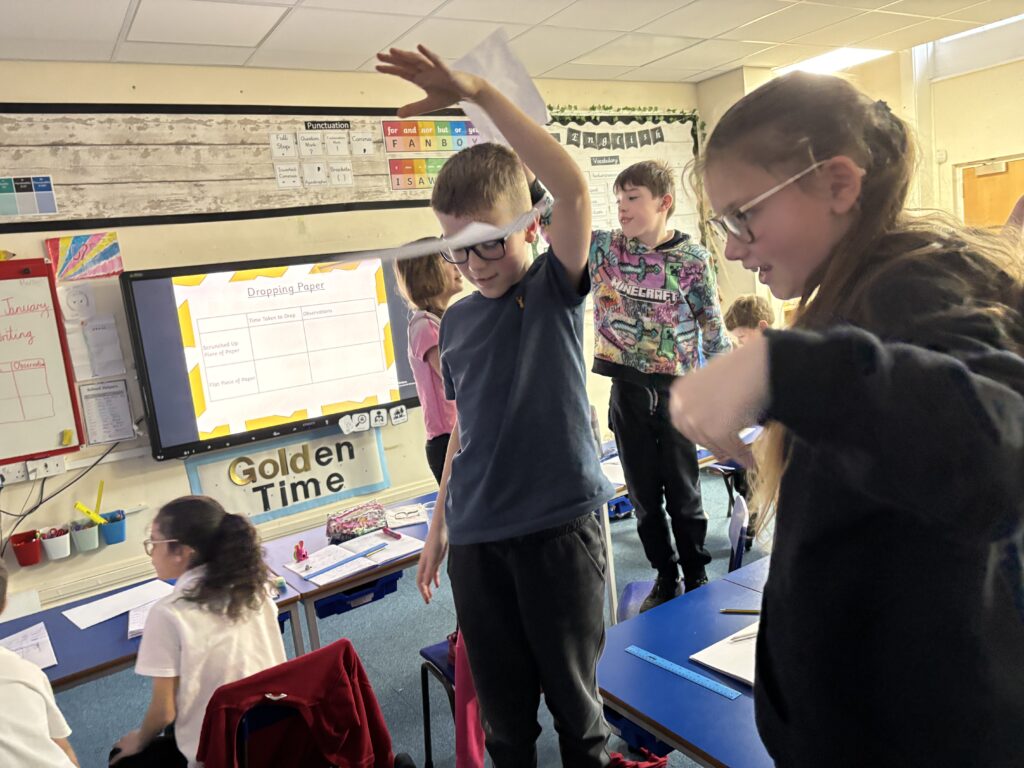
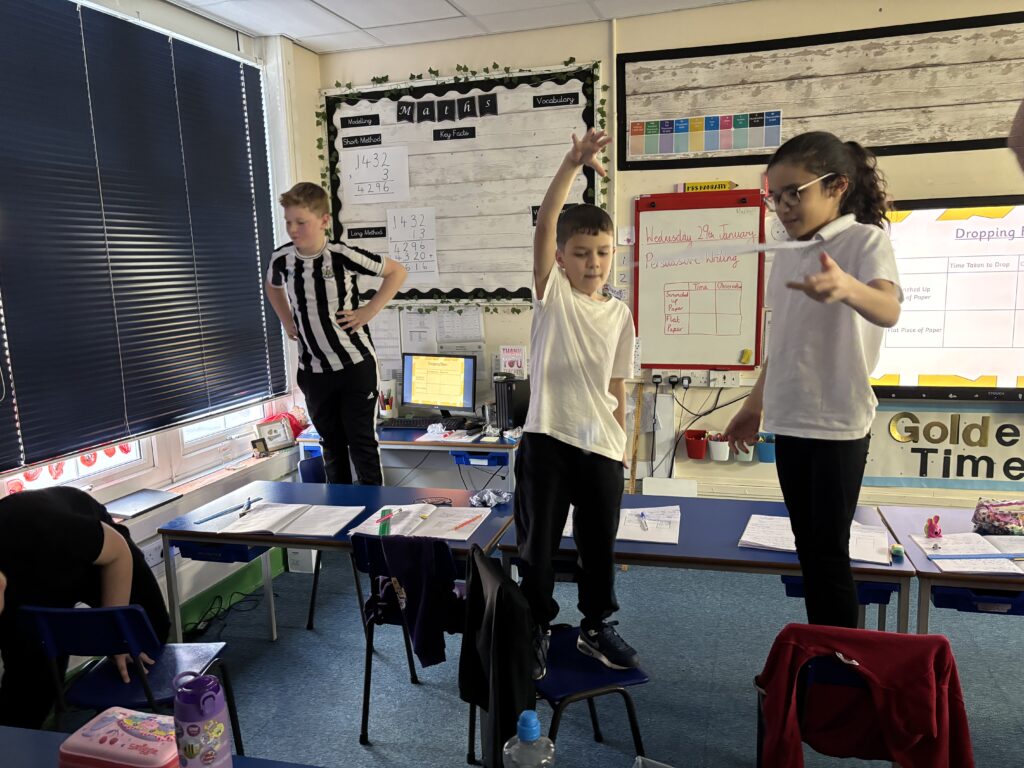
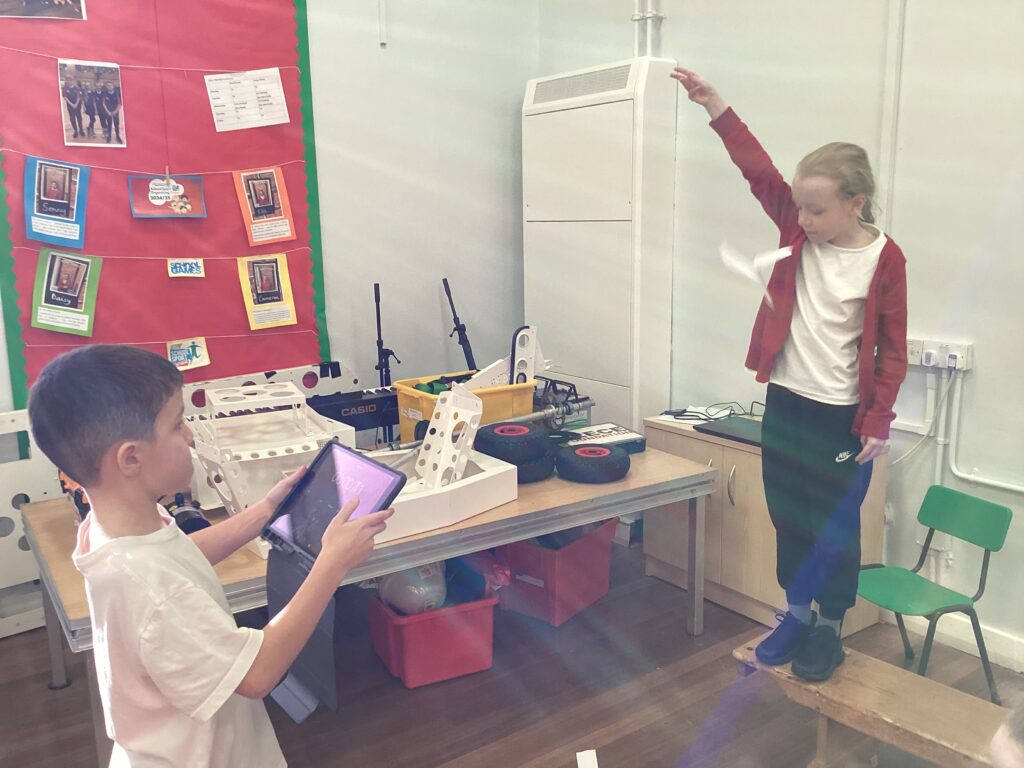
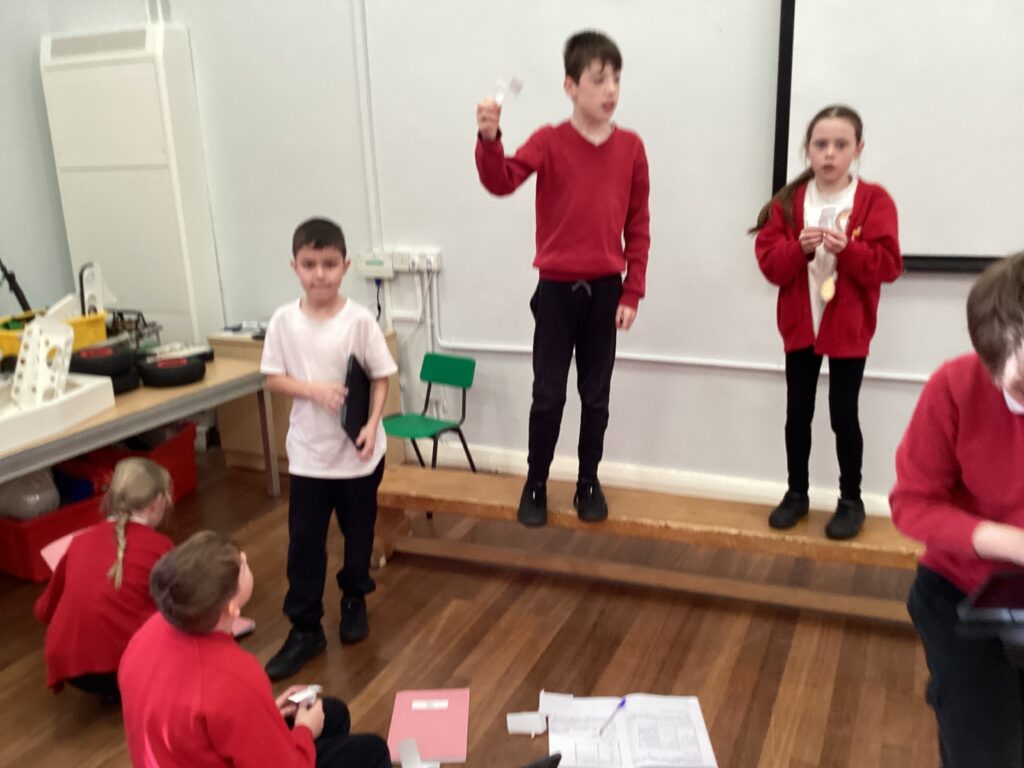
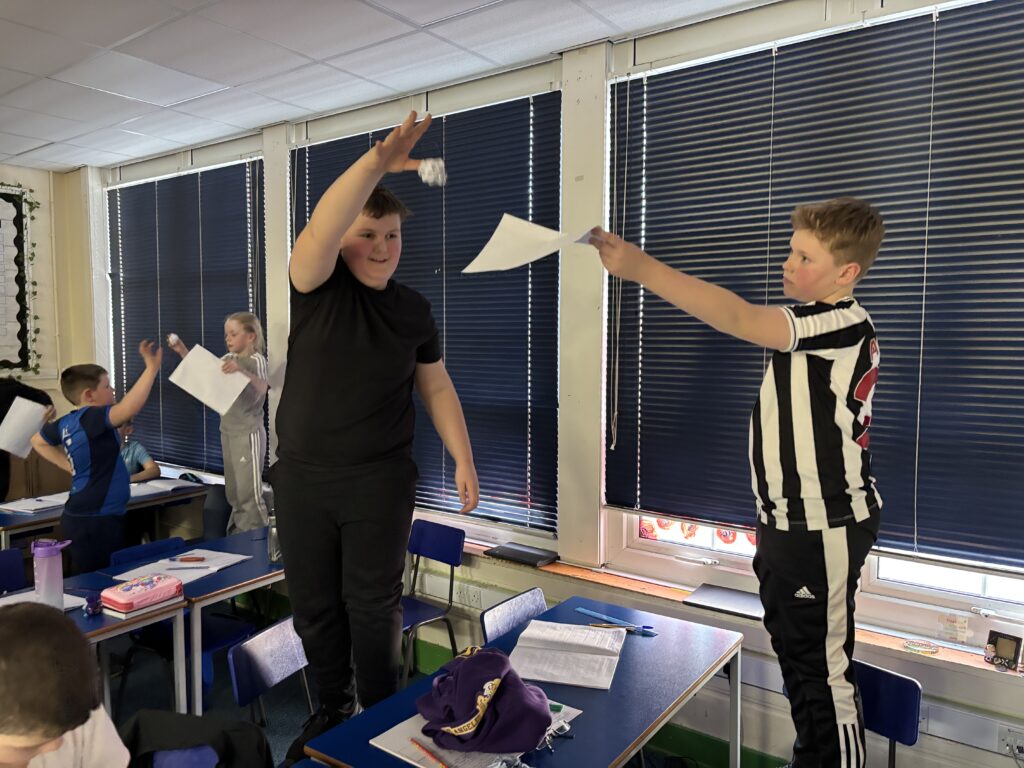
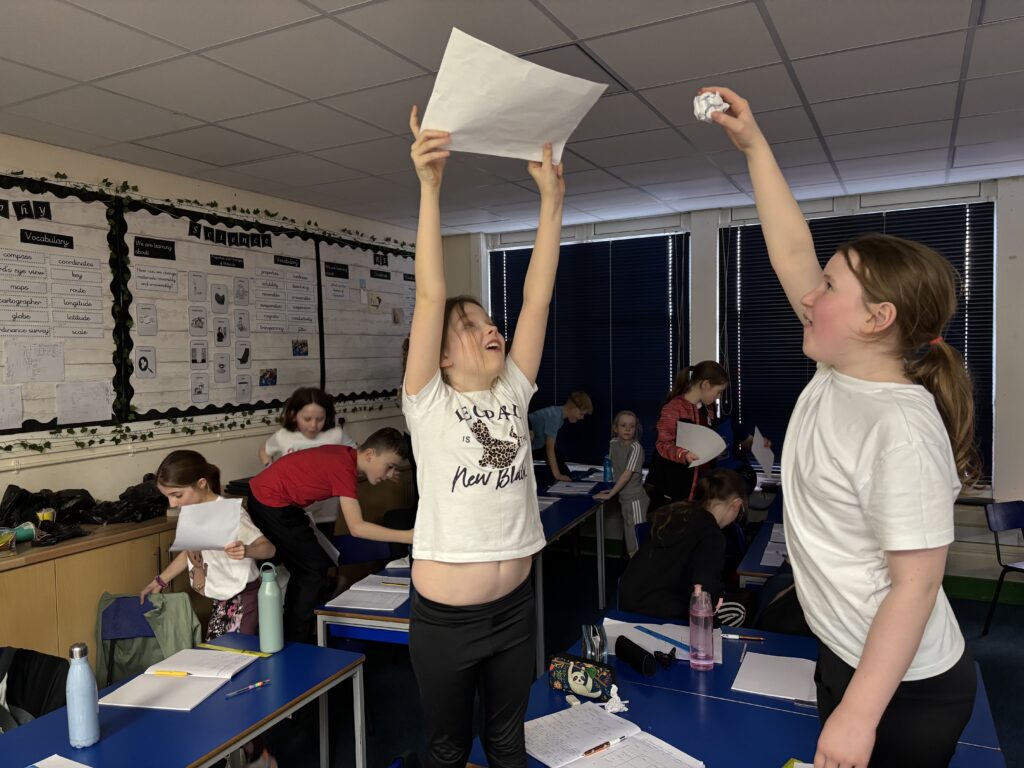
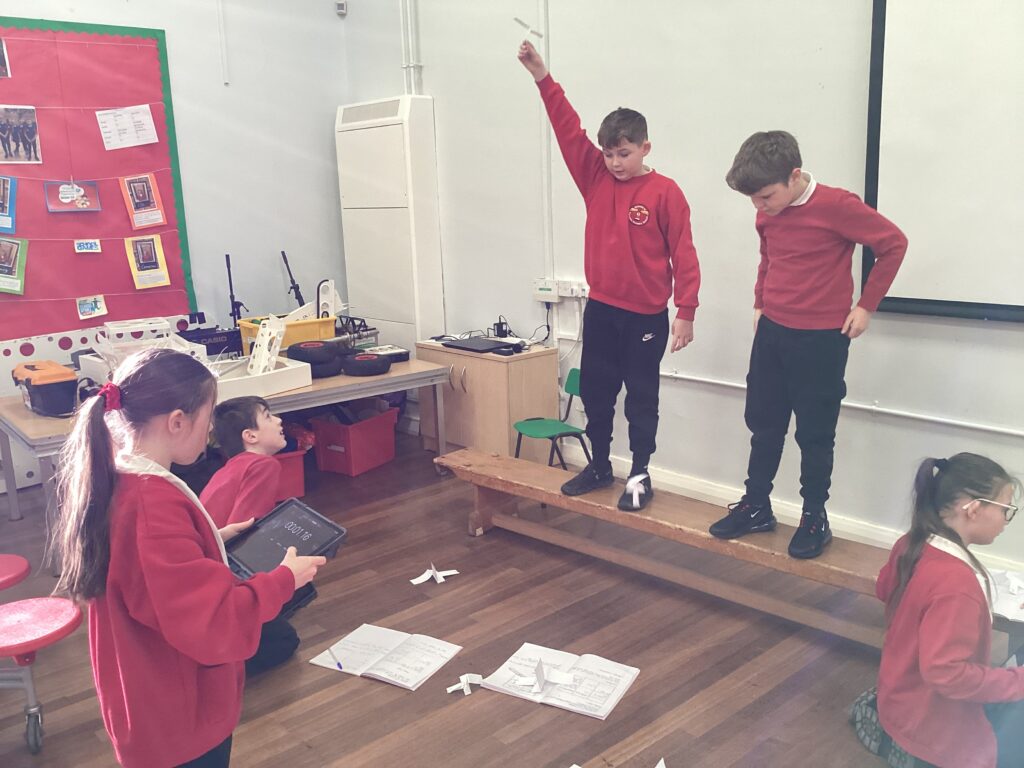
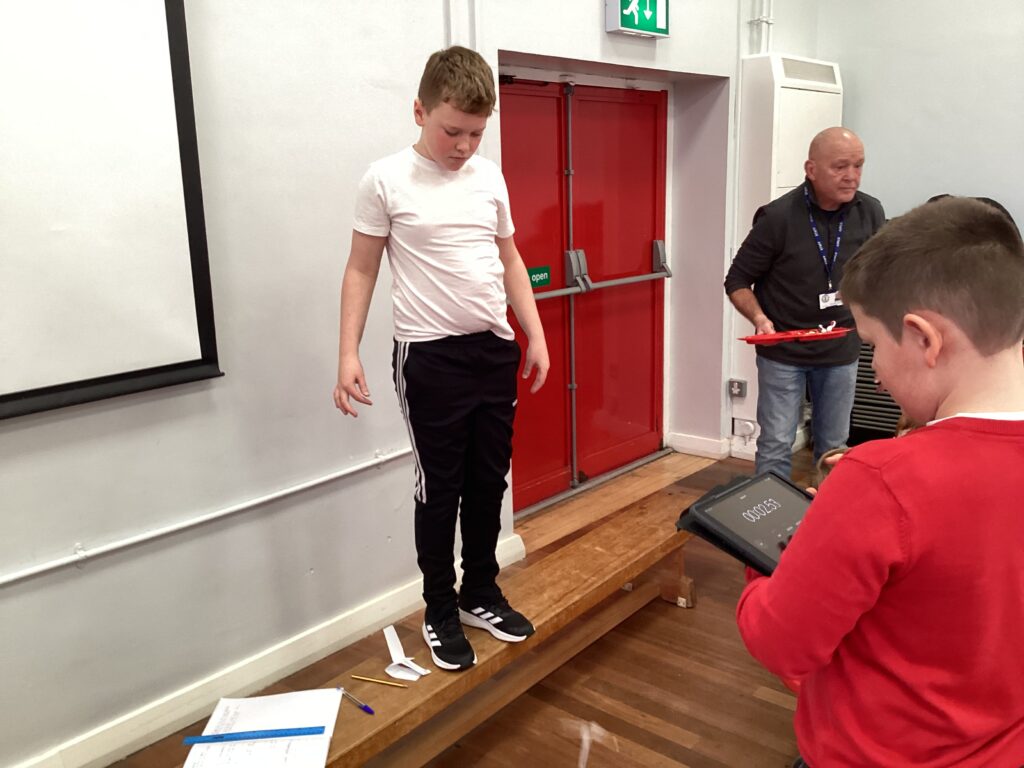
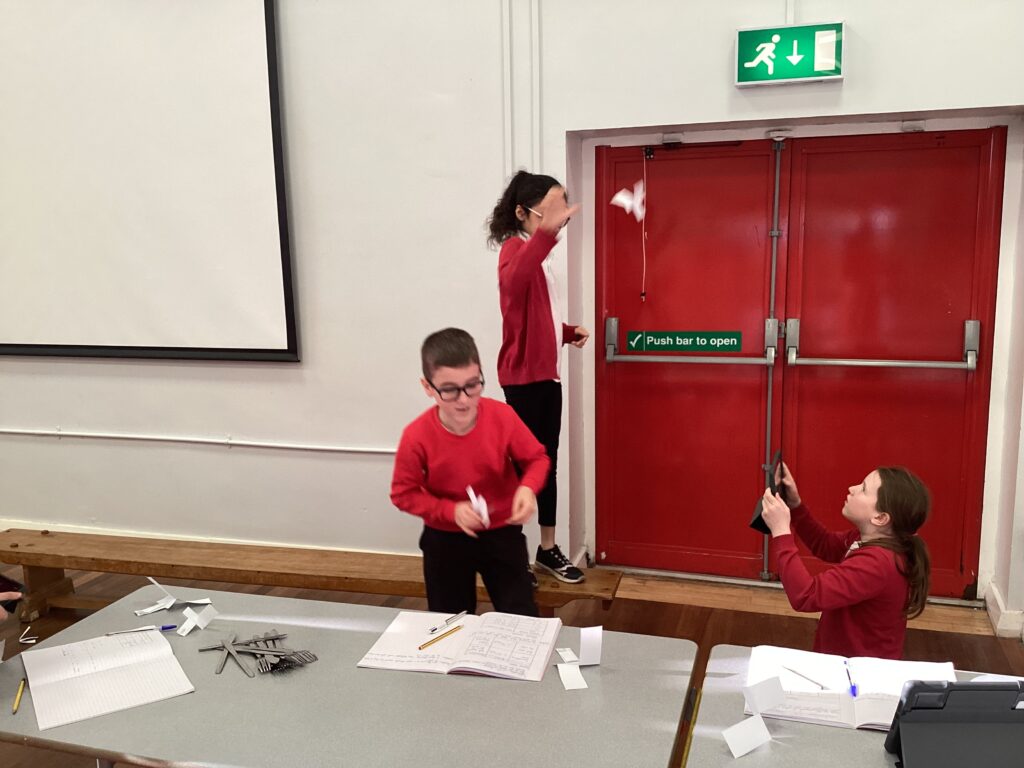
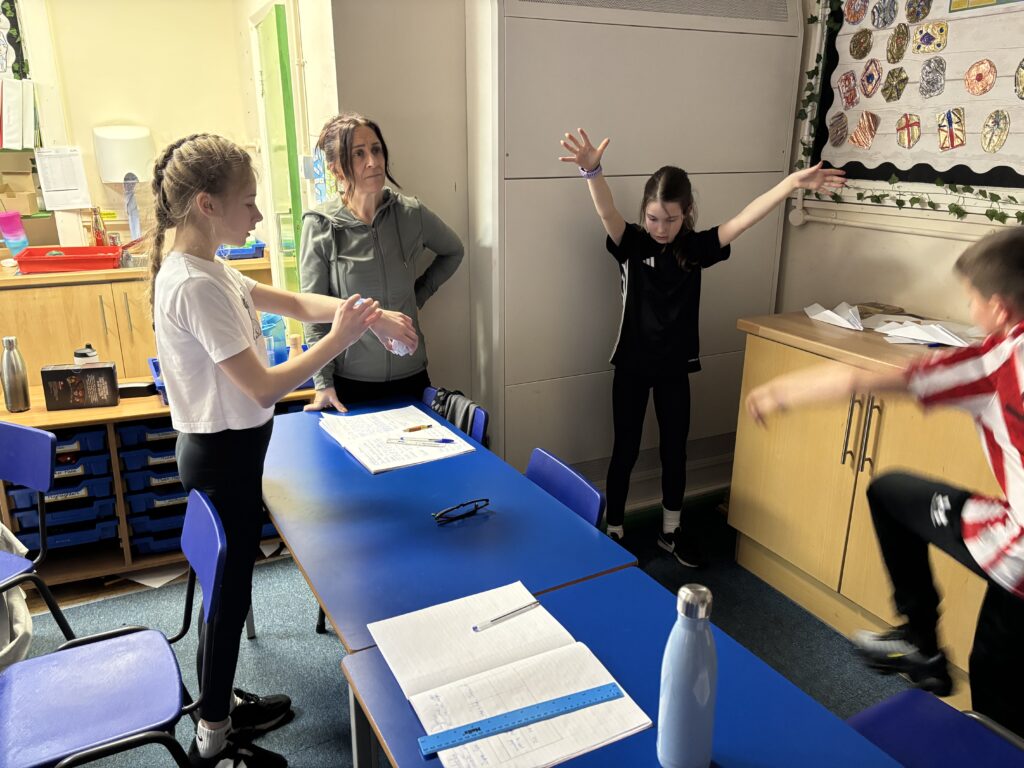
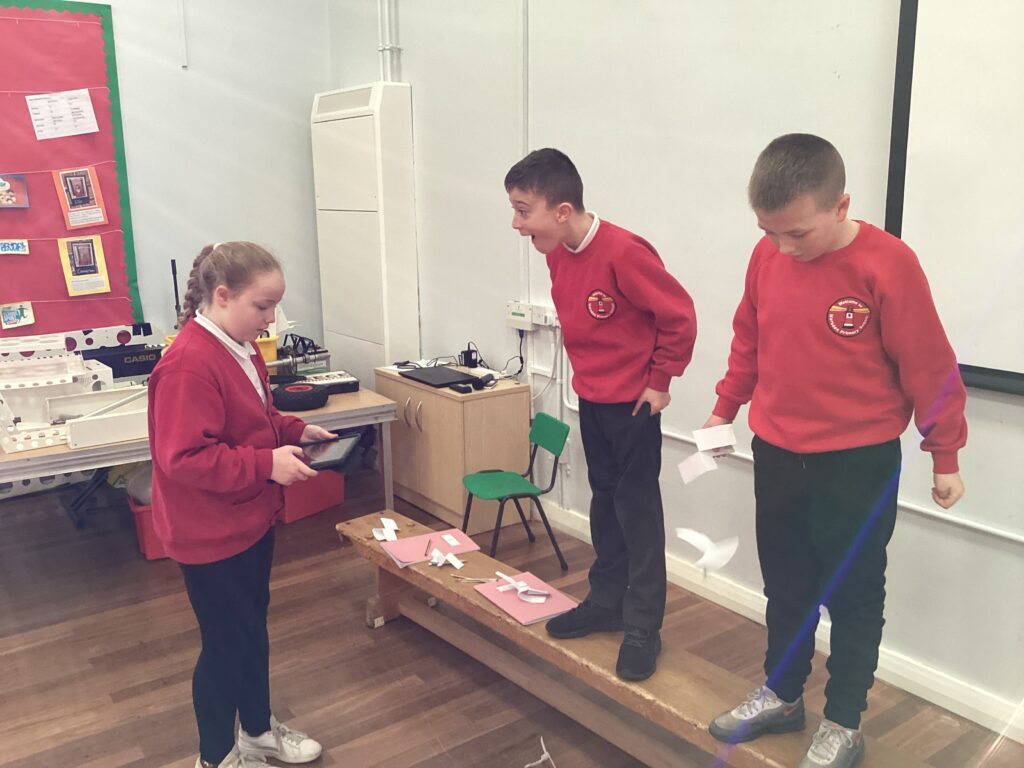
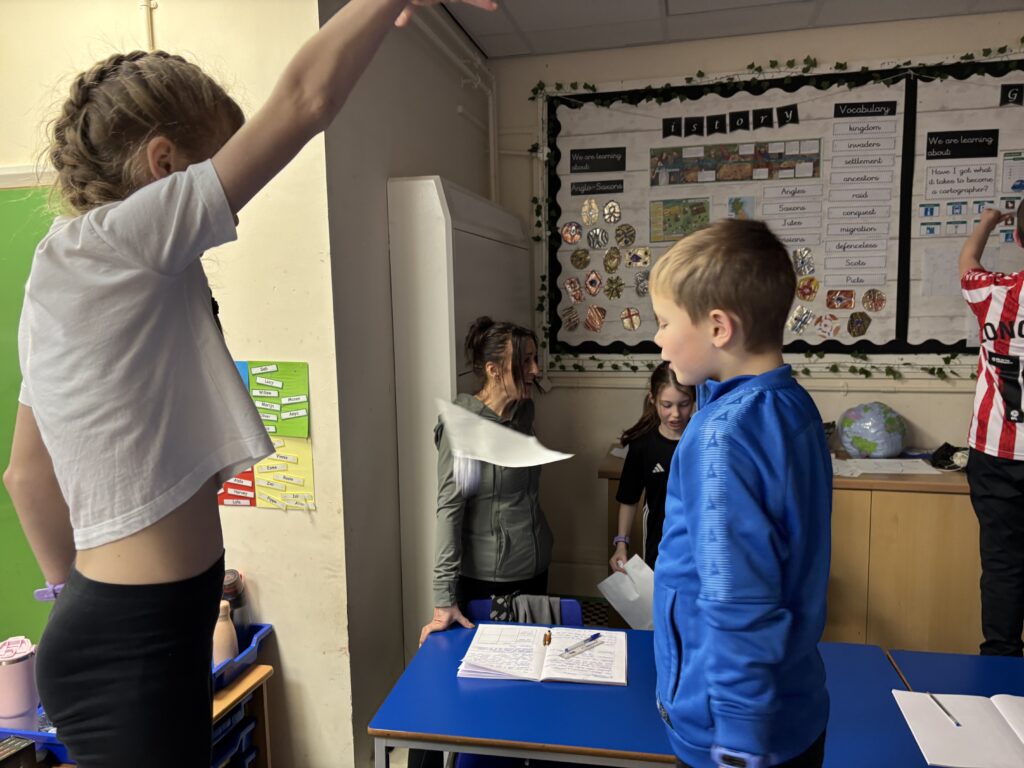
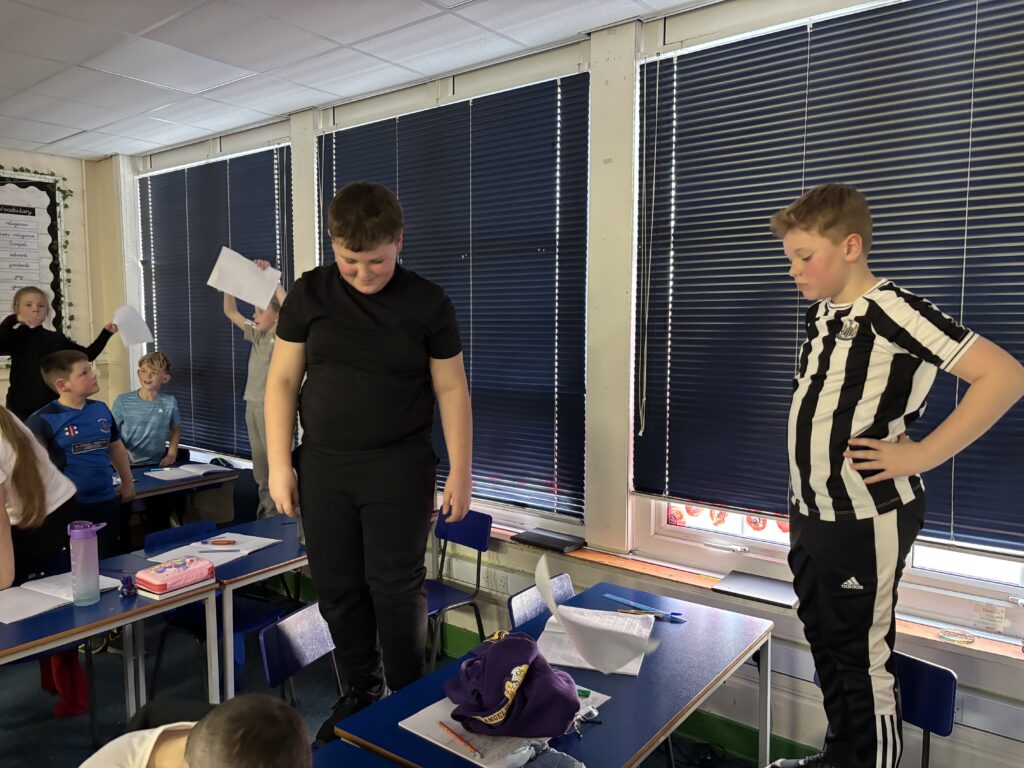
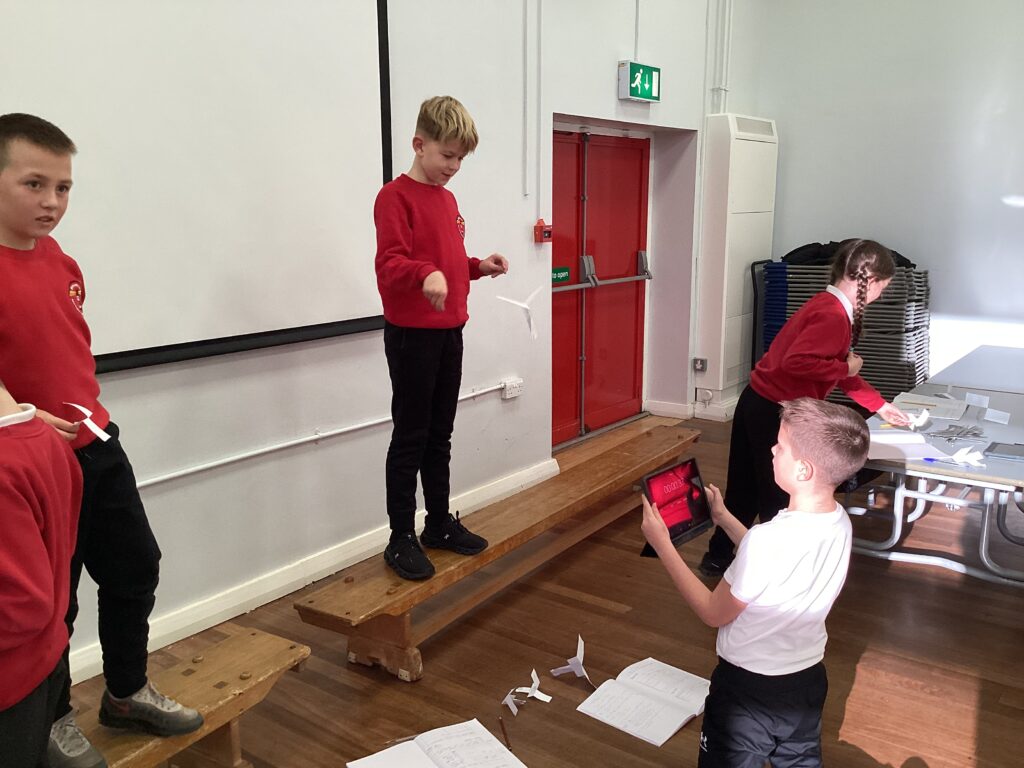
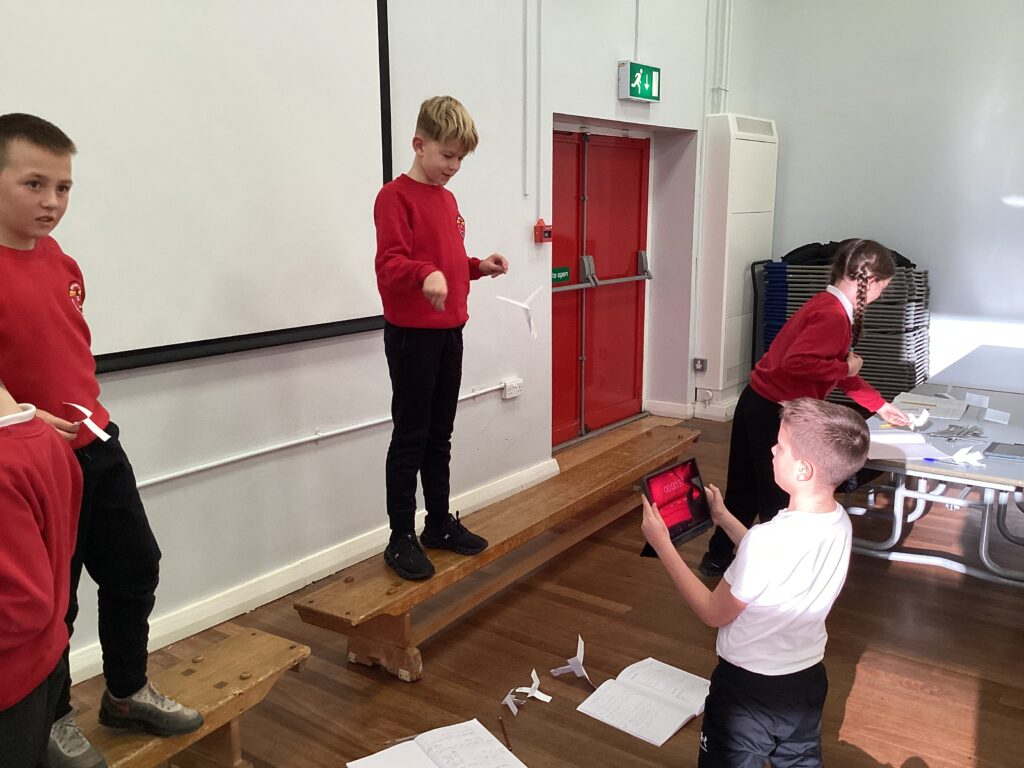
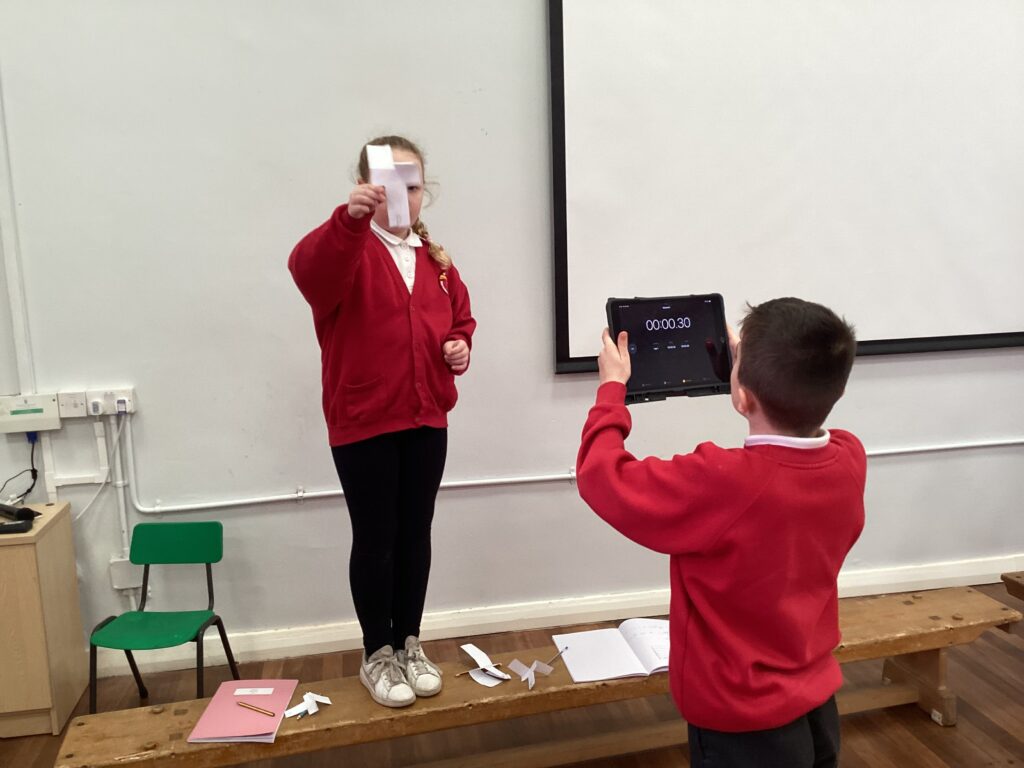
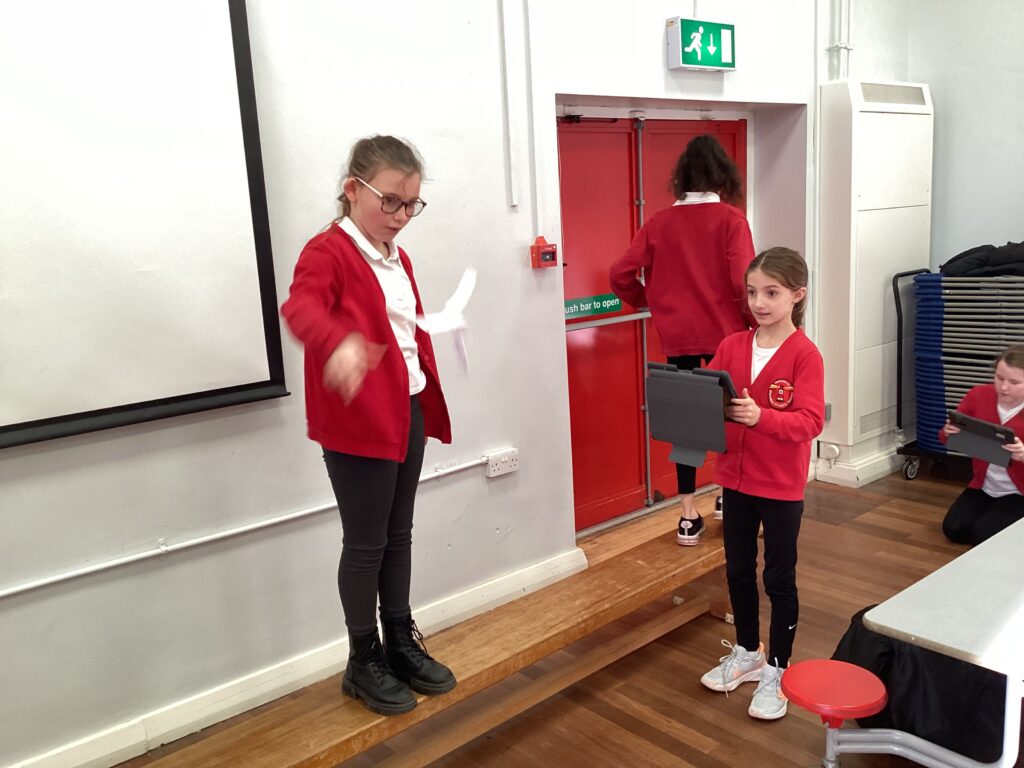
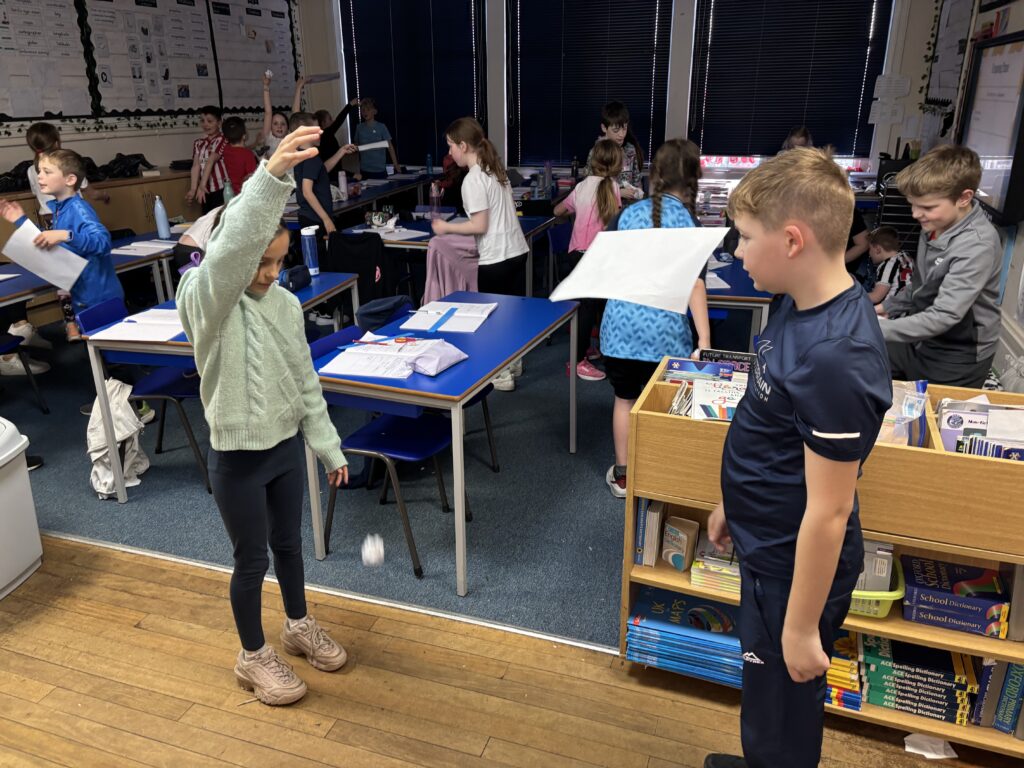
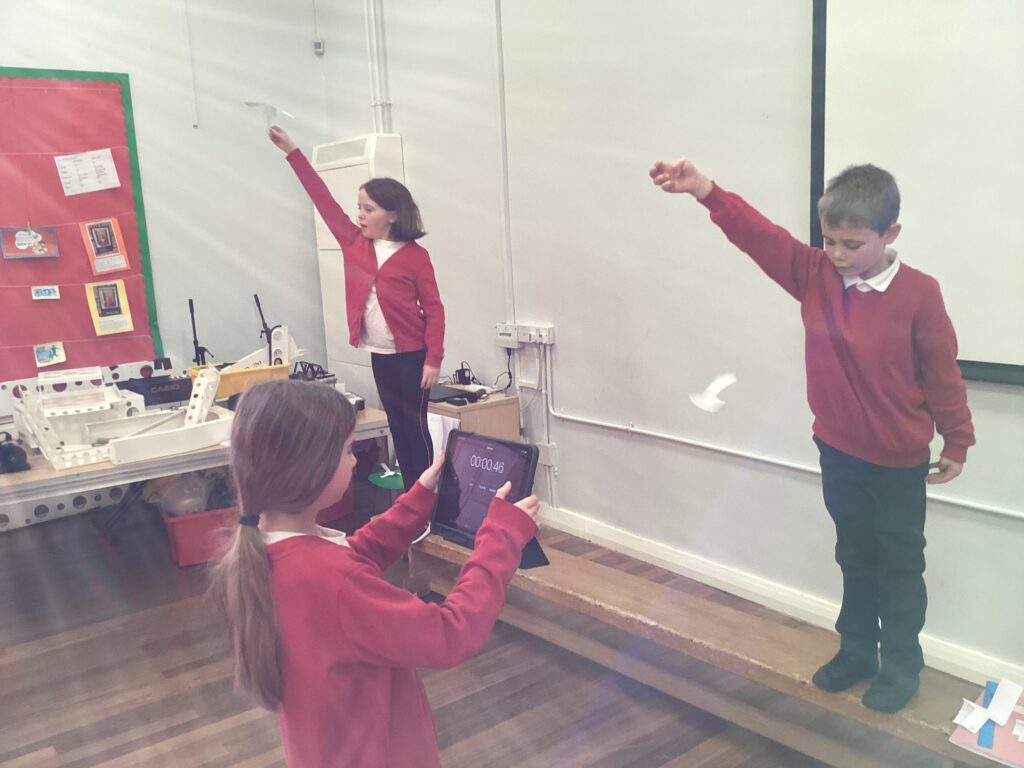
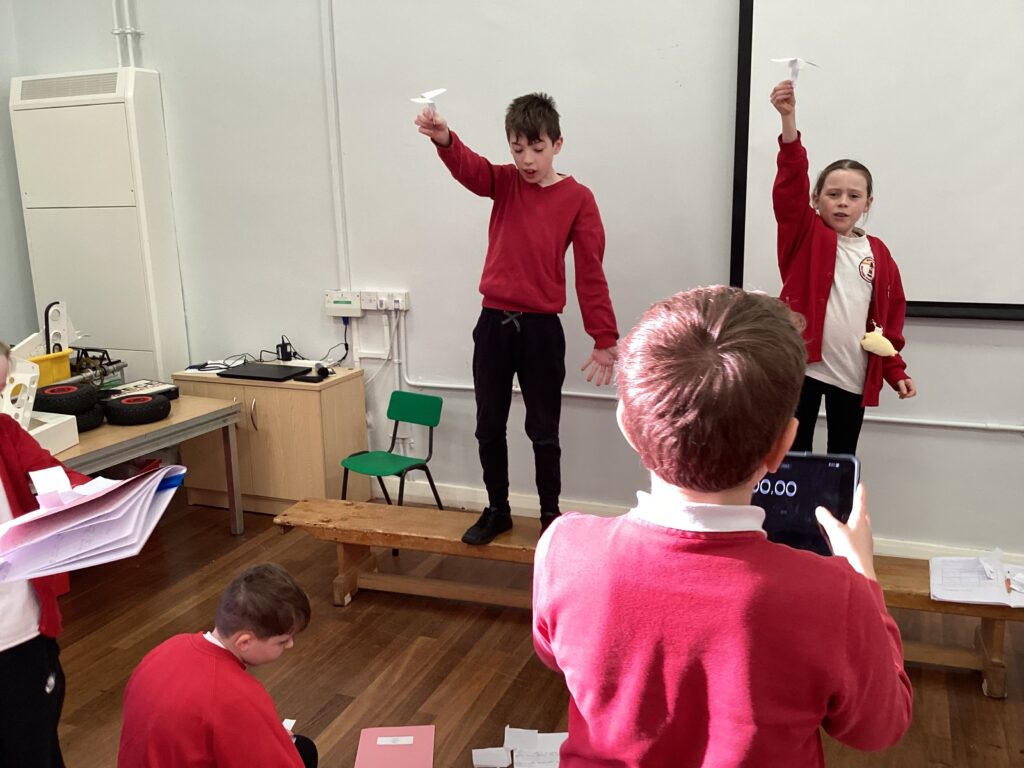
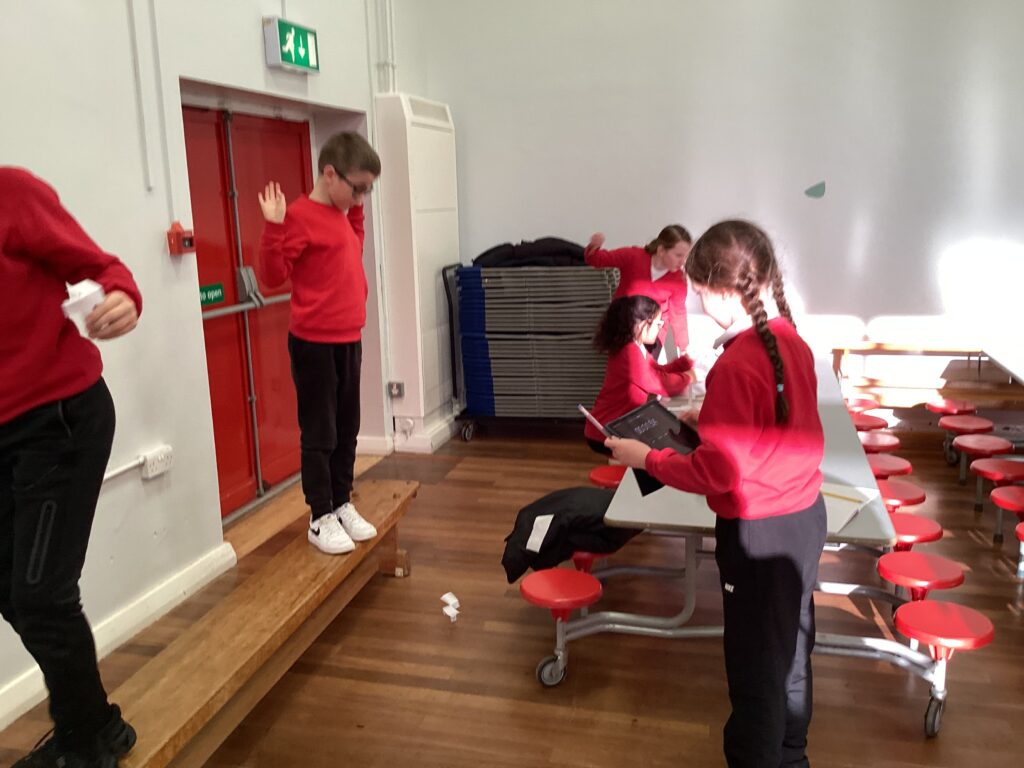
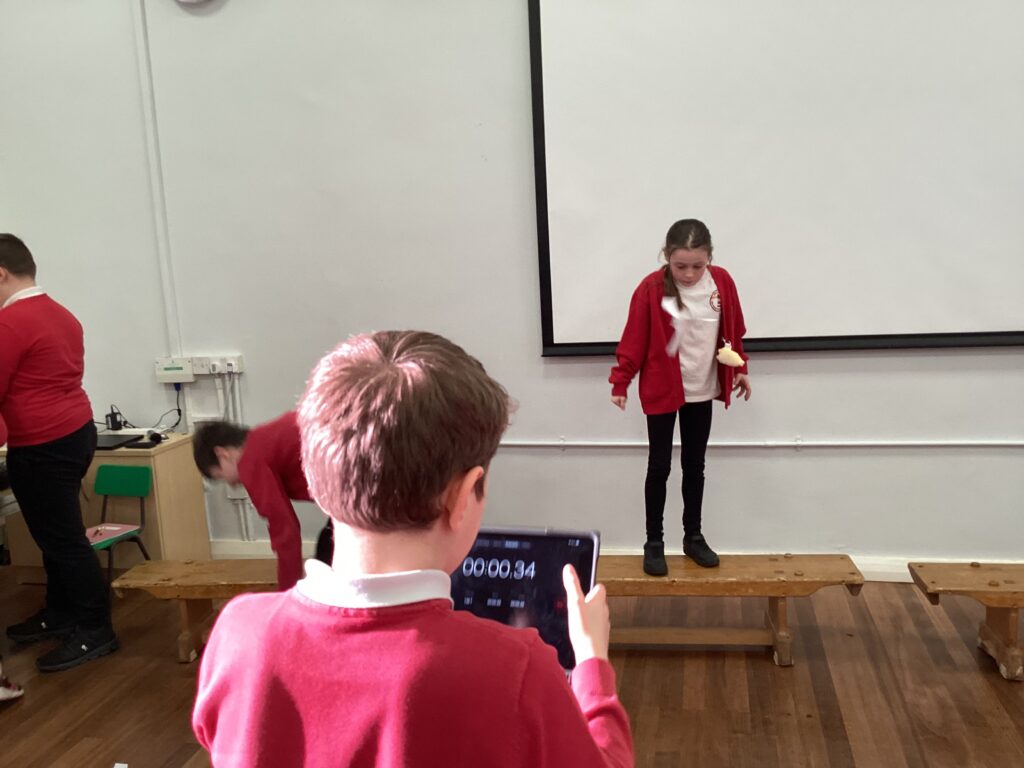
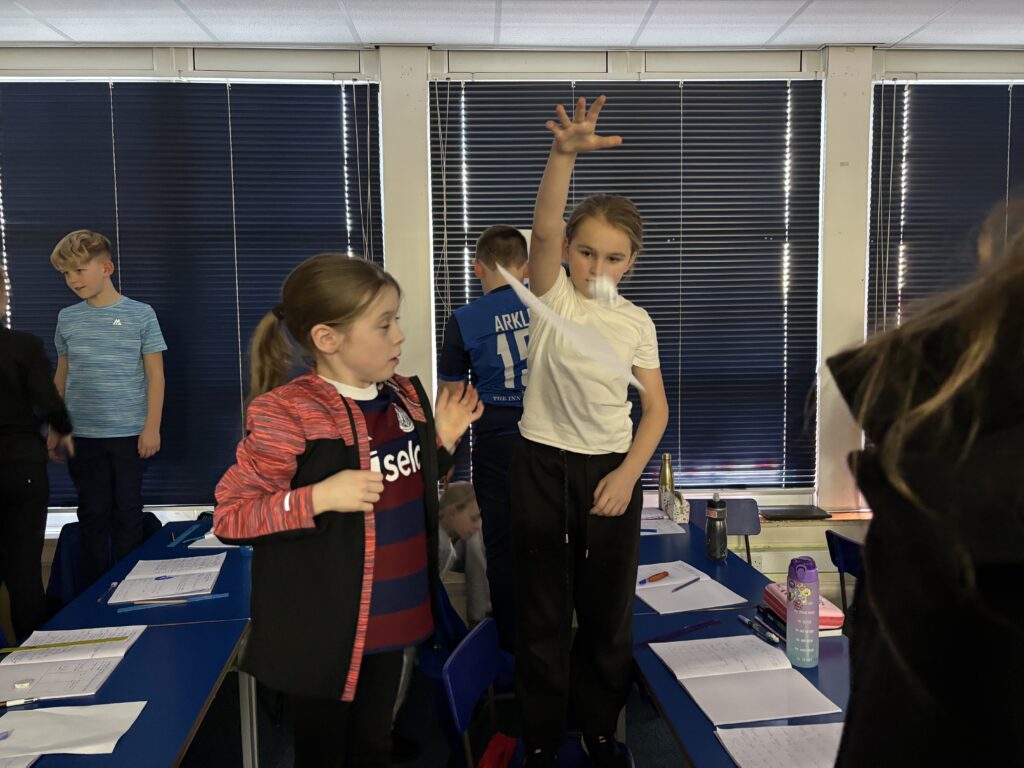
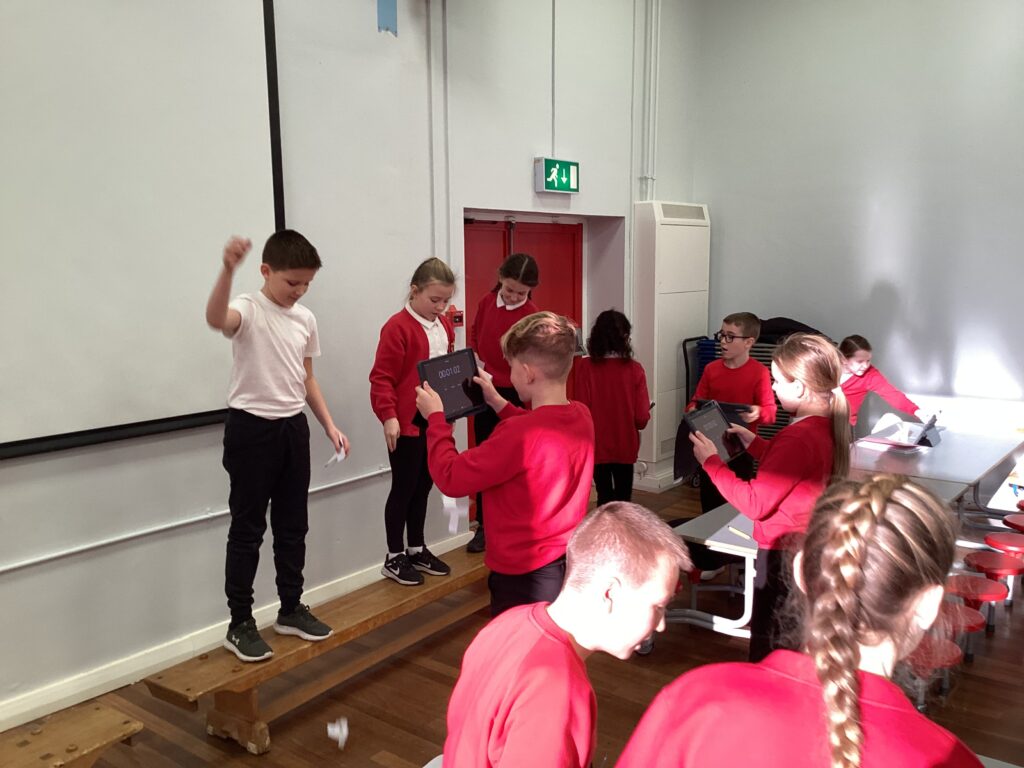
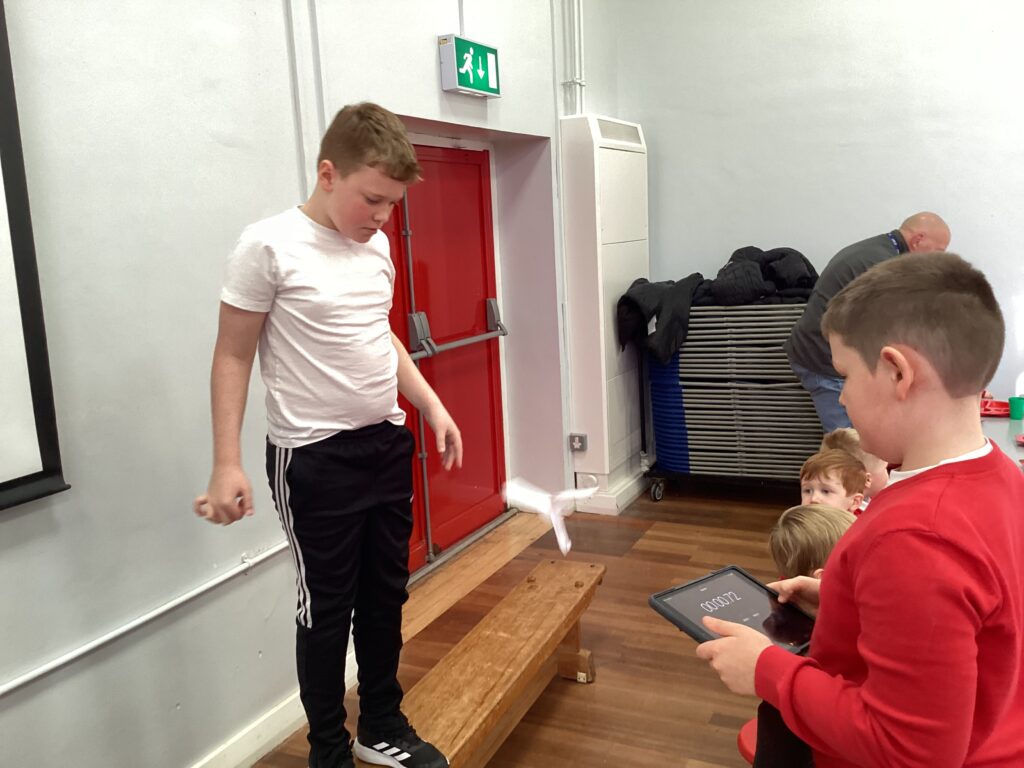
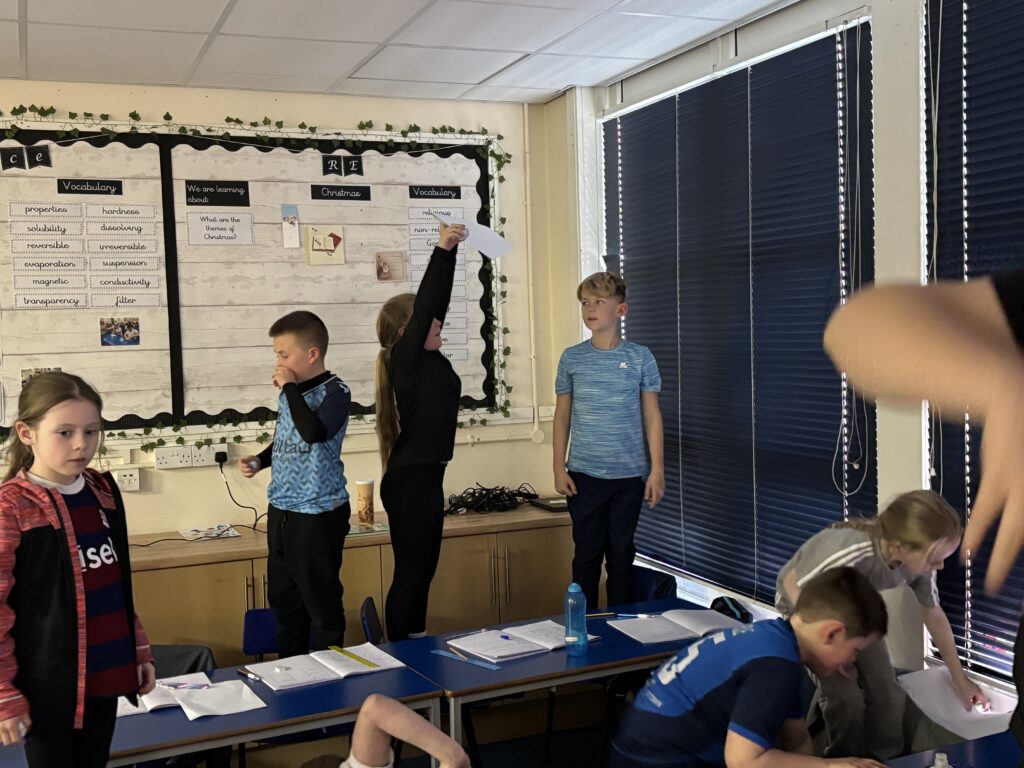
This half term, Y5 have been learning about forces and carried out investigations to test air resistance.
Our first investigation involved letting a crumpled piece of paper fall and flat piece of paper fall to see if one was quicker than the other. We discovered that the flat piece glided down as it had more air resistance.
Our second investigation saw us making paper helicopters: one large one and one small one. We timed how long they took to reach the floor.
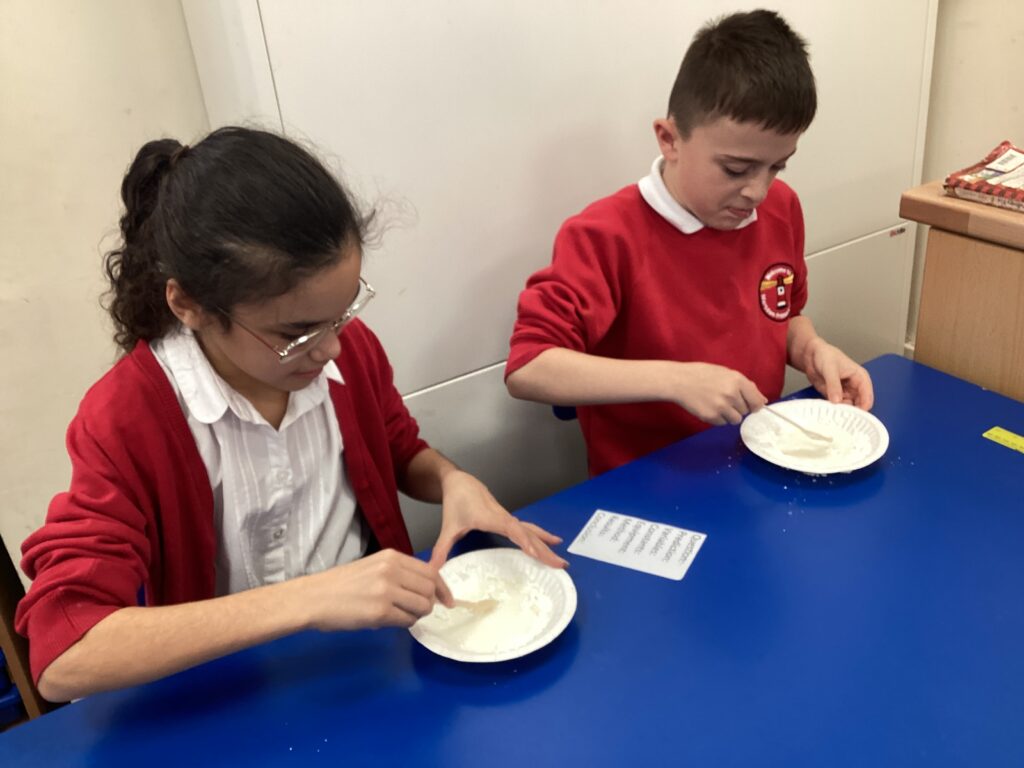
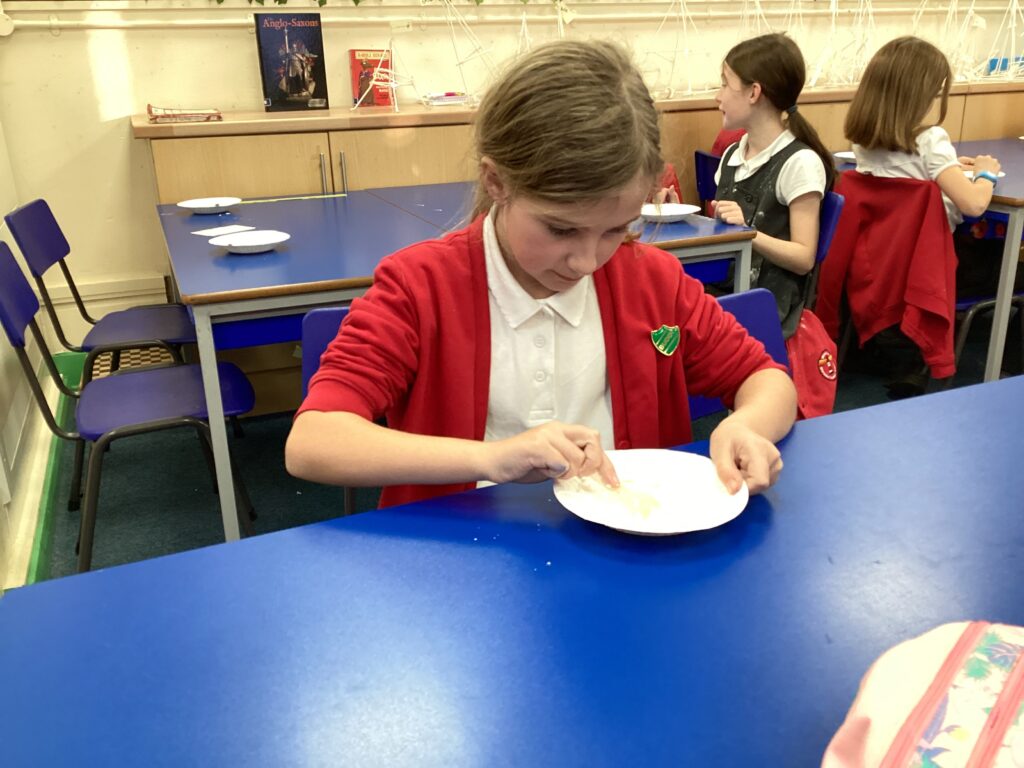
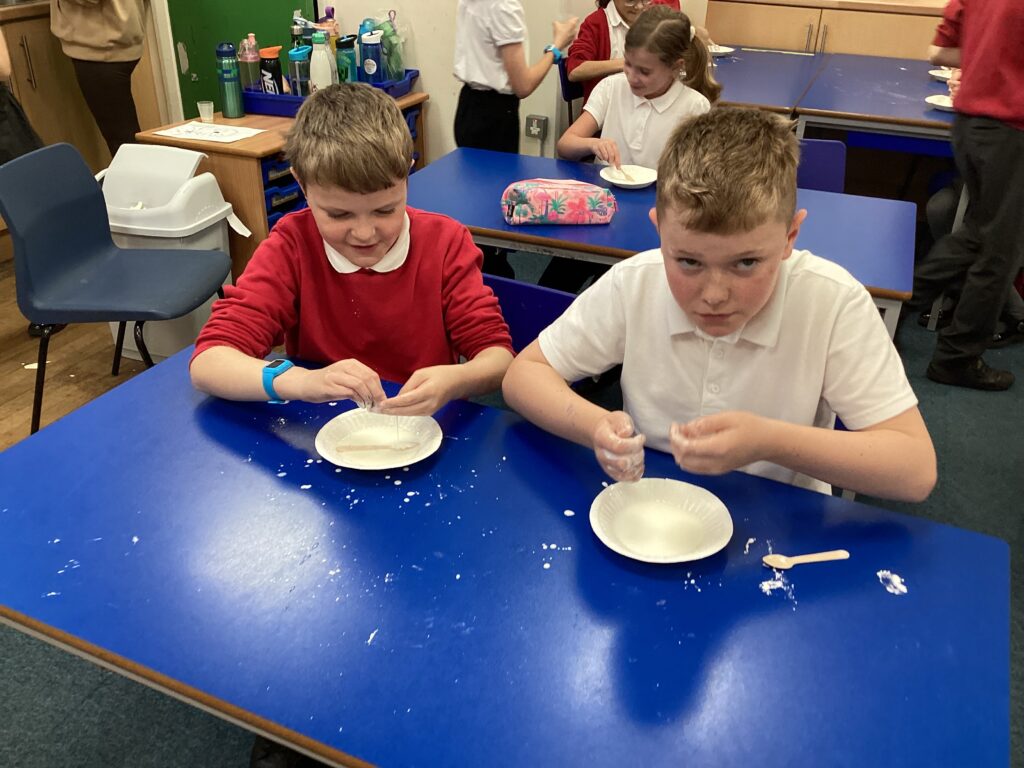
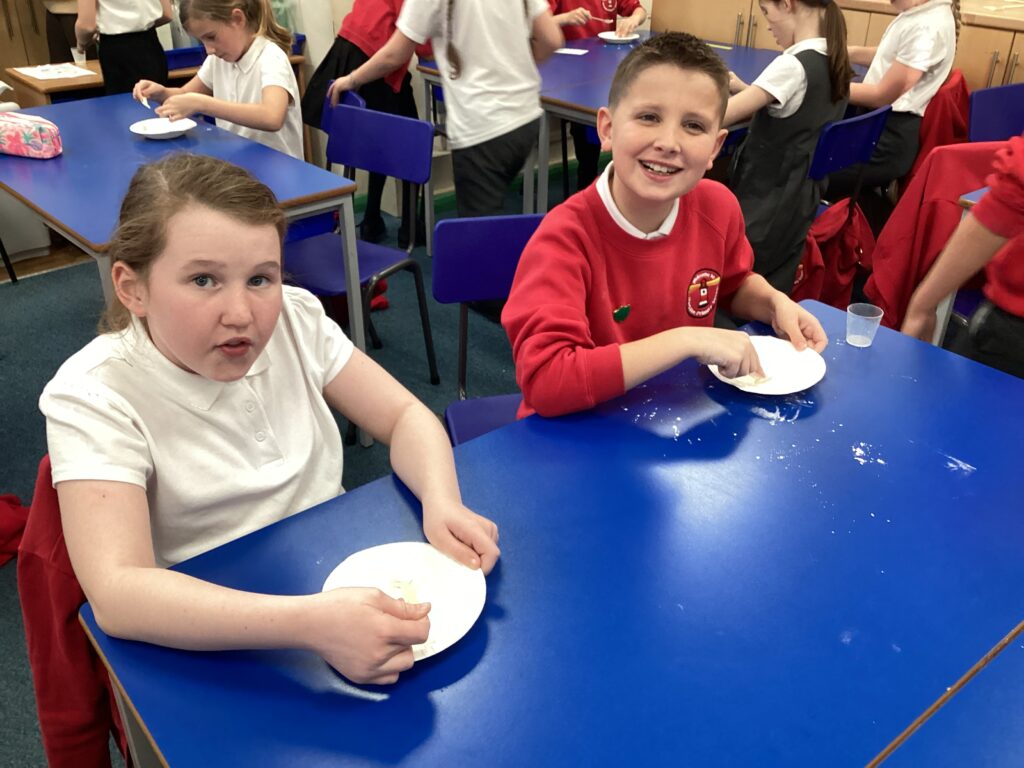
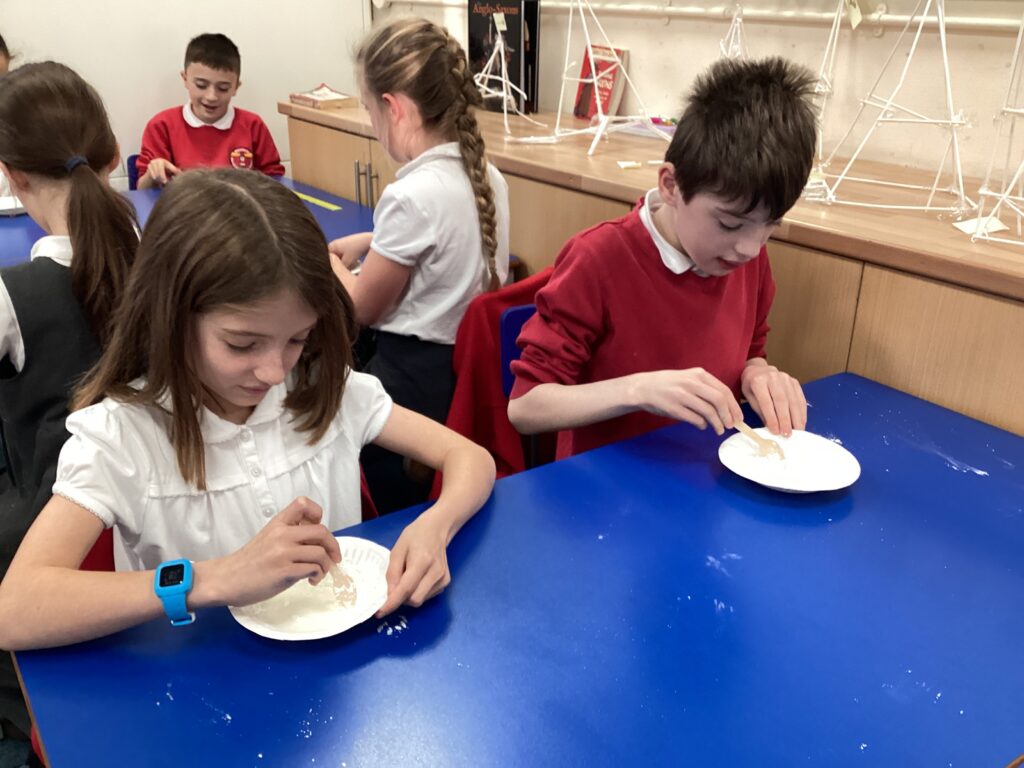
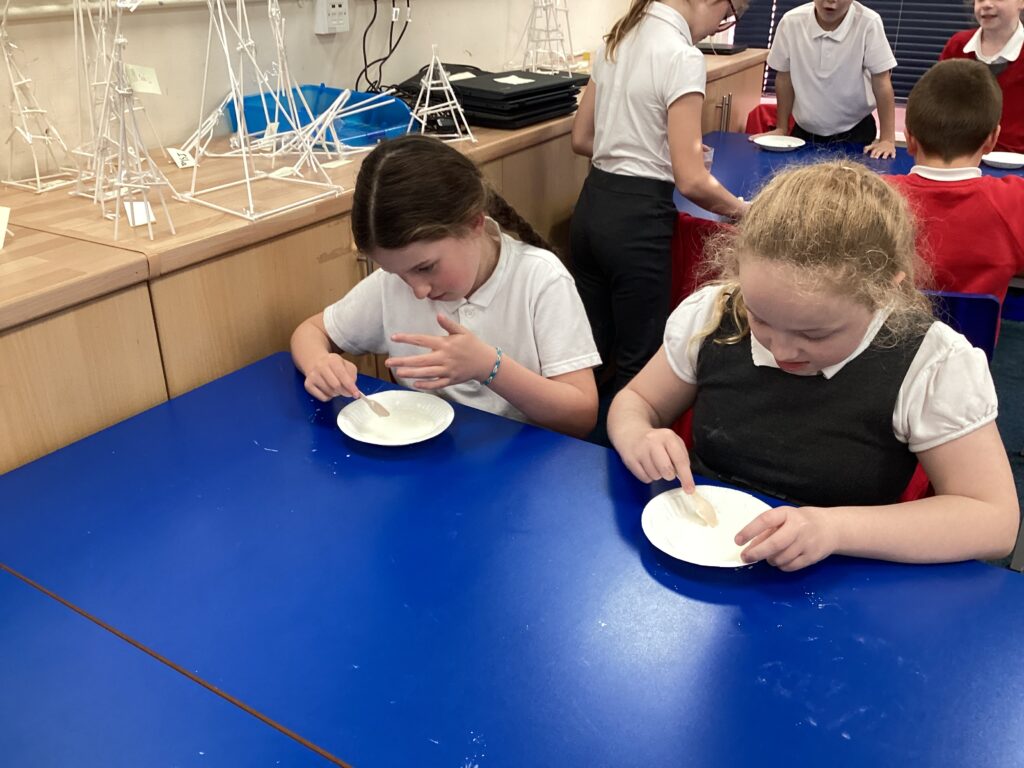
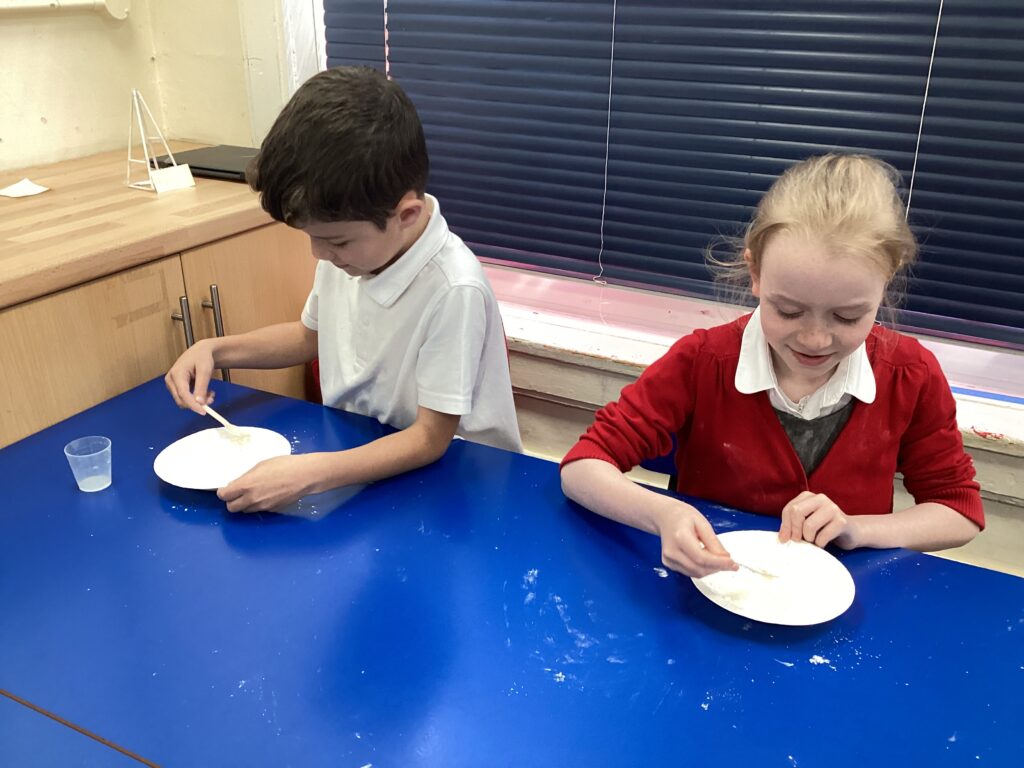
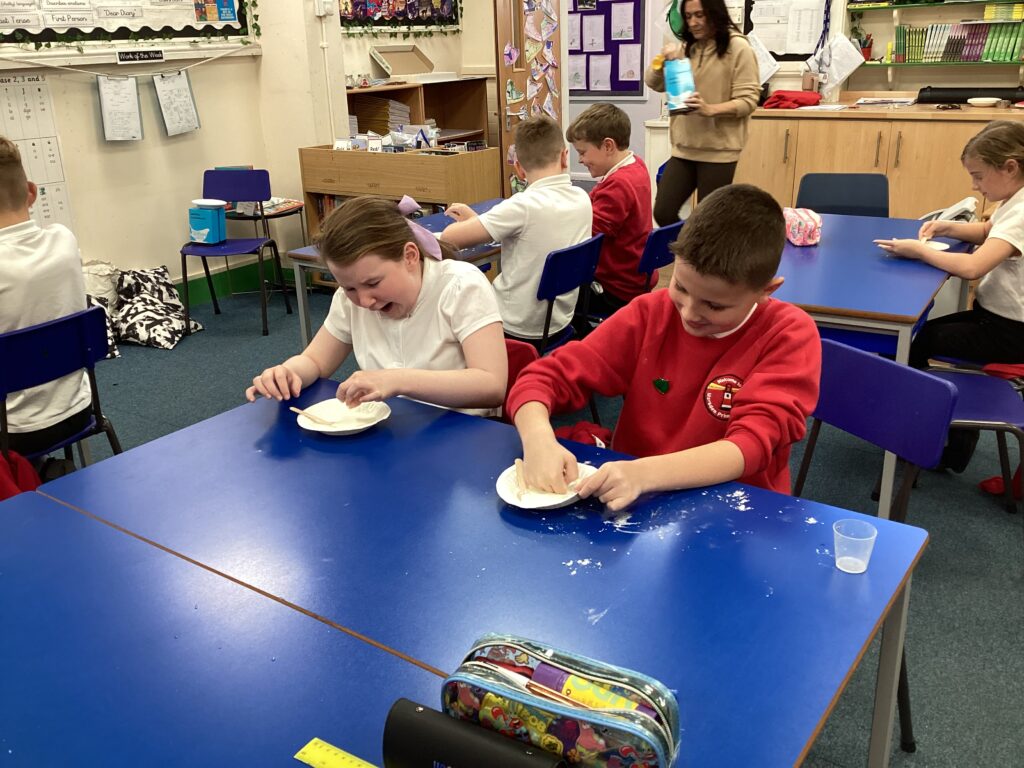
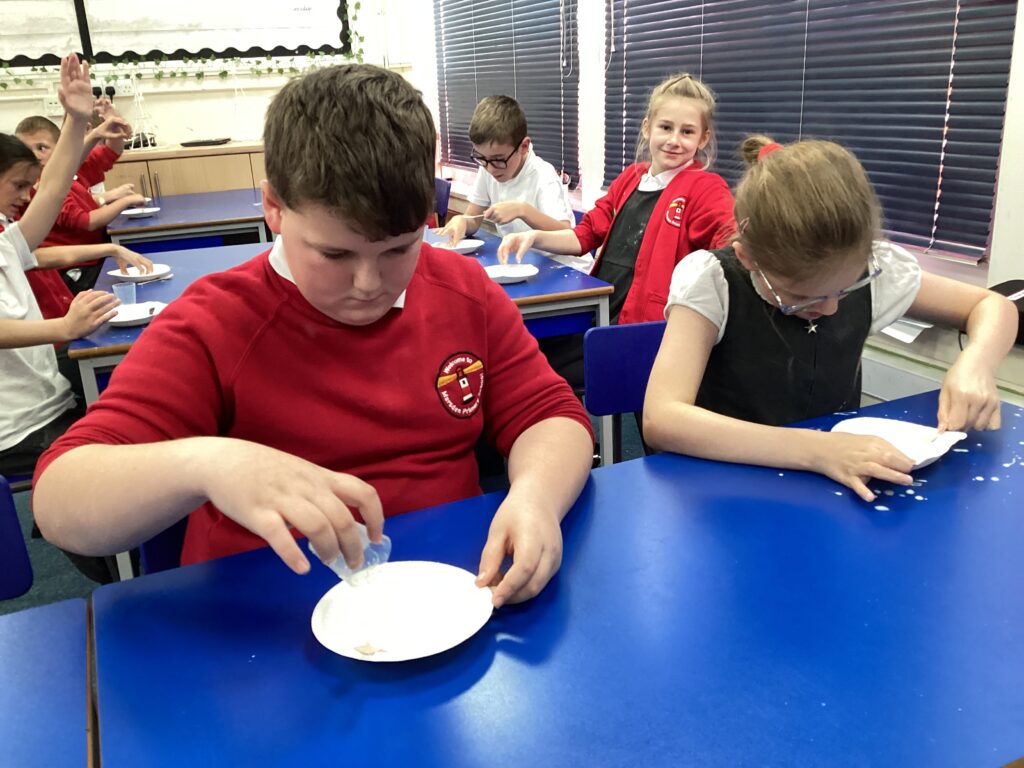
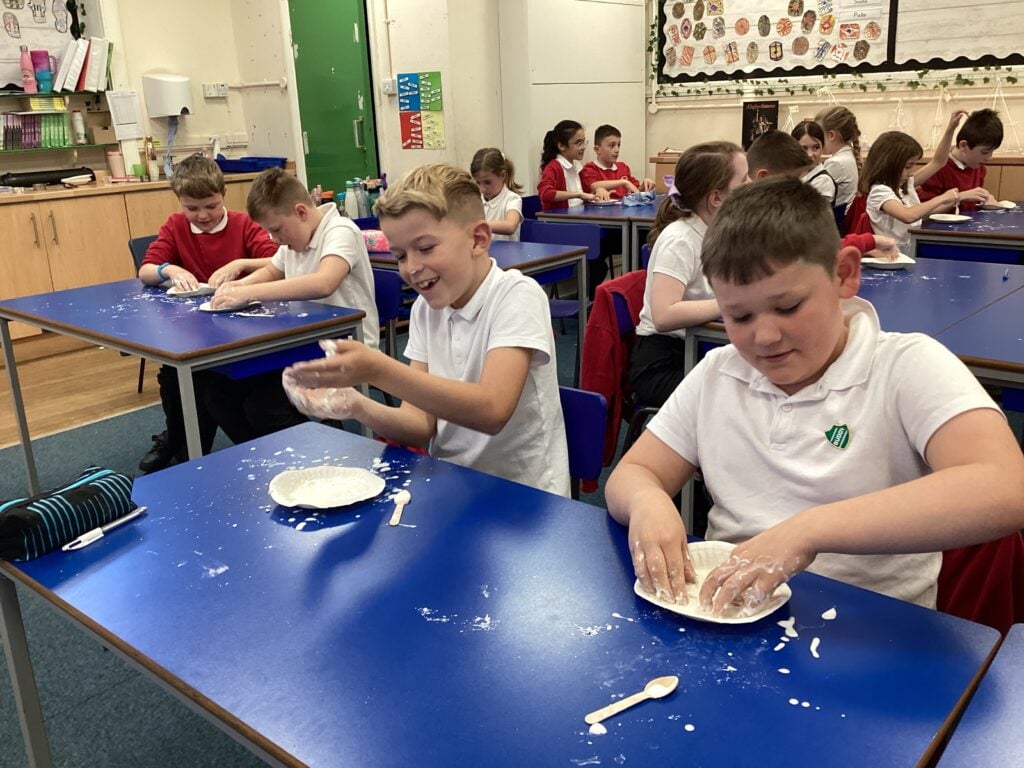
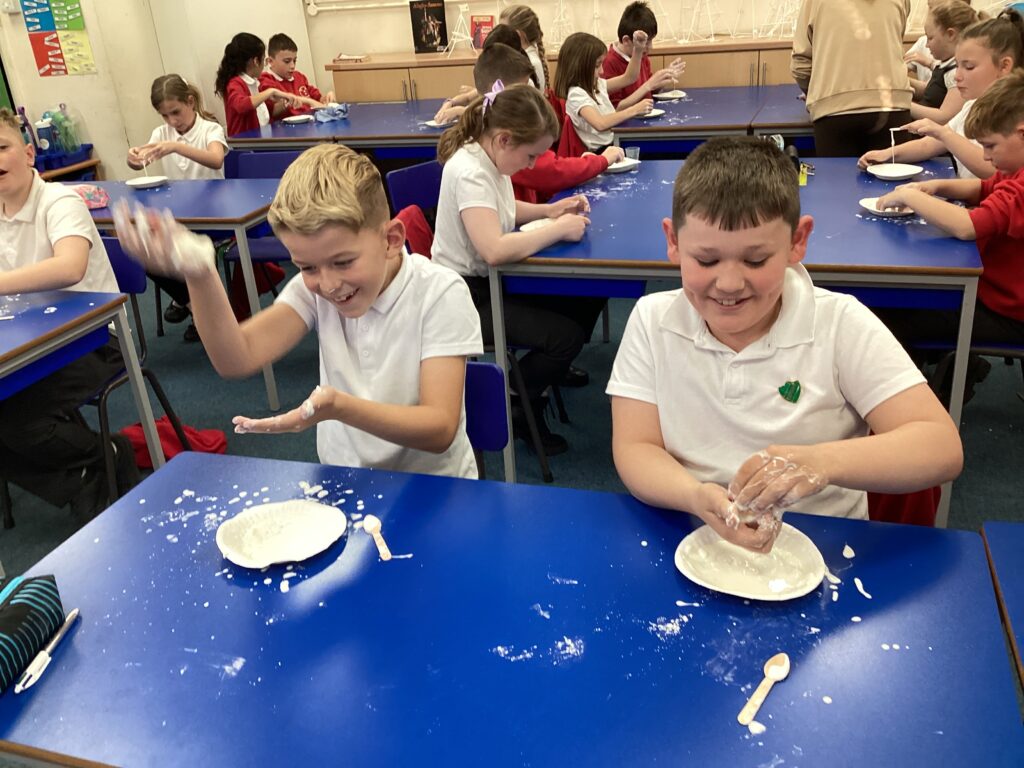
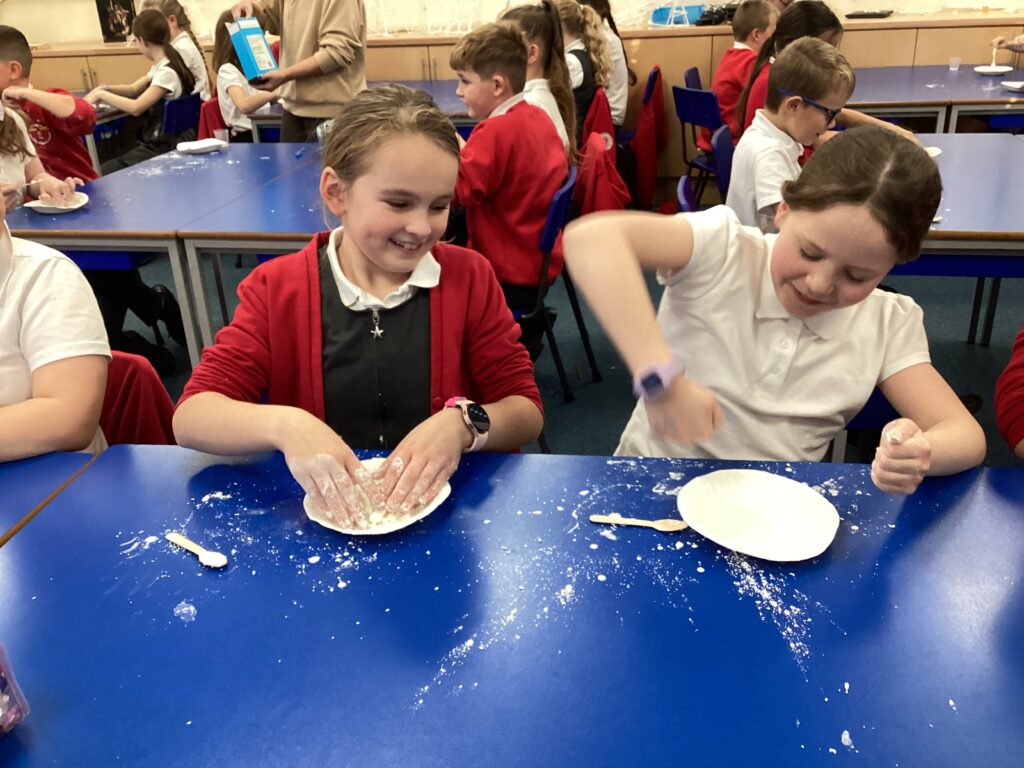
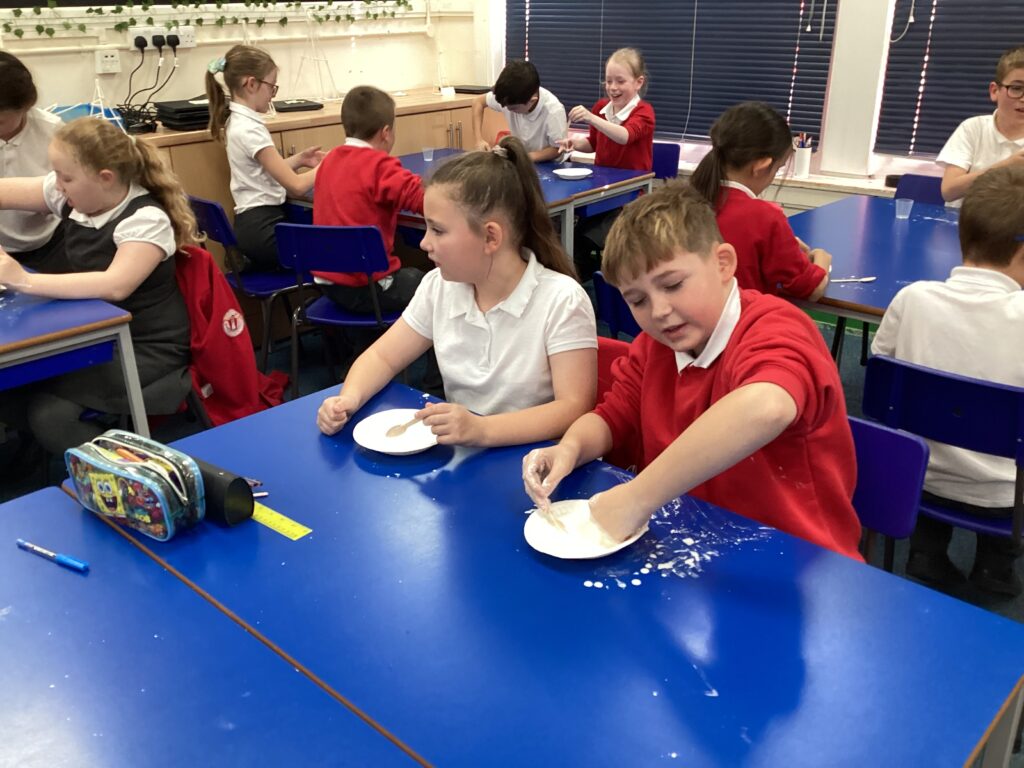
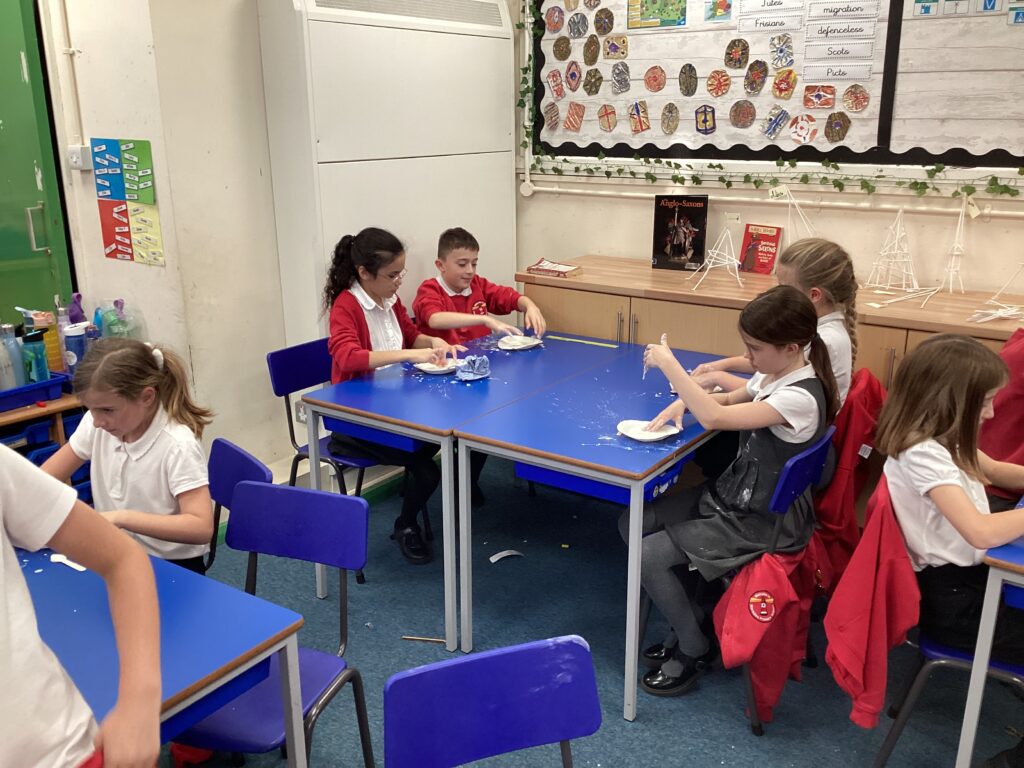
Year 5 were set a challenge to explore what happens when you add water to corn flour. We discovered that it made an unusual fluid called oobleck which is a Non-Newtonian Fluid. This means that when pressure is added (e.g. you punch it) it acts like a solid and is hard. When you pick it up it acts like a liquid and is runny.
As you can imagine, the classroom was a little bit messy!
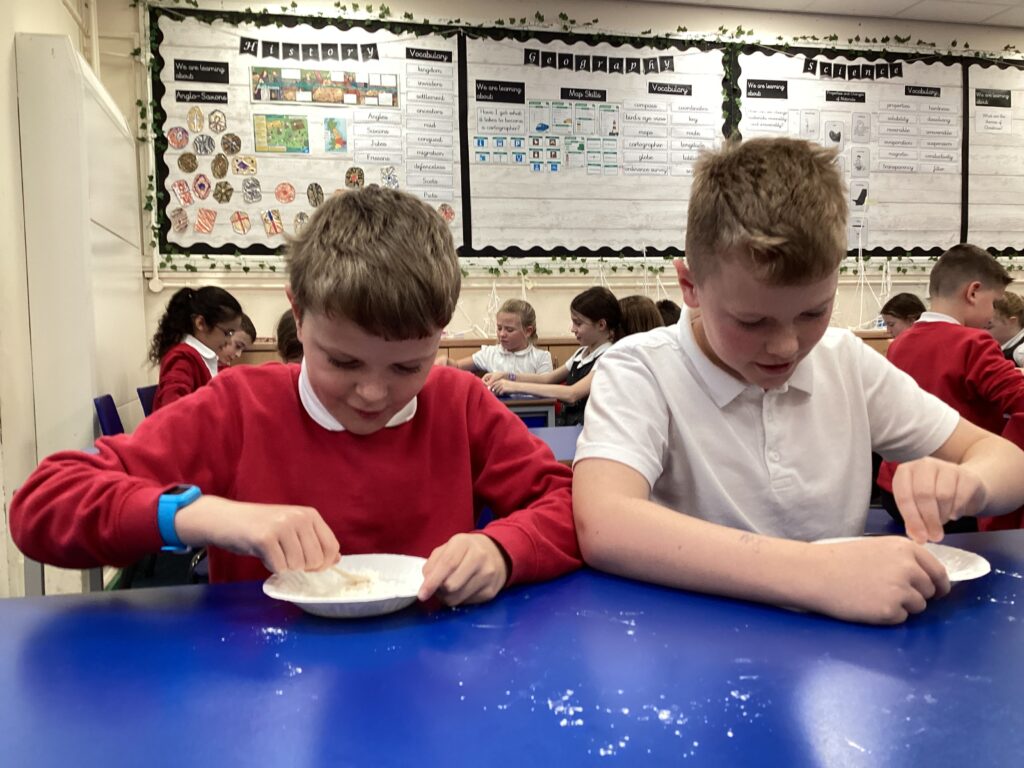
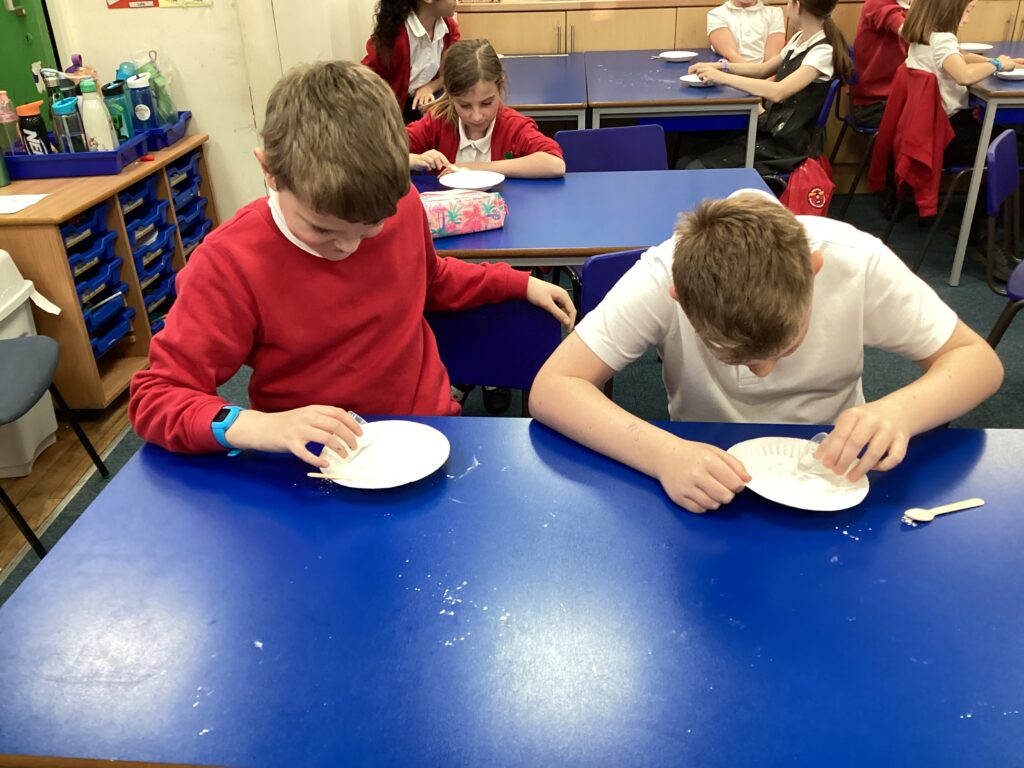
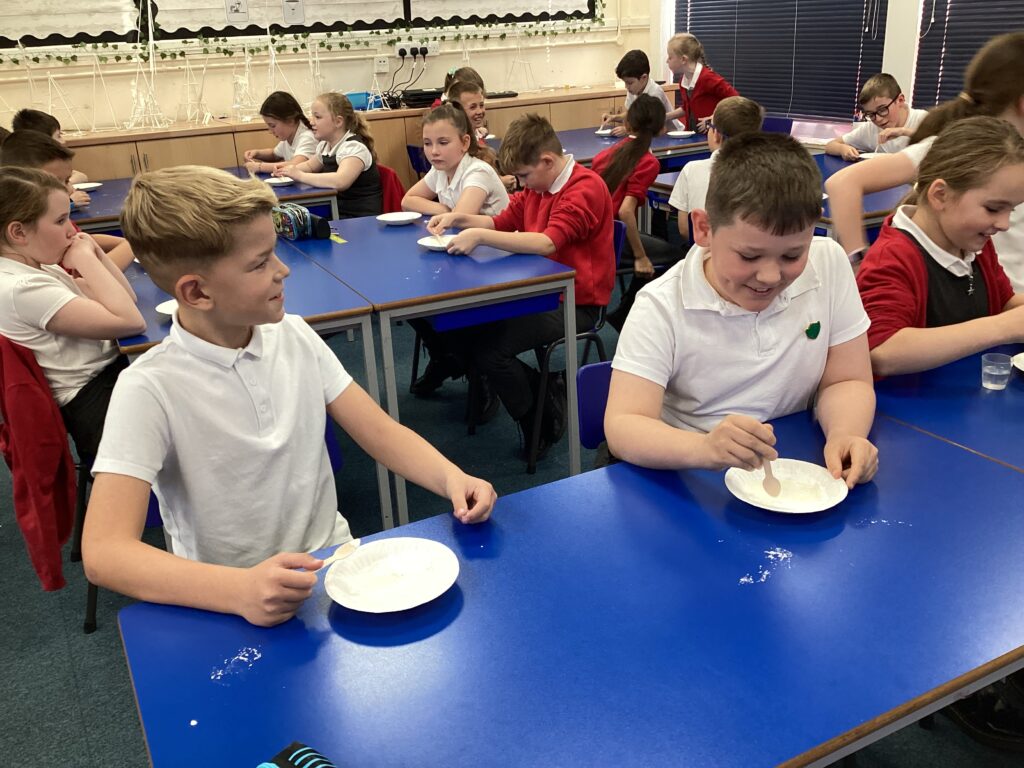
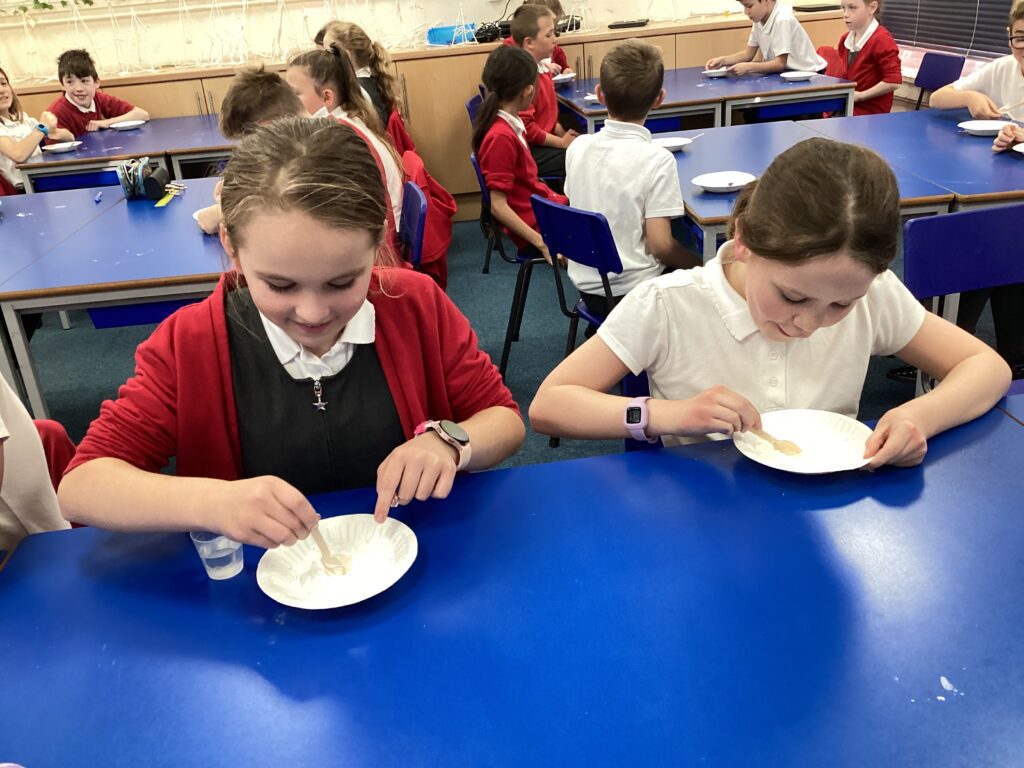




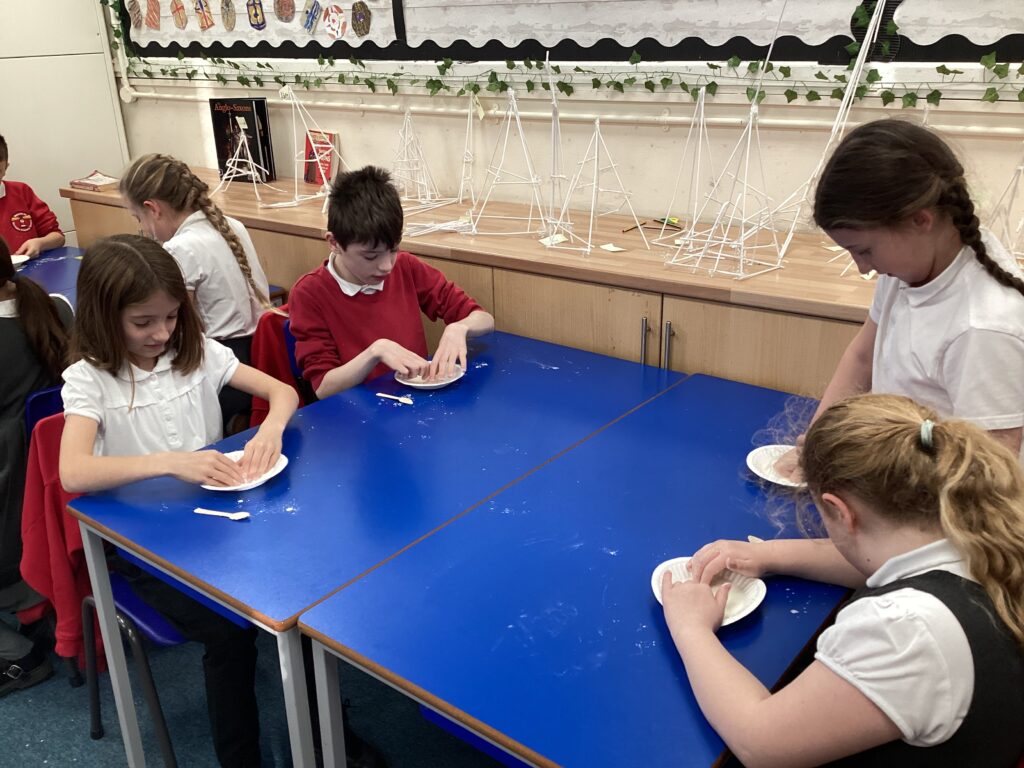
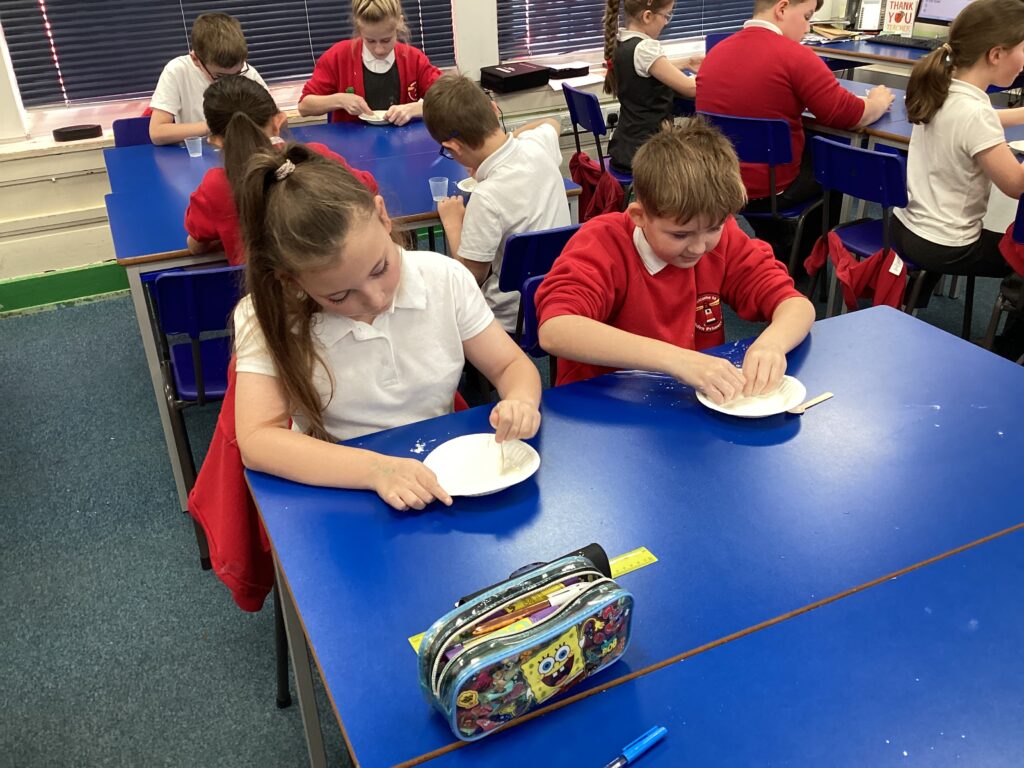
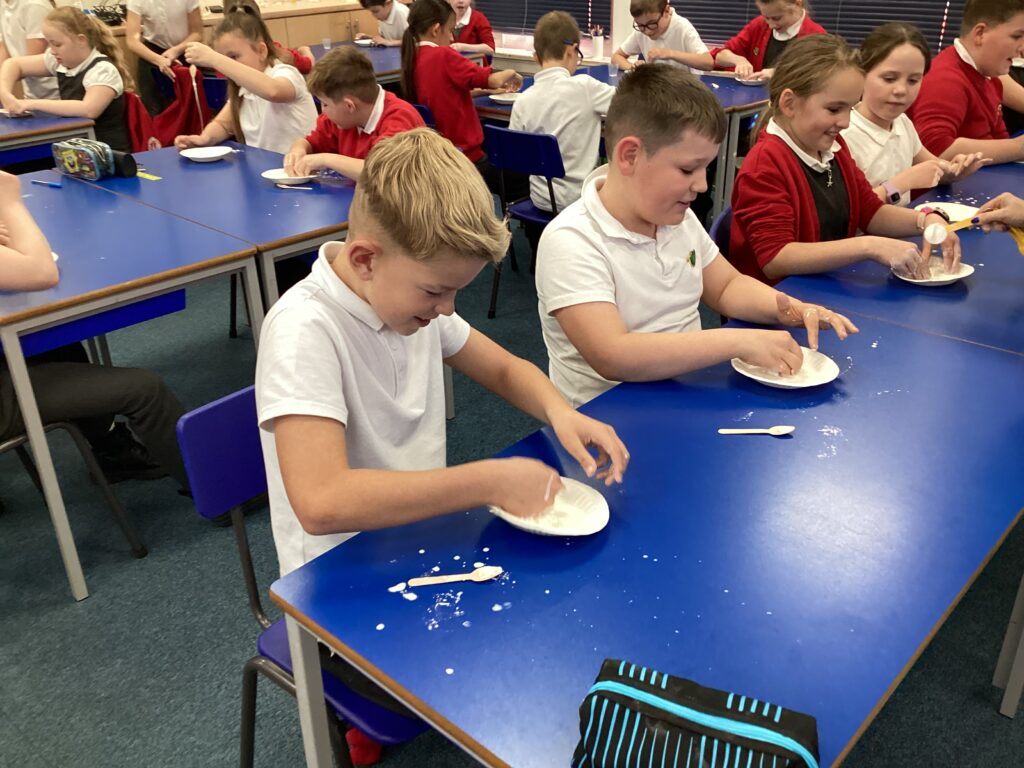
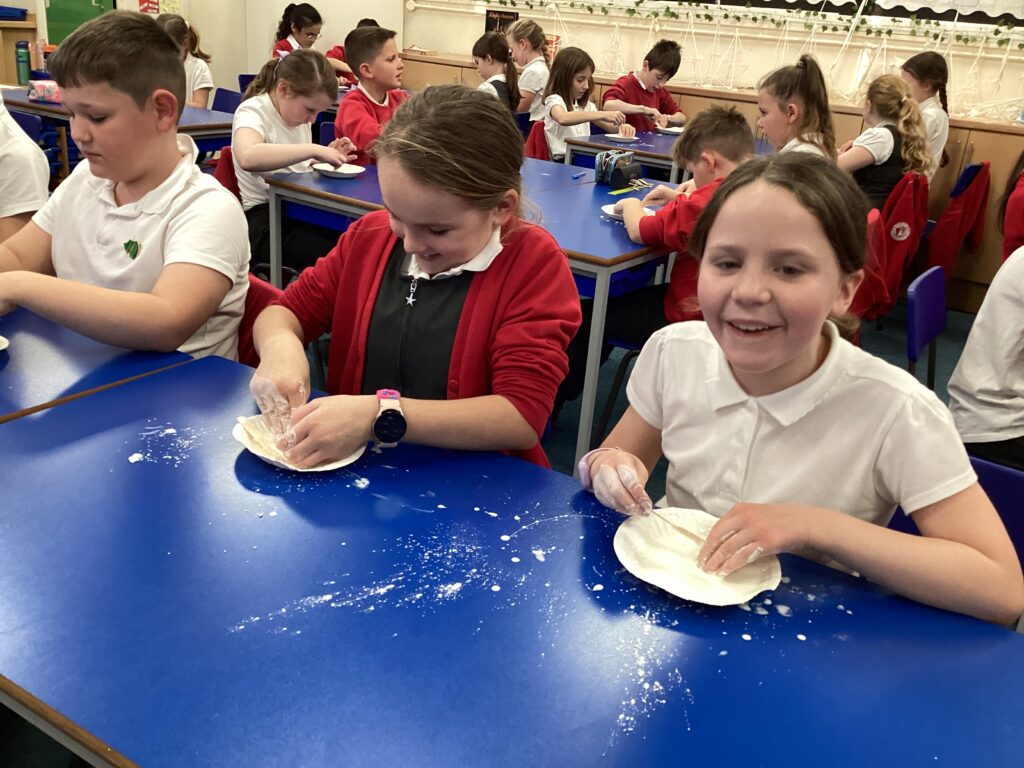




Today the children put their sorting materials knowledge to the test by trying different methods of separating. We are using evaporation to separate salt and water, filtering to separate sand and water, sieving to separate flour and sweets and finally magnetic attraction to separate paper clips and rice.
We were very impressed with their scientific enquiry skills.


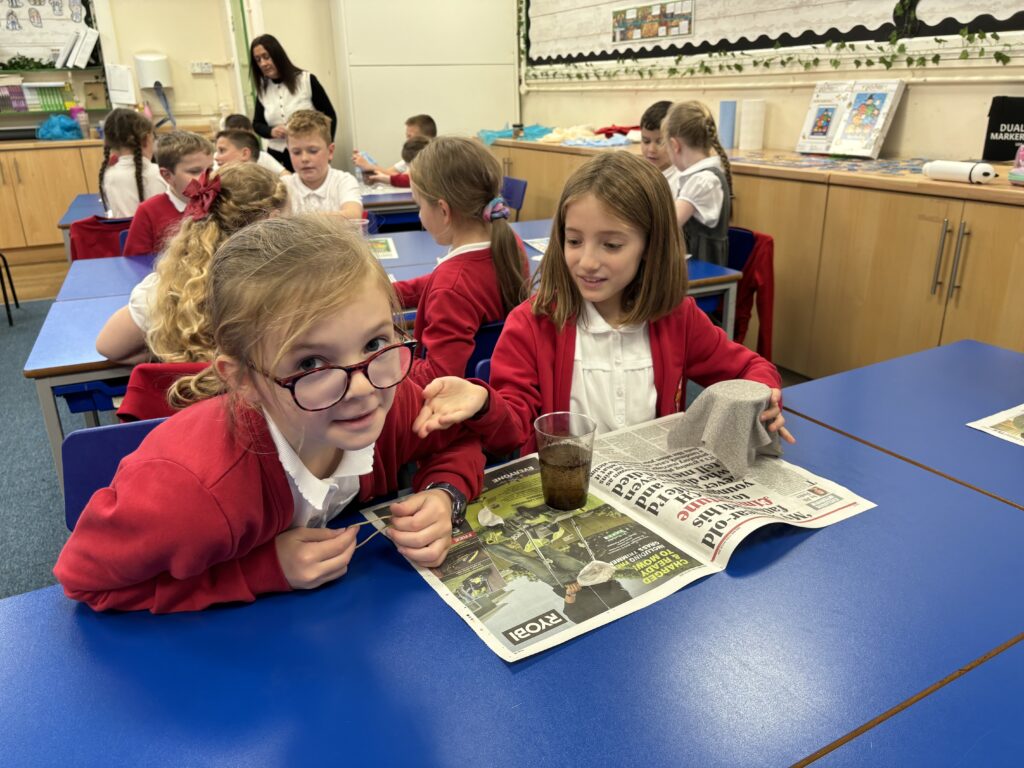
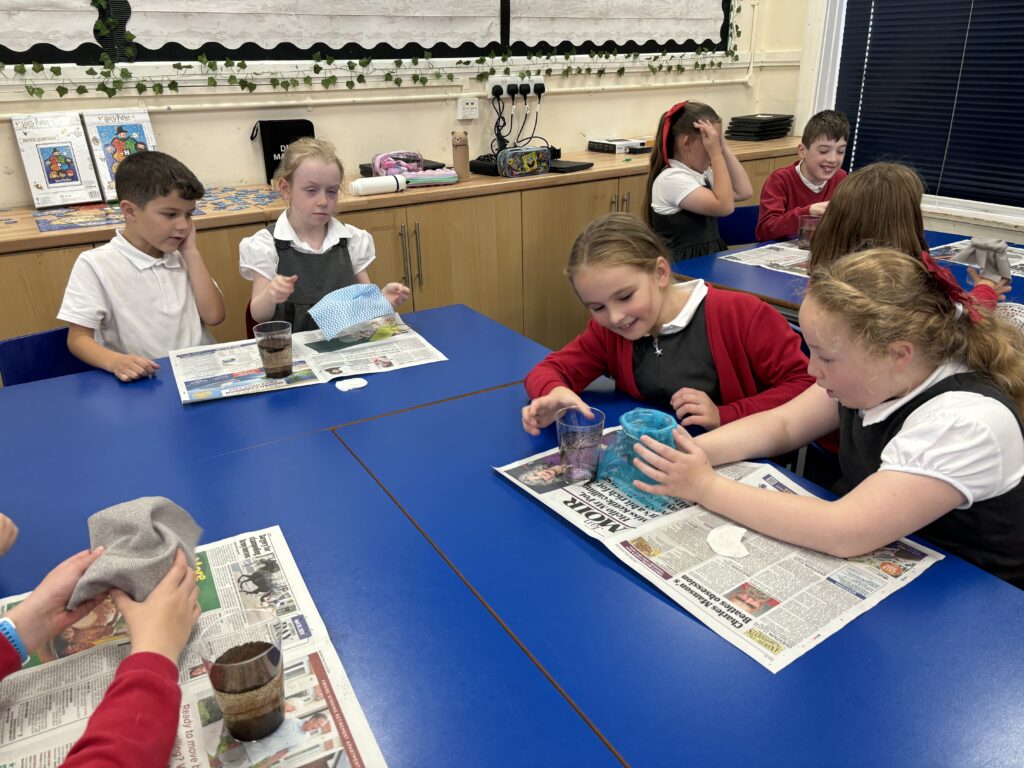
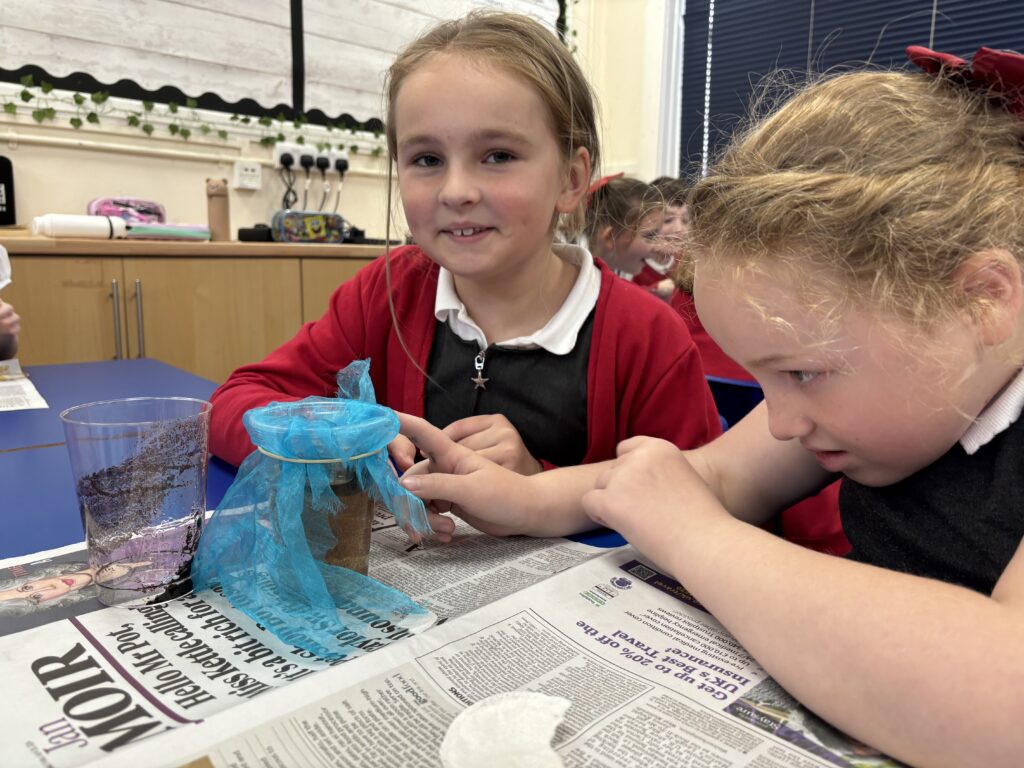
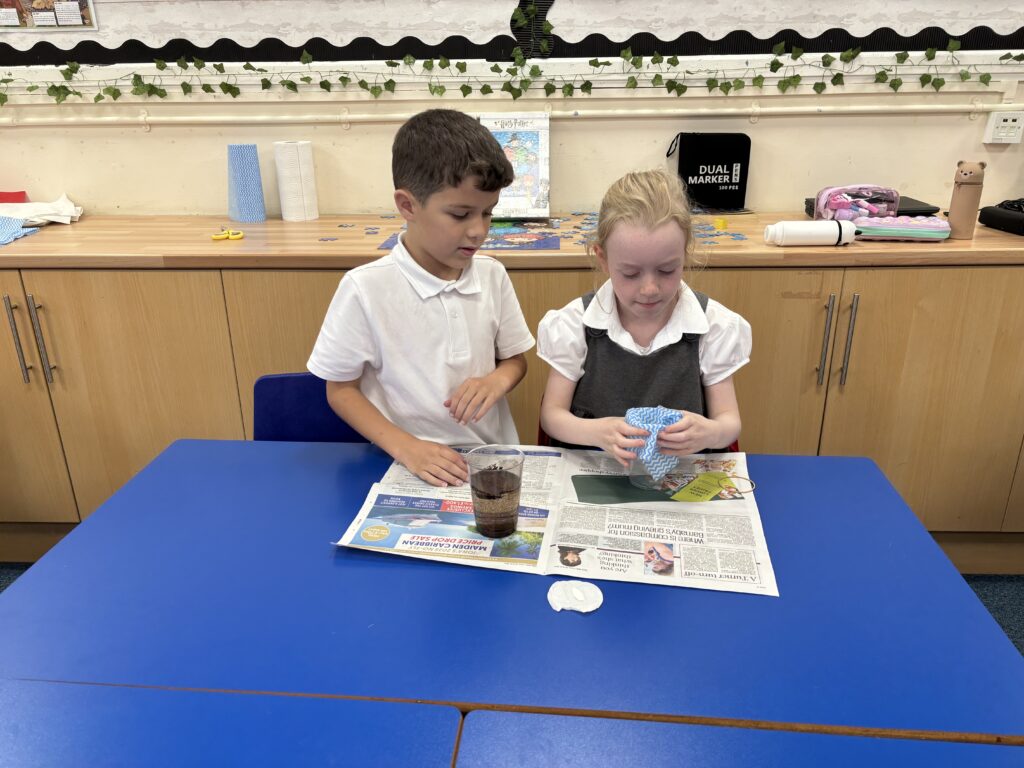
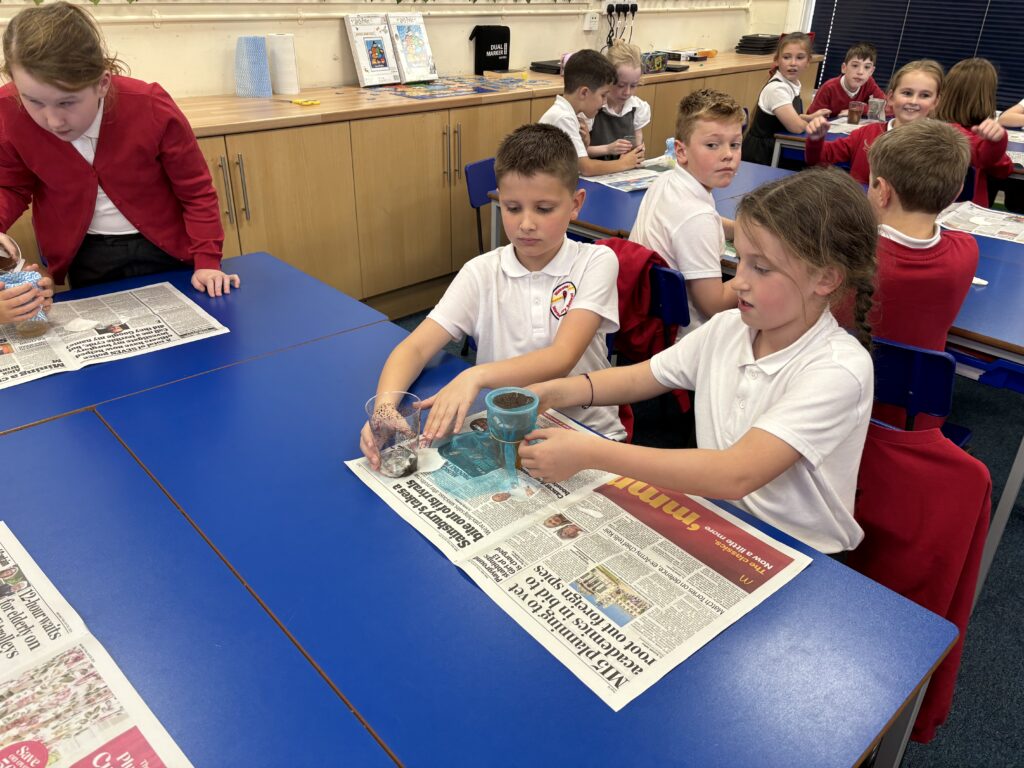
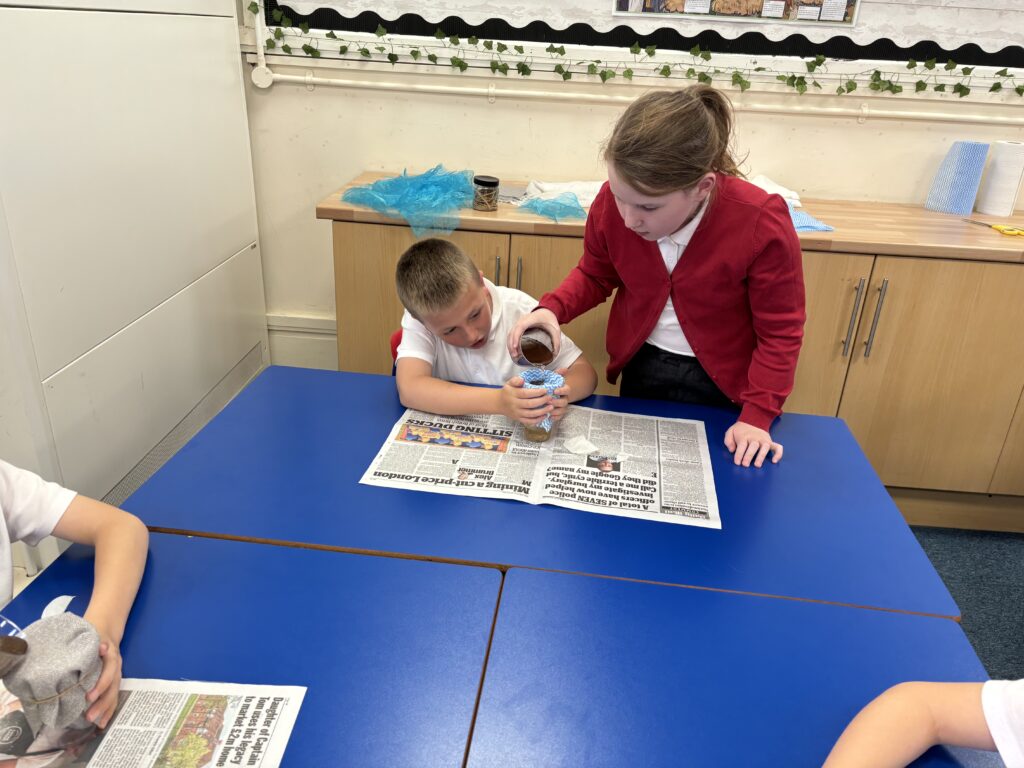
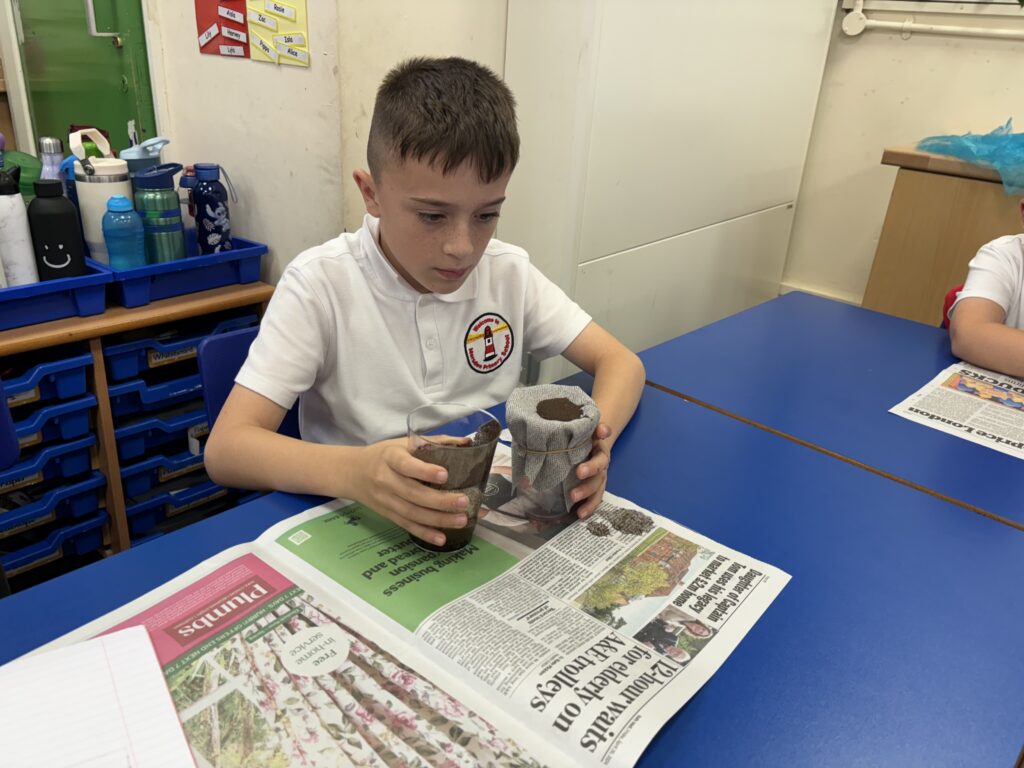
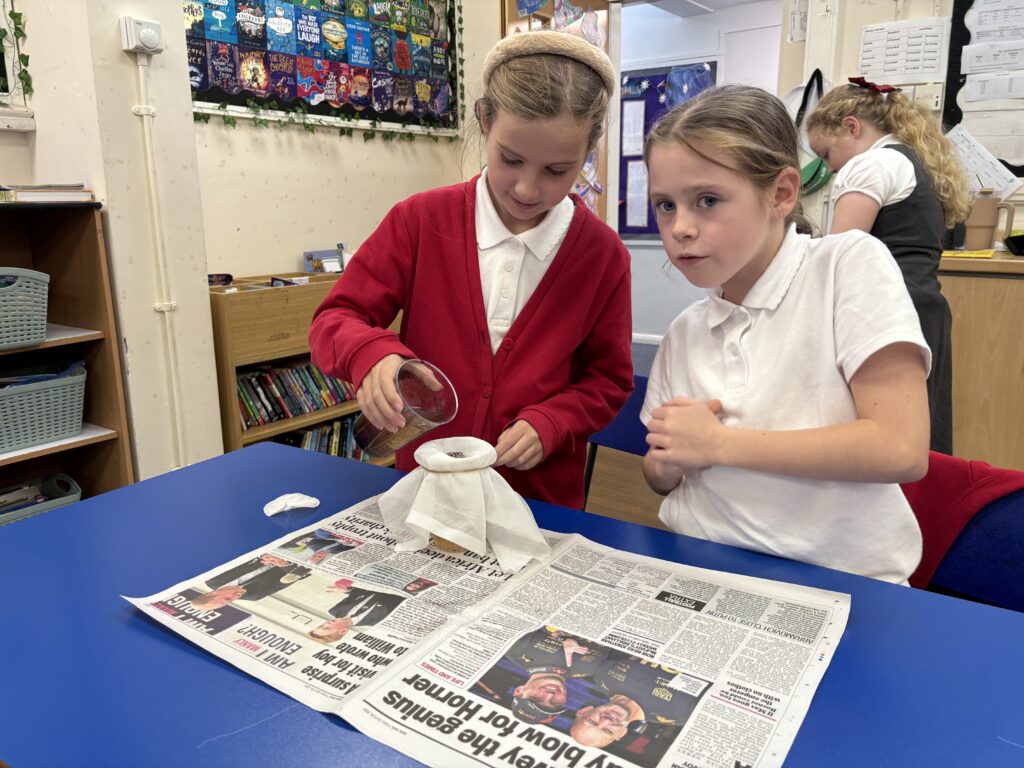
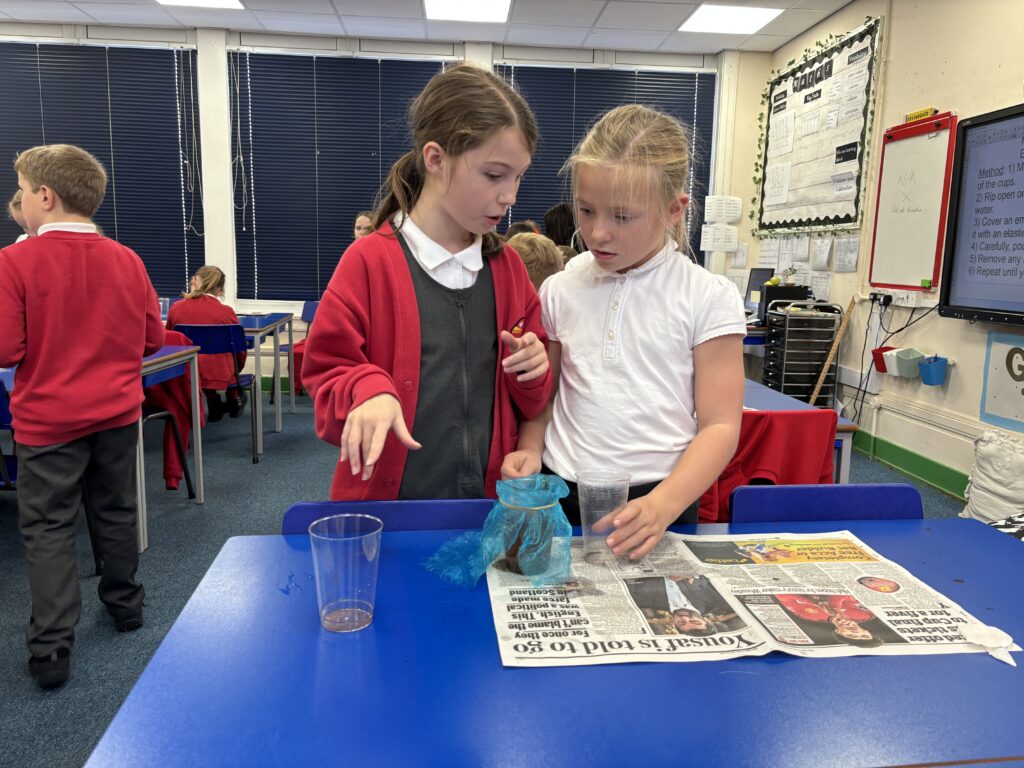
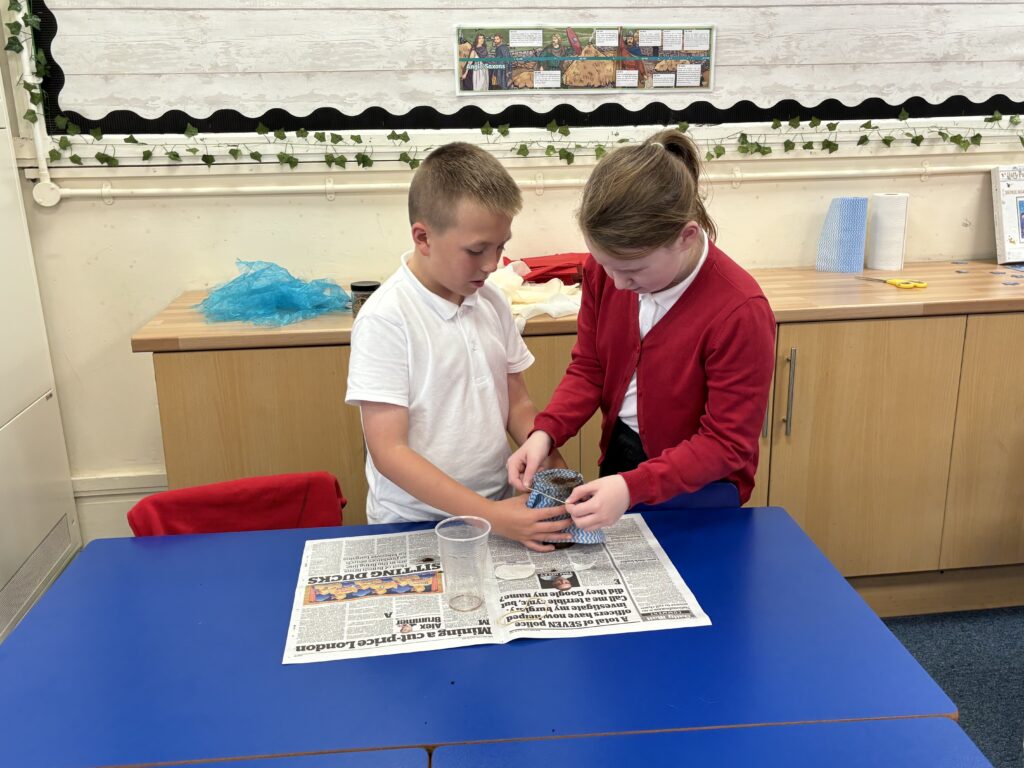
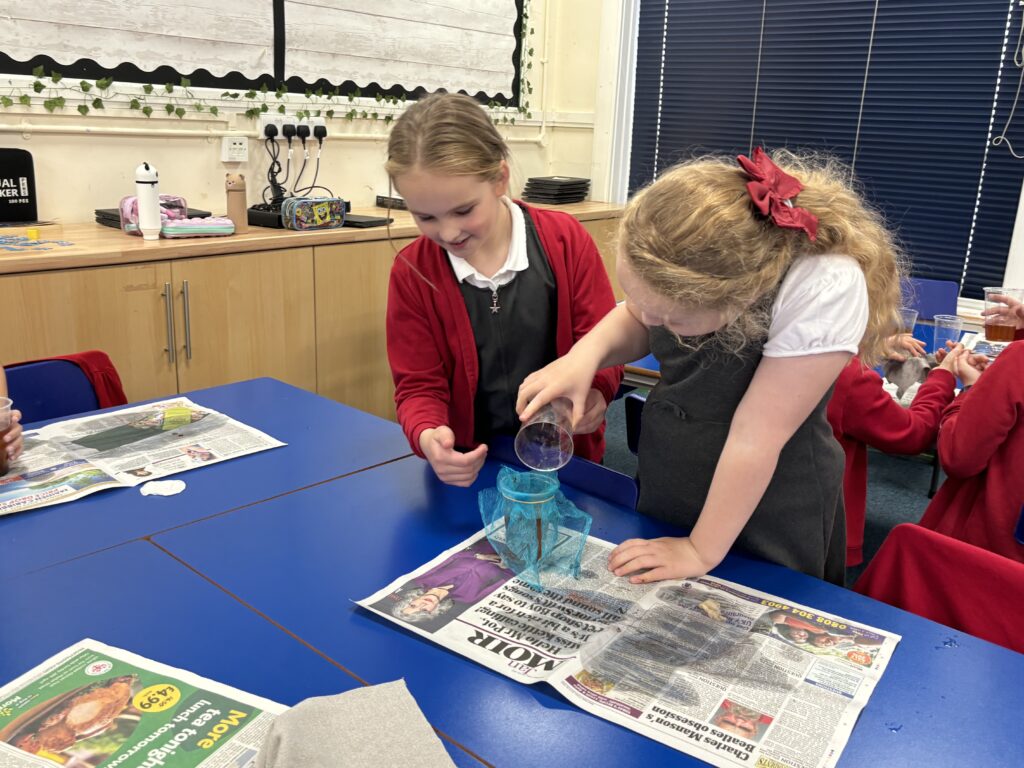
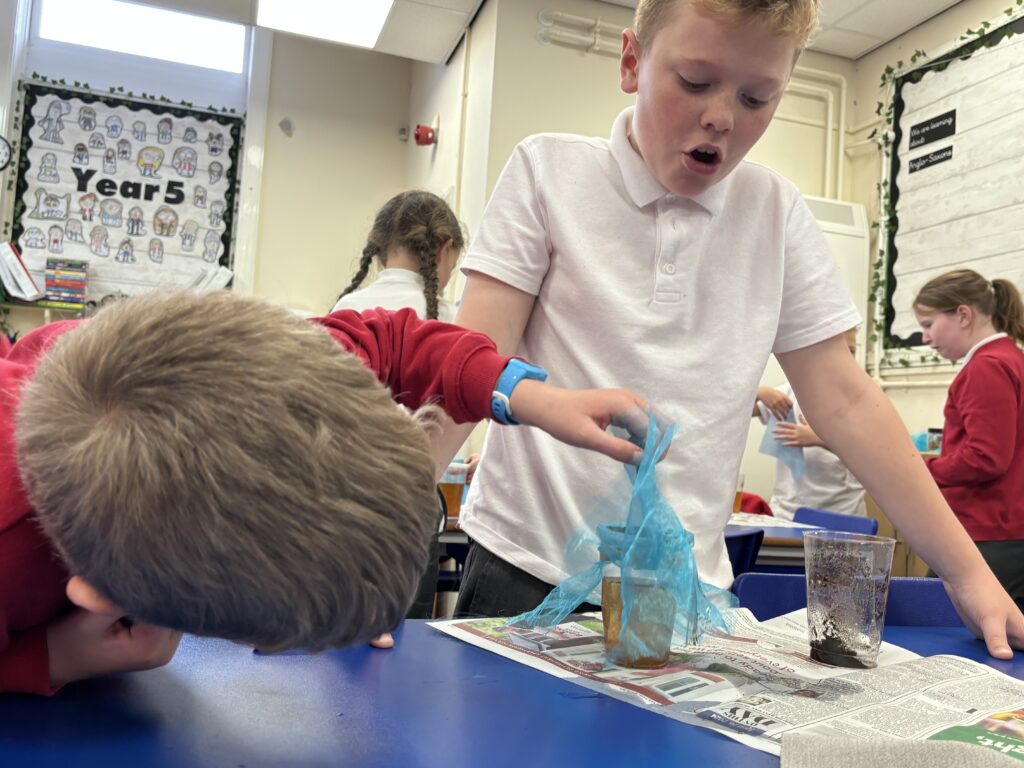
Today, Y5 carried out an experiment to explore the process of filtration to try and separate an insoluble material (tea leaves) from a solvent (water). The children had a variety of different materials to use as filters and we discovered that some were more successful than others. Material with very small holes such as woven fabric acted as a good filter and resulted in very few leaves getting through the material. We called what was left in the material the residue.
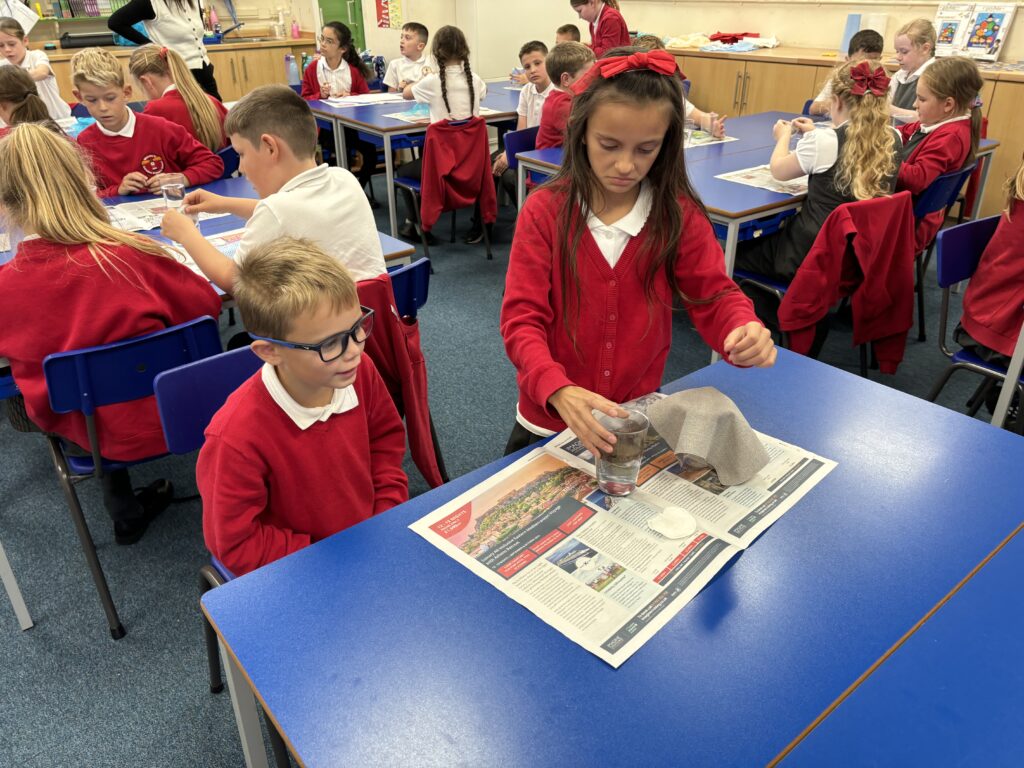
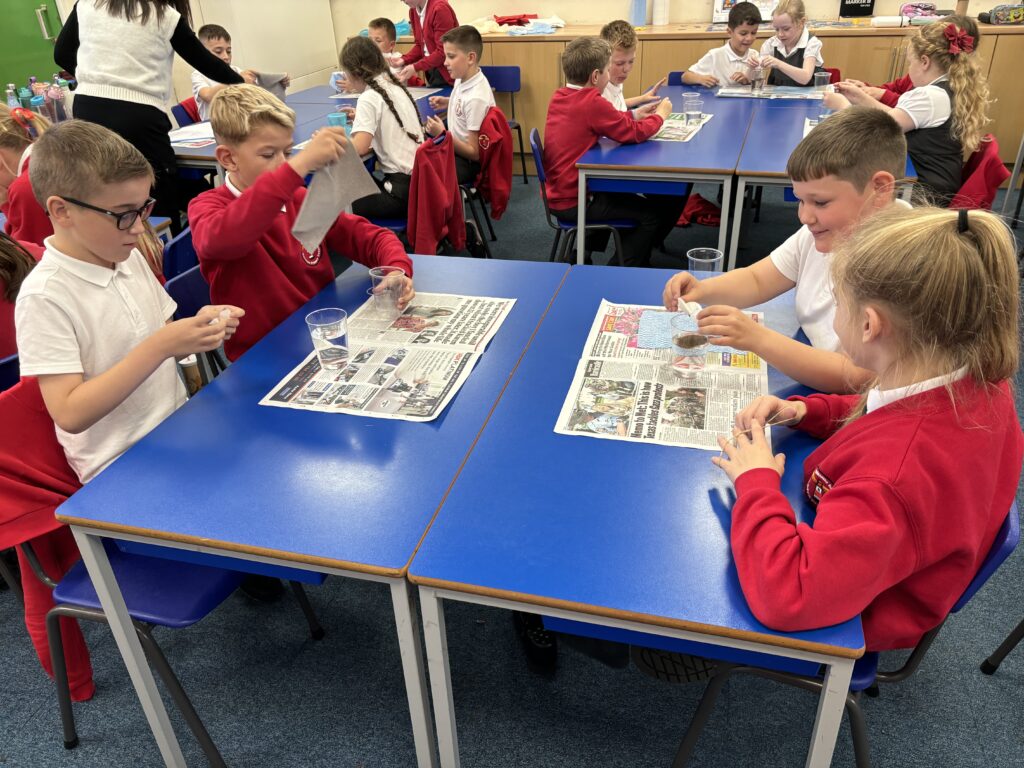
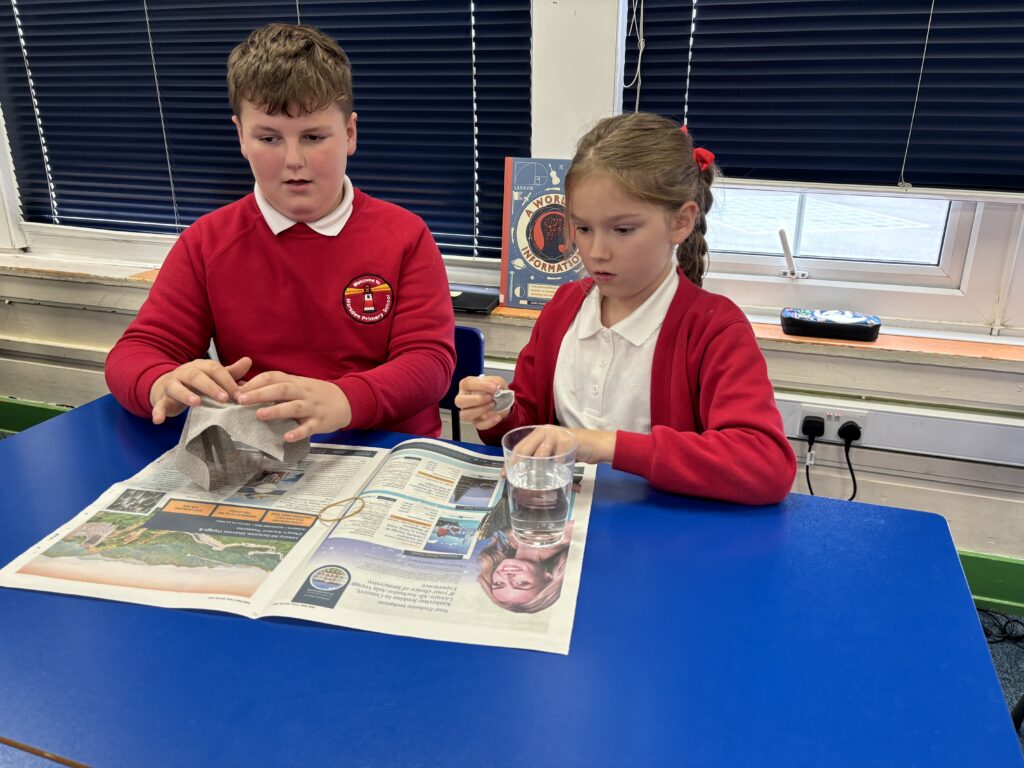
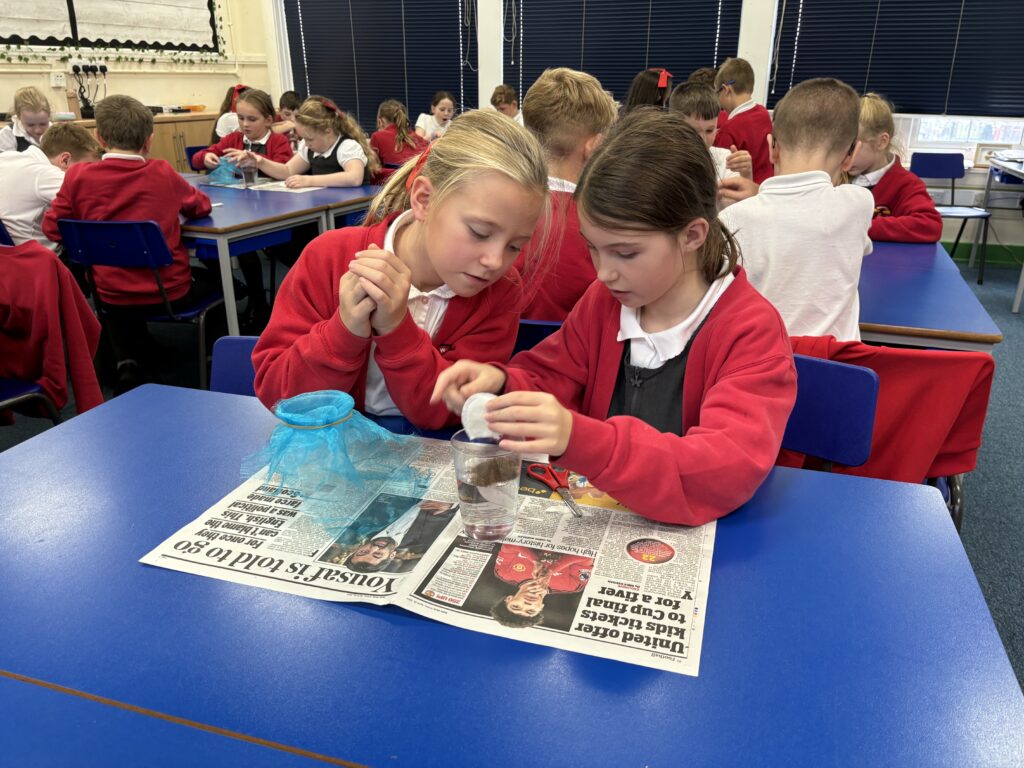
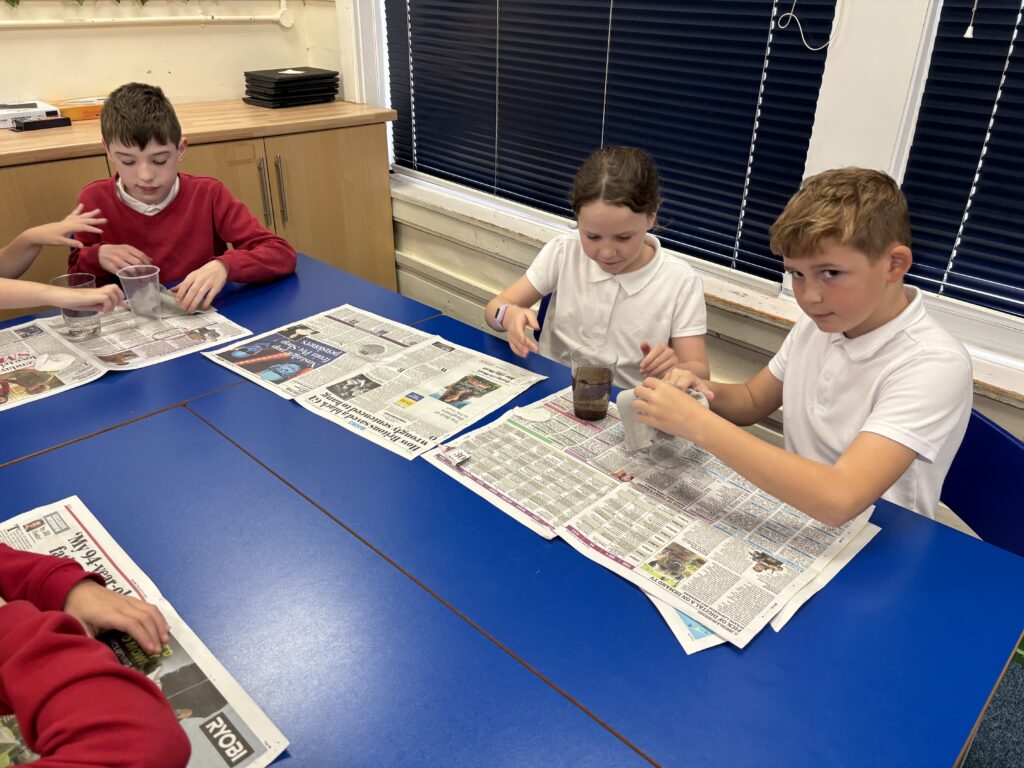
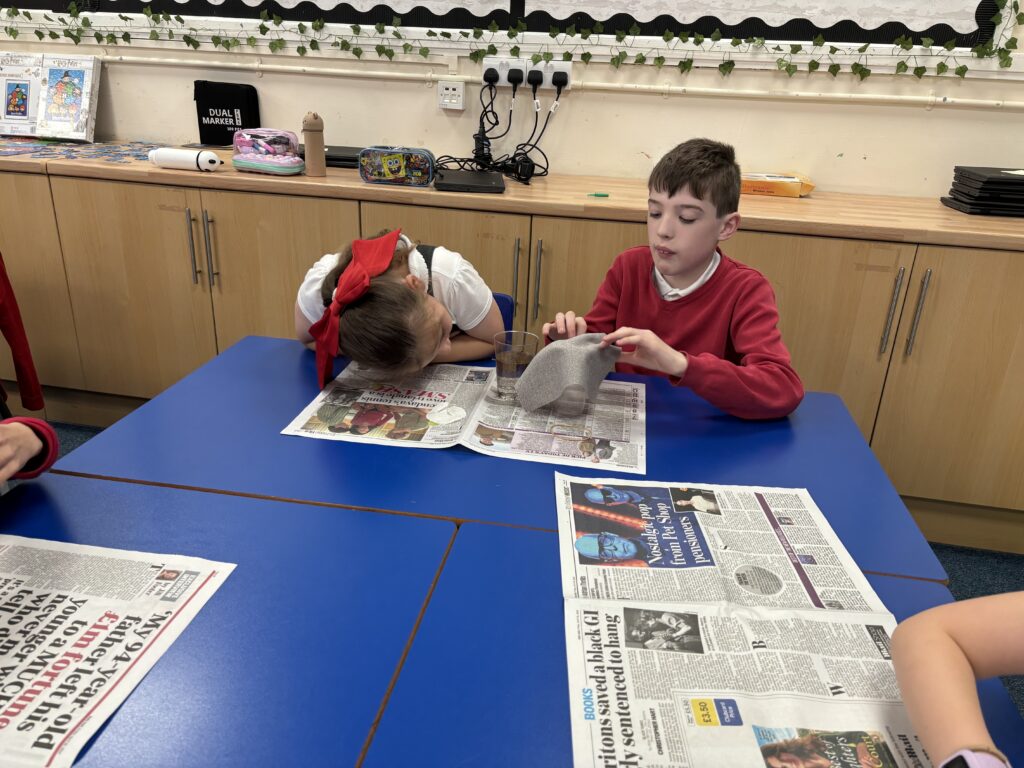
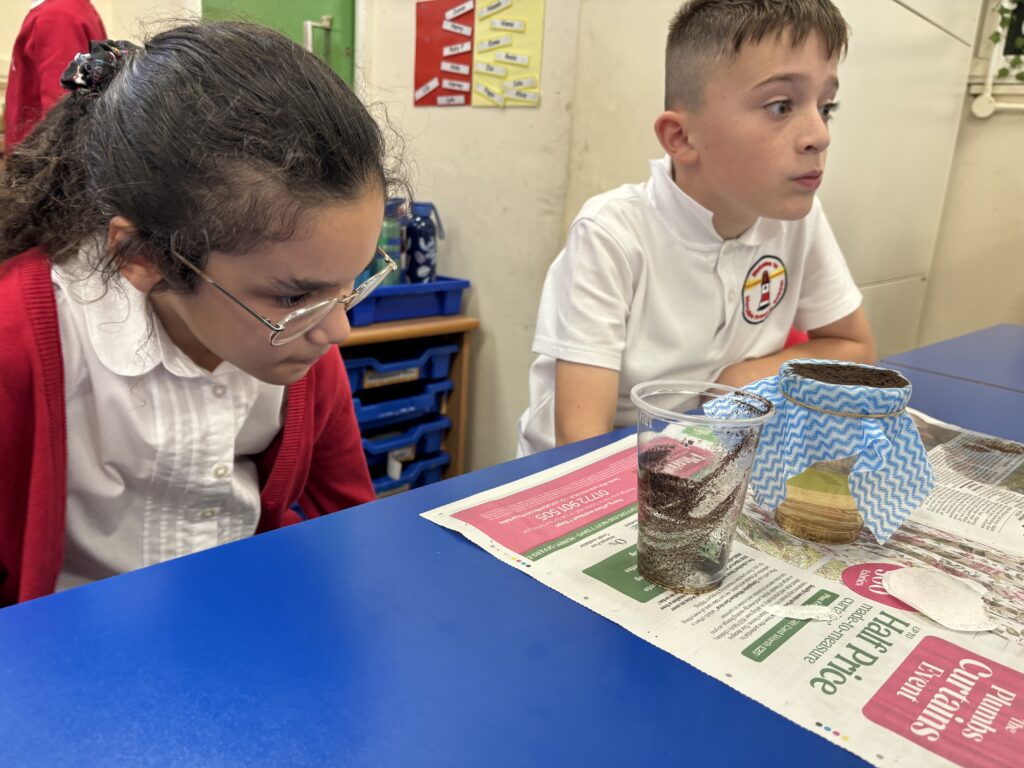
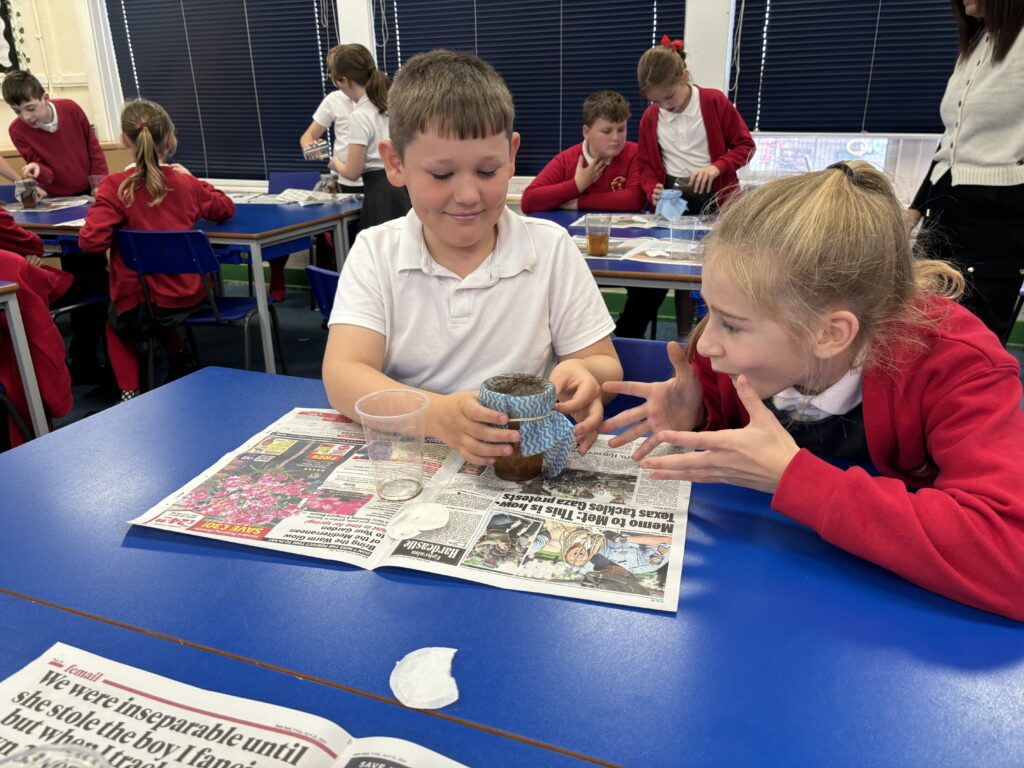
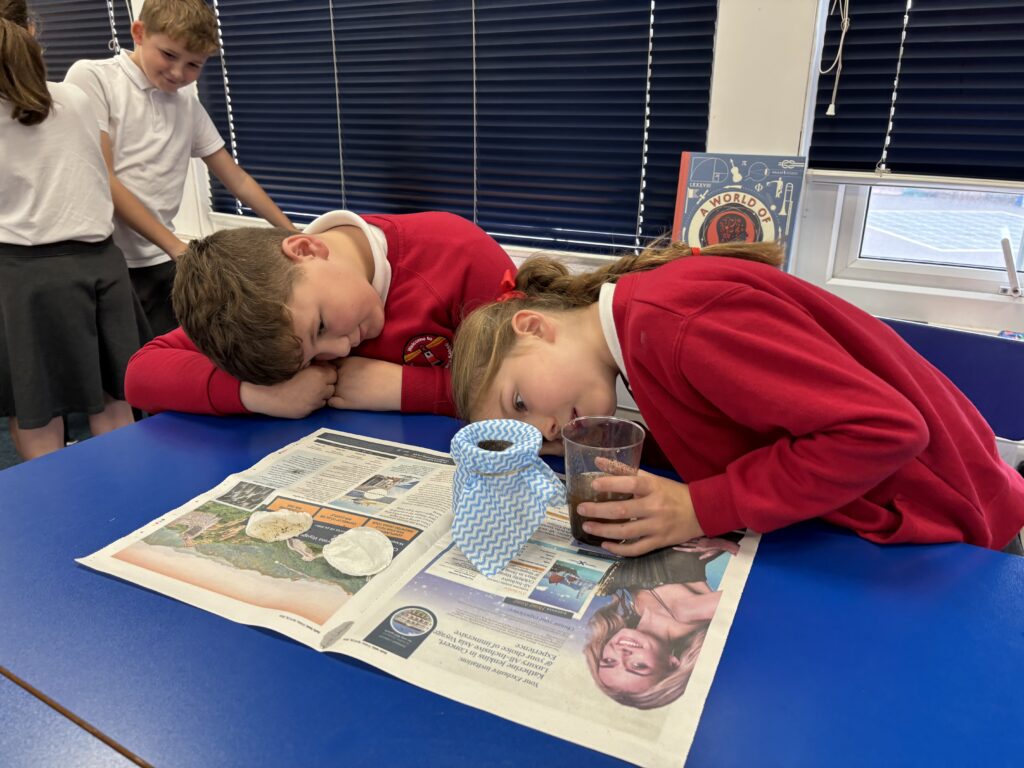
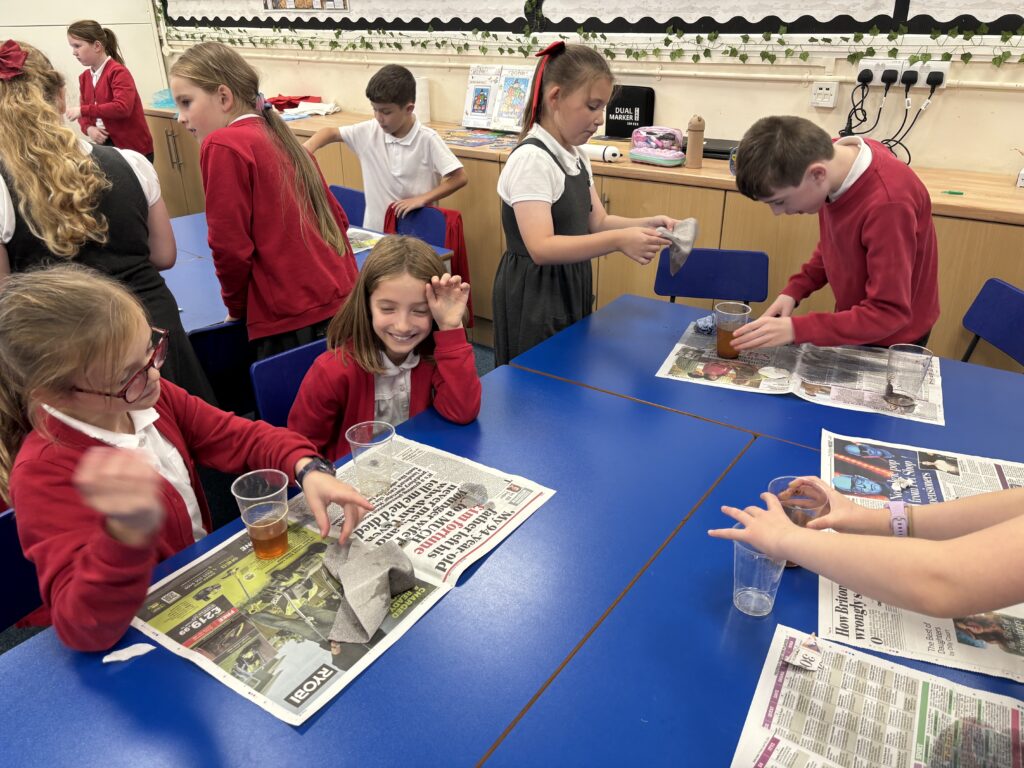
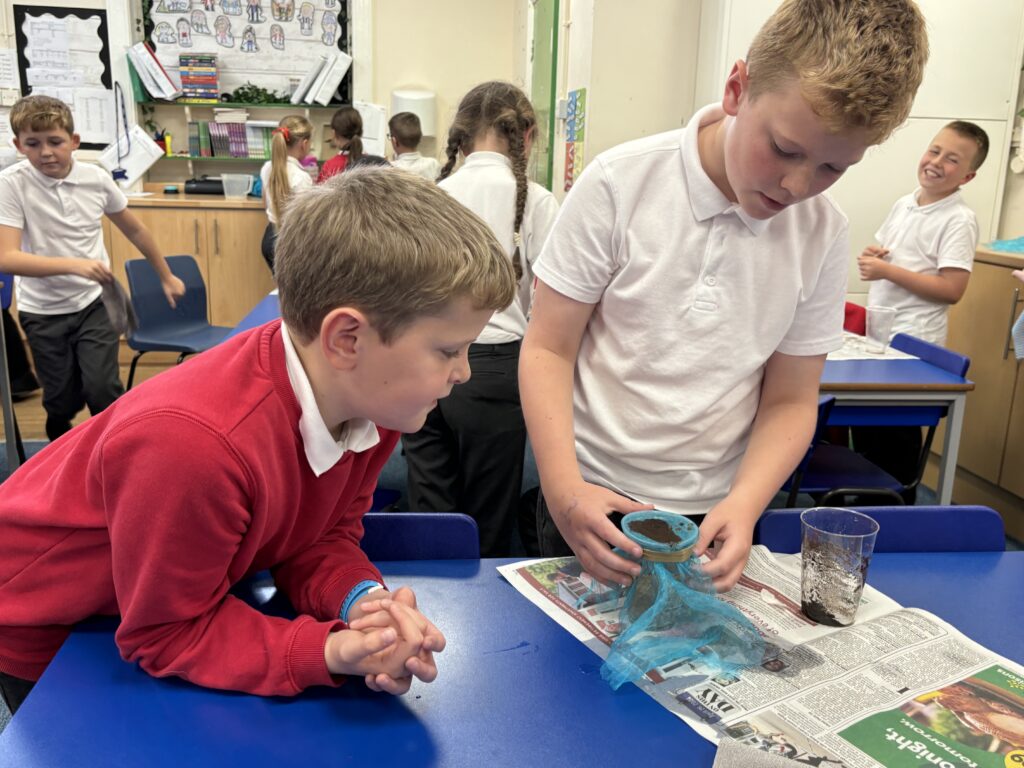
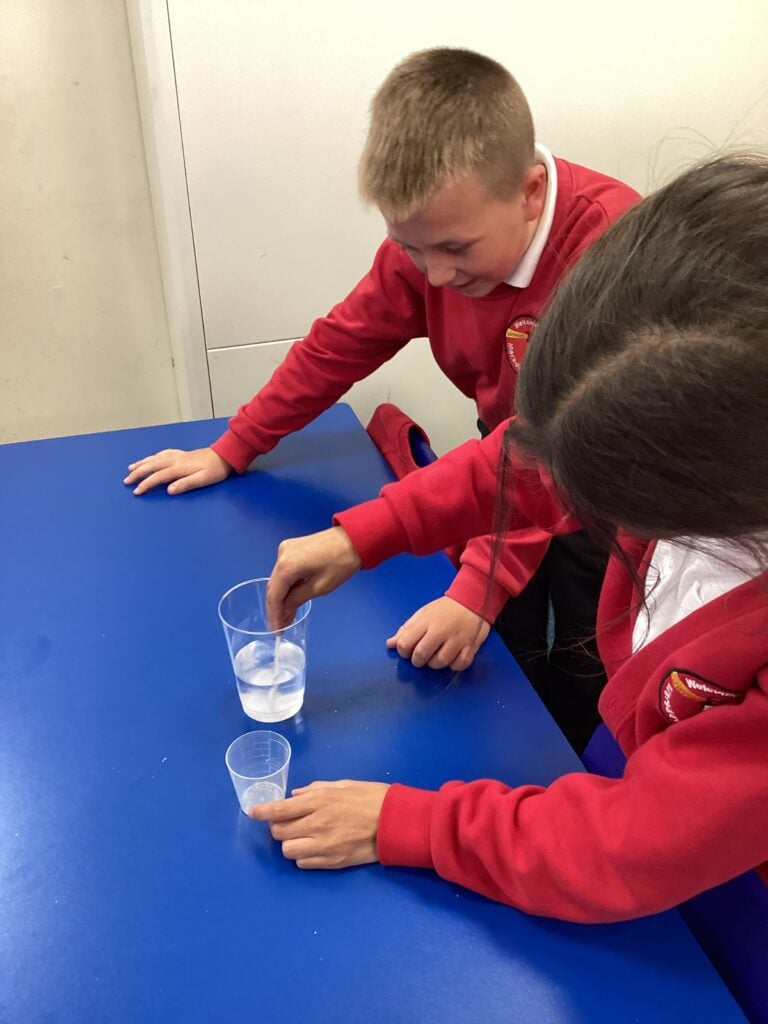
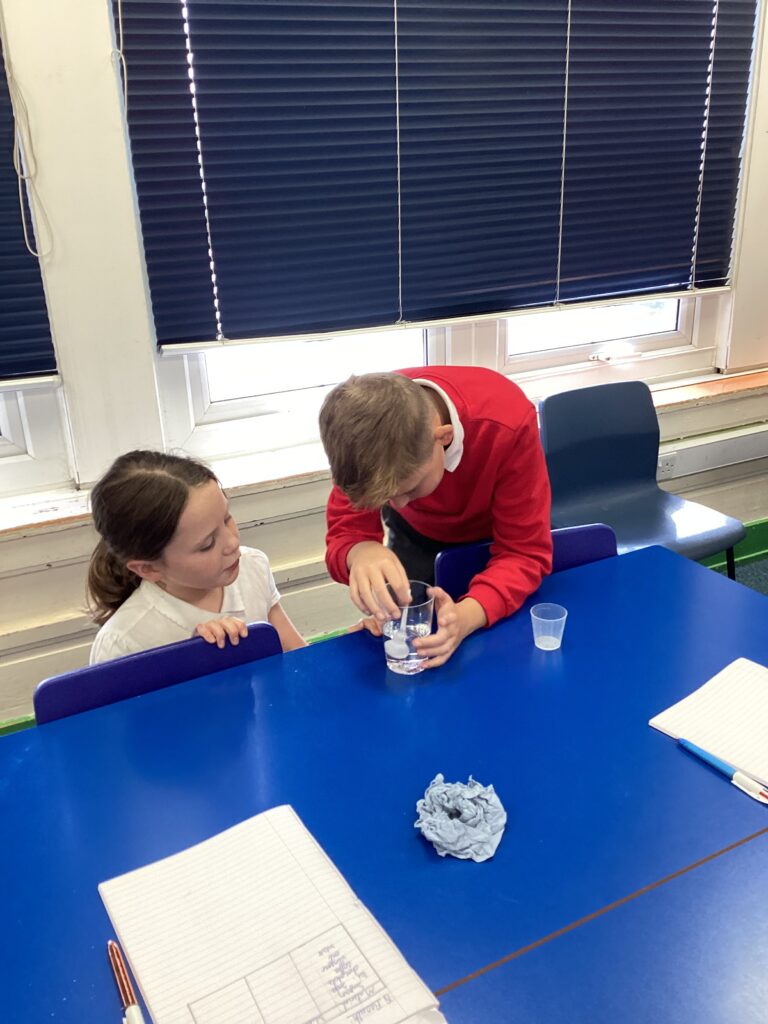
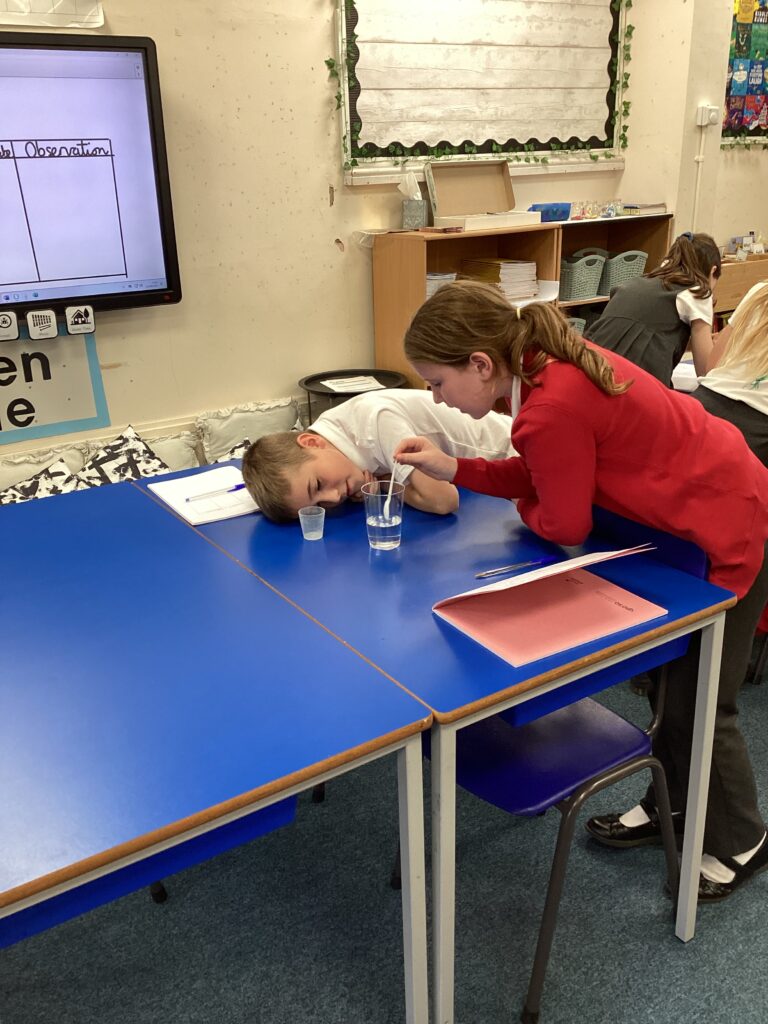
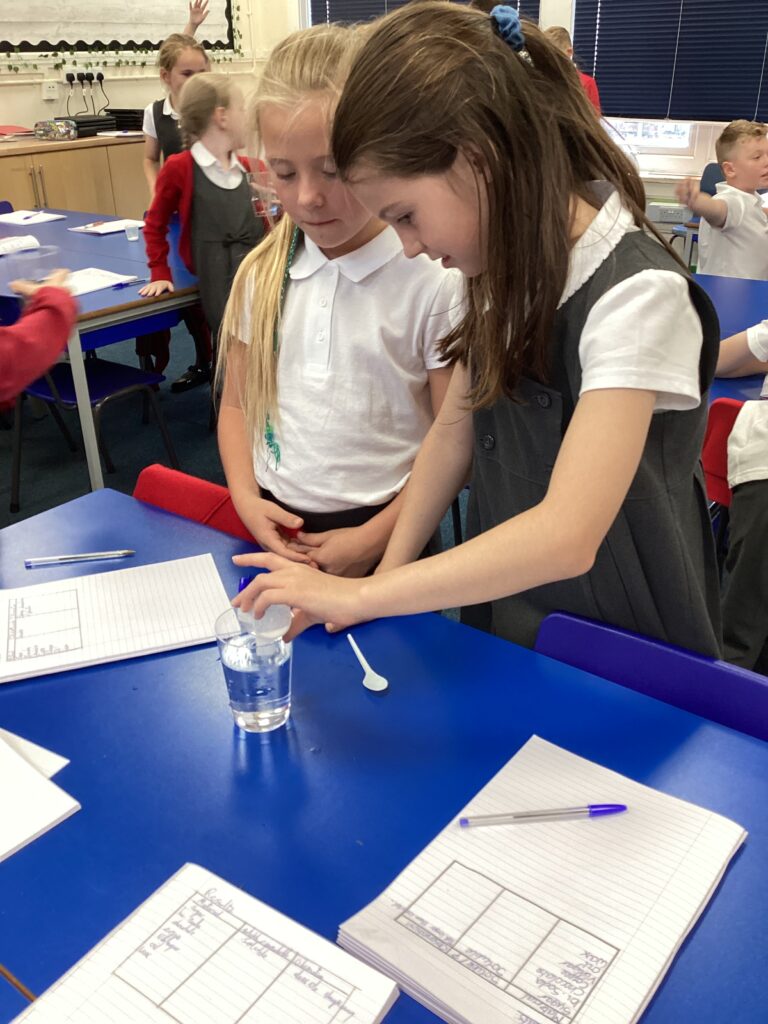
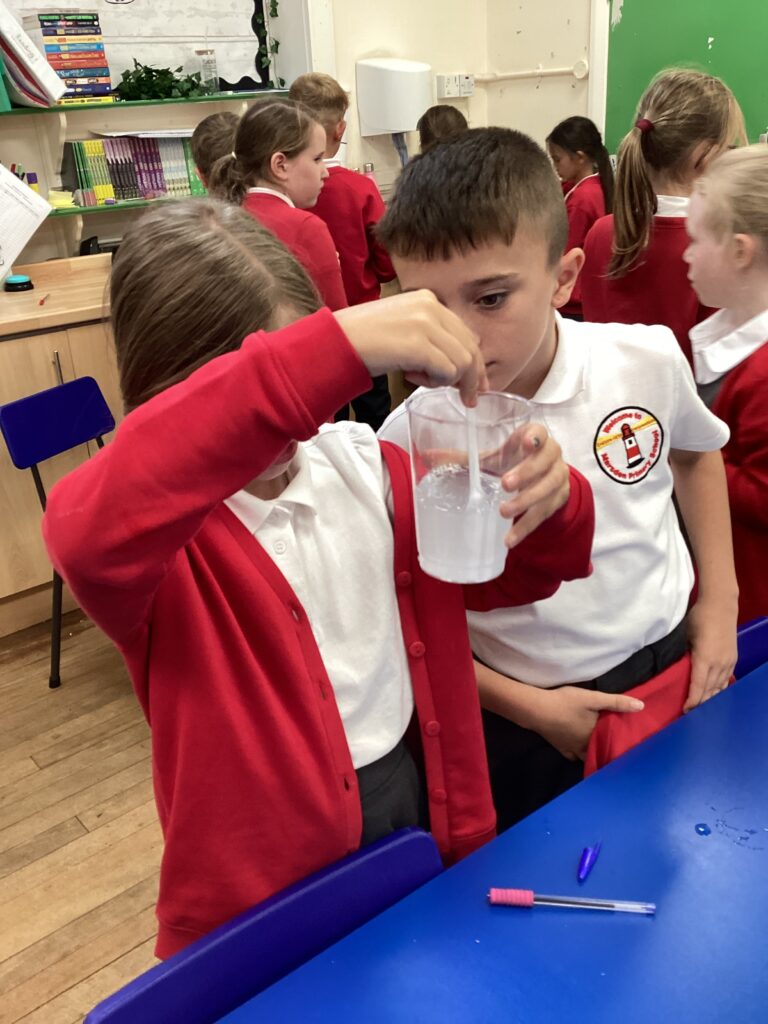
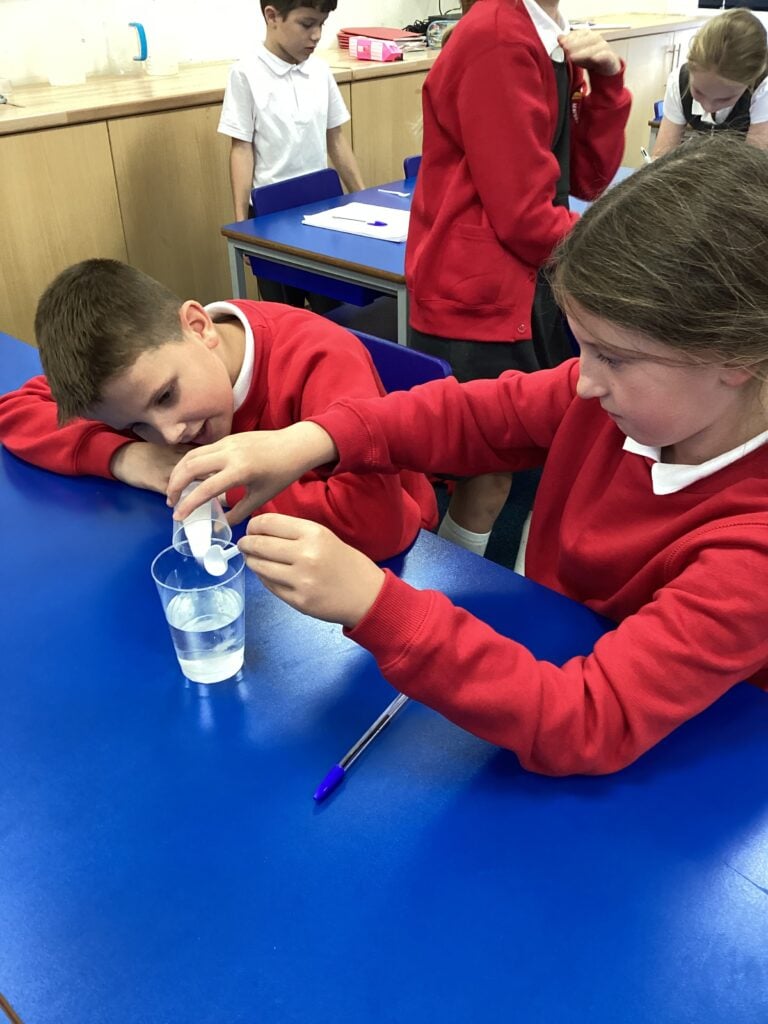
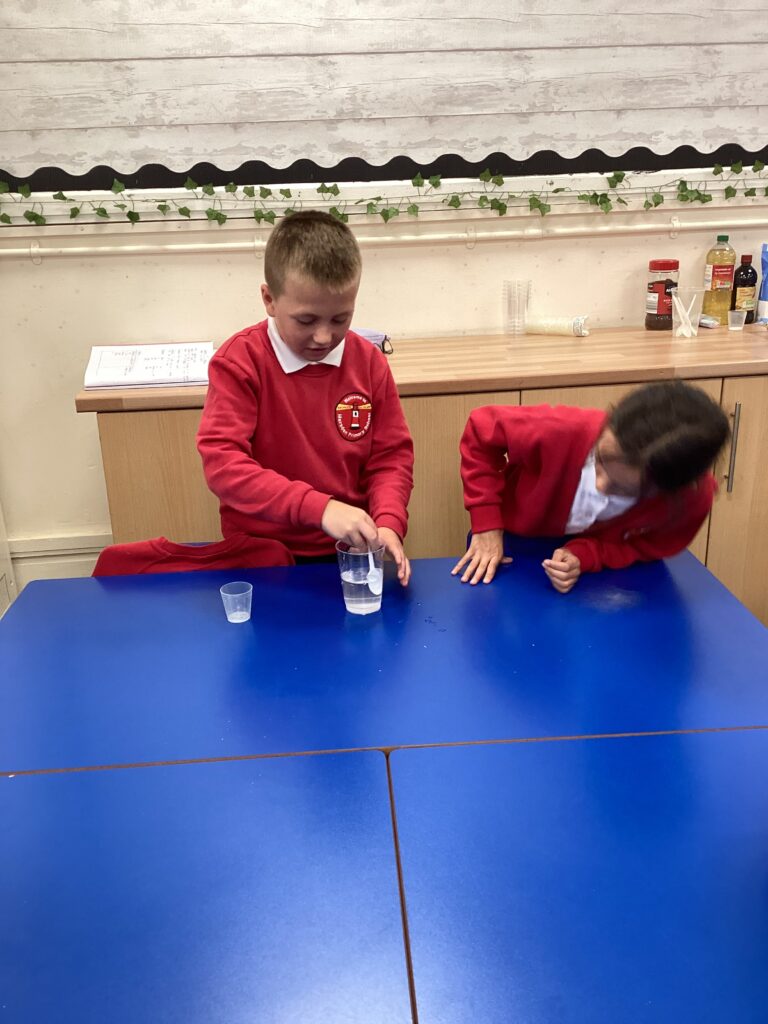
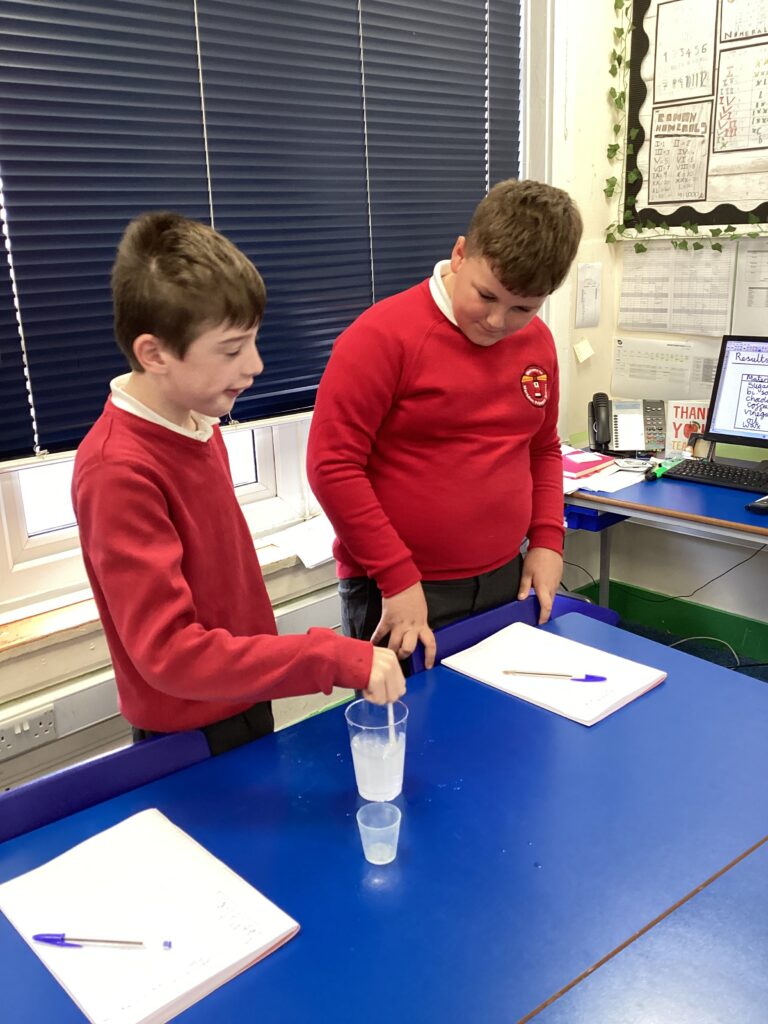
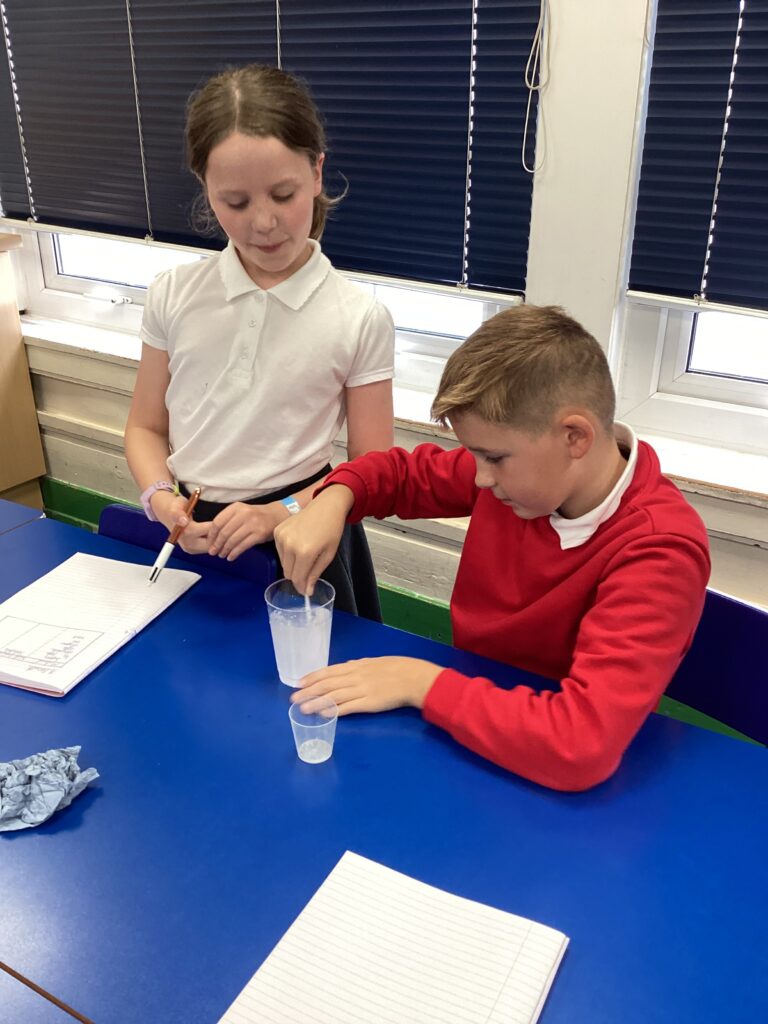
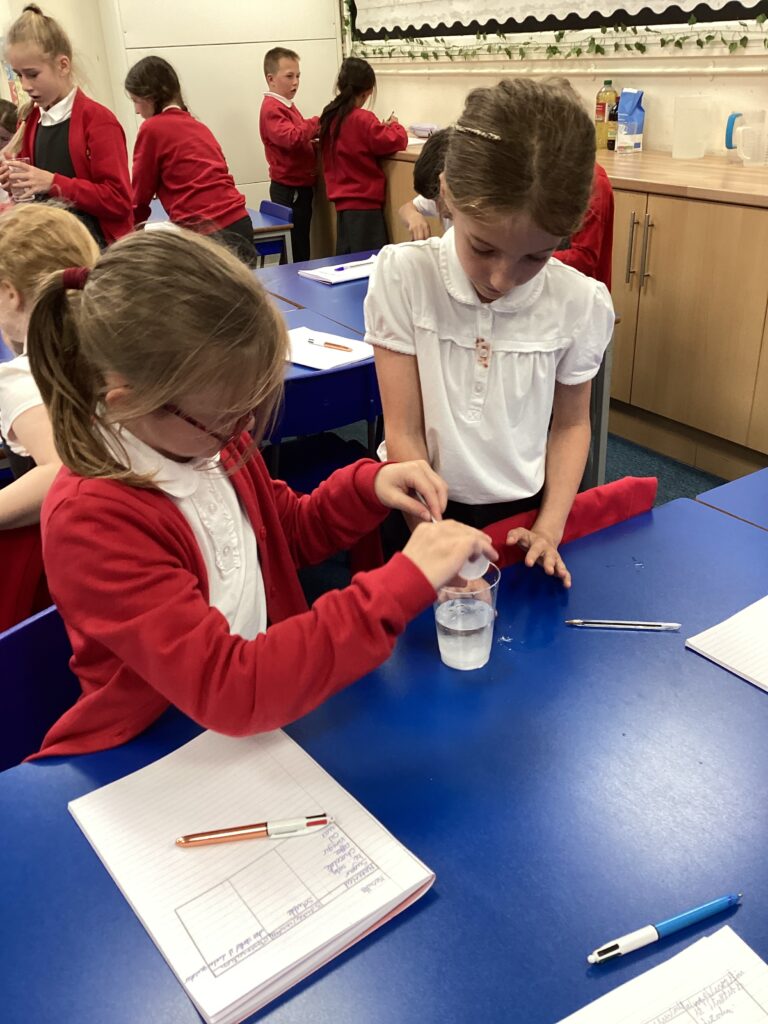
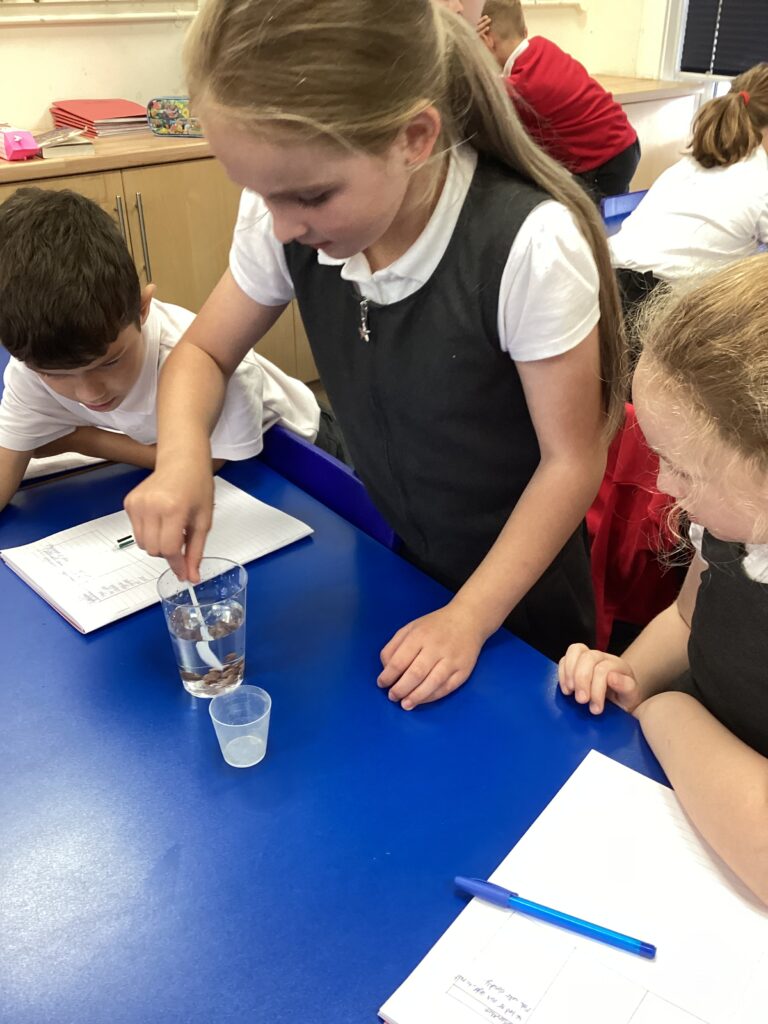
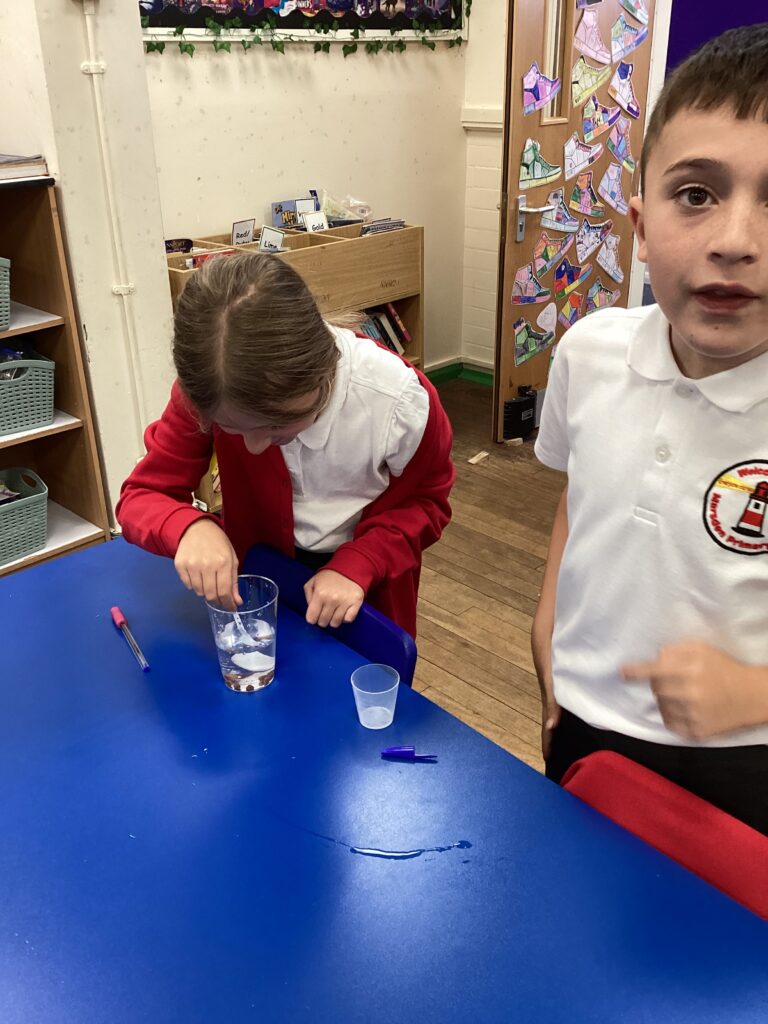
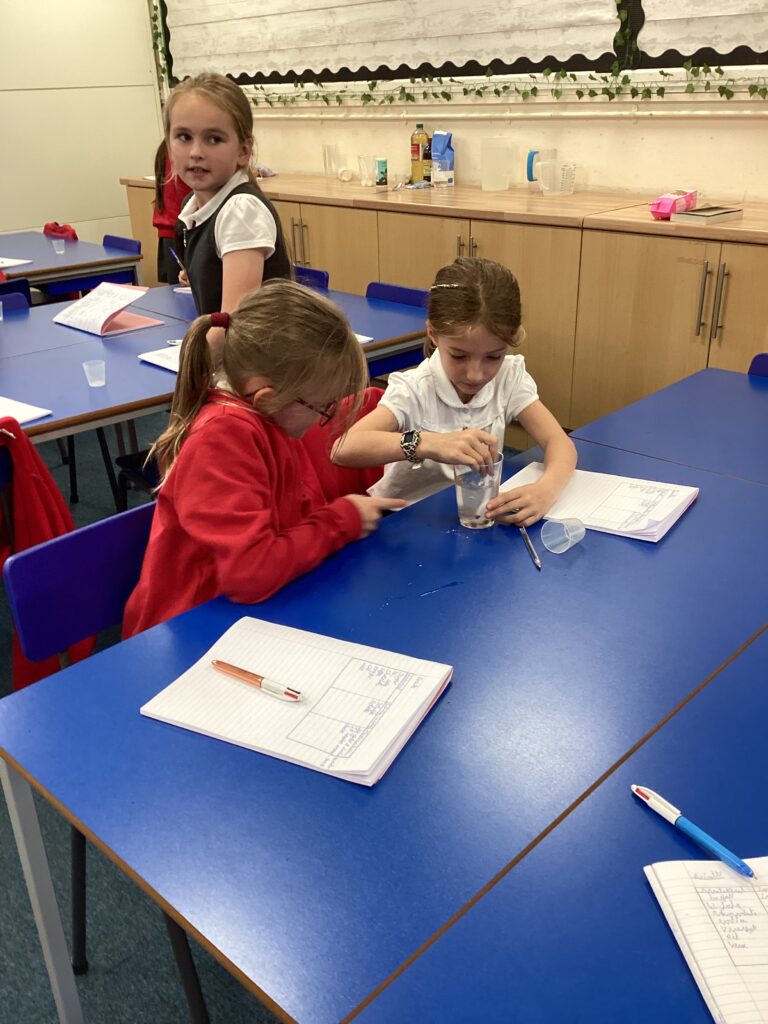
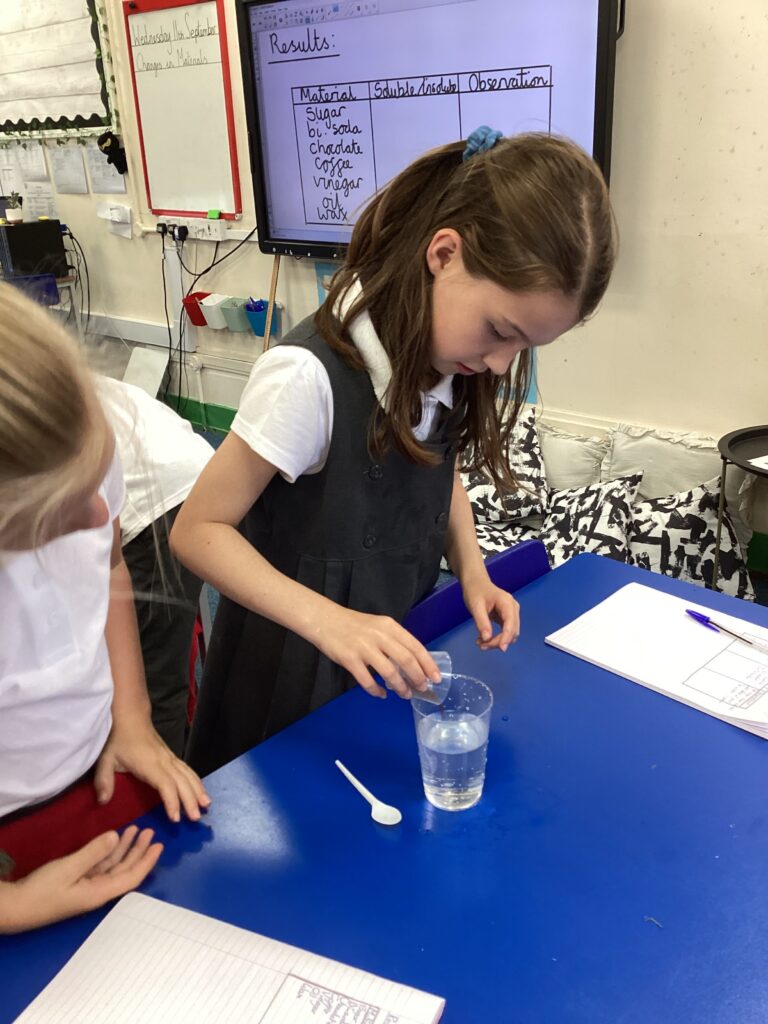
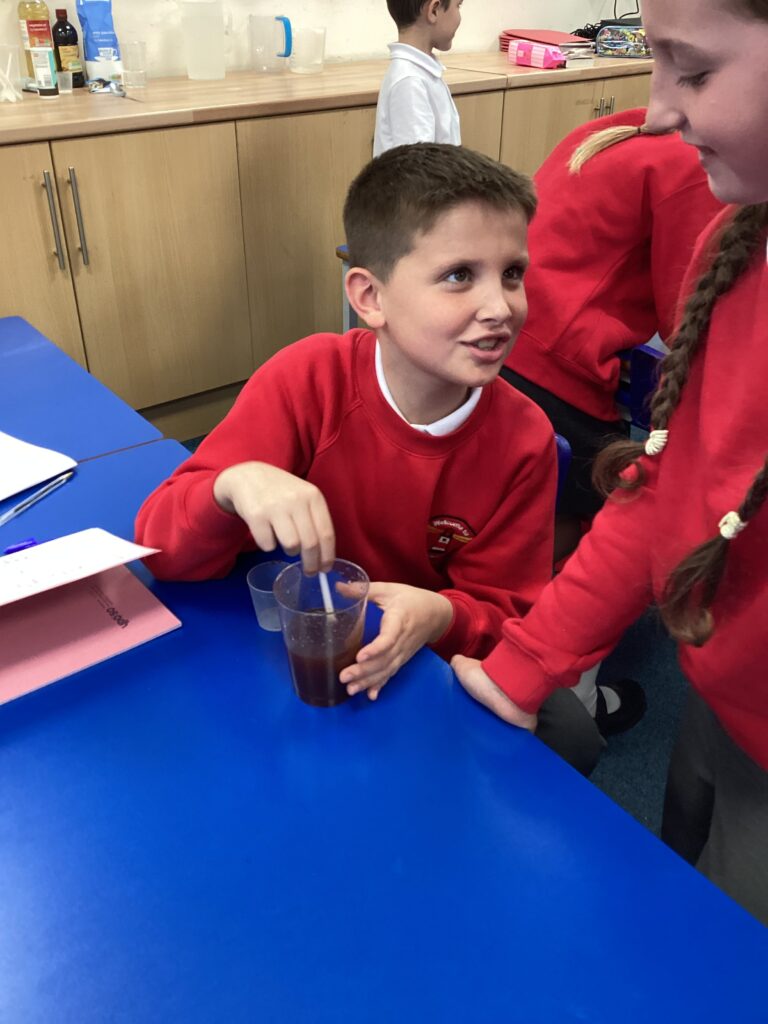
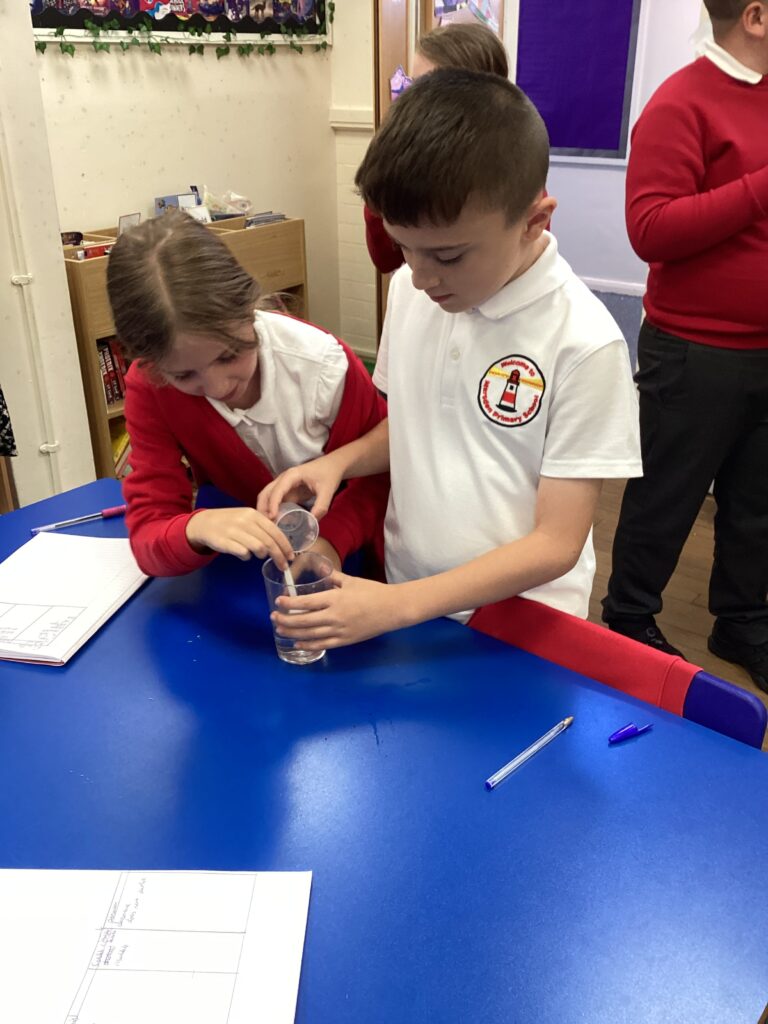
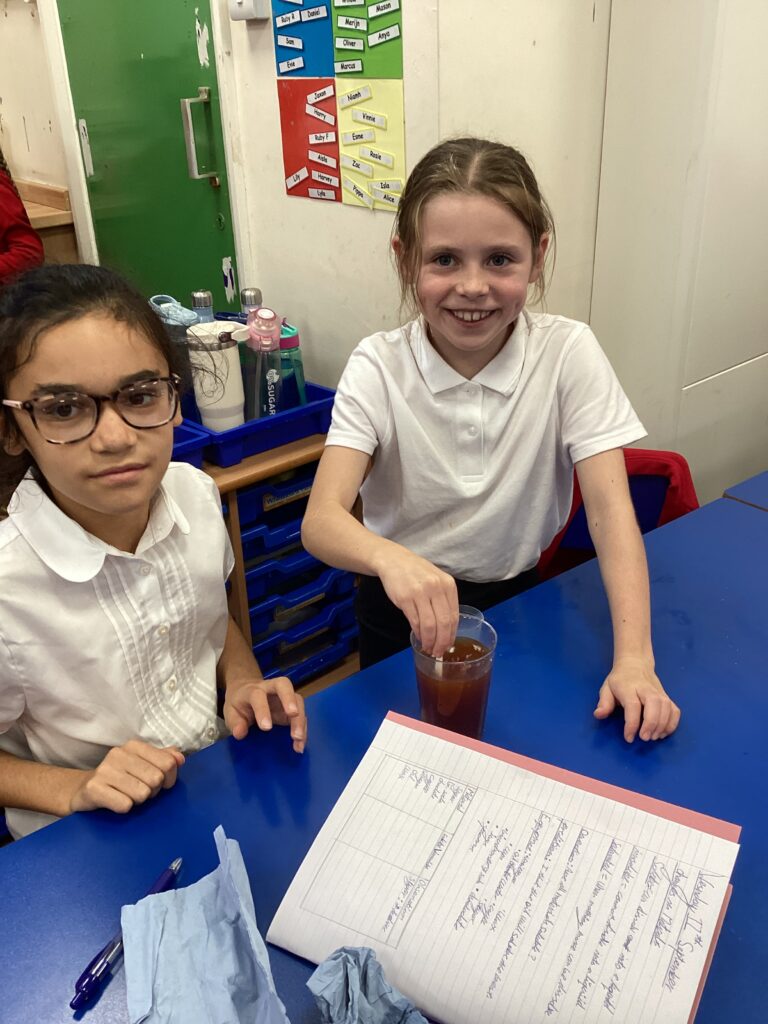
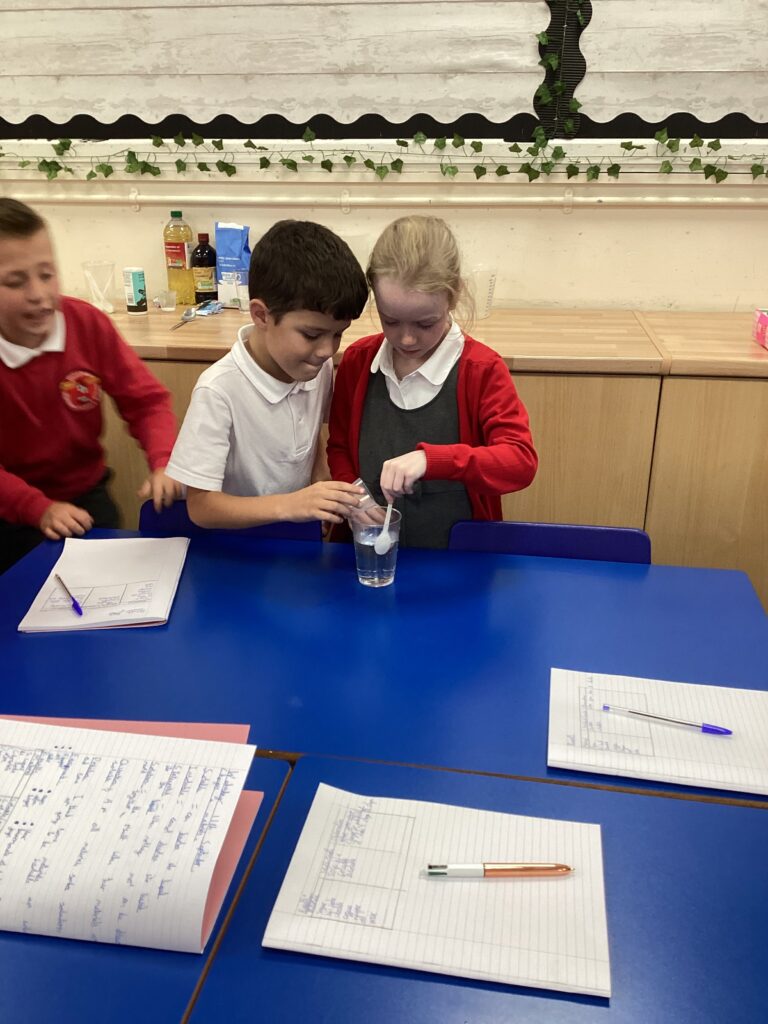
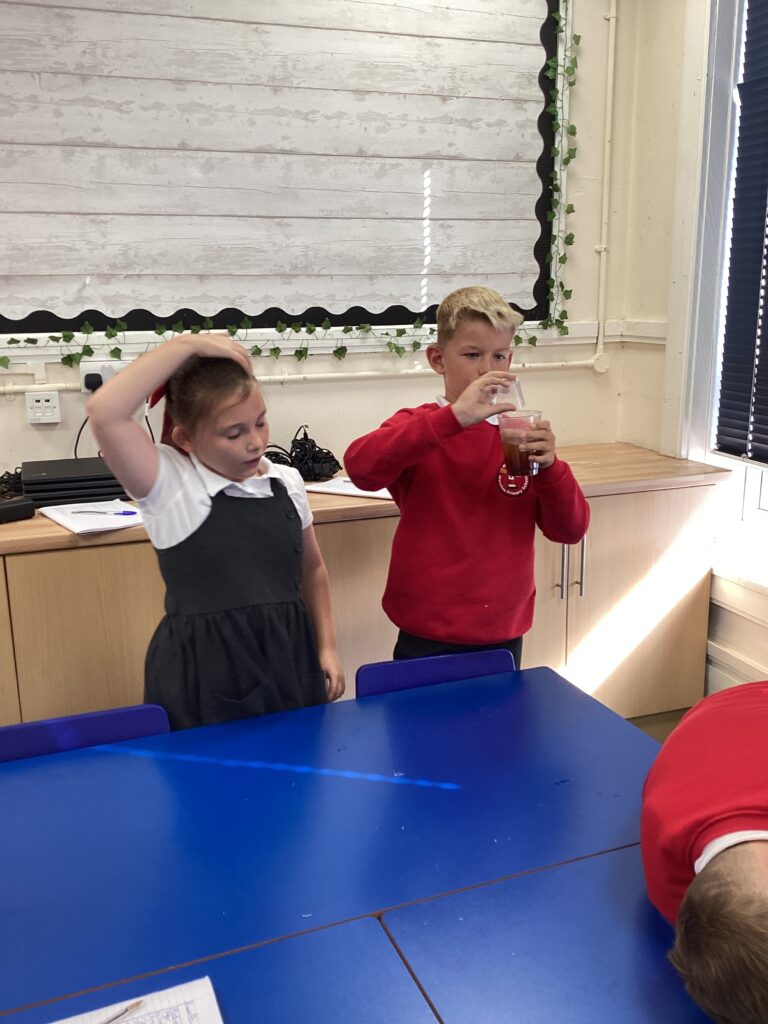
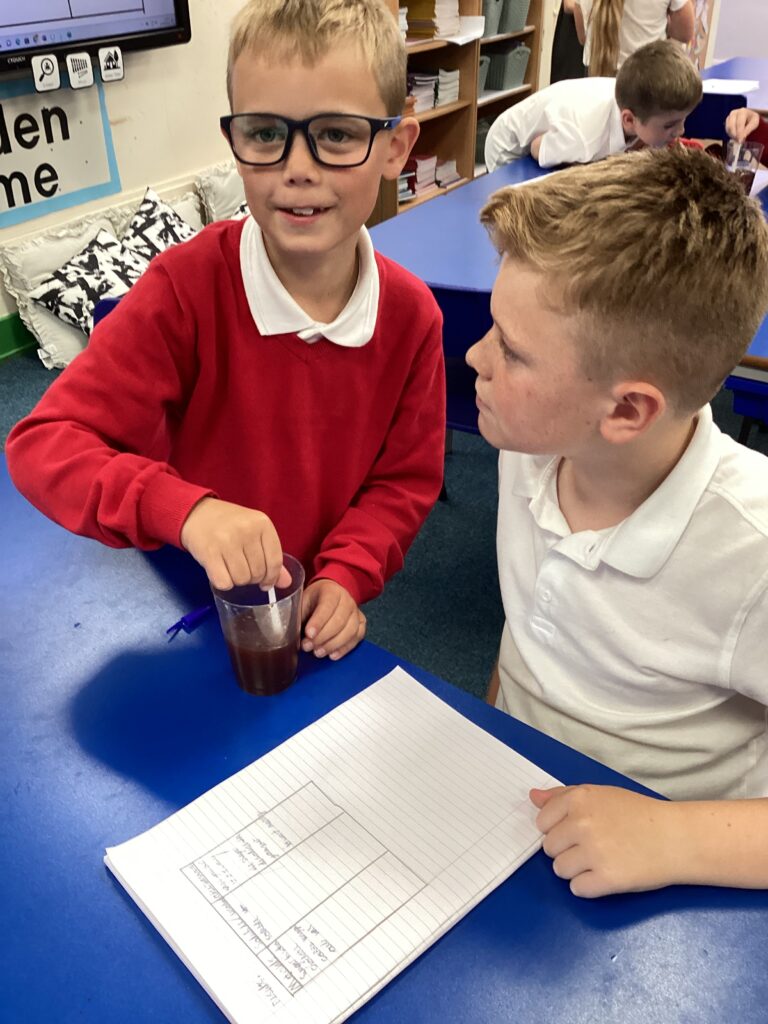
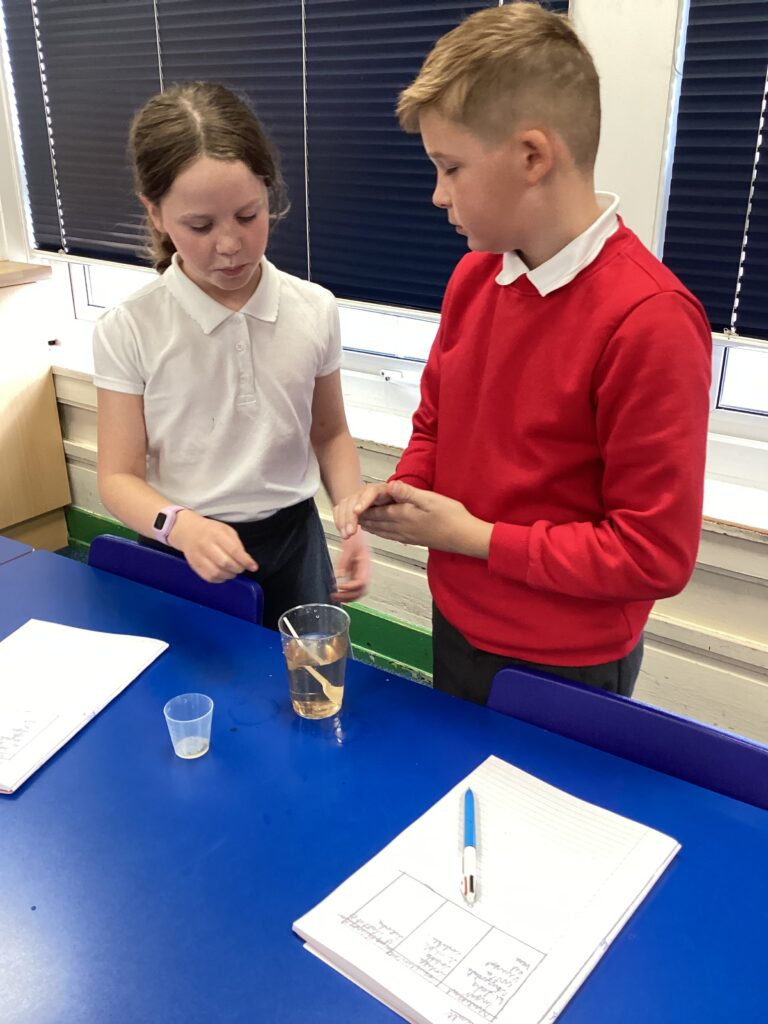
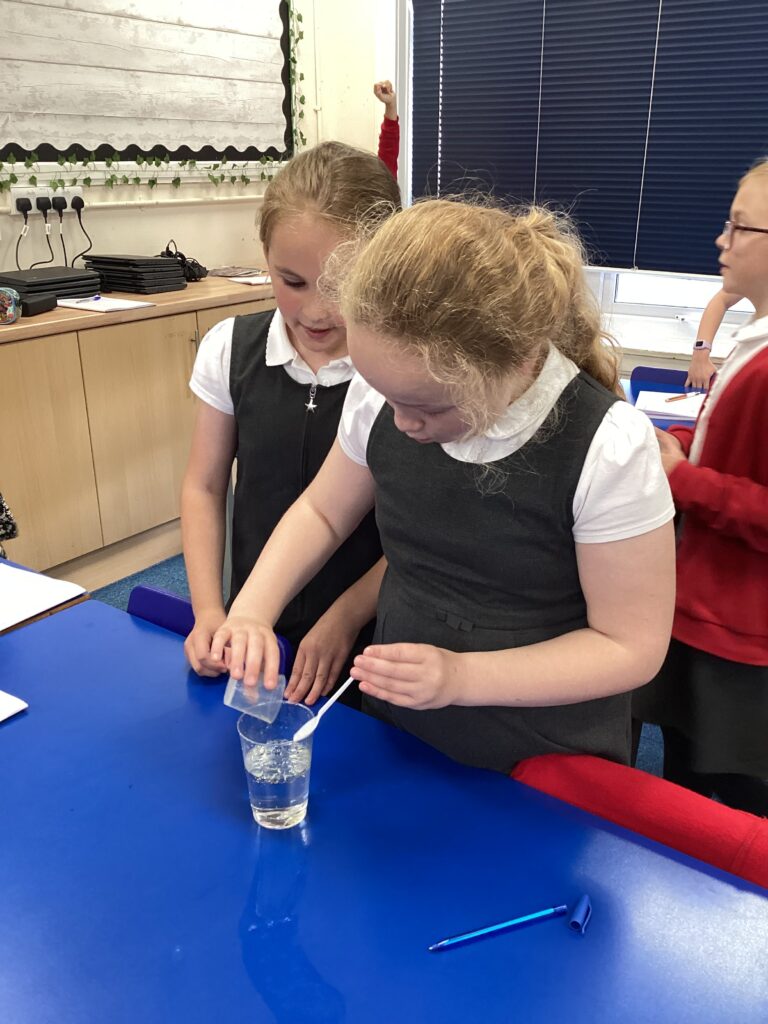
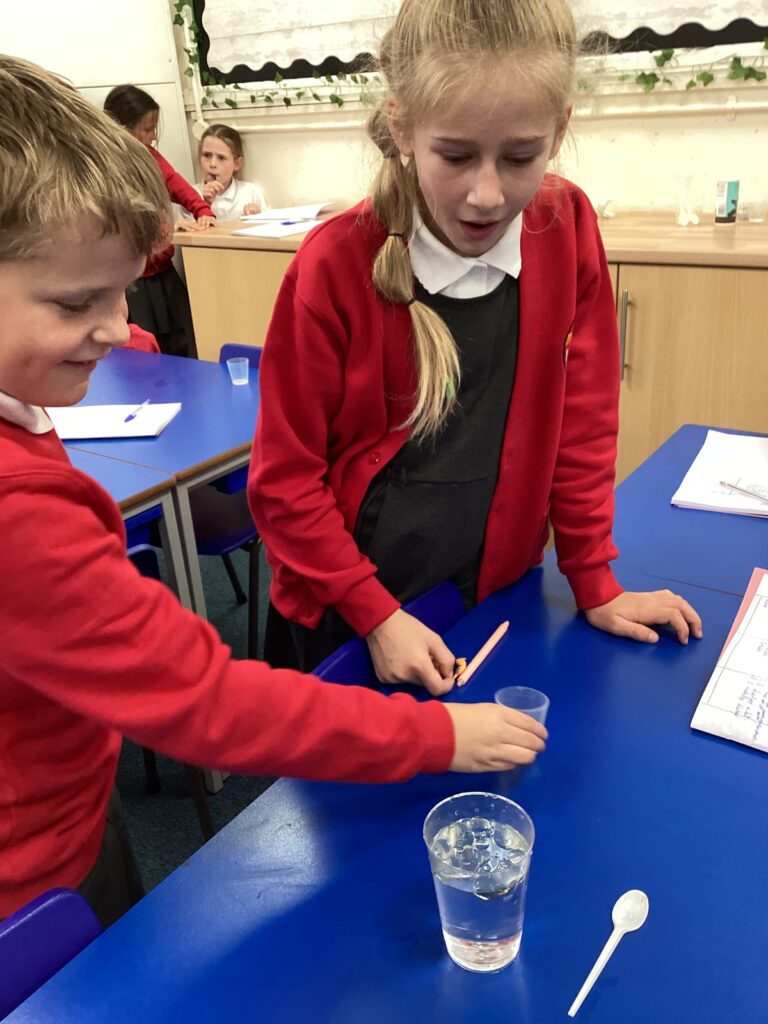
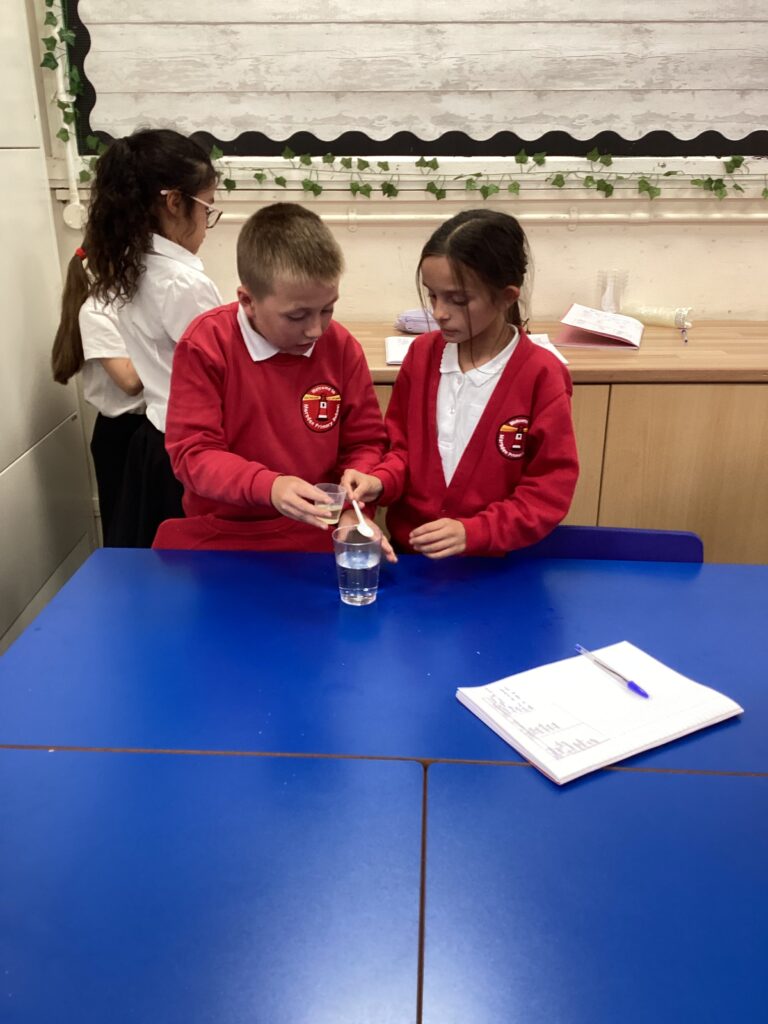
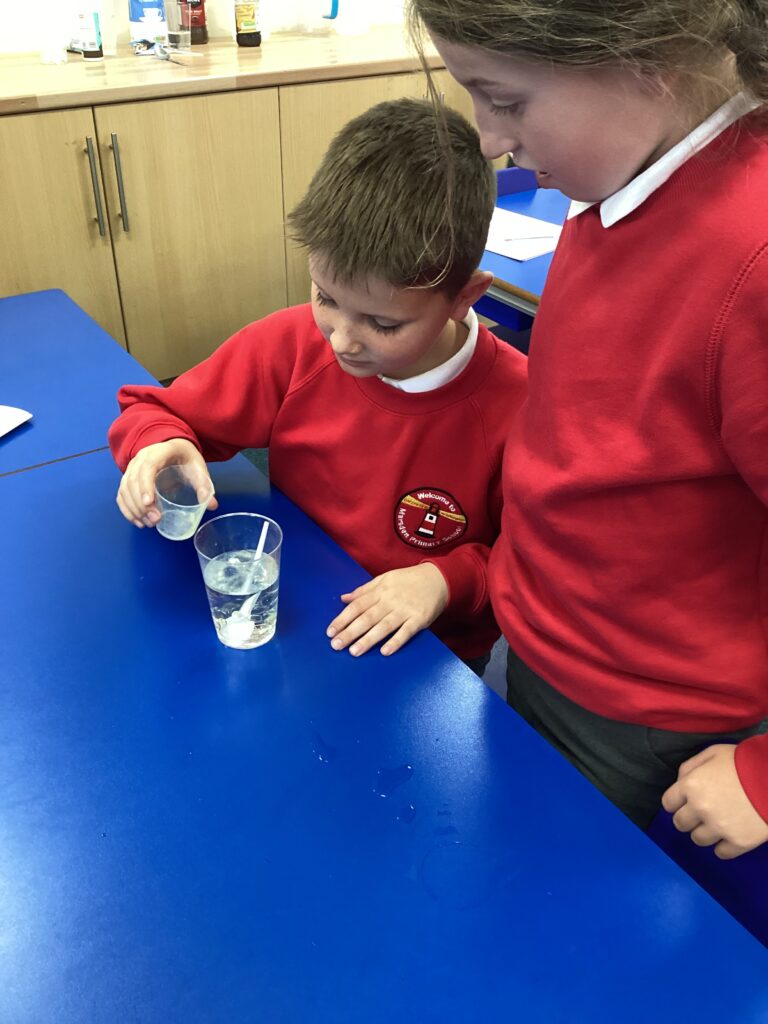
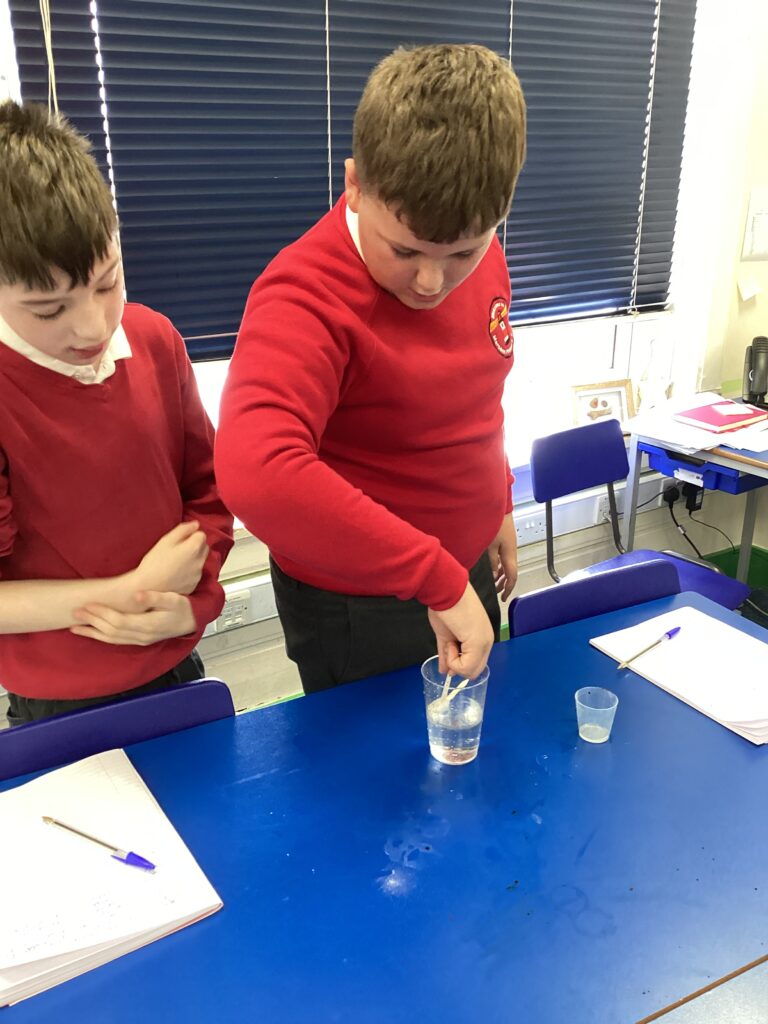
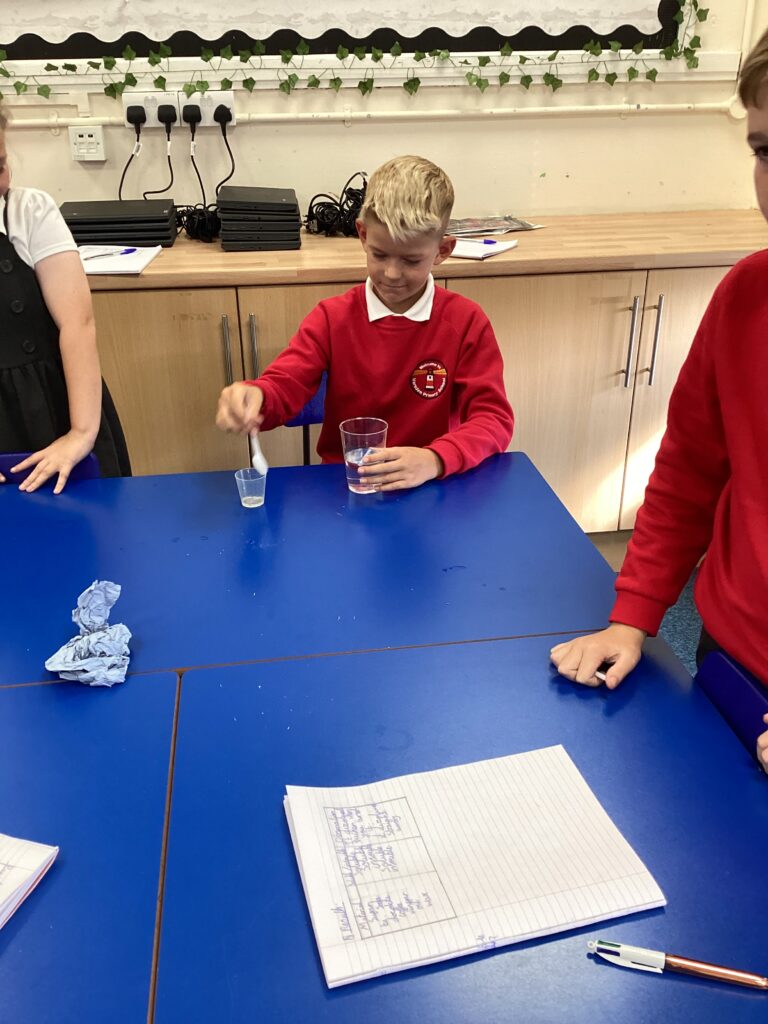
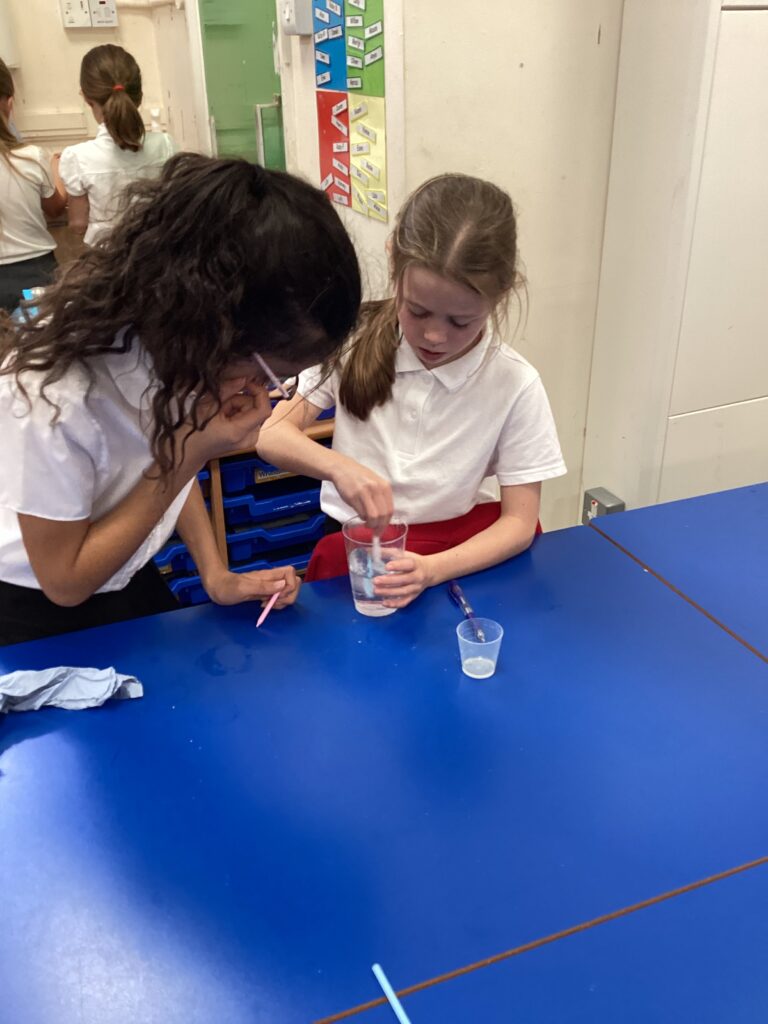
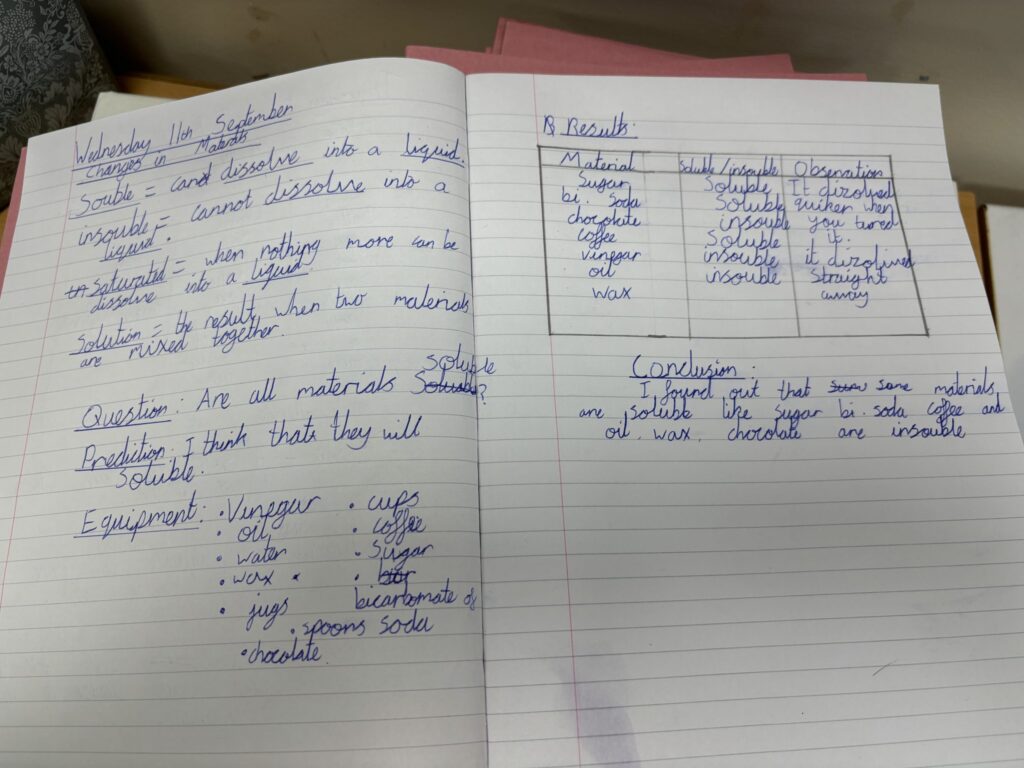
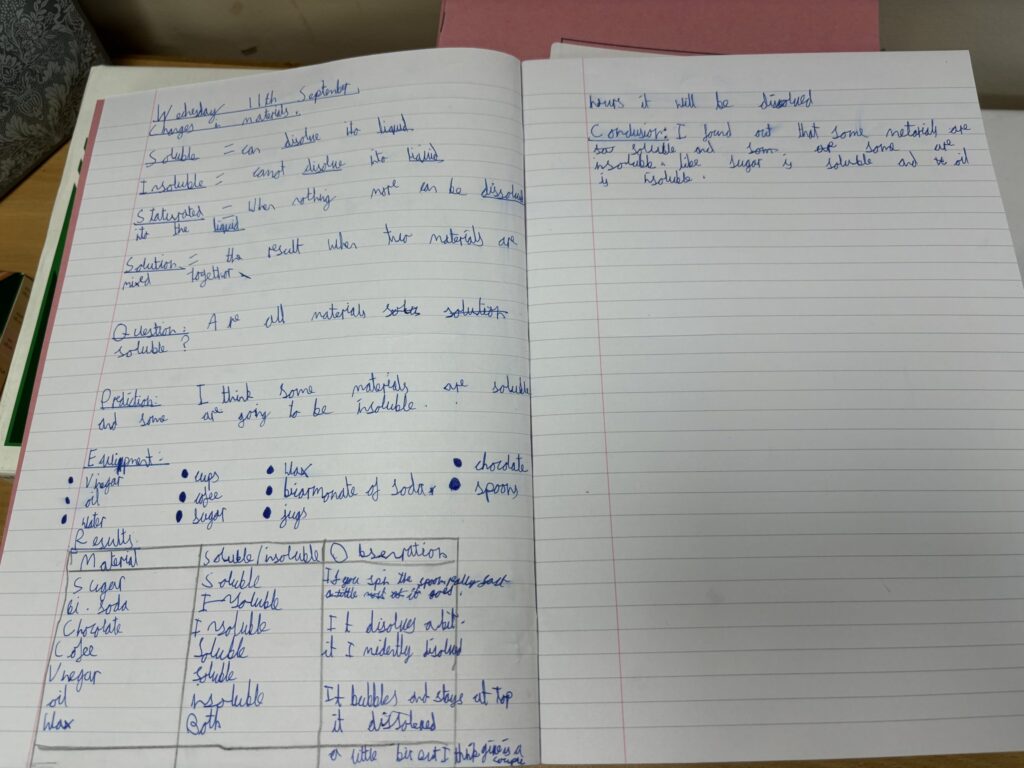
The children loved completing their first experiment in Y5! We posed the questions “Are all materials soluble?” and tried mixing different materials in water to see which would dissolve and which are insoluble.
At first the class thought all the liquid materials would dissolve and make a new solution however soon discovered that oil would sit on the top.
Mrs Hanratty and Mrs Chrisp were very impressed with the presentation in books when recording our work!
Good job Y5 🙂
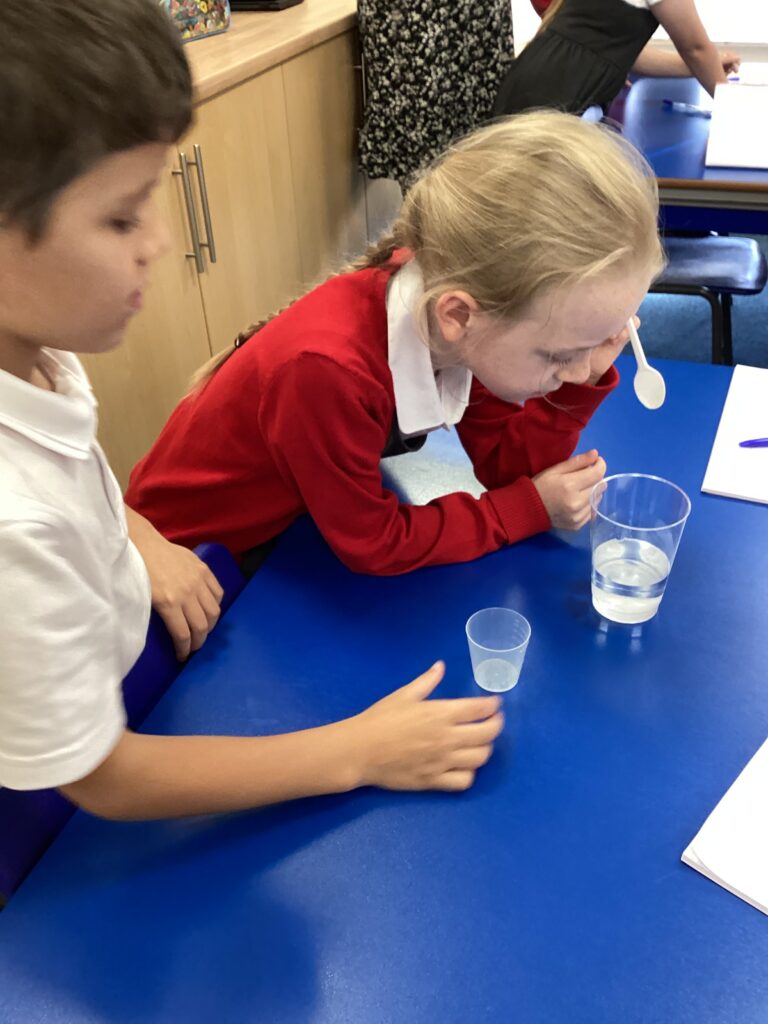
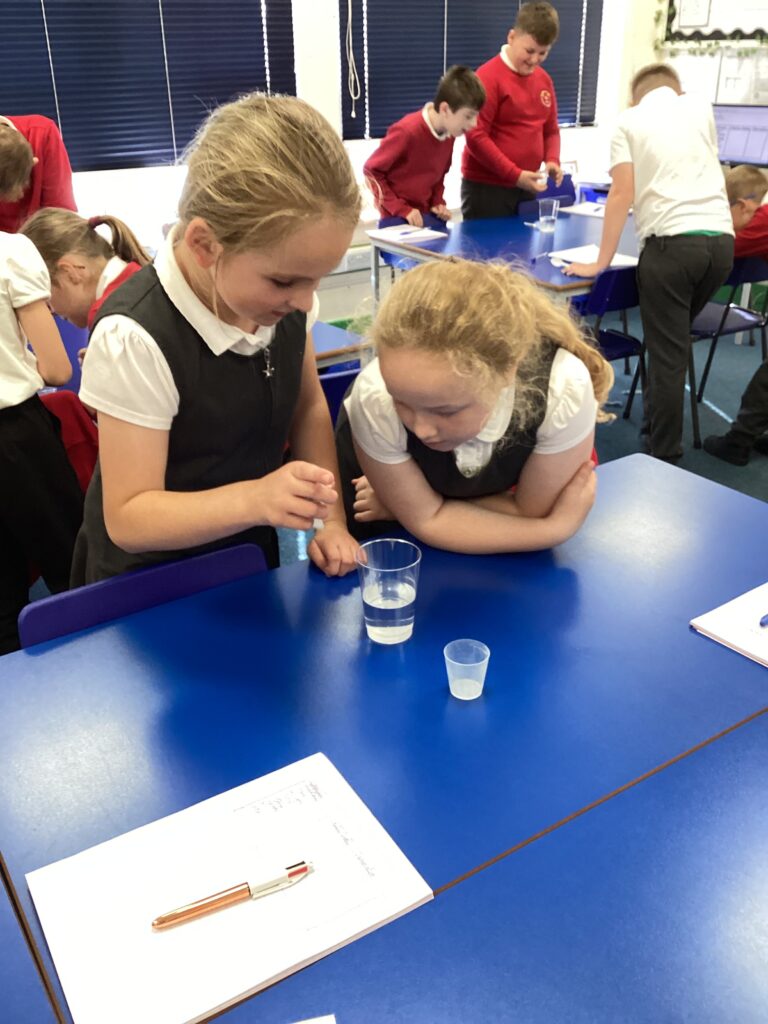
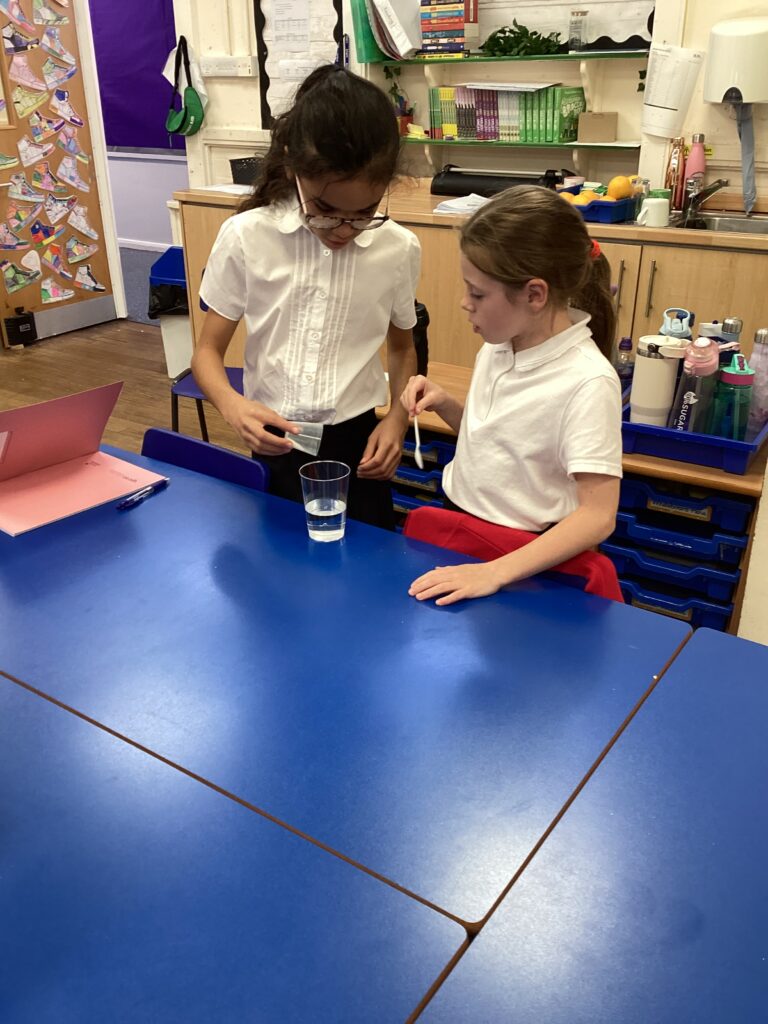
Last week, we started our science lessons by recapping knowledge previously taught about solids, liquids and gases. I was very impressed when they could explain how the particles behave in each state of matter and even gave me a demonstration.
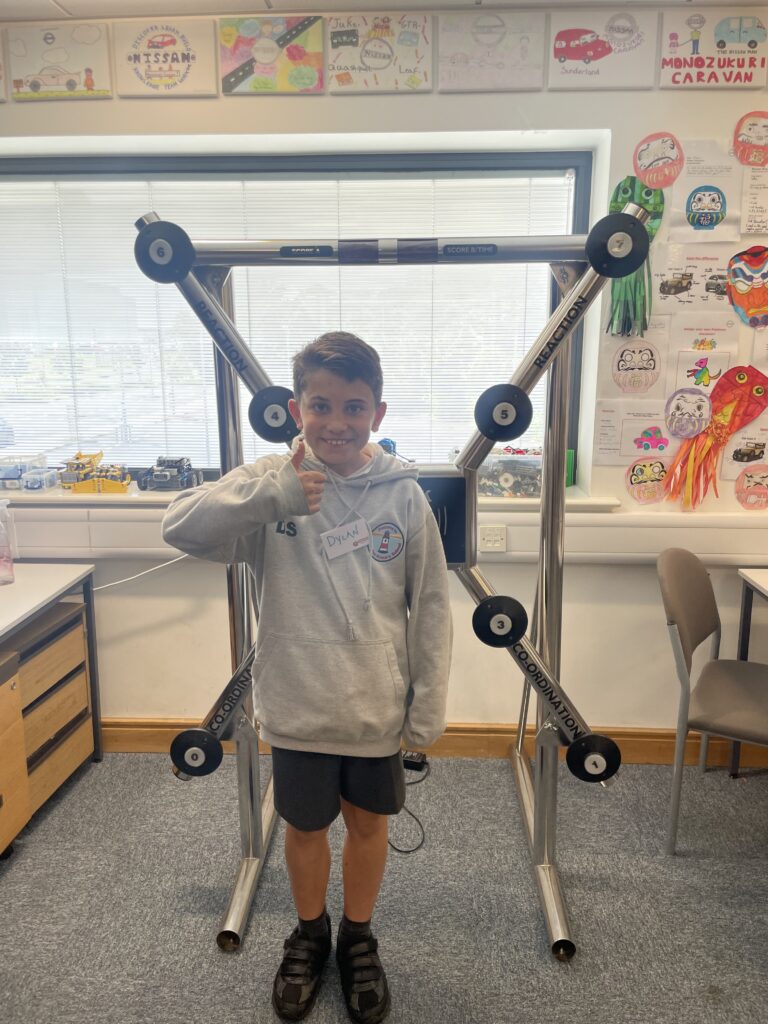
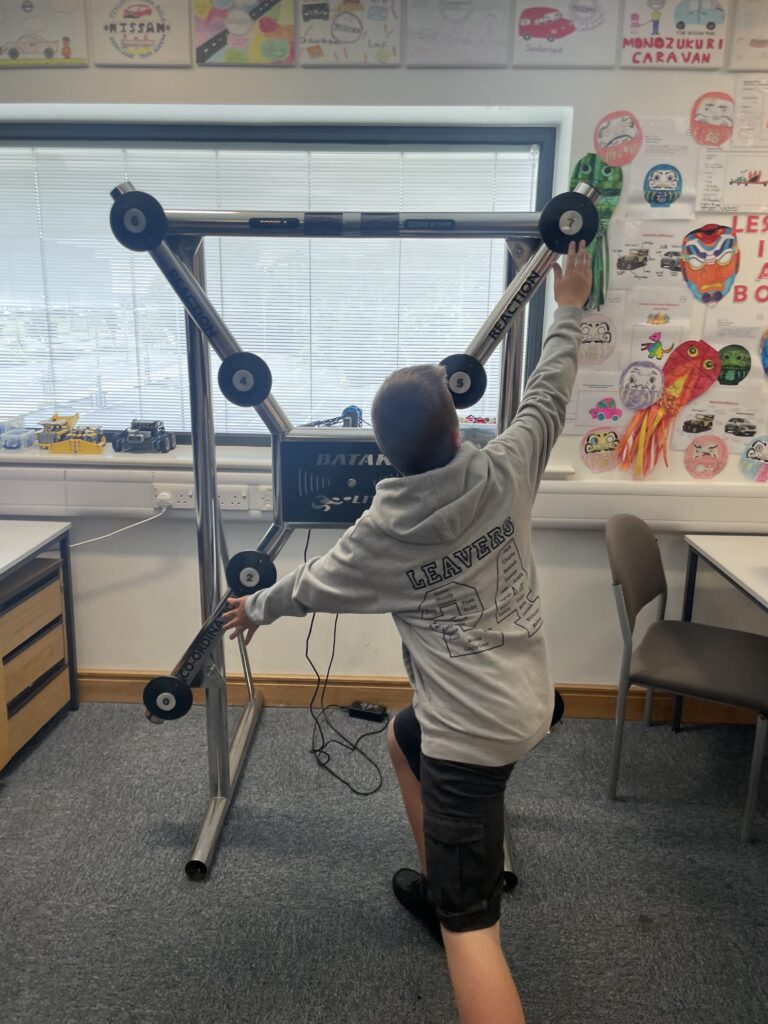
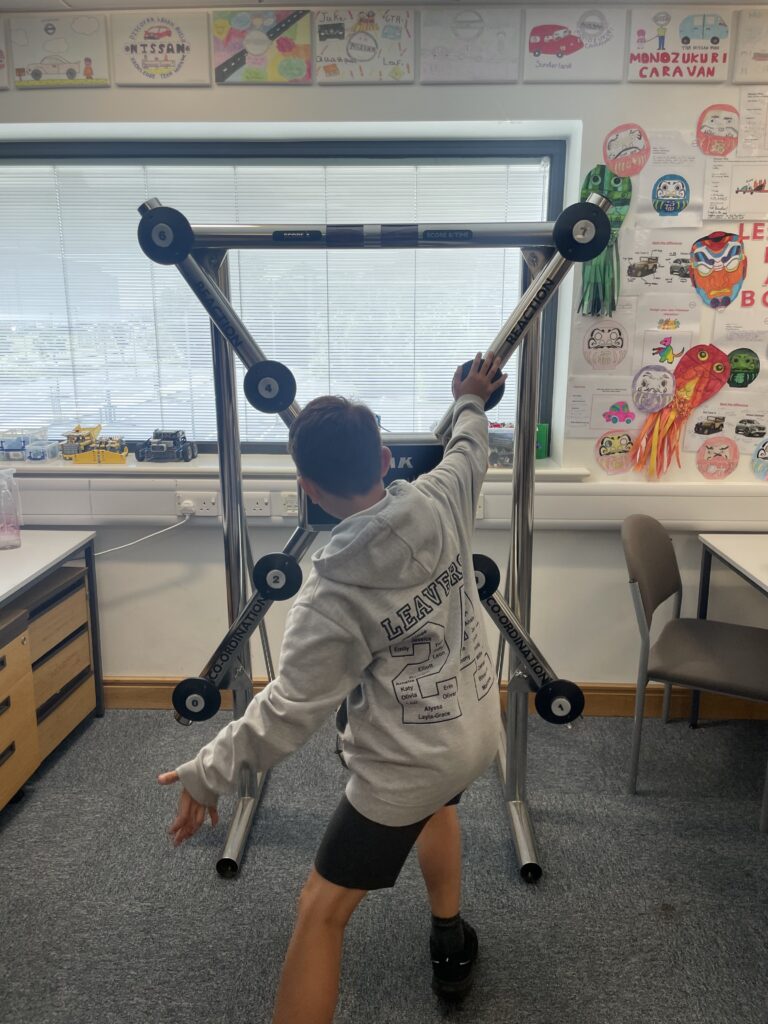
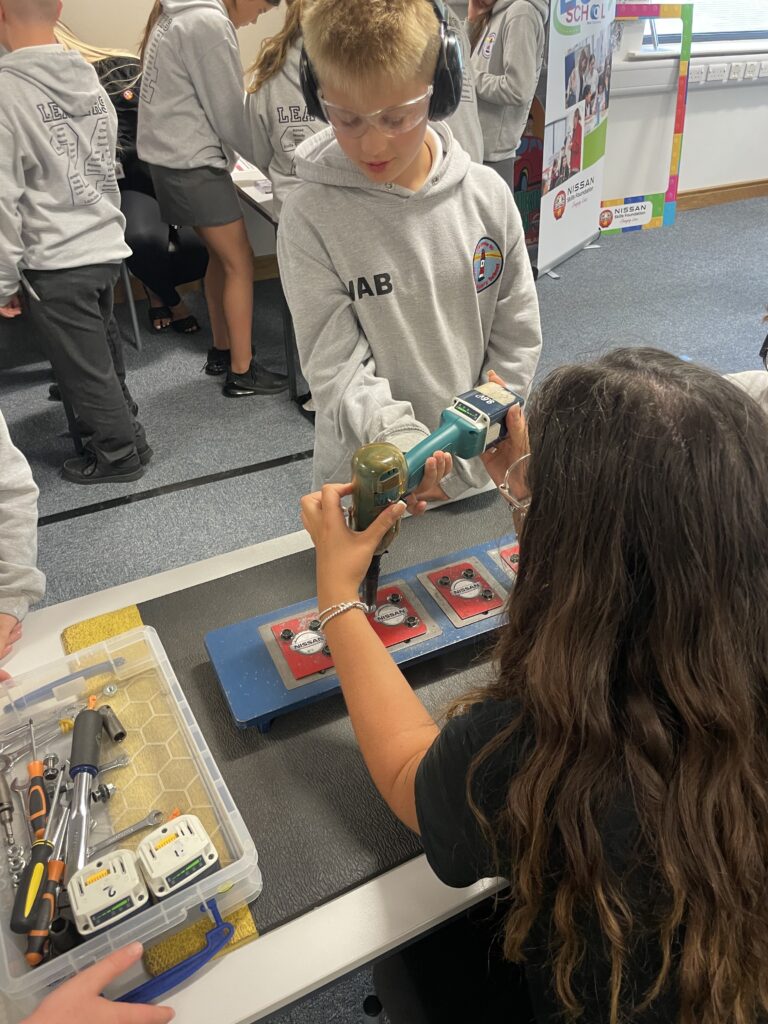
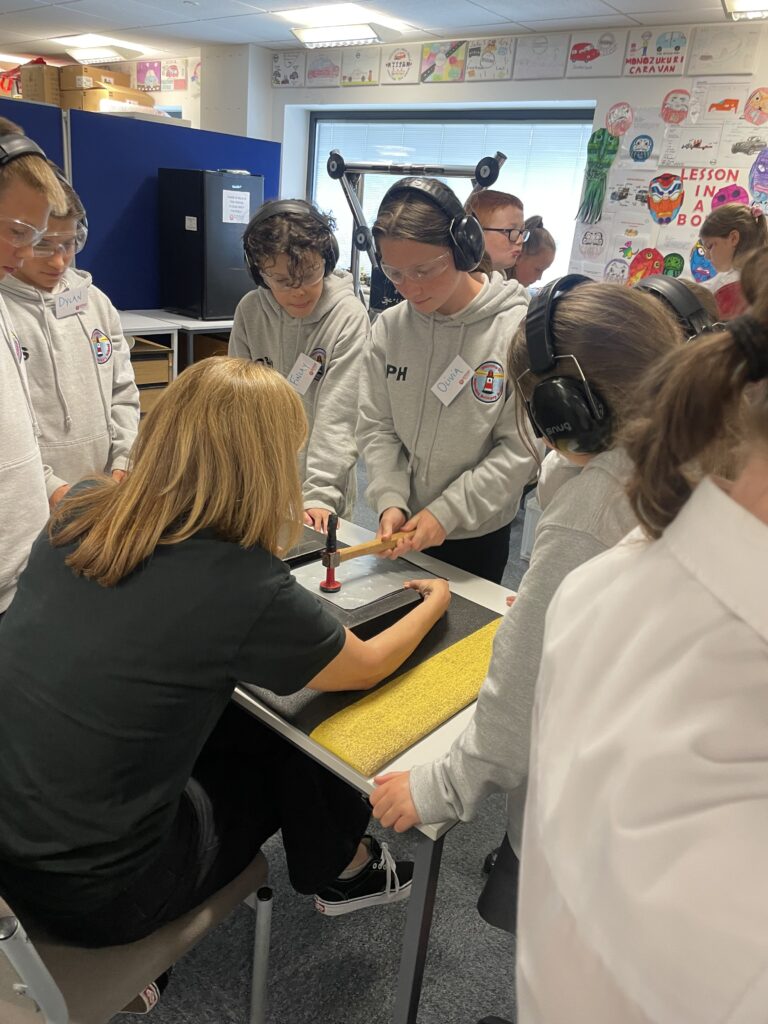
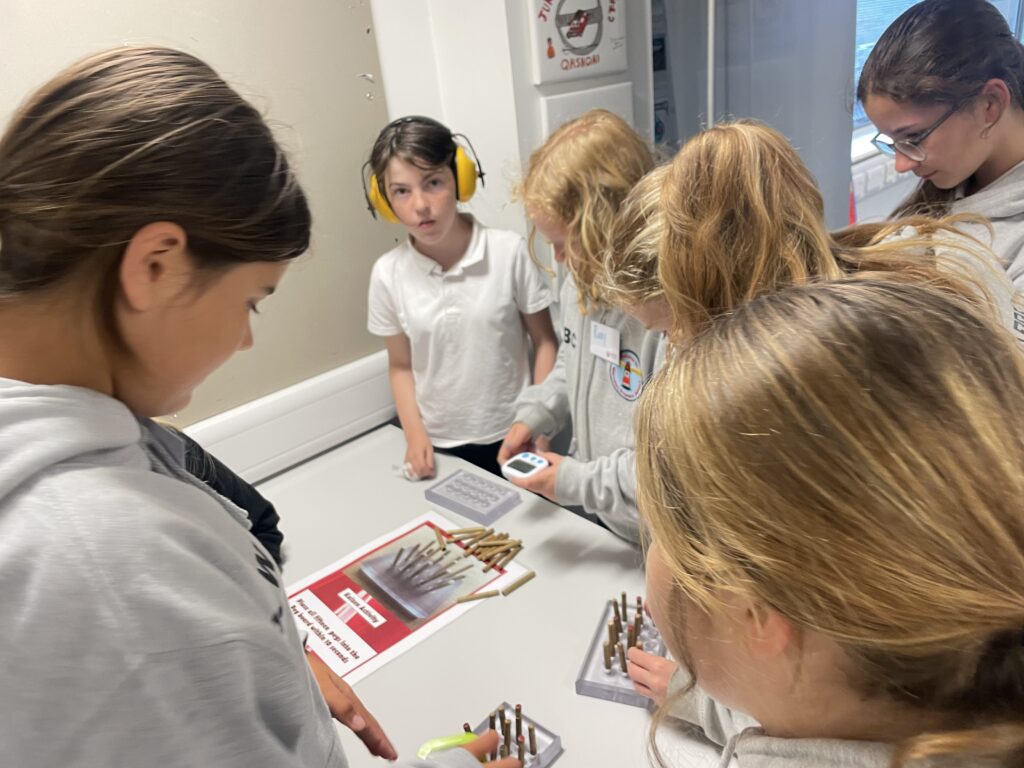
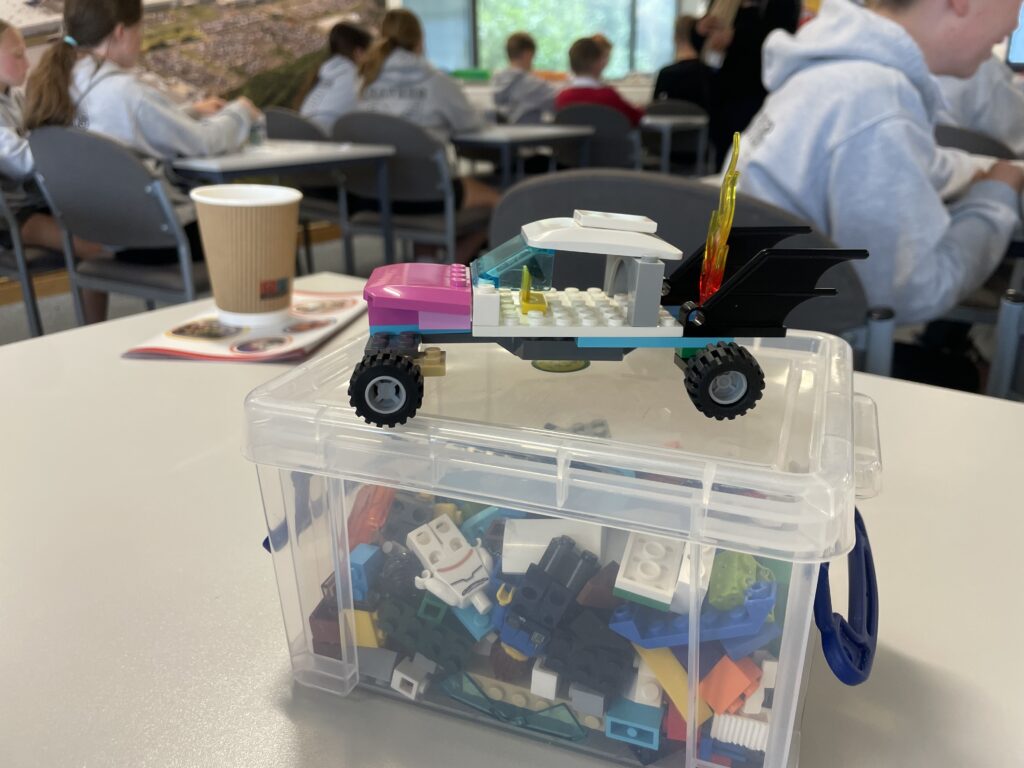
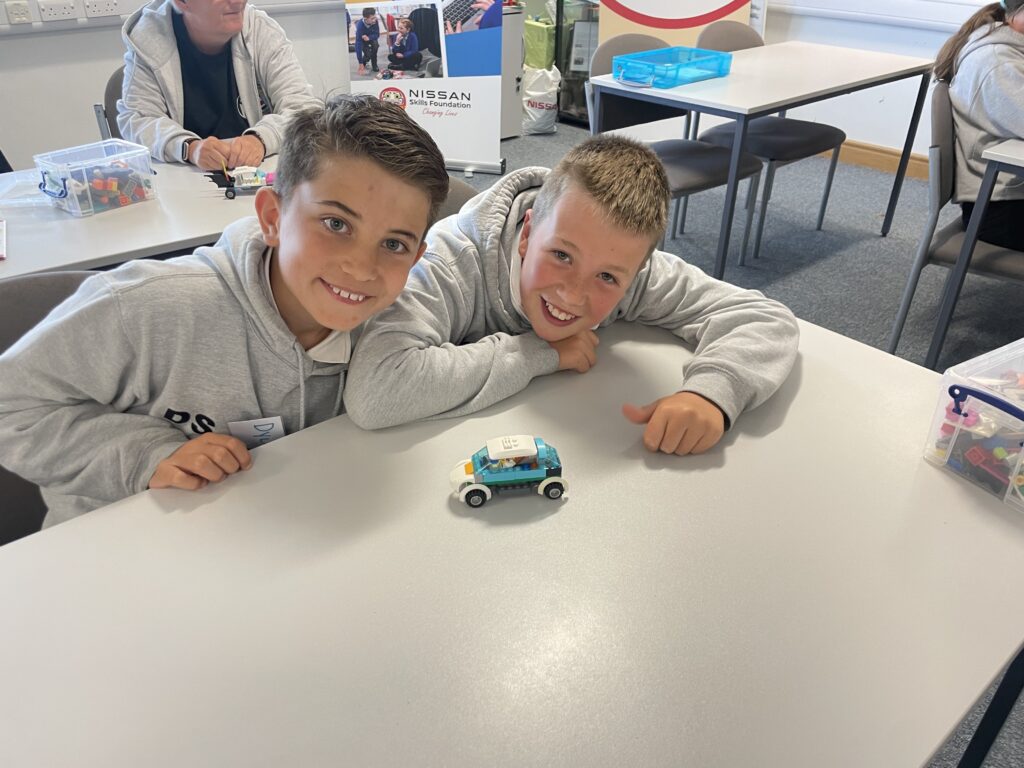
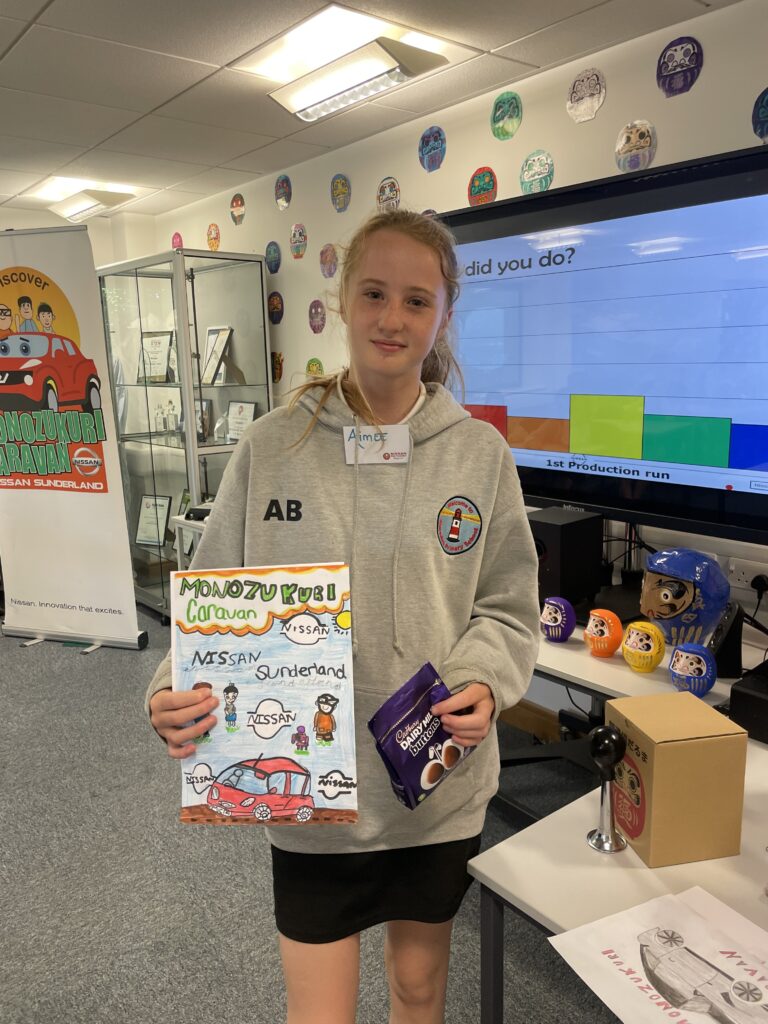
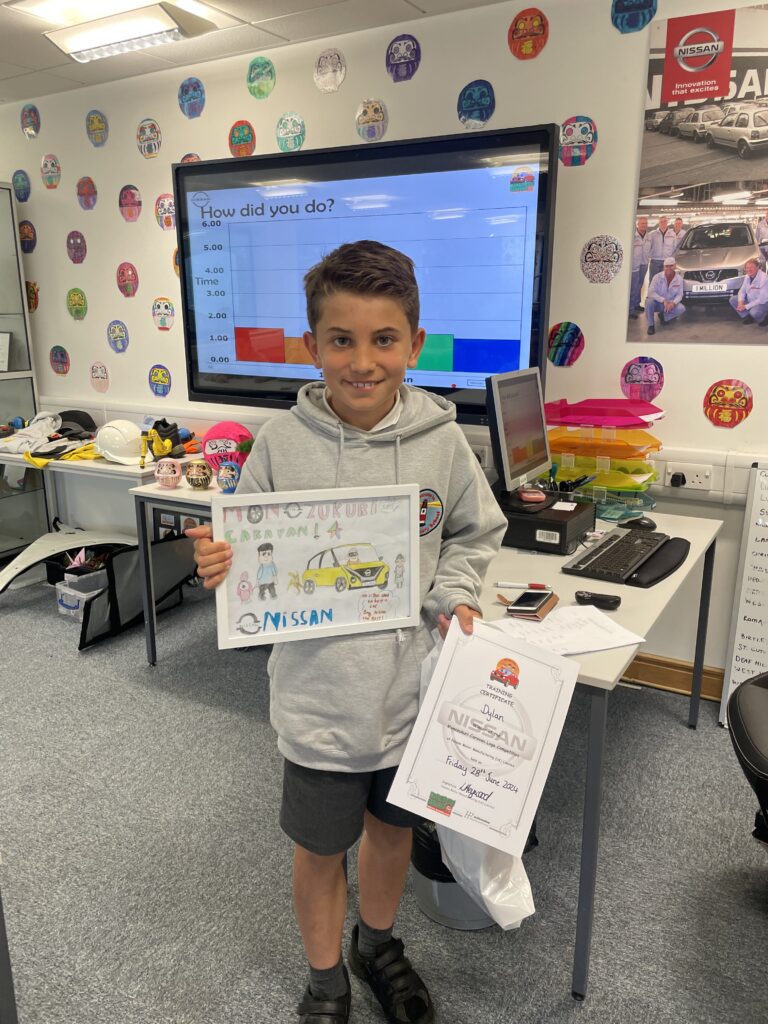
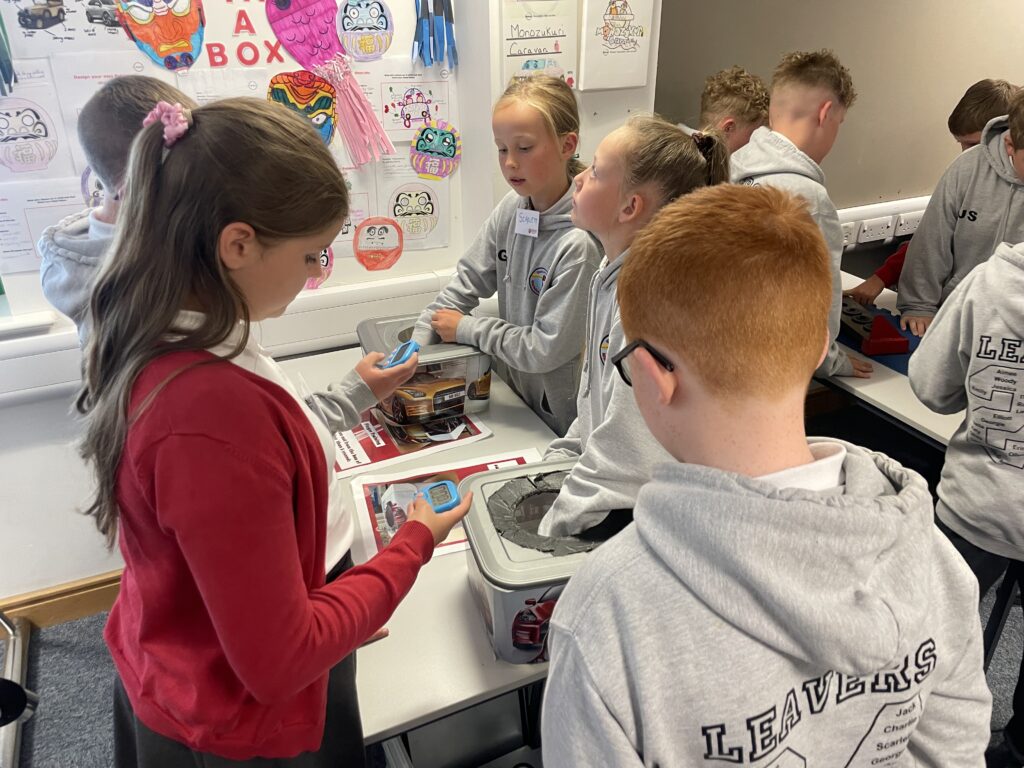
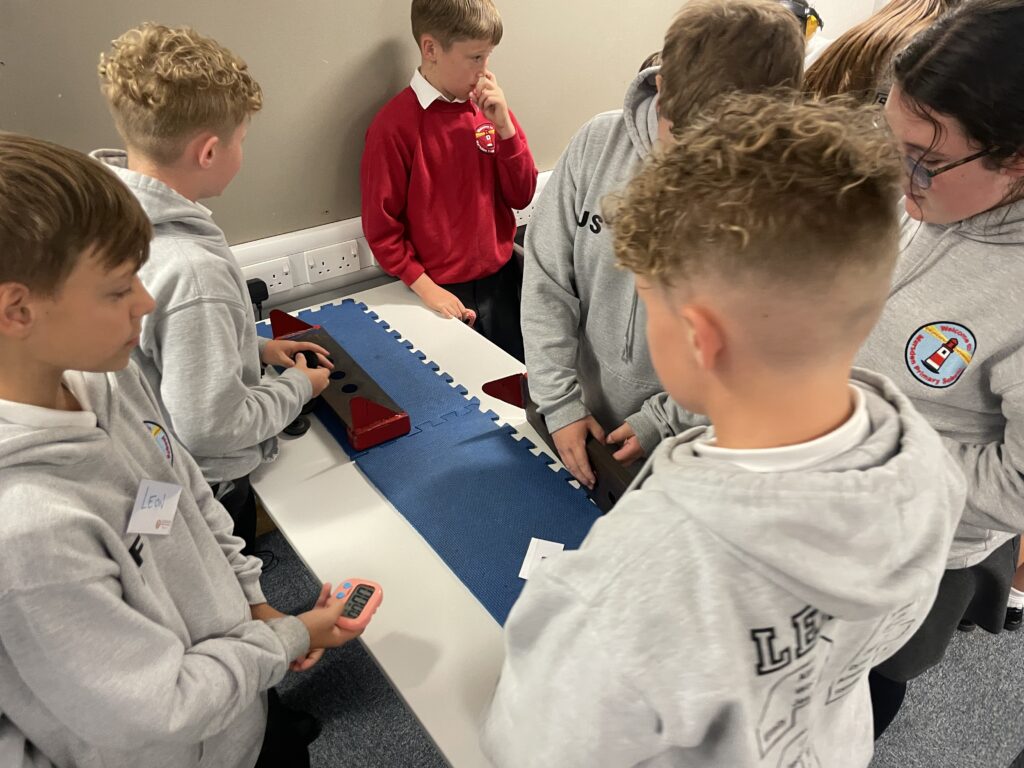
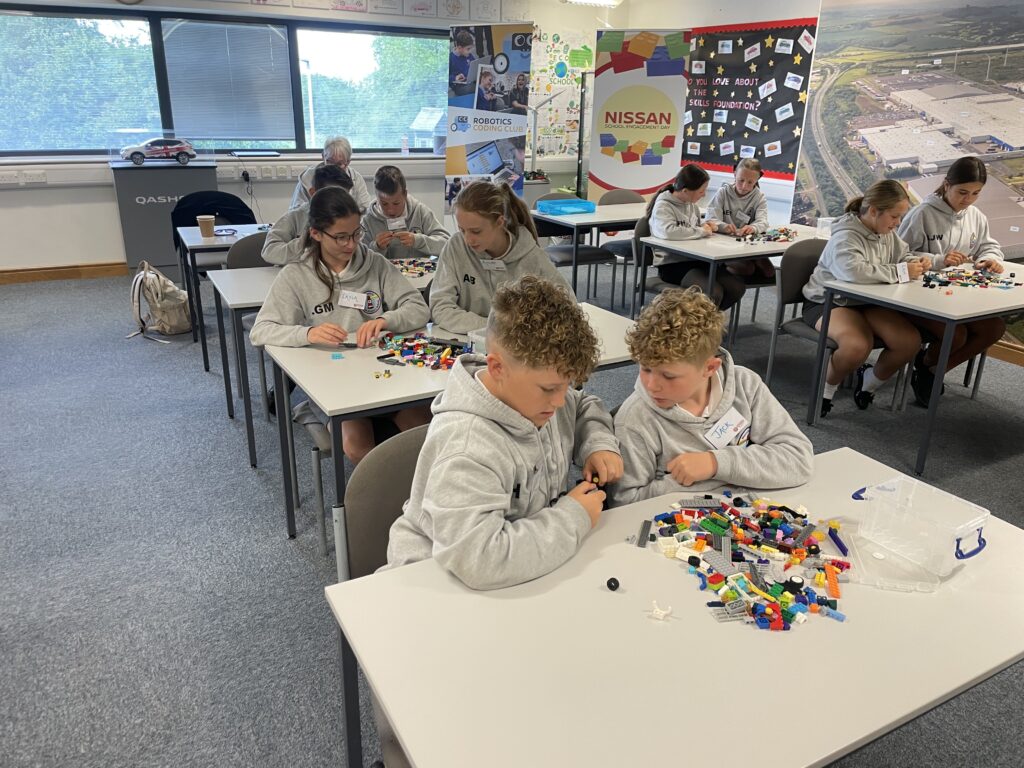
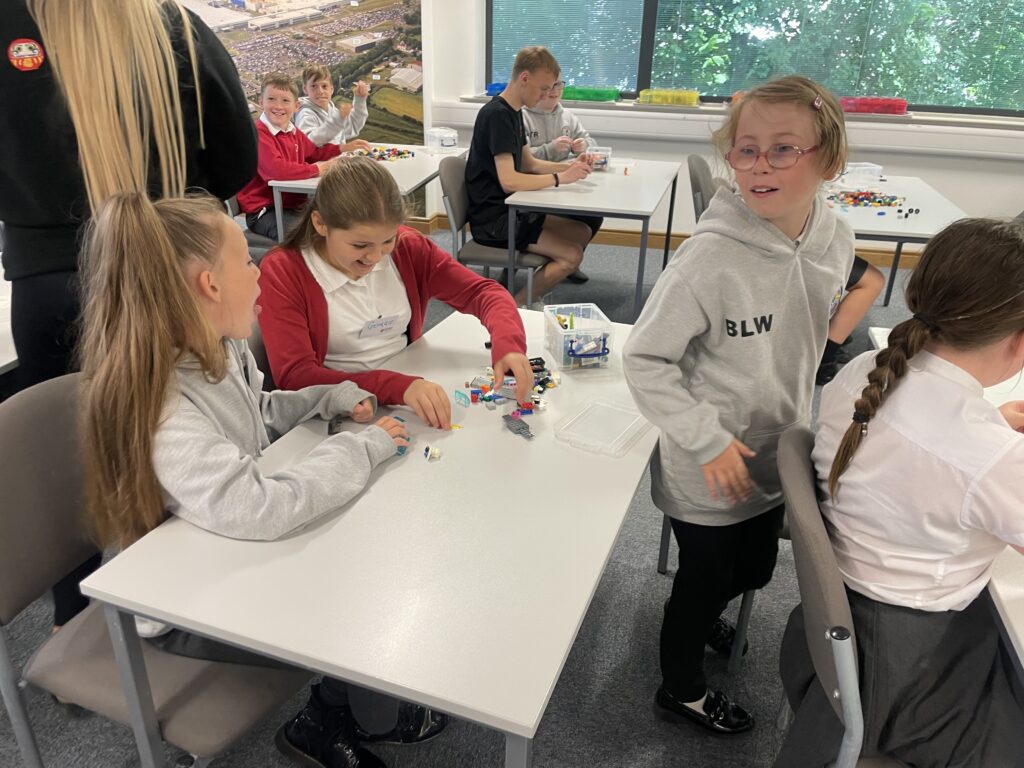
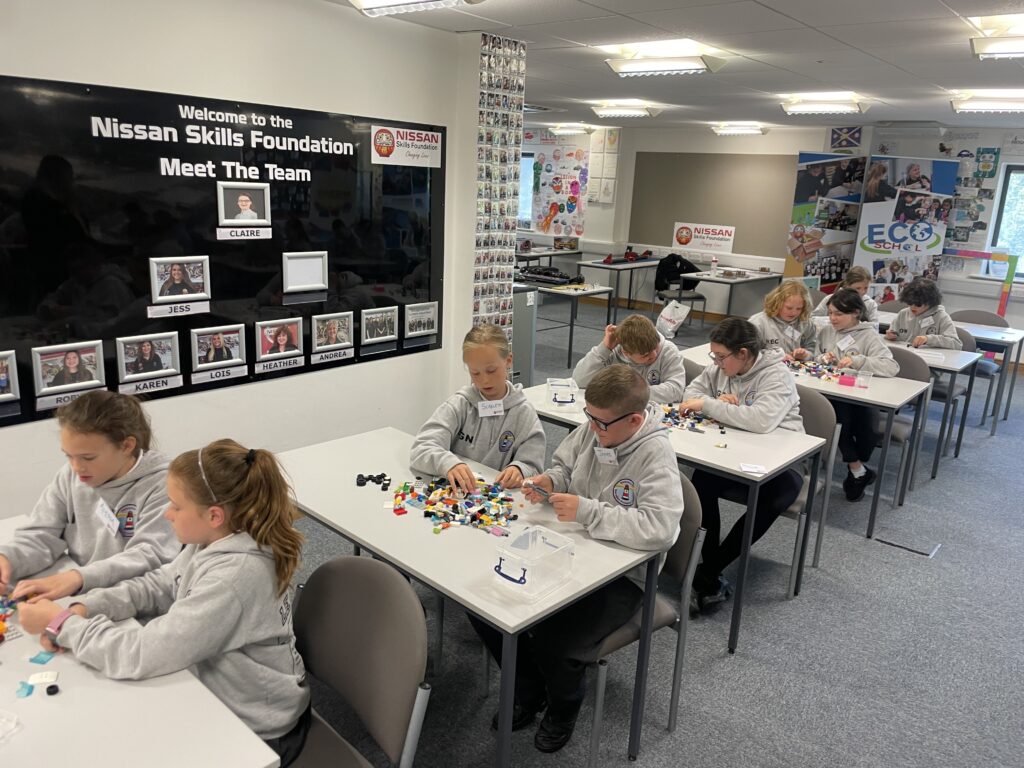
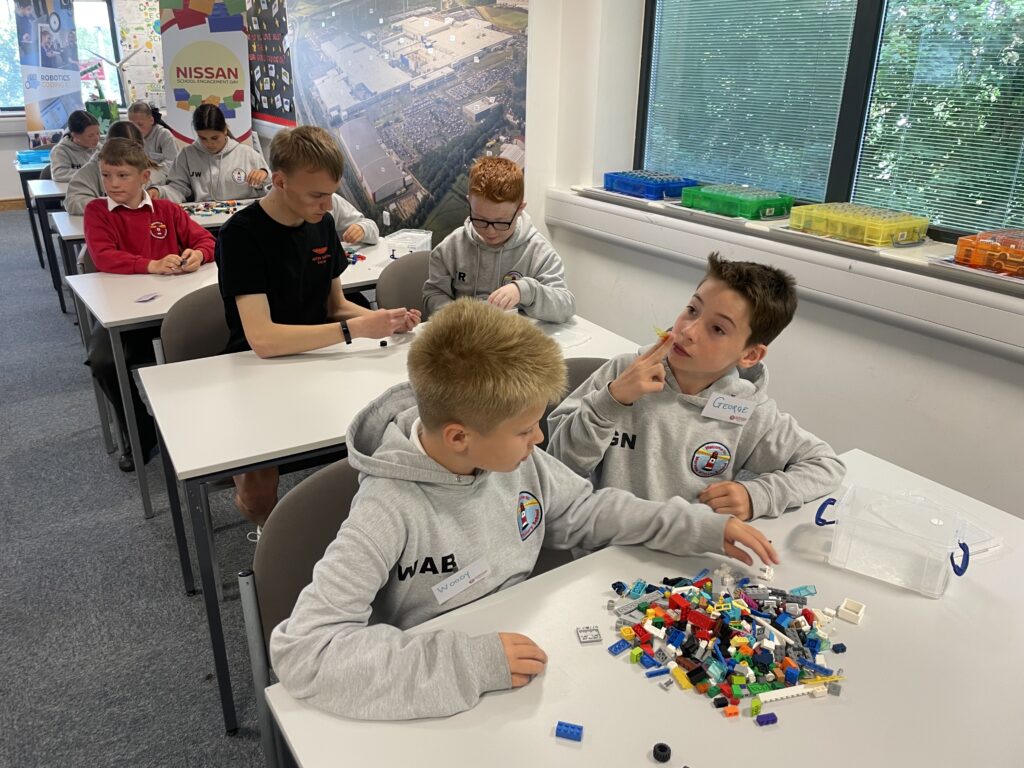
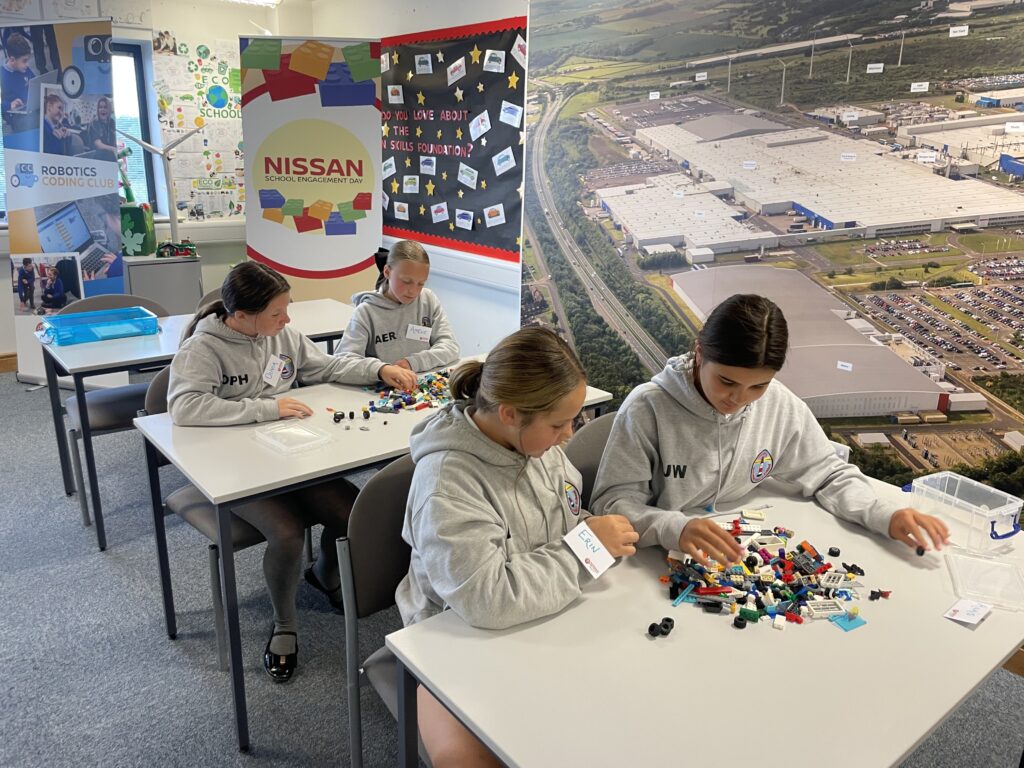
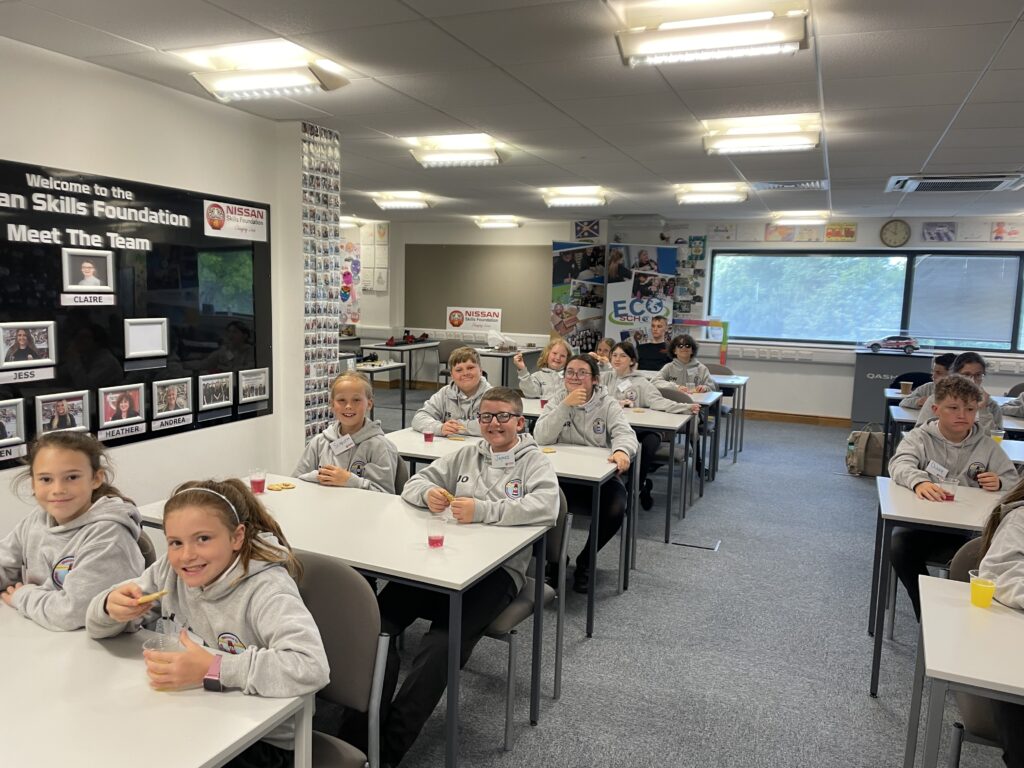
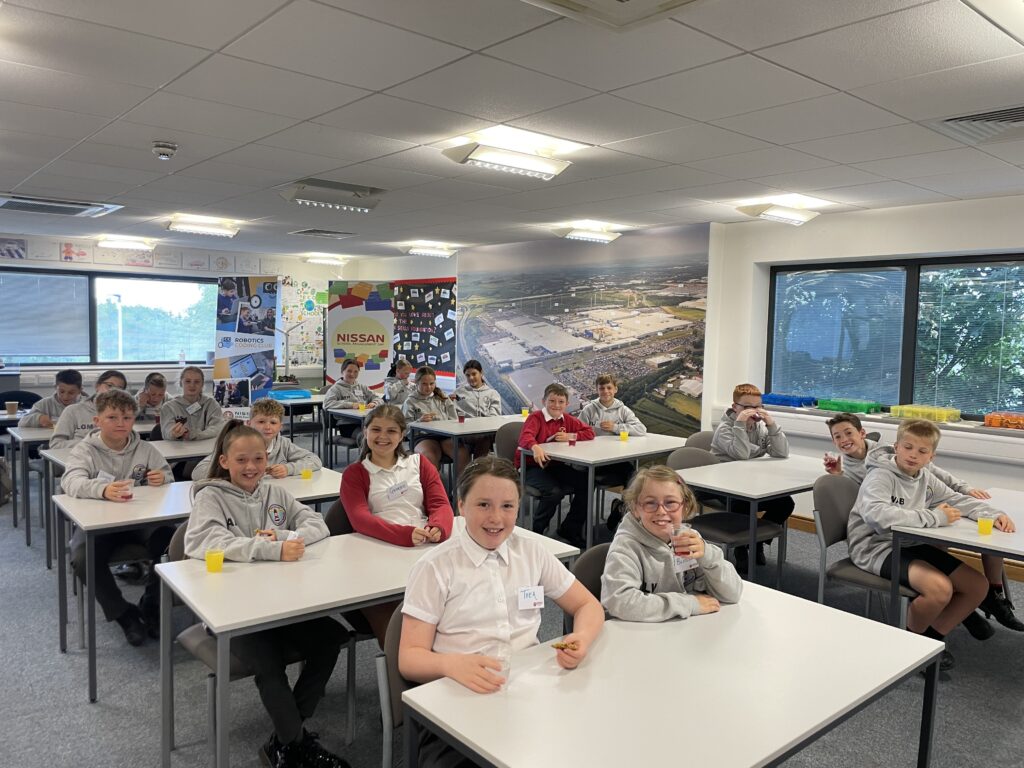
Y6 had a fab time at Nissan today! We were able to design our own cars, practise working on an Assembly line, use power tools and enjoy cookies!