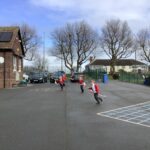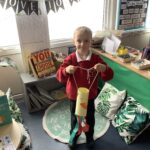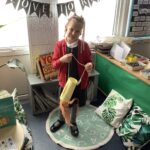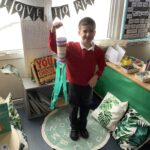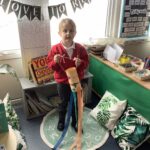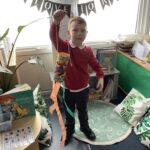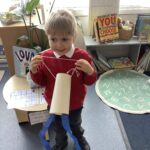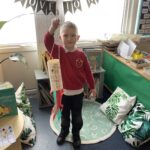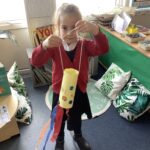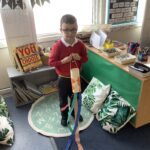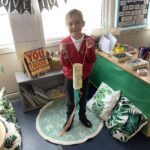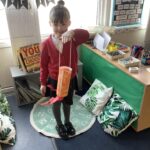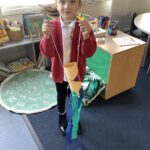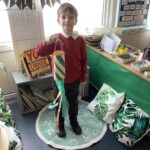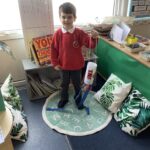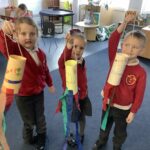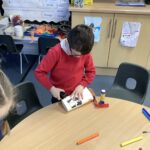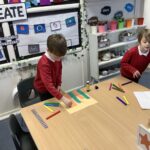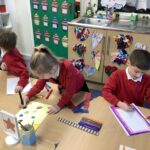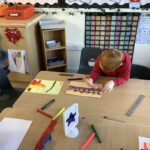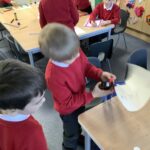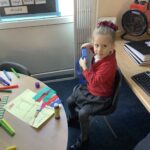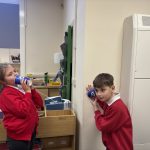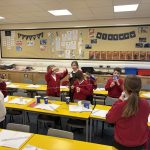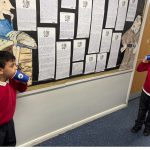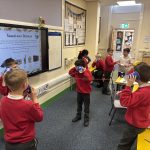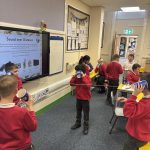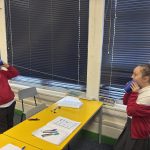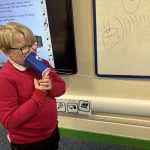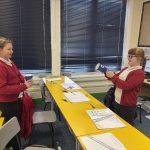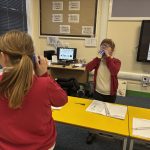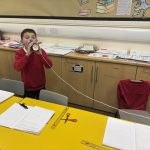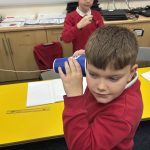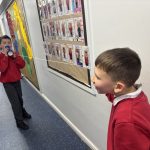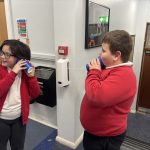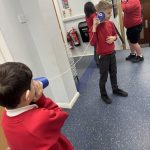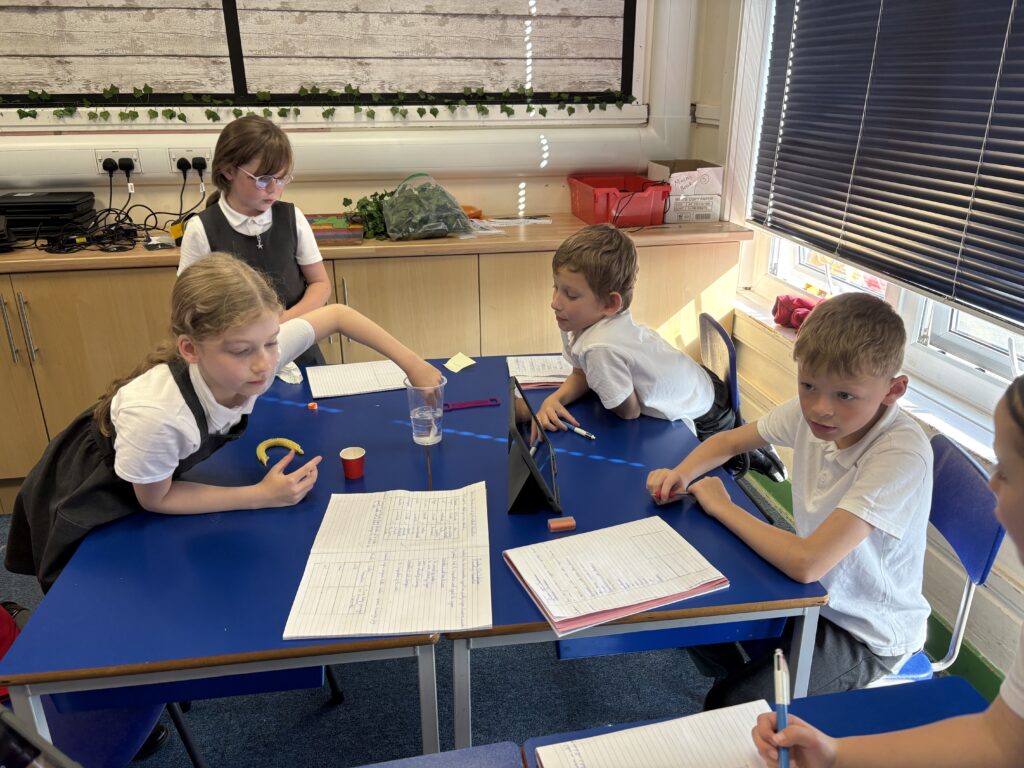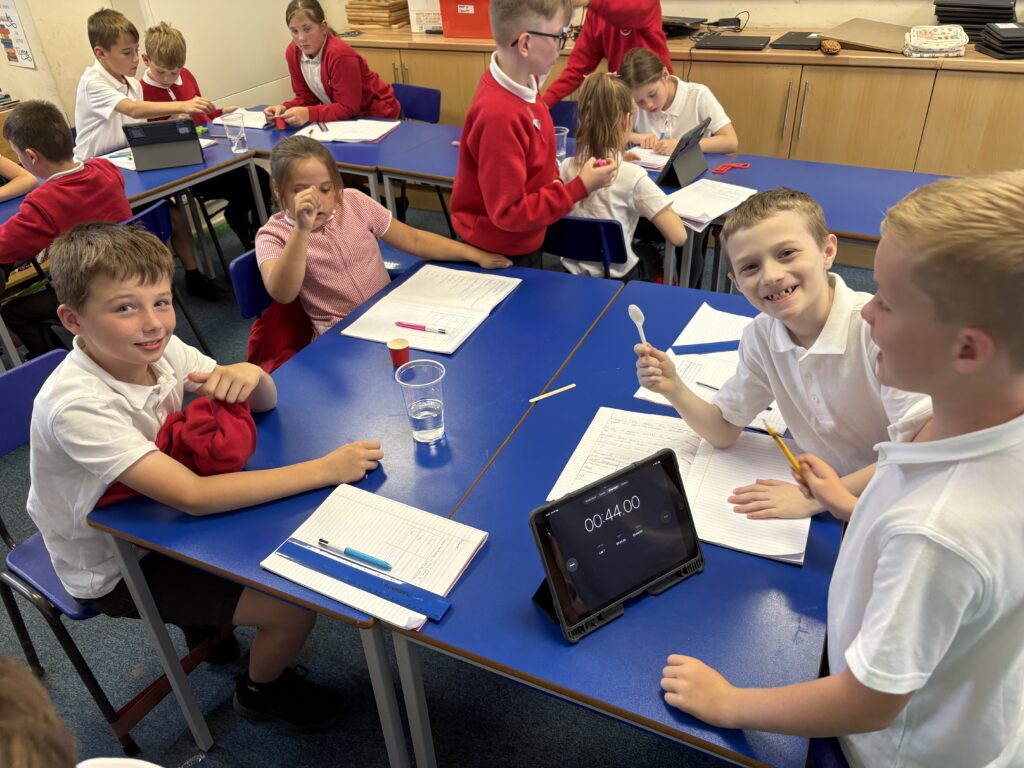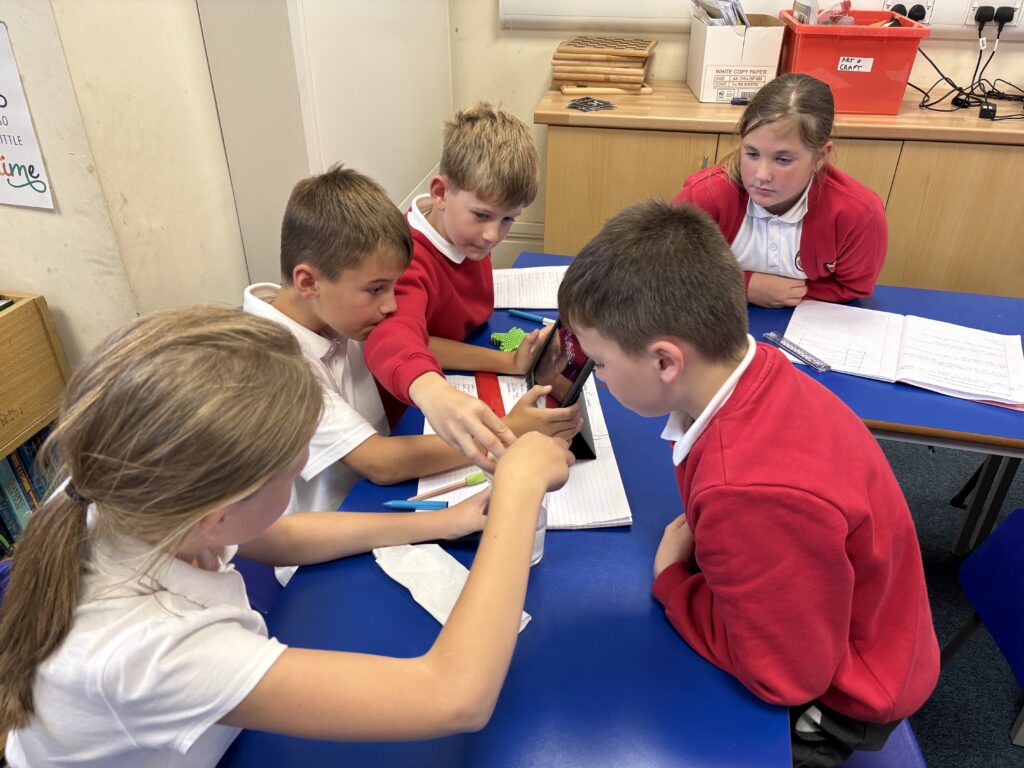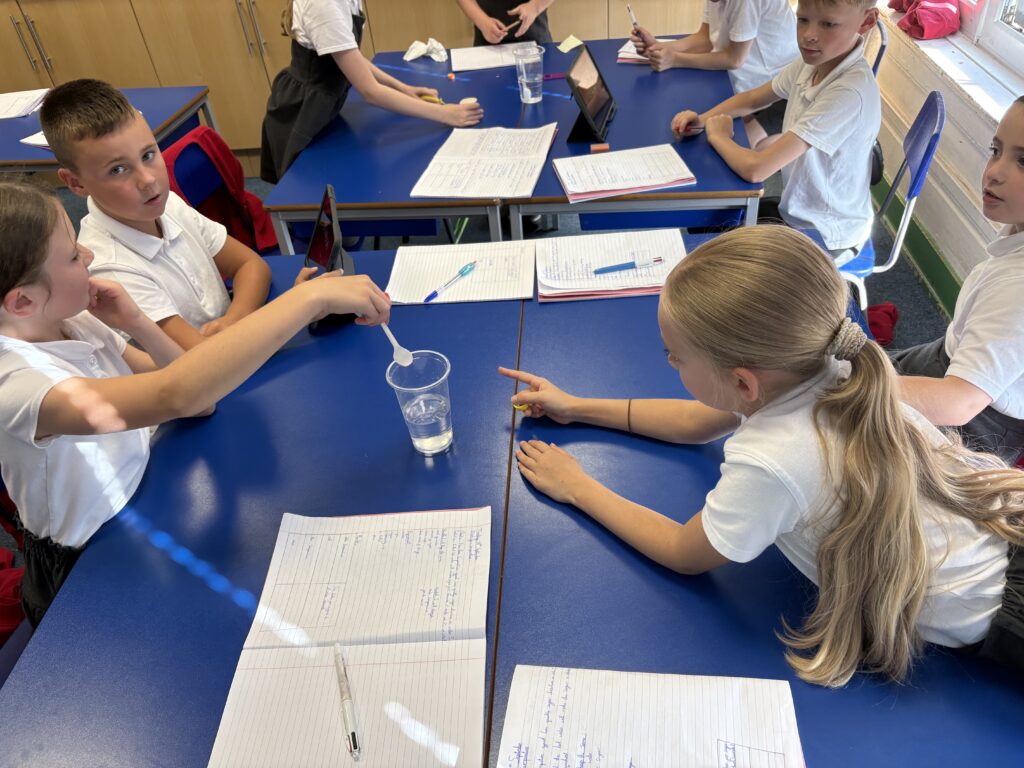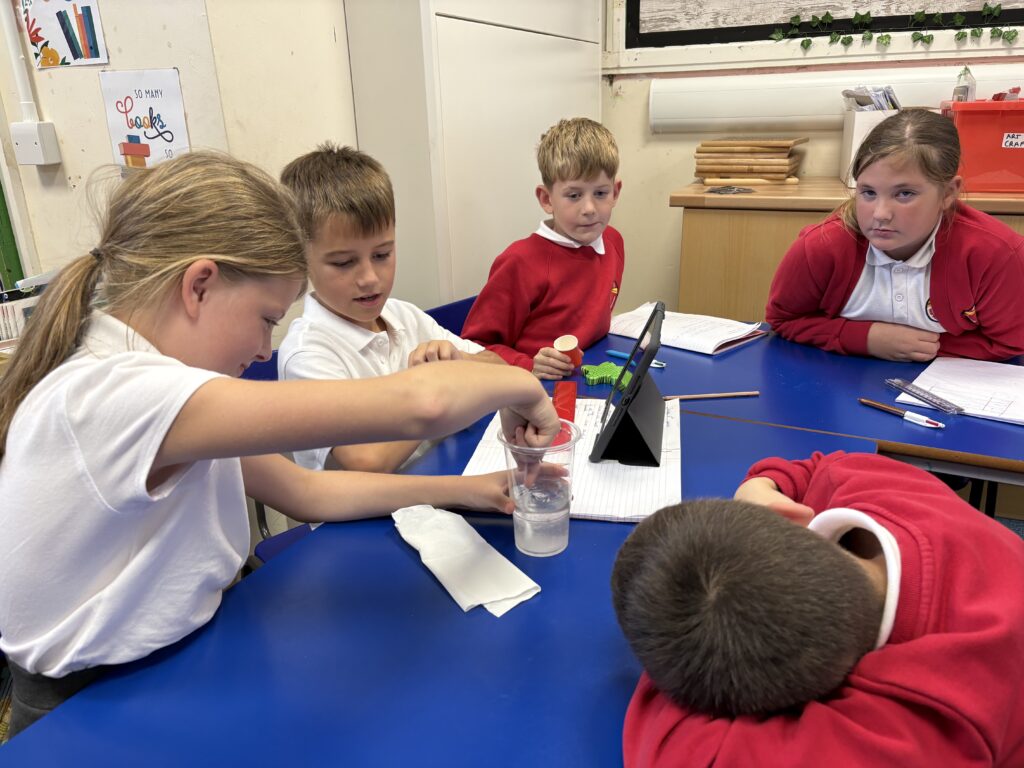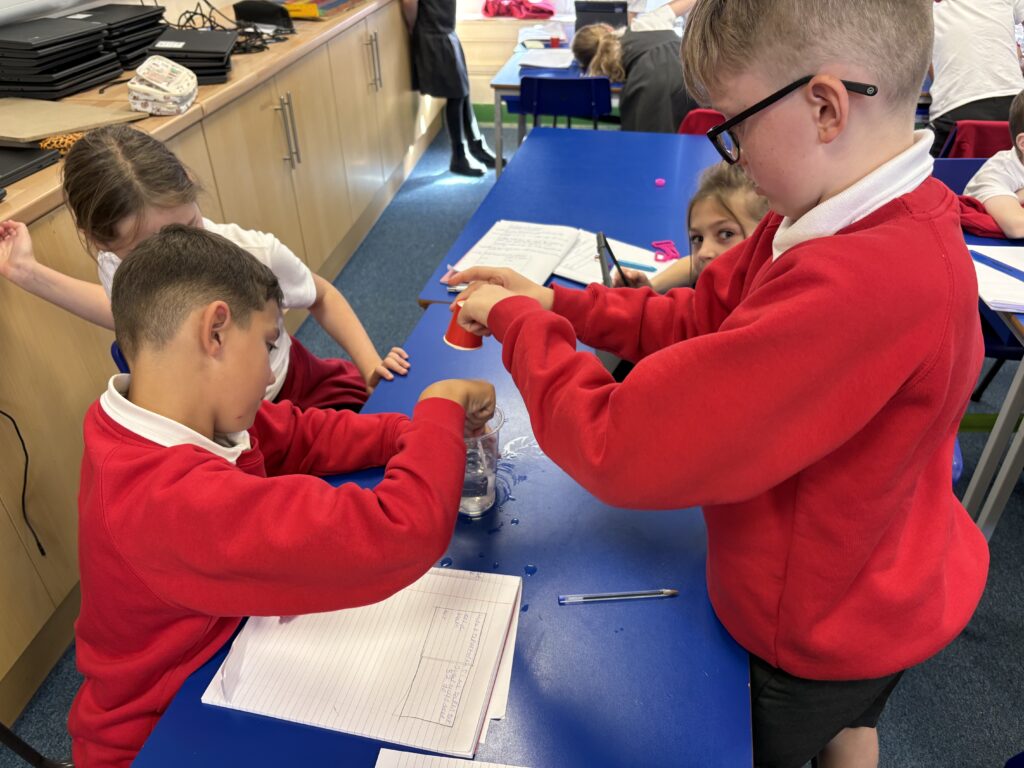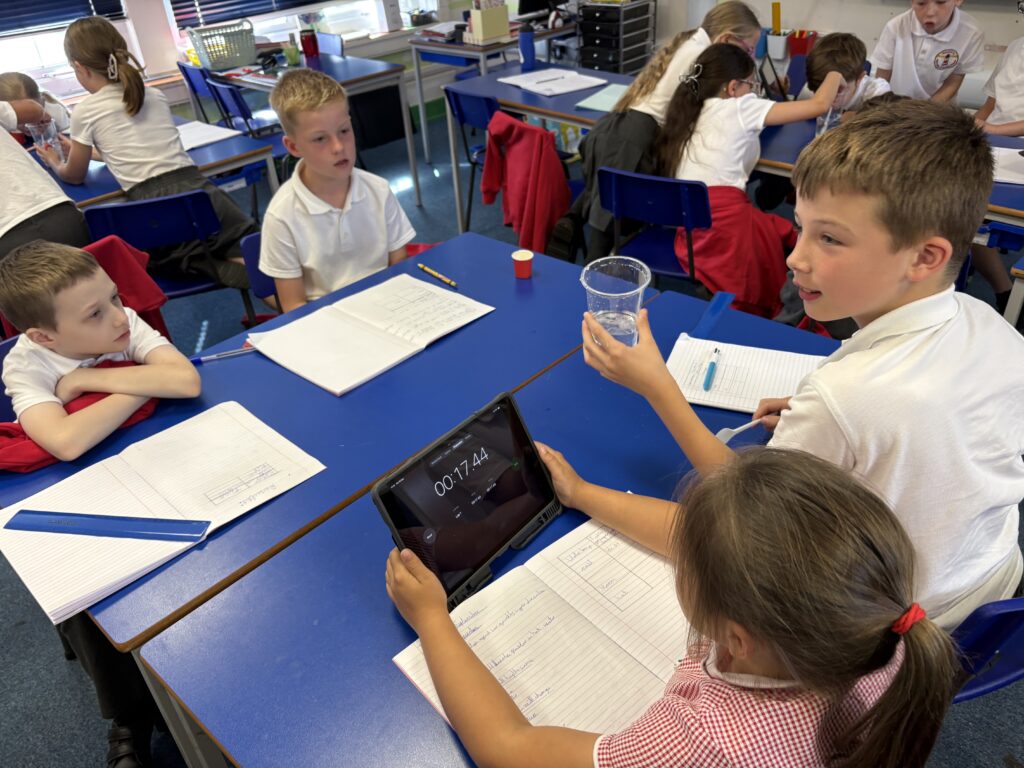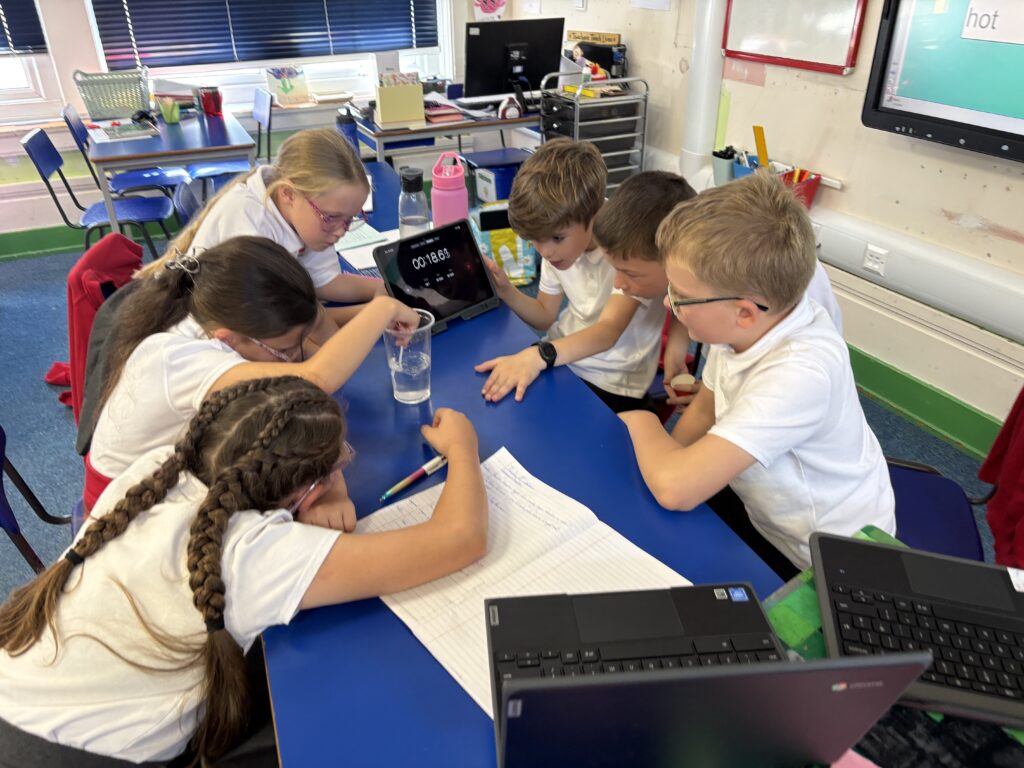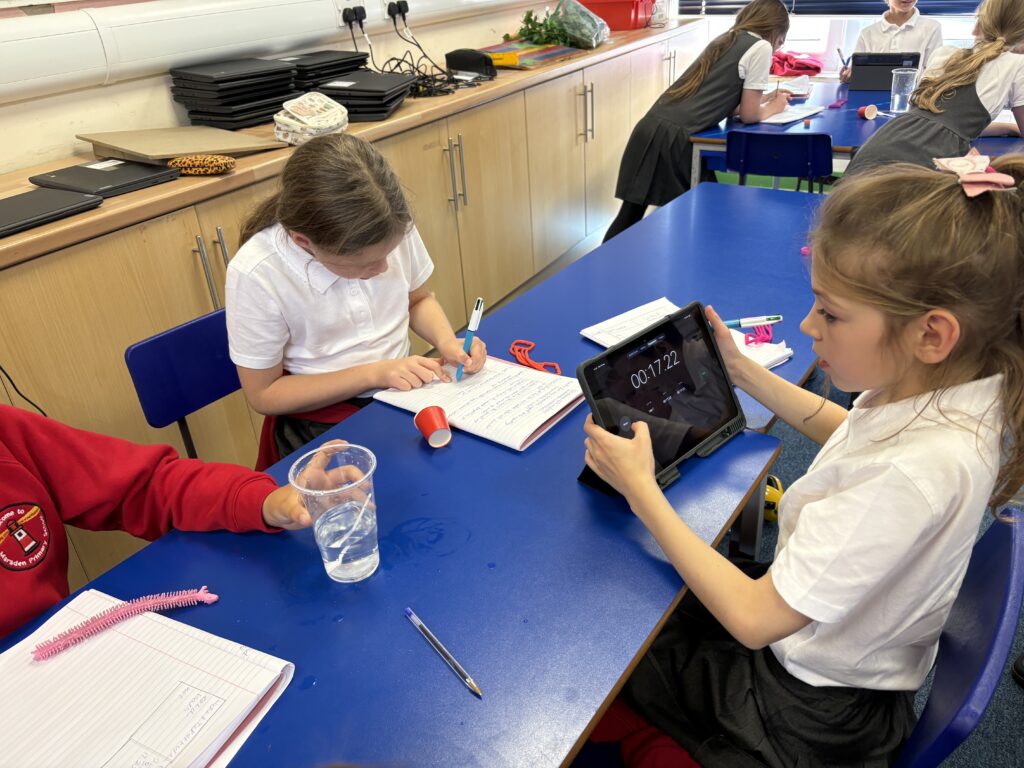
Year Four had great fun this afternoon, investigating how sounds travel. We made string telephones and explored how the material of the cup and the length of the string affected the quality of the sound. We also found out what happens when the strings from two sets of telephones crossed!
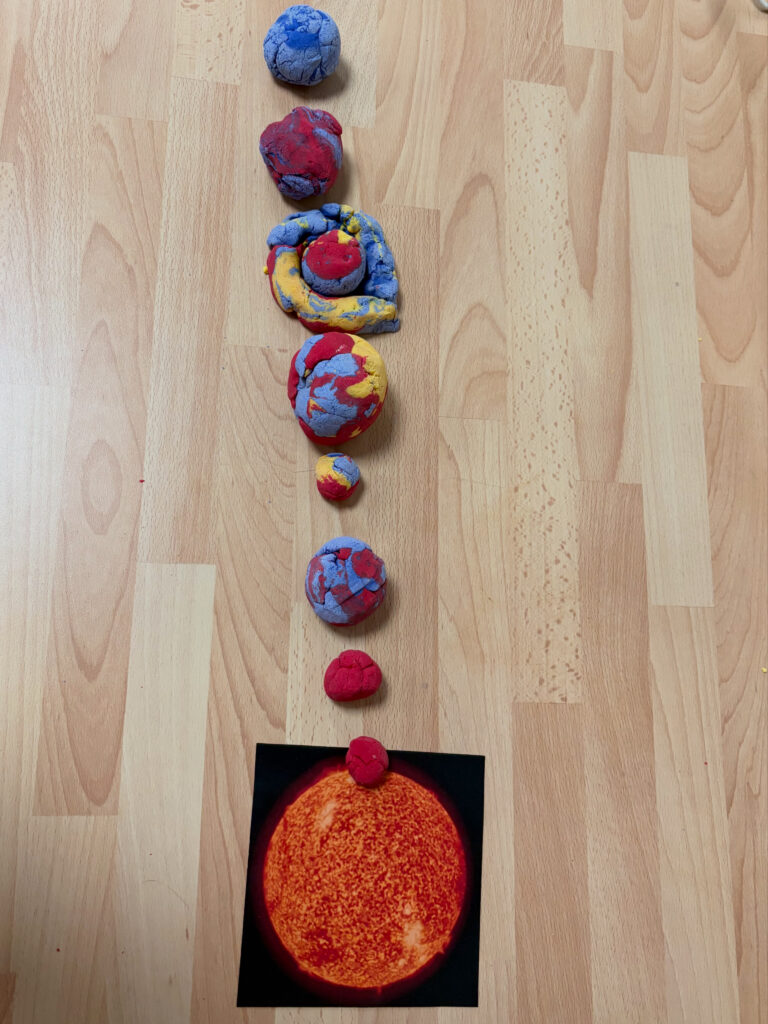
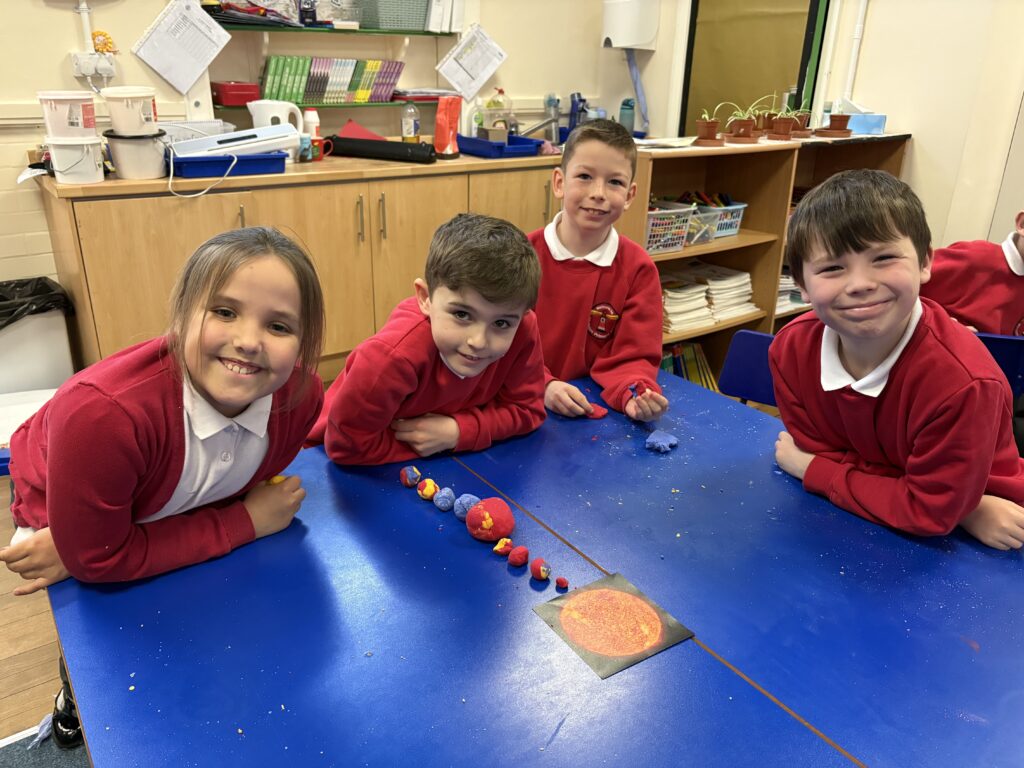
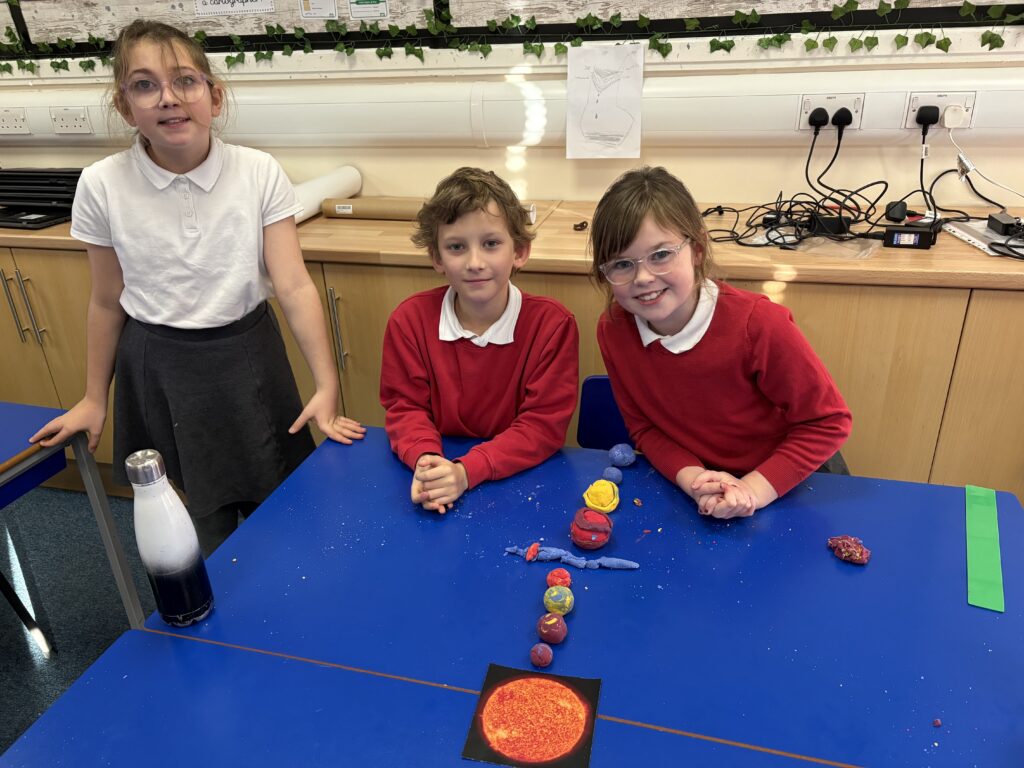
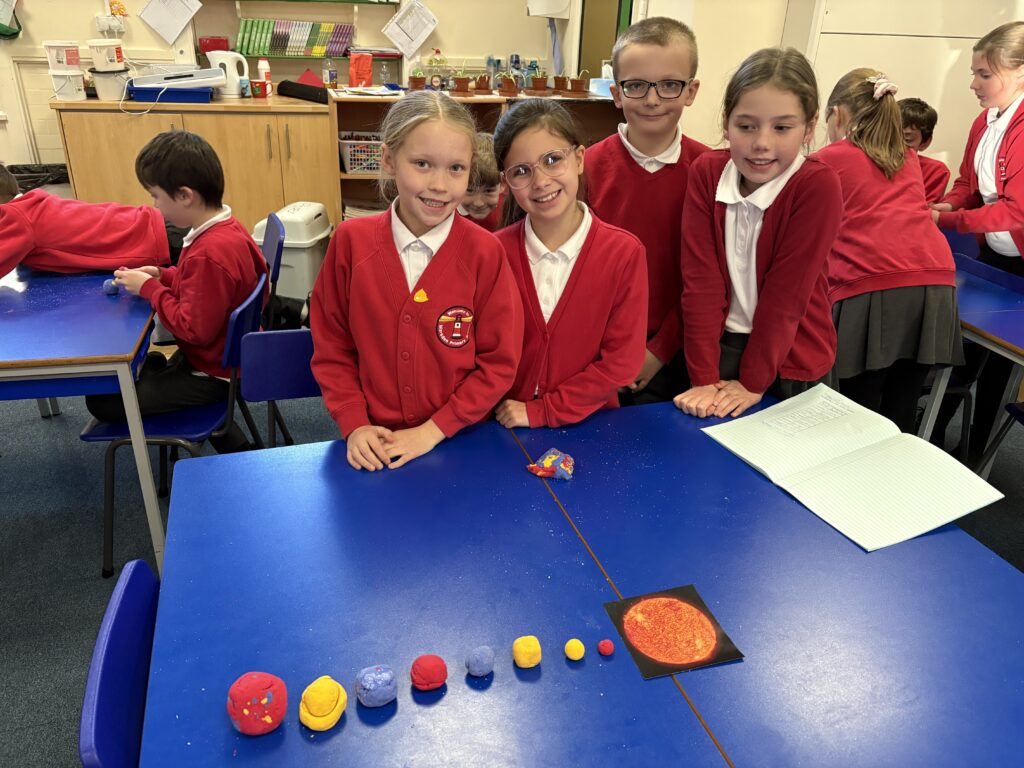
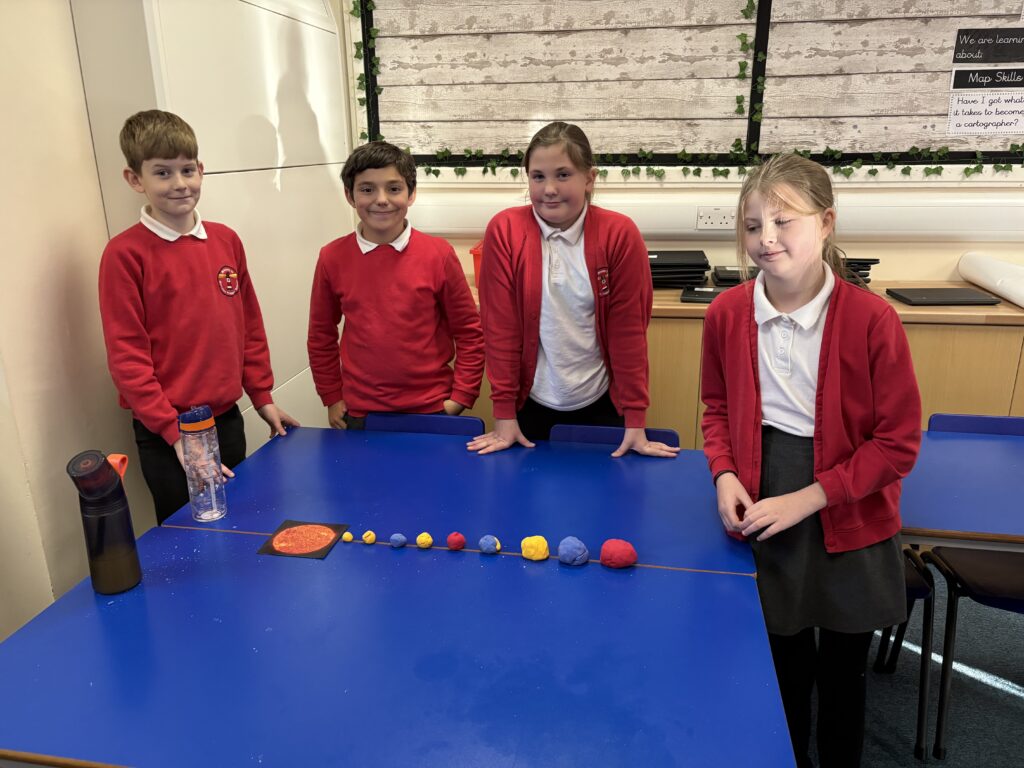
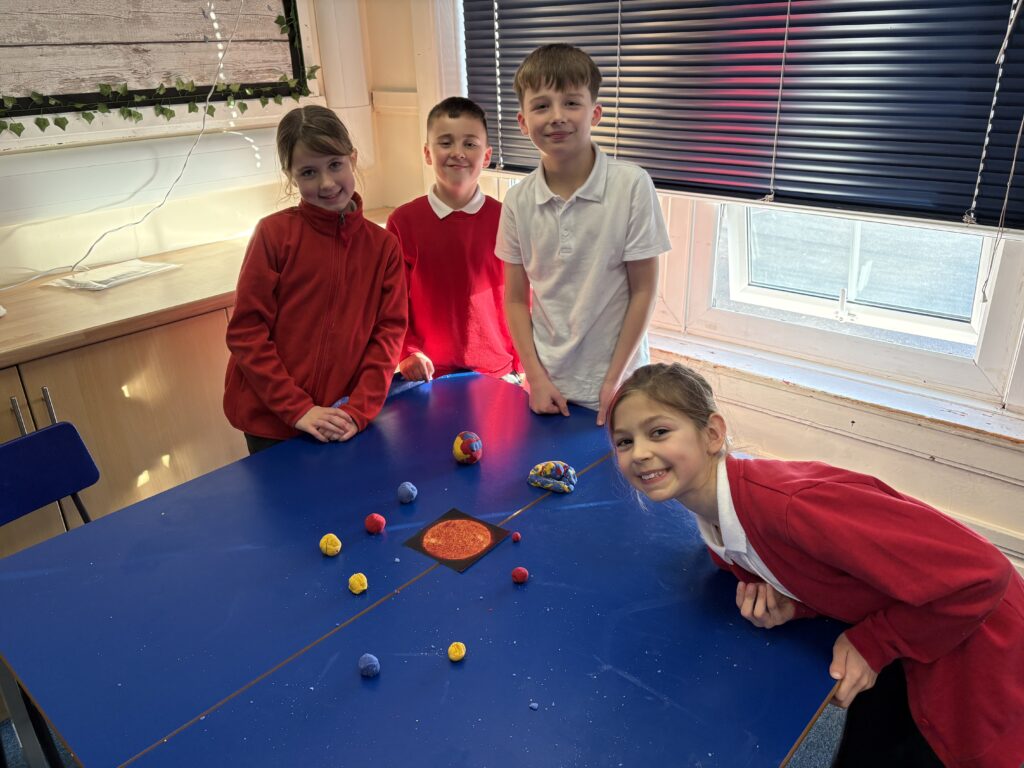
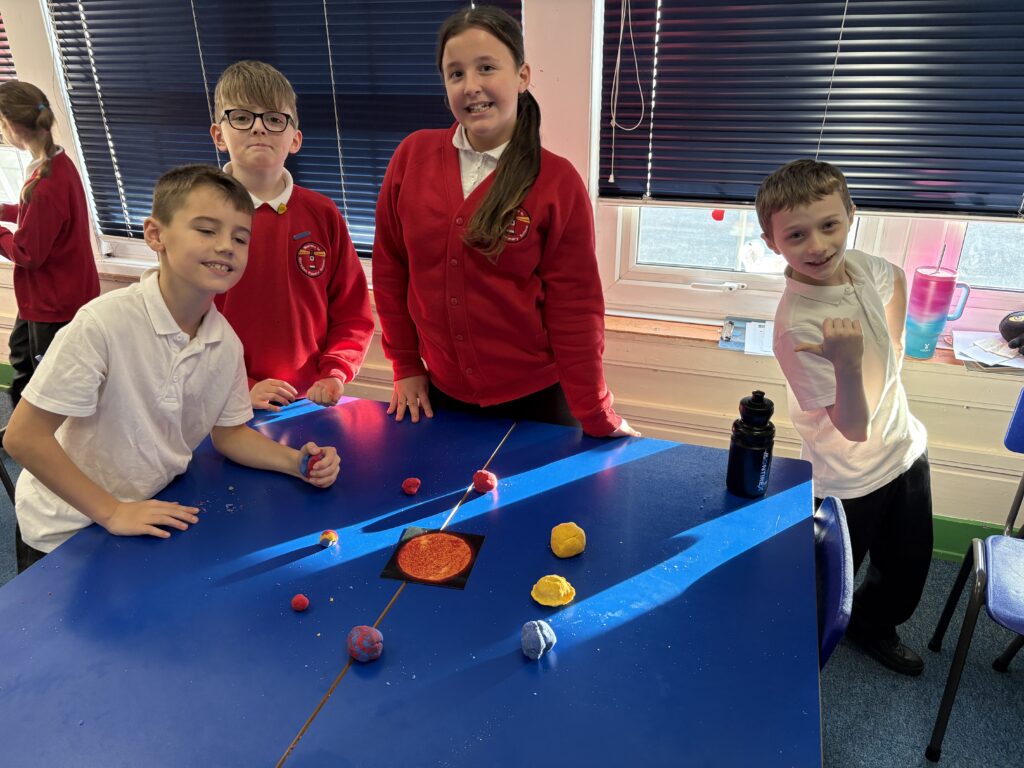
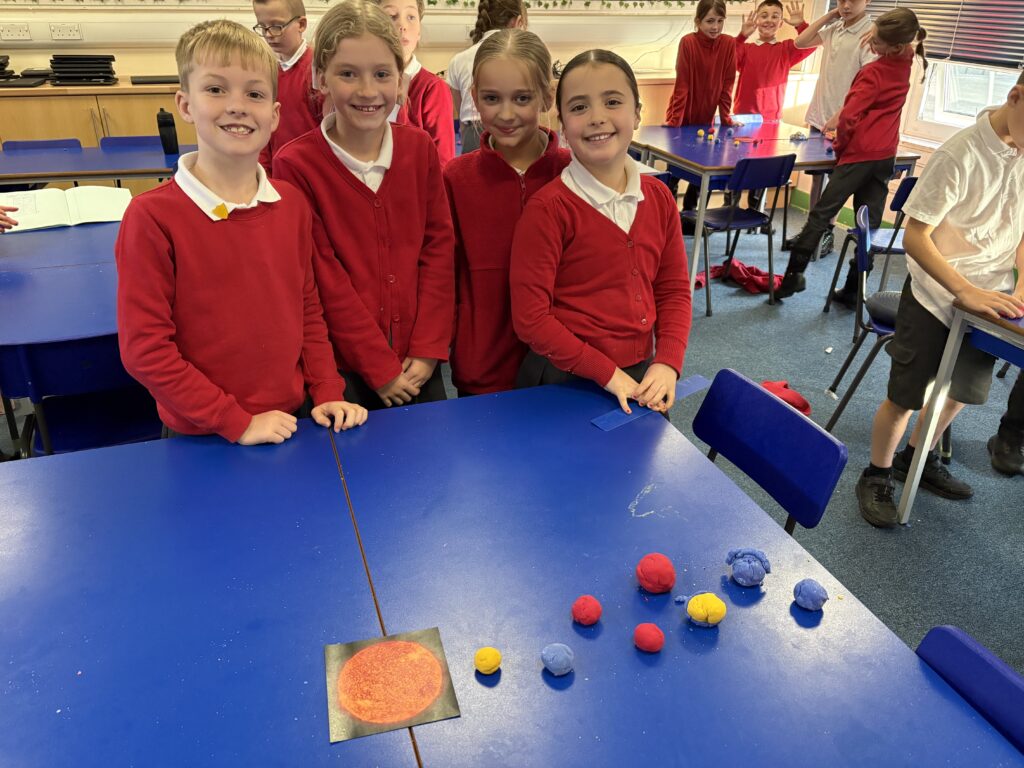
Today in Y5’s science lesson, we were looking at creating a model of the solar system using playdough.
The children worked in groups to think about the size of each planet, the shape as they needed to be spherical and the distance from the sun.
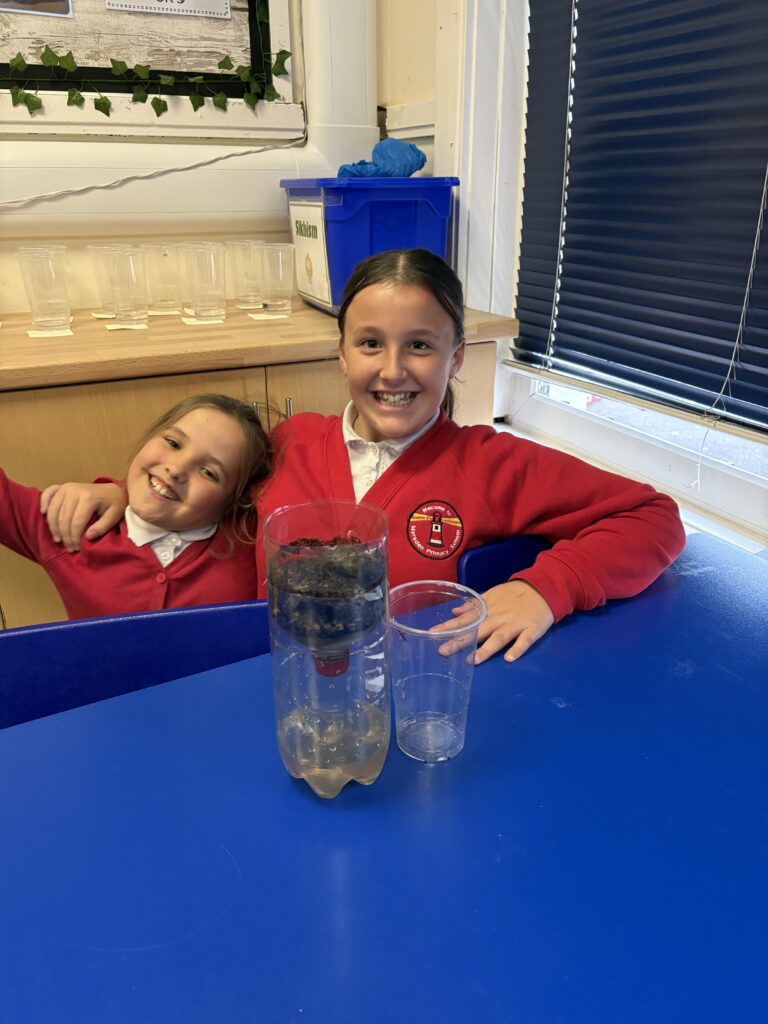
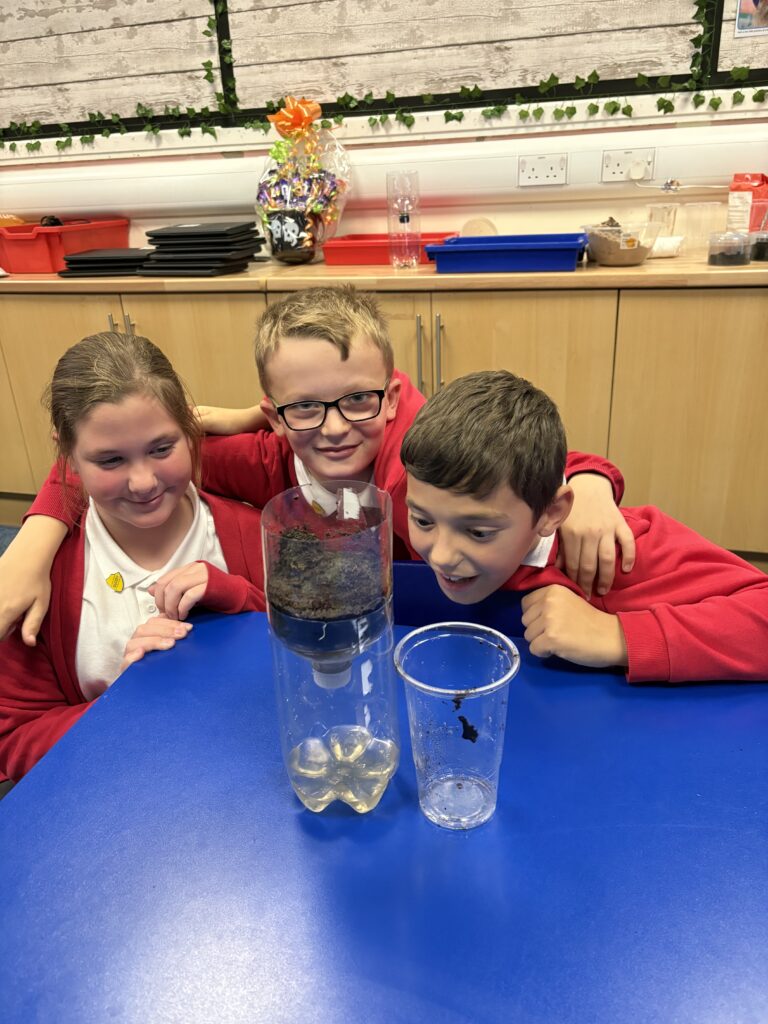
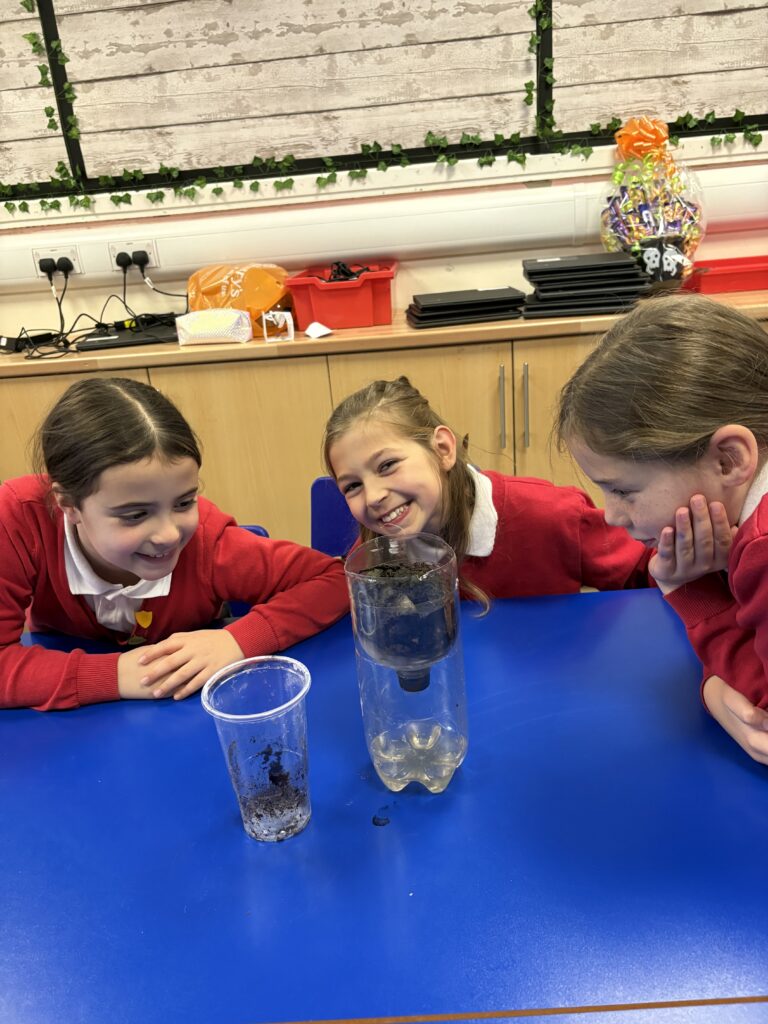
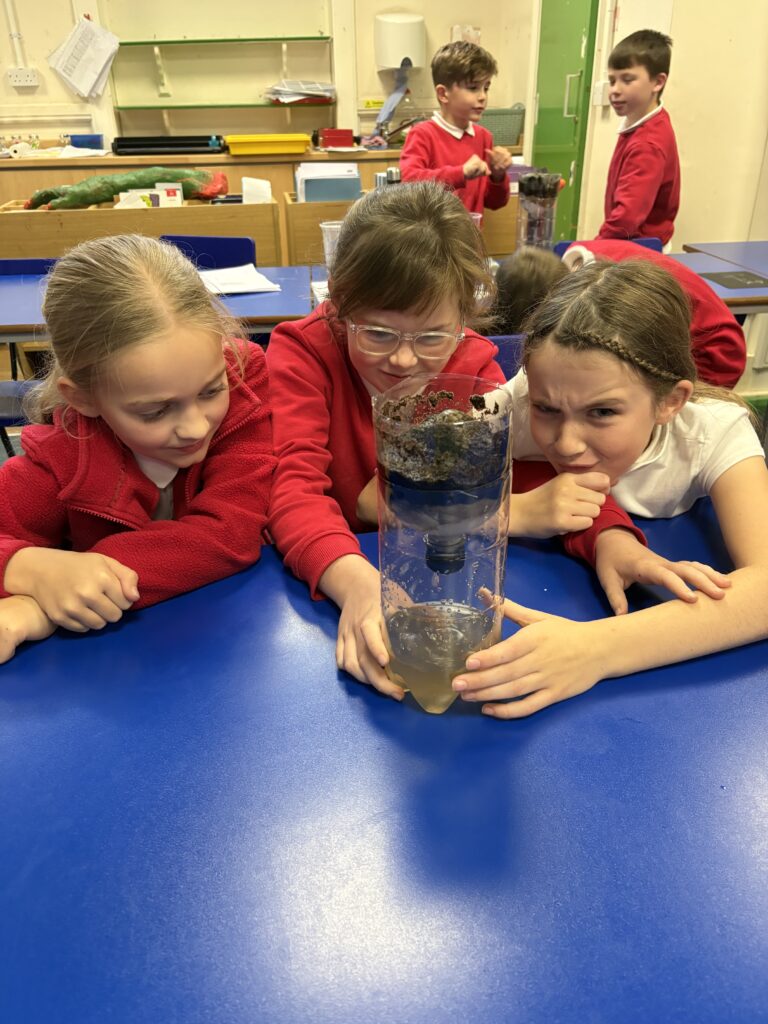
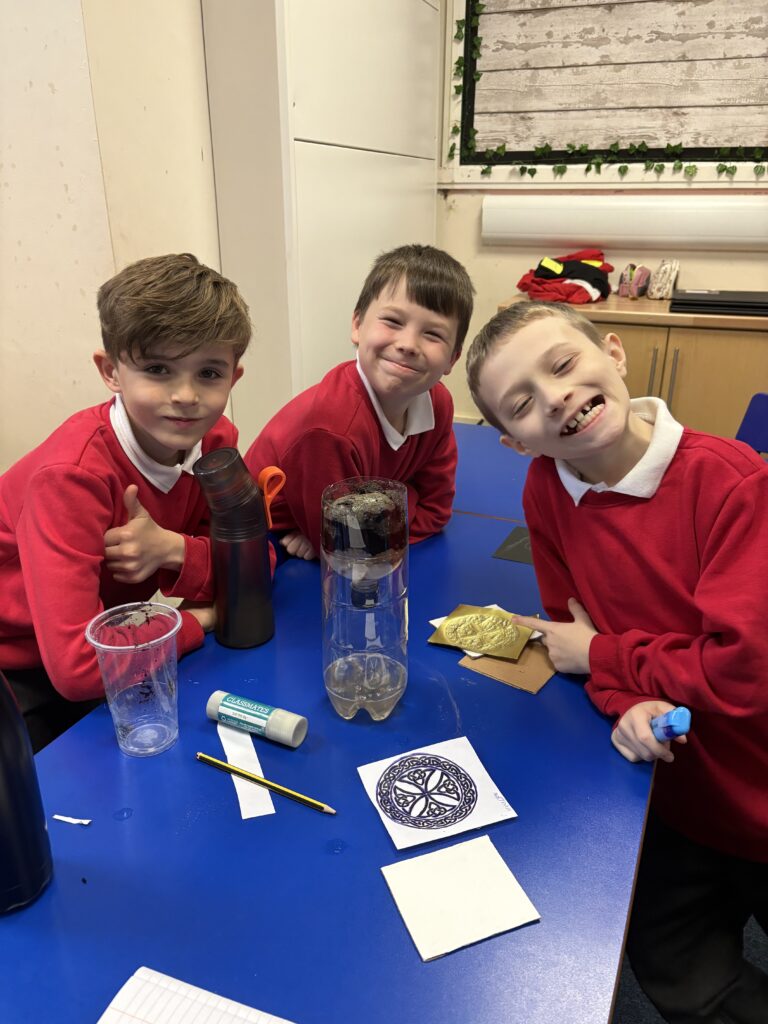
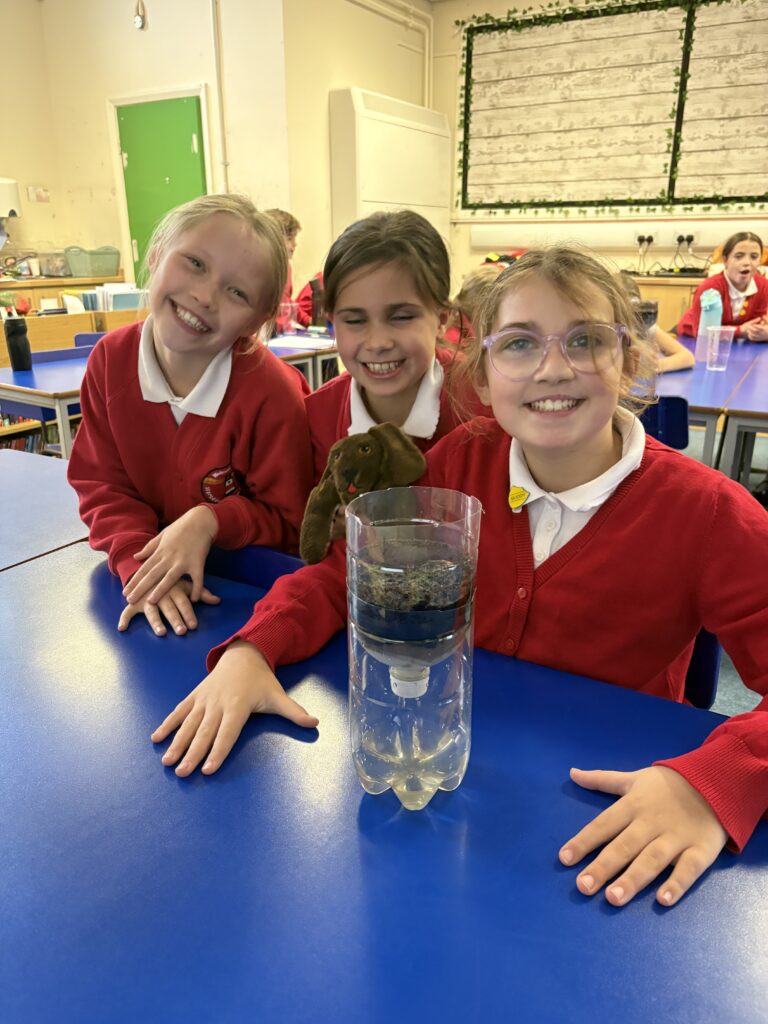
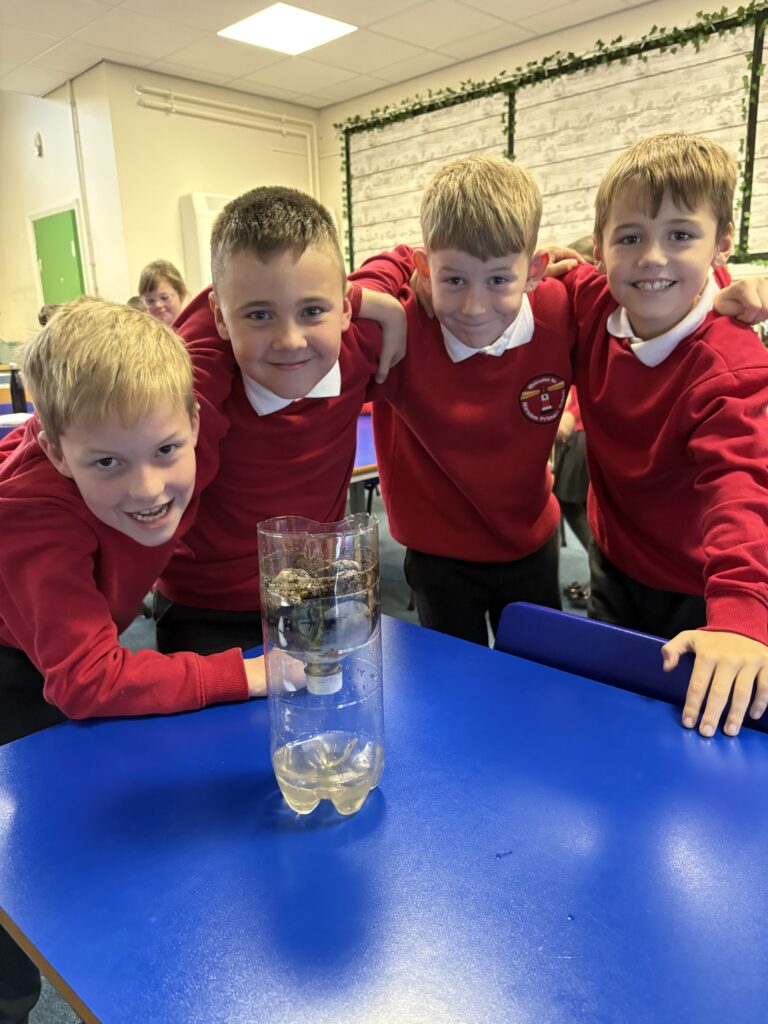
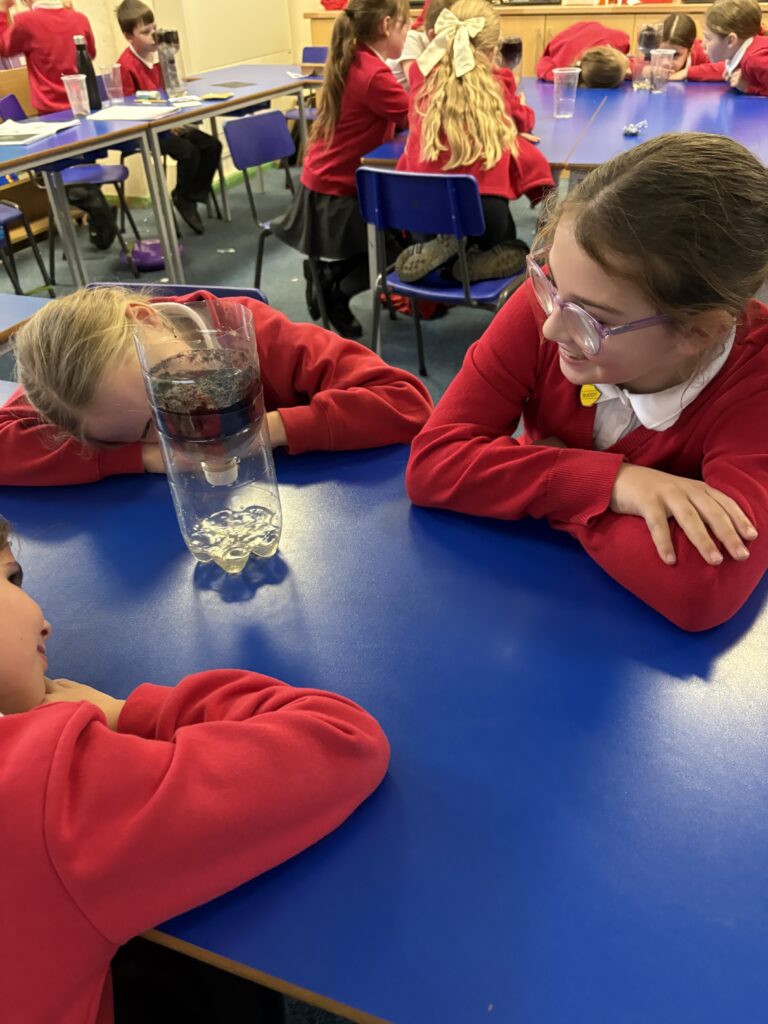
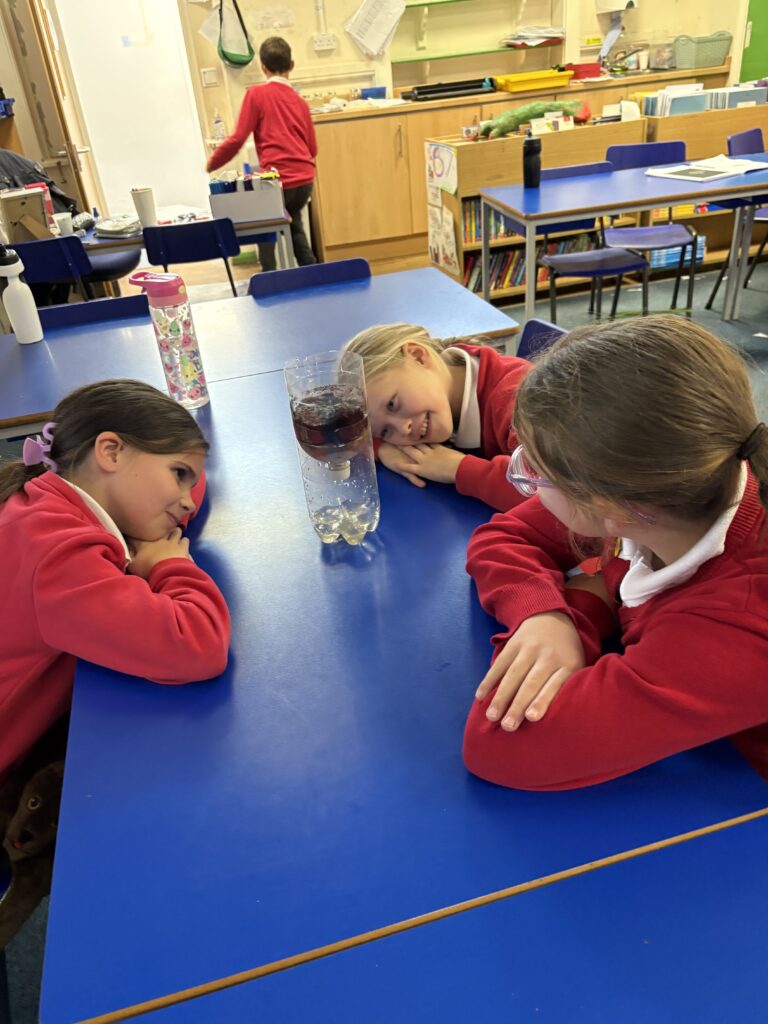
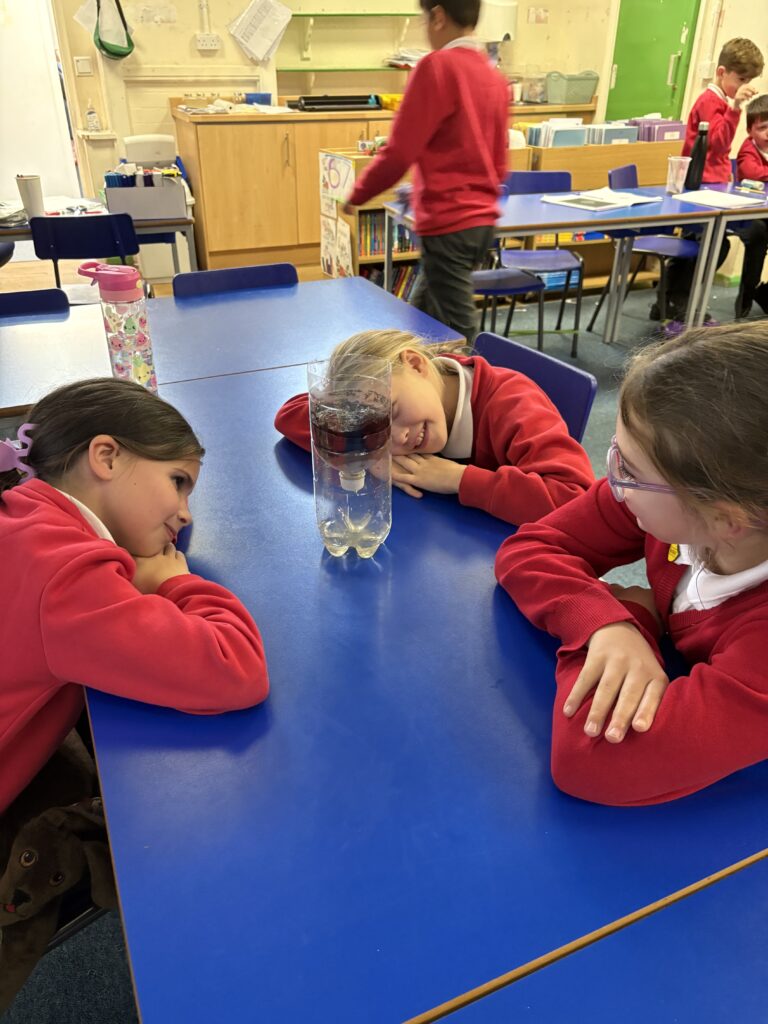
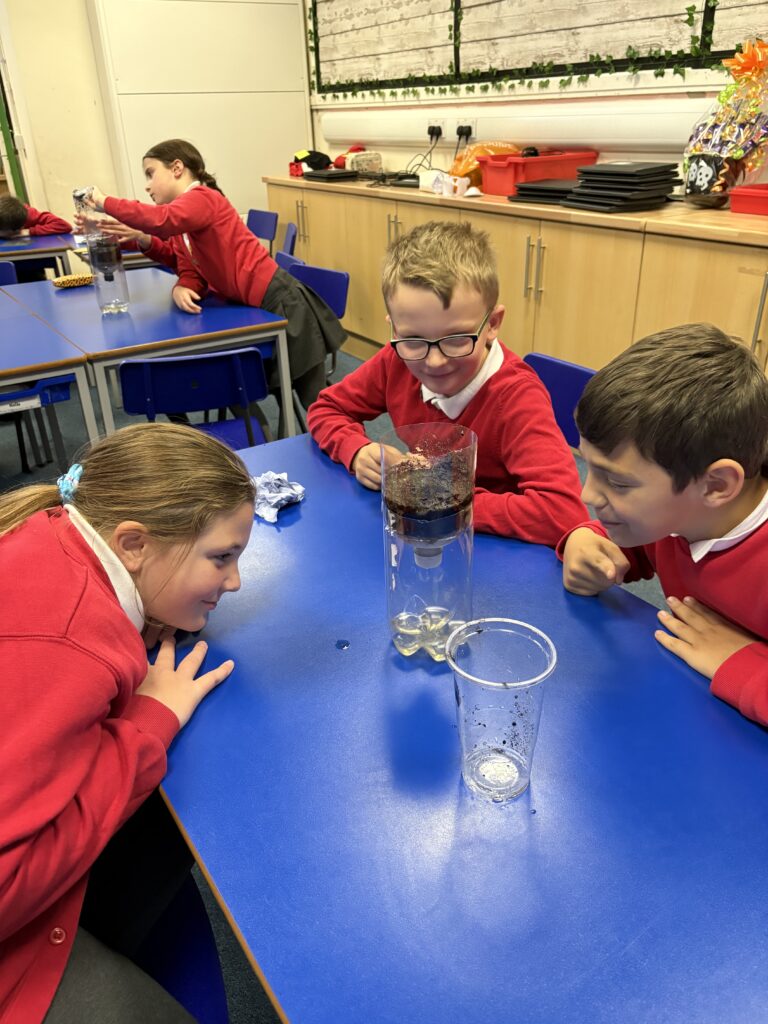
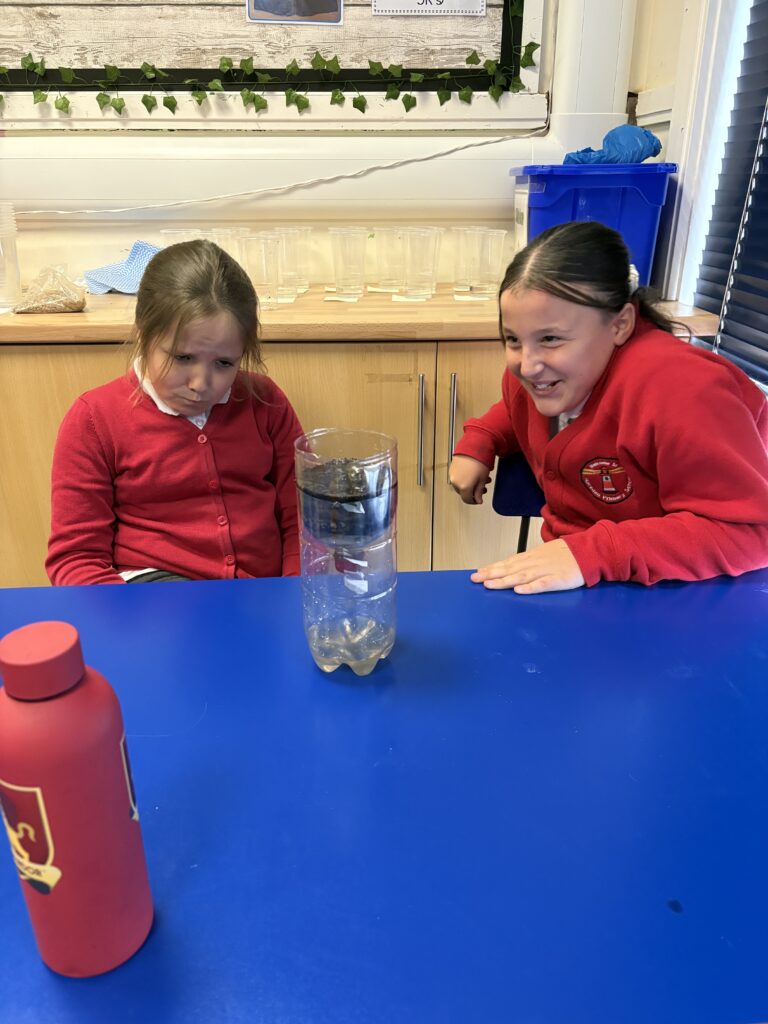
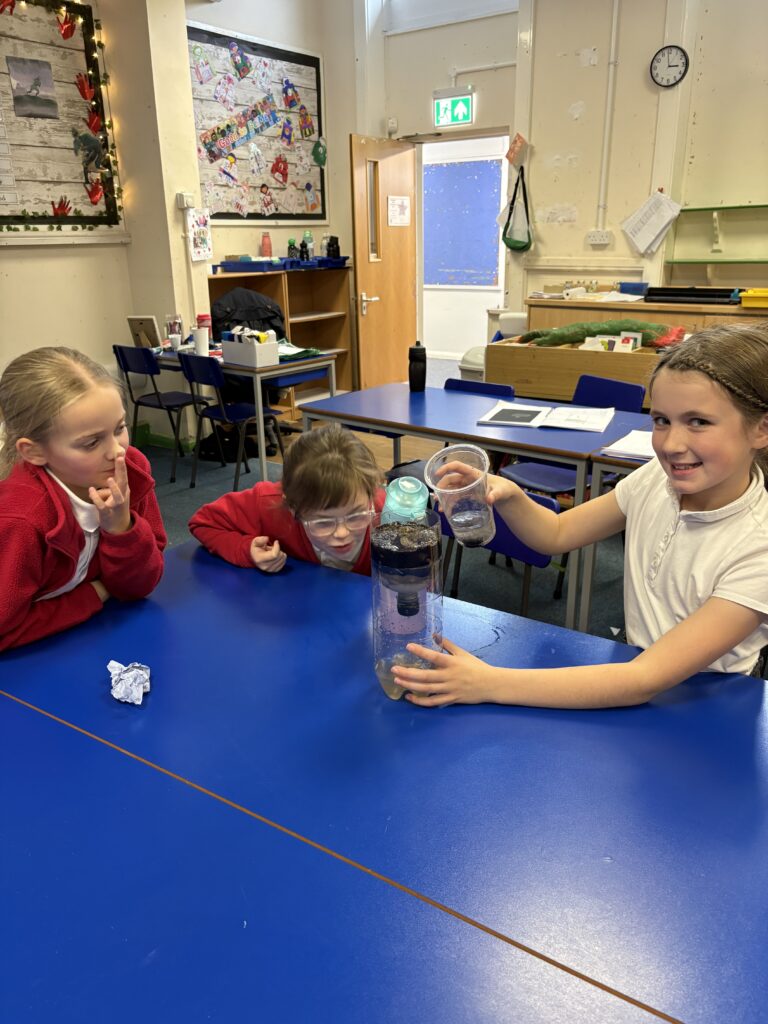
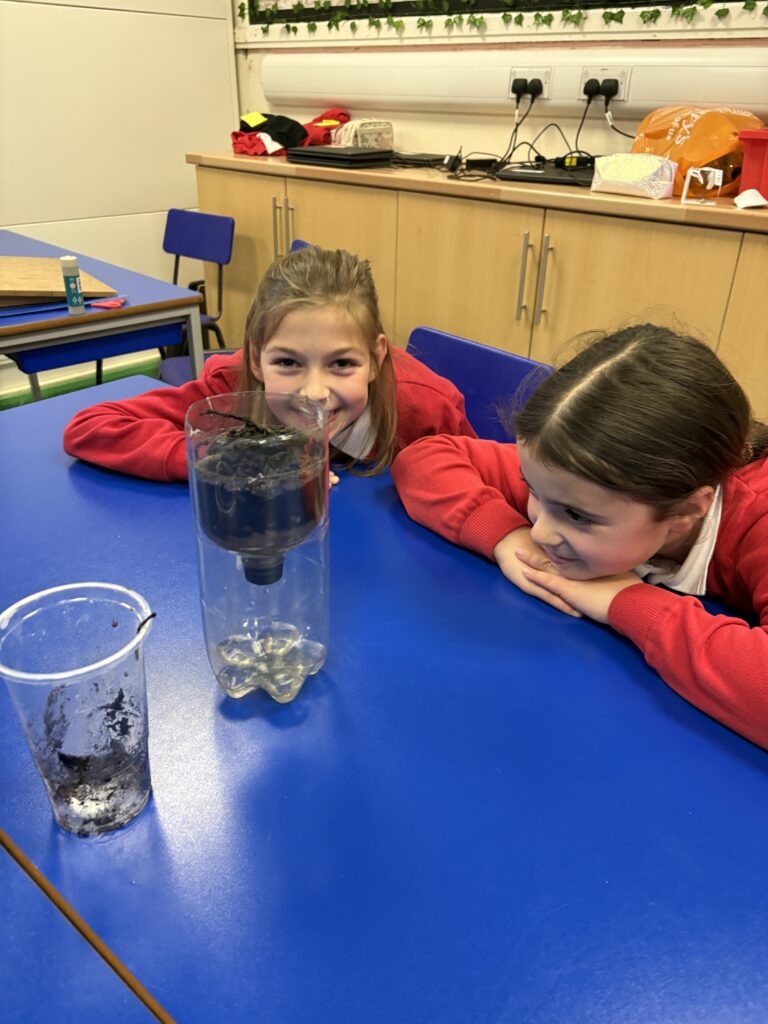
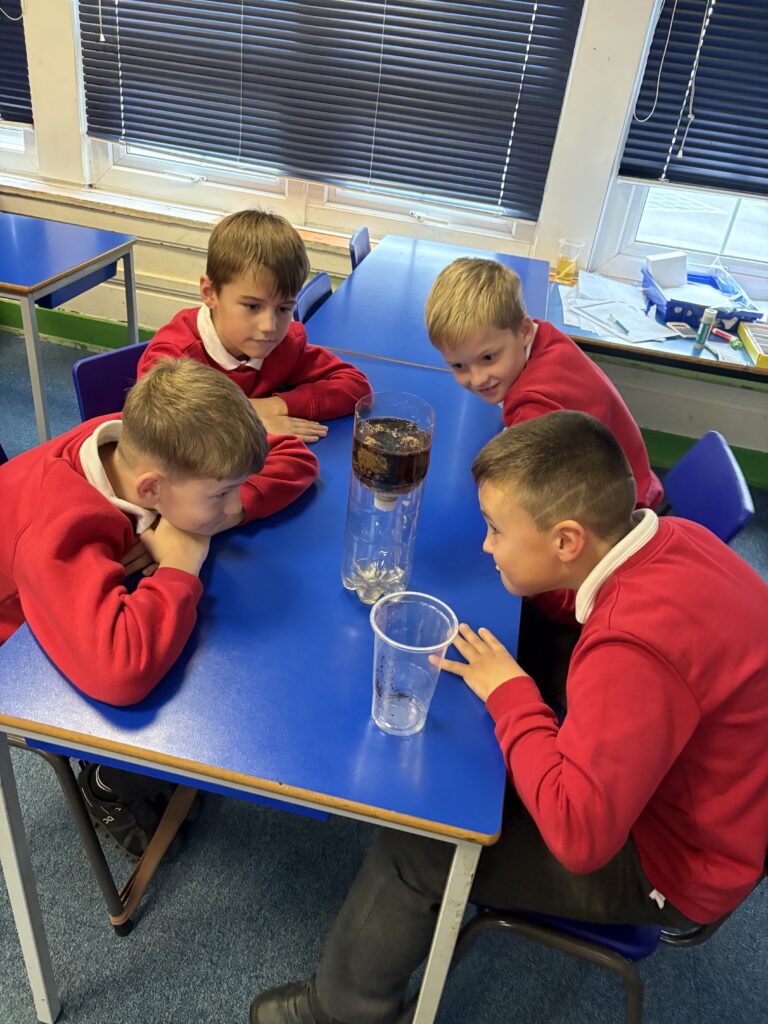
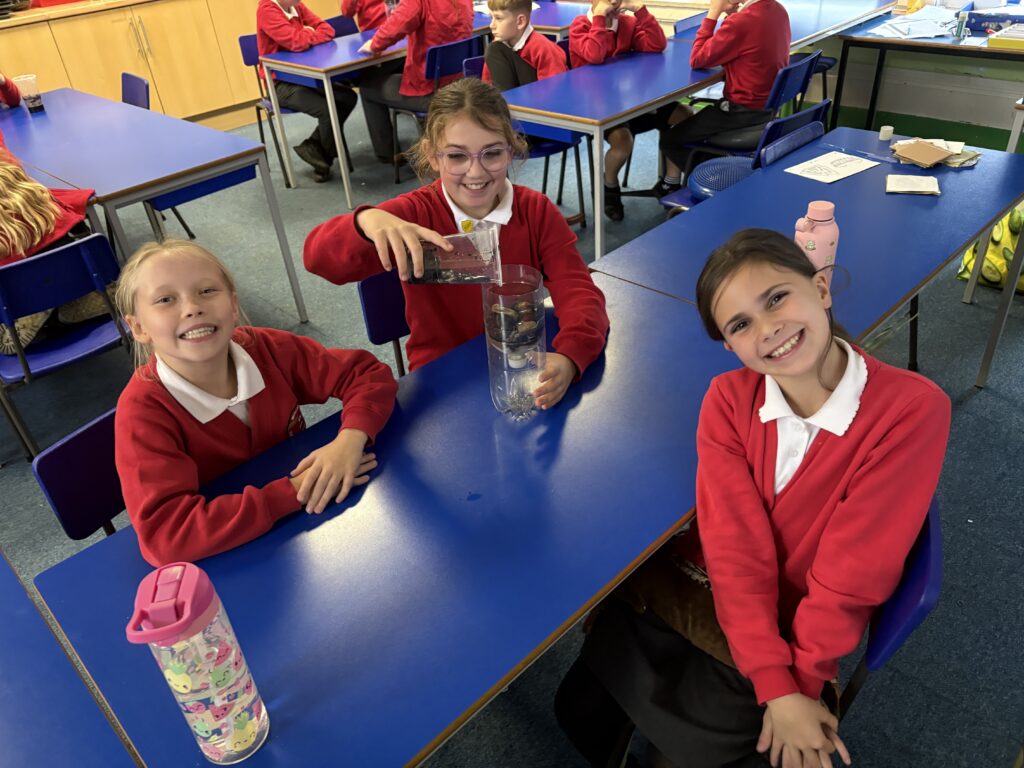
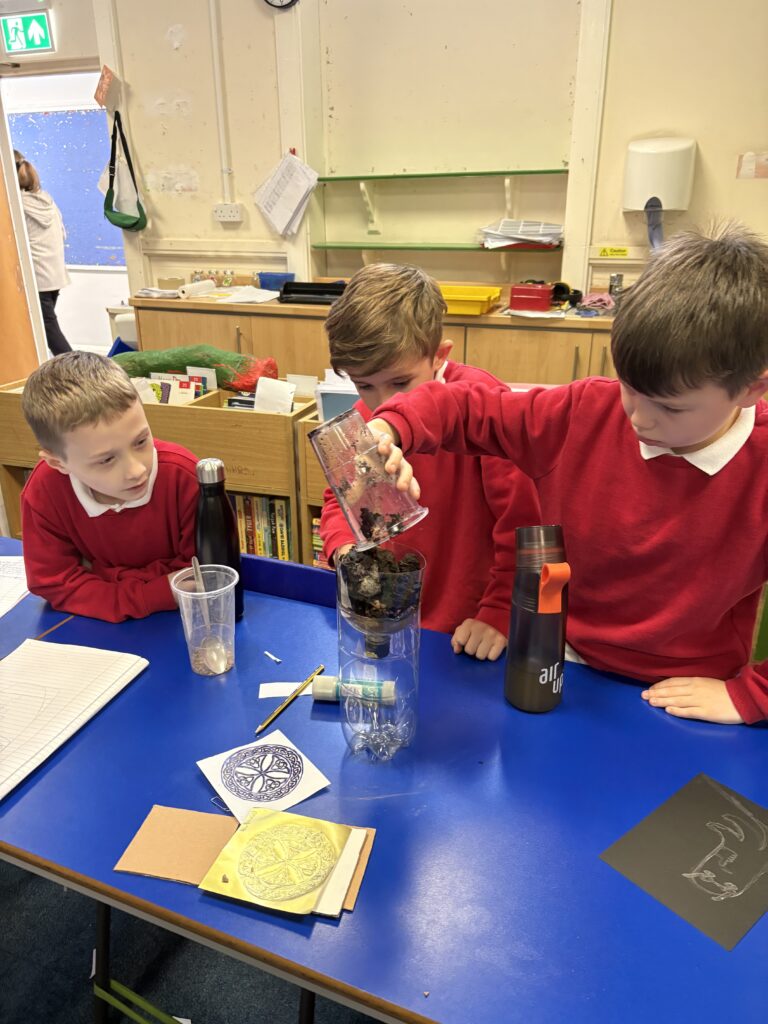
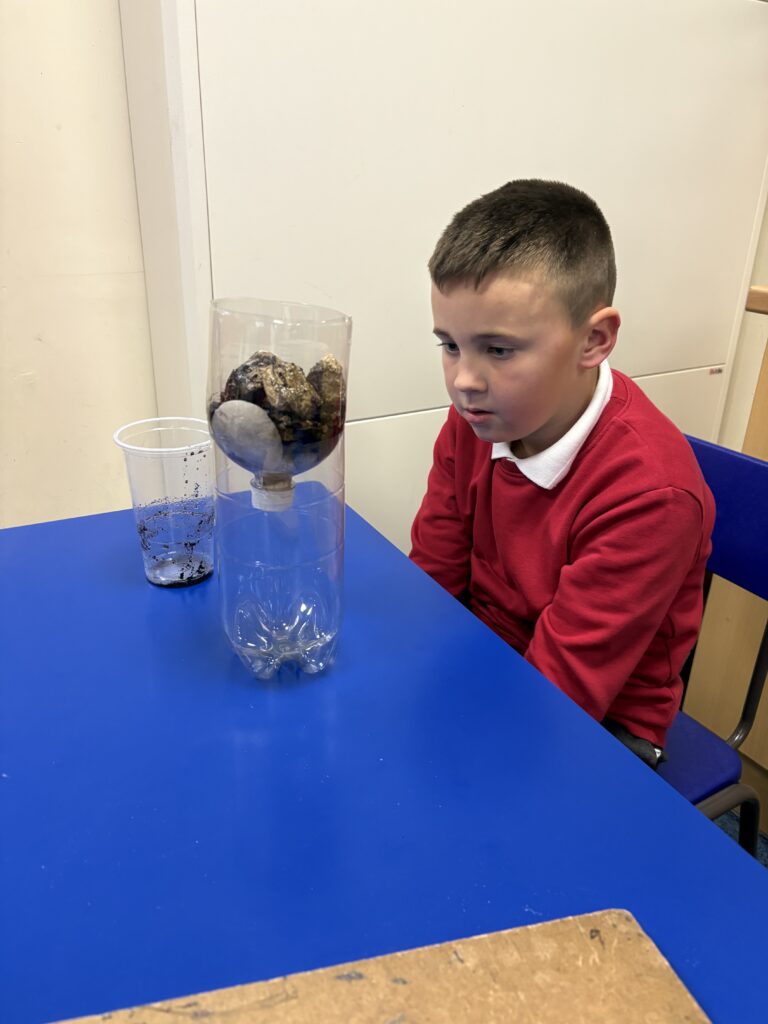
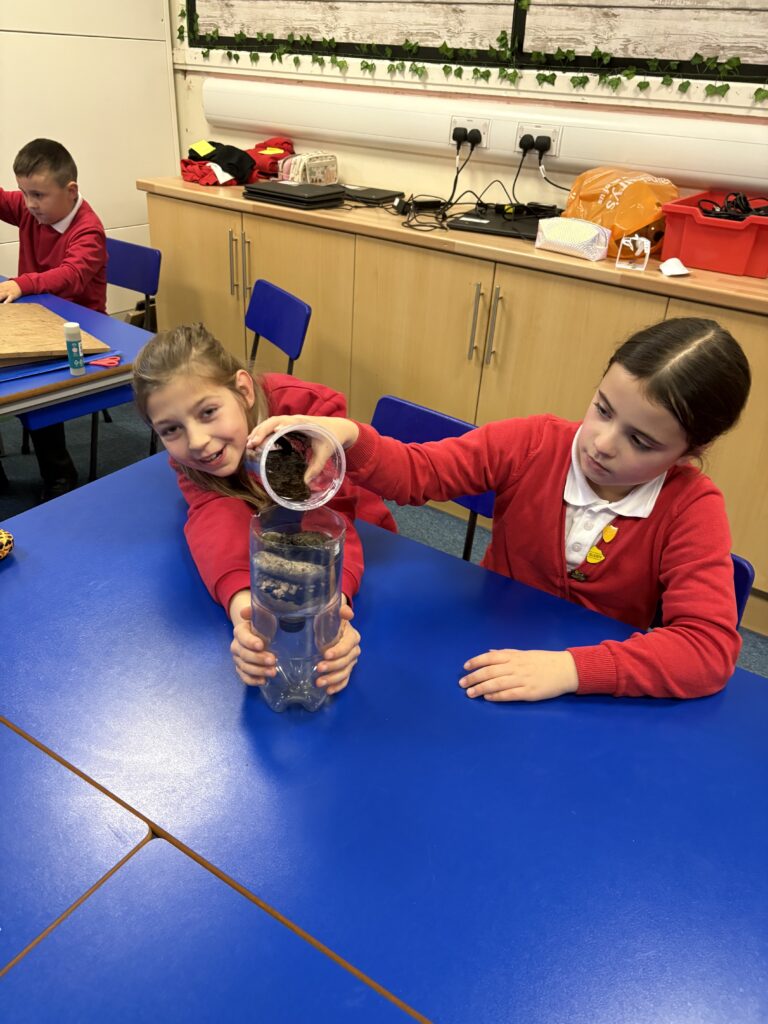
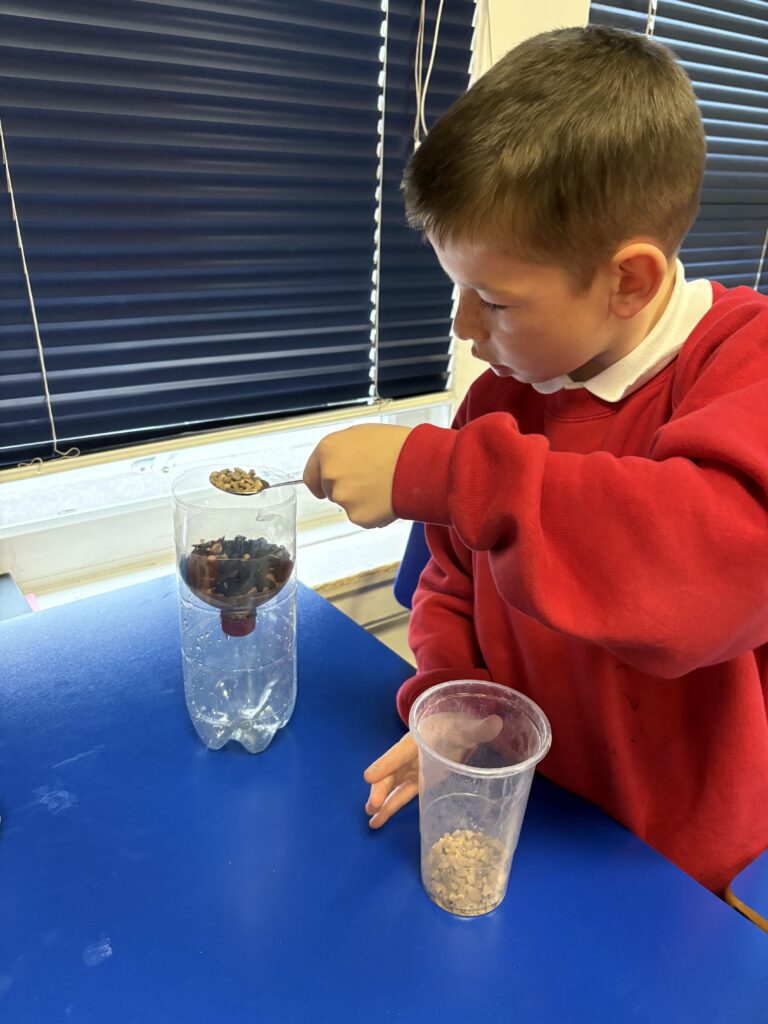
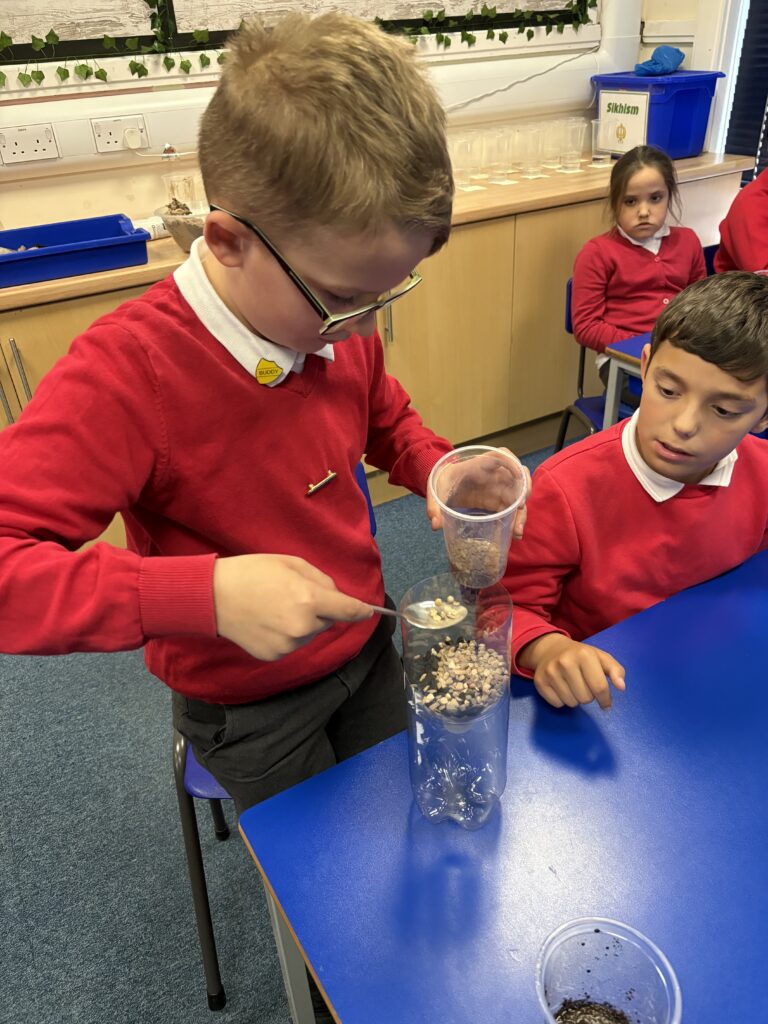
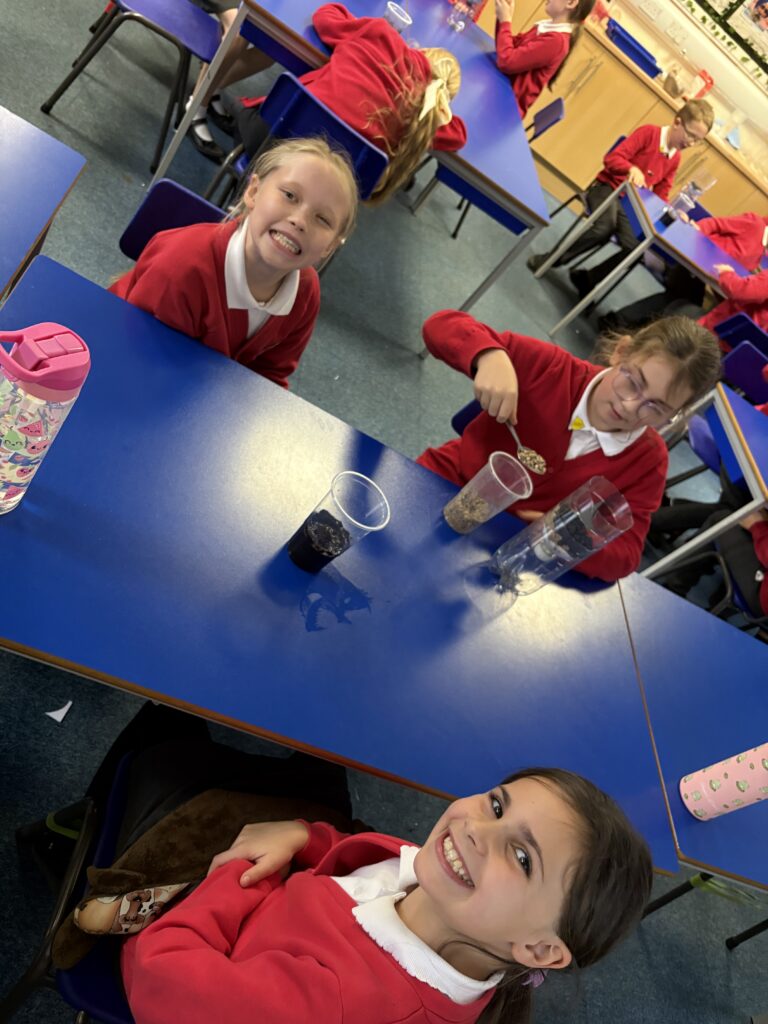
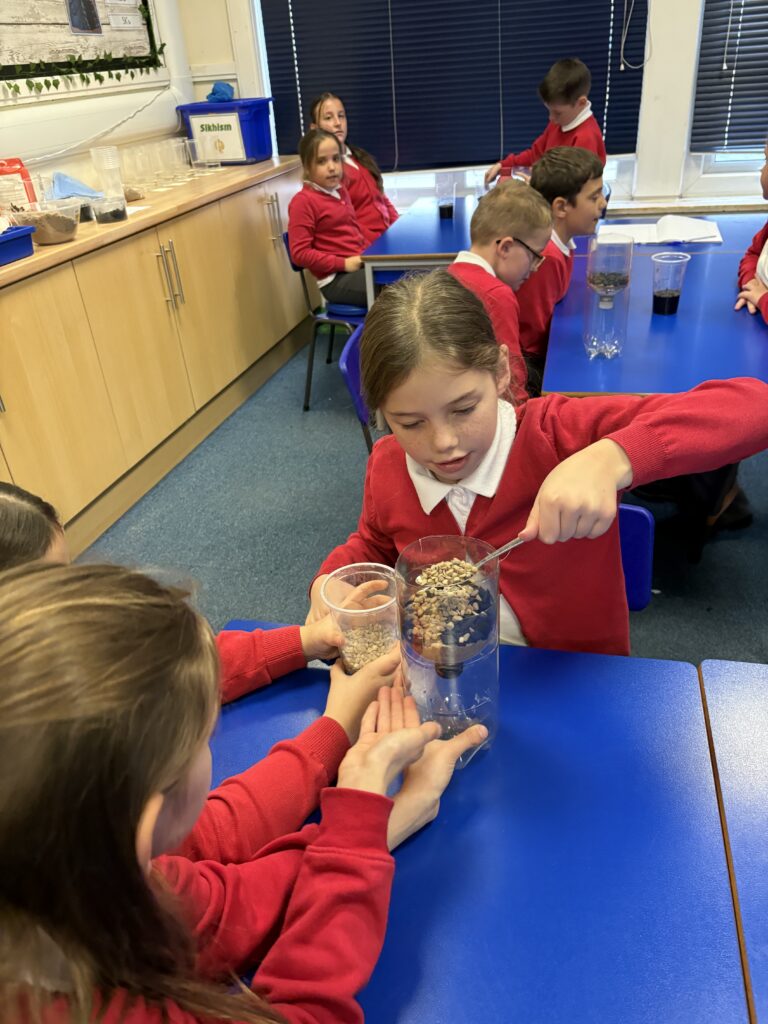
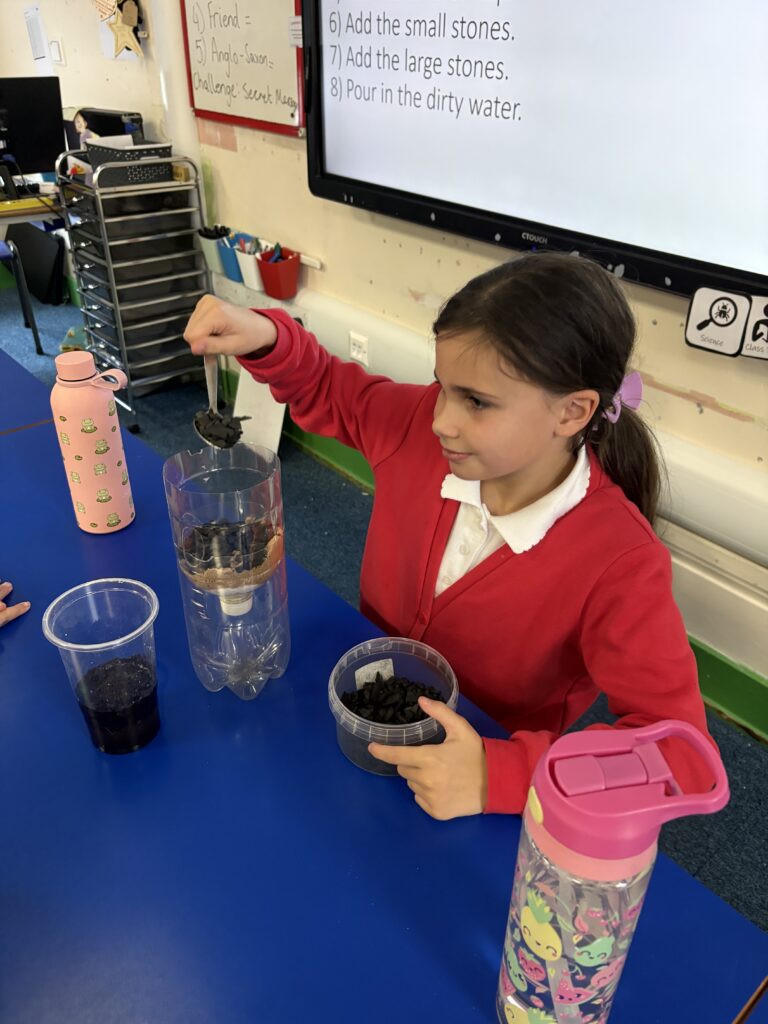
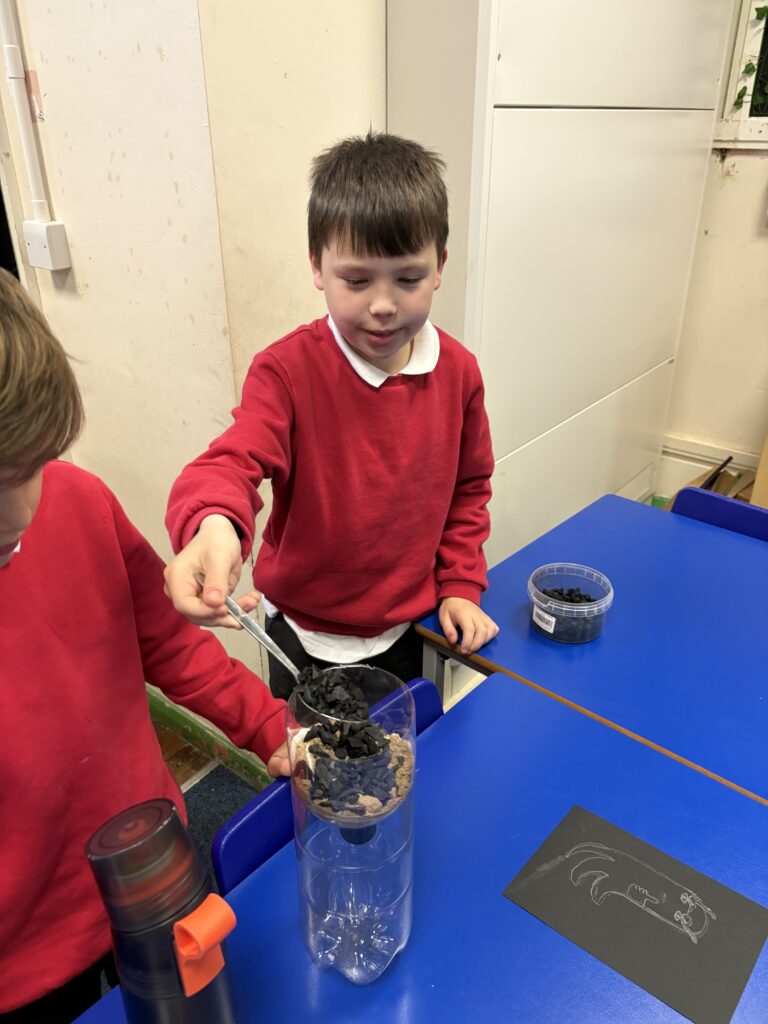
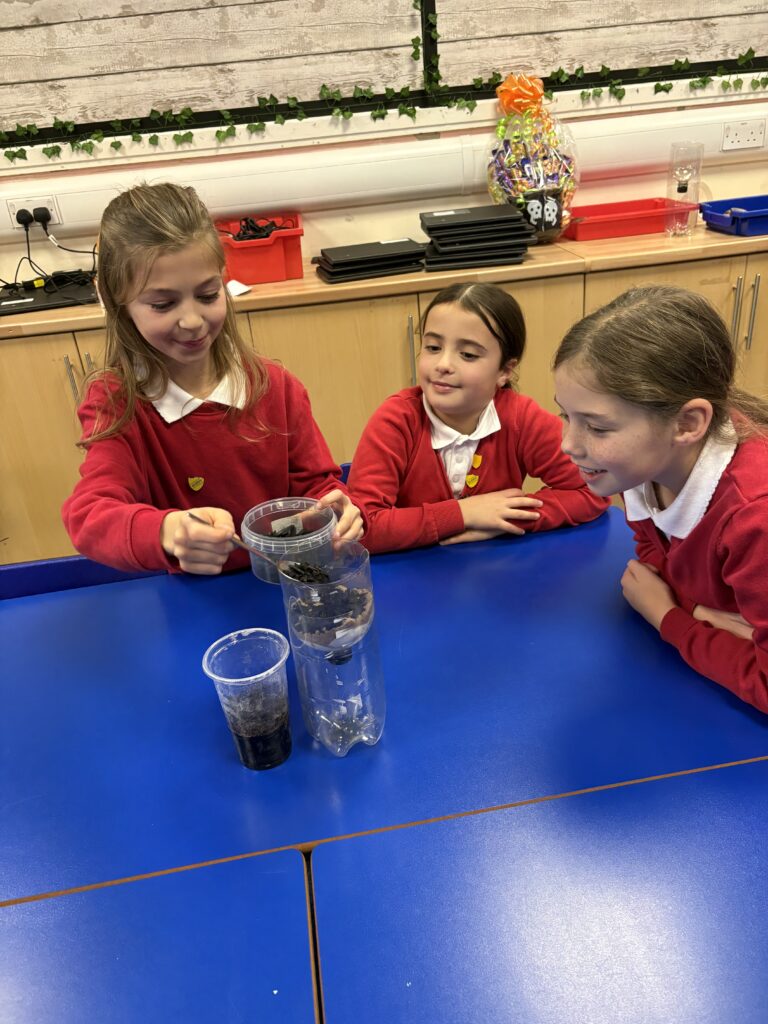
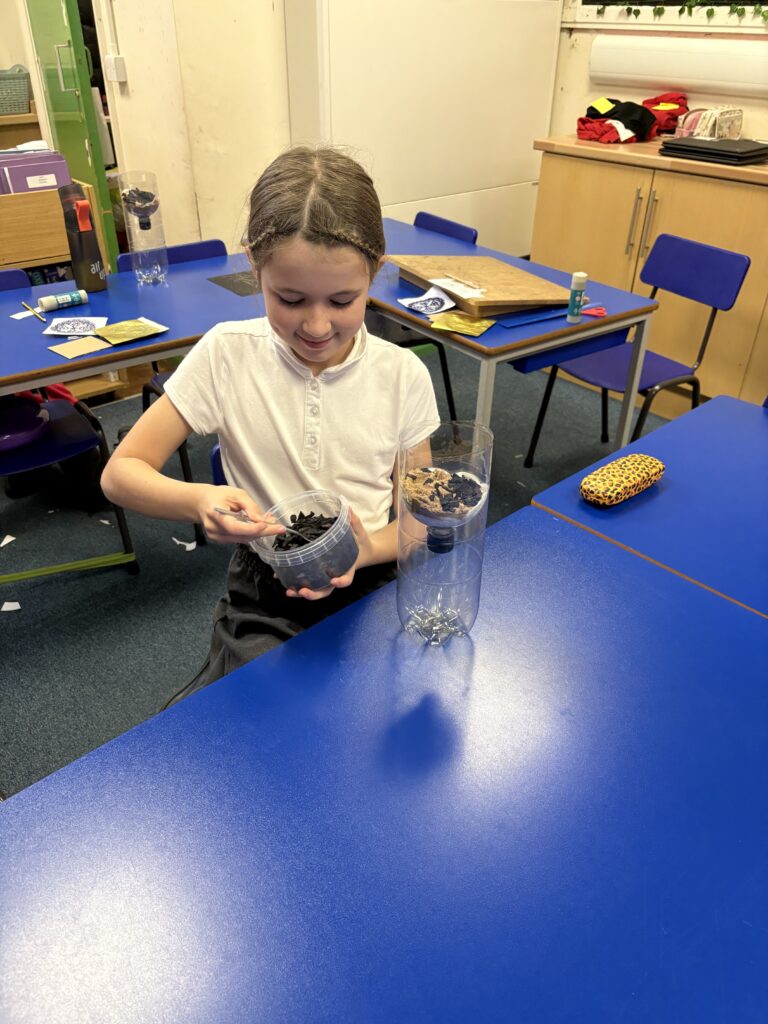
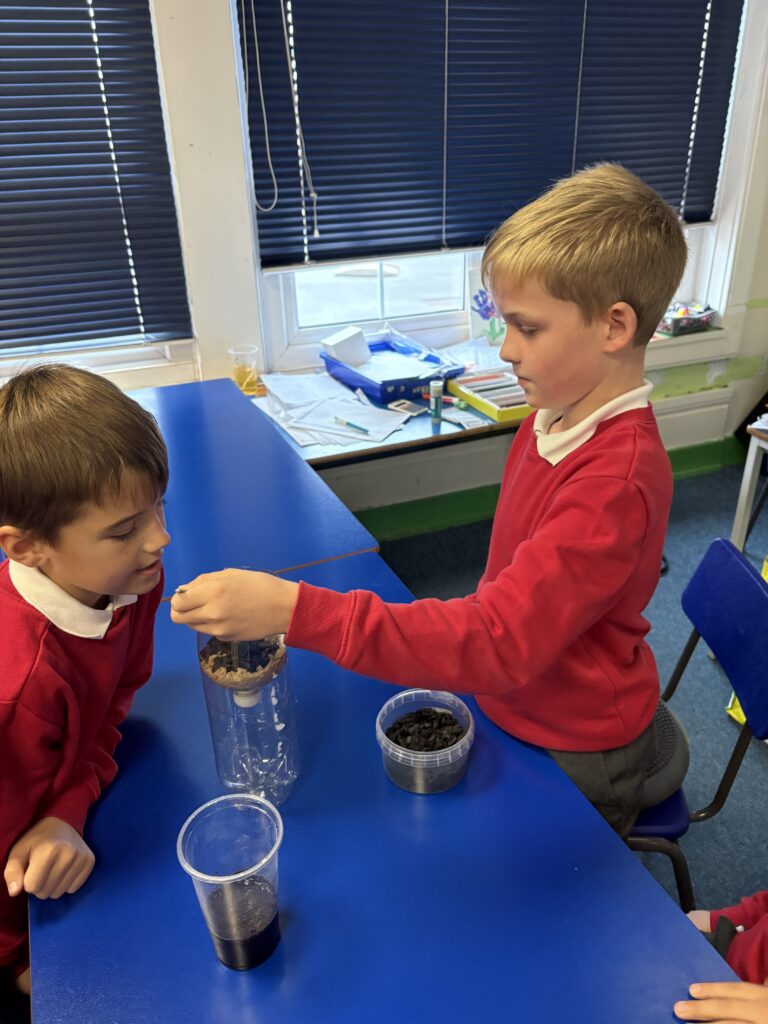
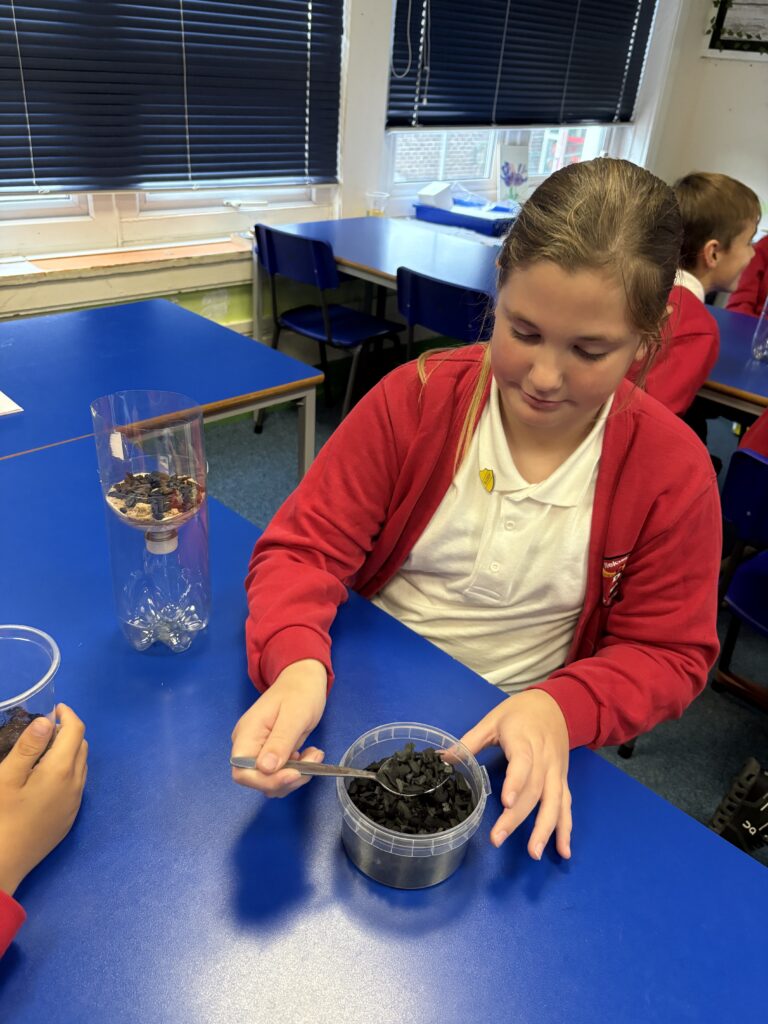
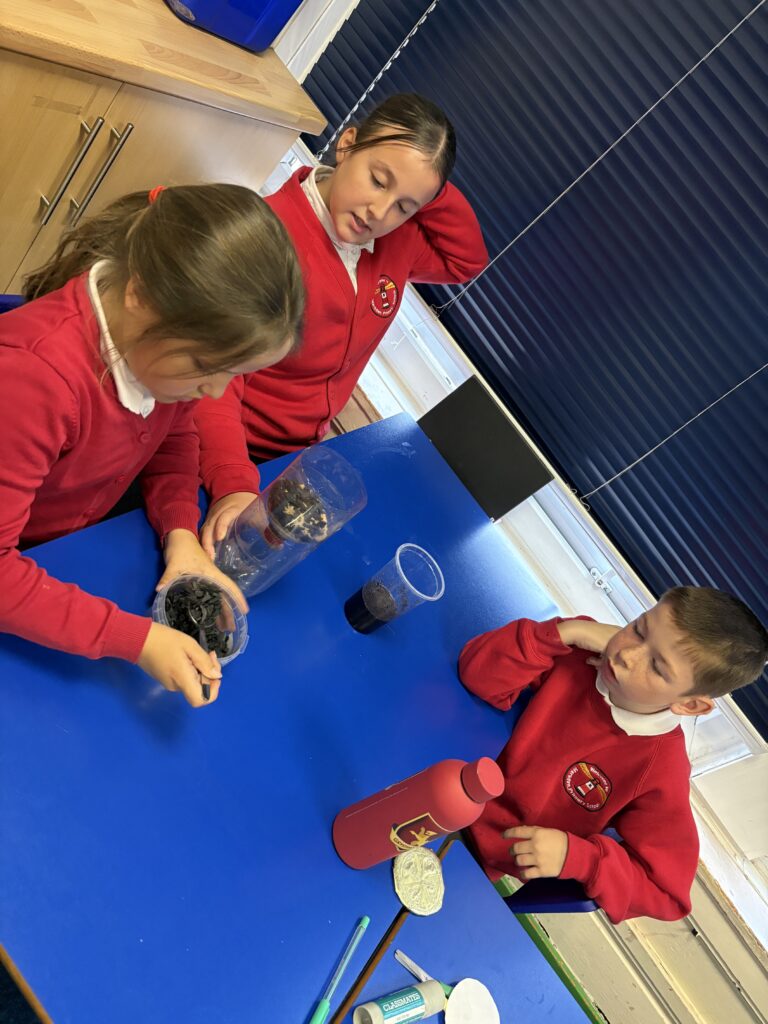
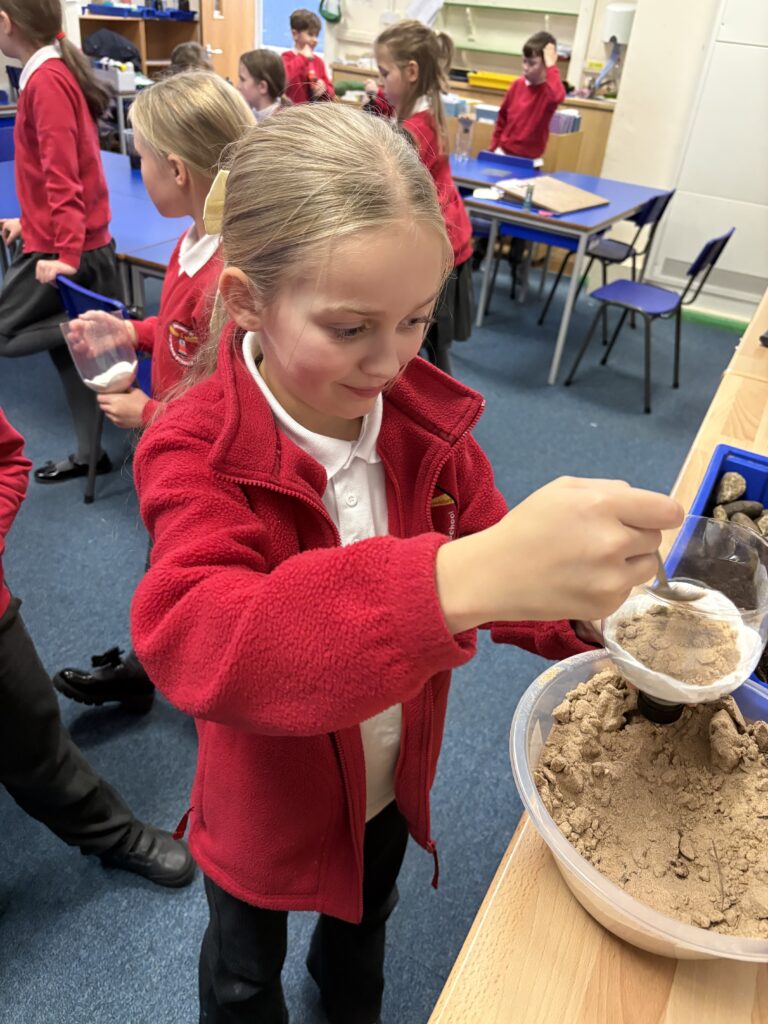
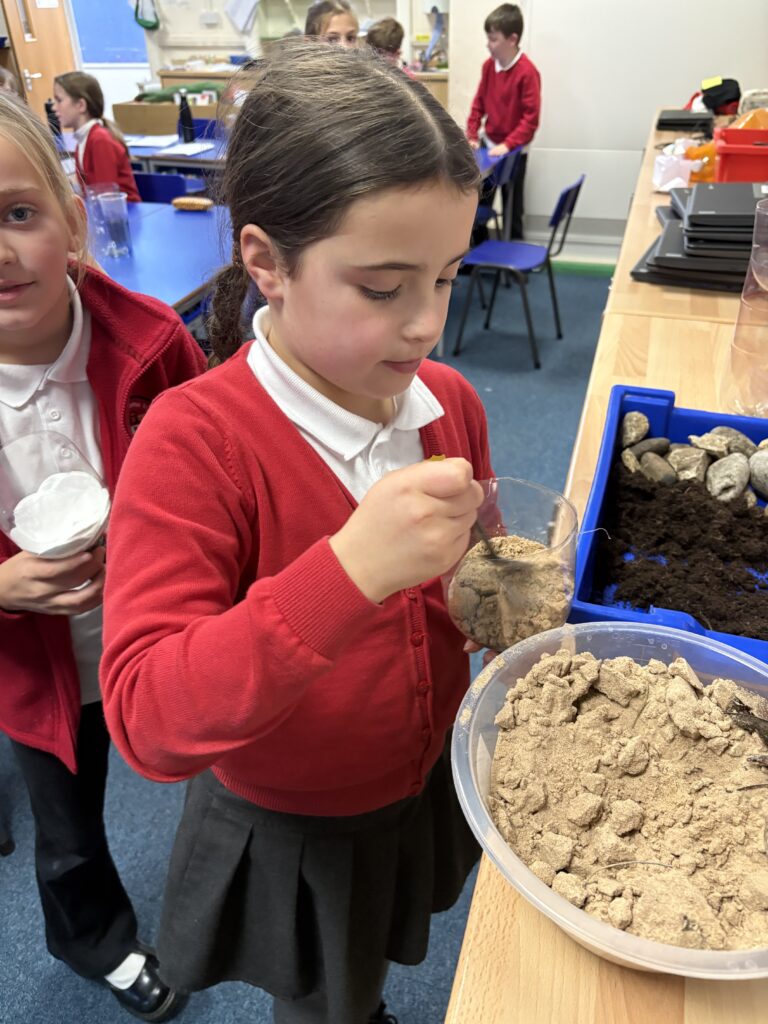
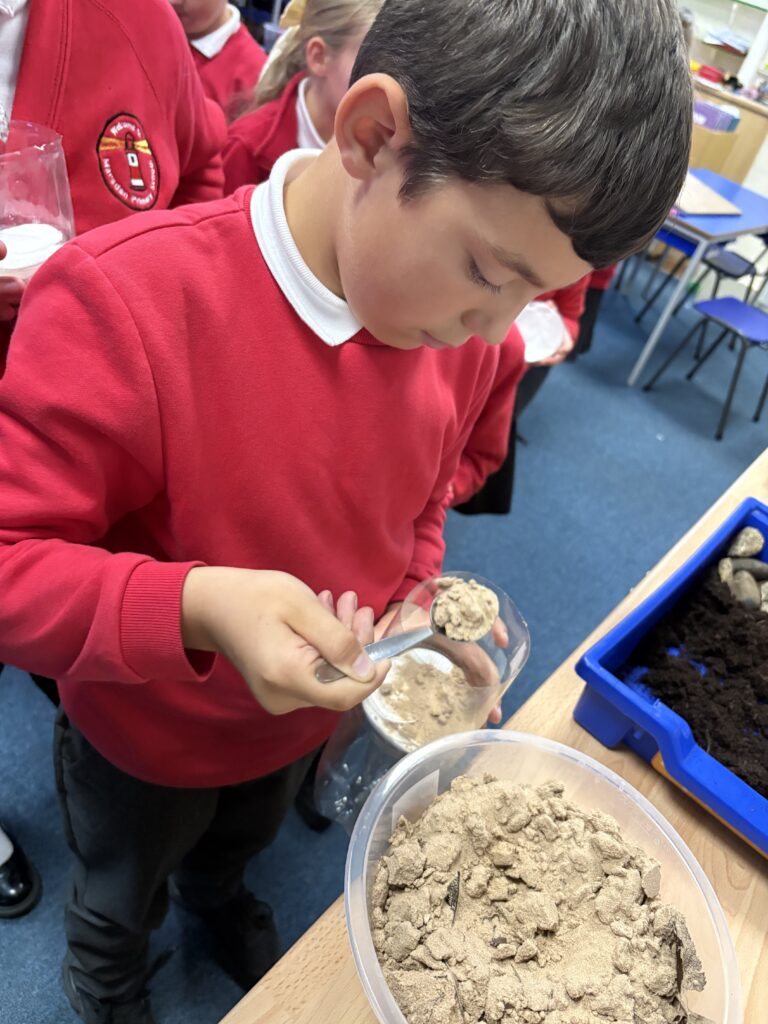
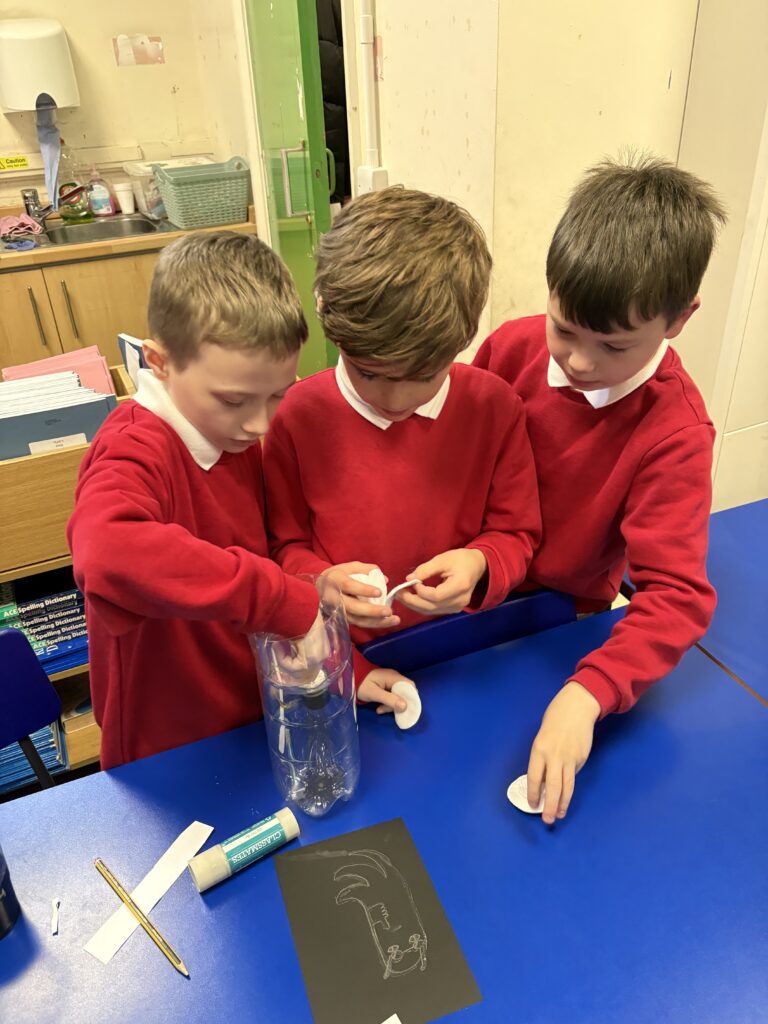
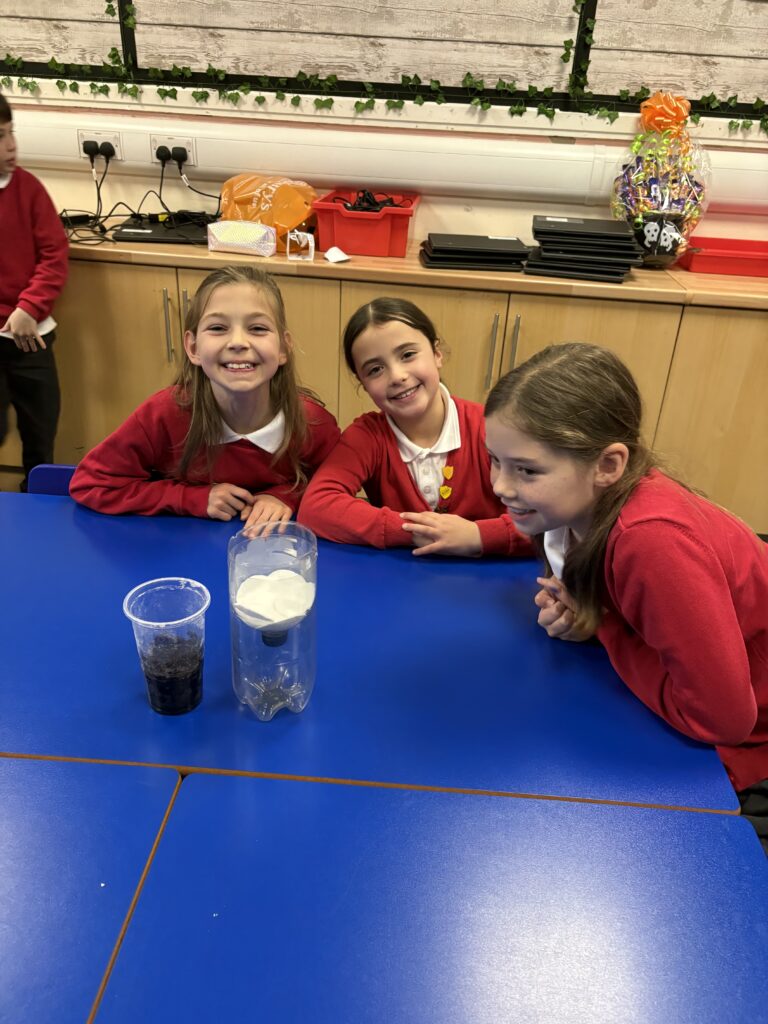
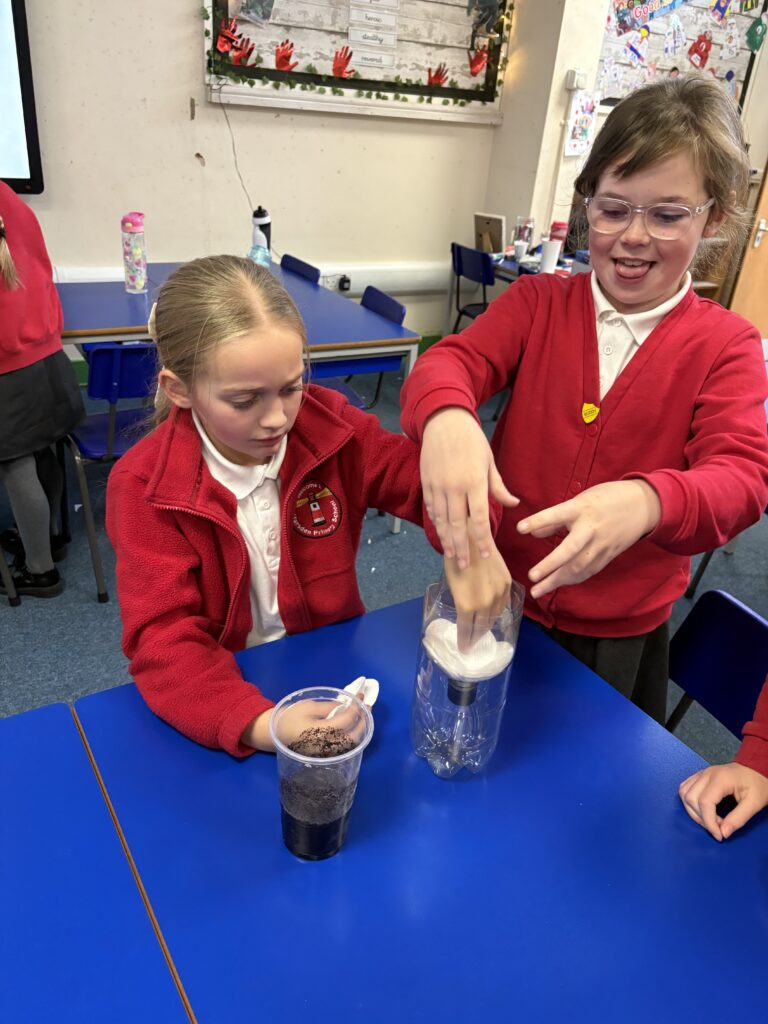
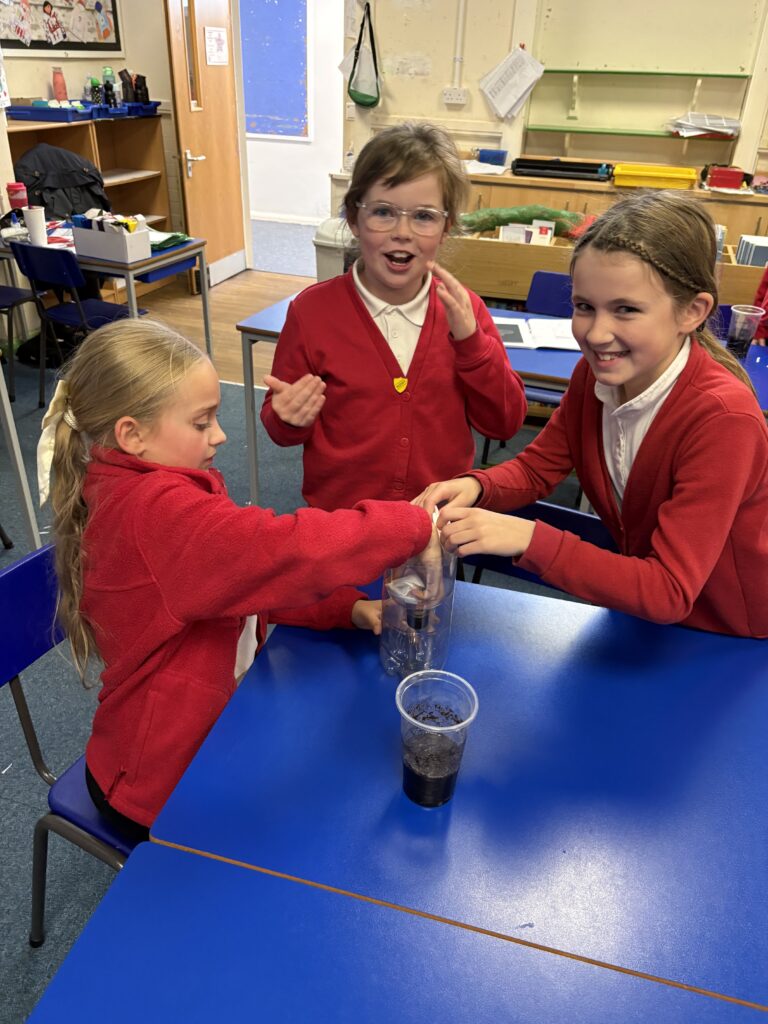
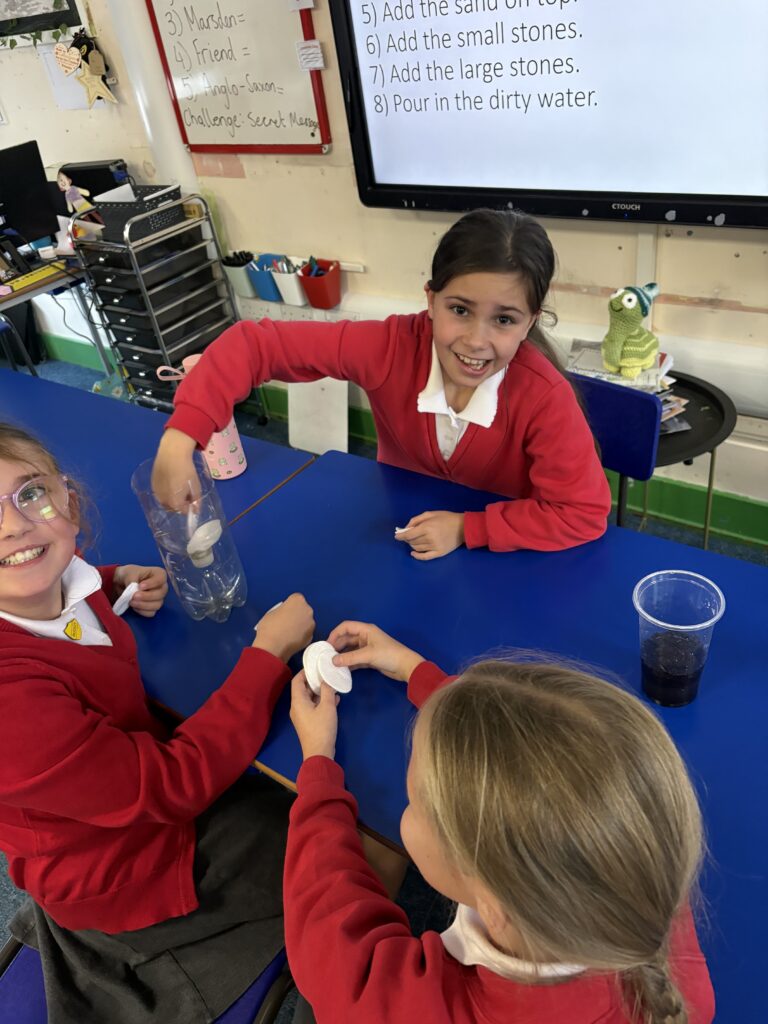
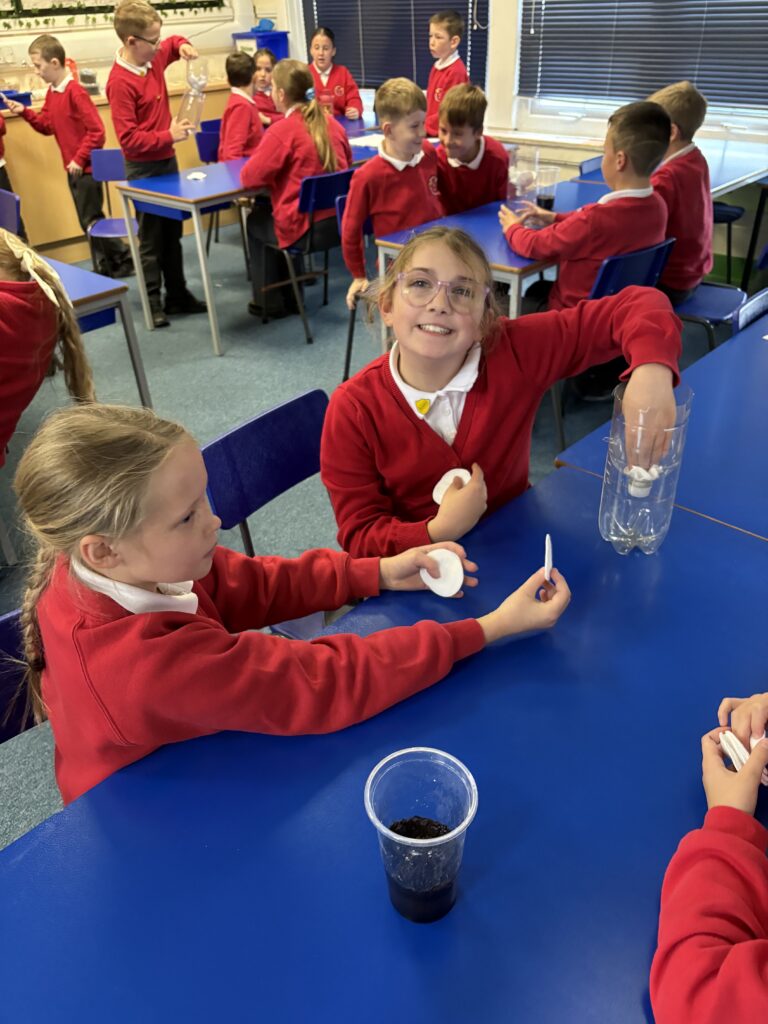
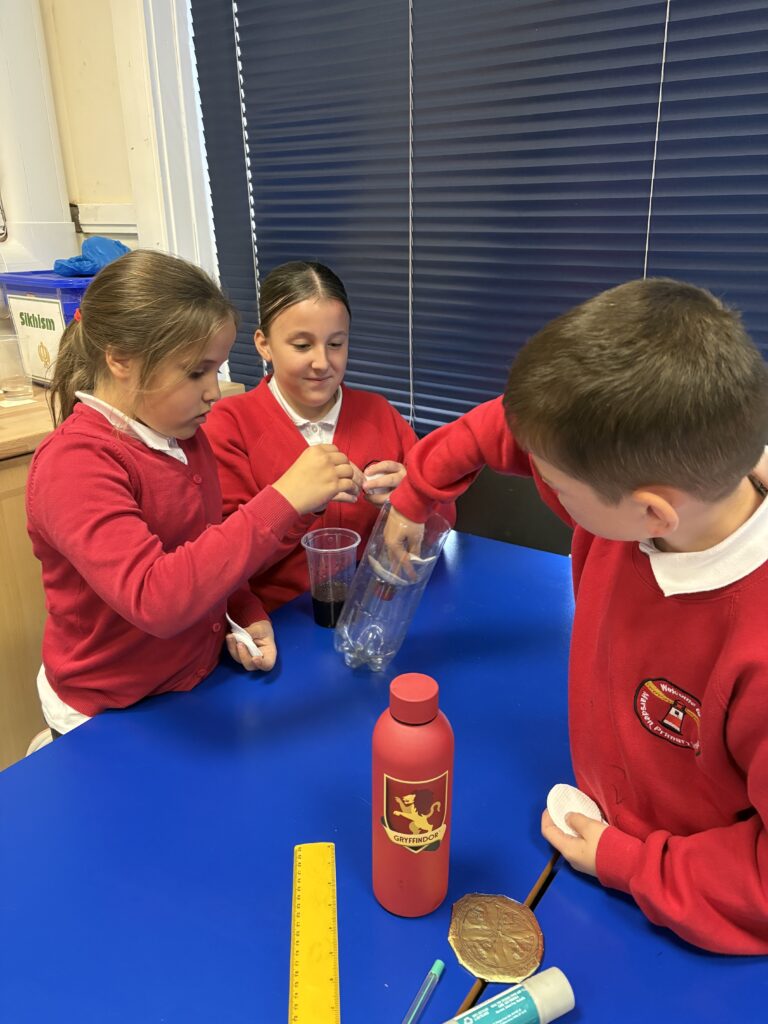
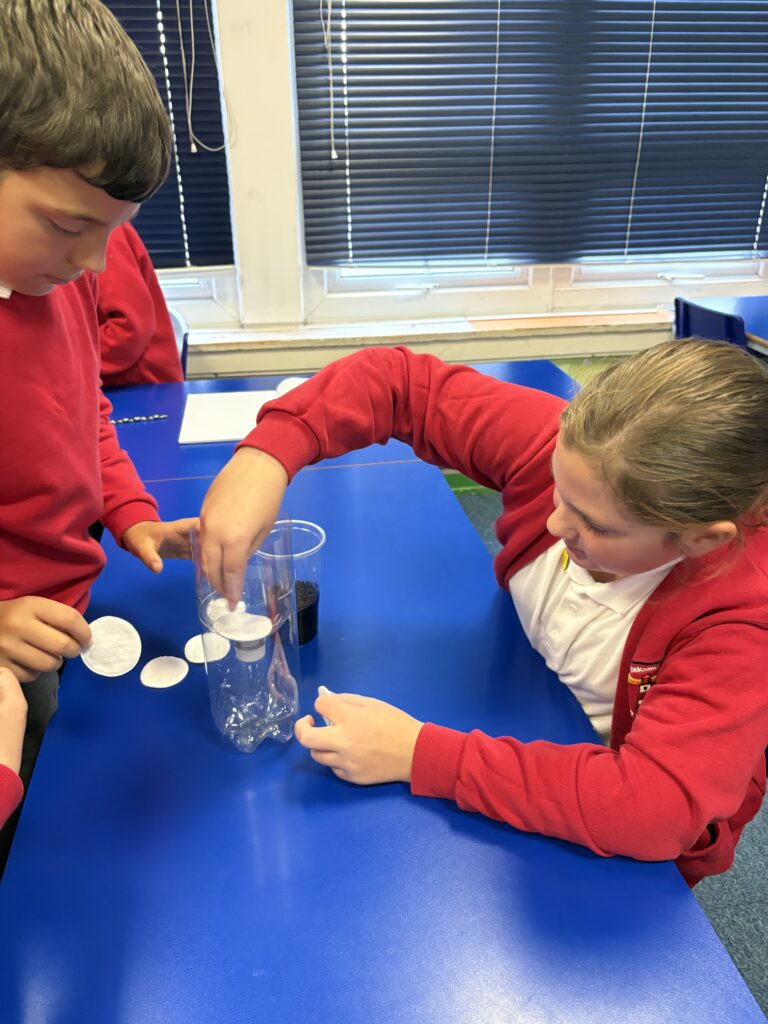
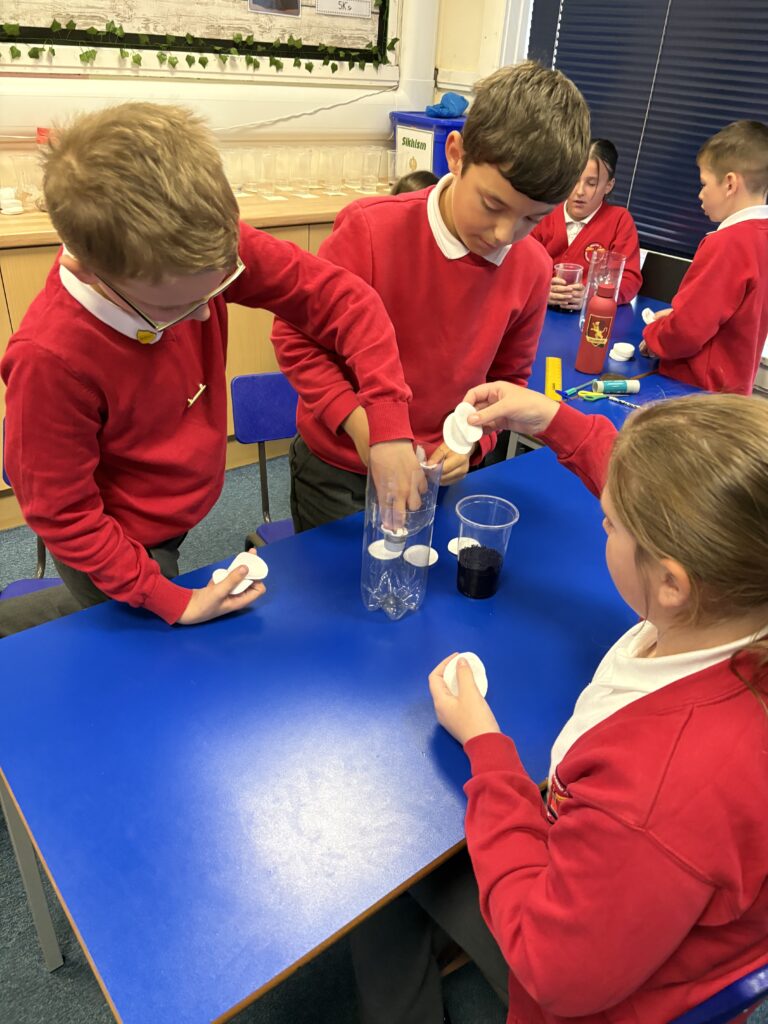
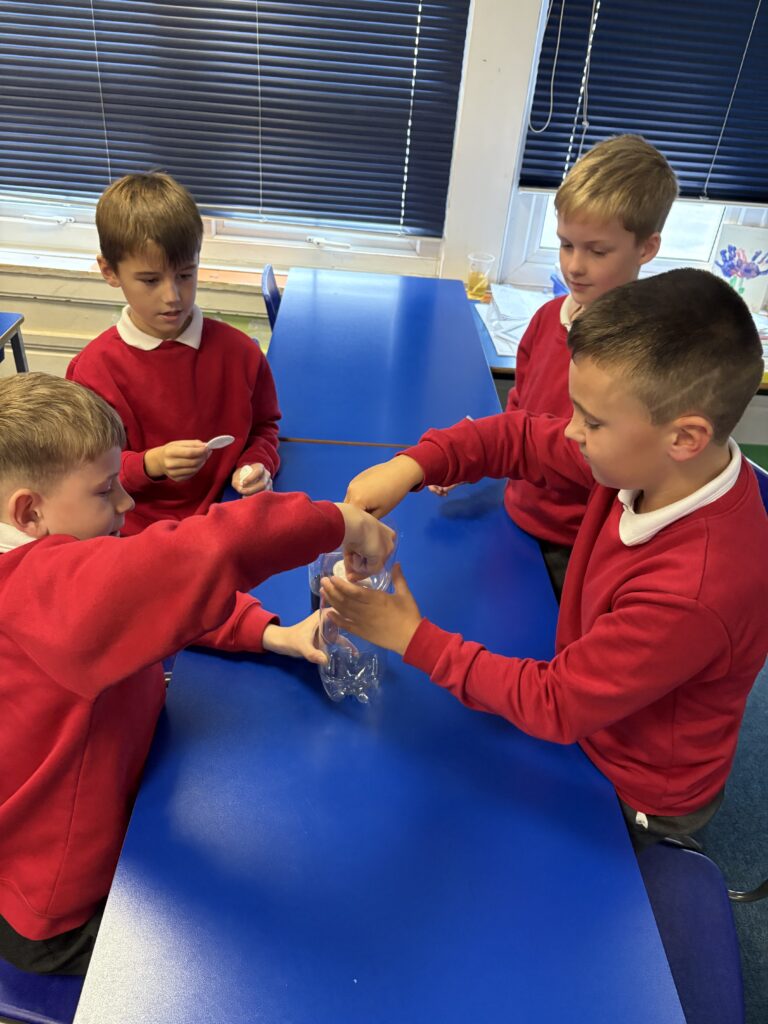
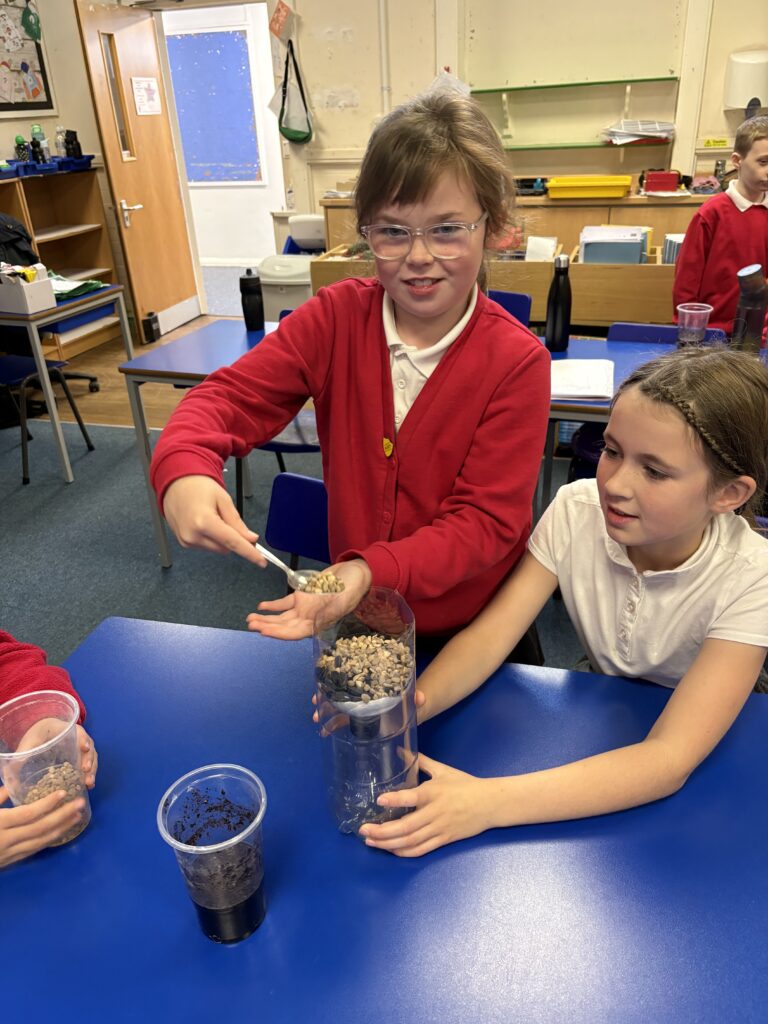
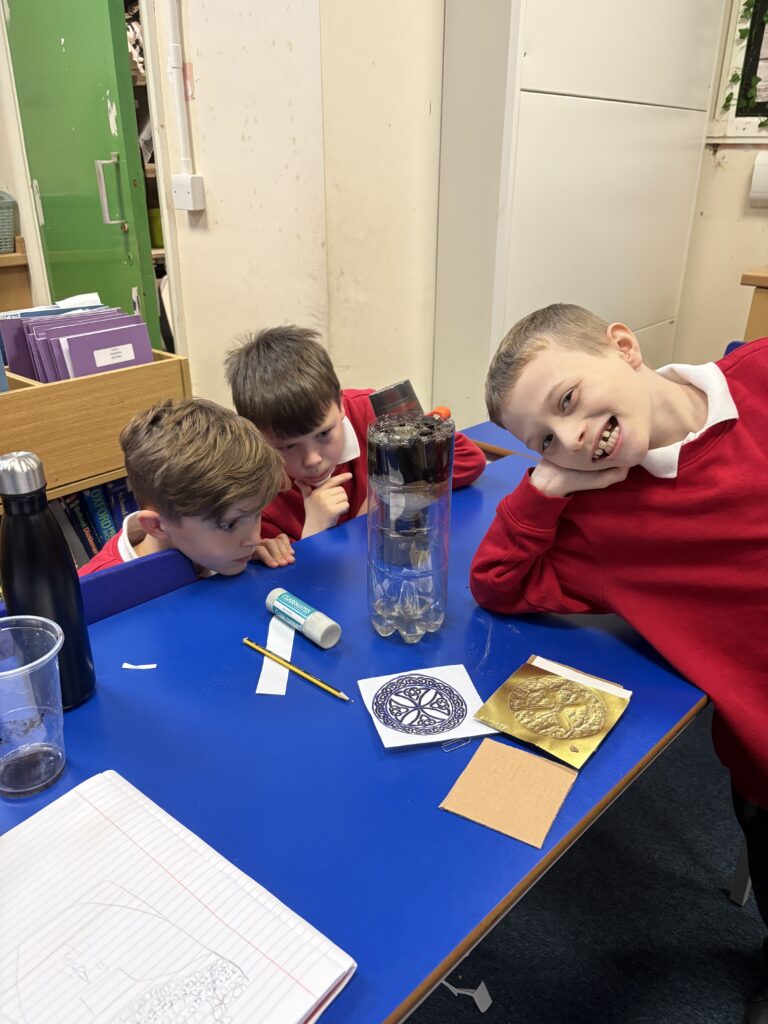
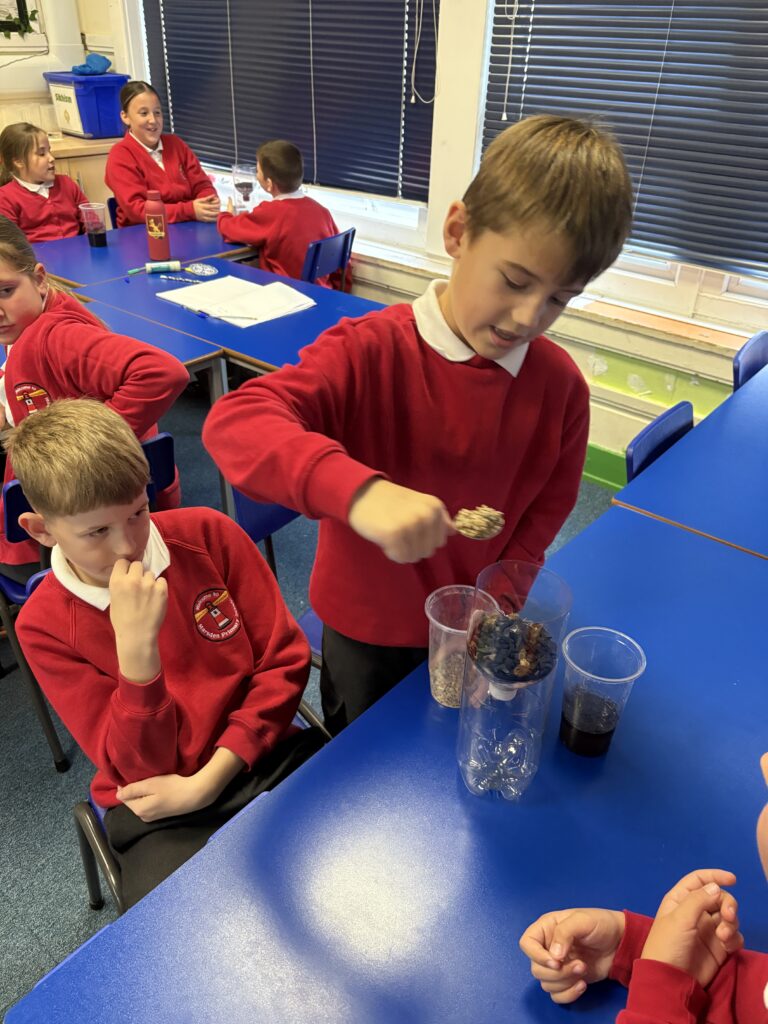
To carry on our learning of filtration, Y5 made their own filtration systems. We used pop bottles (which were kindly donated), cut them in half and poked holes in the lid. Then we added the layers talking about why each layer is needed.
The materials we used were cotton wool, charcoal, sand, small stones and then large stone. We were impressed by how clean it made the water!
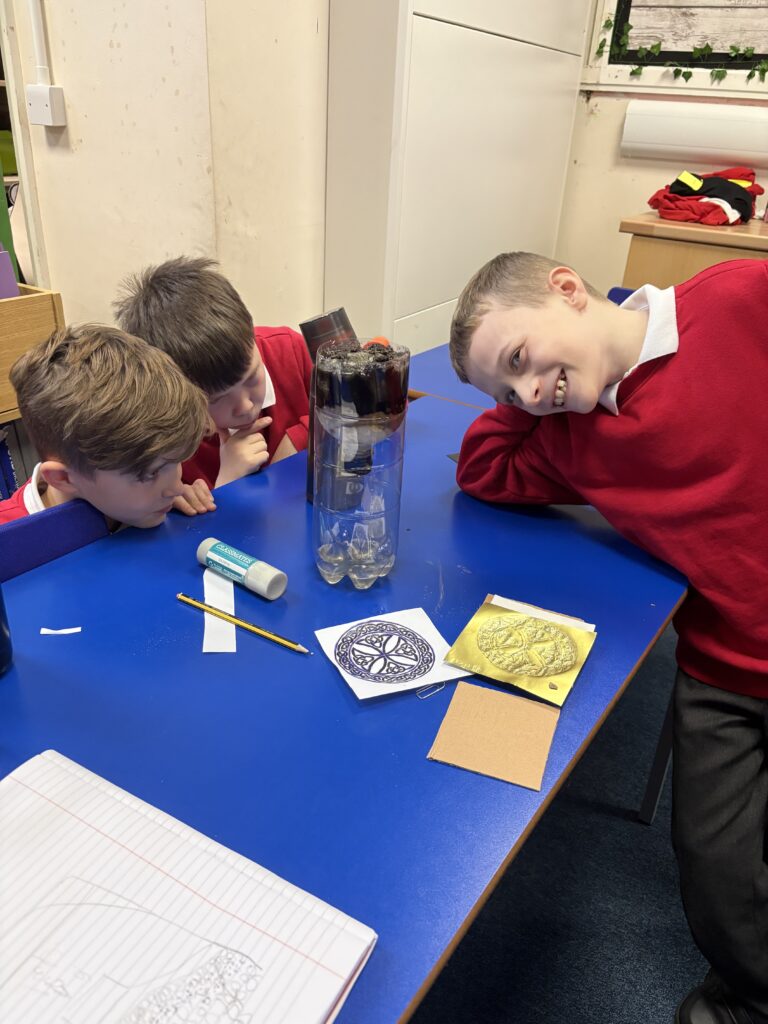
Warning! Do not drink the water if you try this at home
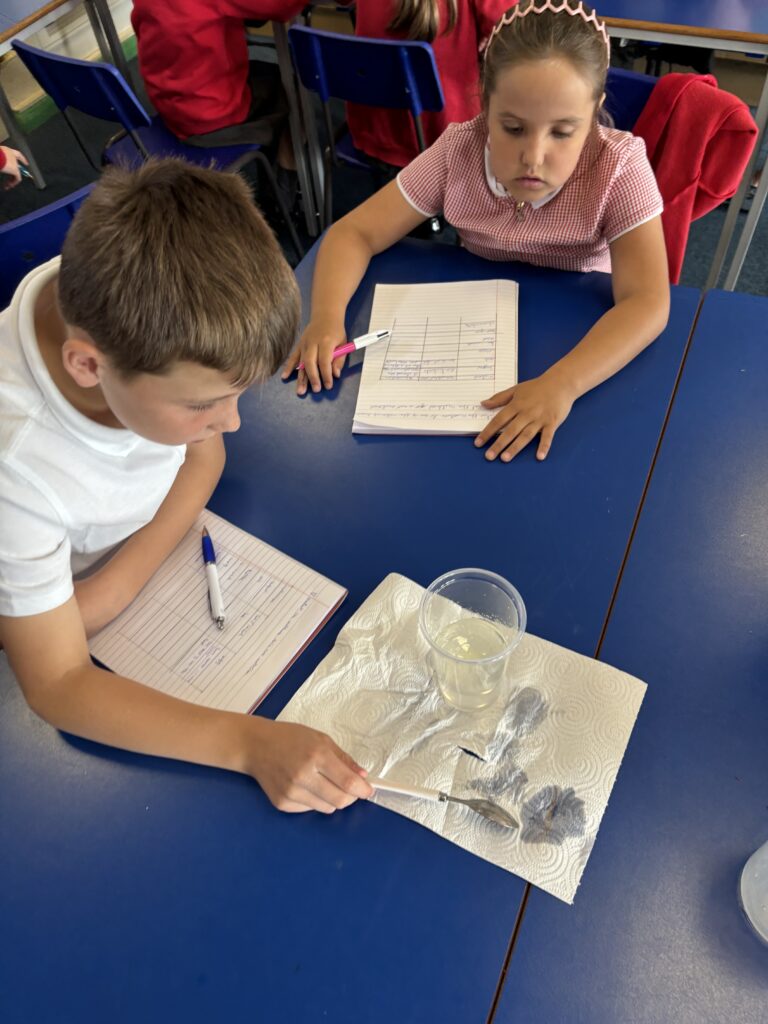
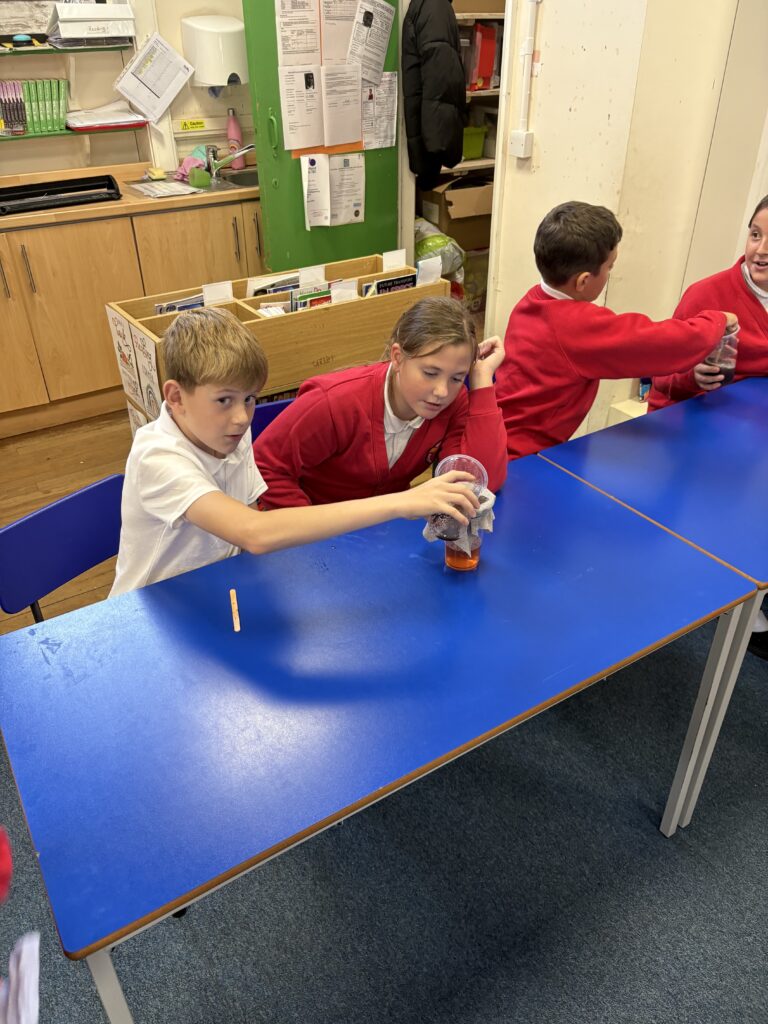
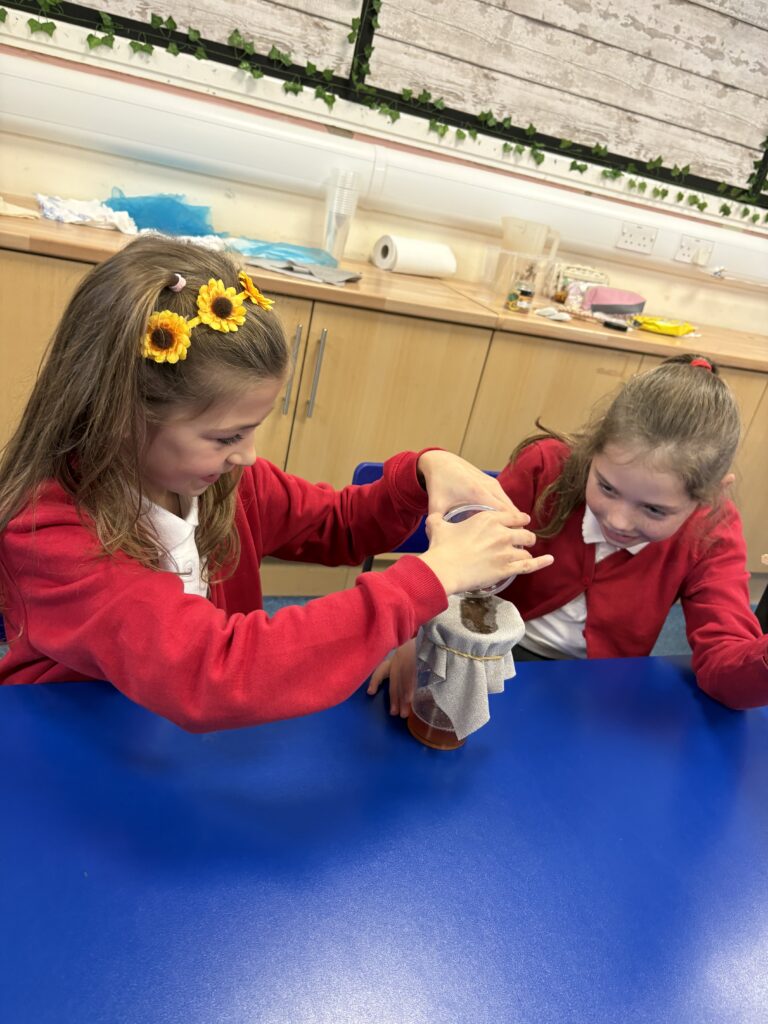
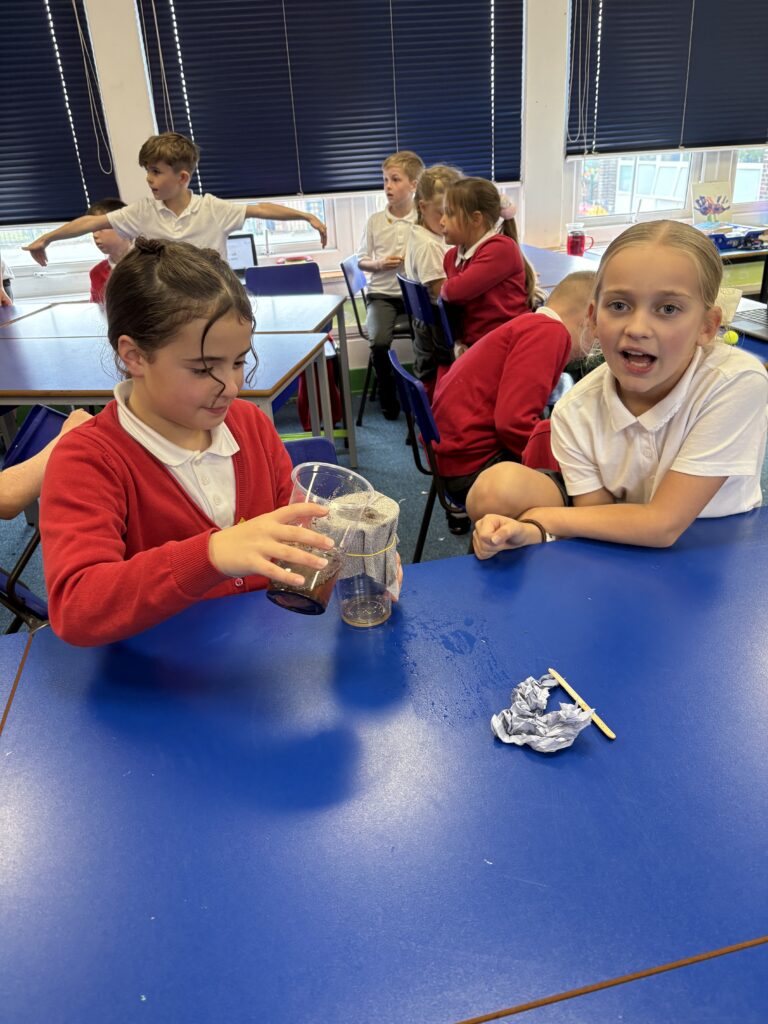
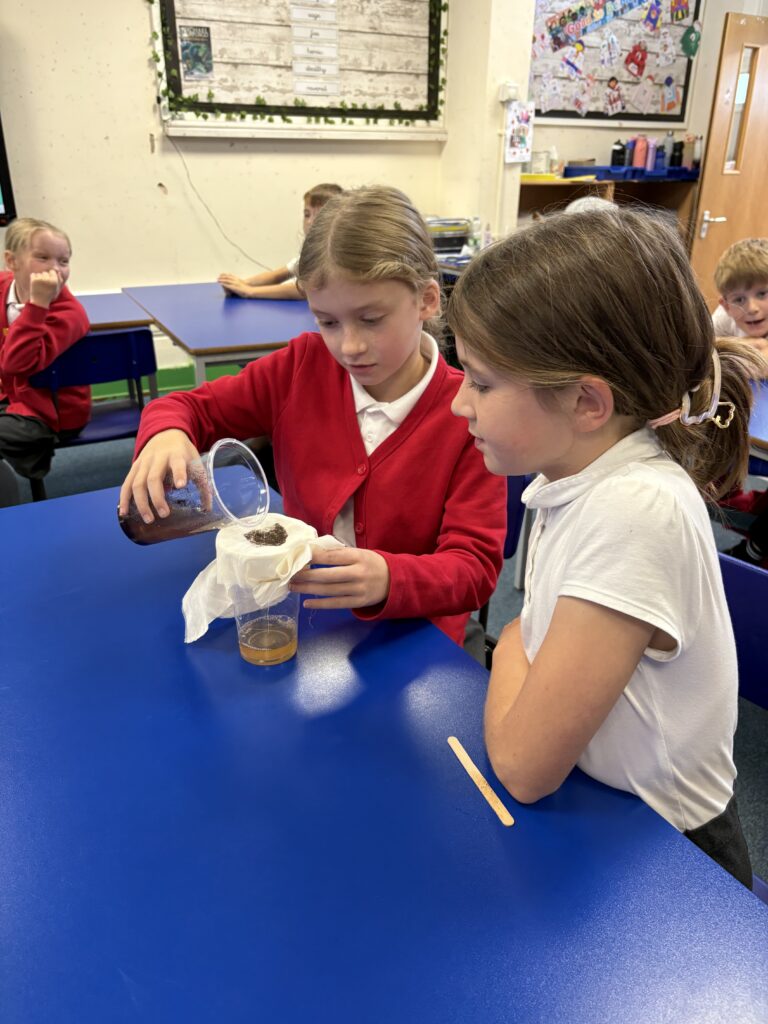
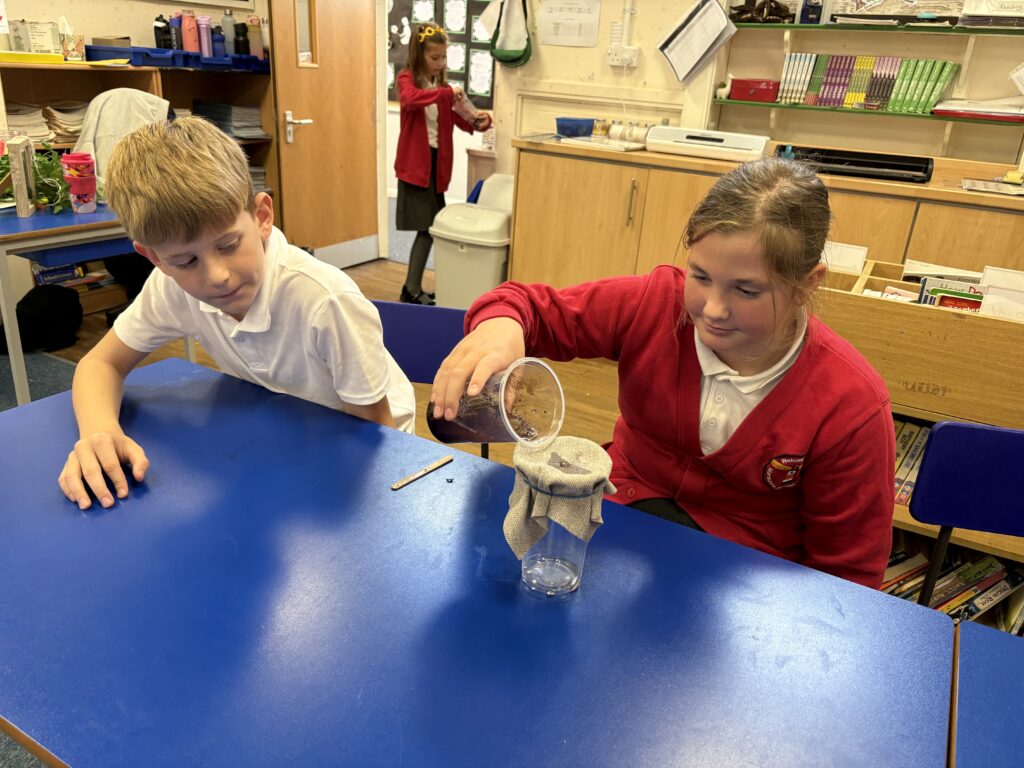
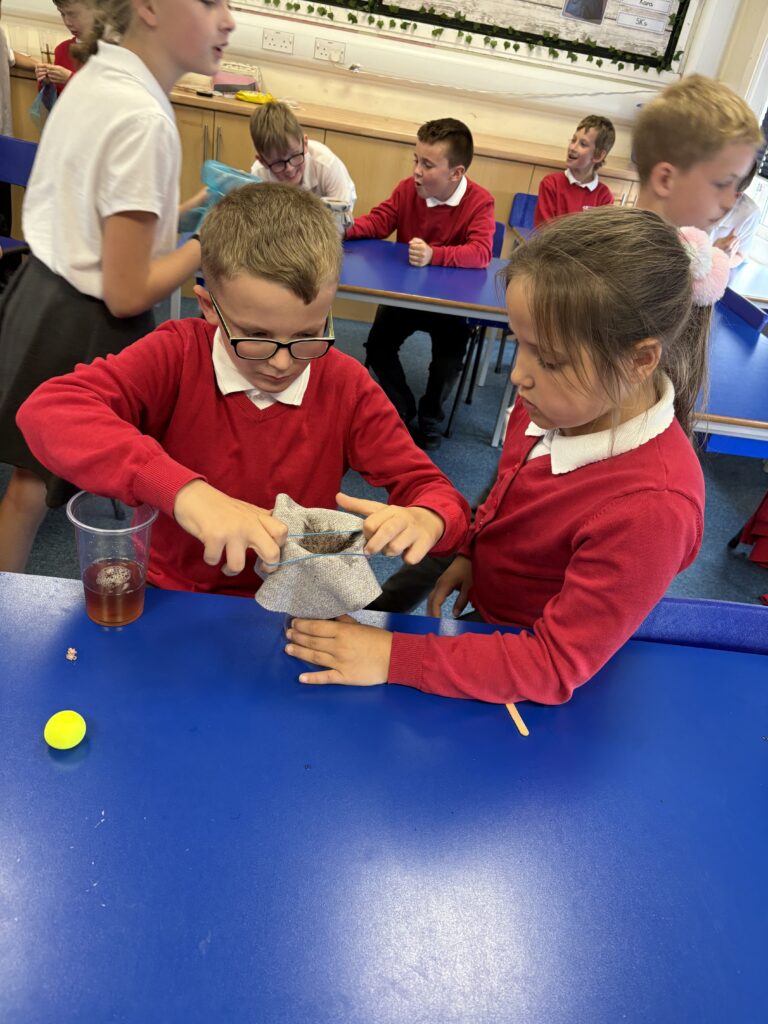
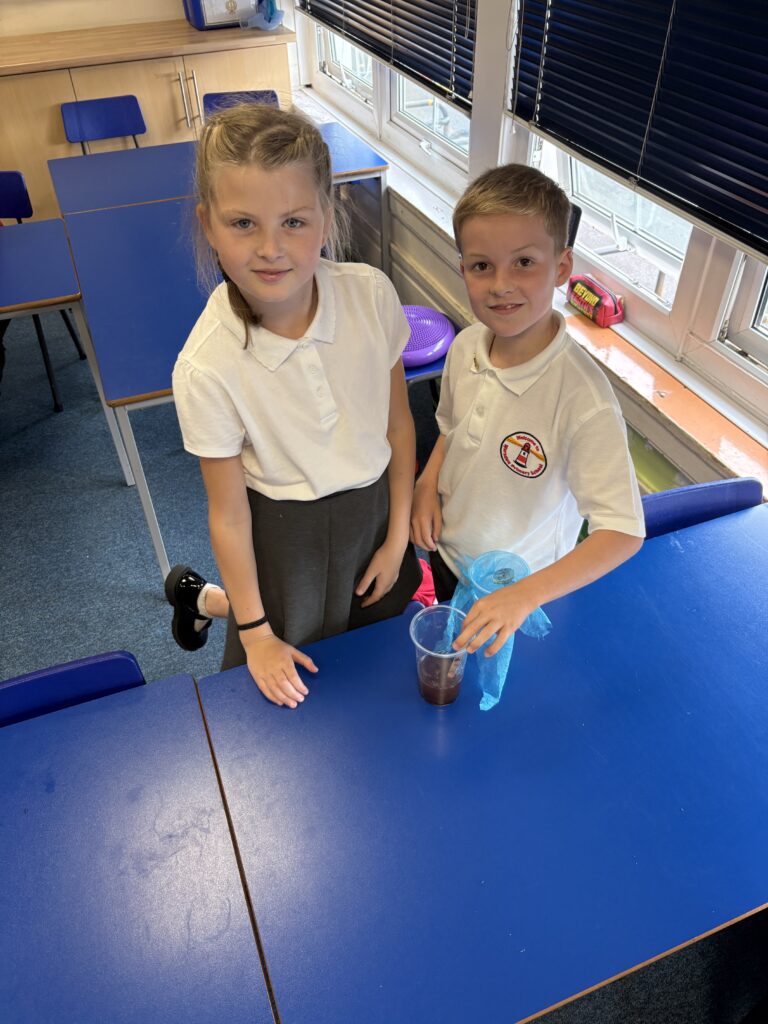
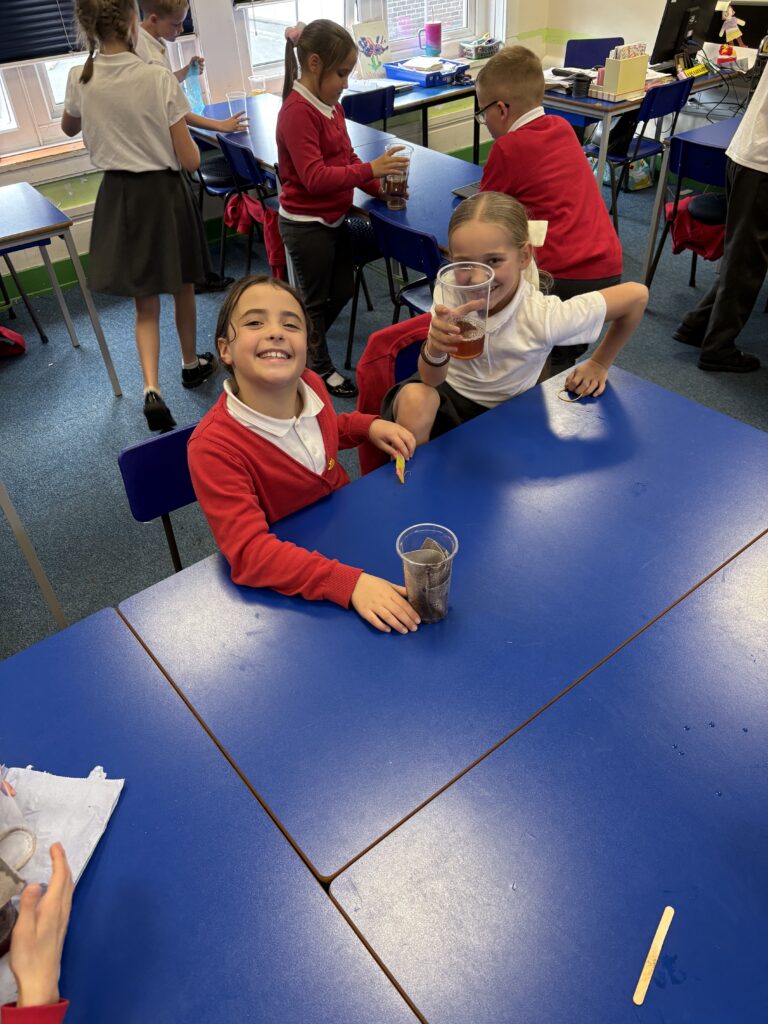
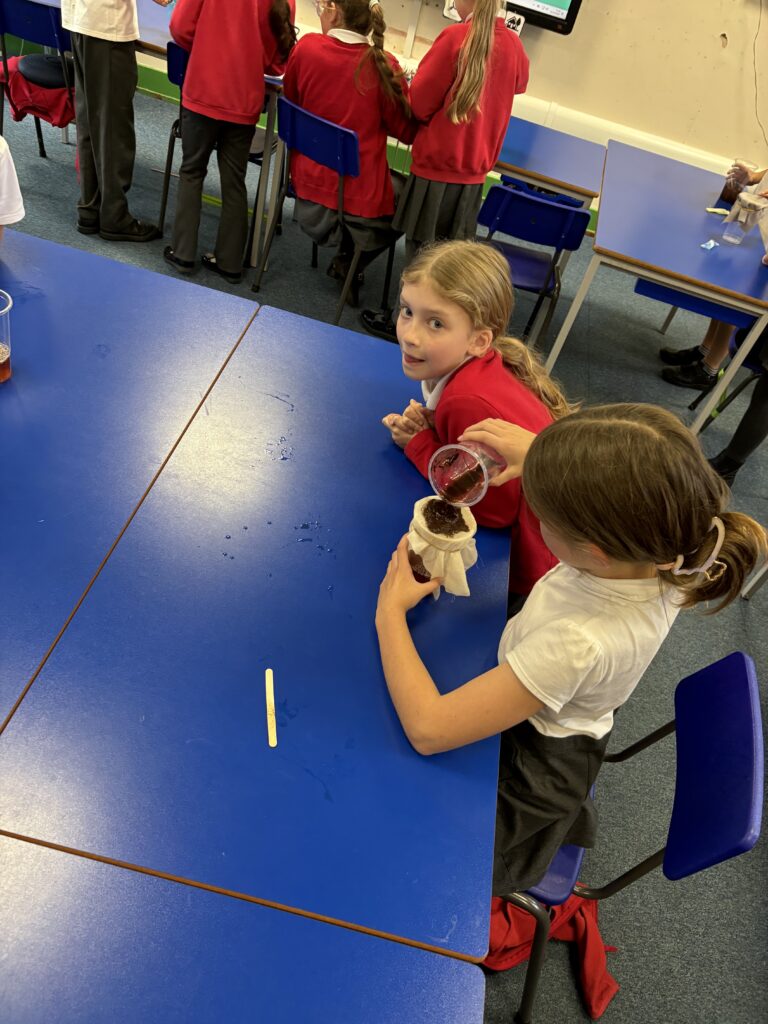
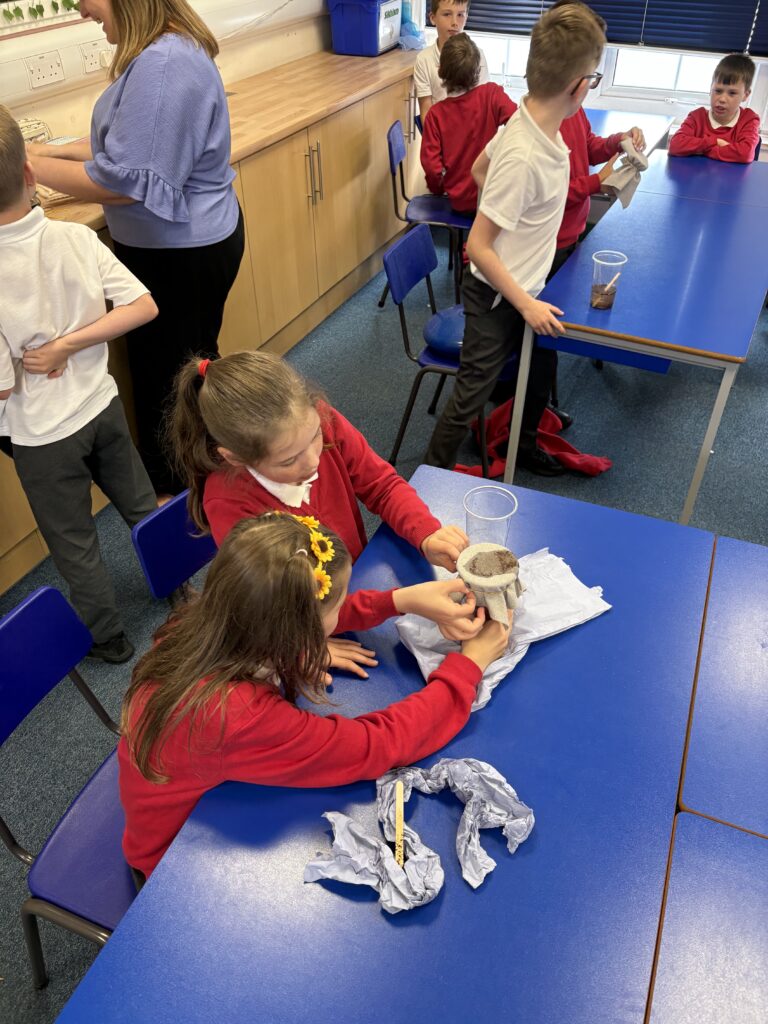
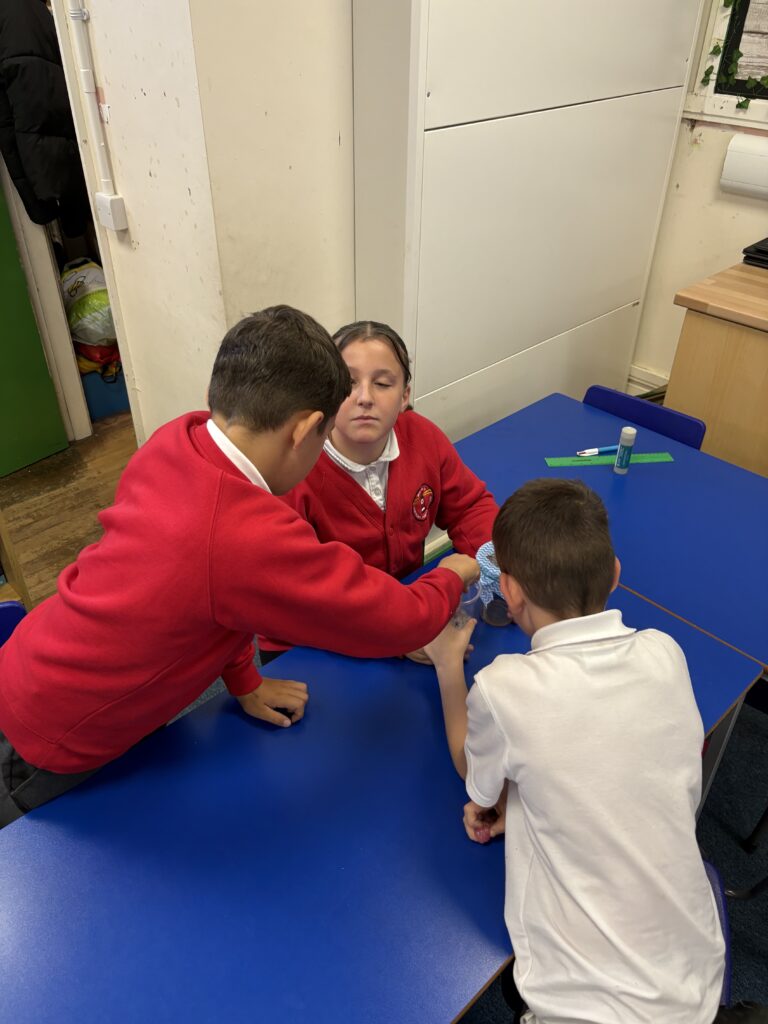
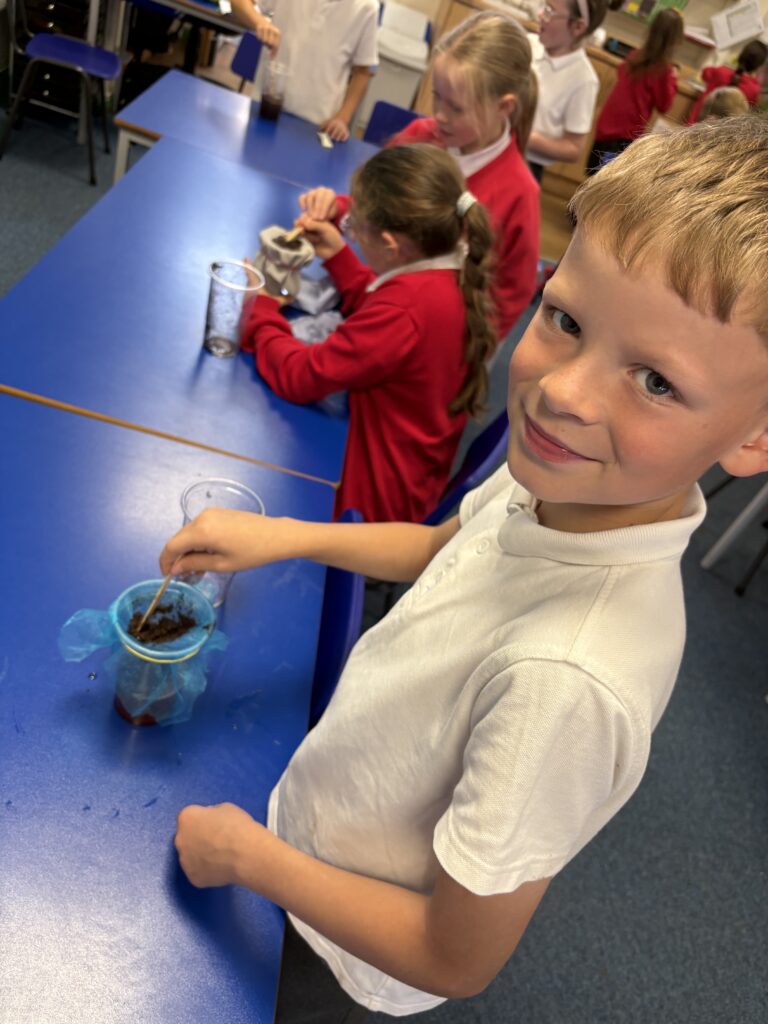
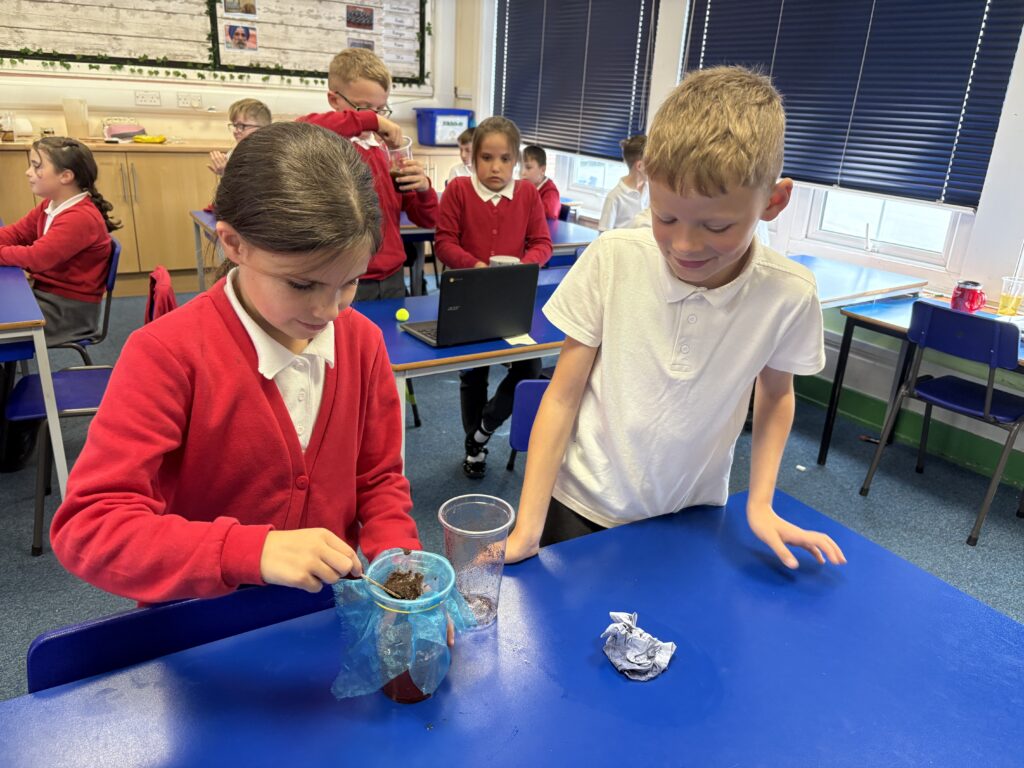
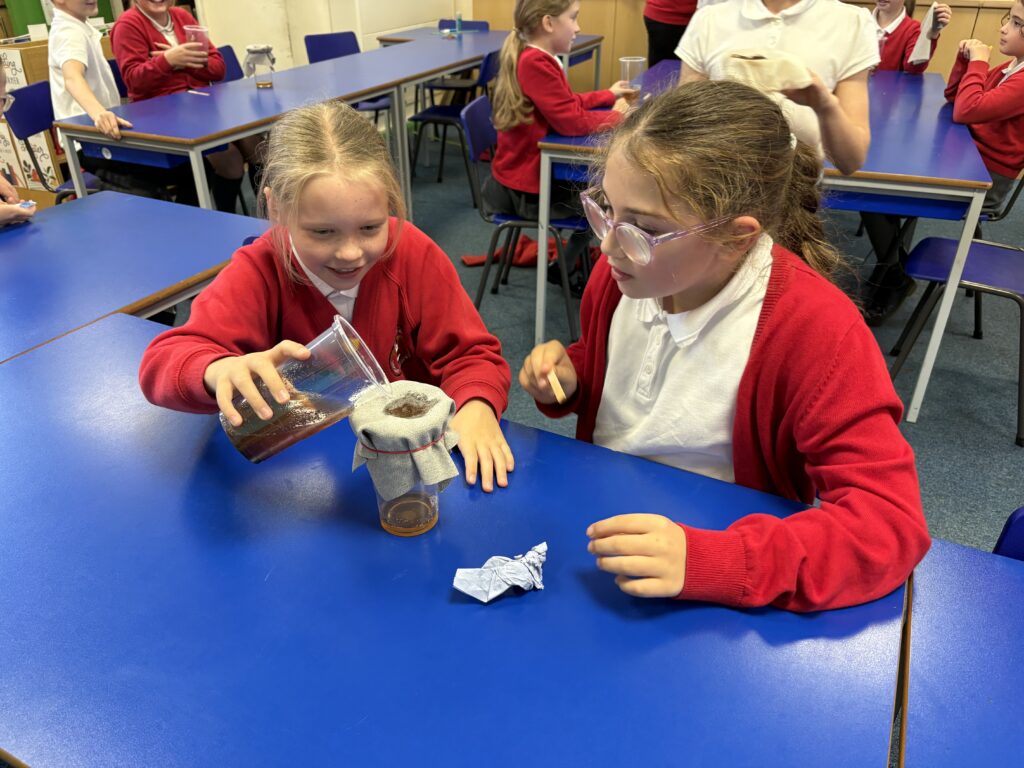
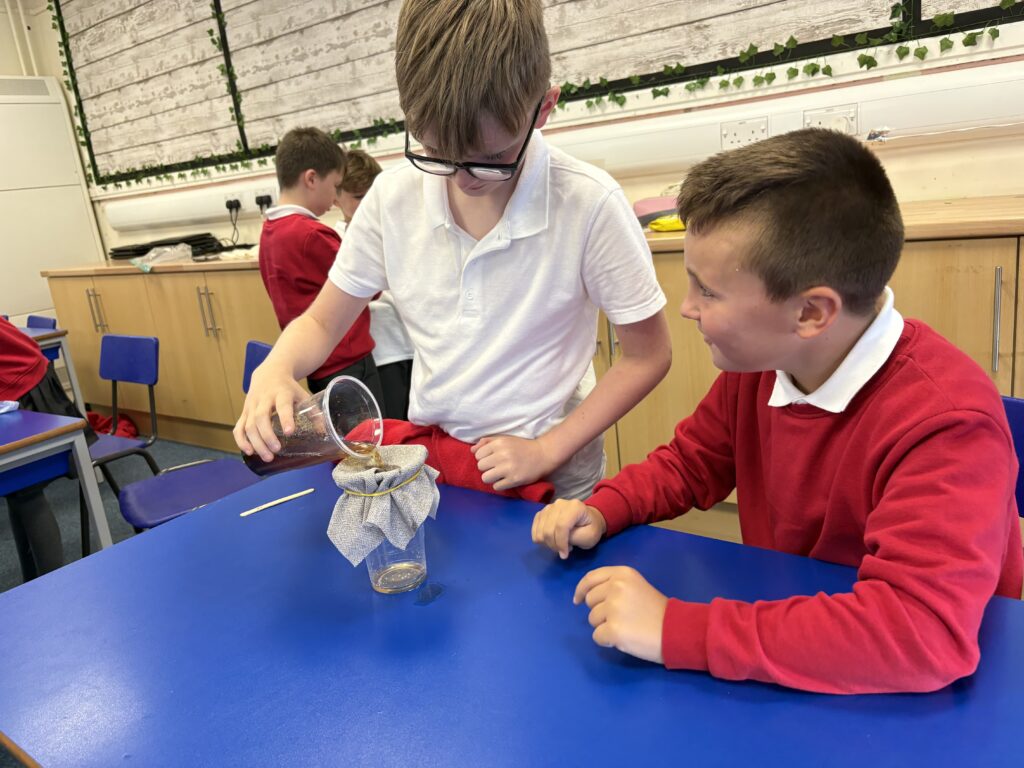
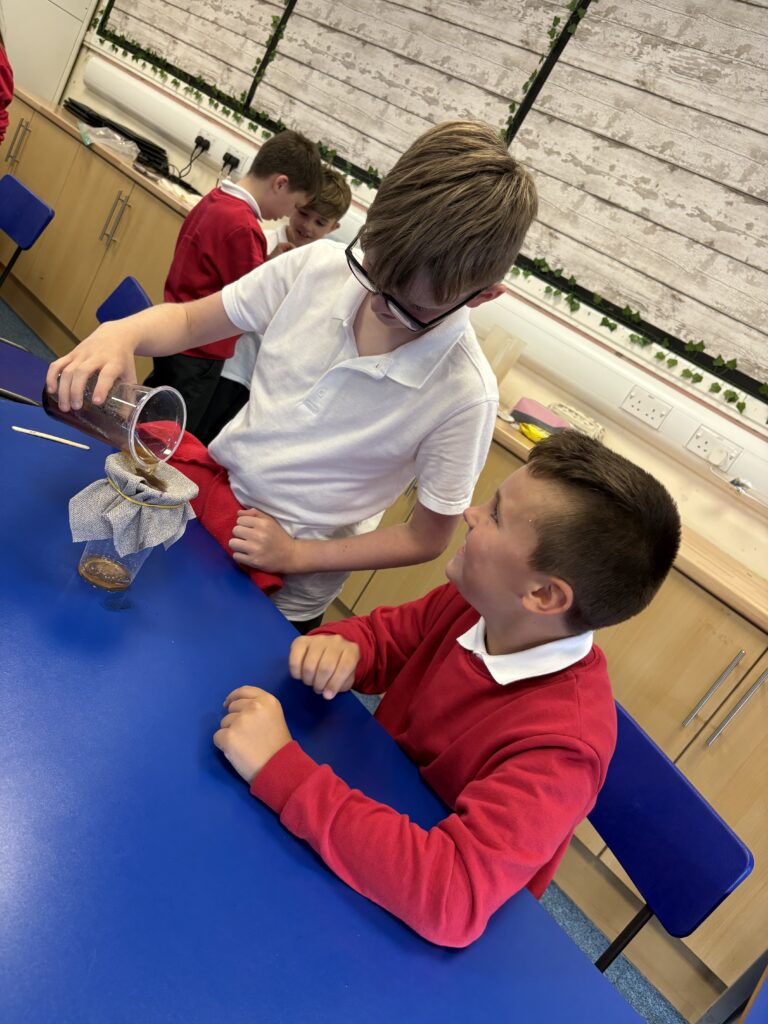
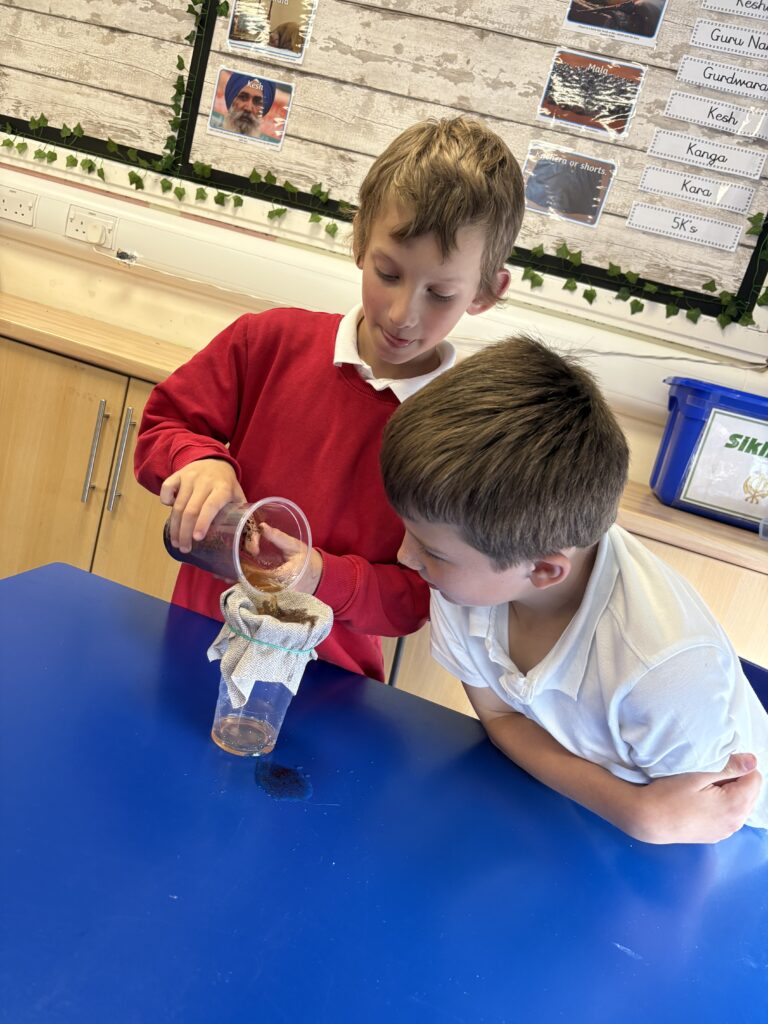
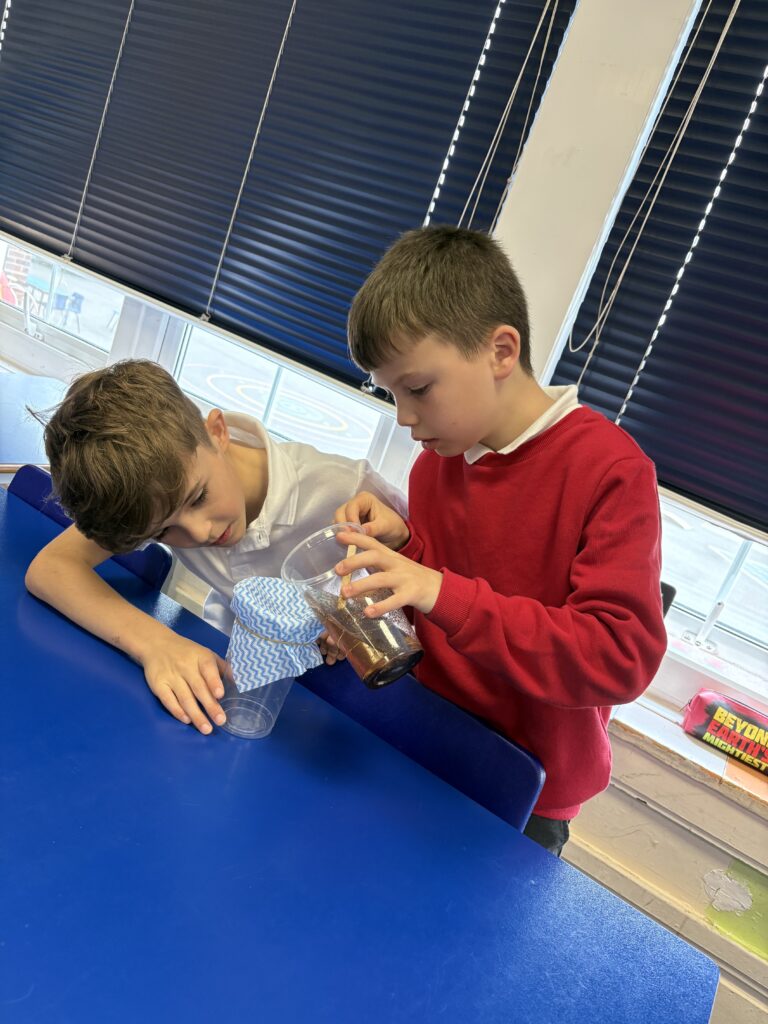
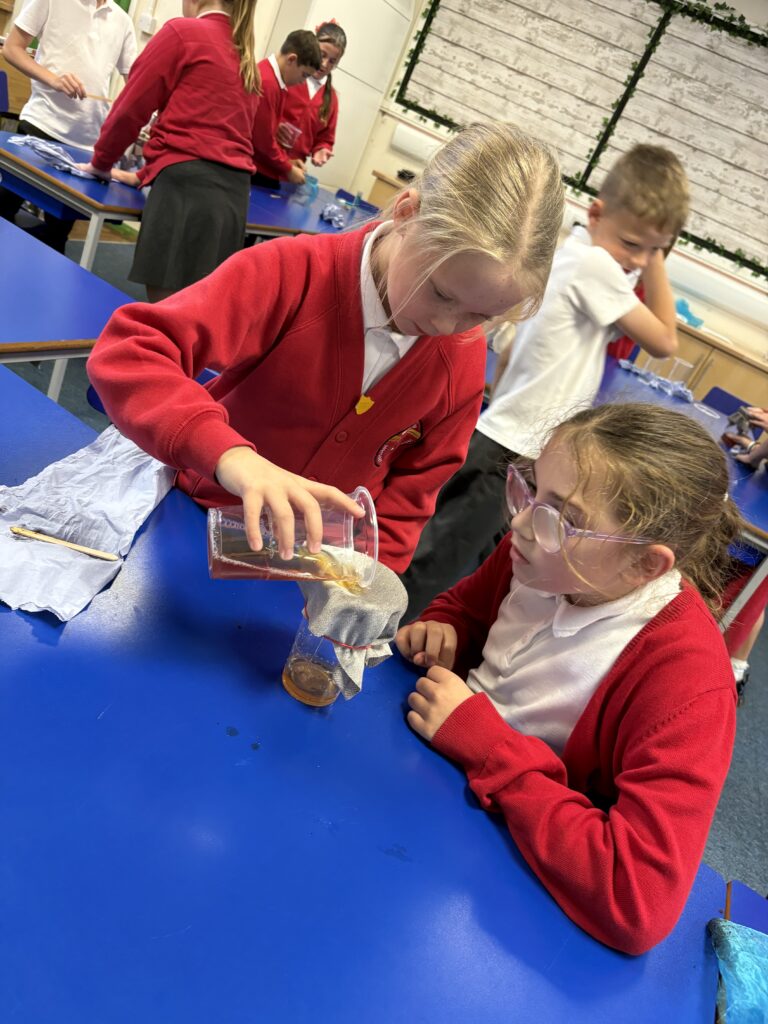
Today, Y5 carried out an experiment to explore the process of filtration to try and separate an insoluble material (tea leaves) from a solvent (water). The children had a variety of different materials to use as filters and we discovered that some were more successful than others. Material with very small holes such as woven fabric acted as a good filter and resulted in very few leaves getting through the material. We called what was left in the material the residue.
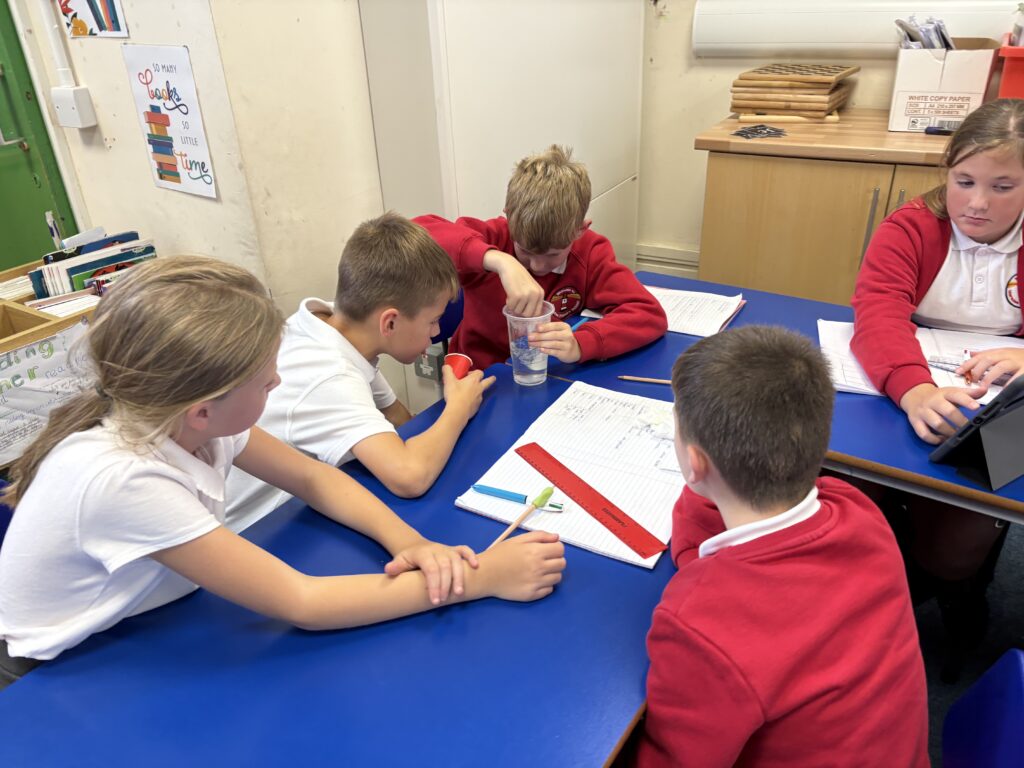
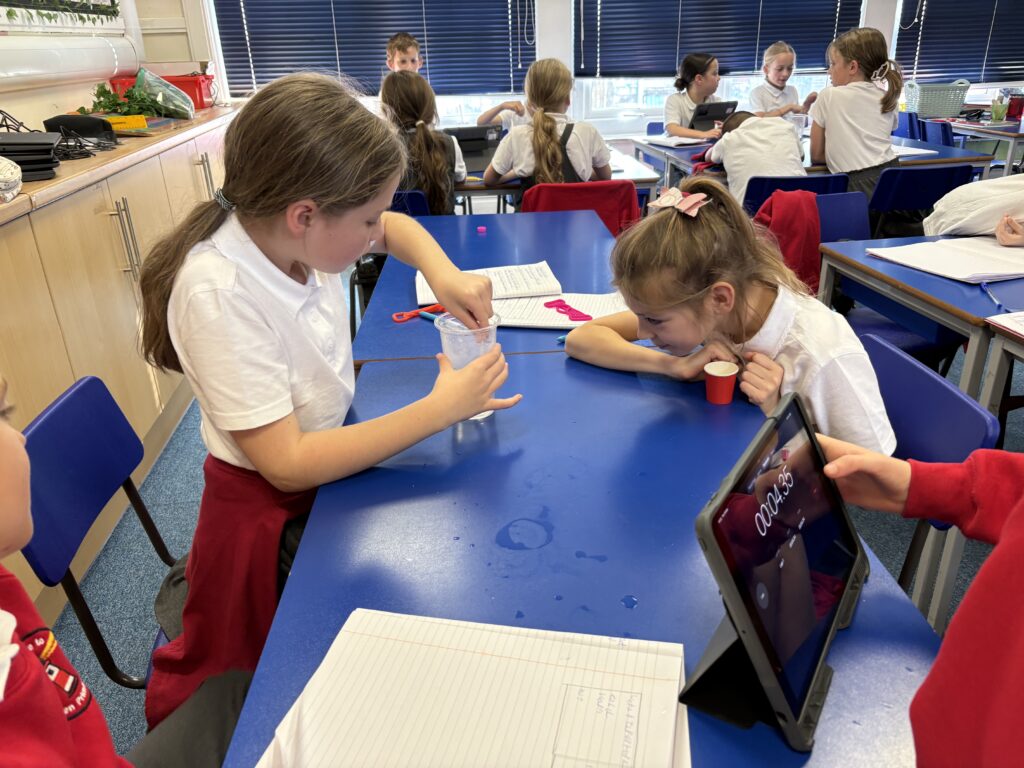
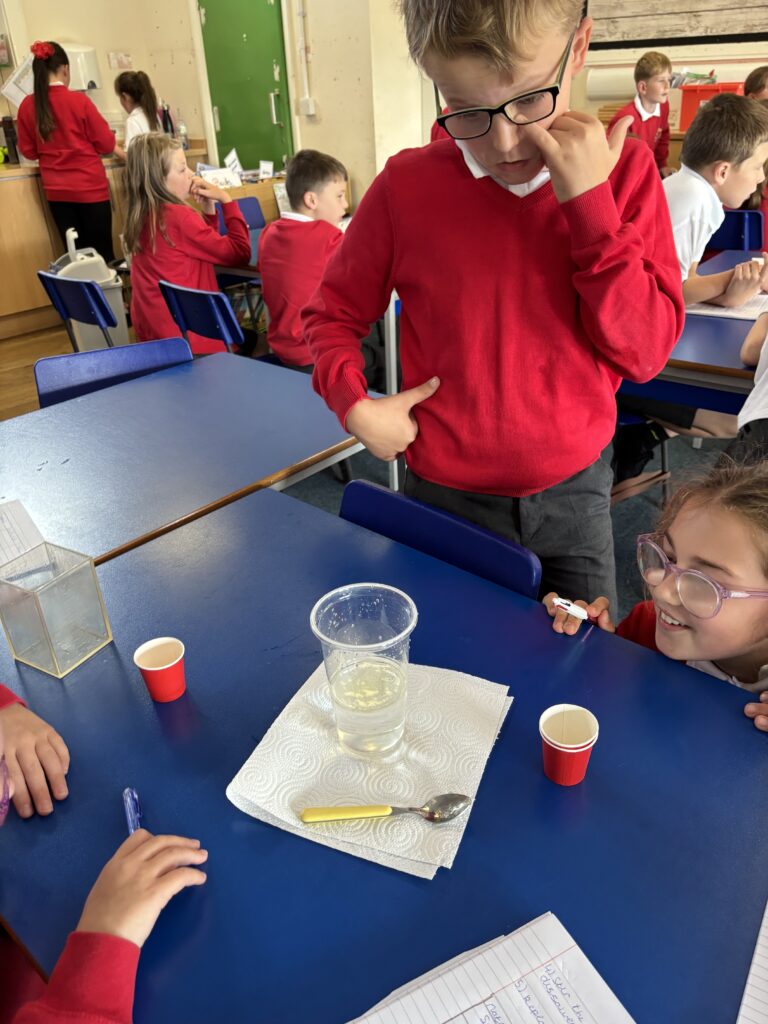
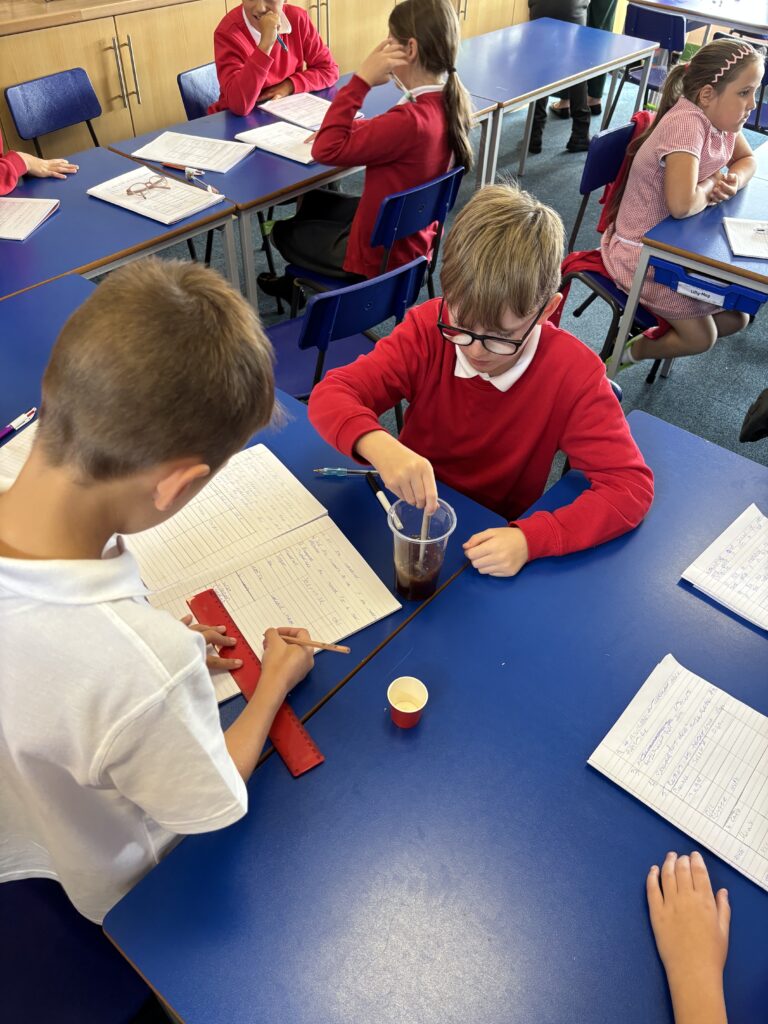
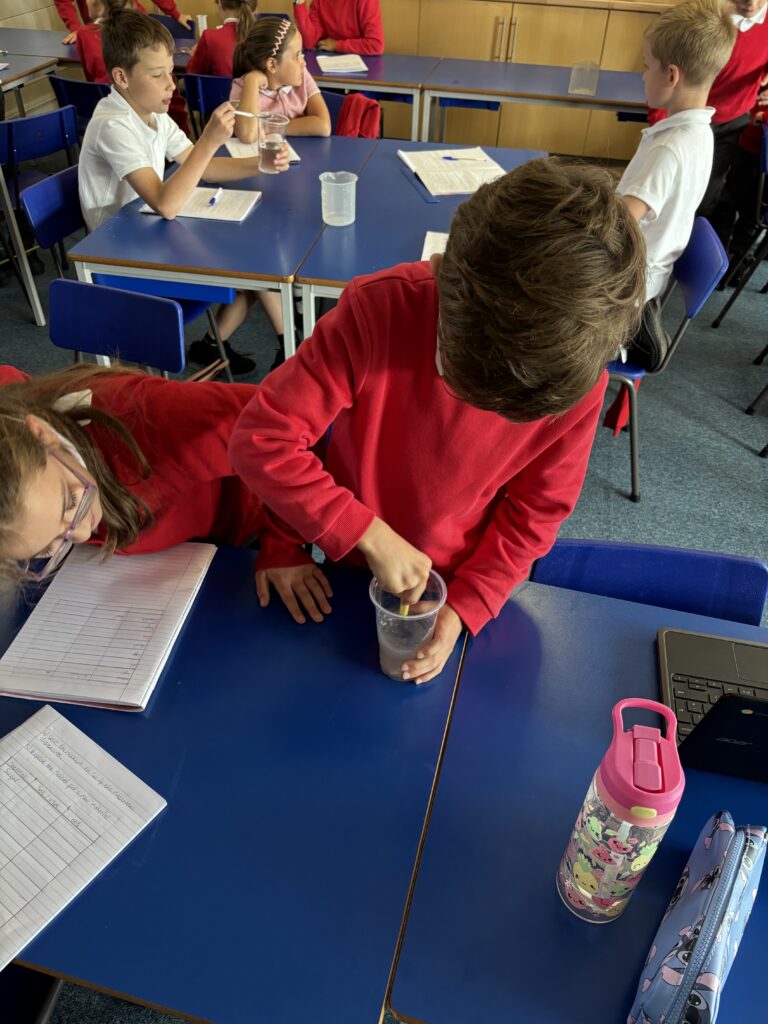
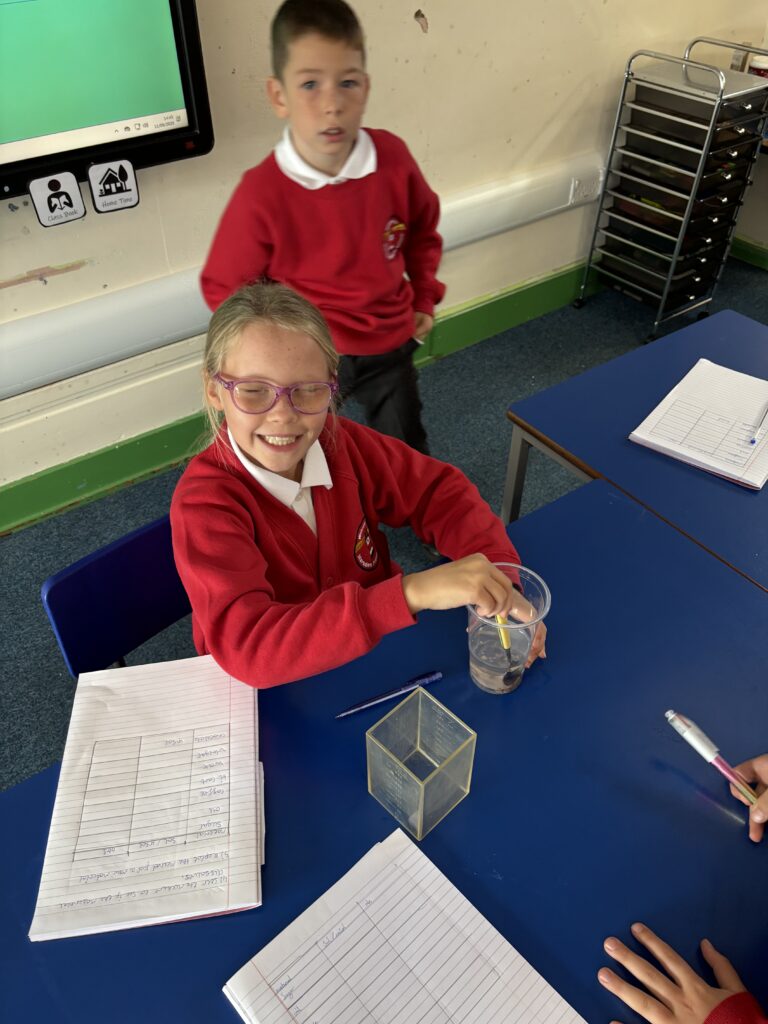
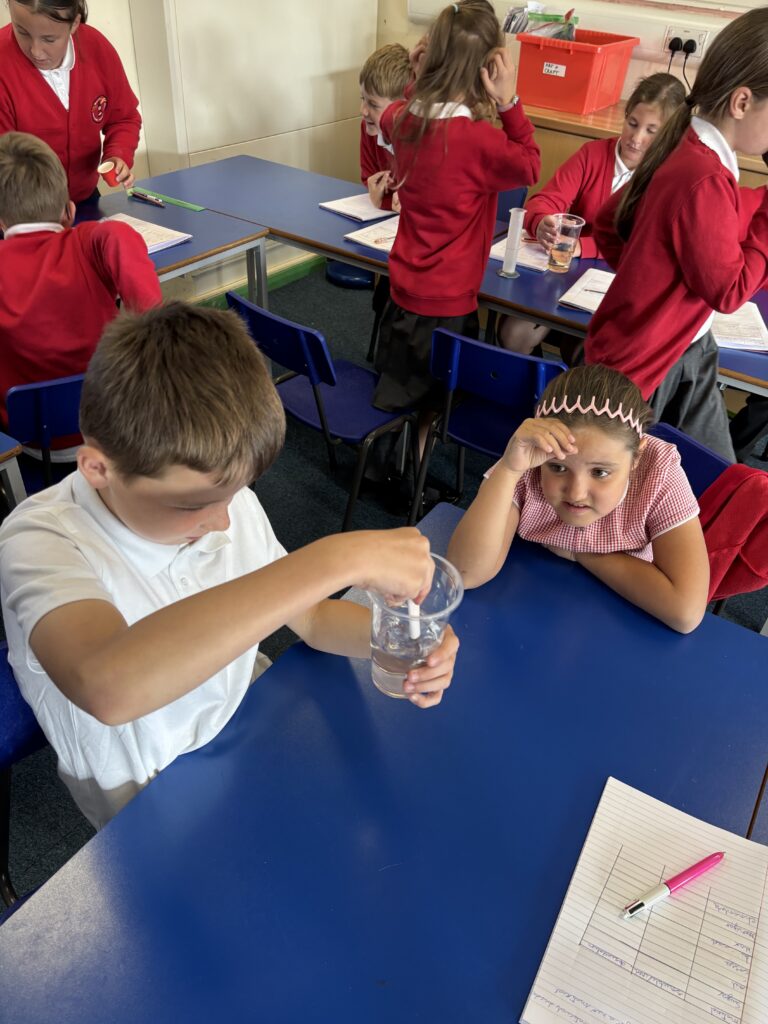
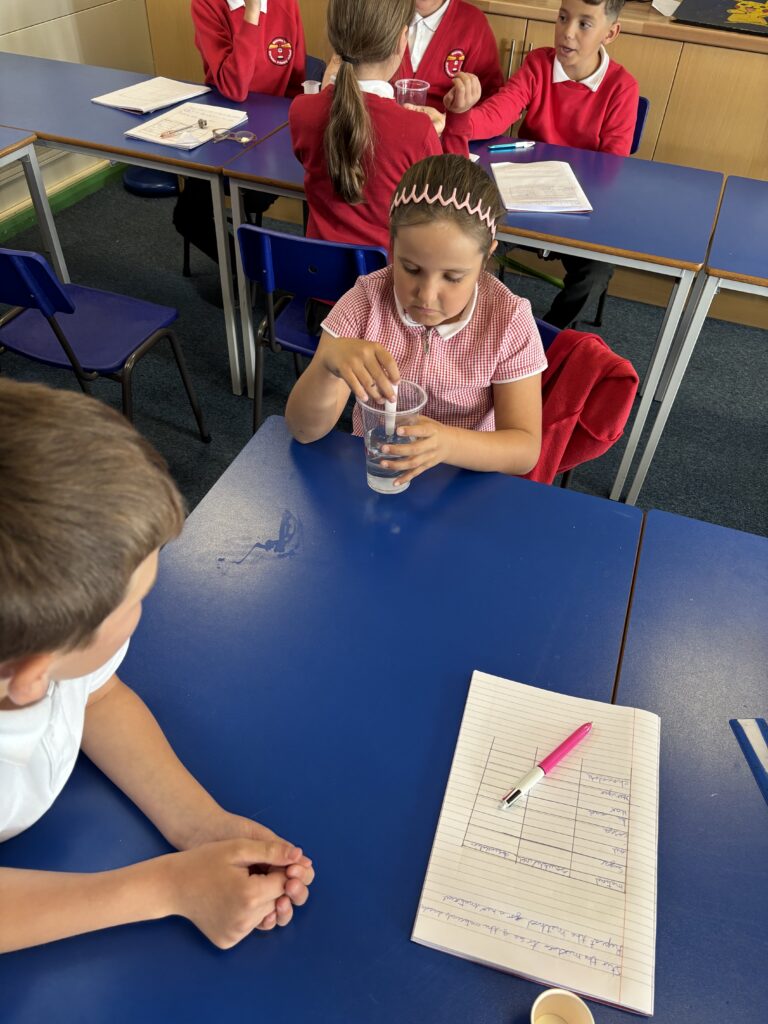
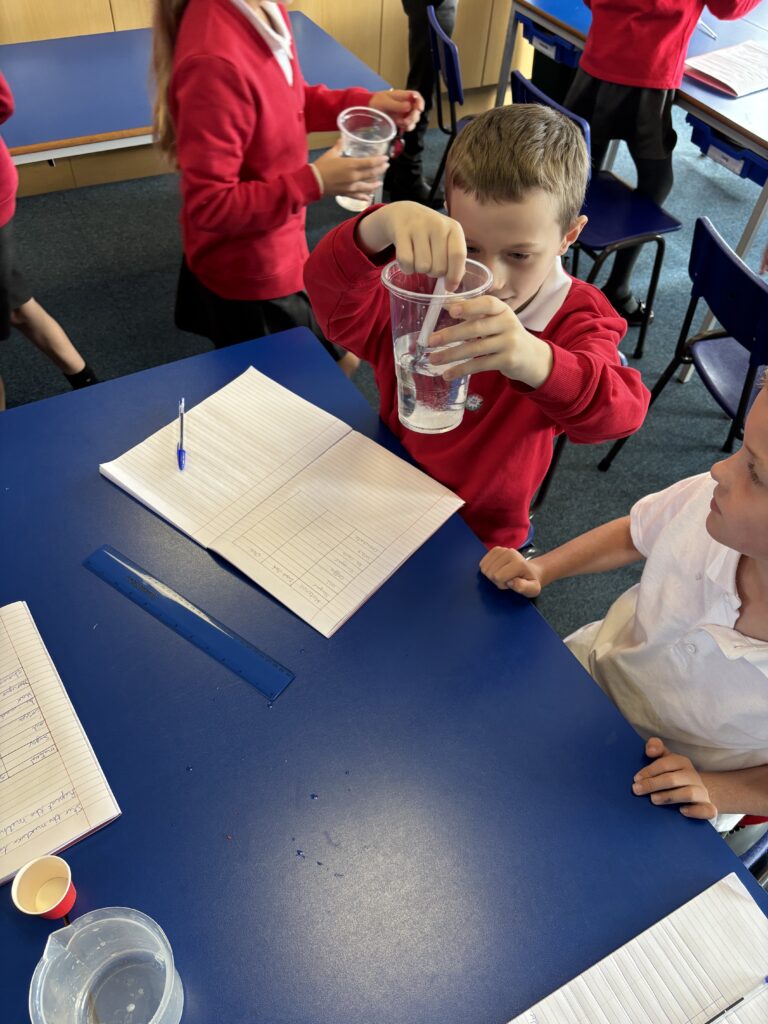
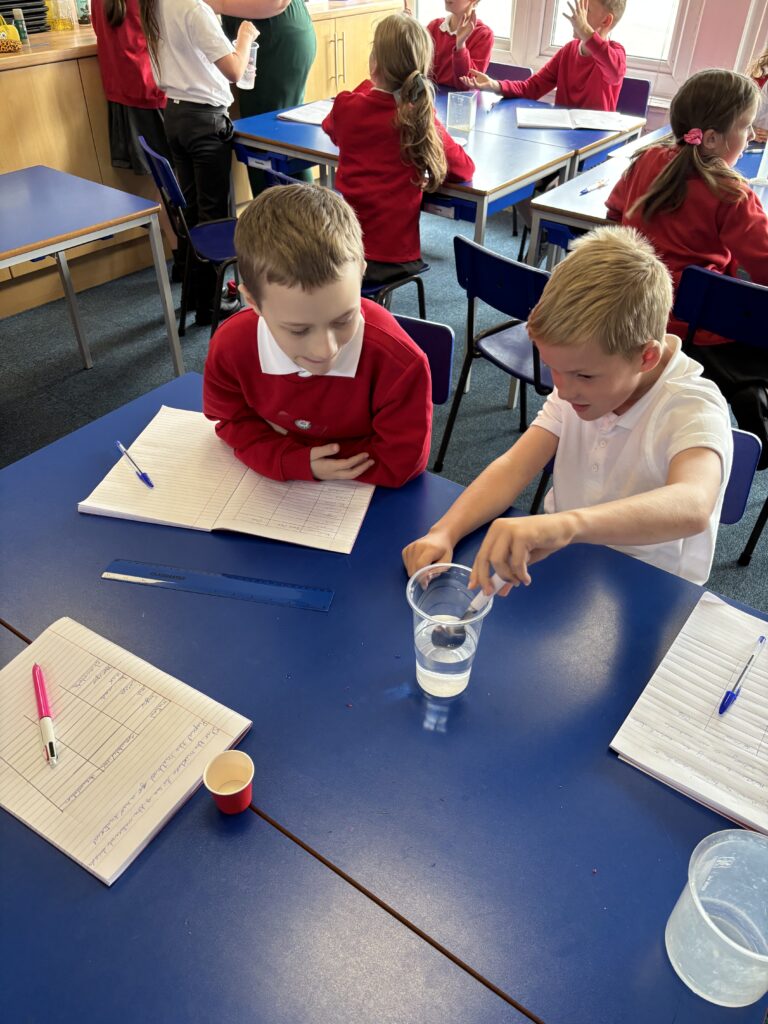
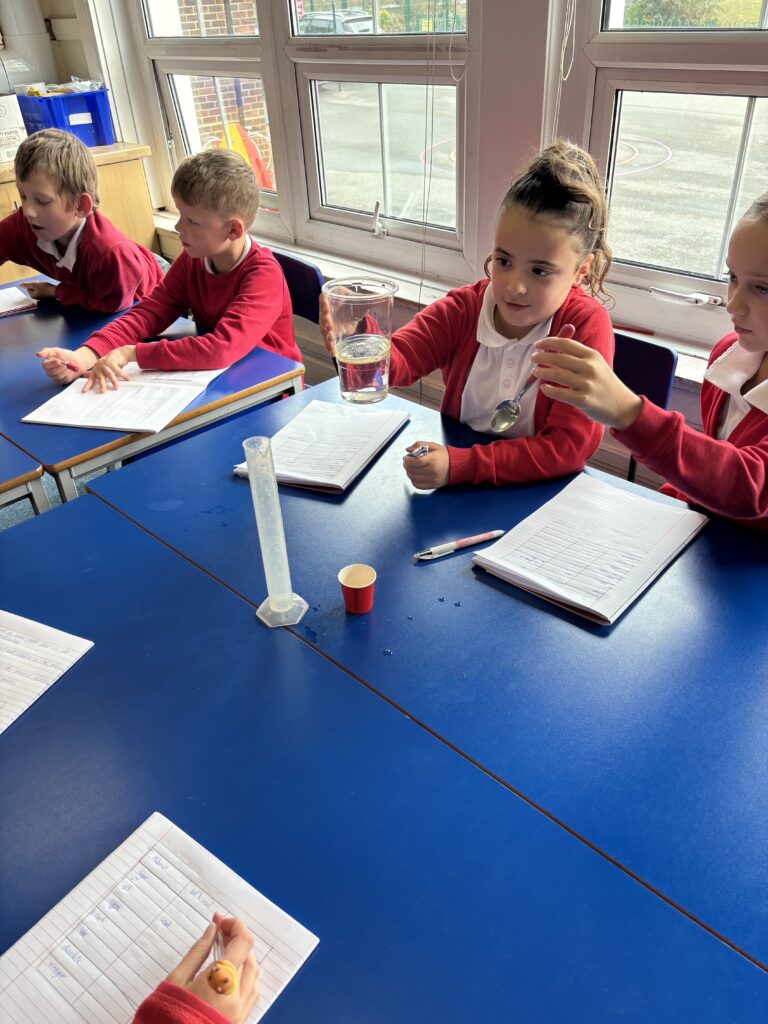
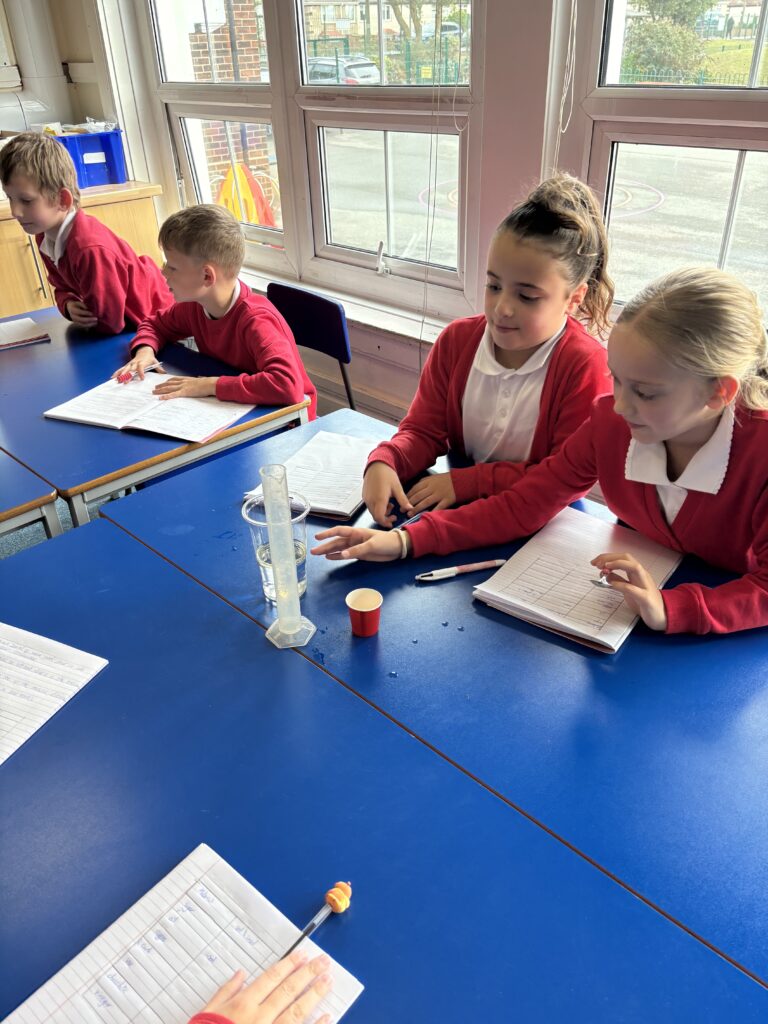
This week, Y5 used their knowledge of dissolving to see if the temperature of water affected how quickly sugar dissolves in water. We made sure to use the scientific names for each stage/item. We know the water is the solvent, sugar is the solute and the finished mixture is called a solution.
We correctly predicted that hot water would dissolve the sugar quicker.
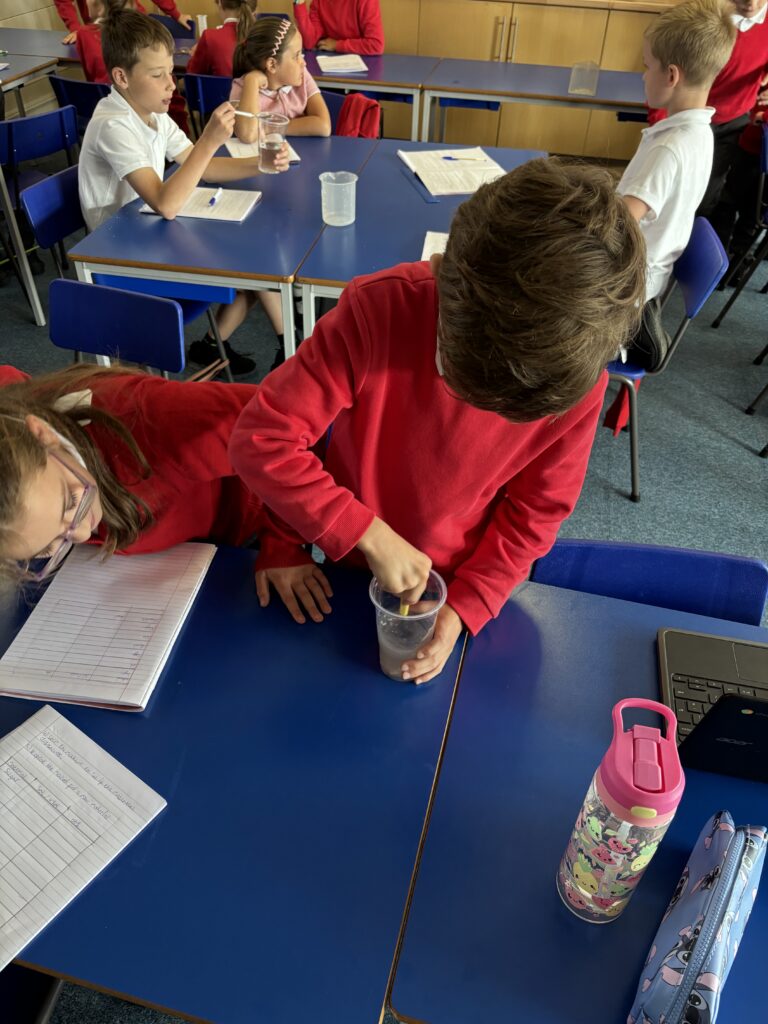
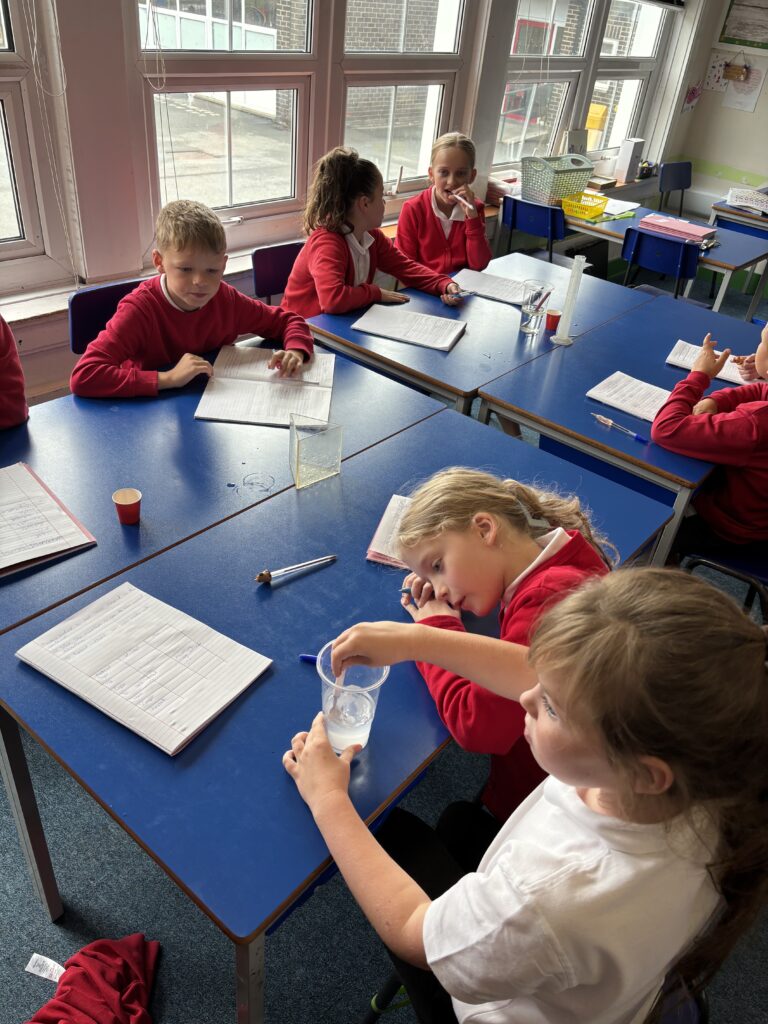
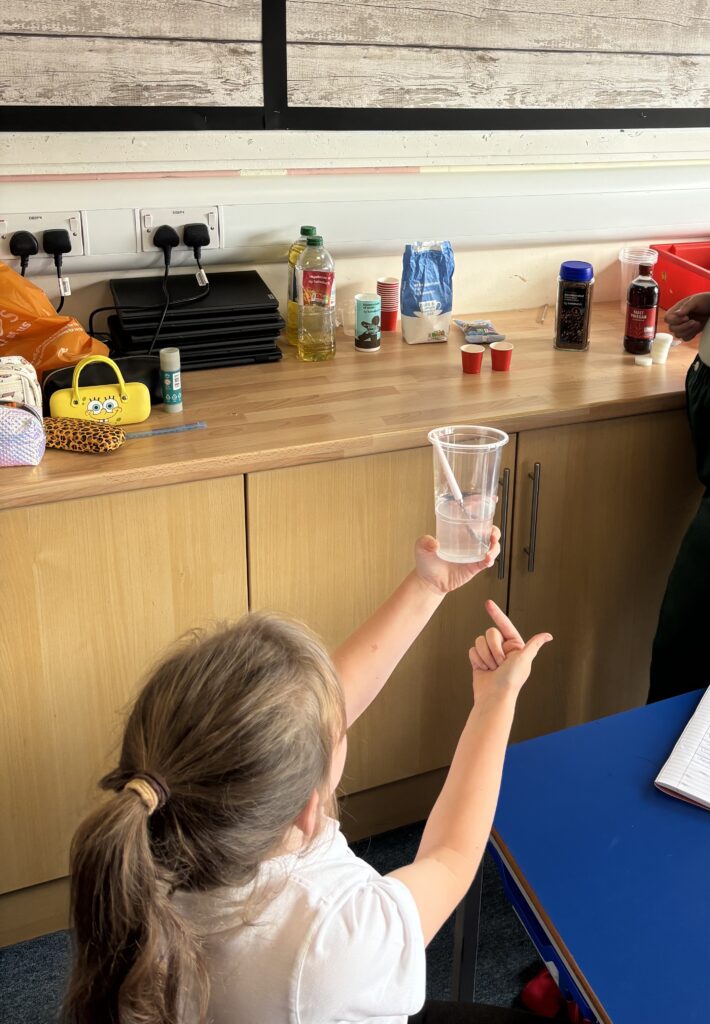
This afternoon, we completed our first experiment in Y5 by testing materials to see if they are soluble or insoluble.
The children were surprised that oil floated to the top proving that it was insoluble in water.
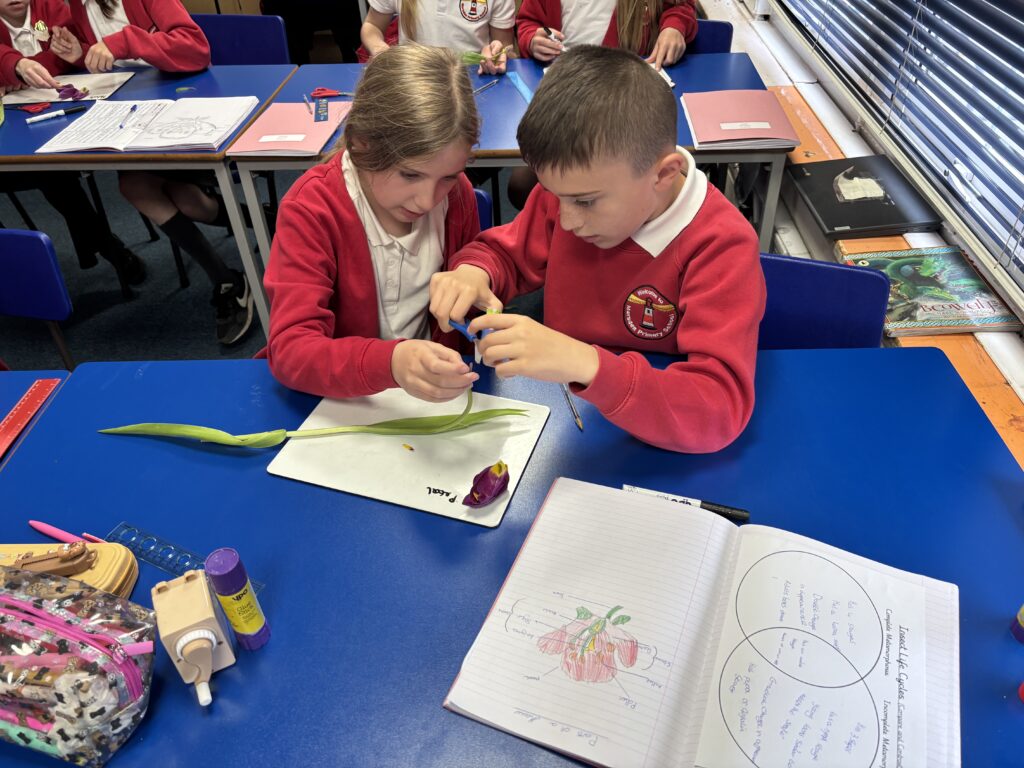
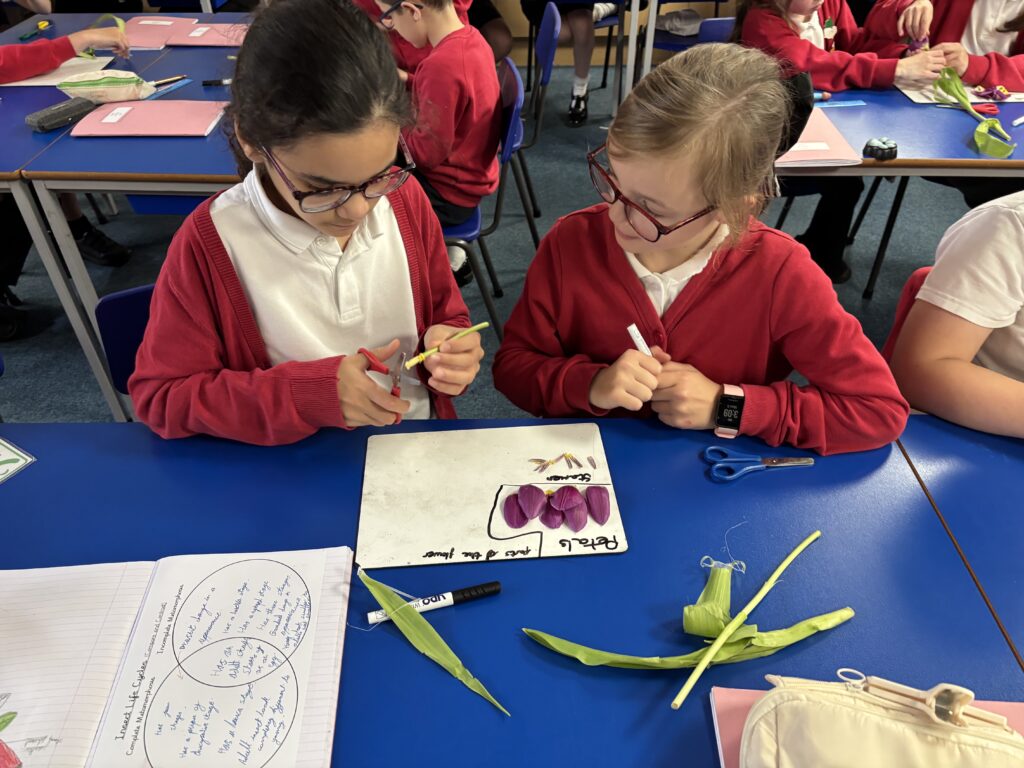
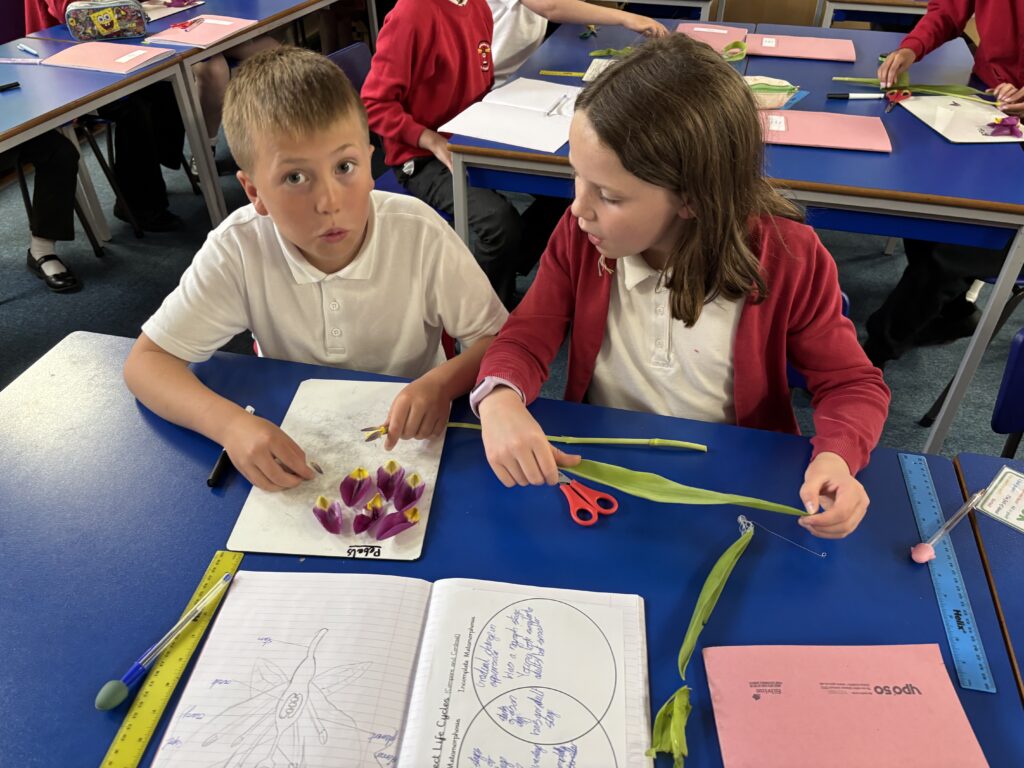
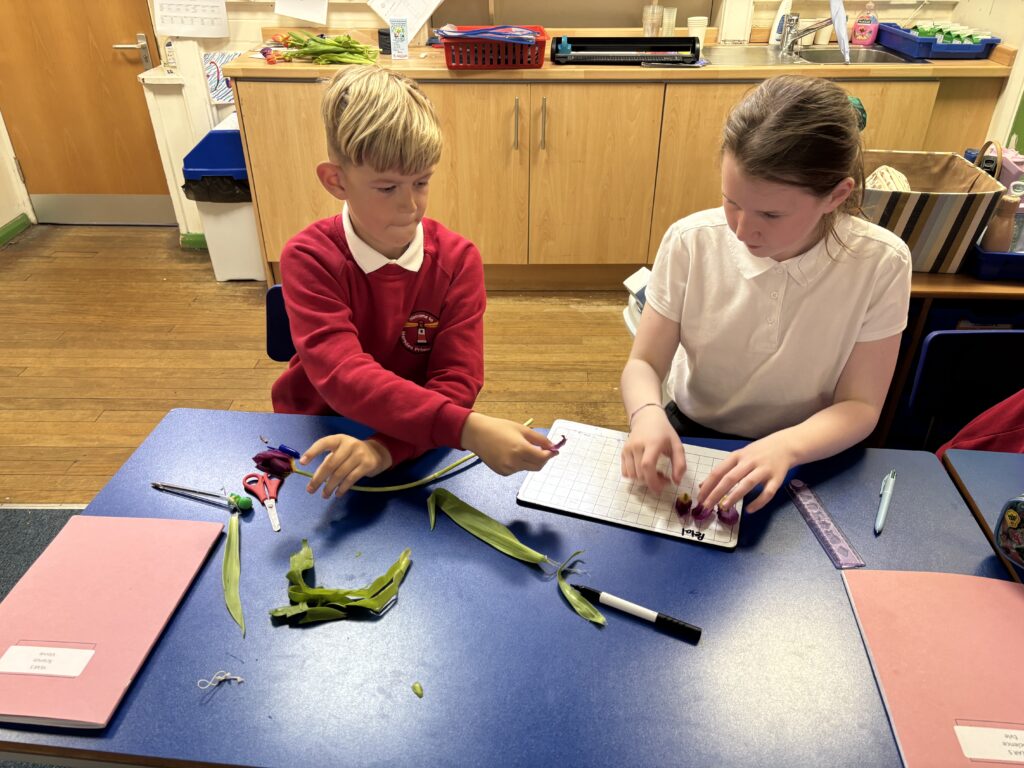
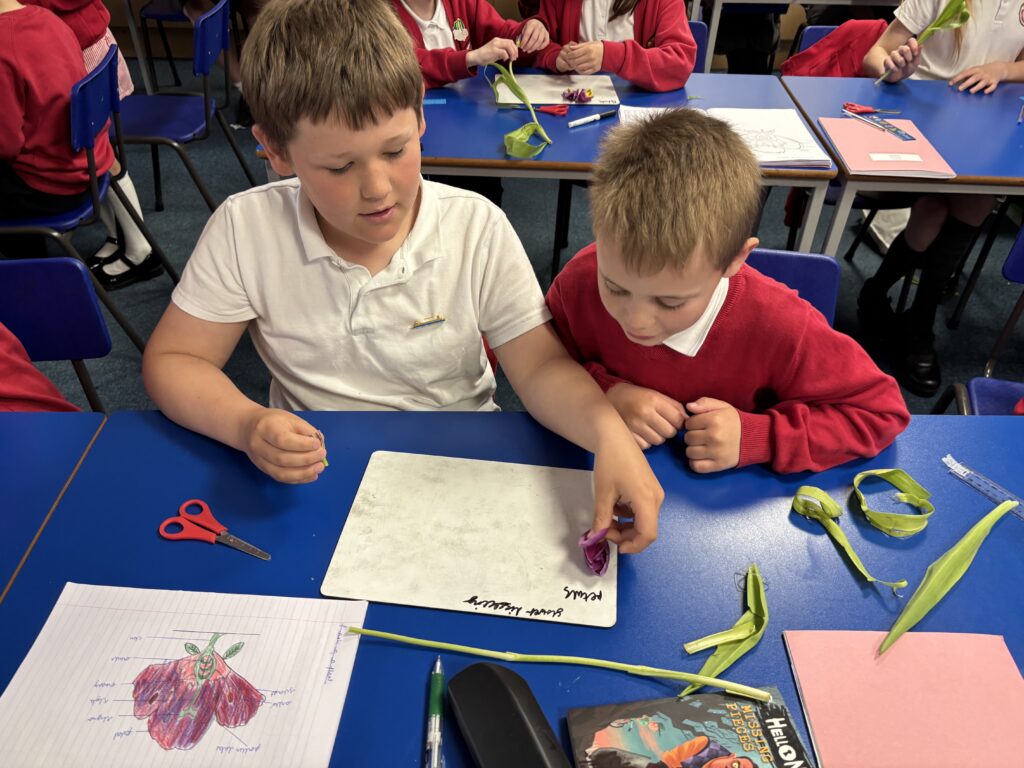
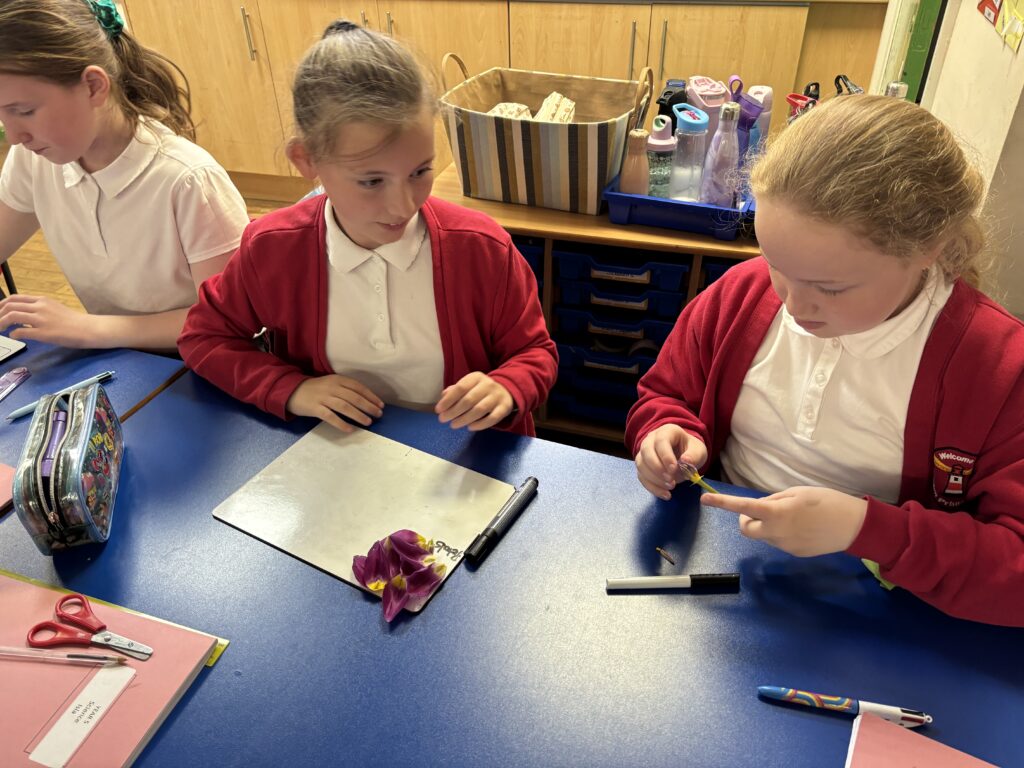
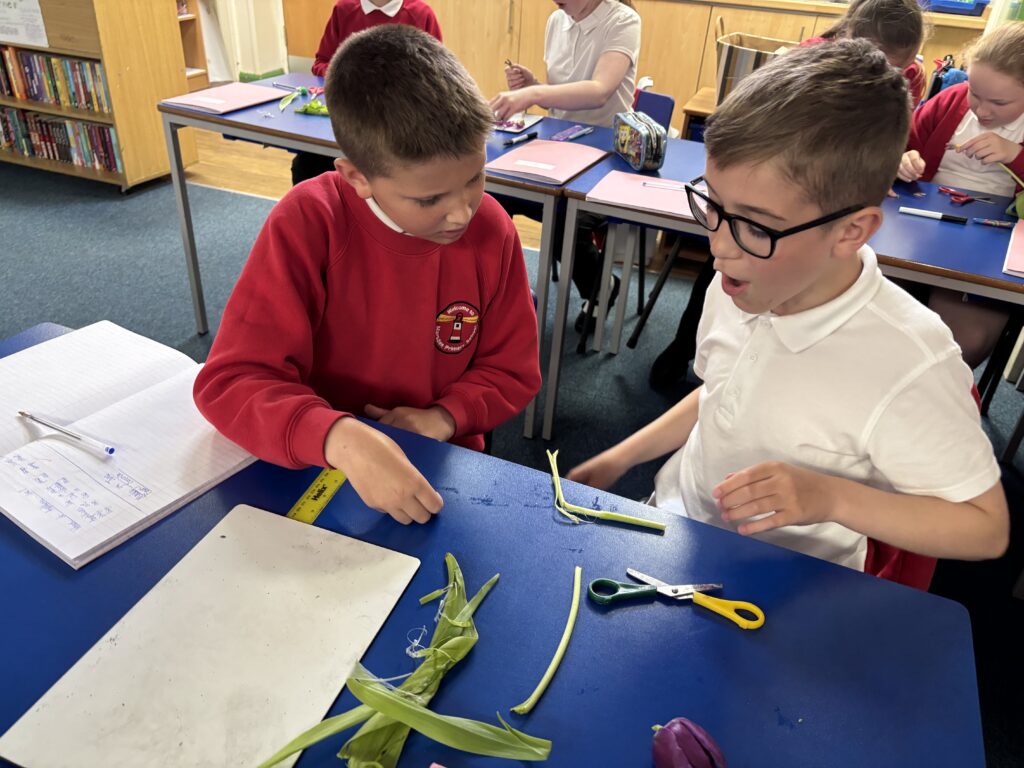
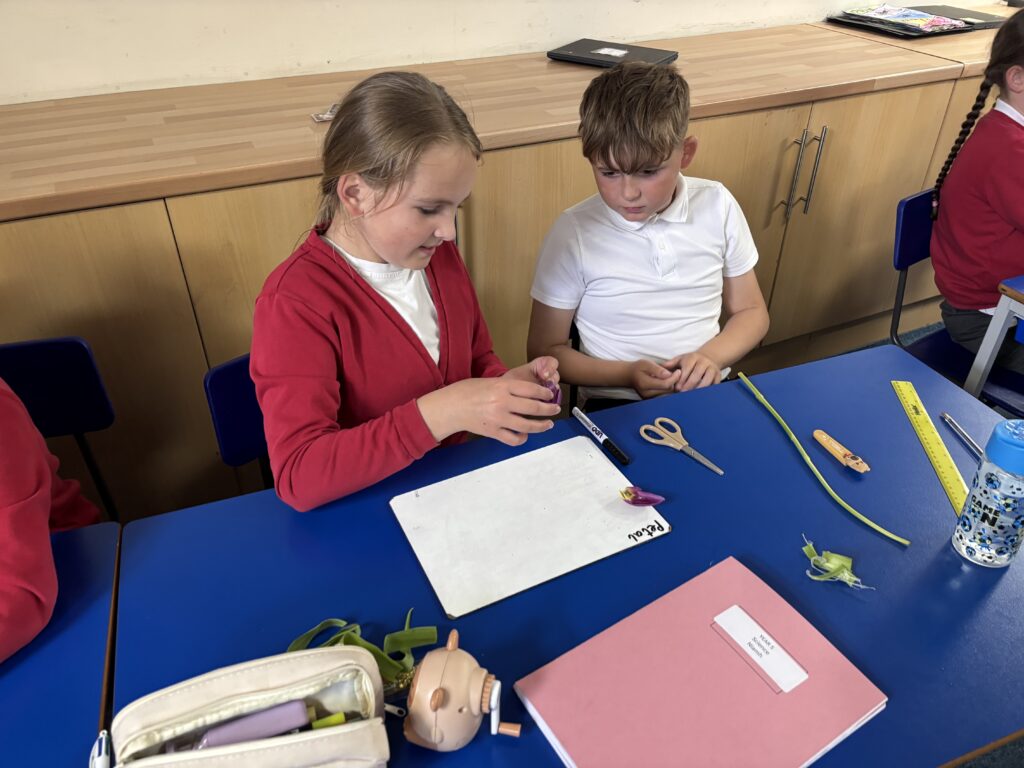
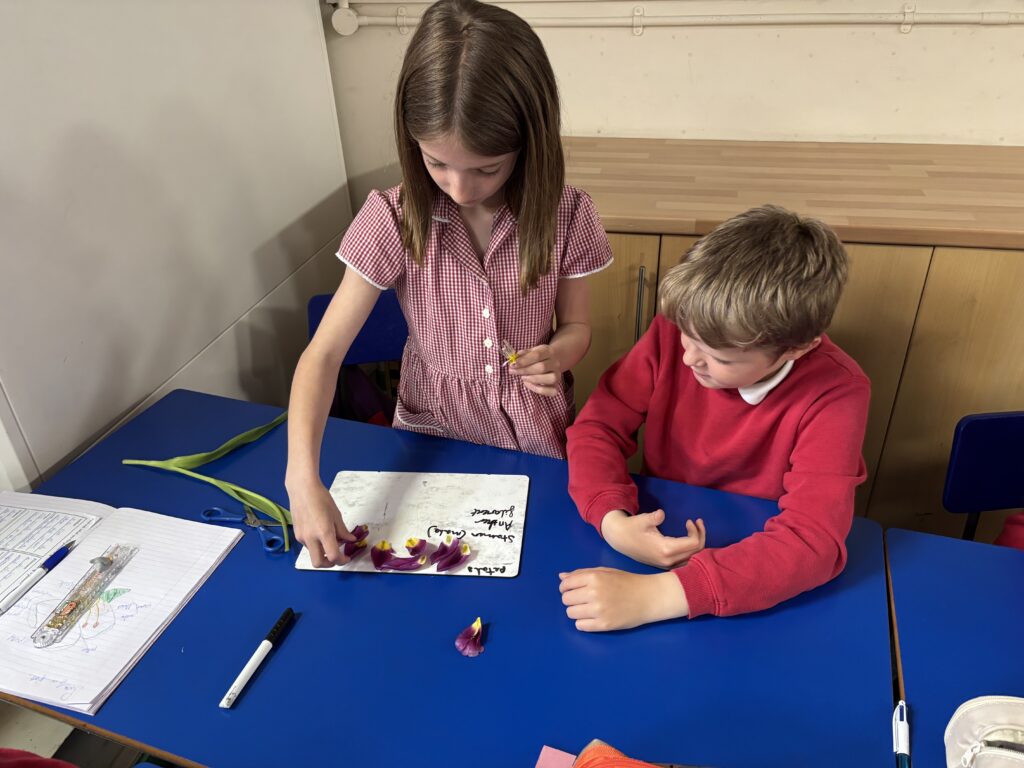
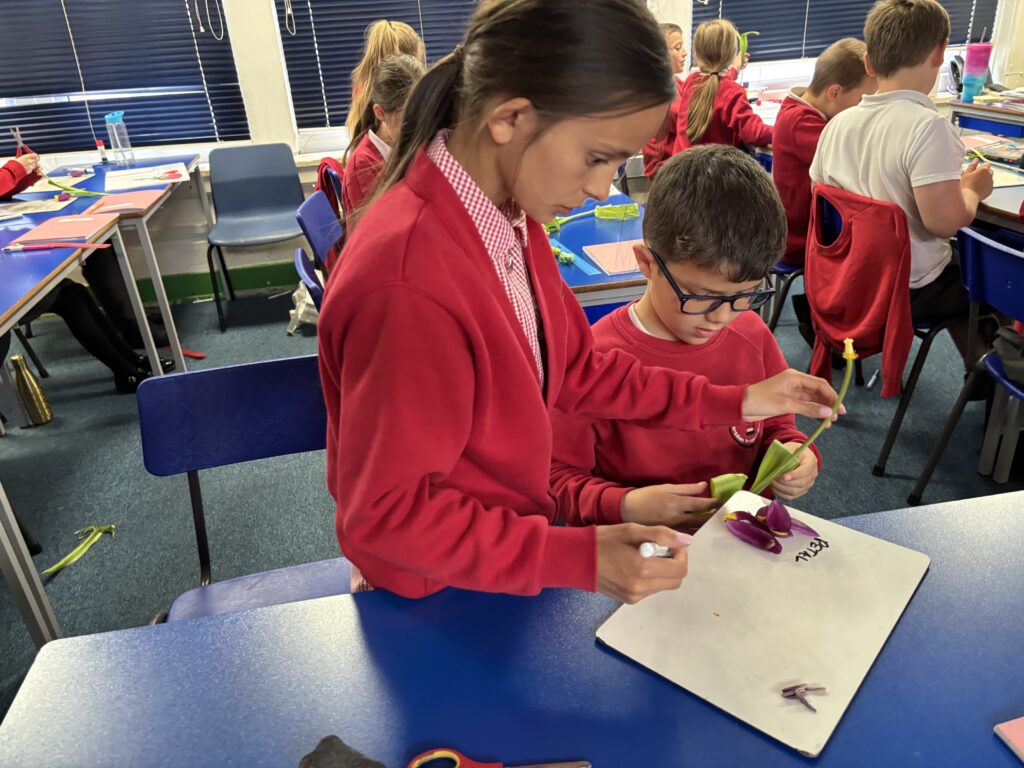
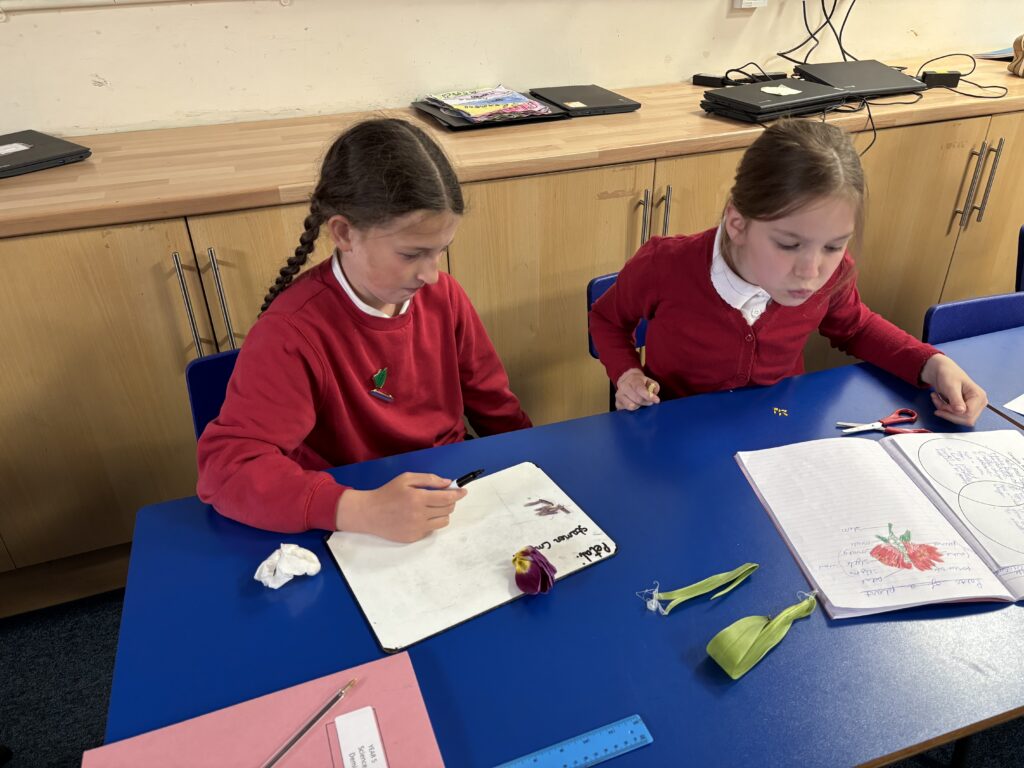
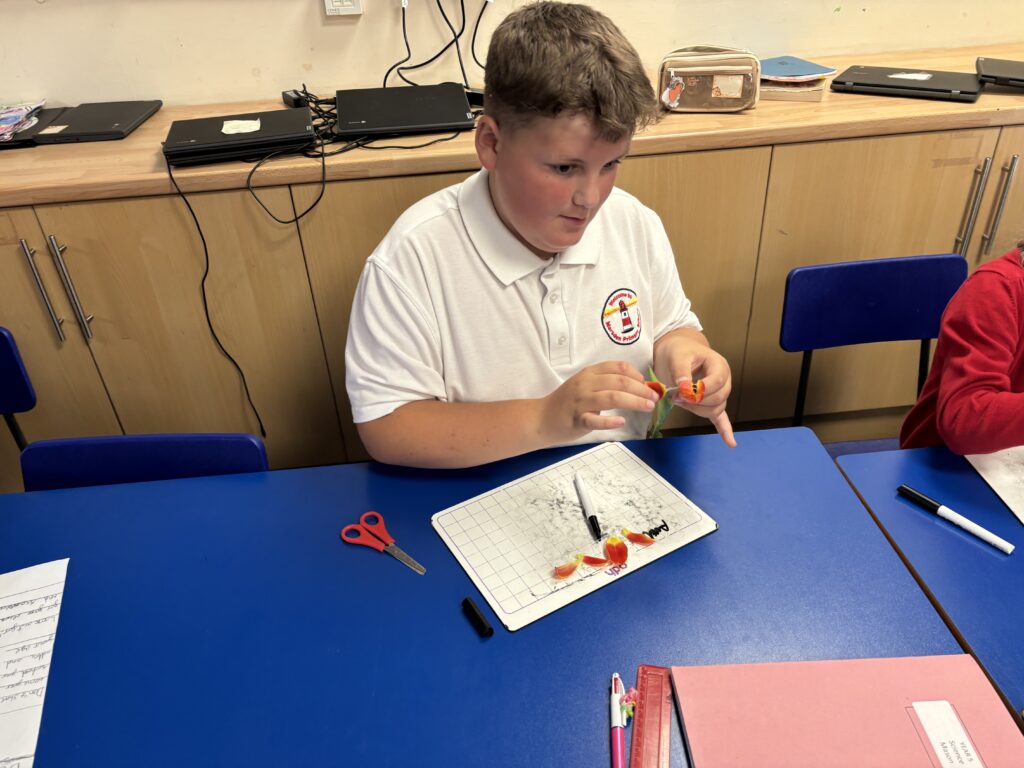
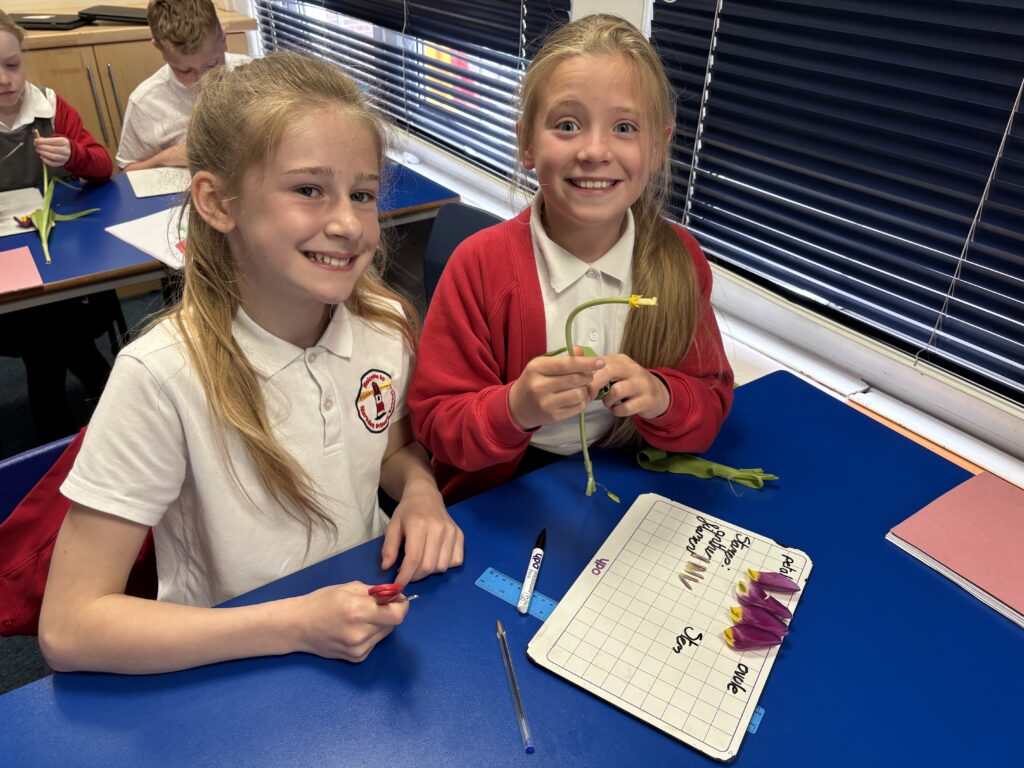
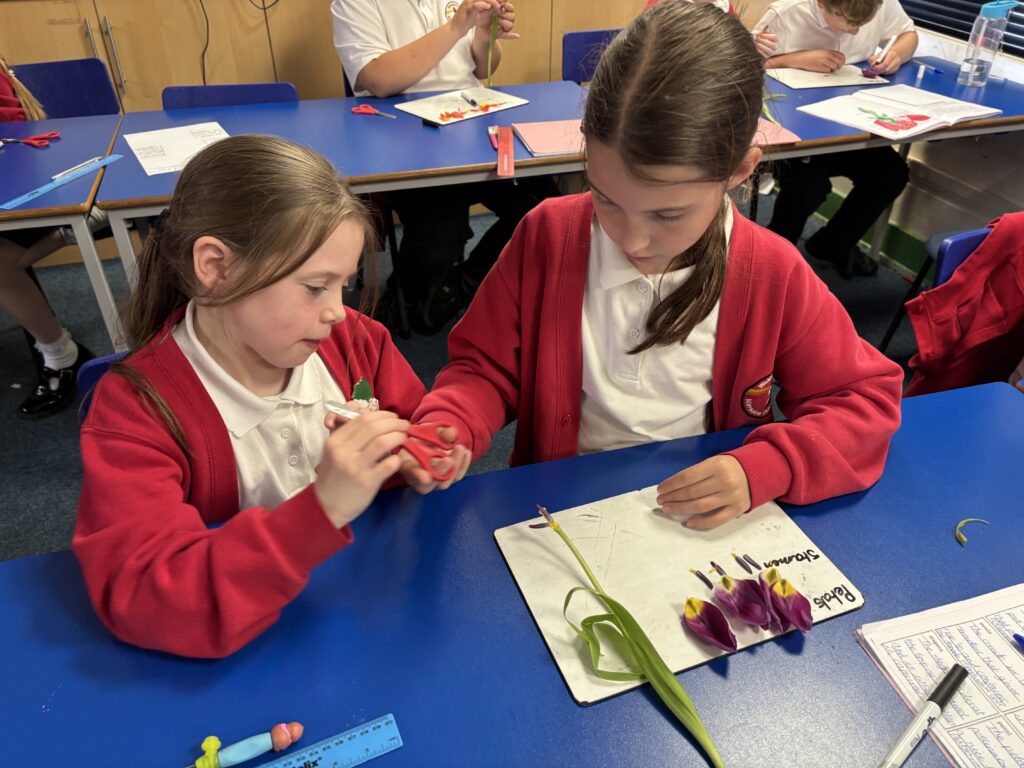
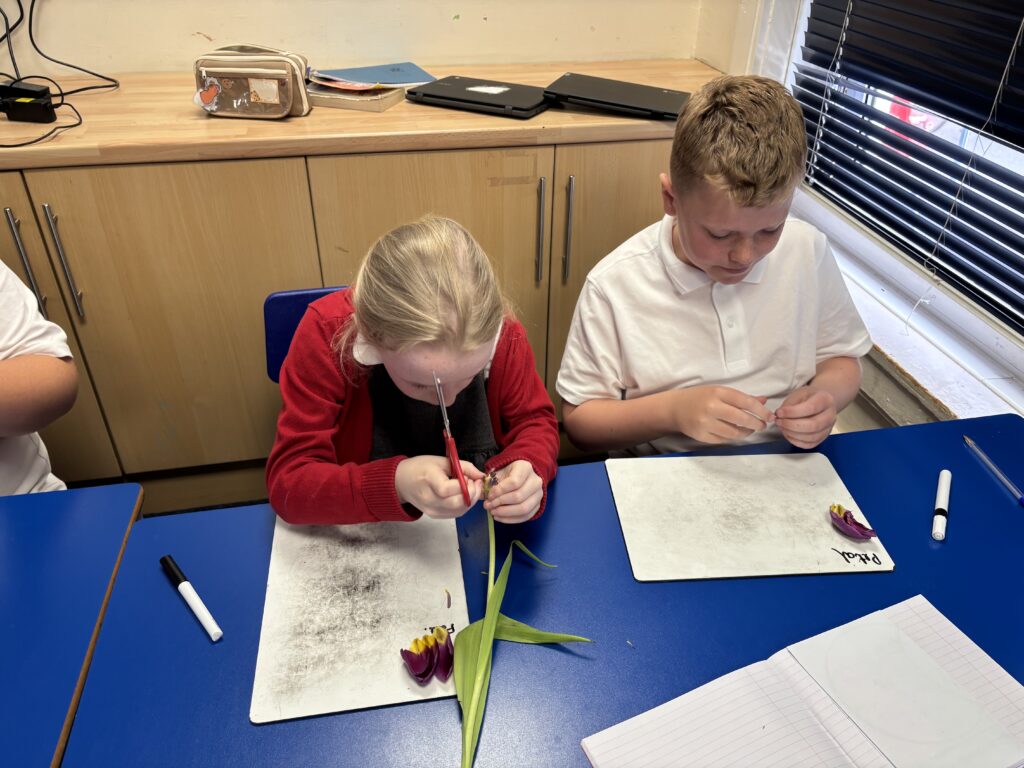
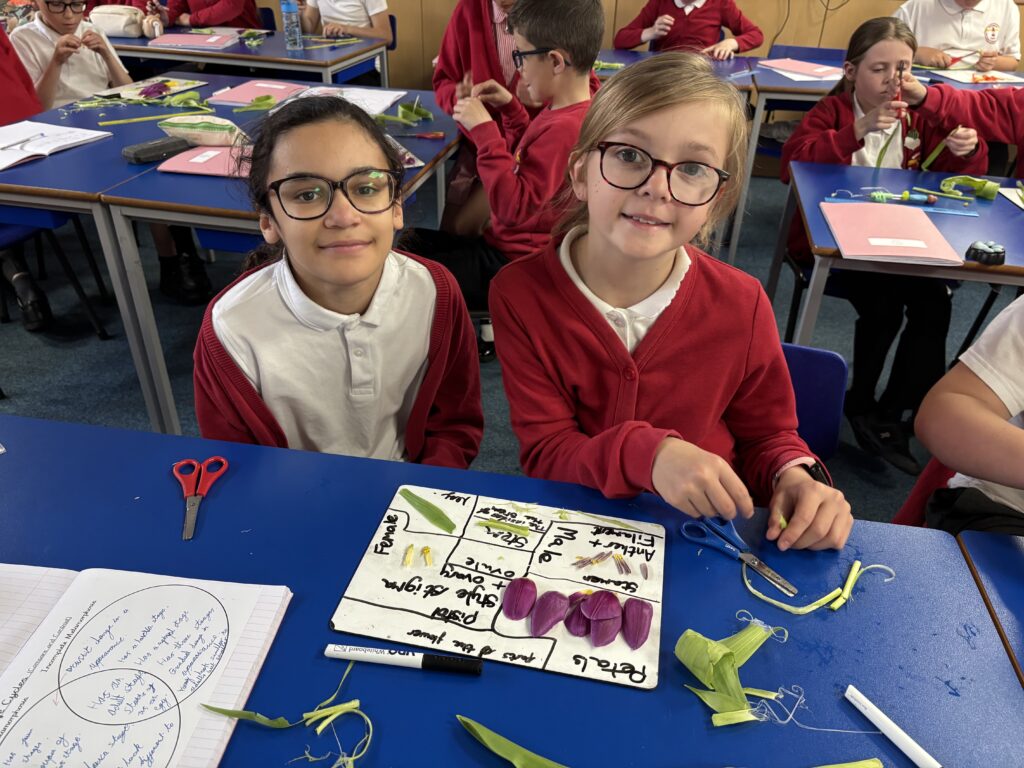
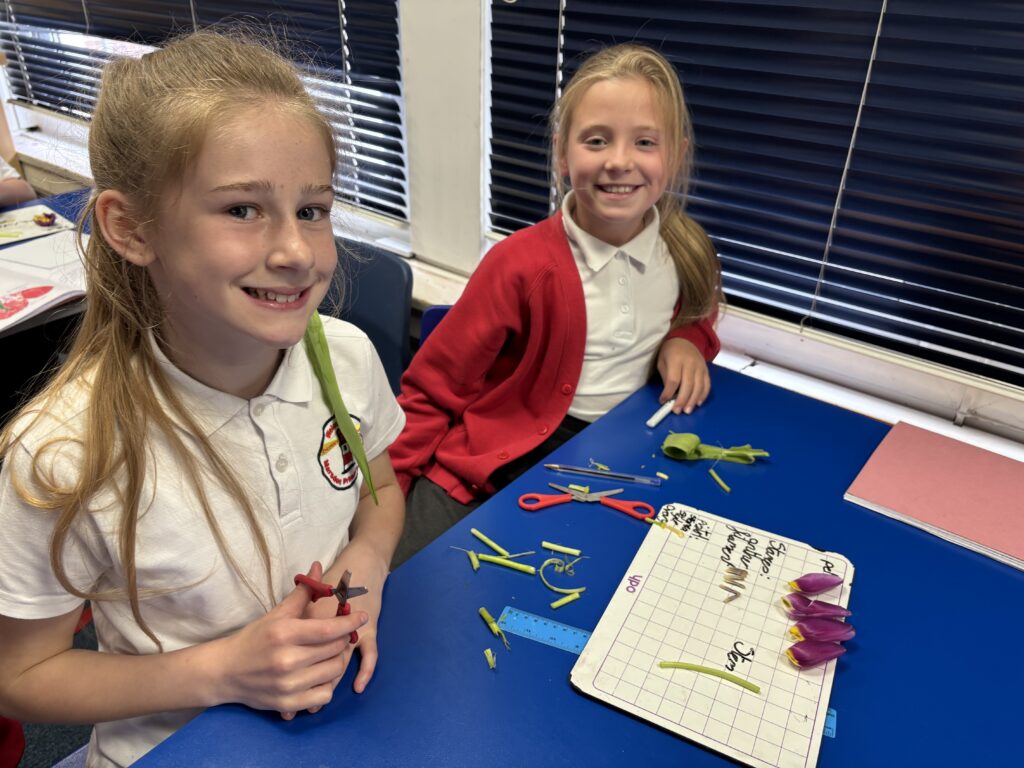
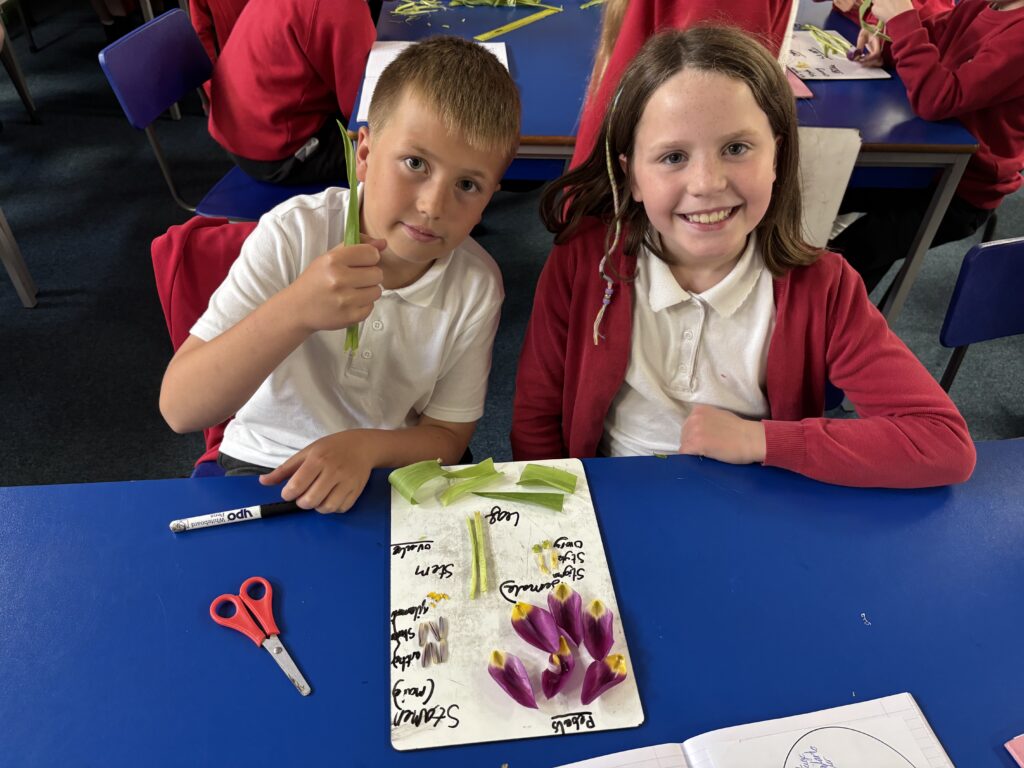
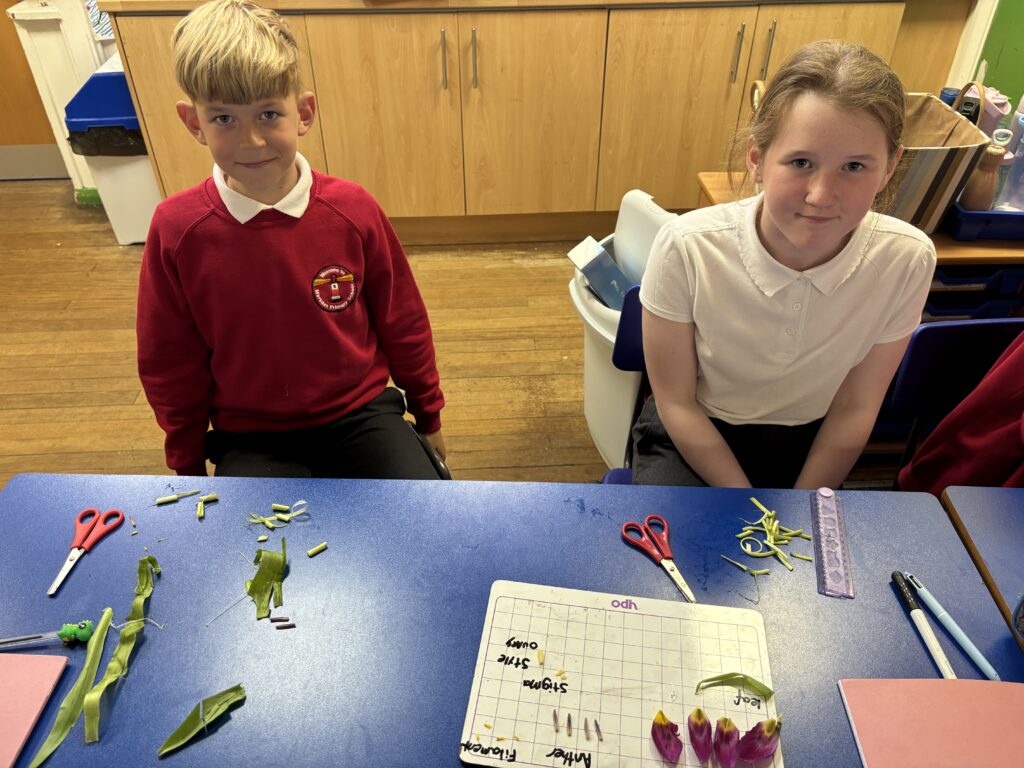
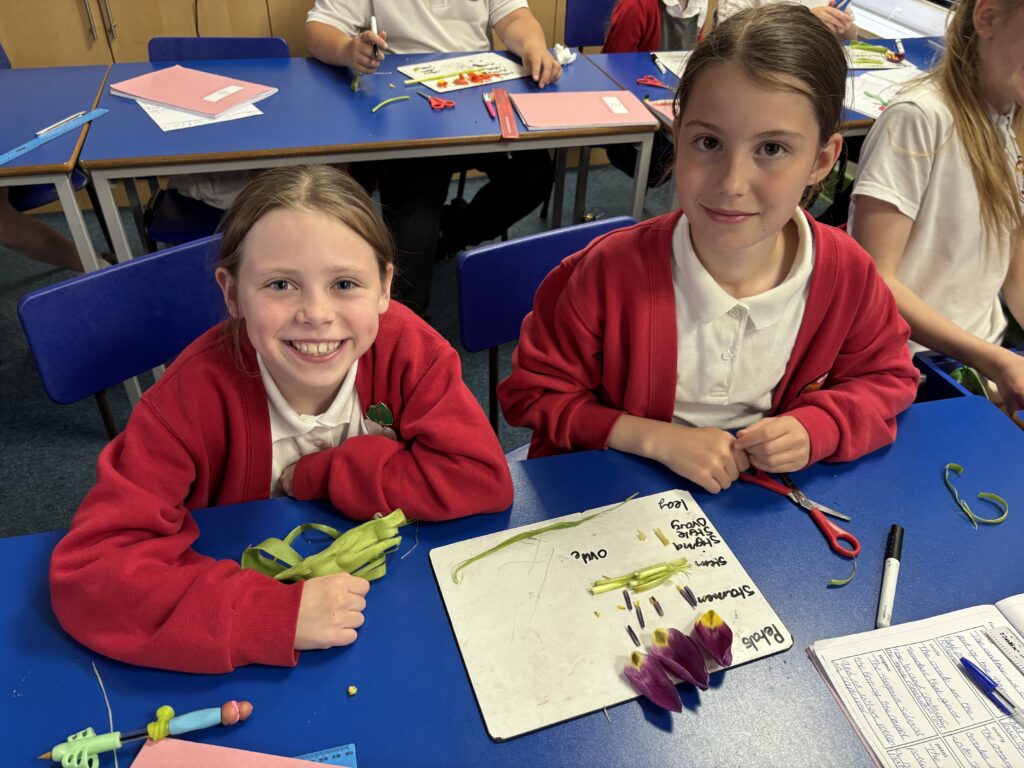
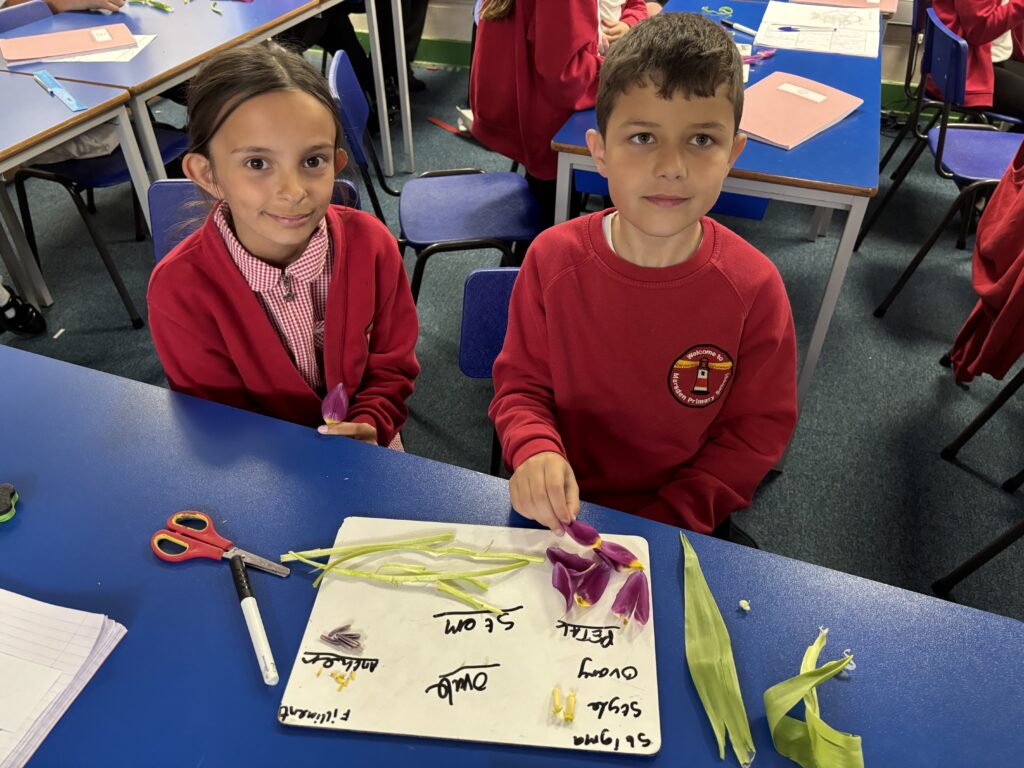
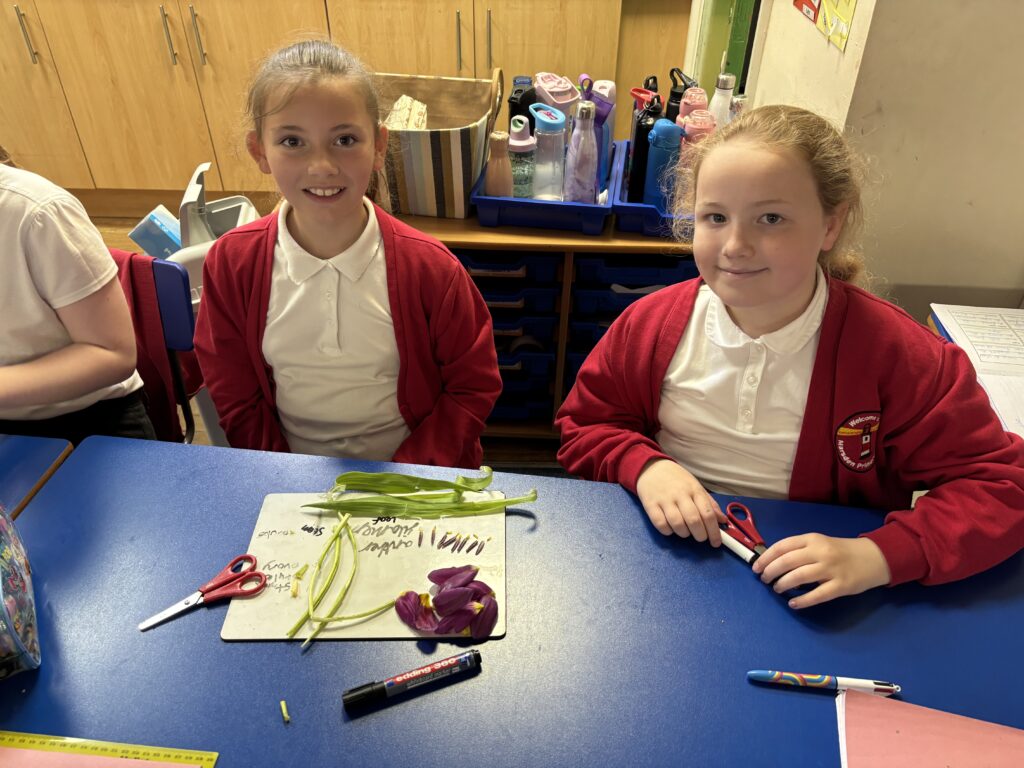
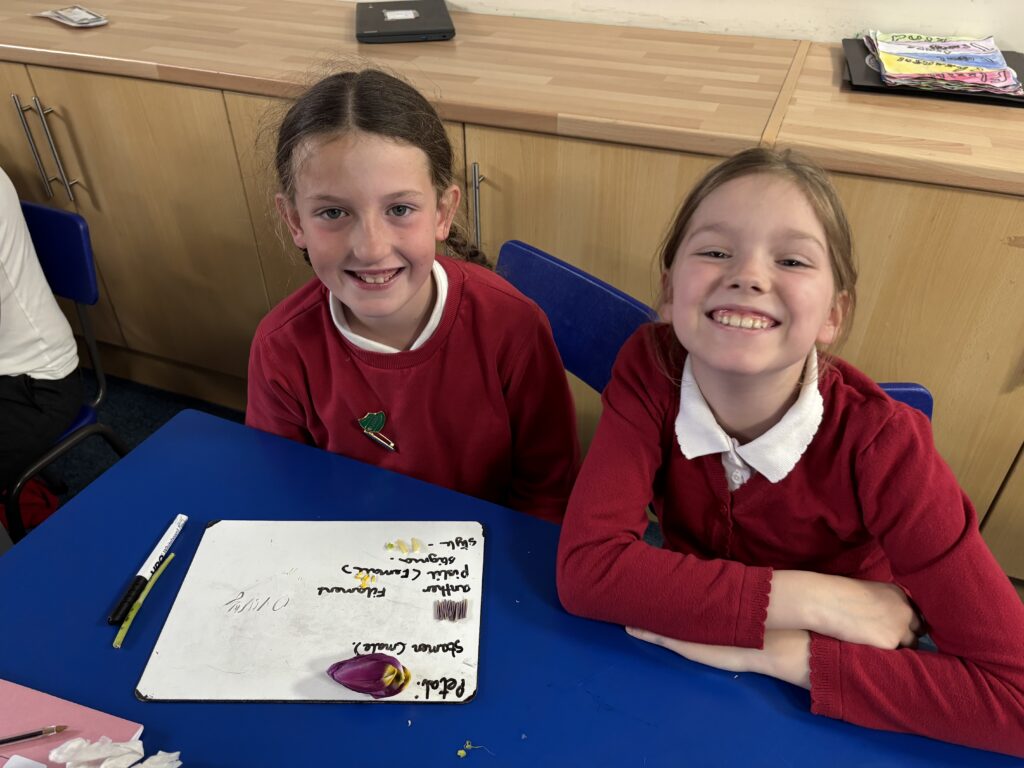
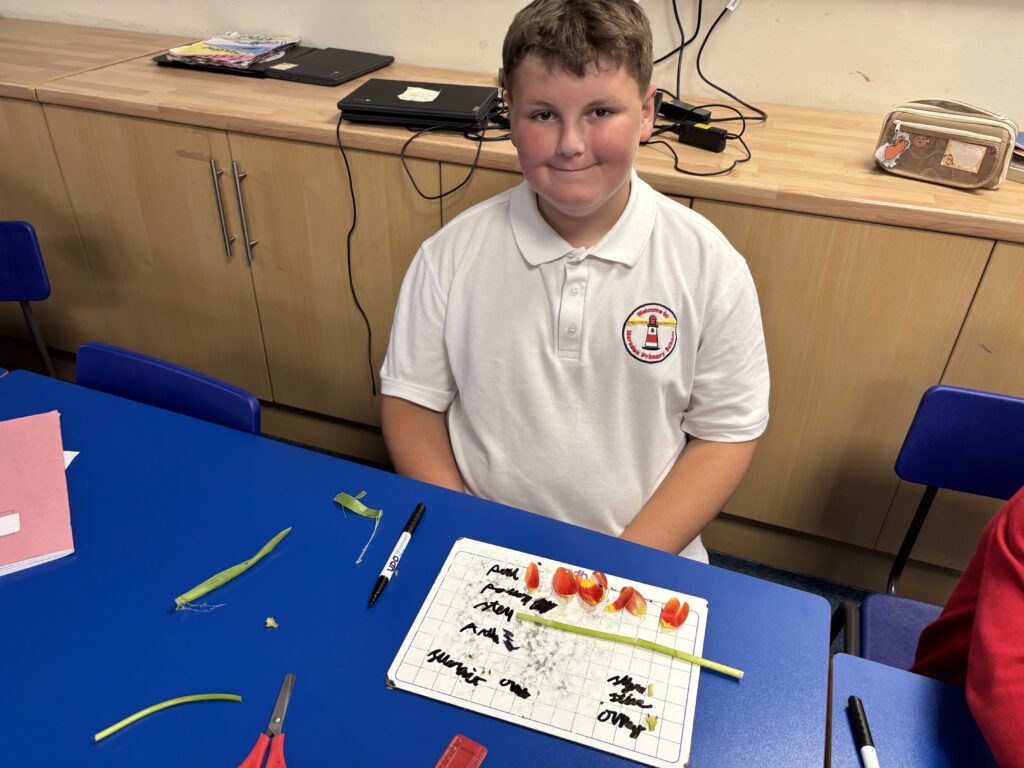
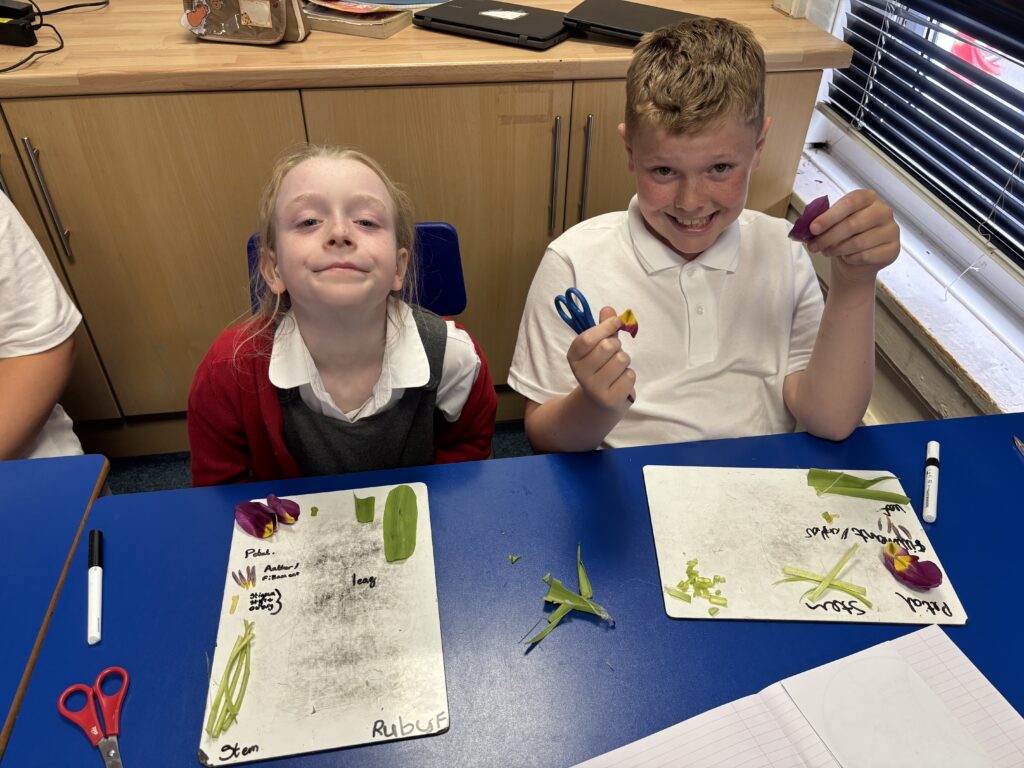
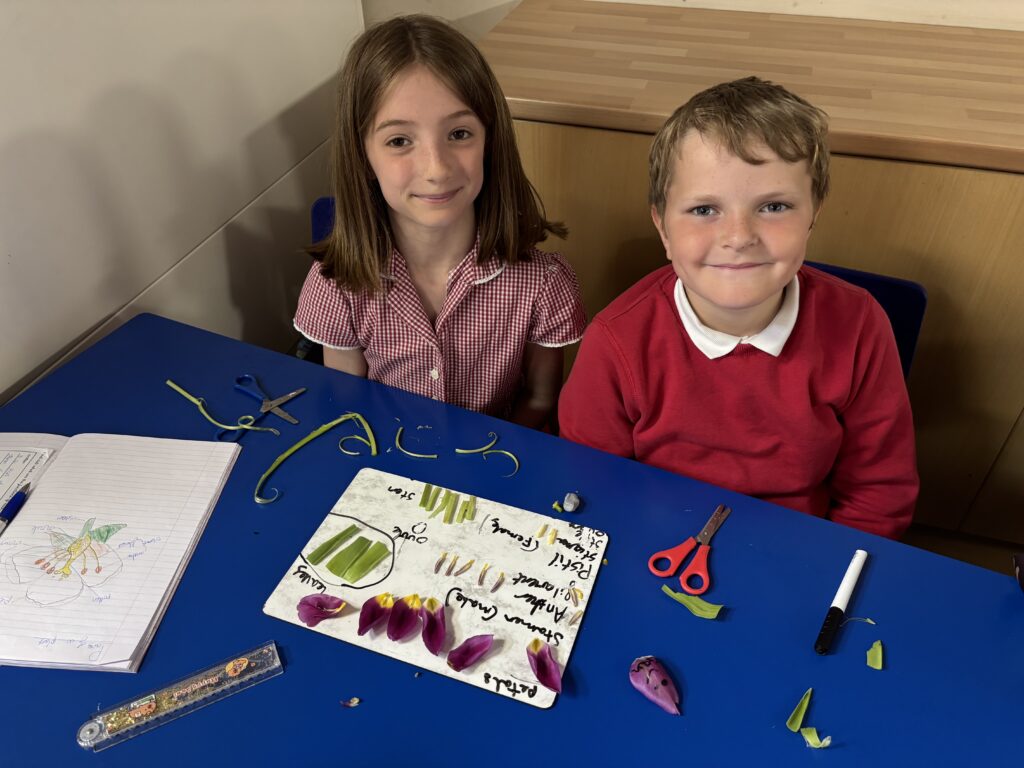
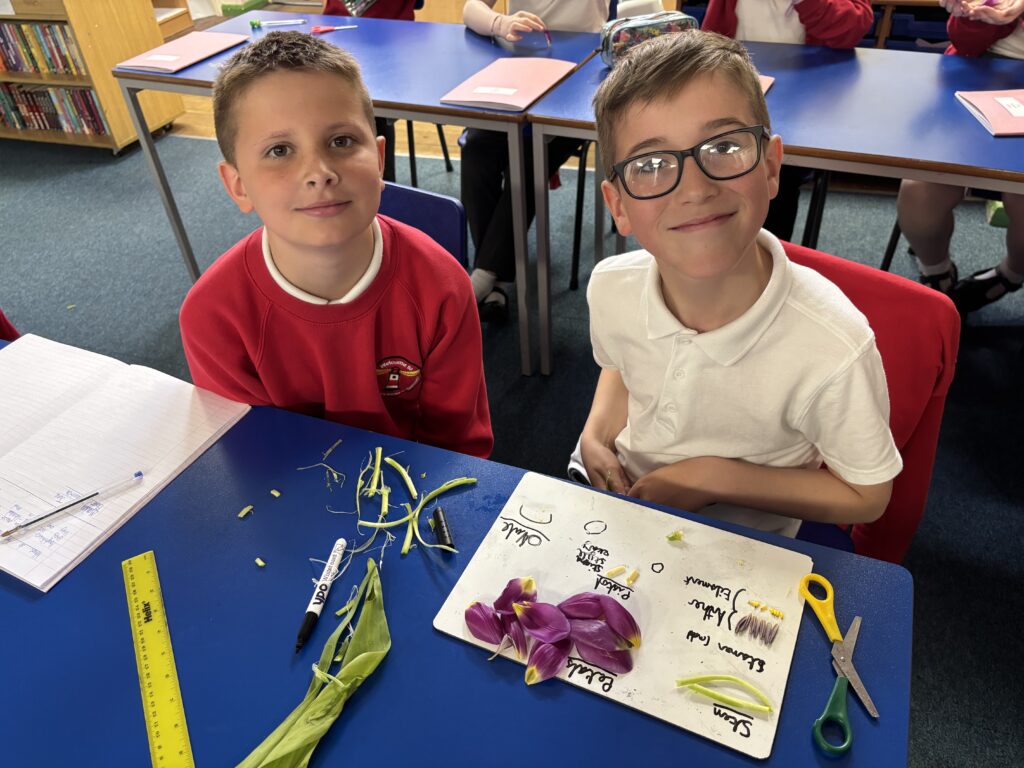
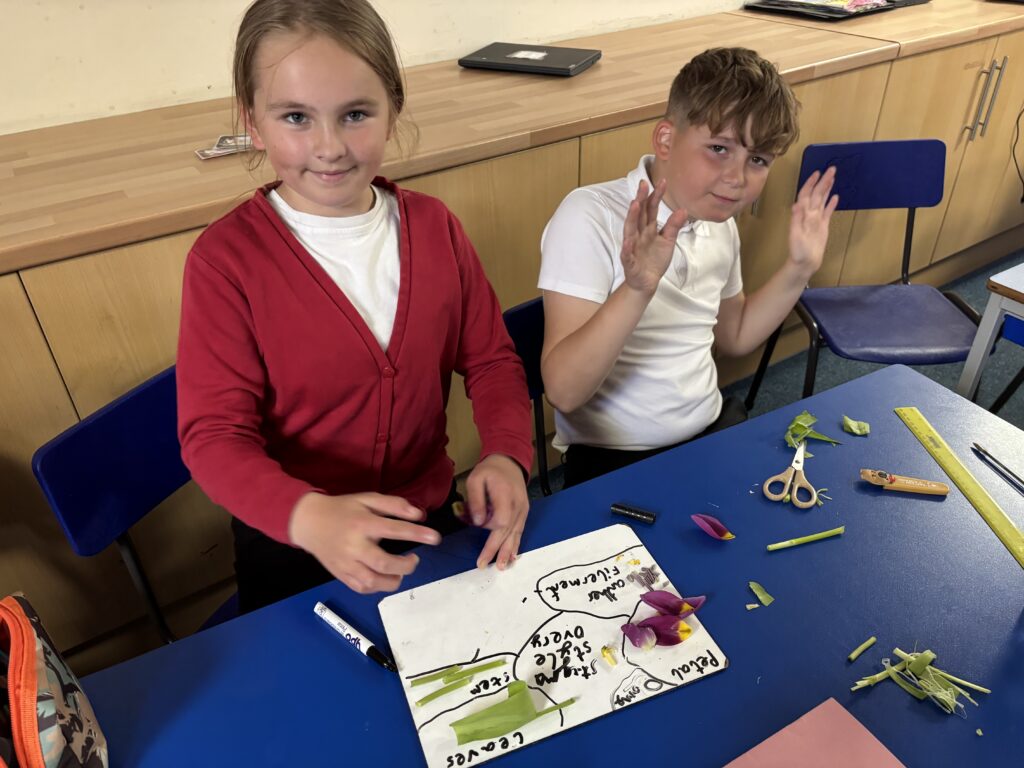
Year 5 put their knowledge of the parts of a flower today by dissecting a tulip and separating out the different parts. It was fascinating to see in the inner workings of the plant!
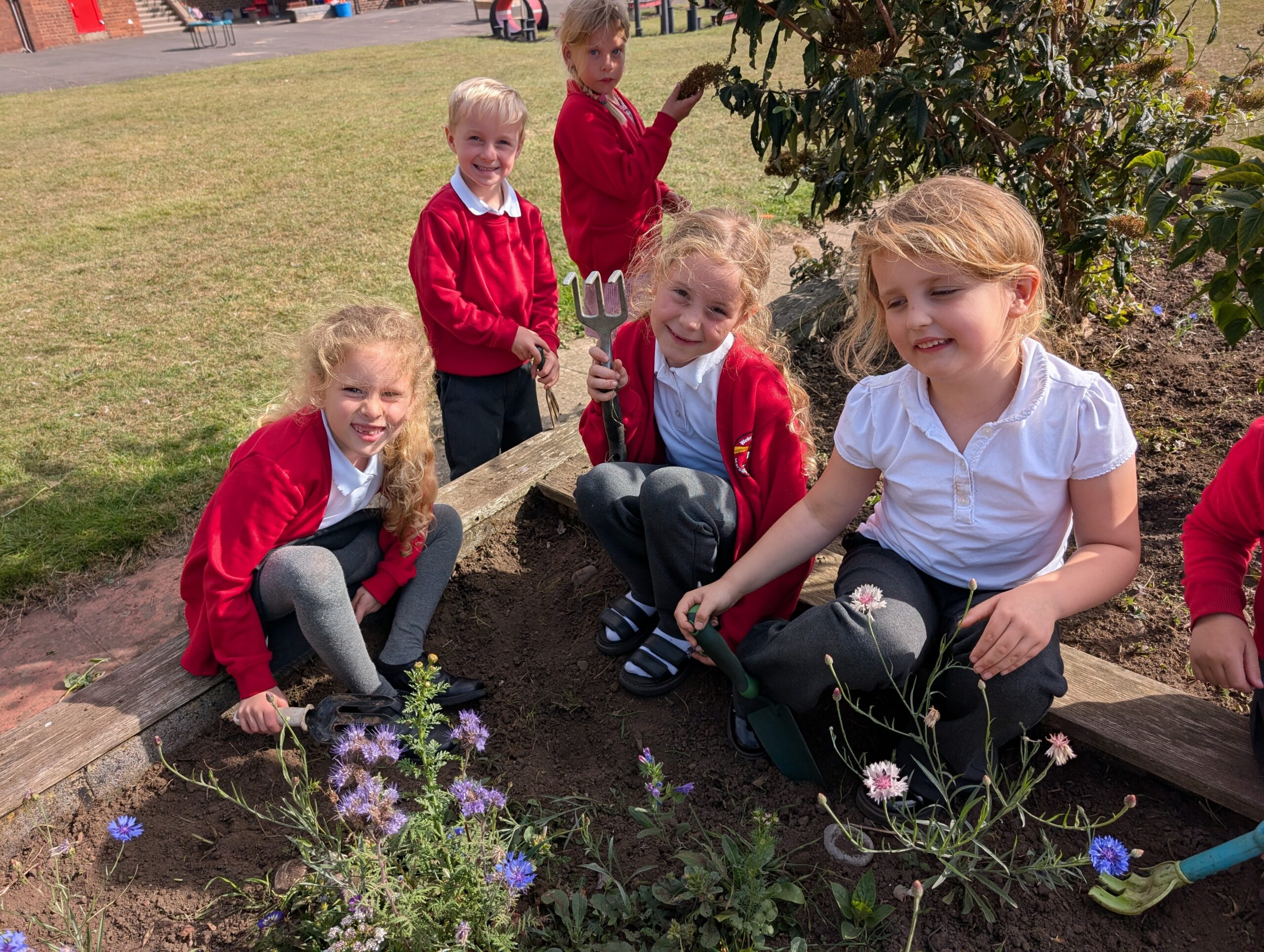
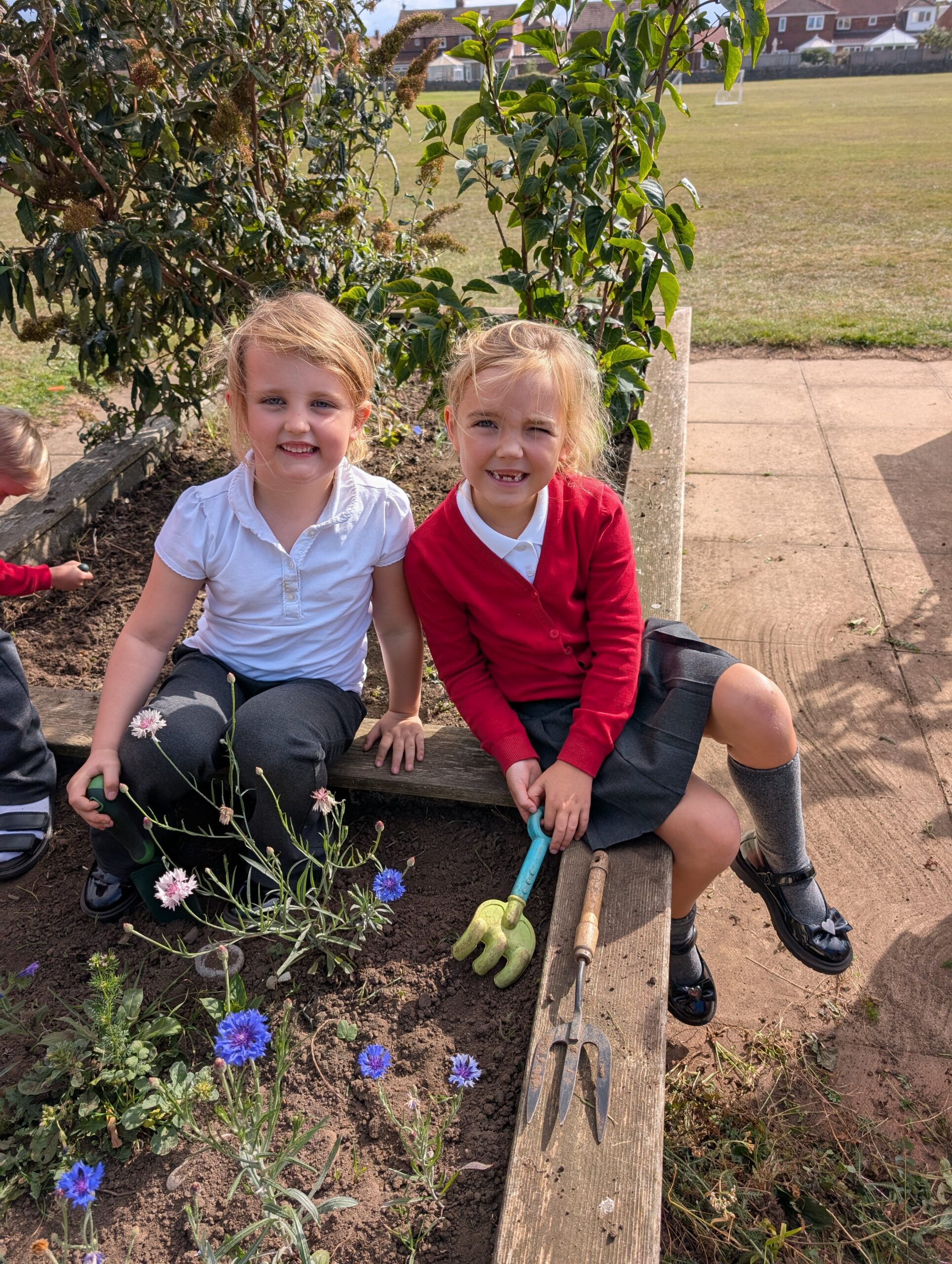
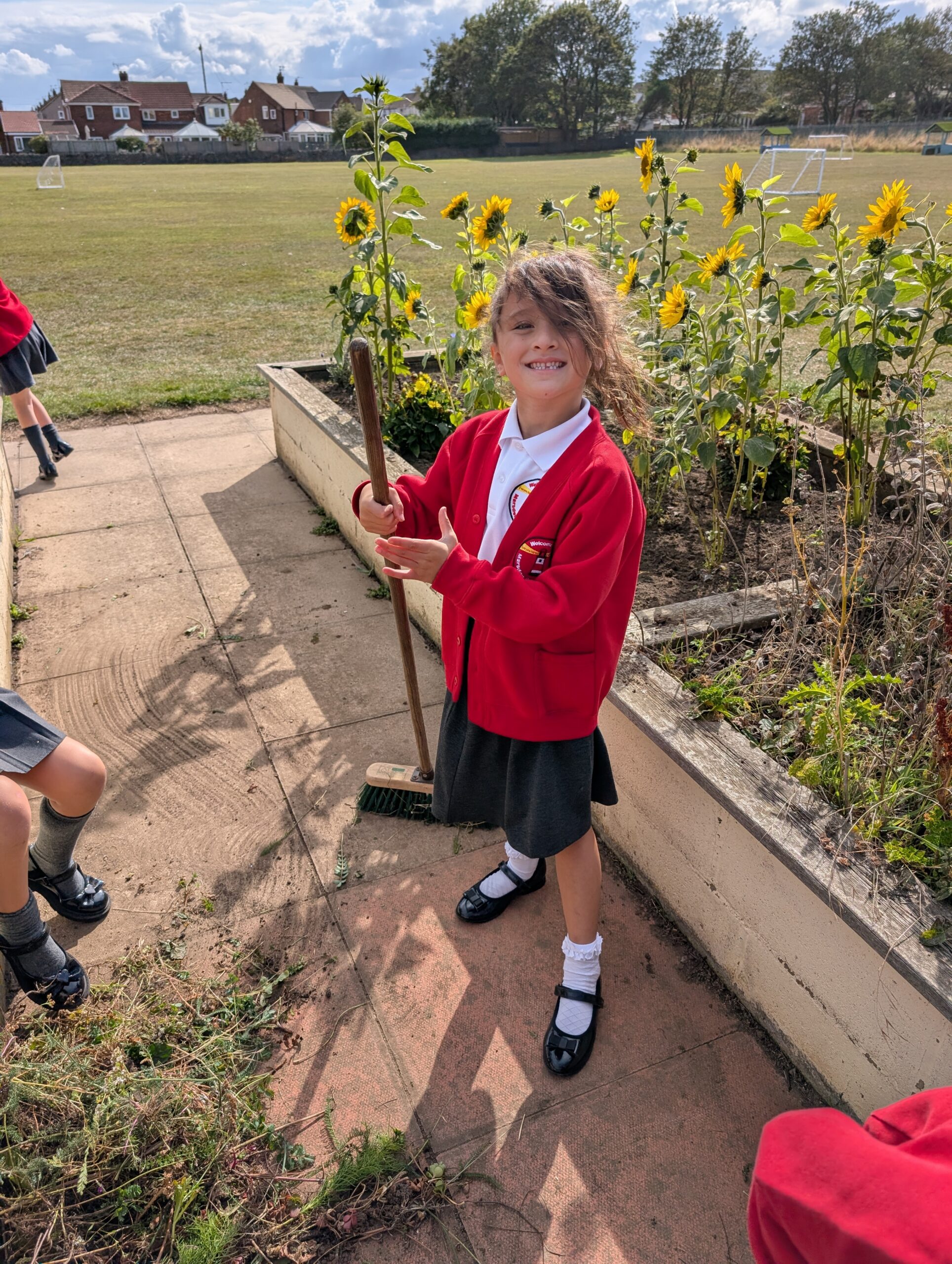
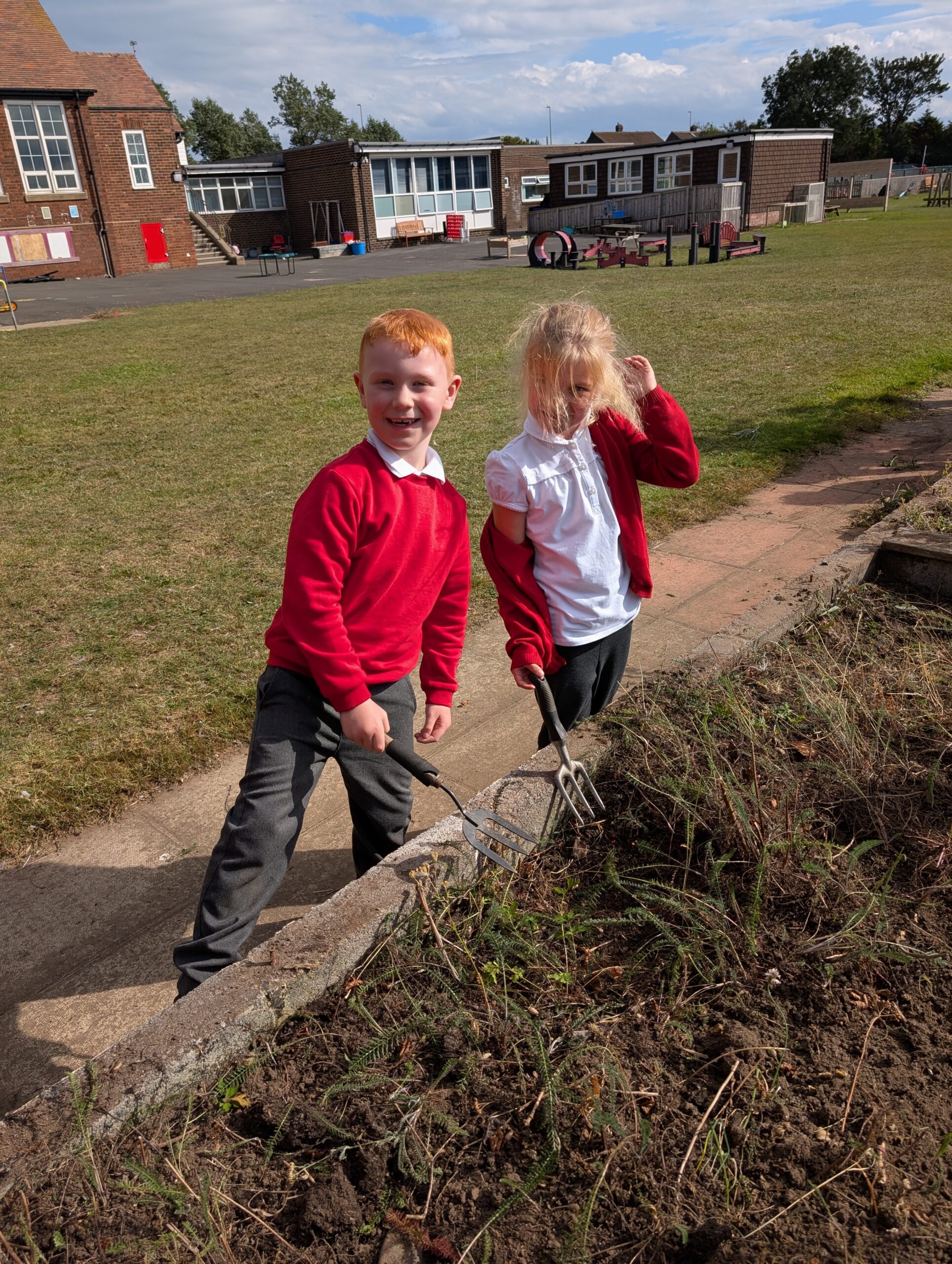
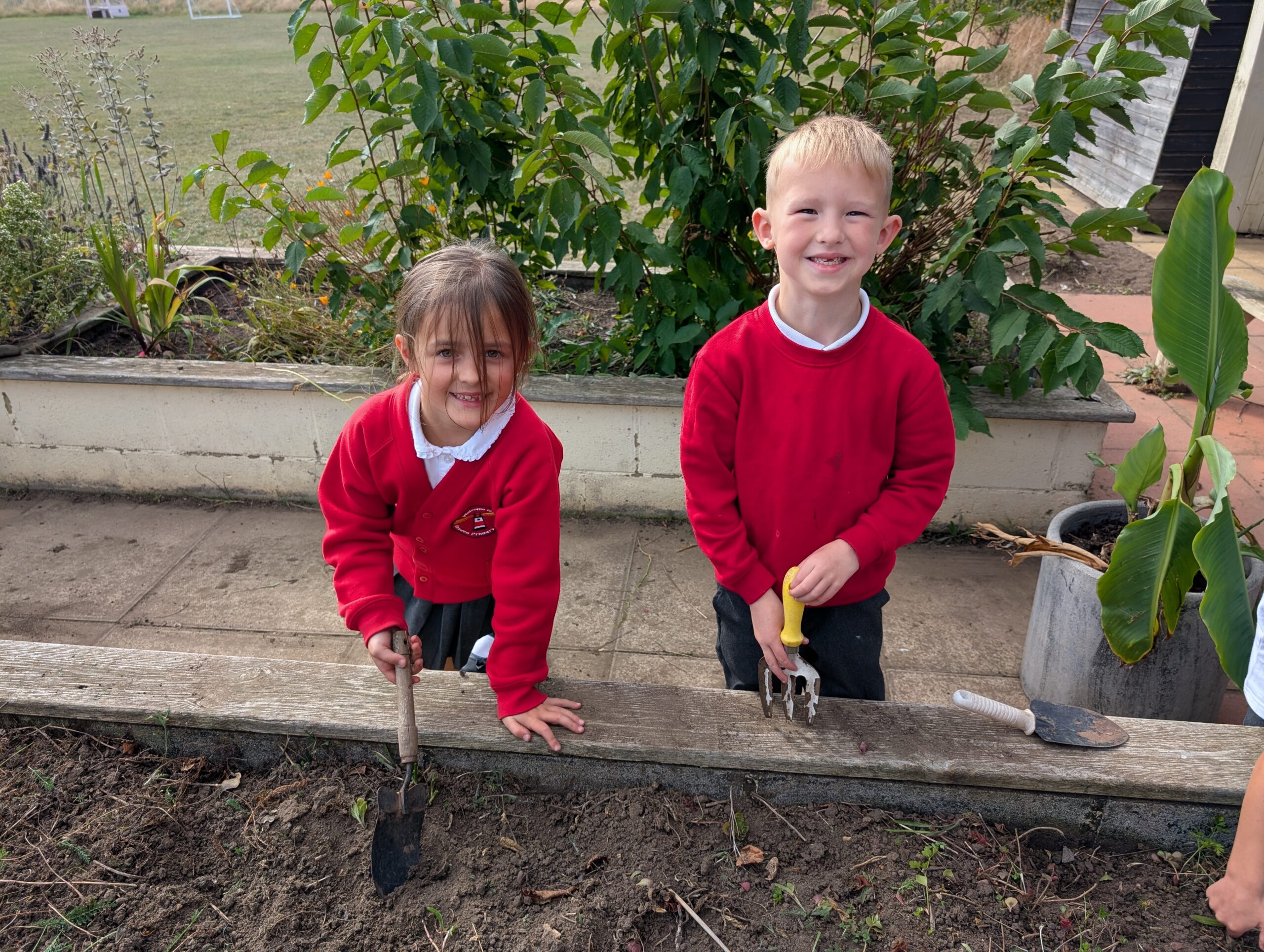
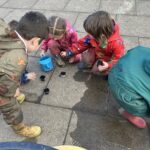
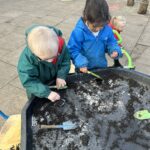
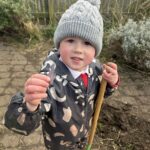
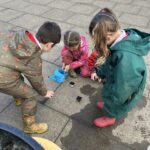
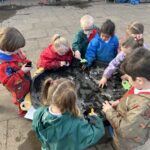
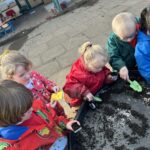
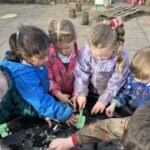
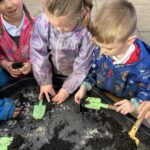
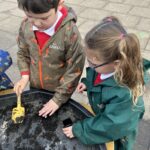
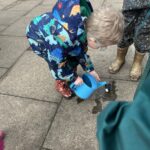
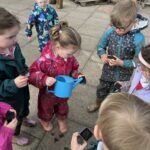
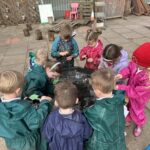
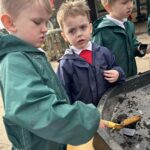
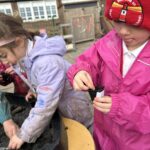
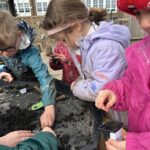
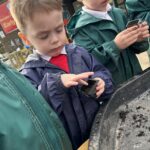
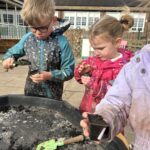
As part of science week, EYFS have been weeding the garden in preparation for planting new flowers, herbs and plants next week. We planted sunflower seeds and discussed how we need to care for our flowers as they grow. We also discussed seasonal change and examined how the world around us changes when it changes from winter to Spring.
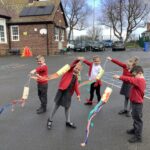
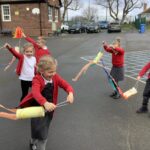
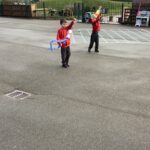
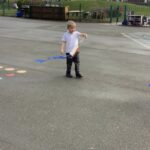
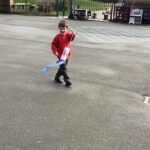
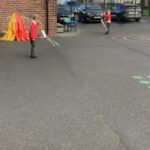
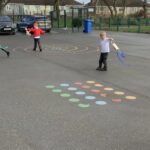
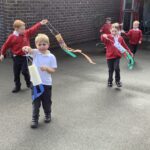
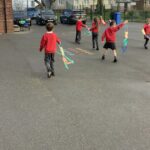
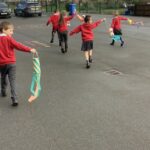
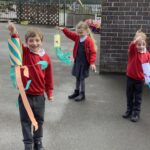
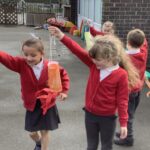
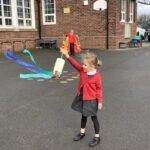
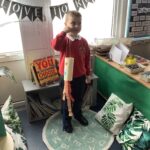
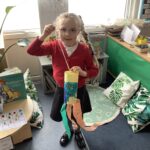
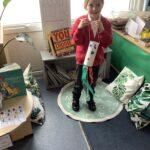
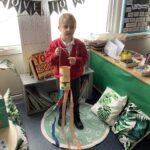
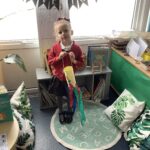
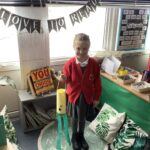
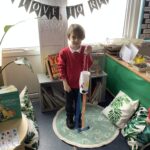
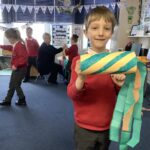
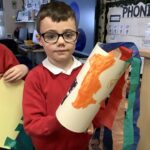
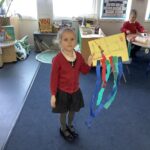
To celebrate Science Week, Year 1 made wind socks to begin their new topic about the weather this term. We will be using them over the next few weeks to find out the answer to the question ‘Does the wind always blow the same direction?’ We predicted it doesn’t always blow the same way so we will see if our results show this!