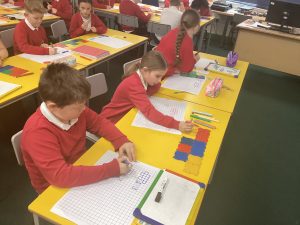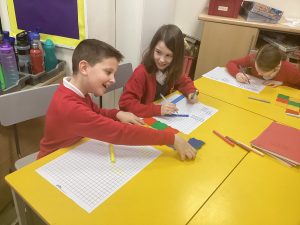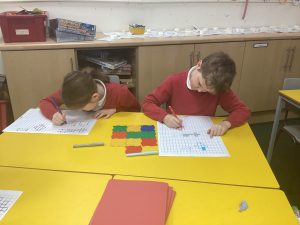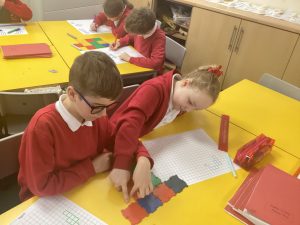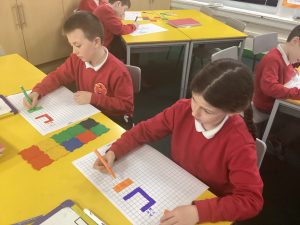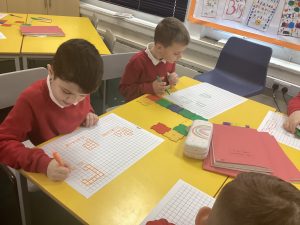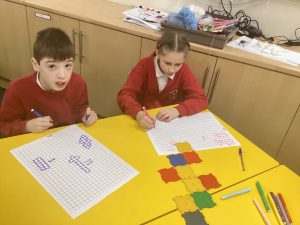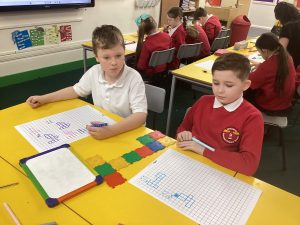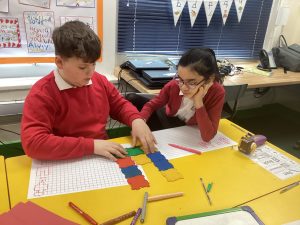
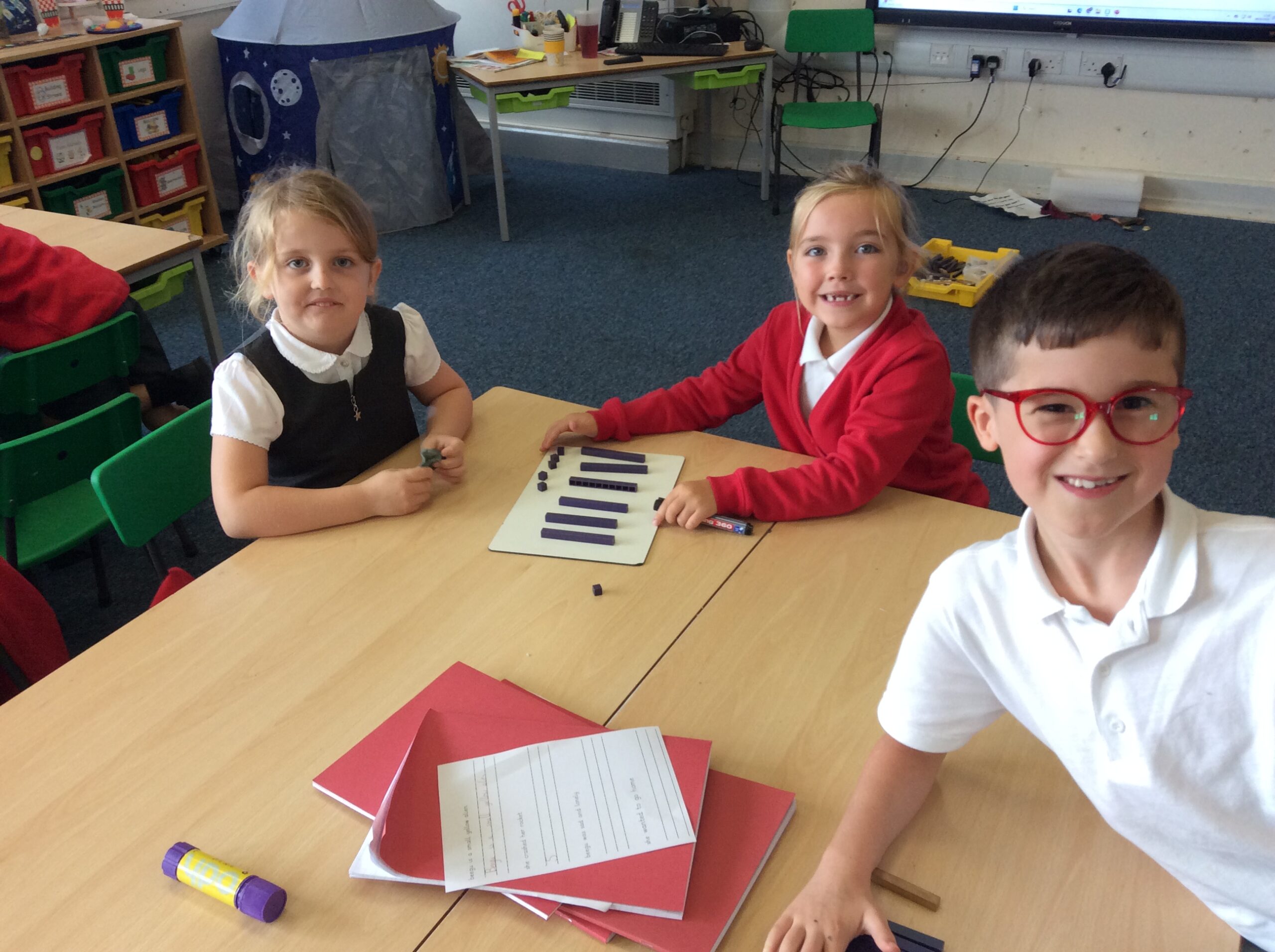
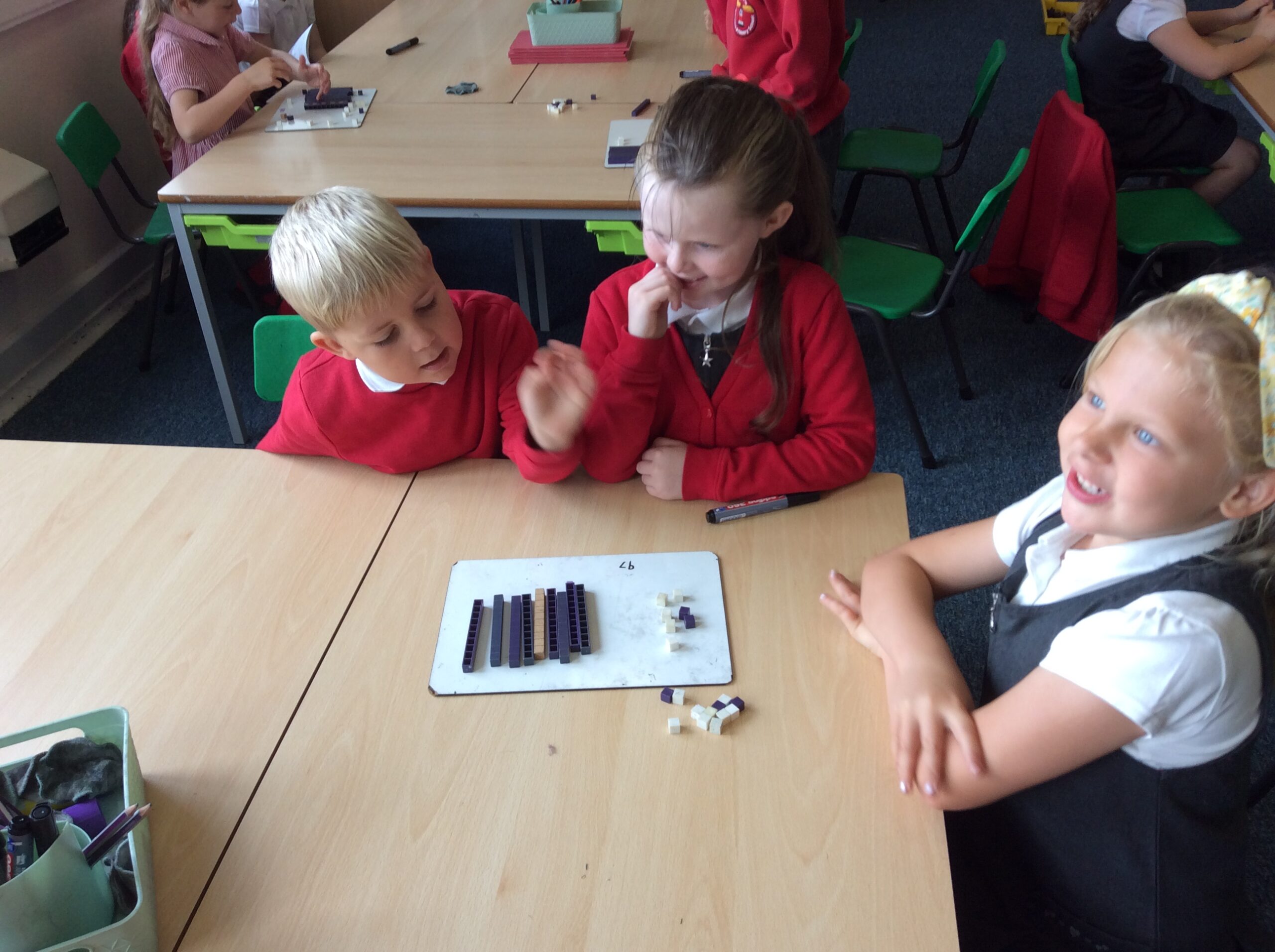
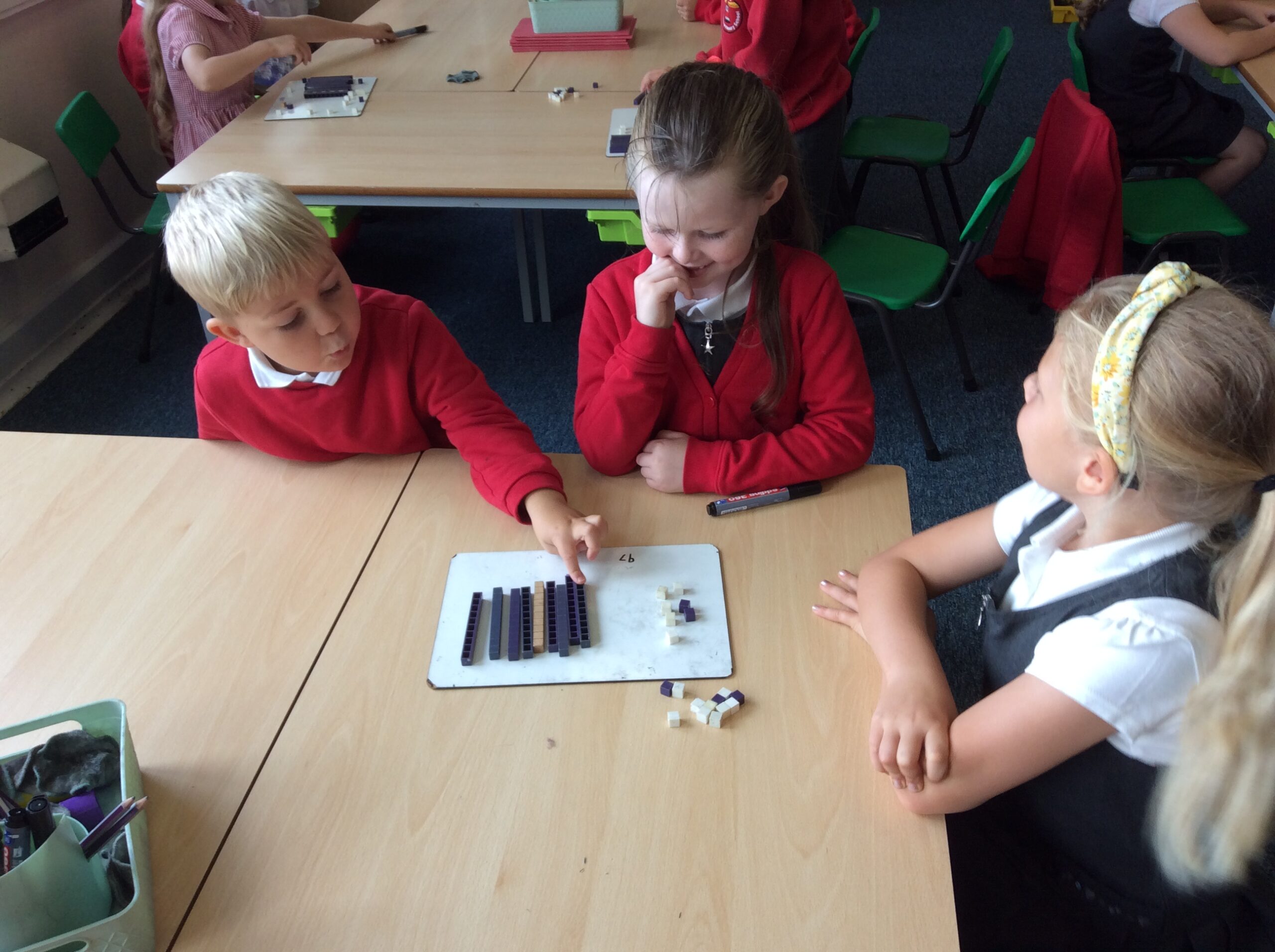
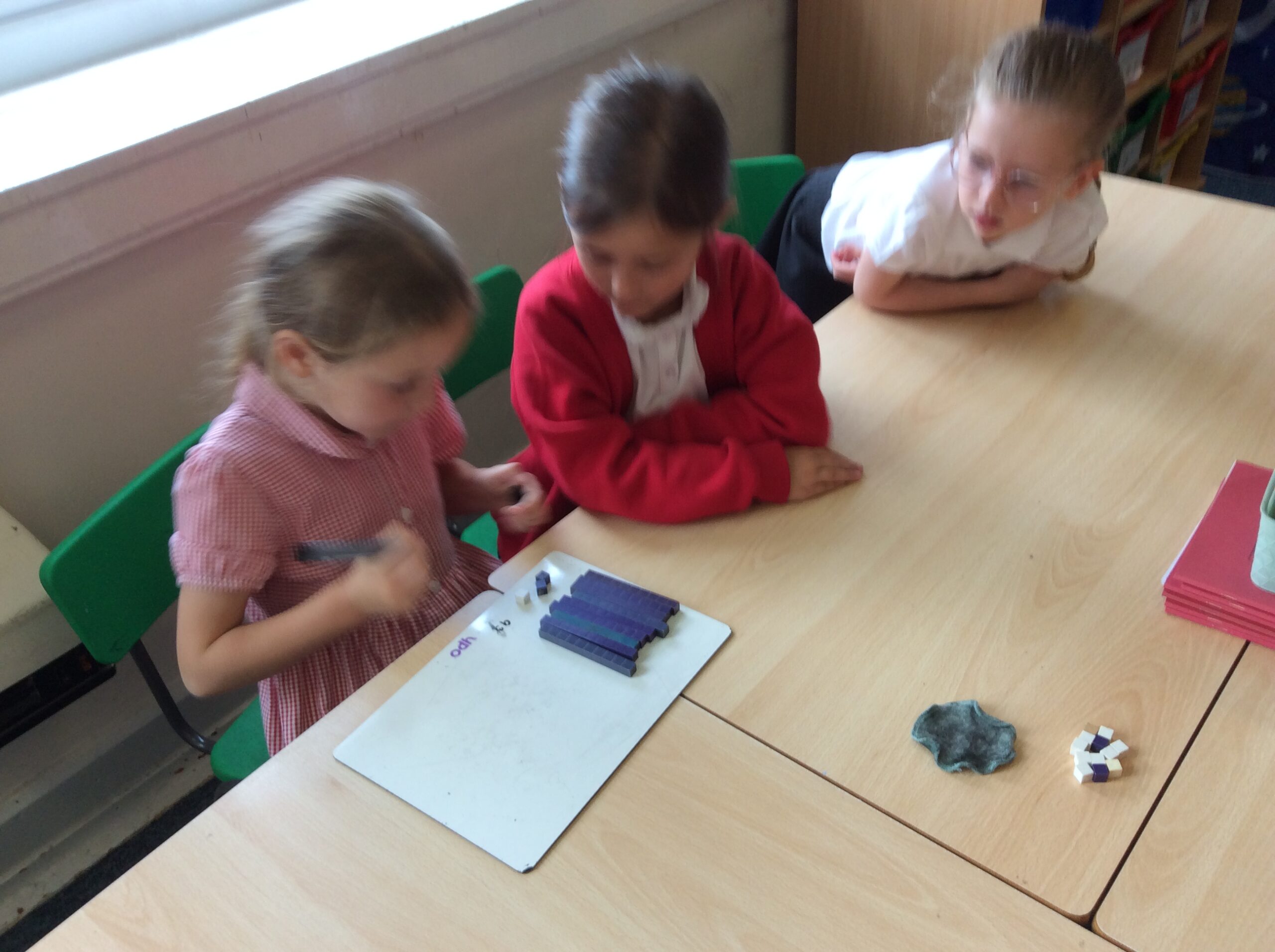
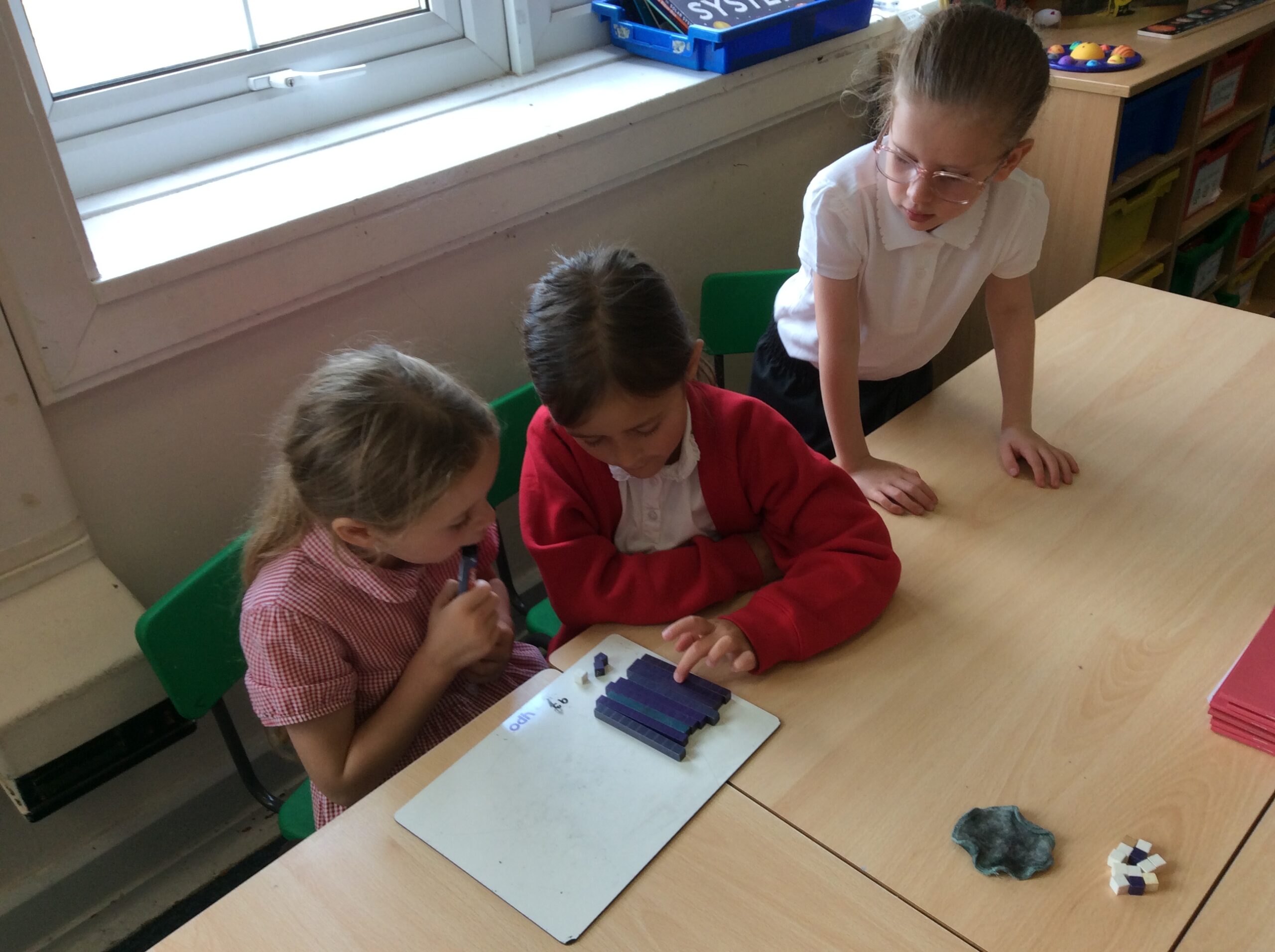
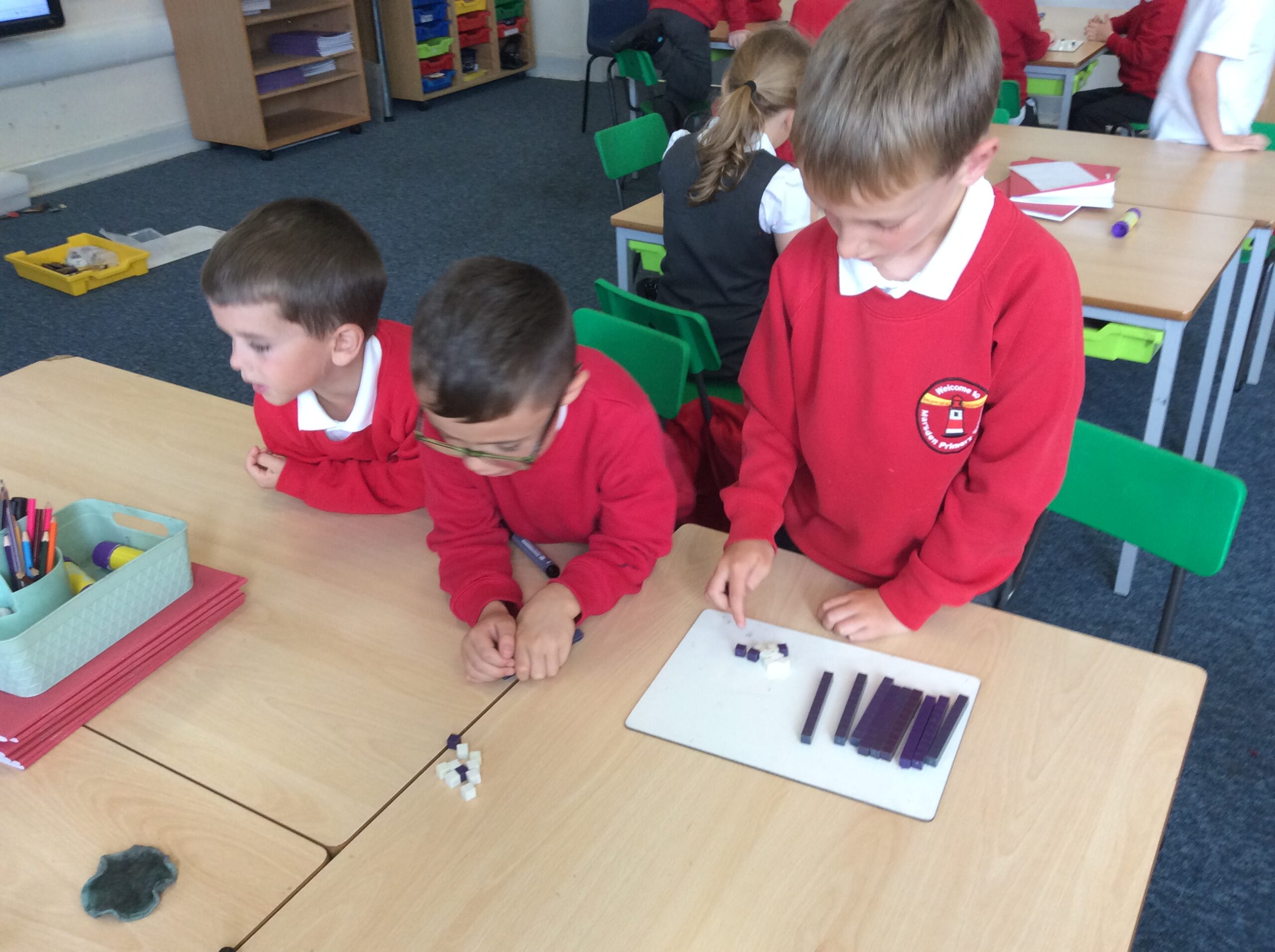
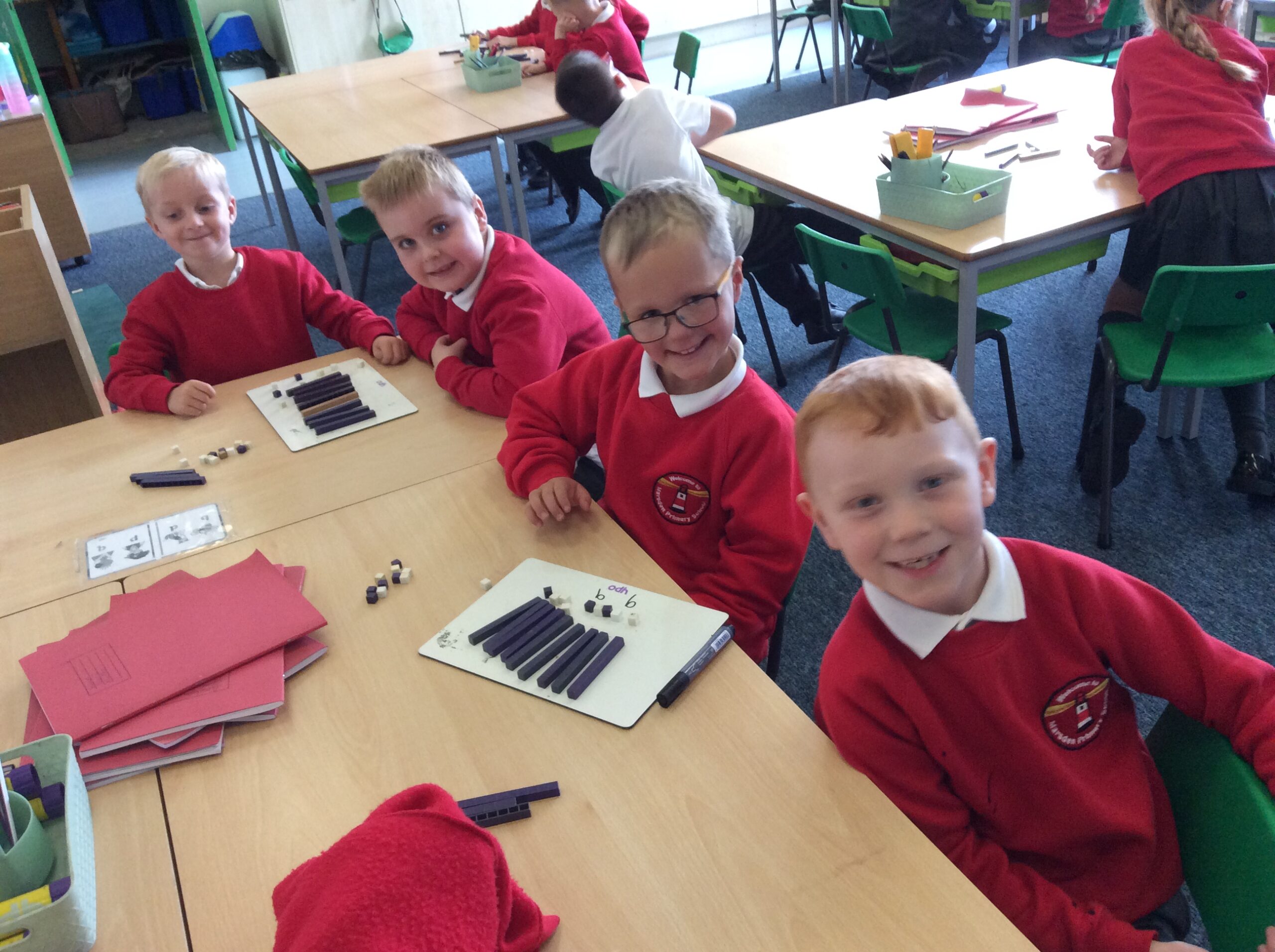
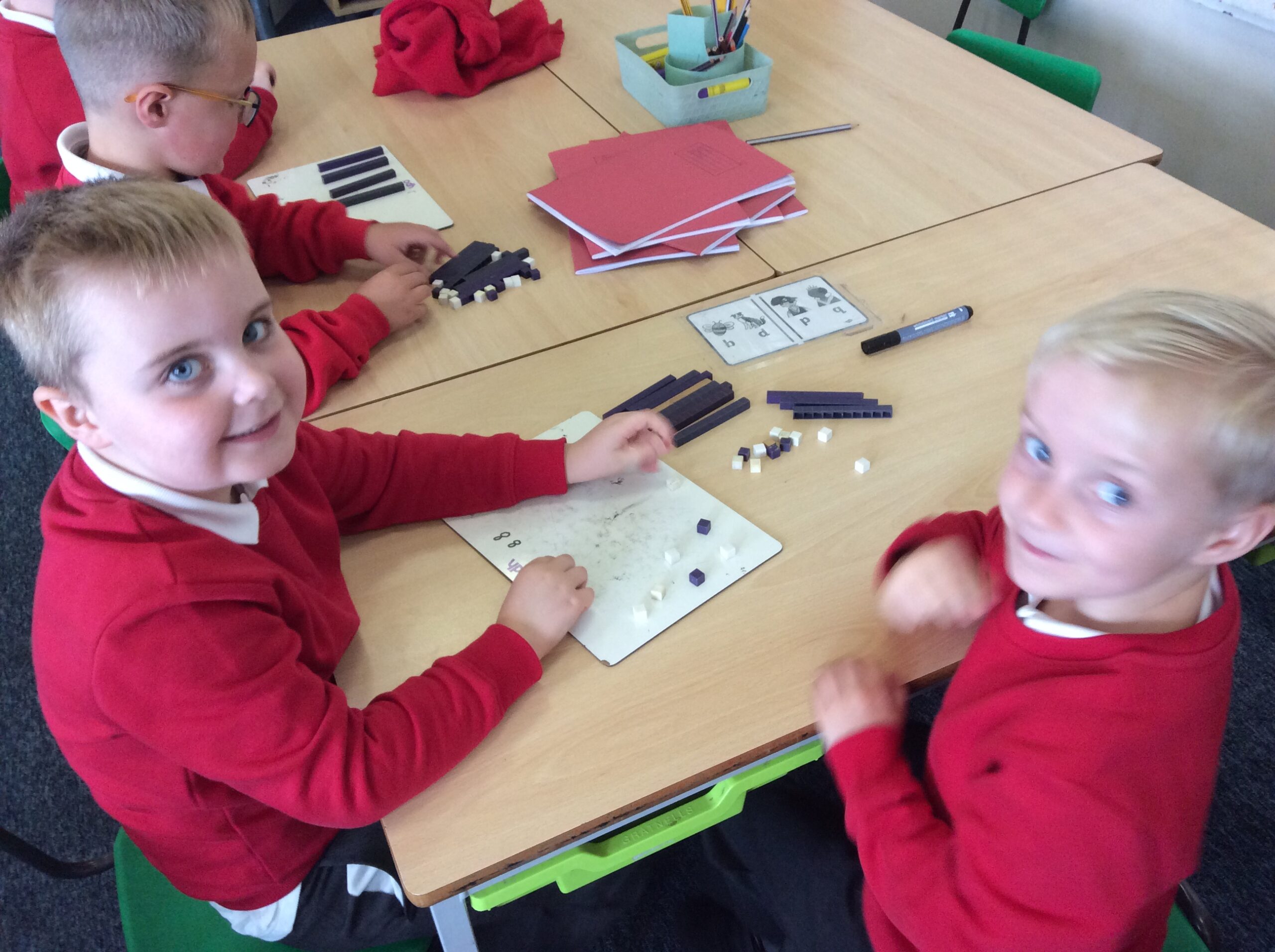
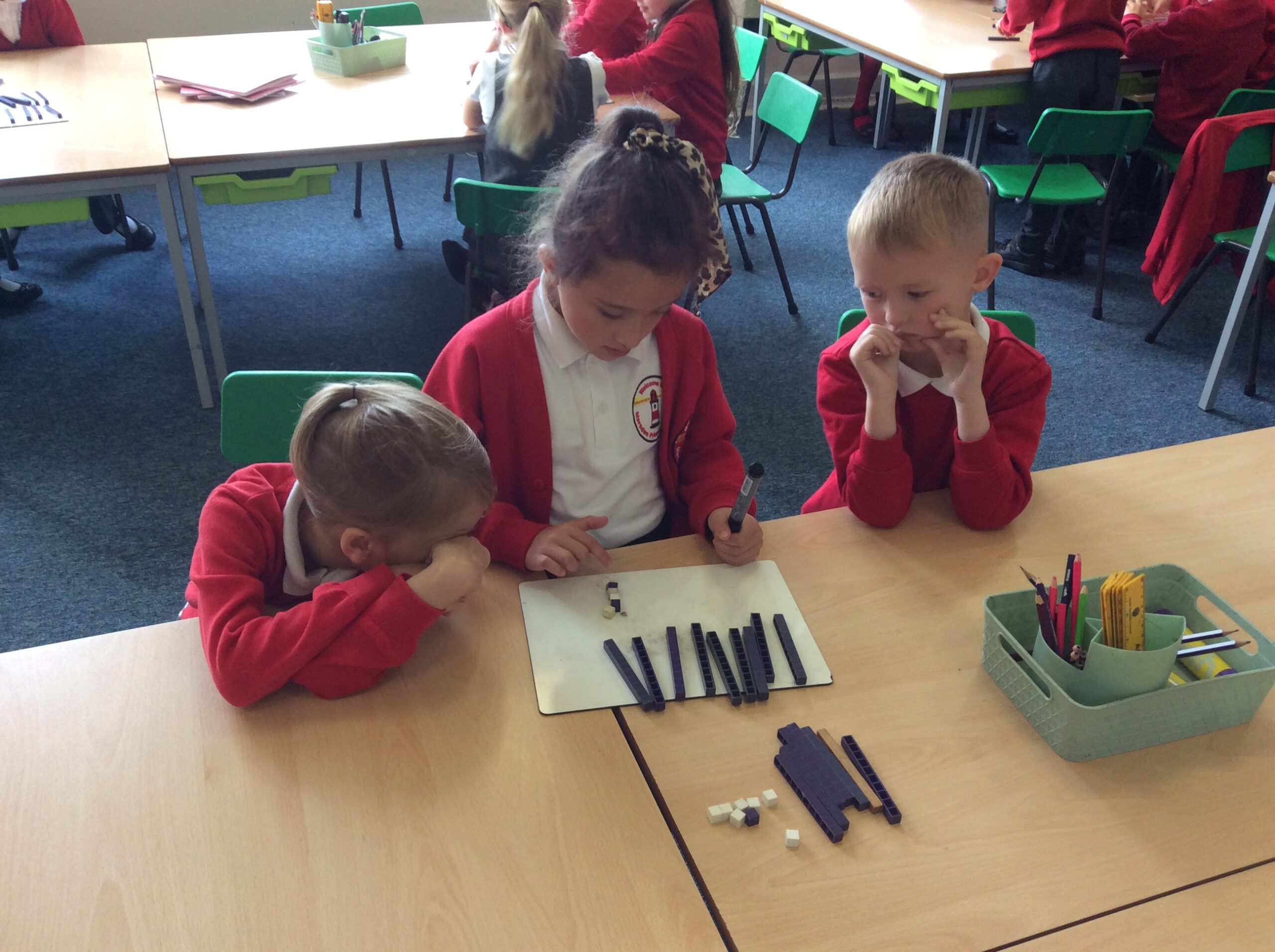
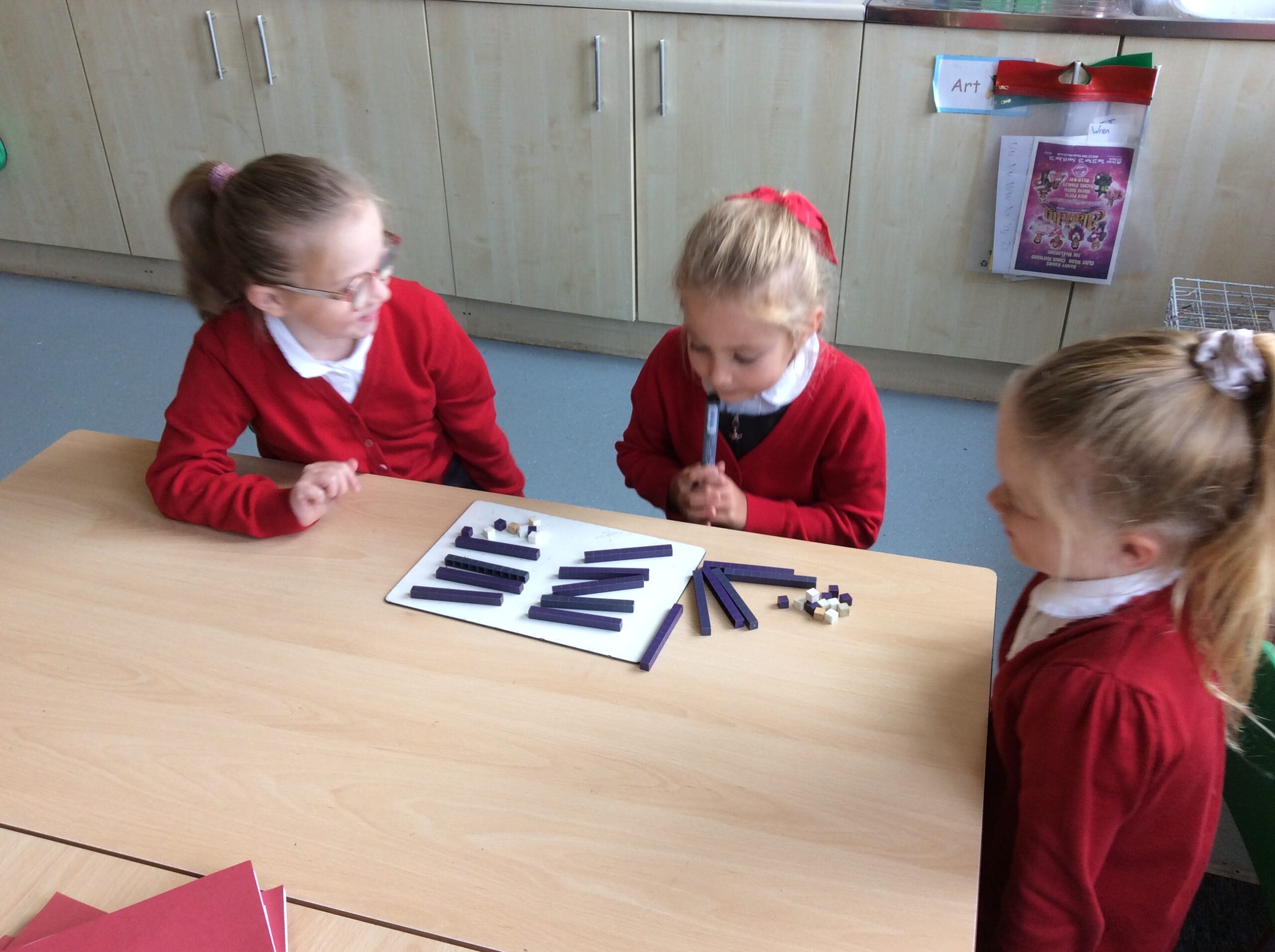
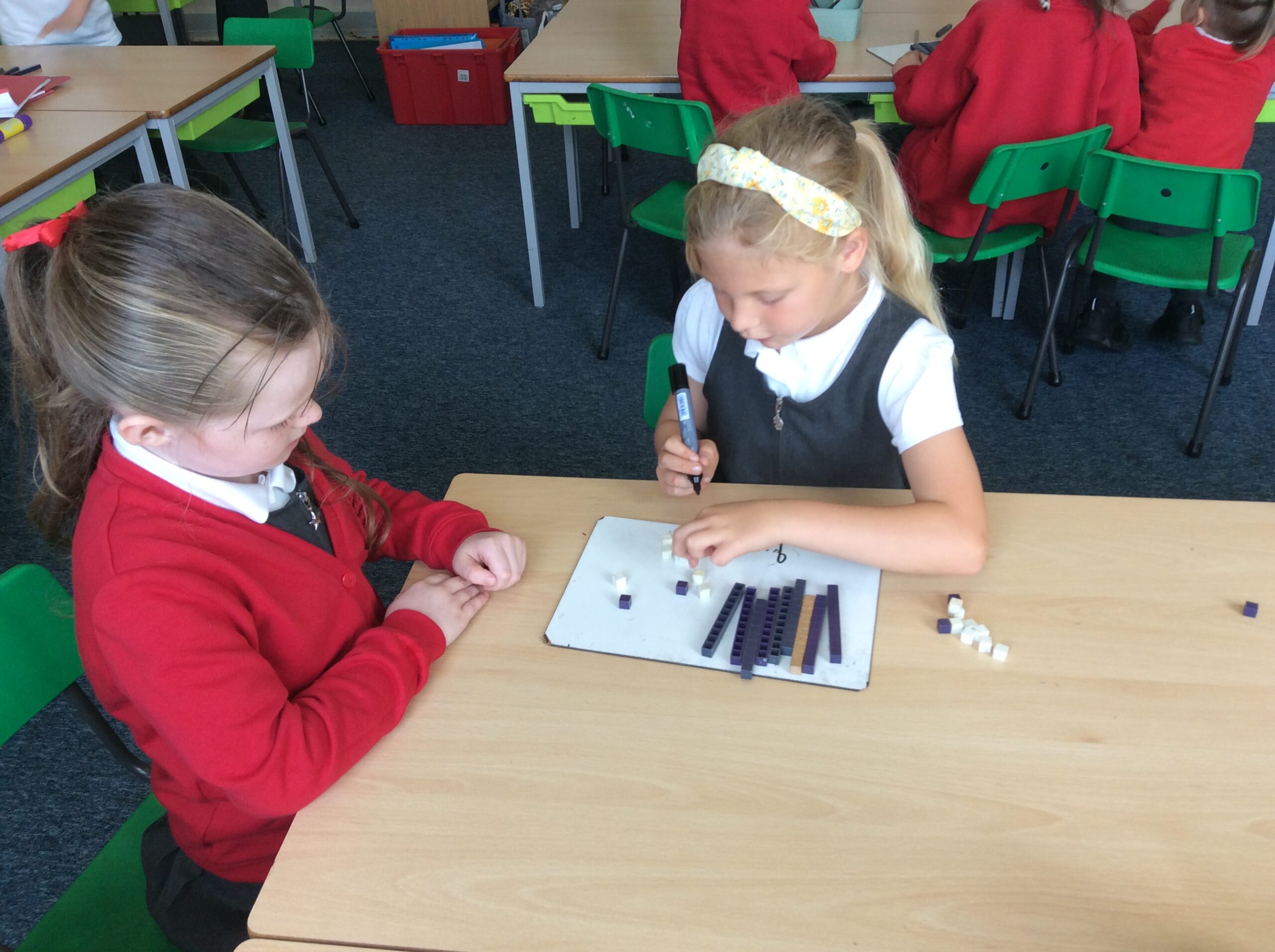
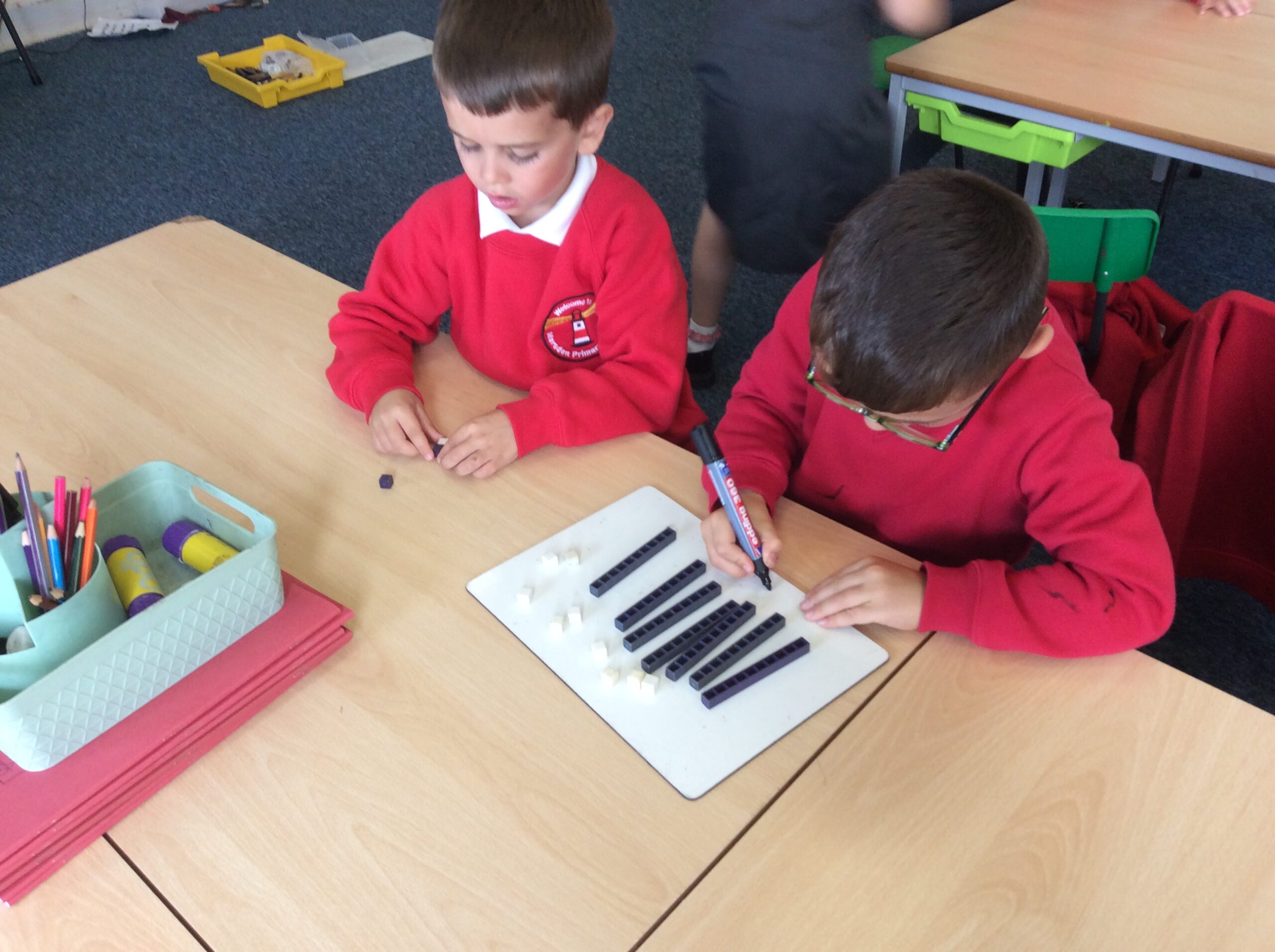
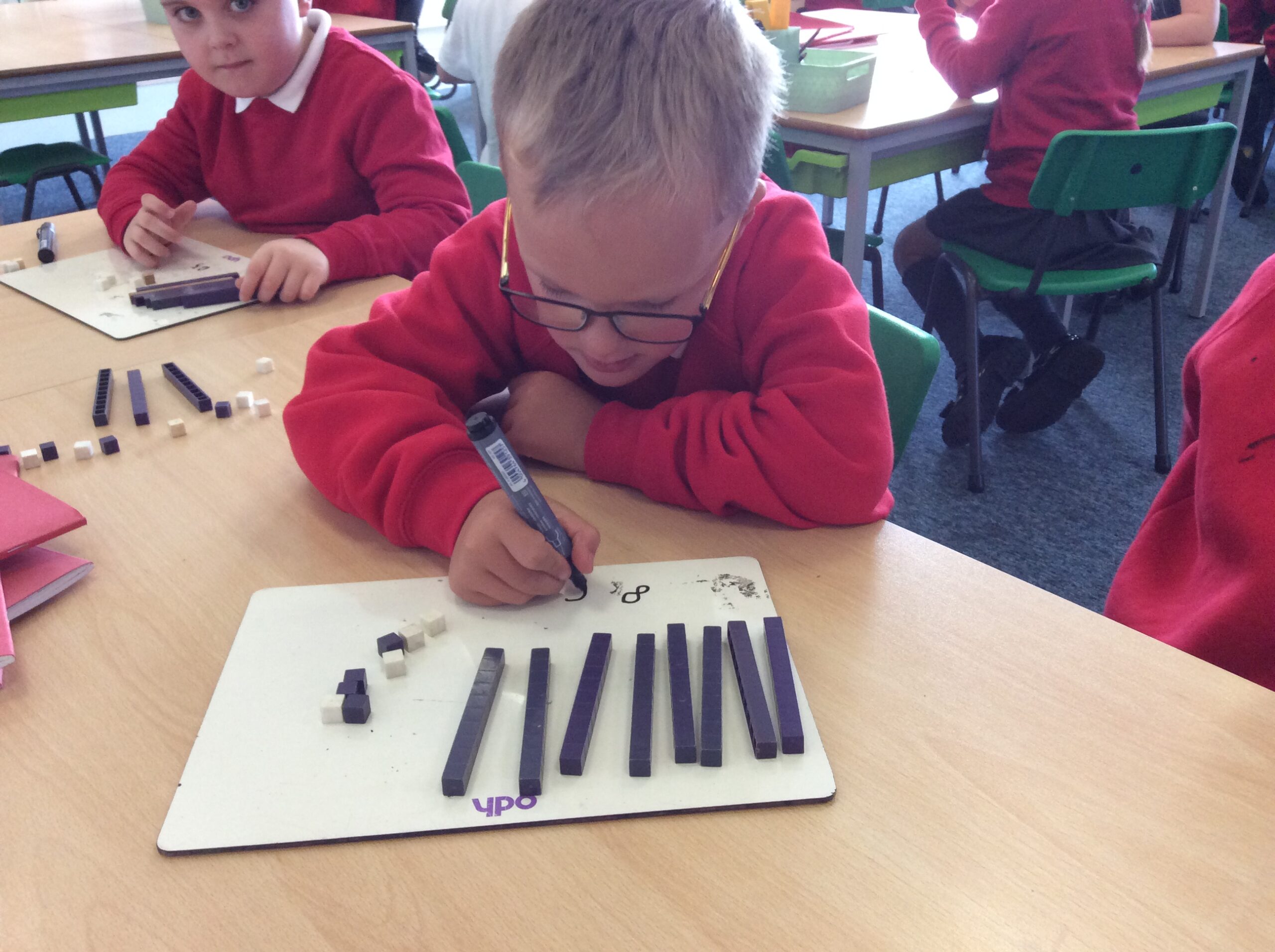
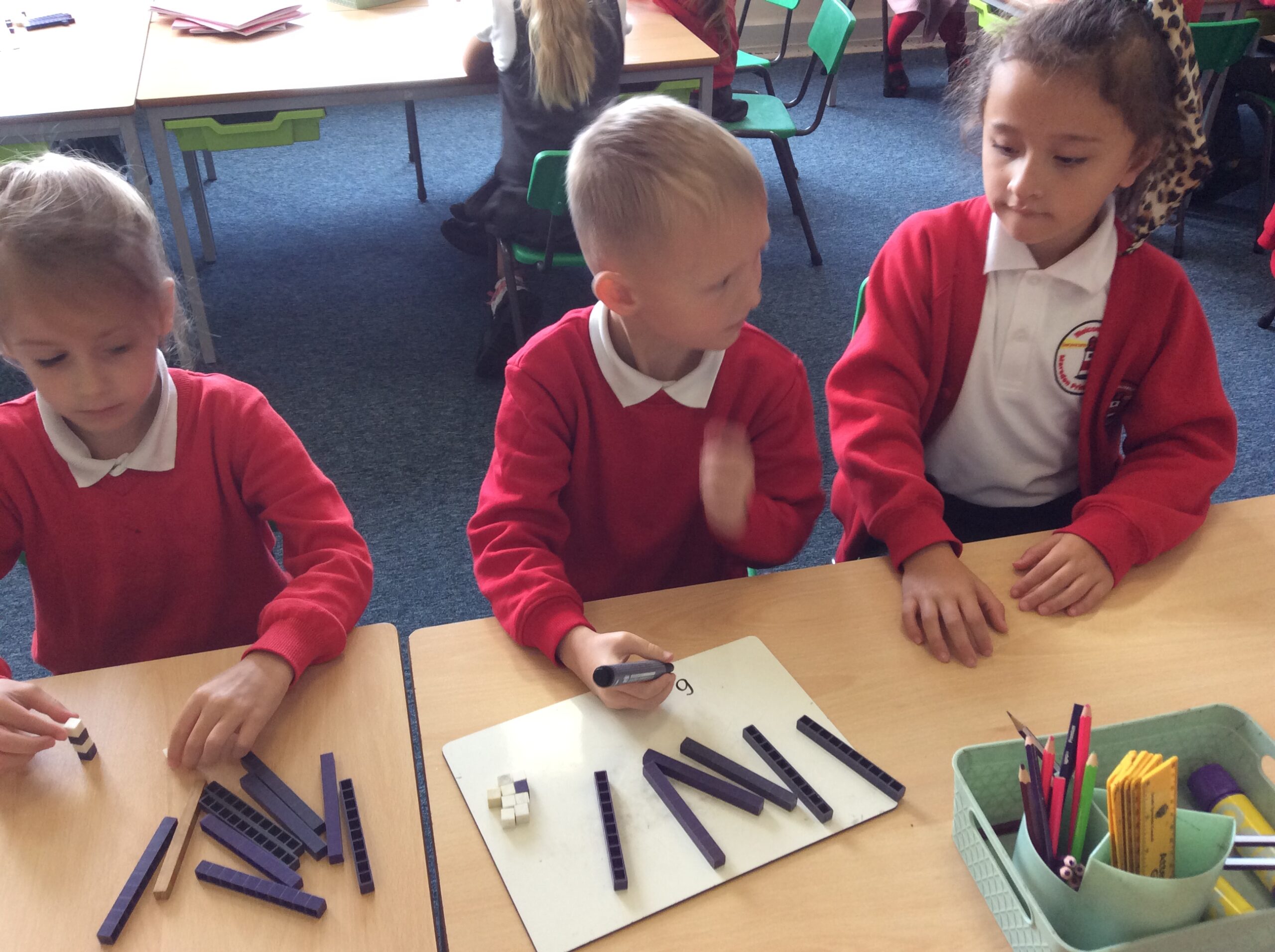
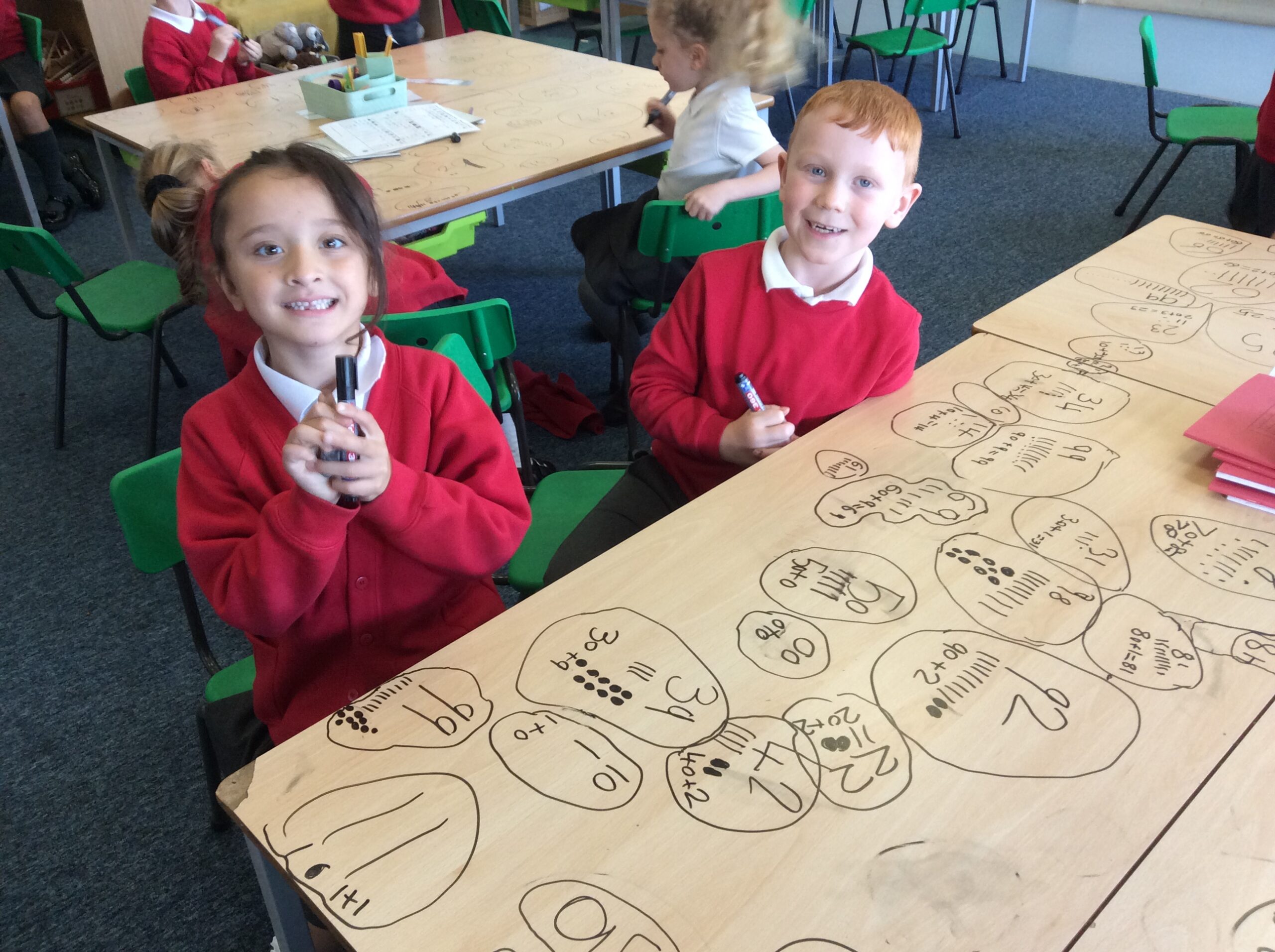
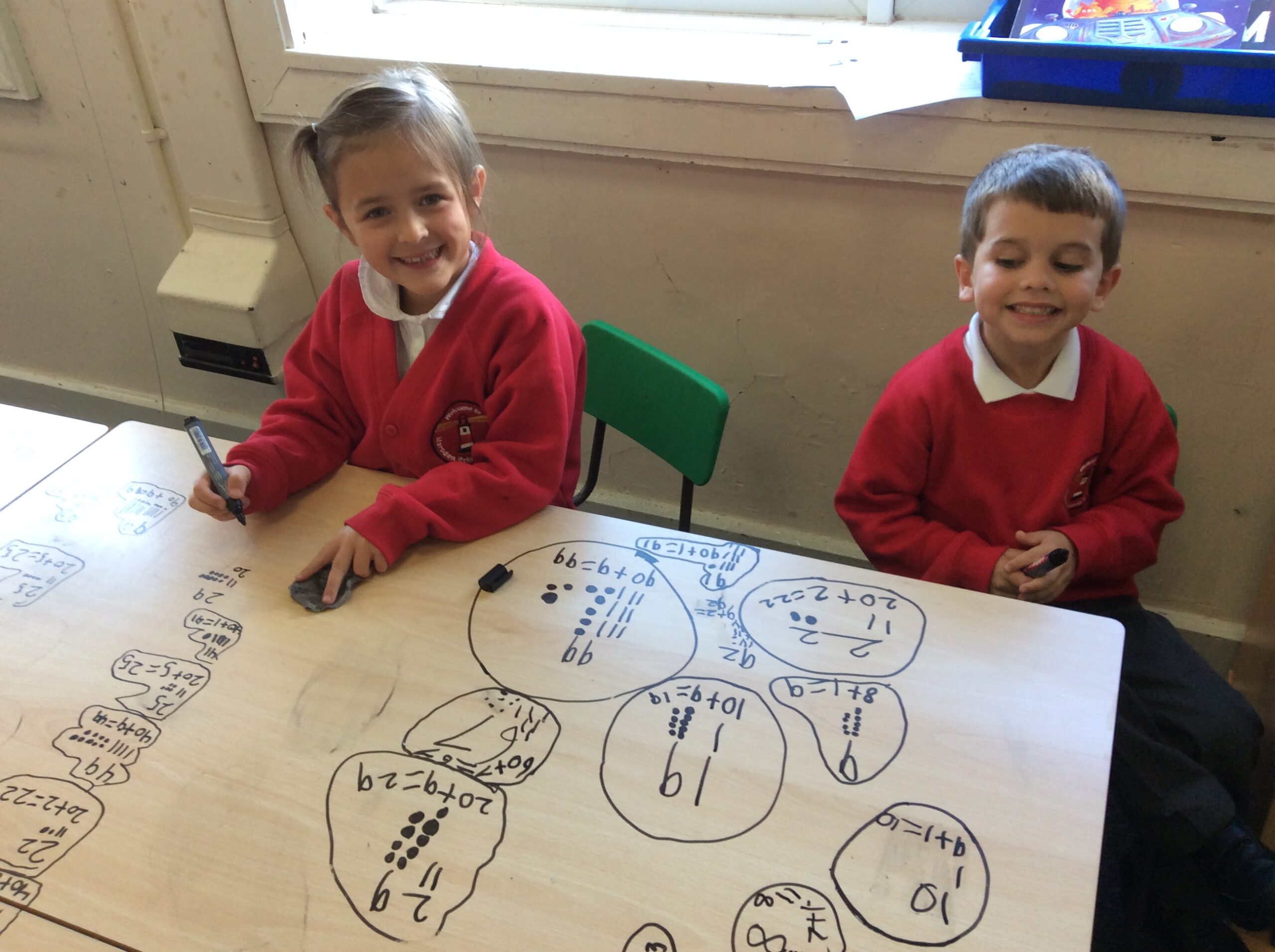
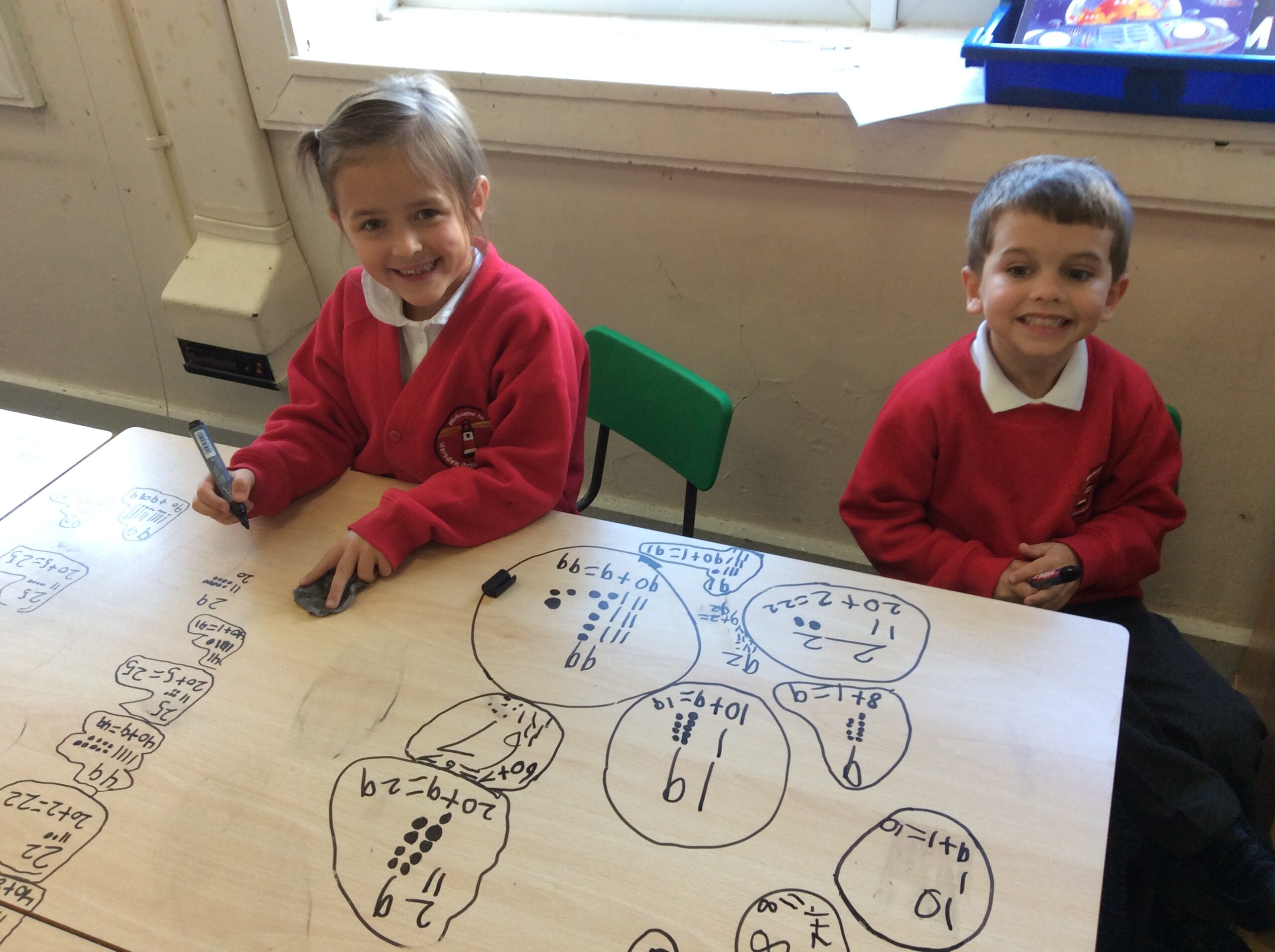
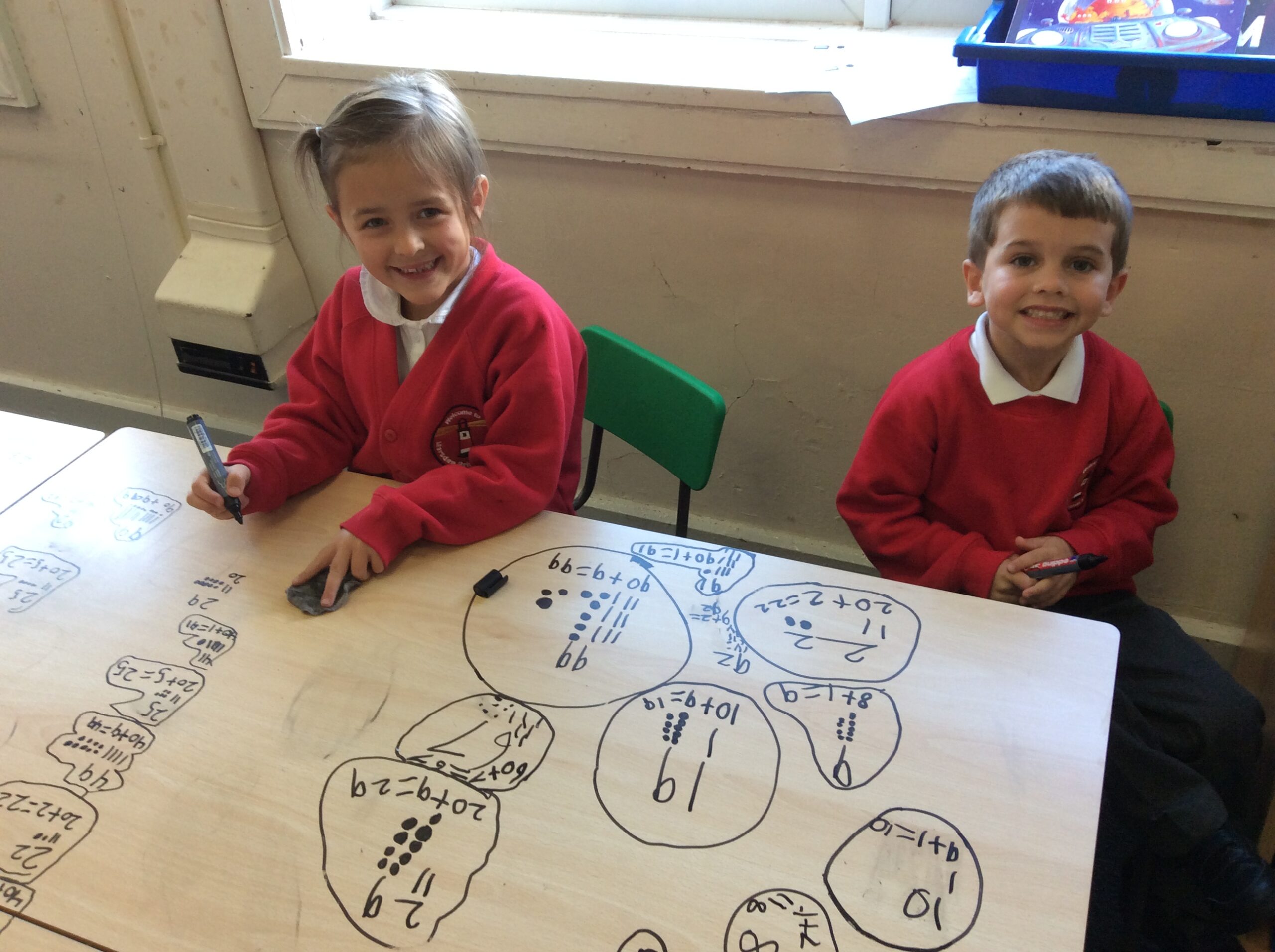
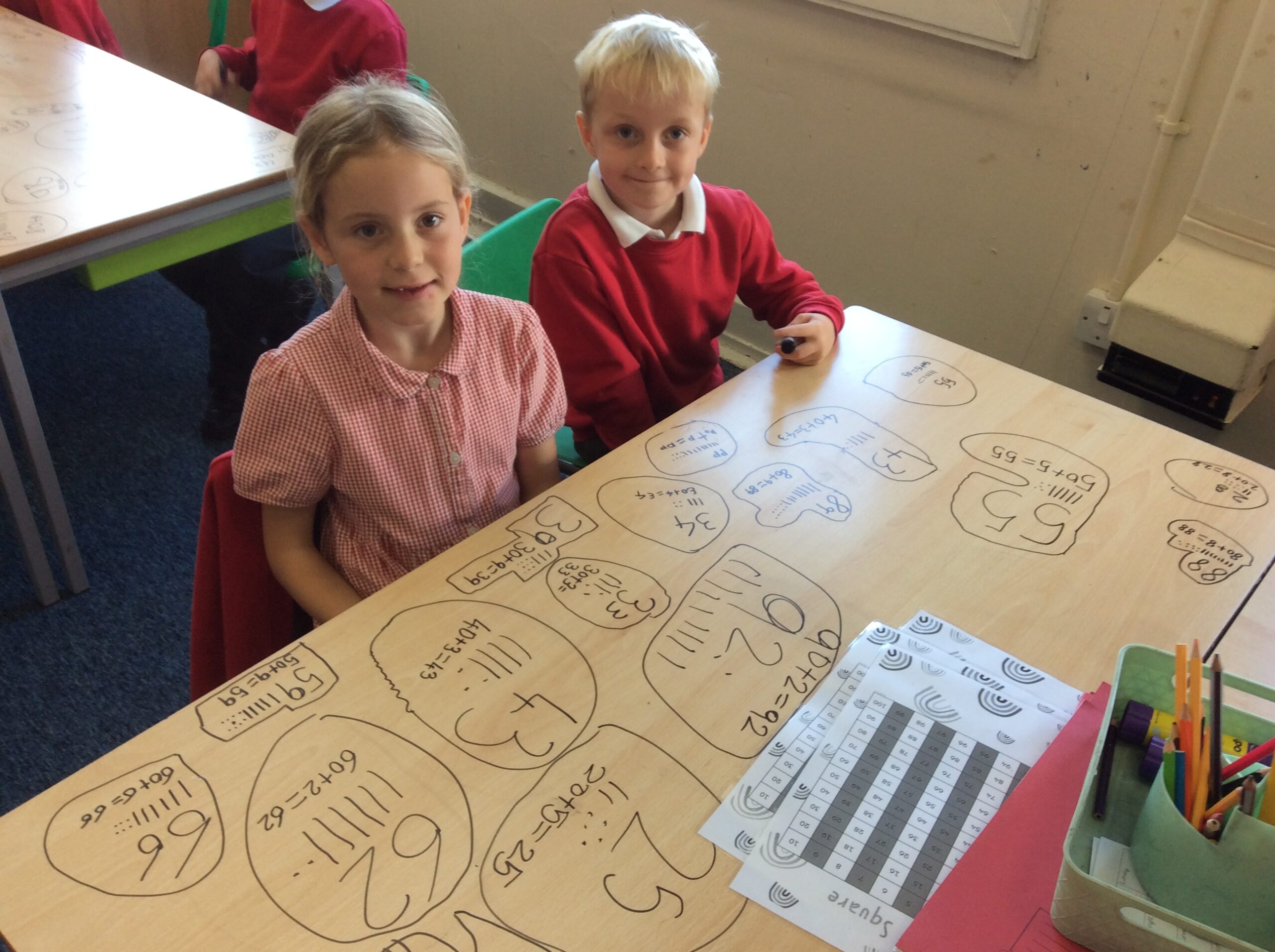
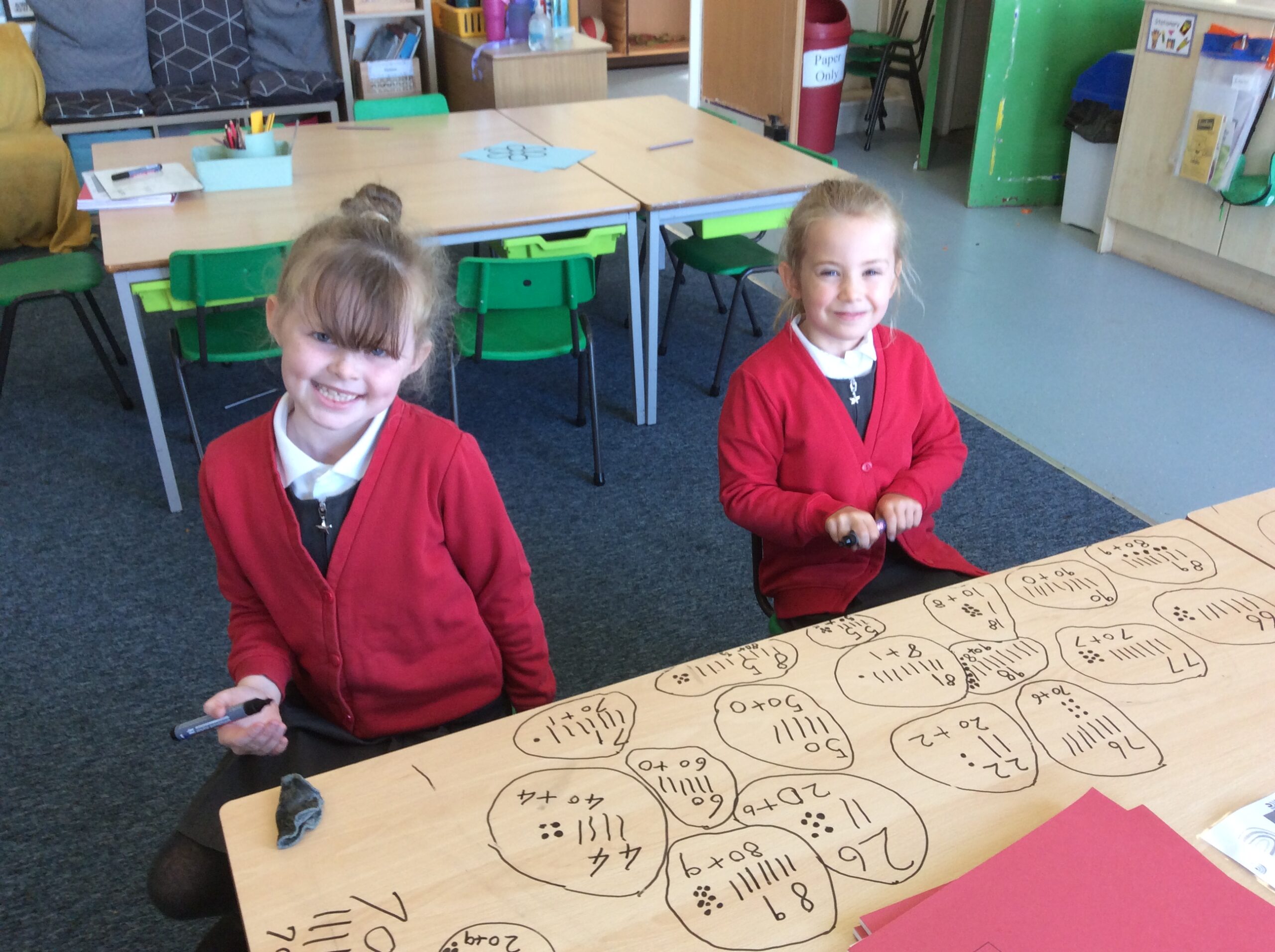
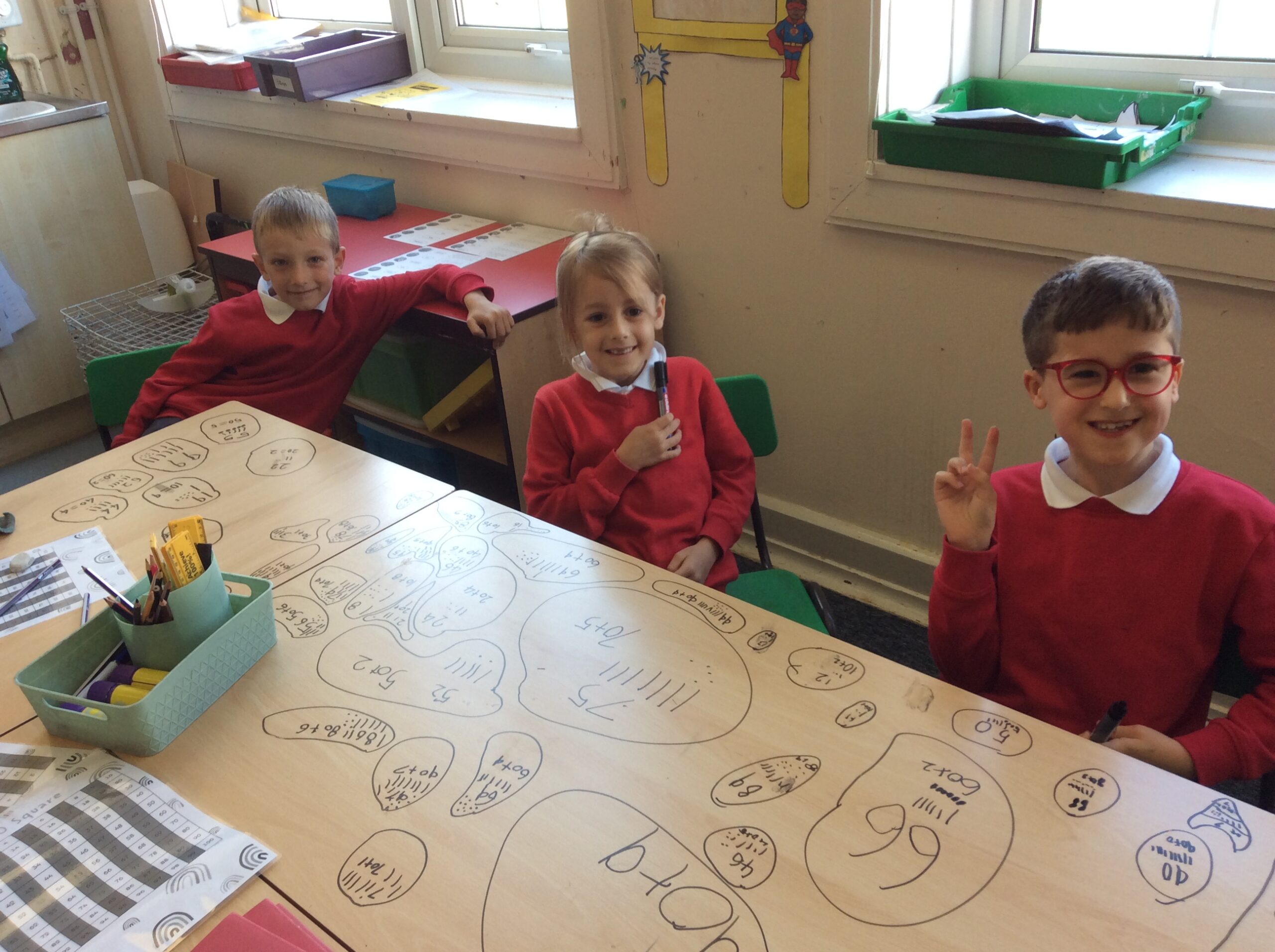
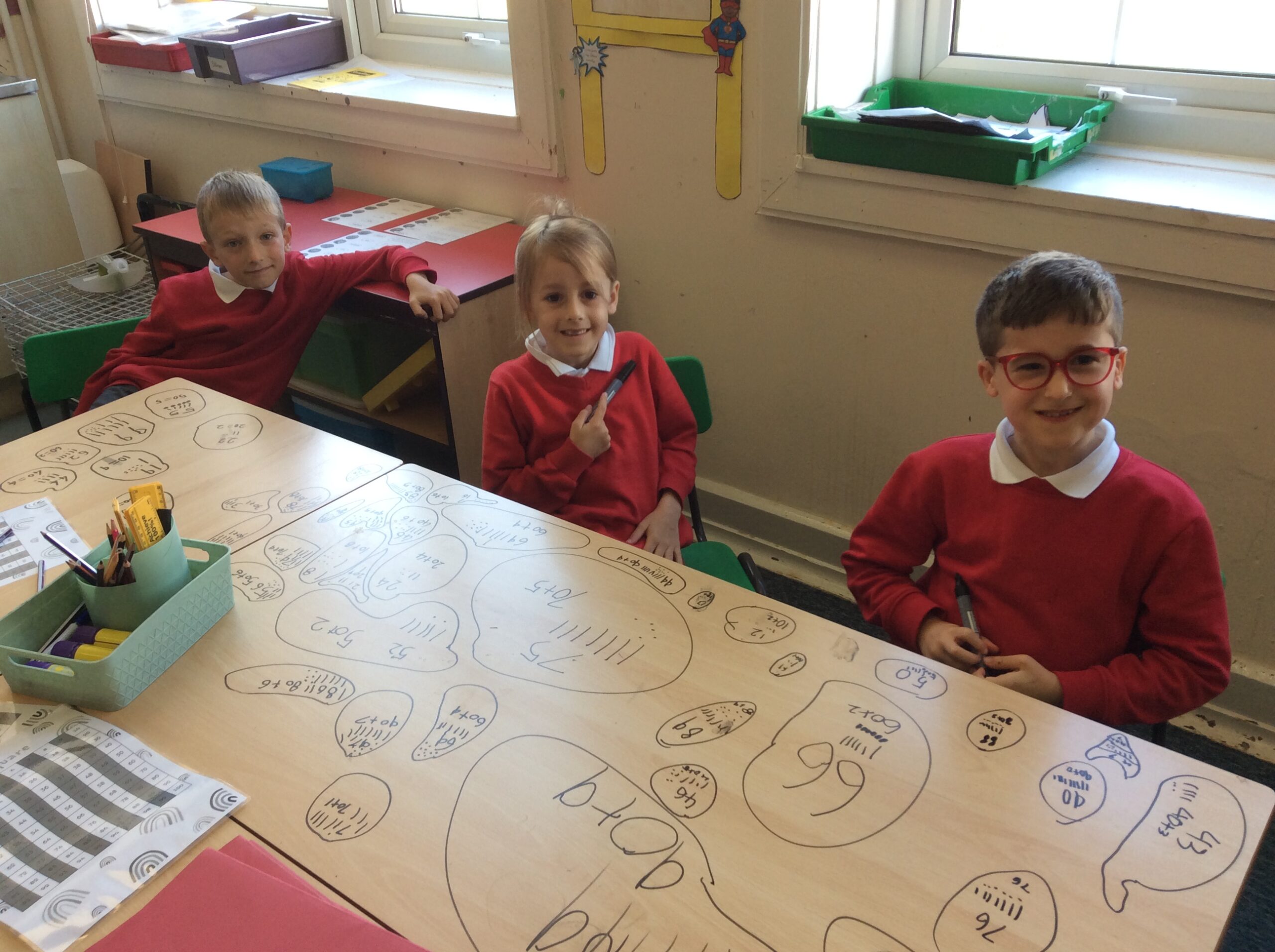
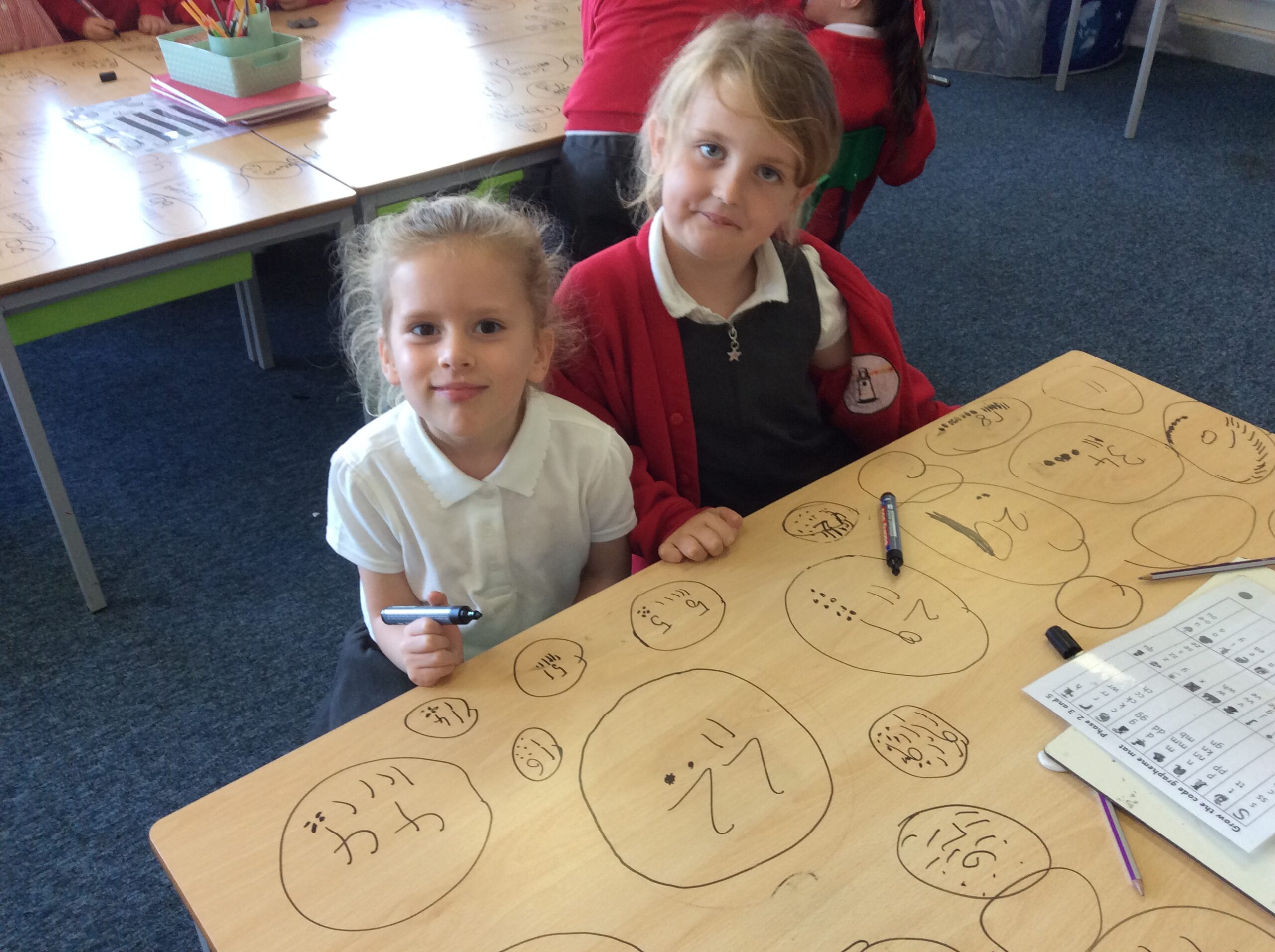
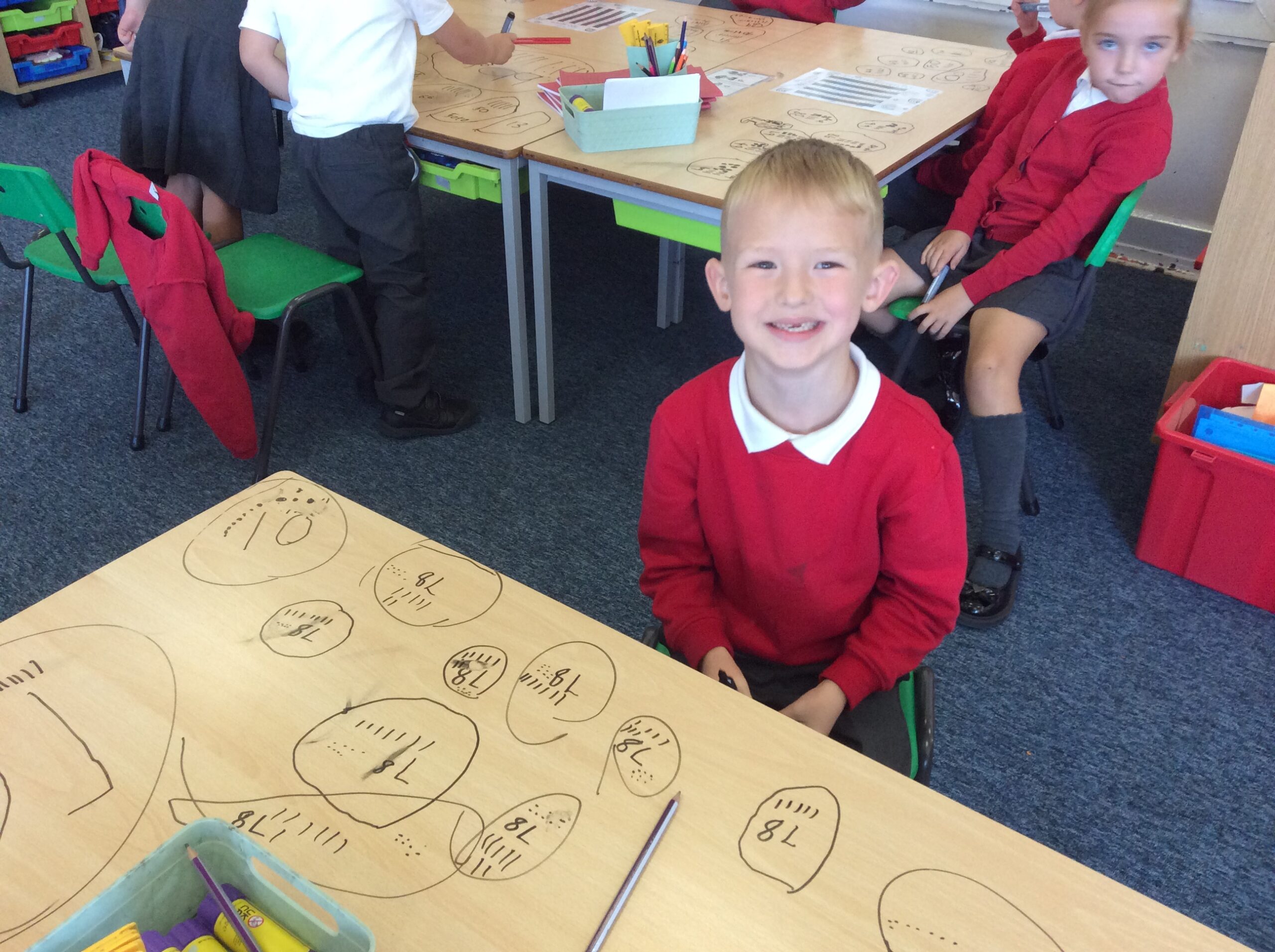
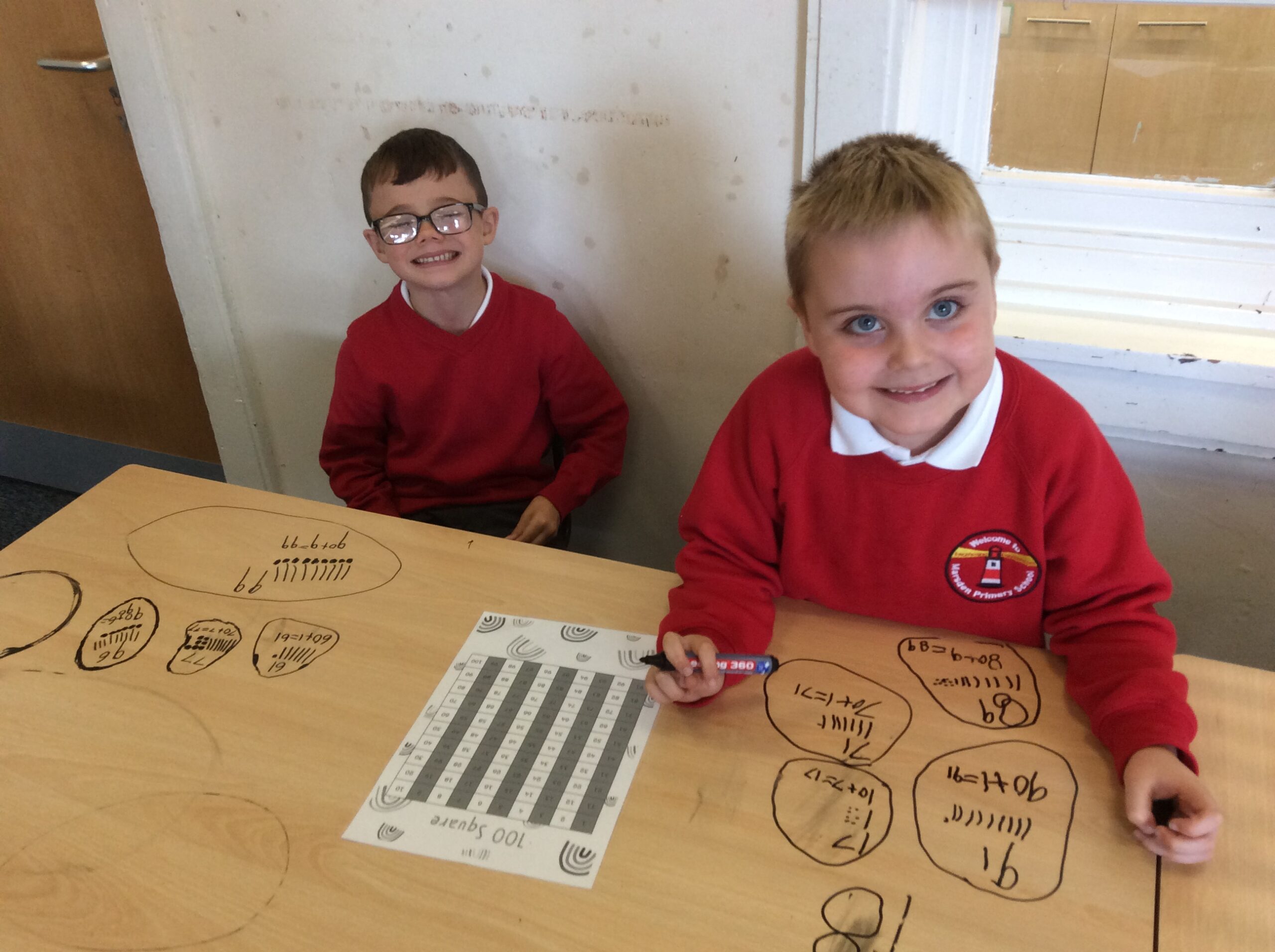
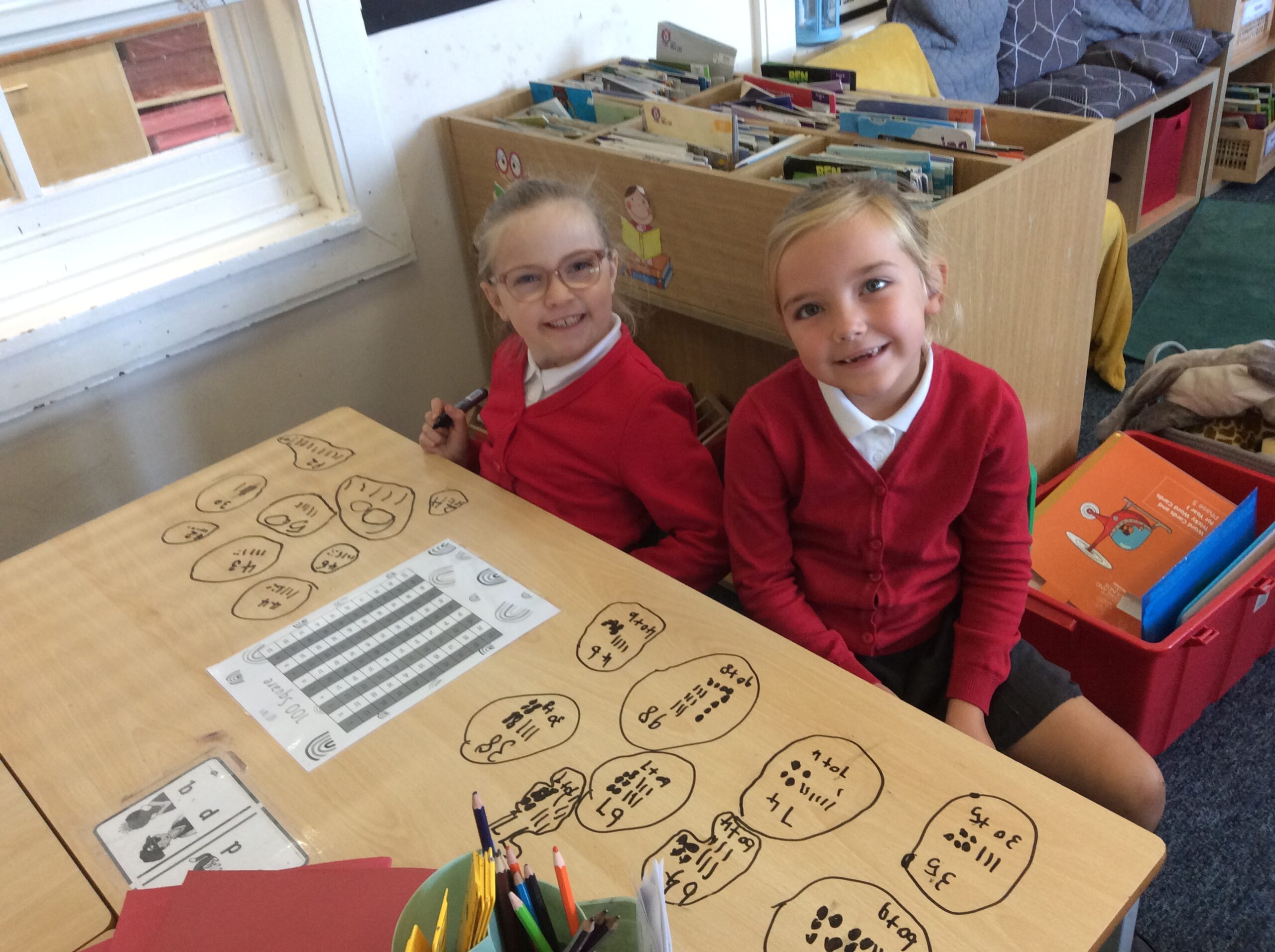
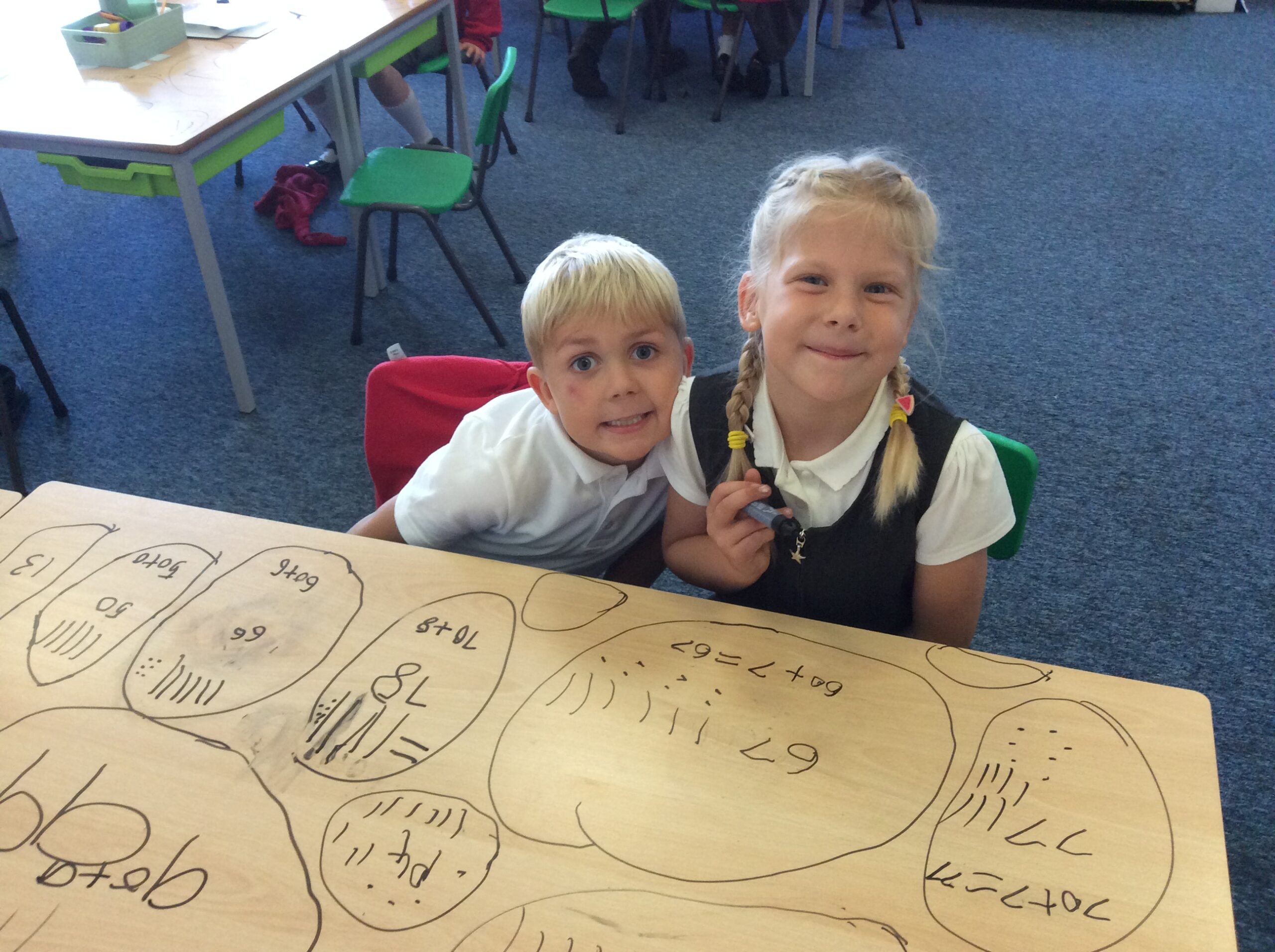
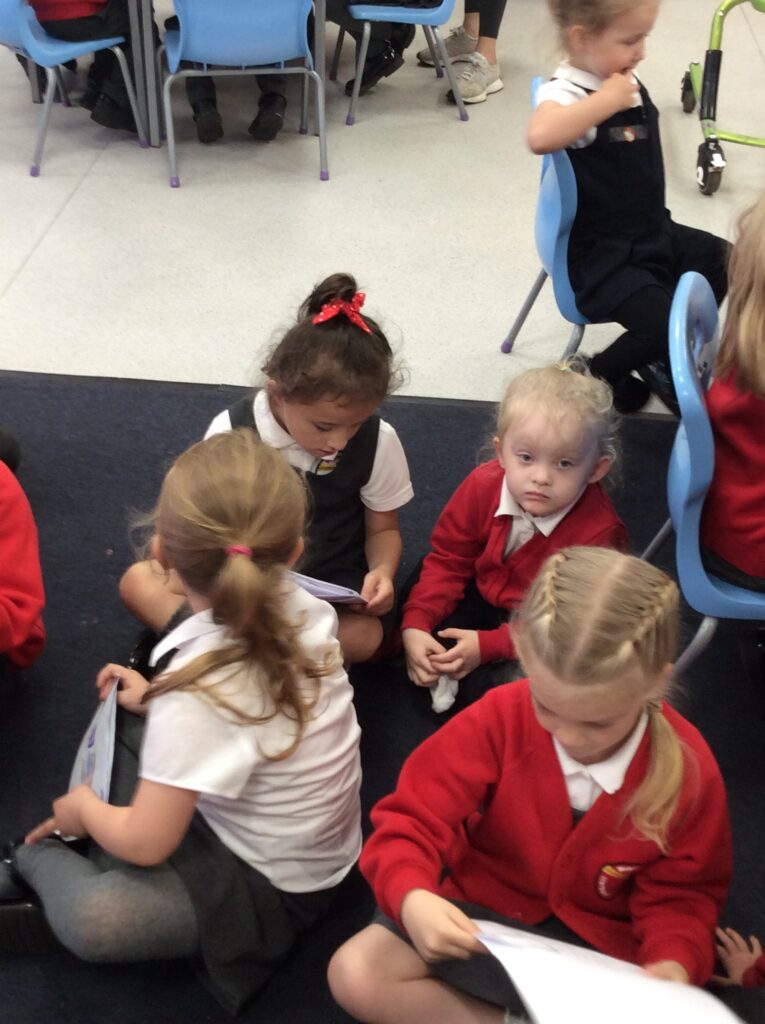
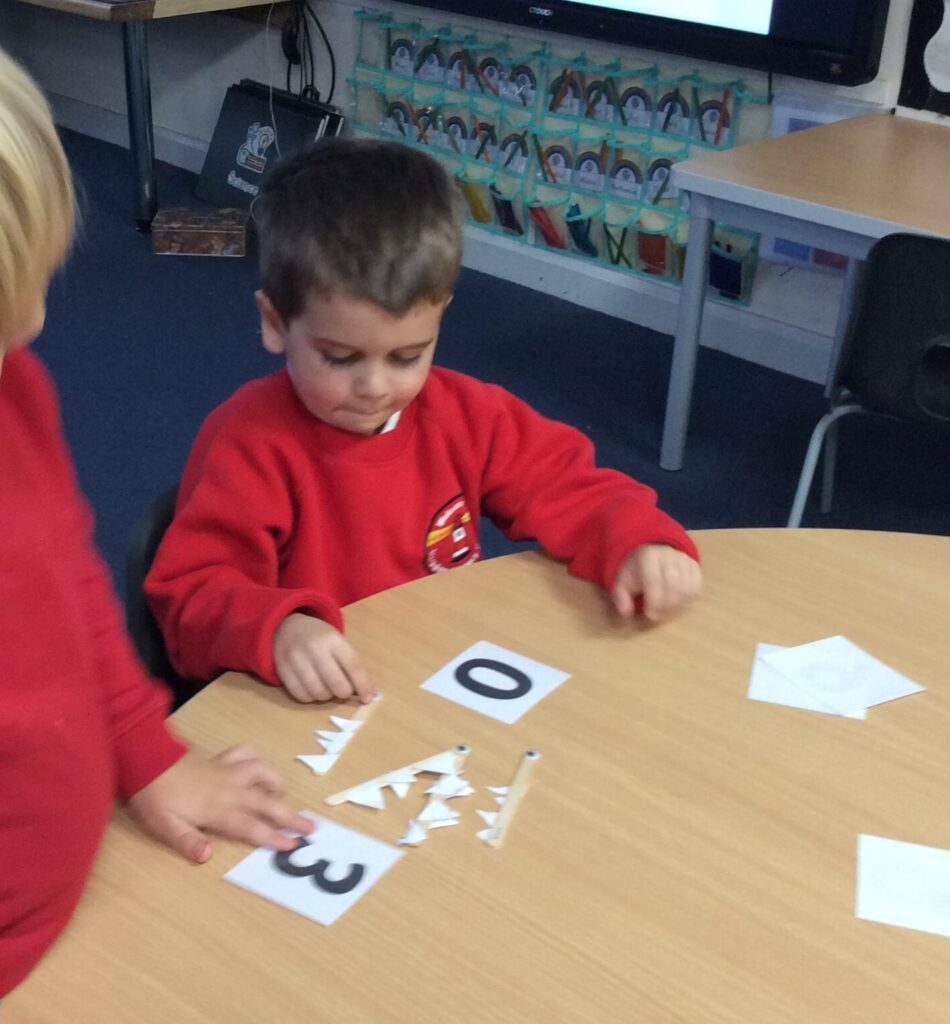
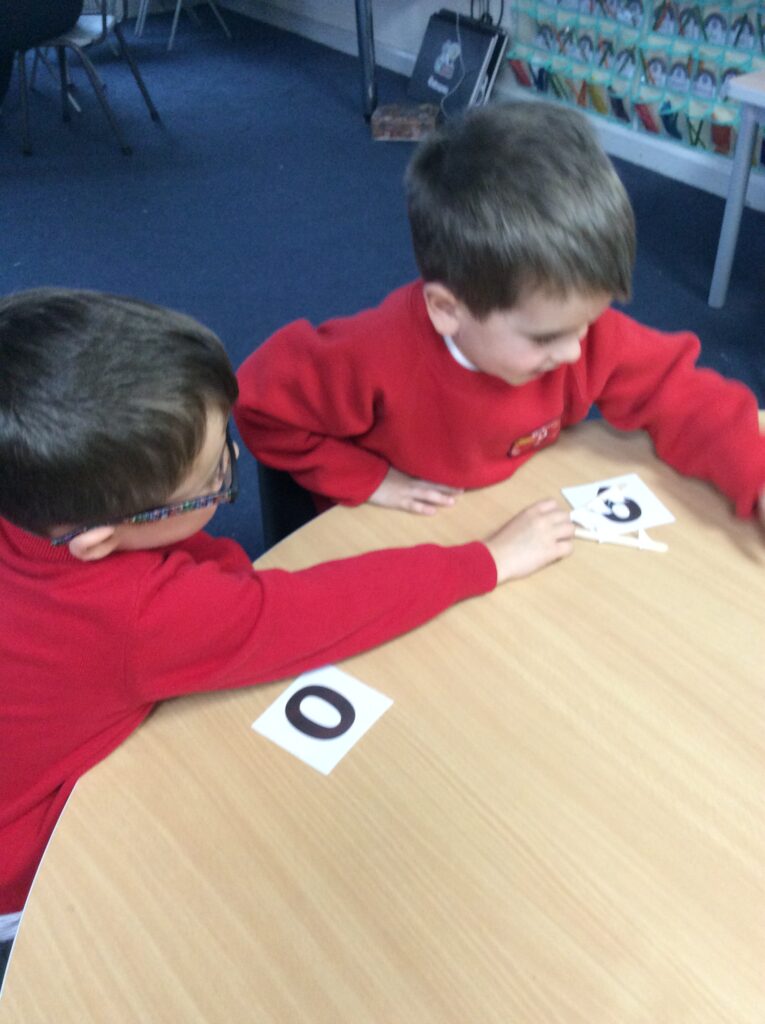
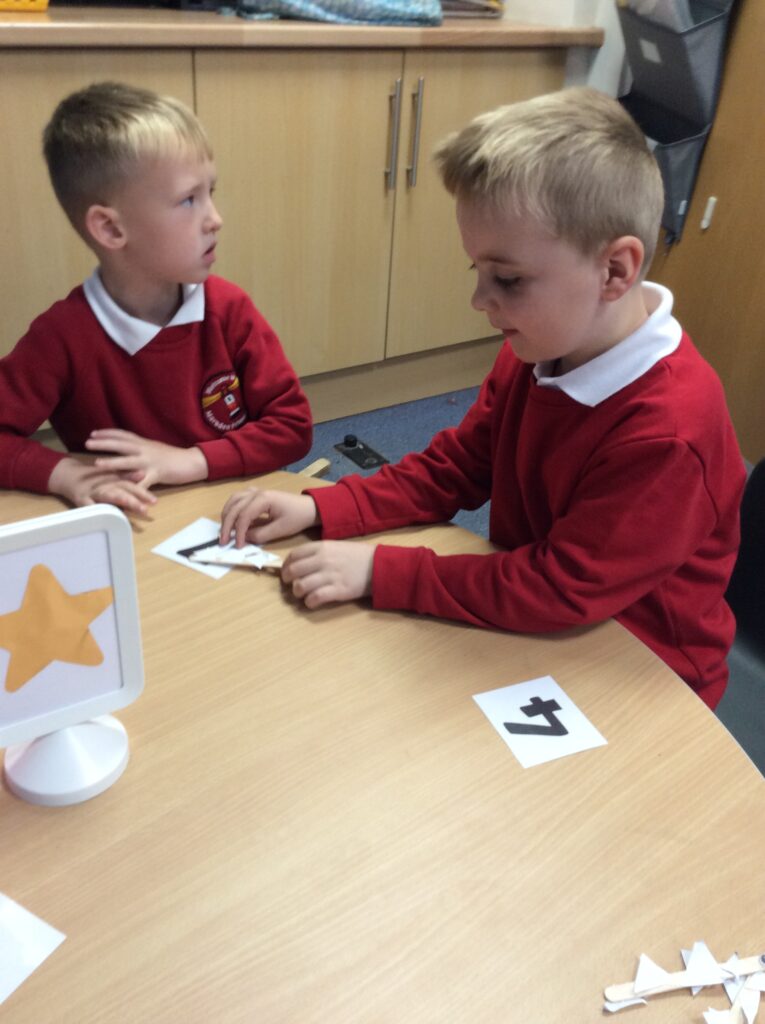
This week in Year 2 we have been looking at Place Value. The children have been looking at different ways to represent two digit numbers. Well done Year 2!
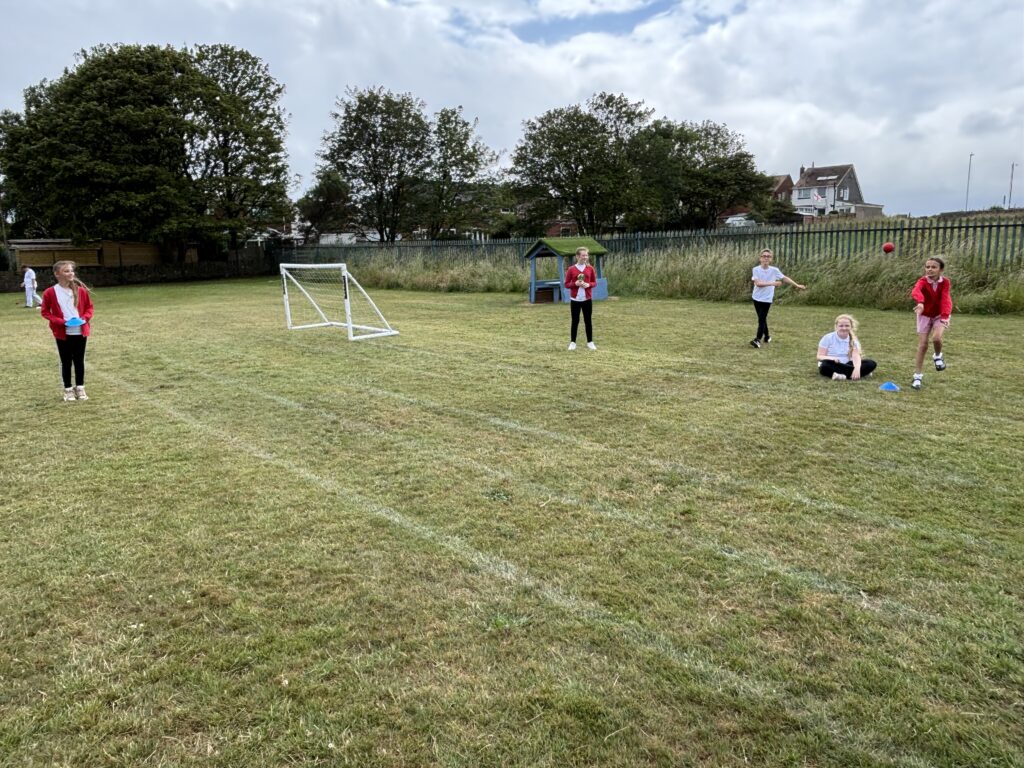
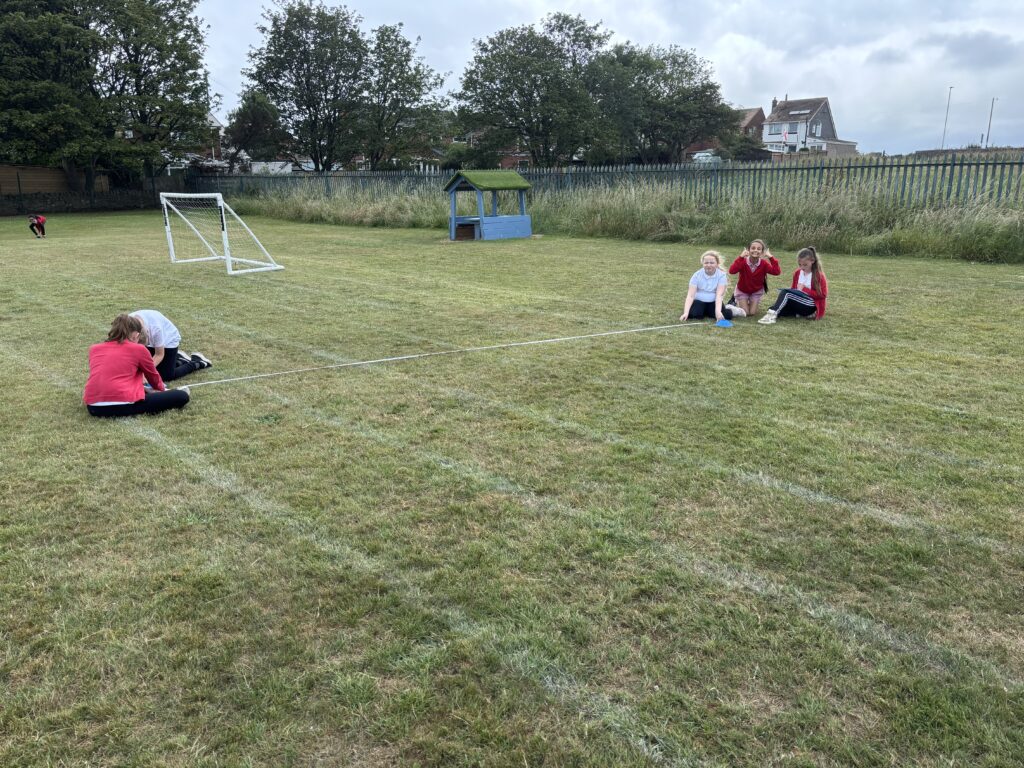
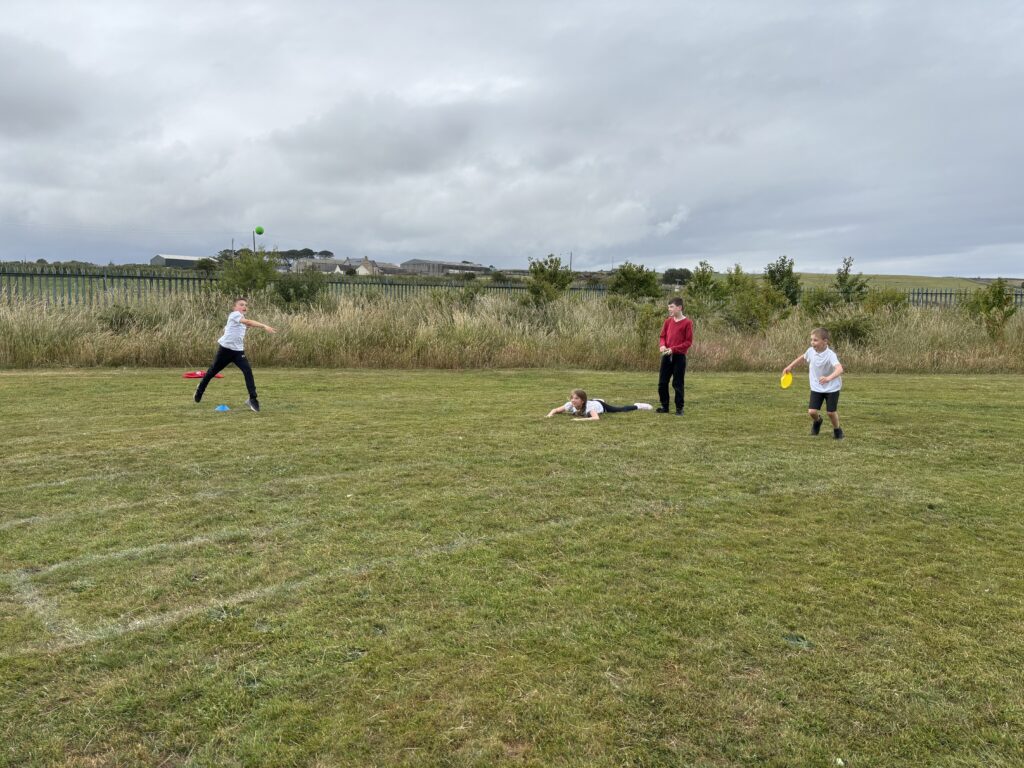
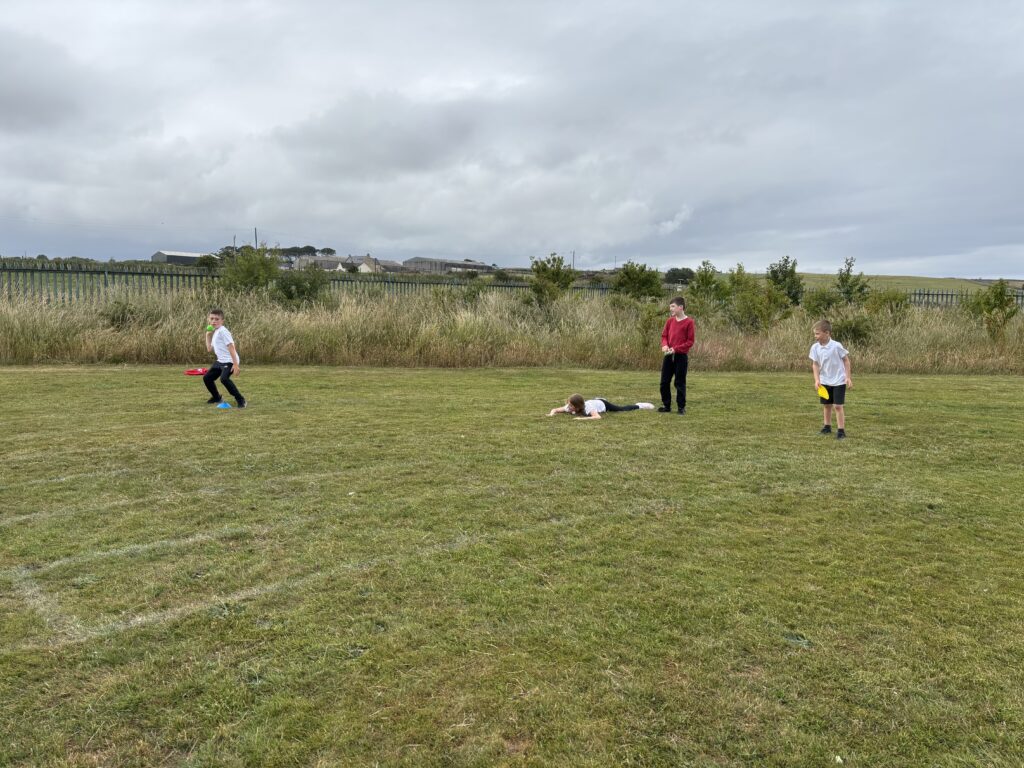
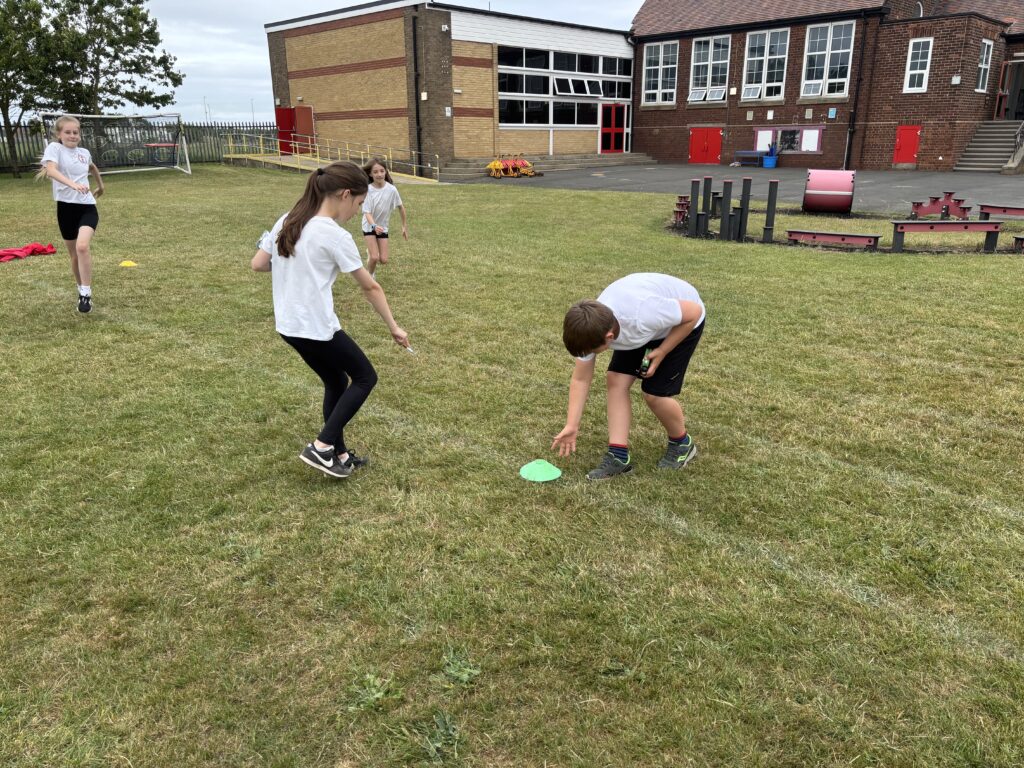
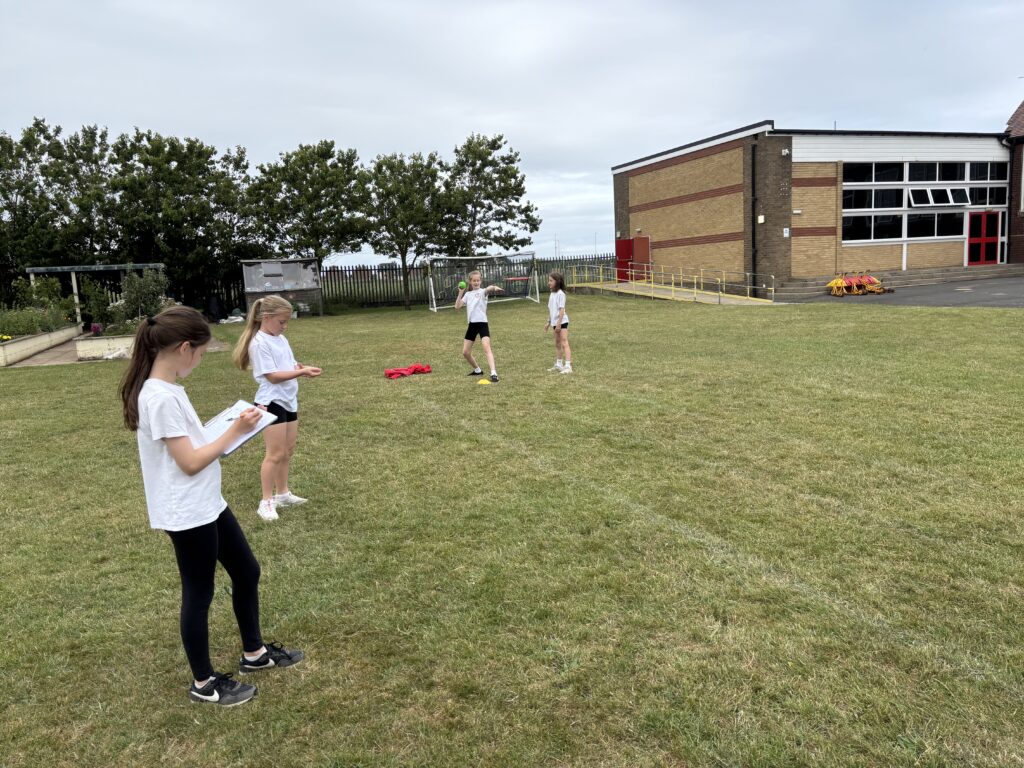
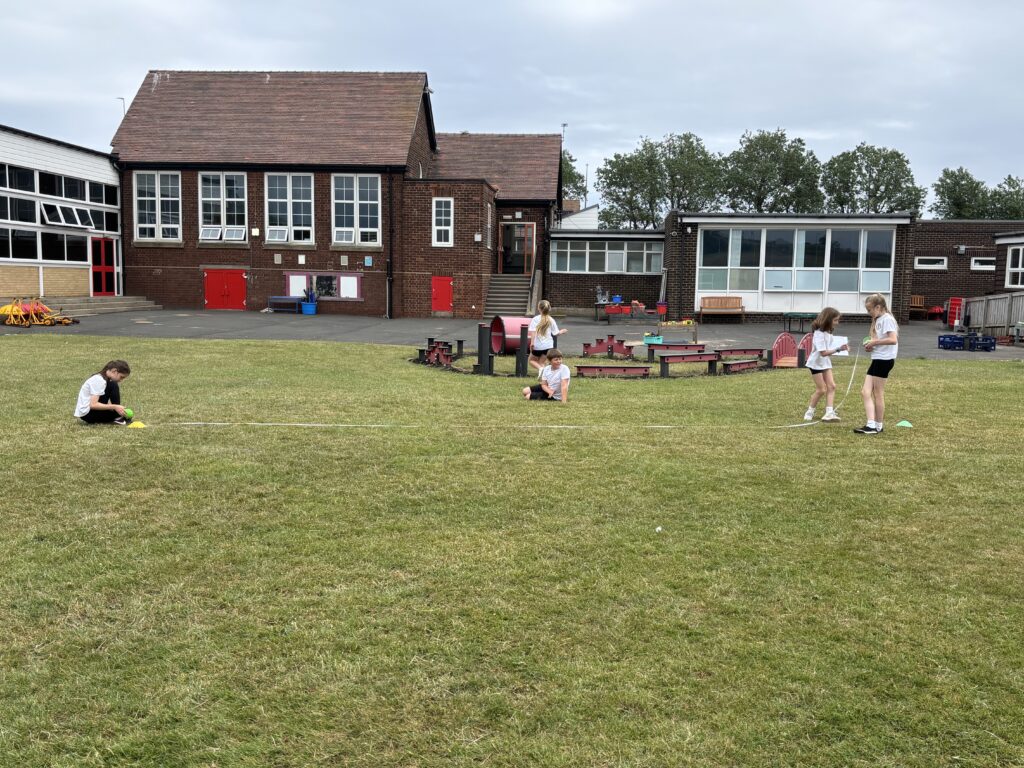
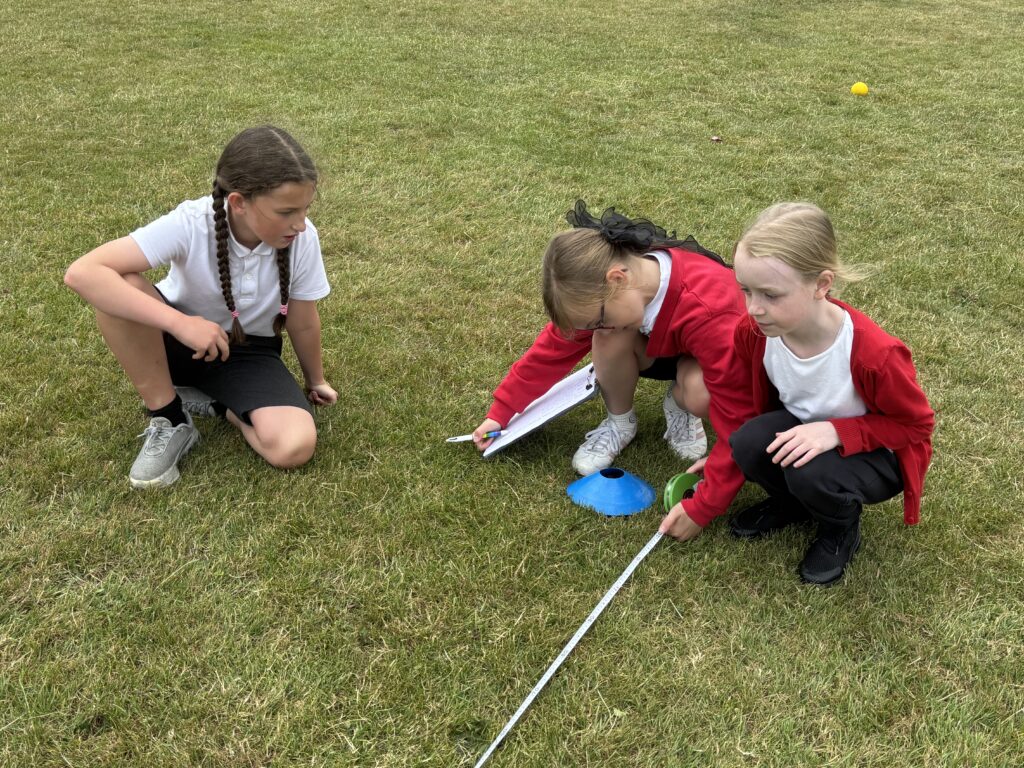
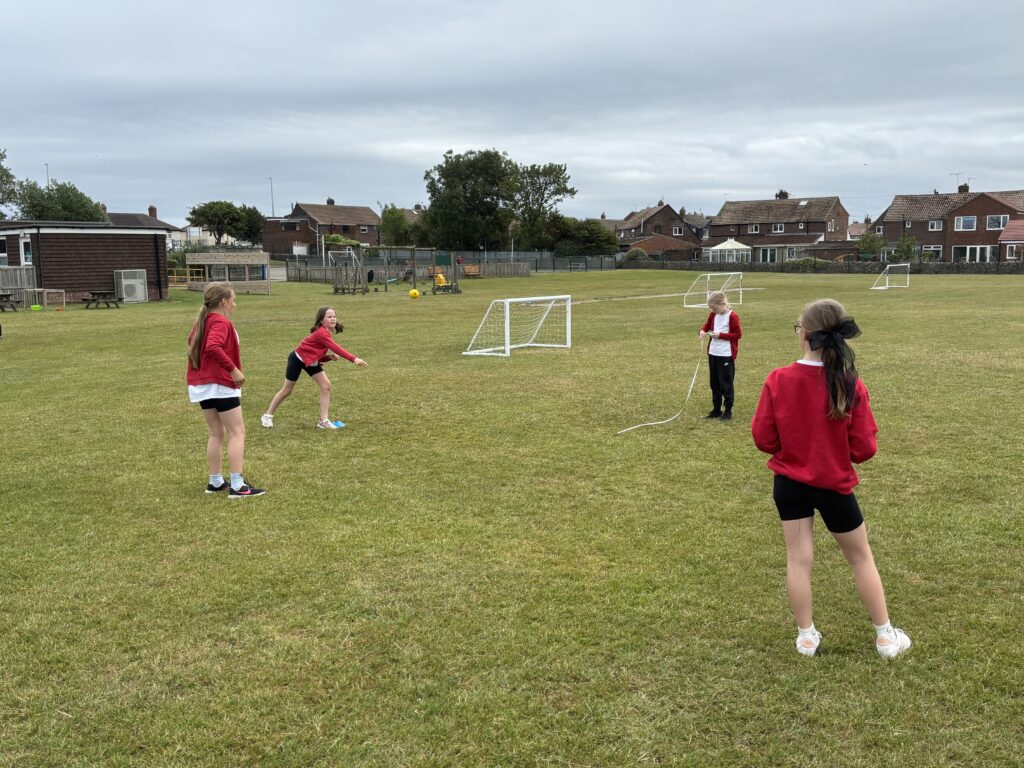
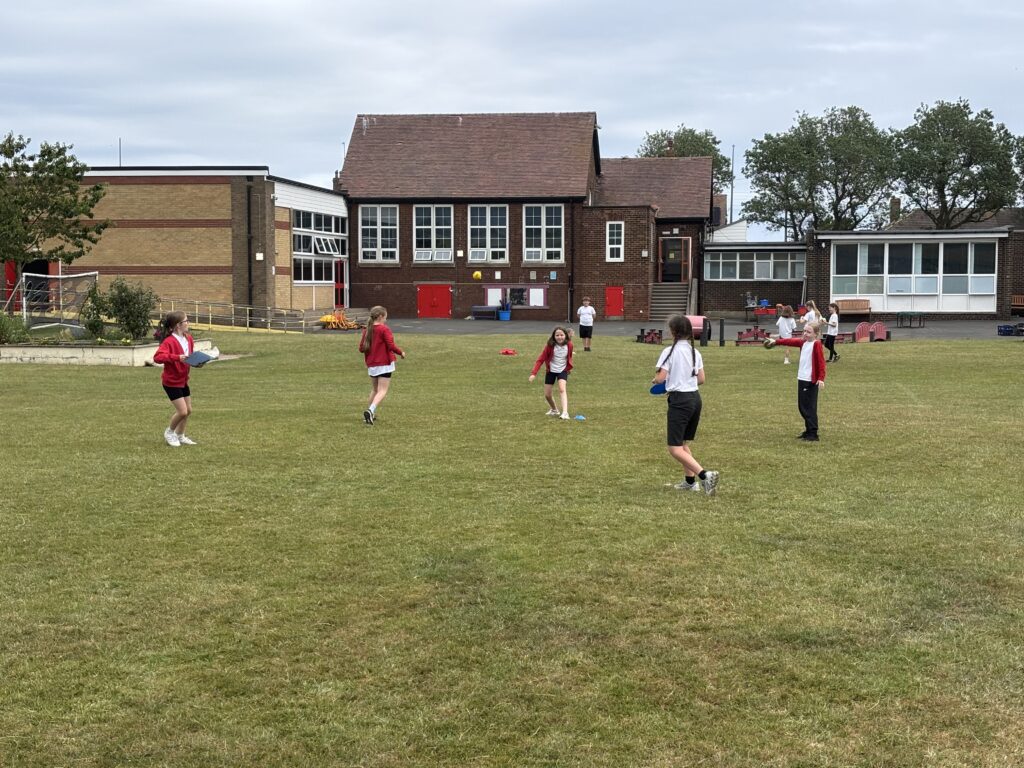
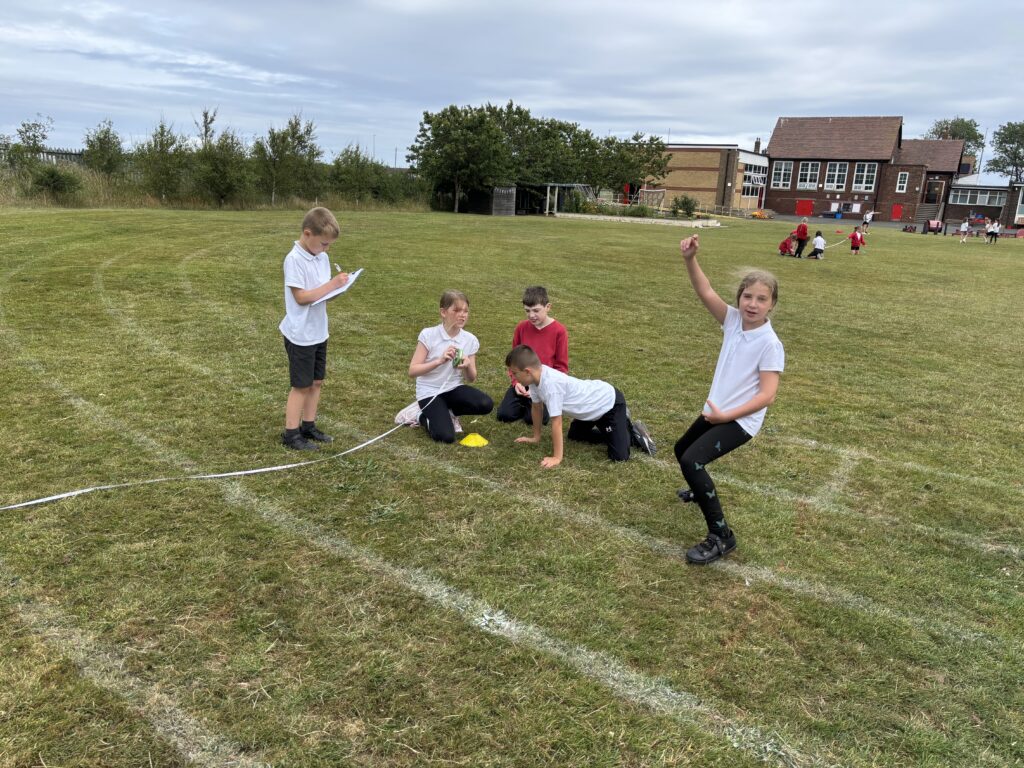
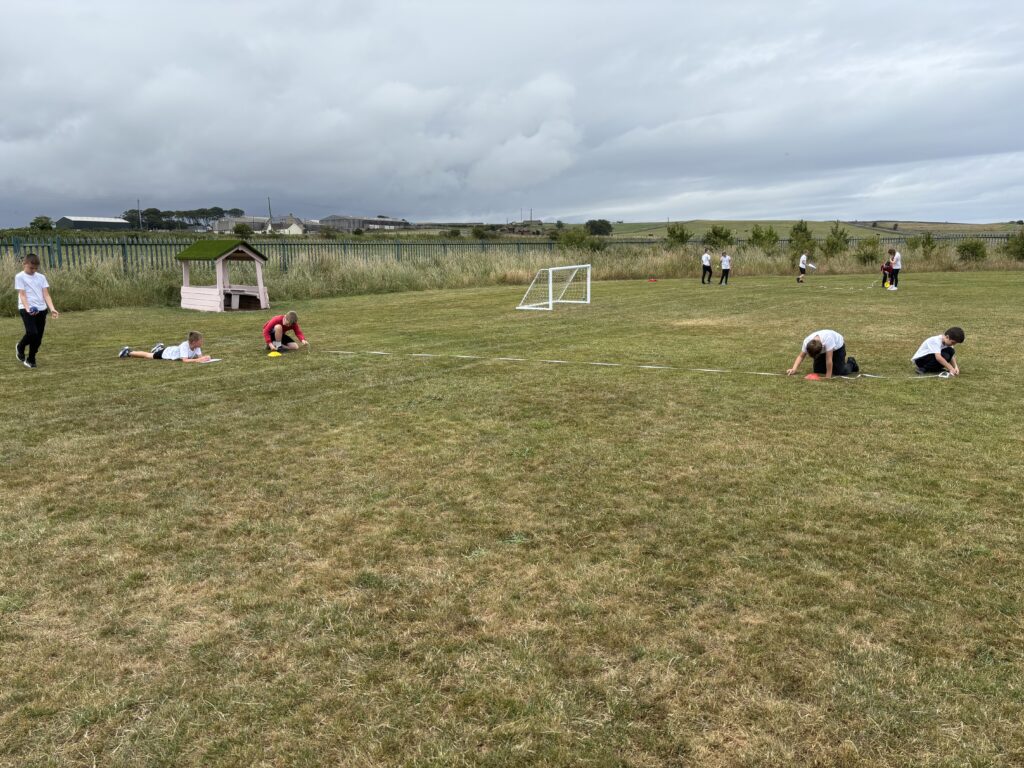
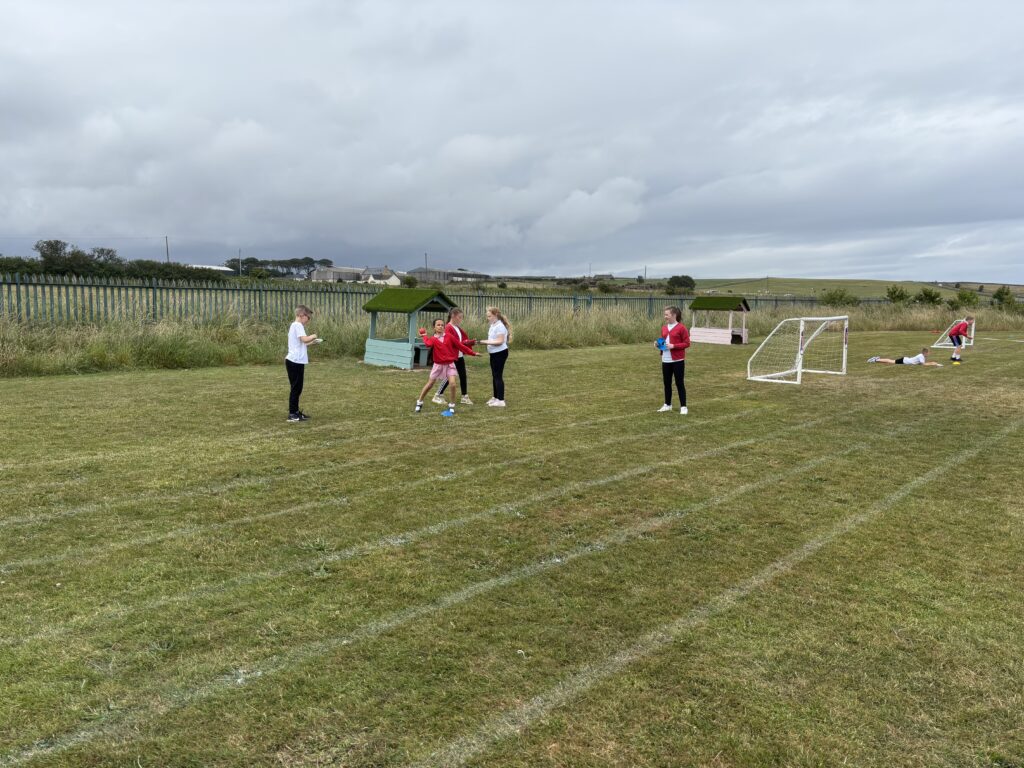
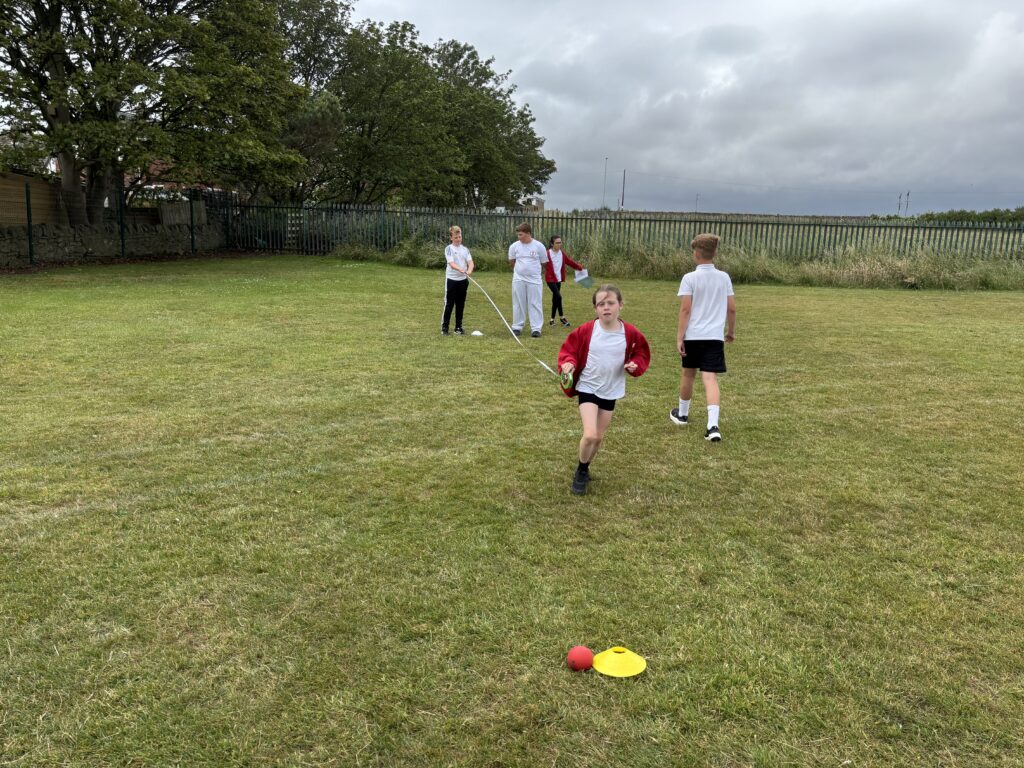
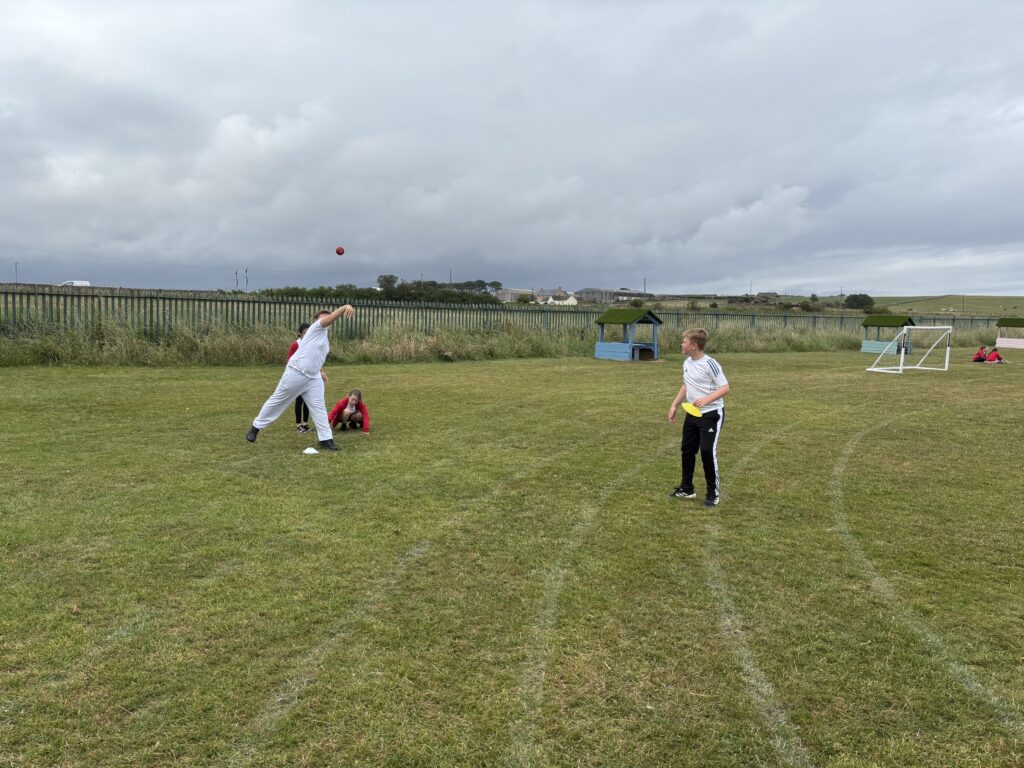
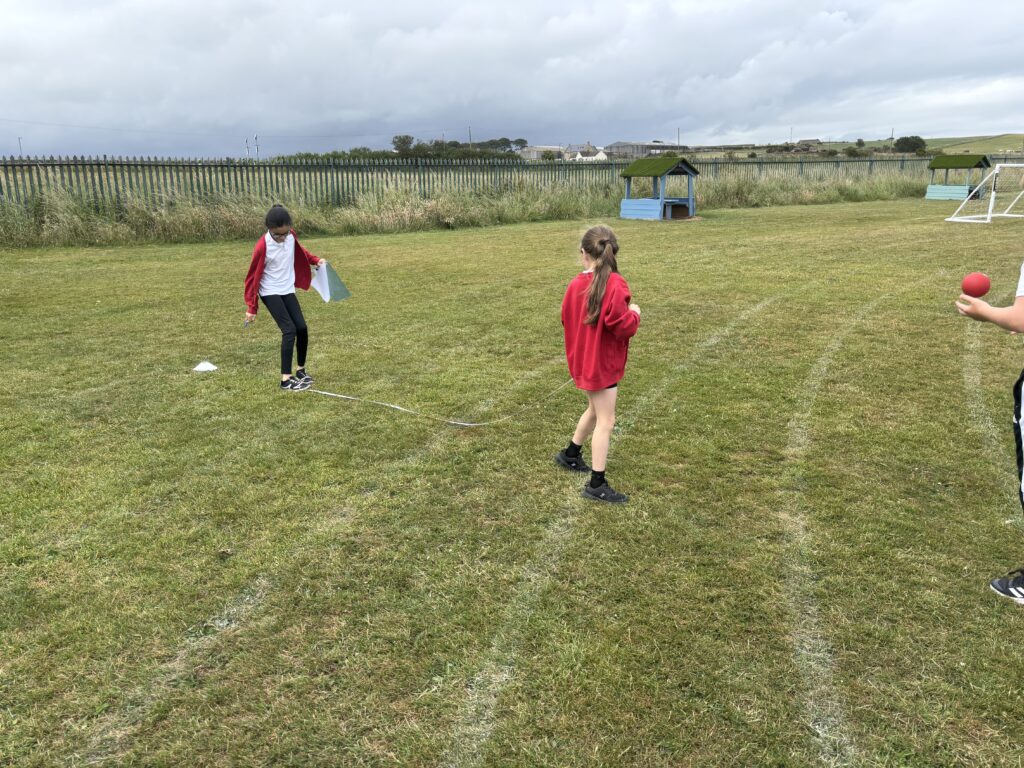
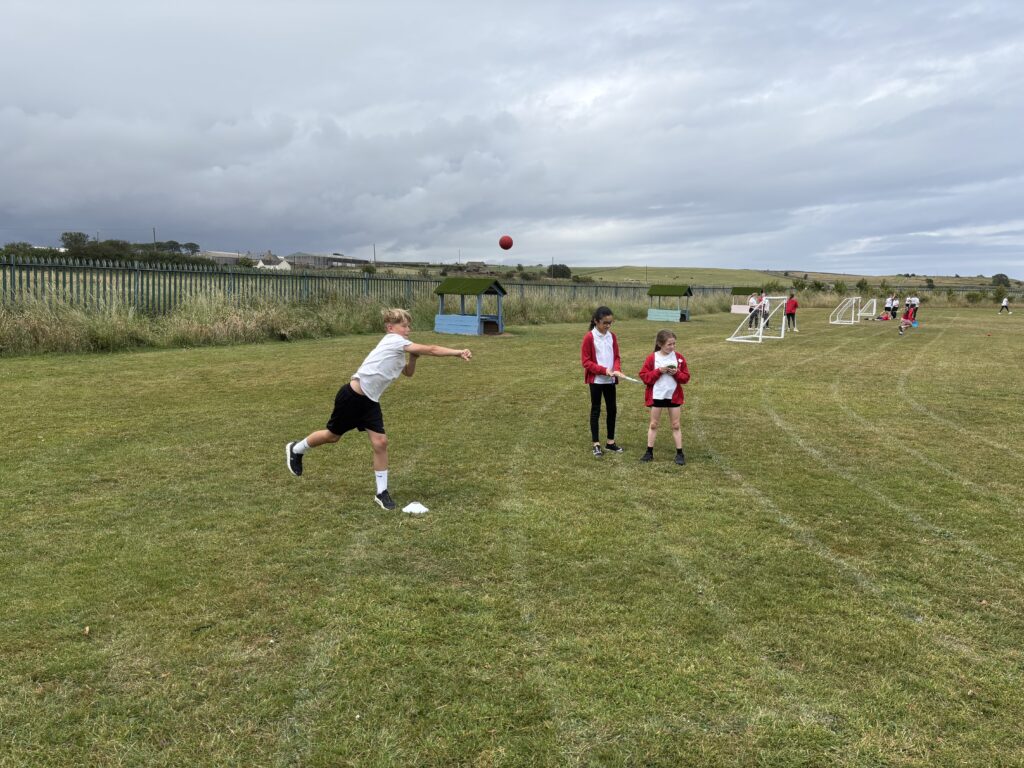
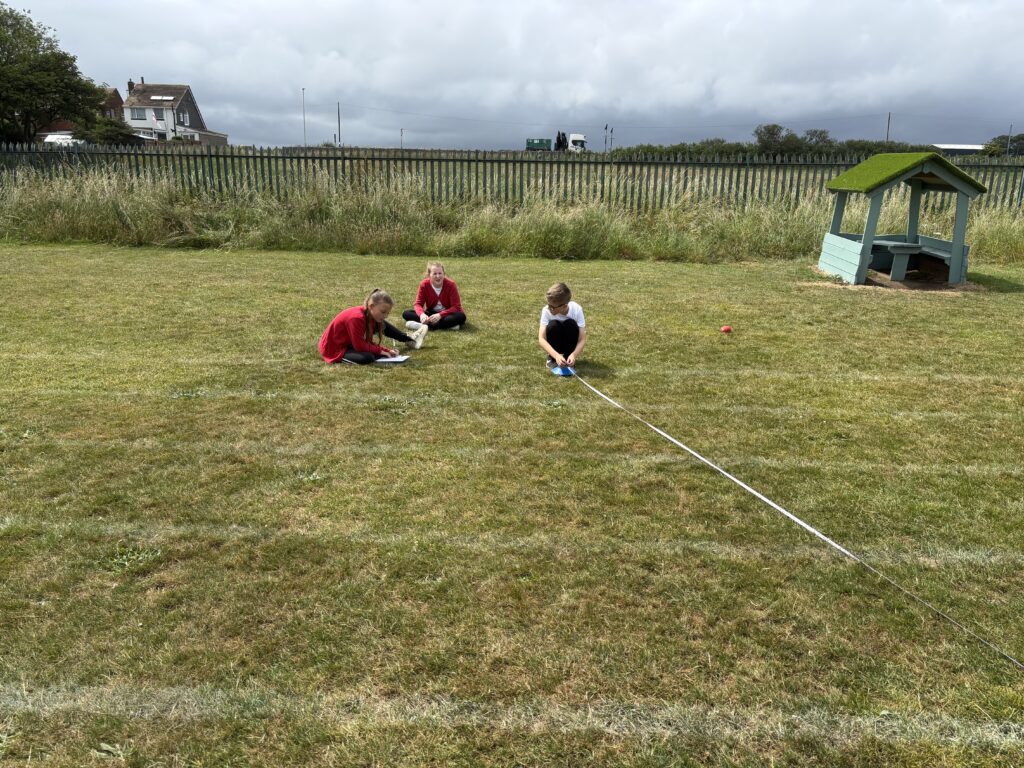
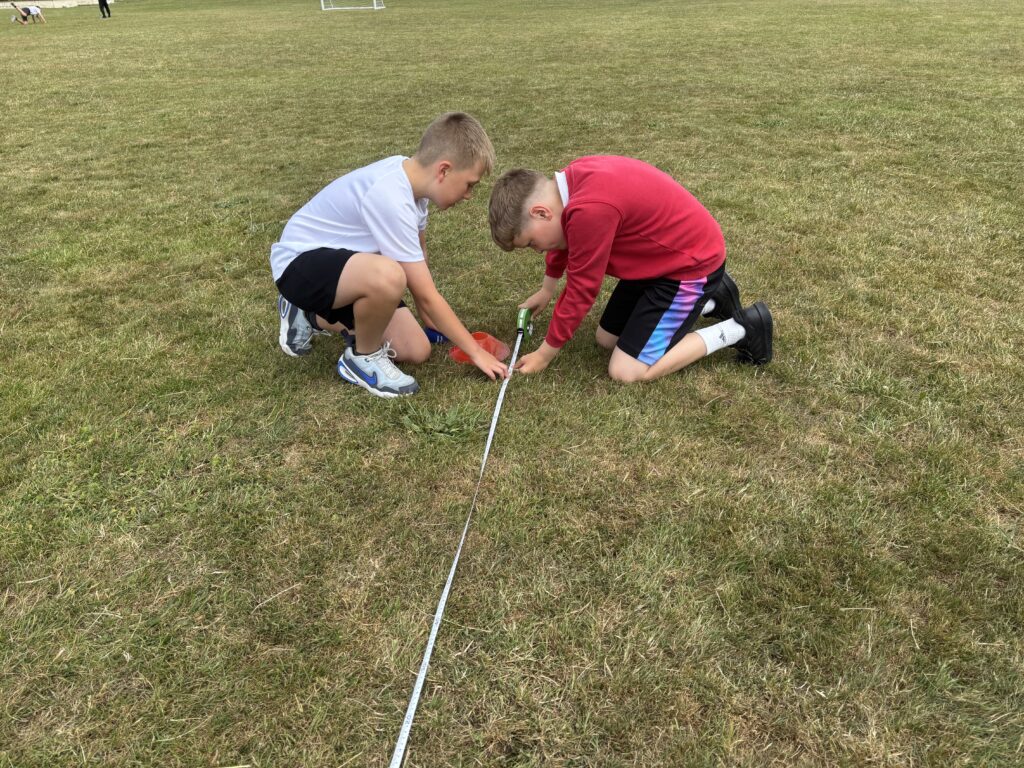
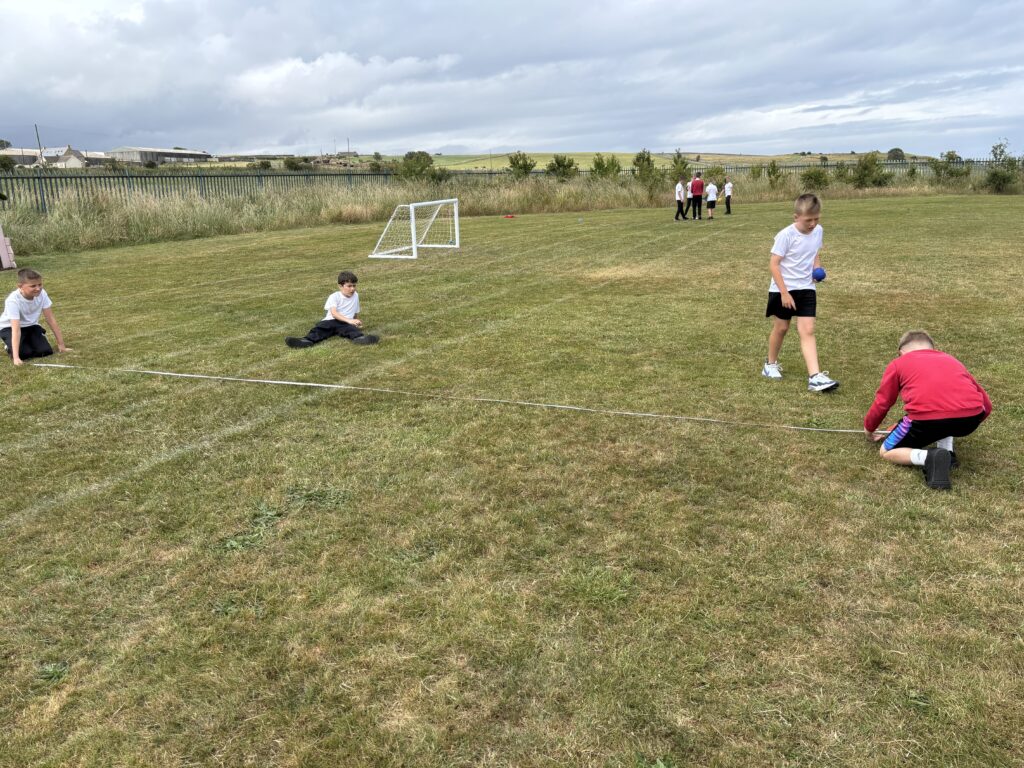
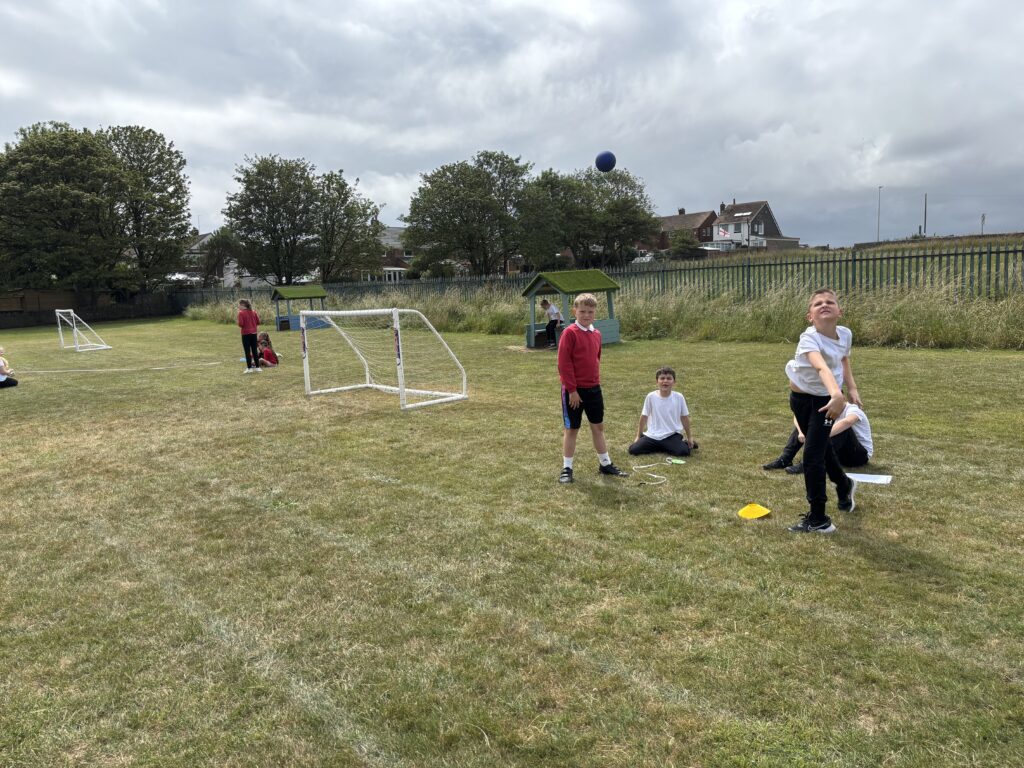
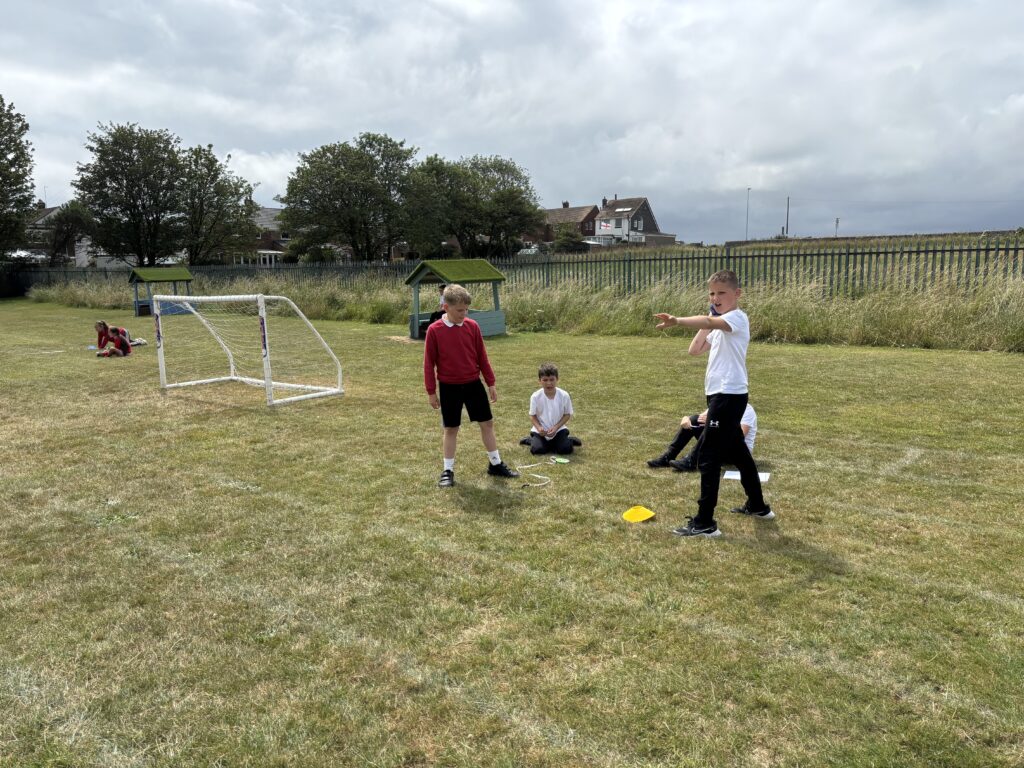
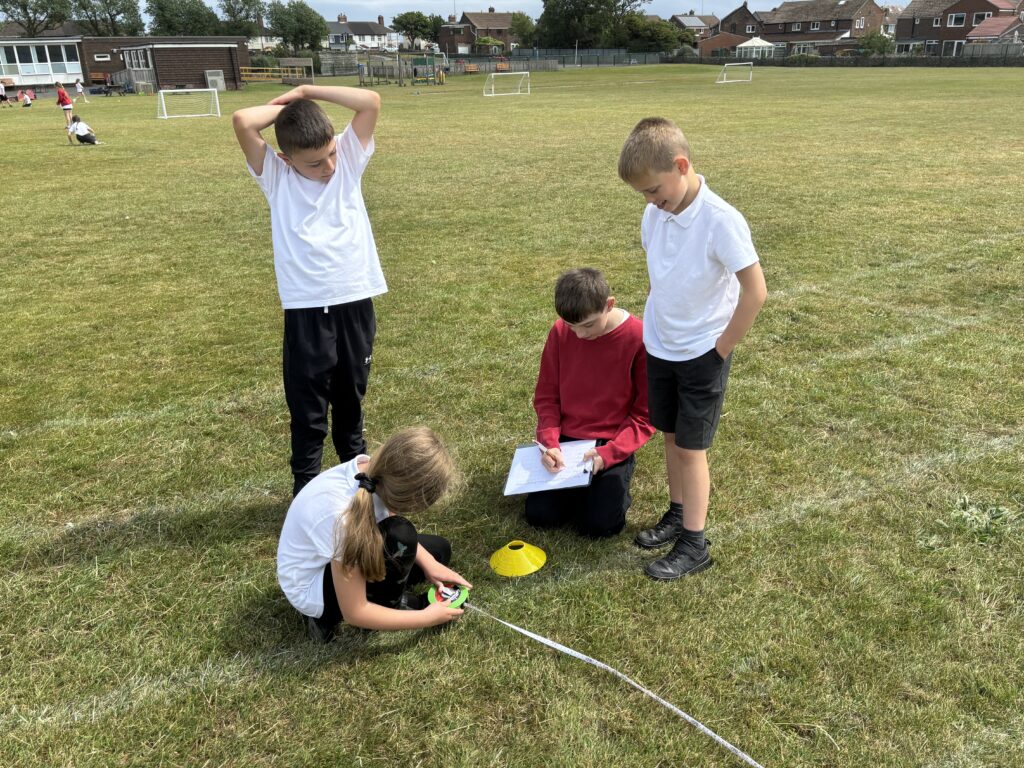
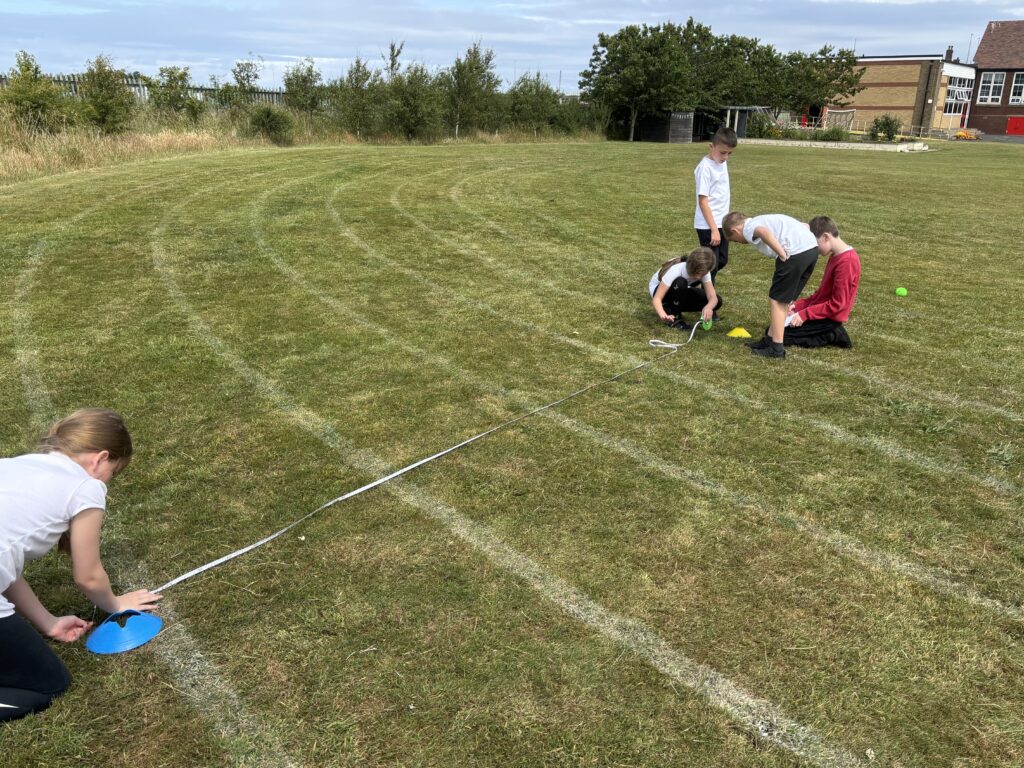
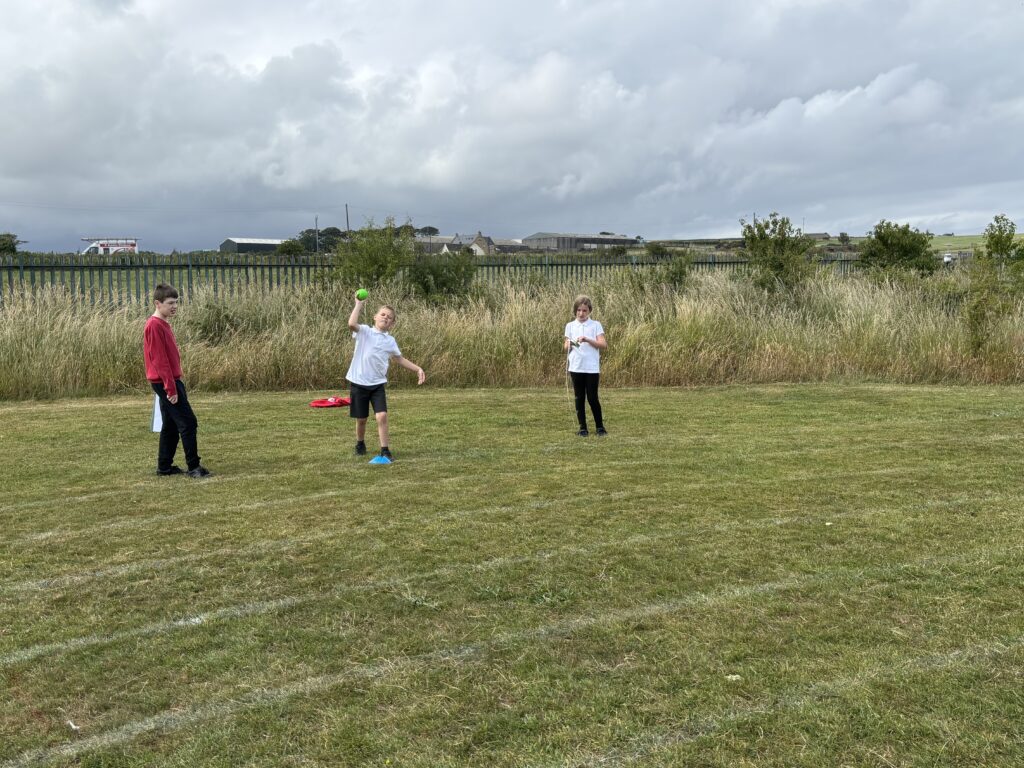
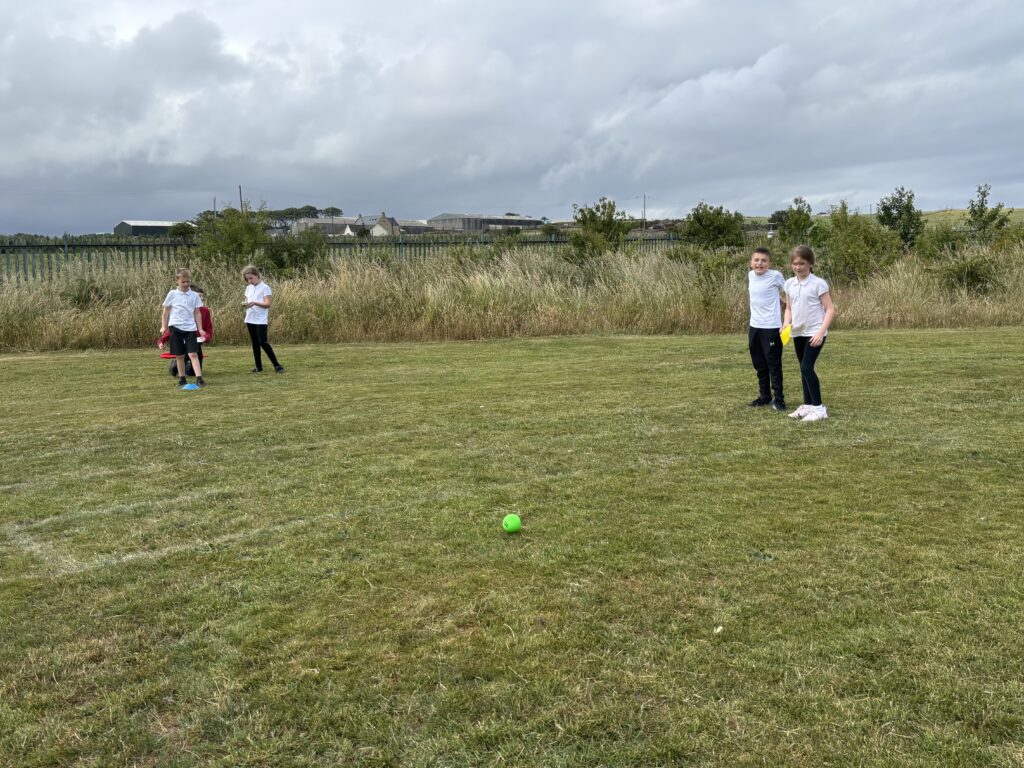
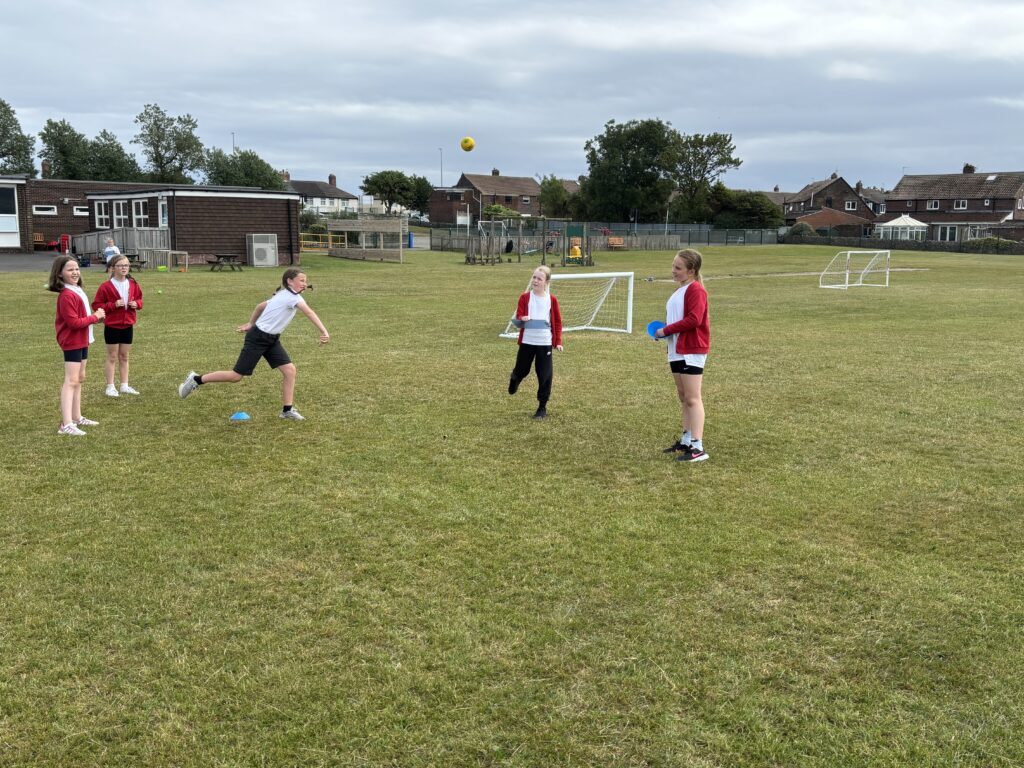
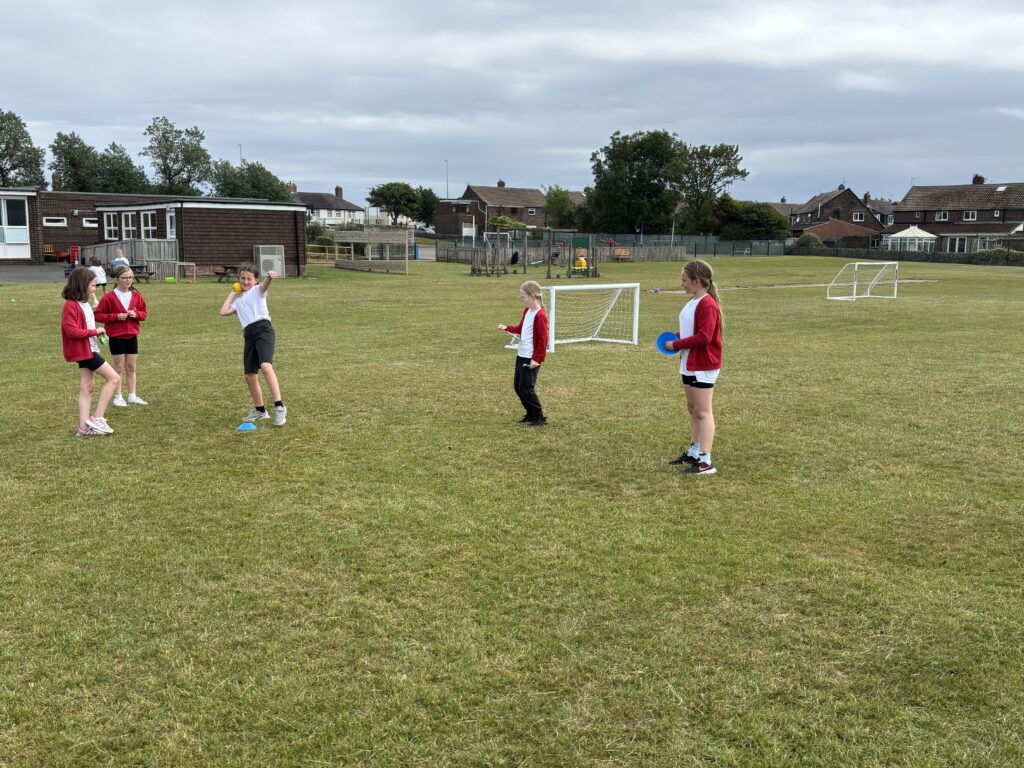
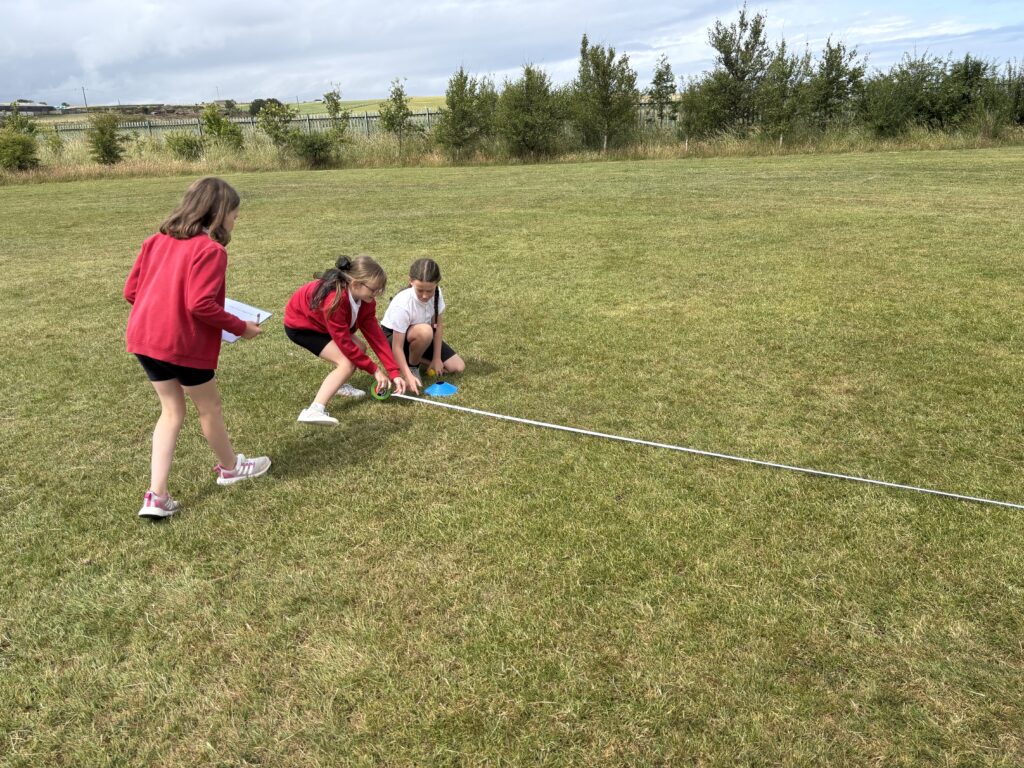
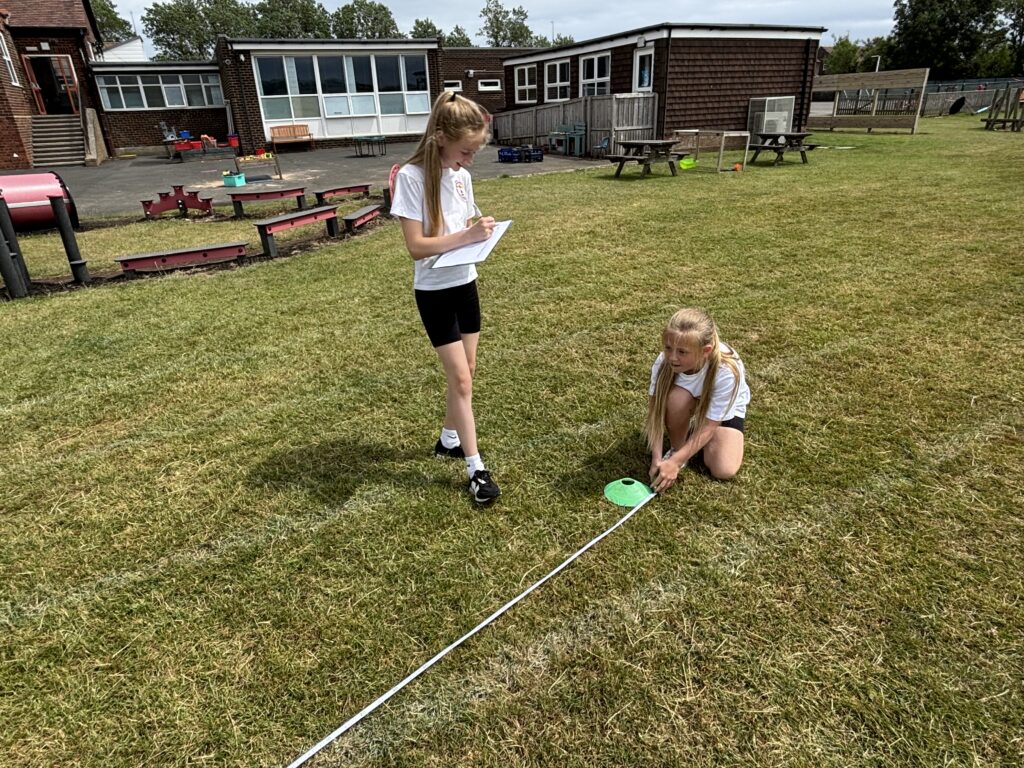
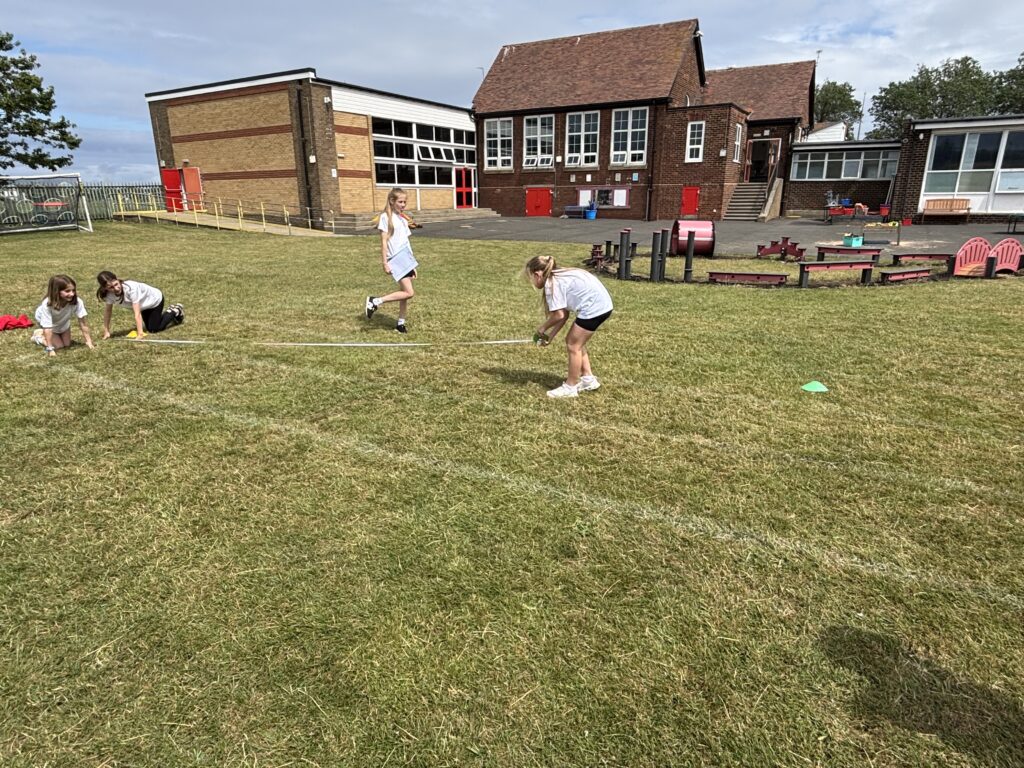
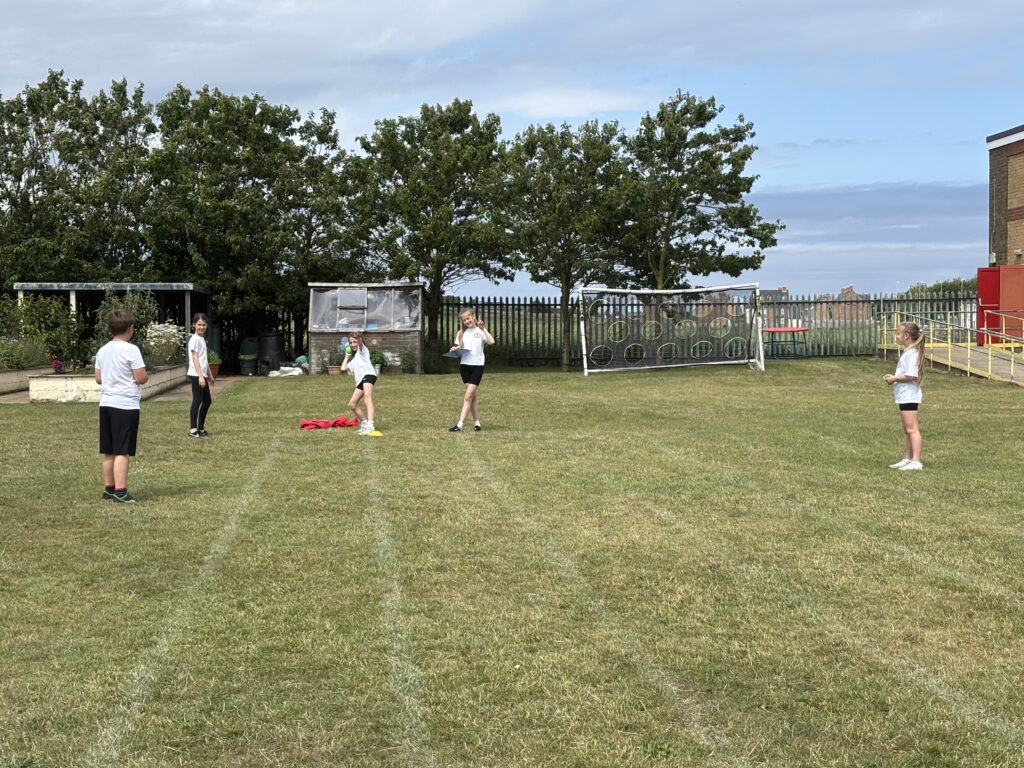
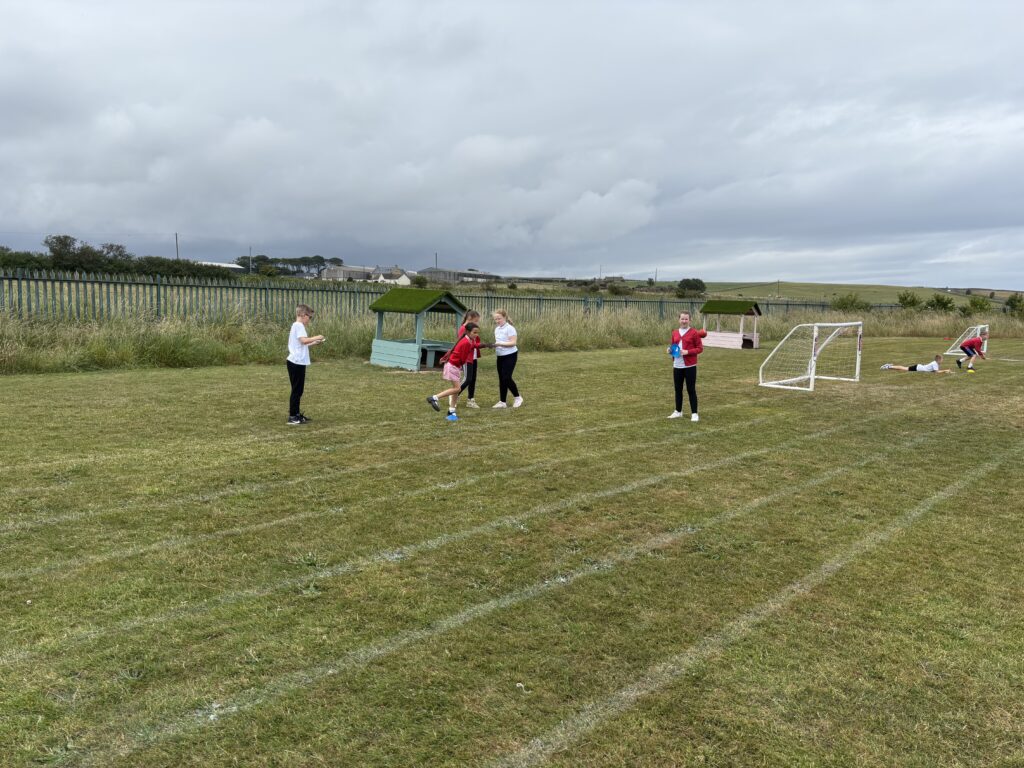
As part of our athletics topic in PE, Y5 have been practicing their shot putting skills. We worked in teams to throw, measure and record our distances. This activity also linked in with our maths work of converting measurements and working with decimals.
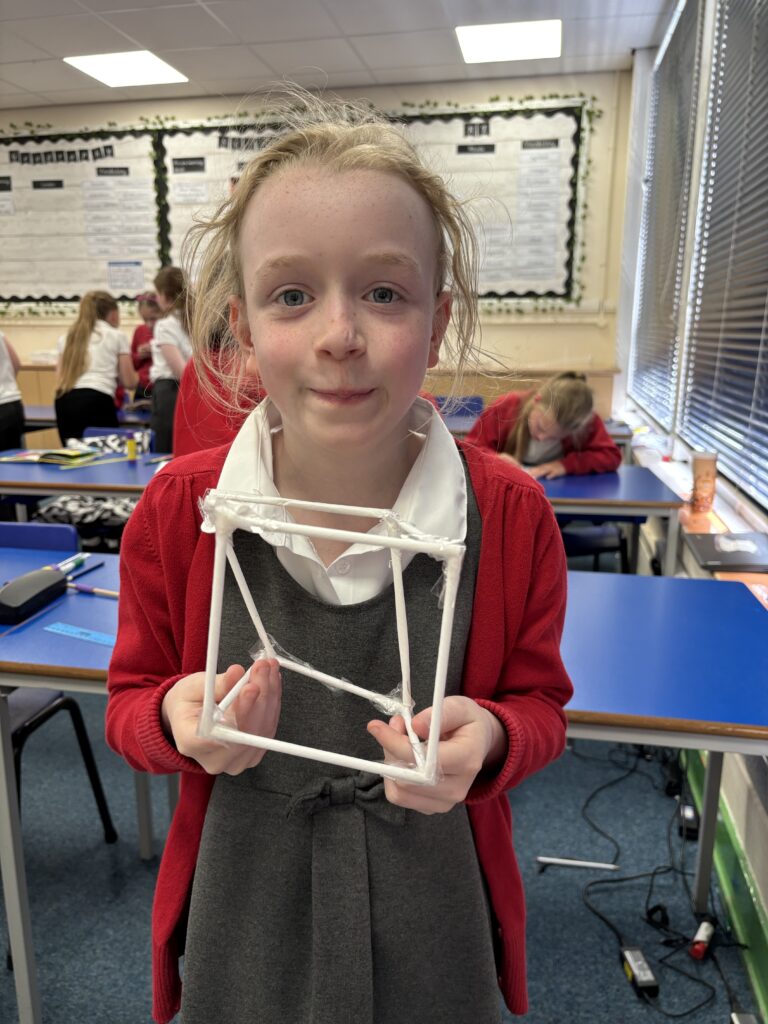
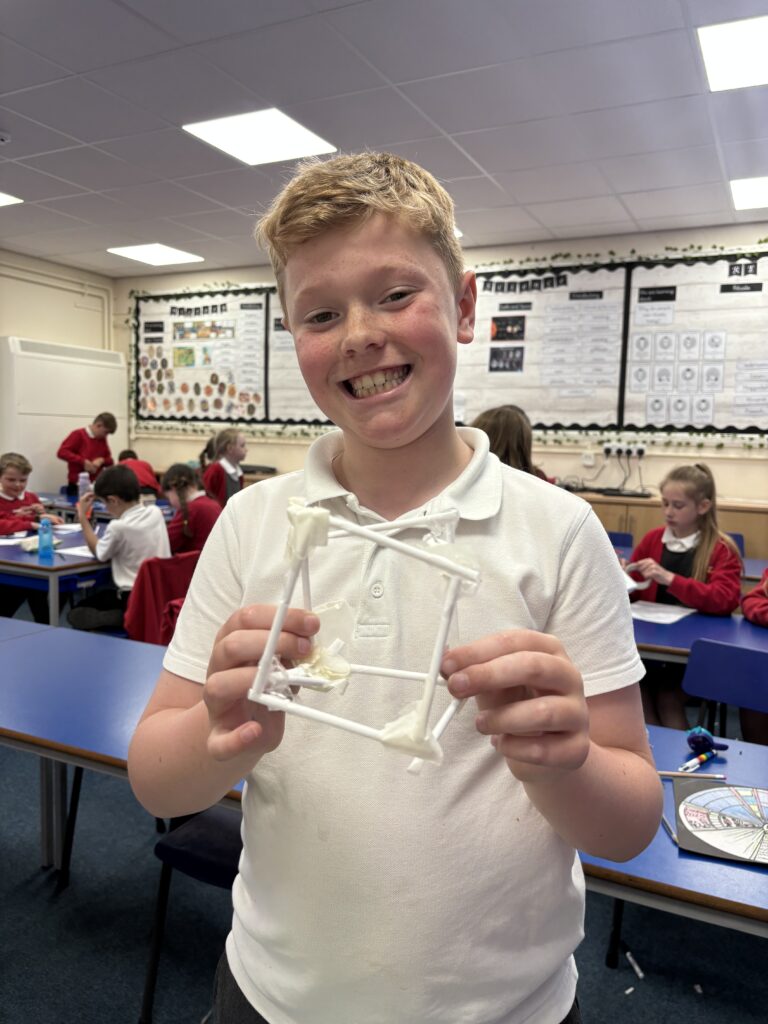
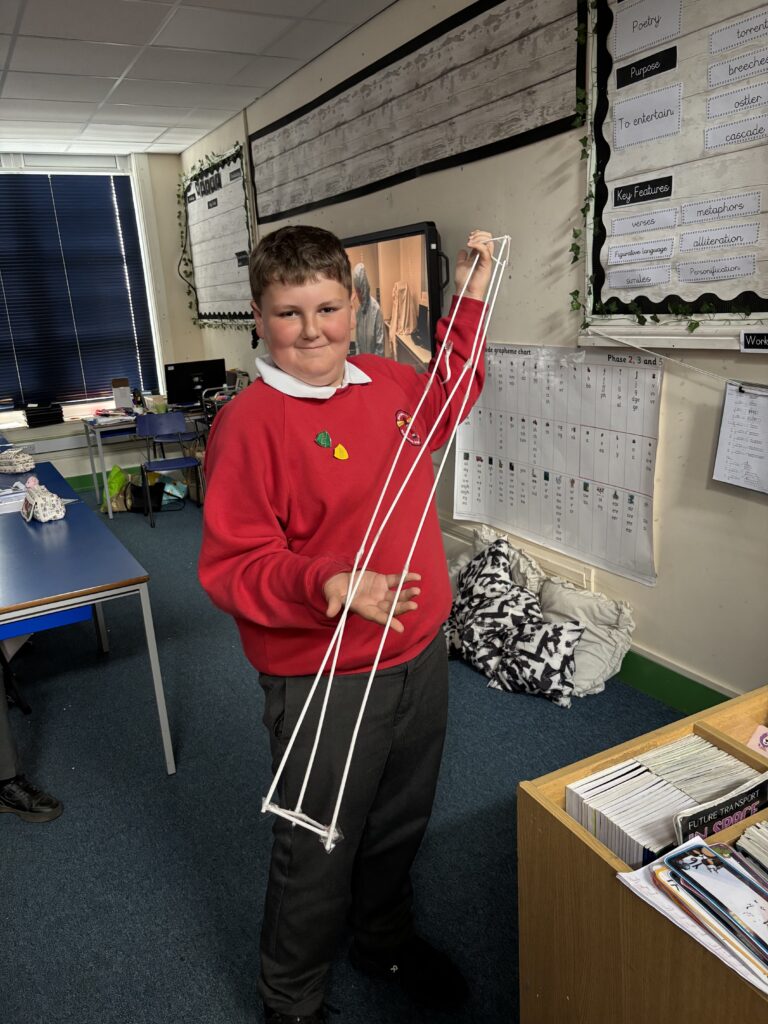
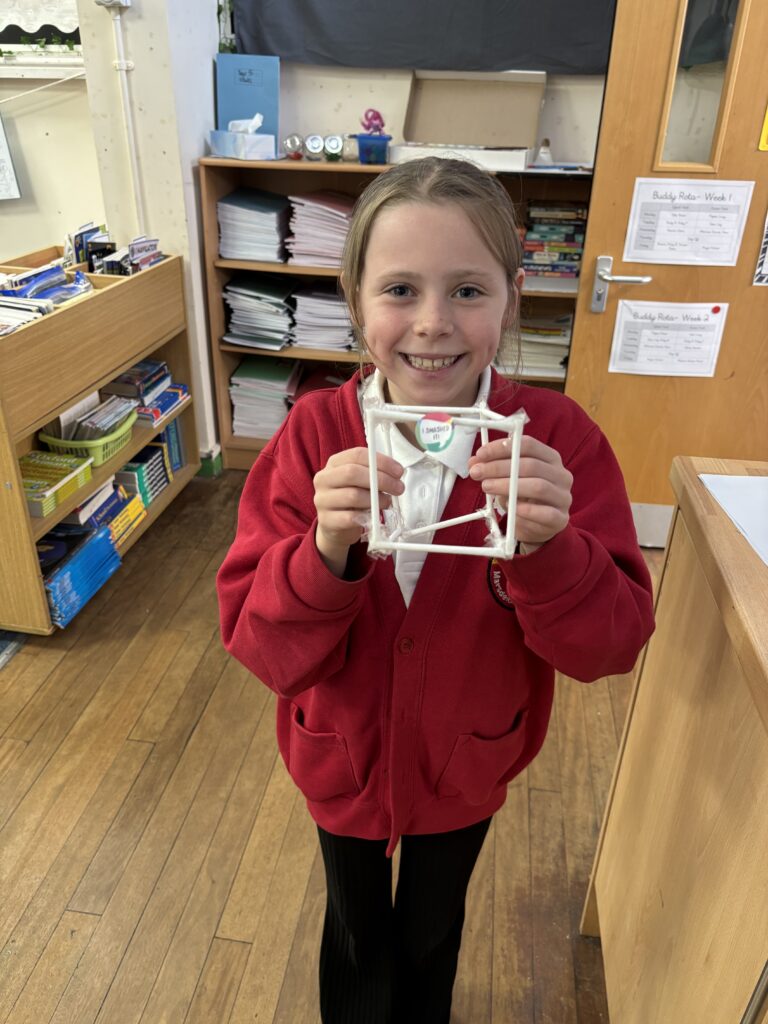
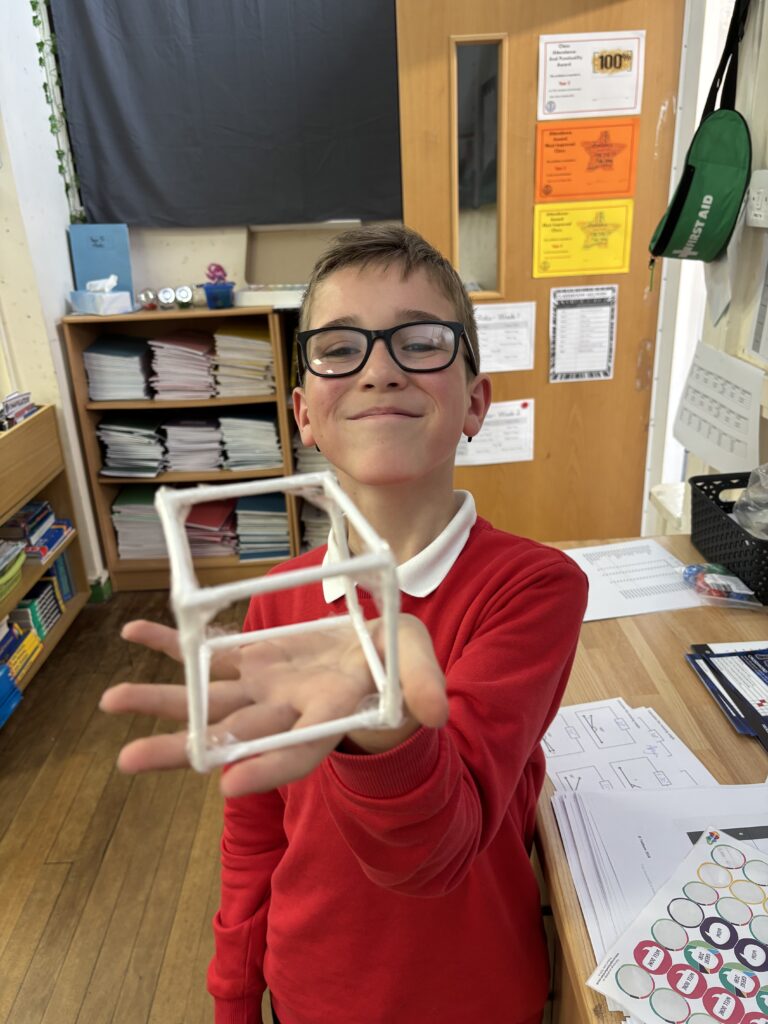
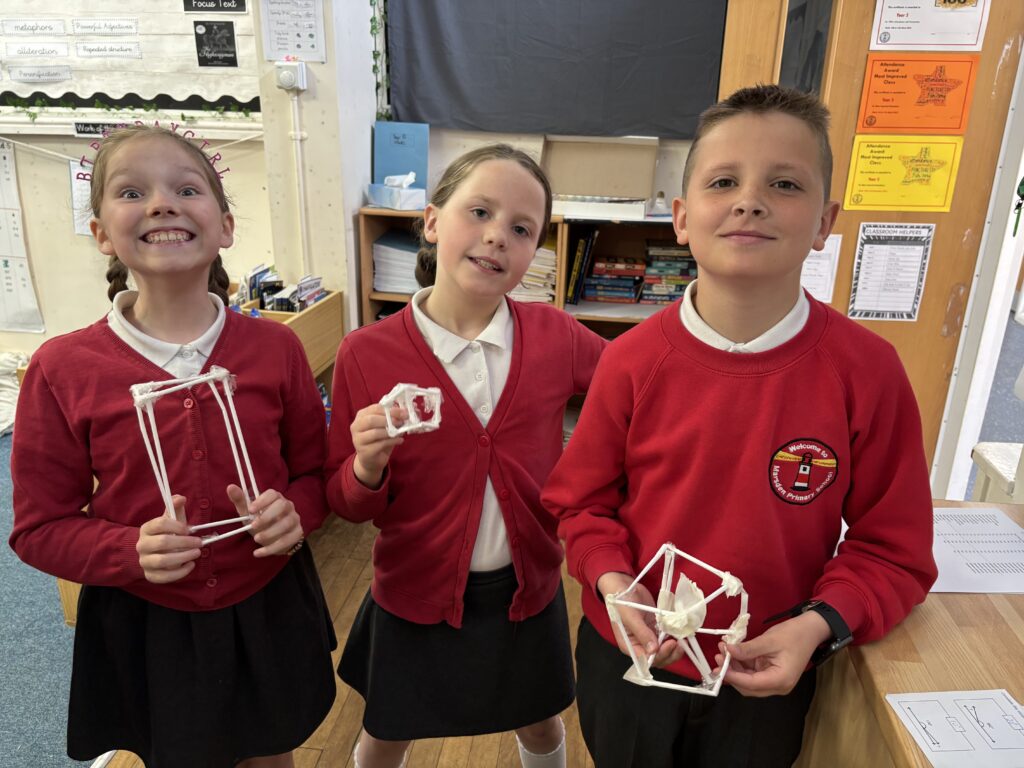
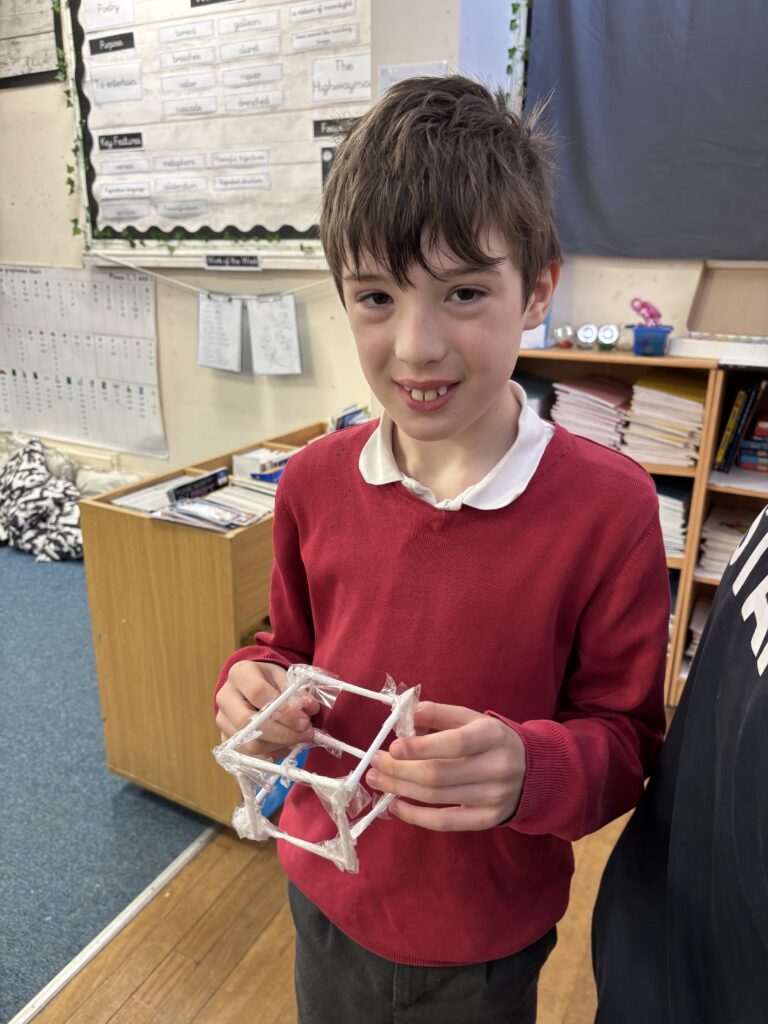
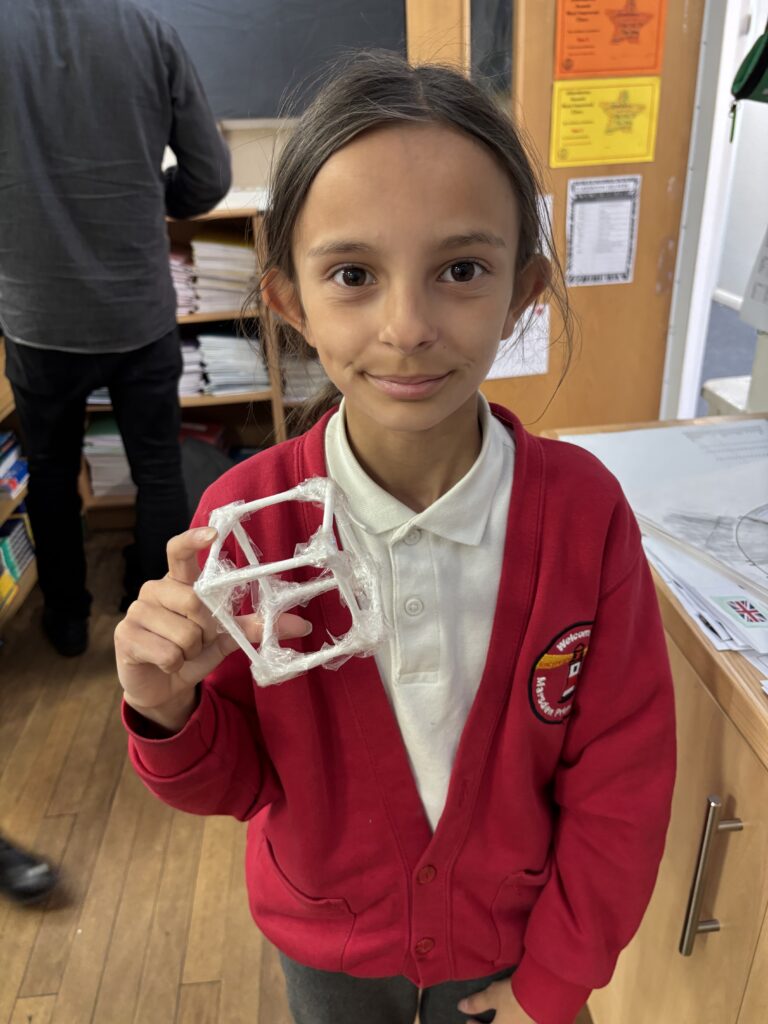
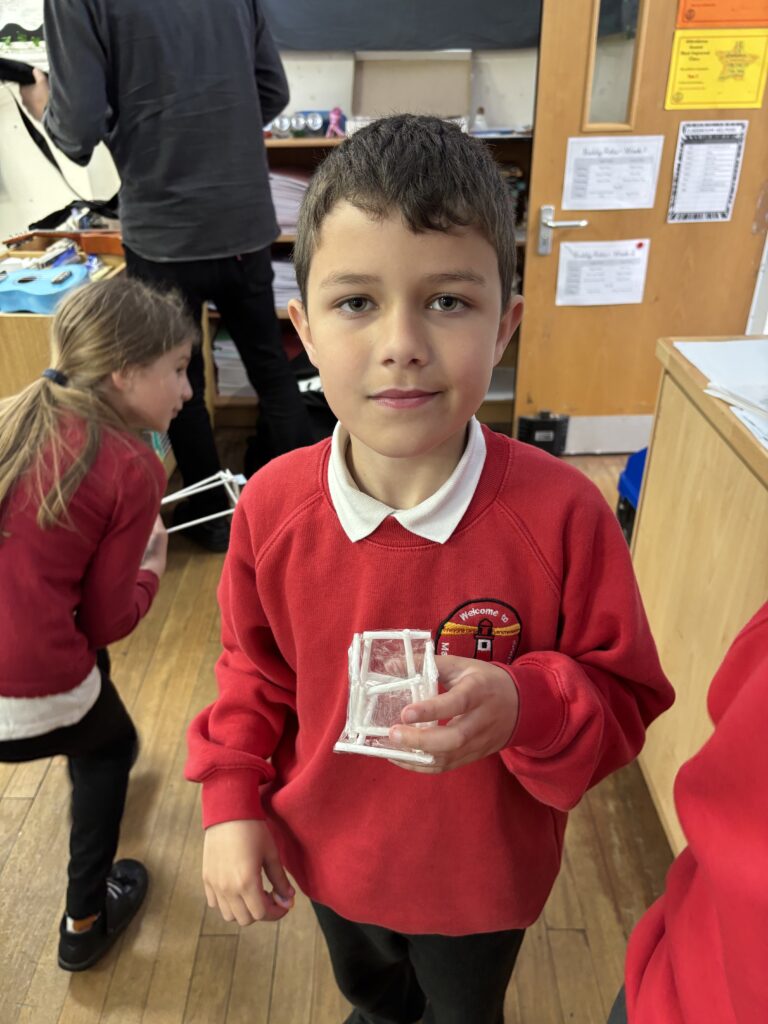
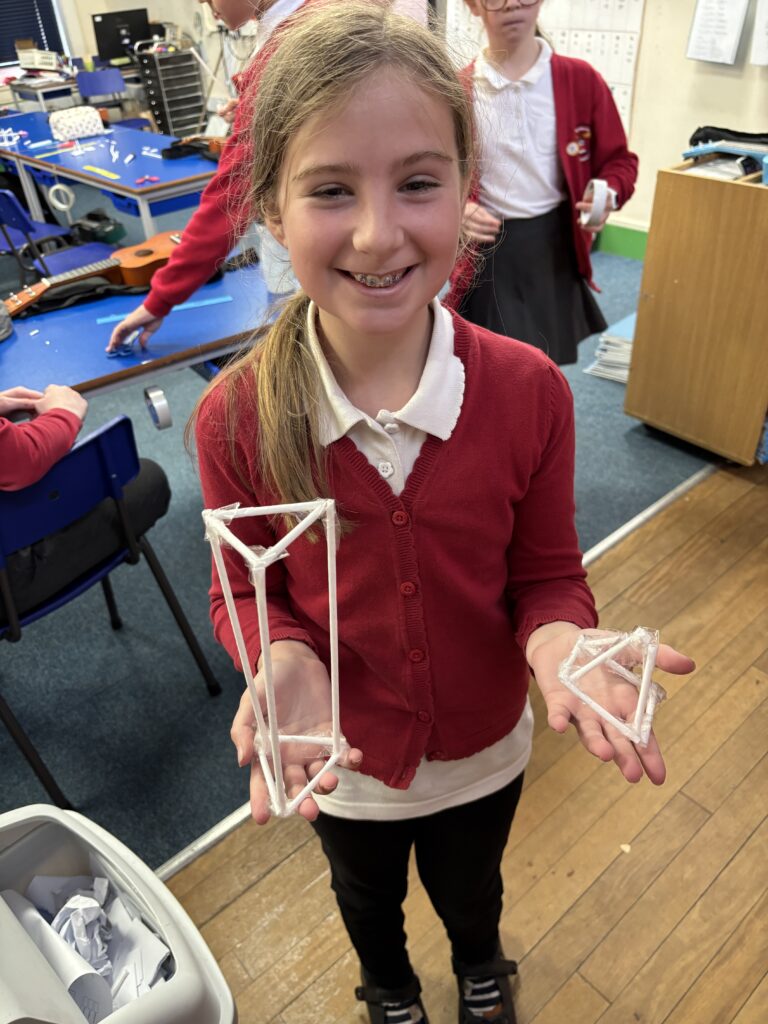
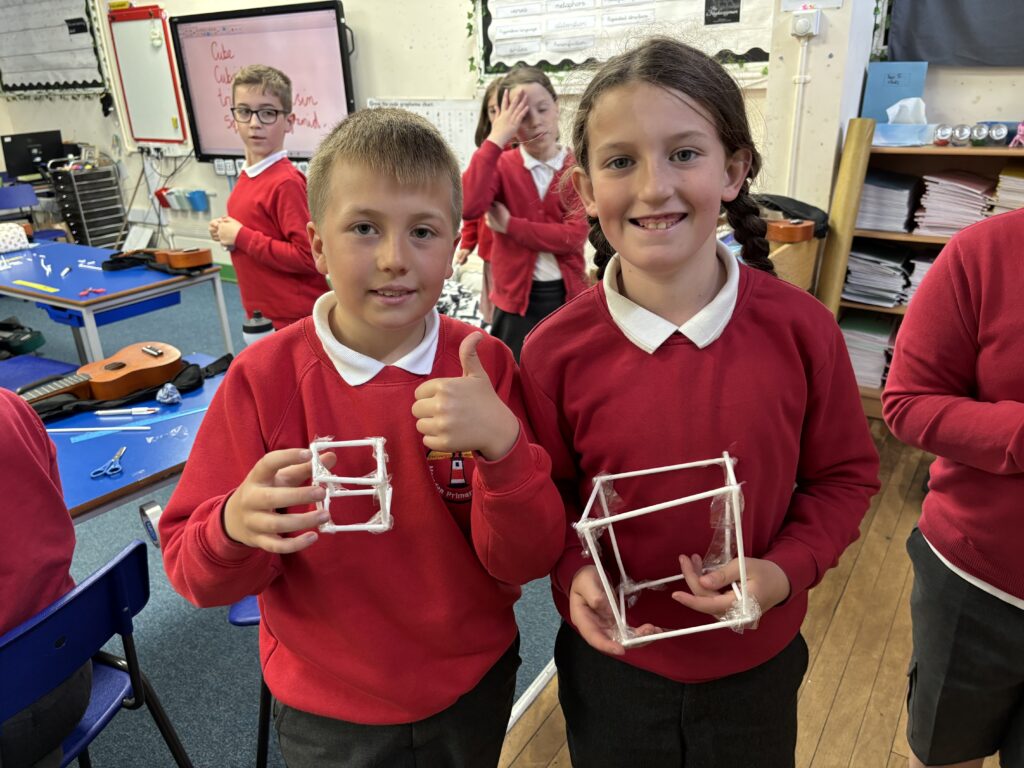
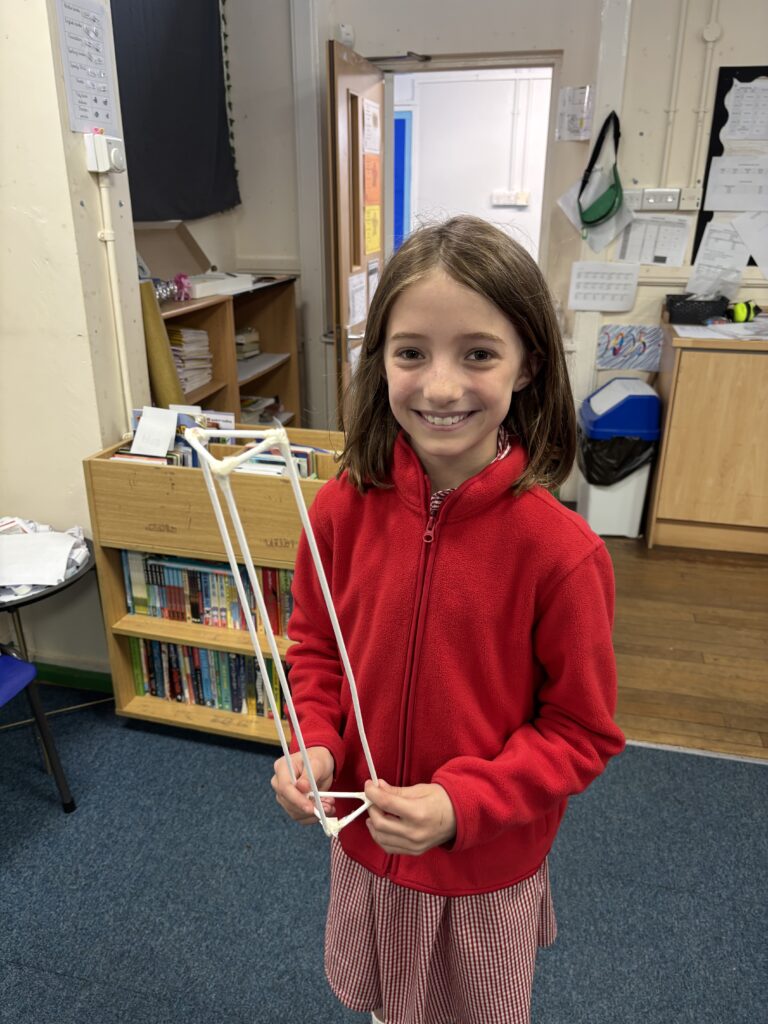
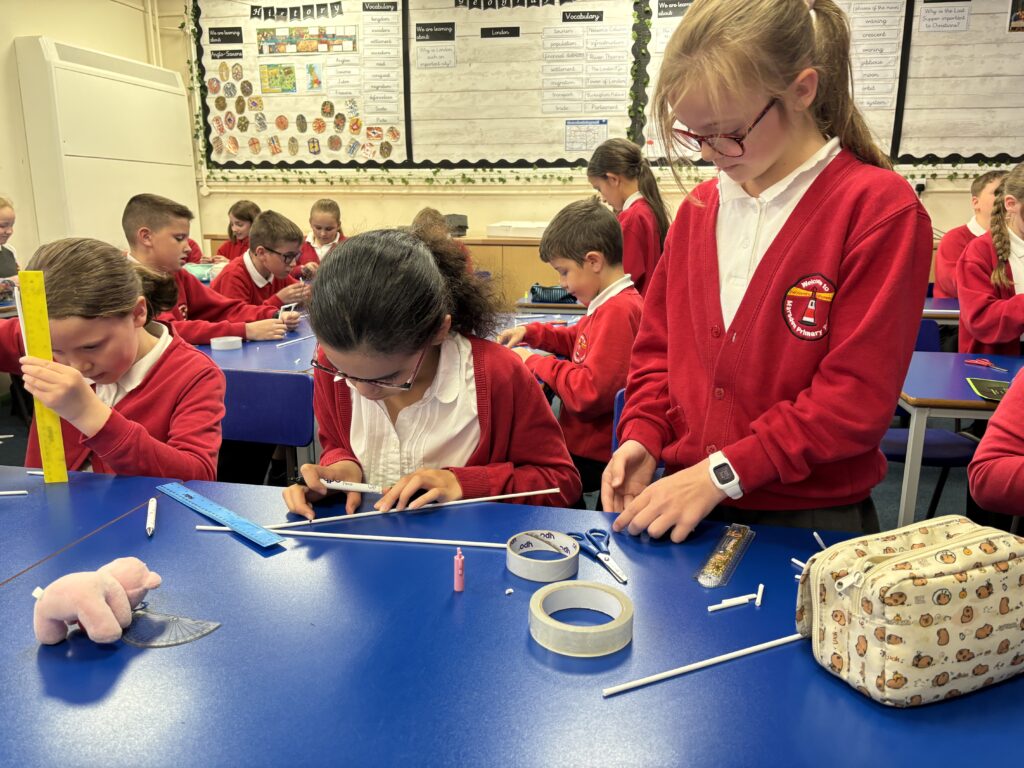
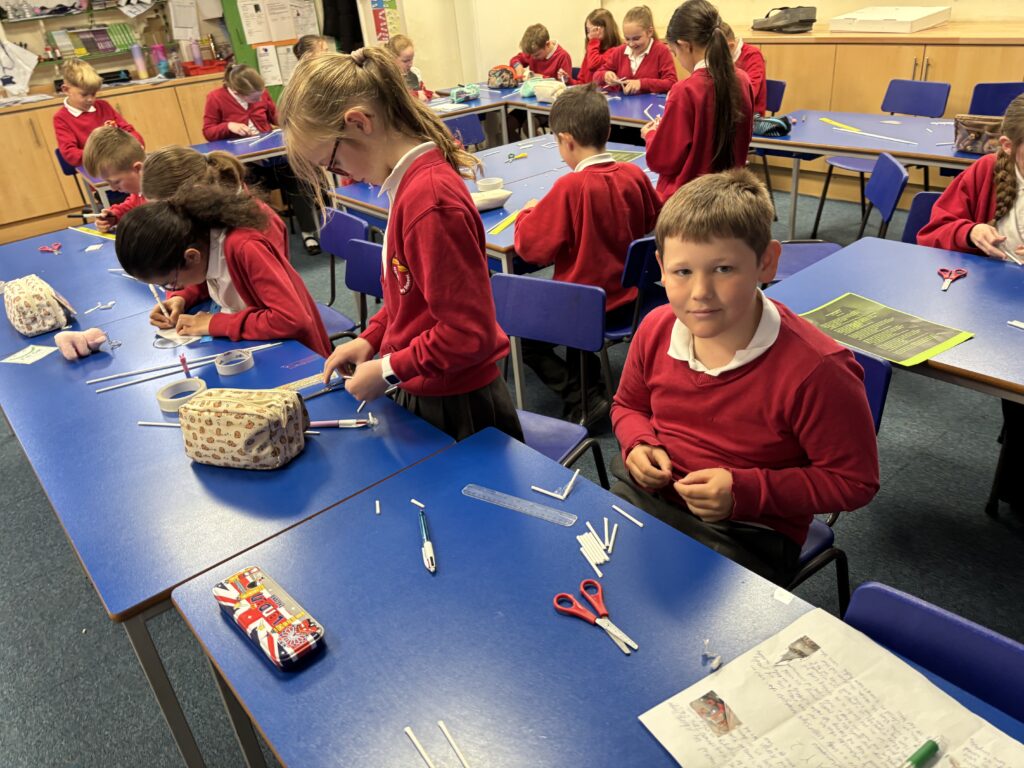
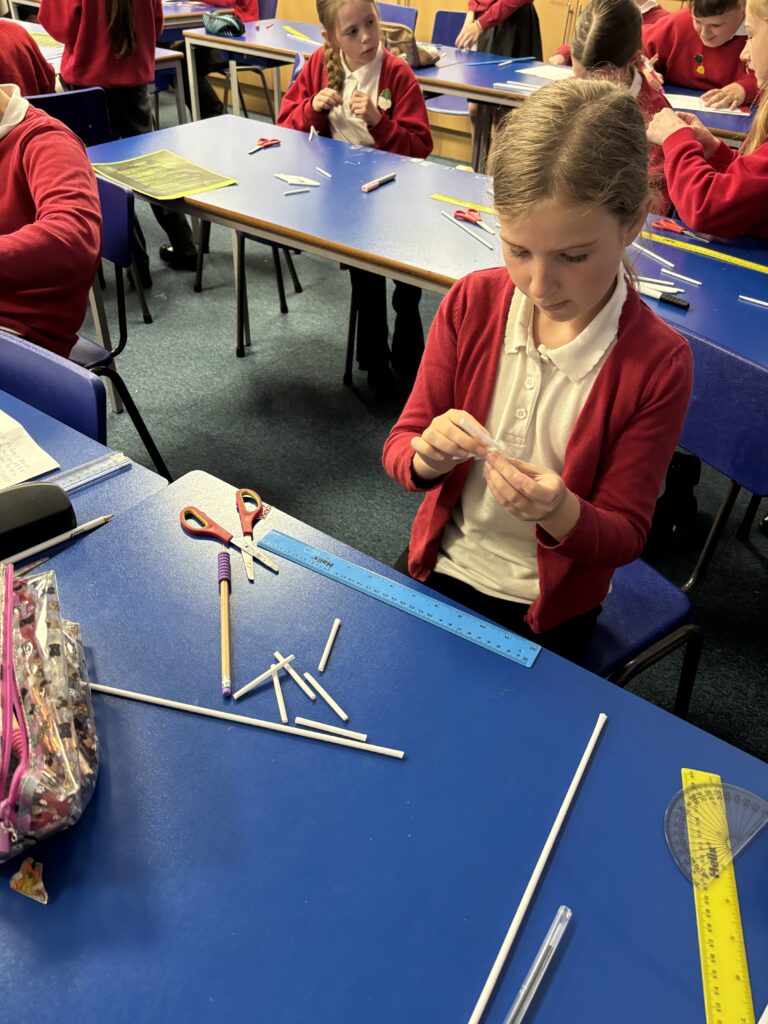
To finish off our angles and shape unit, Y5 were challenged to make their own 3D shape using art straws. They needed to make sure they measured and cut the straws accurately so that the shape had the correct properties.
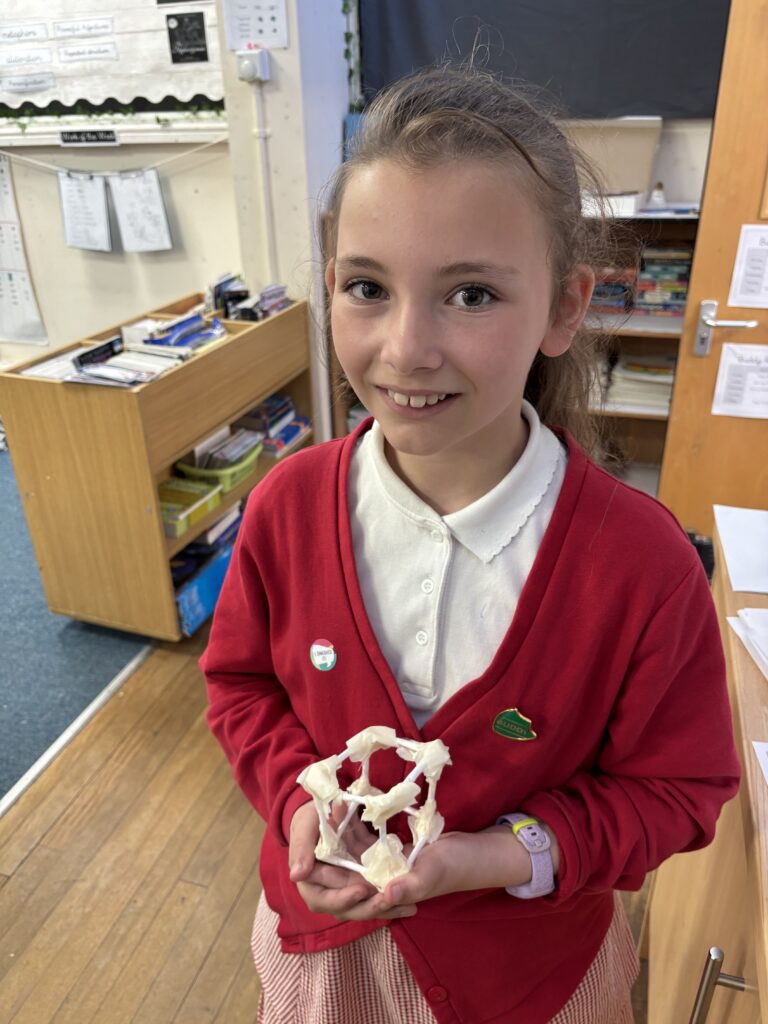
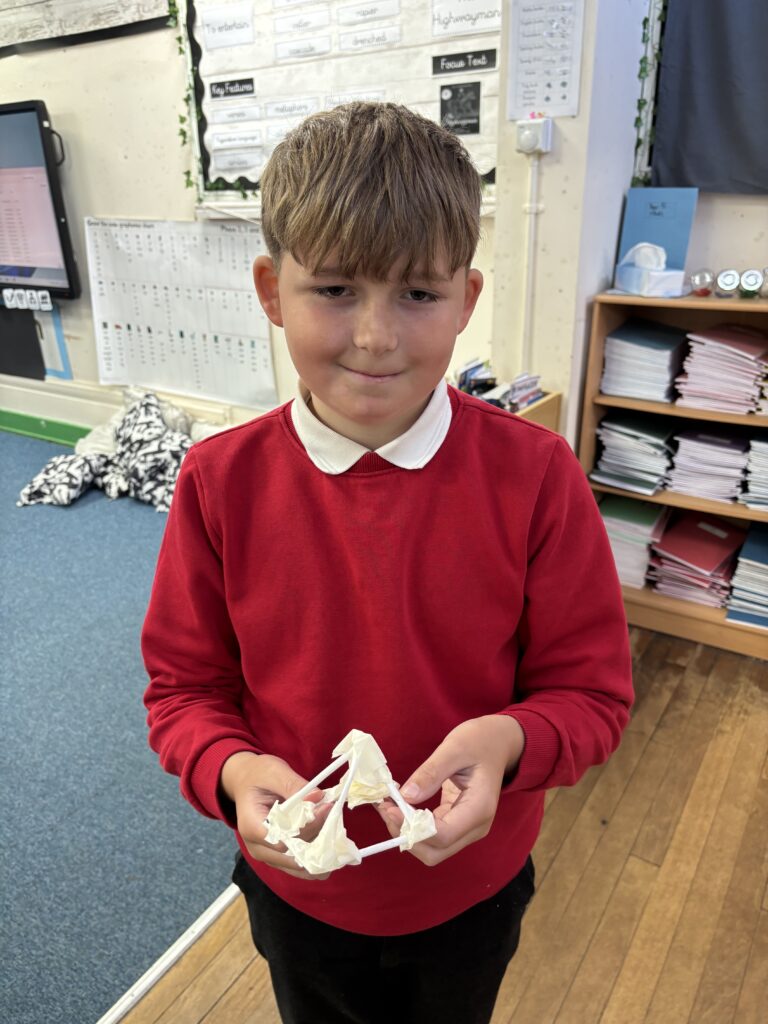
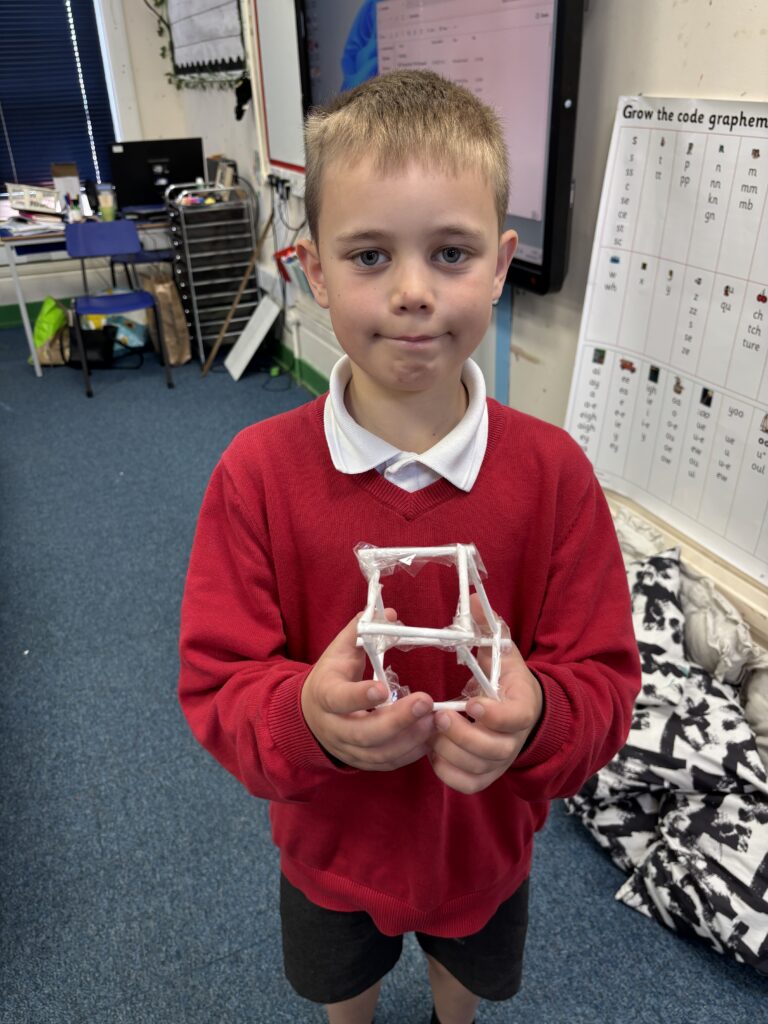
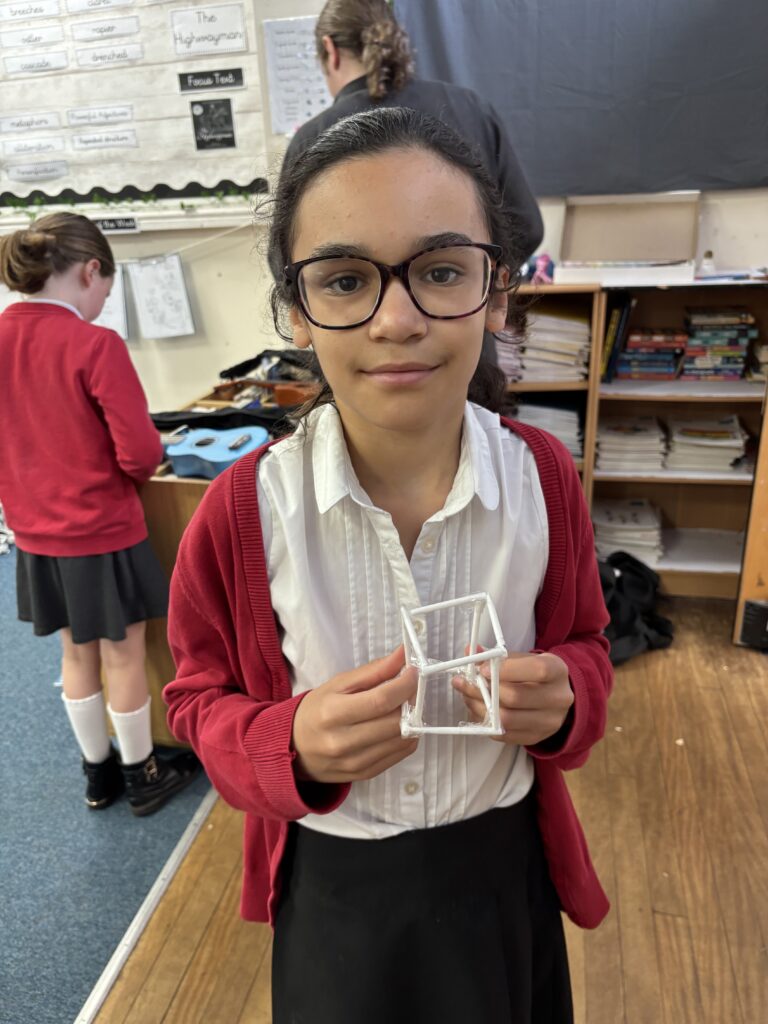
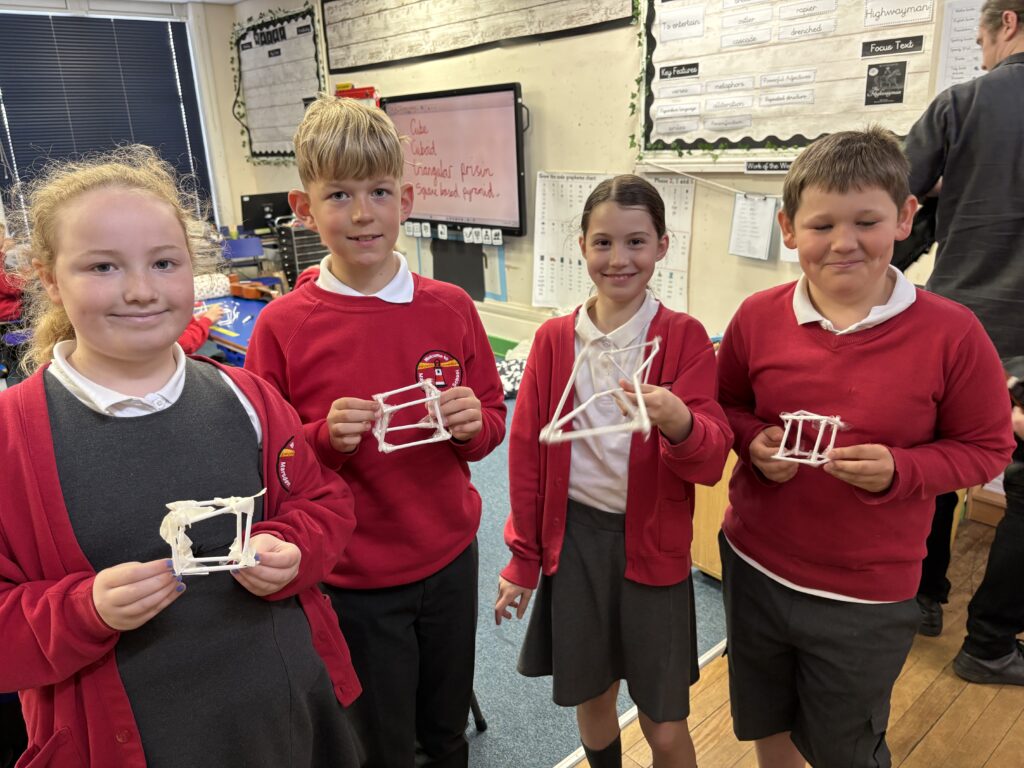
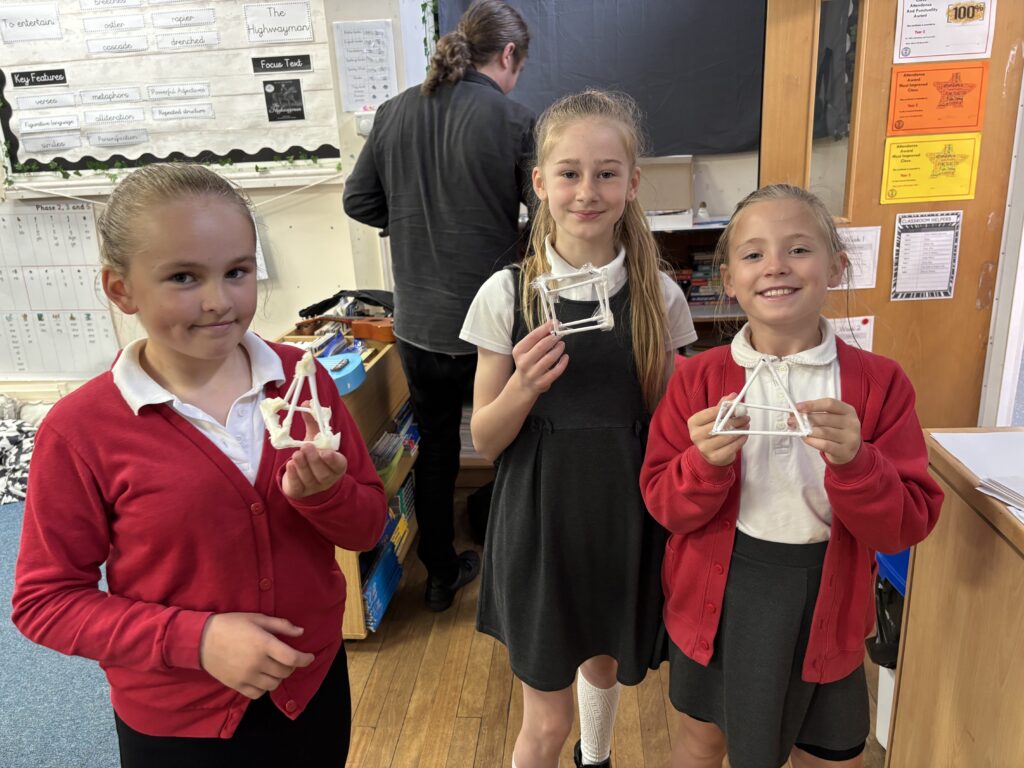
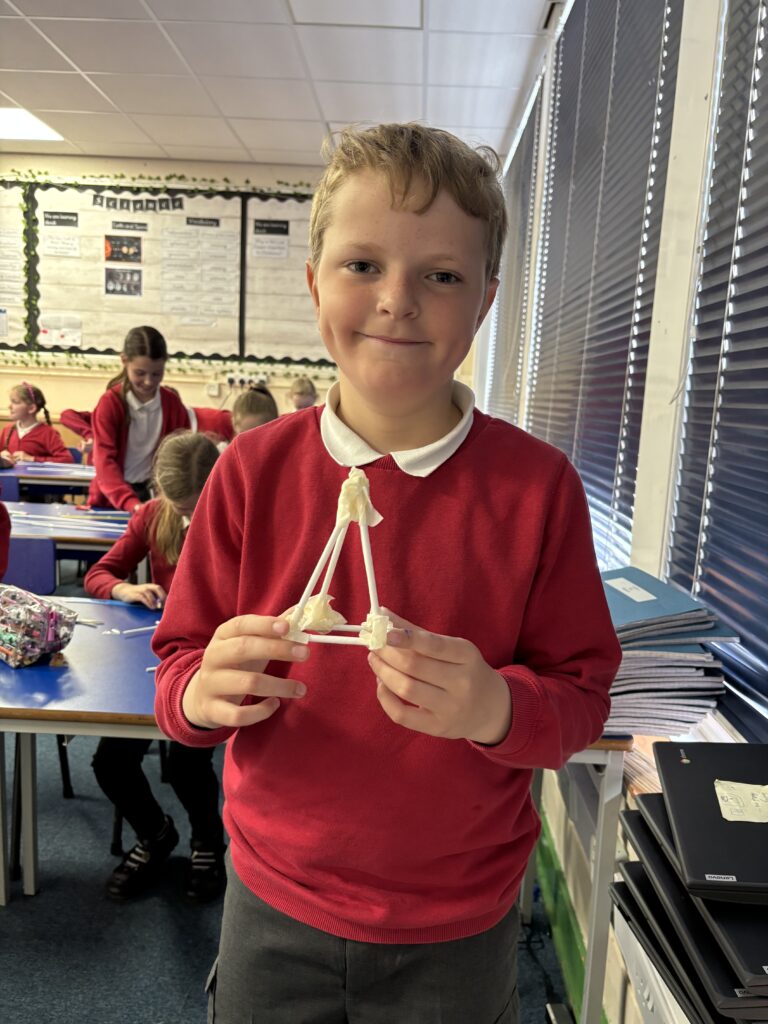
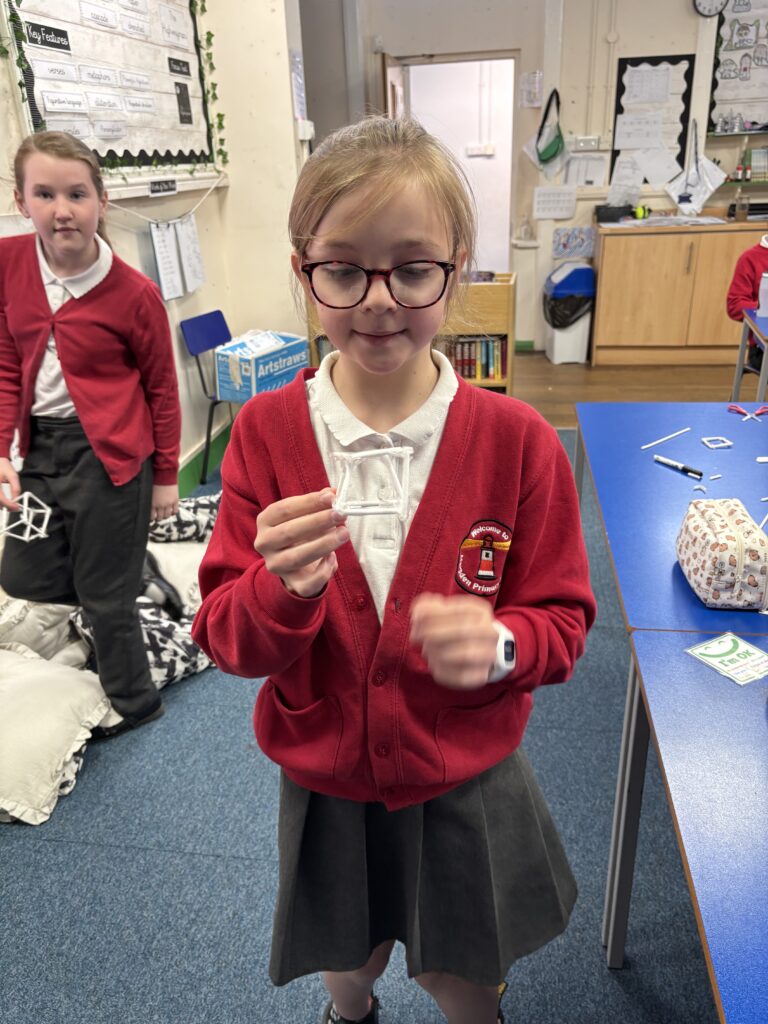
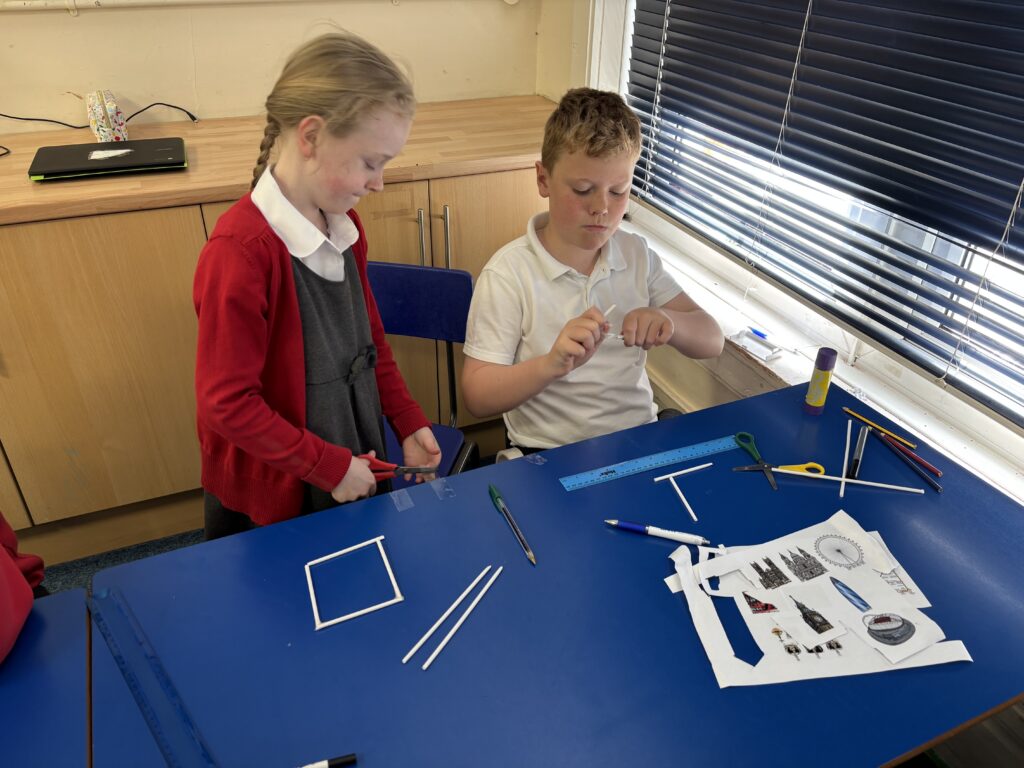
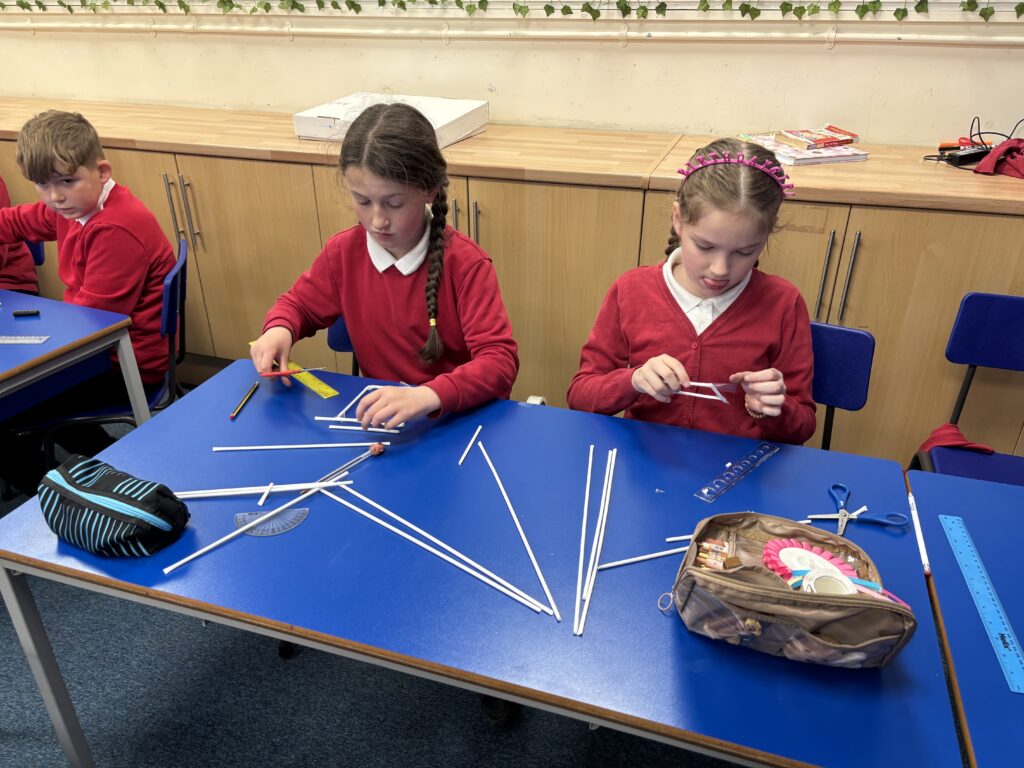
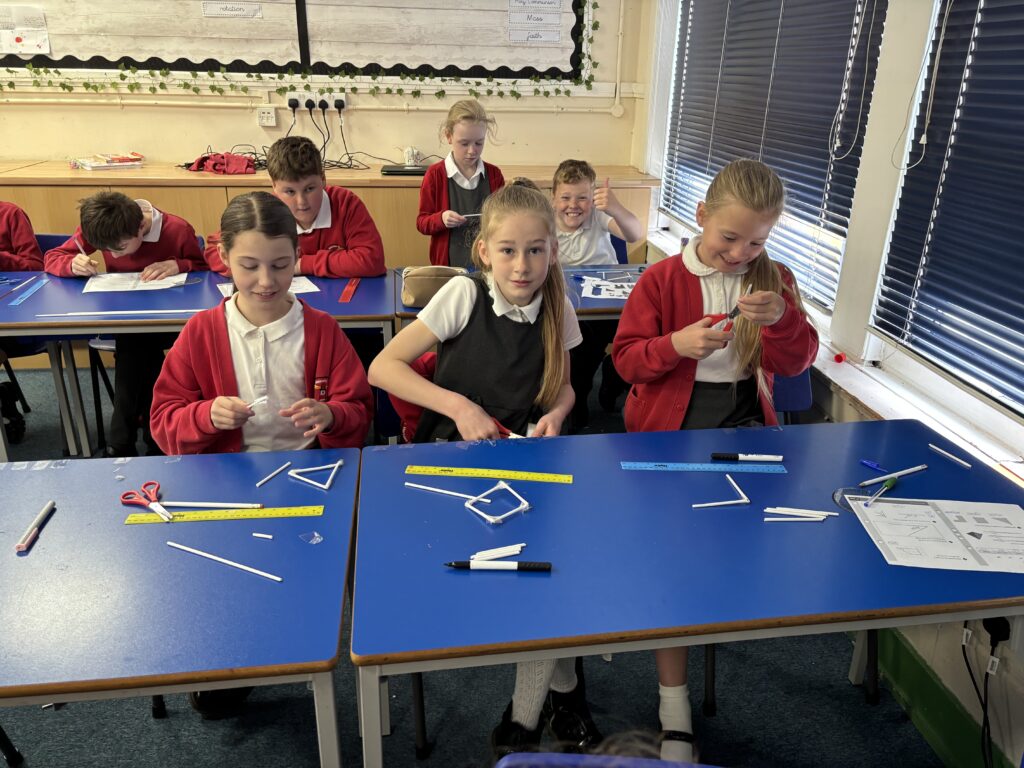
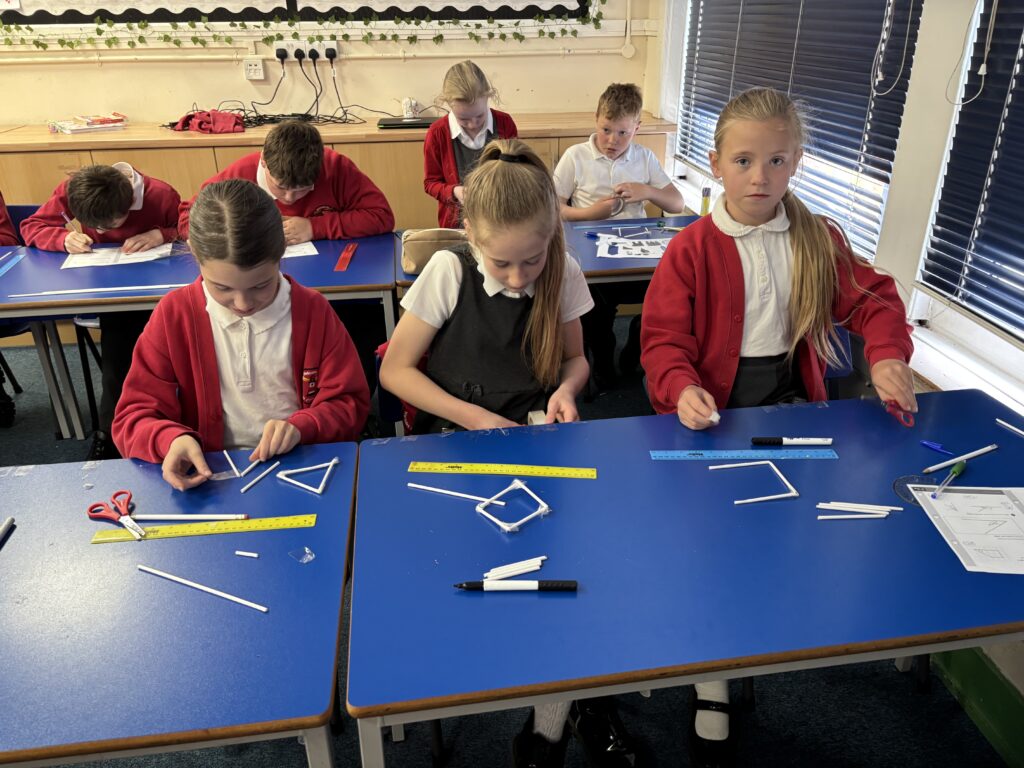
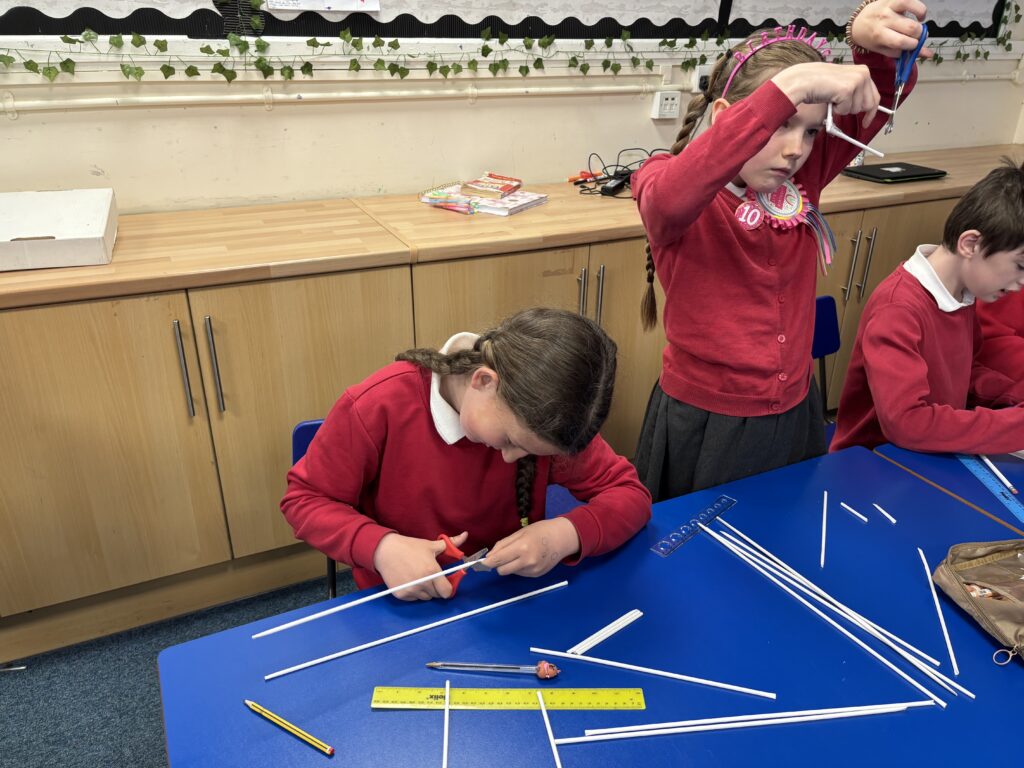
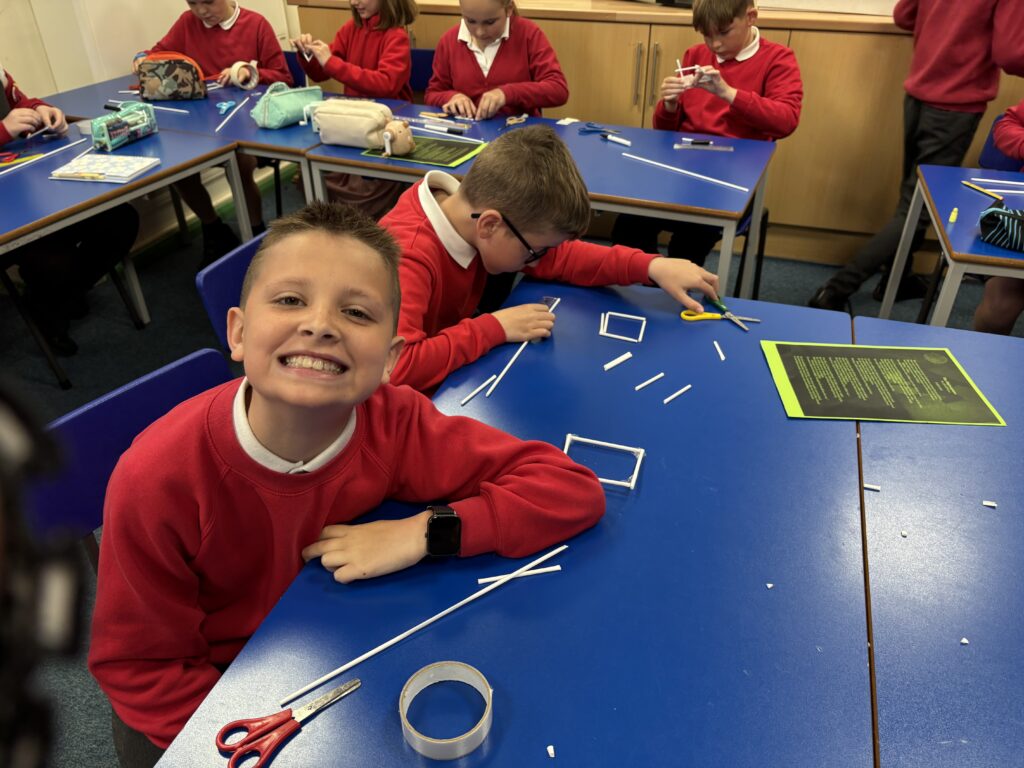
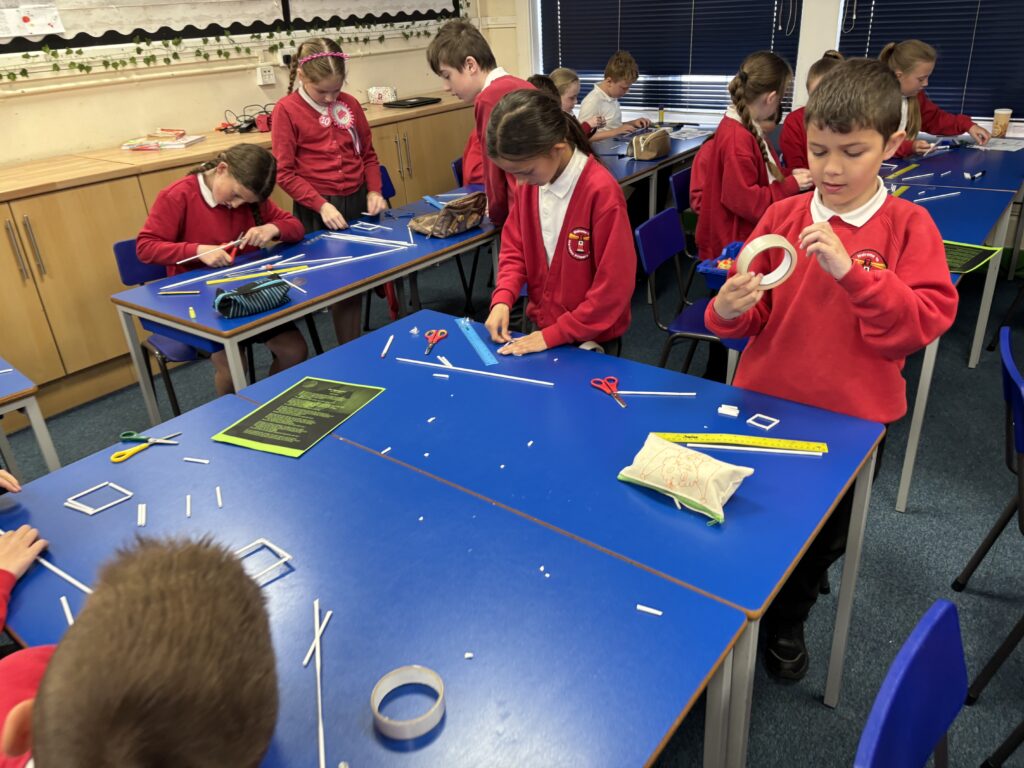
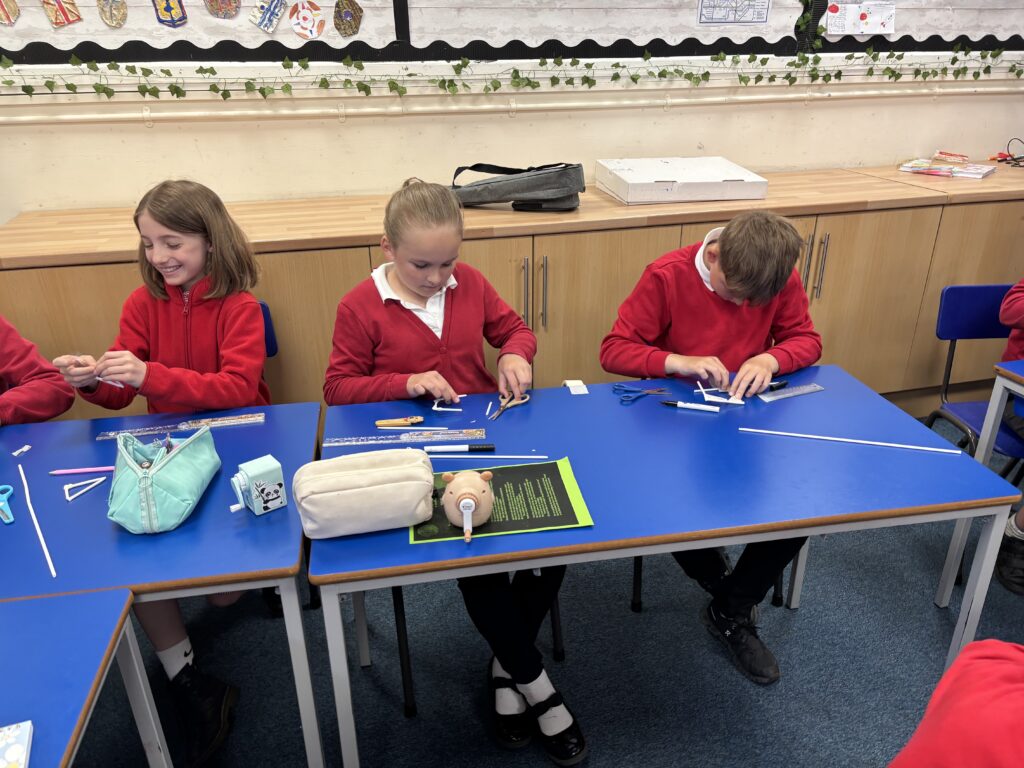
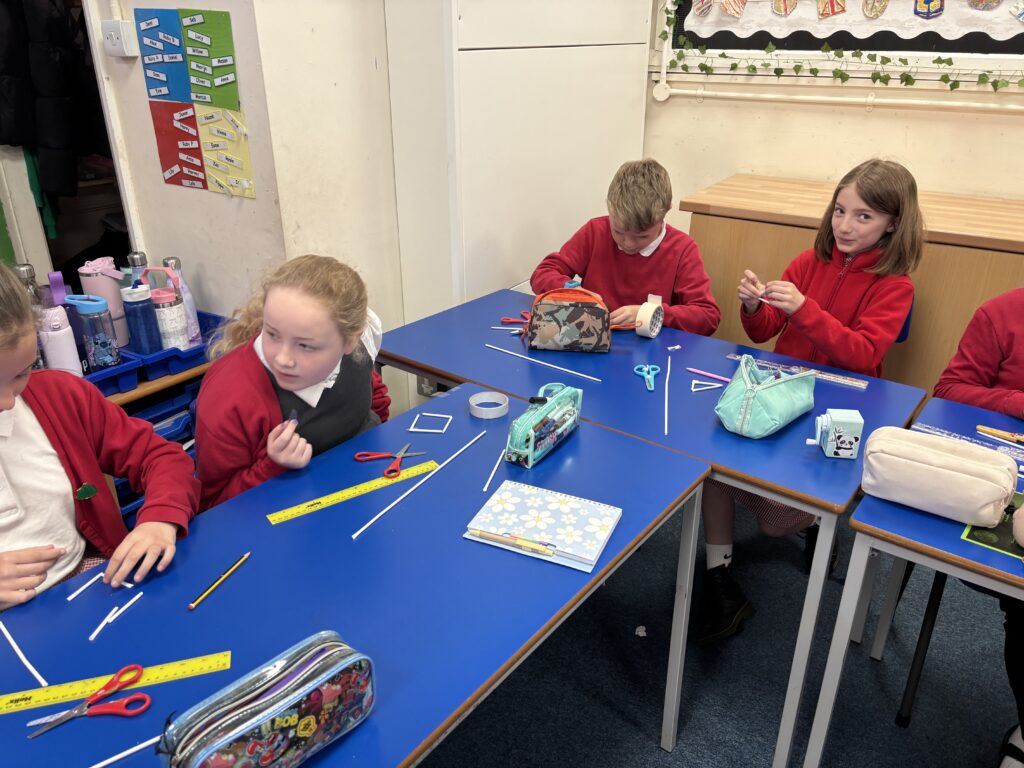
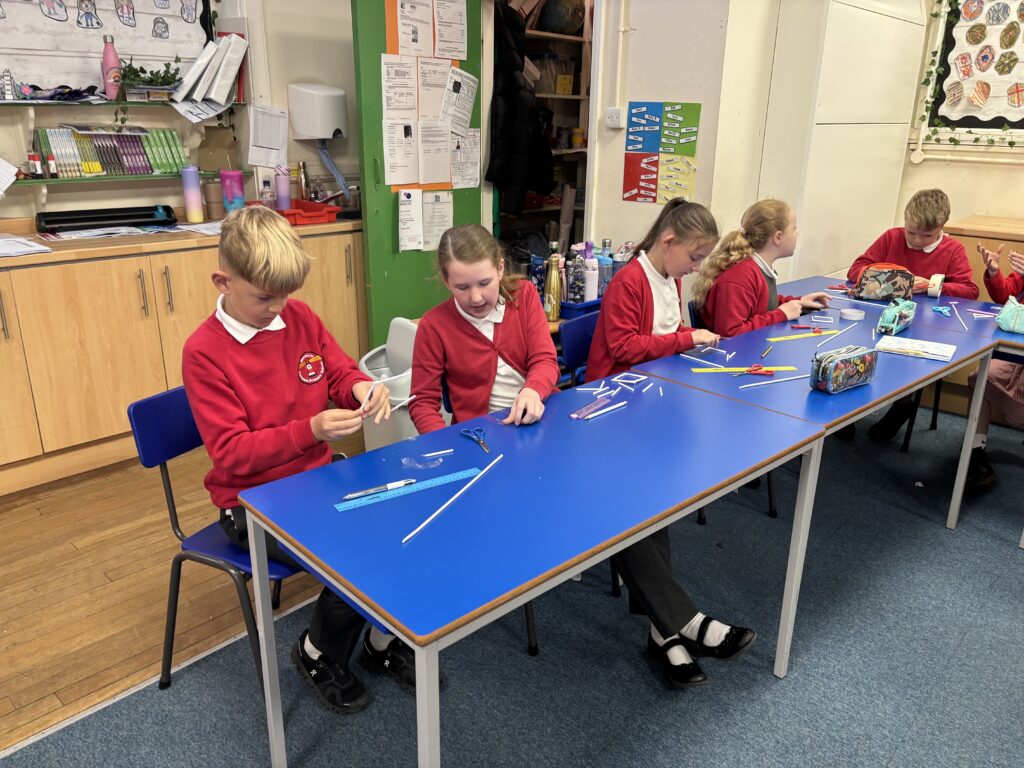
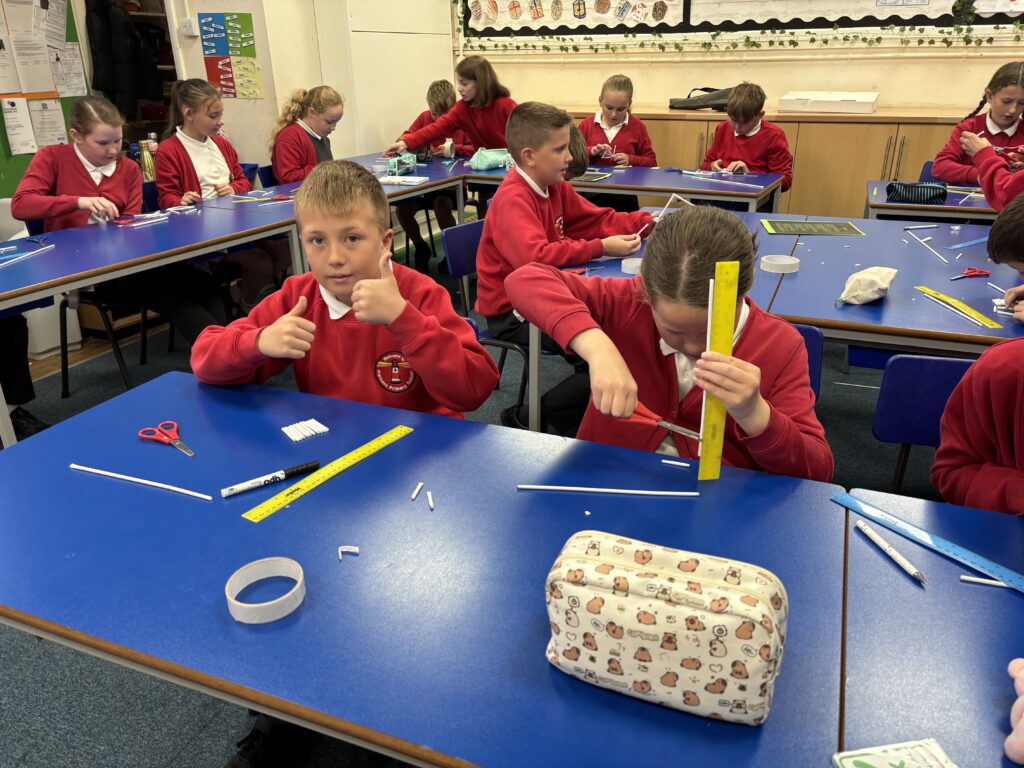
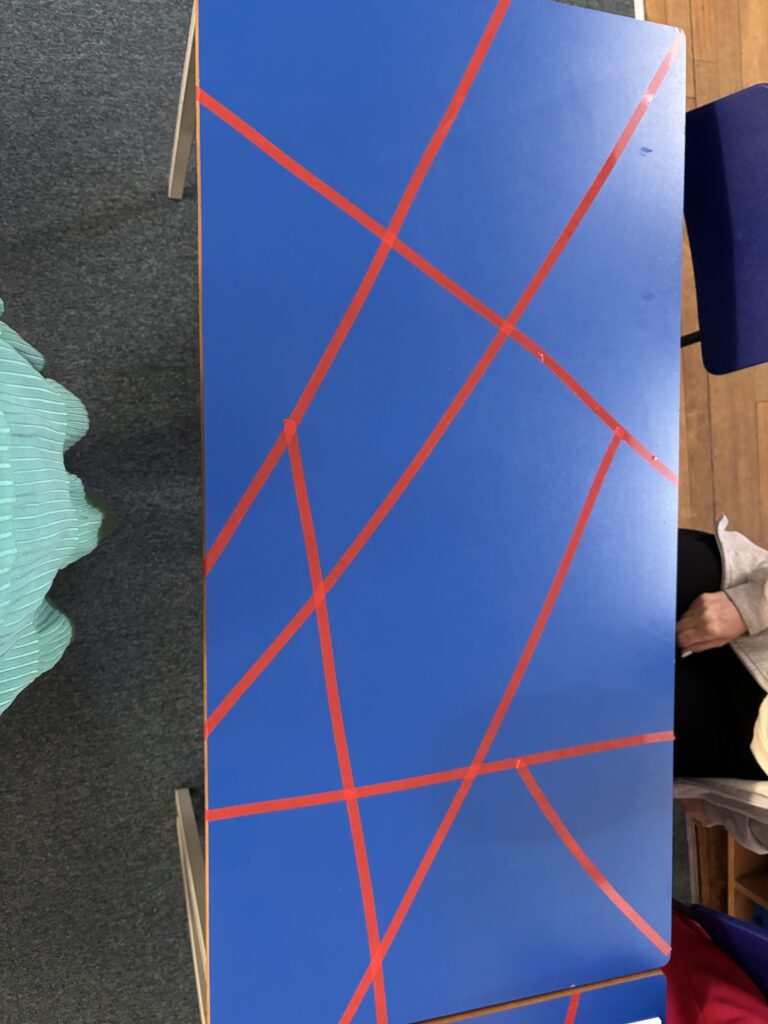
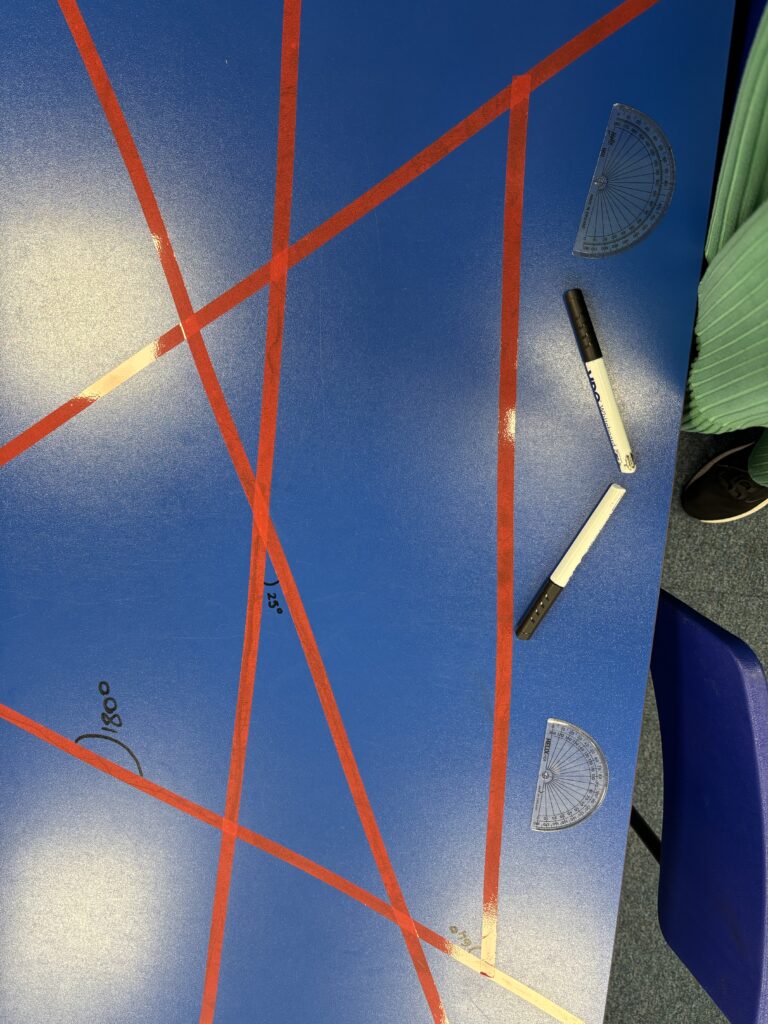
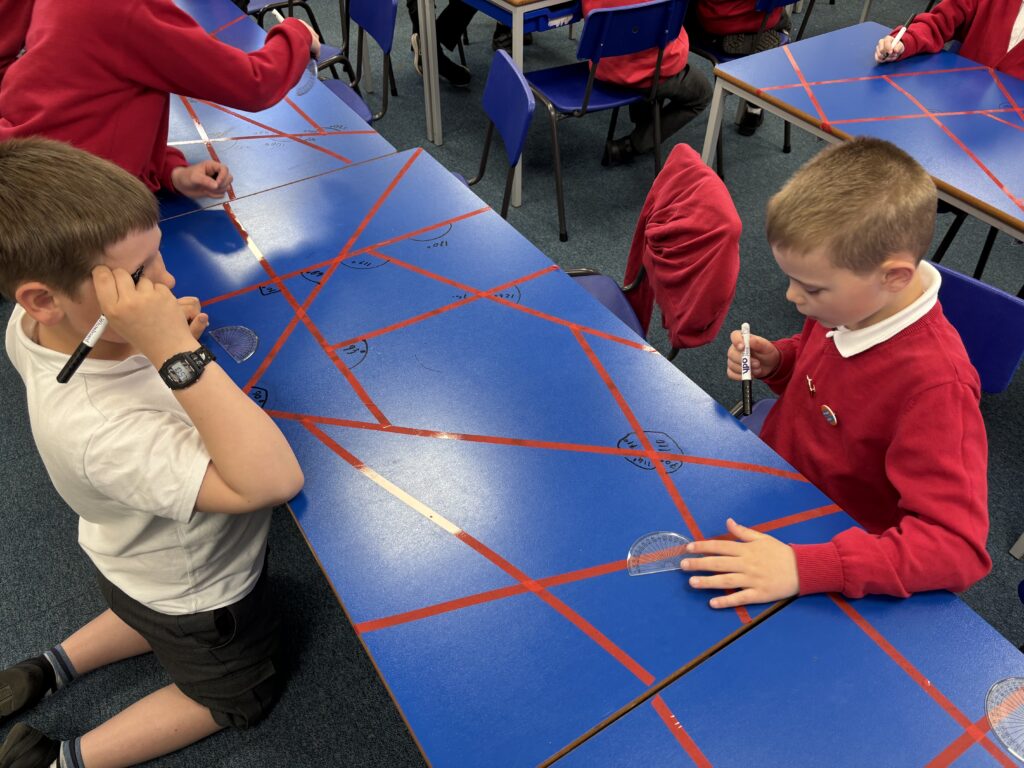
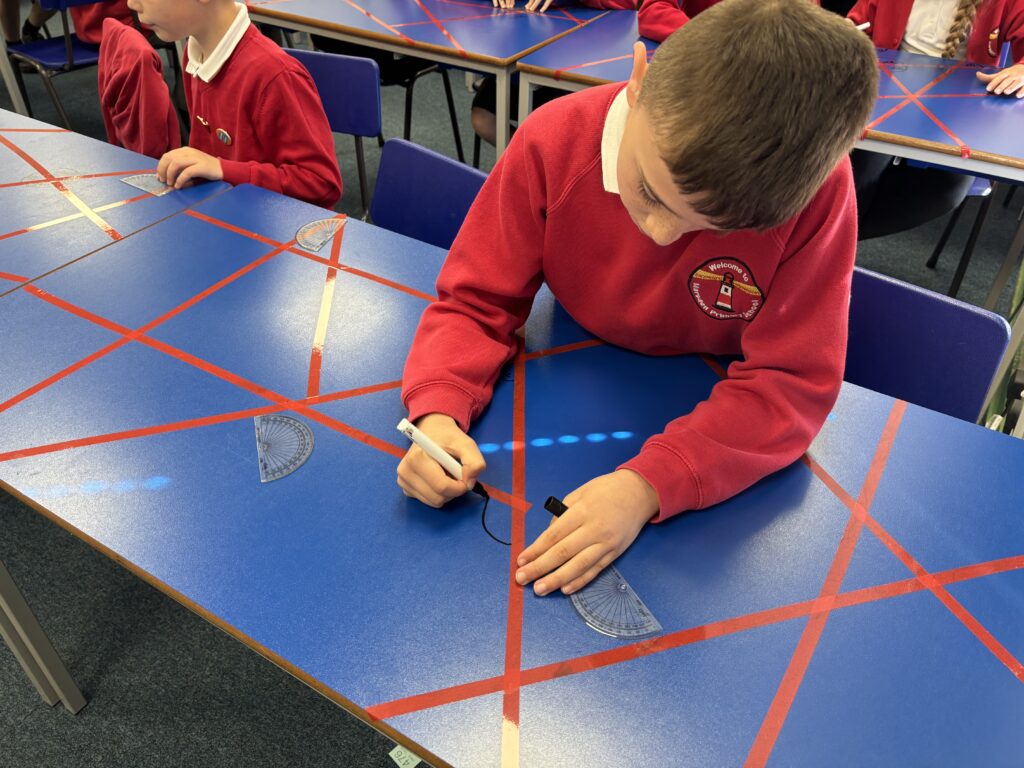
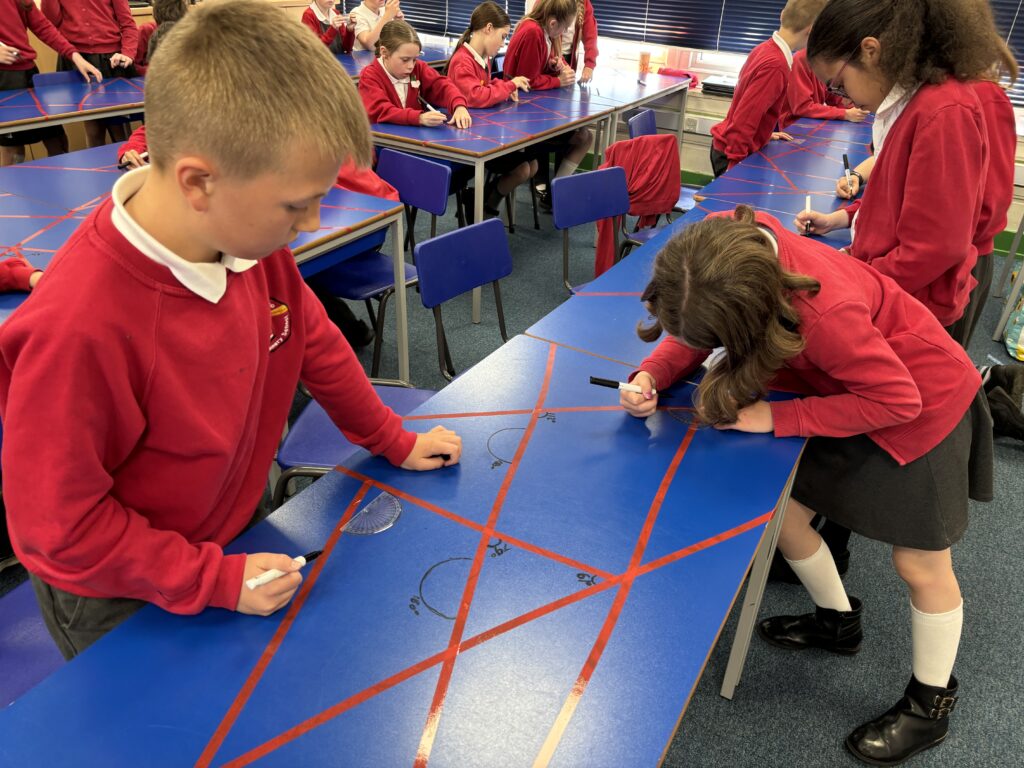
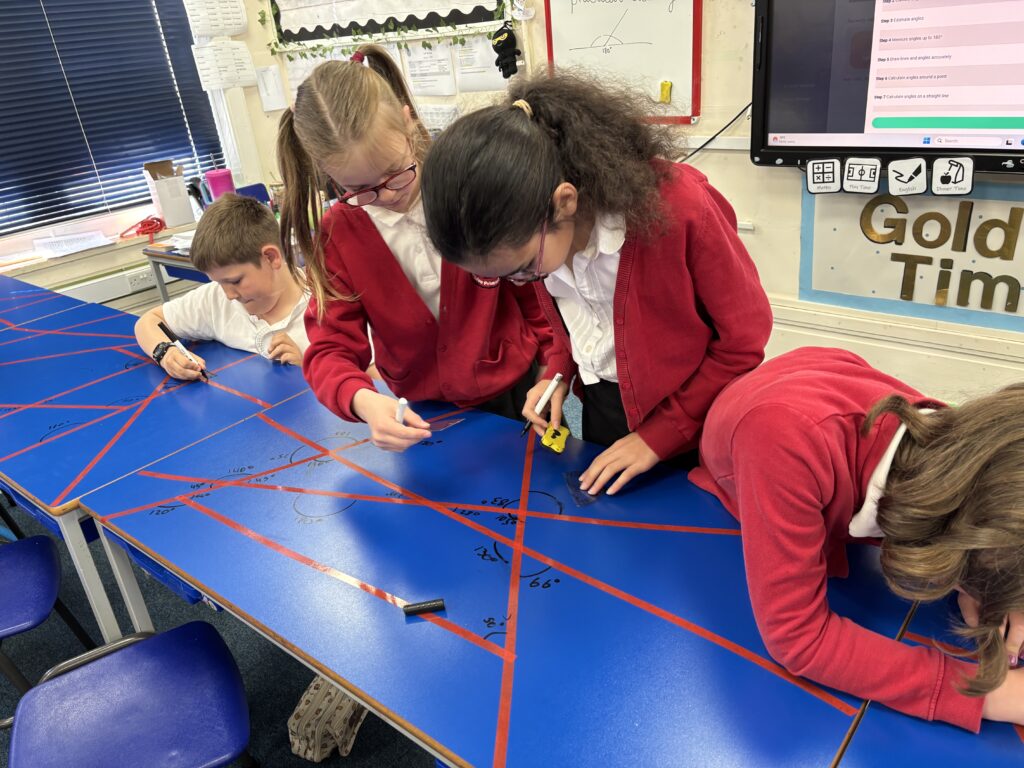
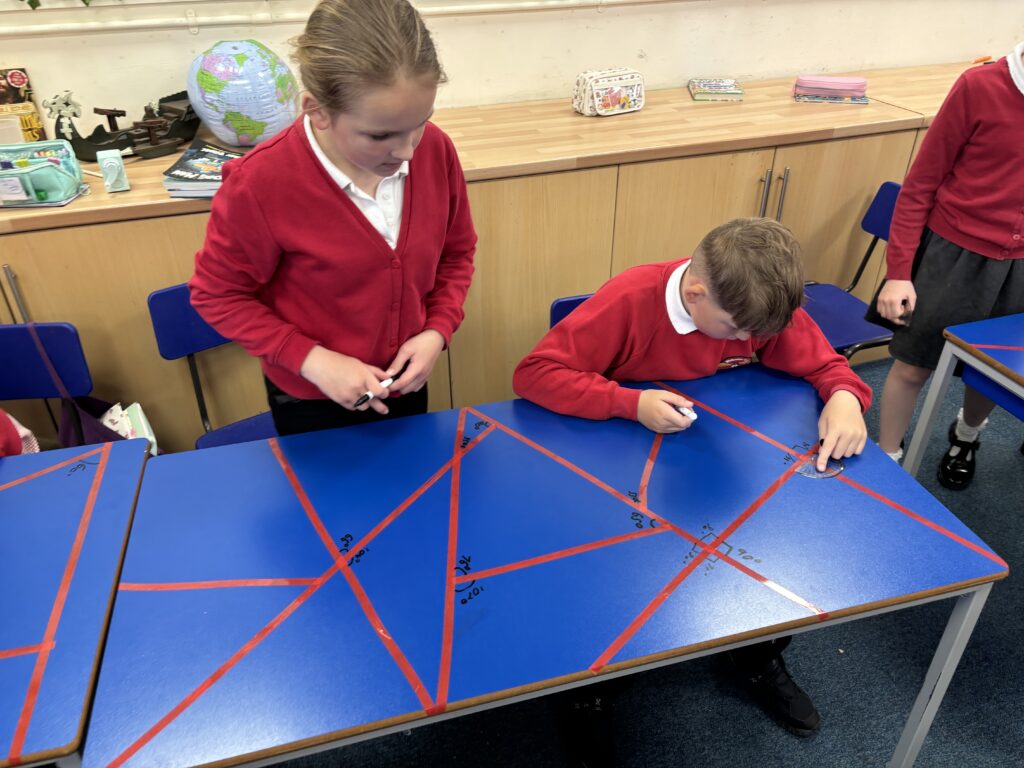
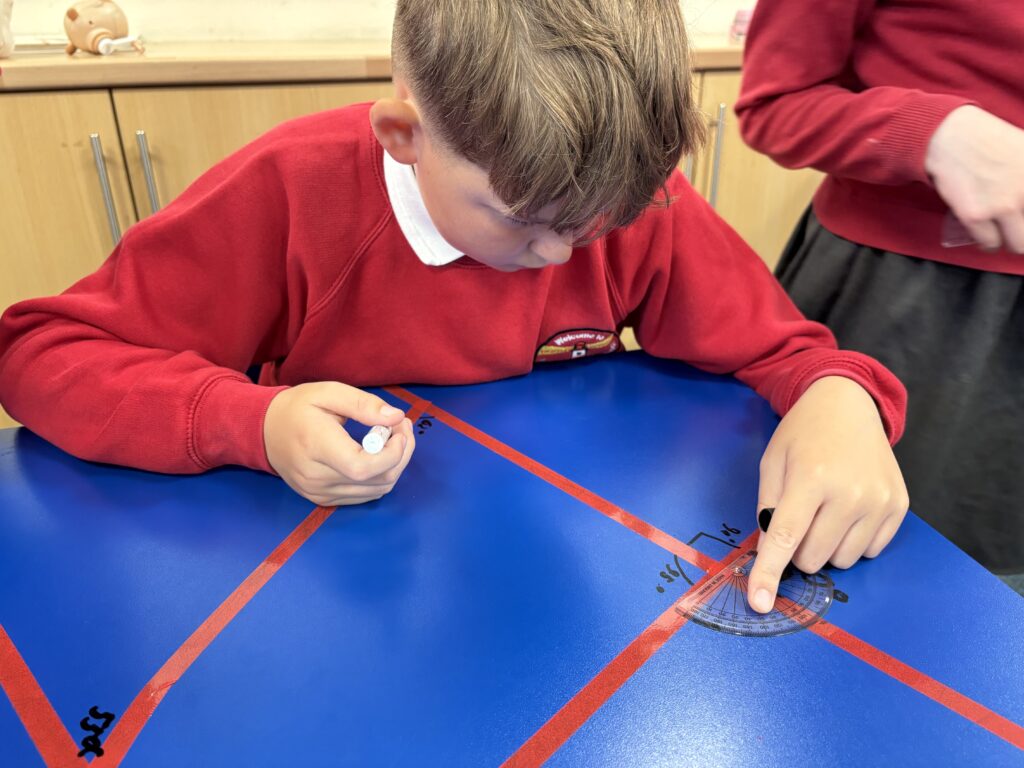
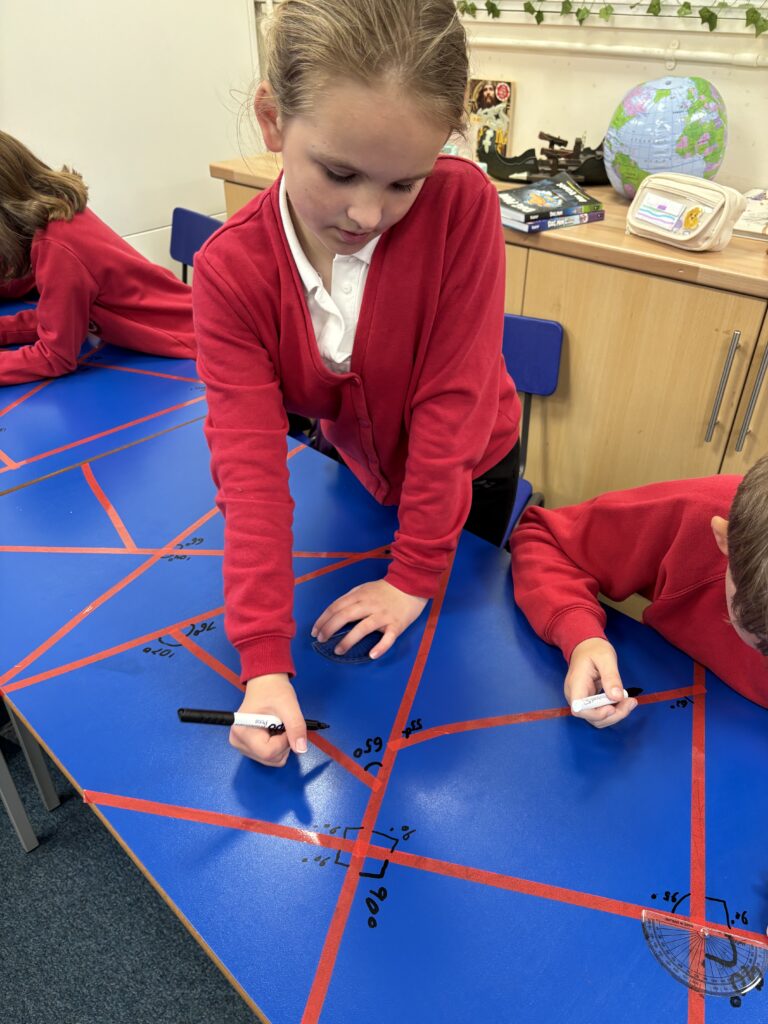
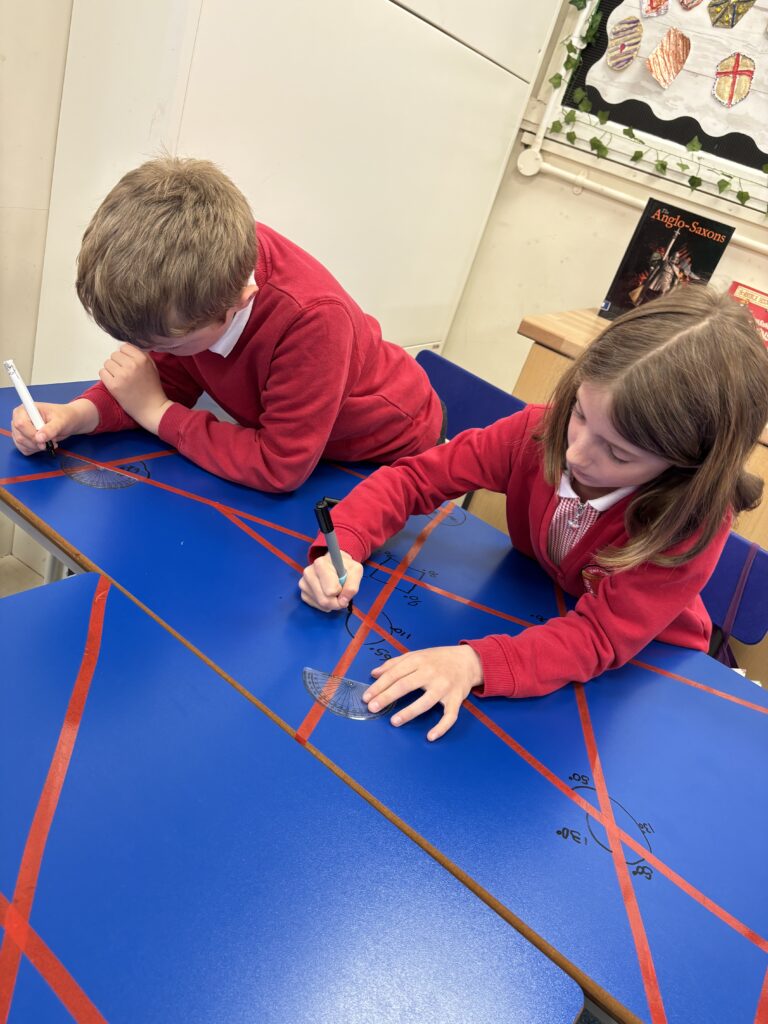
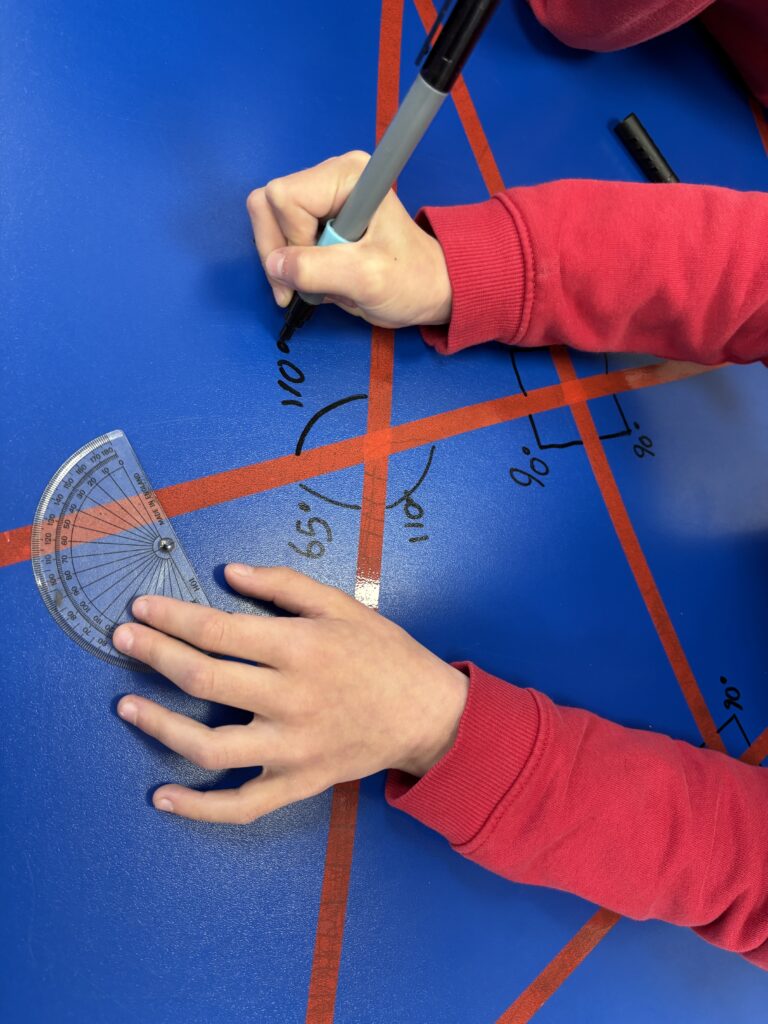
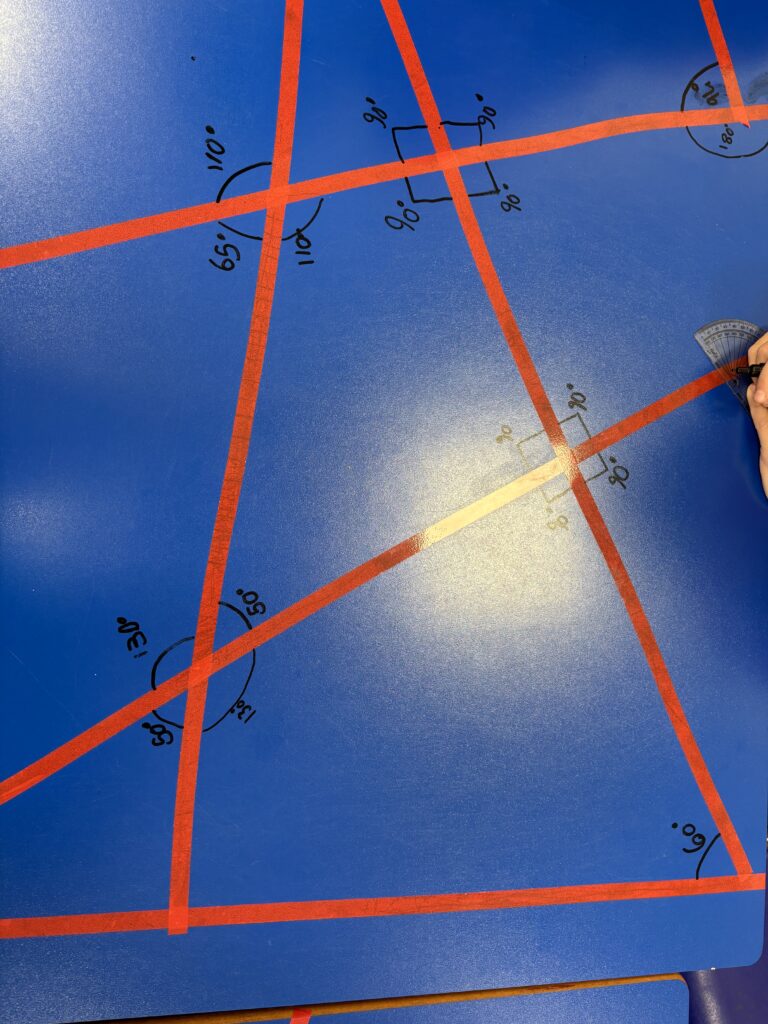
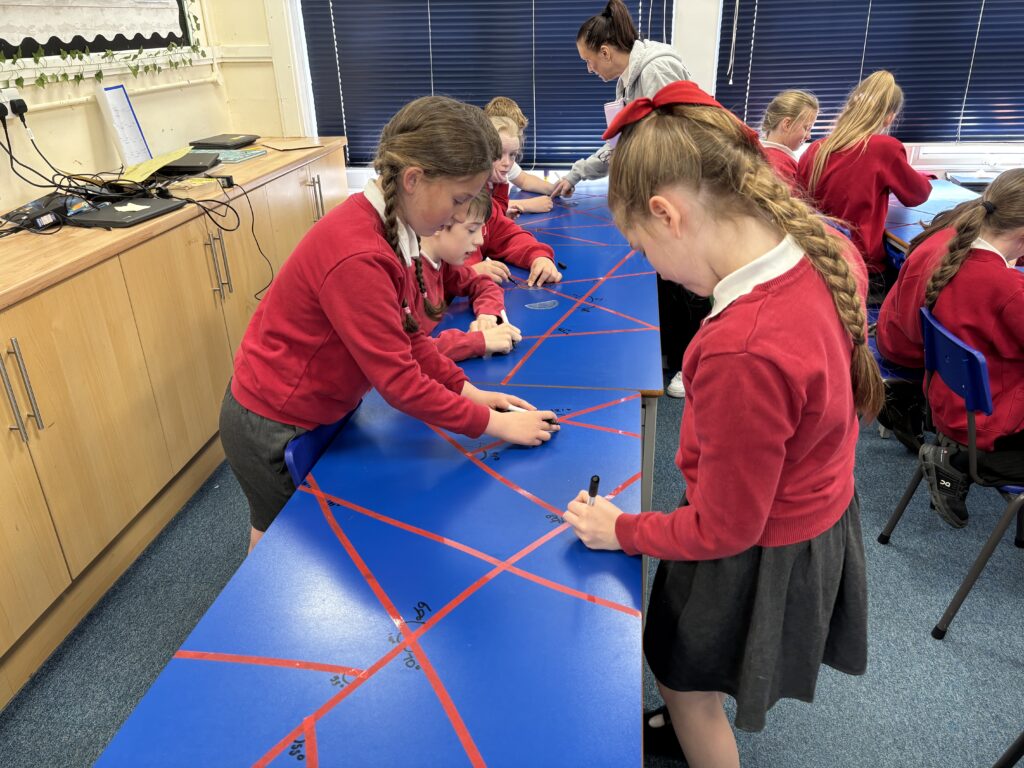
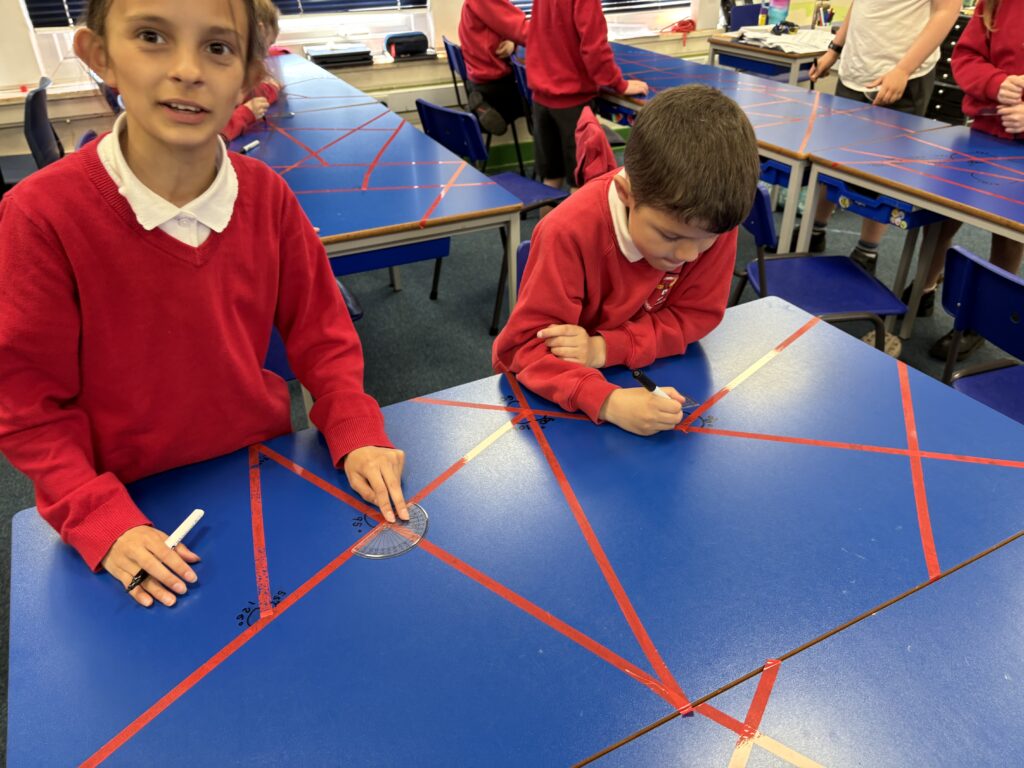
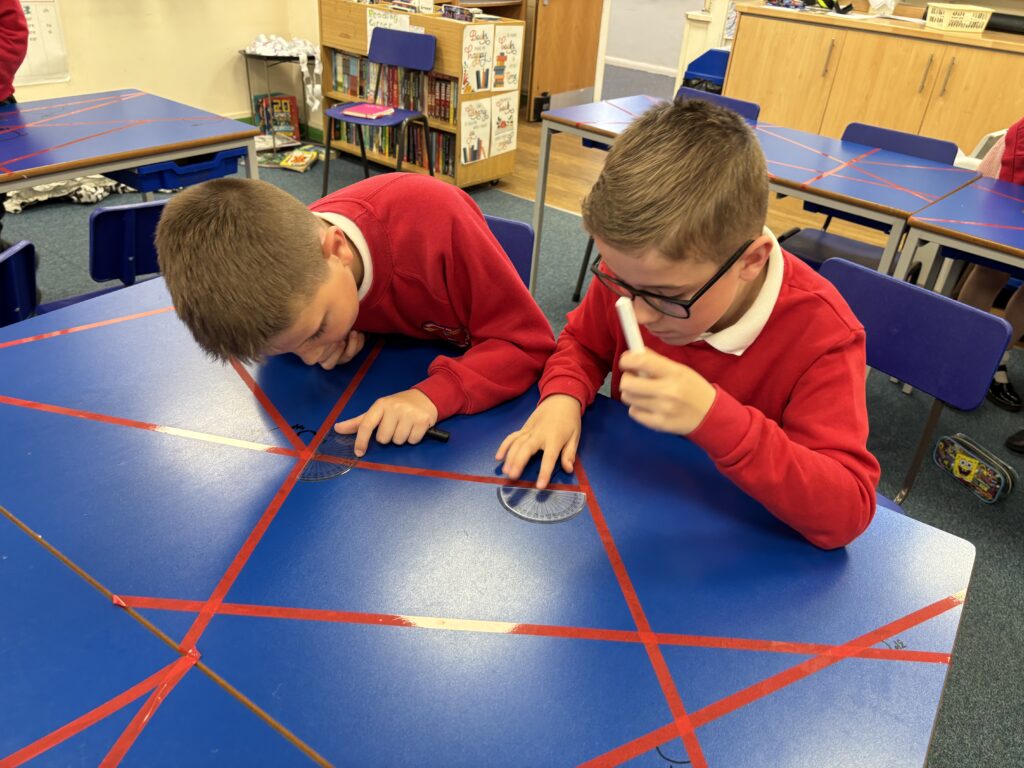
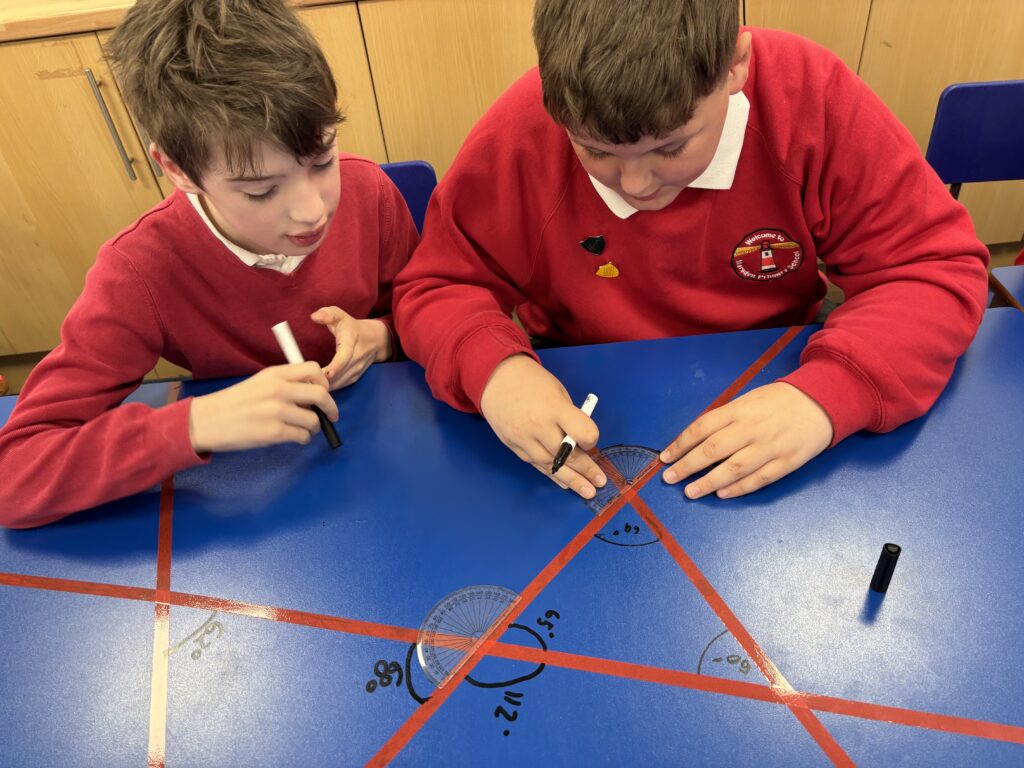
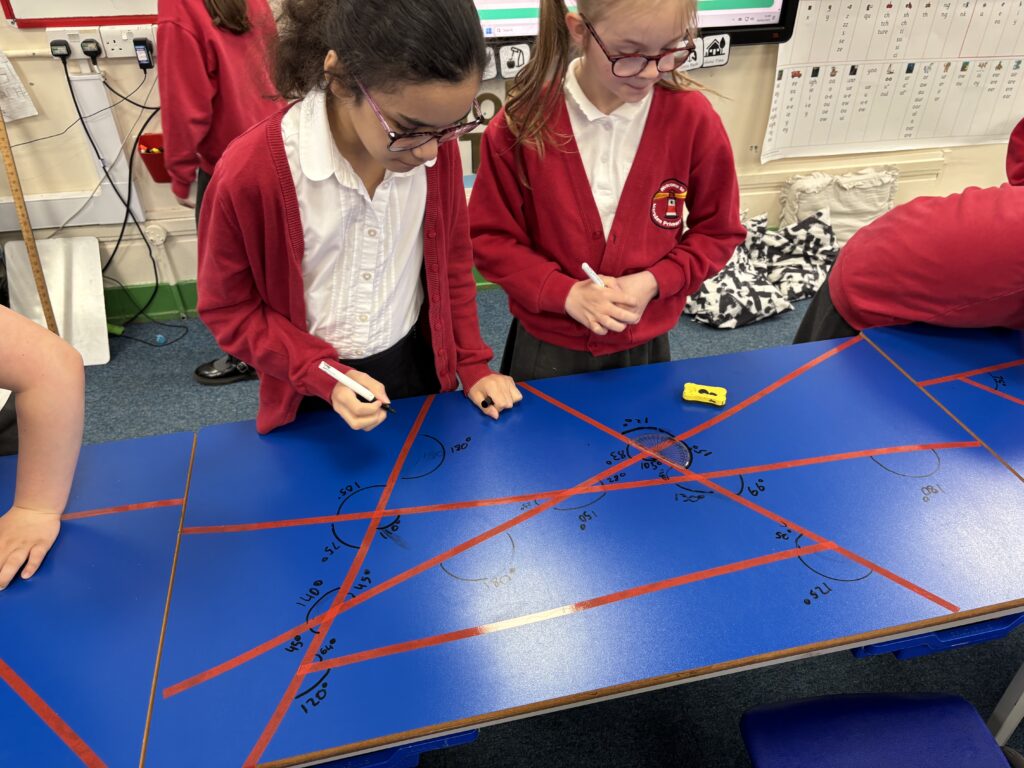
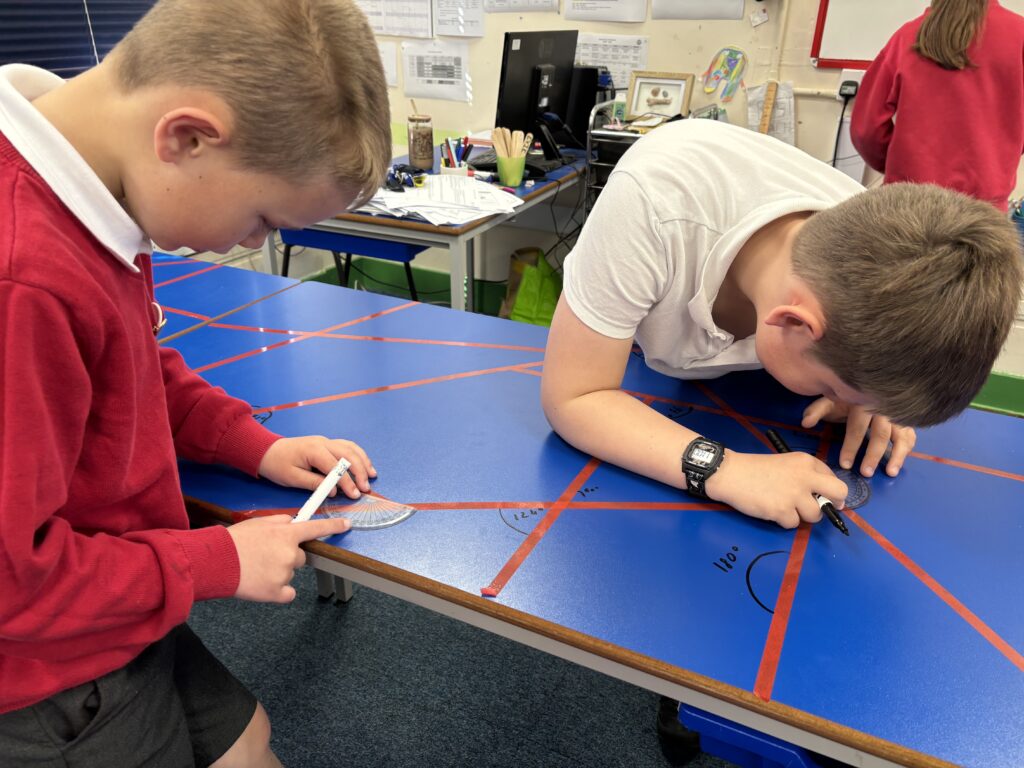
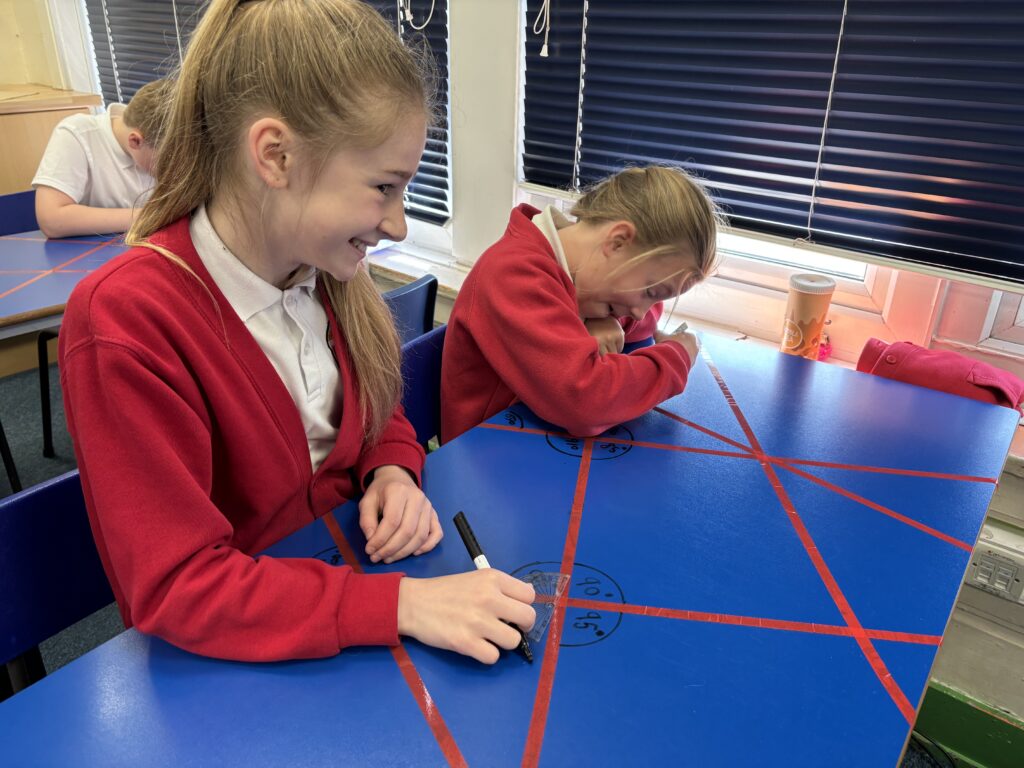
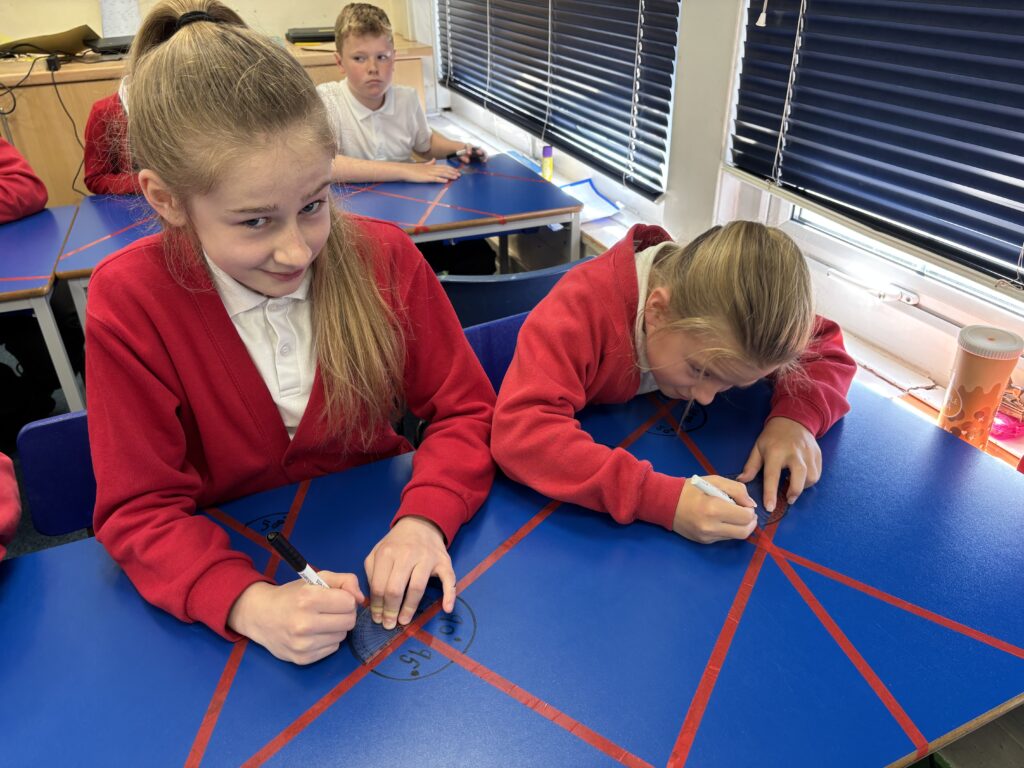
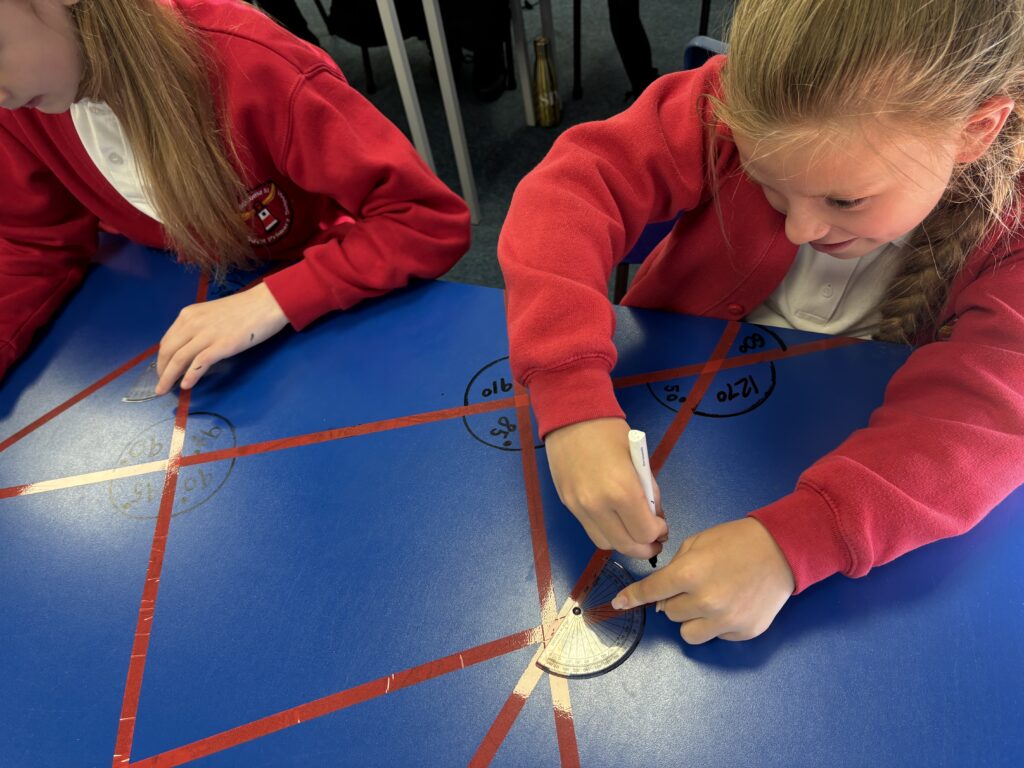
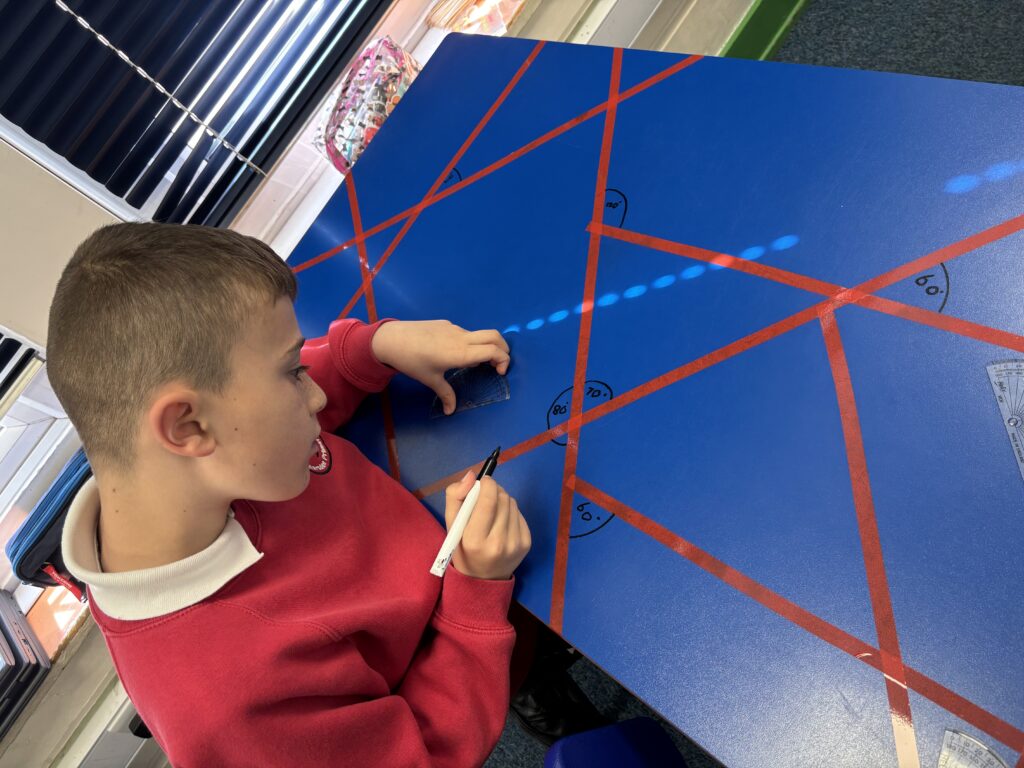
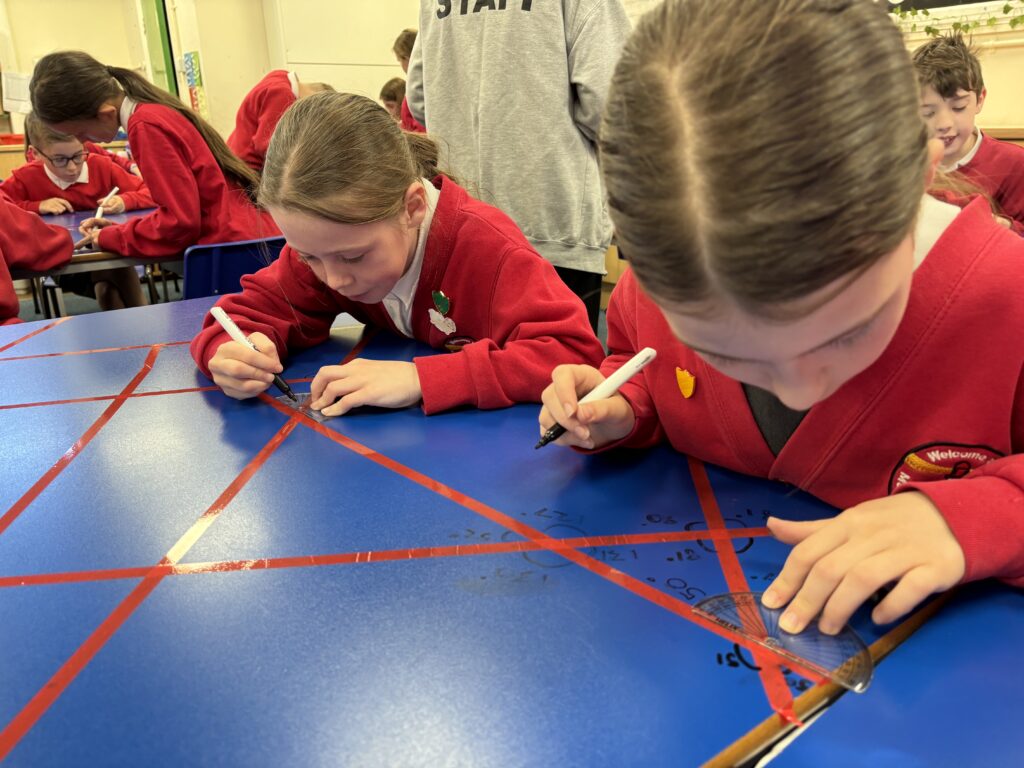
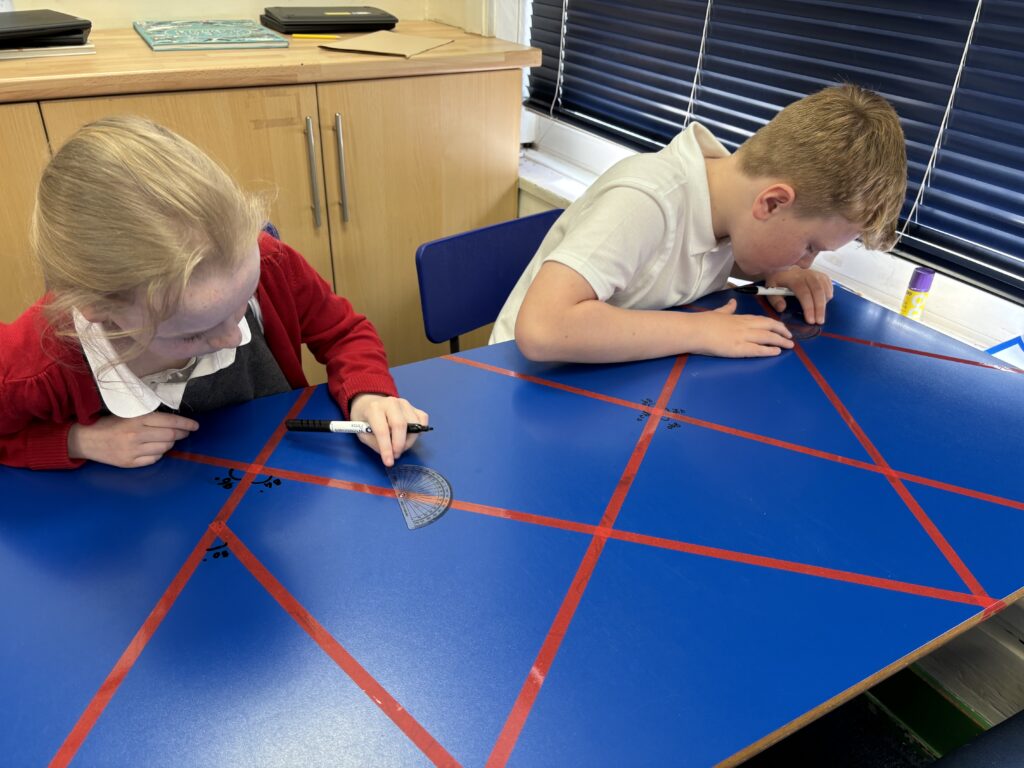
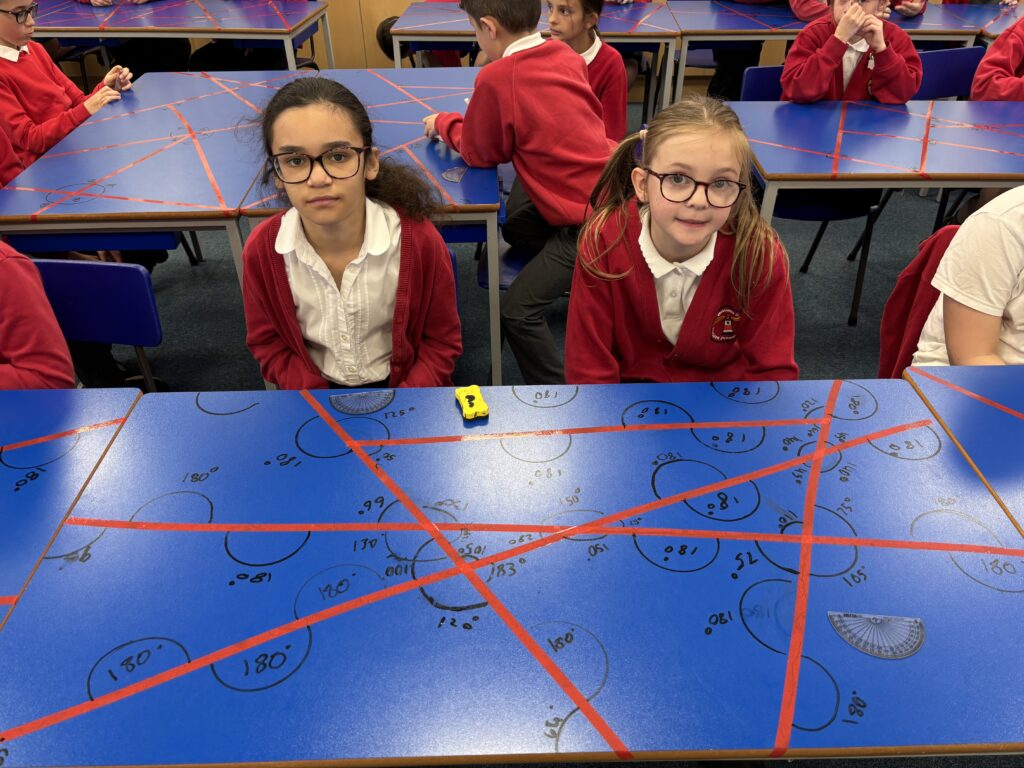
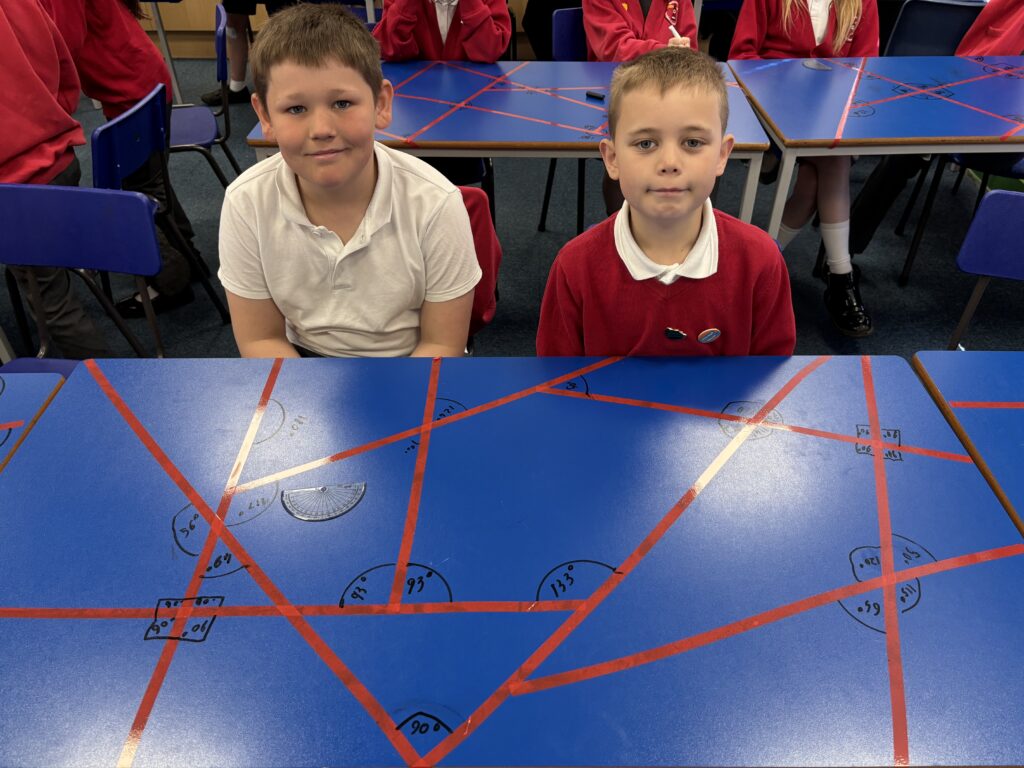
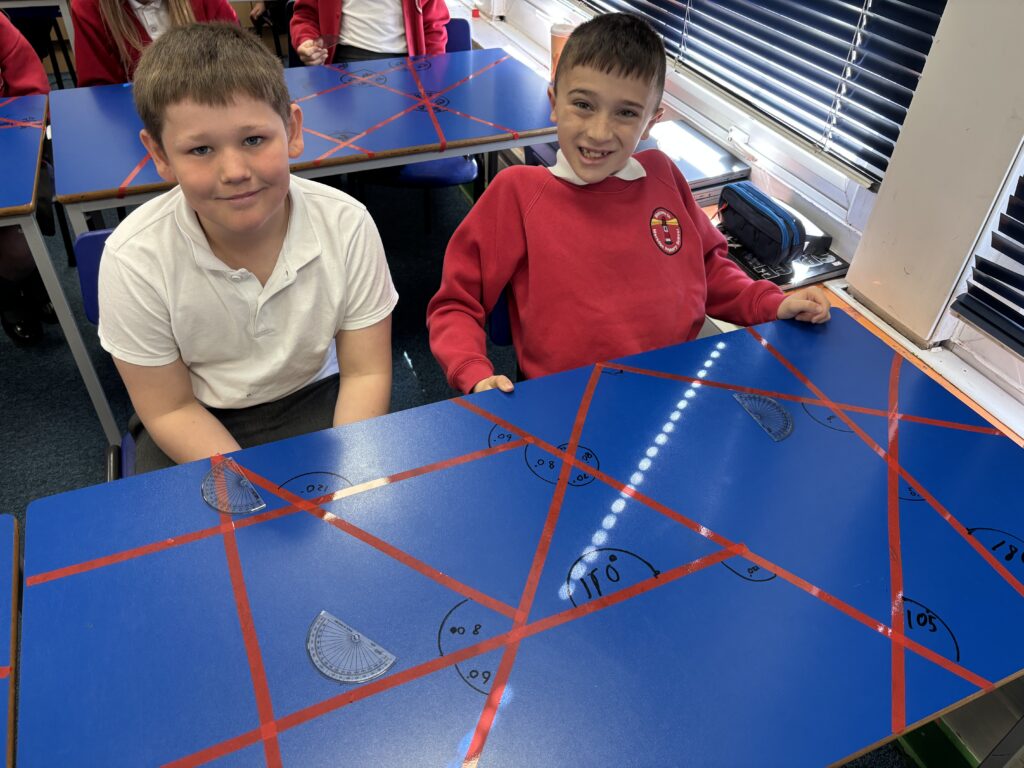
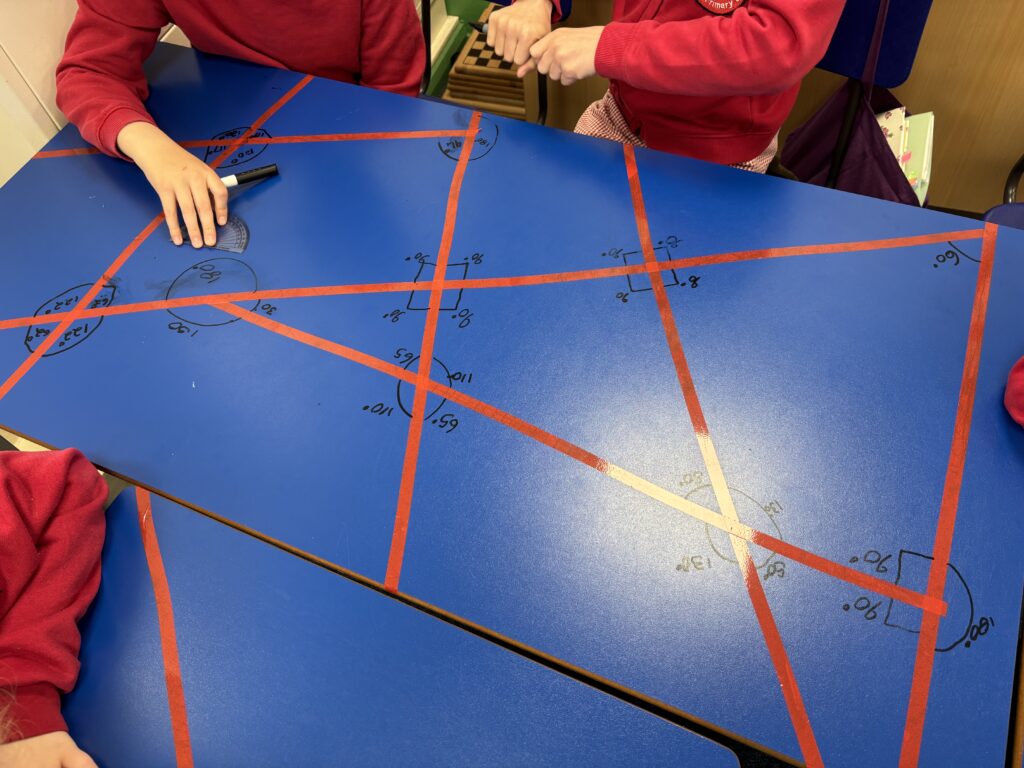
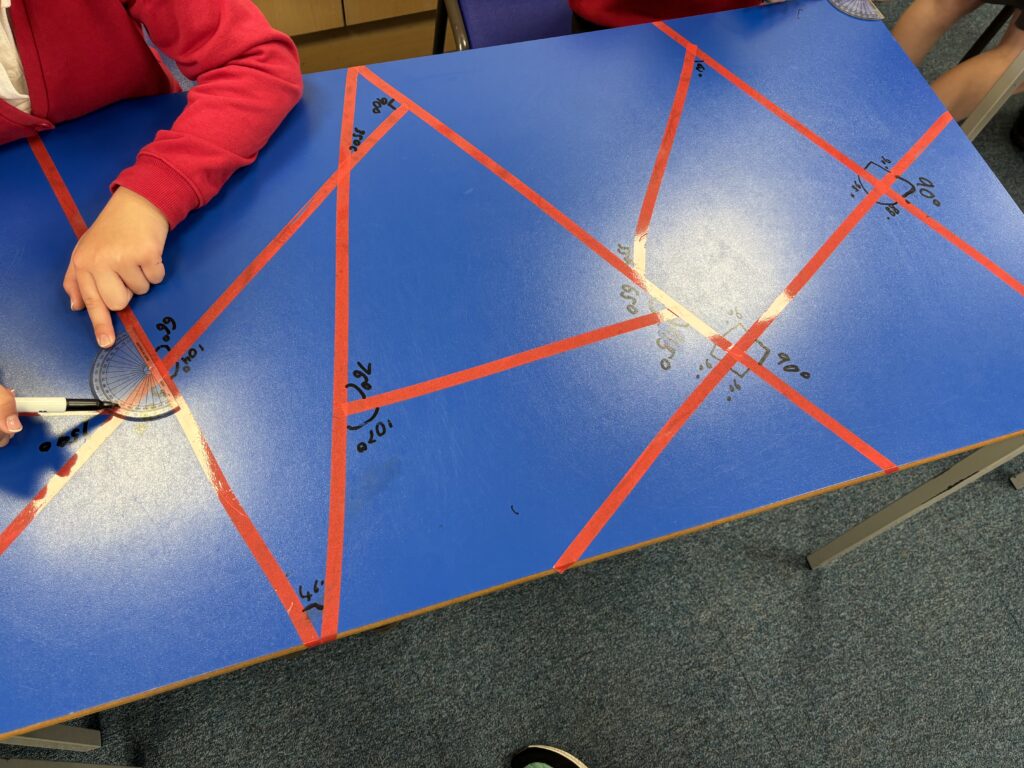
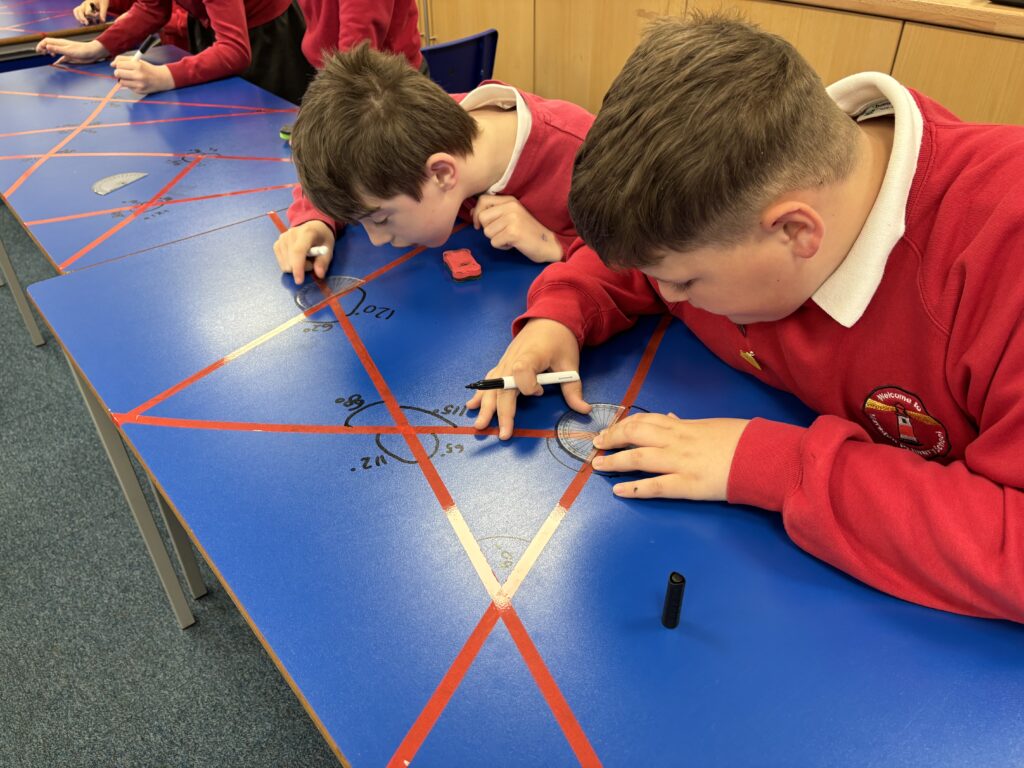
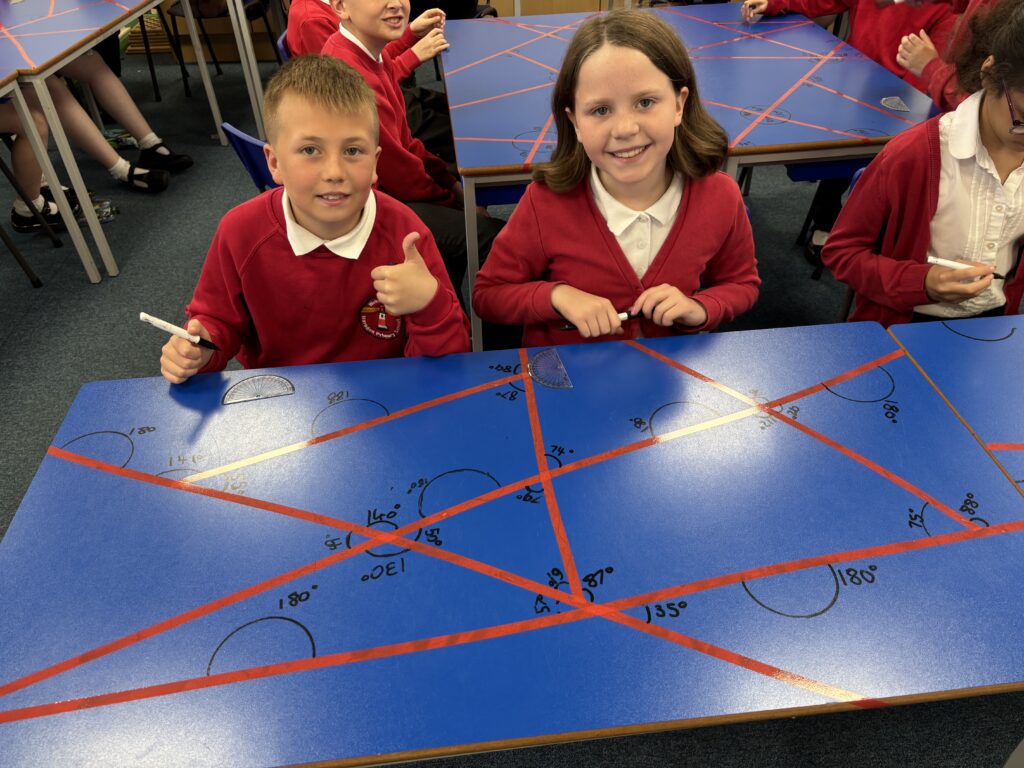
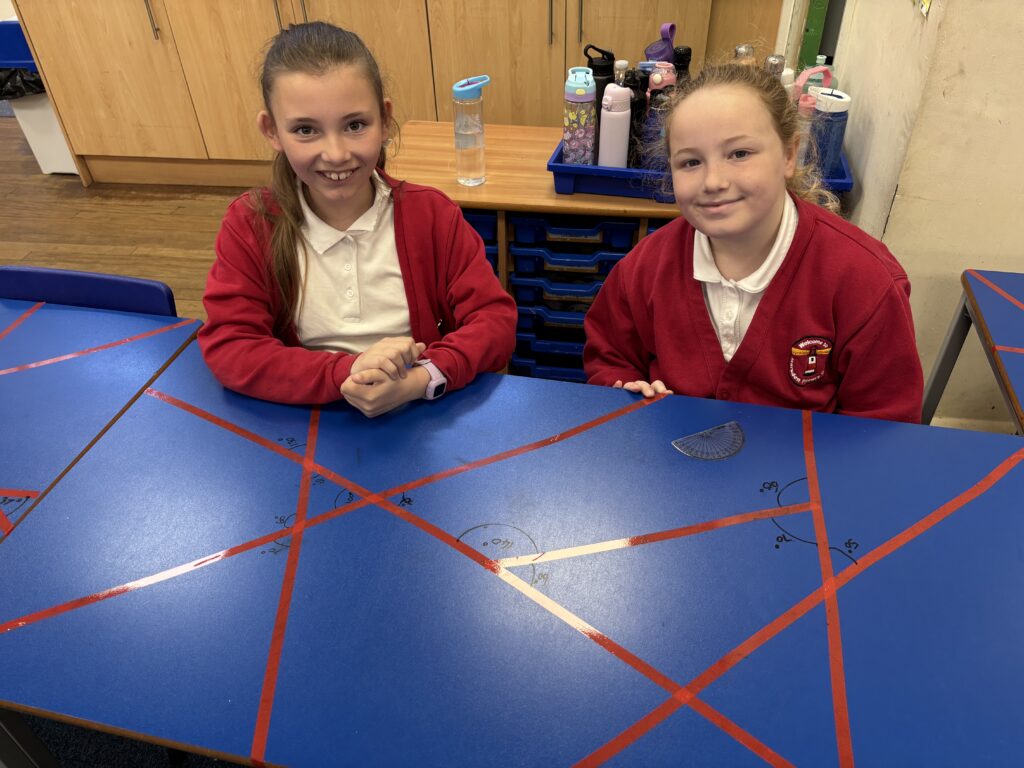
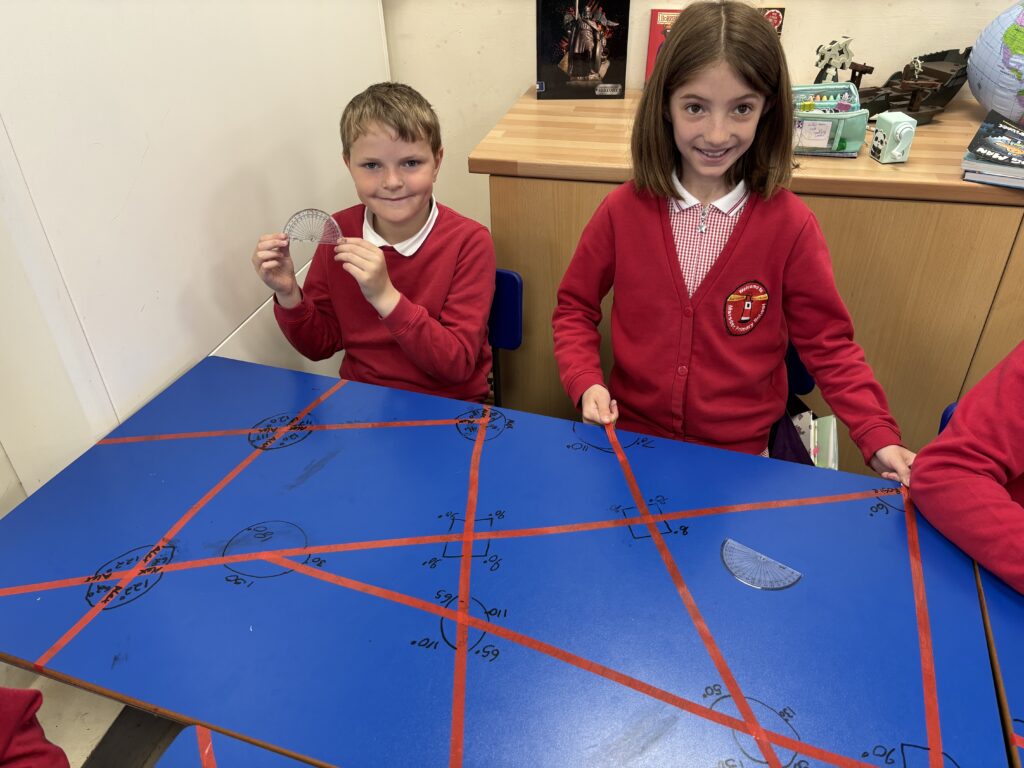
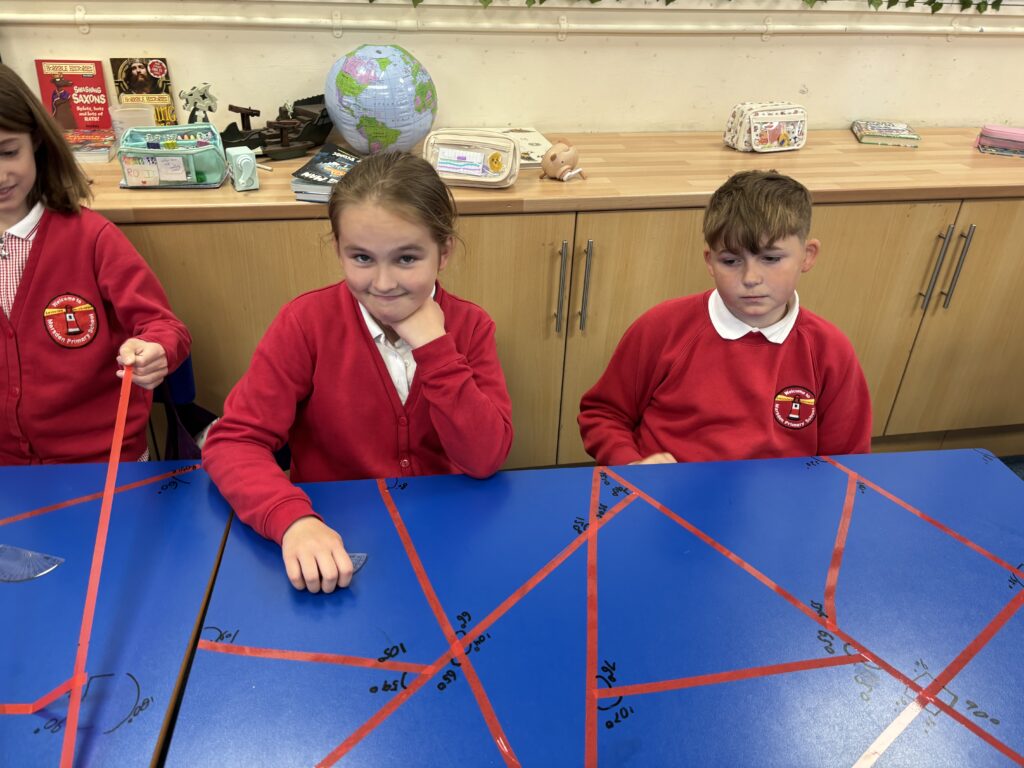
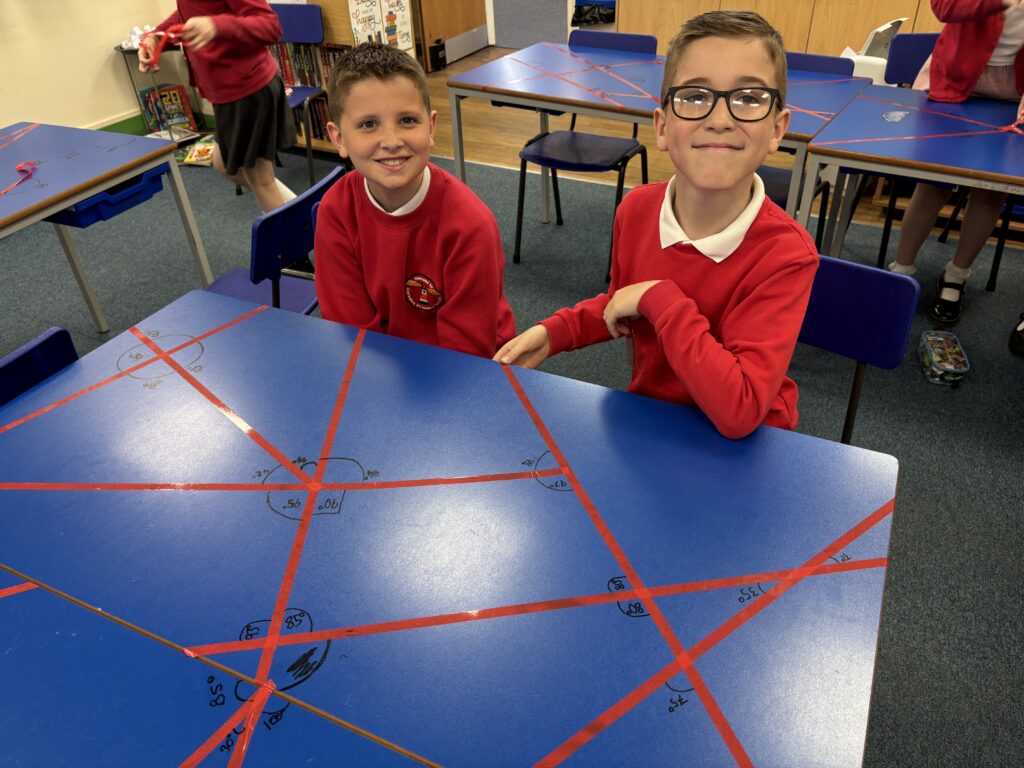
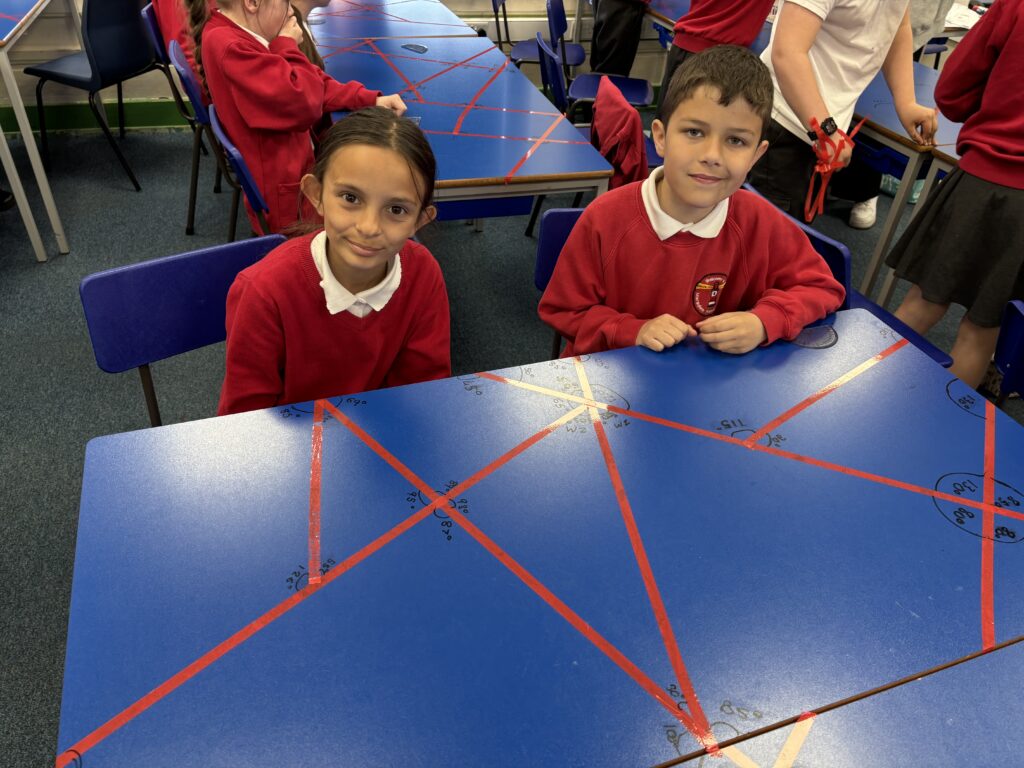
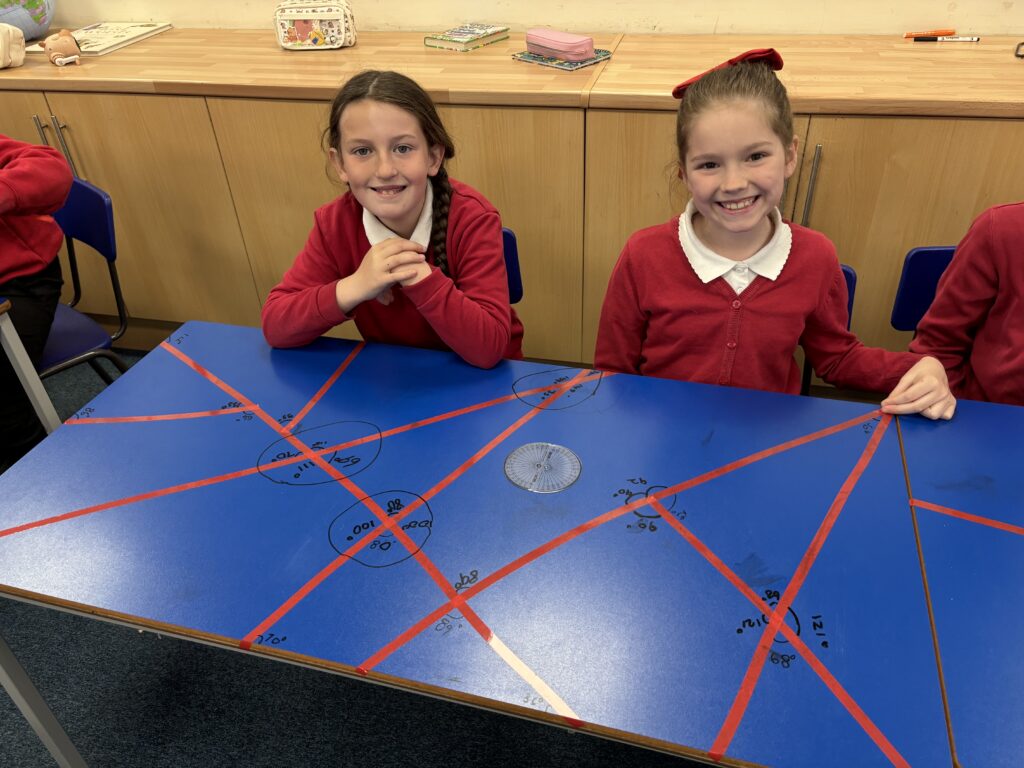
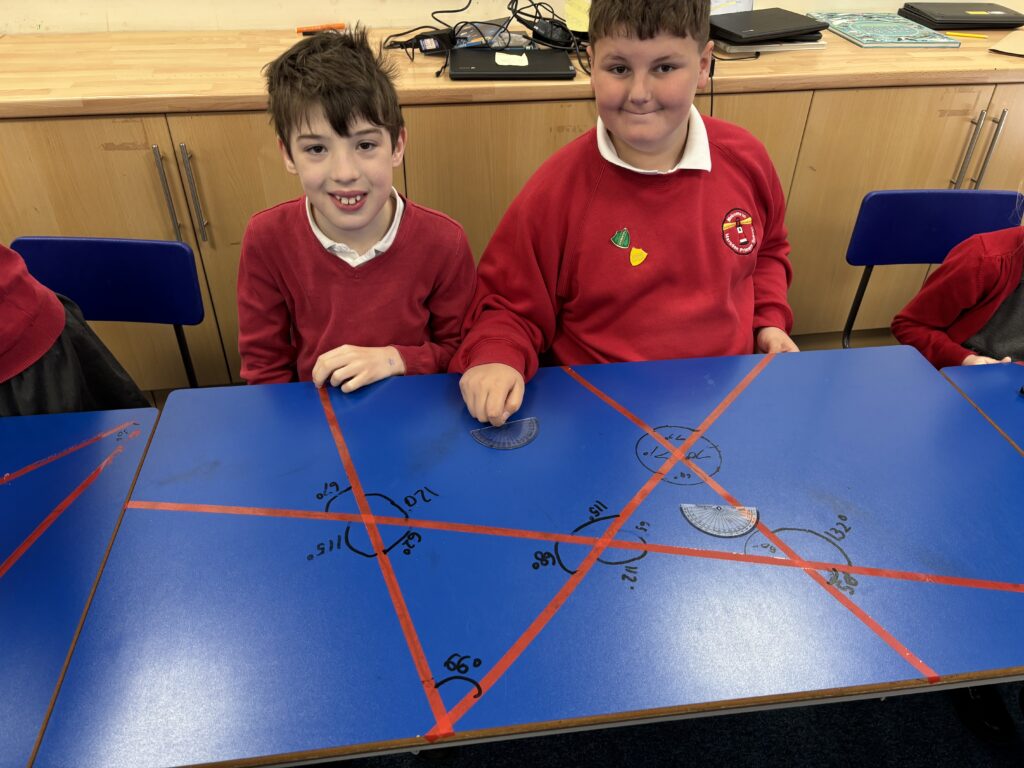
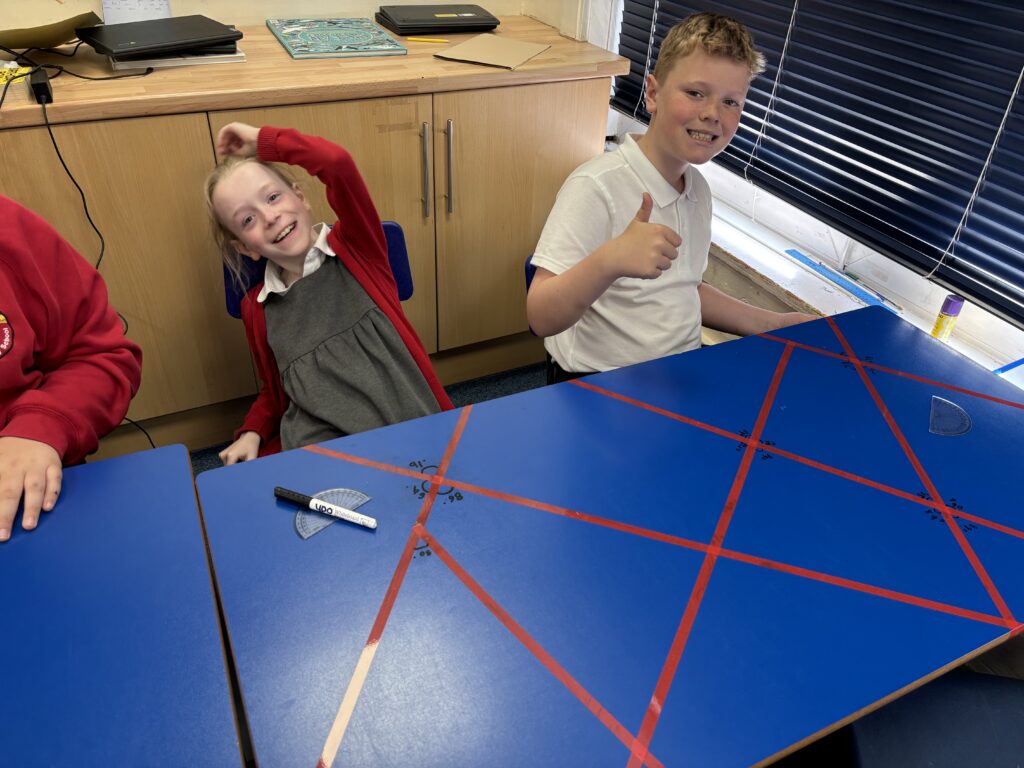
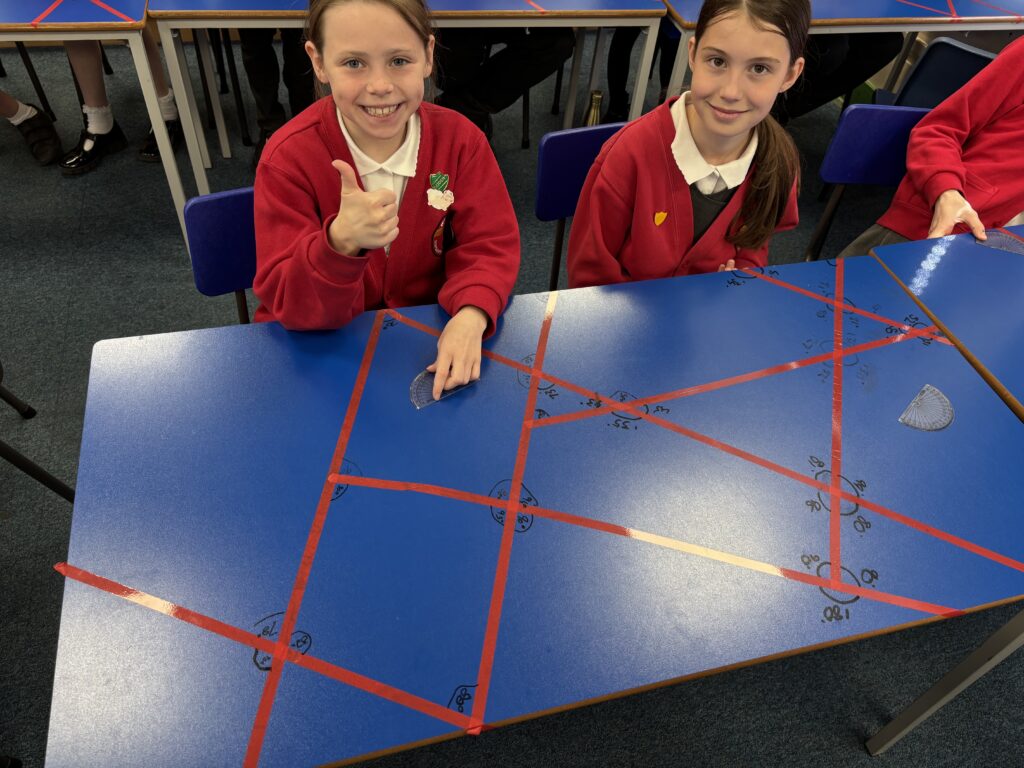
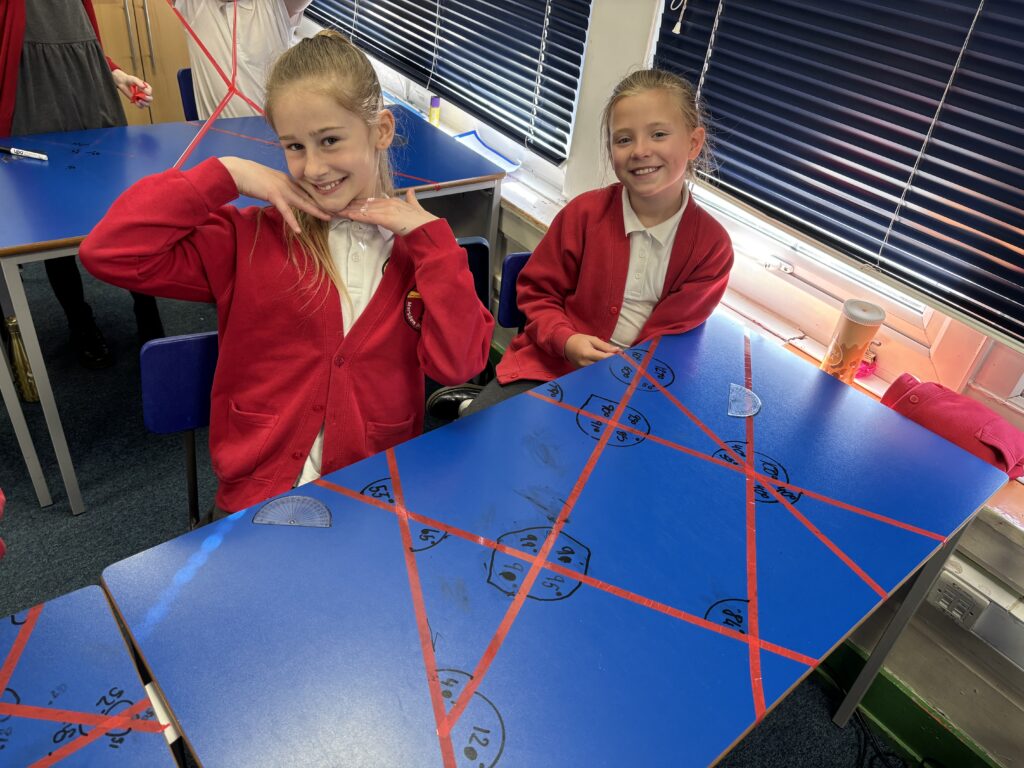
After the adventure of a lifetime, Y5 threw themselves straight back into their work this morning and learned how to measure angles up to 180 degrees. The tables were transformed into collection of angles using tape and the children used protractors to measure the angles. We used whiteboard pens to mark the angles (don’t worry Mr Rudduck and Mrs Hunter- it wipes off!) and then check their partner’s work.
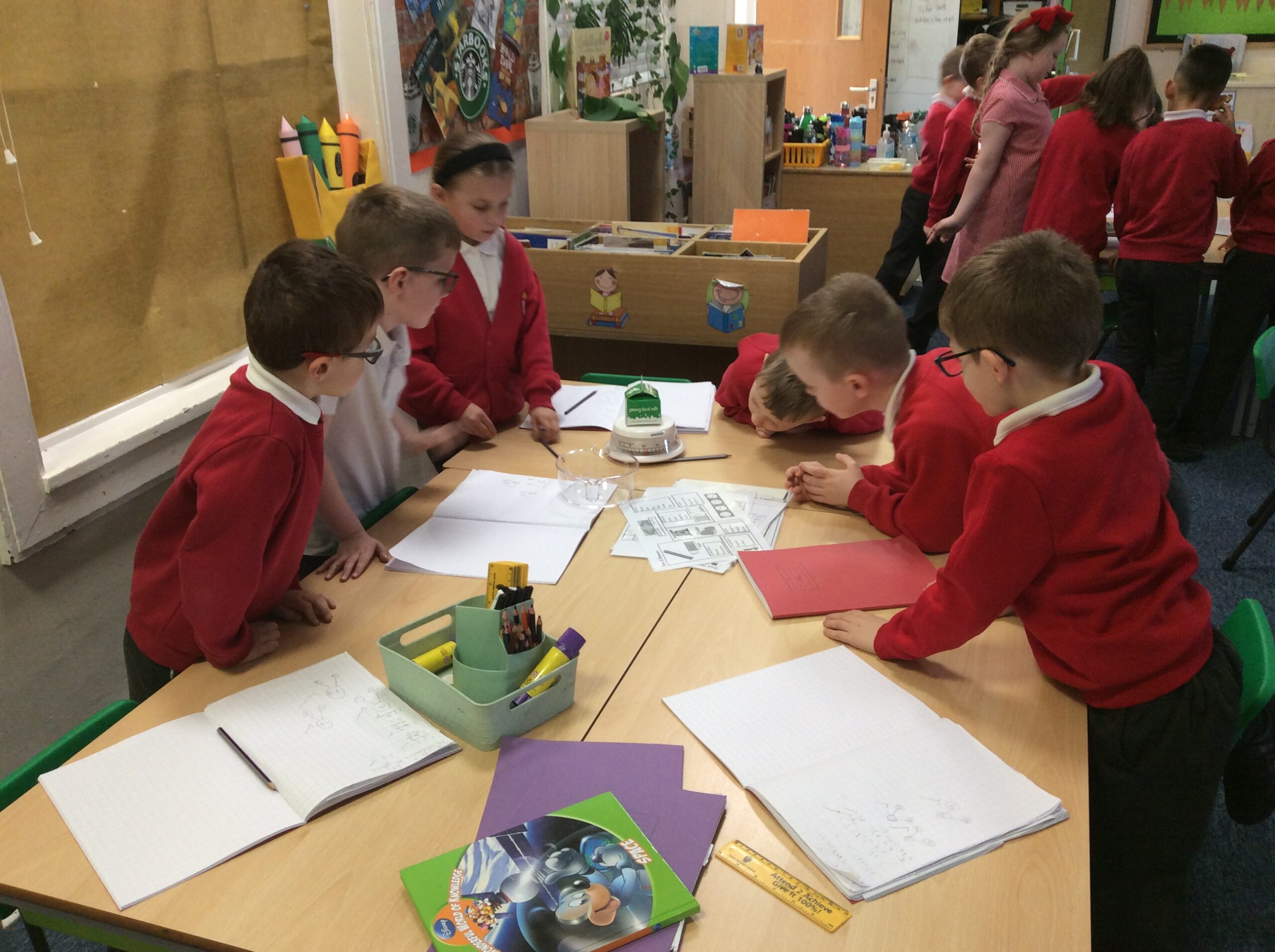
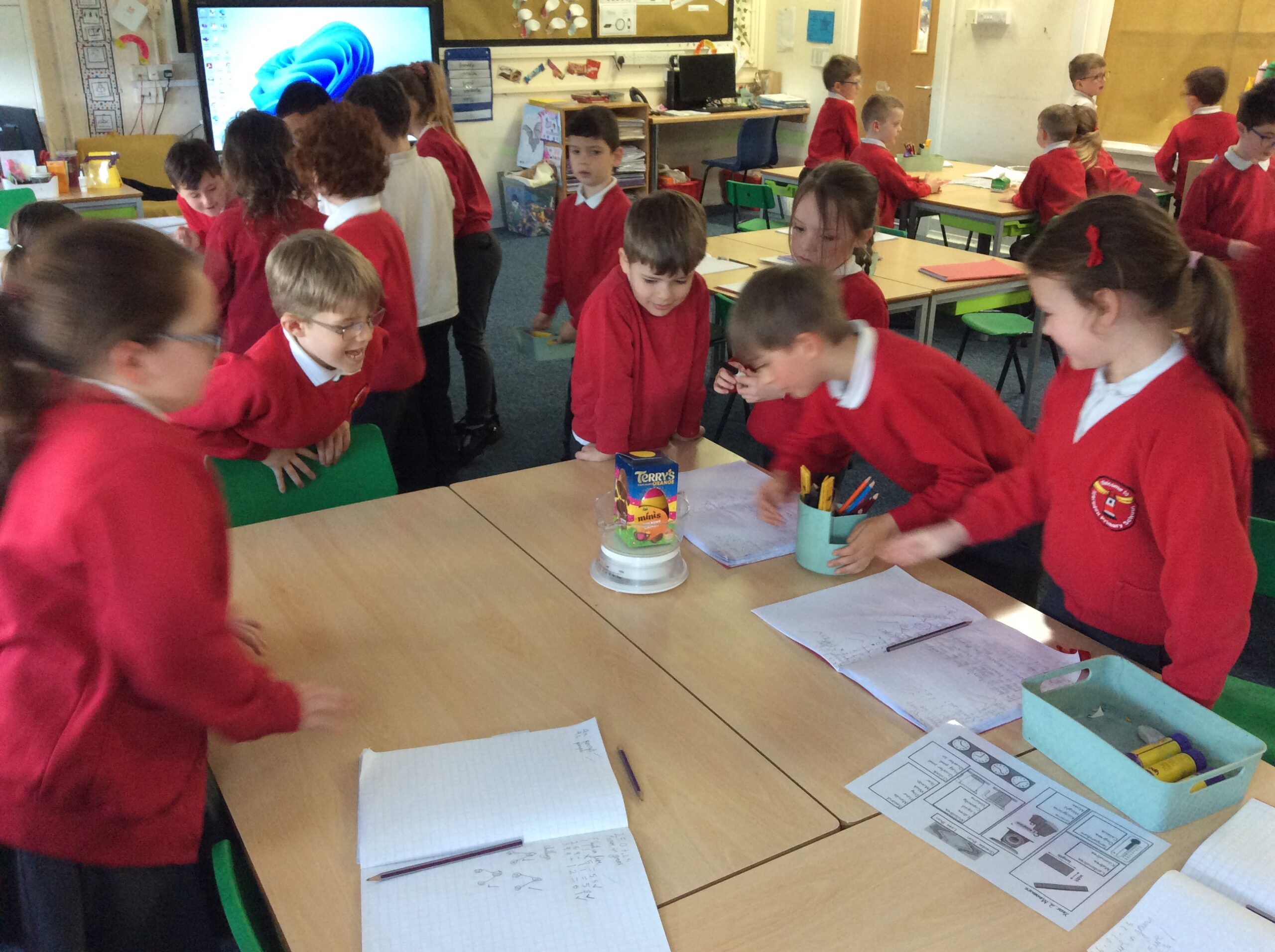
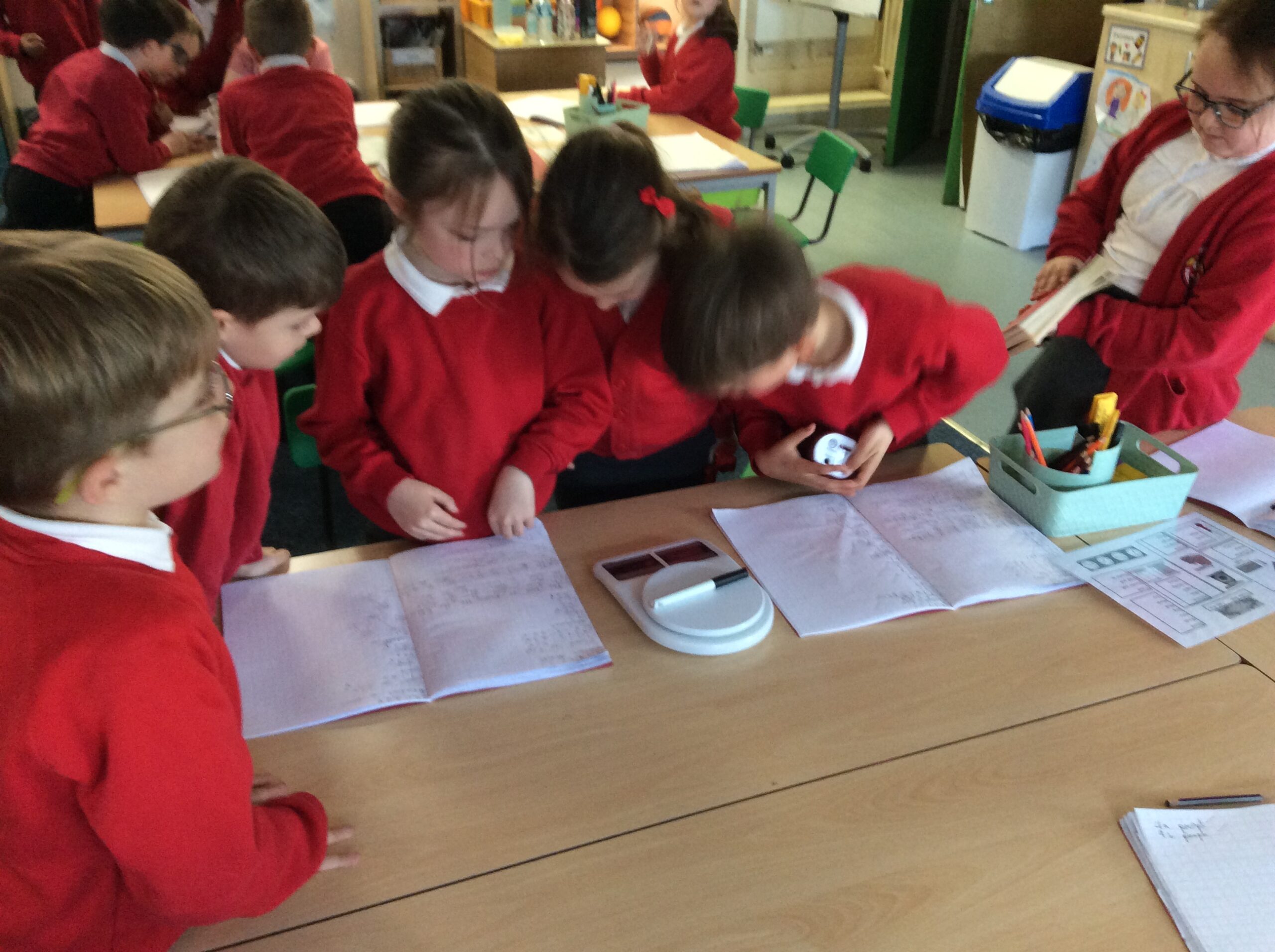
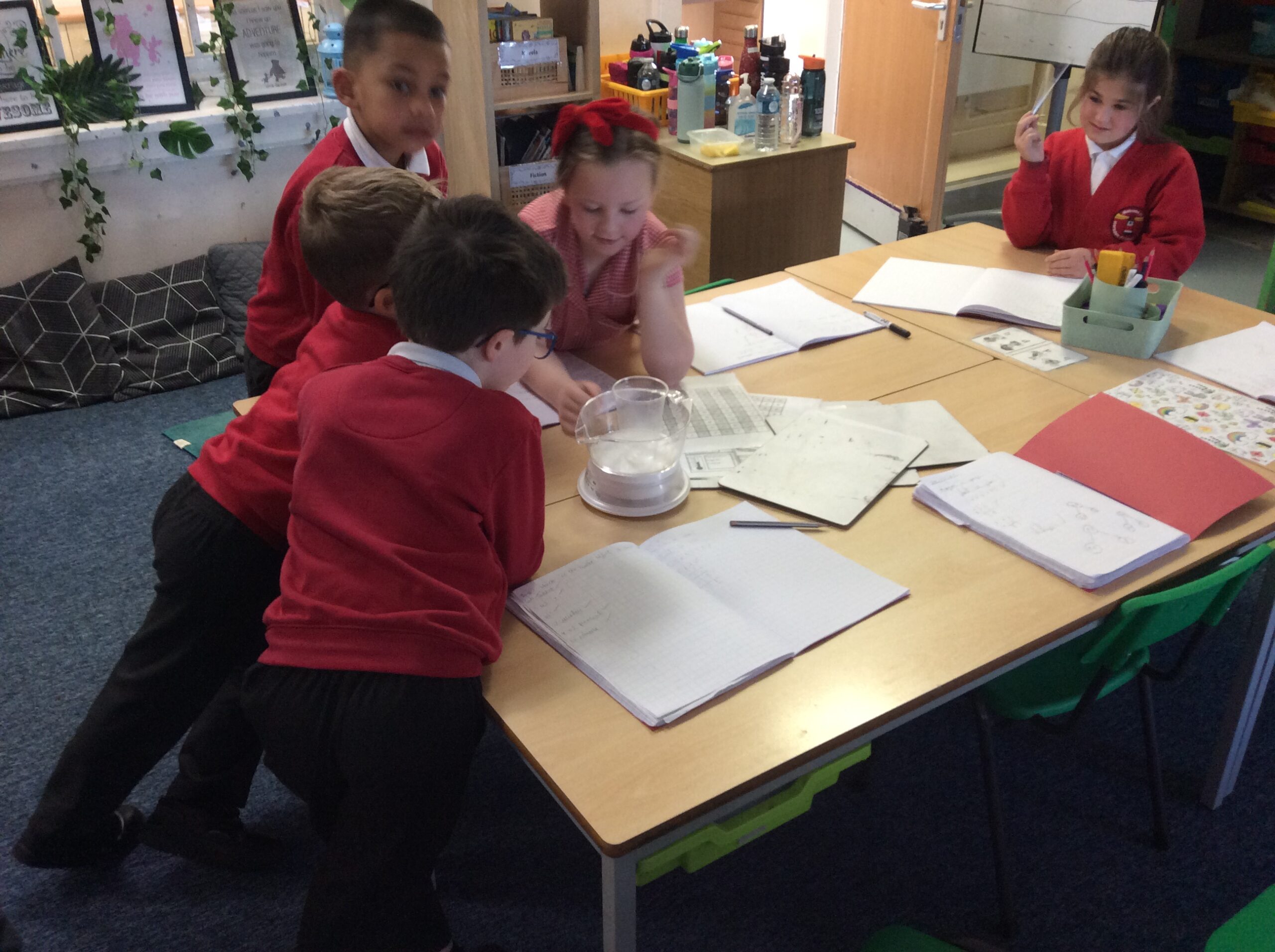
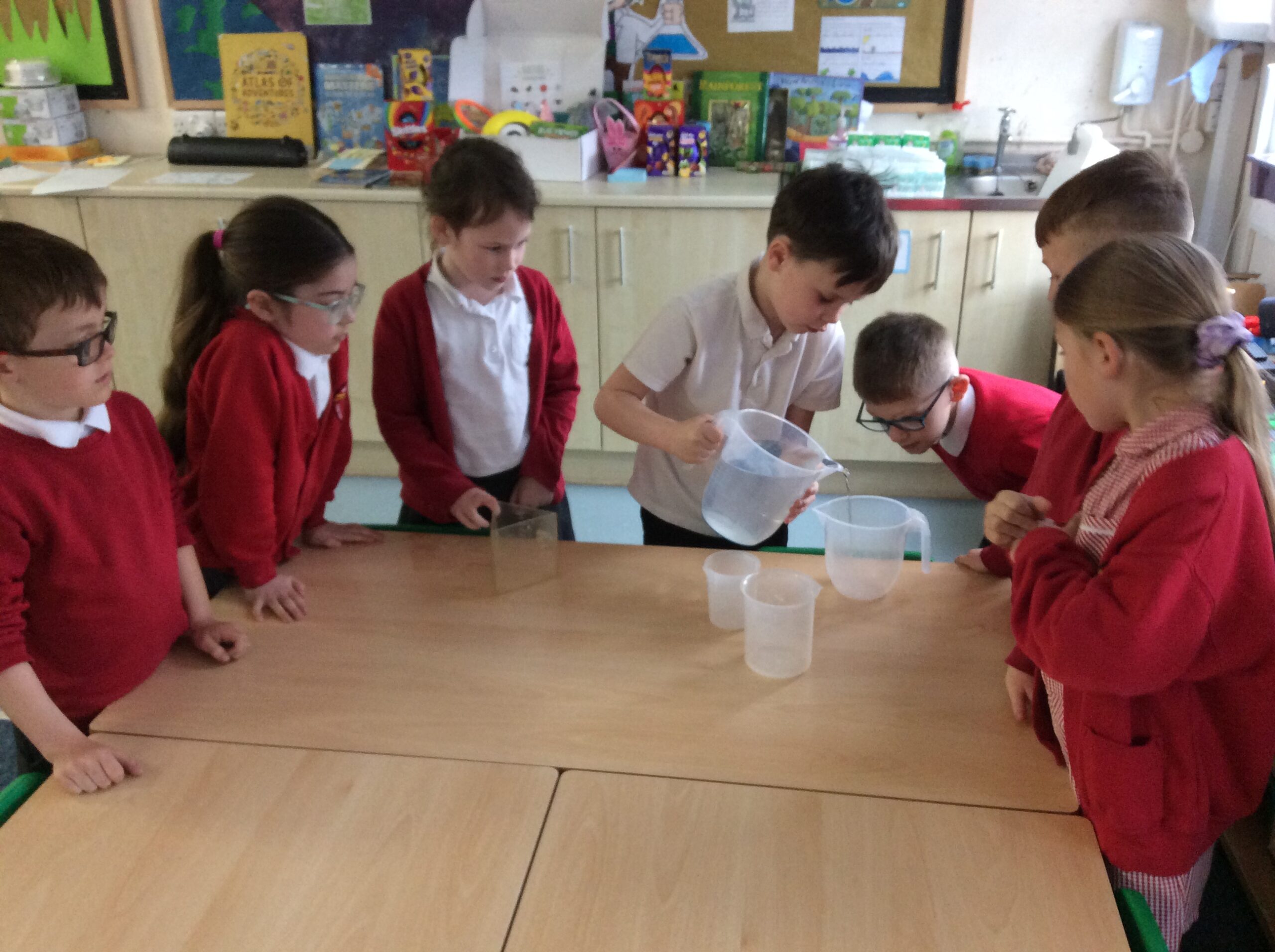
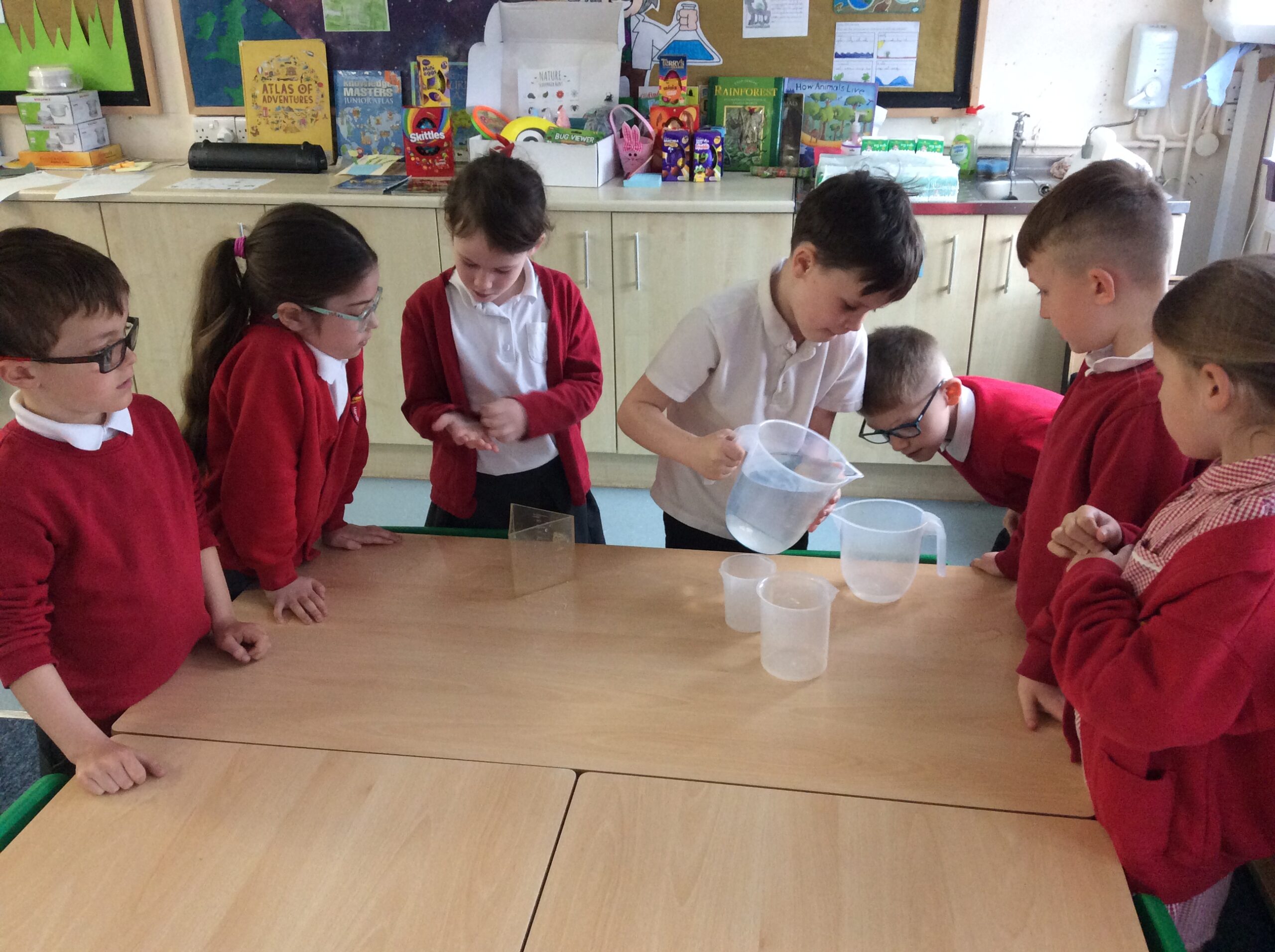
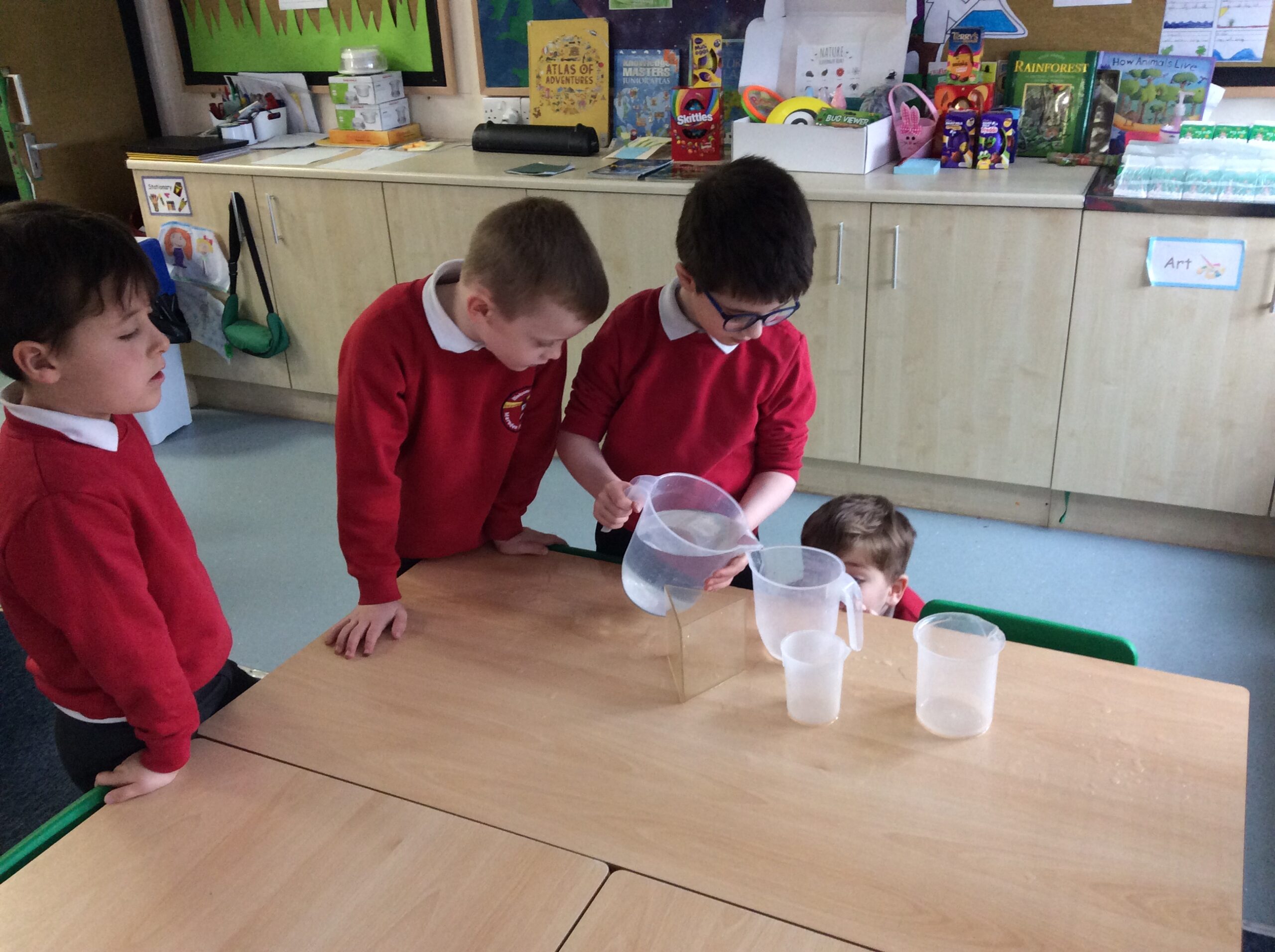
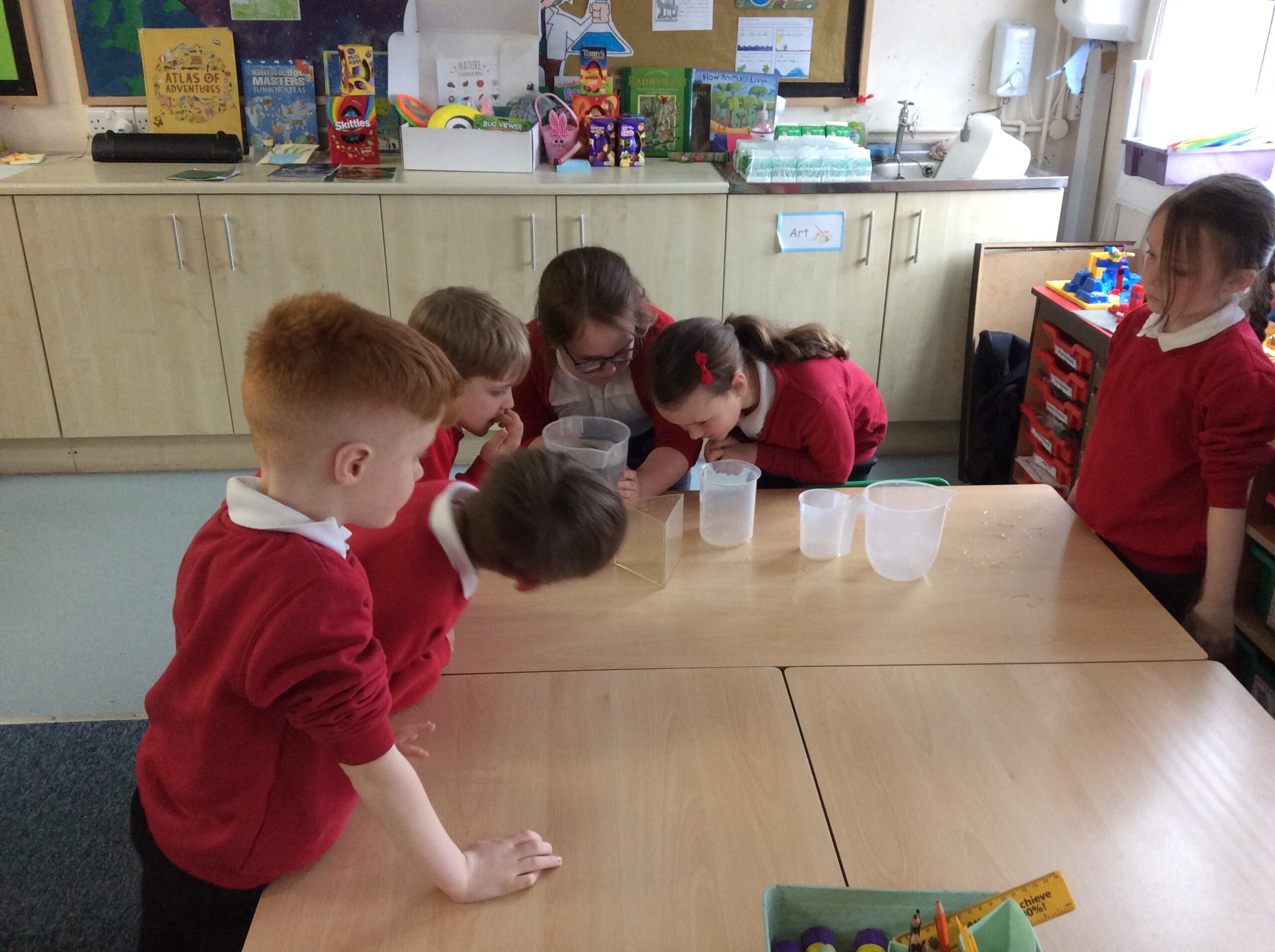
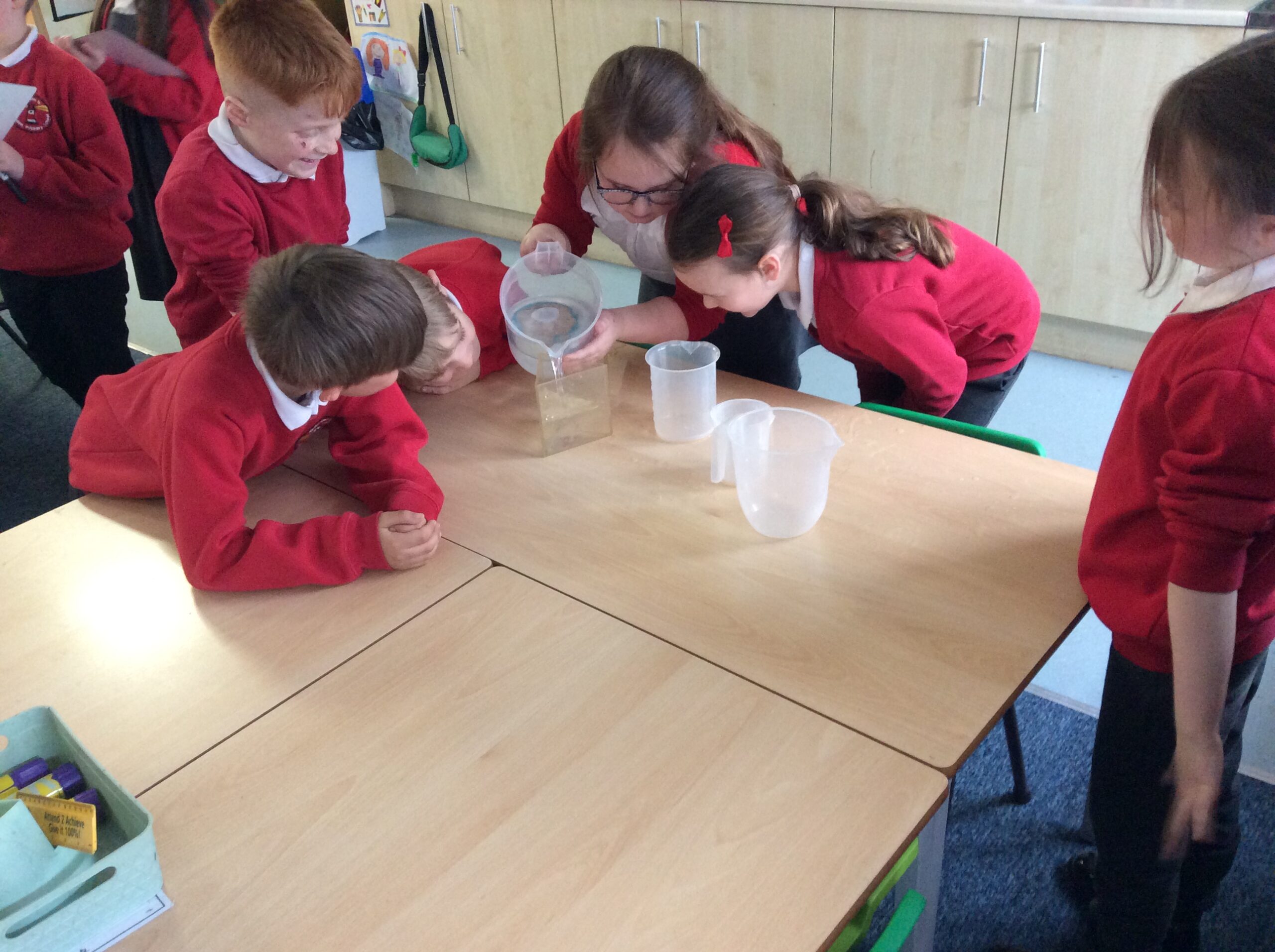
This week Year 2 have been exploring measure in Maths. We have been looking at length, mass and capacity.
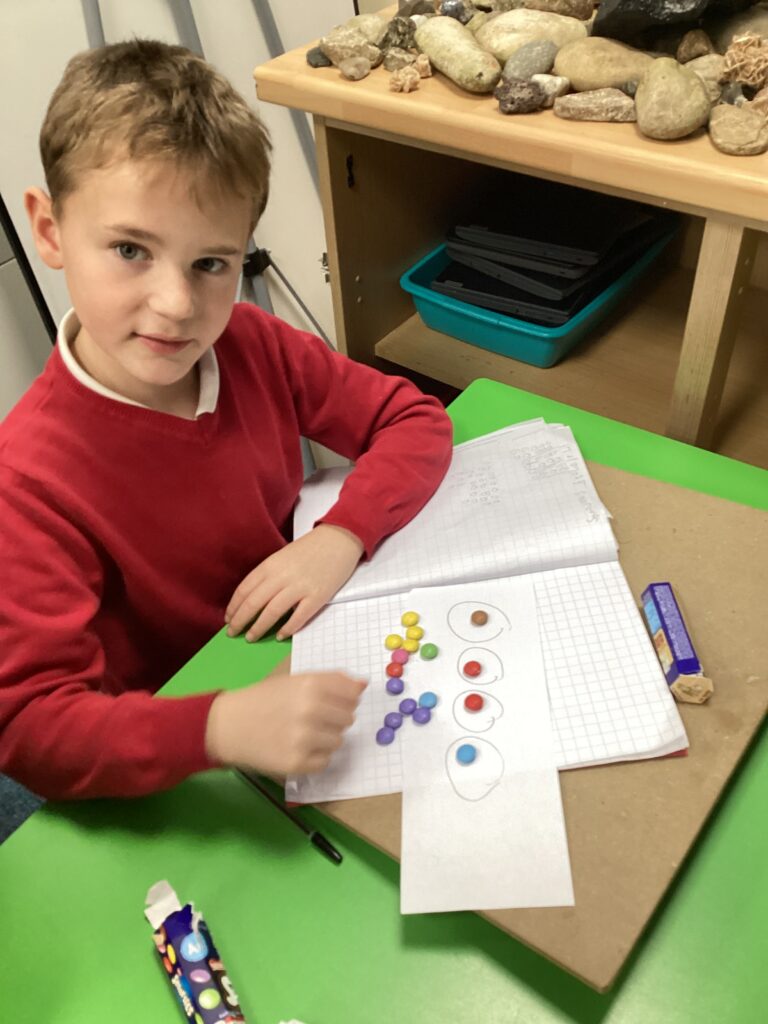
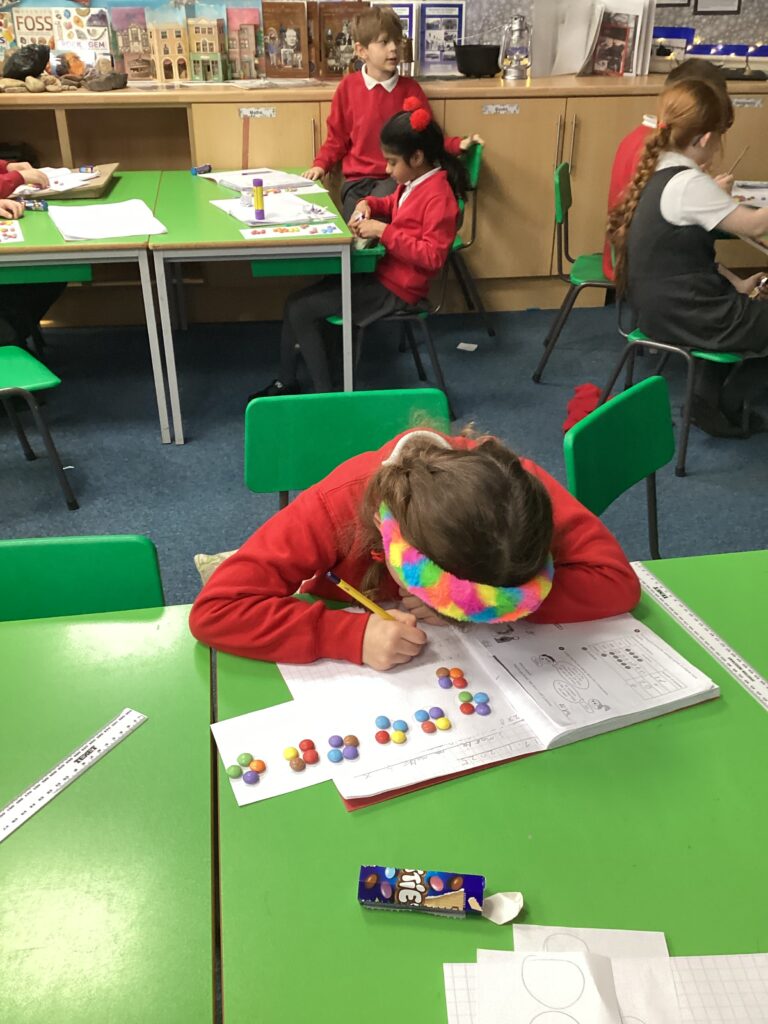
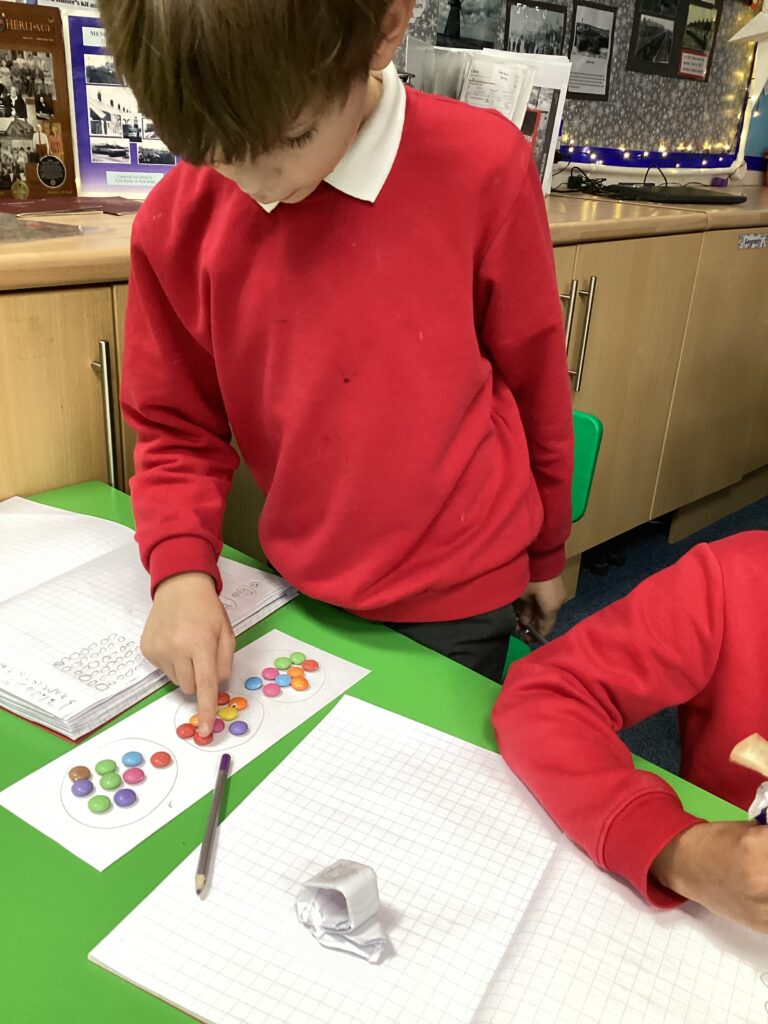
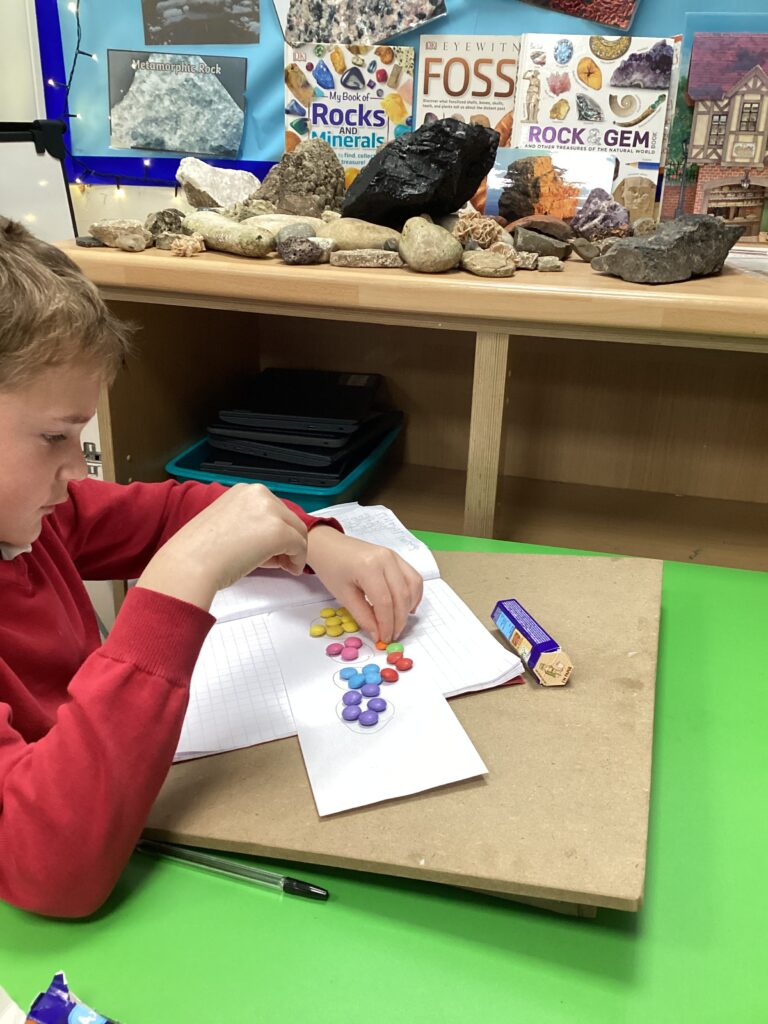
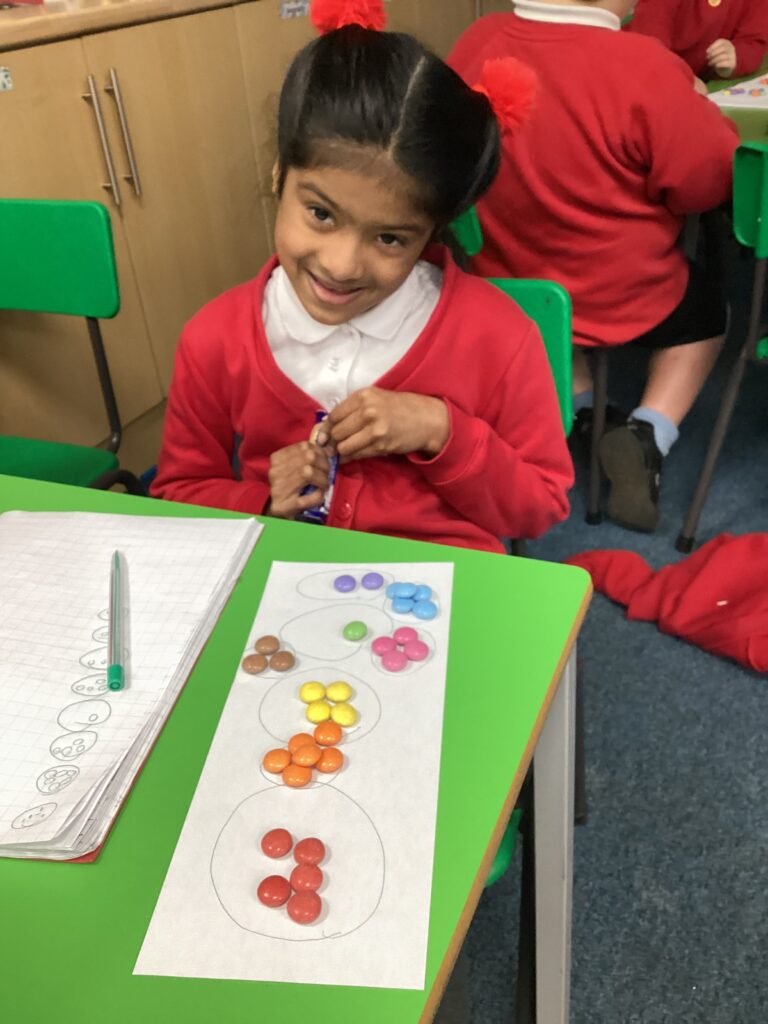
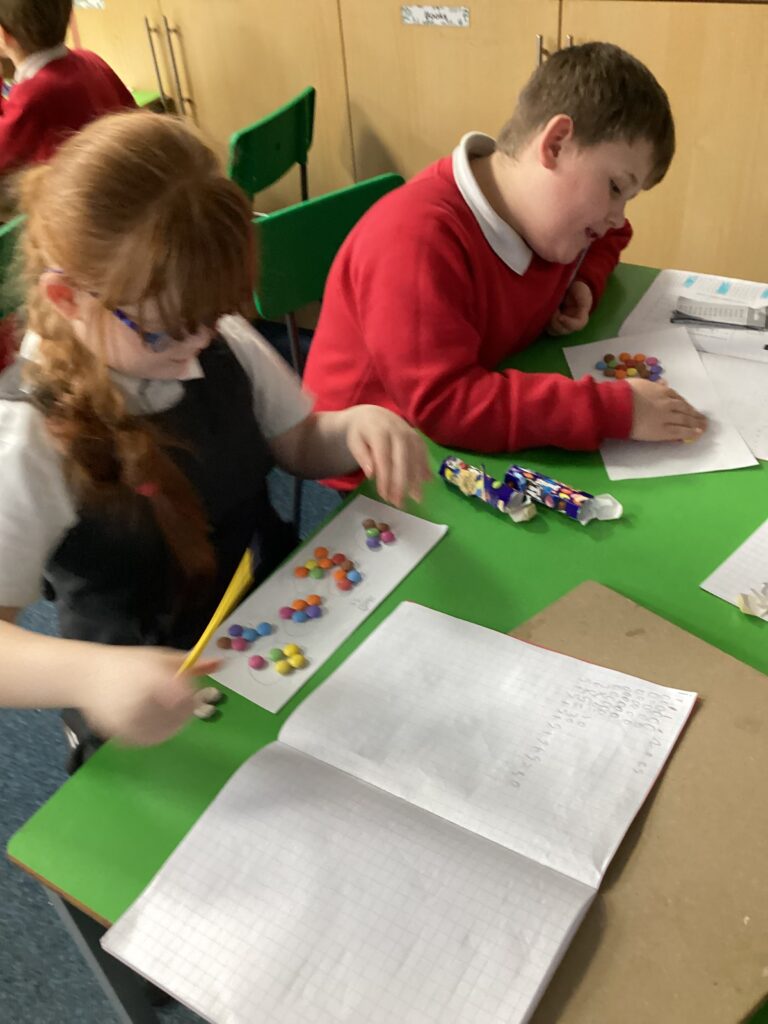
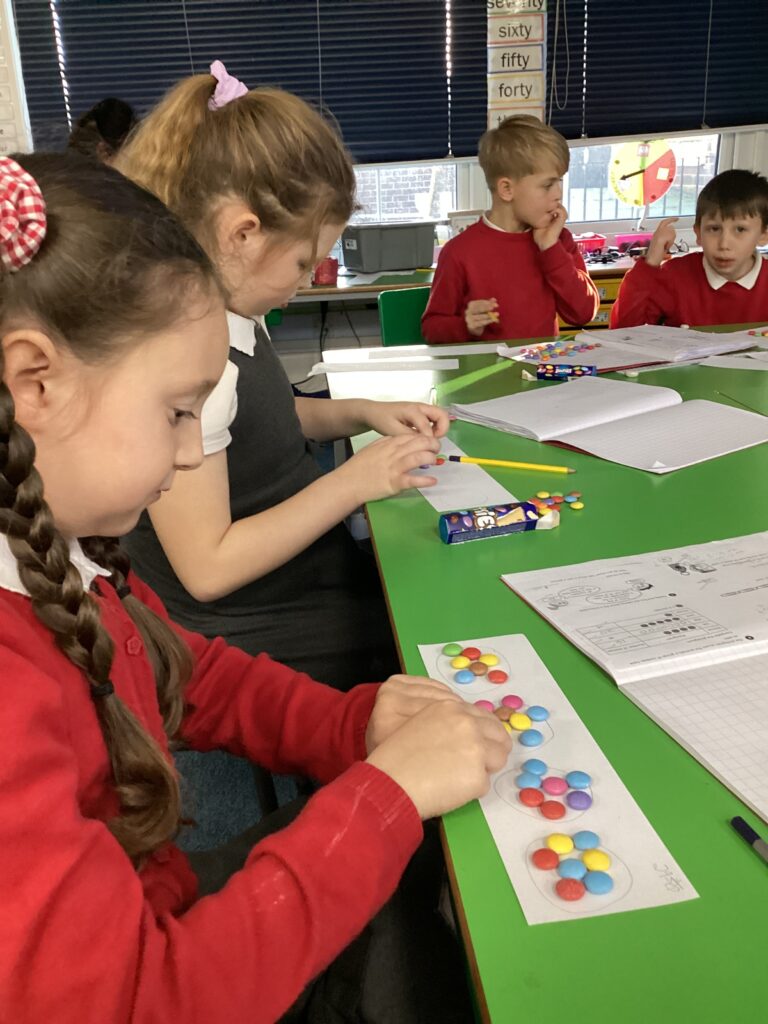
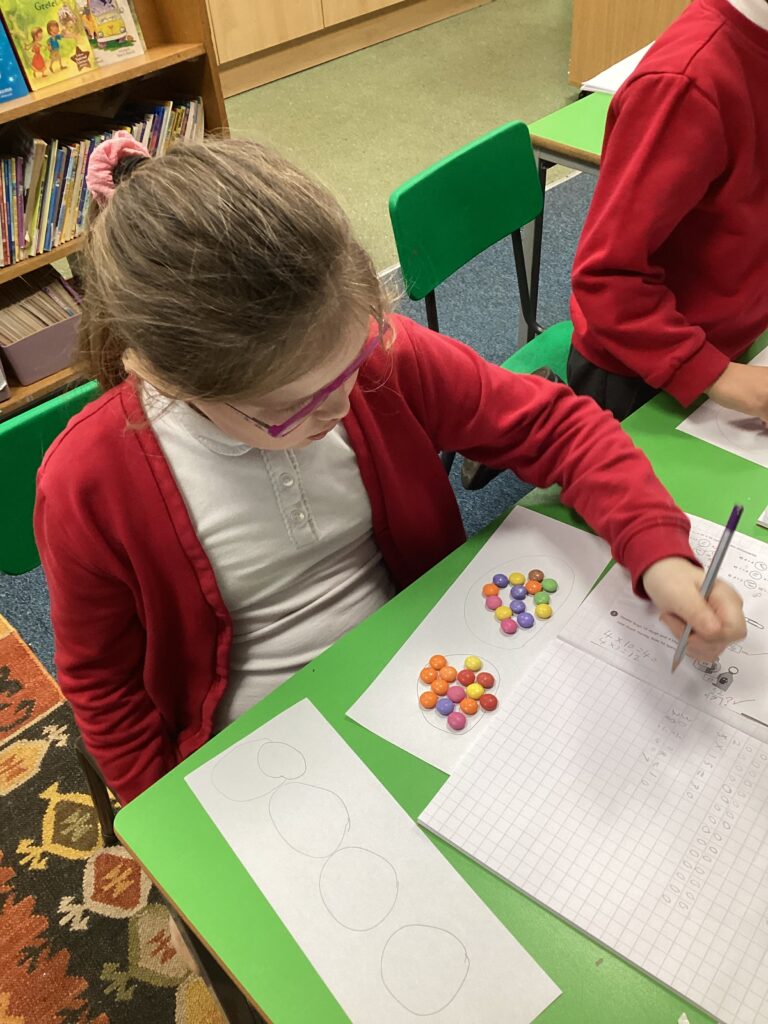
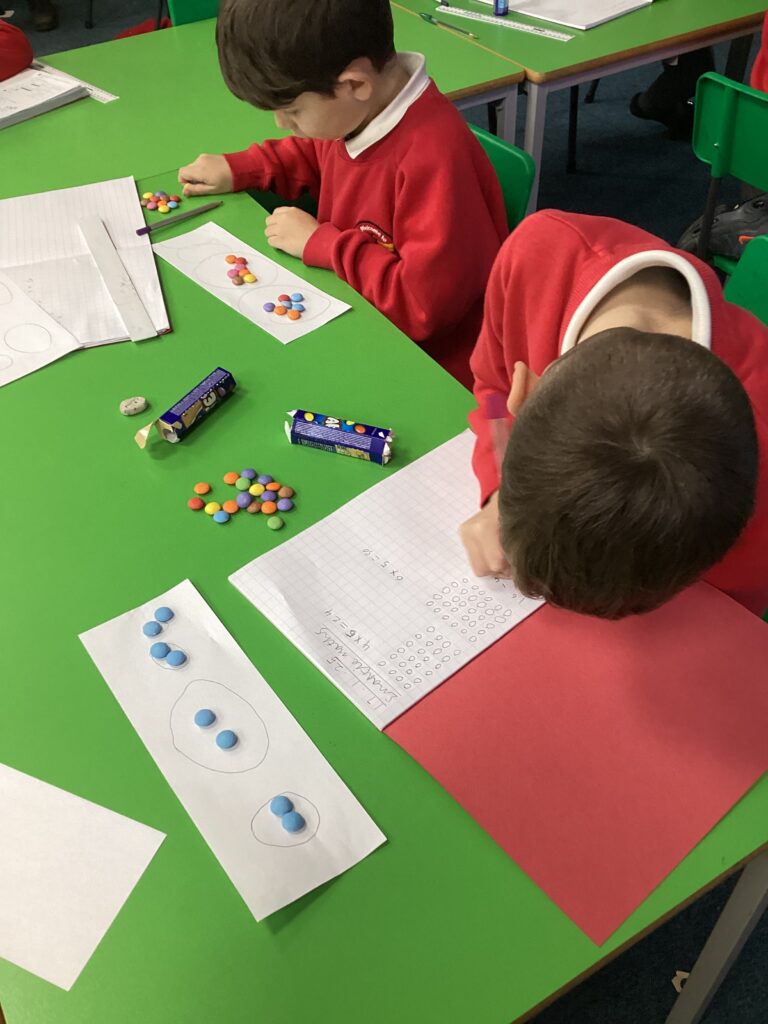
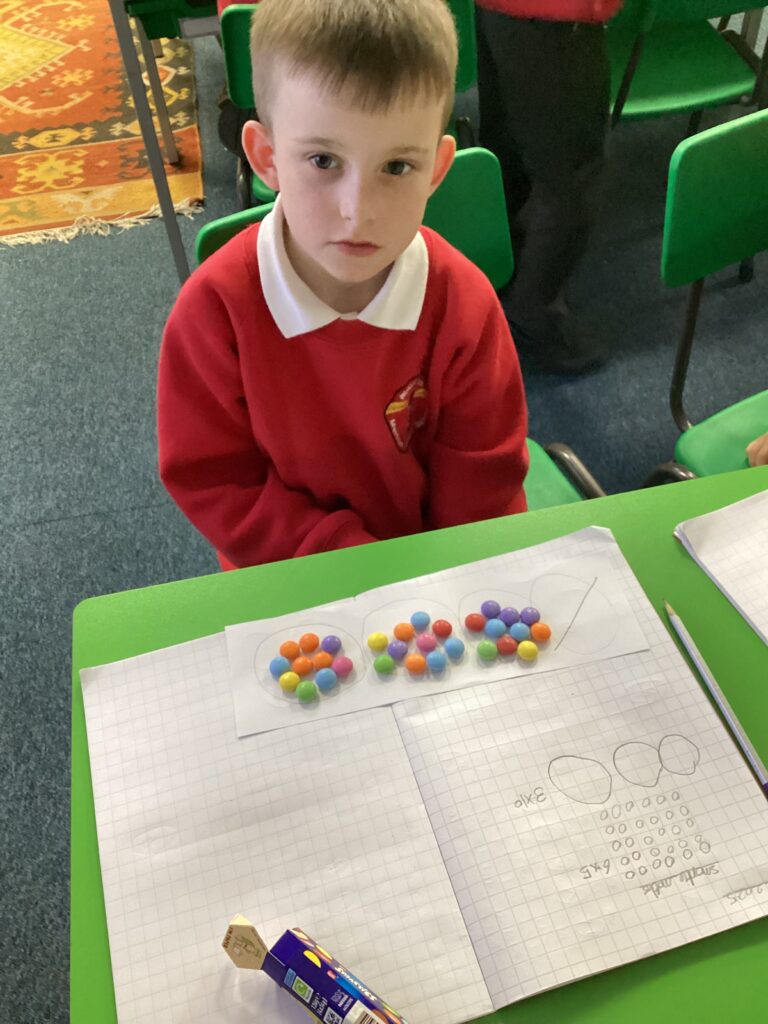
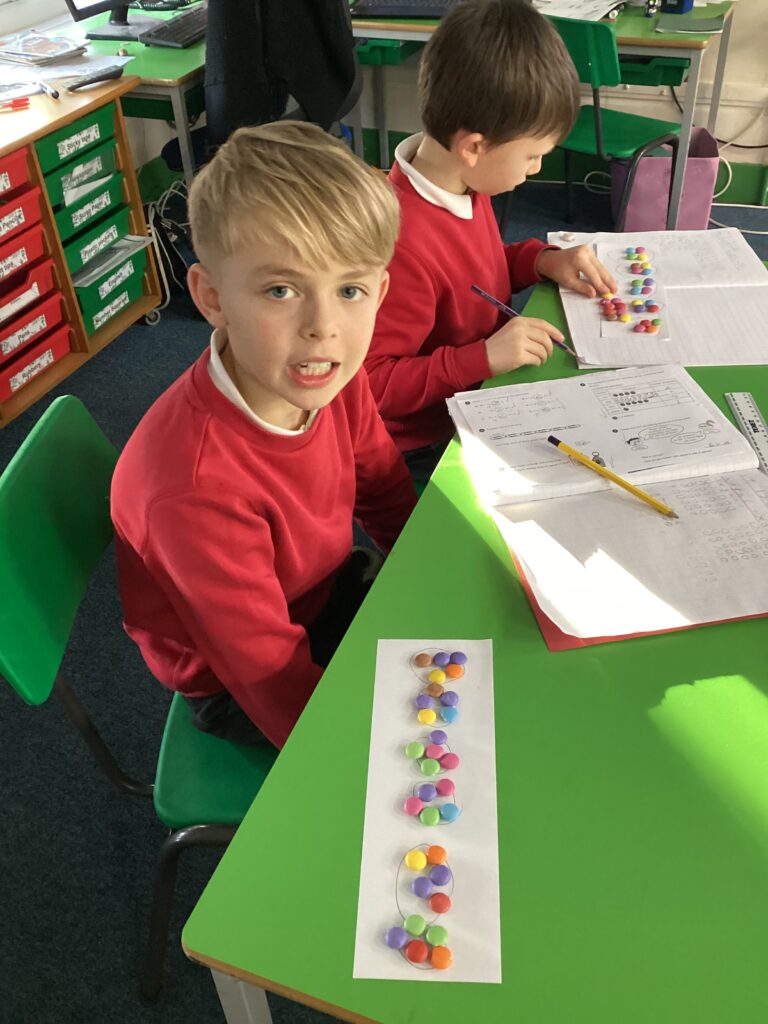
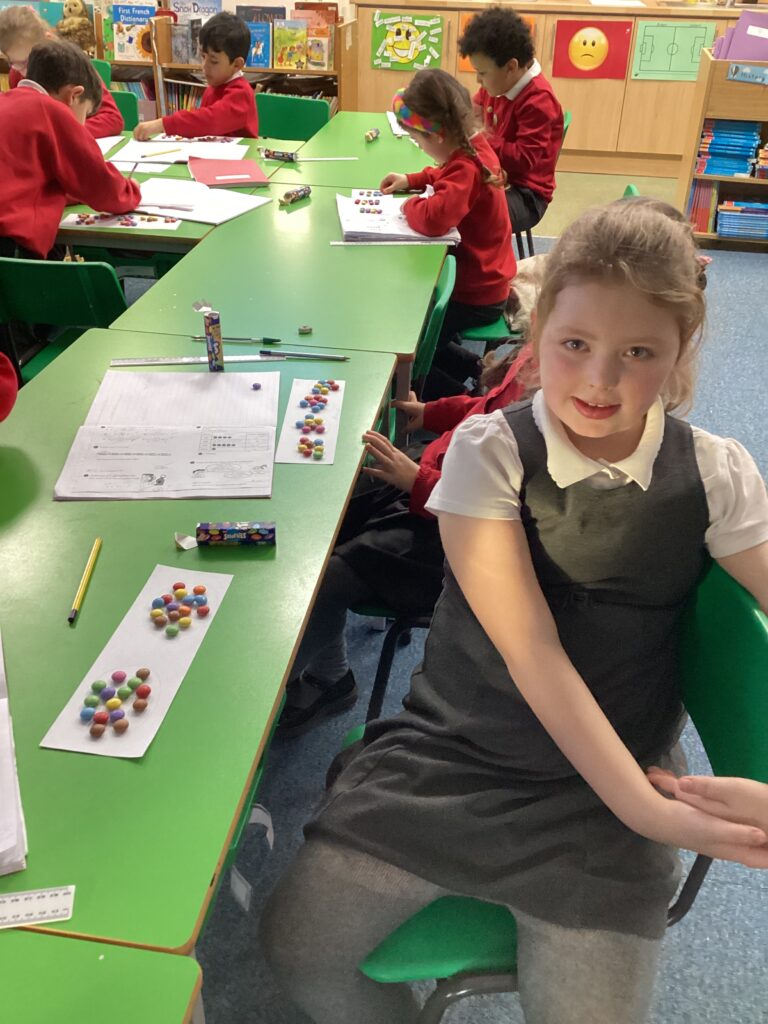
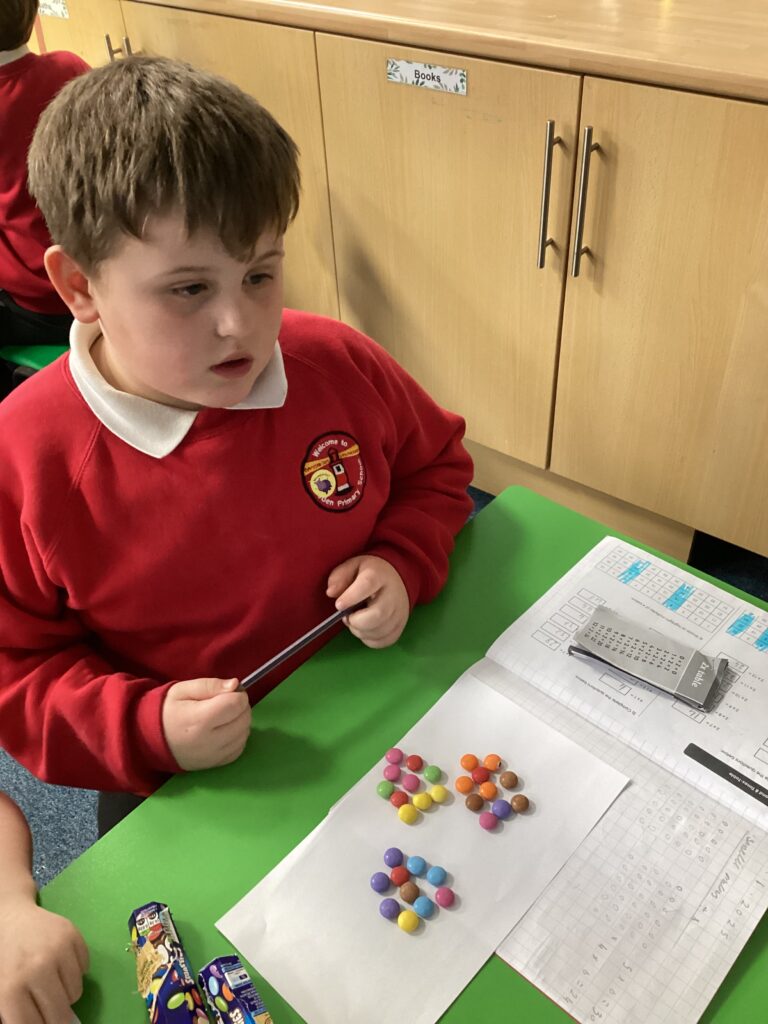
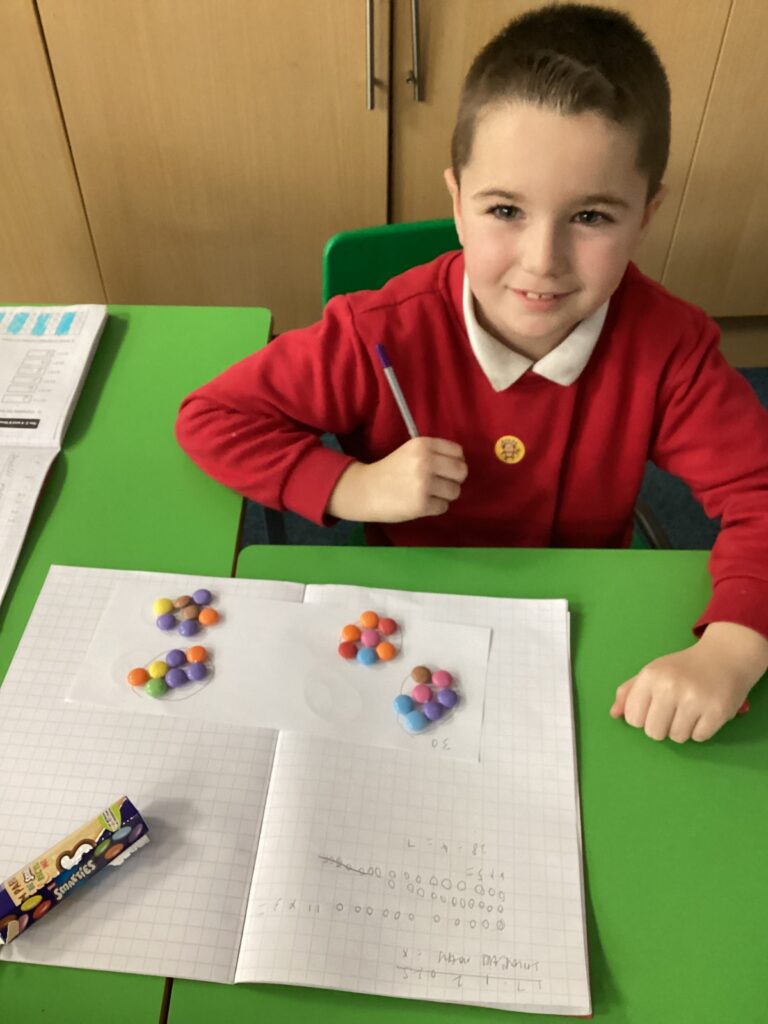
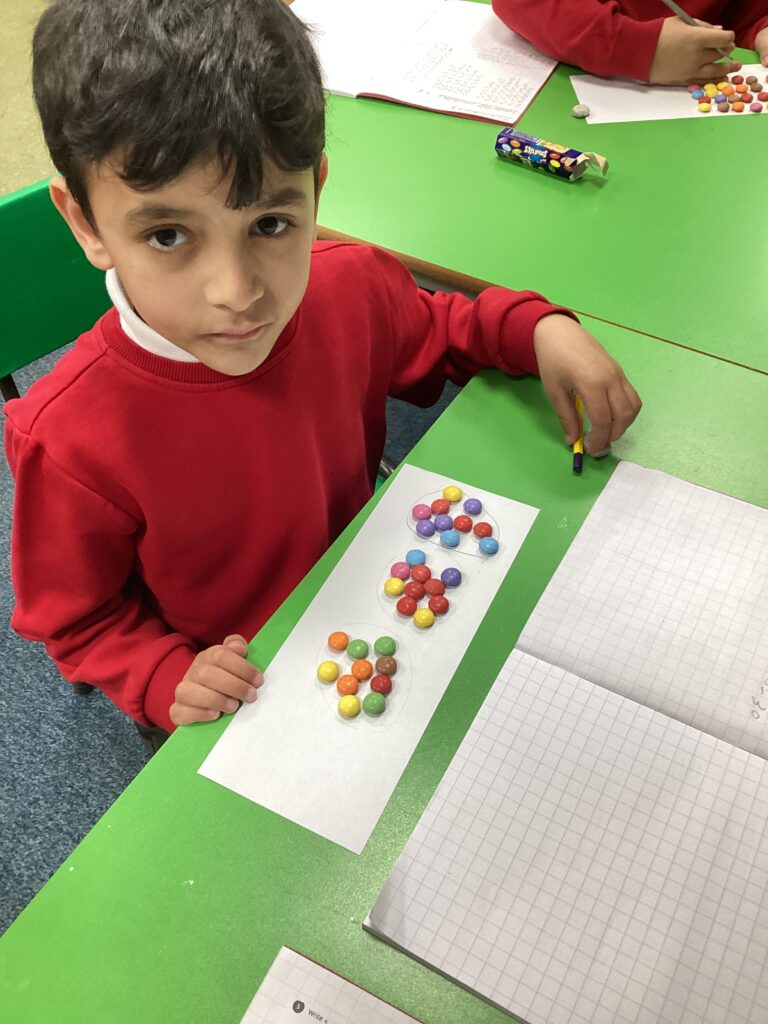
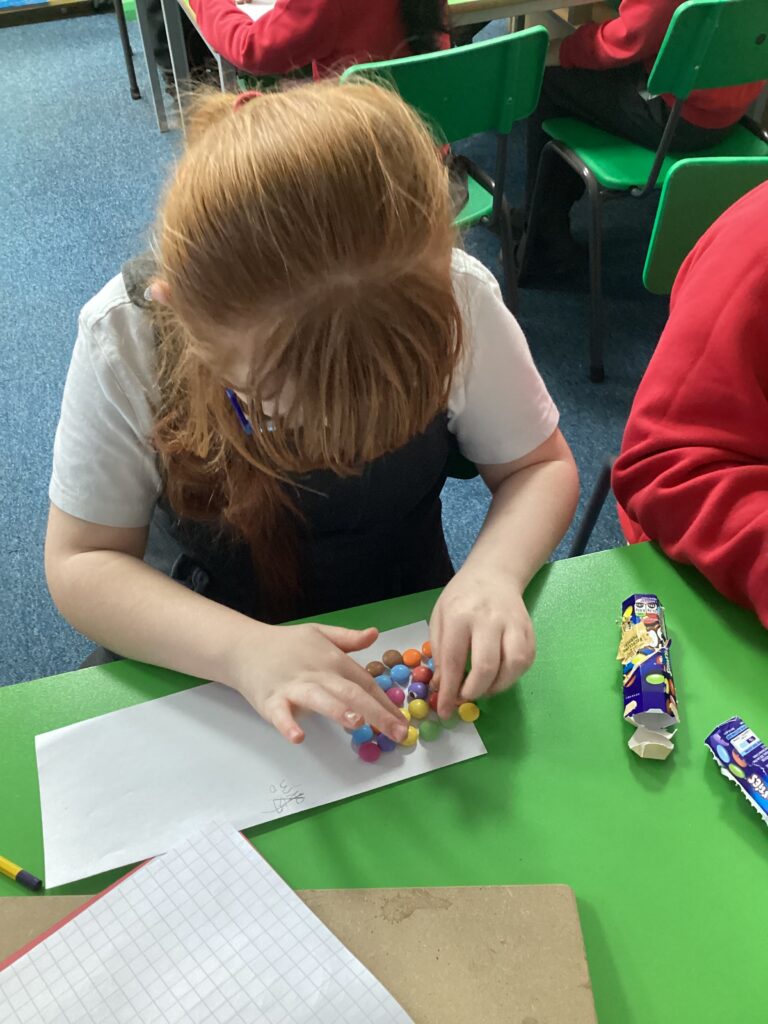
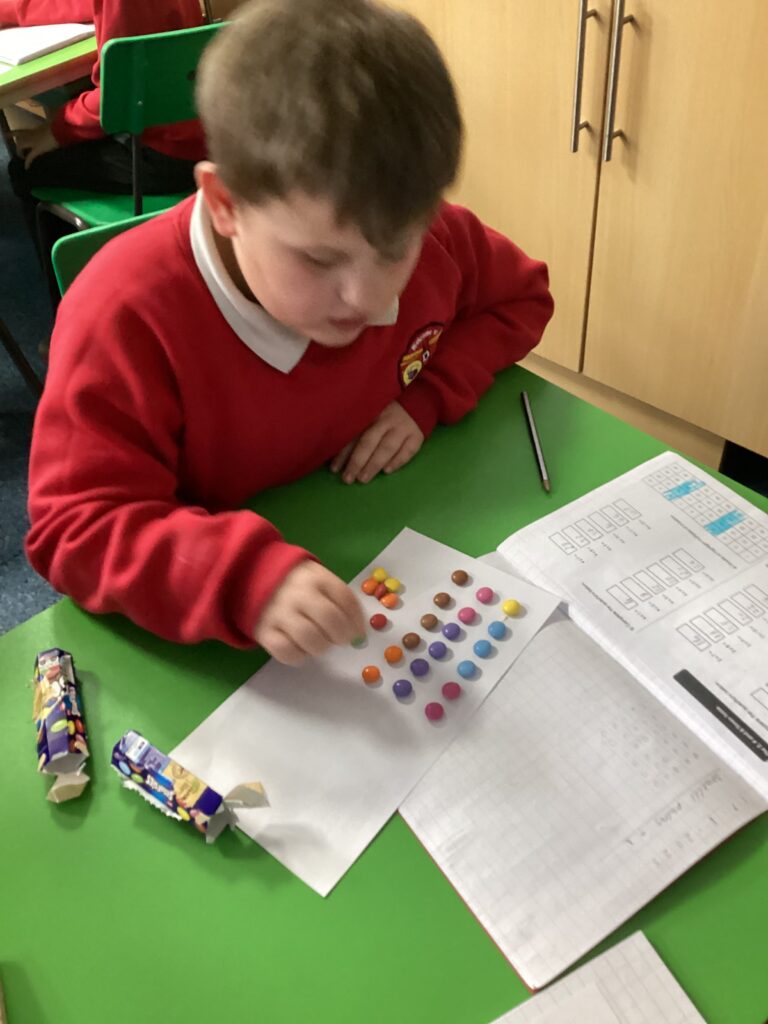
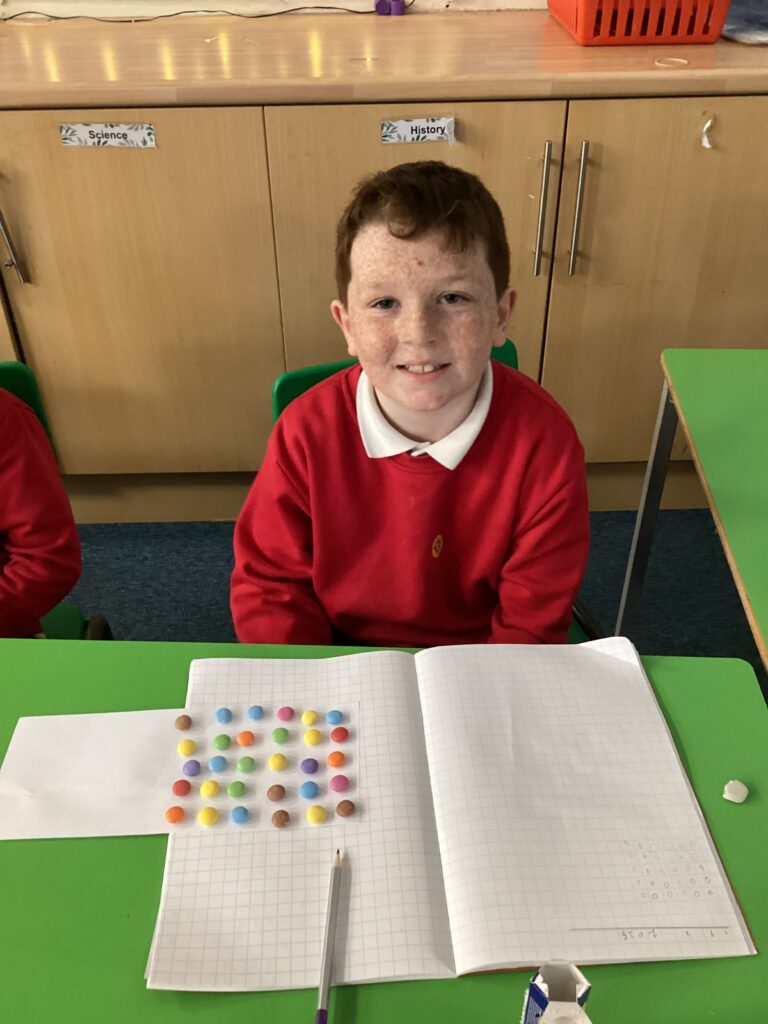
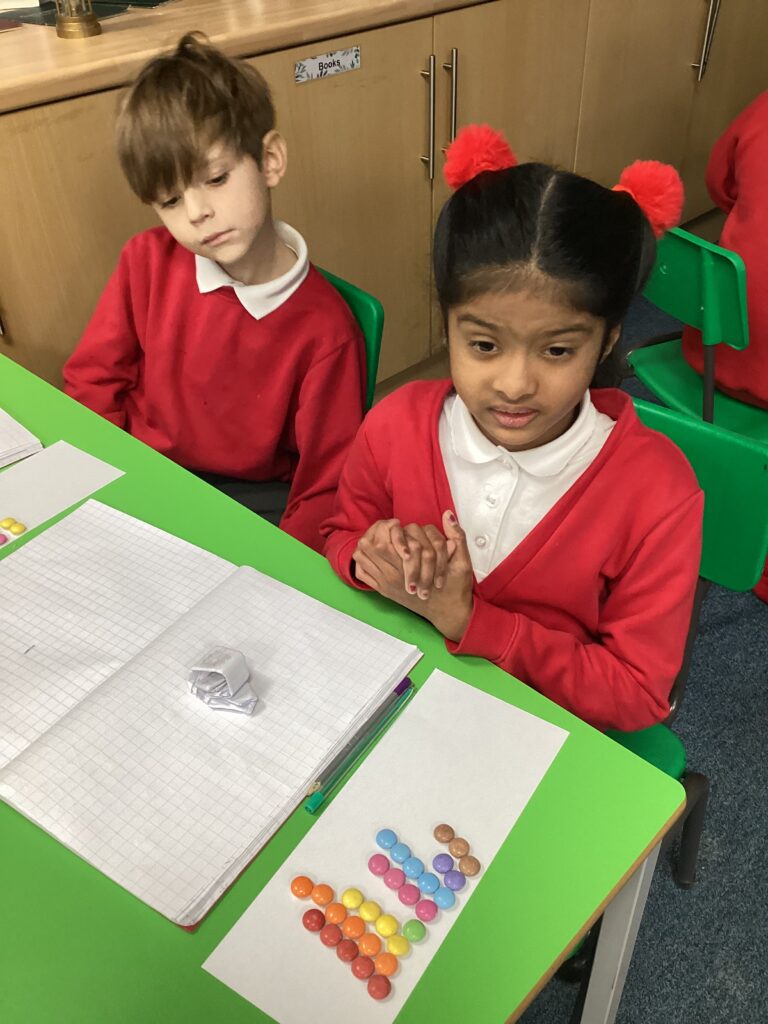
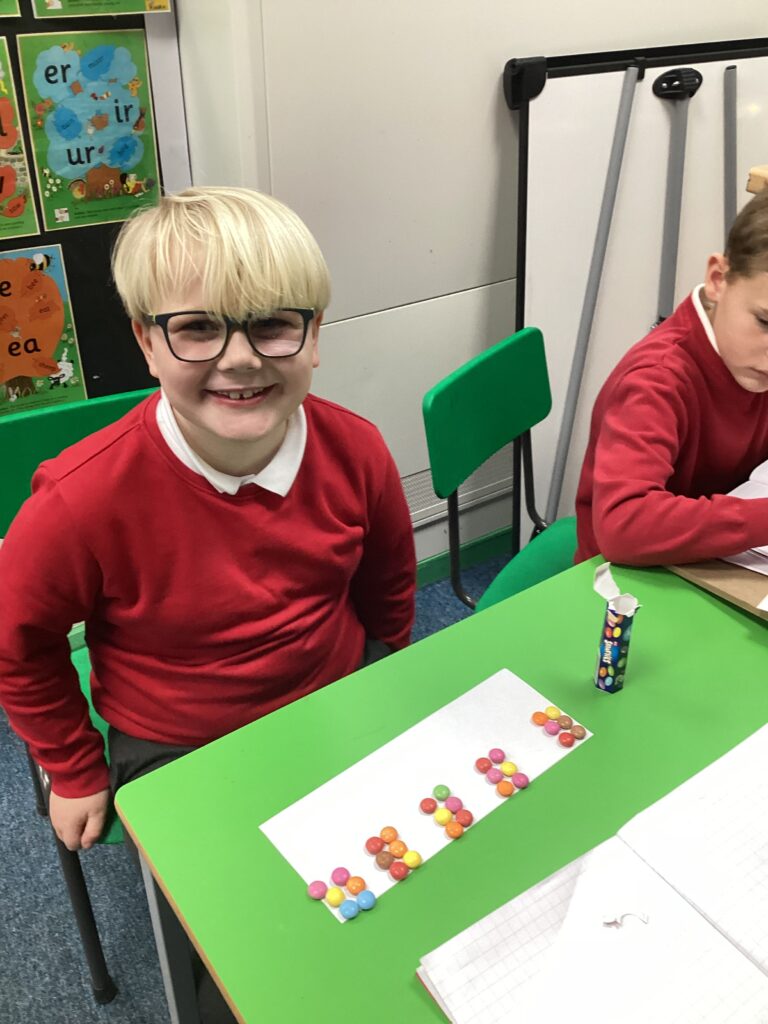
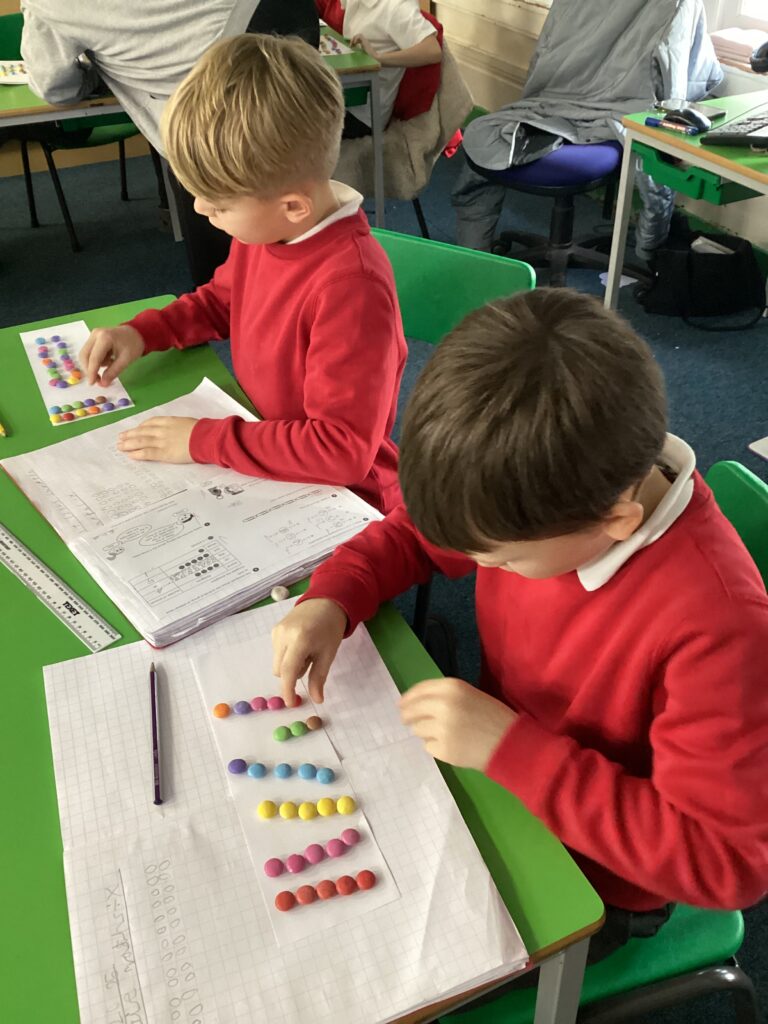
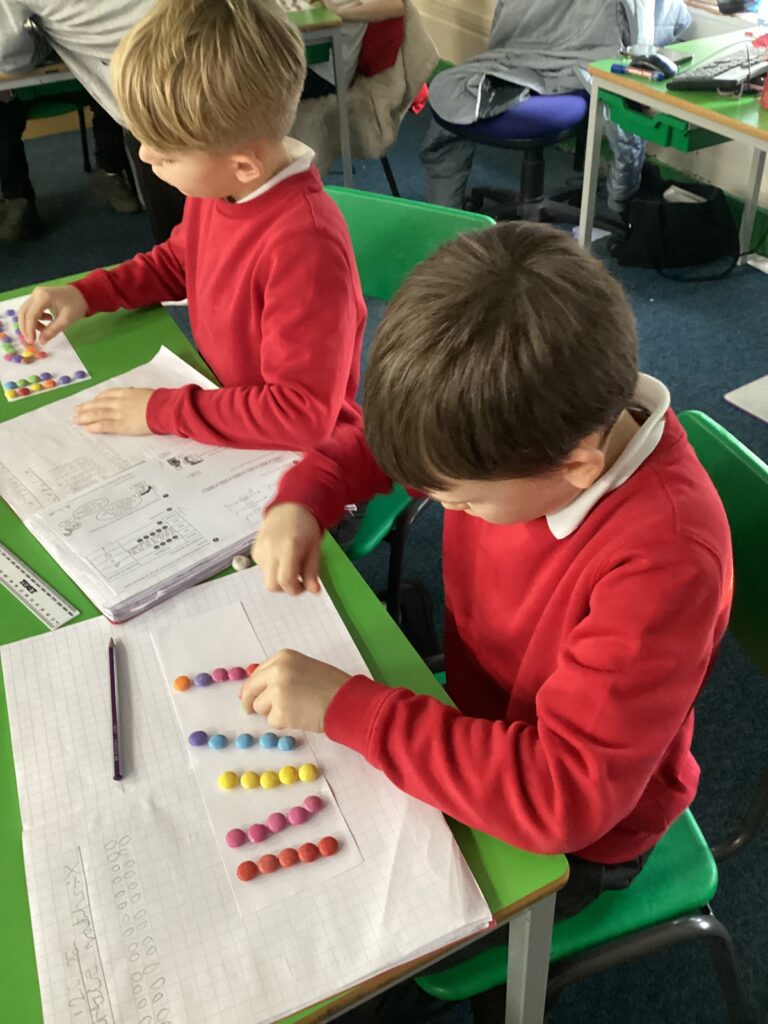
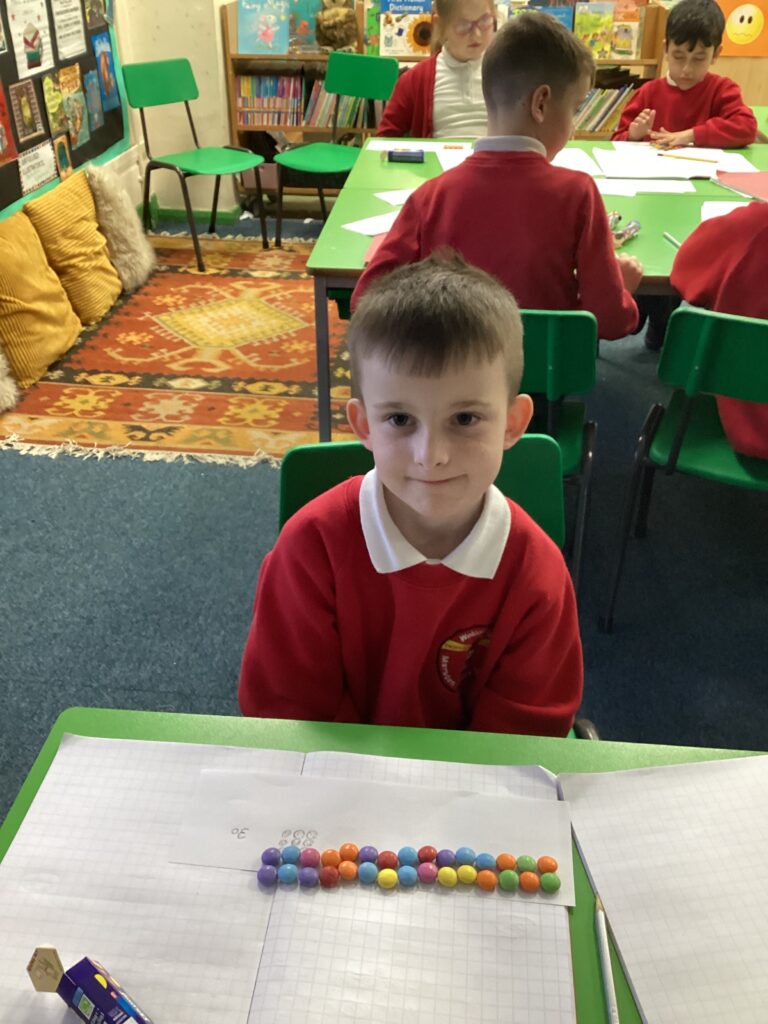
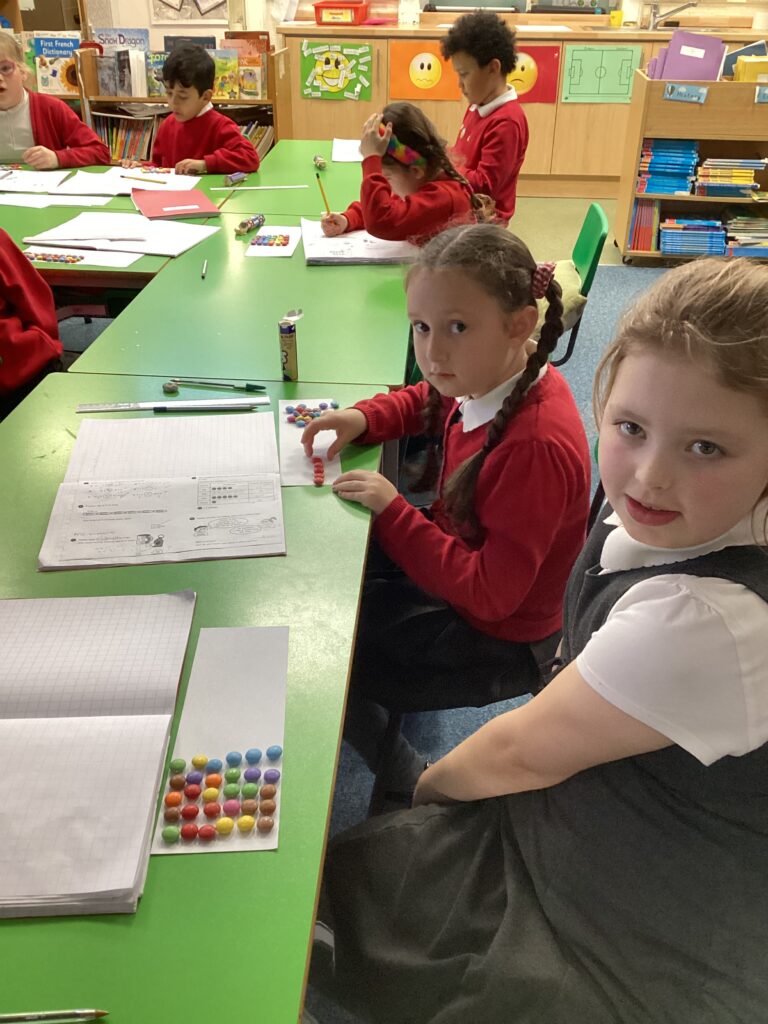
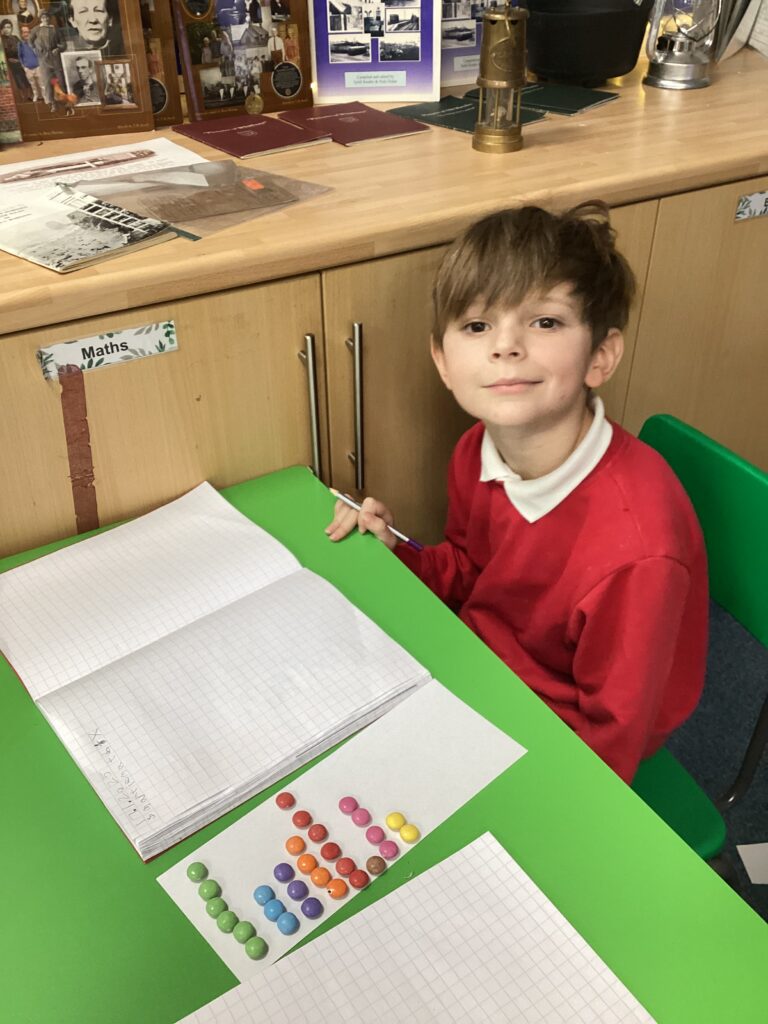
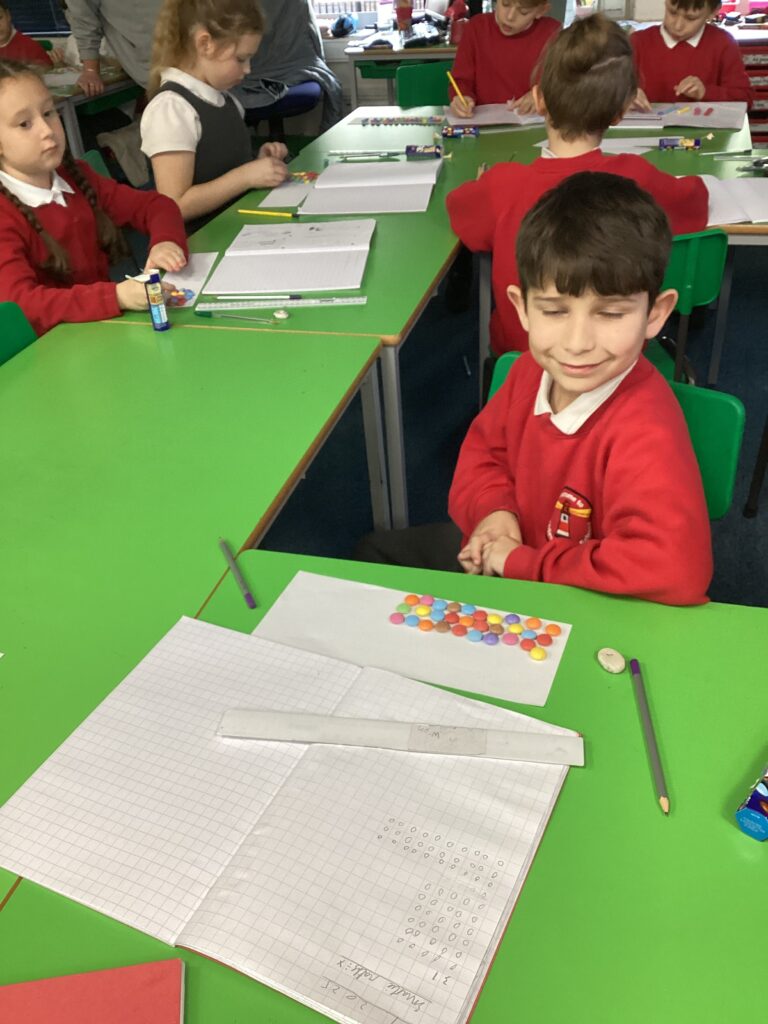
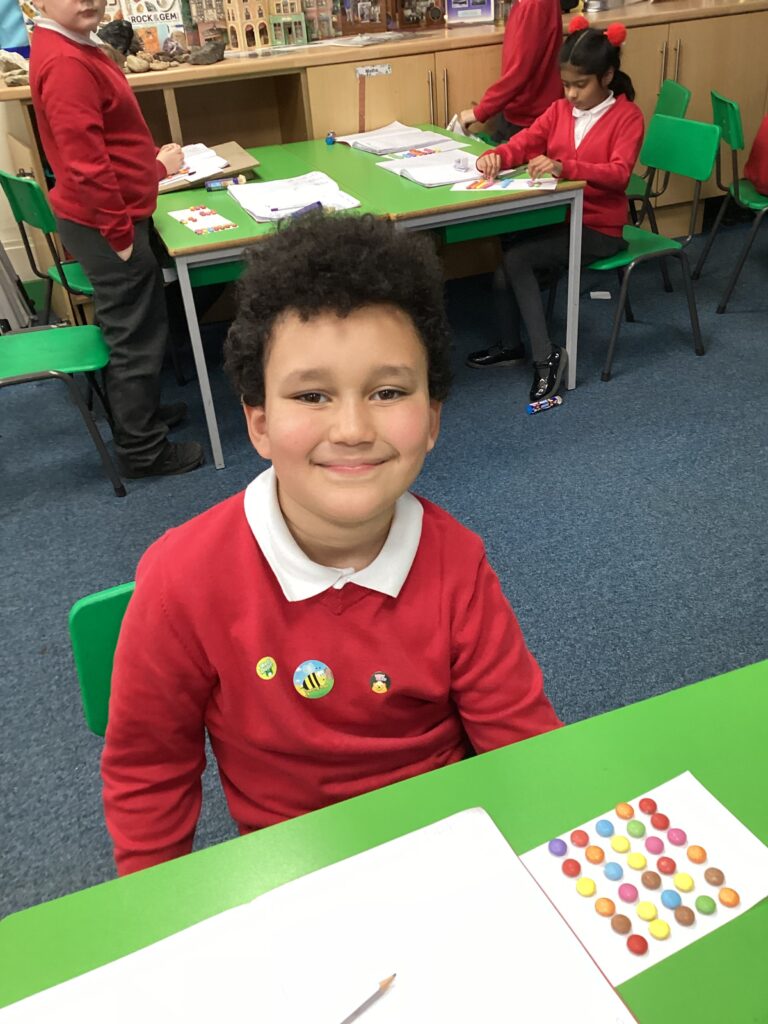
Today Year 3 completed a smartie maths lesson and investigated various multiplication and division facts using the smarties. Strangely, the smarties disappeared after the lesson!
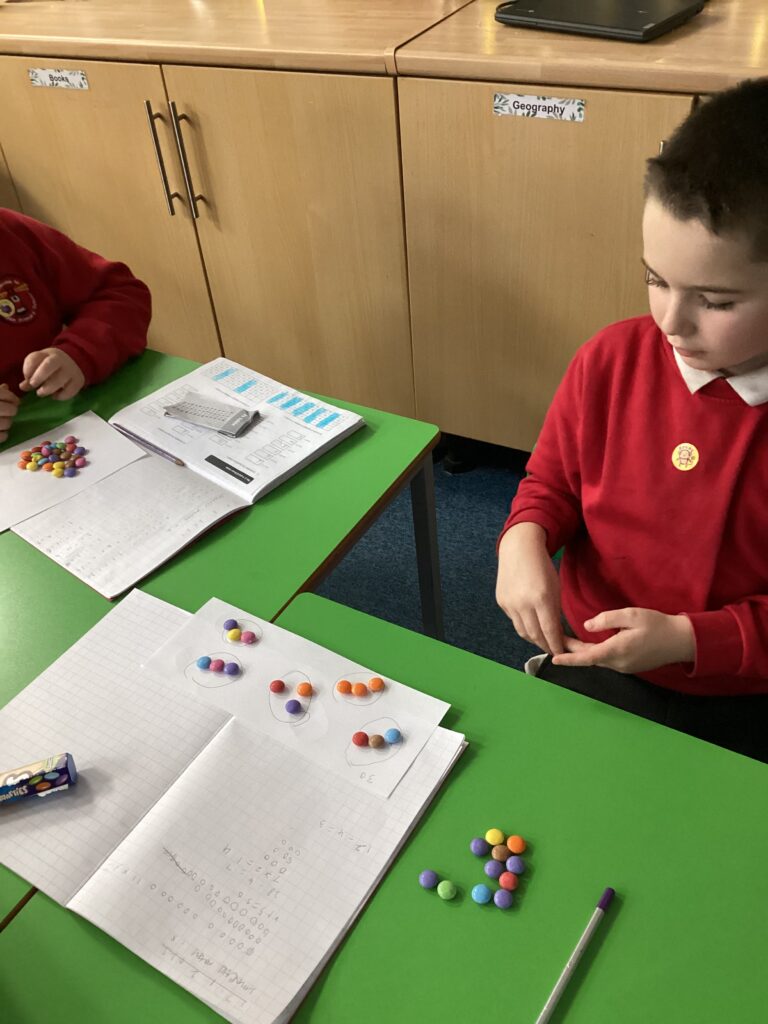
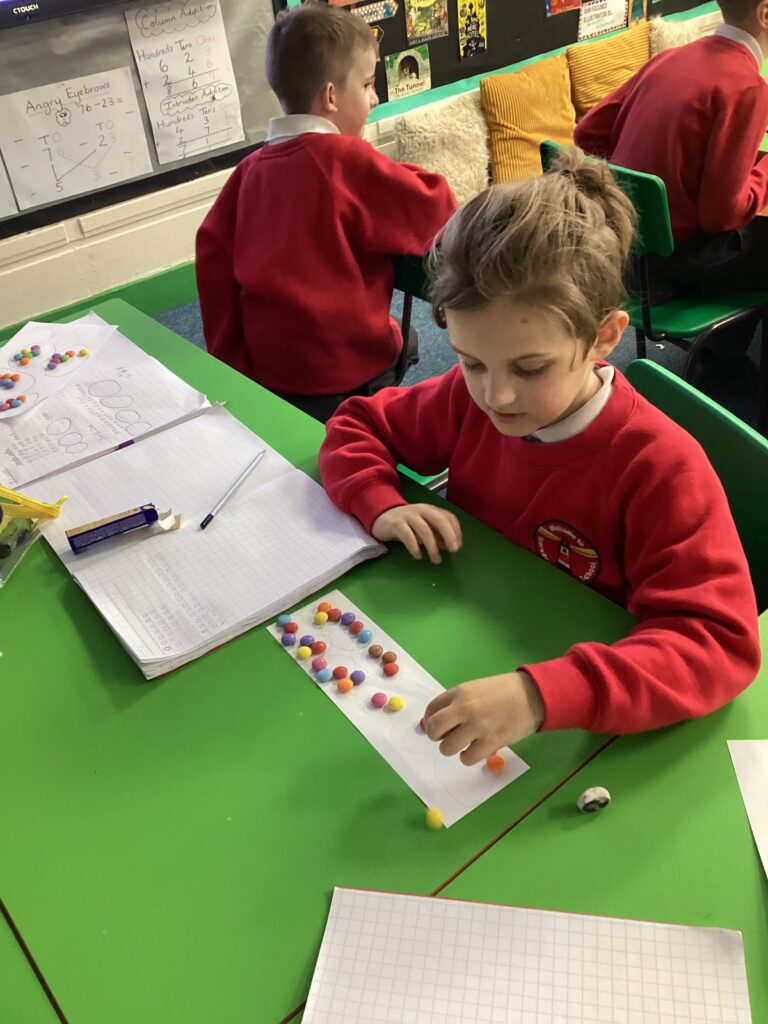
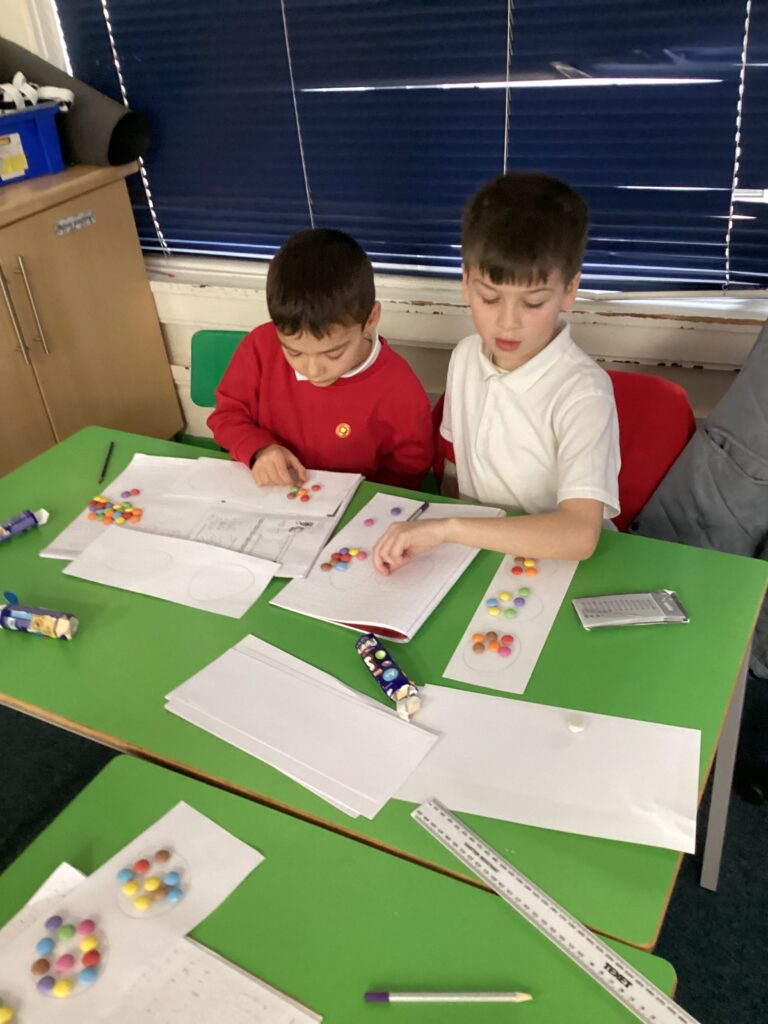




The children in Year 1 have had a great first few weeks in their new class and everyone has been very busy.
We have explored our feelings through the story Silly Billy and wrote our own Silly Billy stories which we shared with our friends in Reception. Then this week, we have had special messages from Professor Klunk who has been giving us ‘quests’ to complete in our English time. We are excited to find out what he wants us to do next.
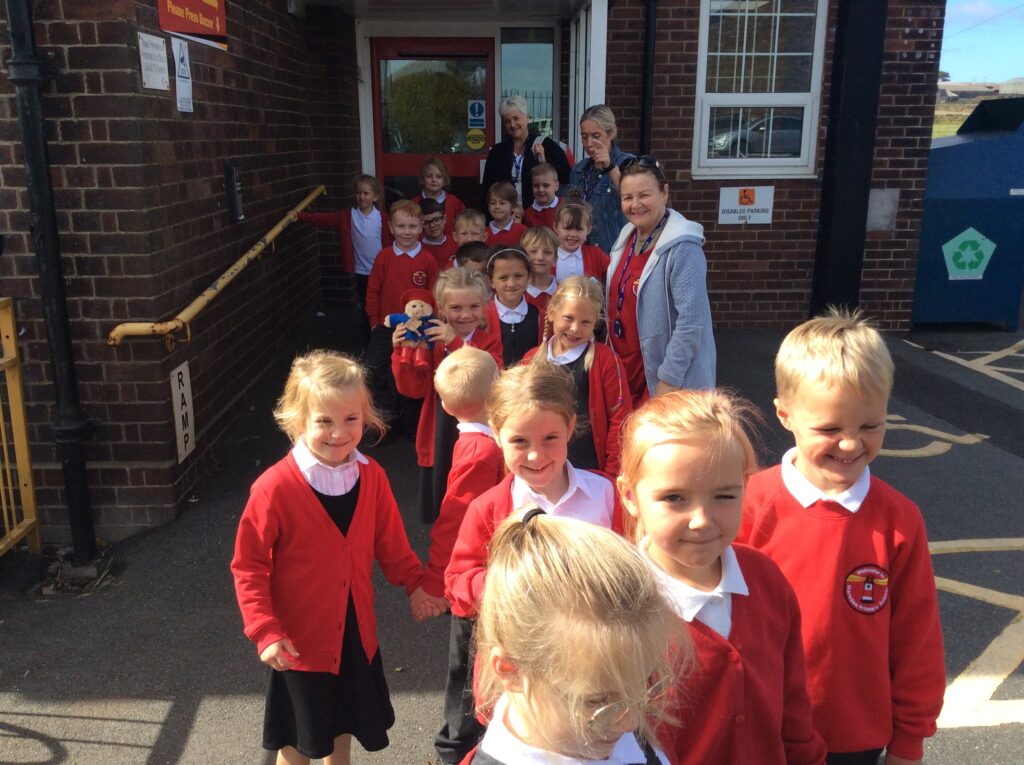
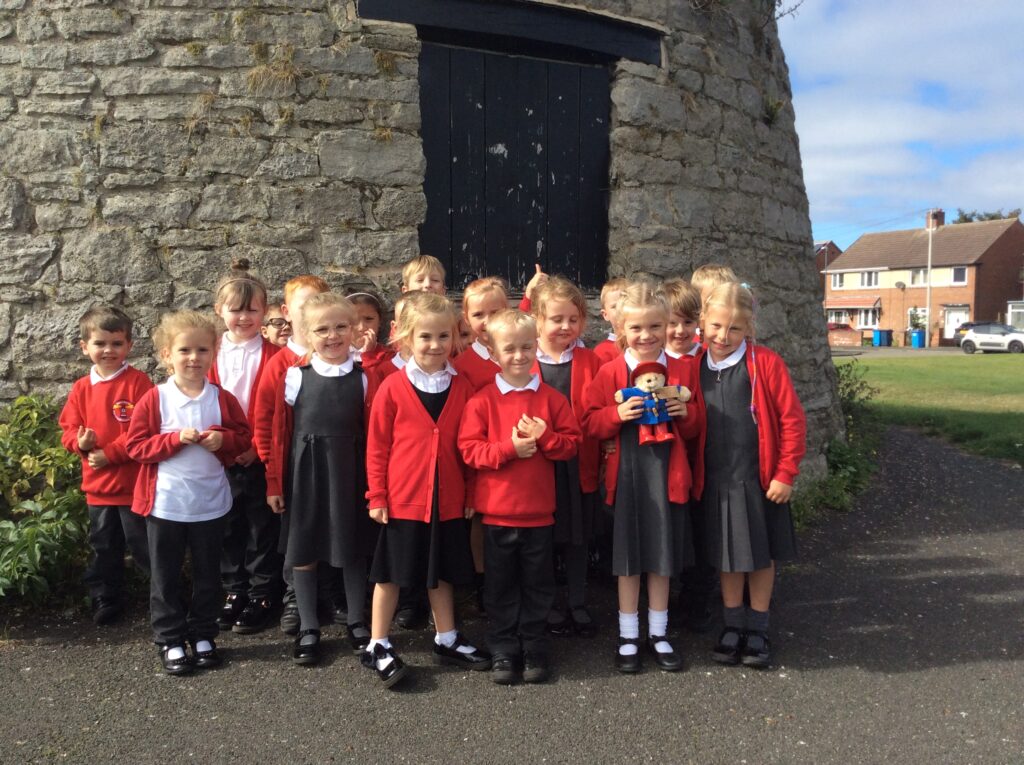
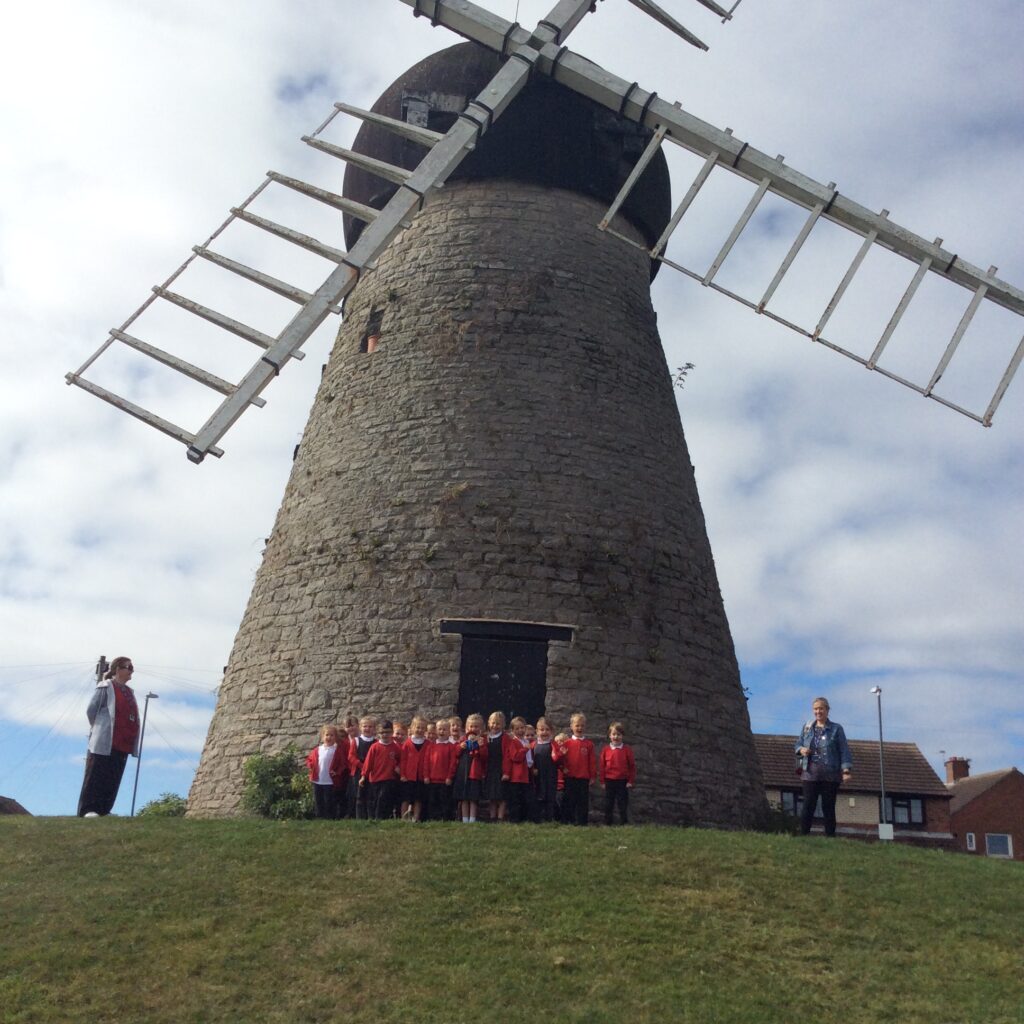
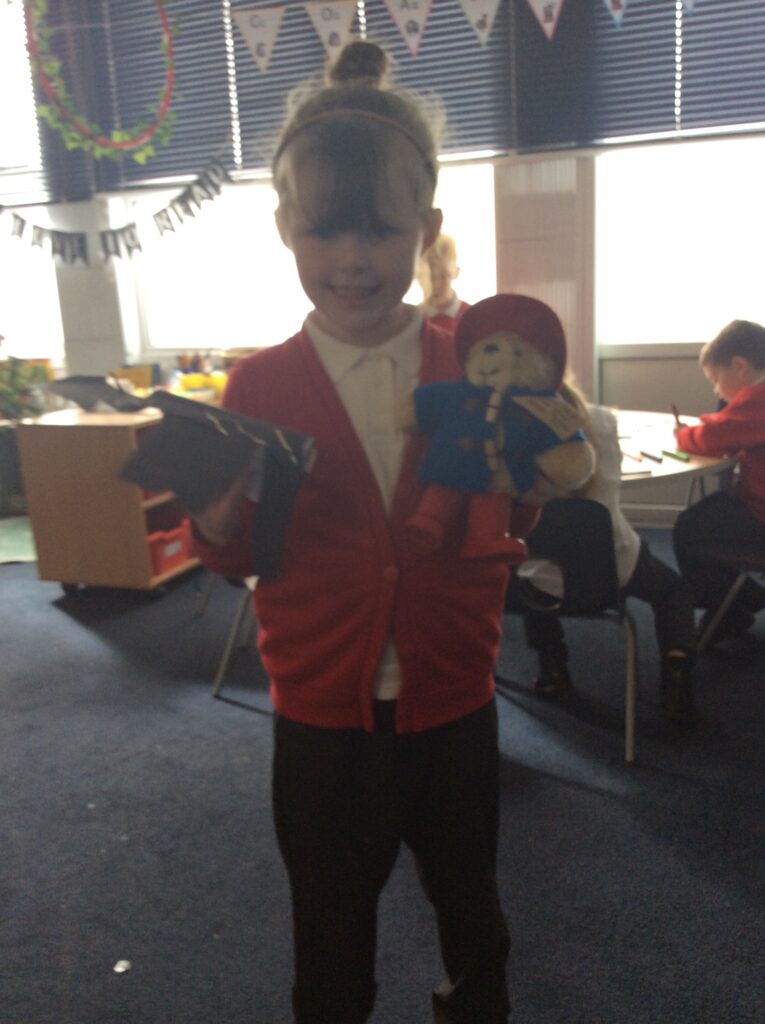
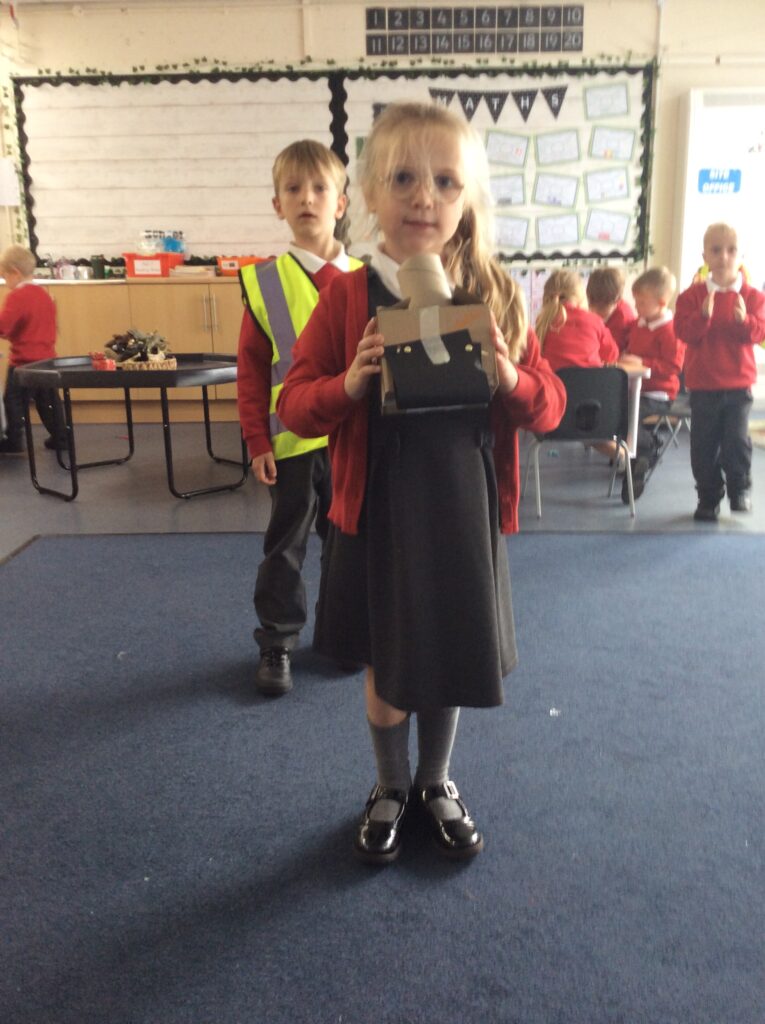
We are learning about the features of our Marsden area in geography and we even have a new bear – Paddington – to help us with this learning. We took him to the windmill and he loved it! Now, we are trying to make our own windmills in class.
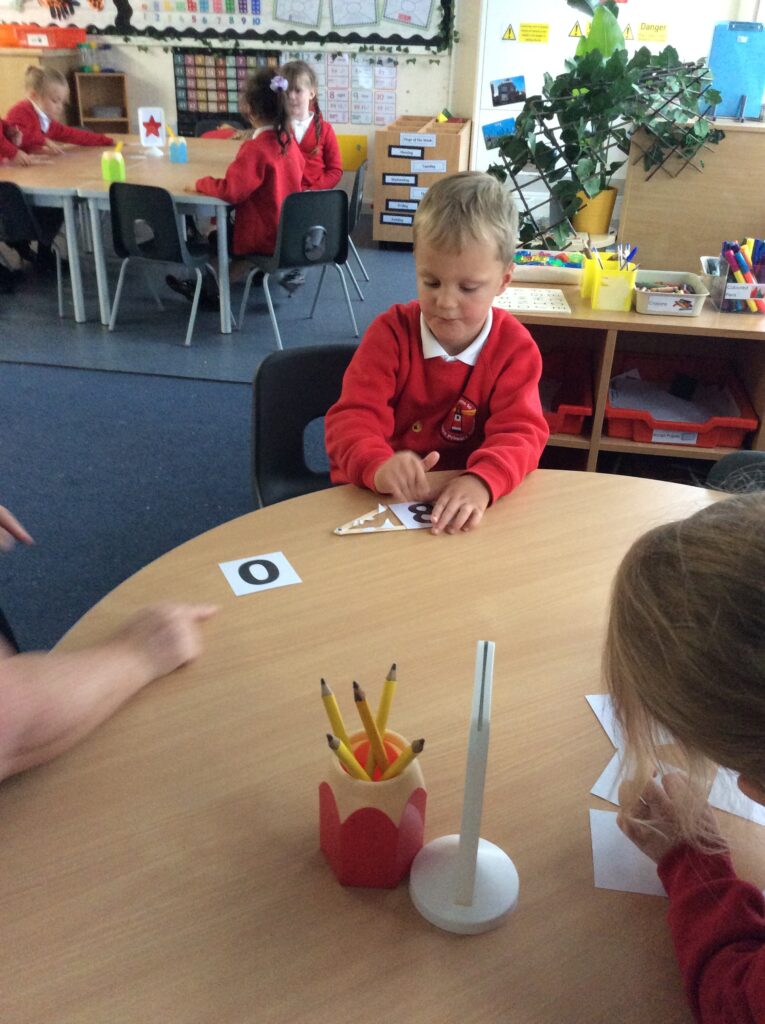
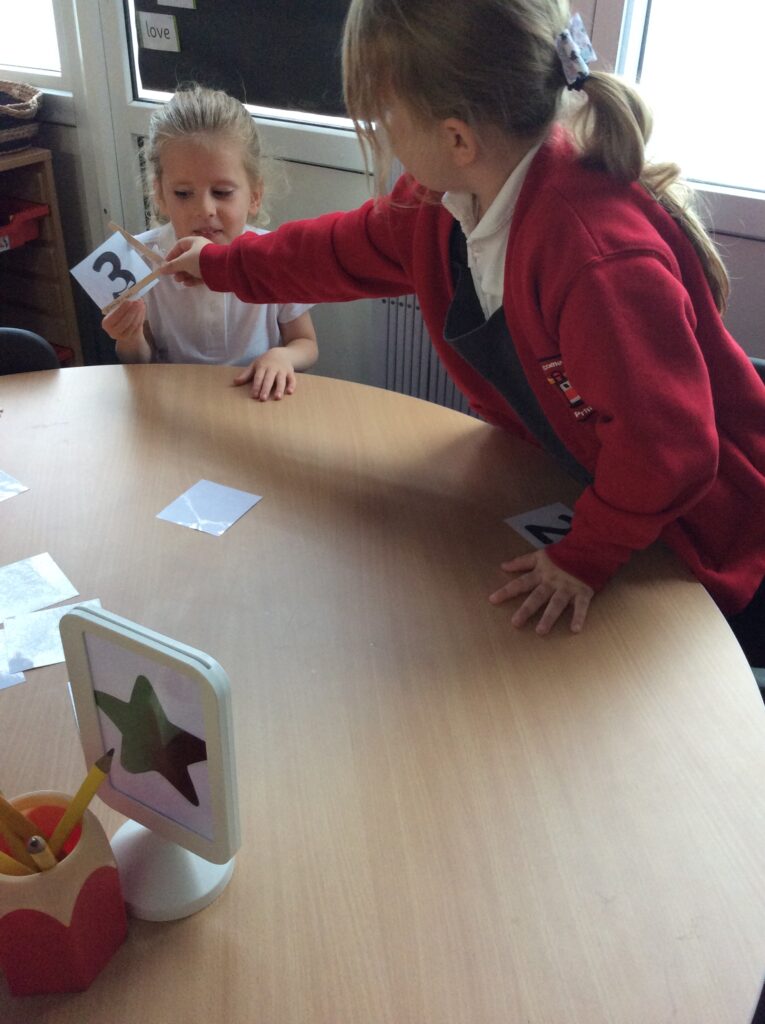
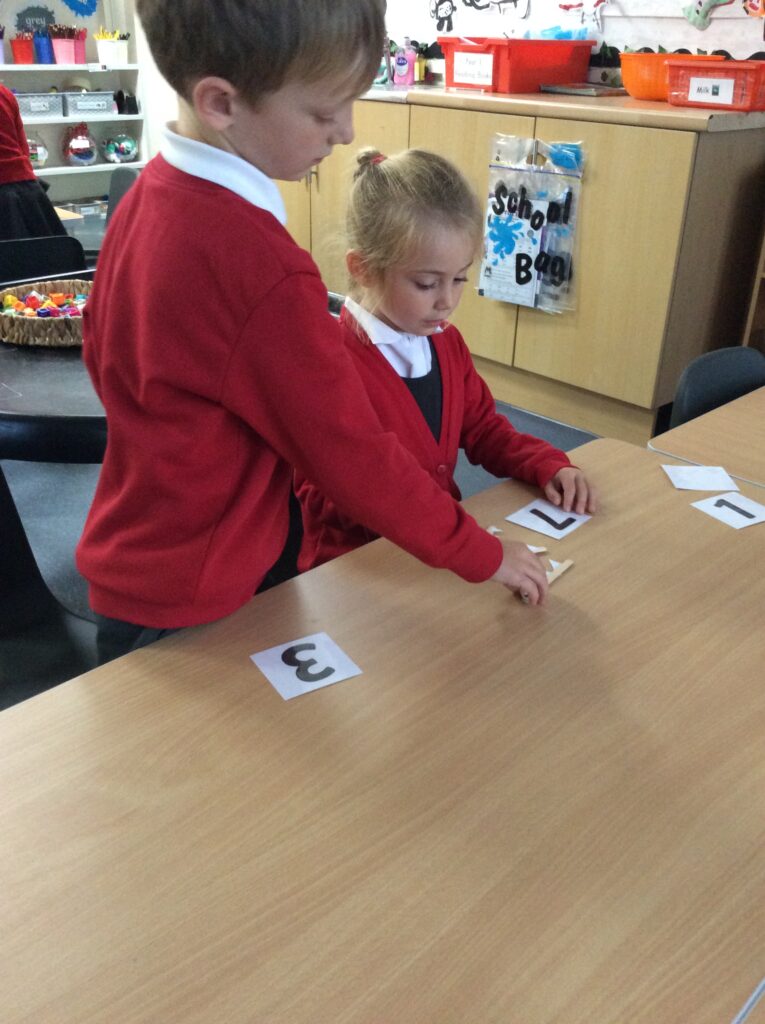
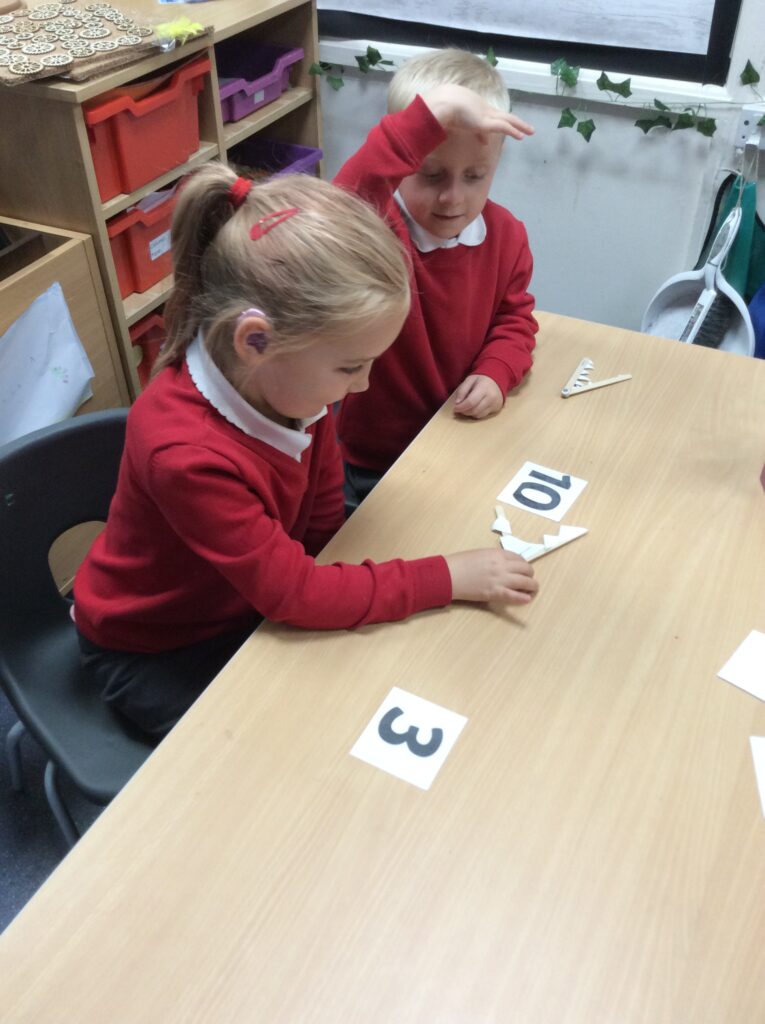
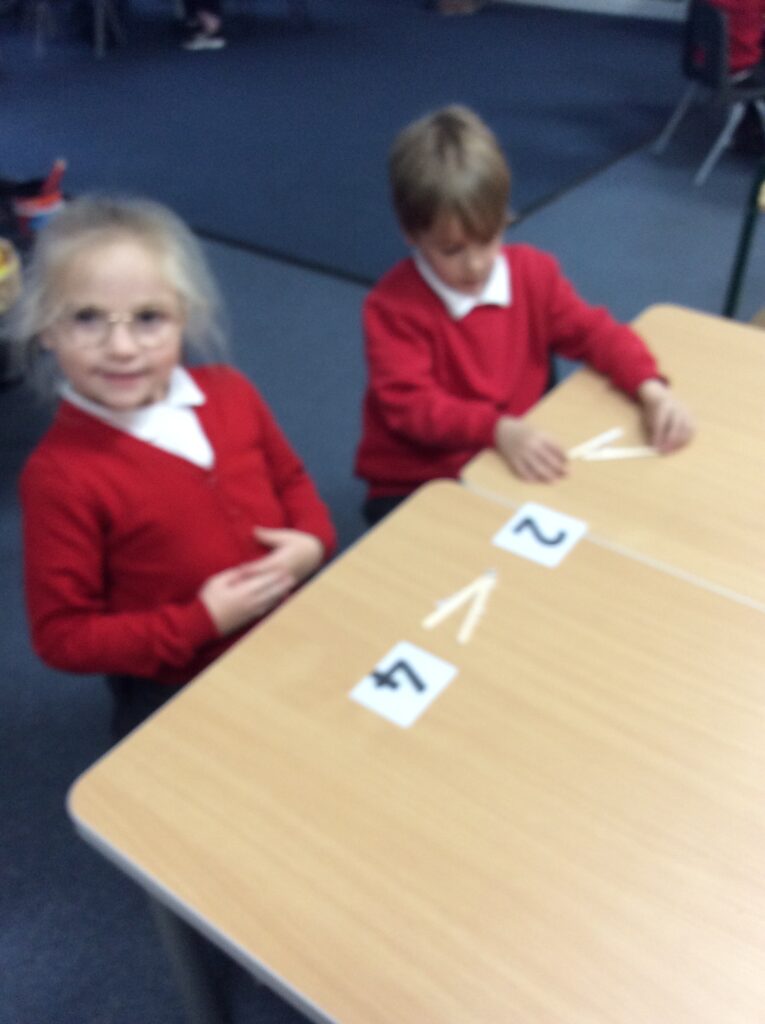
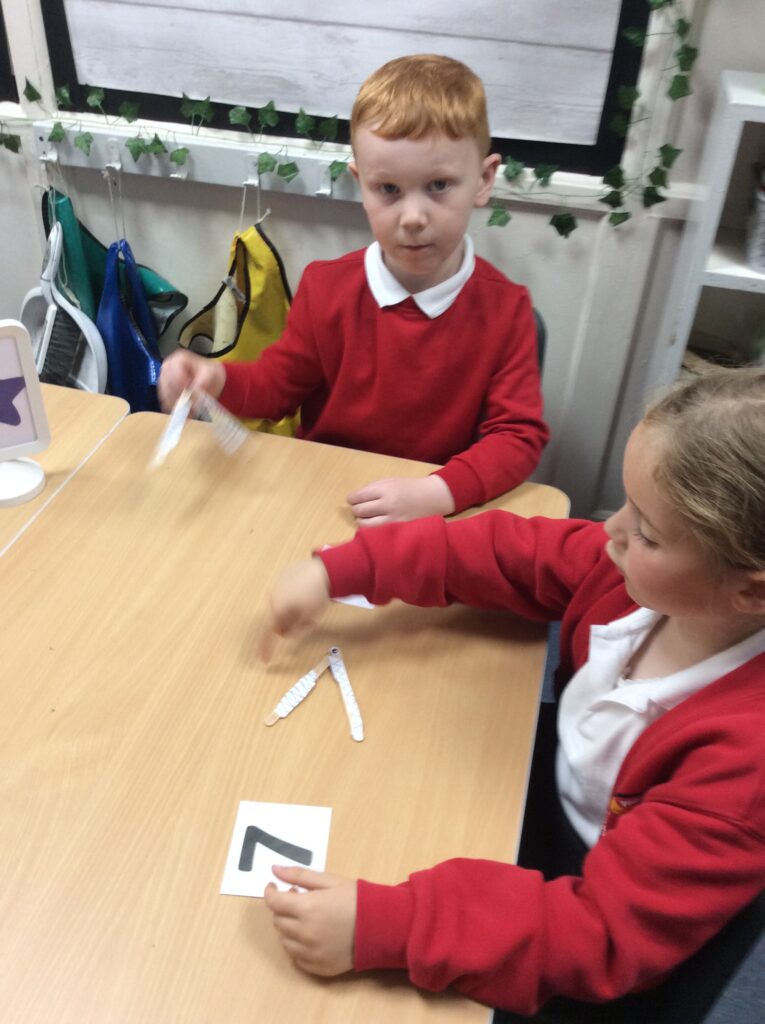
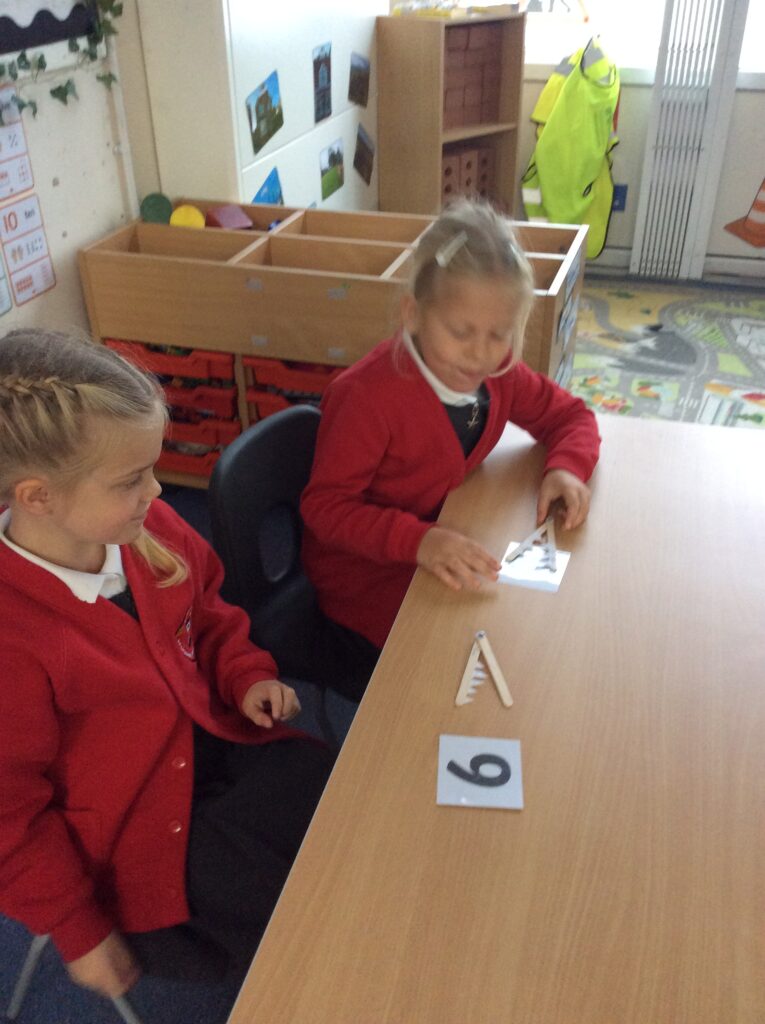
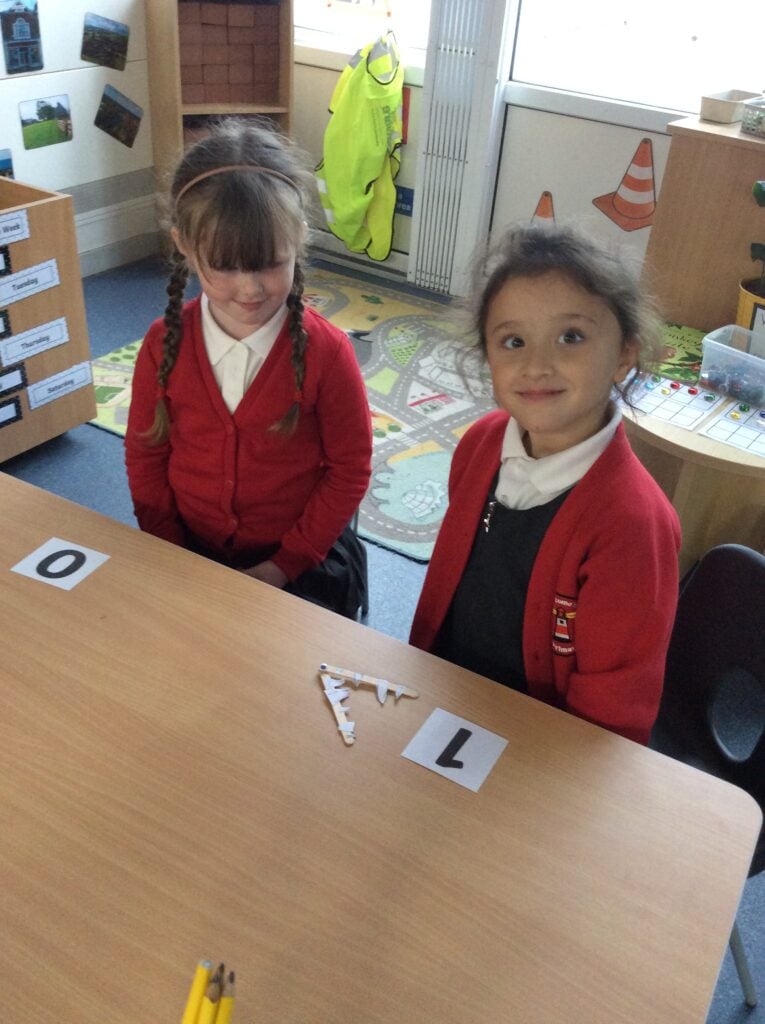
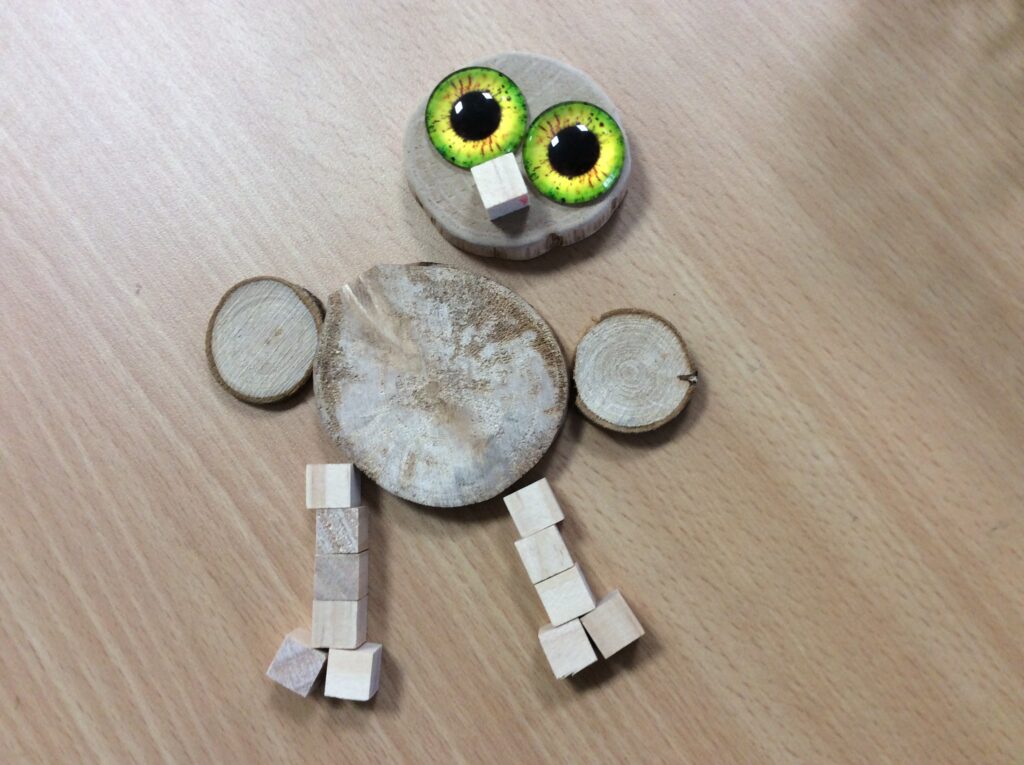
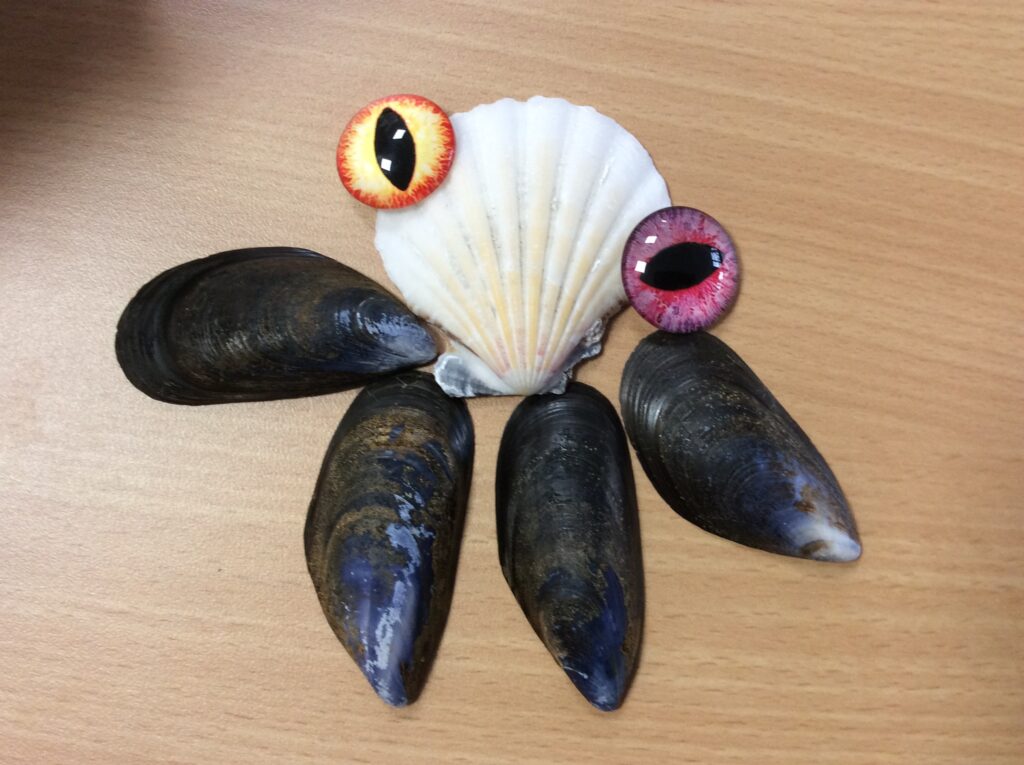
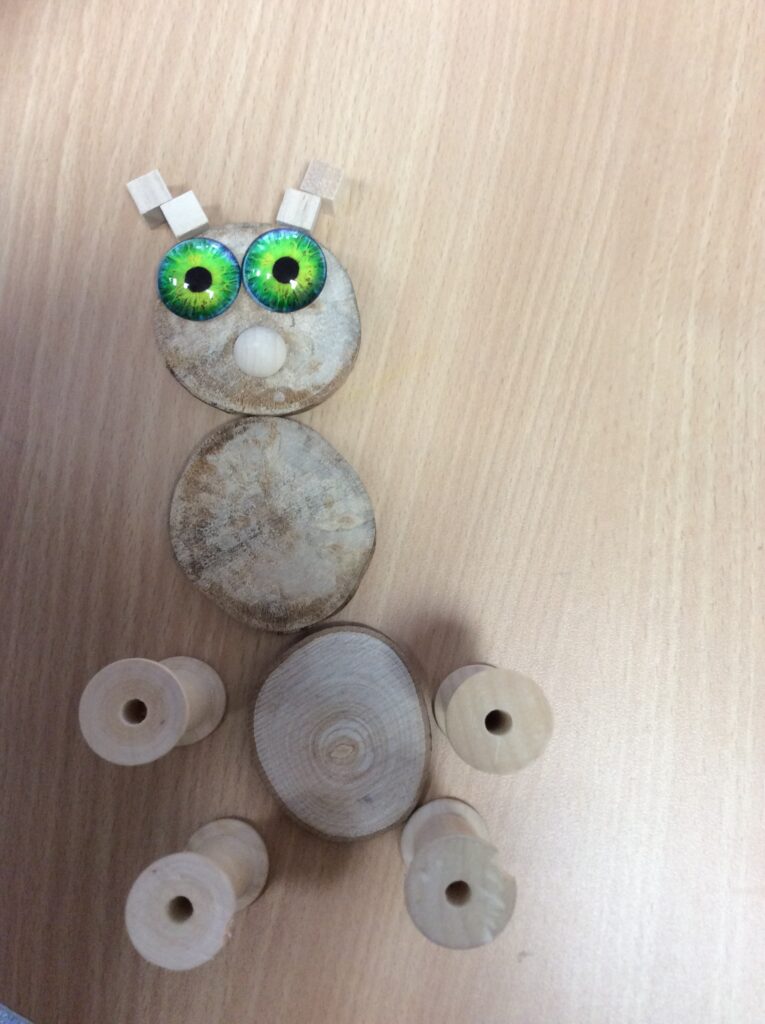
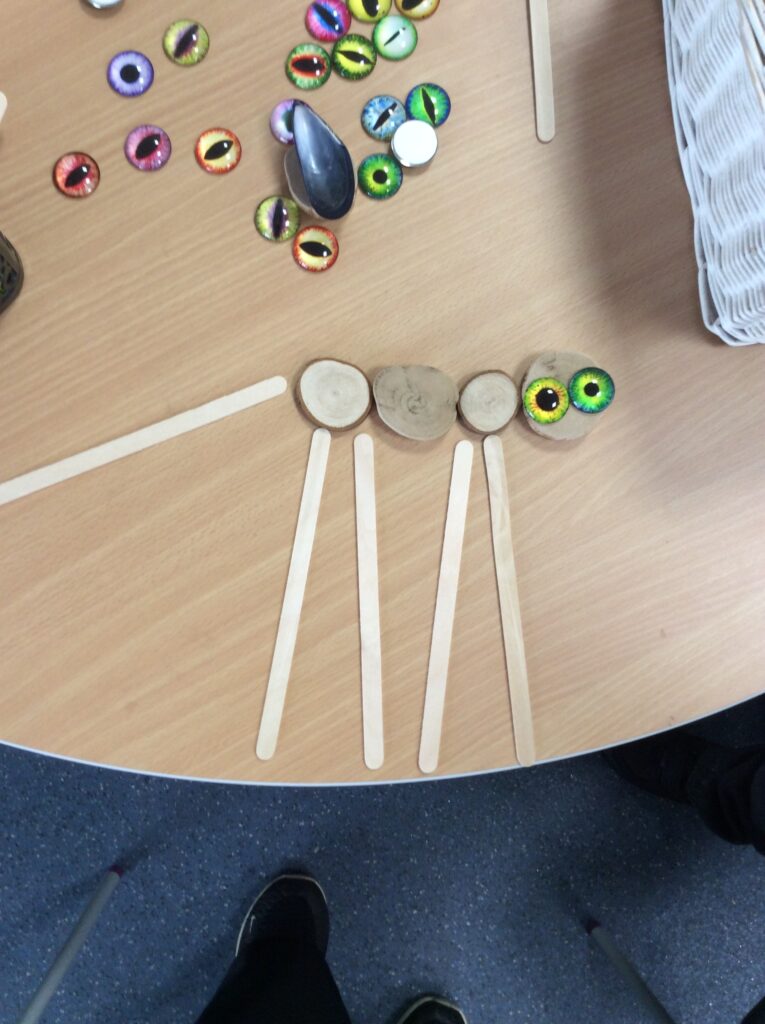
We are developing our number knowledge and we made some alligators to help us identify the greater number this week.
We are also investigating all about animals in science and we know not all animals are the same.
It really has been a busy time!
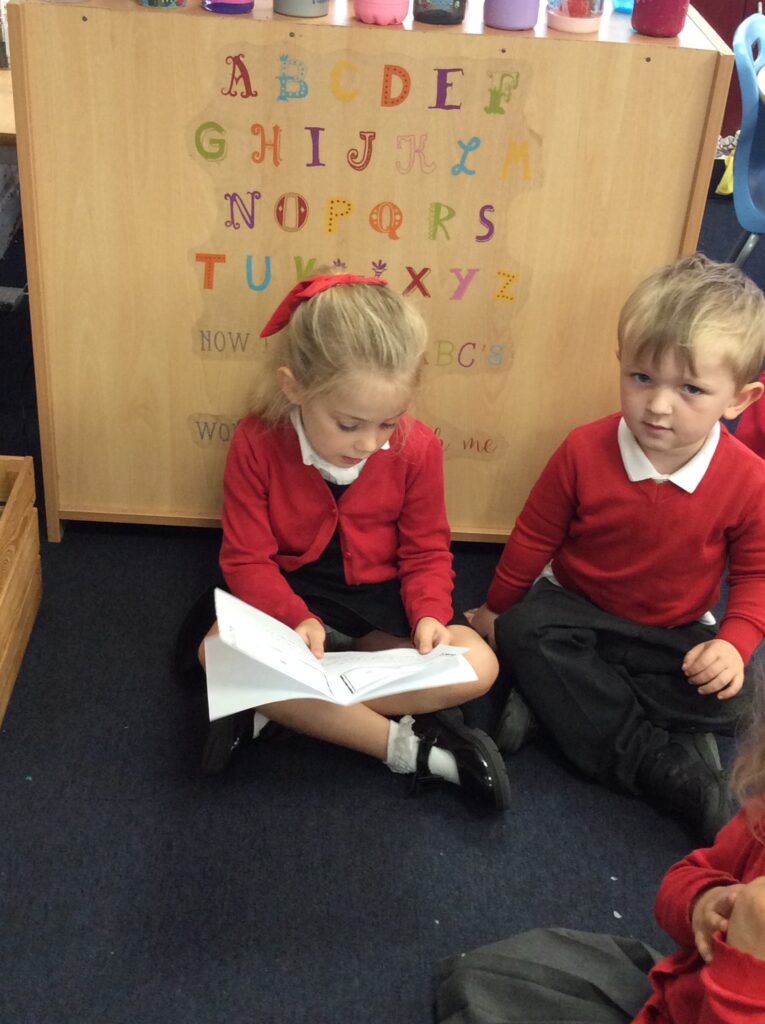
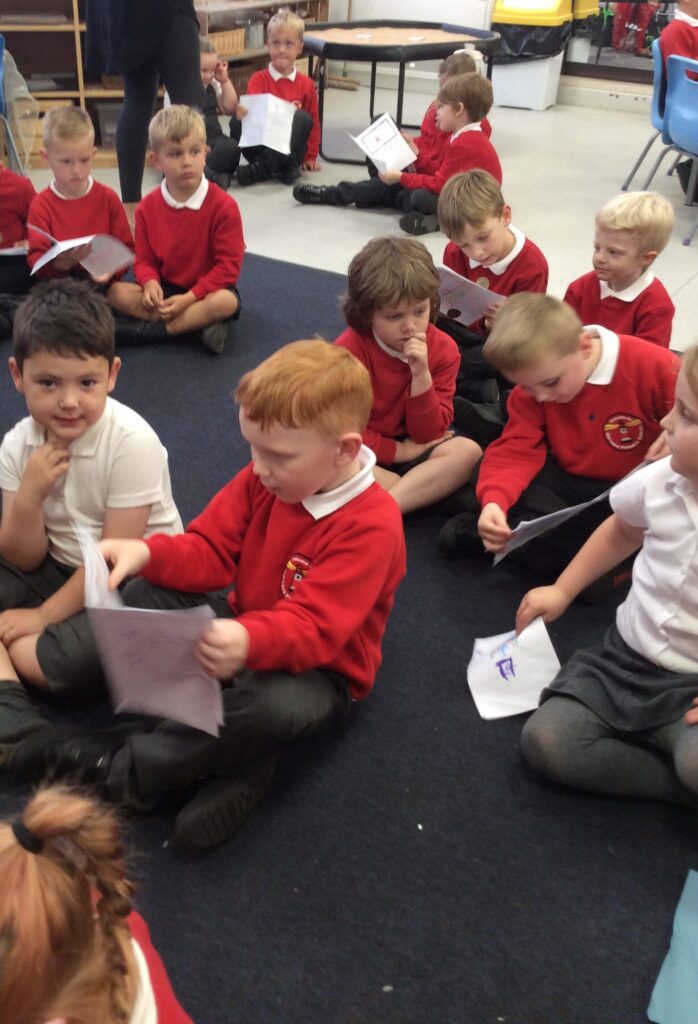
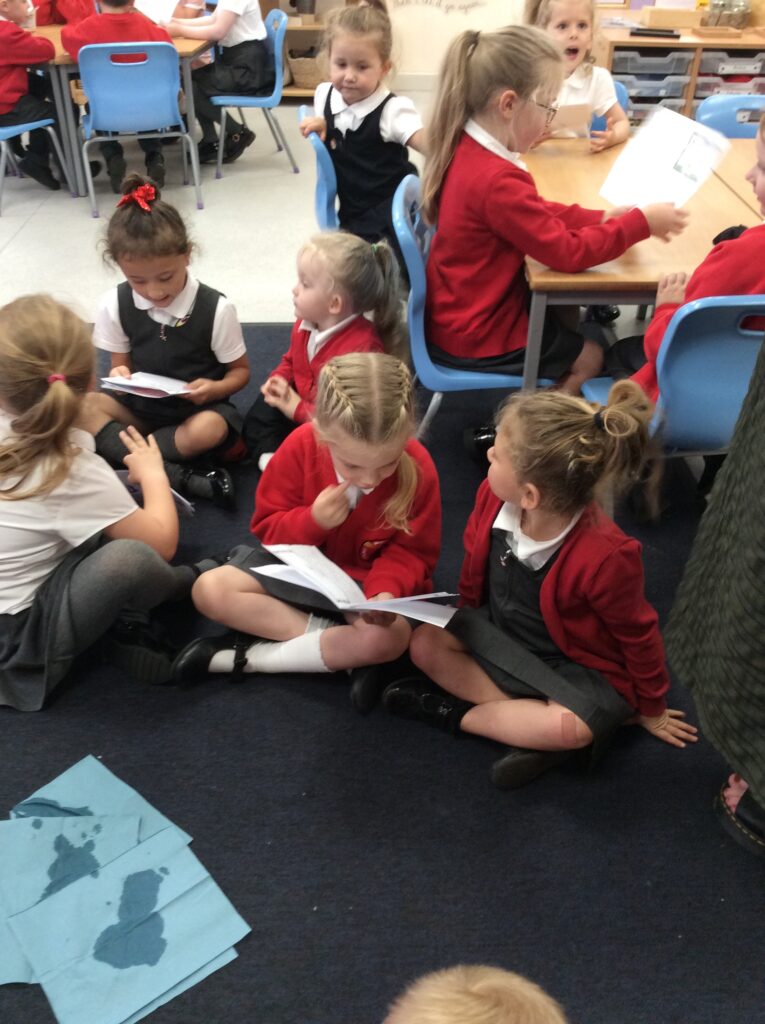
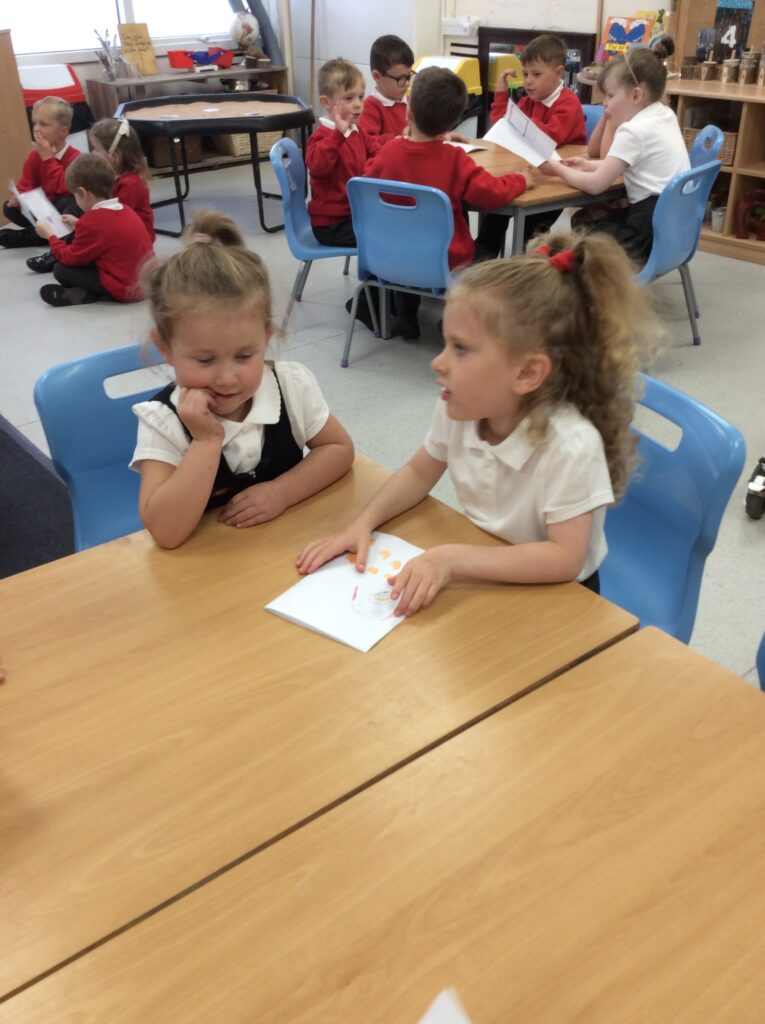
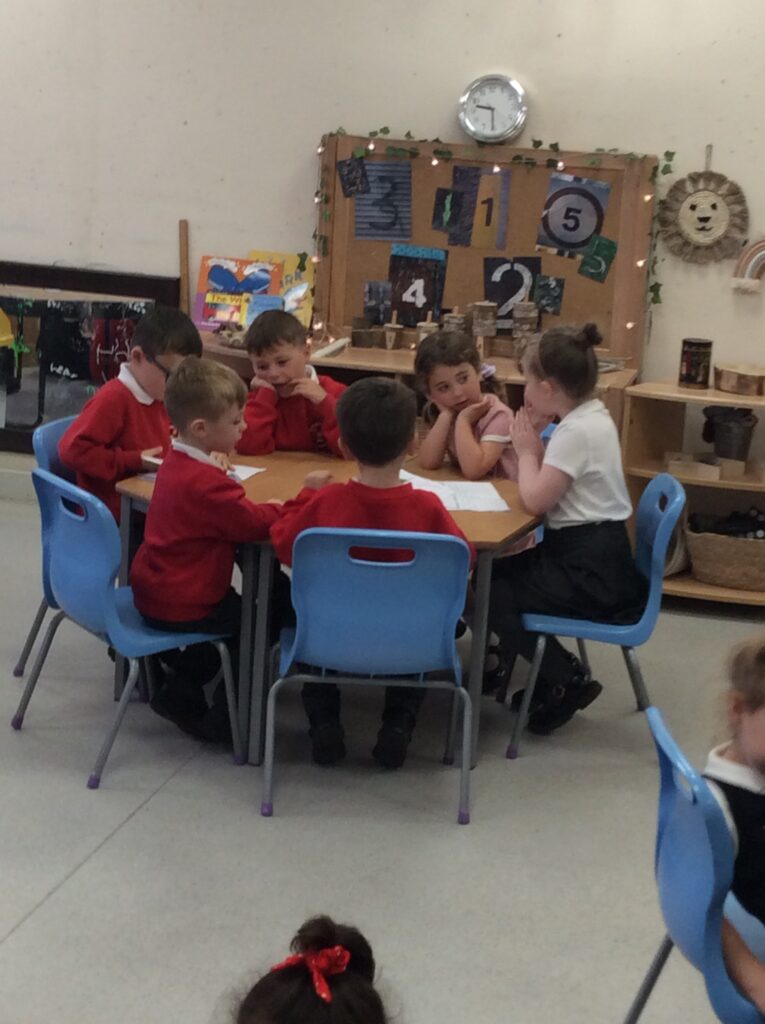
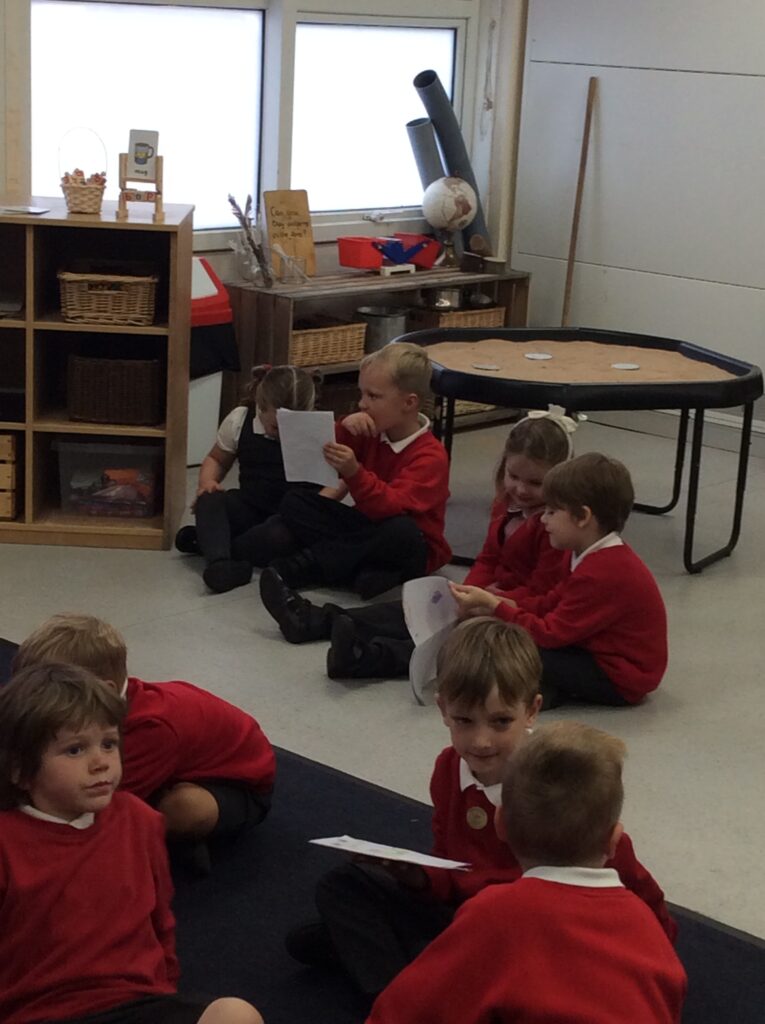
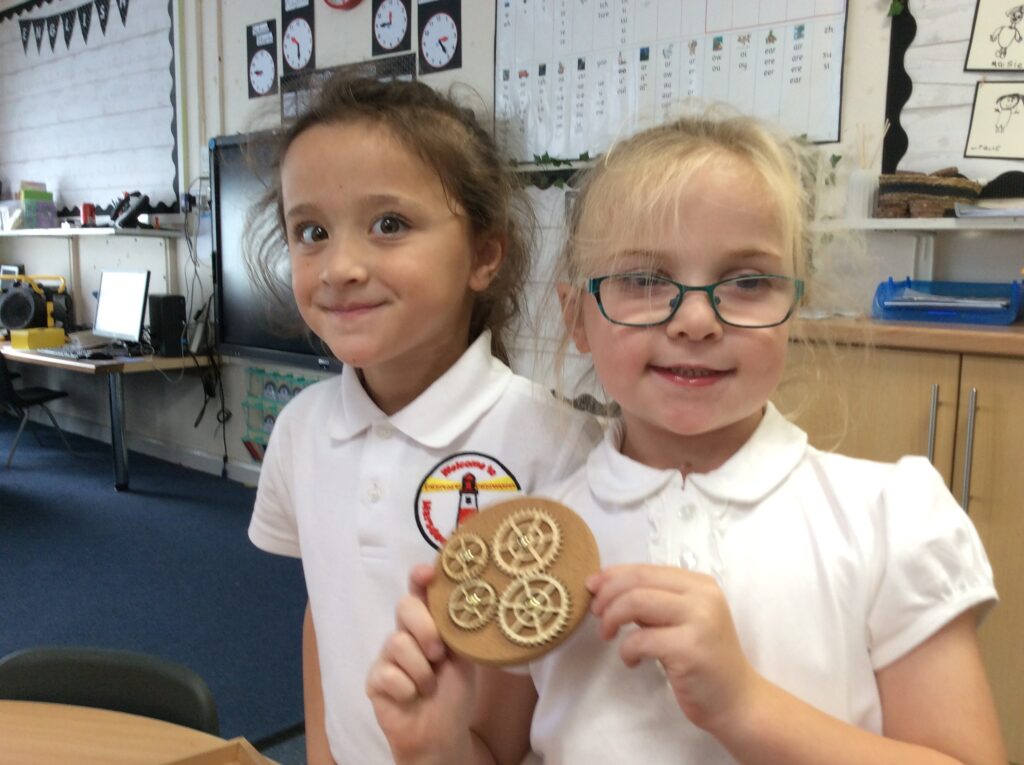
Do you believe in magic? Do you believe numbers can be magic? Today, Y6 investigated what happens when we add, subtract and reverse non-palindromic numbers. Follow the steps below and see if your mind is blown!
PS a palindromic number is a number that reads the same forwards and backwards for example 232. You must use non-palindromic numbers for this investigation.
Let’s investigate!
1) Write a 3 digit non-palindromic number in your book.
2) Underneath, reverse the digits and write them down.
3) Use a column method to subtract the smaller number from the larger number.
4) Write this number.
5) Reverse this number.
6) Now add these two numbers in a column.
What number did you get? Is it a coincidence?
Is it always true that when we follow this process for non-palindromic numbers we get an answer of 1,089?
Investigate!
Always true, sometimes true, never true?
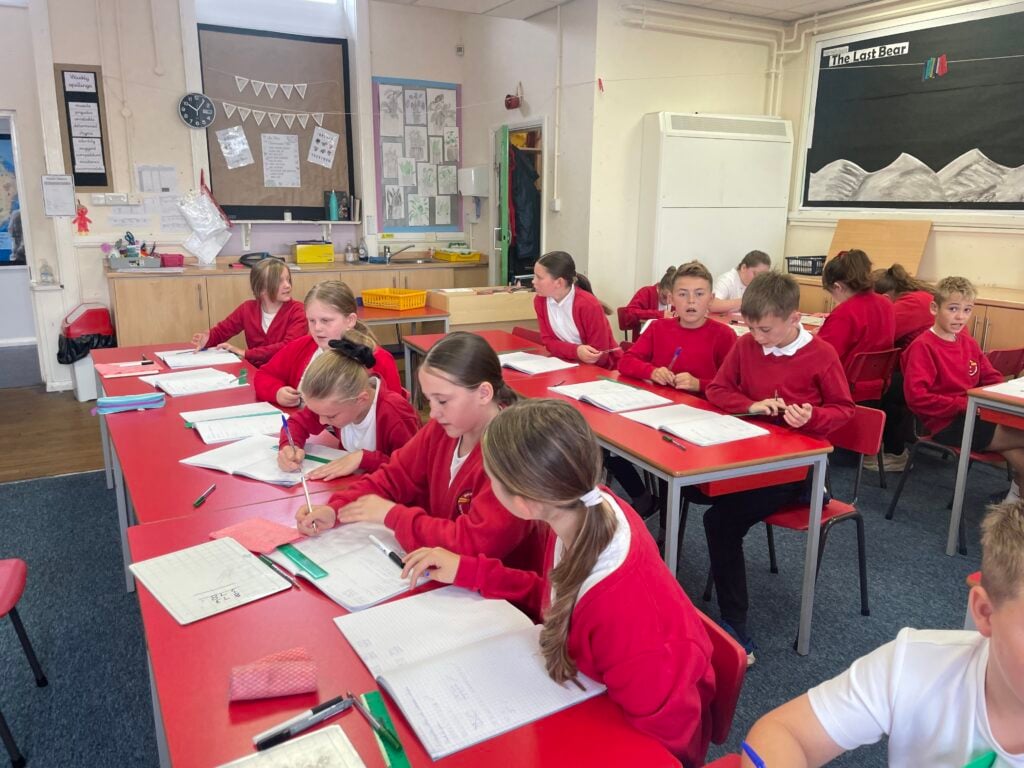
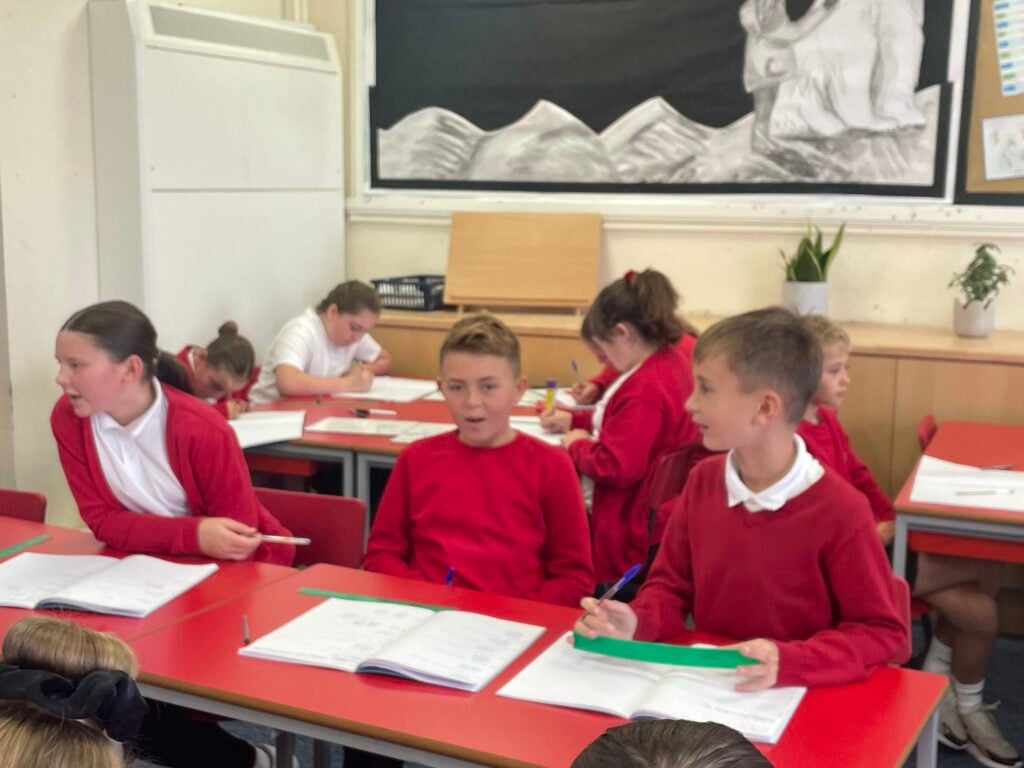
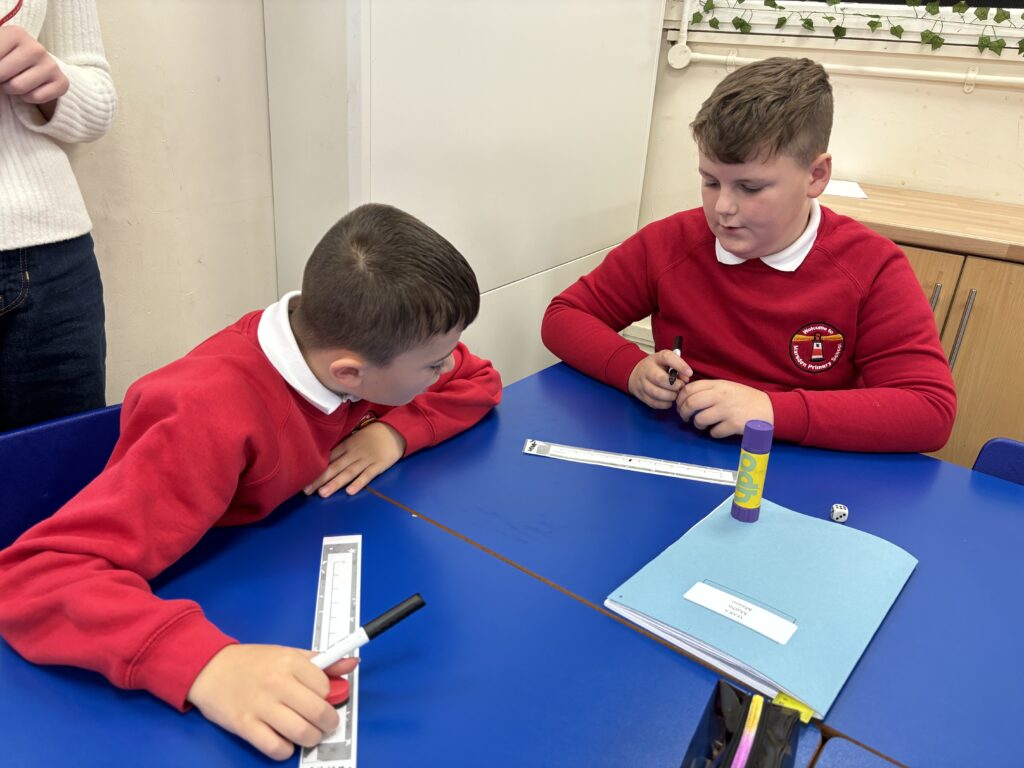
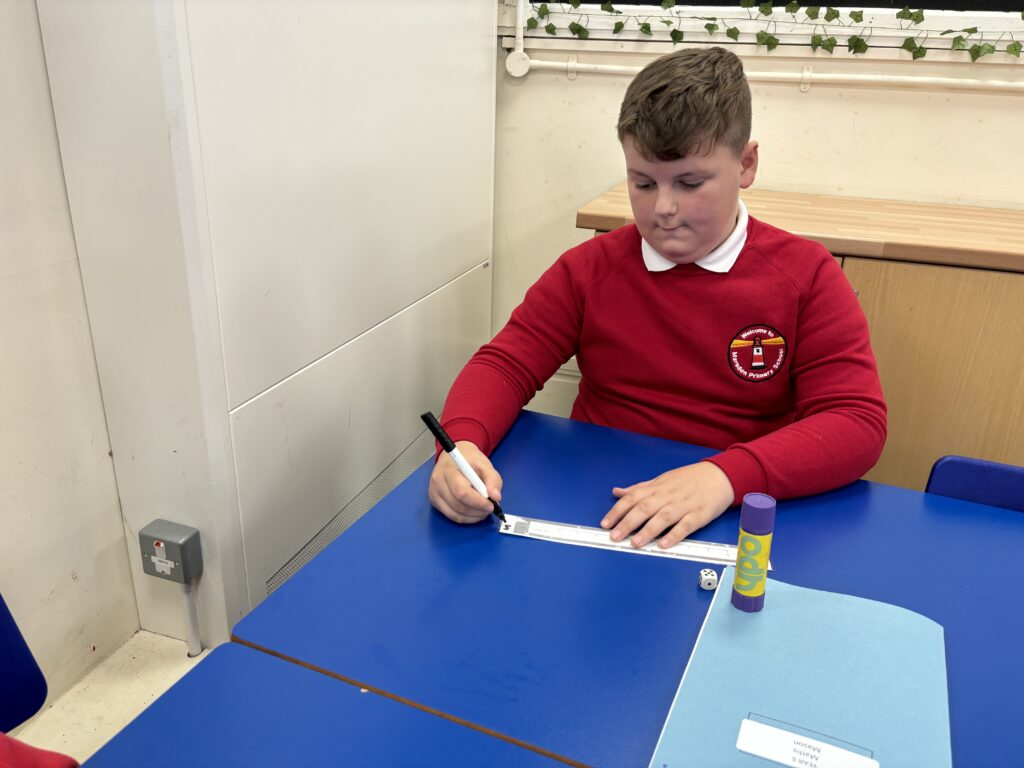
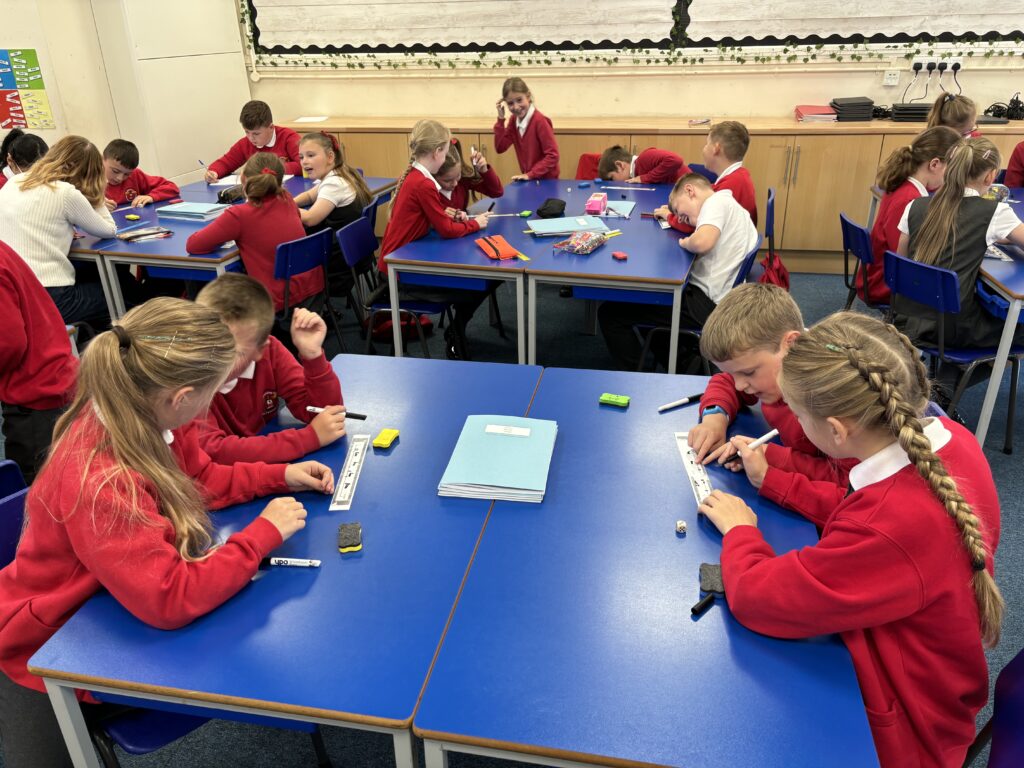
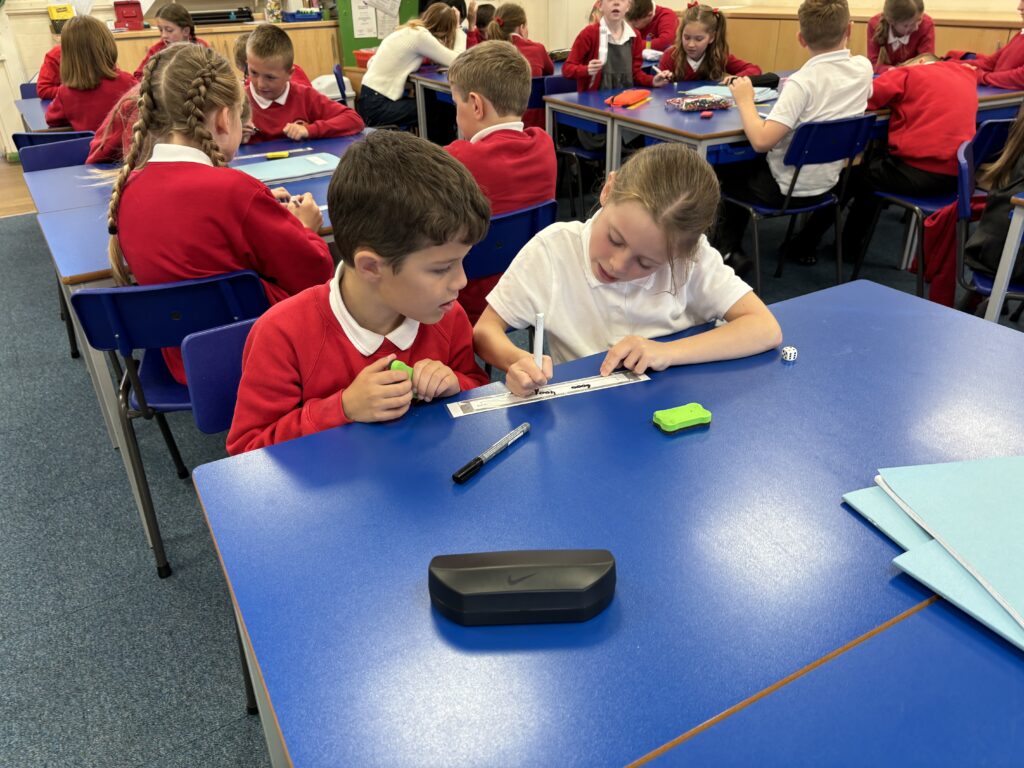
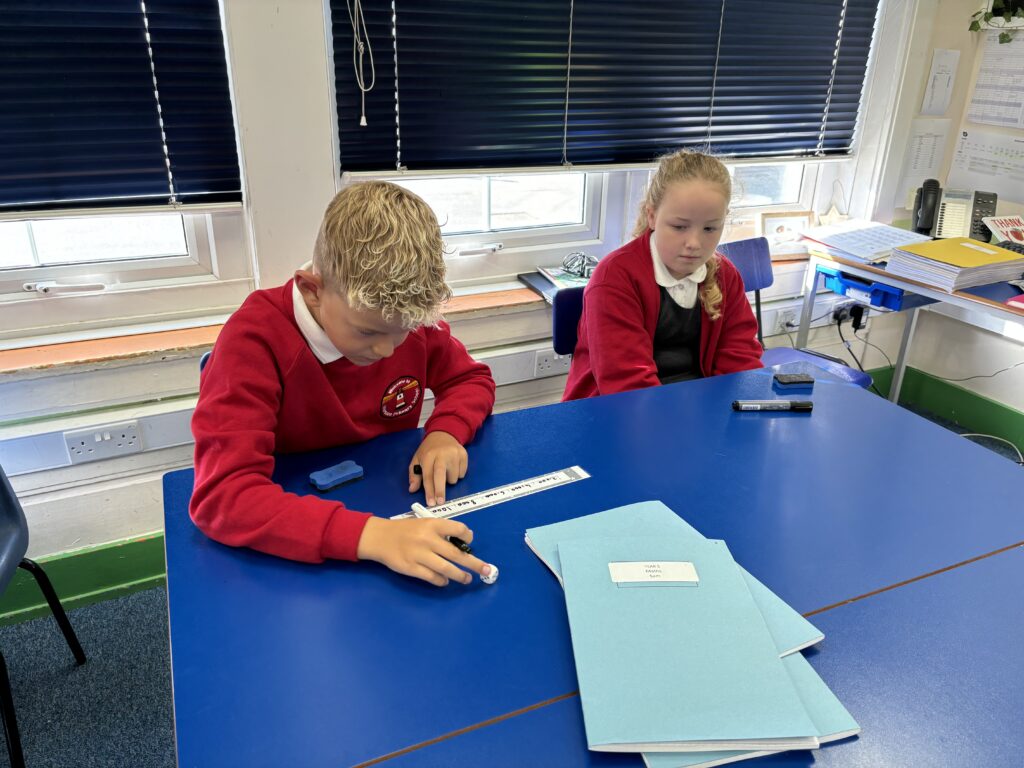
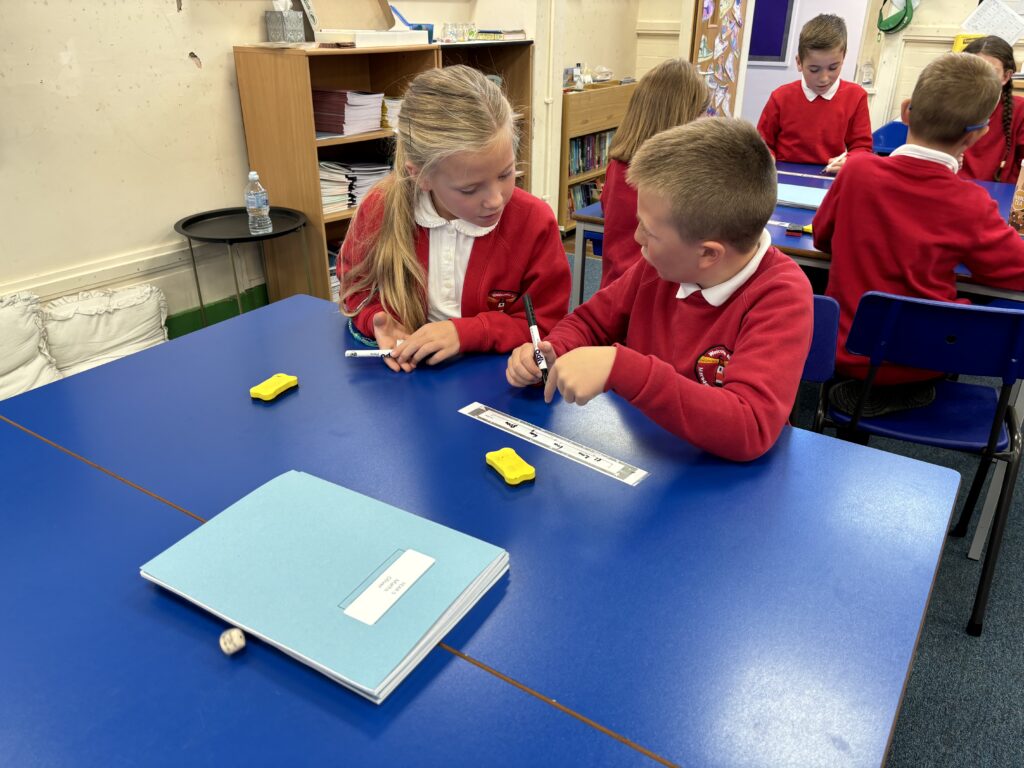
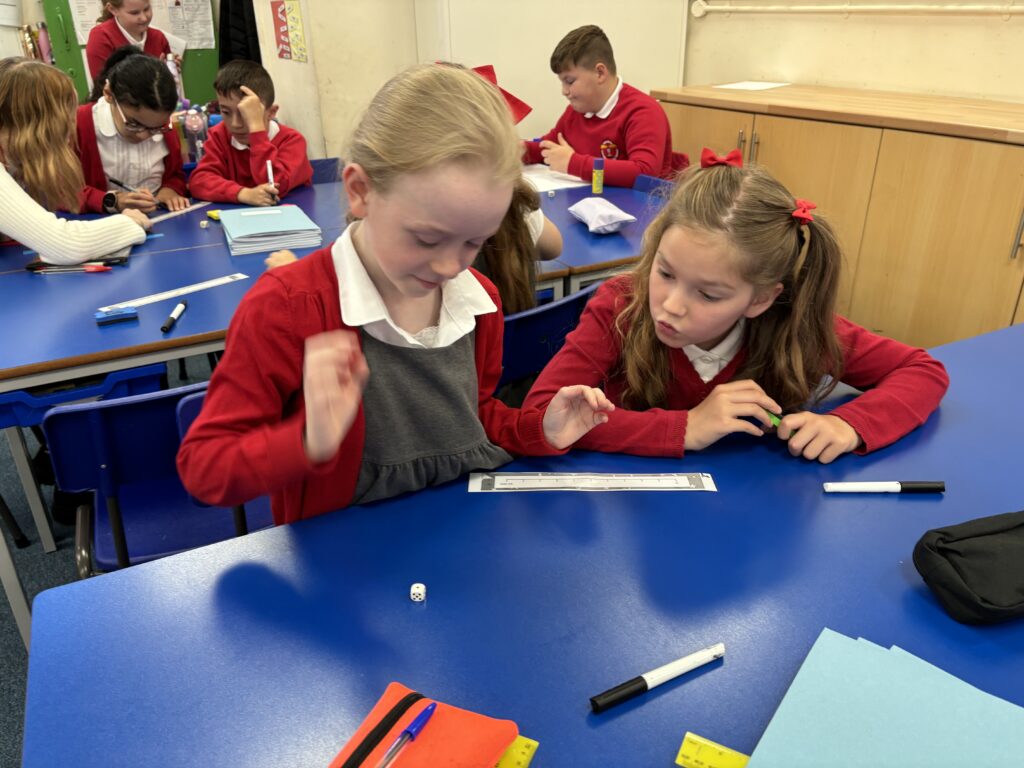
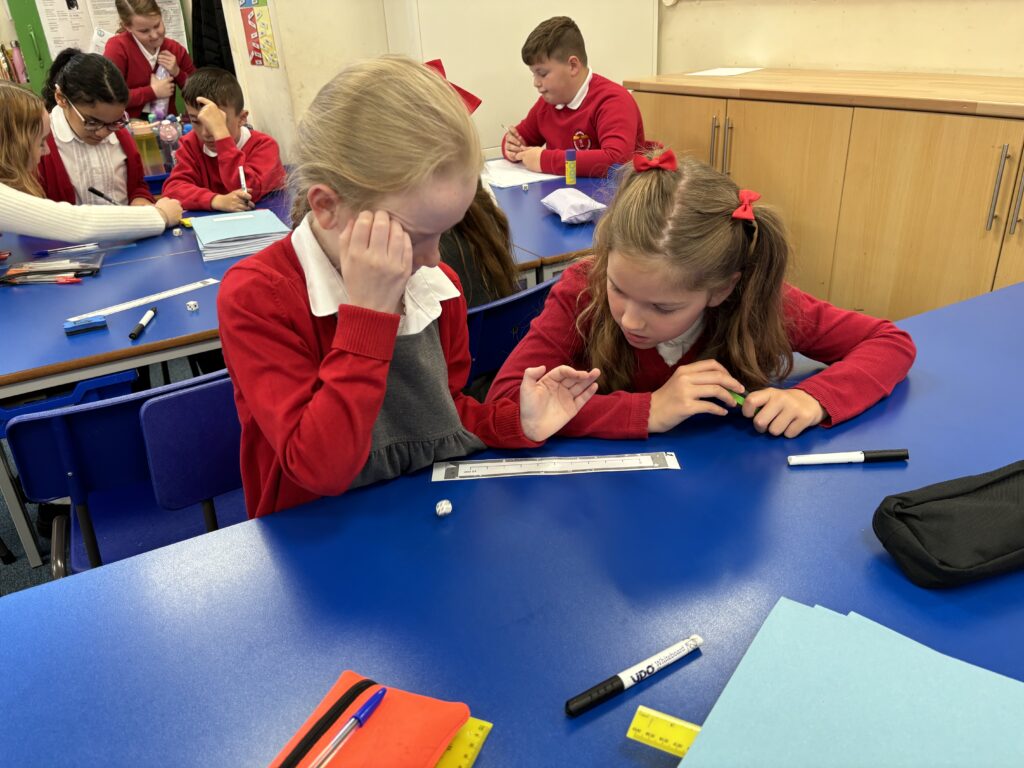
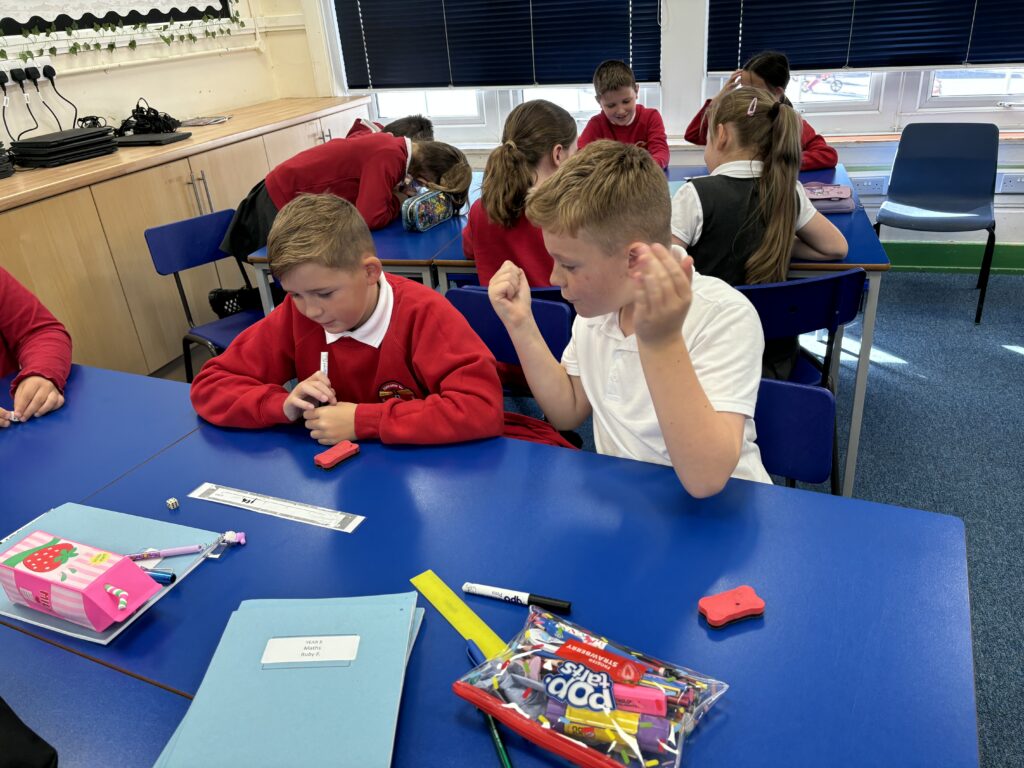
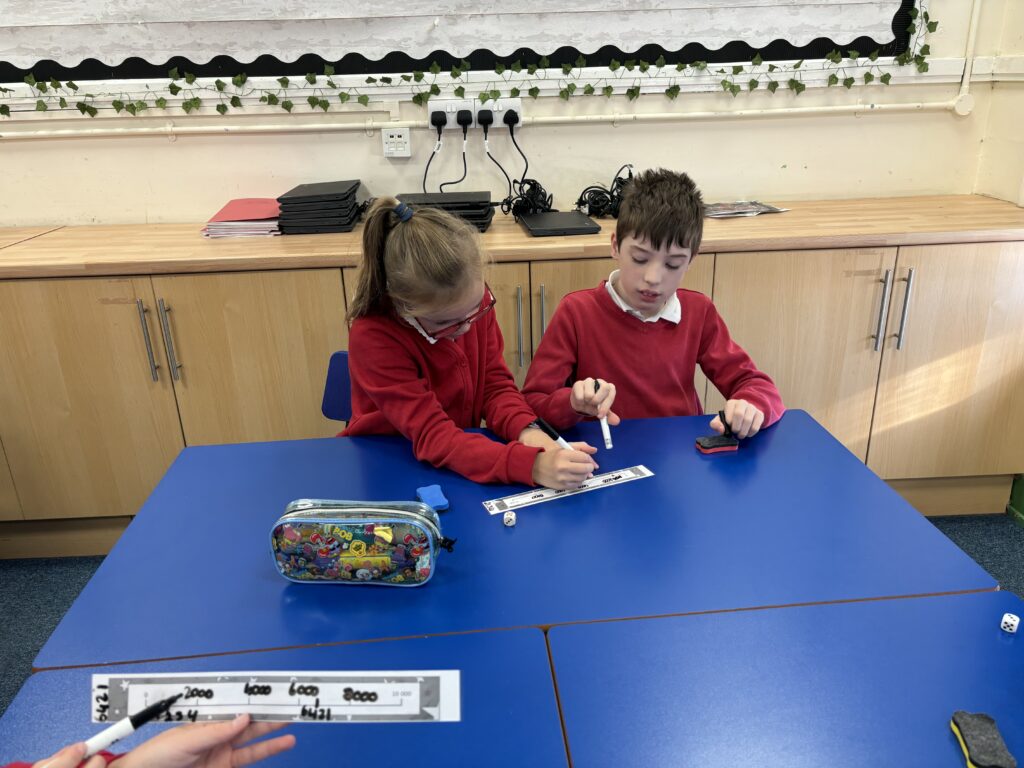
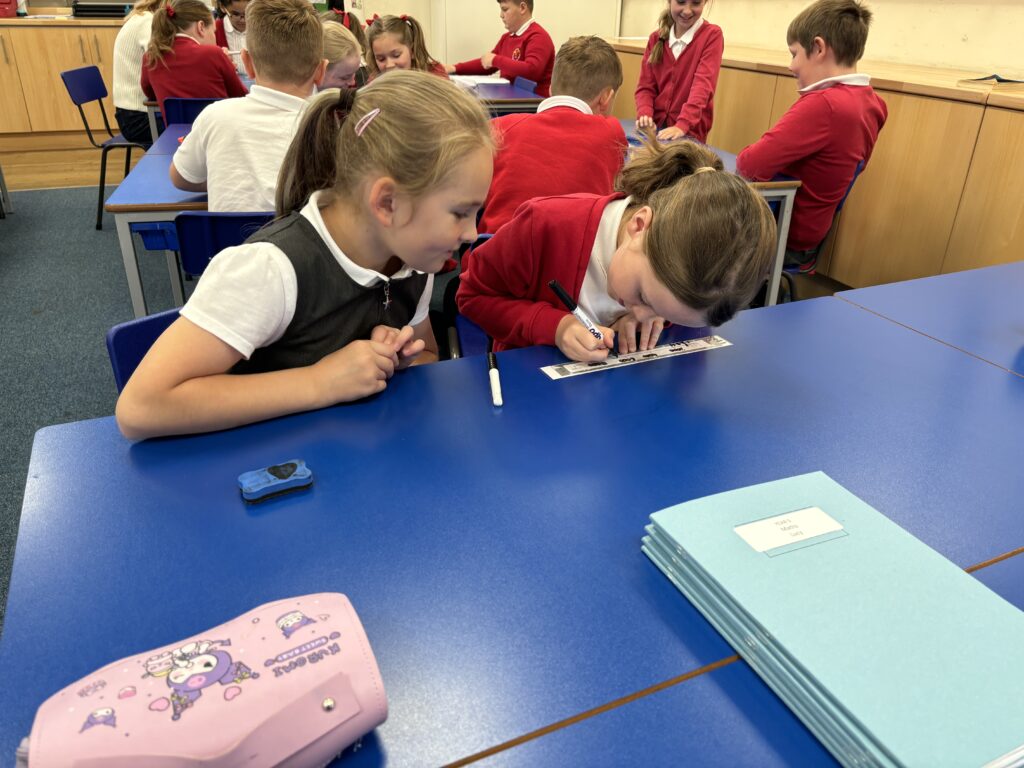
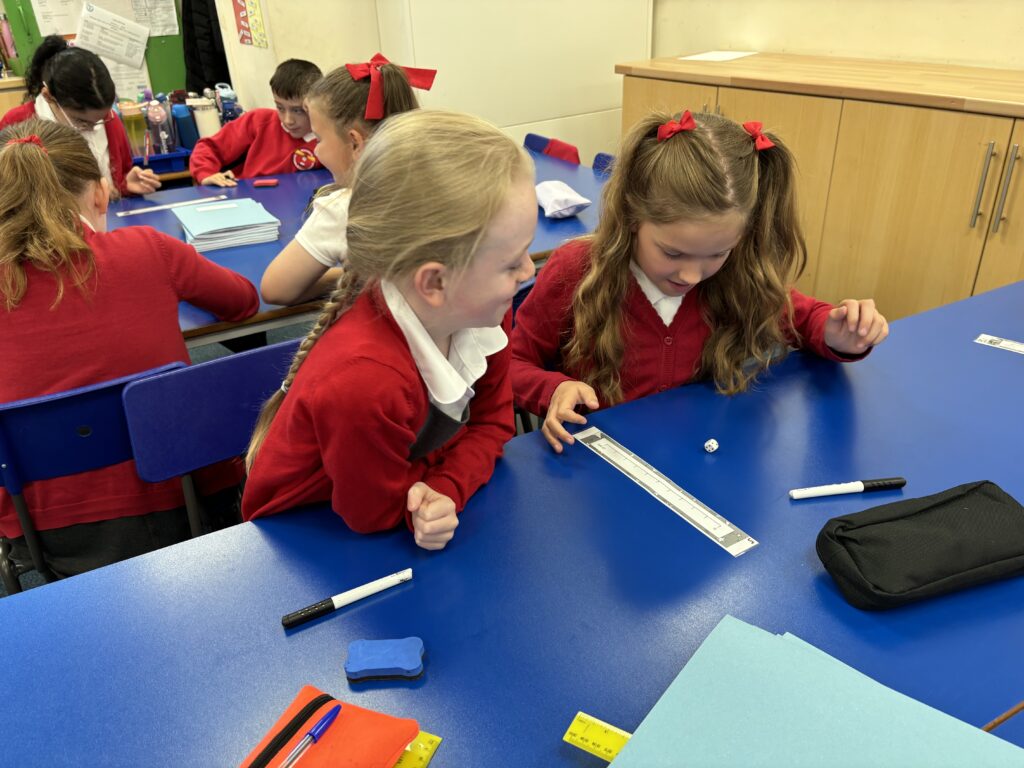
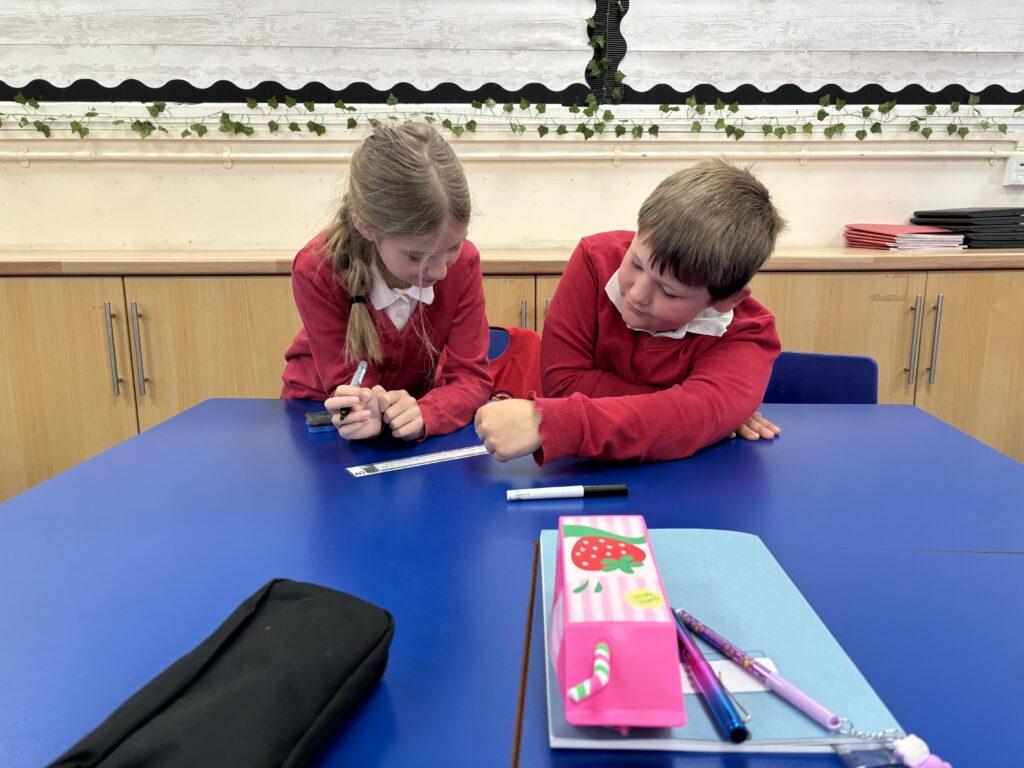
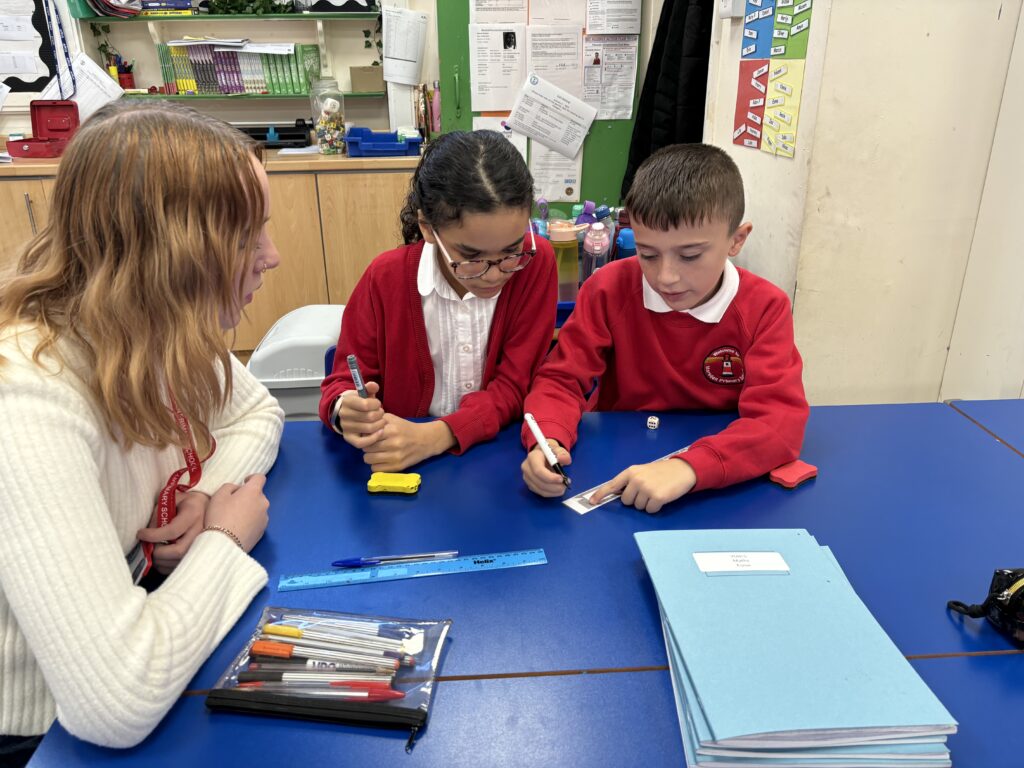
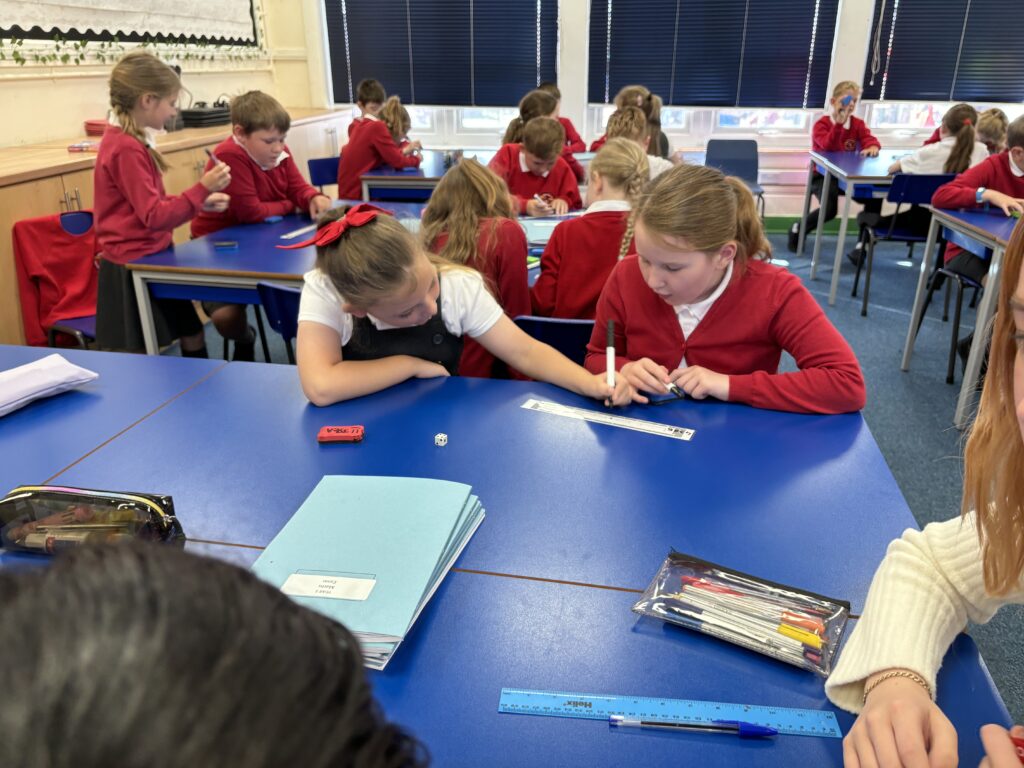
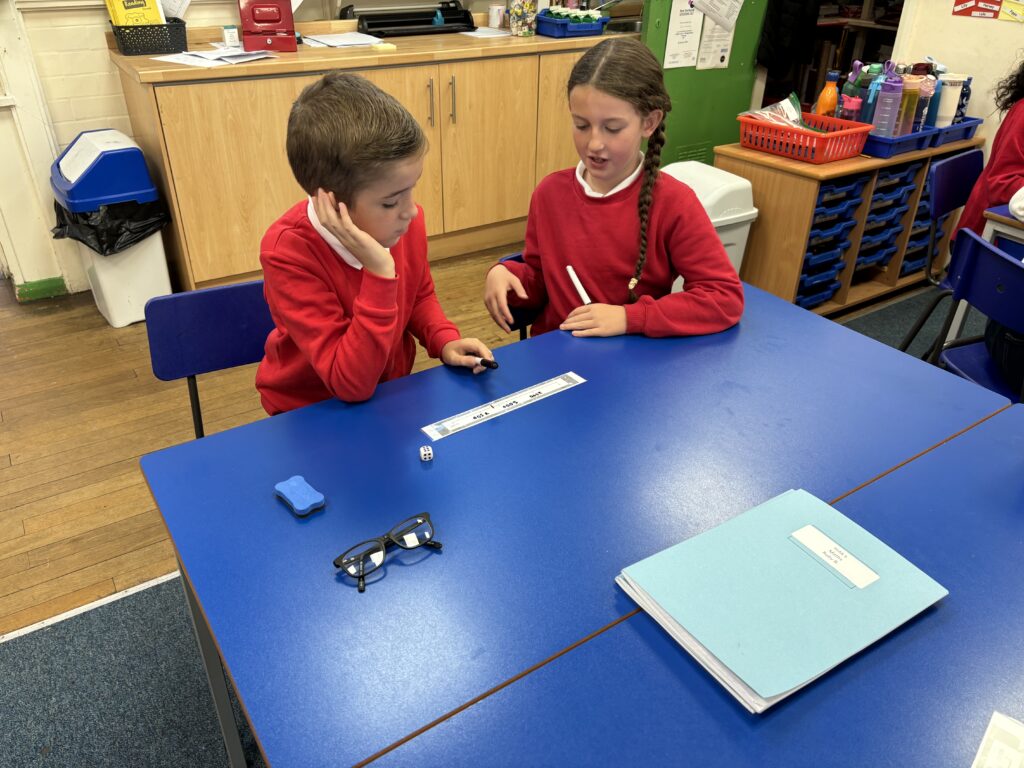
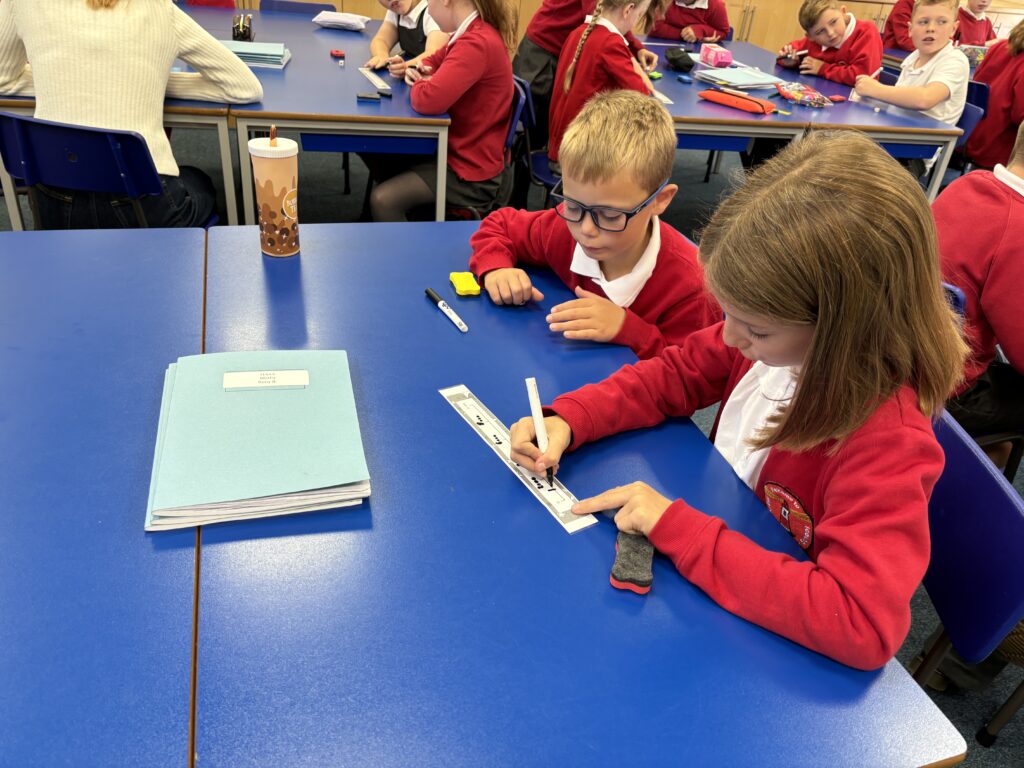
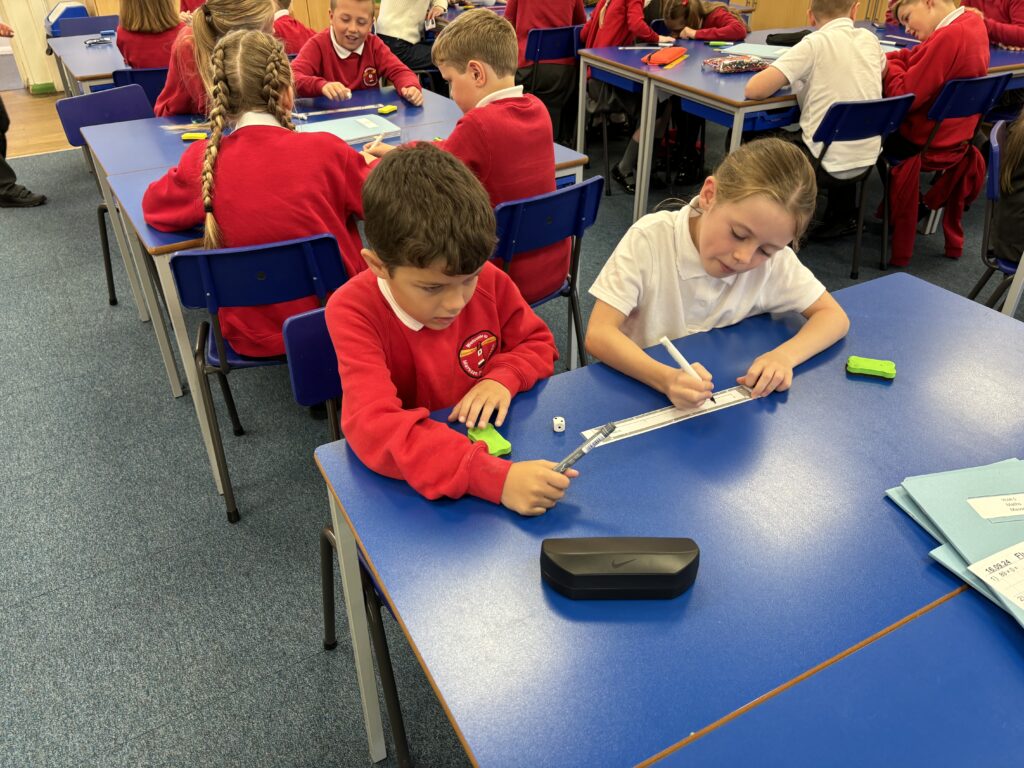
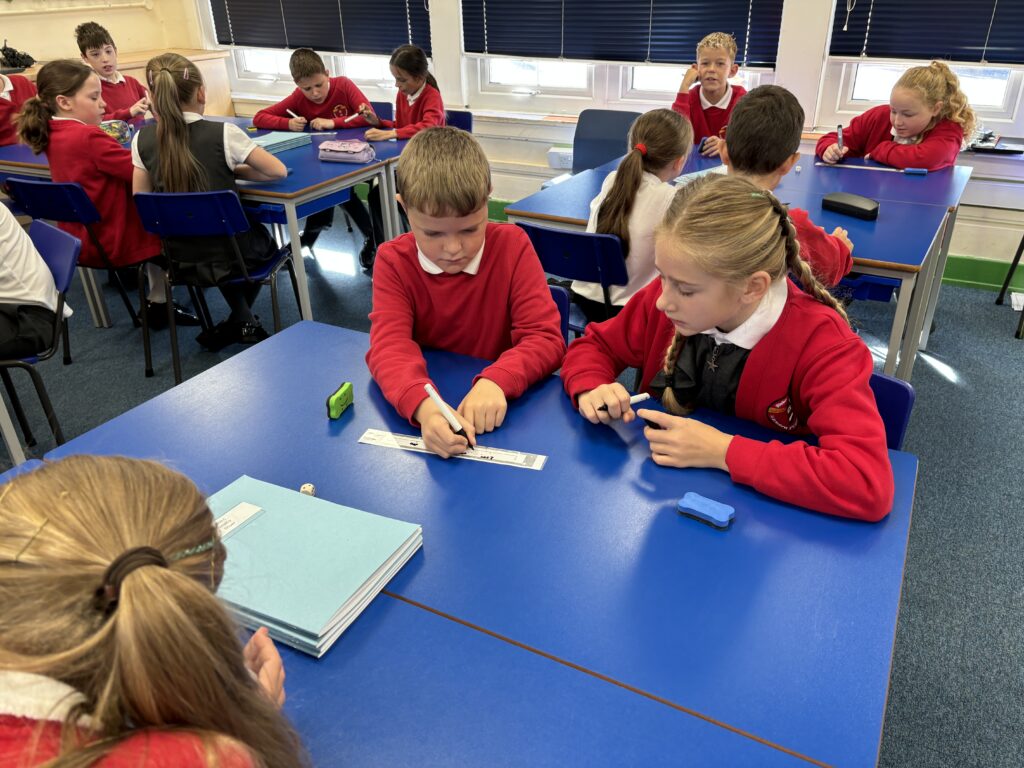
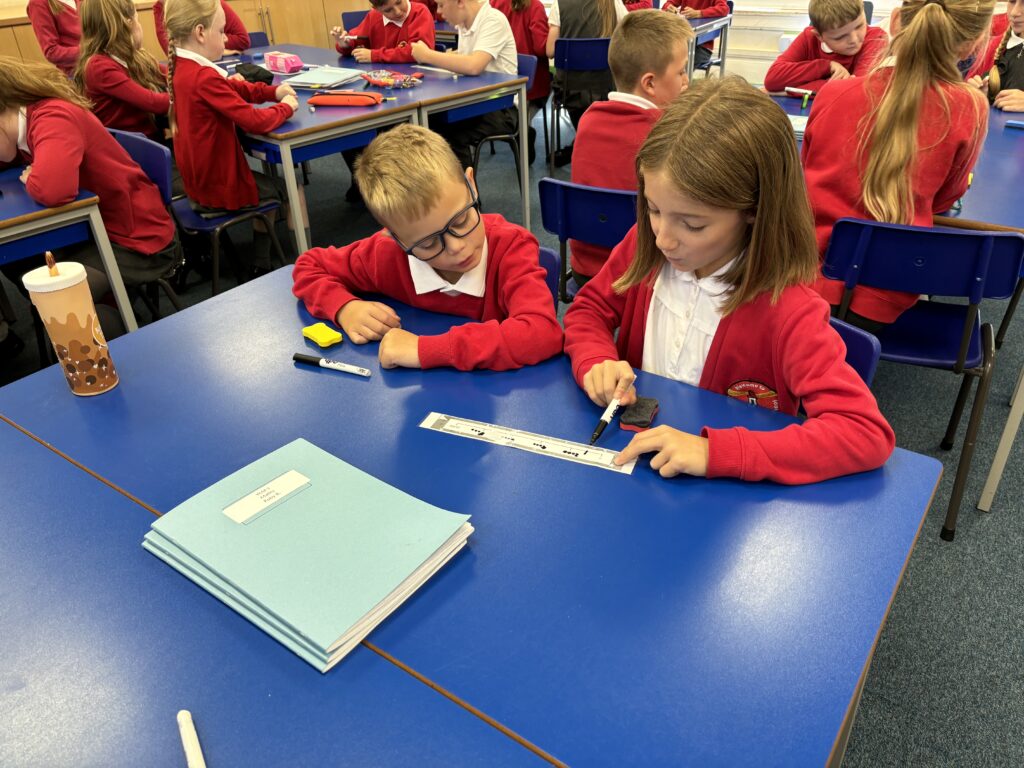
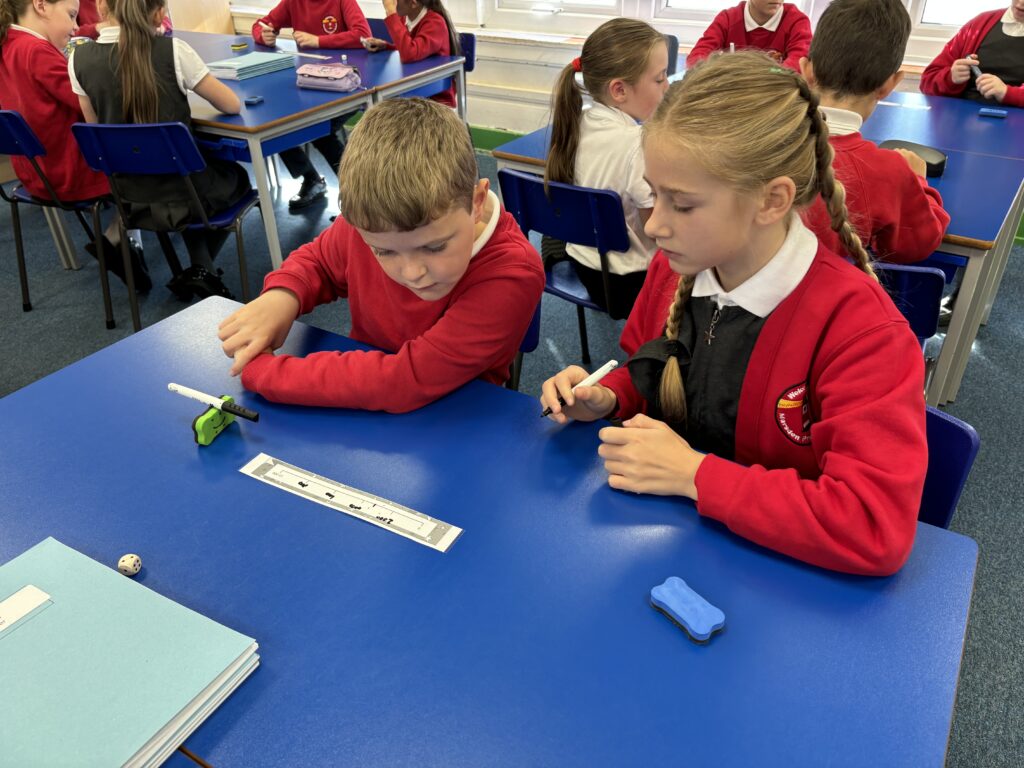
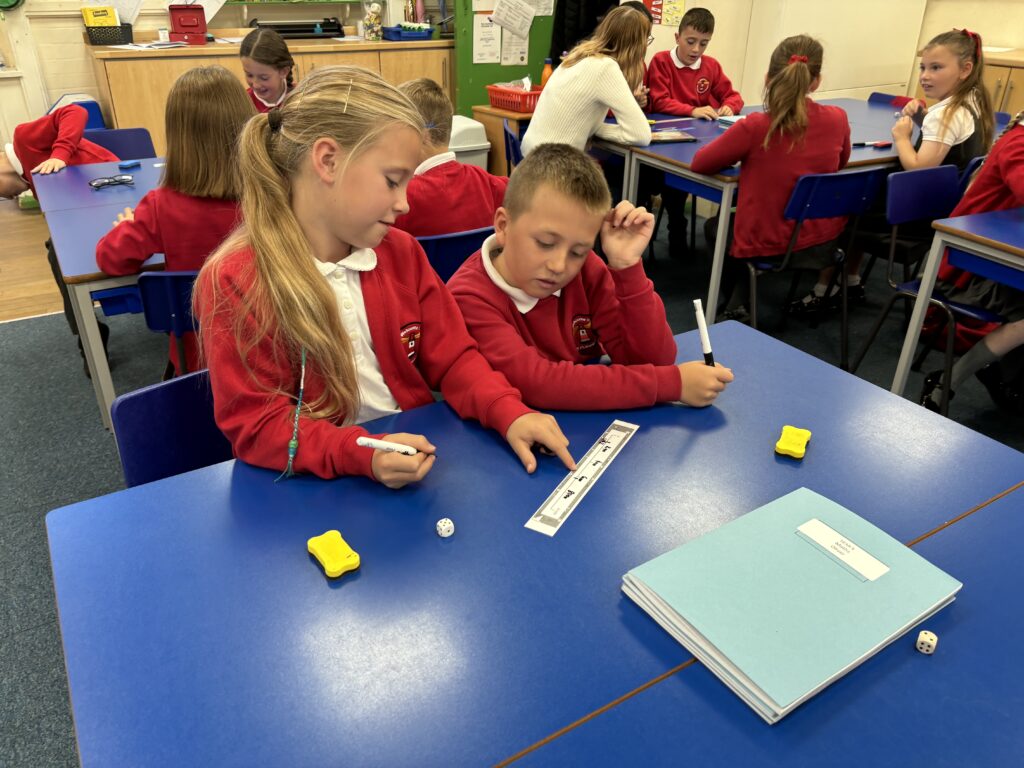
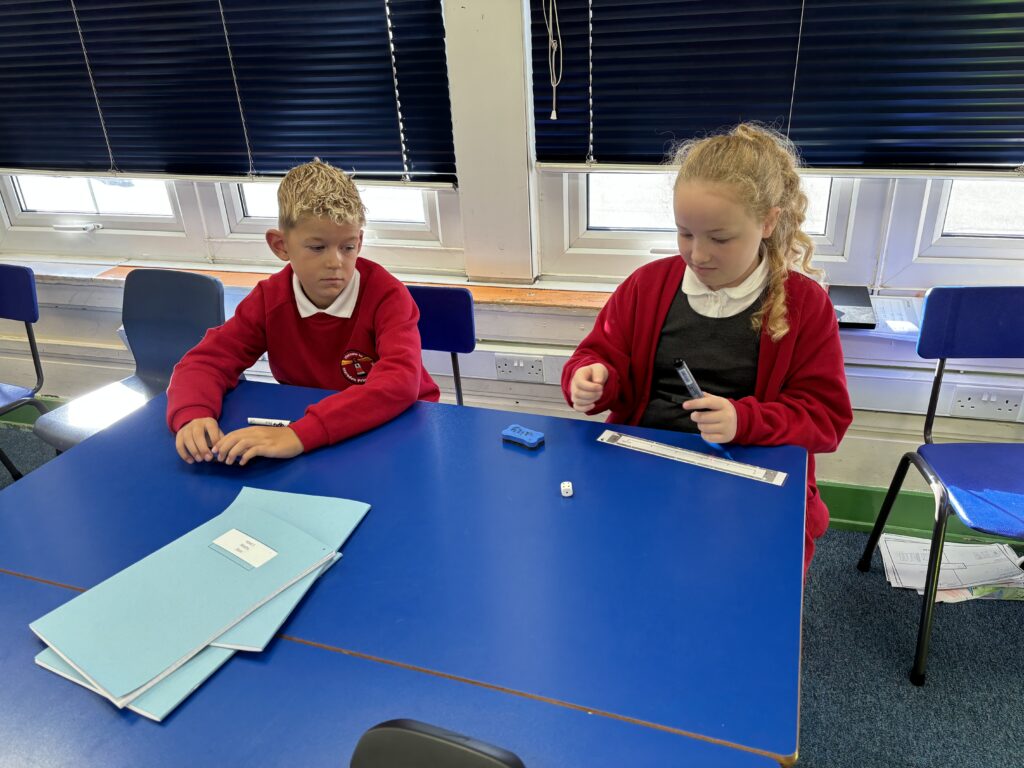
After learning about place value last week, Y5 tested their understanding of number lines. In pairs, they rolled the dice four times to get a four digit number. Then they had to work out where the number would go on their number line. They also had to work out the correct intervals on their number line up to 10,000.
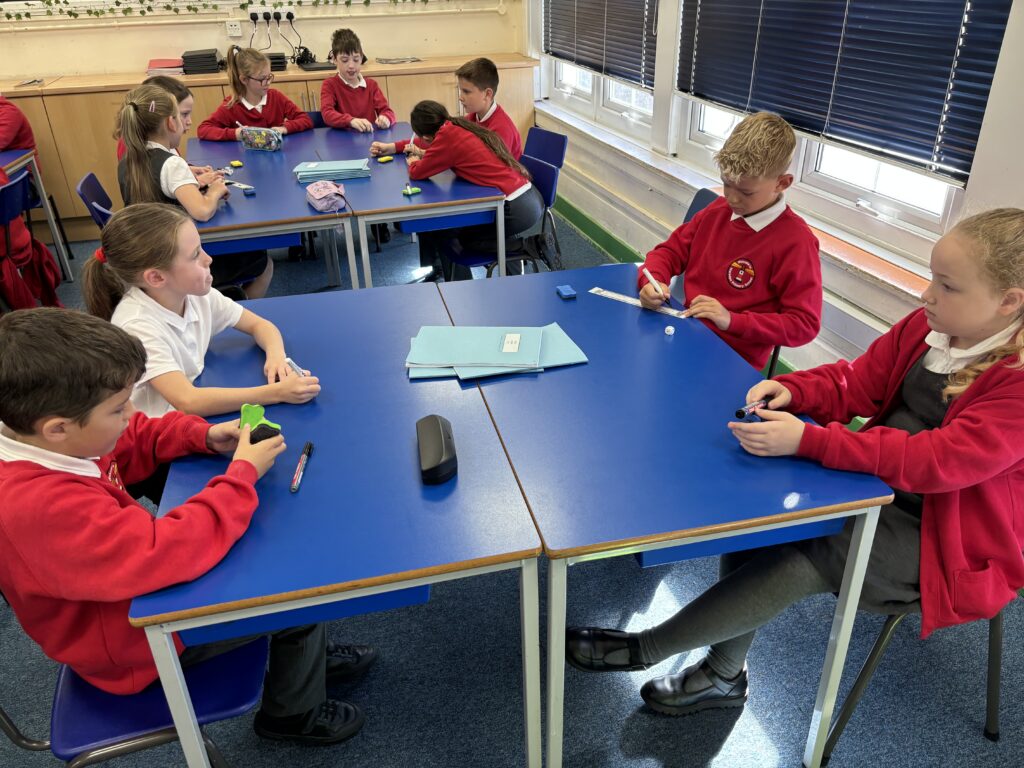
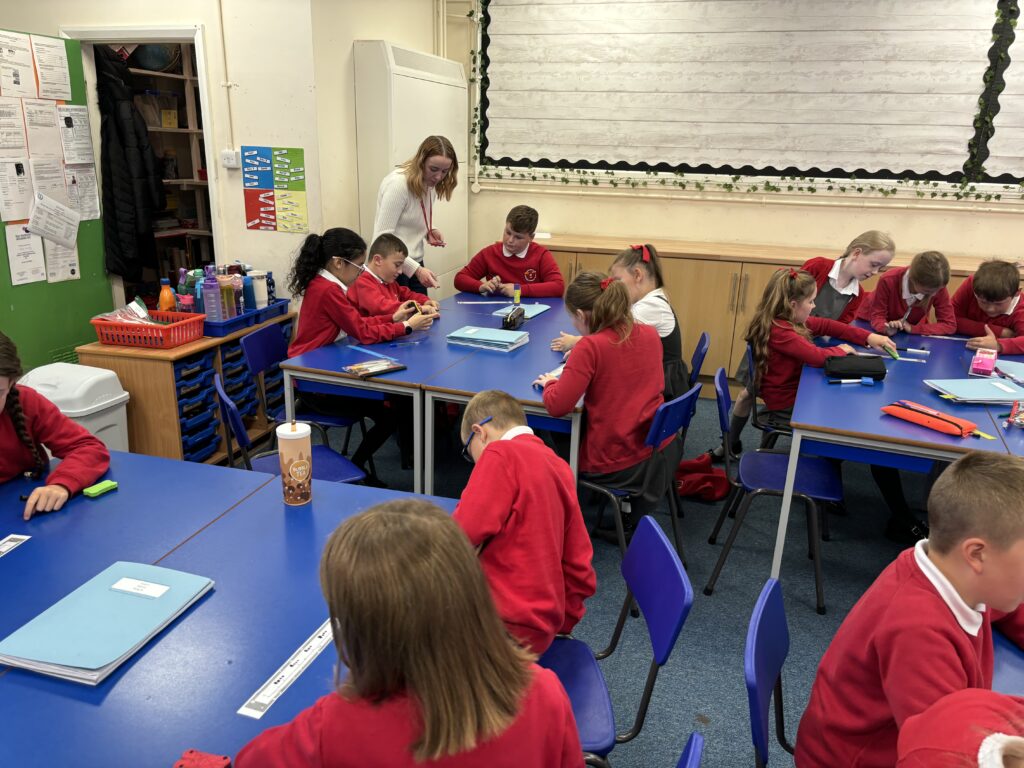
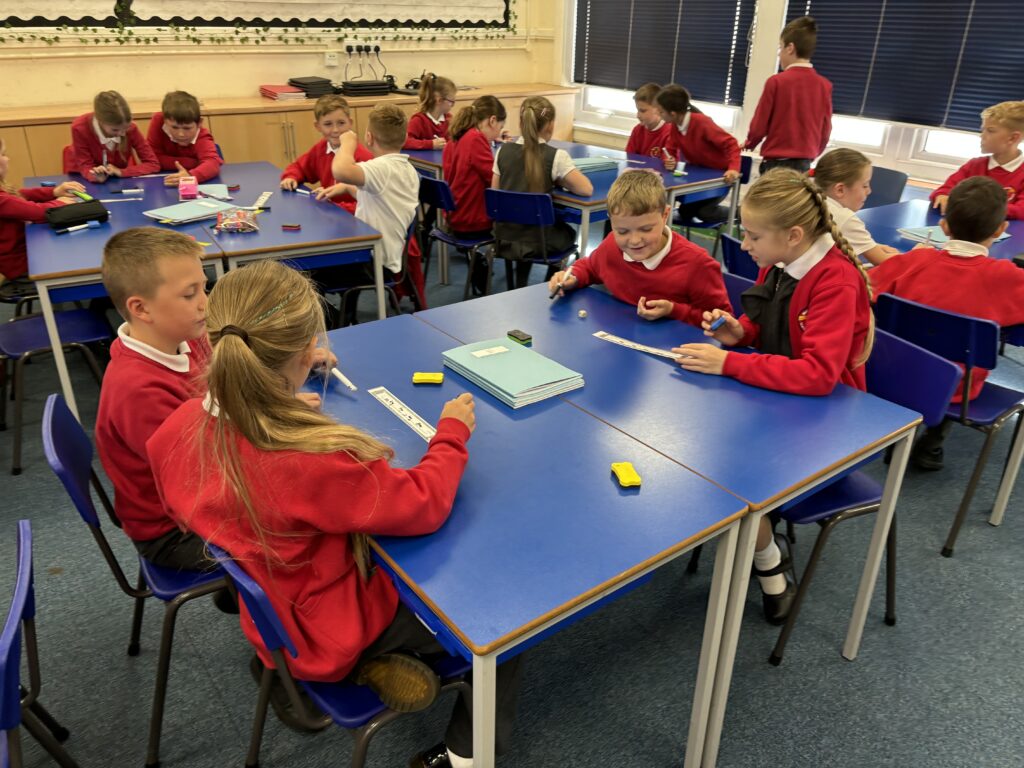
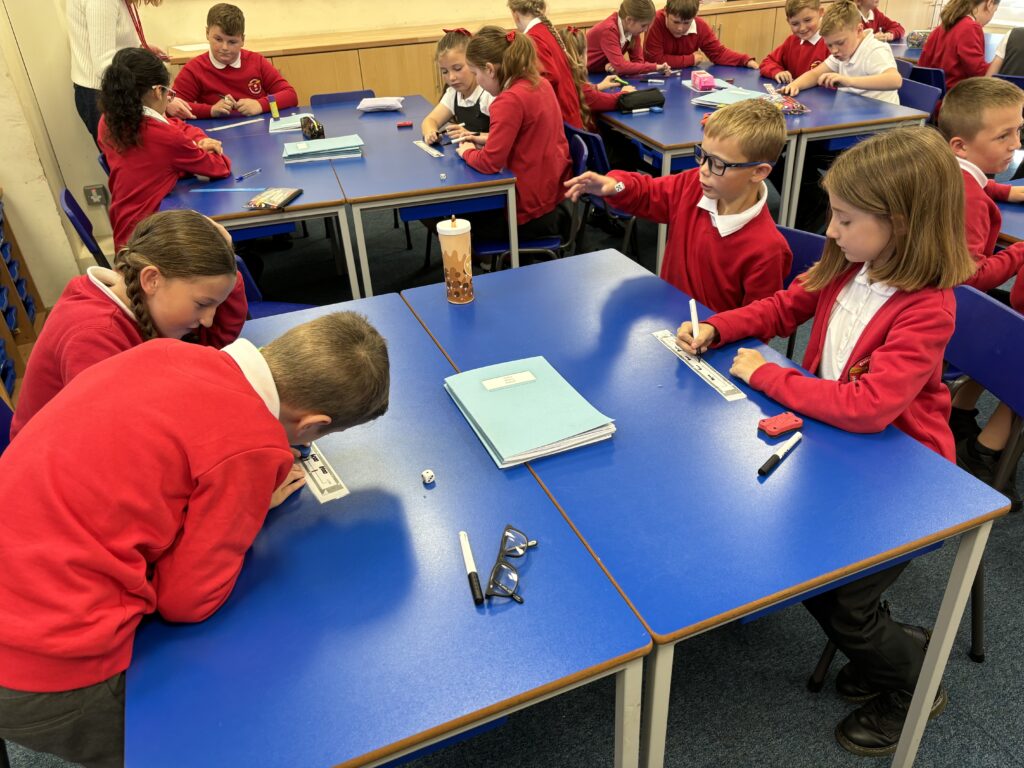
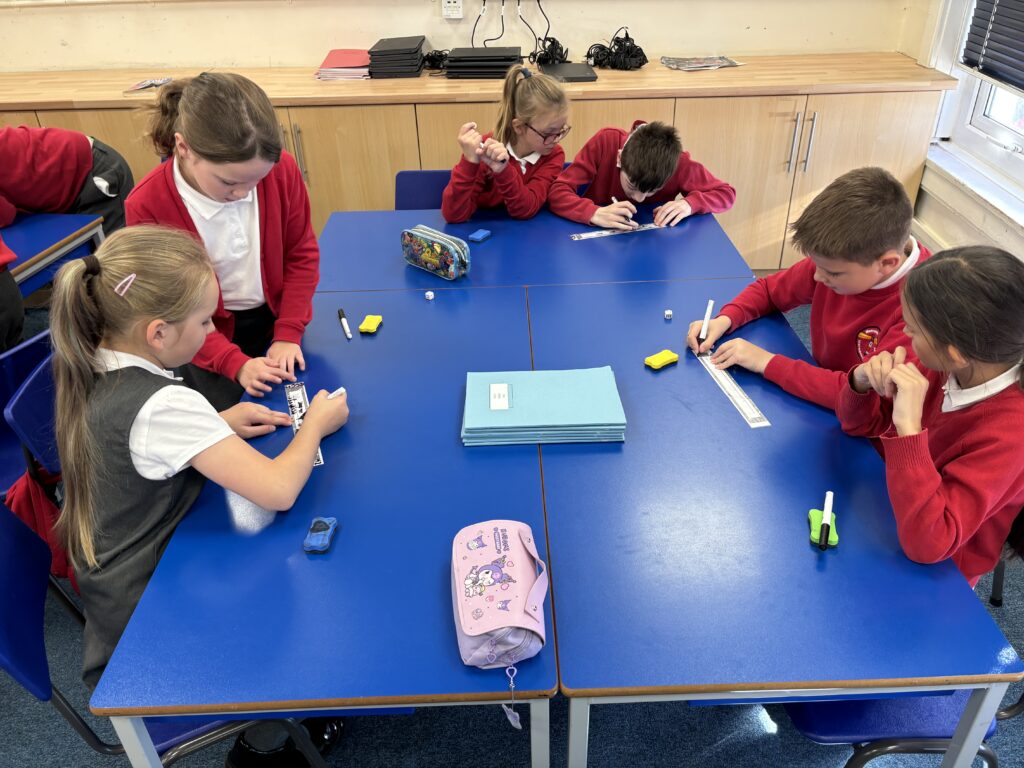
Today, Year 4 have enjoyed a practical investigation into area and perimeter of rectilinear shapes. They explored how to make the biggest and smallest perimeters using ten squares but discovered that the area would always remain the same!