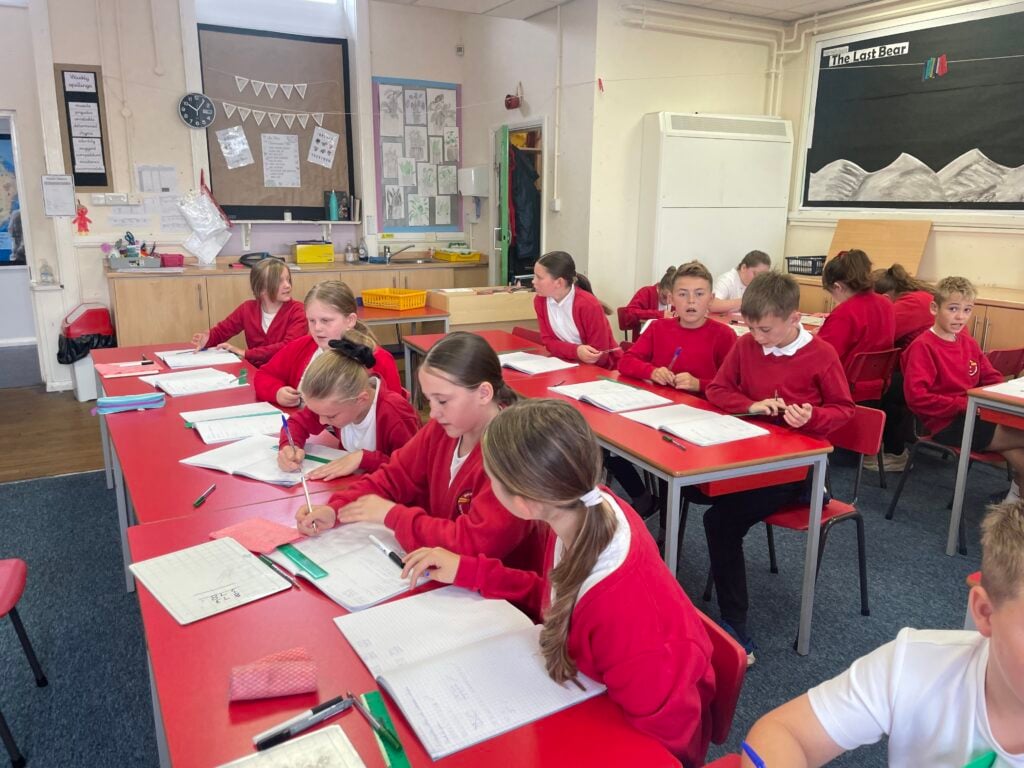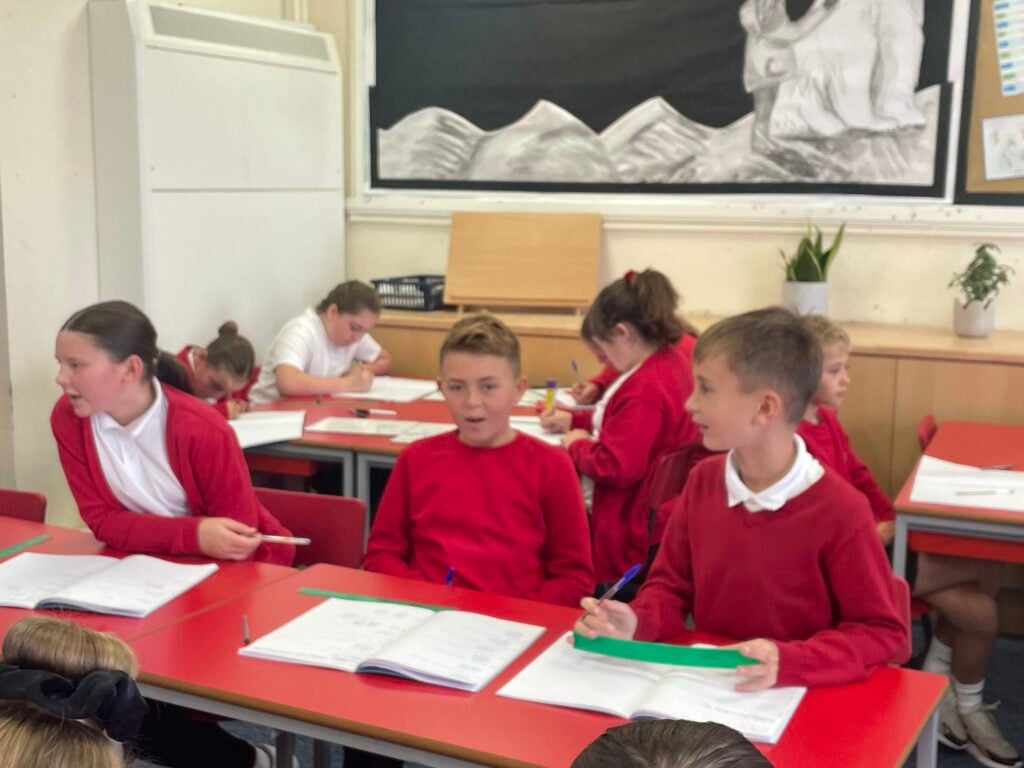
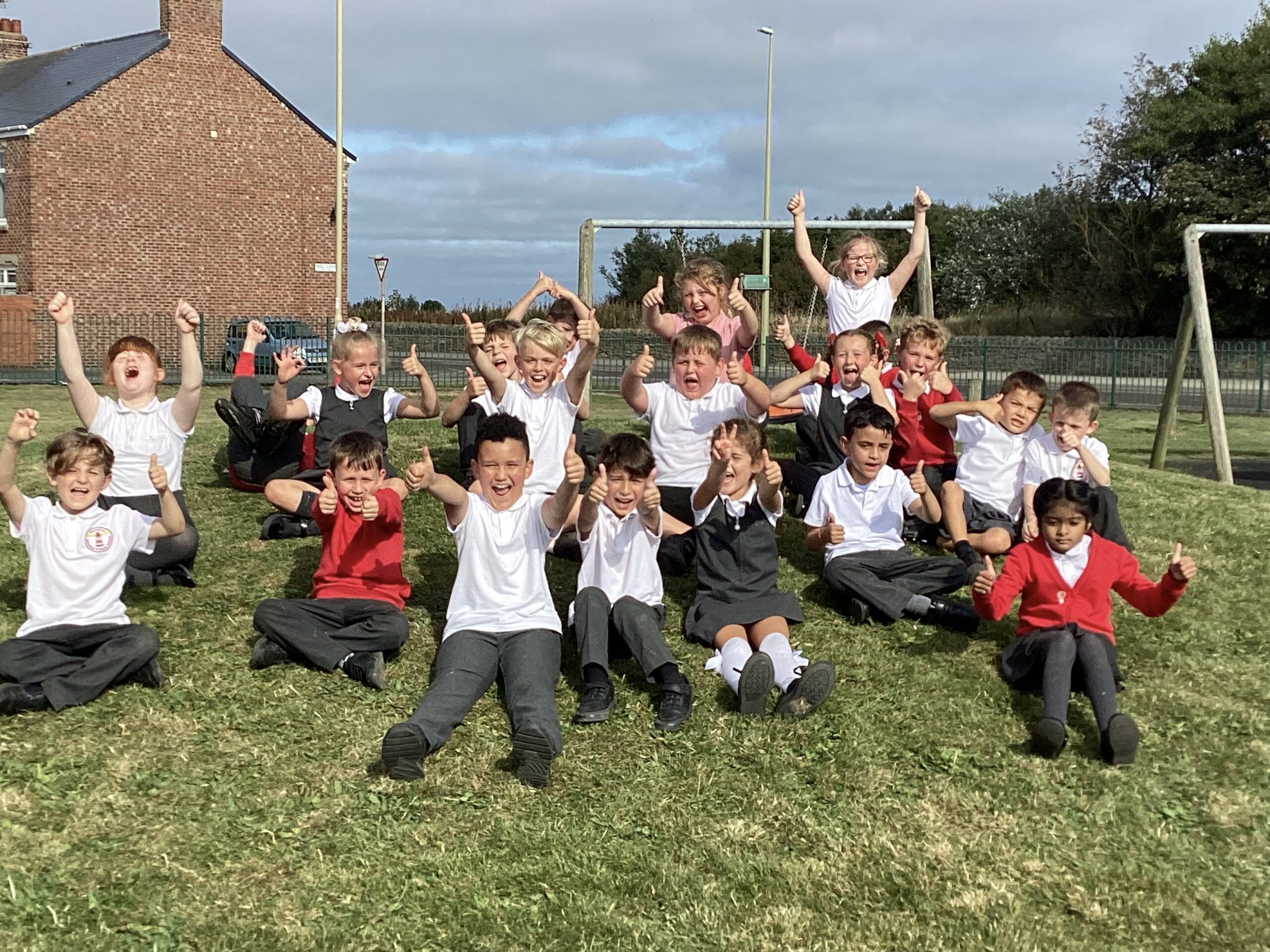
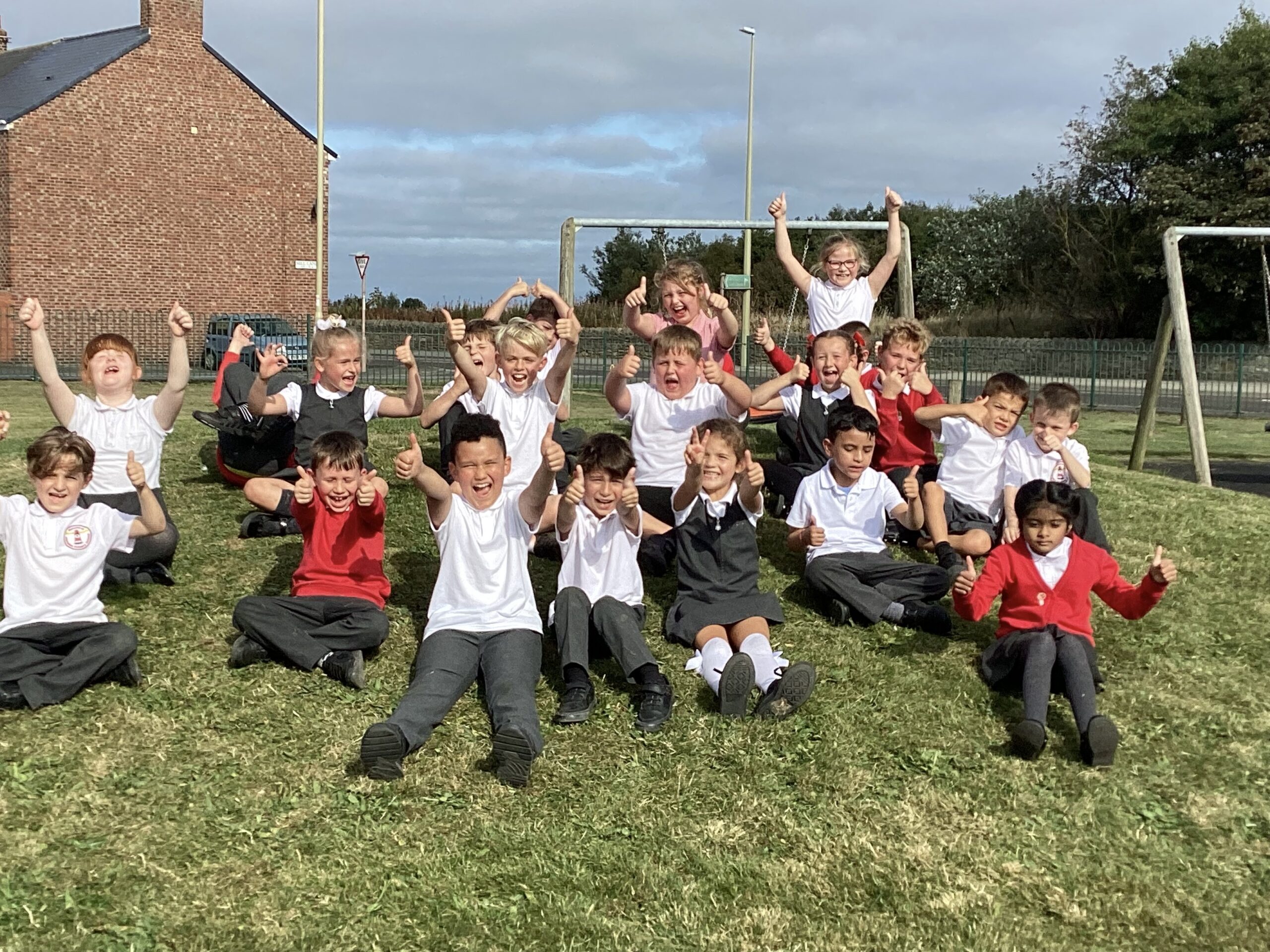
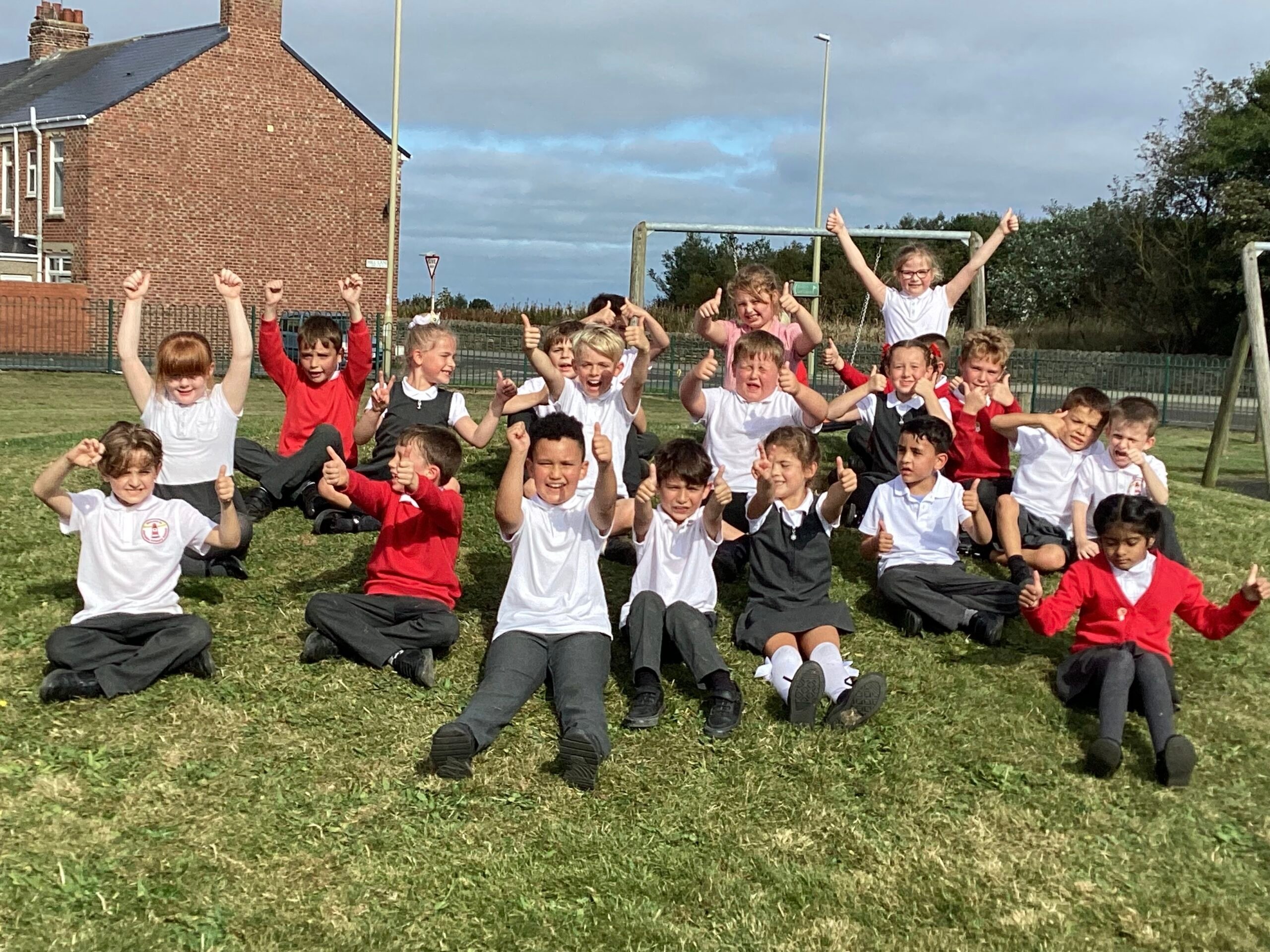
Today we welcomed our grown ups into our classroom and enjoyed completing Harvest activities together and showing them our learning so far this term. It was a lovely morning!
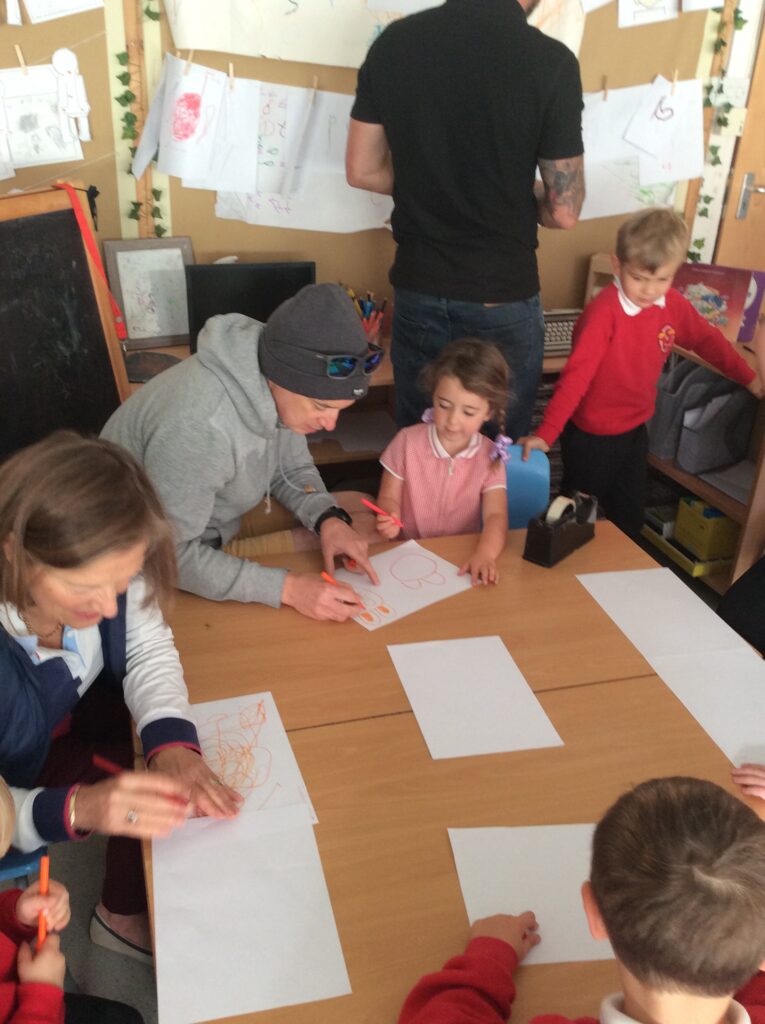
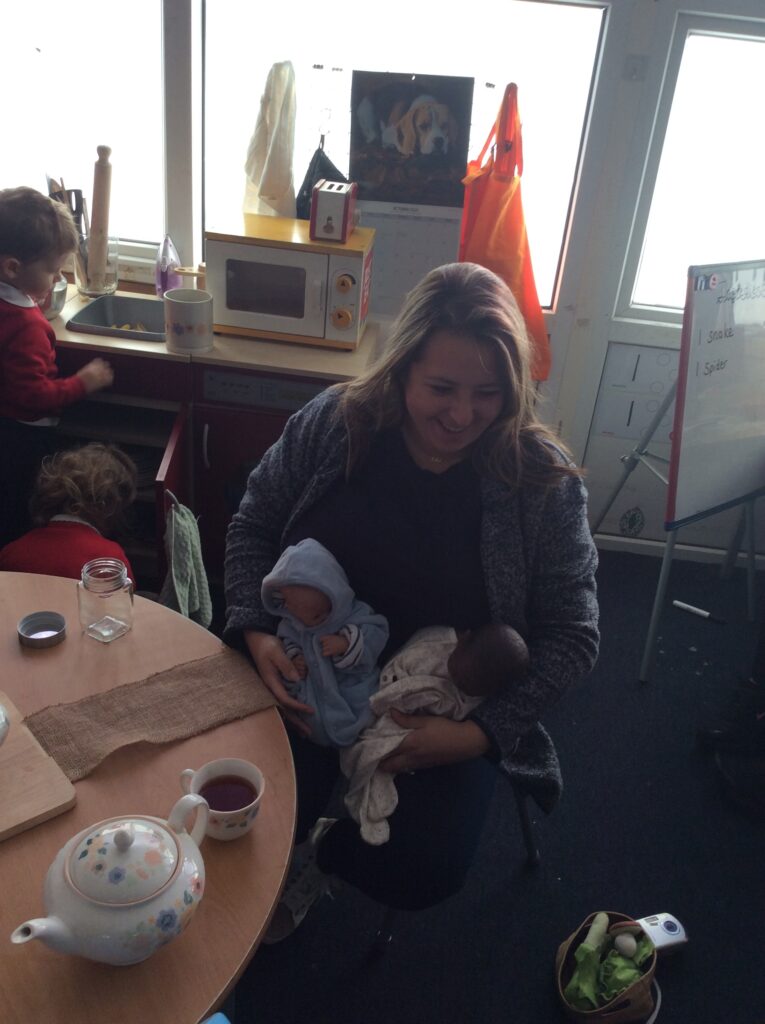
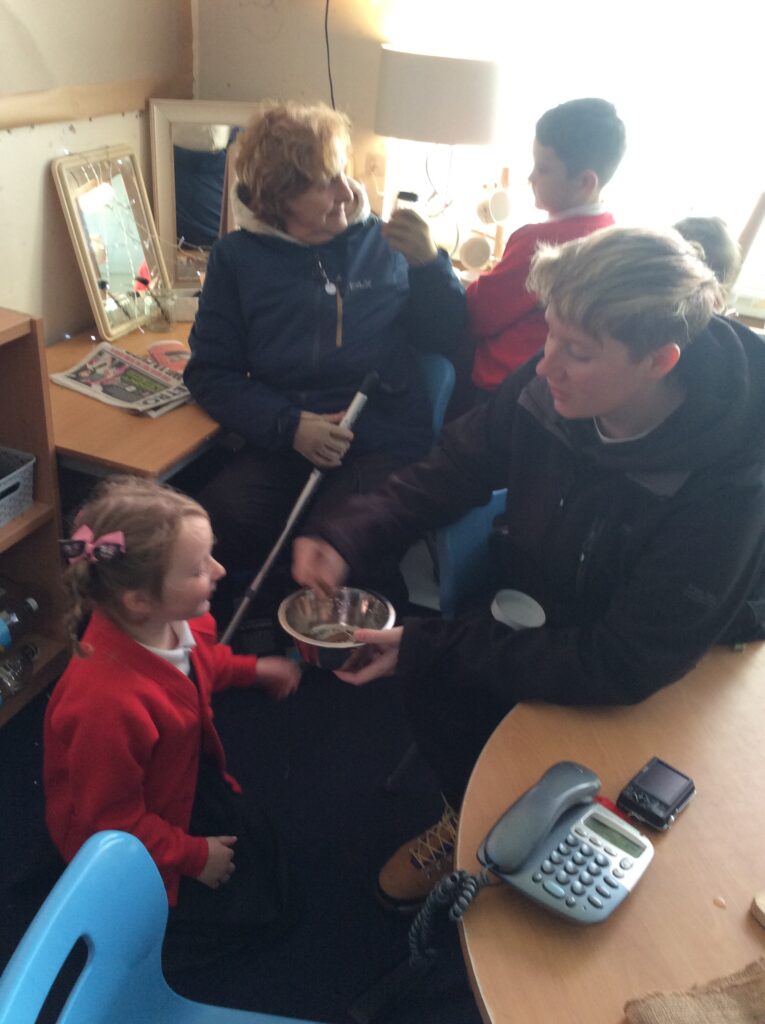
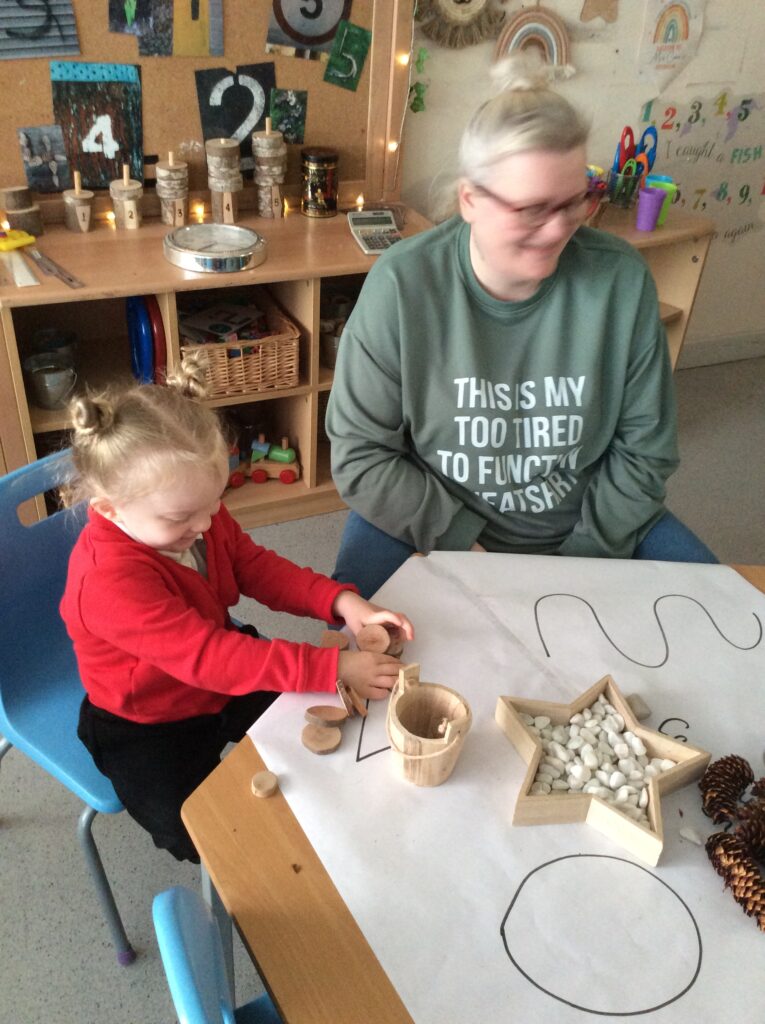
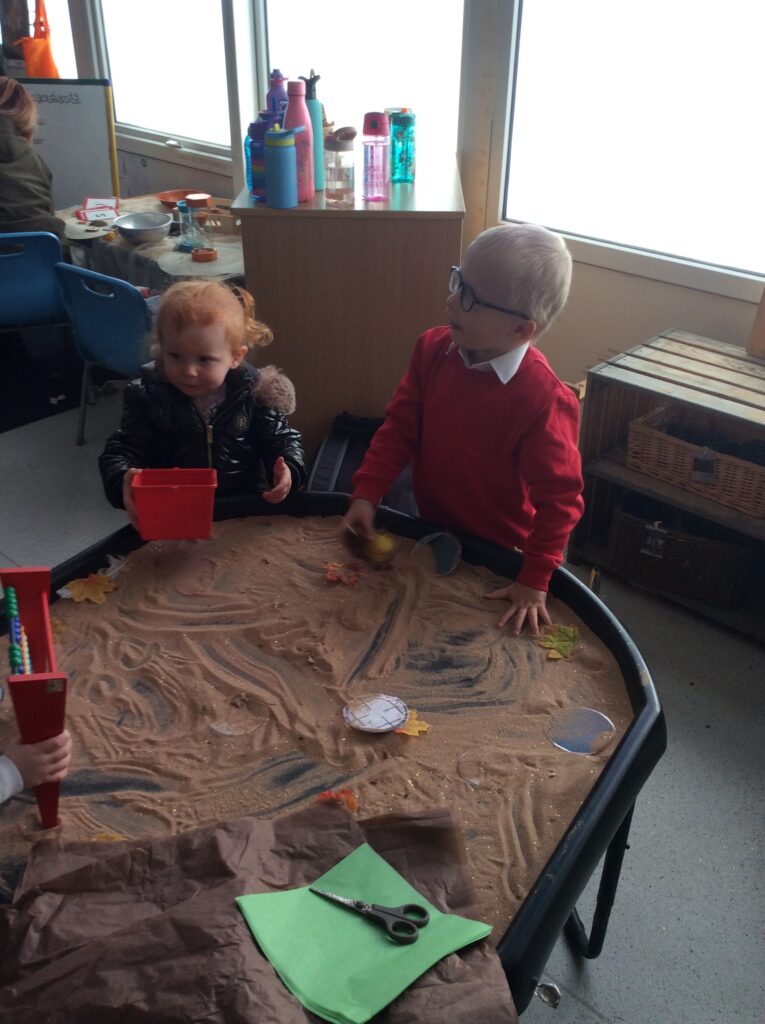
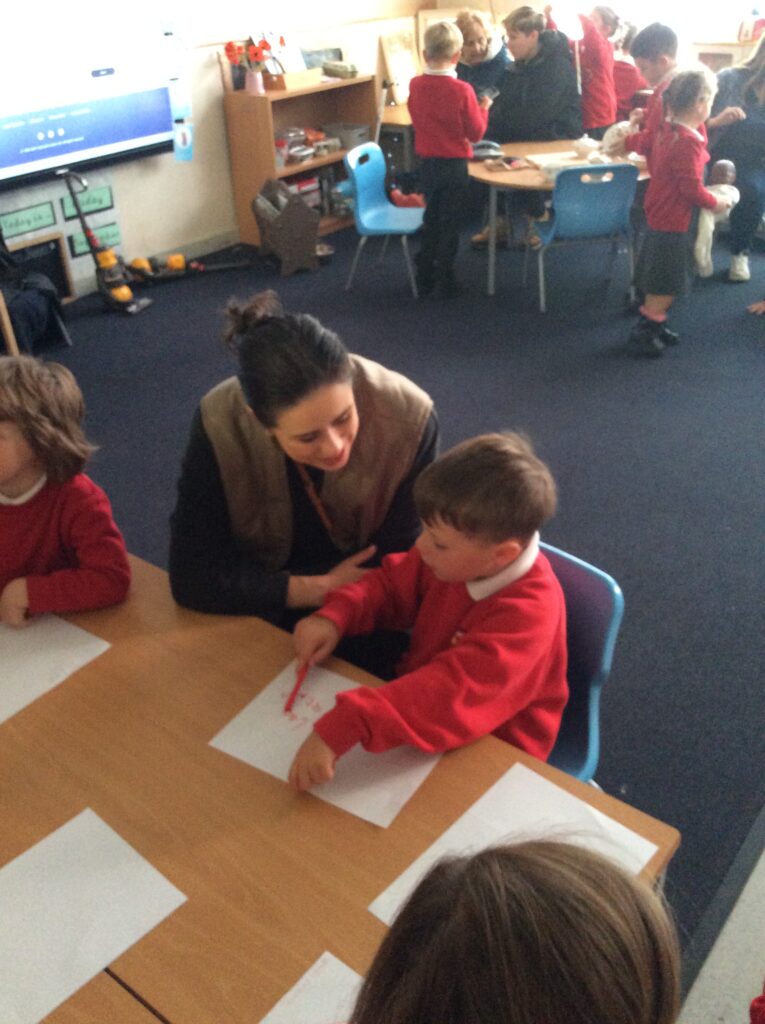
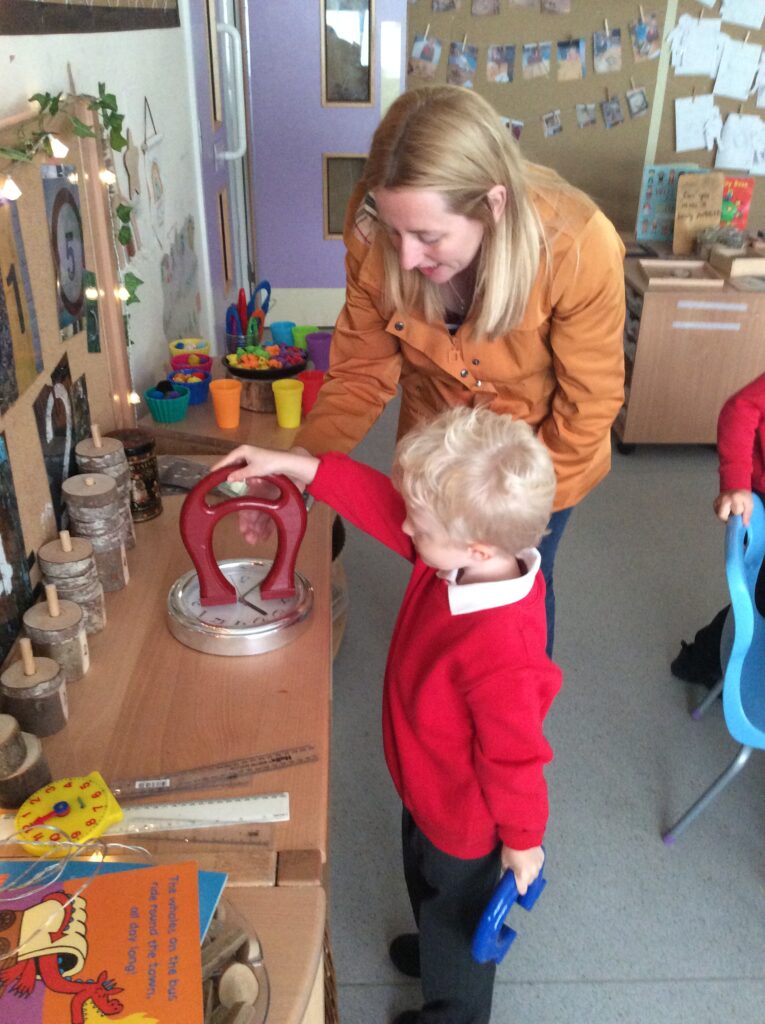
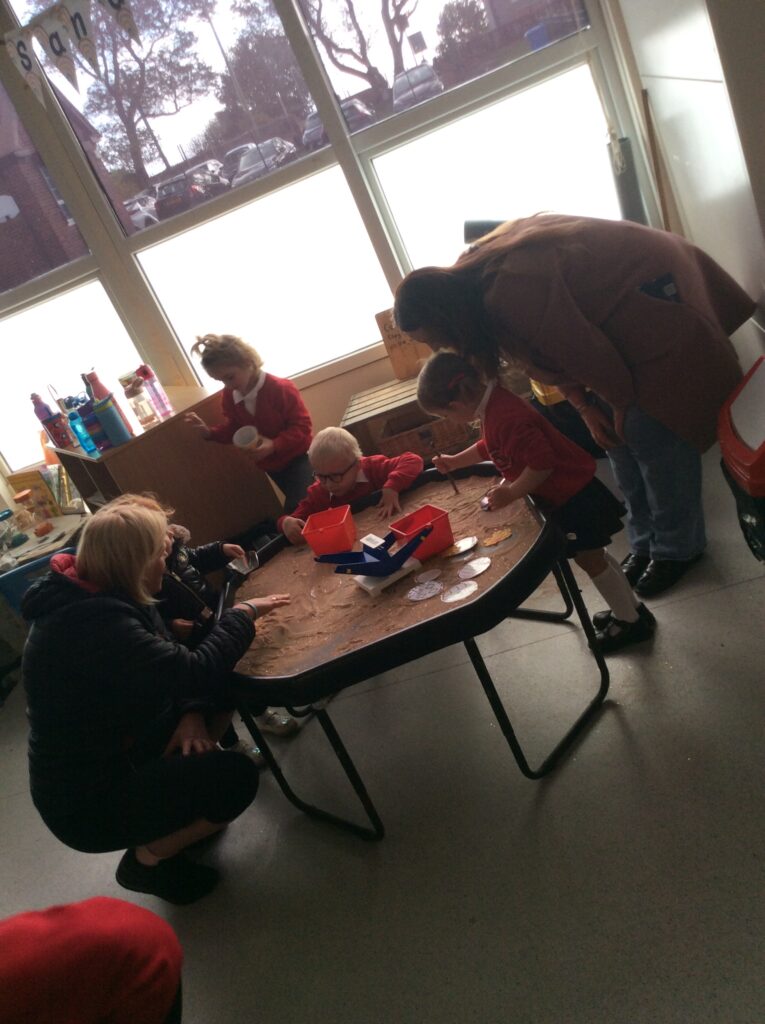
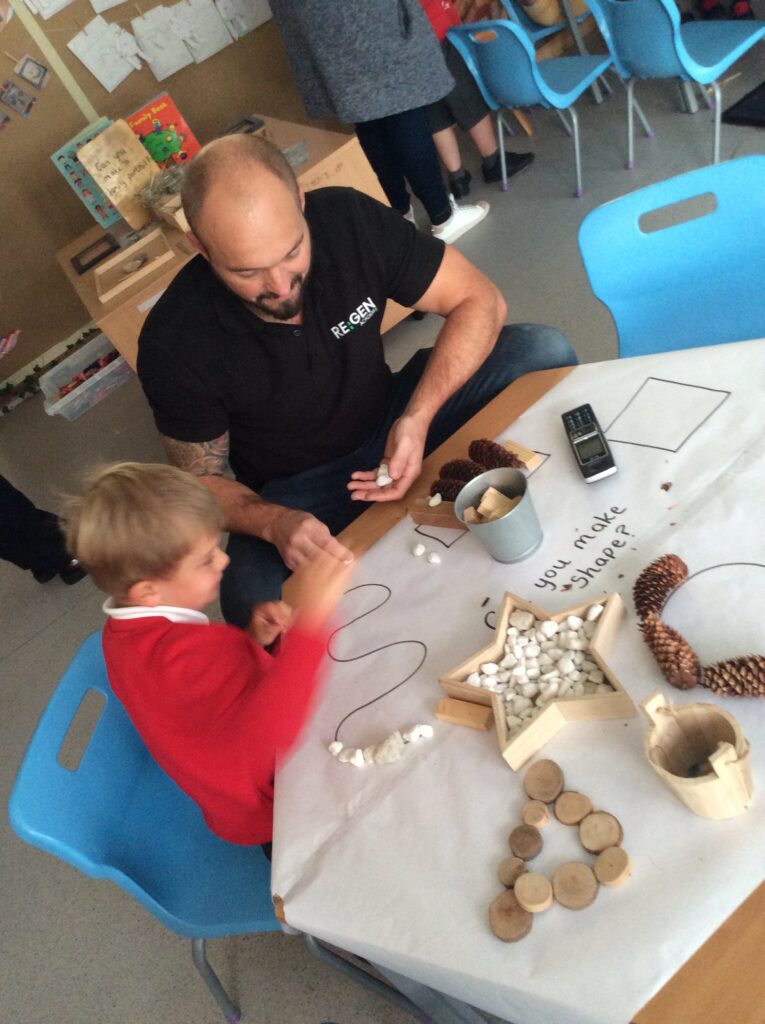
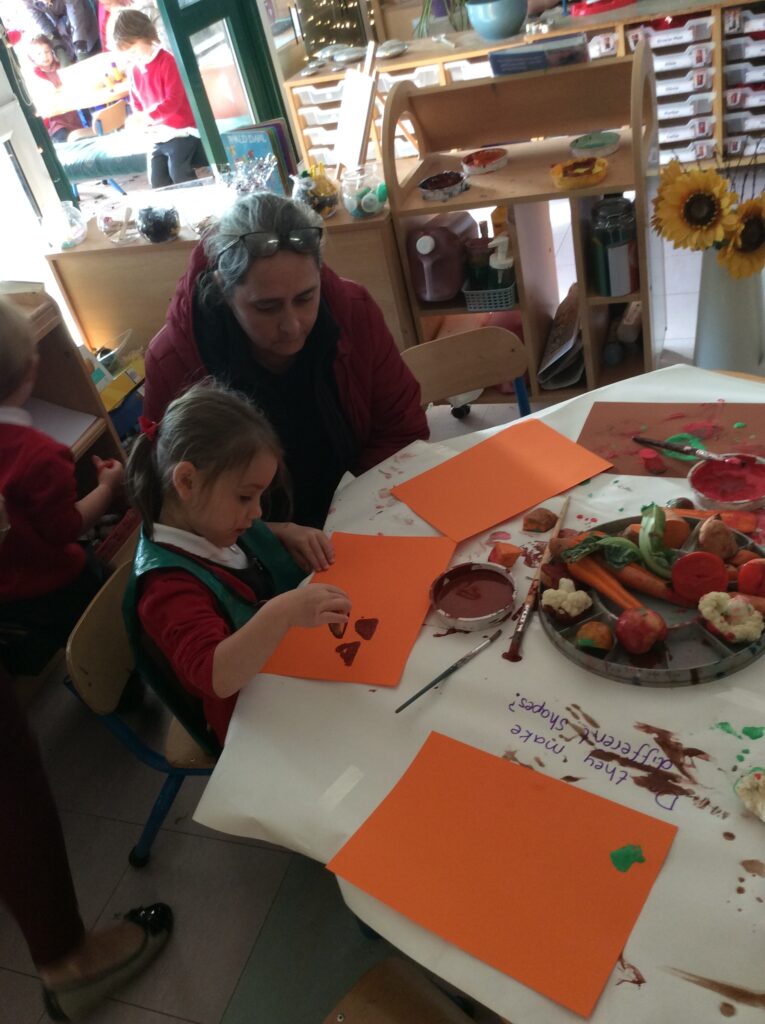
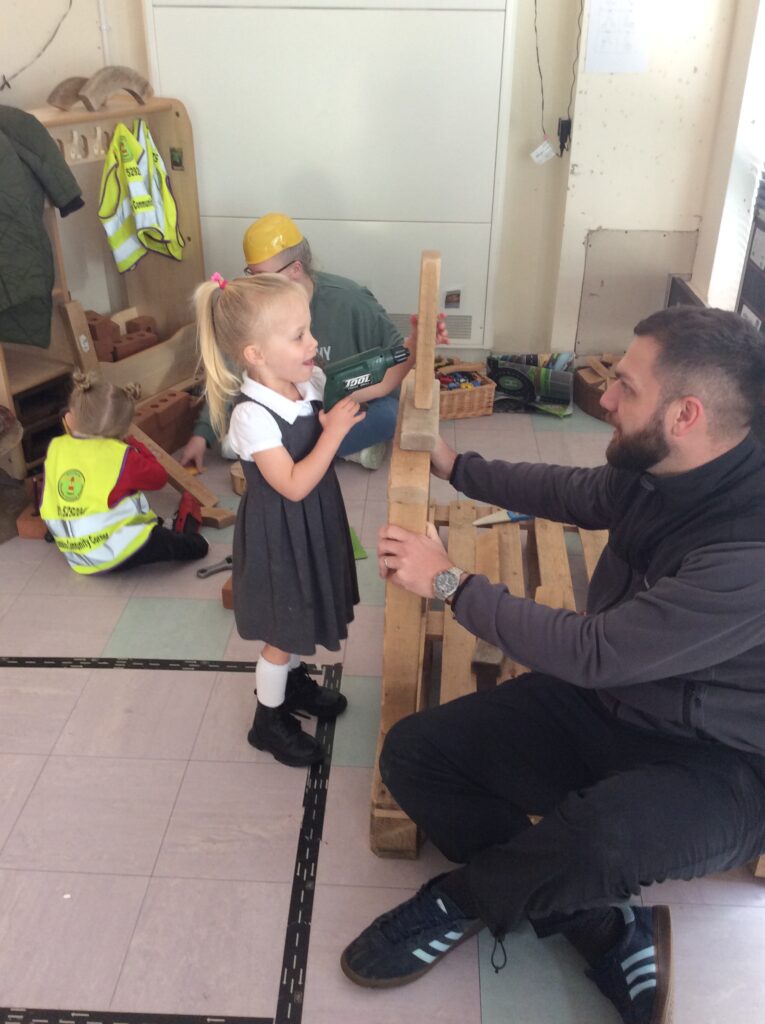
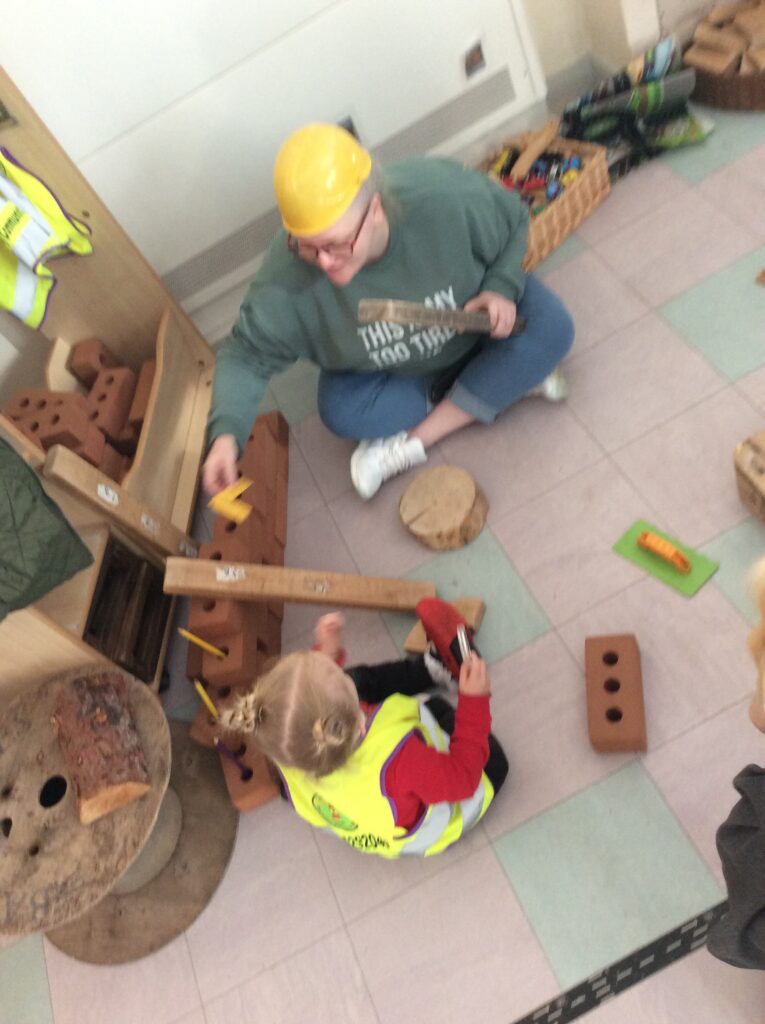
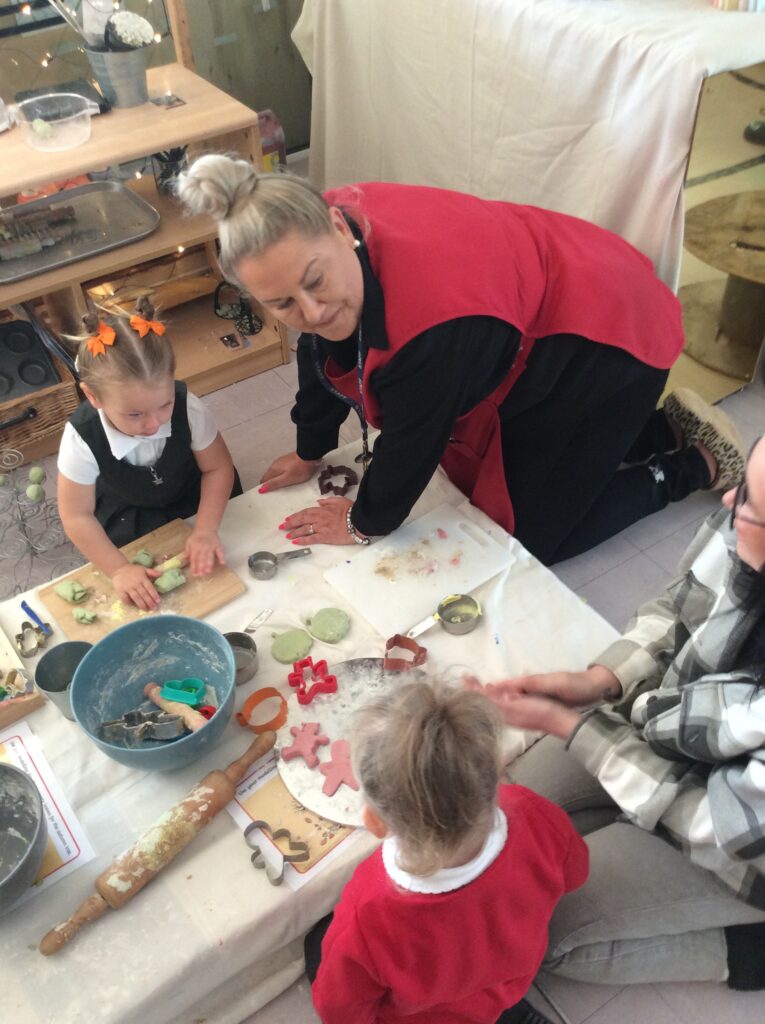
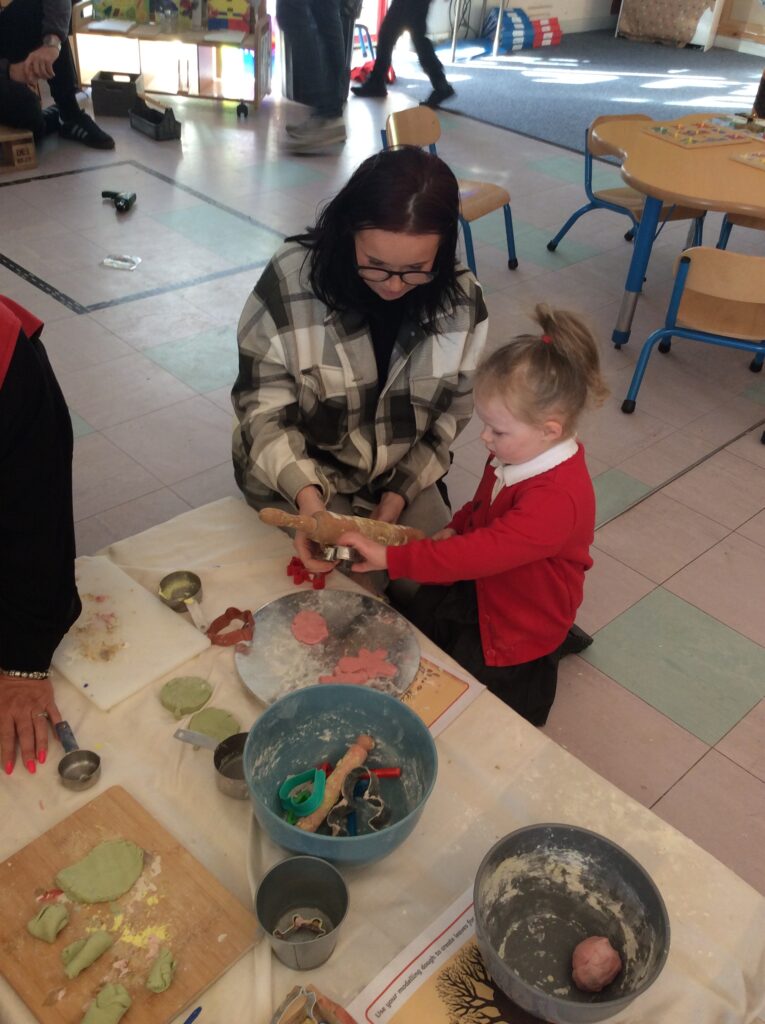
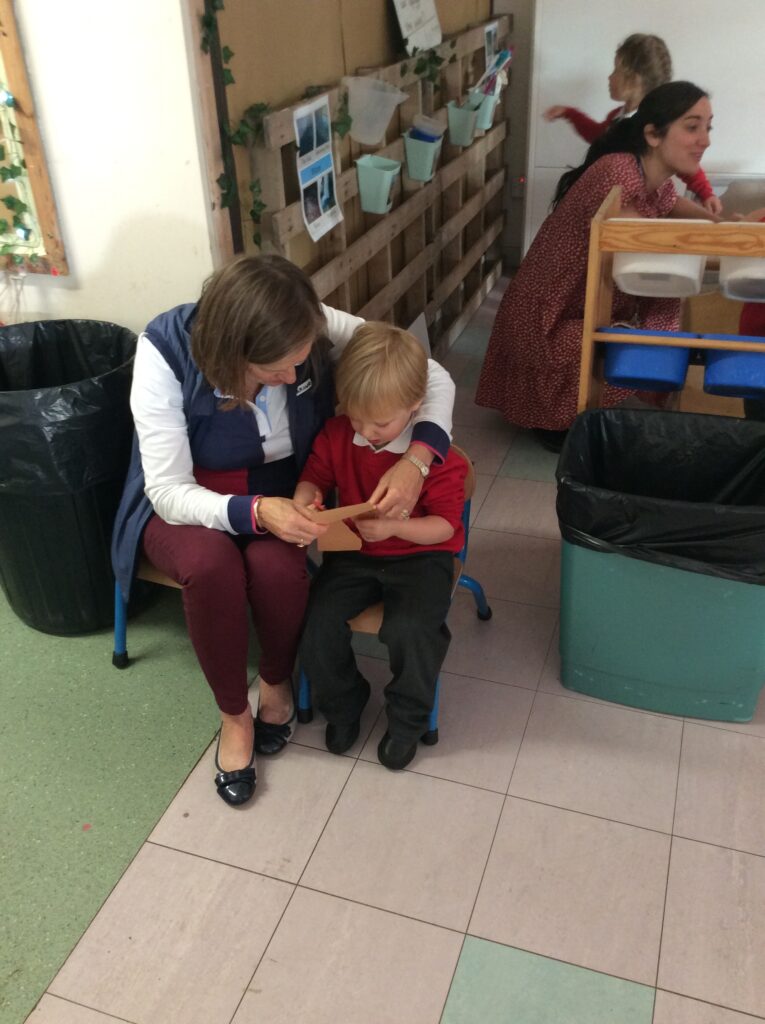
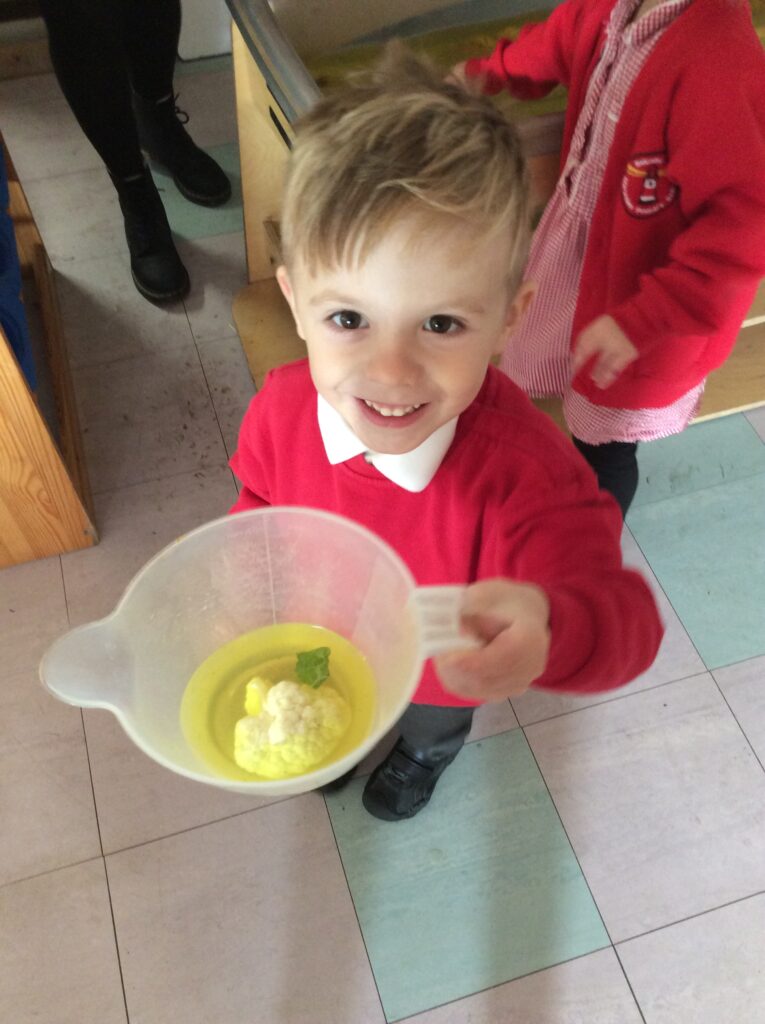
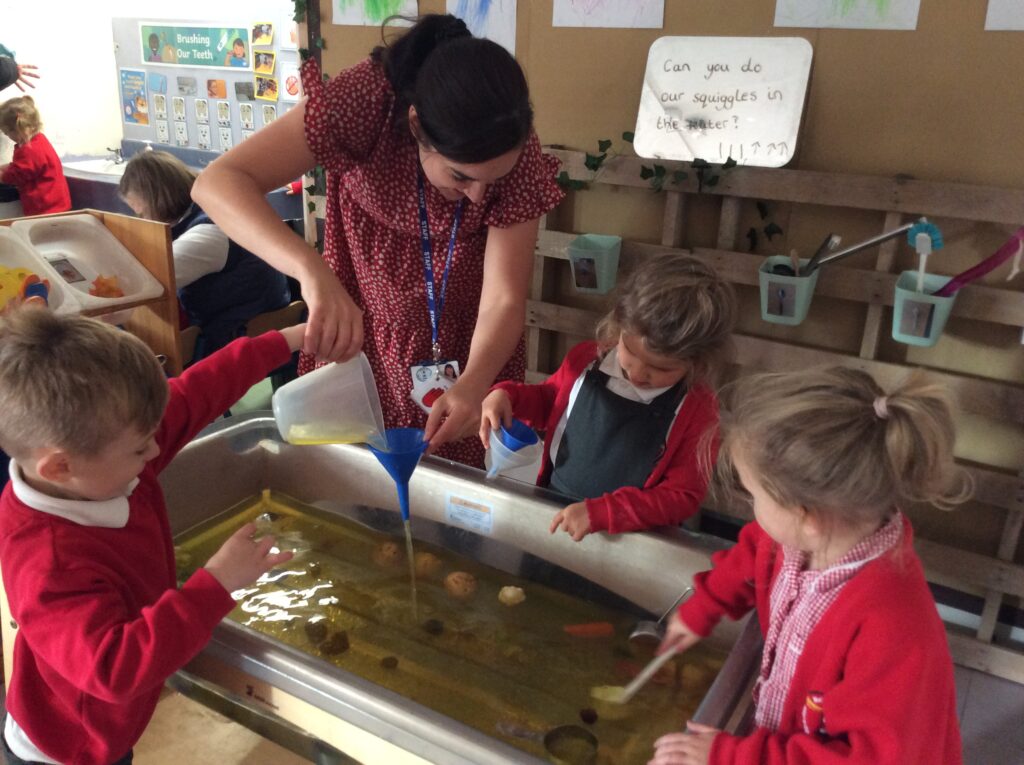
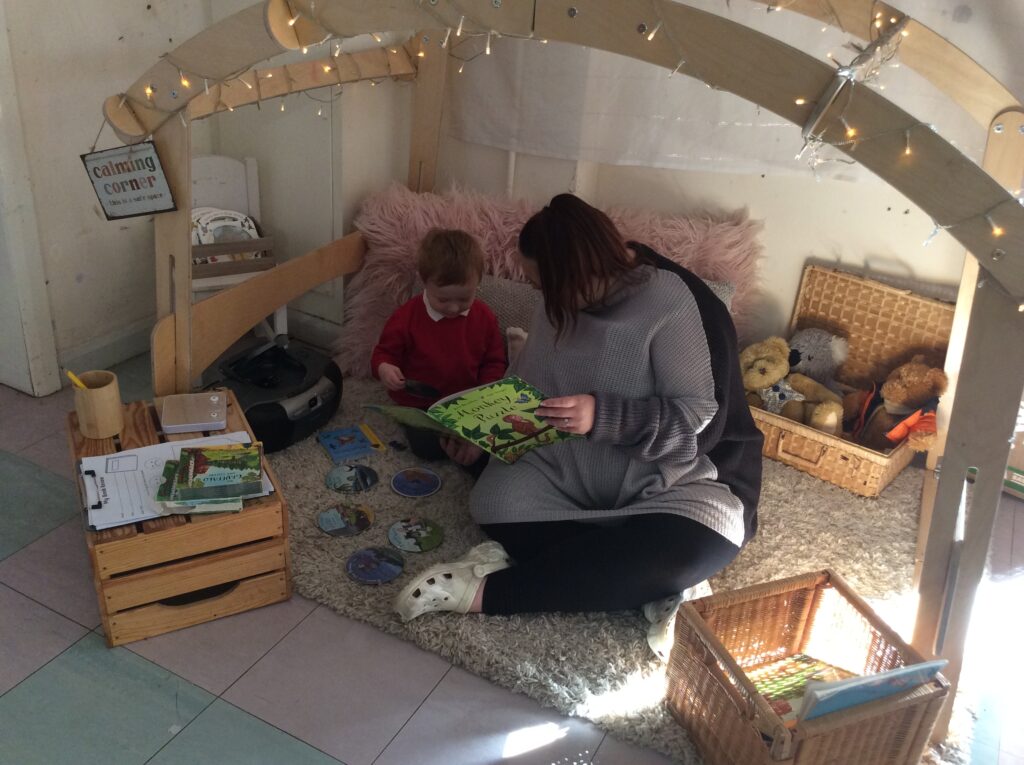
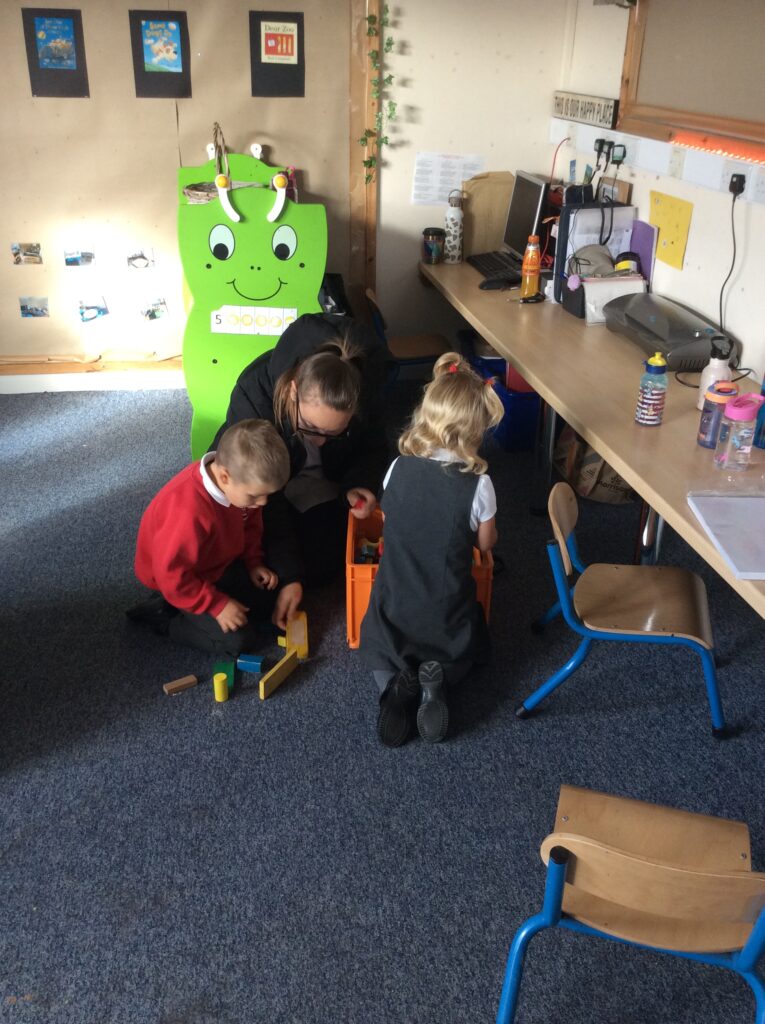
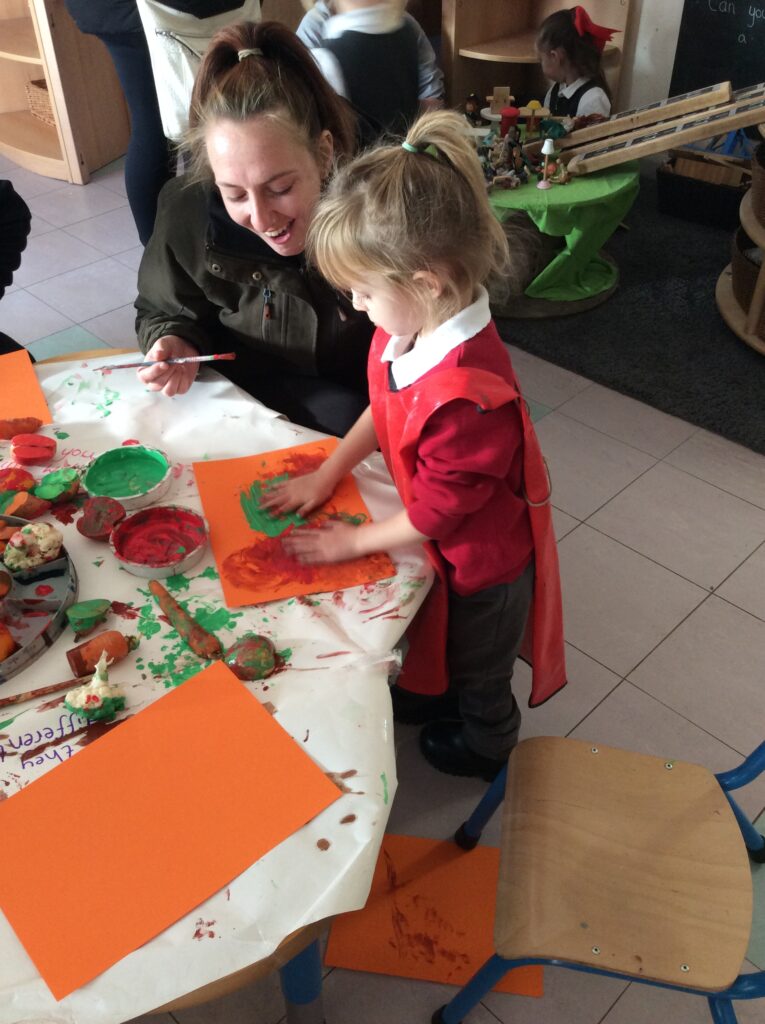
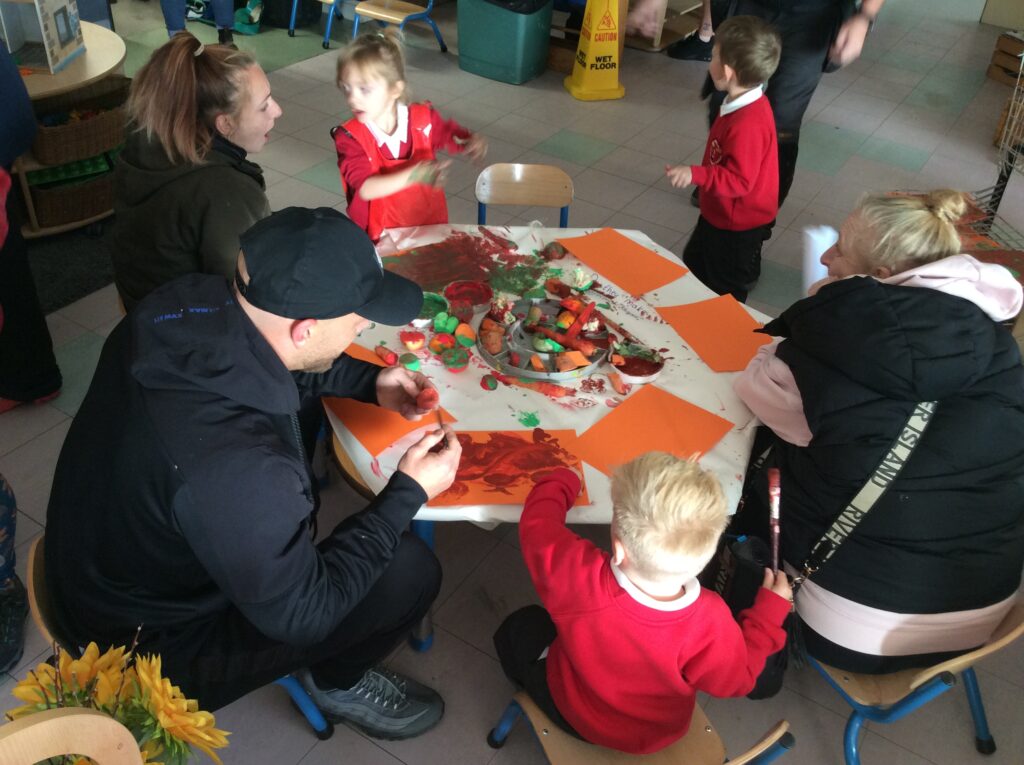
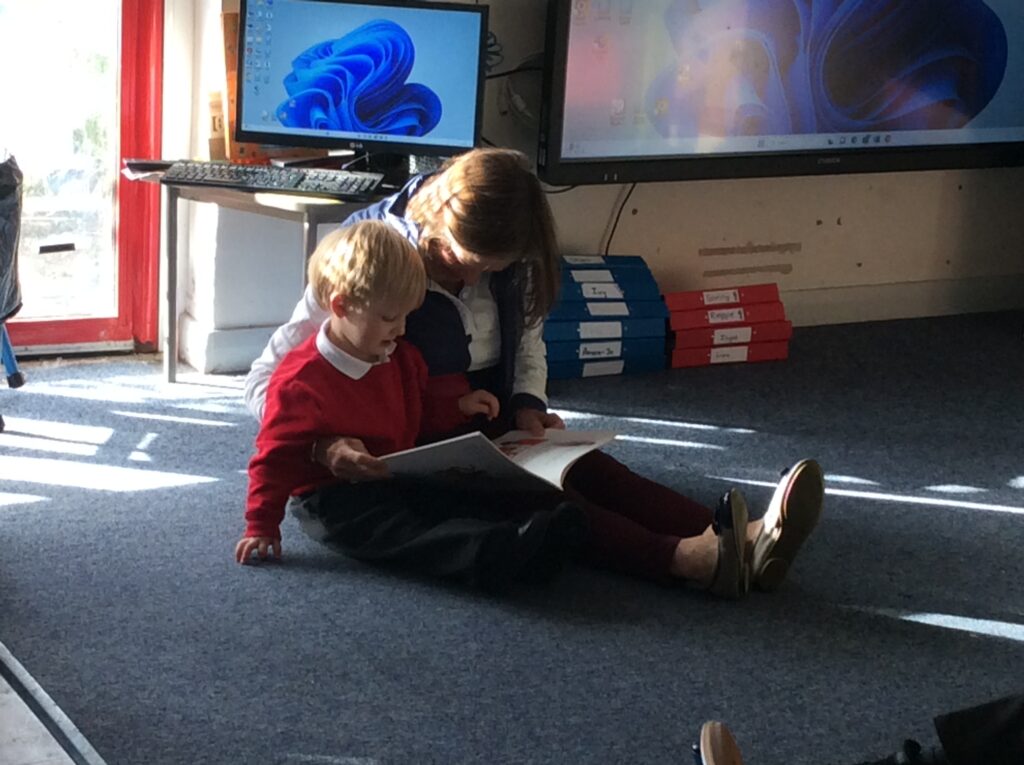
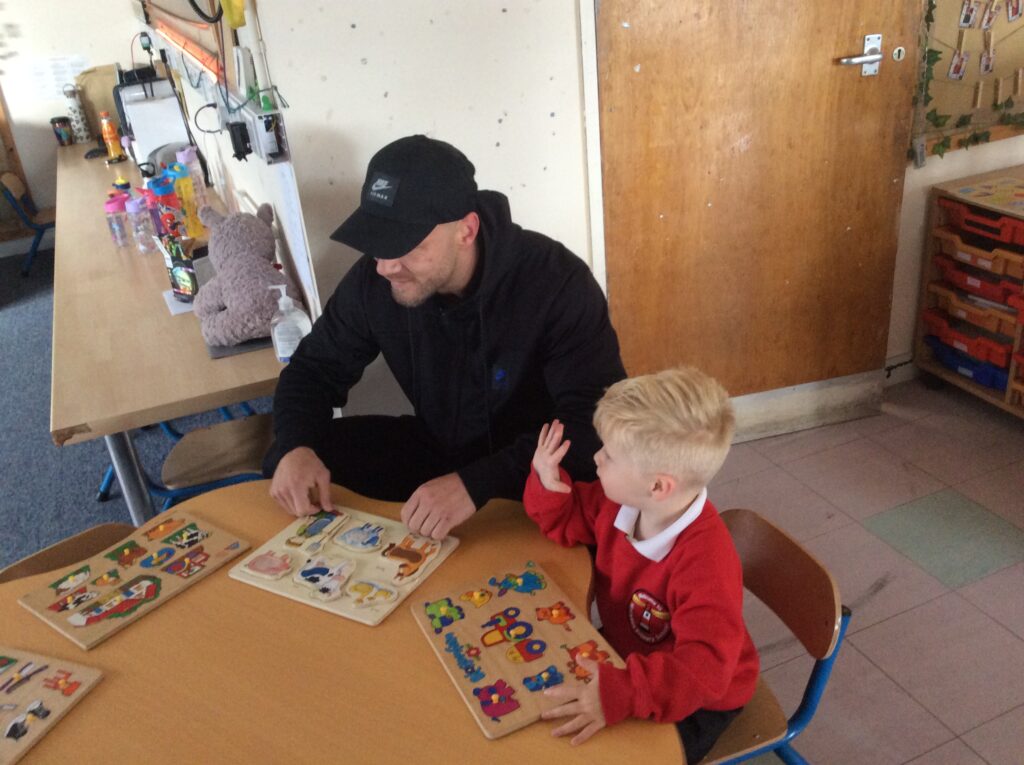
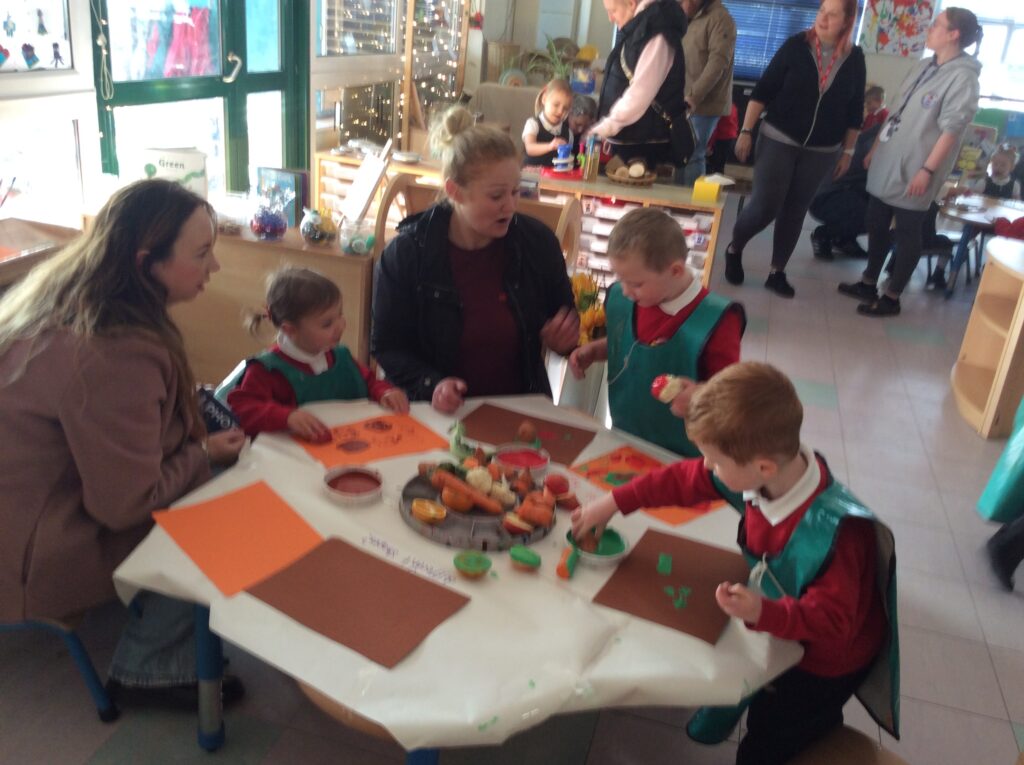
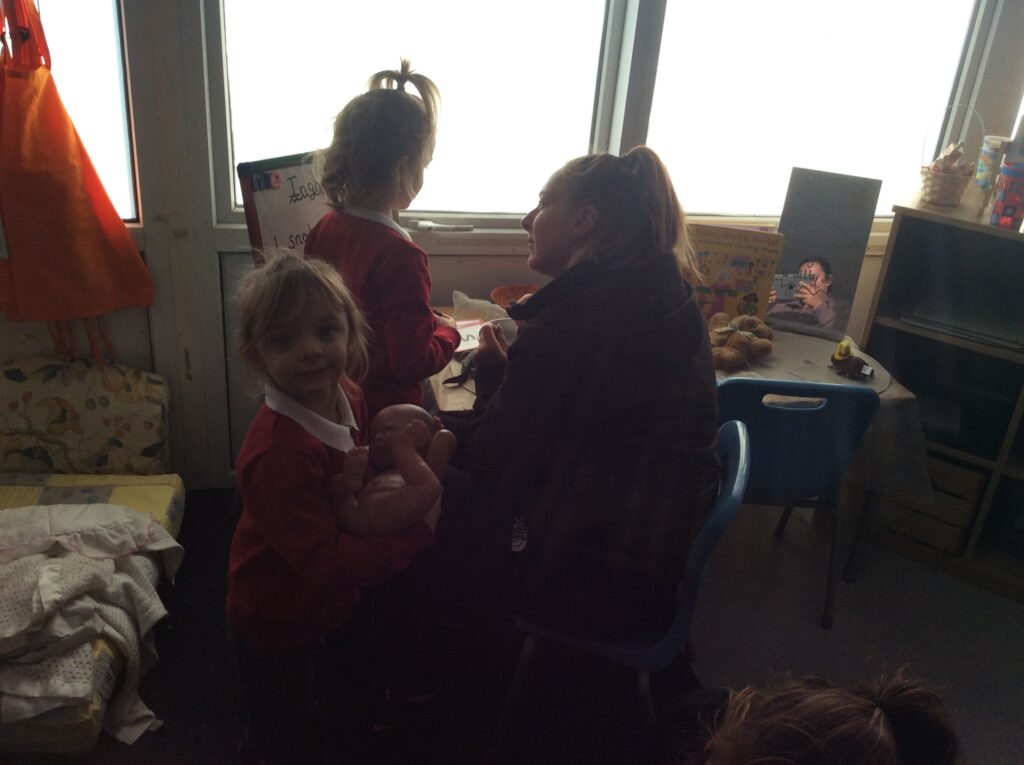
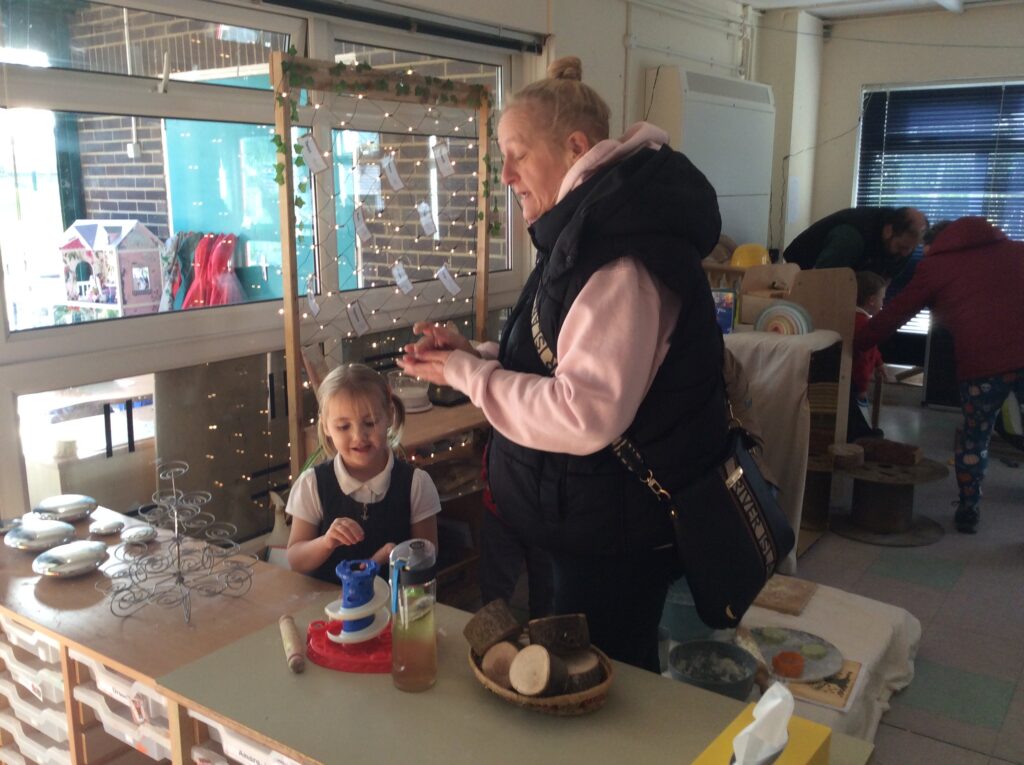
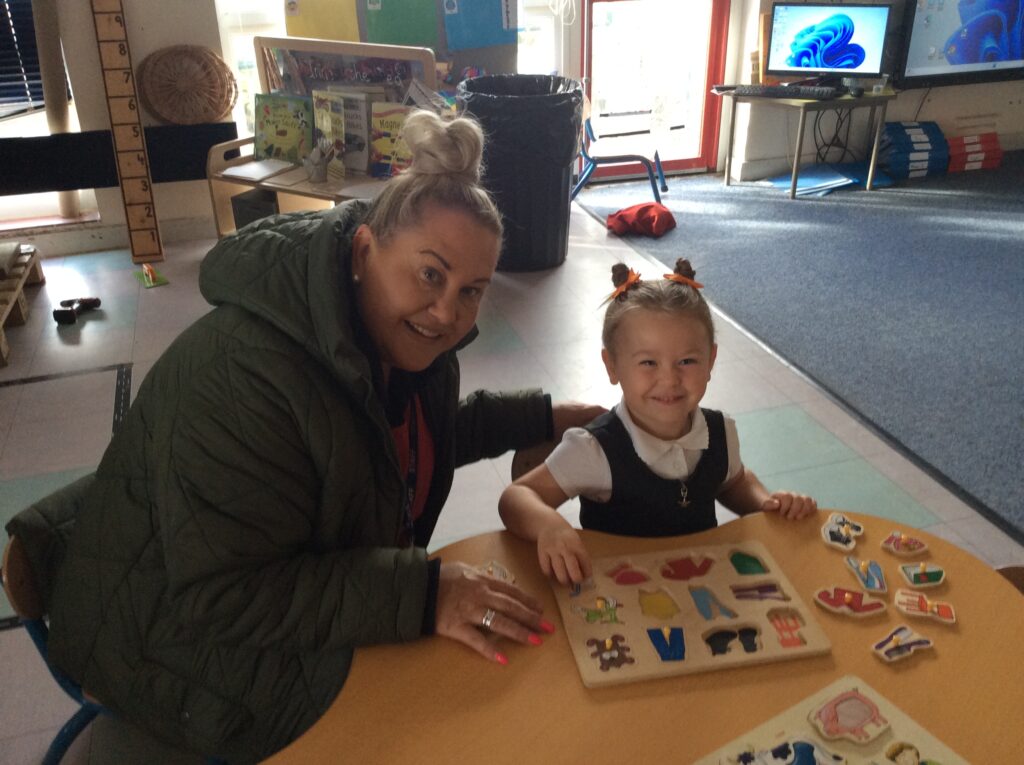
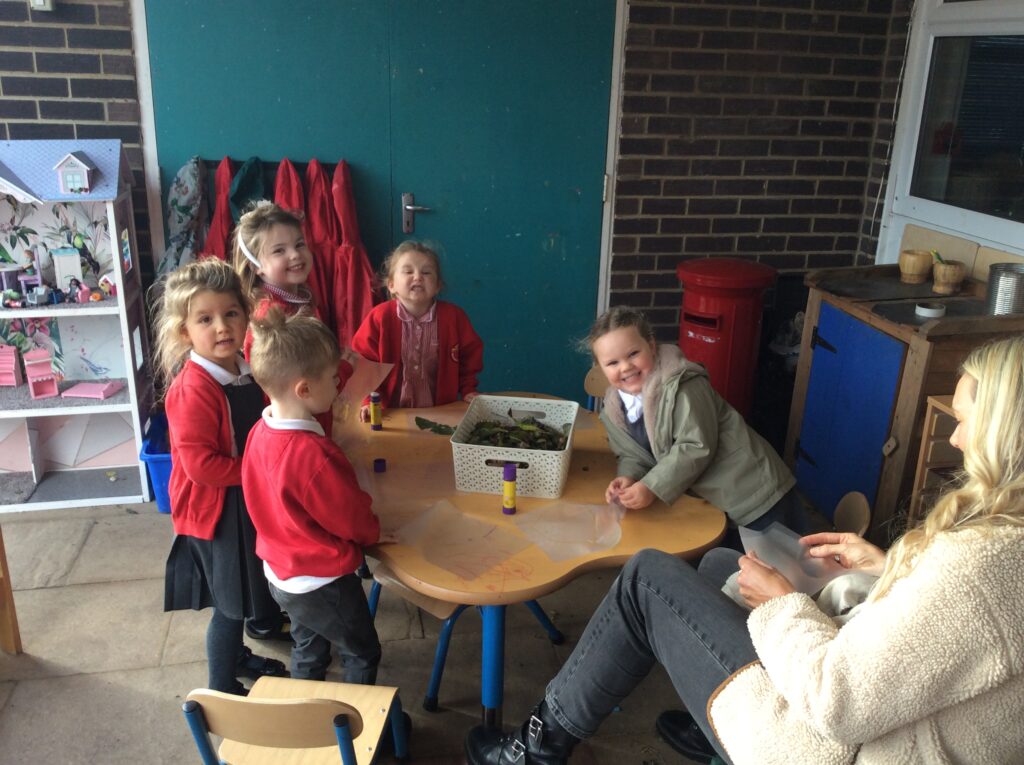
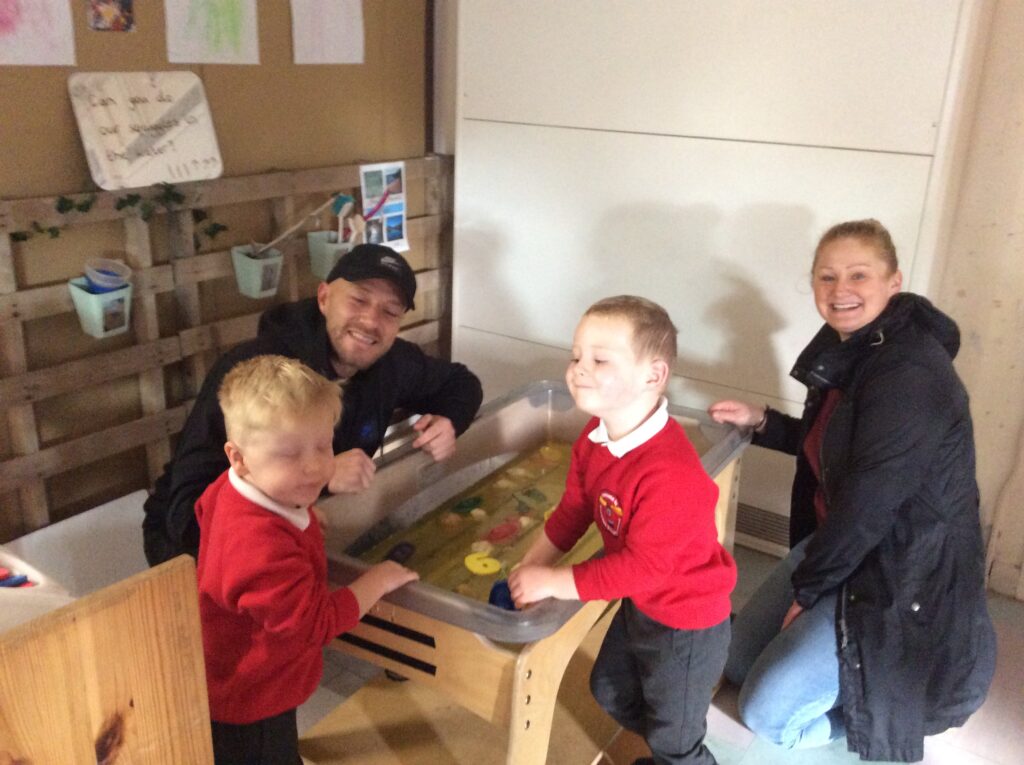
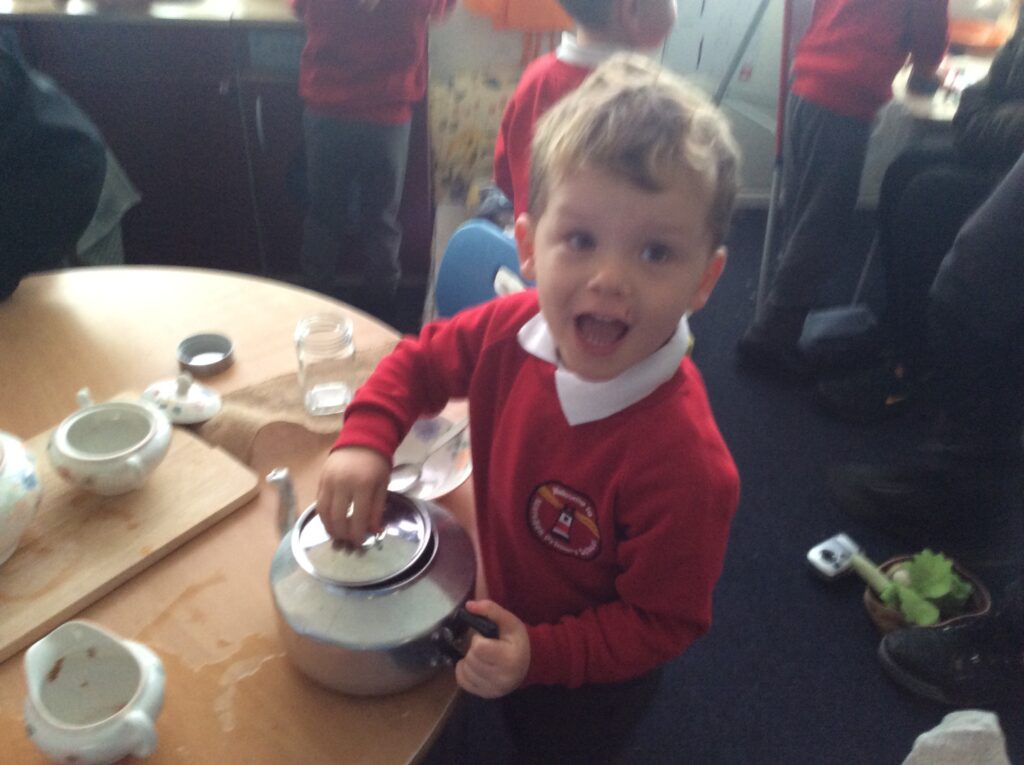
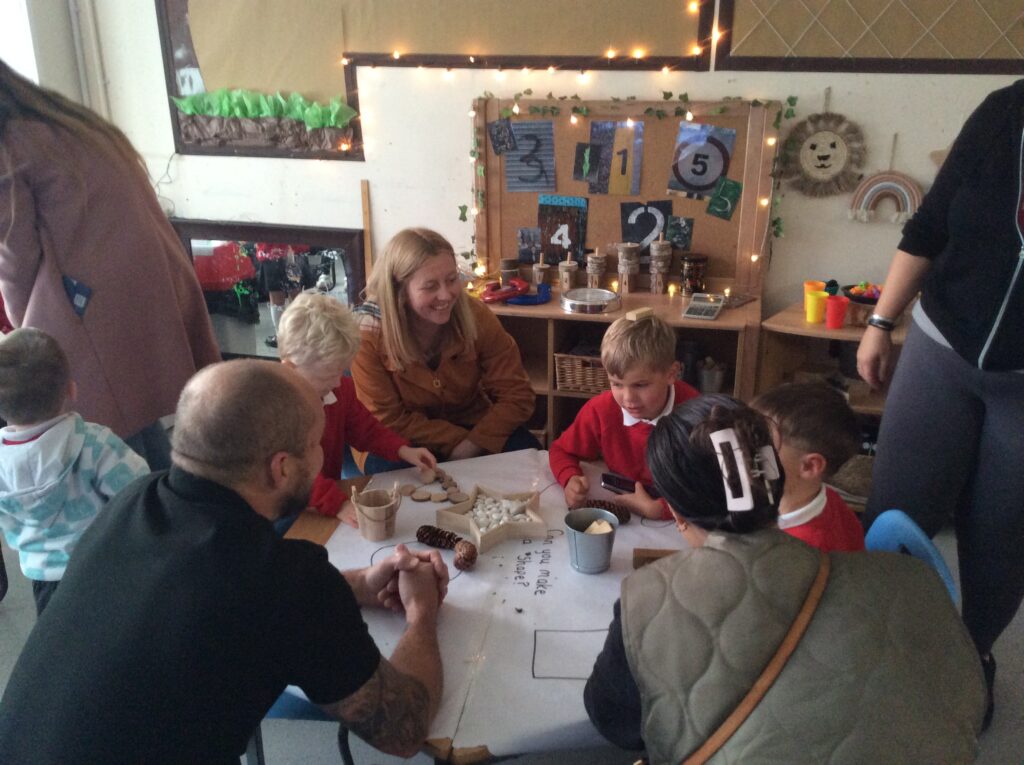
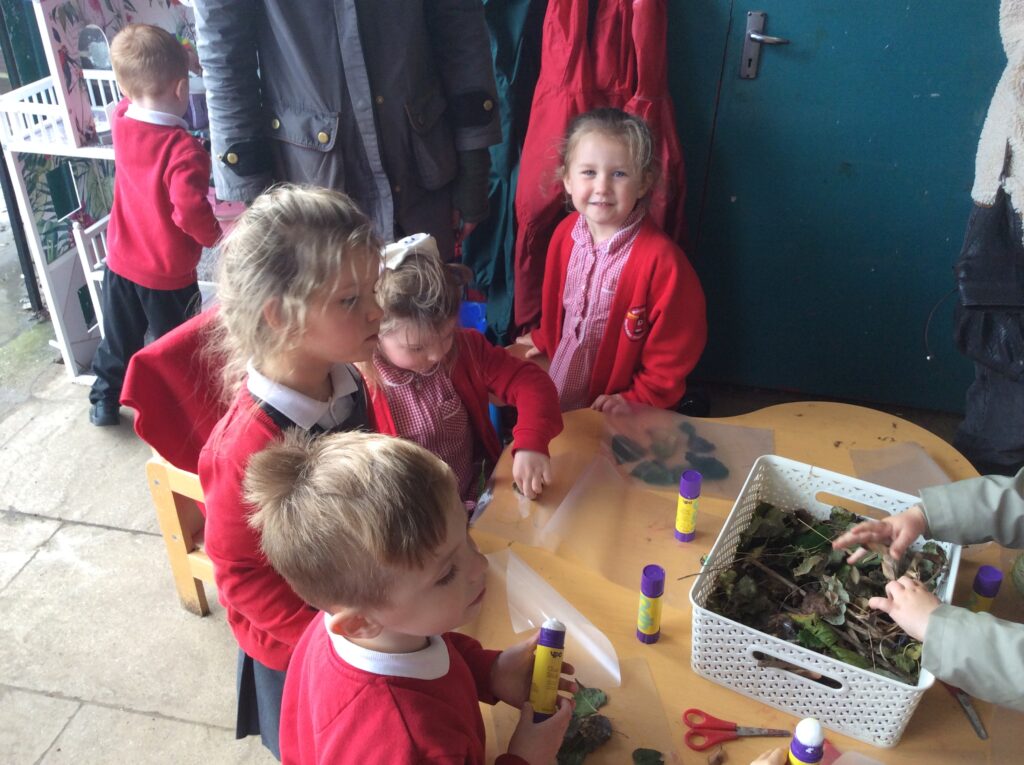
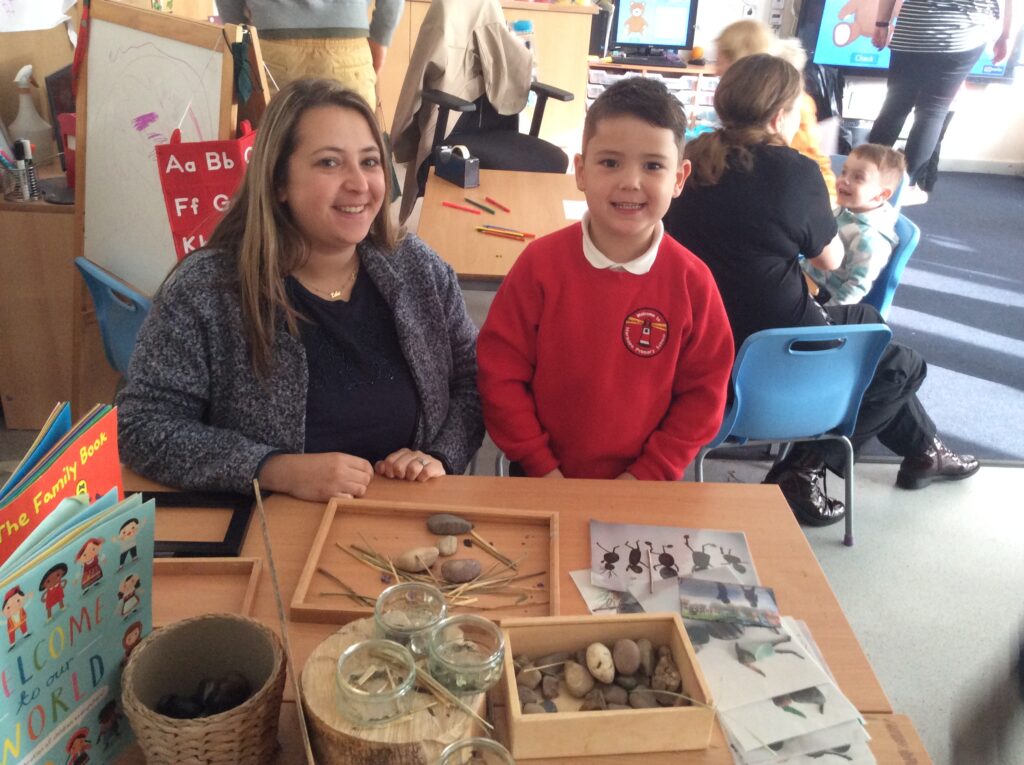
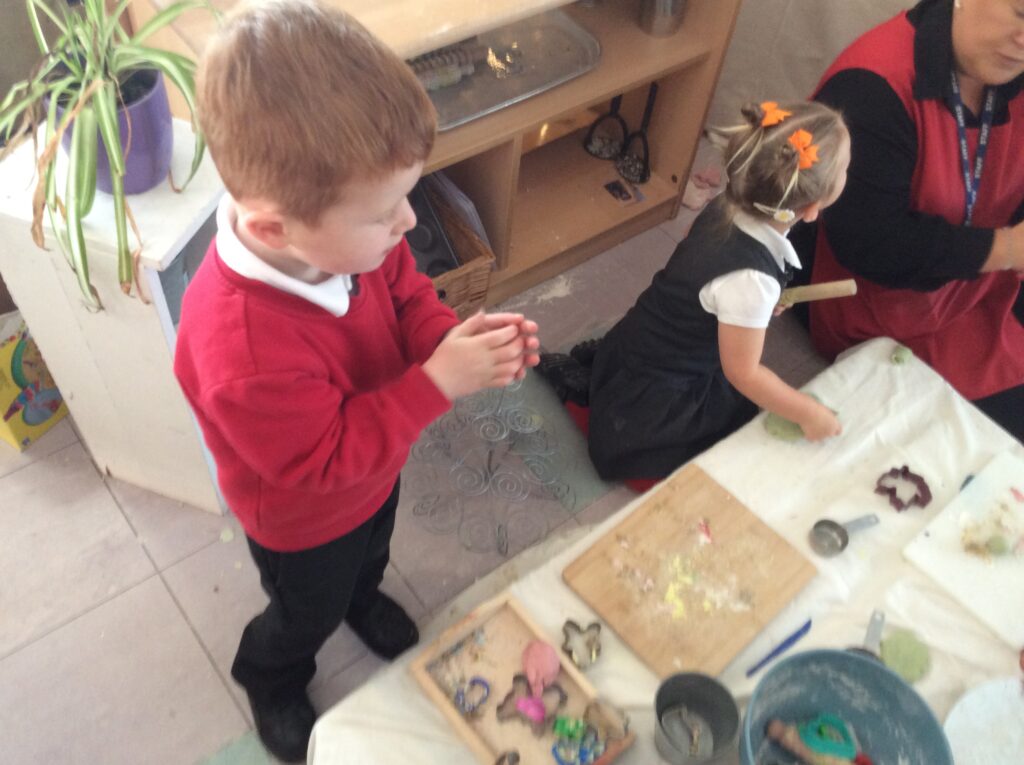
Today we welcomed our grown ups into our classroom and enjoyed completing Harvest activities together and showing them our learning so far this term. It was a lovely morning!
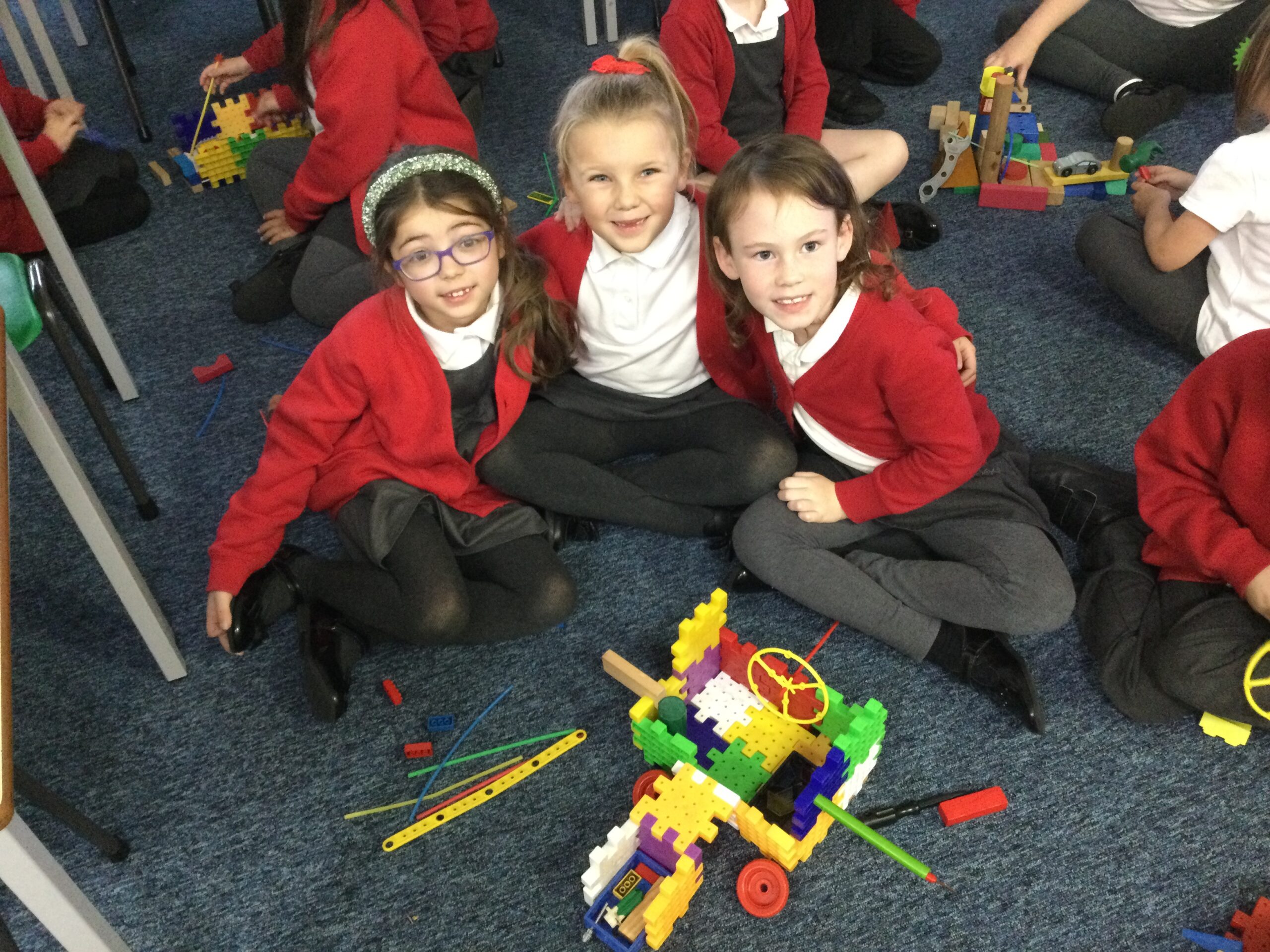
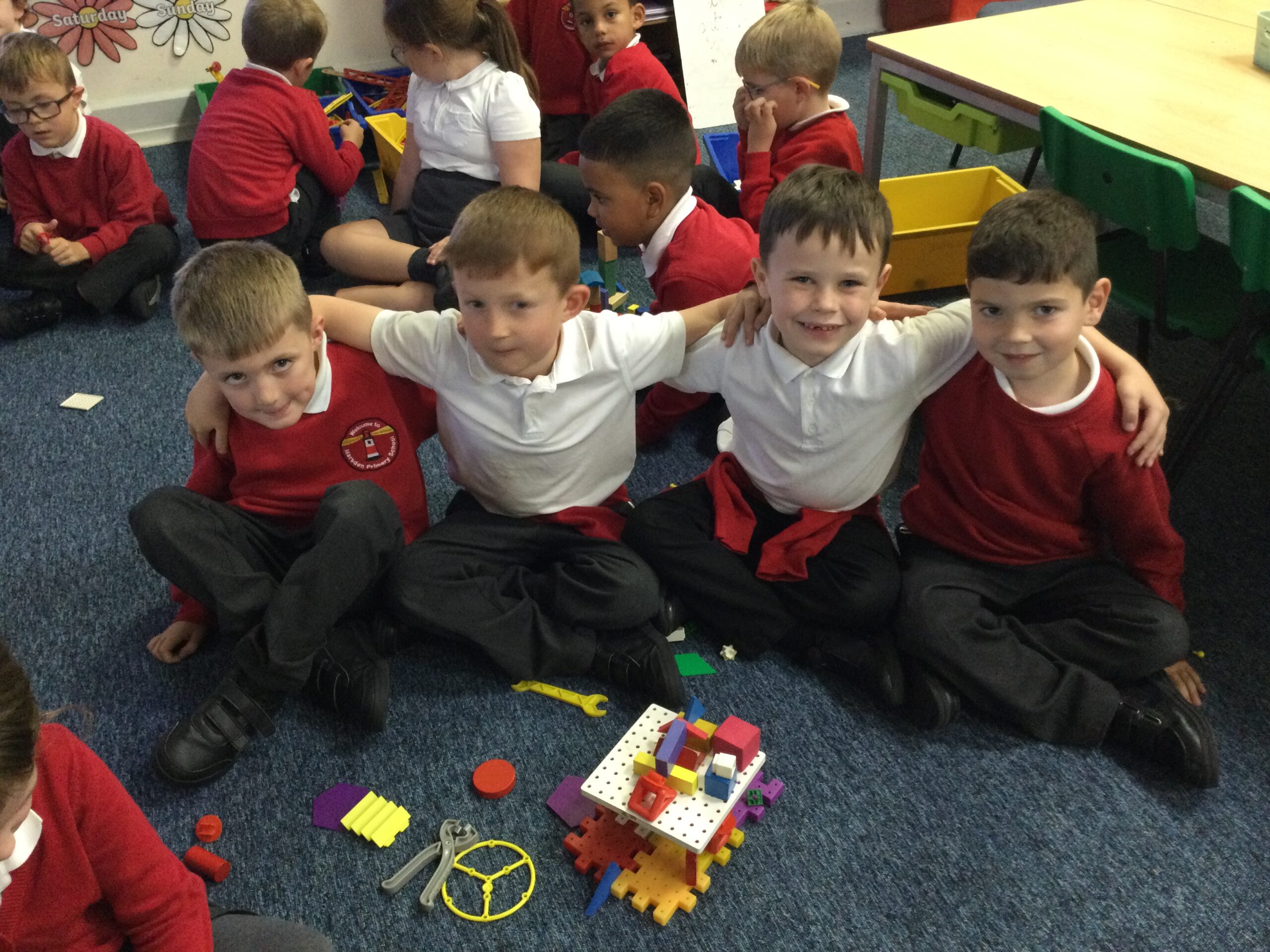
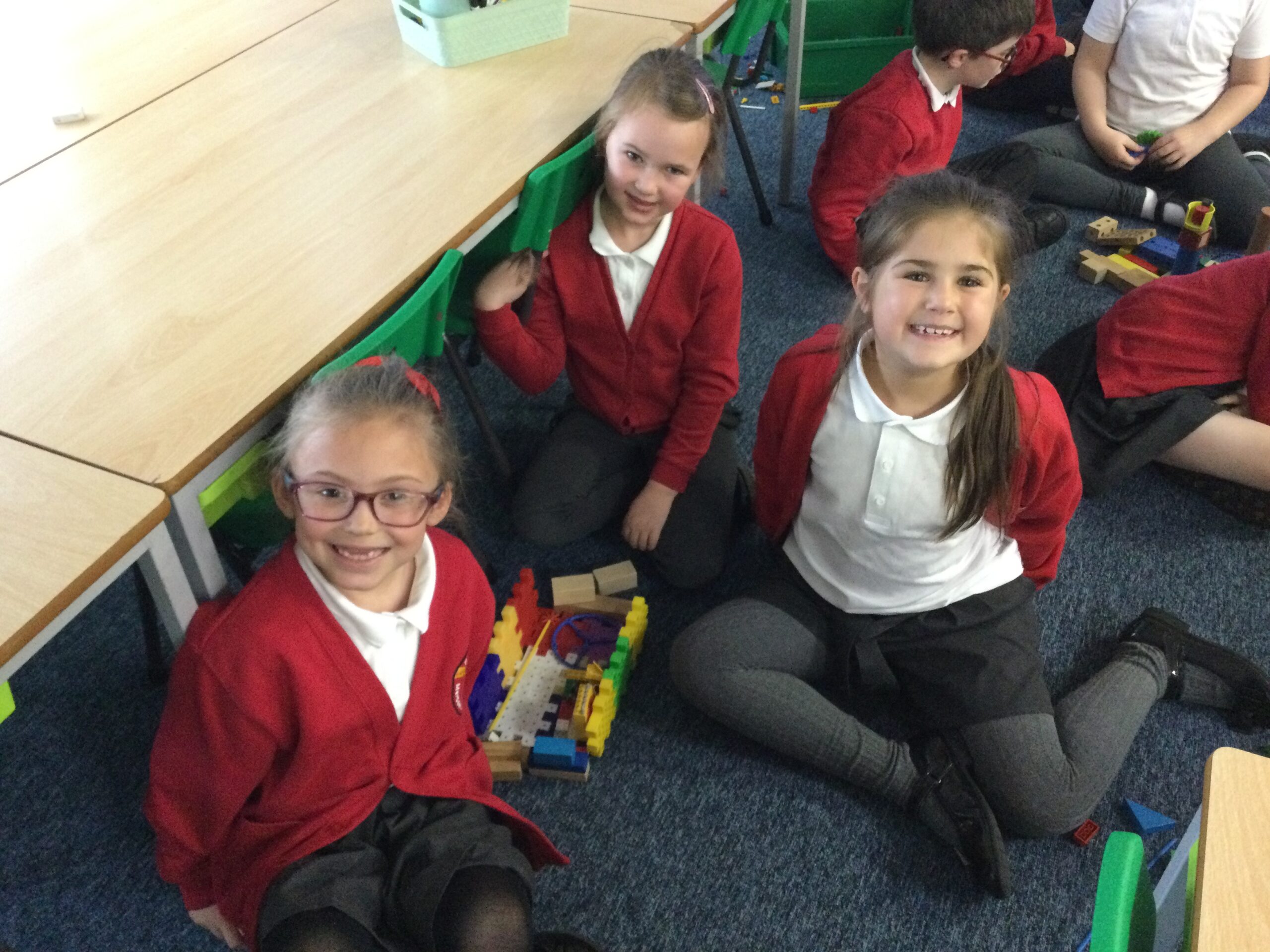
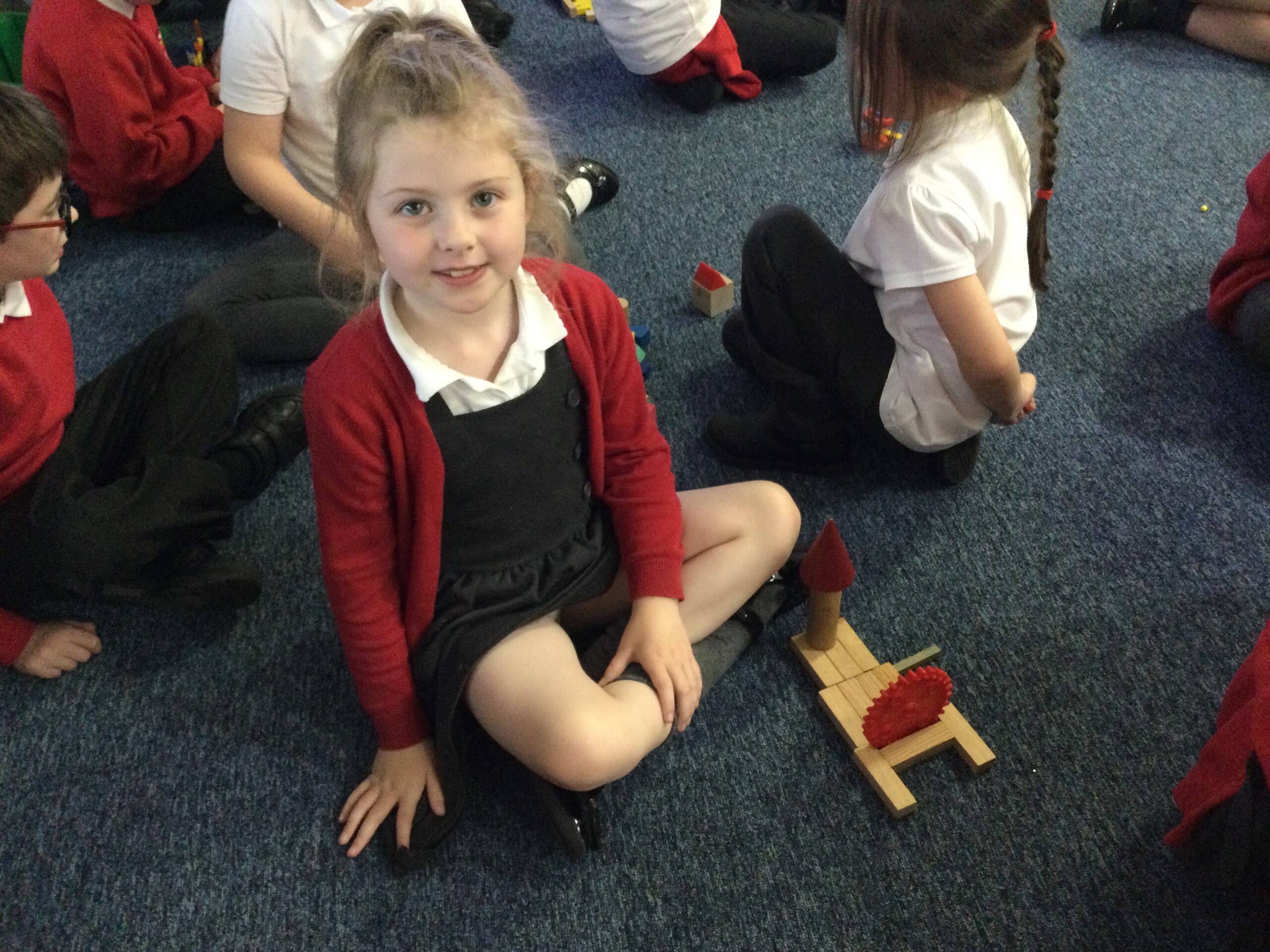
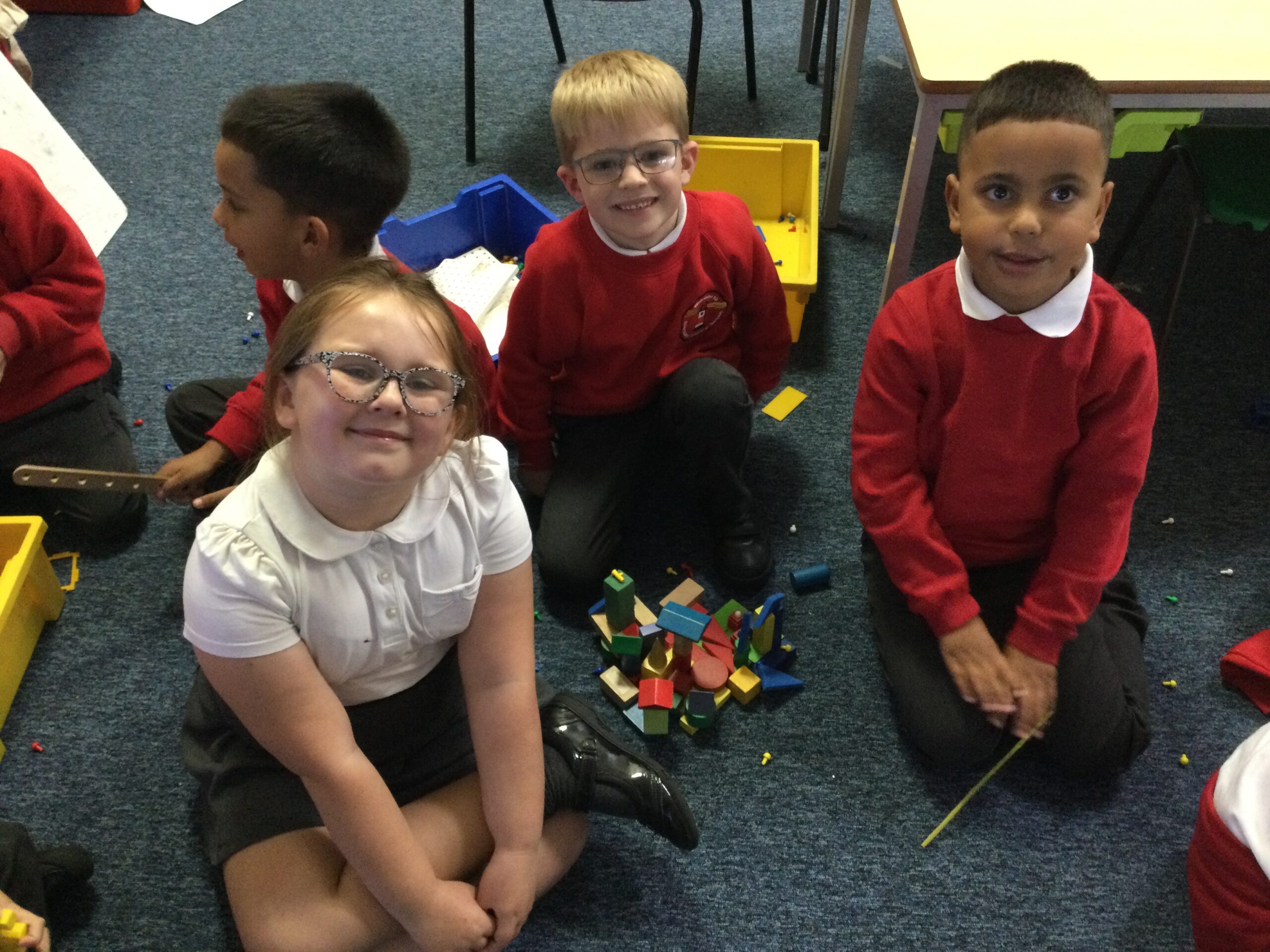
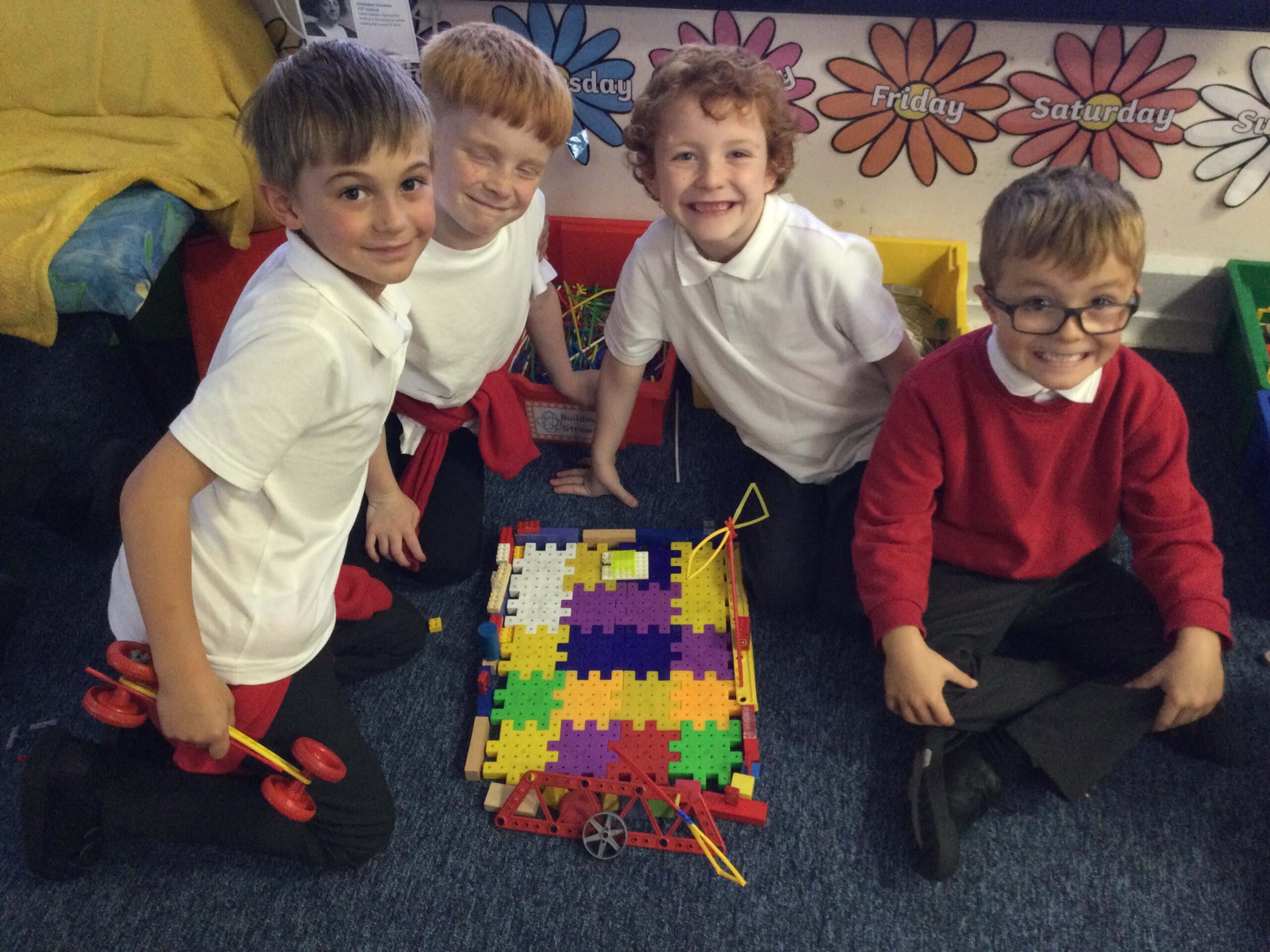
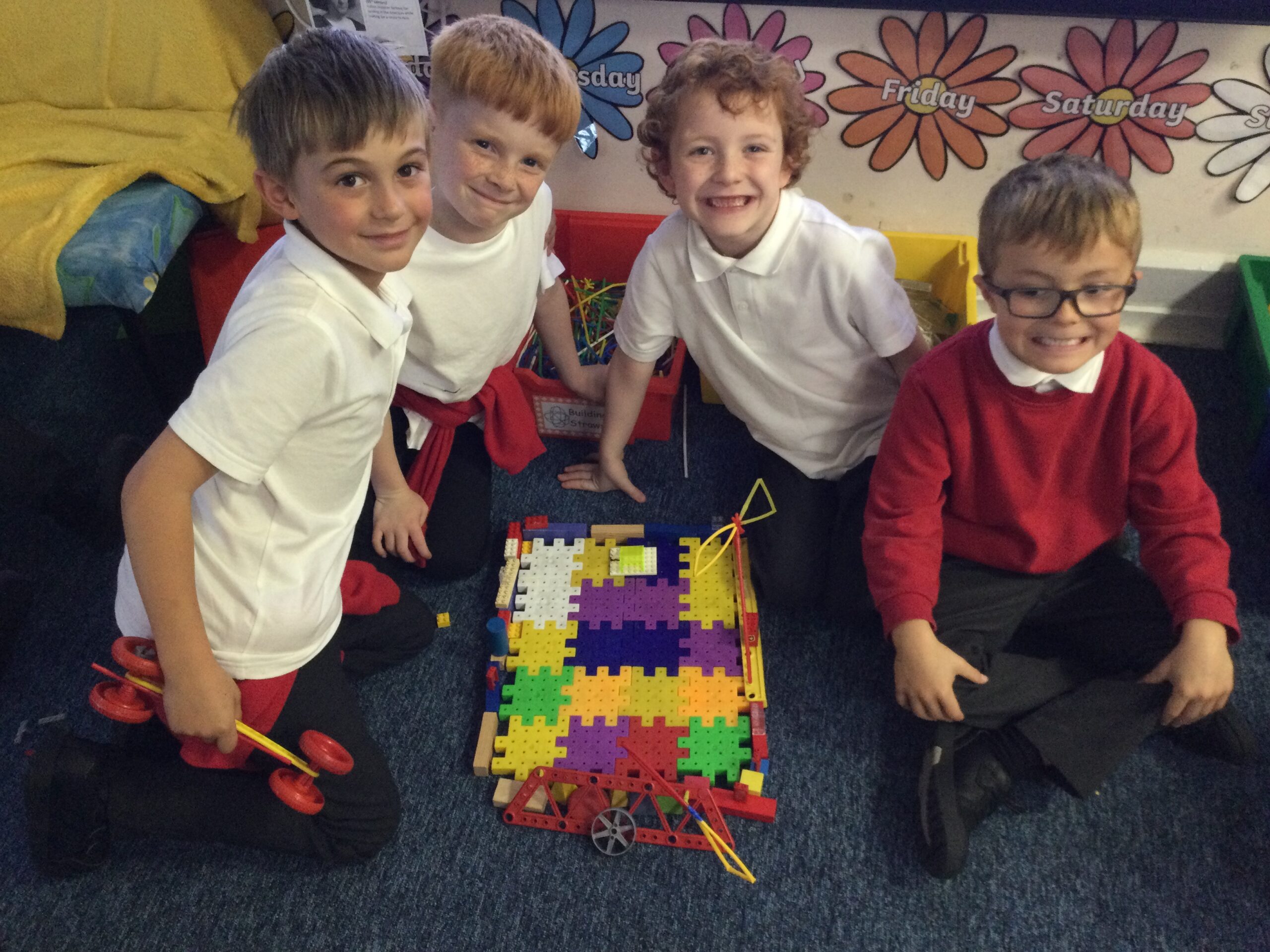
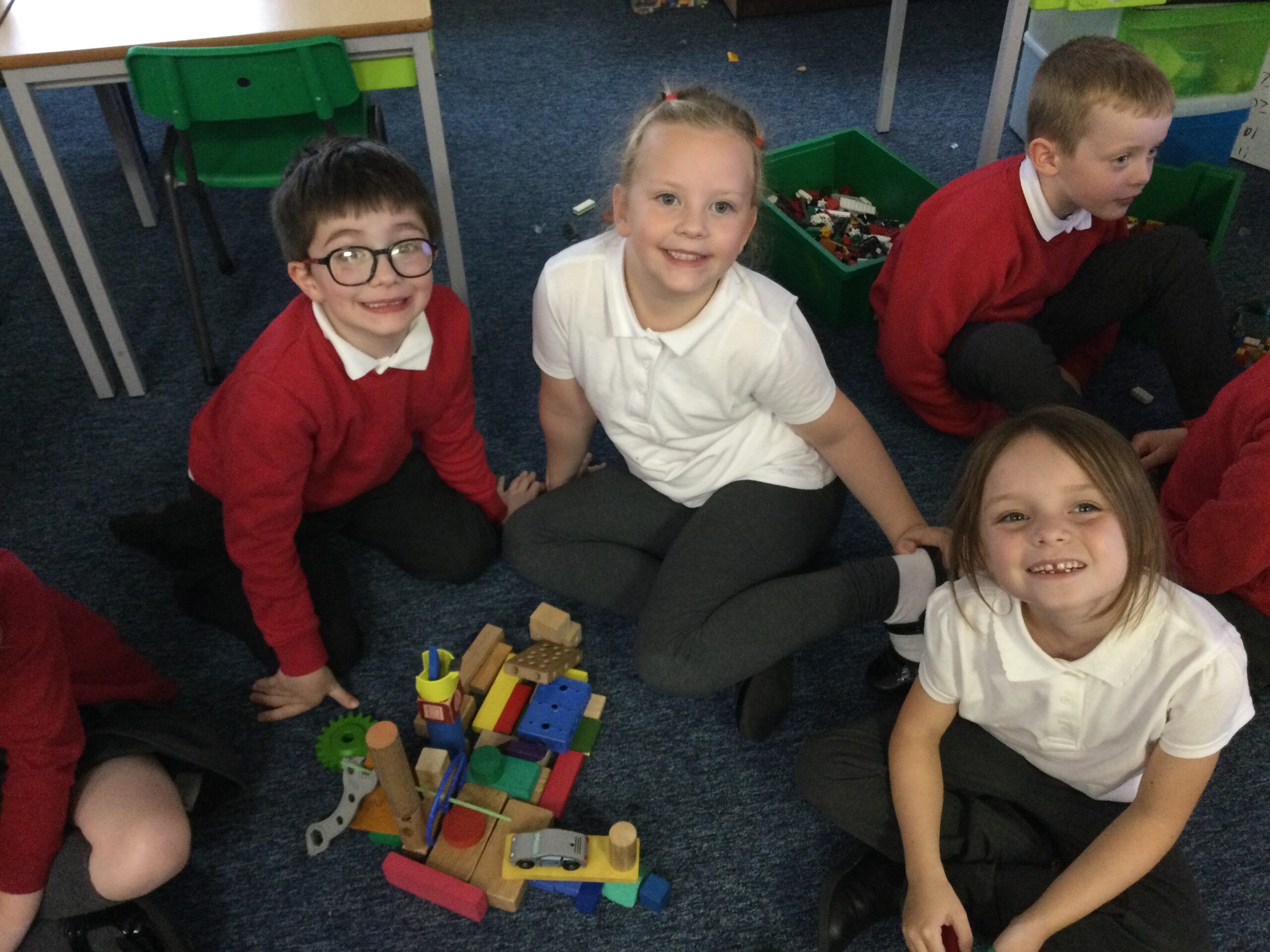
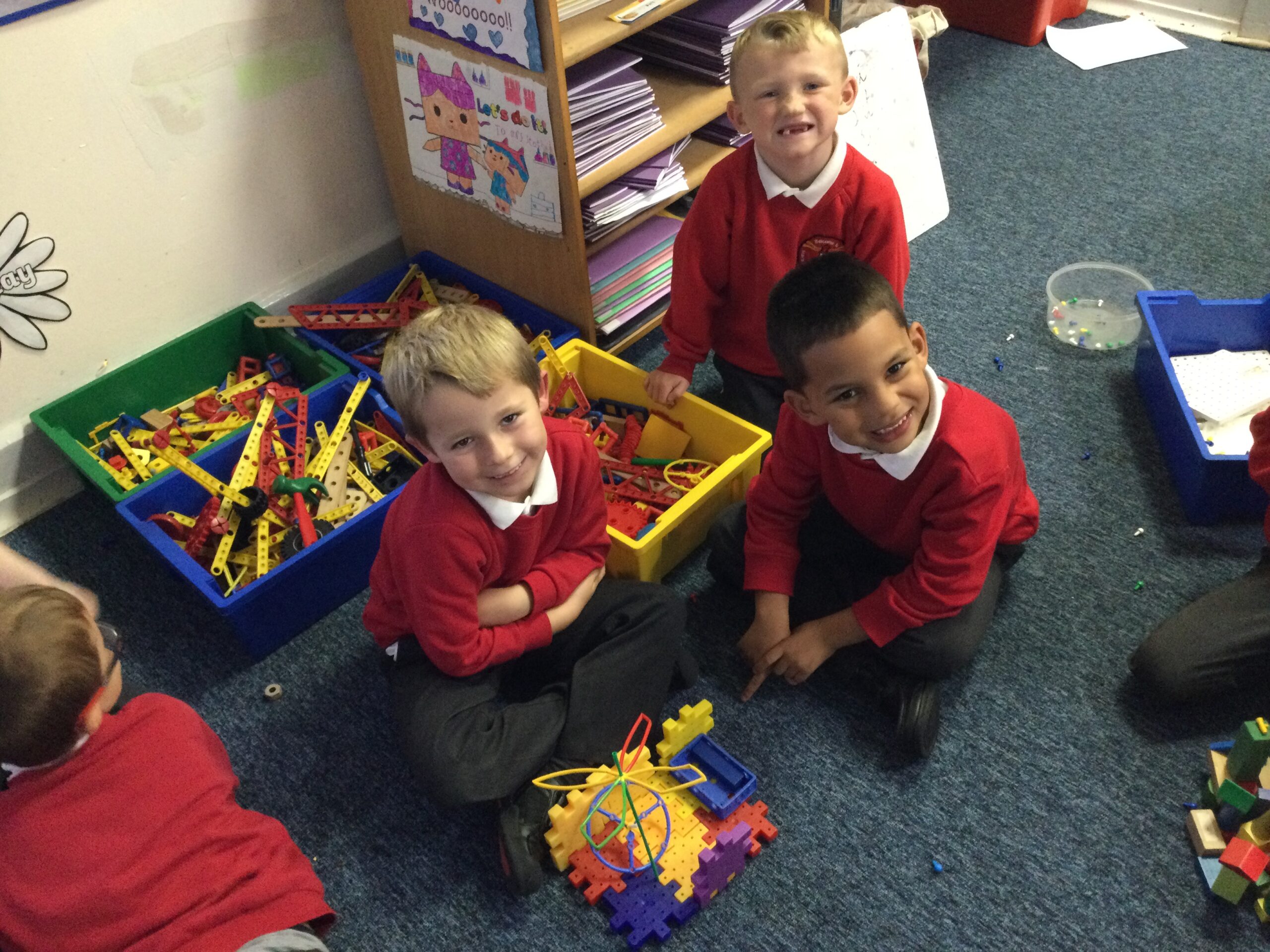
In Year 2 we have been looking at Christopher Columbus and his epic voyage. To conclude our topic we used loose parts to create our own Christopher Columbus ships.
Well done Year 2!
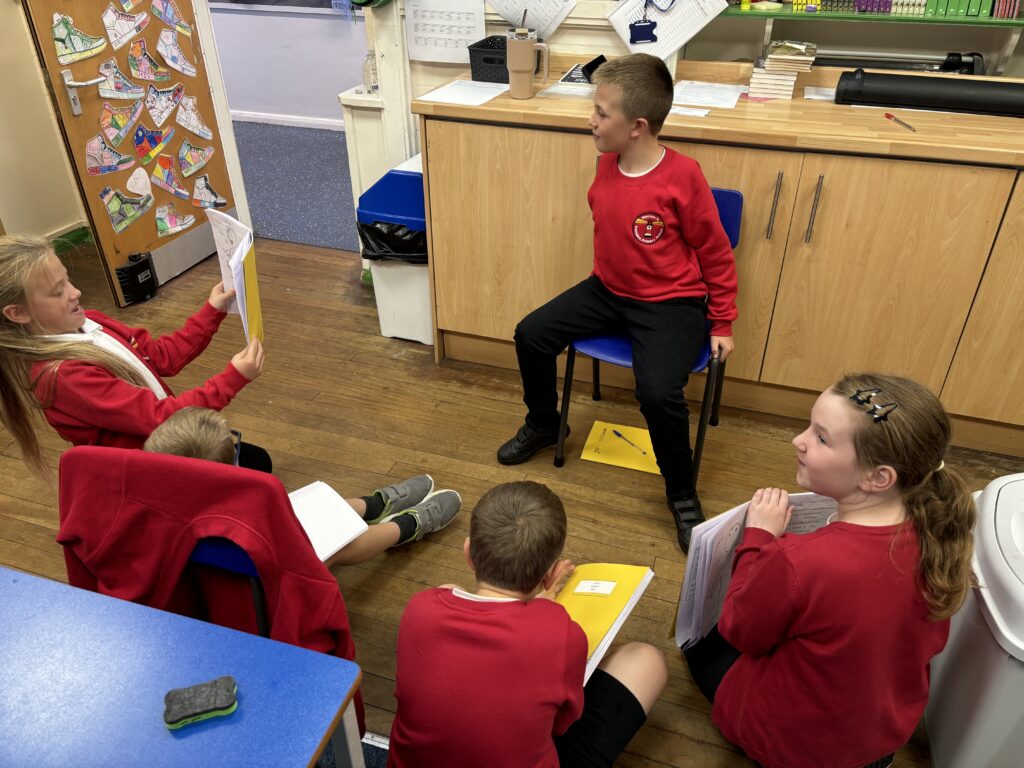
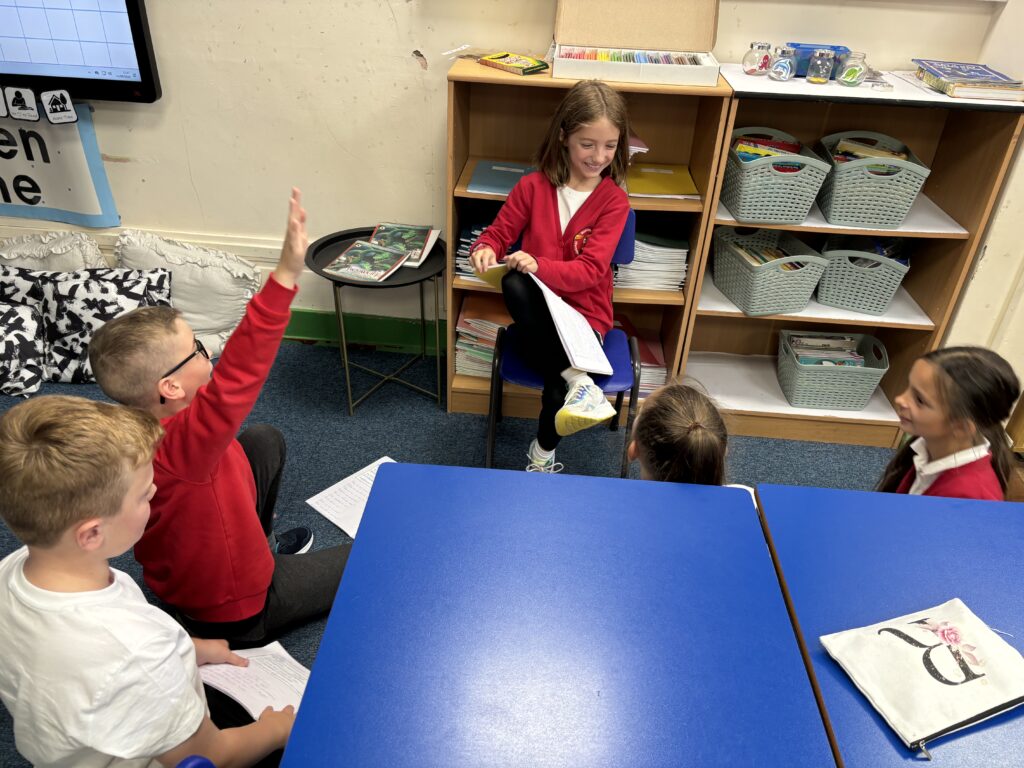
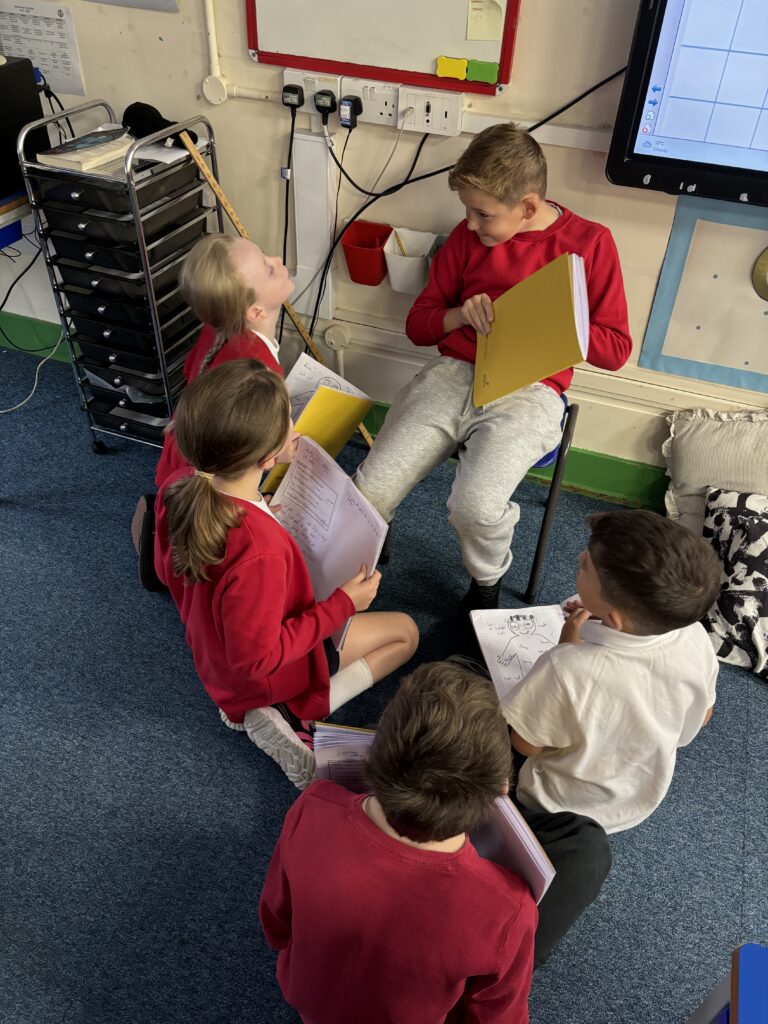
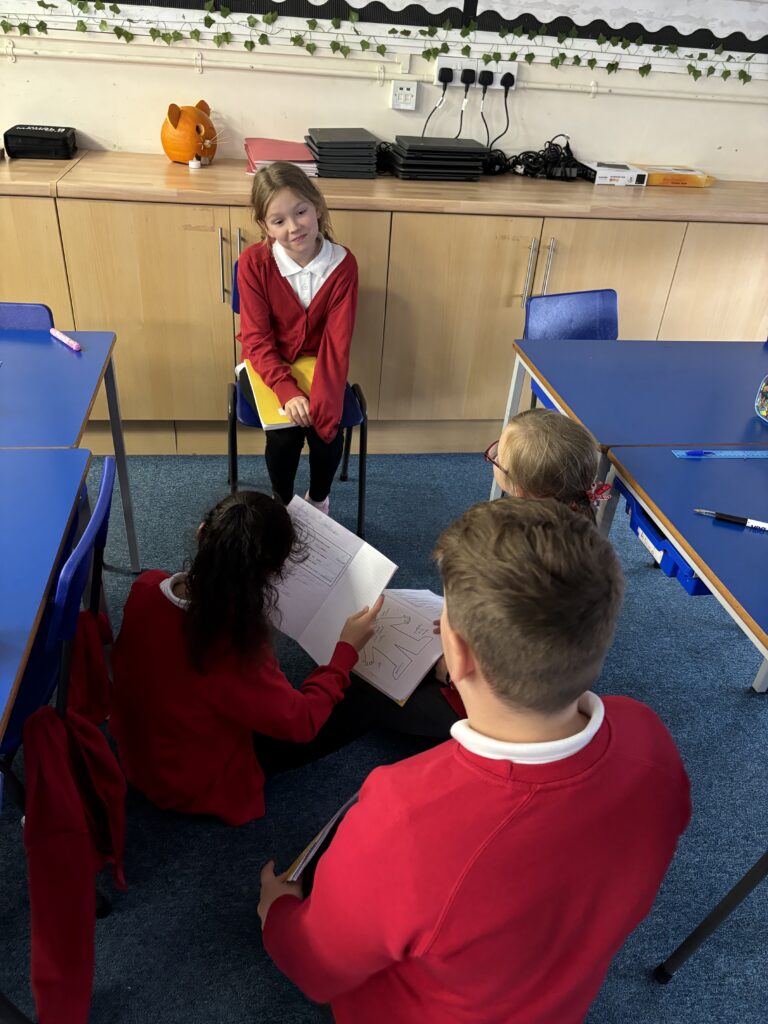
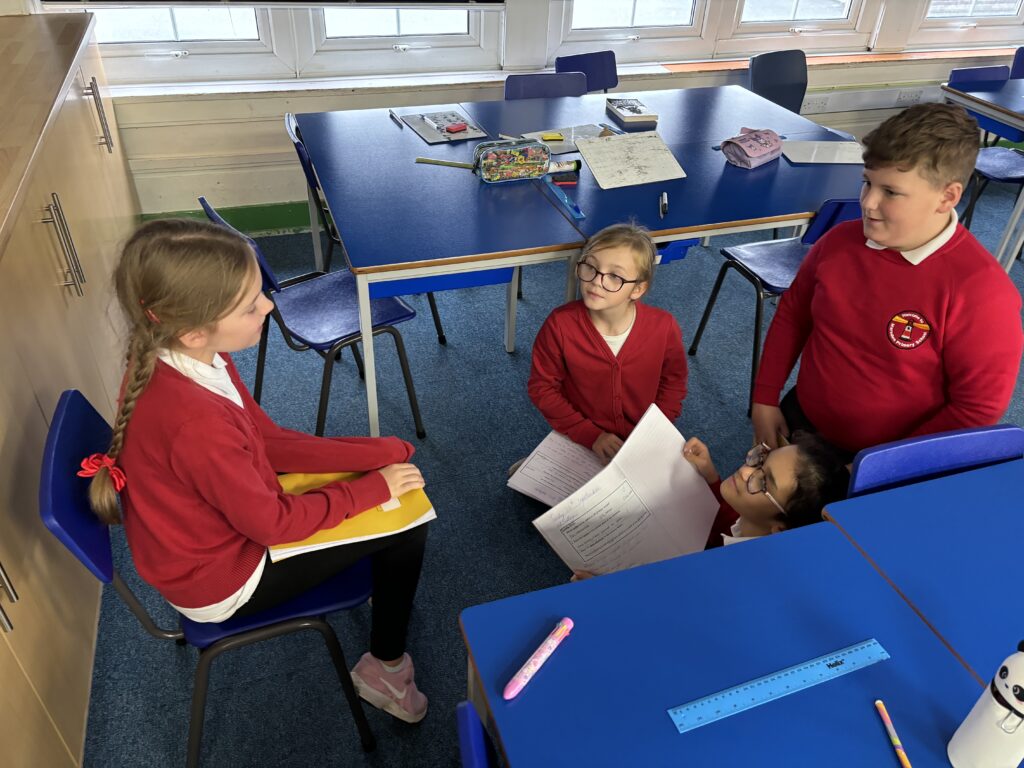
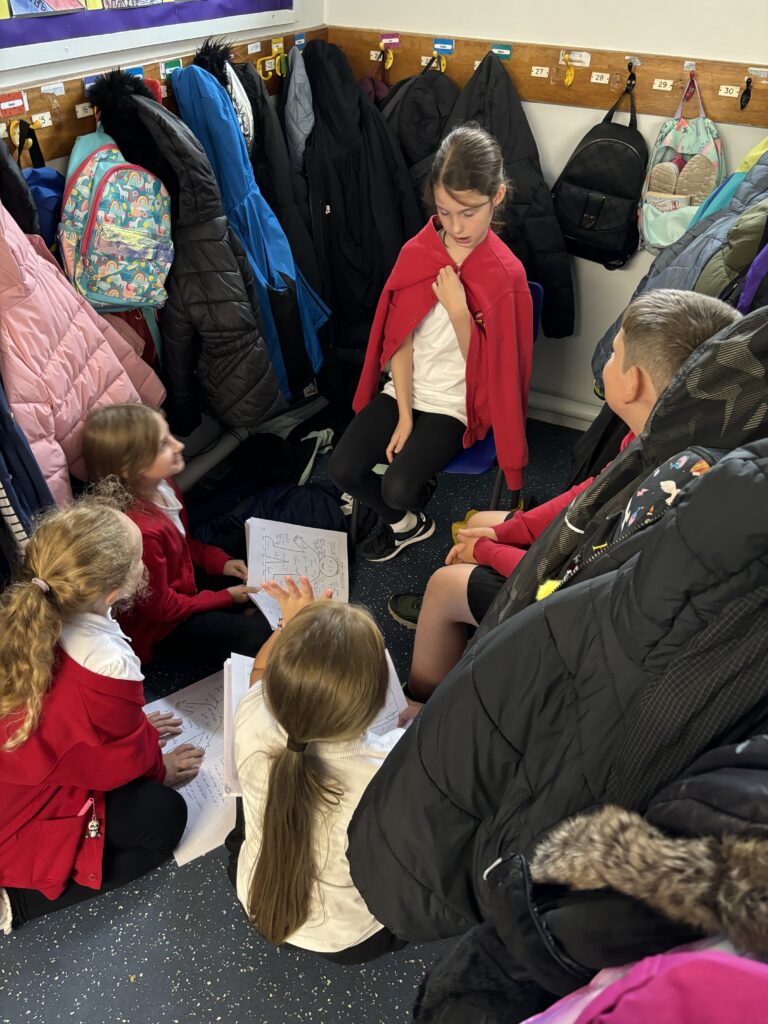
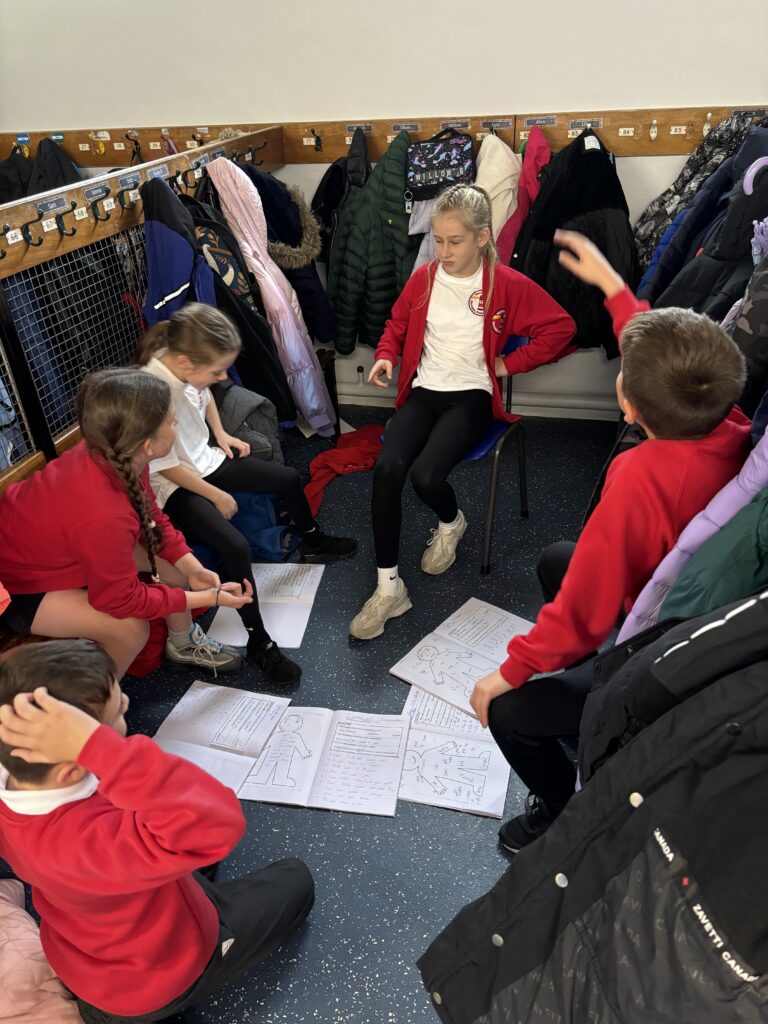
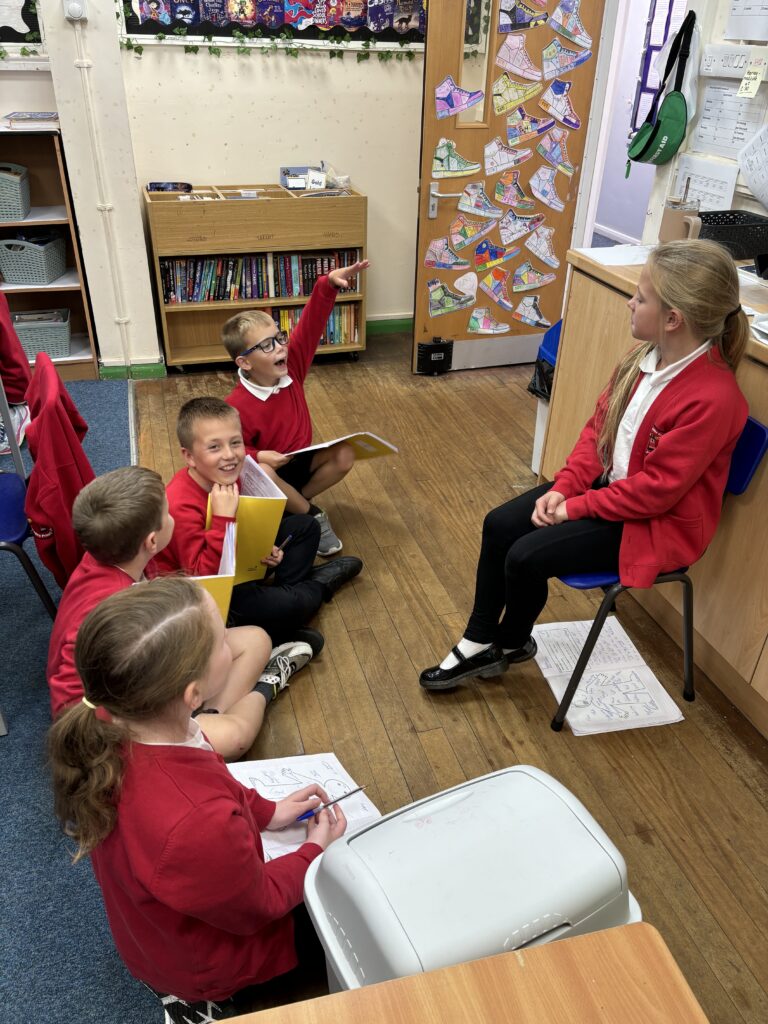
Y5 started to read the text Beowulf last week. We were text detectives and searched for information about King Hrothgar from the book. Once we knew a lot about him we talked about what we would ask him if he was in our classroom.
Then the children were put in the hot seat pretending to be King Hrothgar and answer questions from the other children. They were very intimidating warriors and answered questions using what they found from the text.
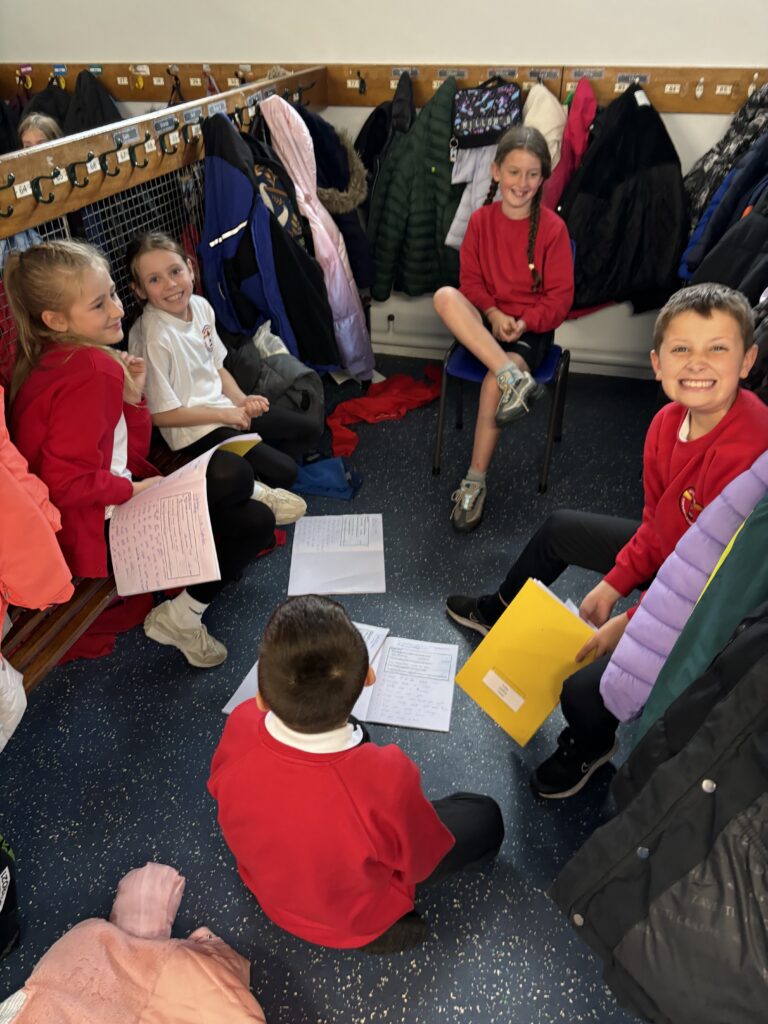
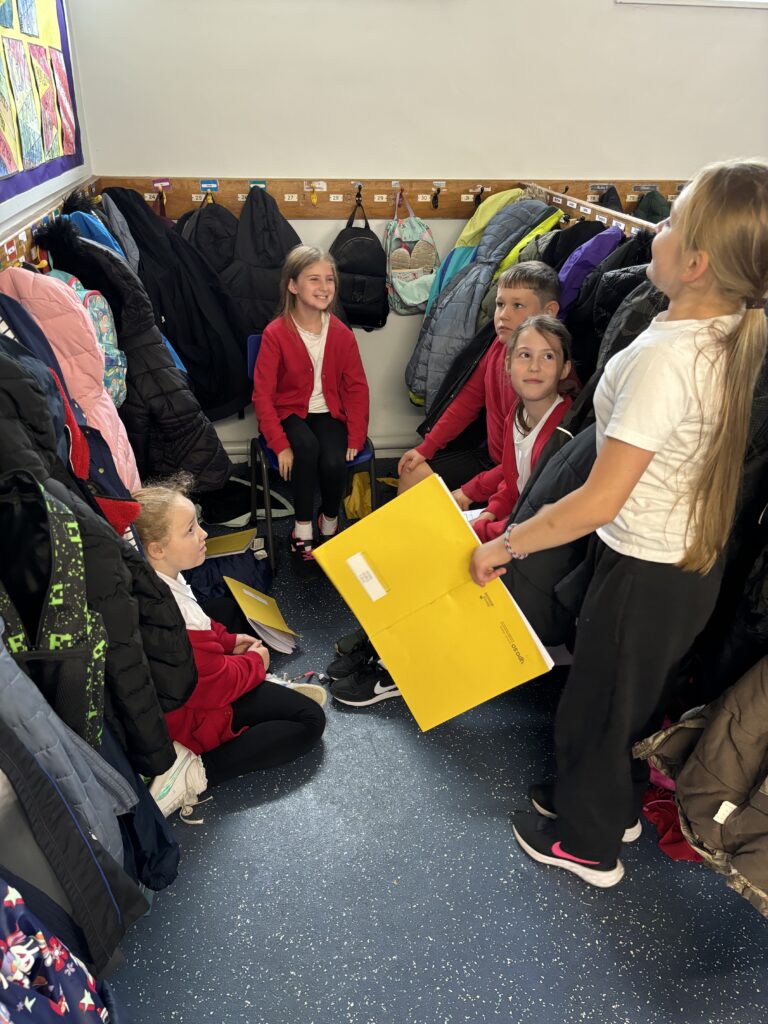

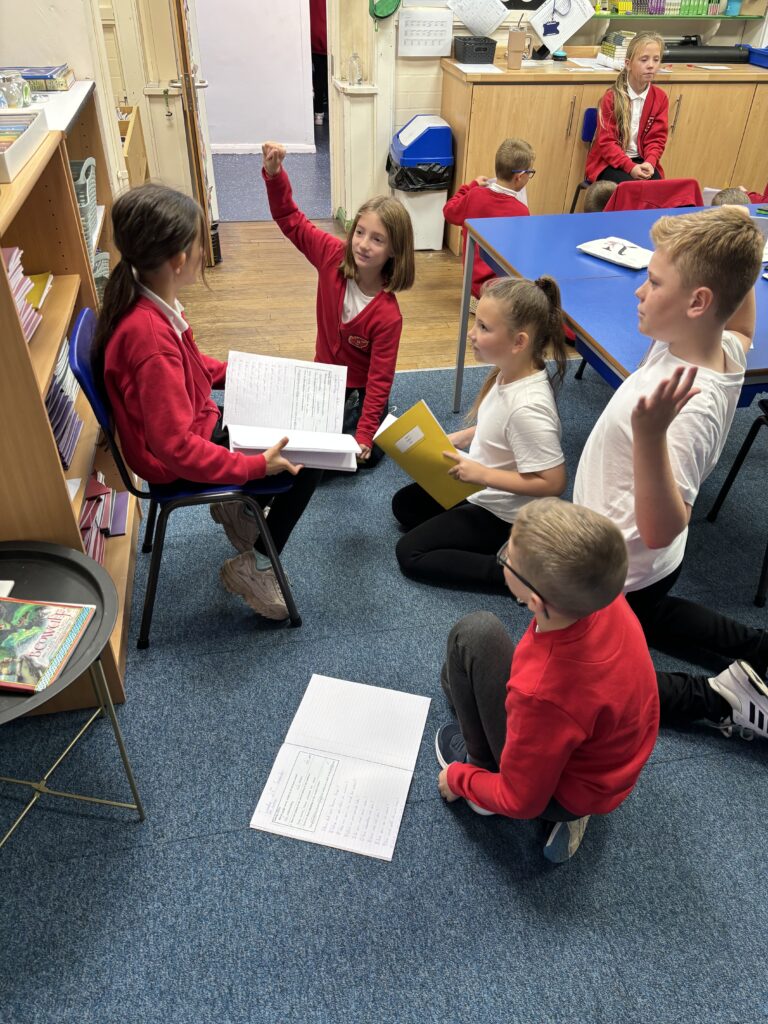
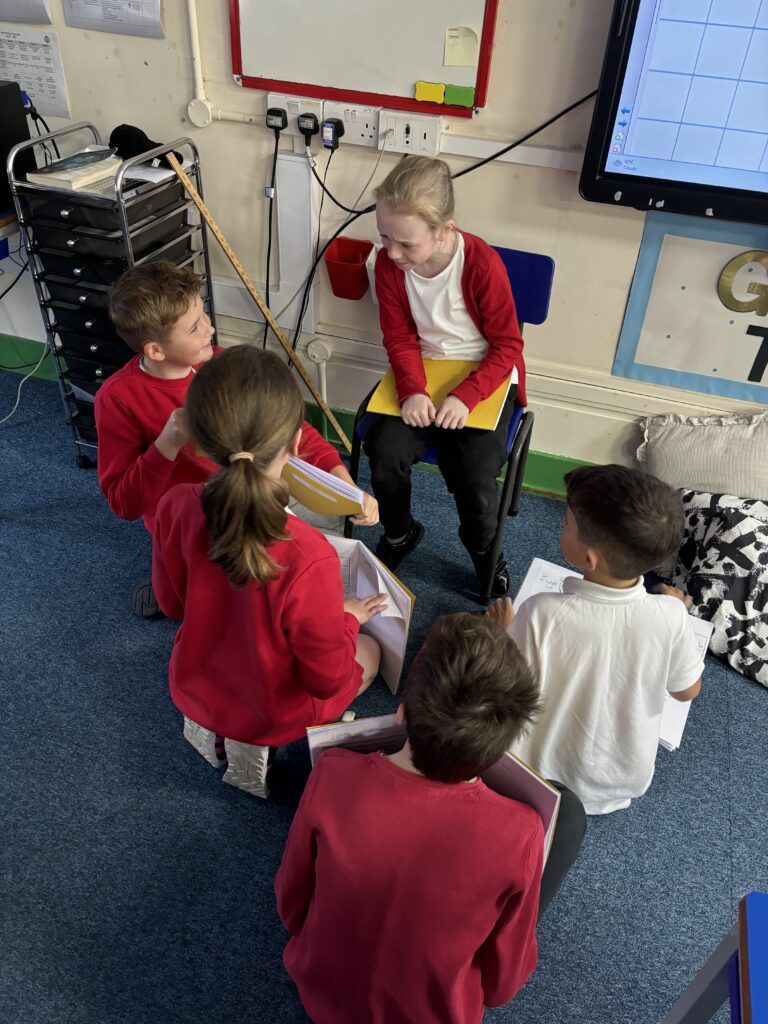
Today, we listened to the story of how Christians believe the world was created.
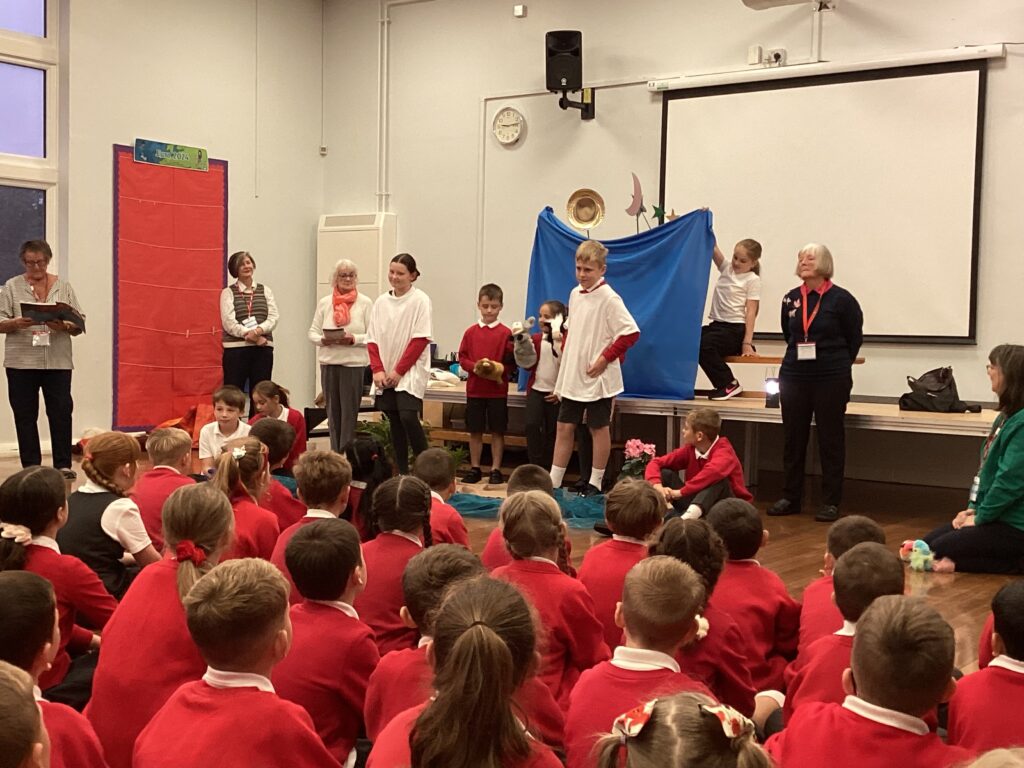
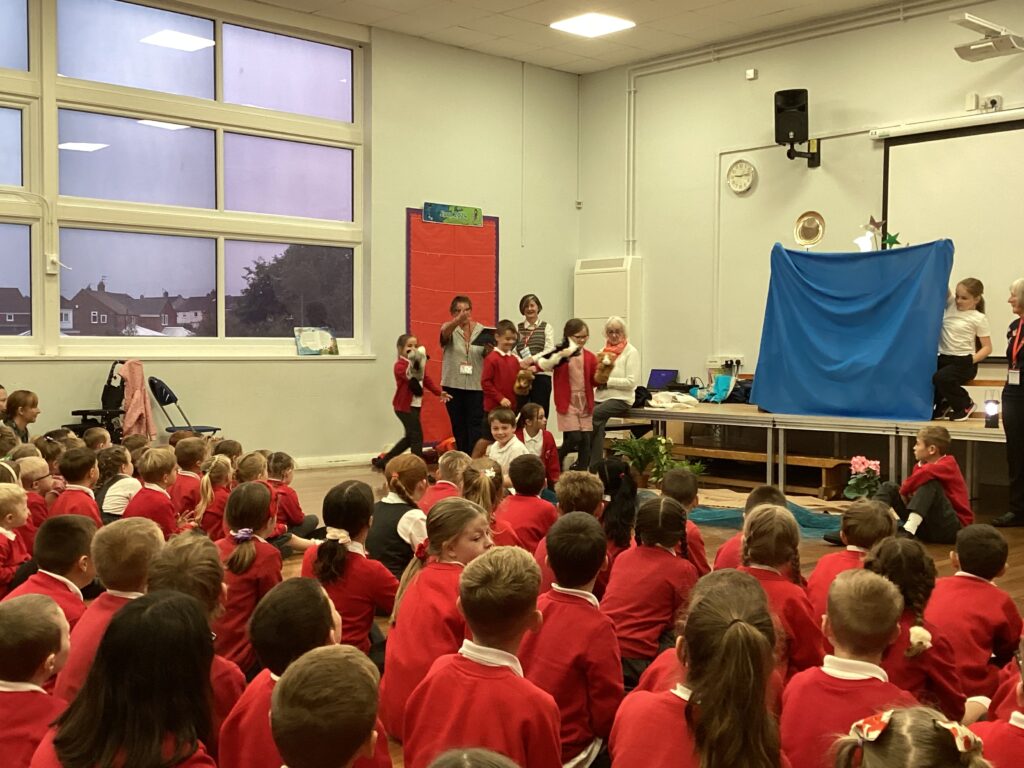
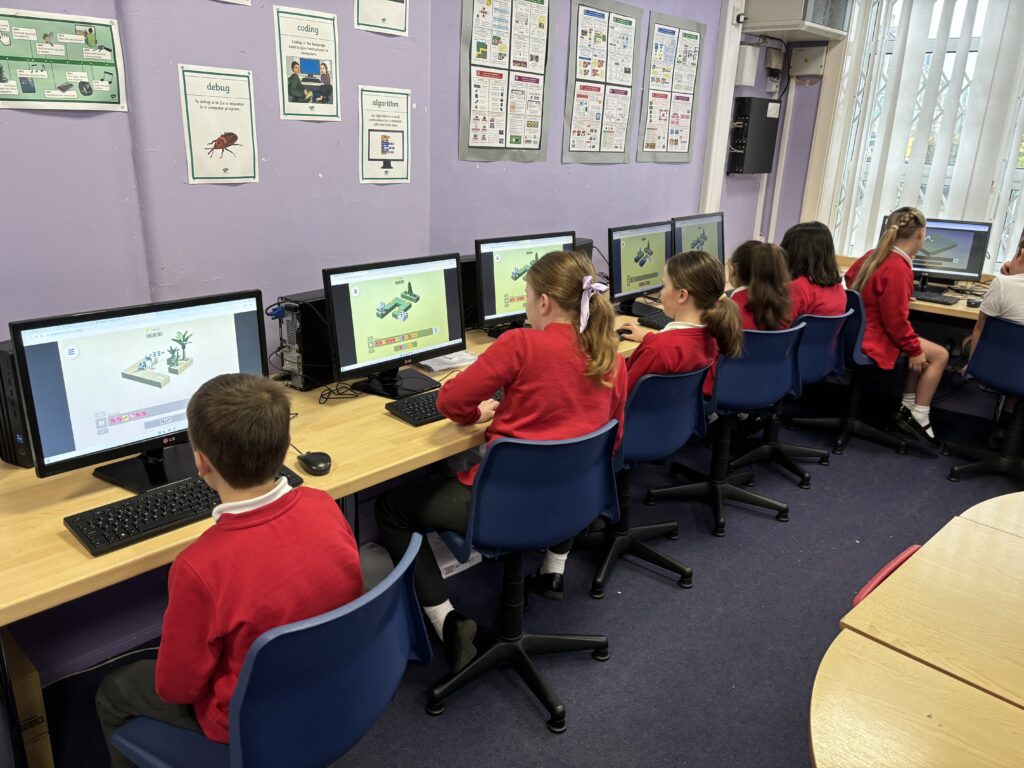
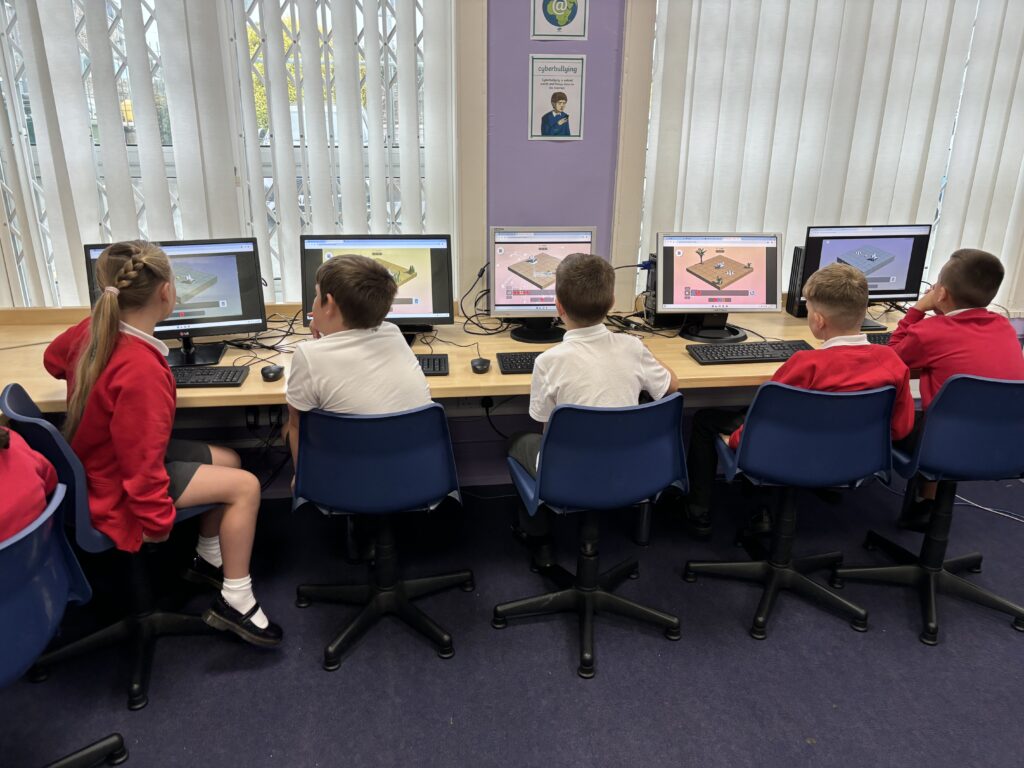
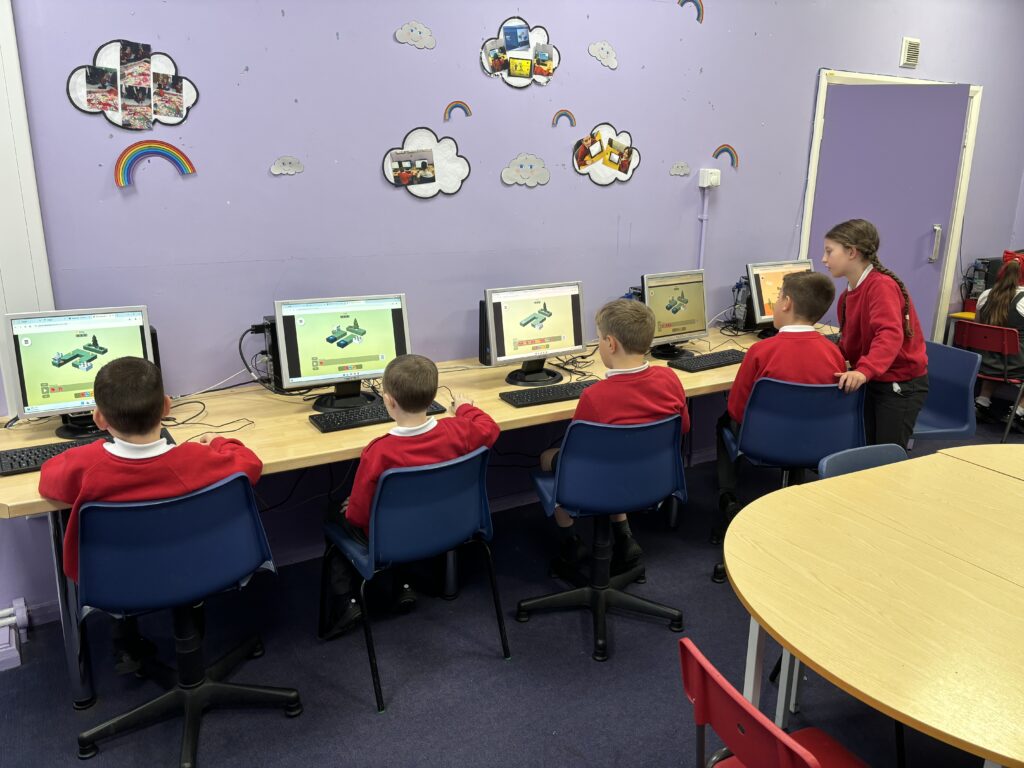
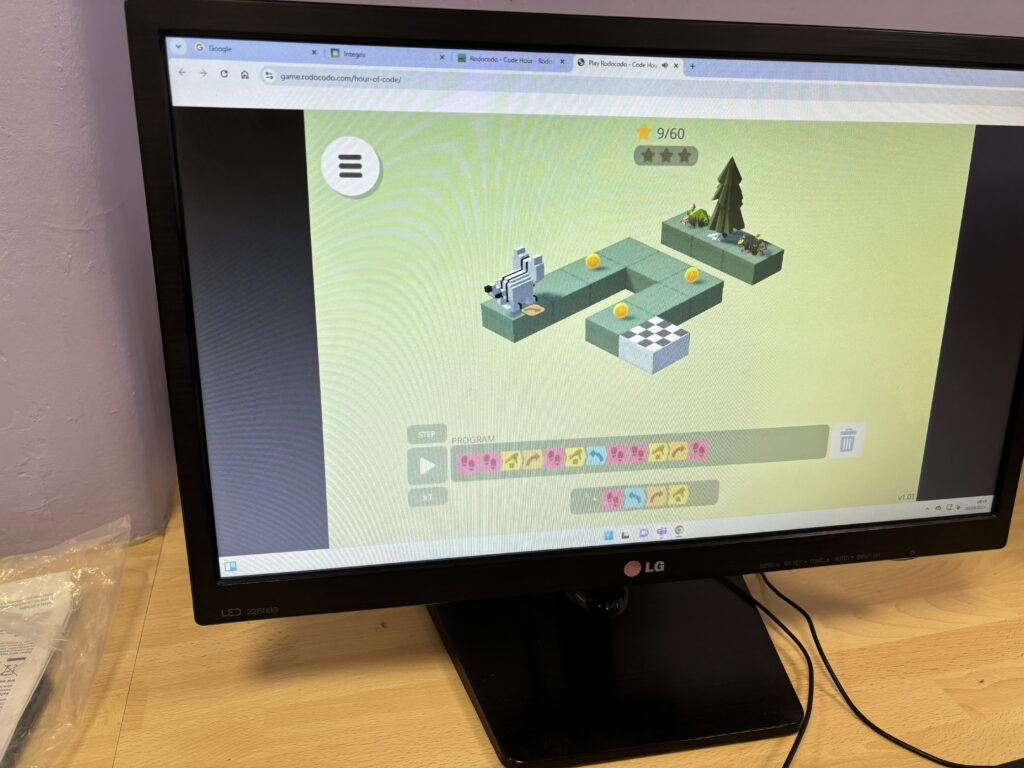
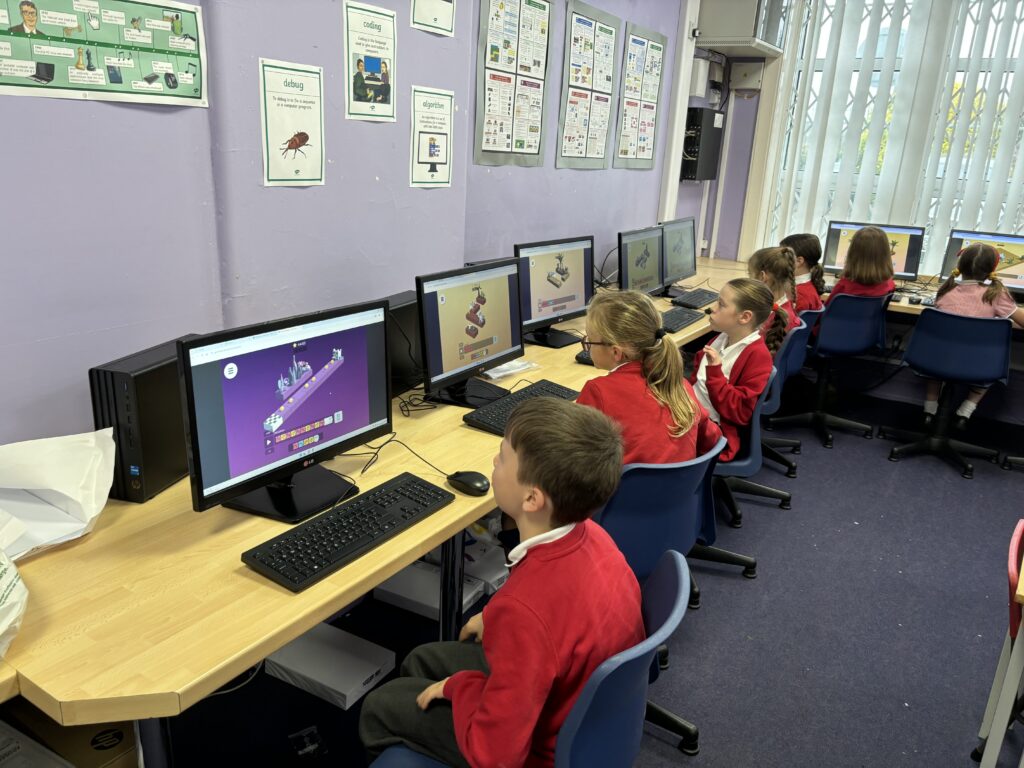
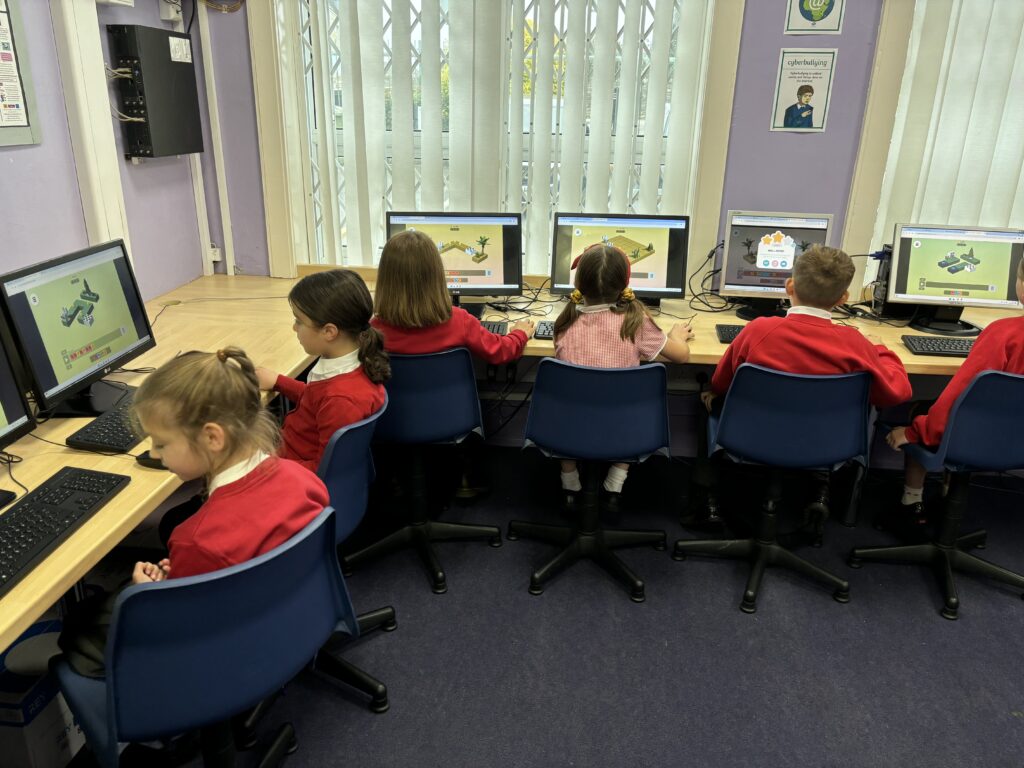
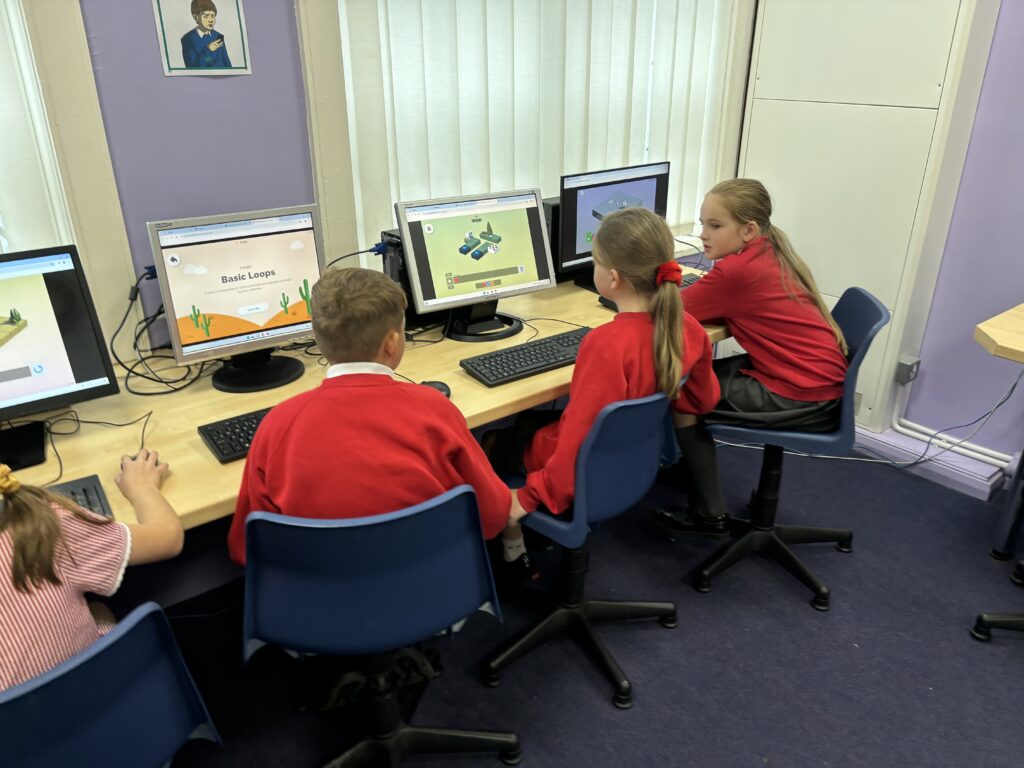
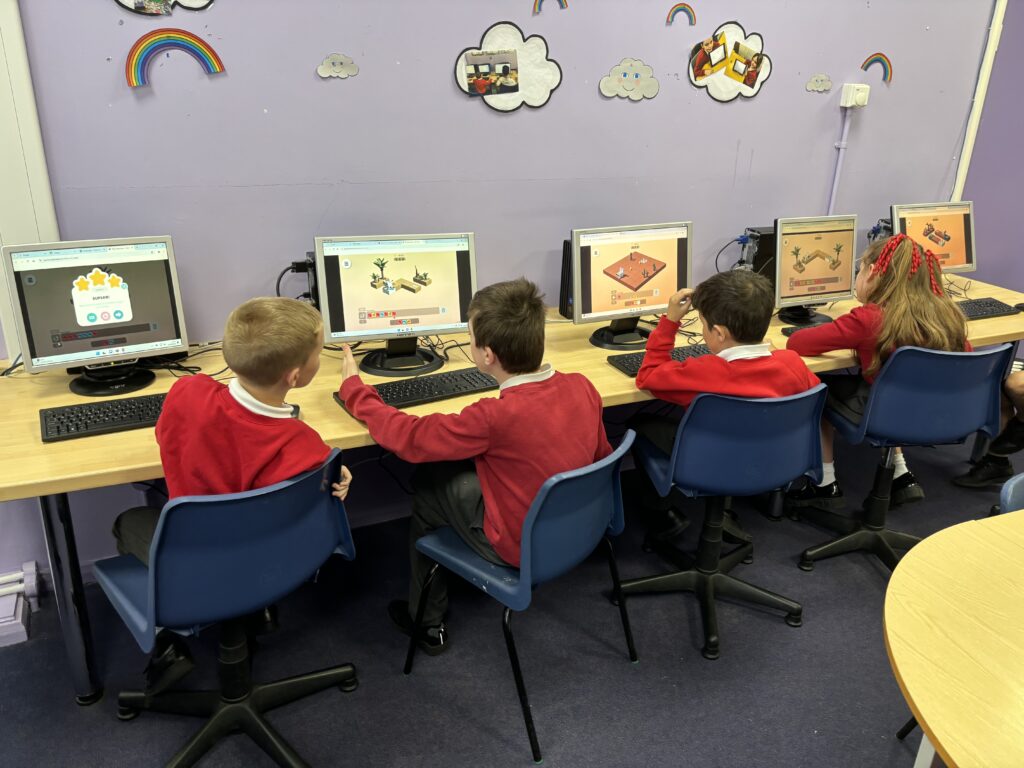
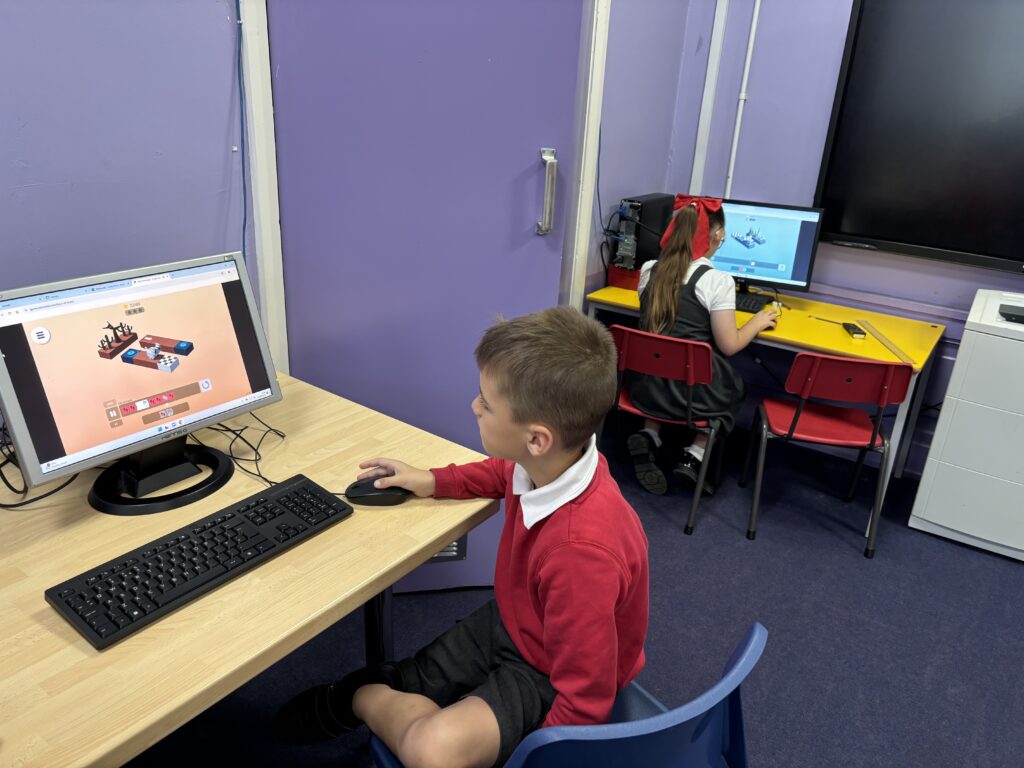
To celebrate National Coding Week, a mixture of Y4 and Y5 children accessed a program which gradually builds up their coding skills. We used Rodo Codo from the Code Hour and the children loved it! They were much better than Mrs Hanratty at creating effective code.
Click Here to play!
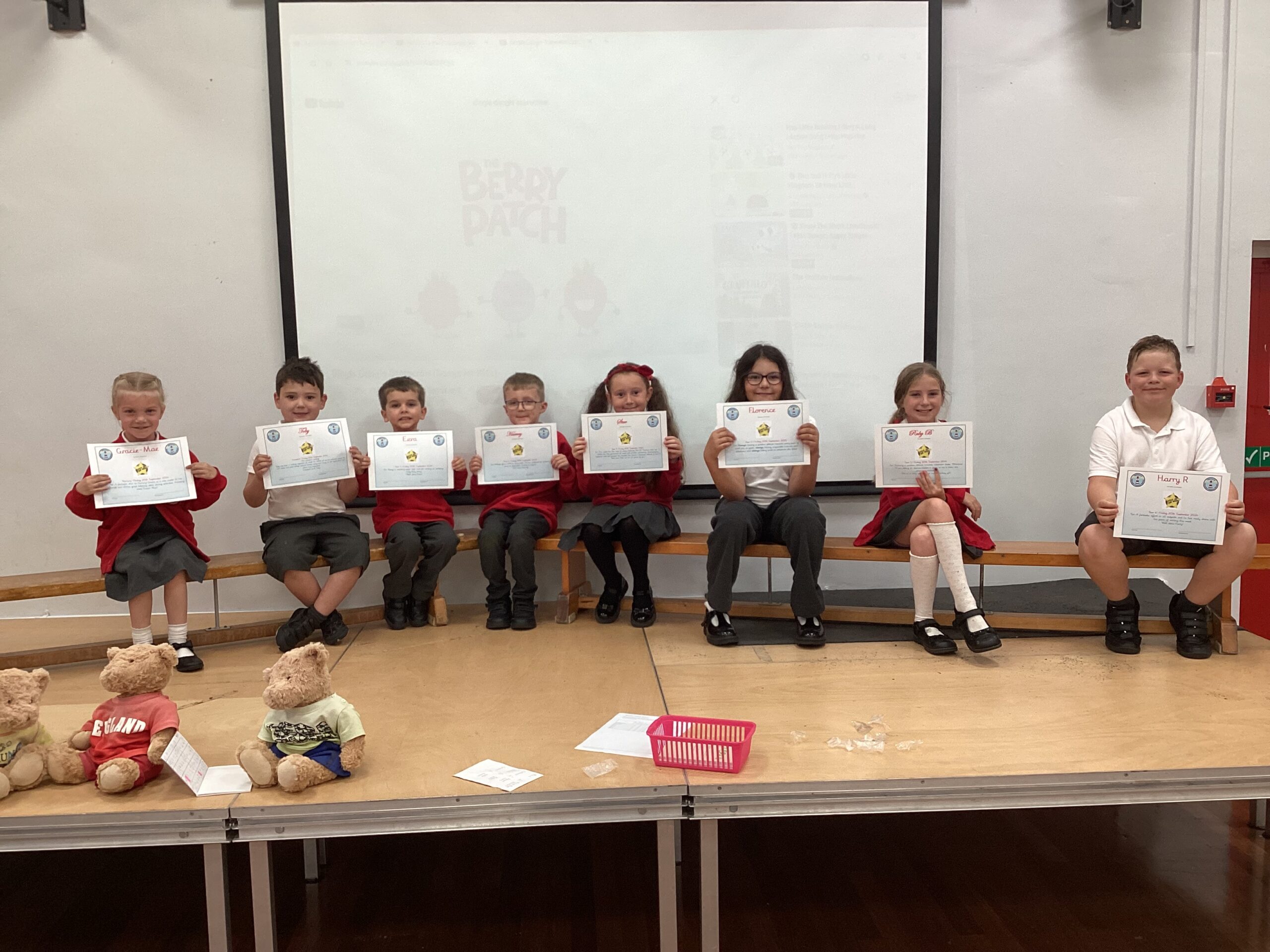
Congratulations to our winners!
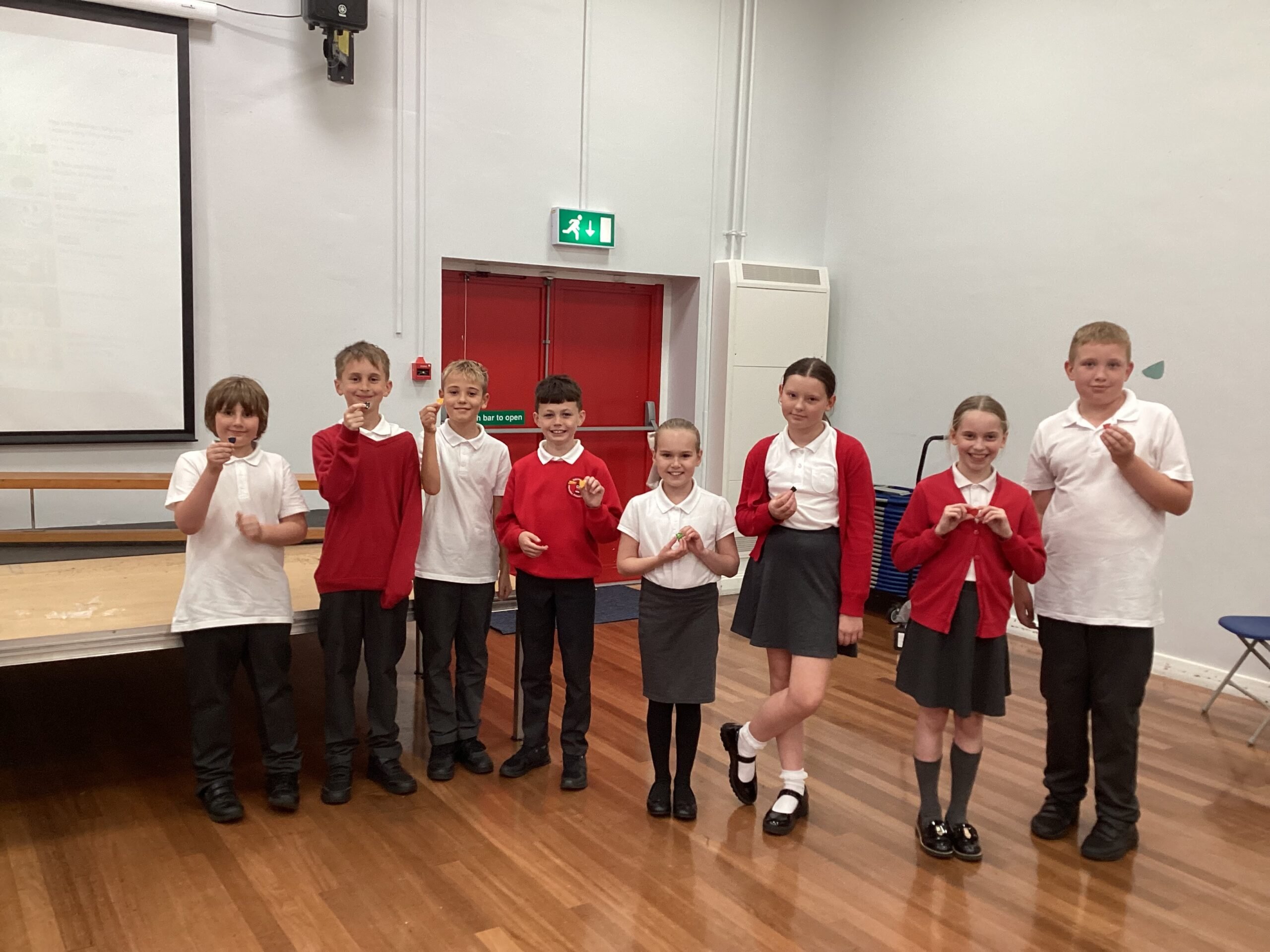
Congratulations to our new captains and vice captains. I’m sure they will set an excellent example for their colour group.
Yellow Captain: Isaac Vice Captain: Leon
Red Captain: Aimee-Rose Vice Captain: Ethan
Green Captain: Millie and Vice Captain: Amari
Blue Captain: Rufus Vice Captain: Aldo
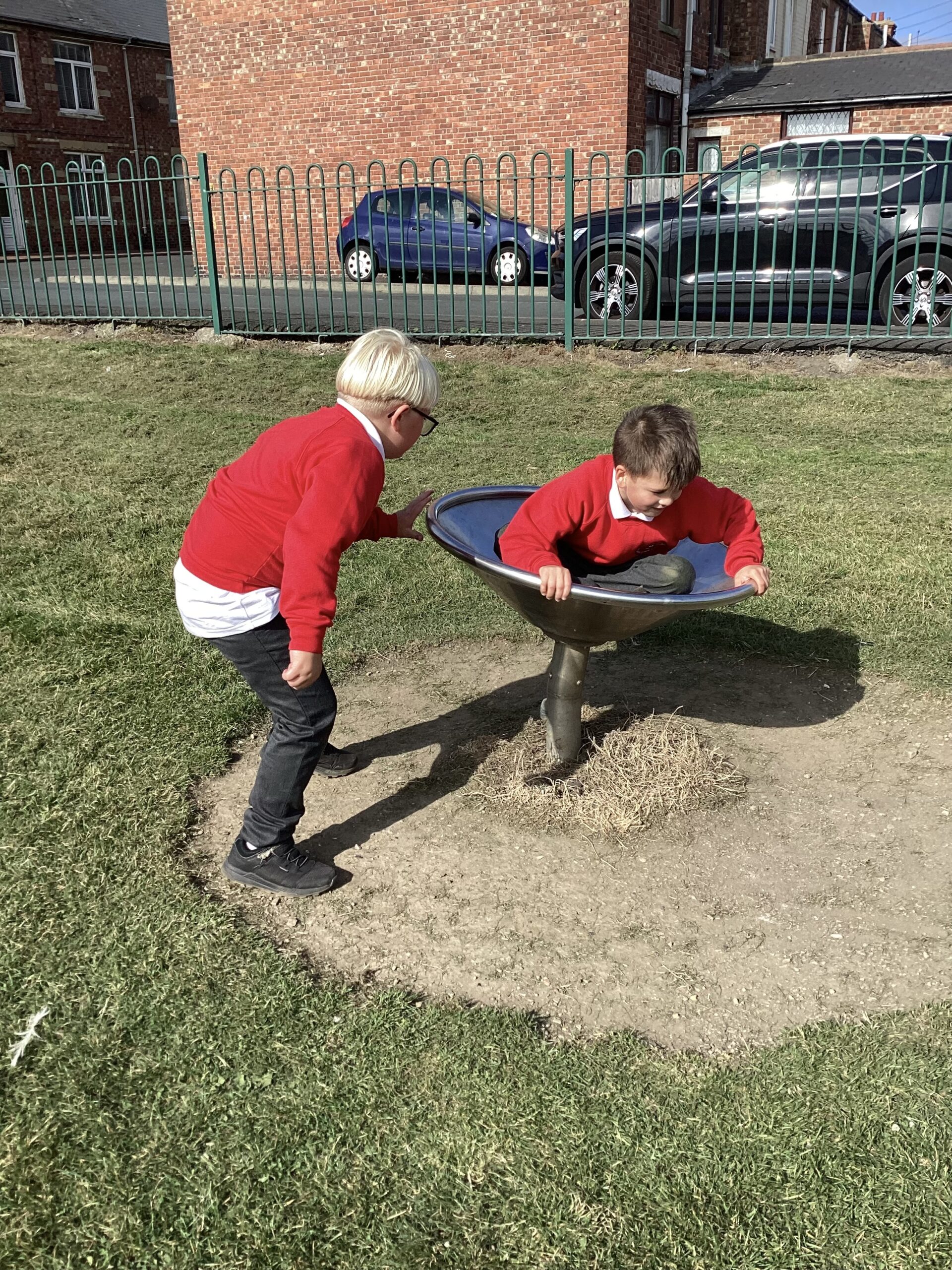
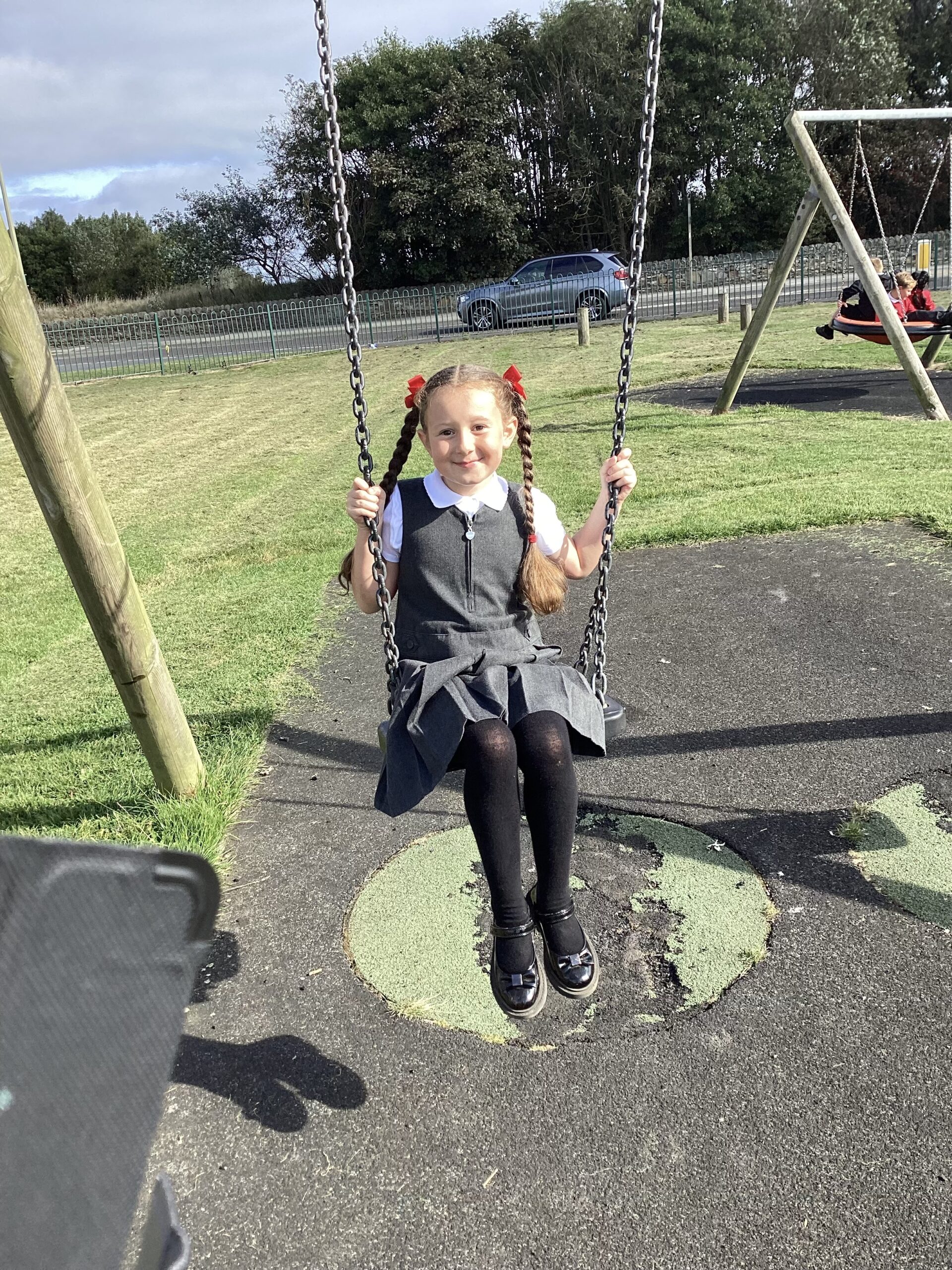
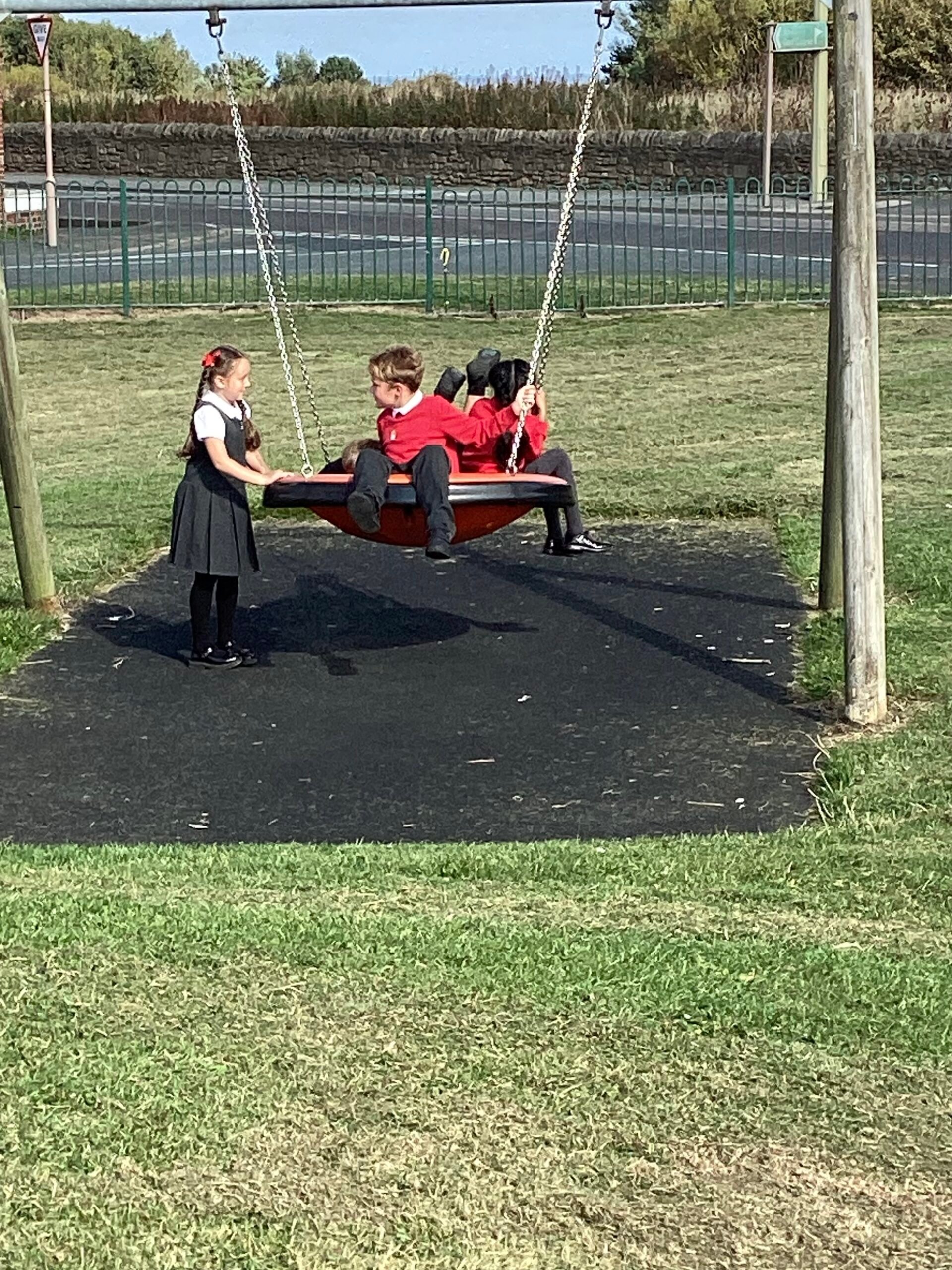
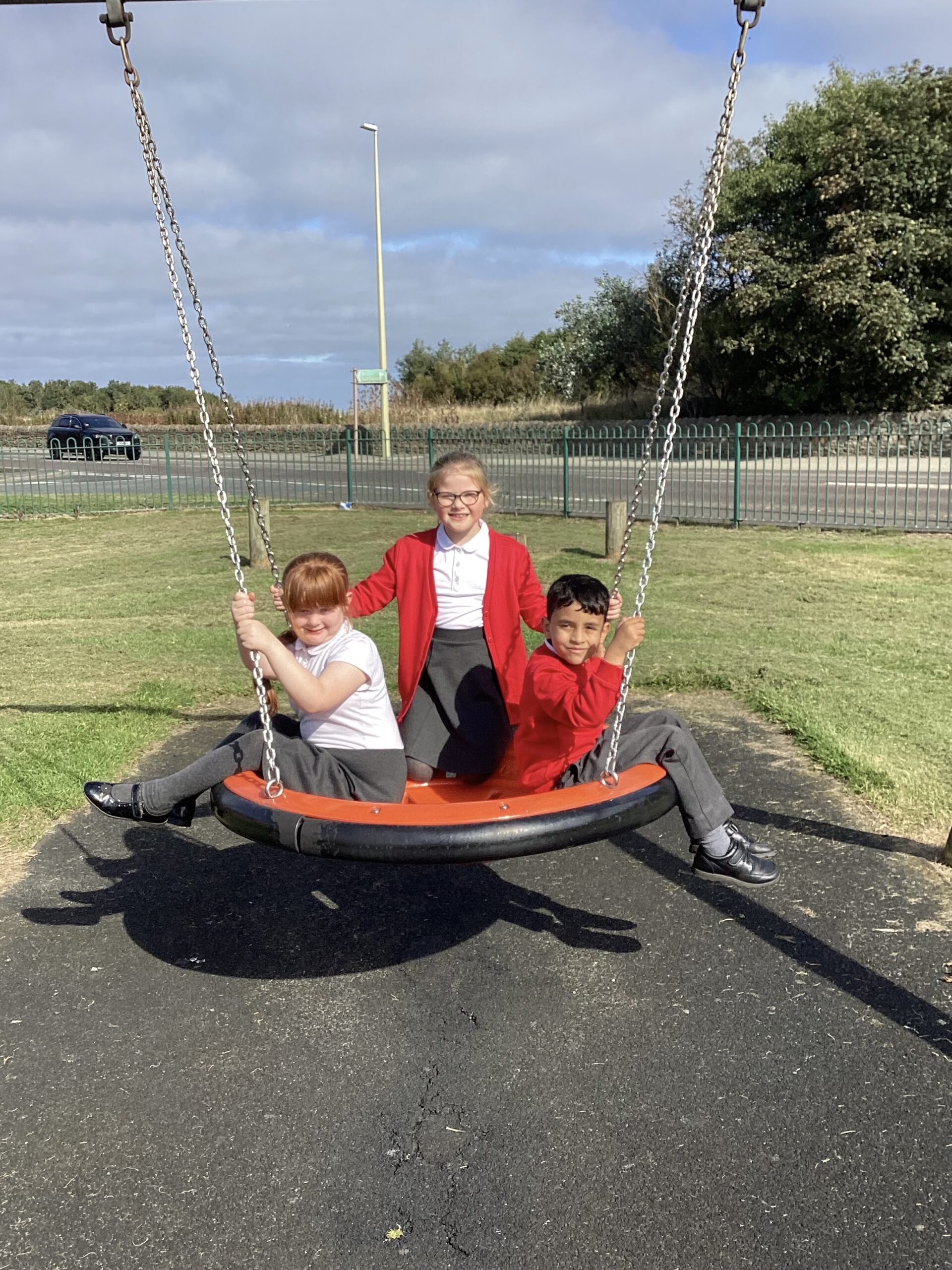
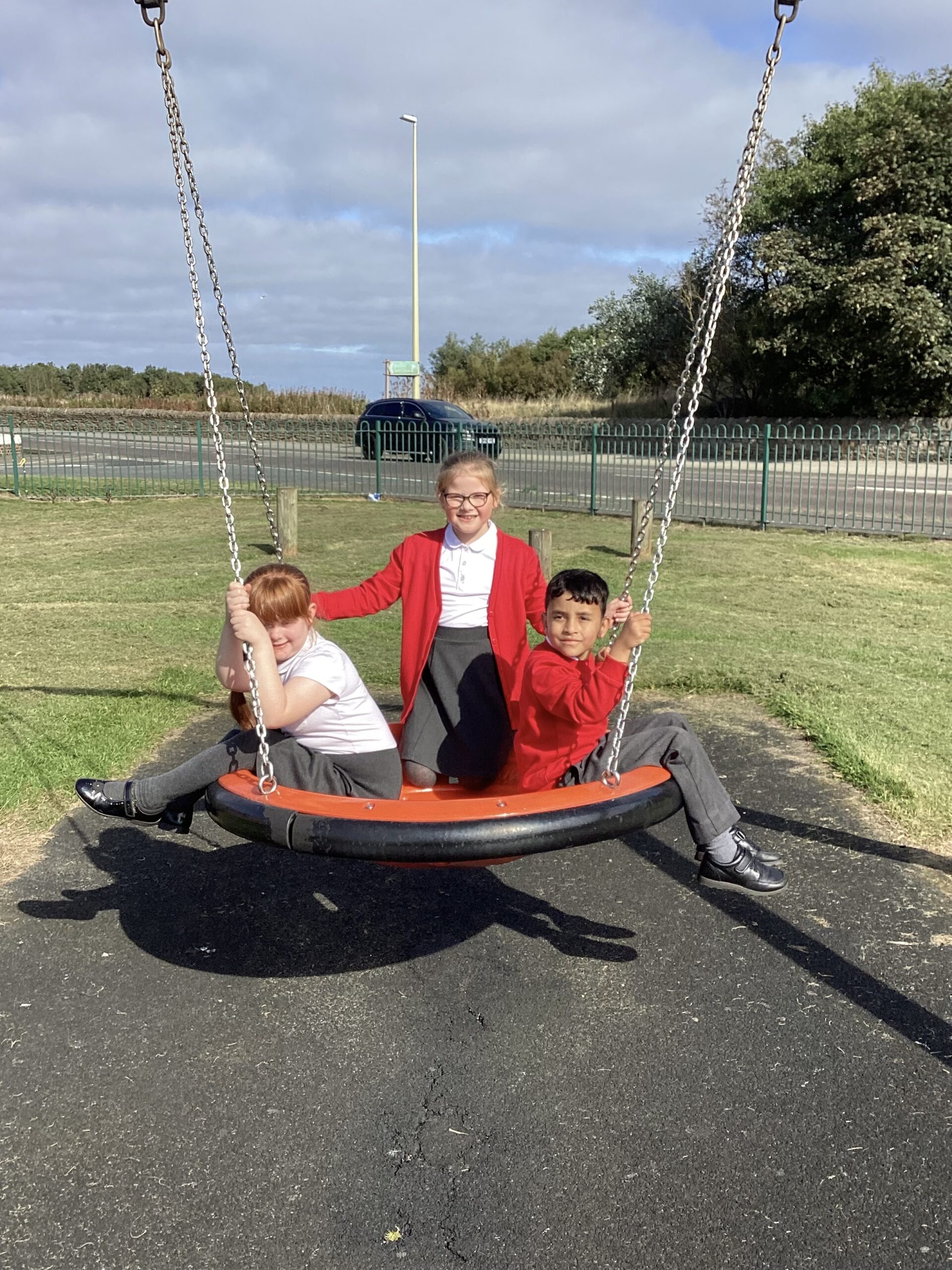
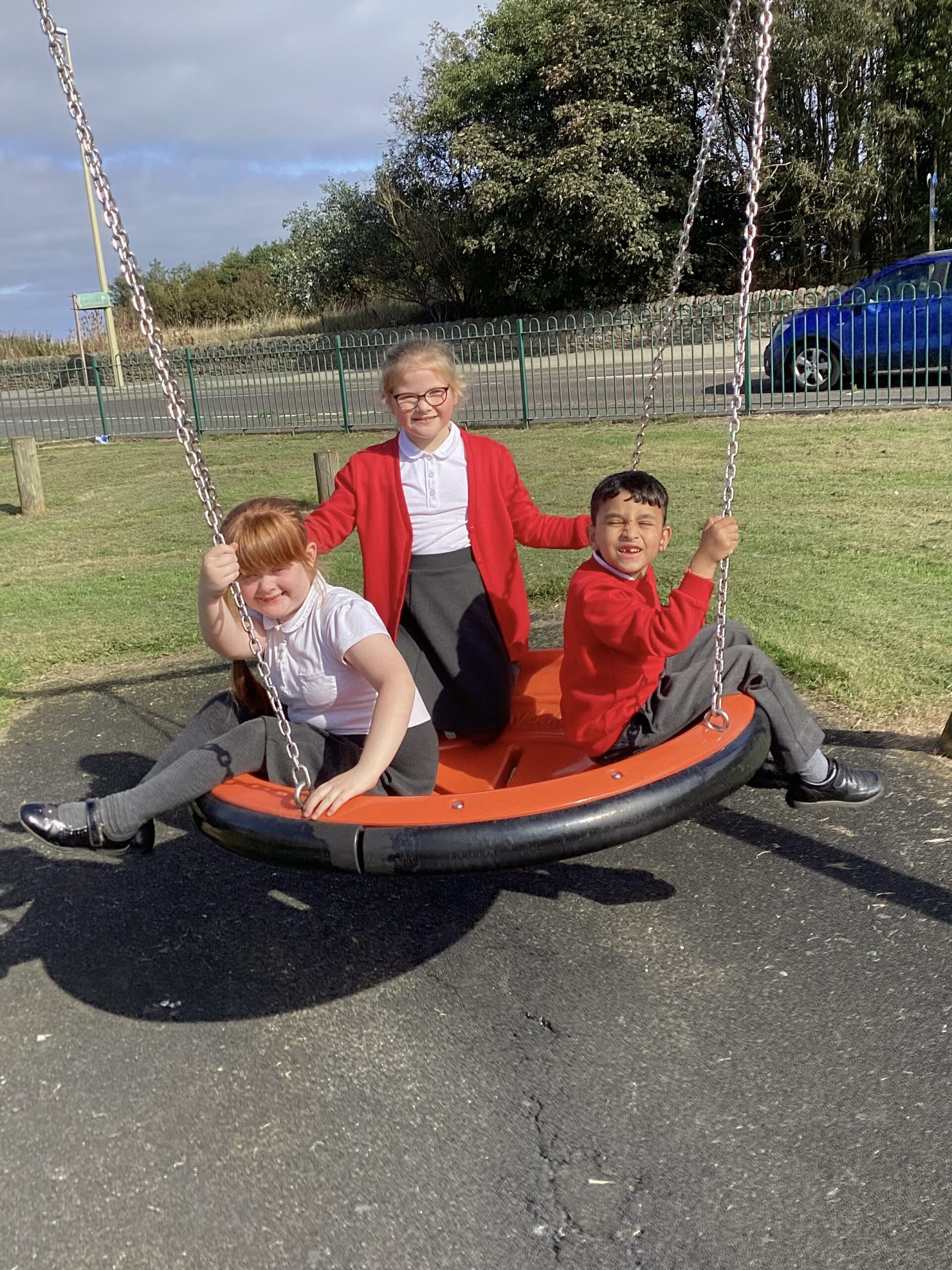
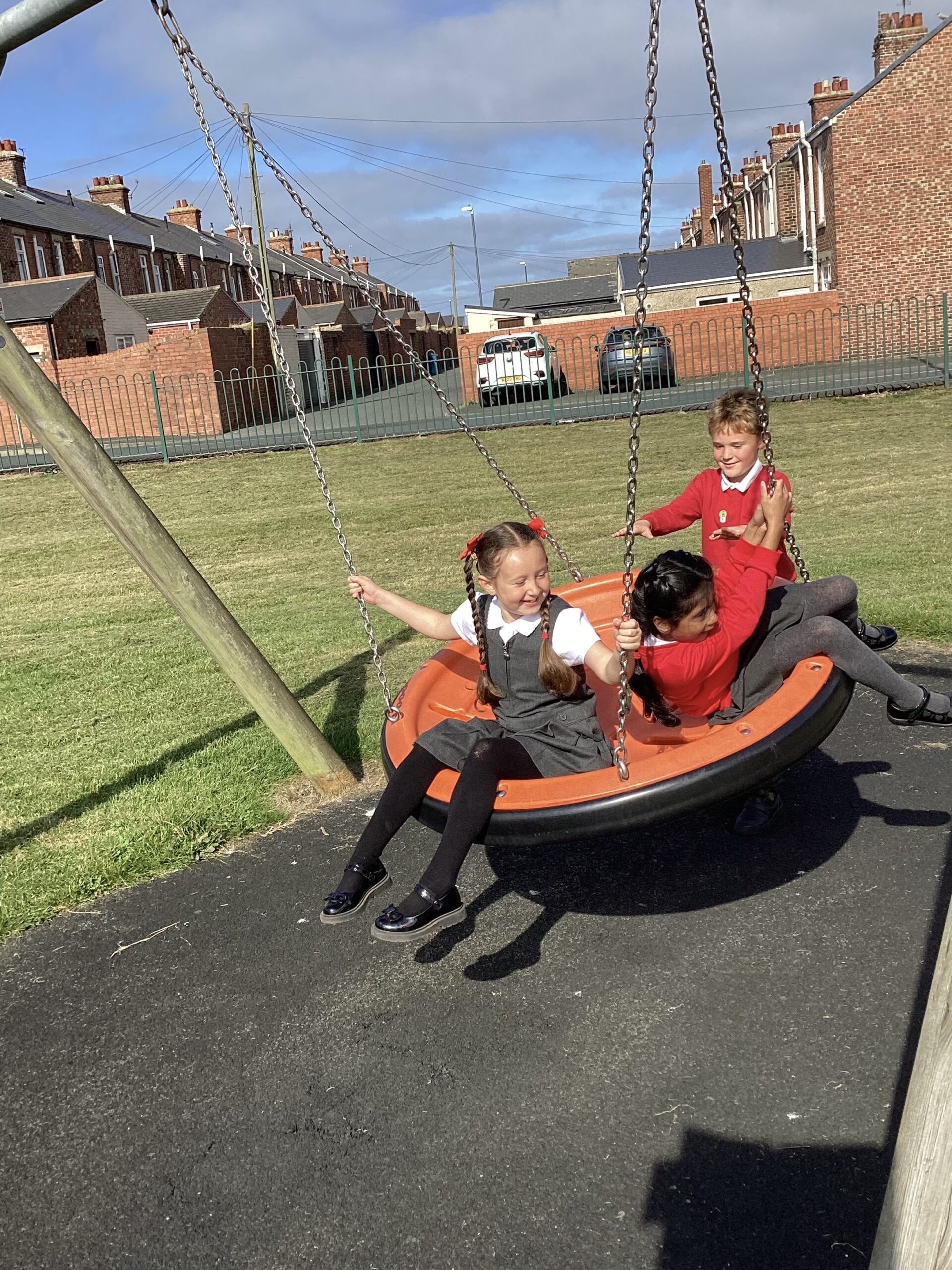
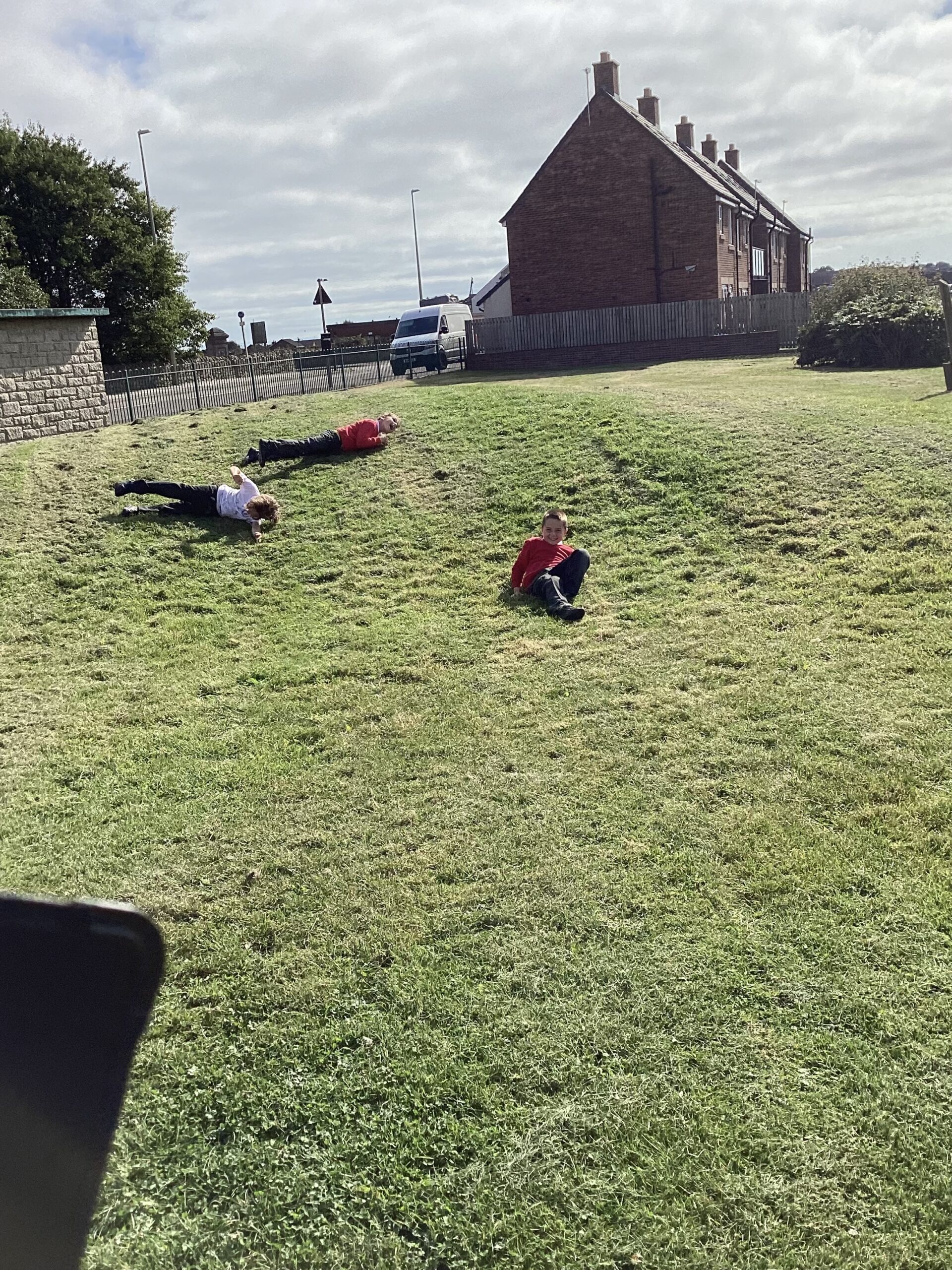
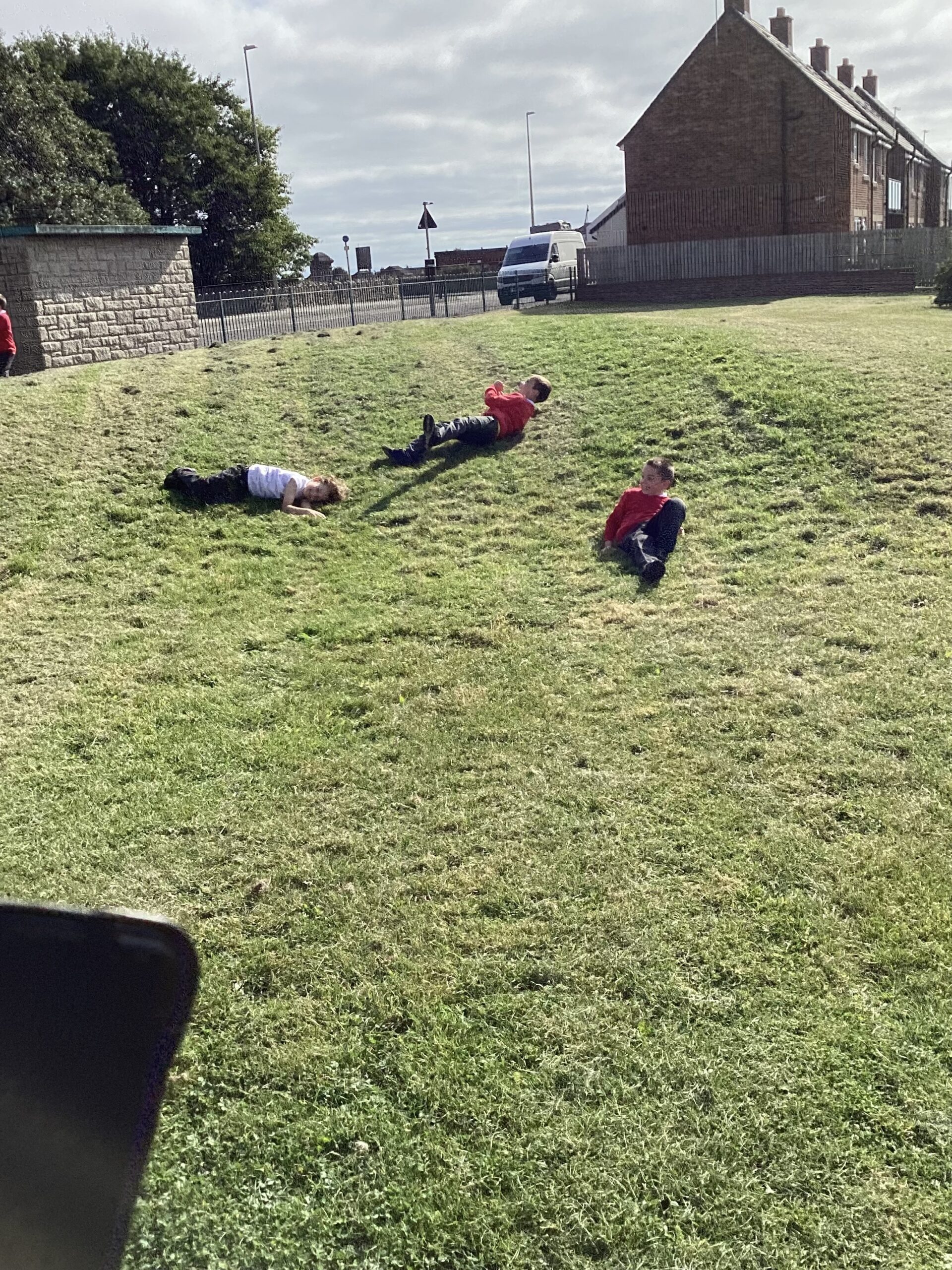
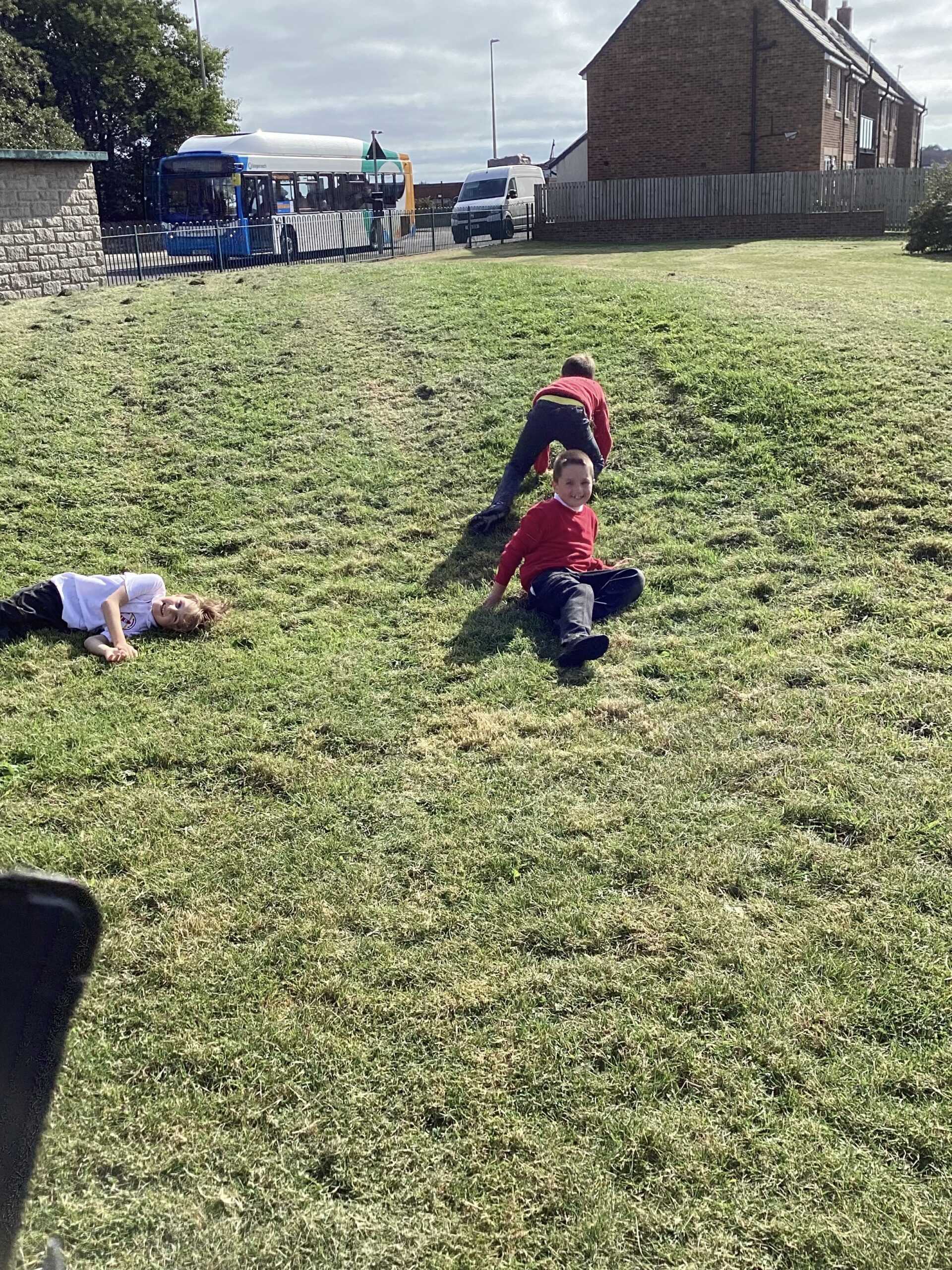
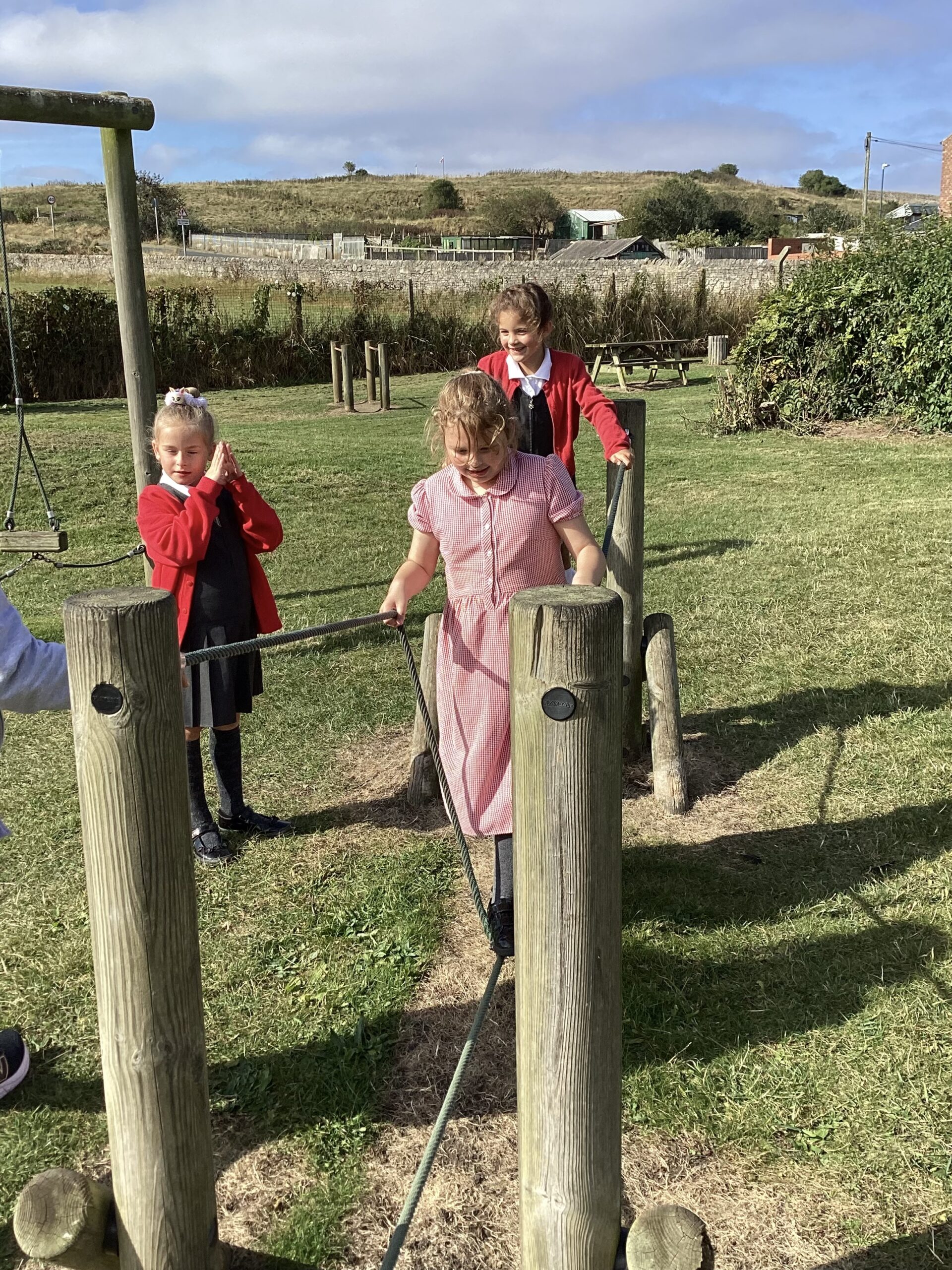
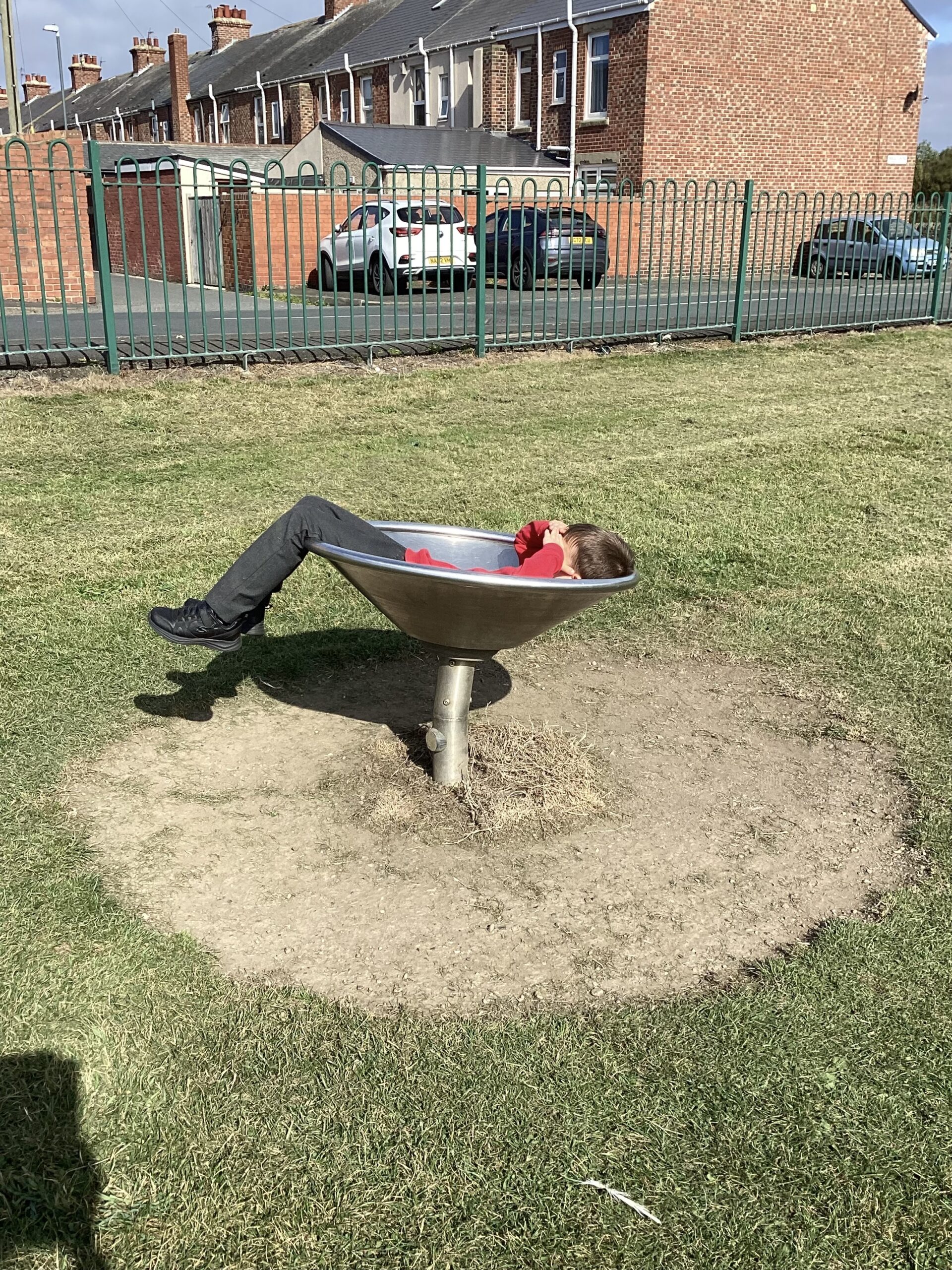
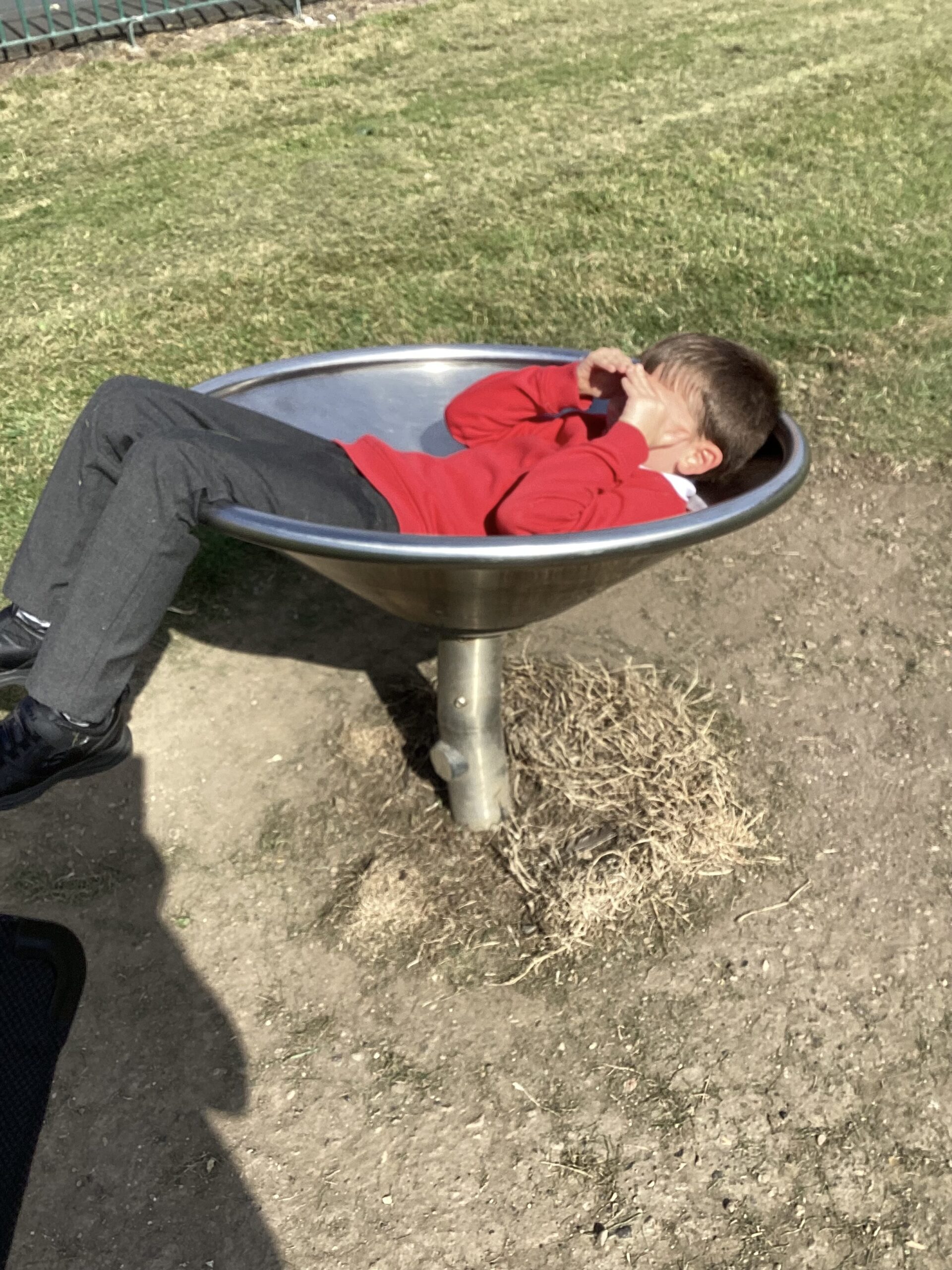
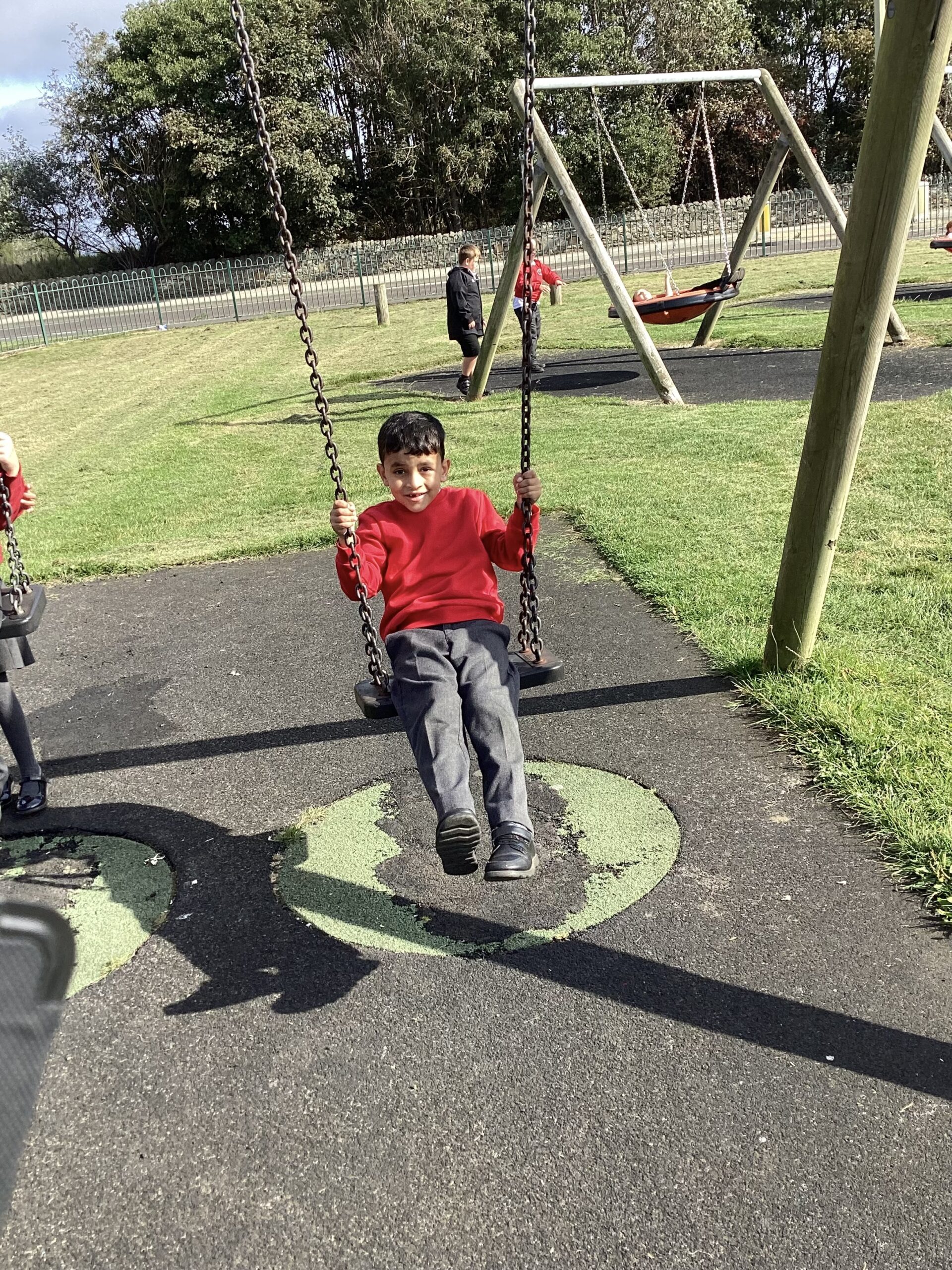
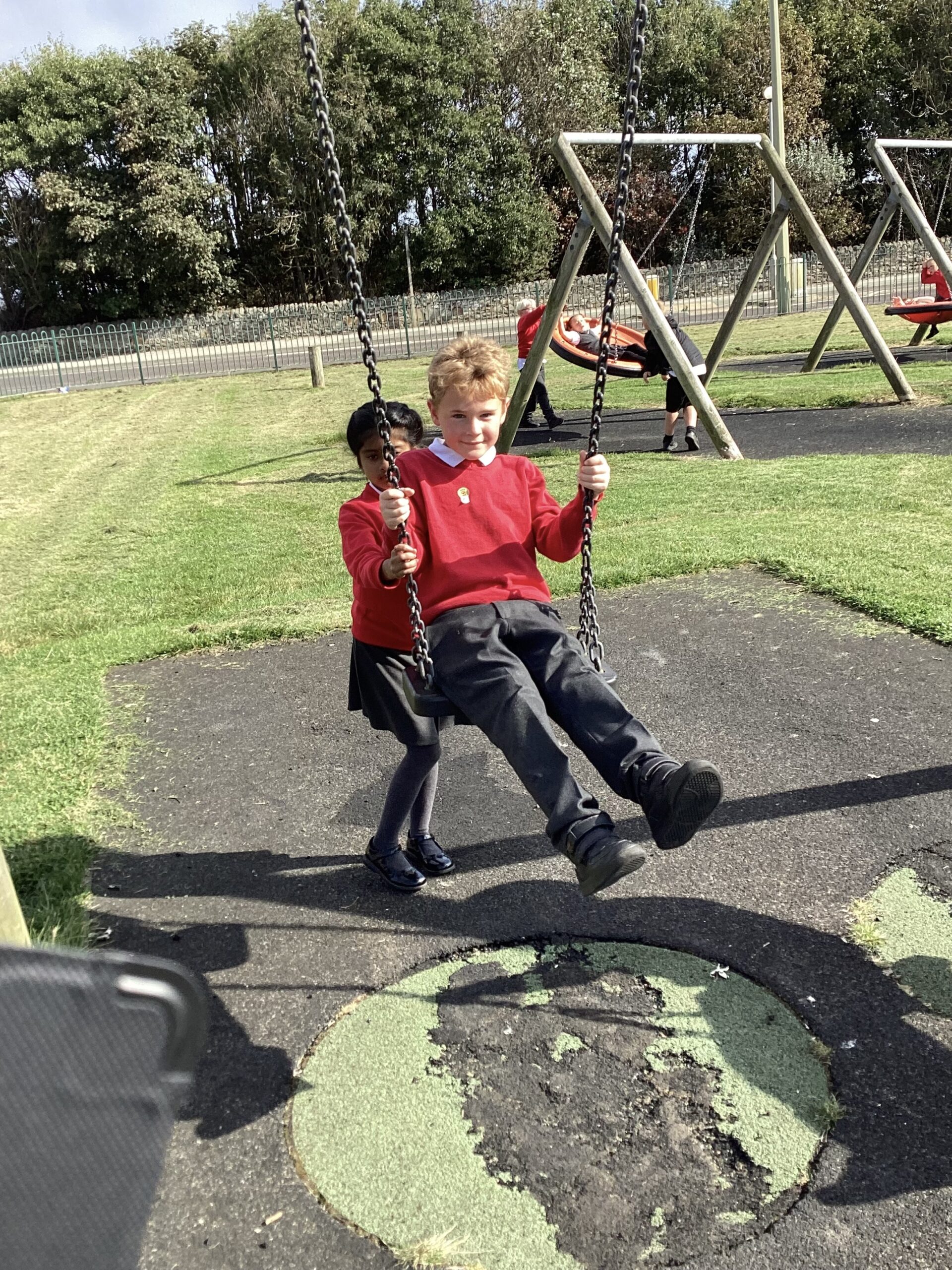
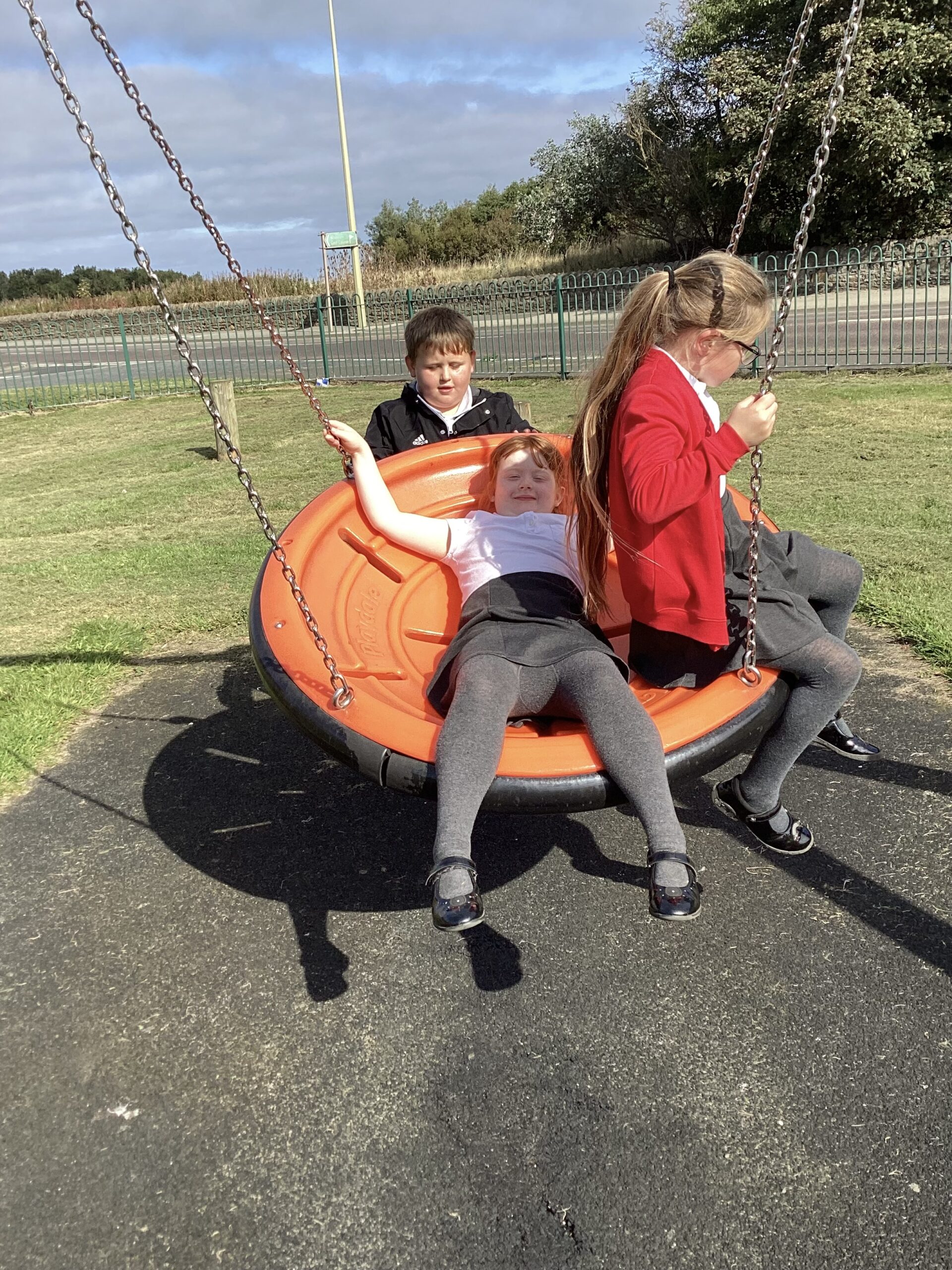
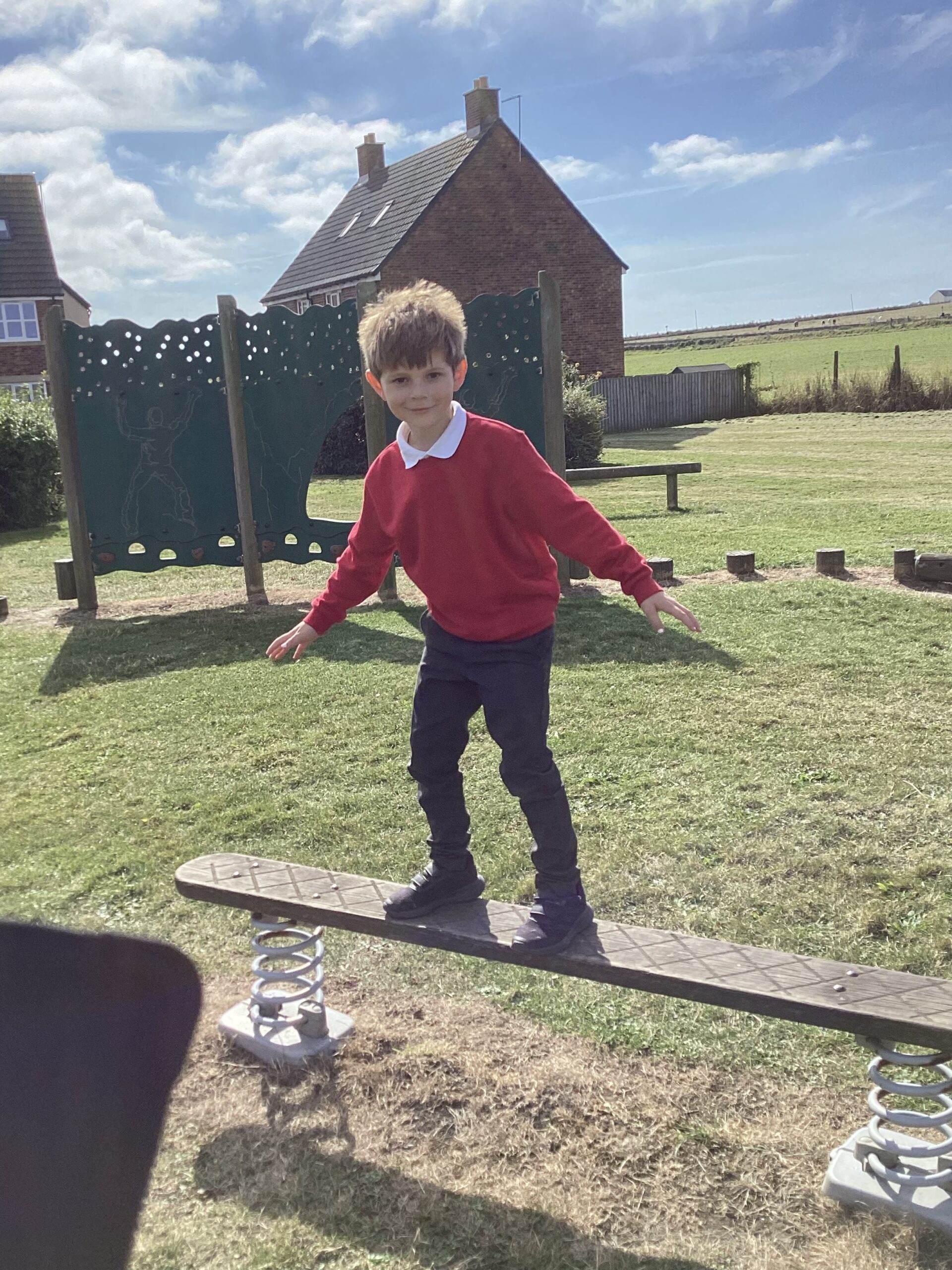
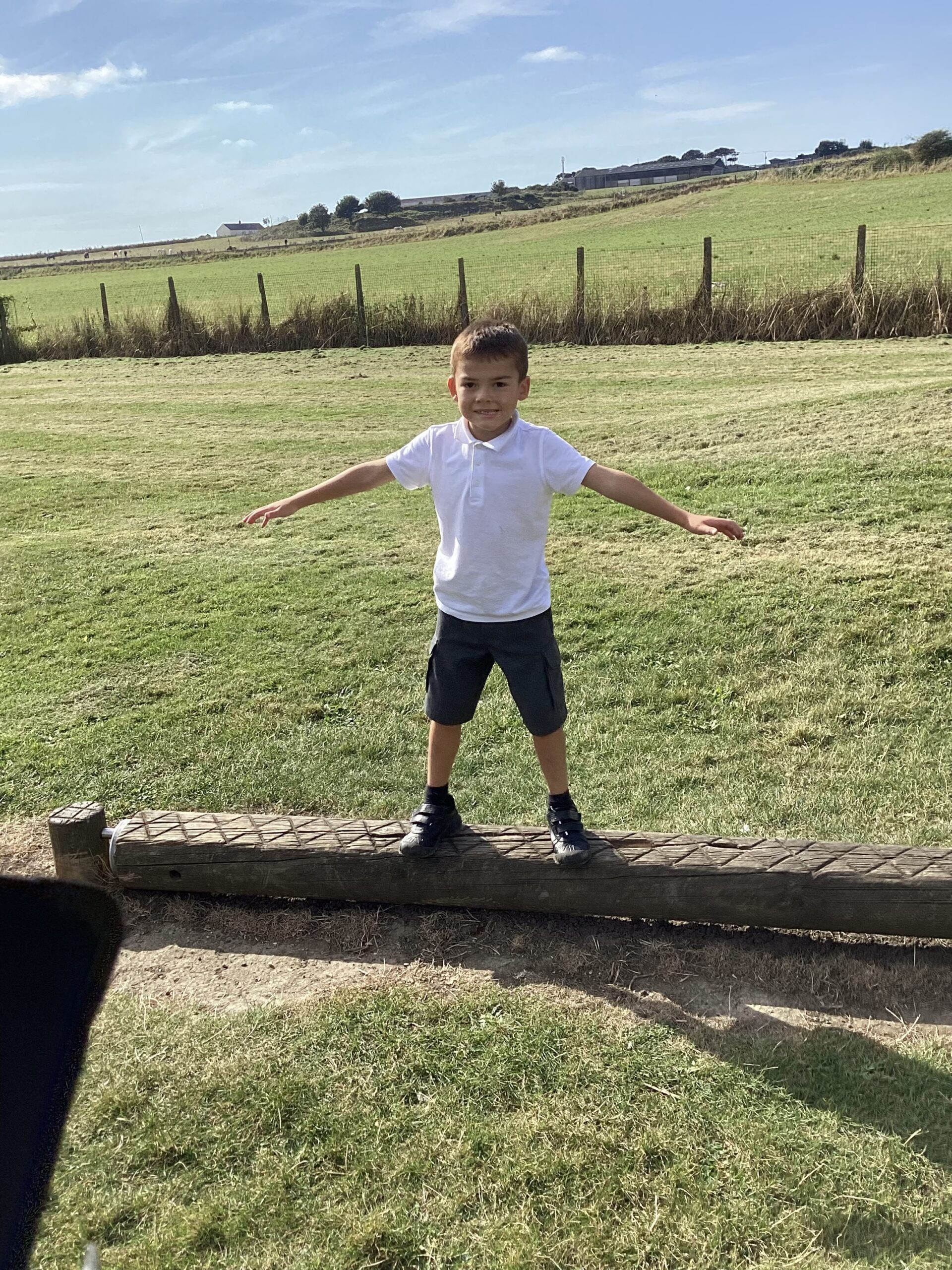
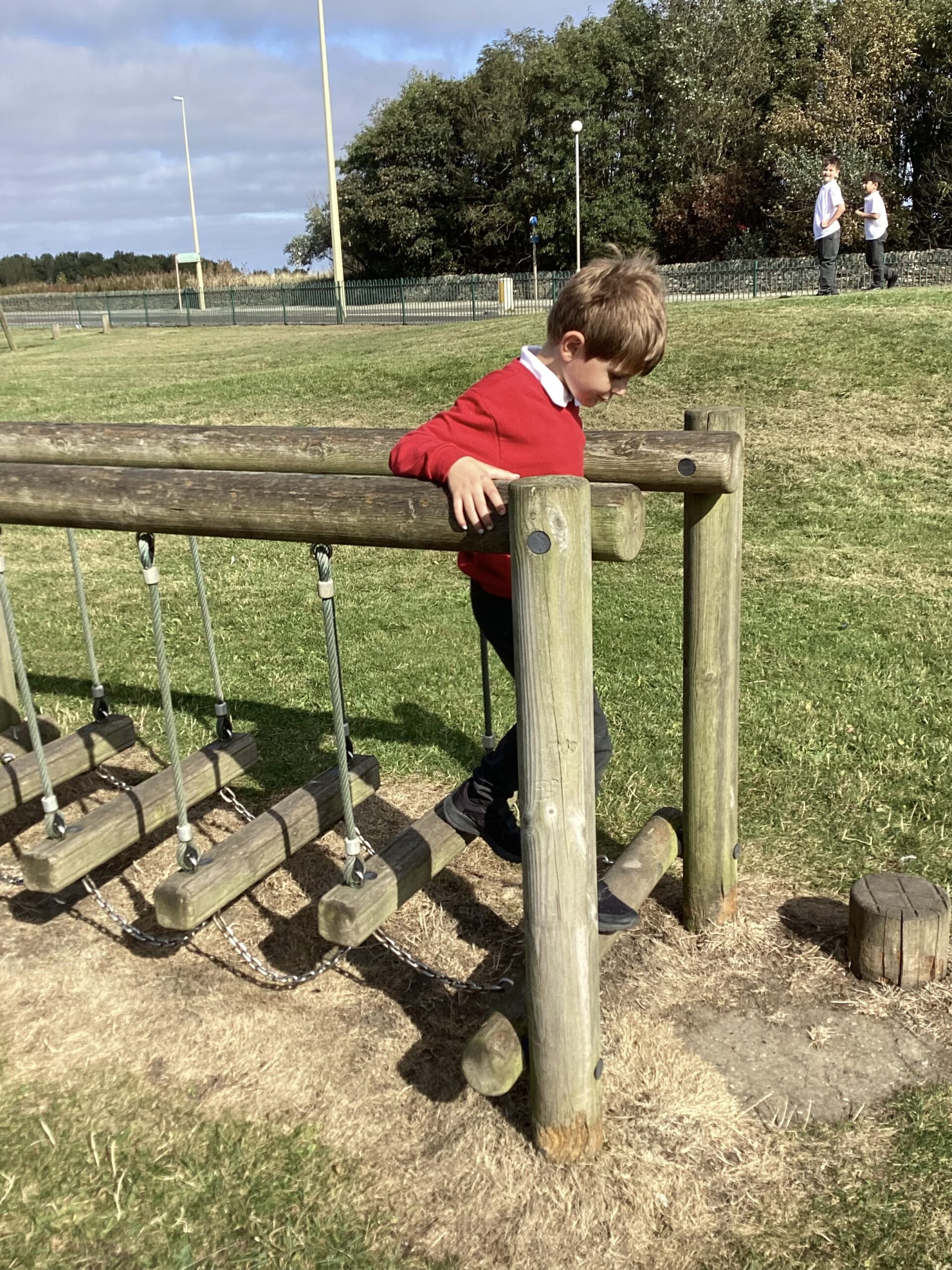
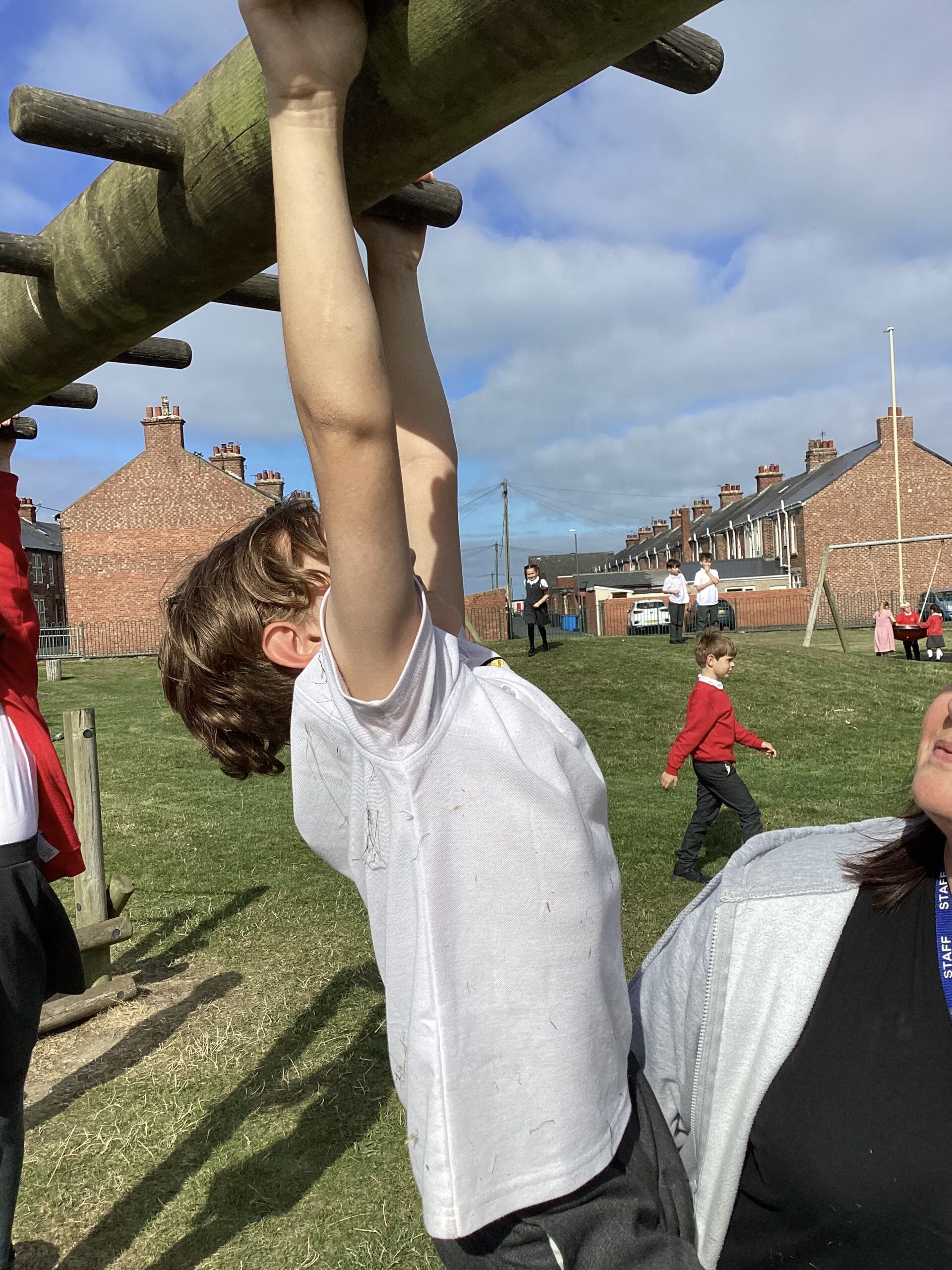
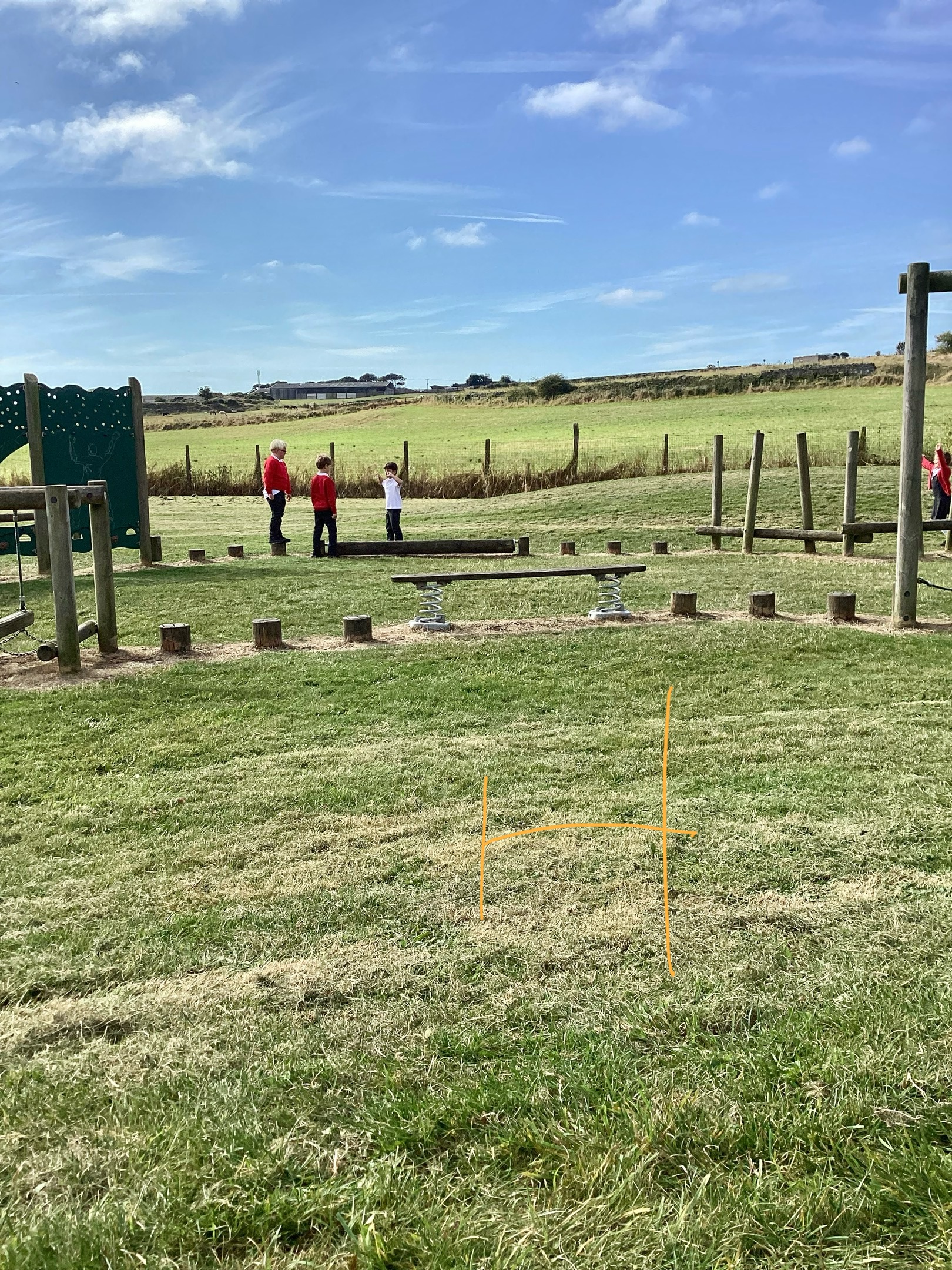
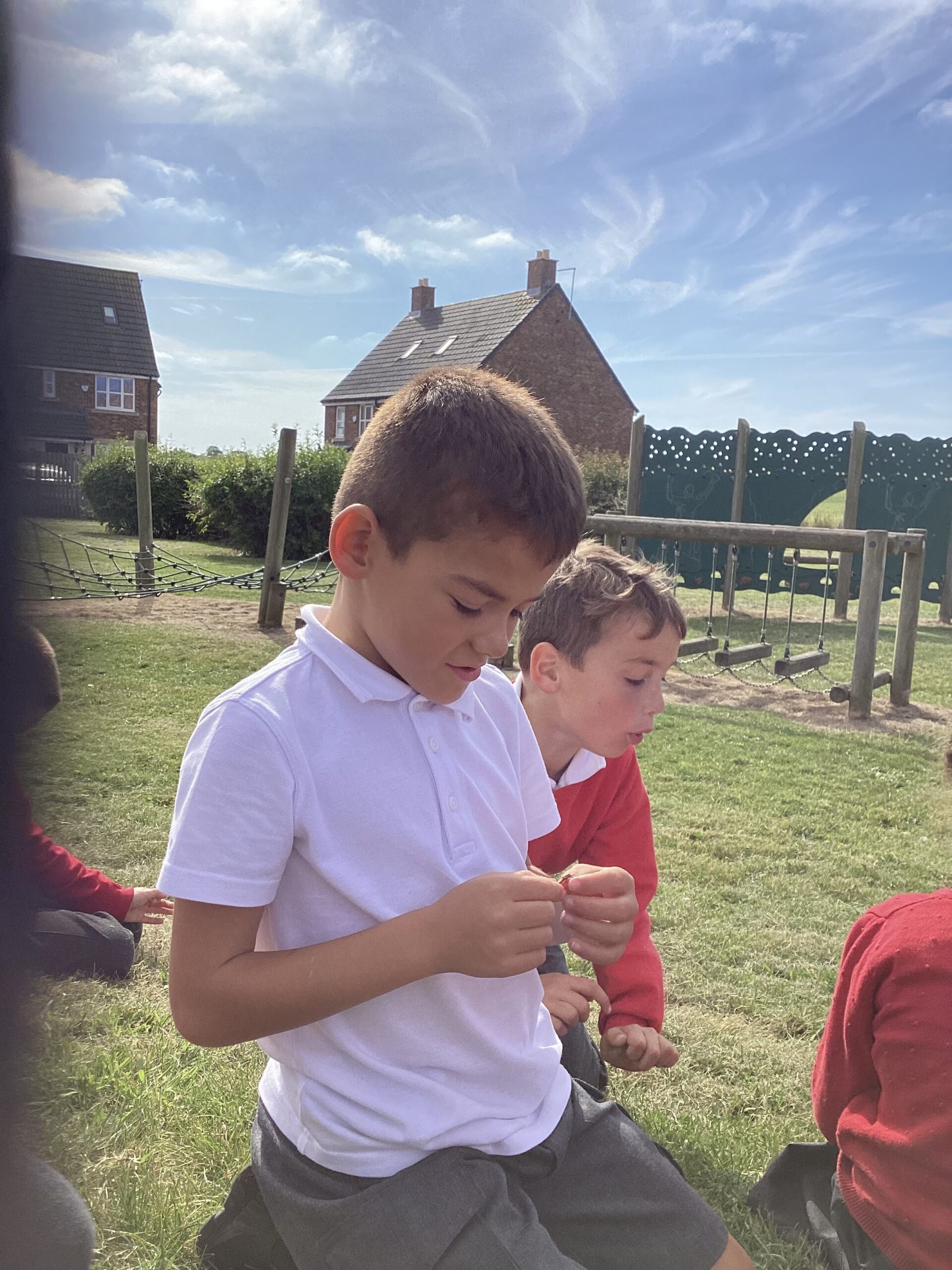
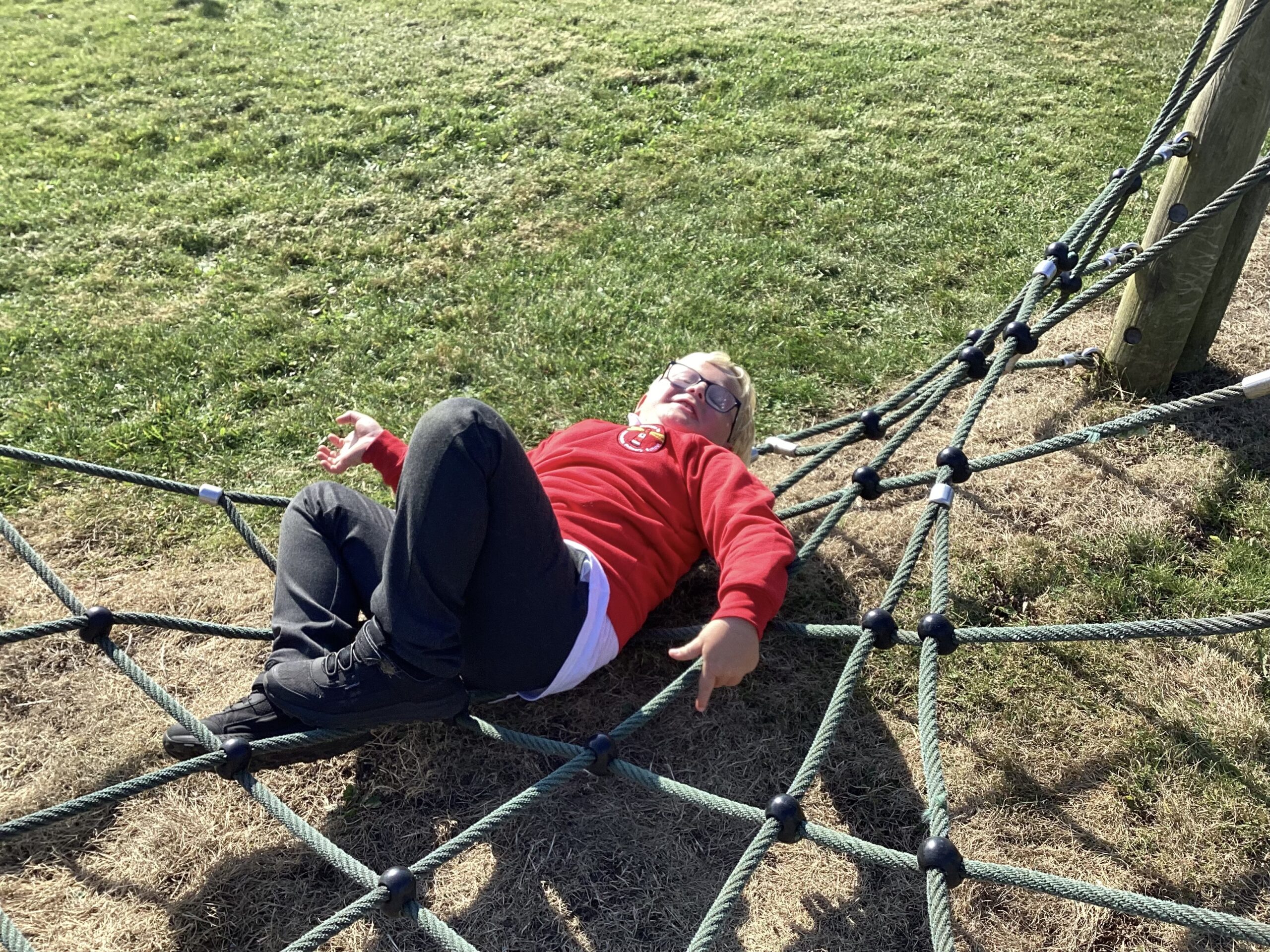
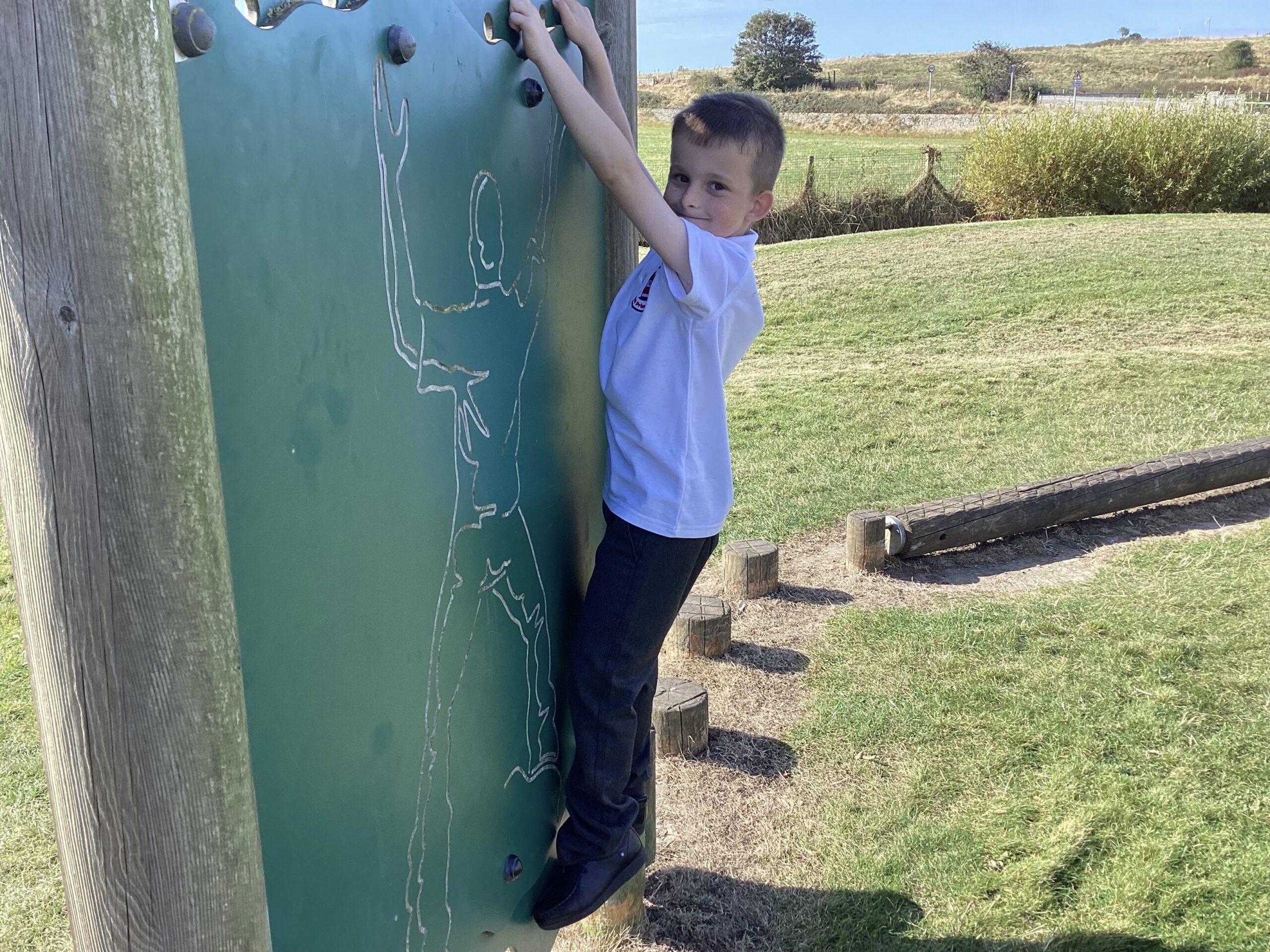
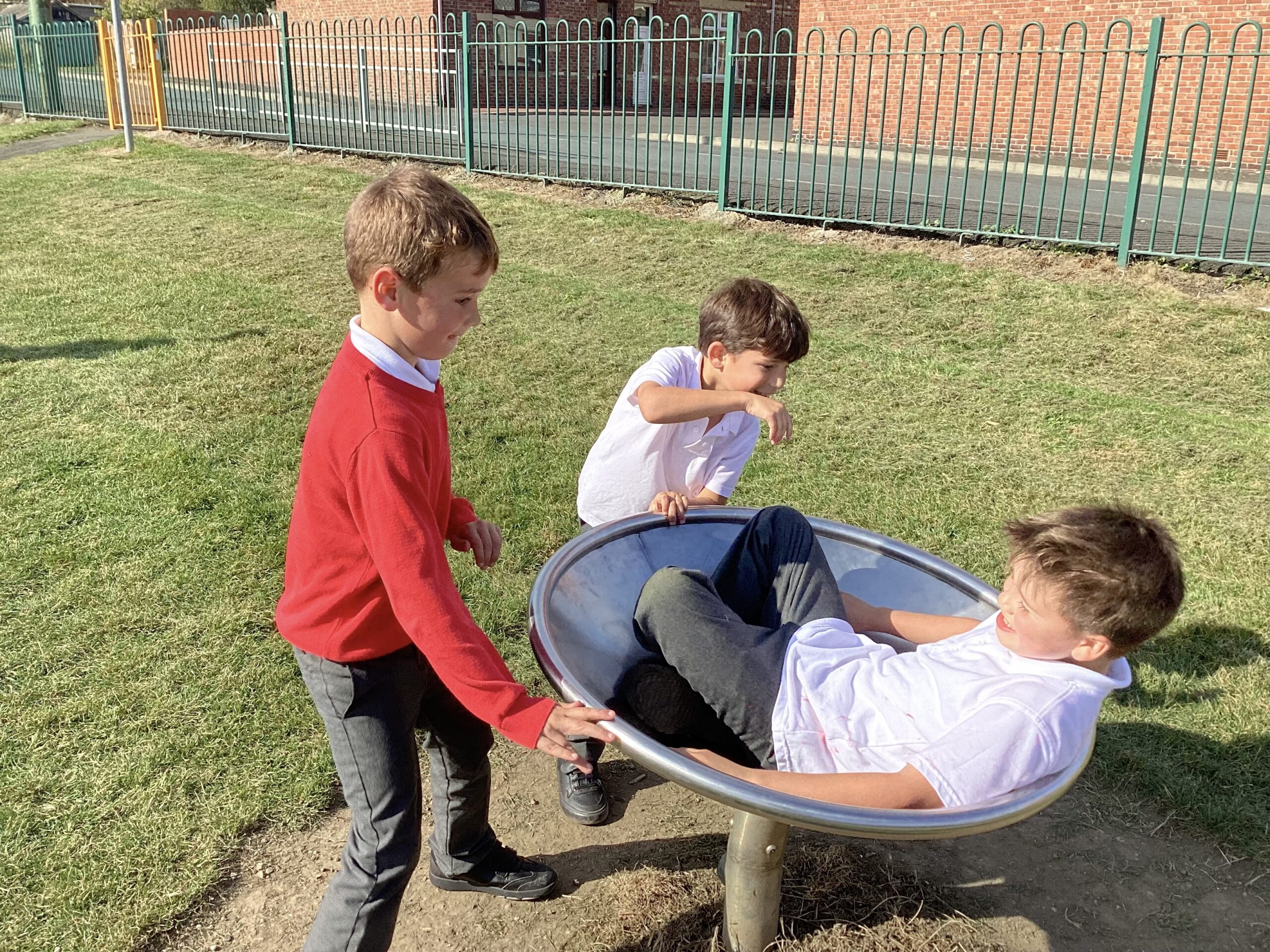
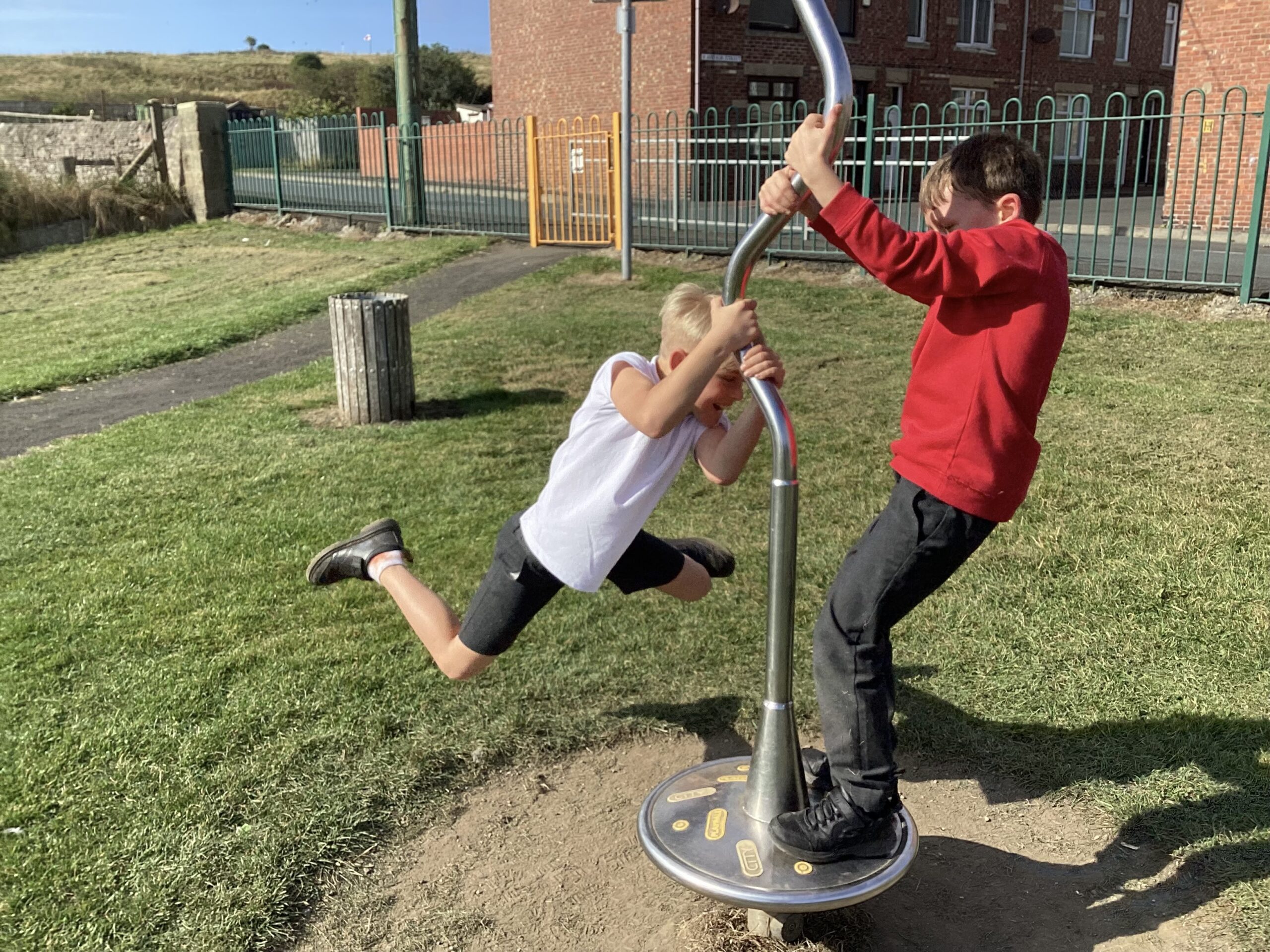
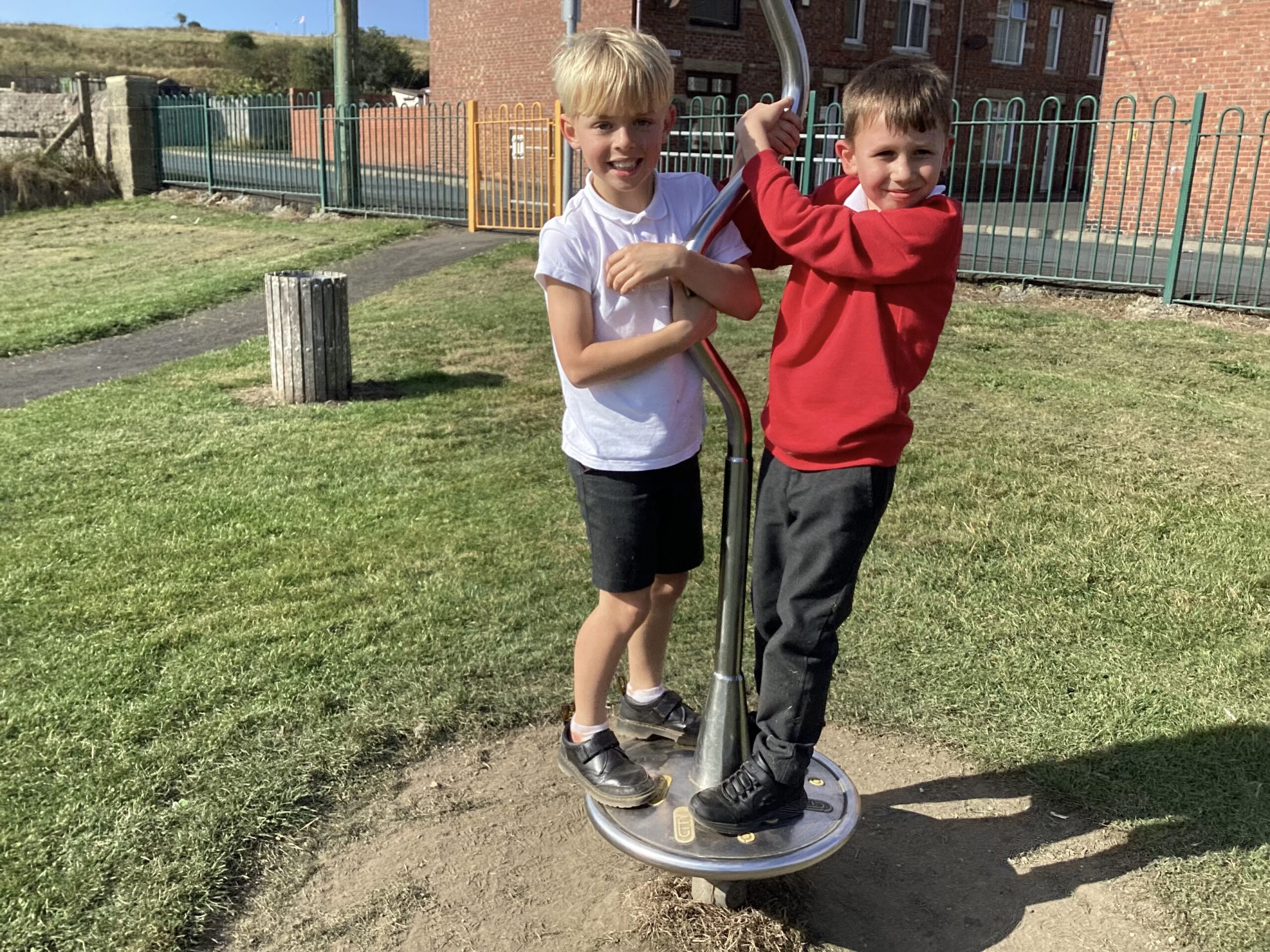
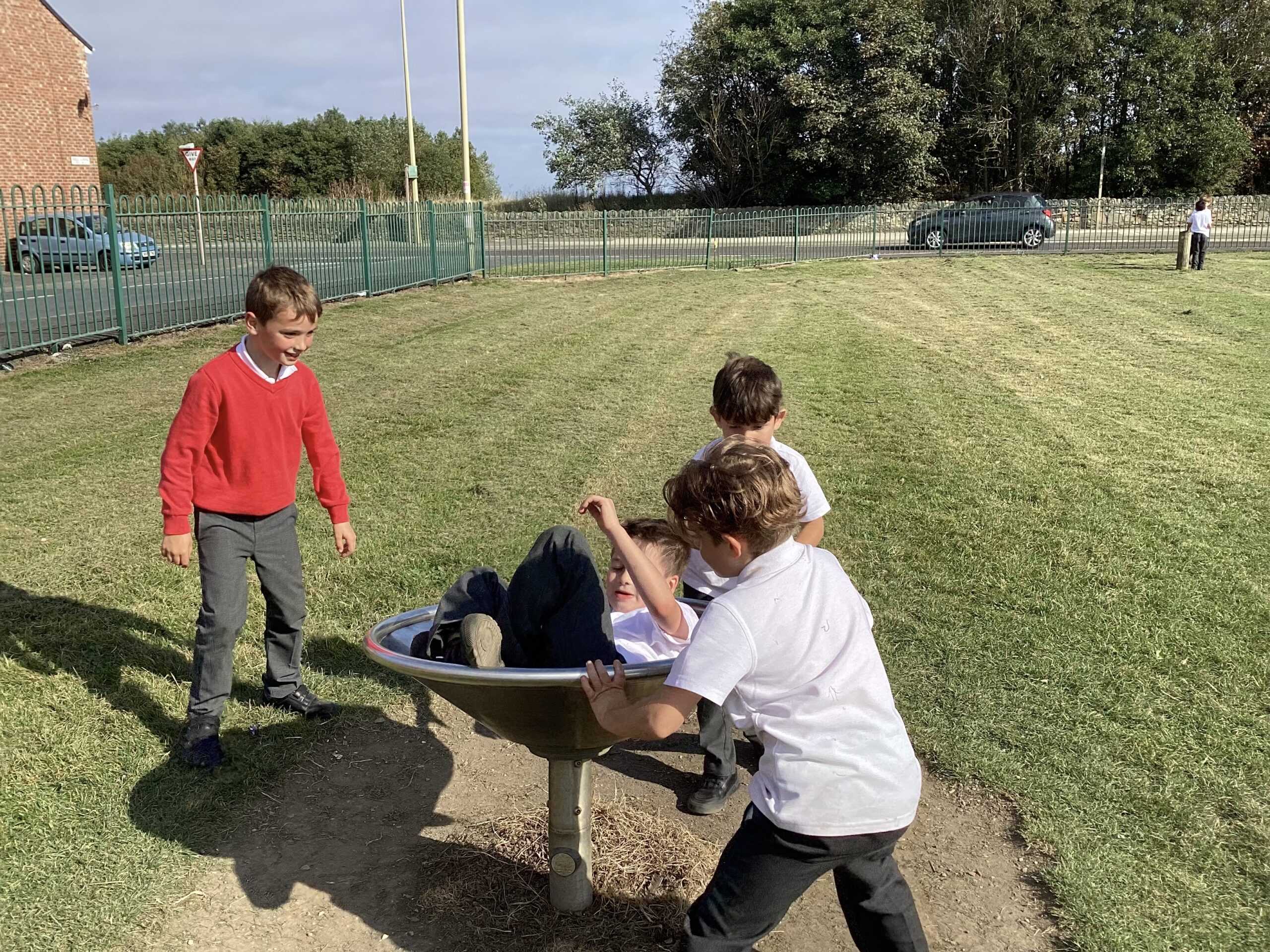
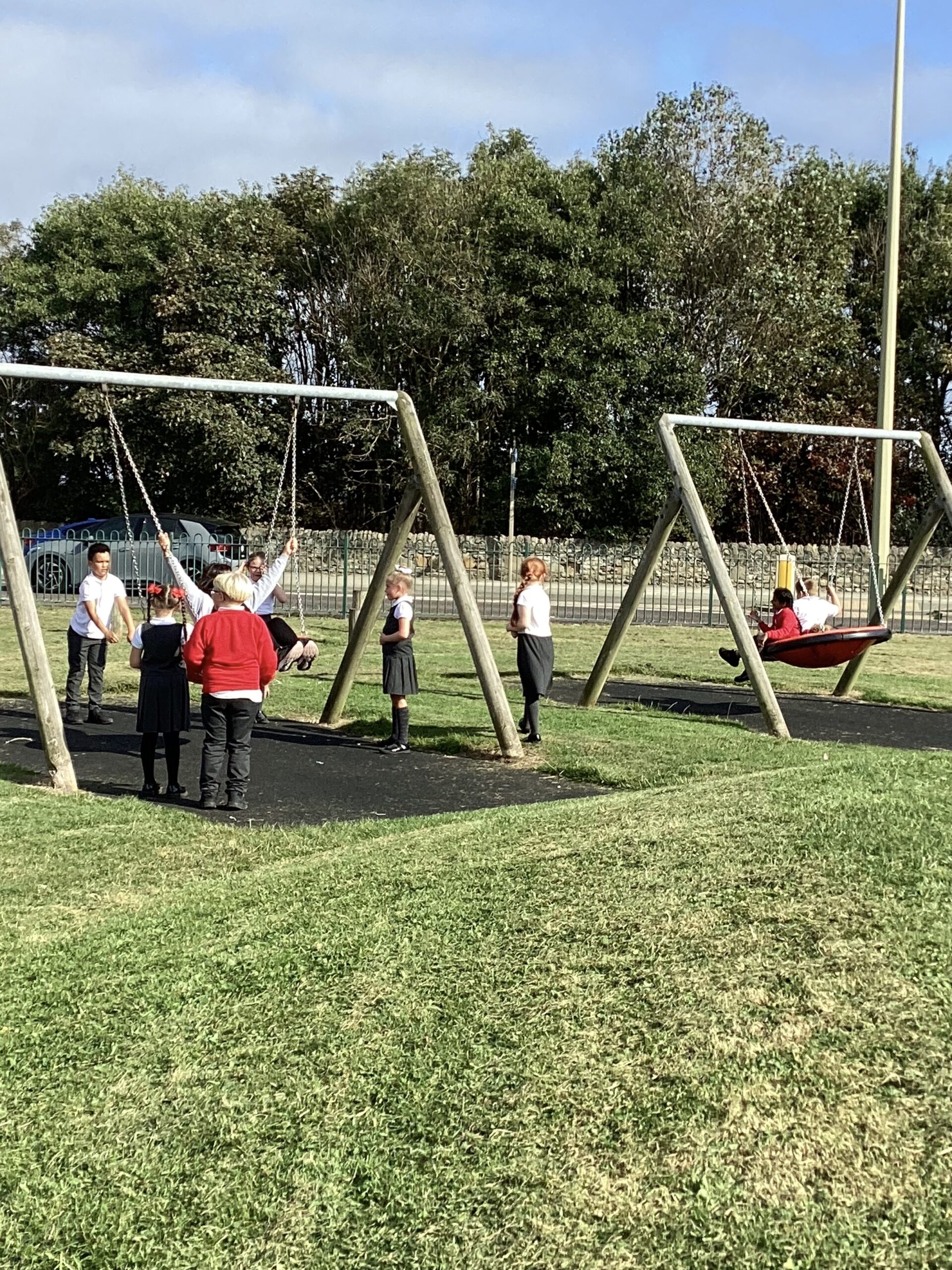
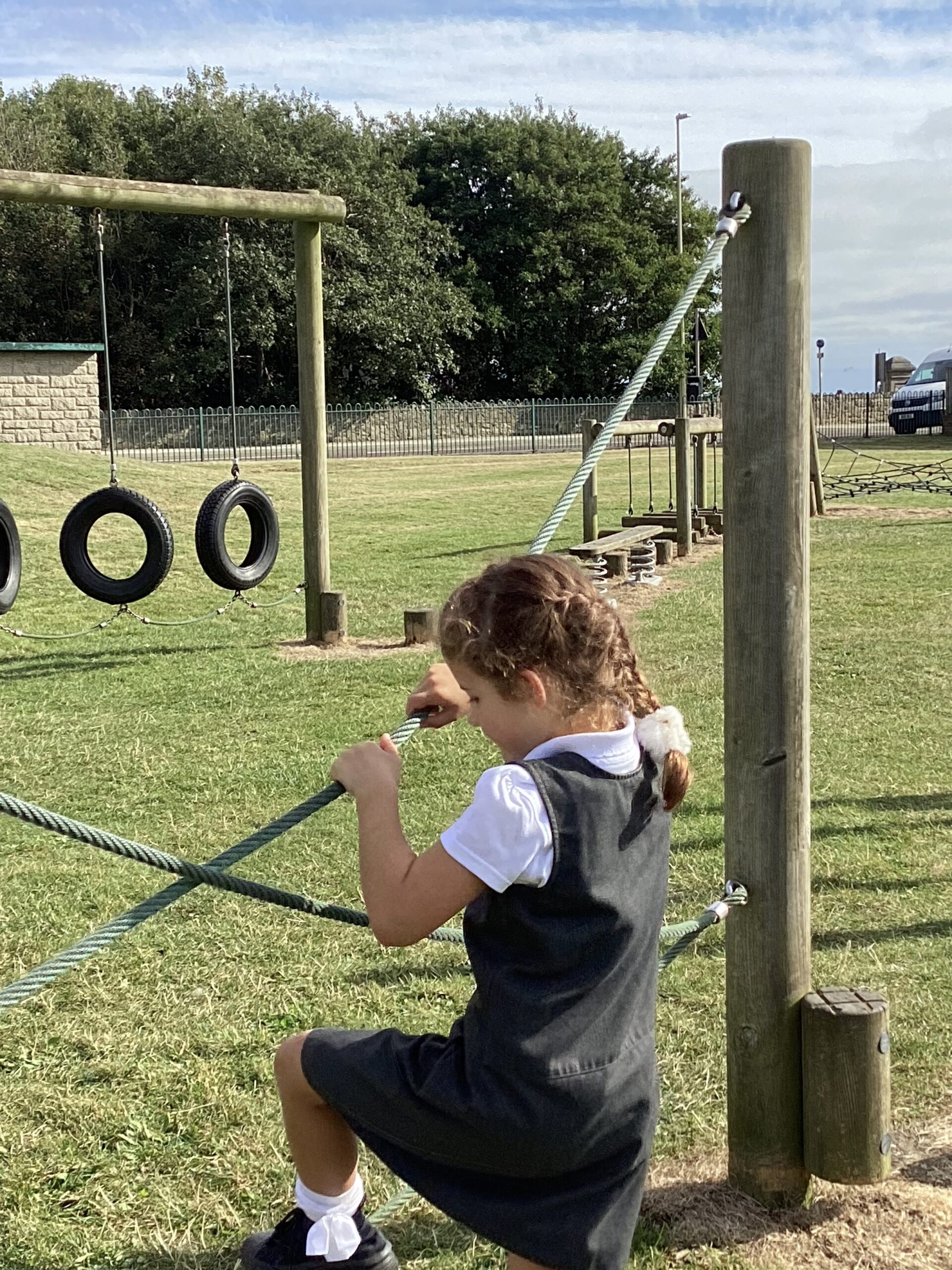
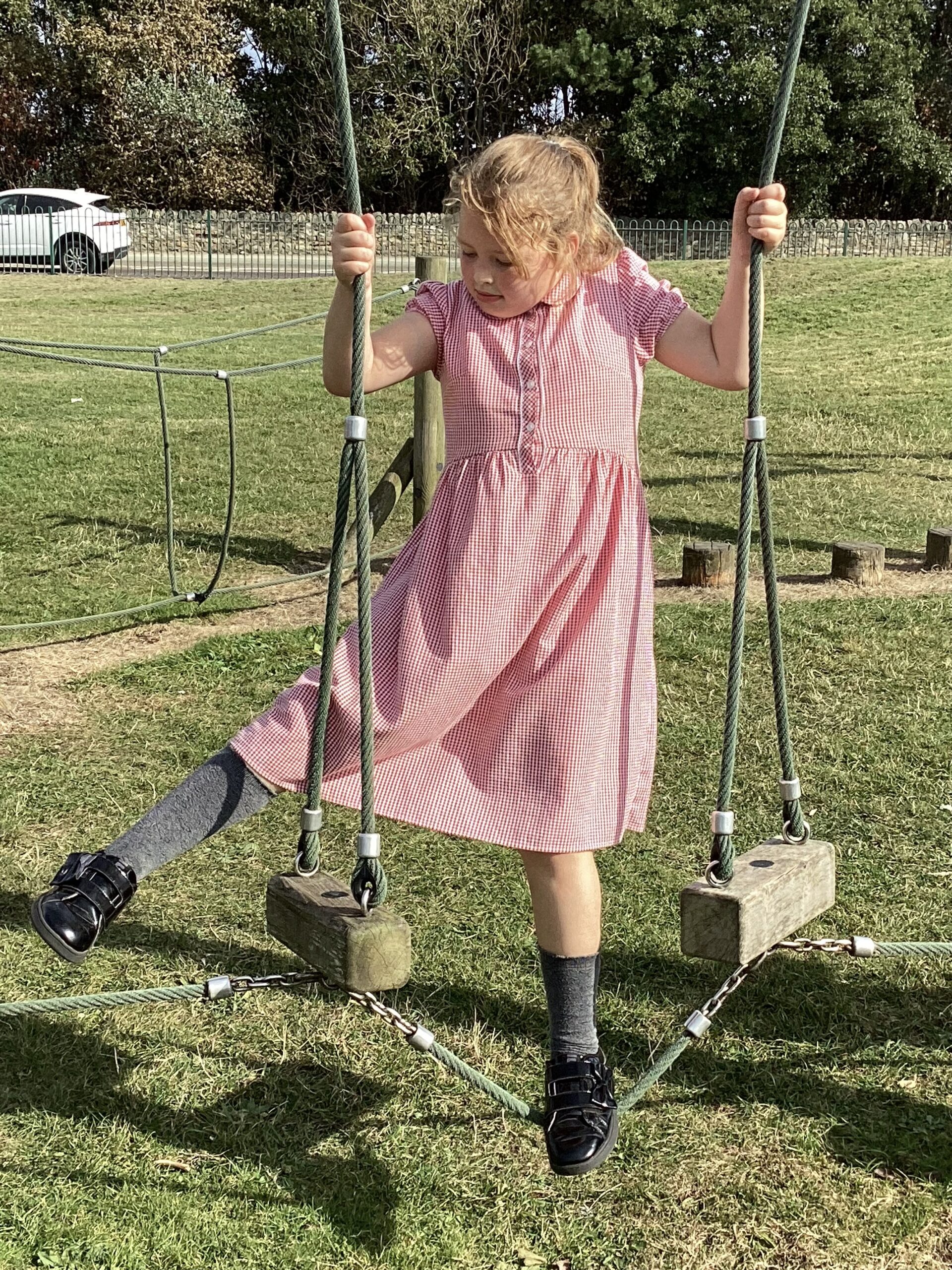
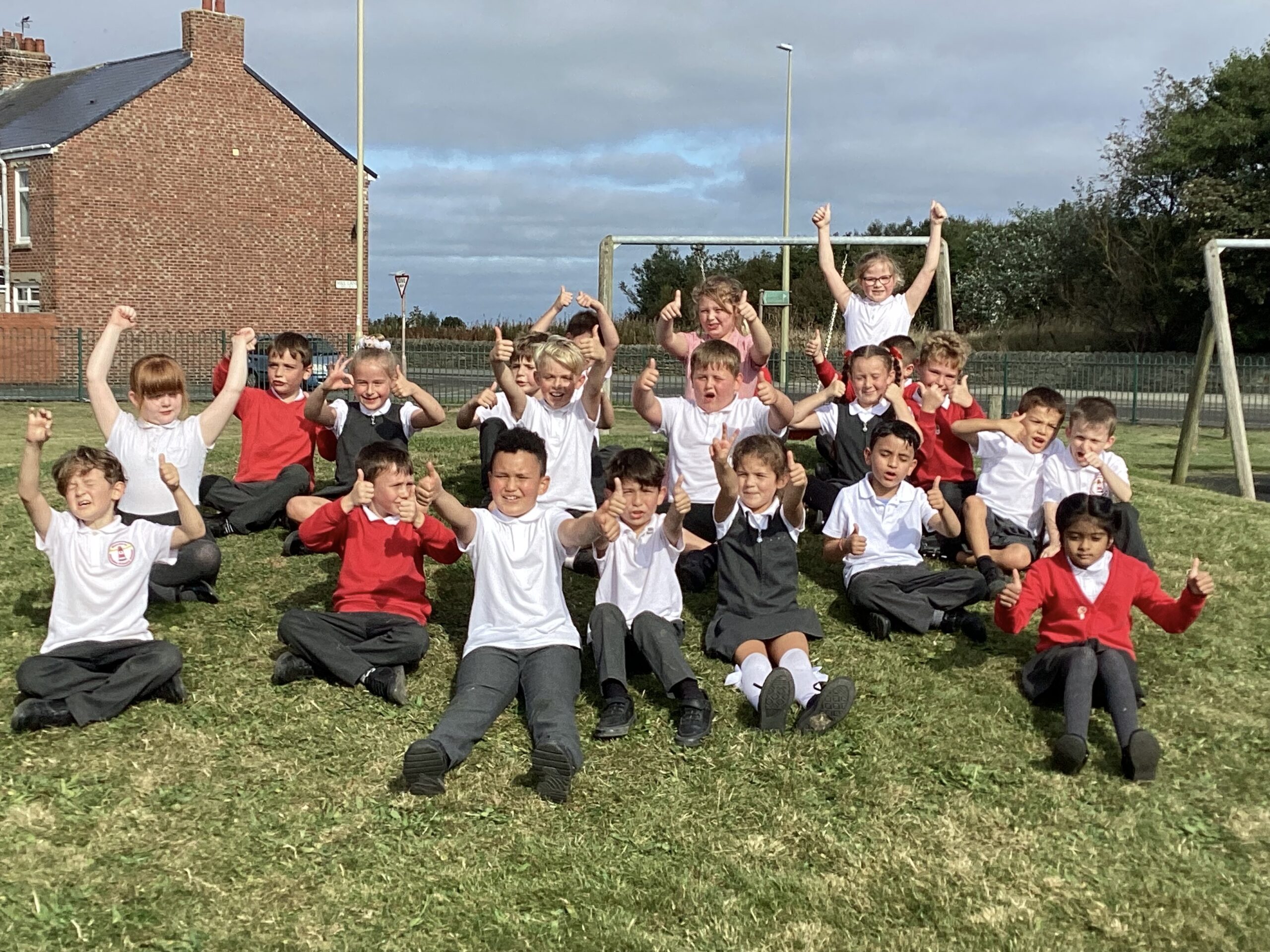
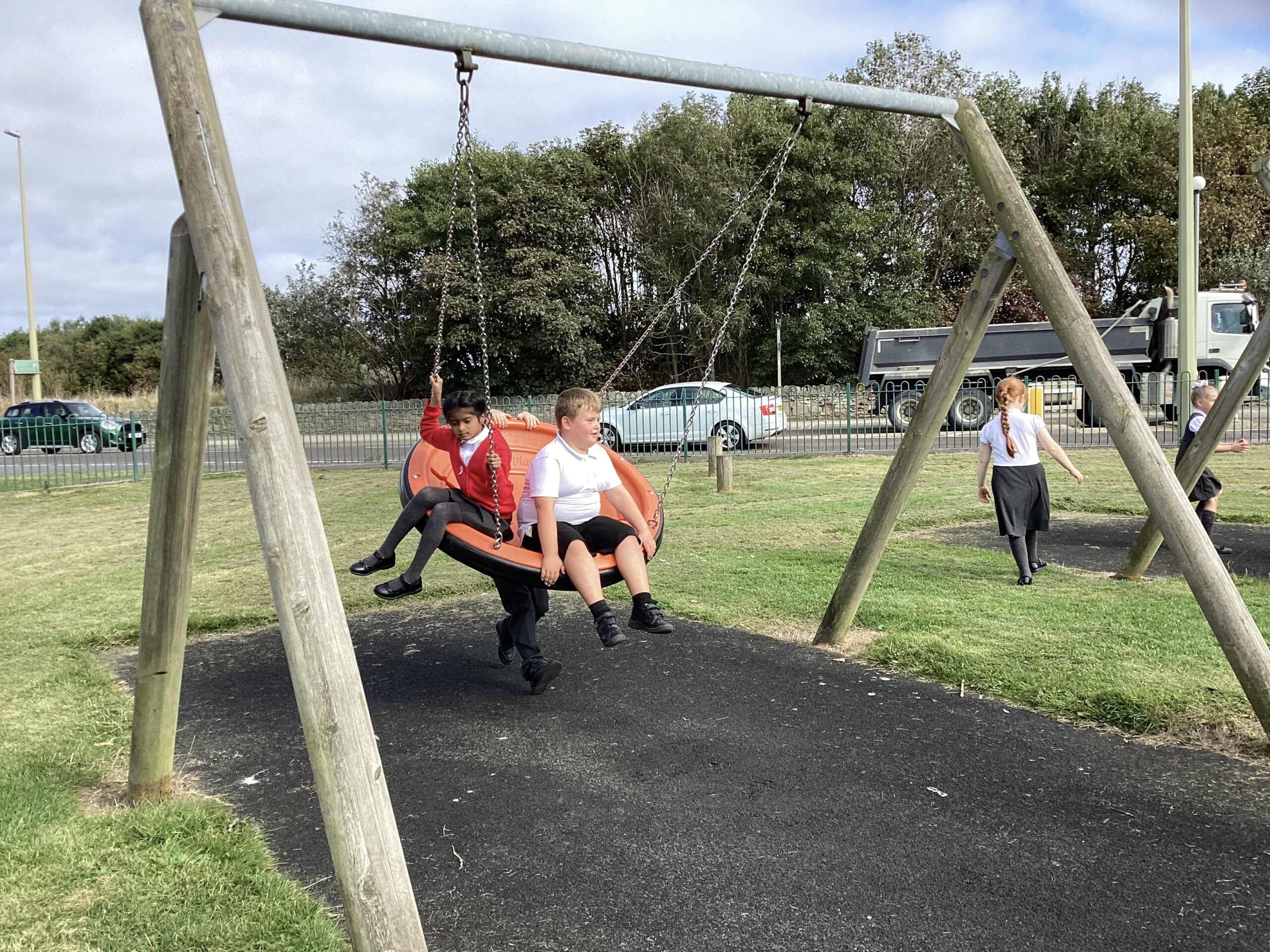
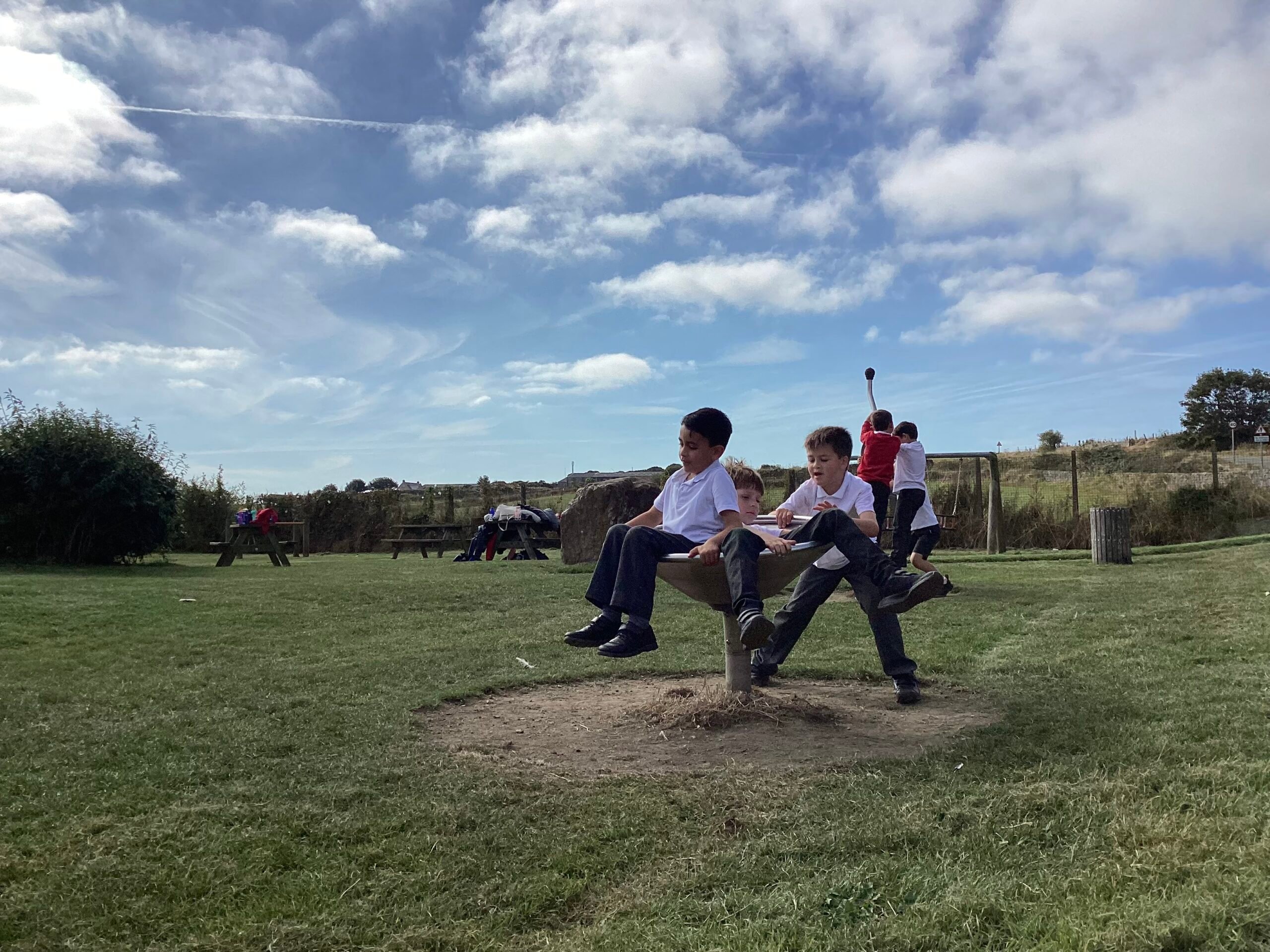
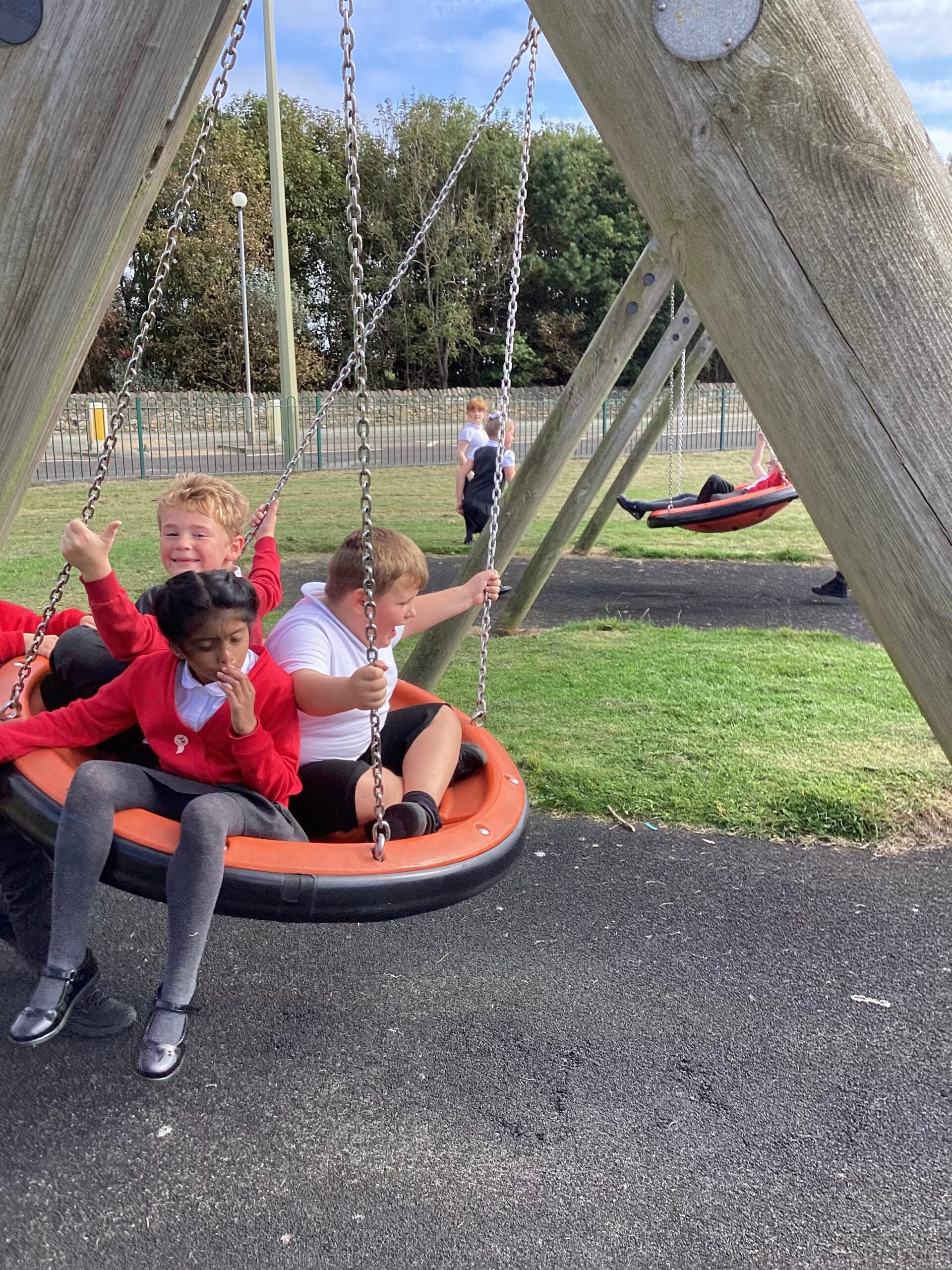
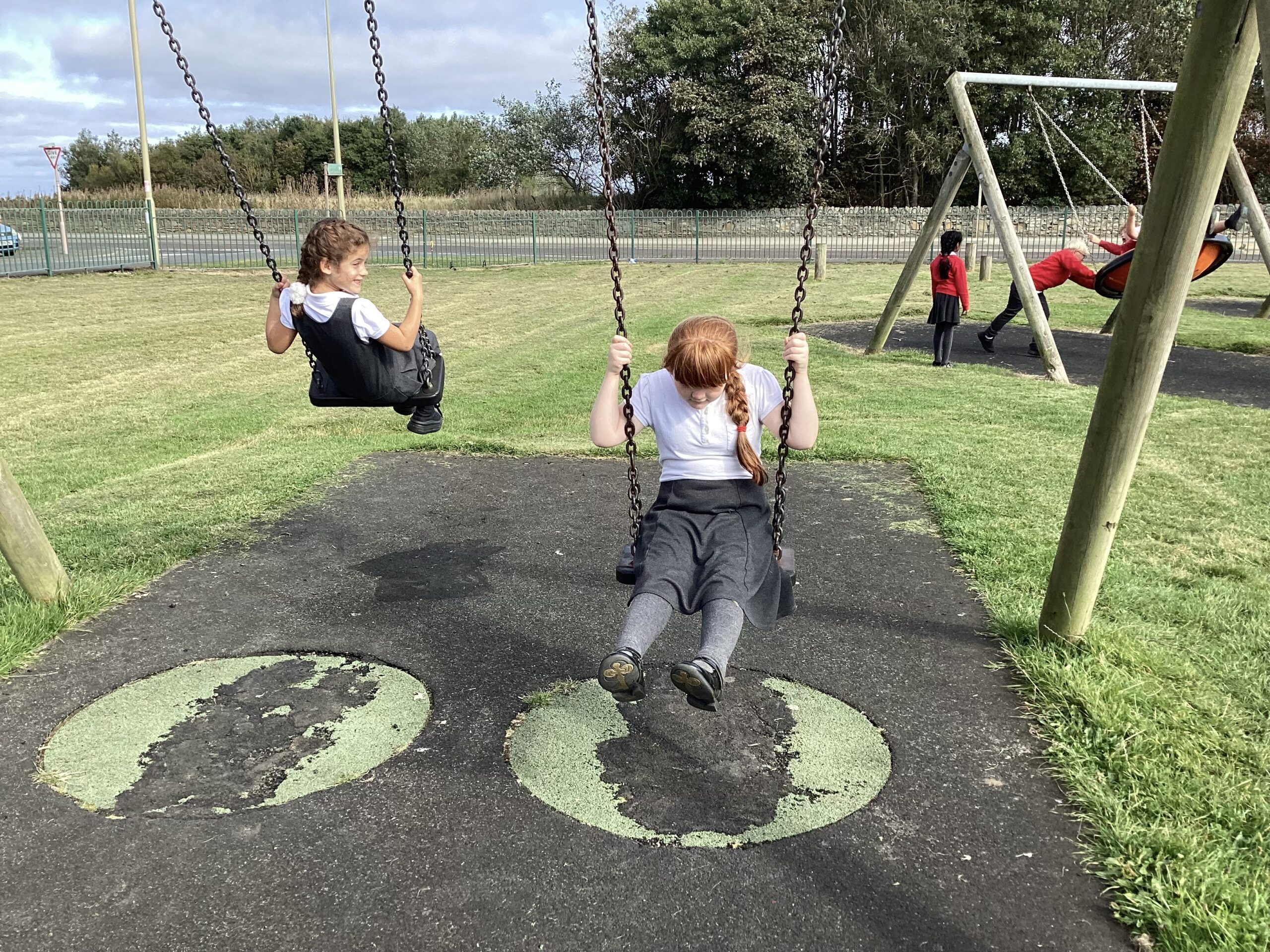
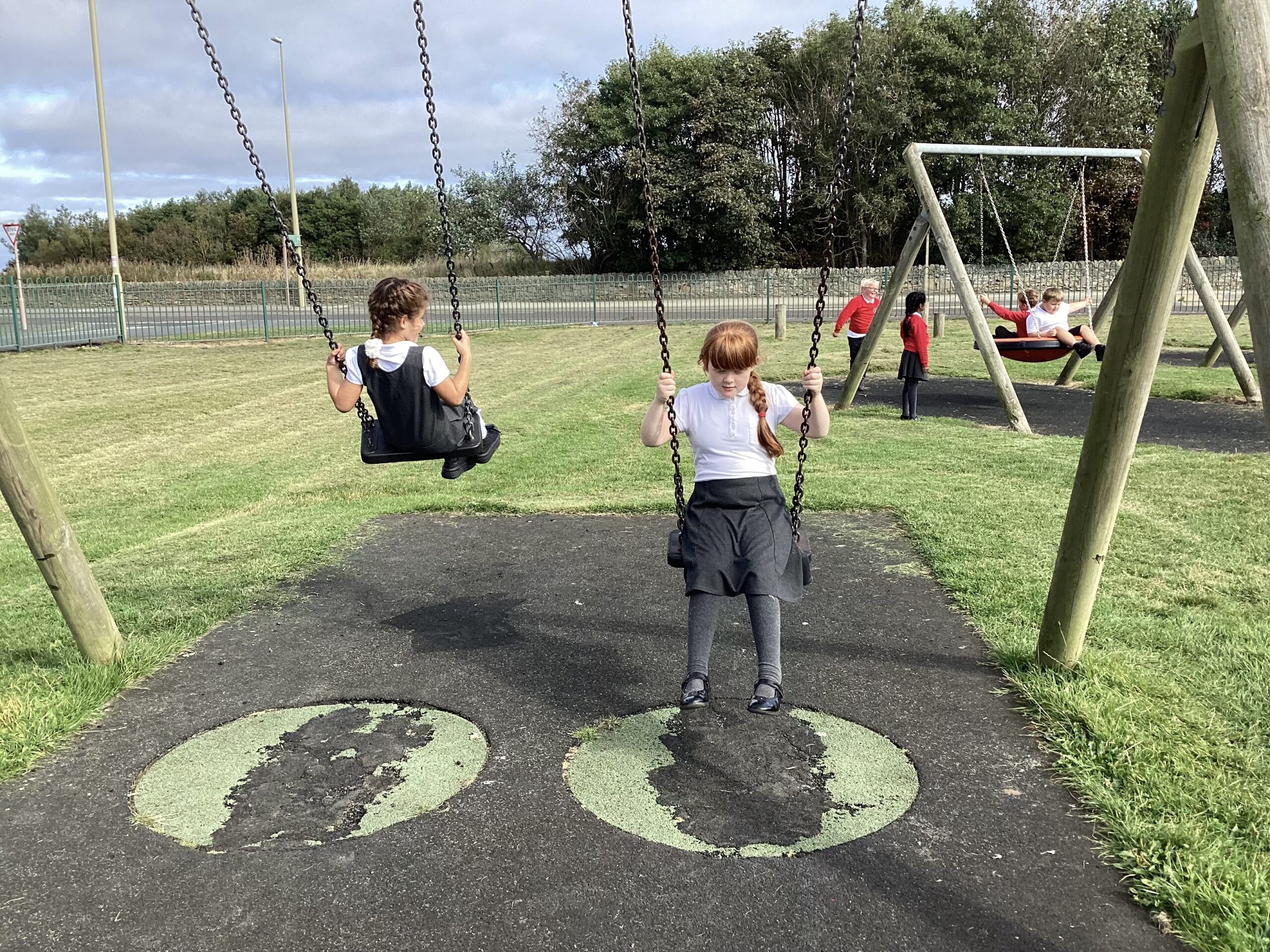
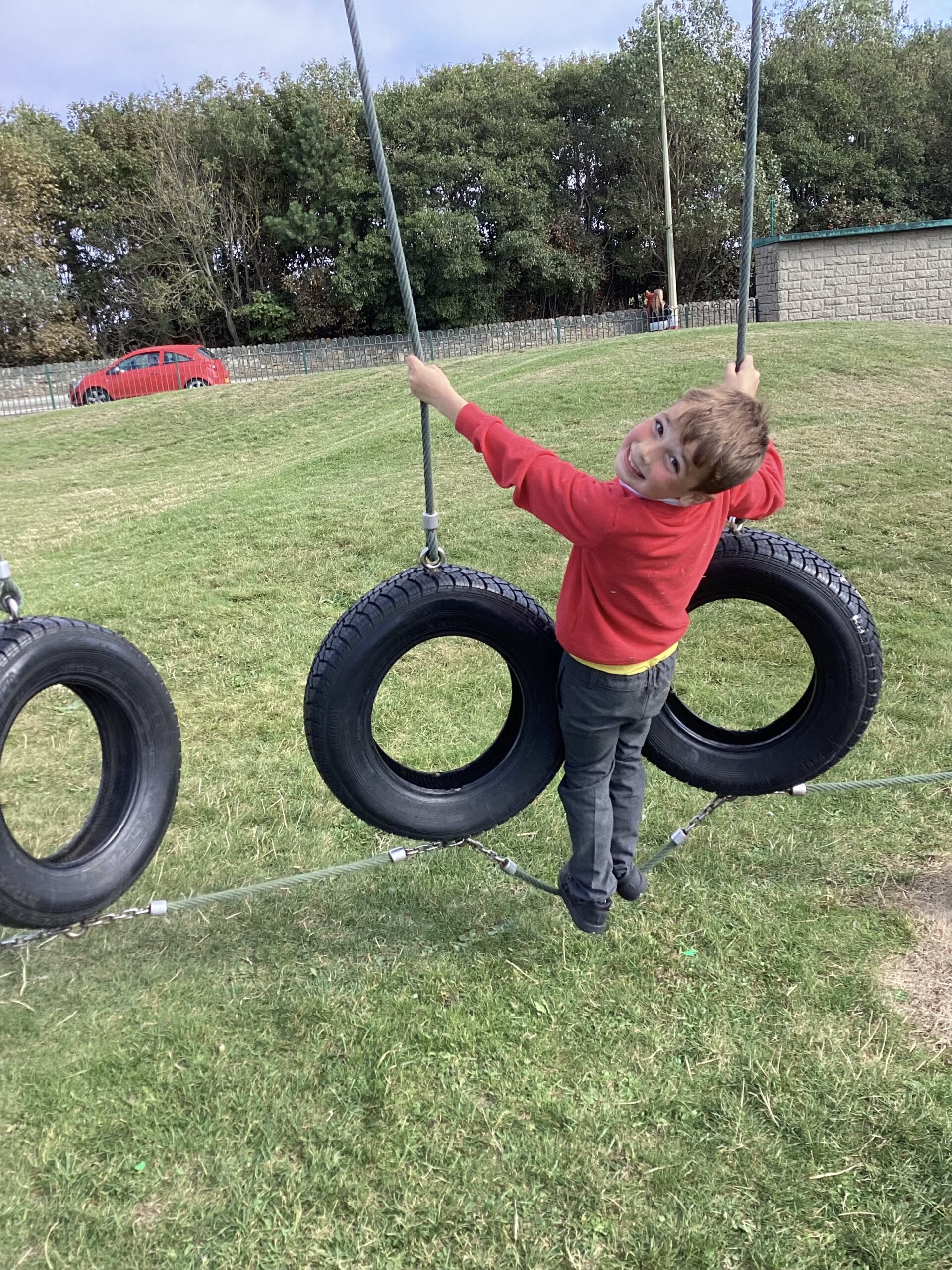
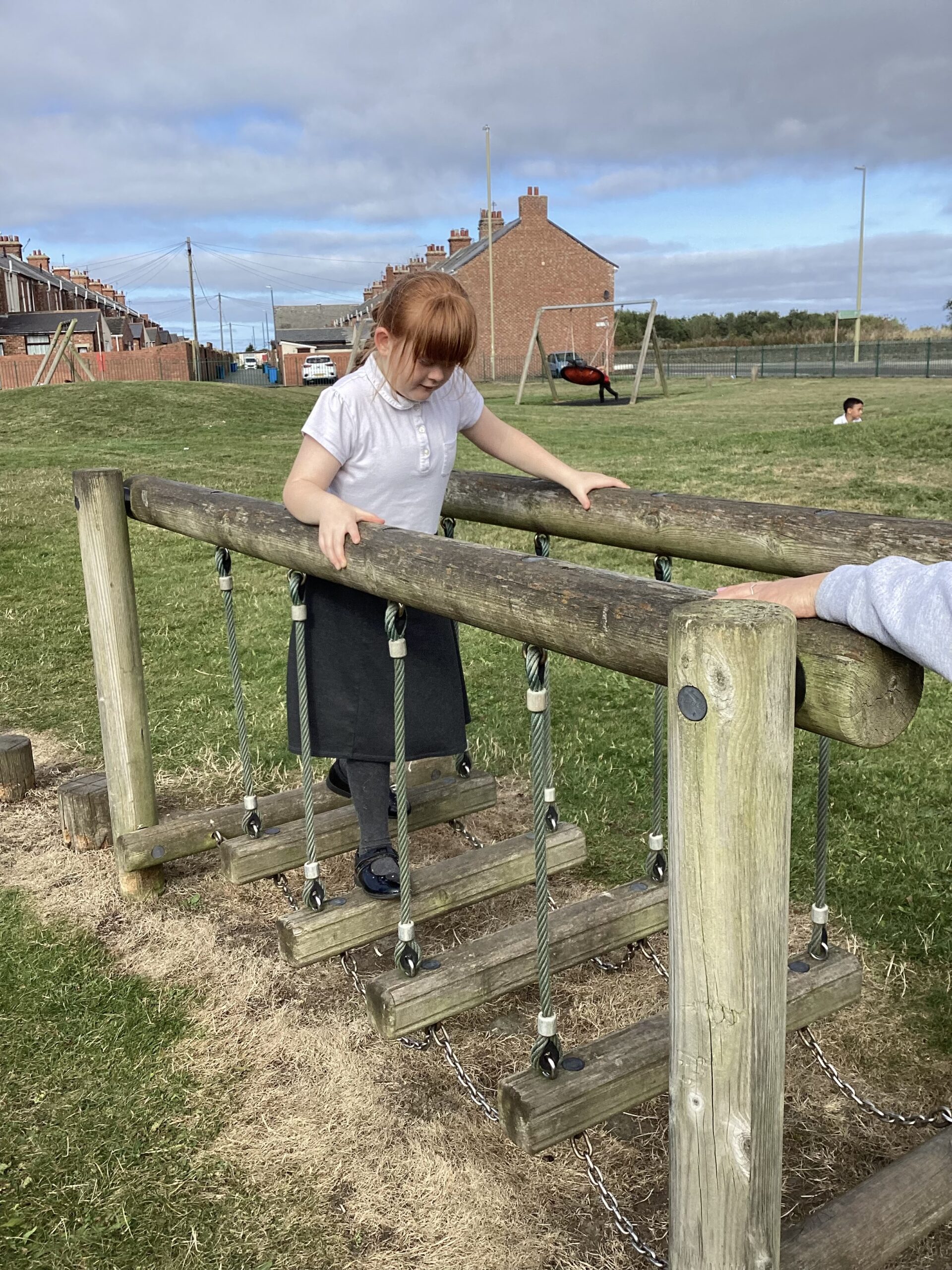
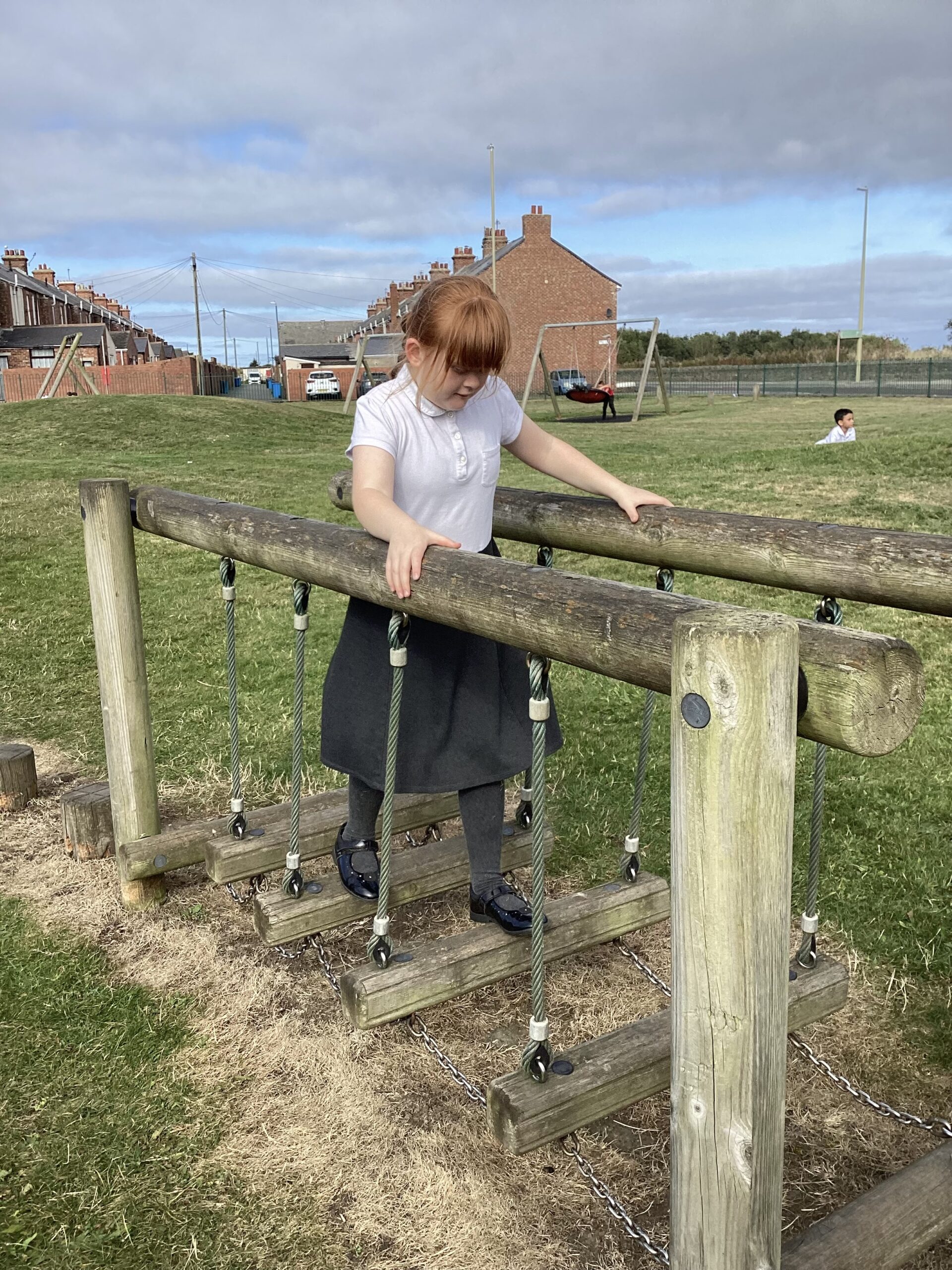
As reward for getting 100% attendance, Y3 decided to go on a little adventure to Laura’s park. They had an amazing time, pupils and staff!
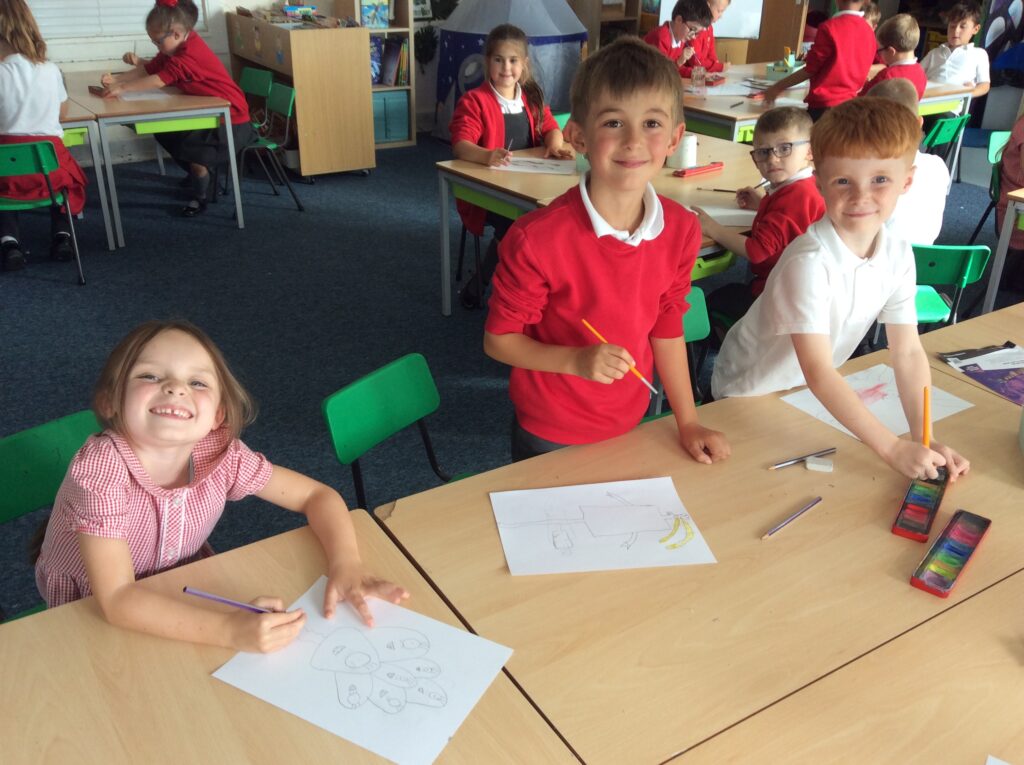
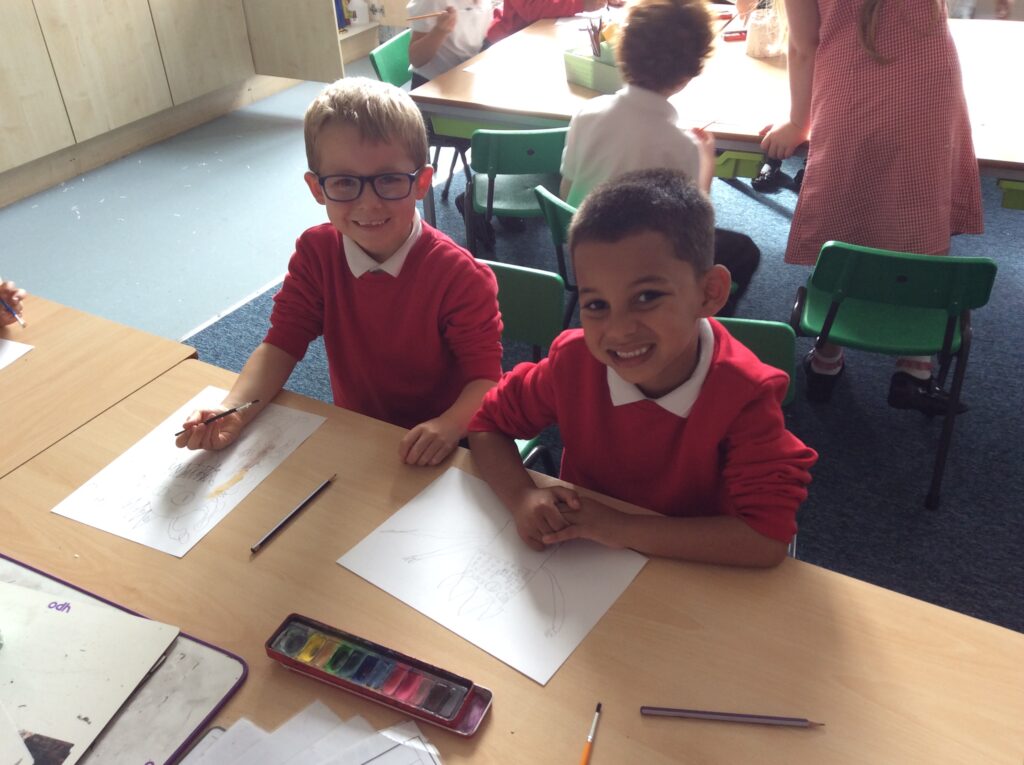
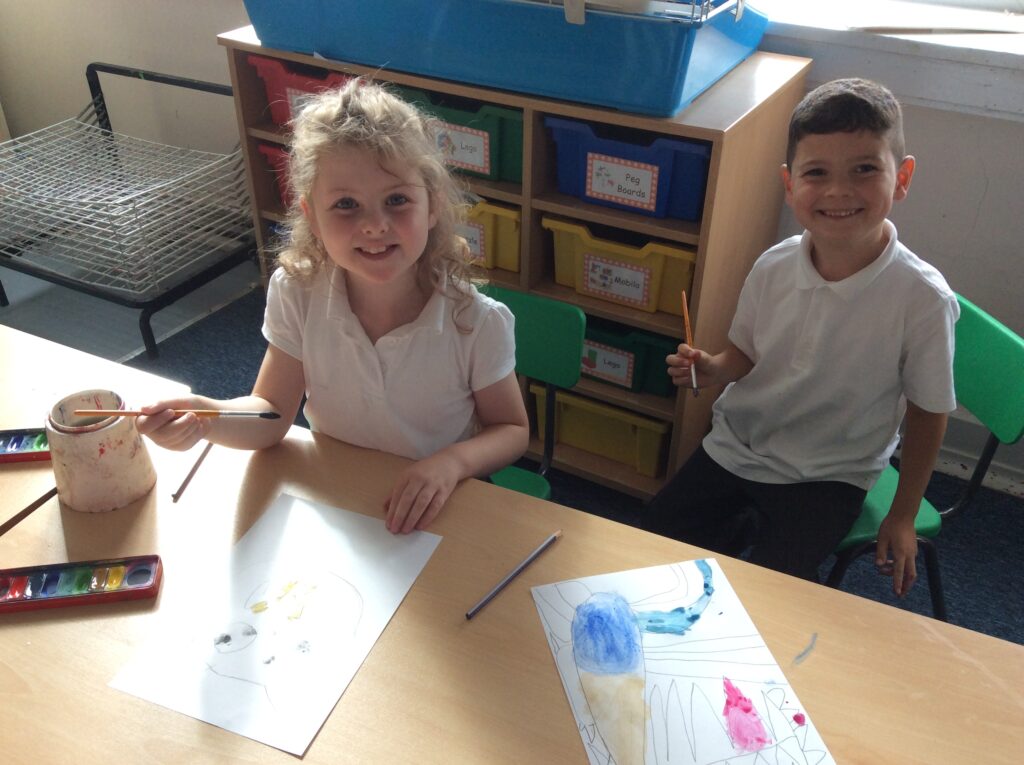
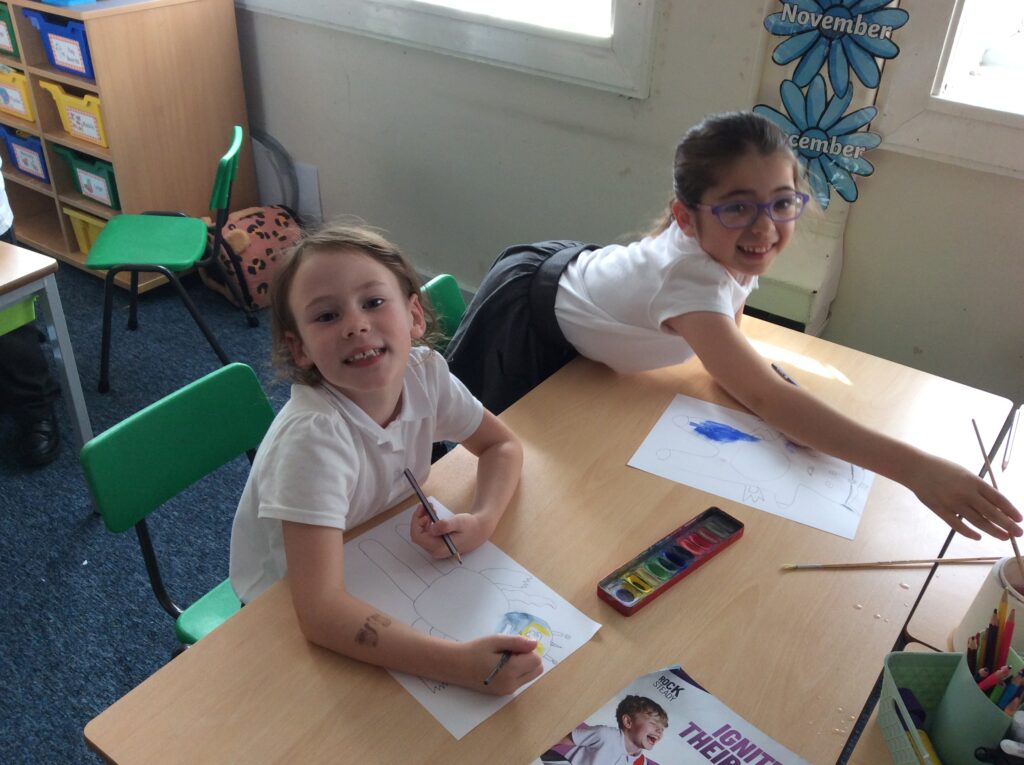
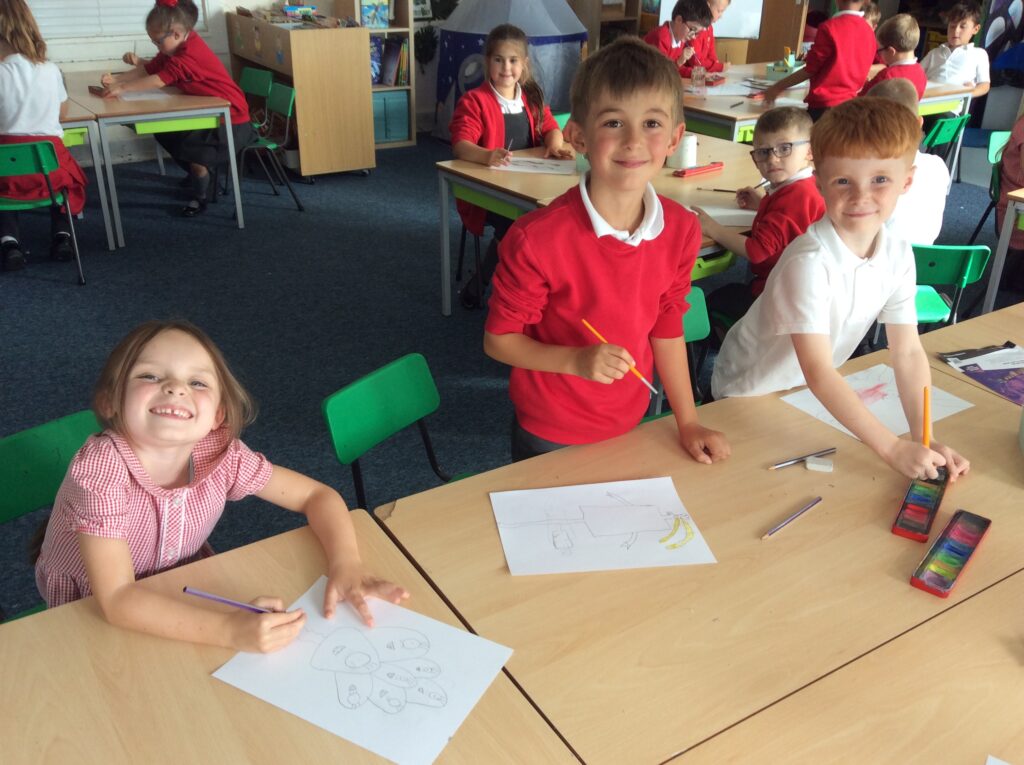
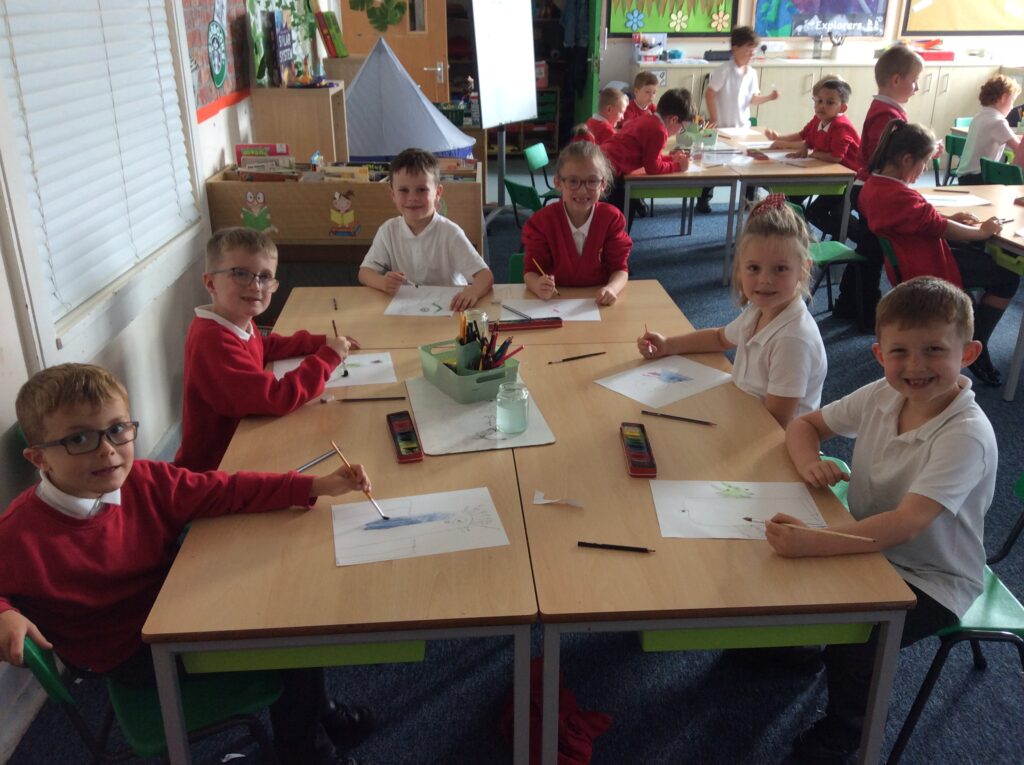
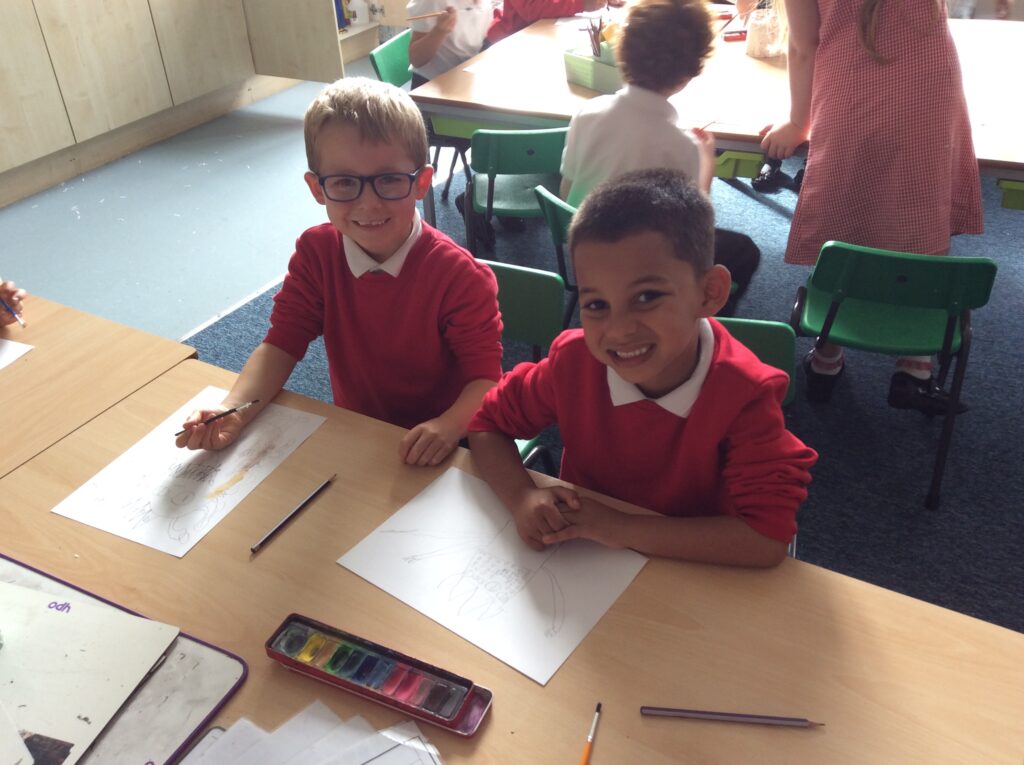
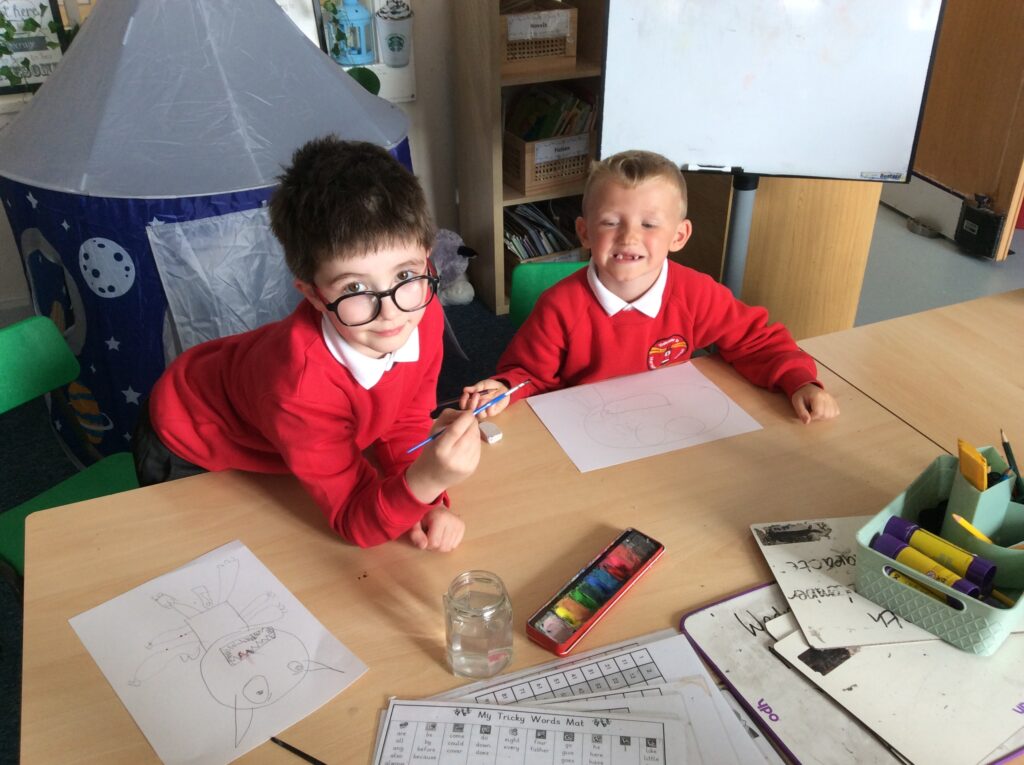
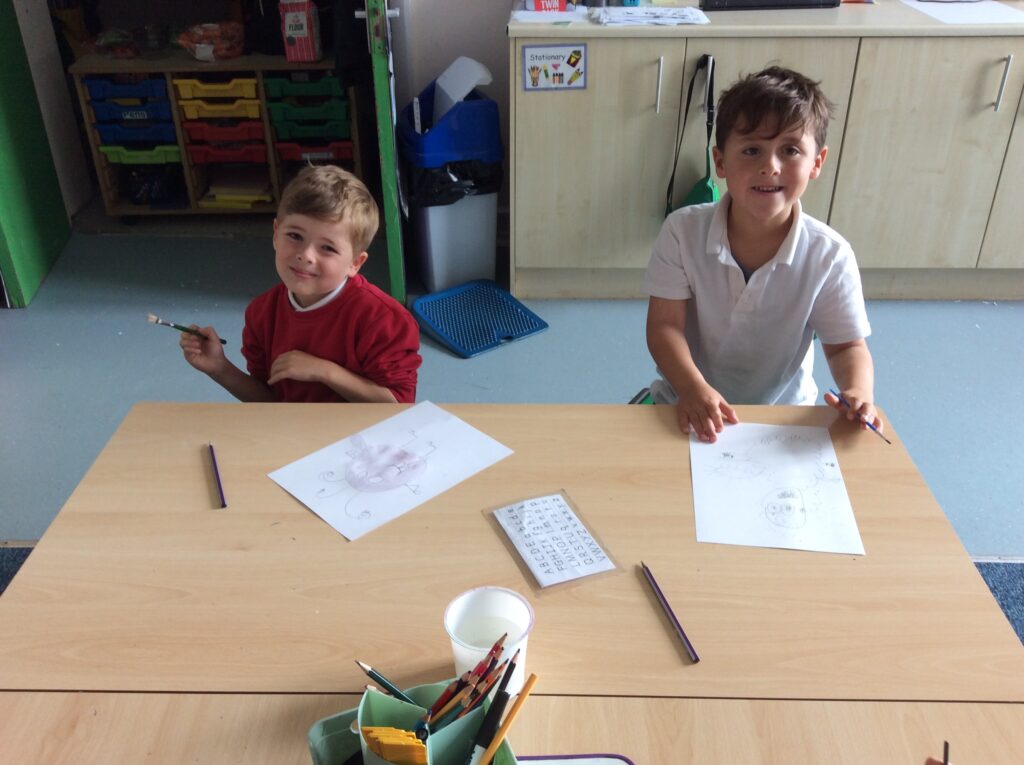
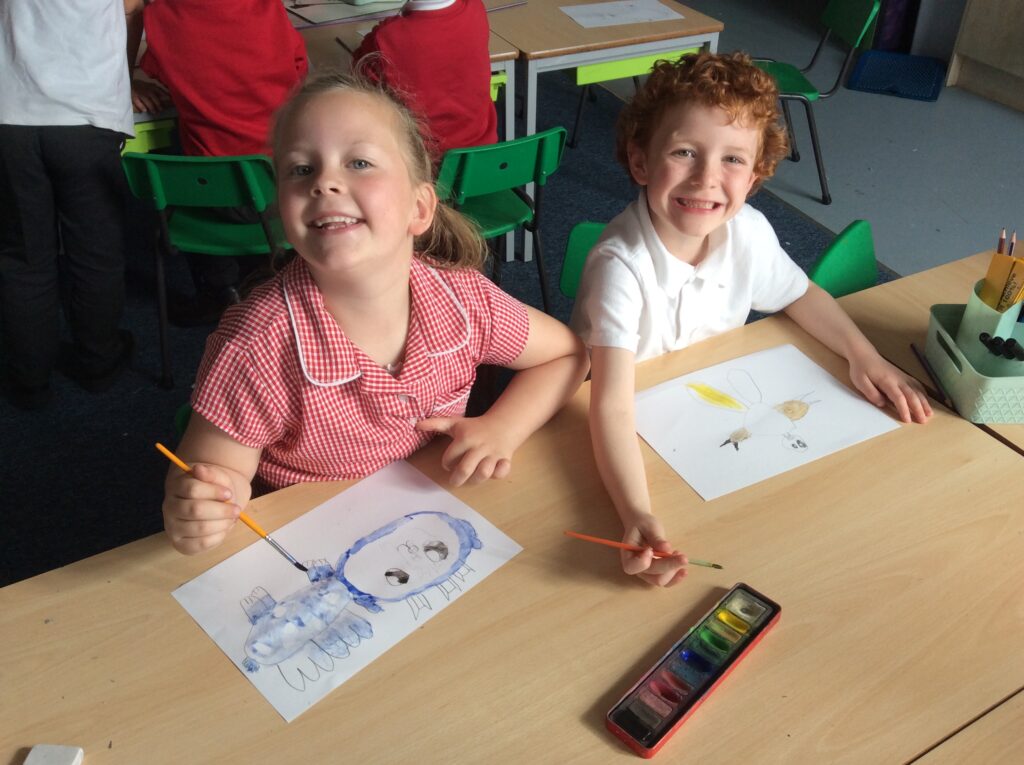
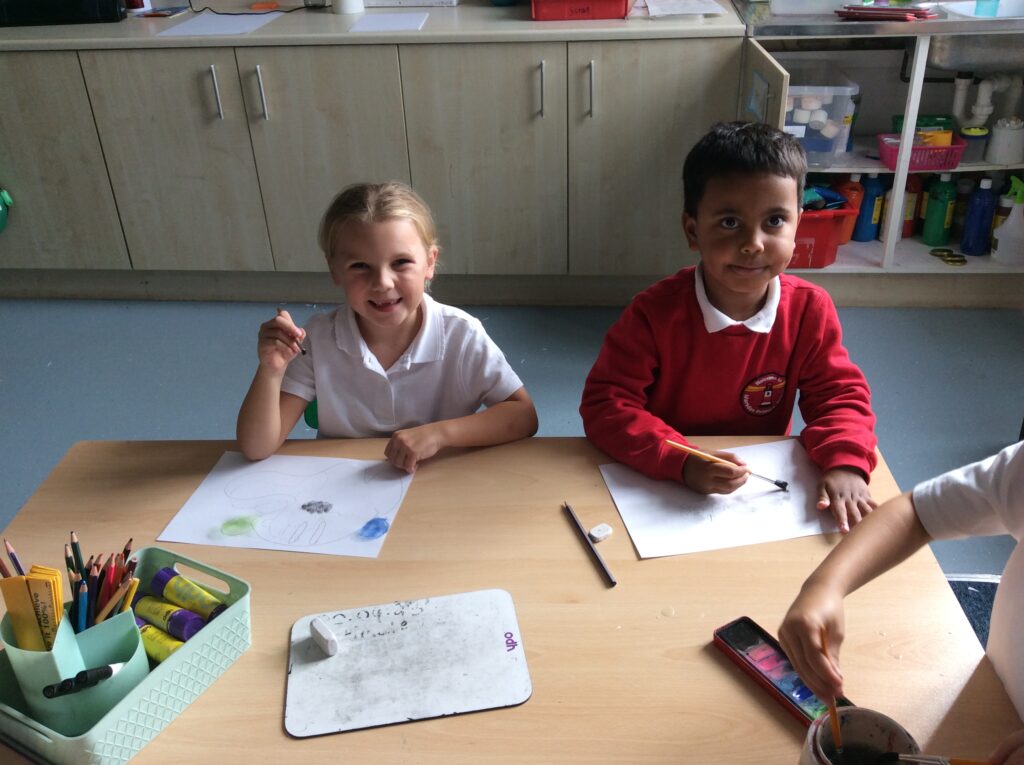
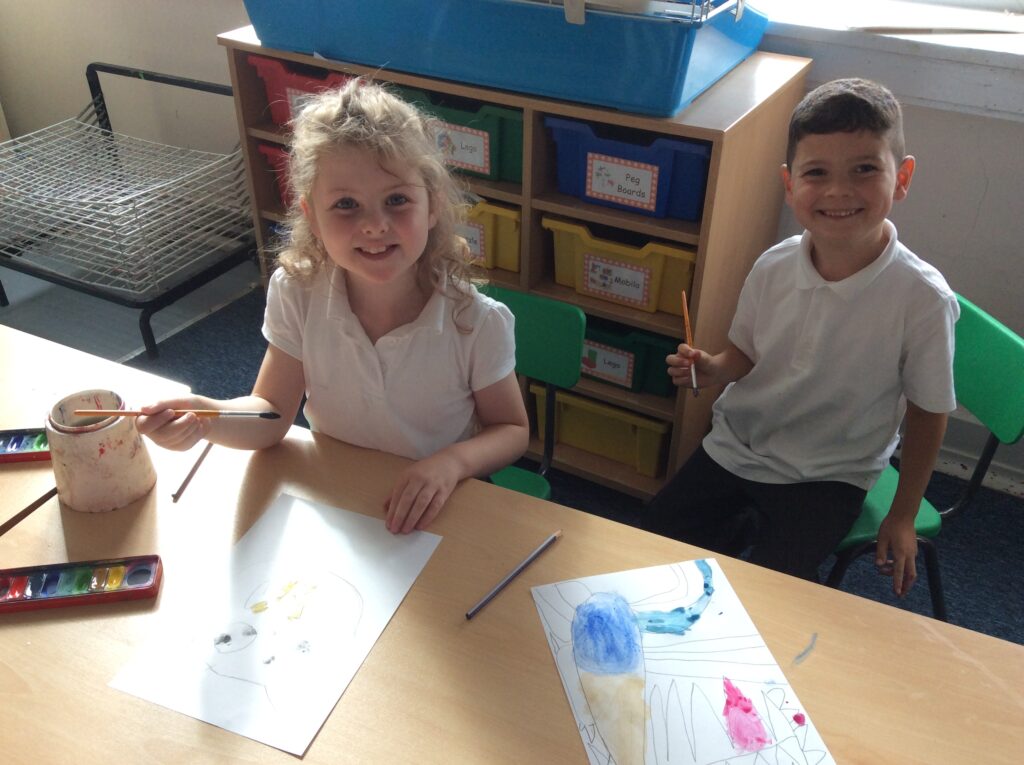
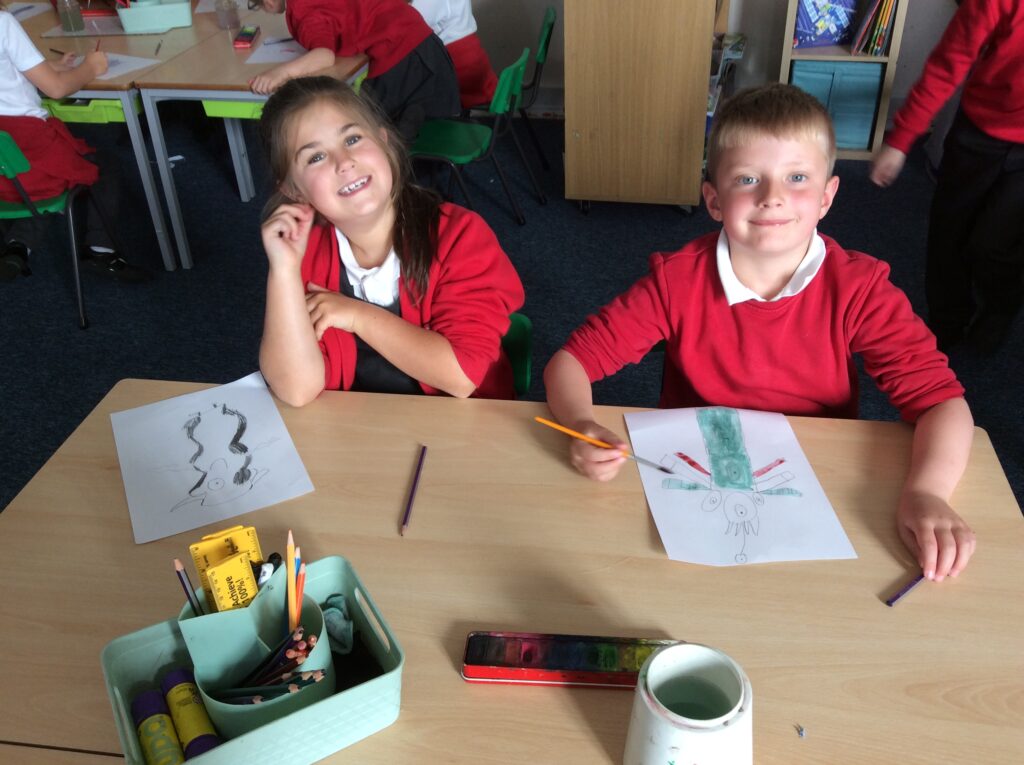
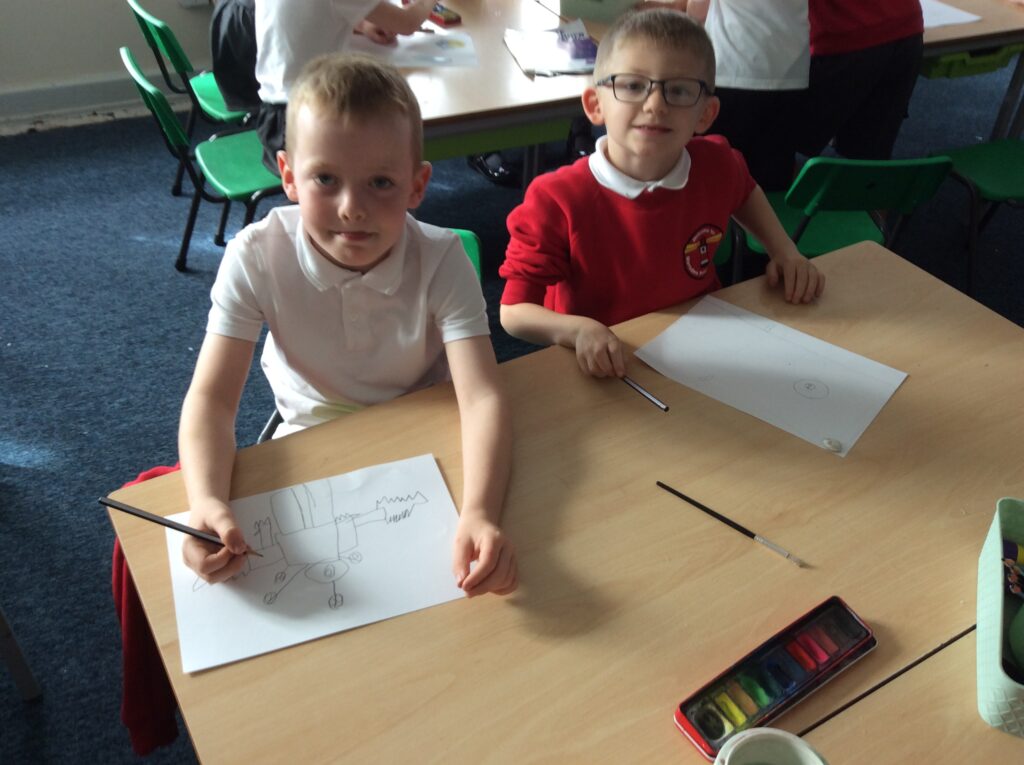
In Year Two we have been looking at the text Beegu. To finish our unit we are going to be writing our own alien story and have created some fantastic aliens. We designed them and have used watercolors to bring our ideas to life. They look fantastic!
Do you believe in magic? Do you believe numbers can be magic? Today, Y6 investigated what happens when we add, subtract and reverse non-palindromic numbers. Follow the steps below and see if your mind is blown!
PS a palindromic number is a number that reads the same forwards and backwards for example 232. You must use non-palindromic numbers for this investigation.
Let’s investigate!
1) Write a 3 digit non-palindromic number in your book.
2) Underneath, reverse the digits and write them down.
3) Use a column method to subtract the smaller number from the larger number.
4) Write this number.
5) Reverse this number.
6) Now add these two numbers in a column.
What number did you get? Is it a coincidence?
Is it always true that when we follow this process for non-palindromic numbers we get an answer of 1,089?
Investigate!
Always true, sometimes true, never true?