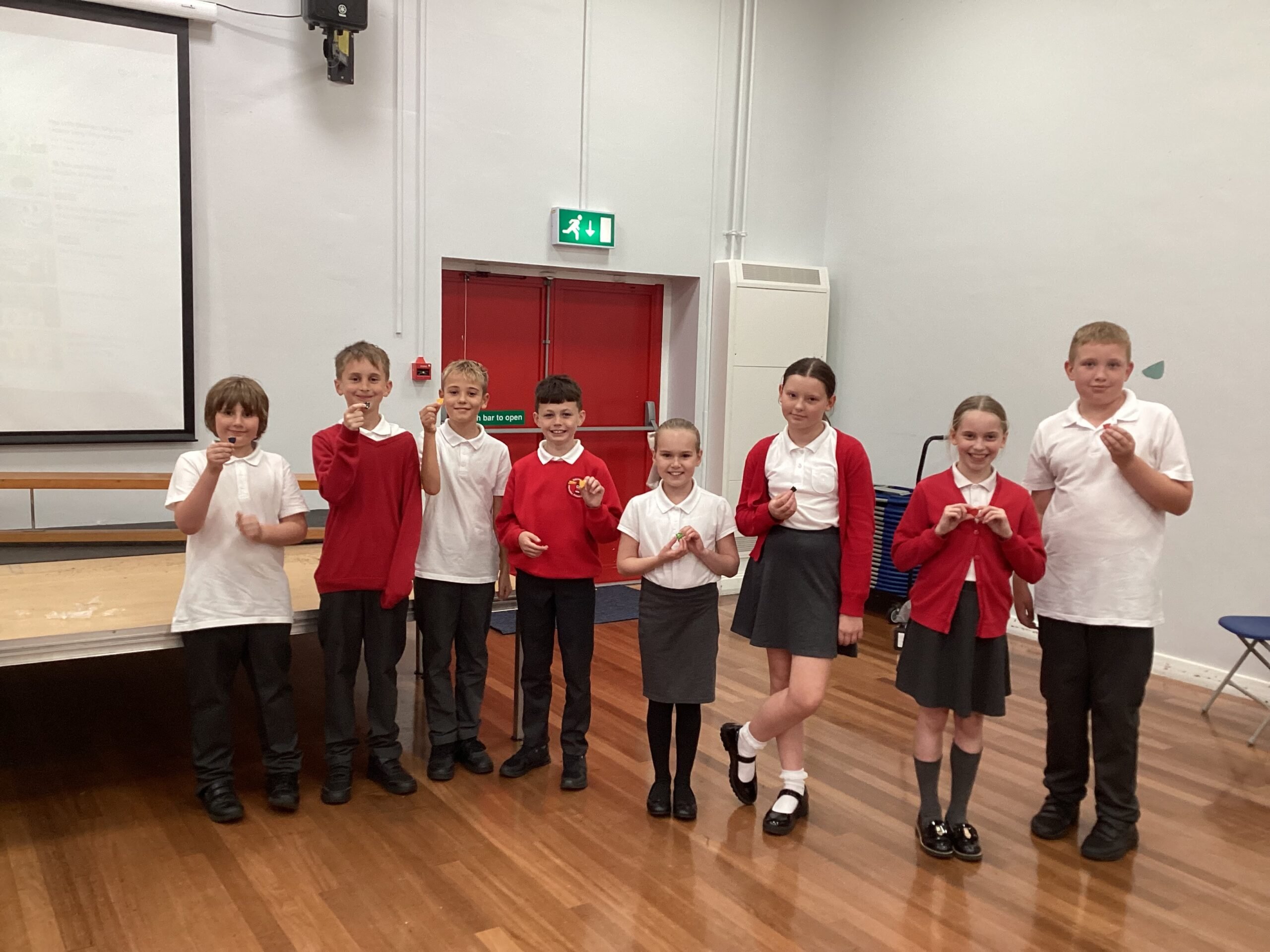
Y6 attended the South Tyneside RAP event at South Shields Fire Station. Here they were able to meet with representatives from Tyne and Wear Fire Service, Nexus, RNLI, Bikeability and Northern Power Grid. The children heard all about how they can stay safe as they become increasingly independent and venture out and about without adults.
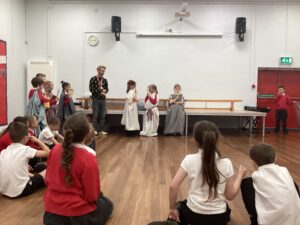
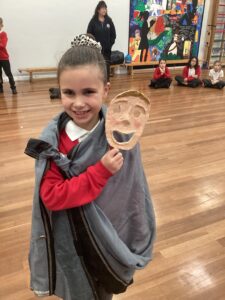
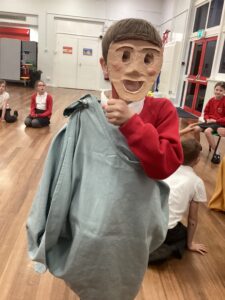
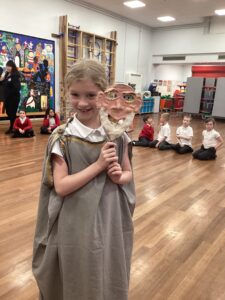
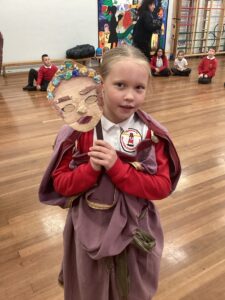
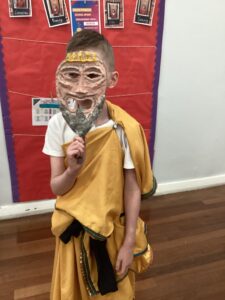
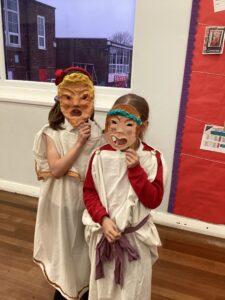
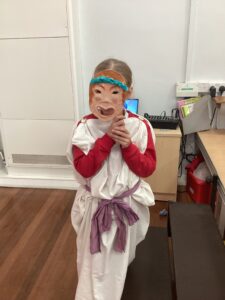
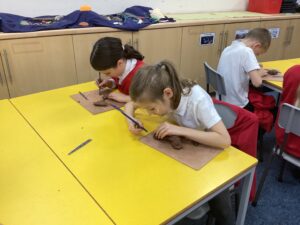
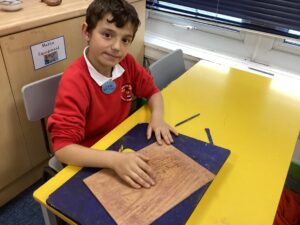
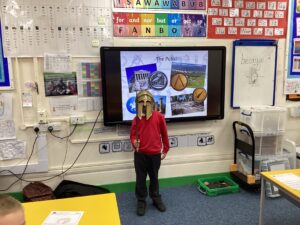
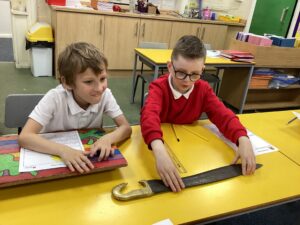
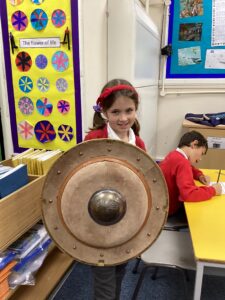
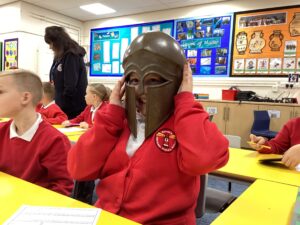
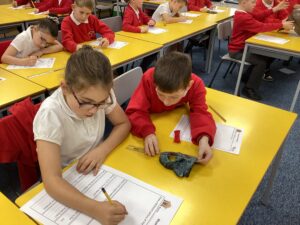
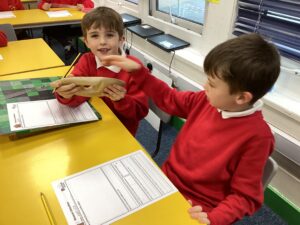
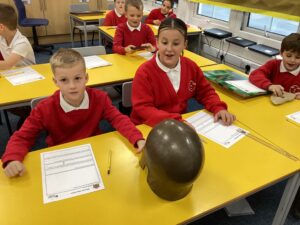
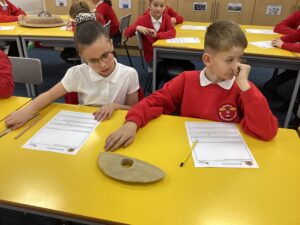
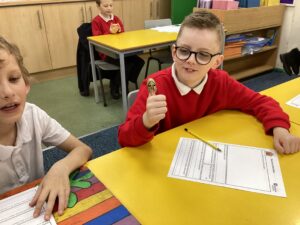
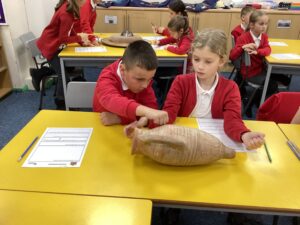
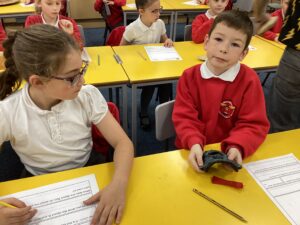
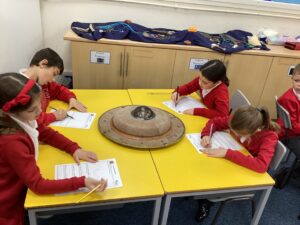
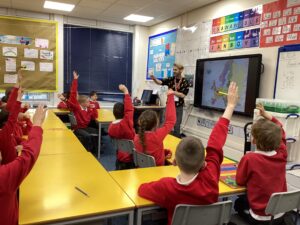
Today, Year 4 had the opportunity to welcome David from Durham University to our classroom. With his help, we became archeologists, examining artefacts from the time – some of which were over 2000 years old! The children also made their own offerings to the gods from clay and even performed in a classic Greek tragedy – Medea. We had an amazing day and learned so much more about the people, culture and beliefs of the time!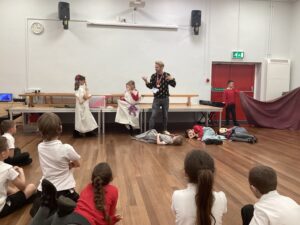
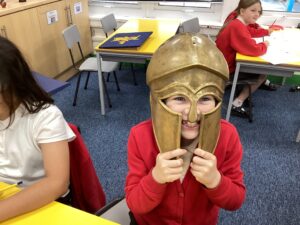
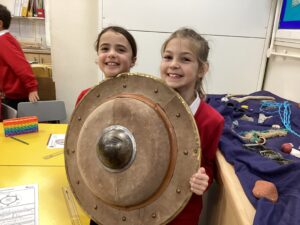
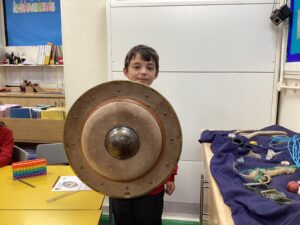
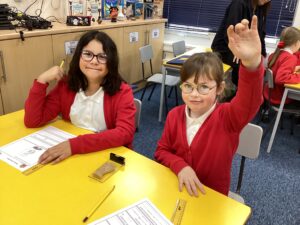
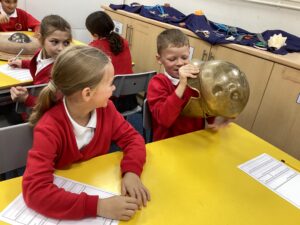
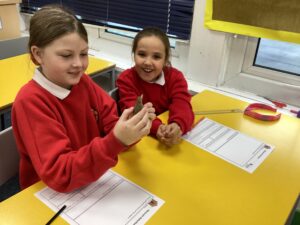
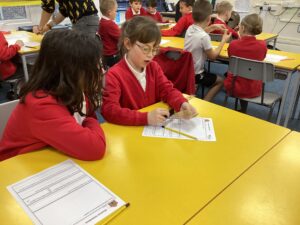
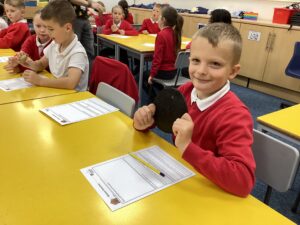
Today the children put their sorting materials knowledge to the test by trying different methods of separating. We are using evaporation to separate salt and water, filtering to separate sand and water, sieving to separate flour and sweets and finally magnetic attraction to separate paper clips and rice.
We were very impressed with their scientific enquiry skills.


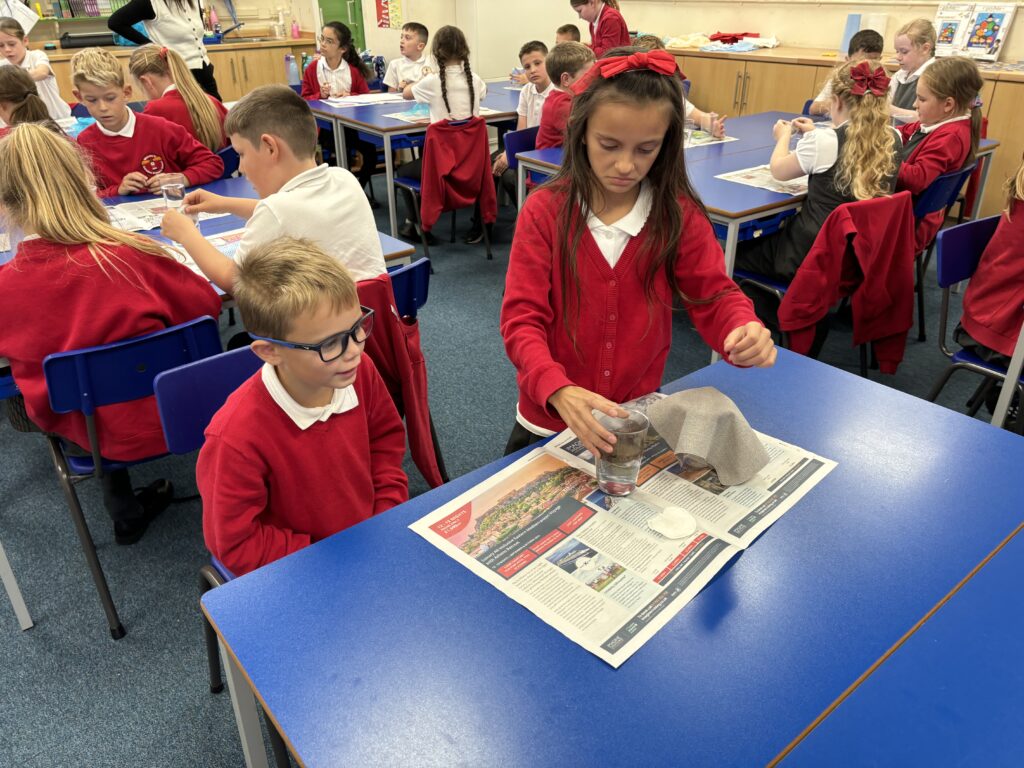
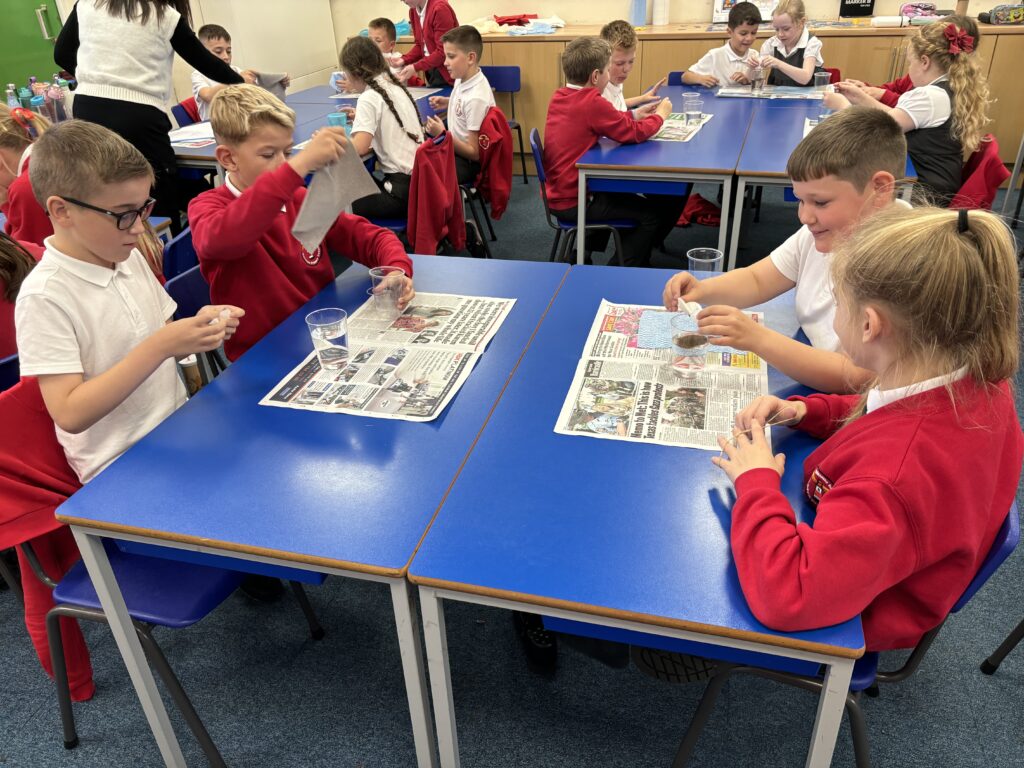
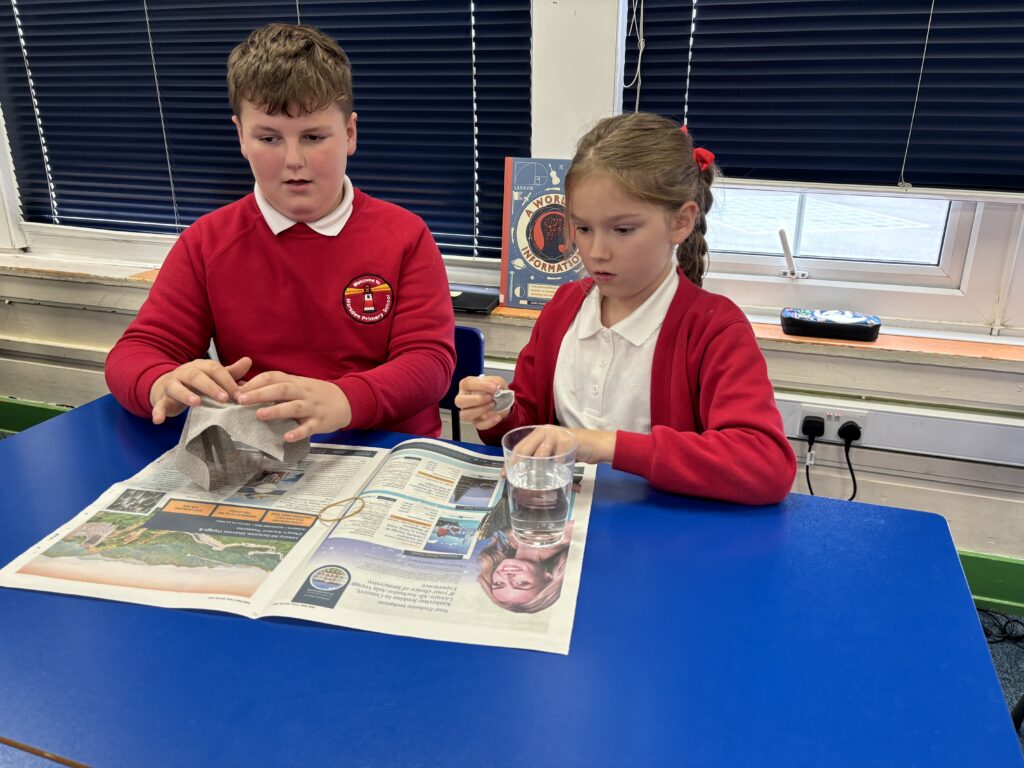
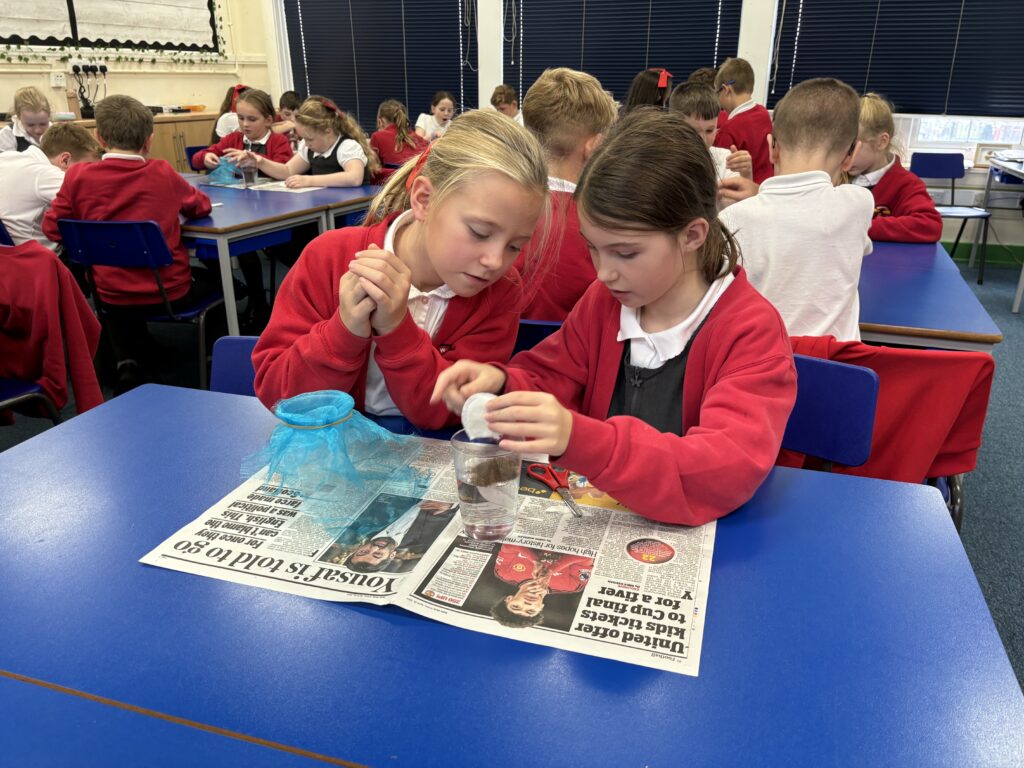
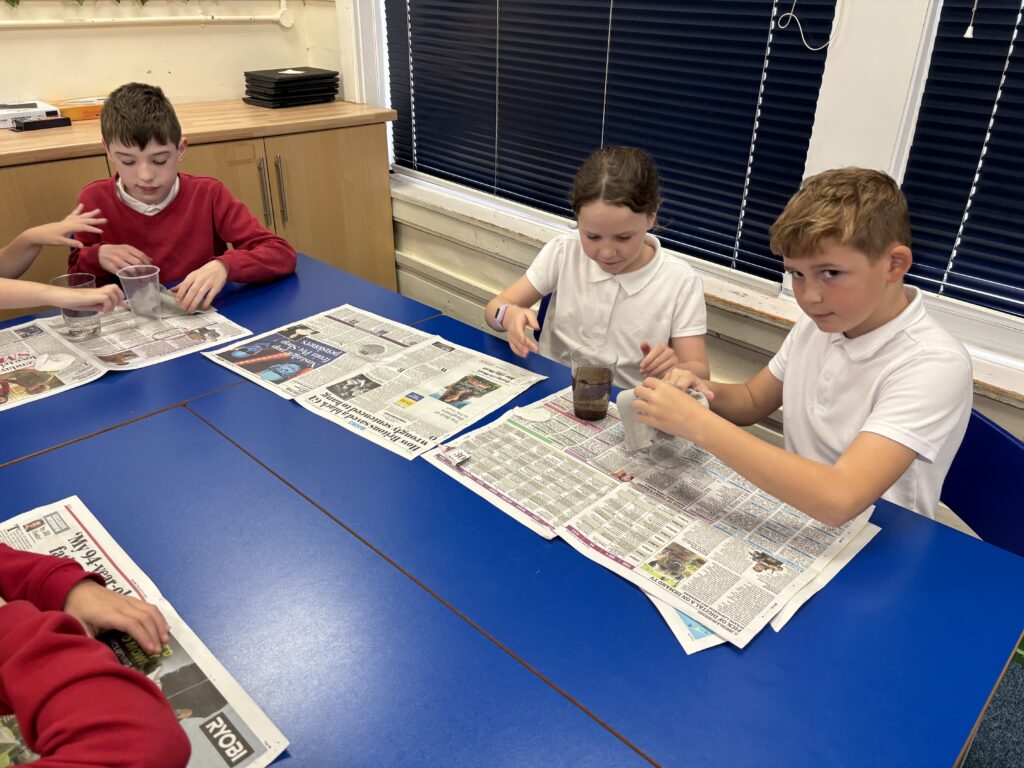
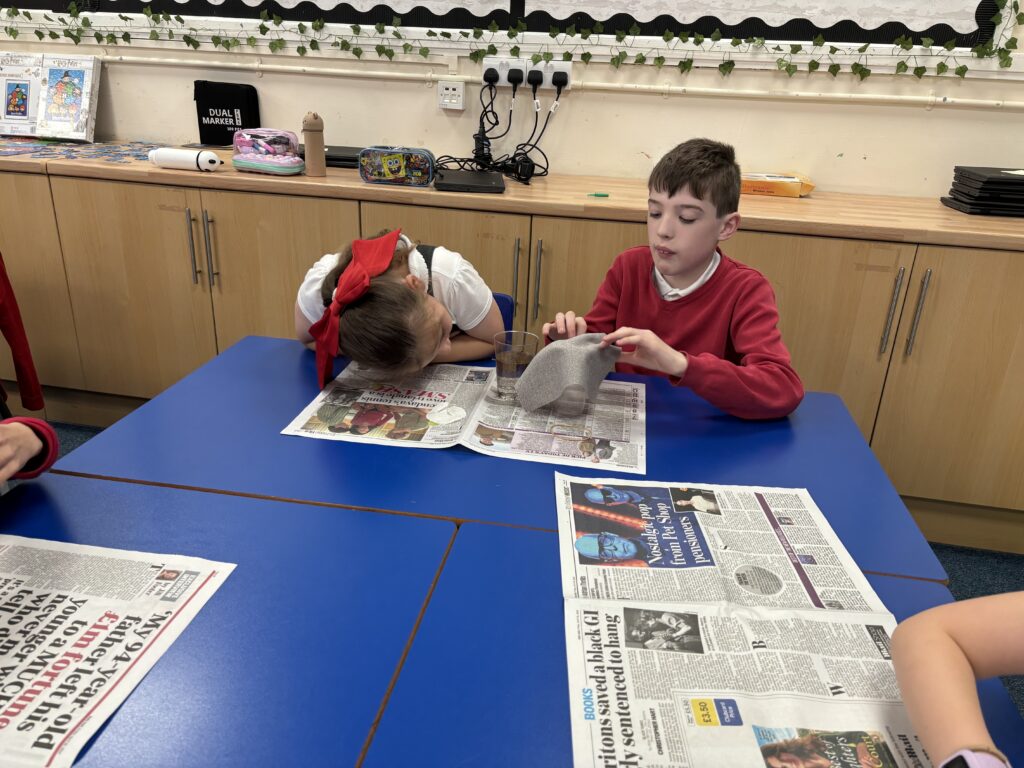
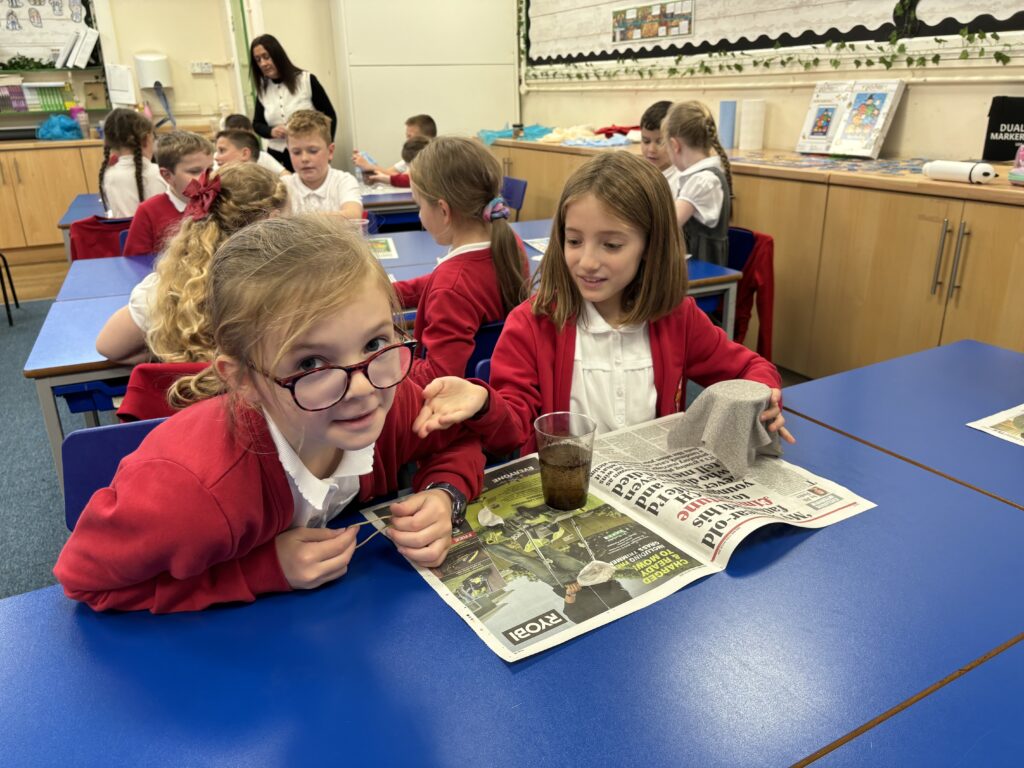
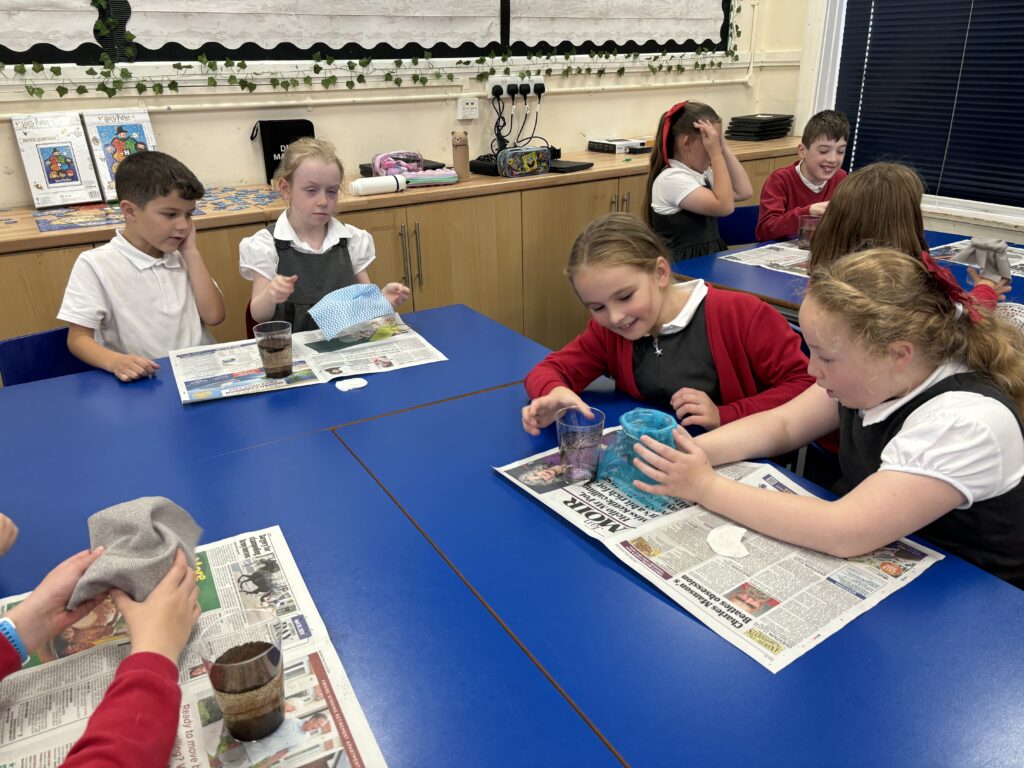
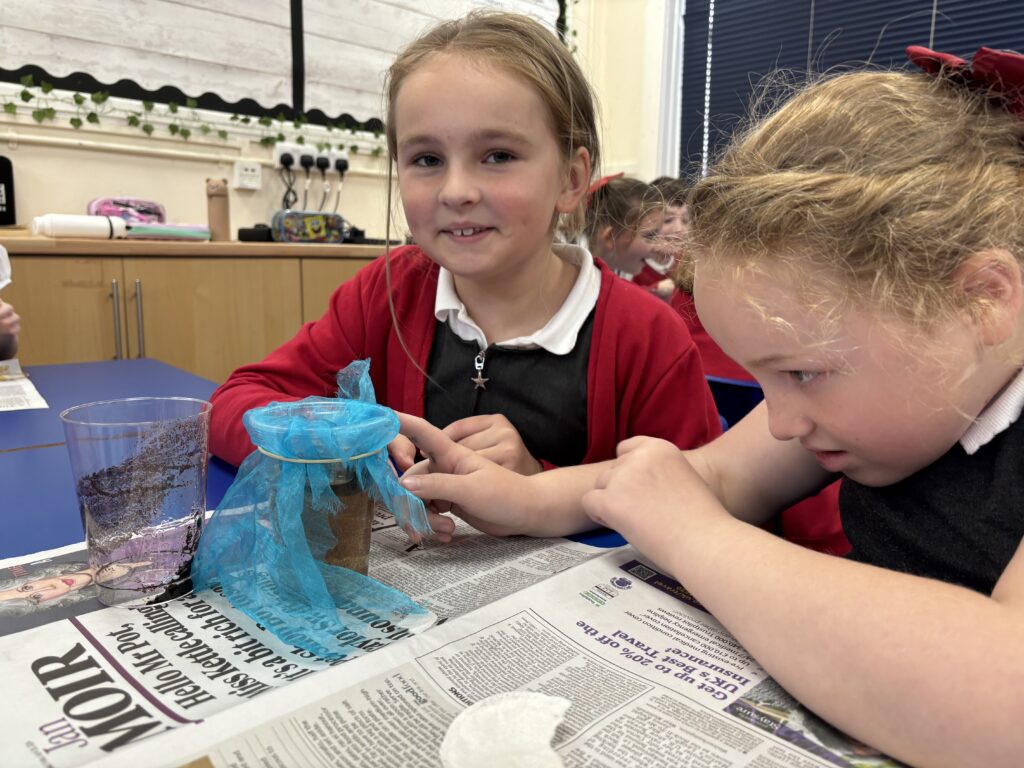
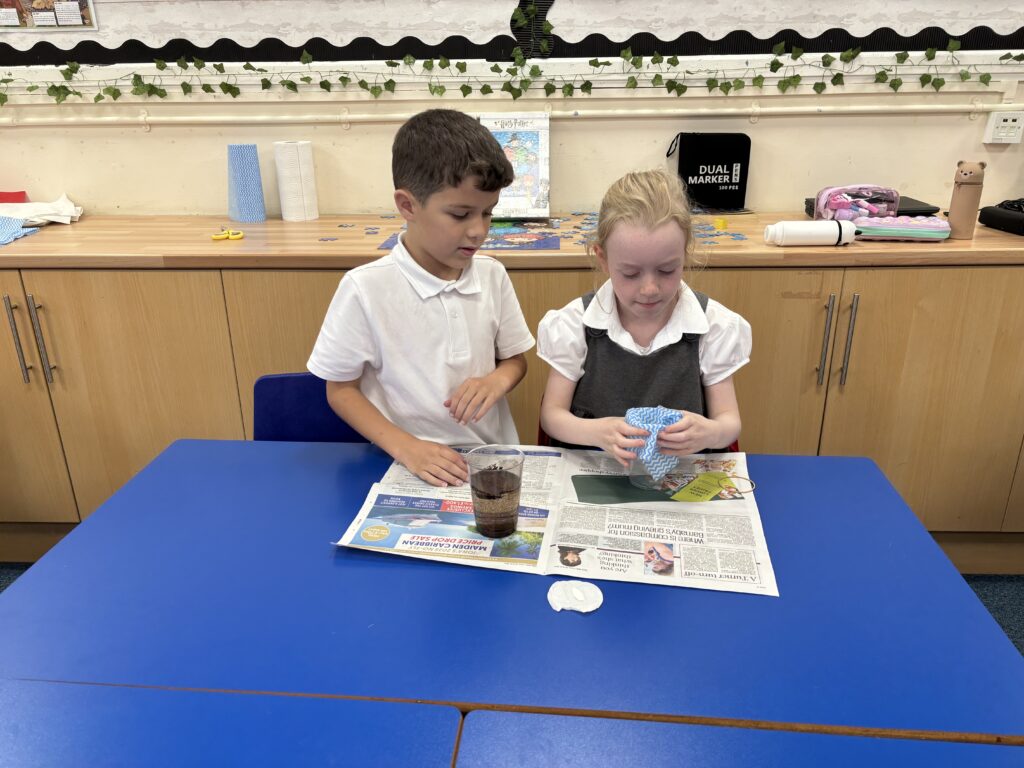
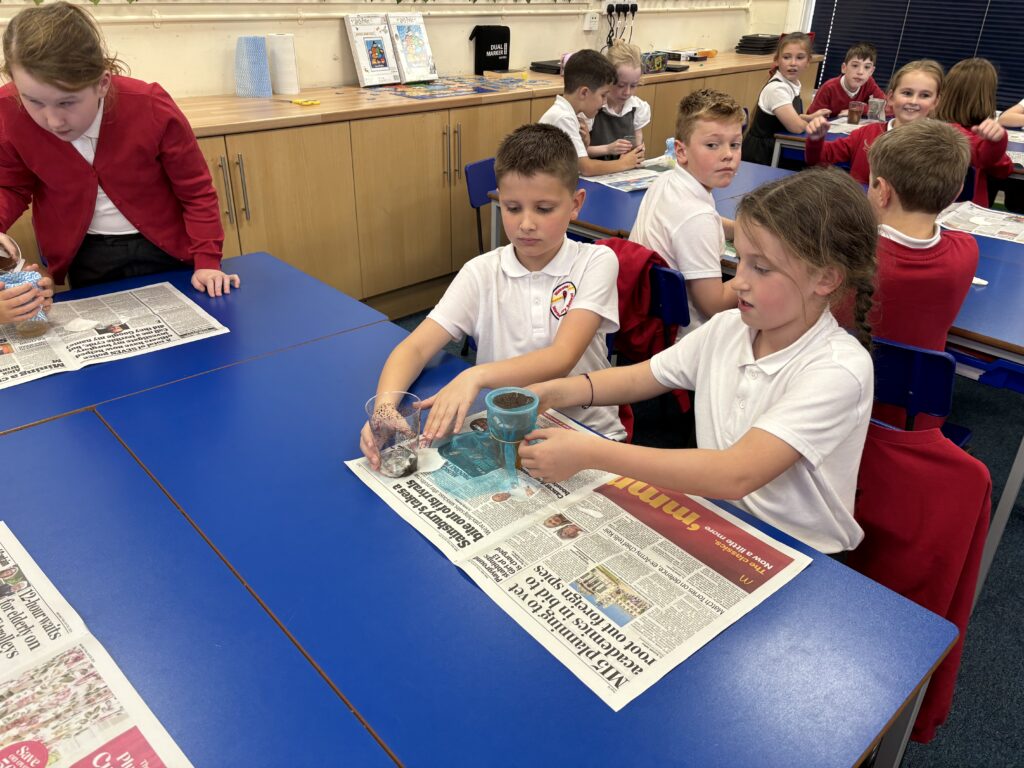
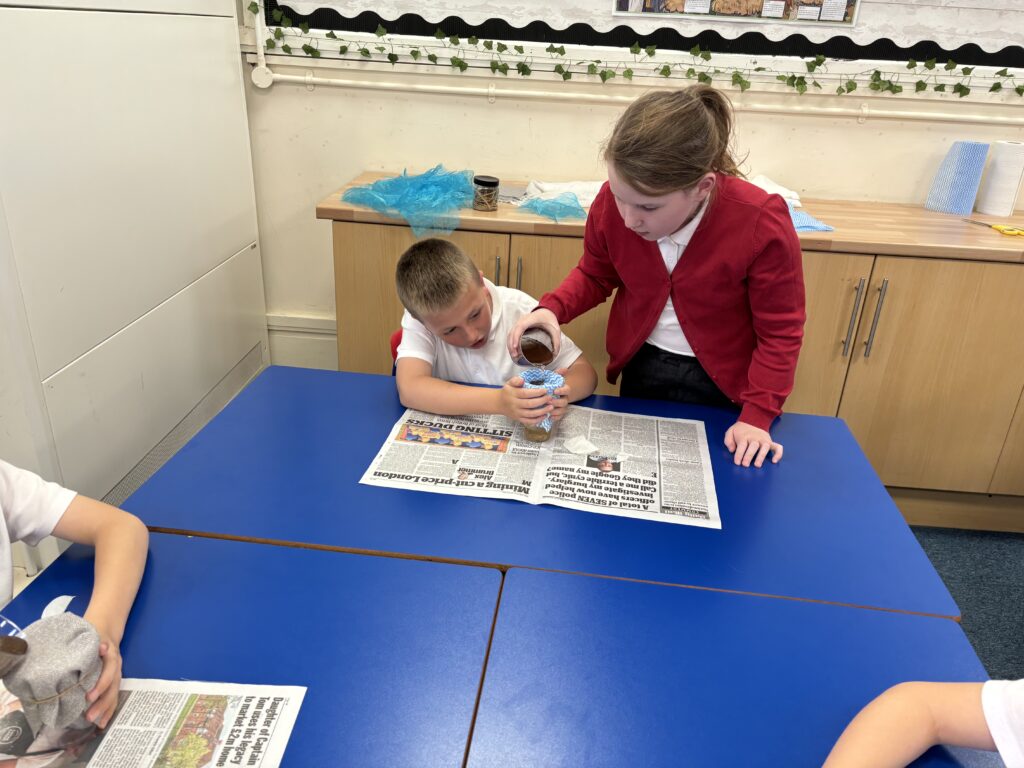
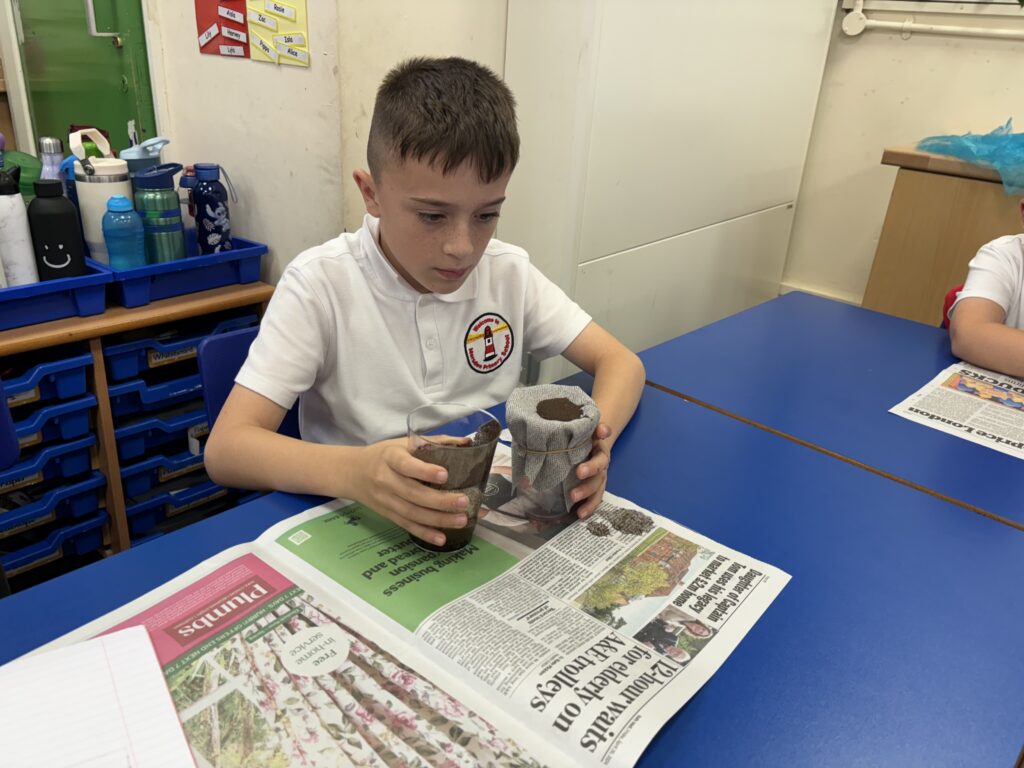
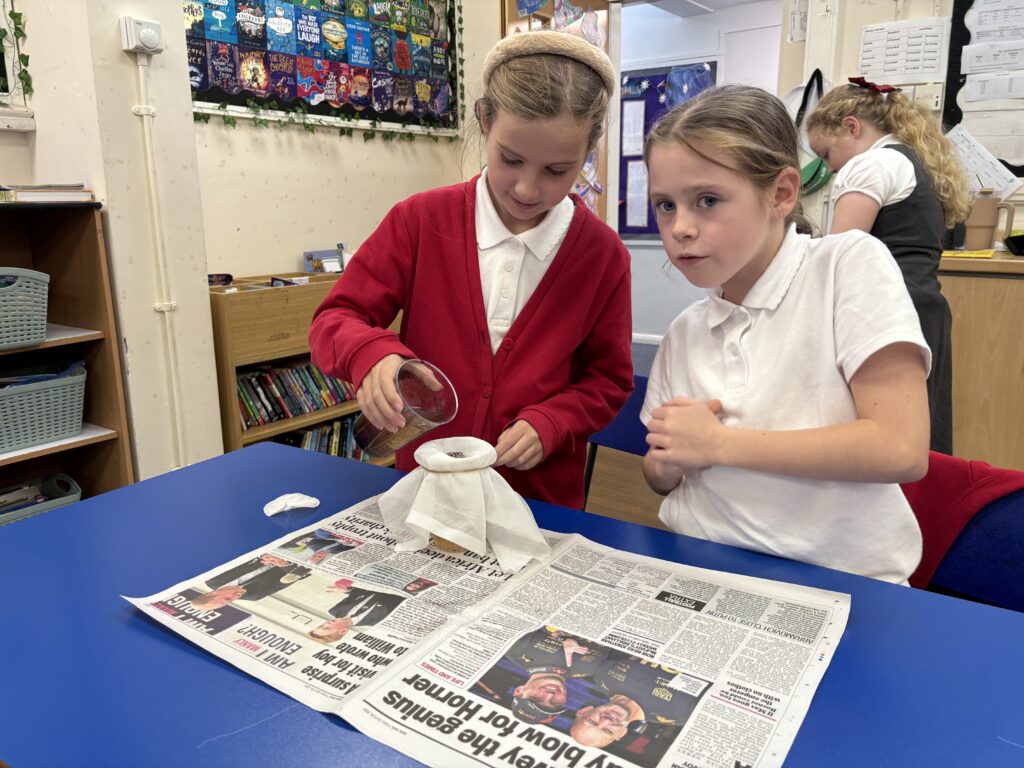
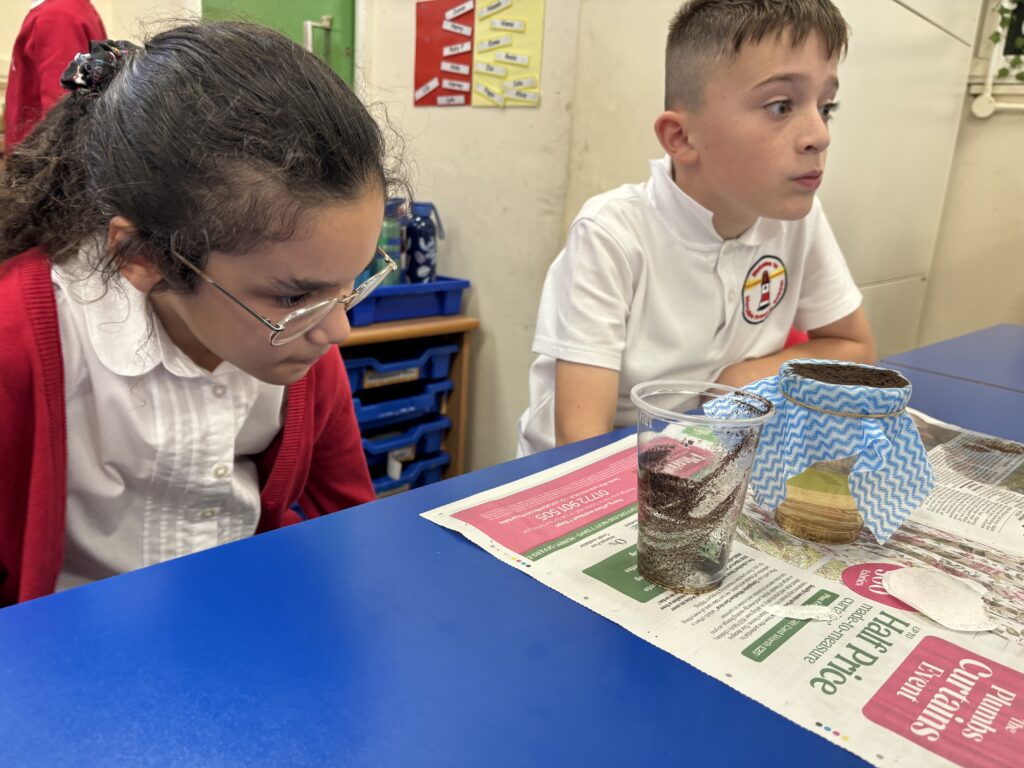
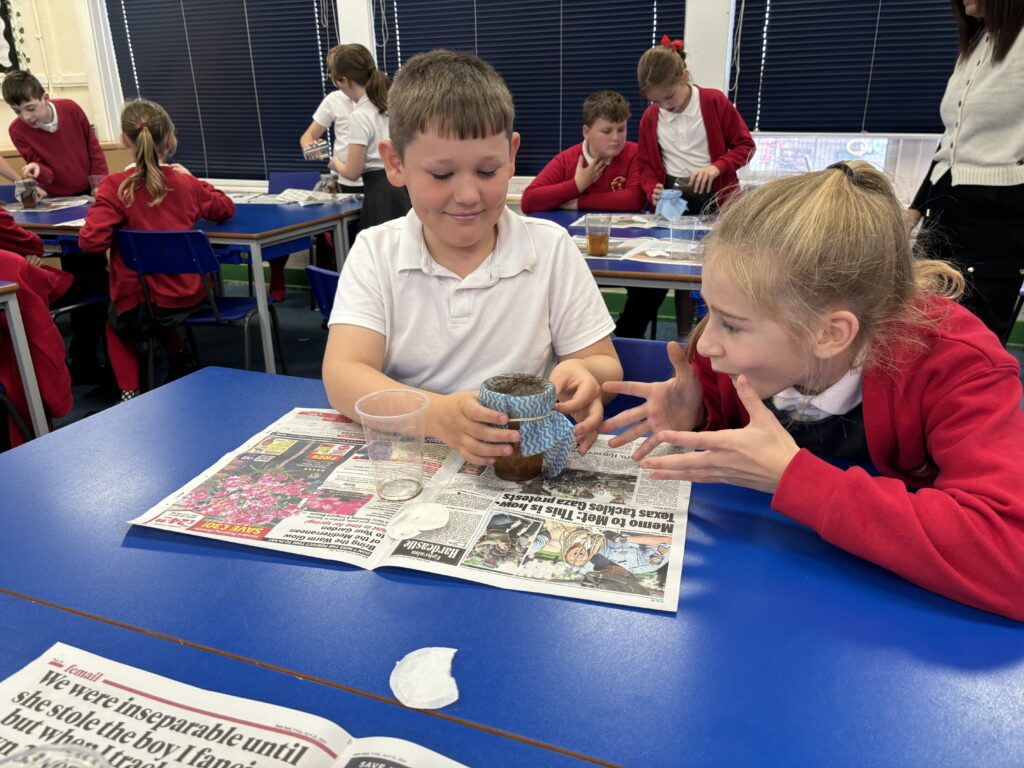
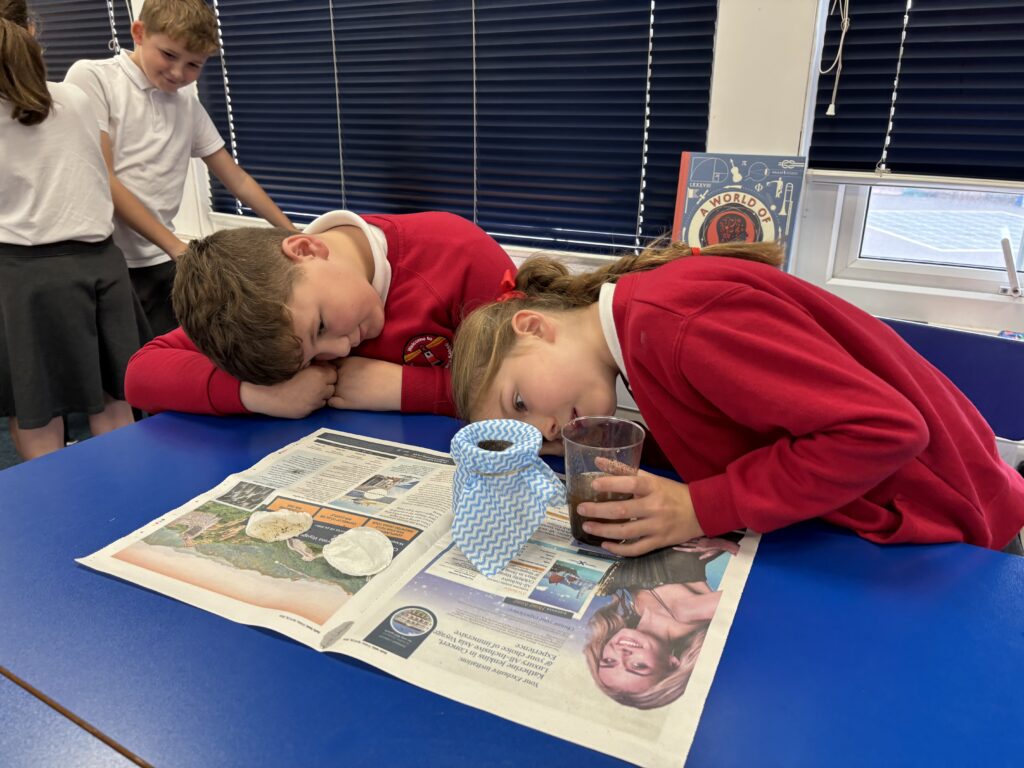
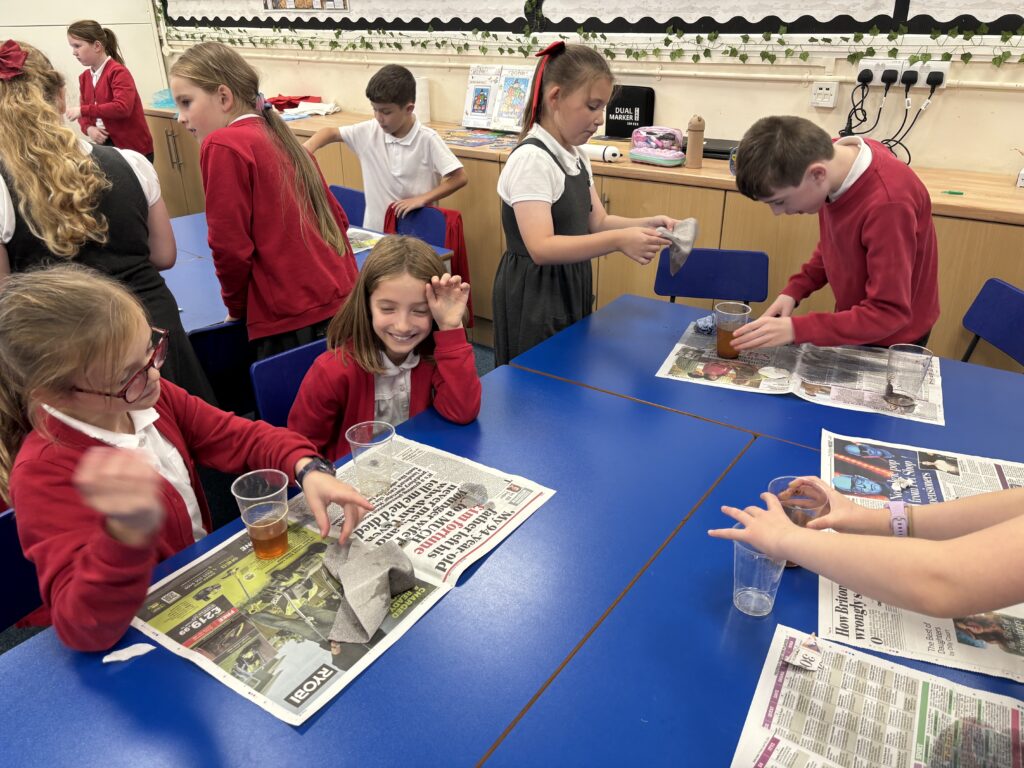
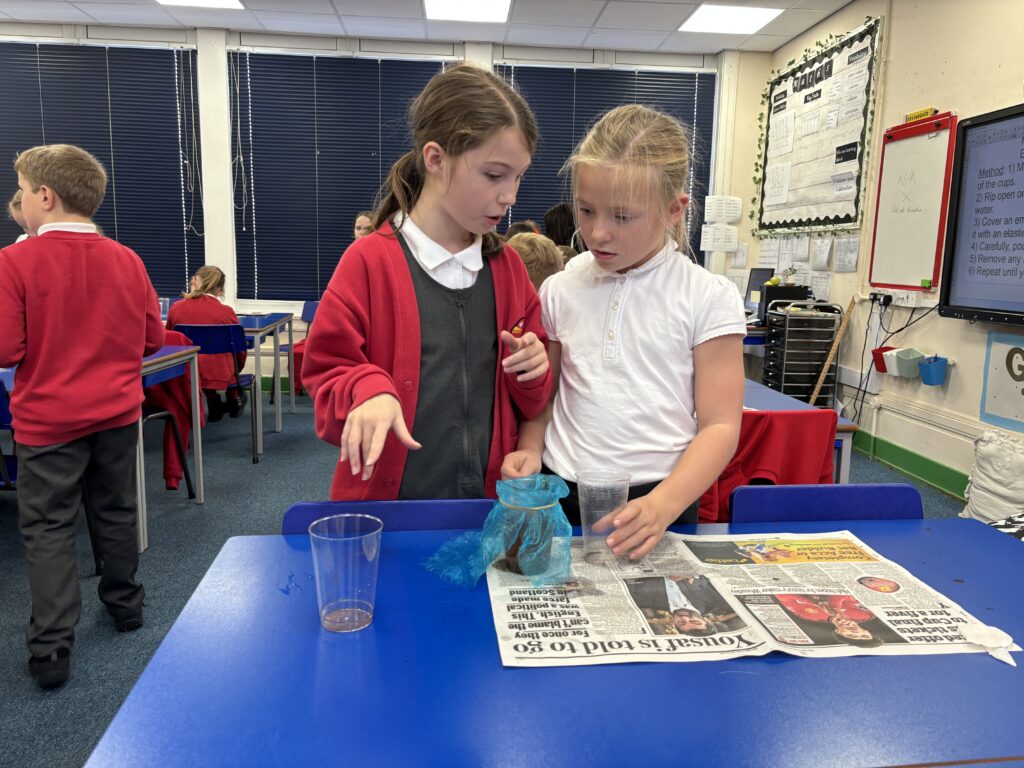
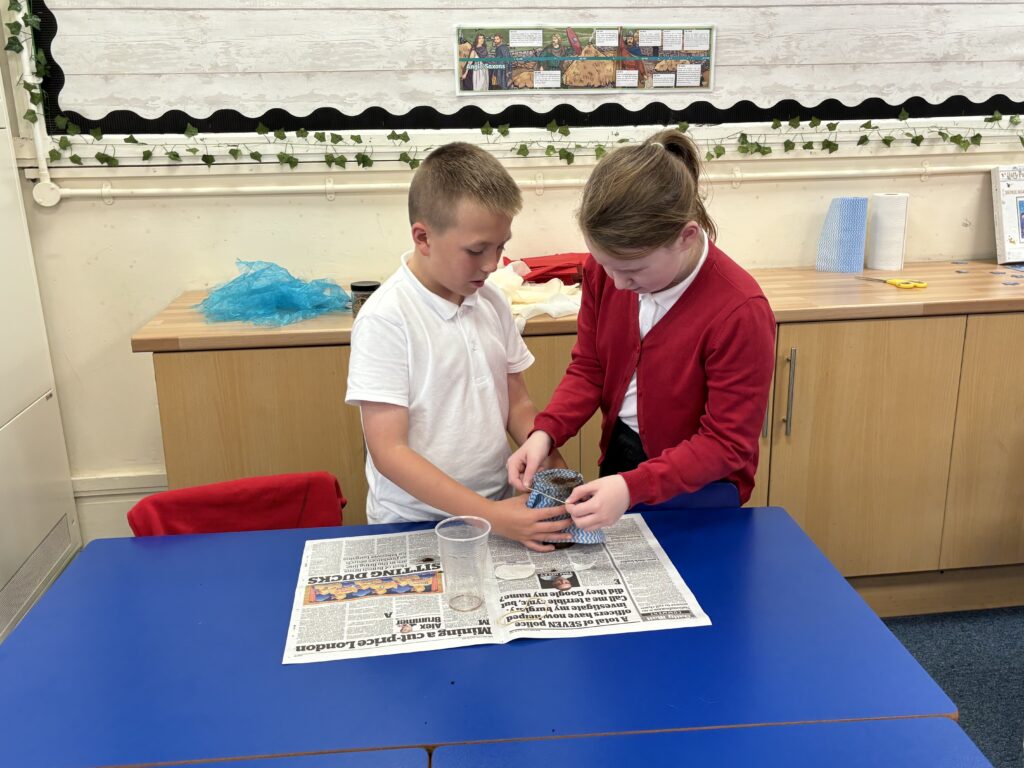
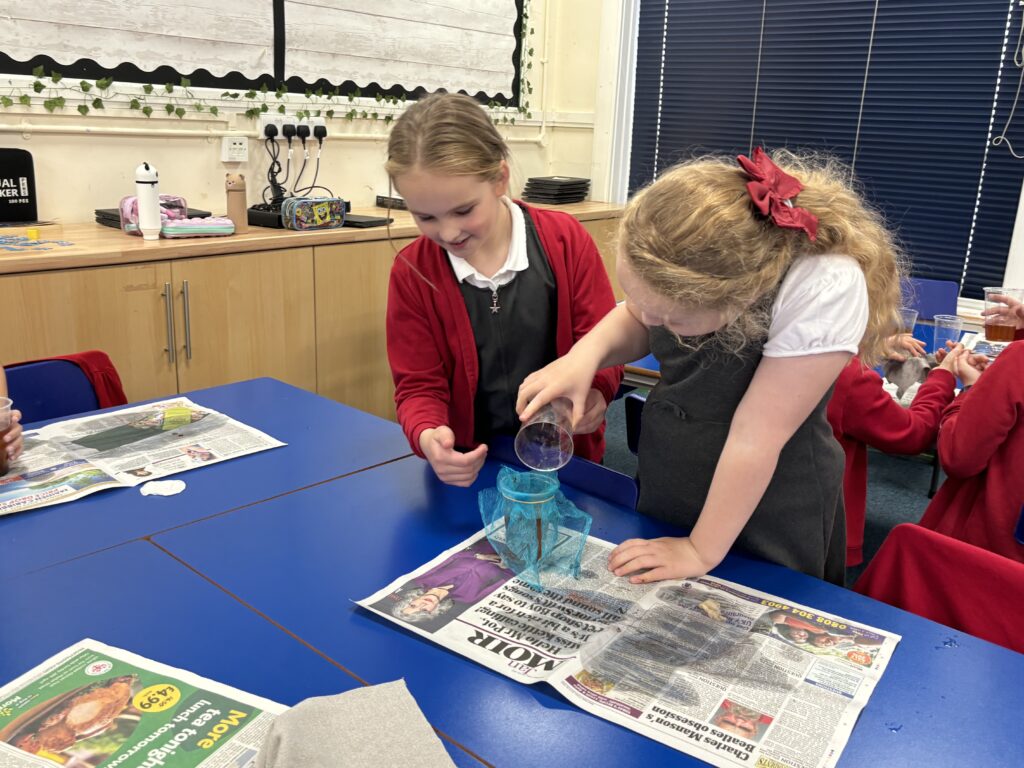
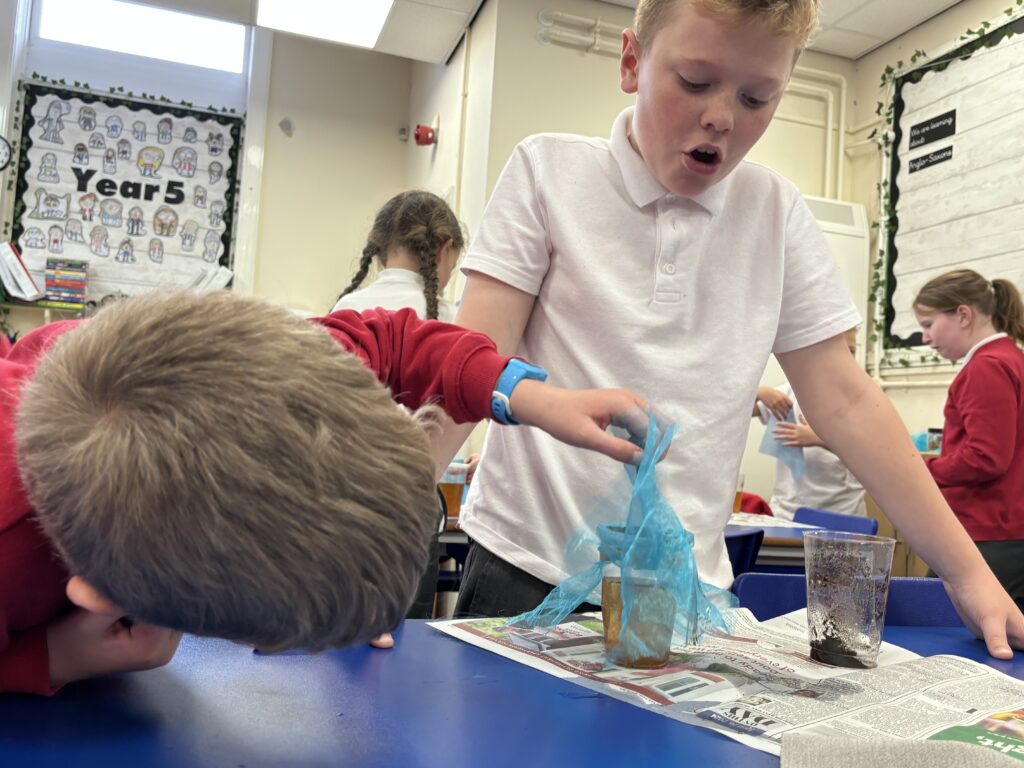
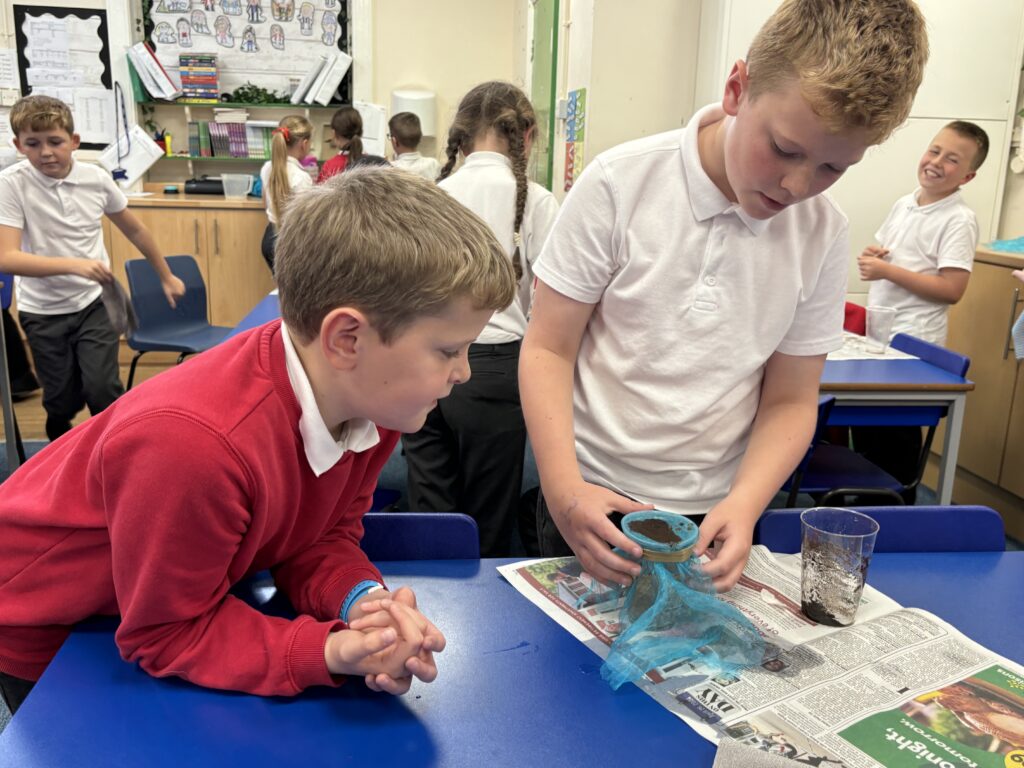
Today, Y5 carried out an experiment to explore the process of filtration to try and separate an insoluble material (tea leaves) from a solvent (water). The children had a variety of different materials to use as filters and we discovered that some were more successful than others. Material with very small holes such as woven fabric acted as a good filter and resulted in very few leaves getting through the material. We called what was left in the material the residue.
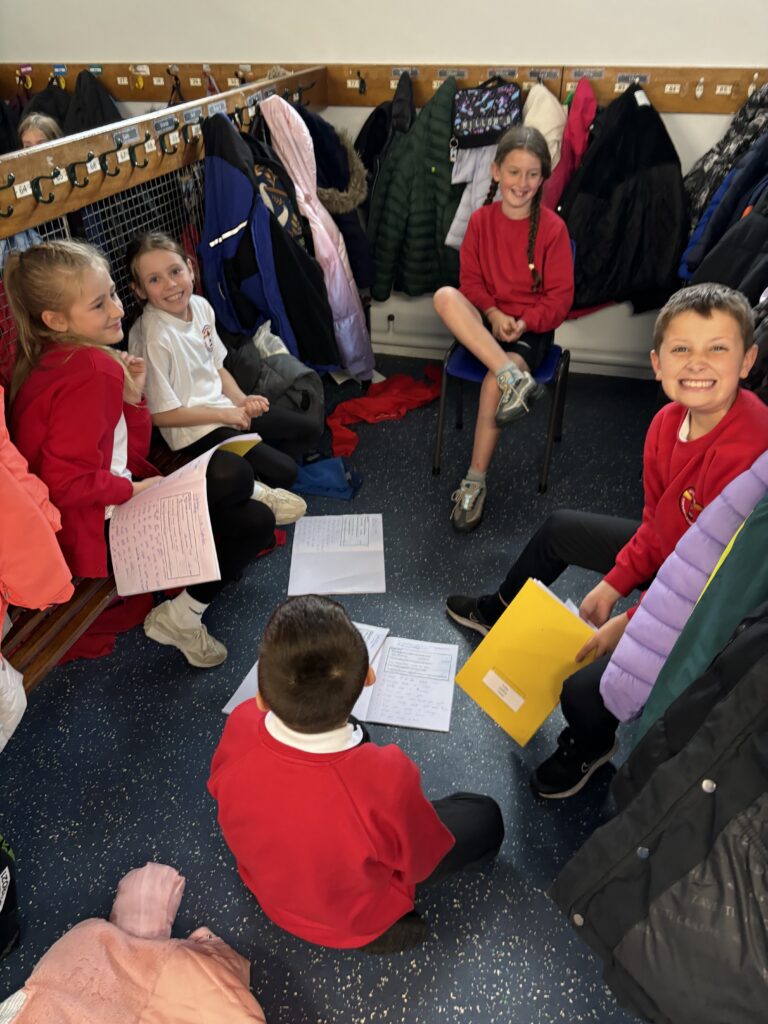
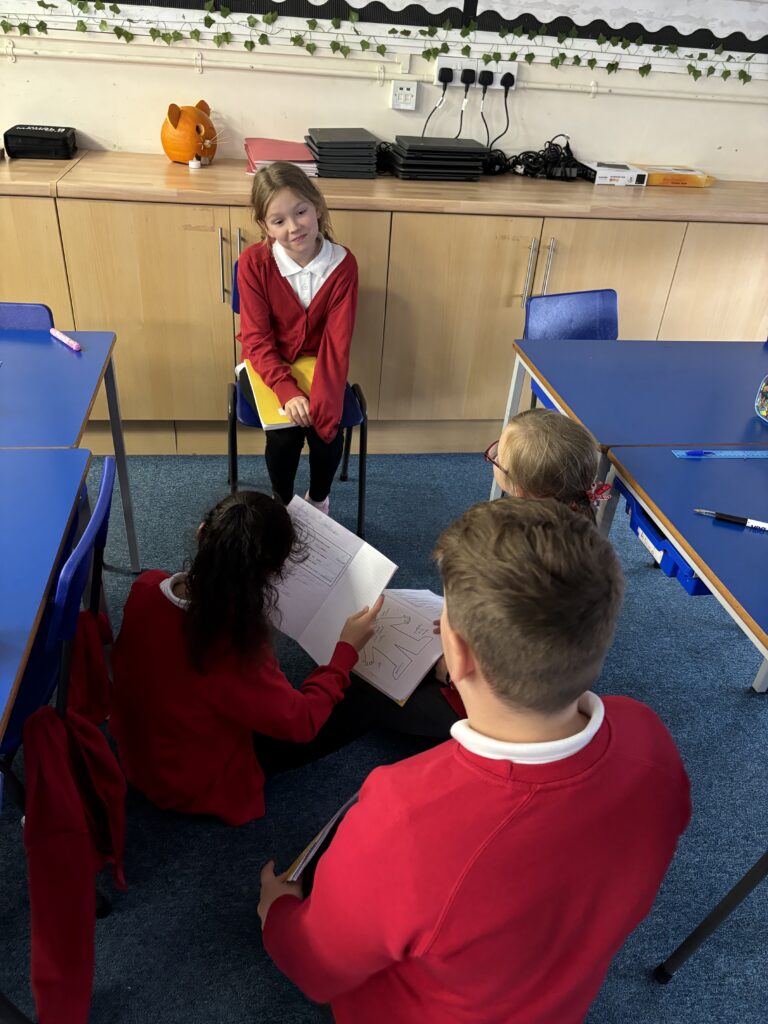
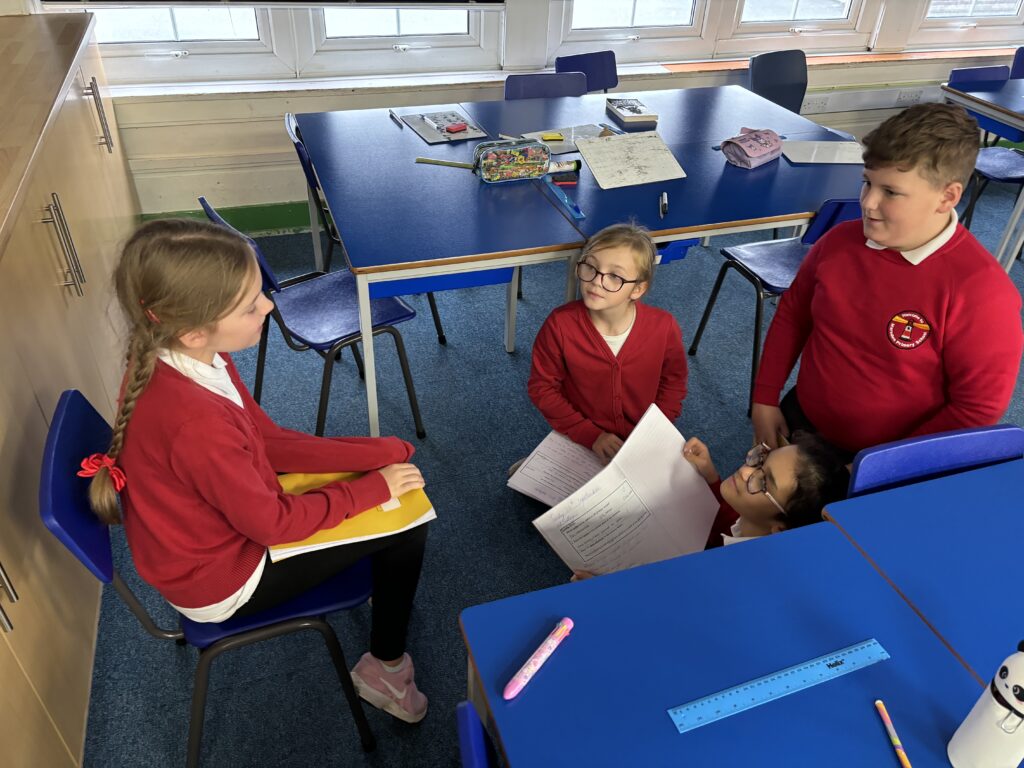
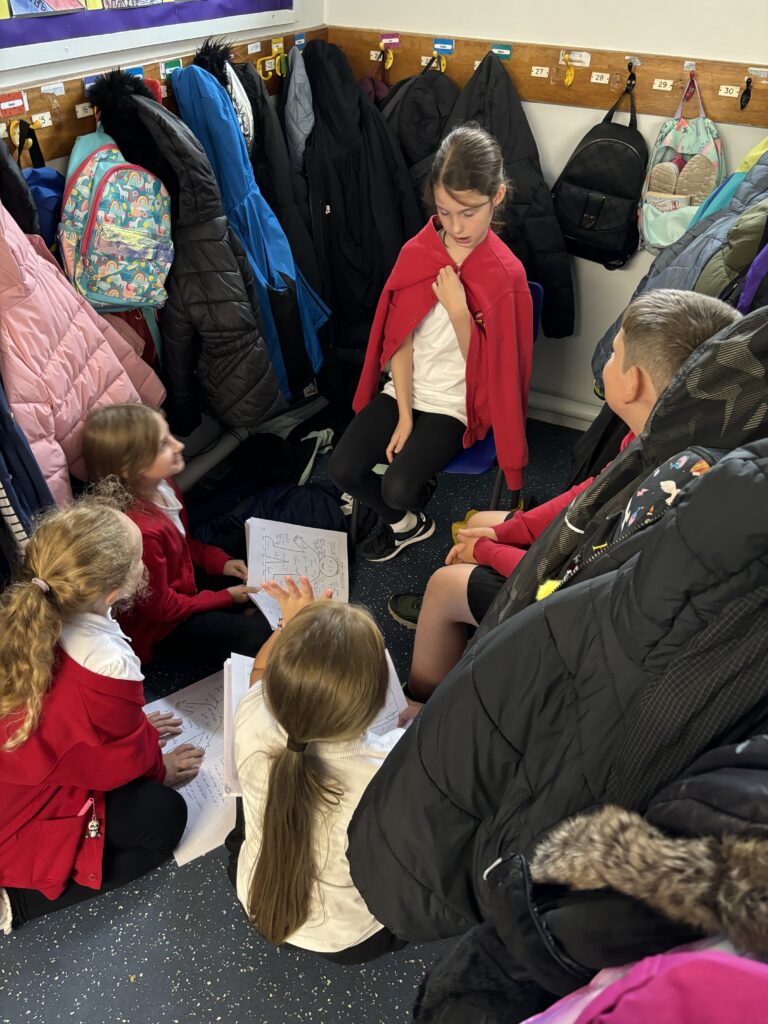
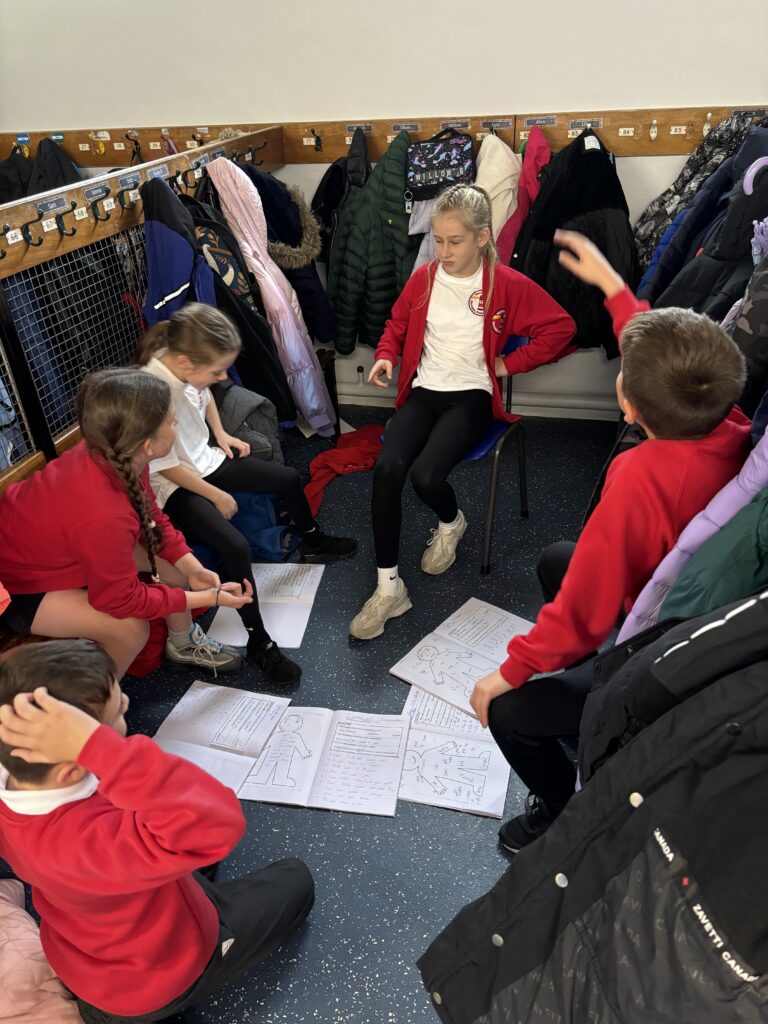
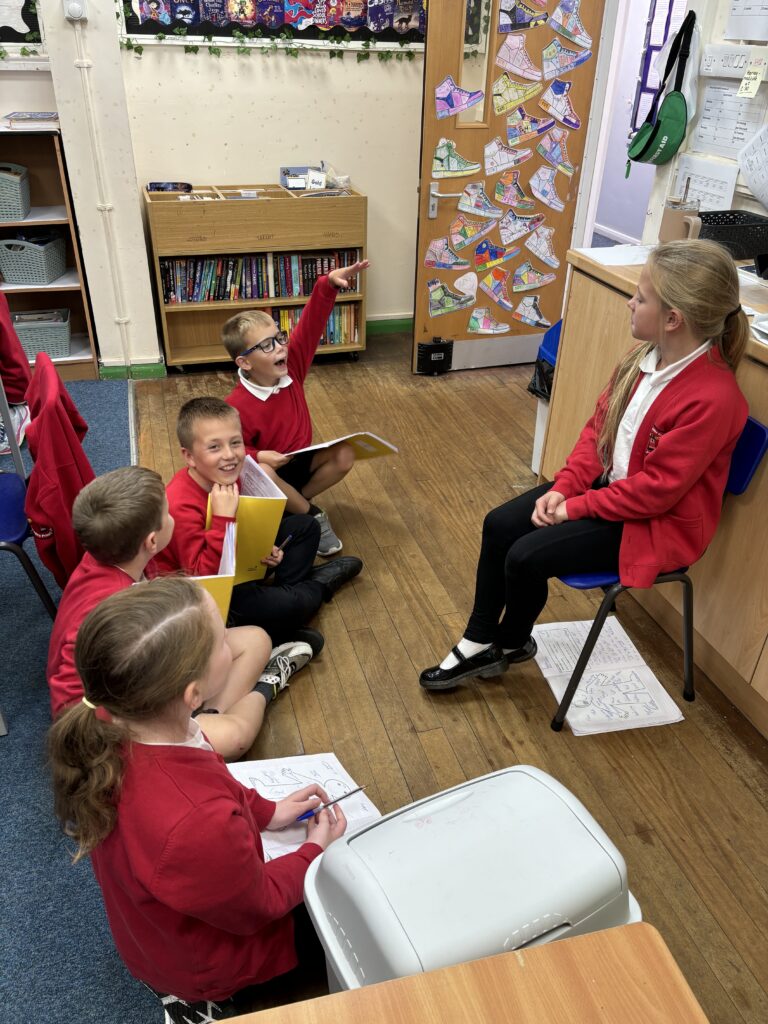
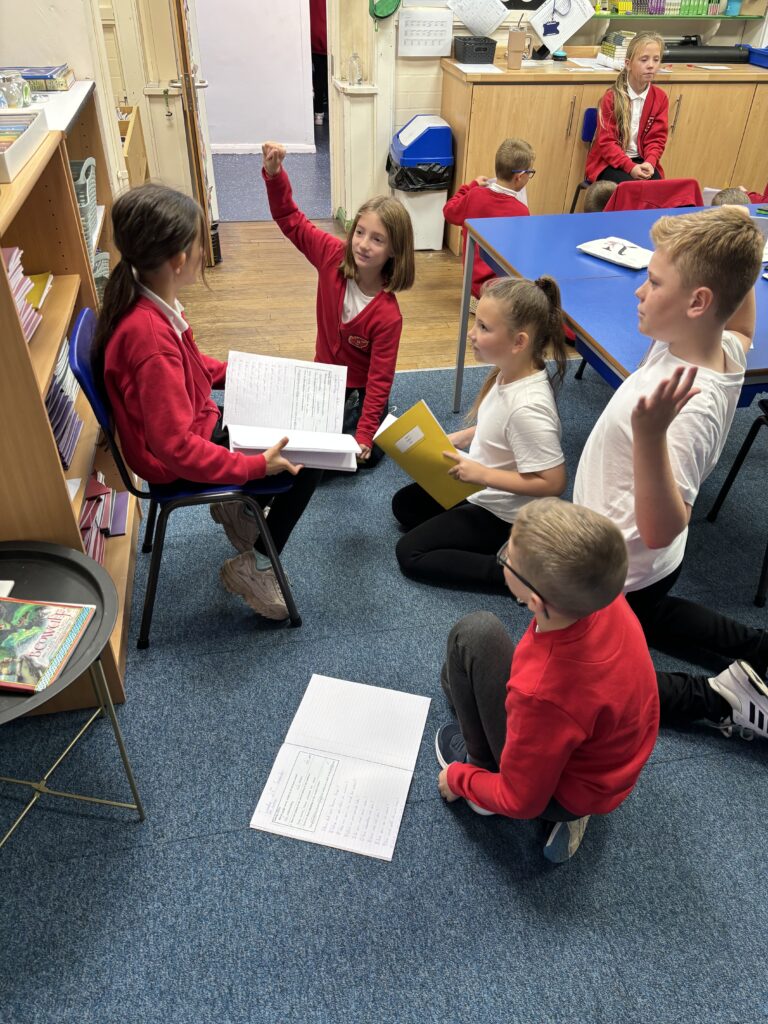
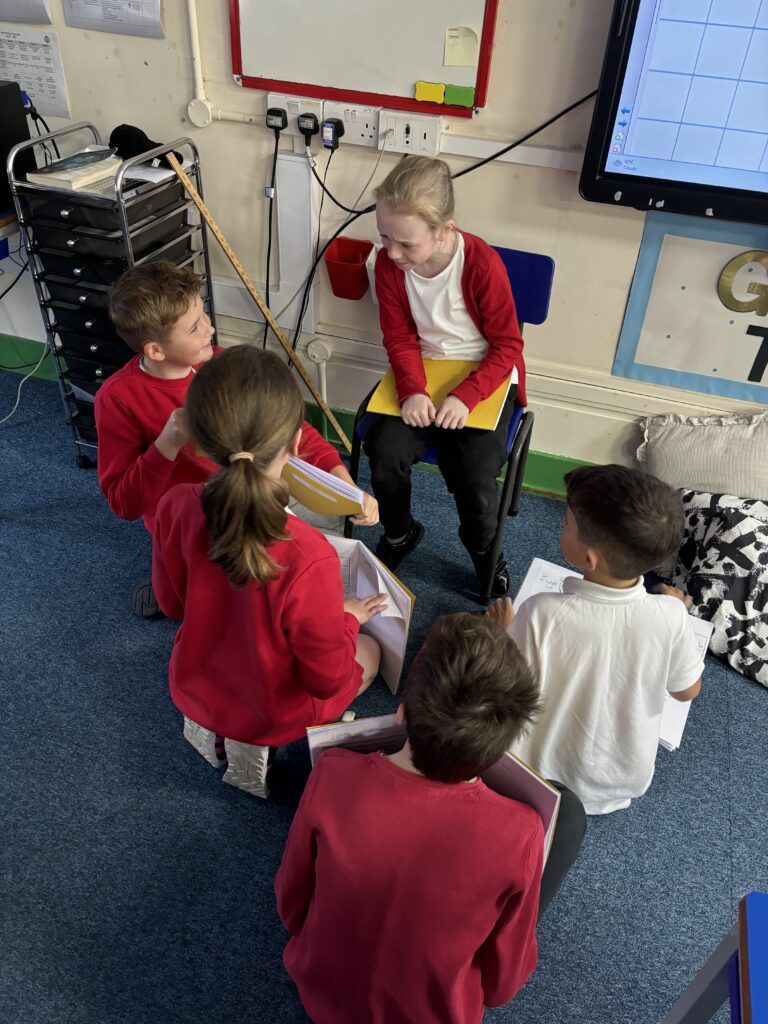
Y5 started to read the text Beowulf last week. We were text detectives and searched for information about King Hrothgar from the book. Once we knew a lot about him we talked about what we would ask him if he was in our classroom.
Then the children were put in the hot seat pretending to be King Hrothgar and answer questions from the other children. They were very intimidating warriors and answered questions using what they found from the text.
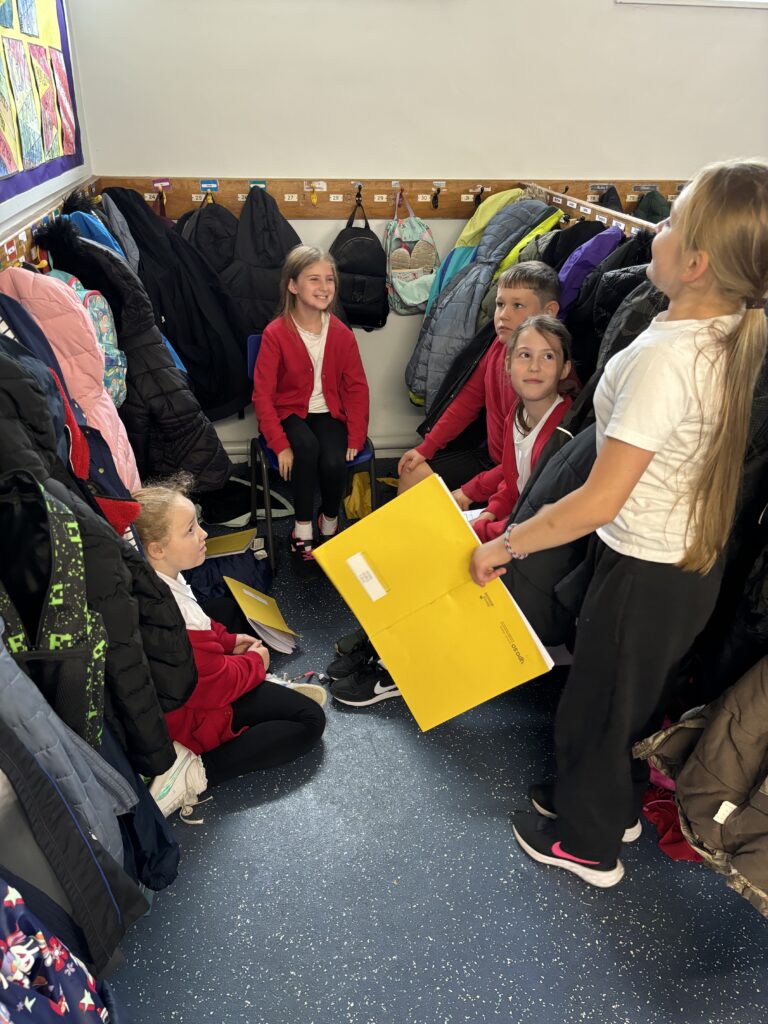
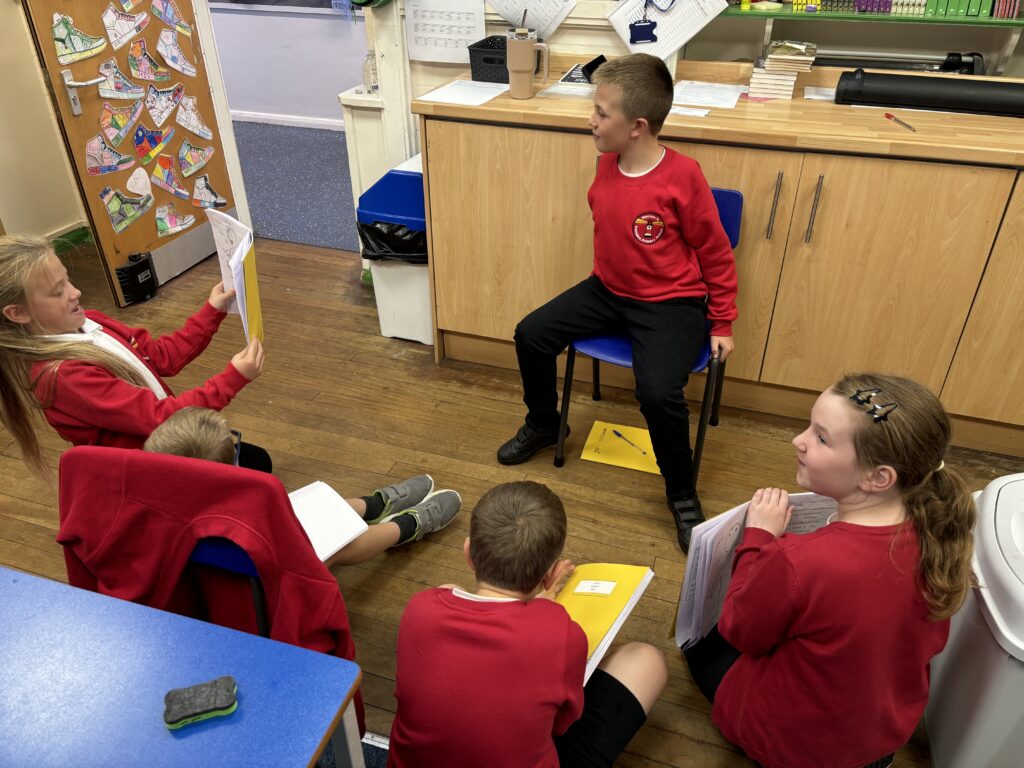
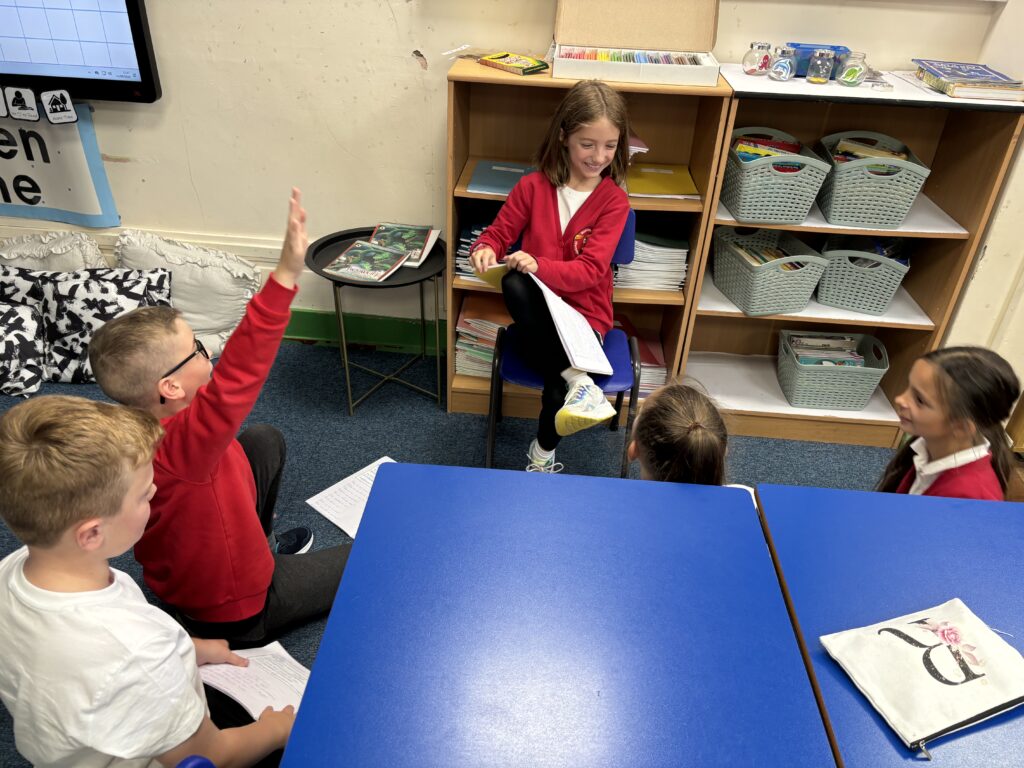
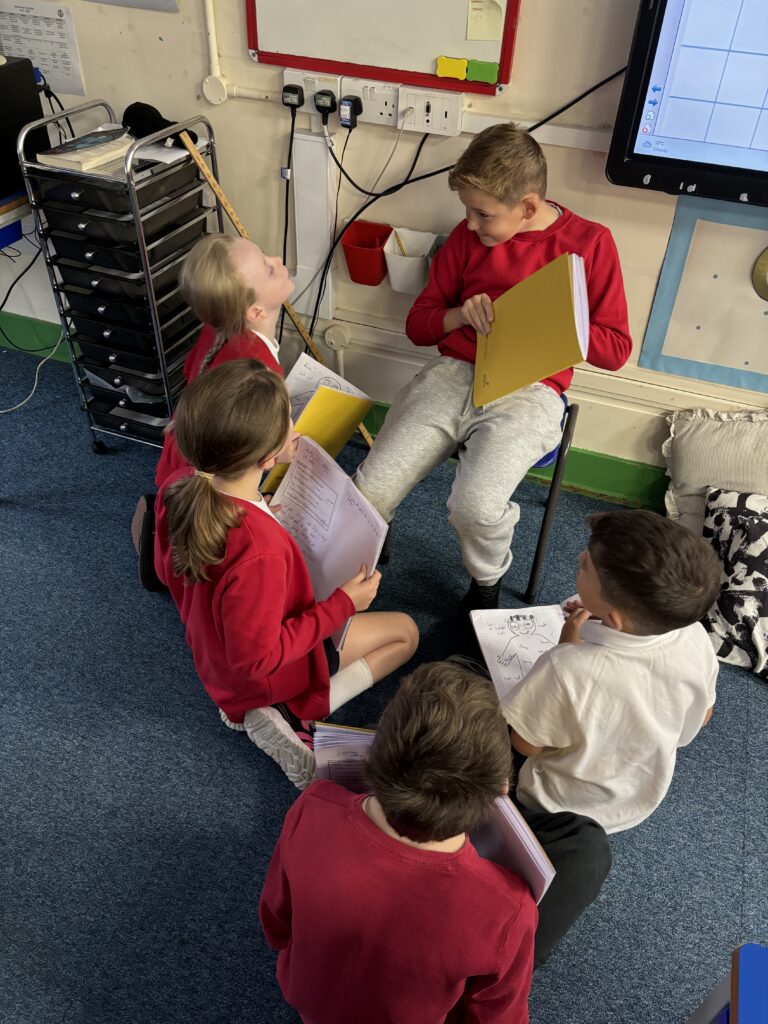

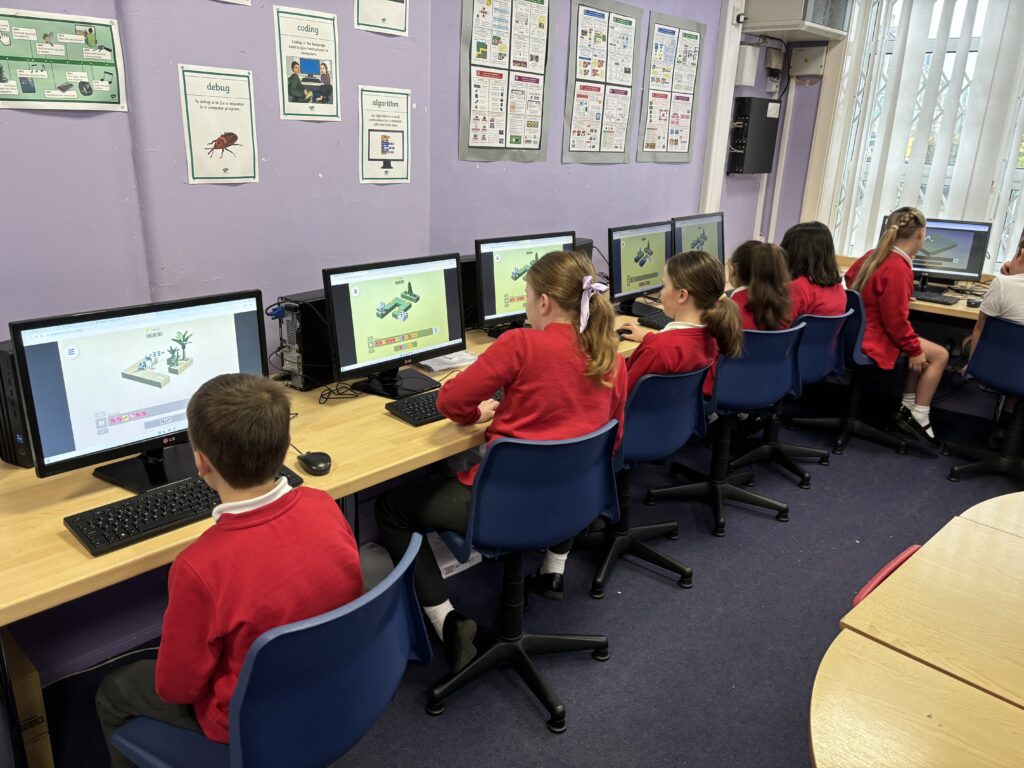
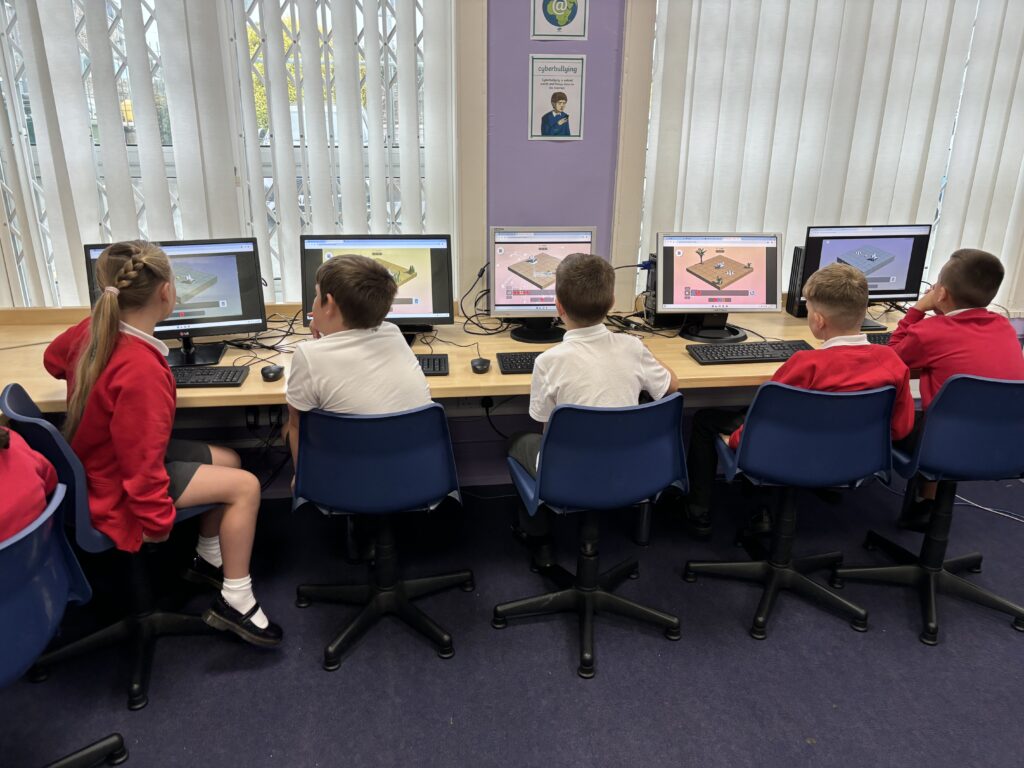
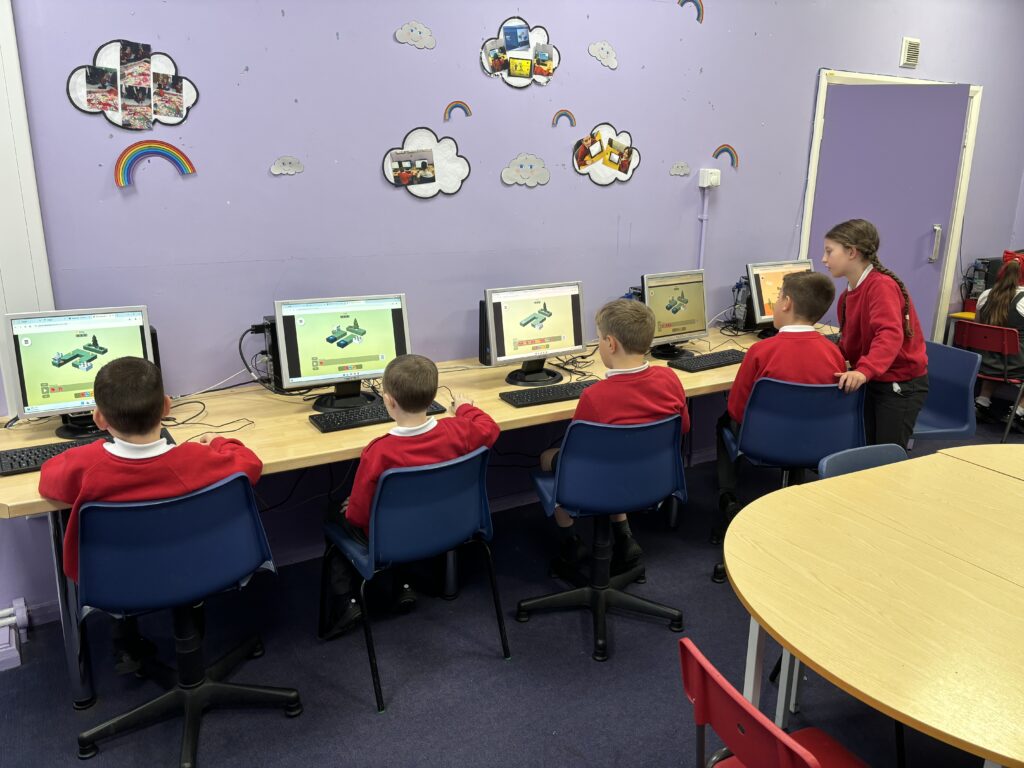
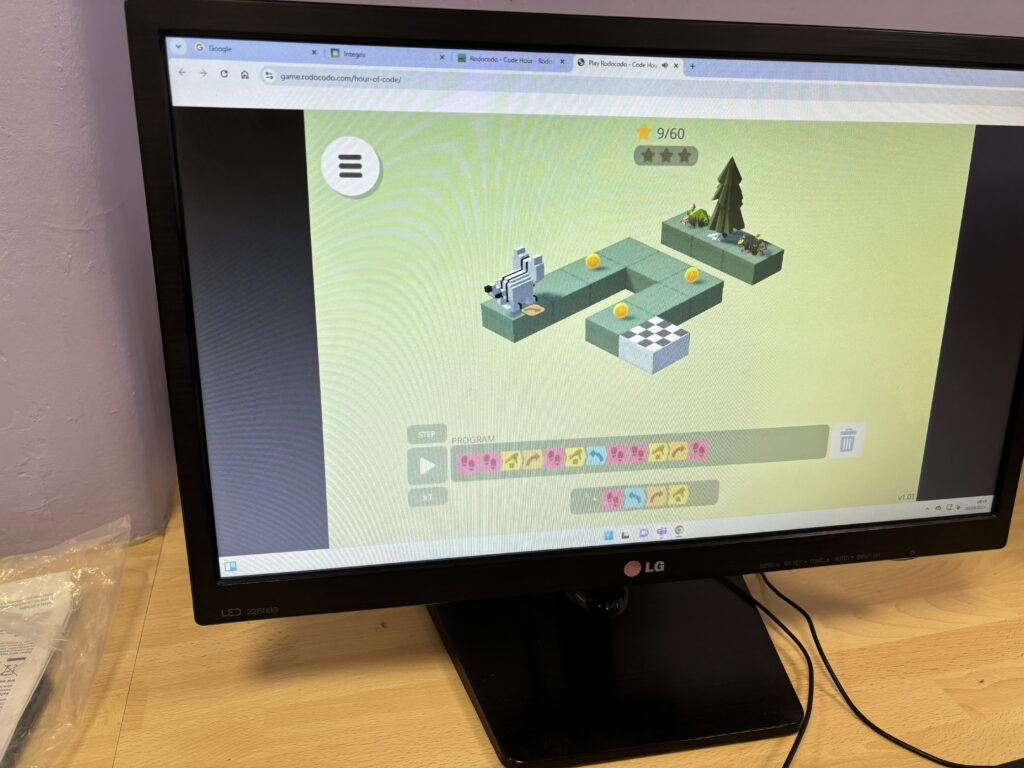
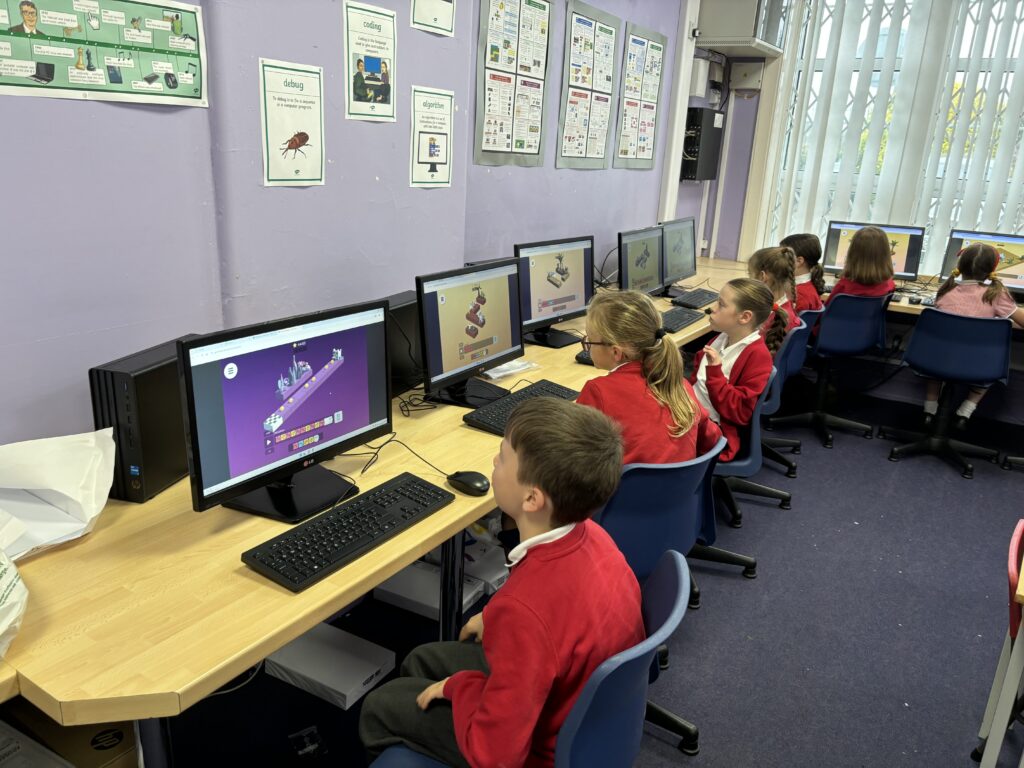
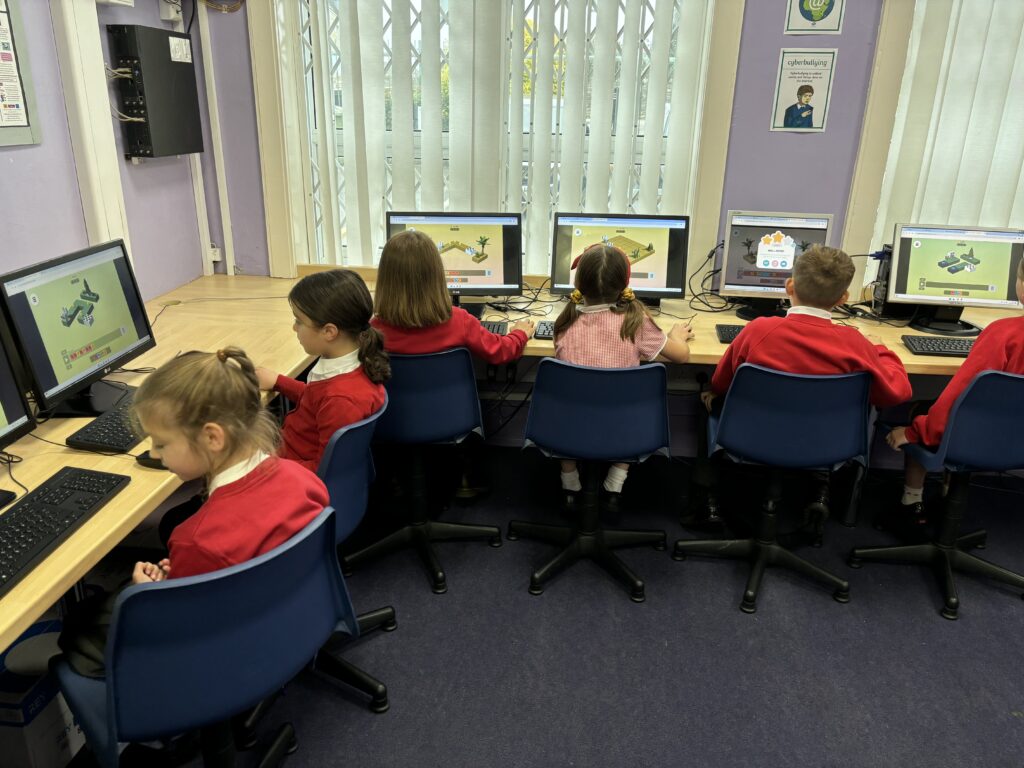
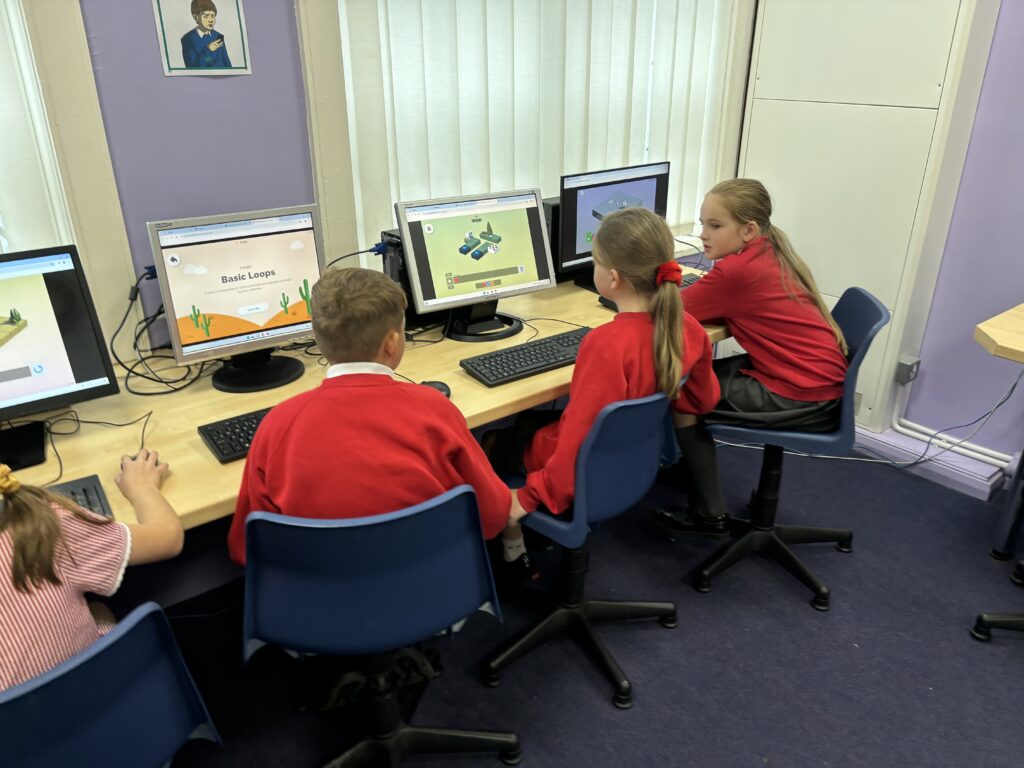
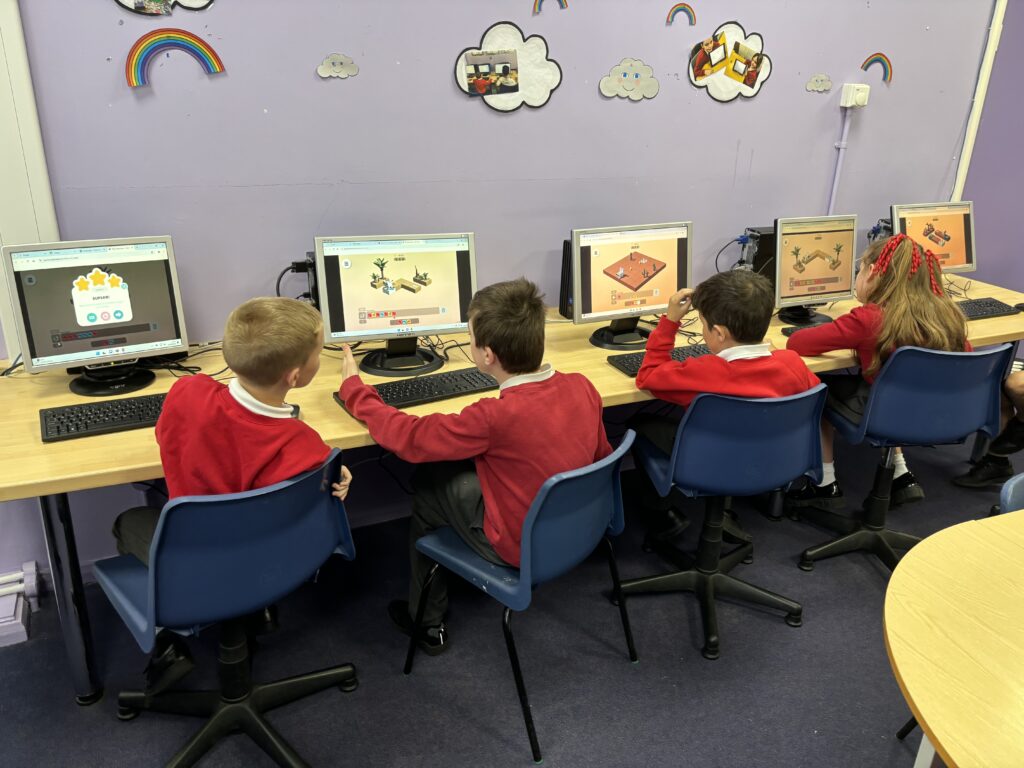
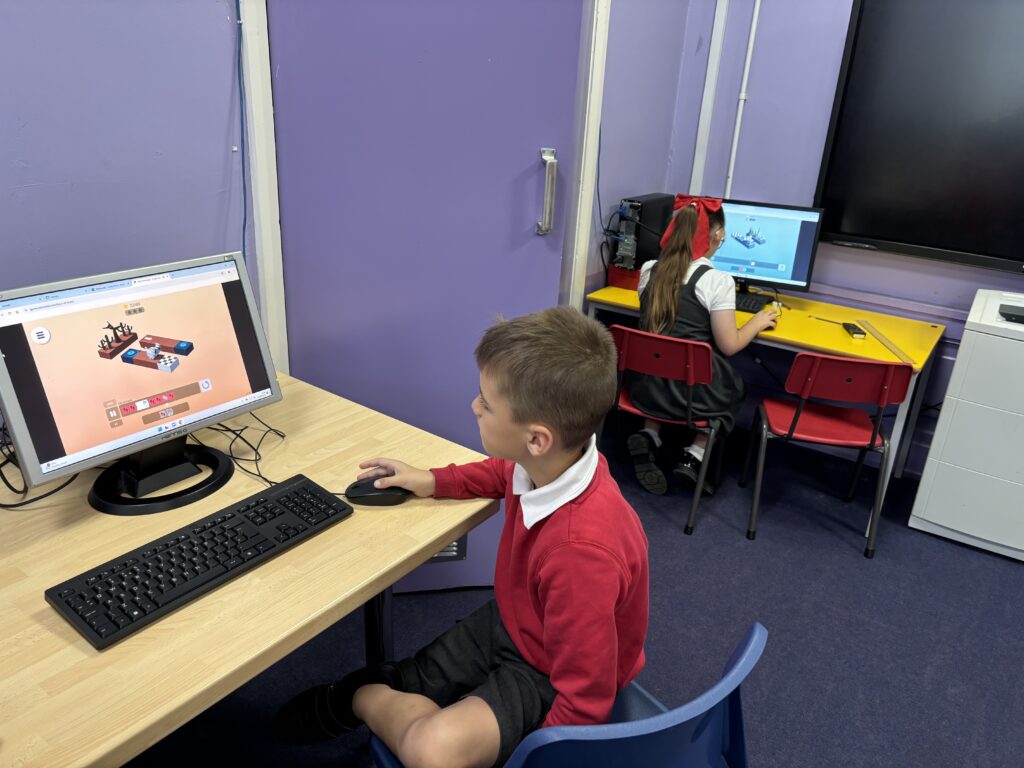
To celebrate National Coding Week, a mixture of Y4 and Y5 children accessed a program which gradually builds up their coding skills. We used Rodo Codo from the Code Hour and the children loved it! They were much better than Mrs Hanratty at creating effective code.
Click Here to play!
Congratulations to our new captains and vice captains. I’m sure they will set an excellent example for their colour group.
Yellow Captain: Isaac Vice Captain: Leon
Red Captain: Aimee-Rose Vice Captain: Ethan
Green Captain: Millie and Vice Captain: Amari
Blue Captain: Rufus Vice Captain: Aldo
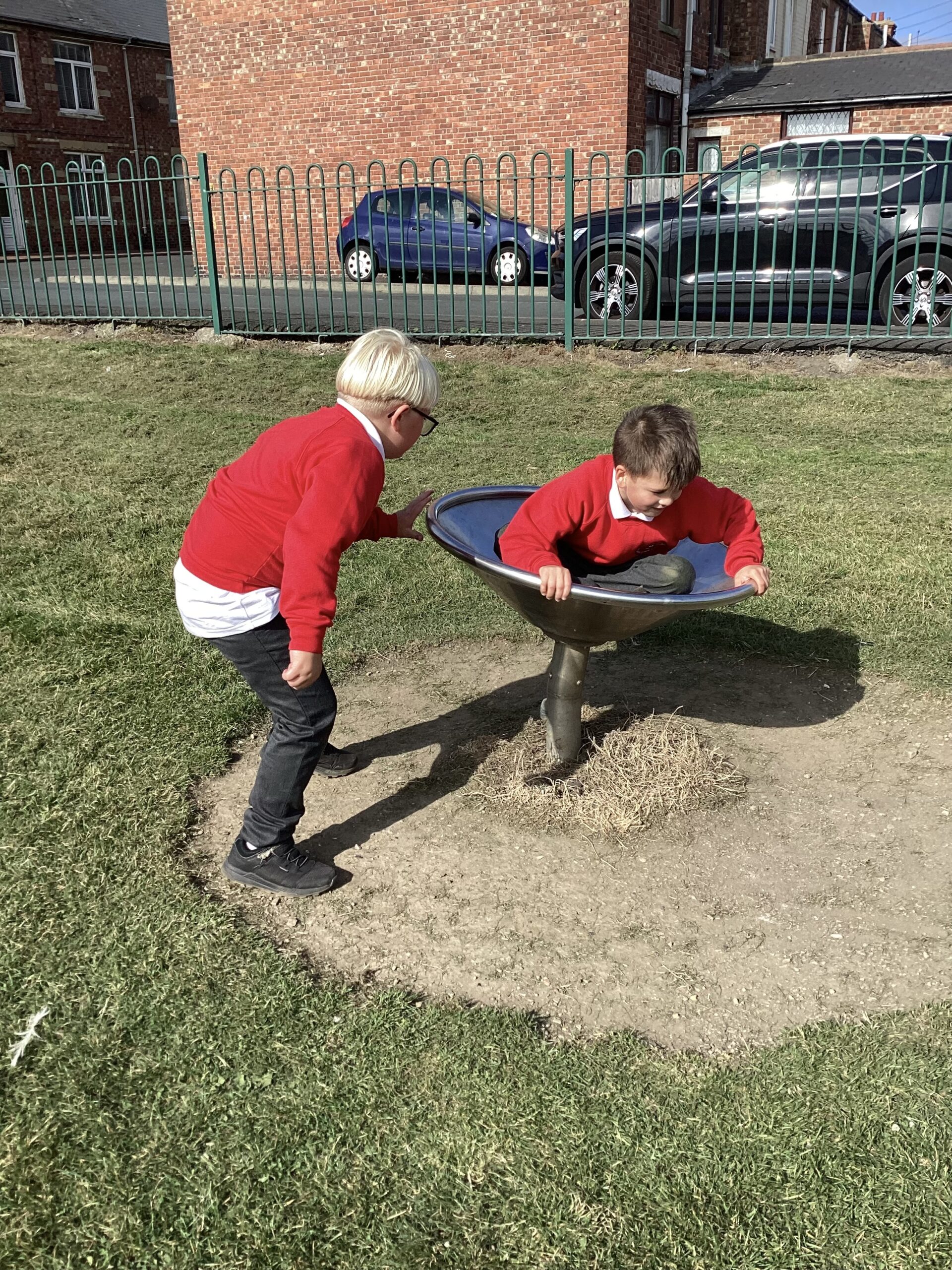
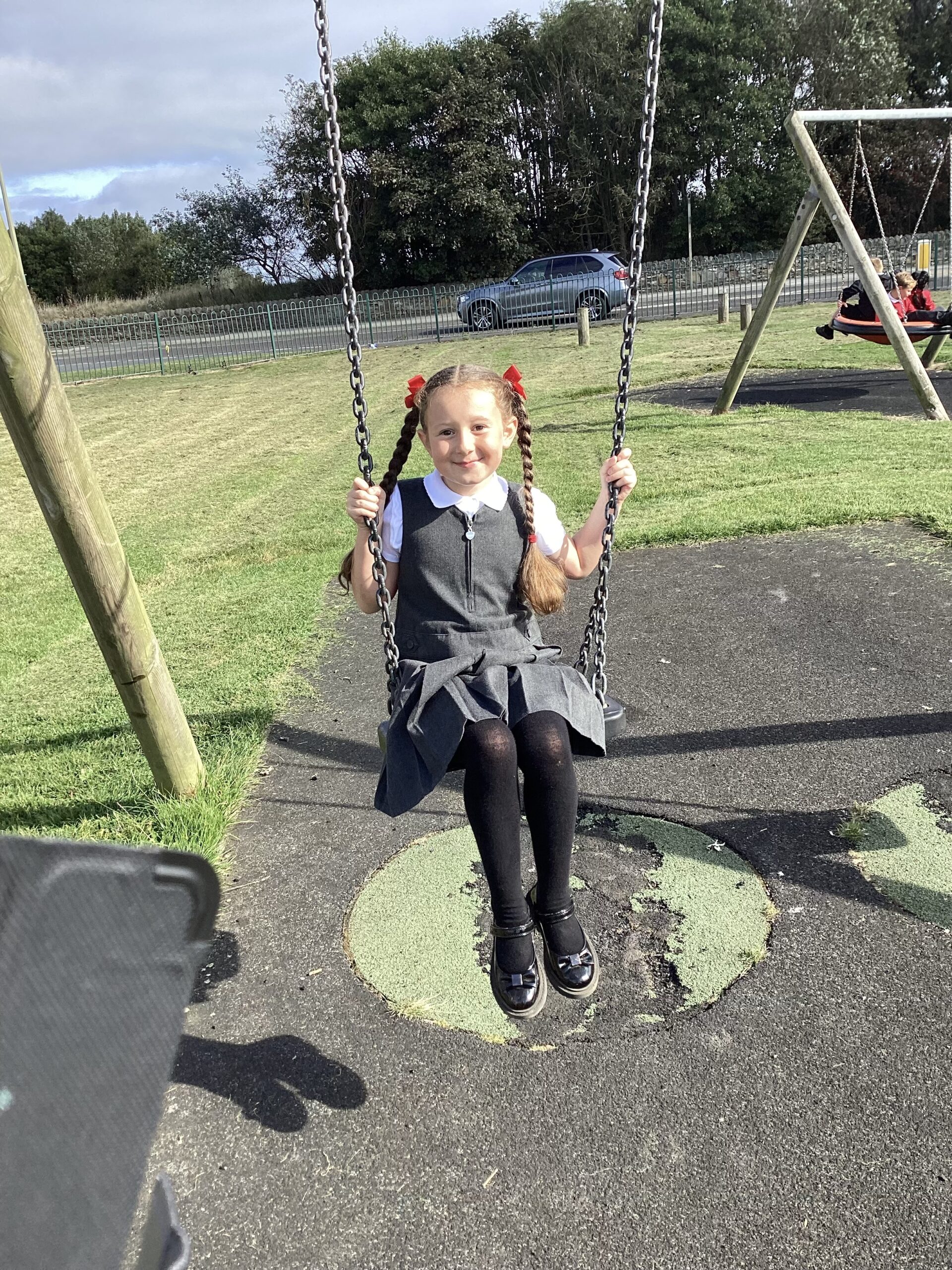
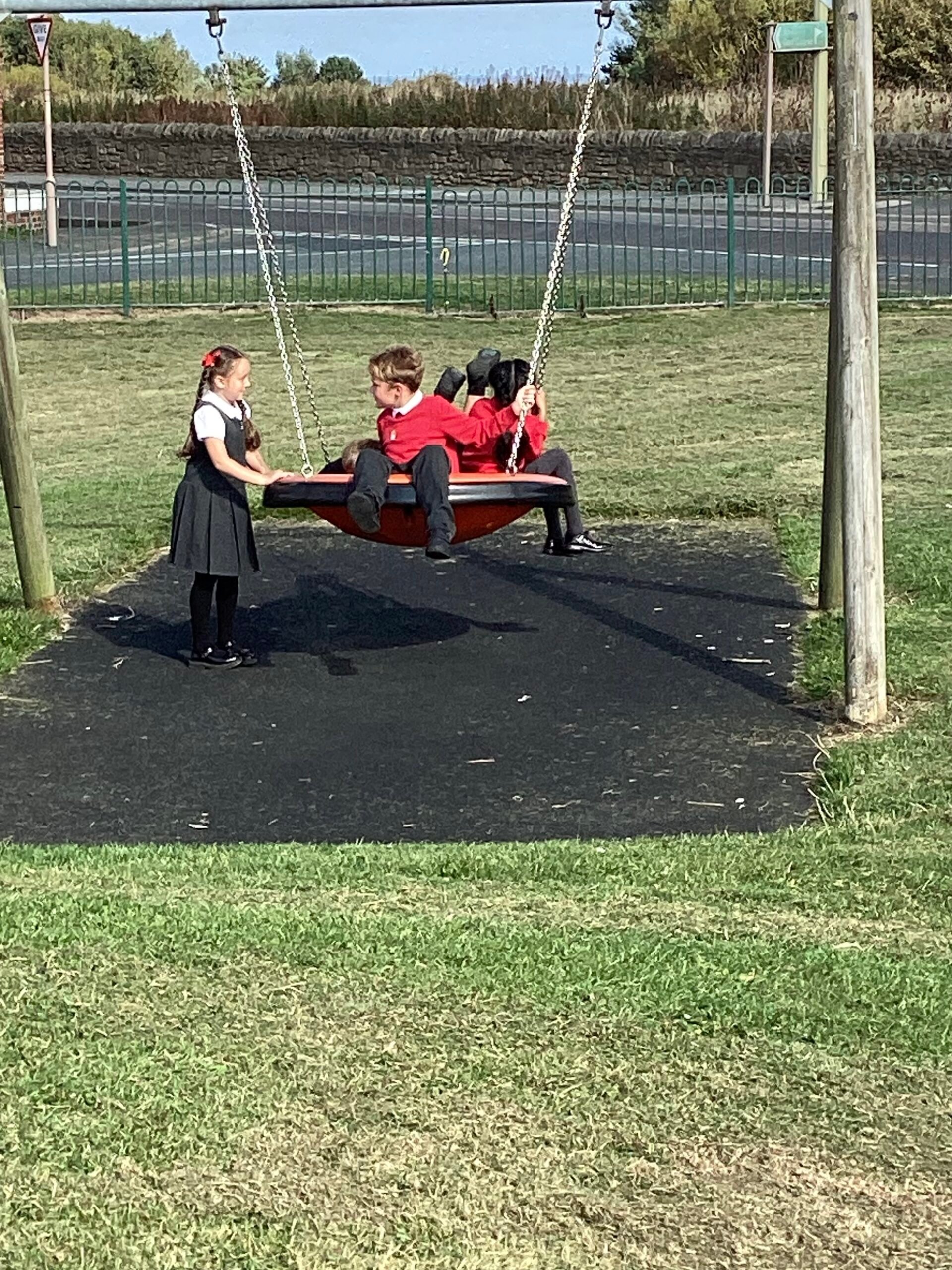
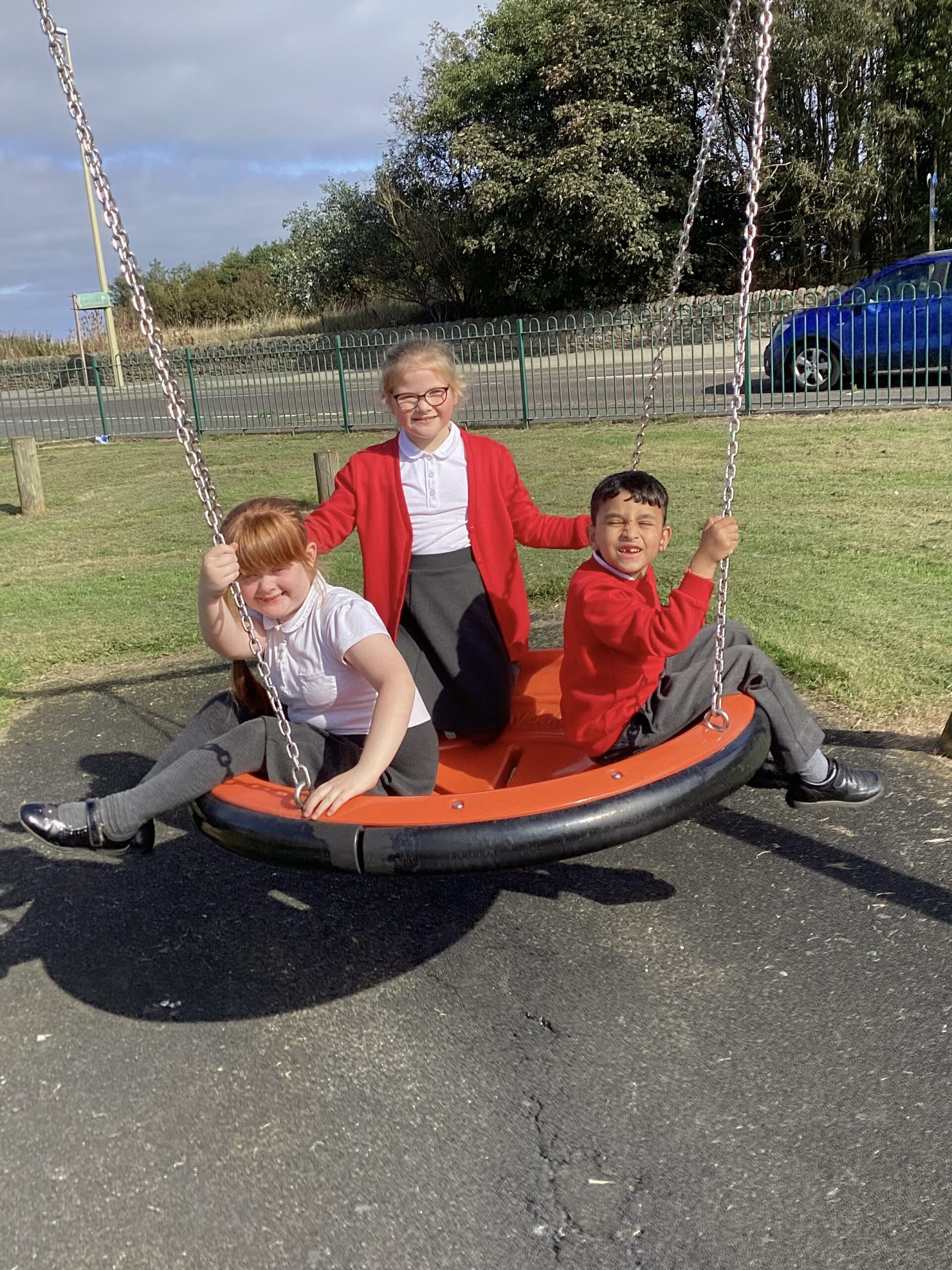
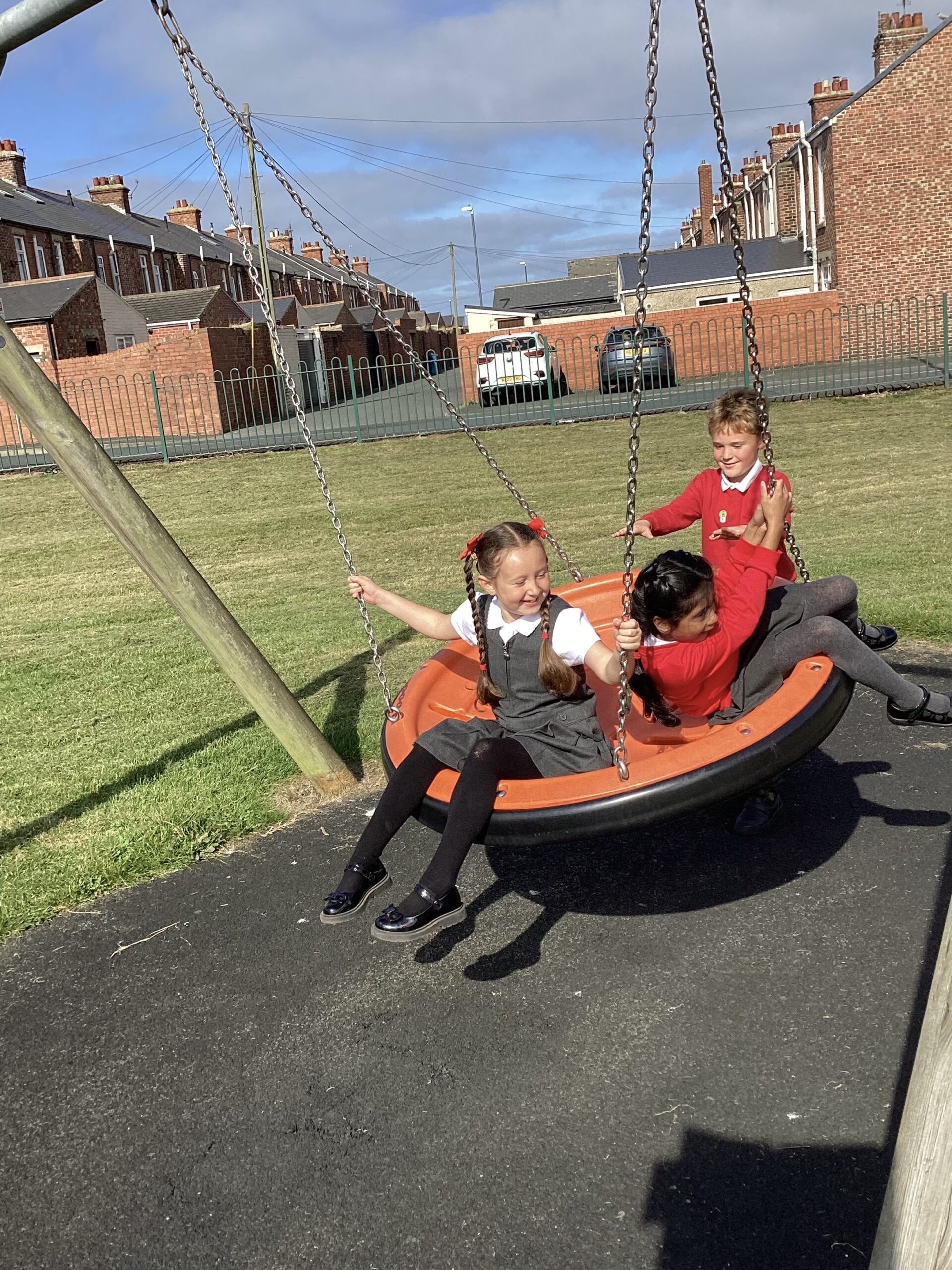
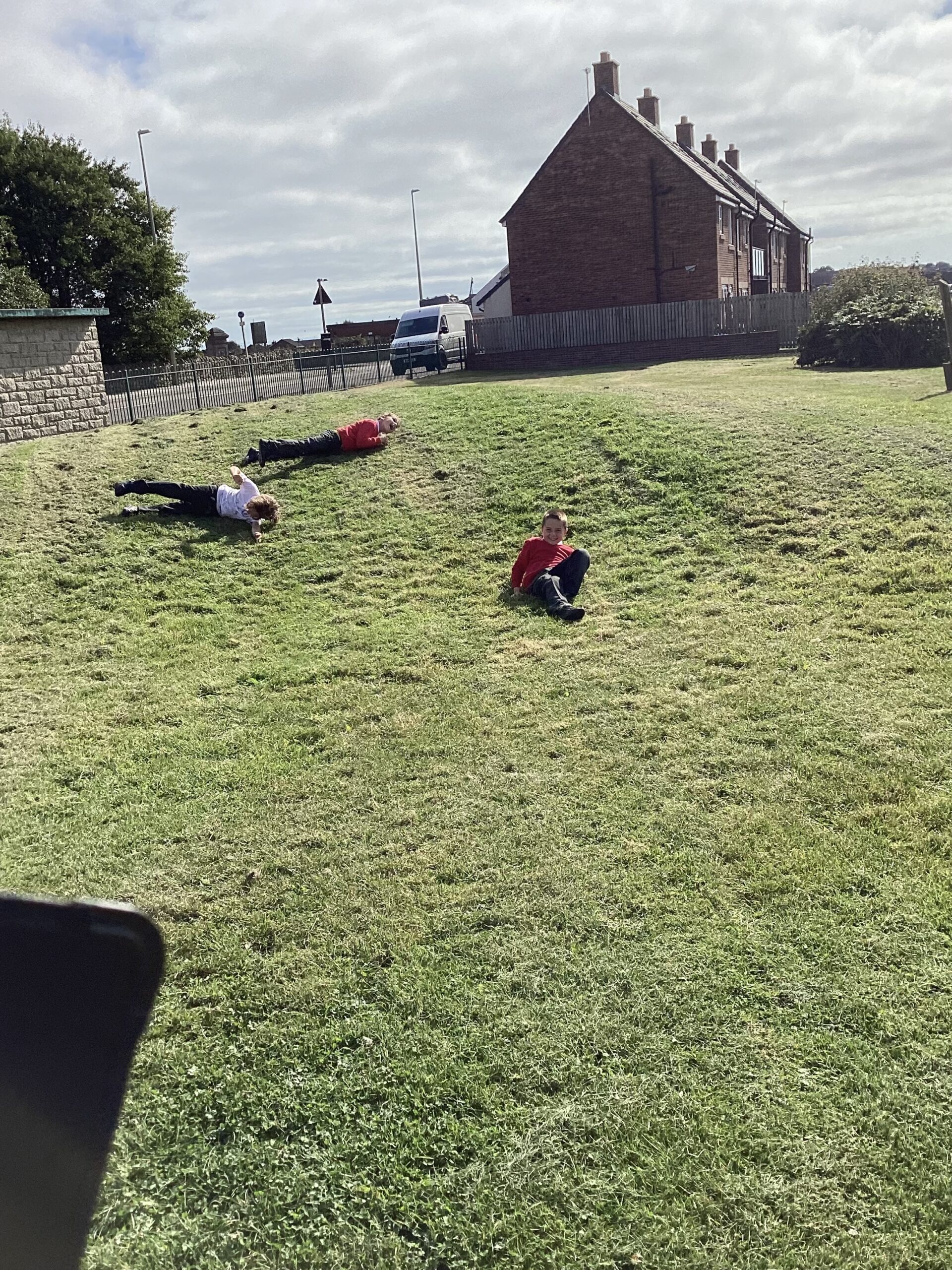
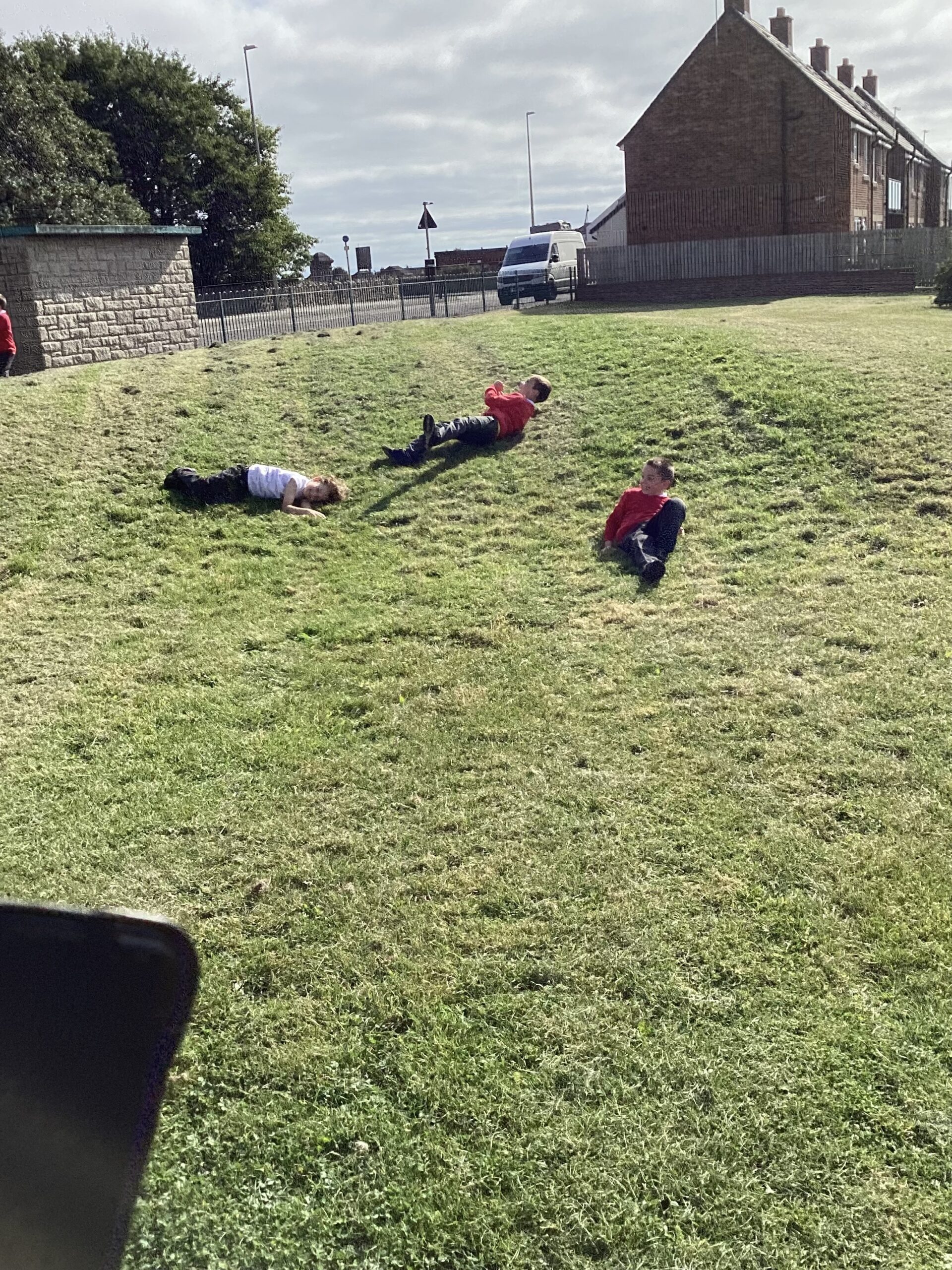
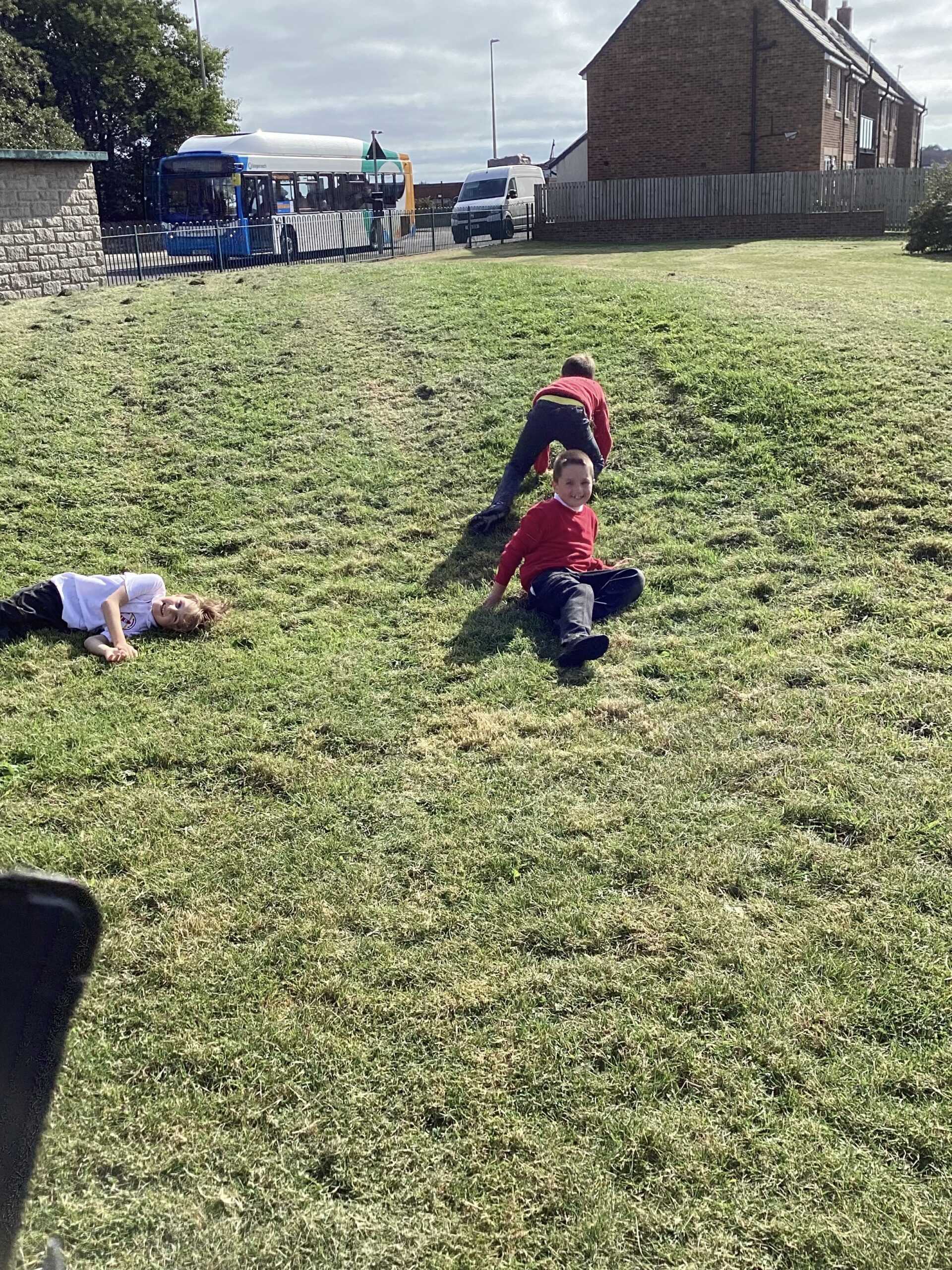
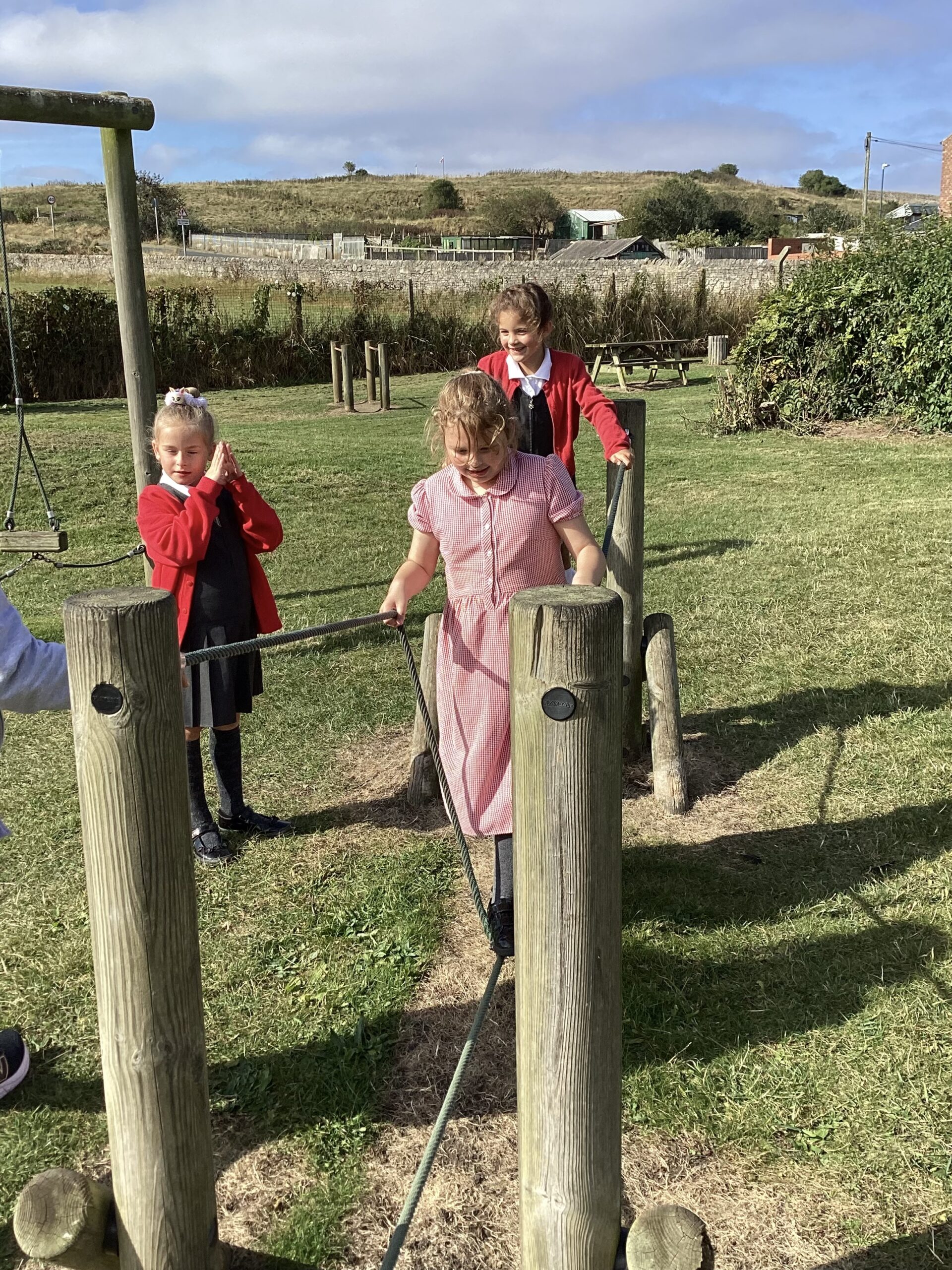
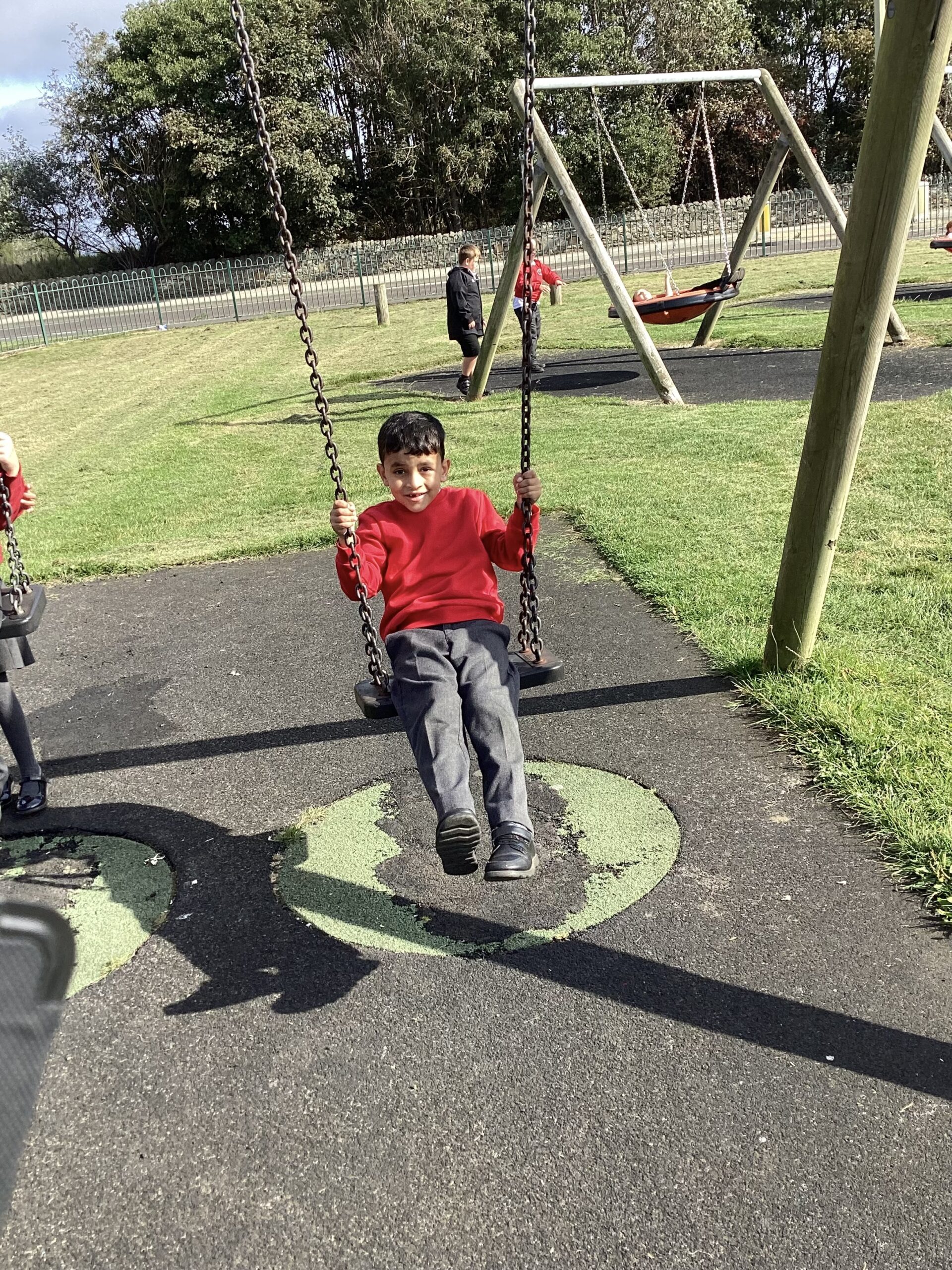
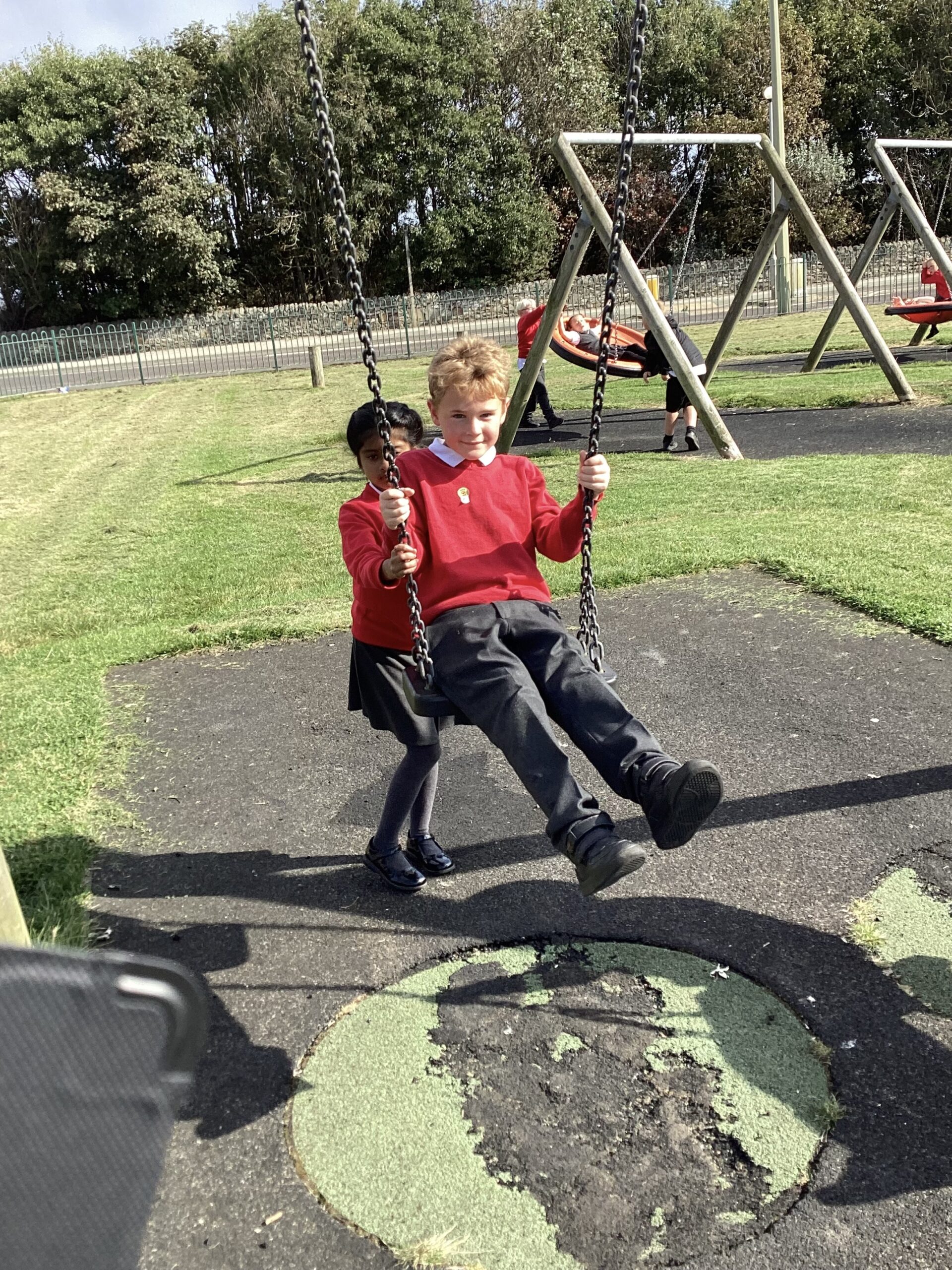
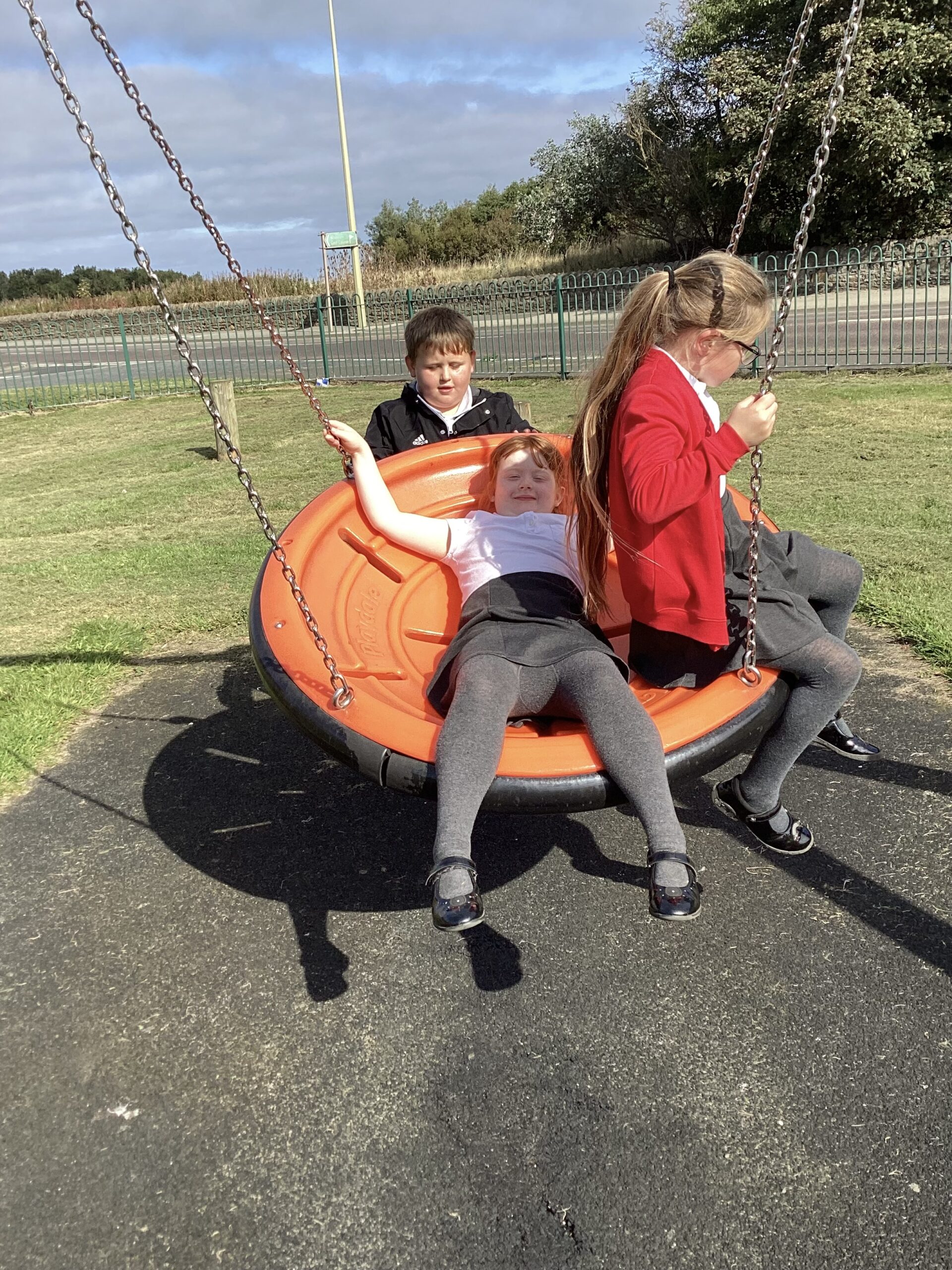
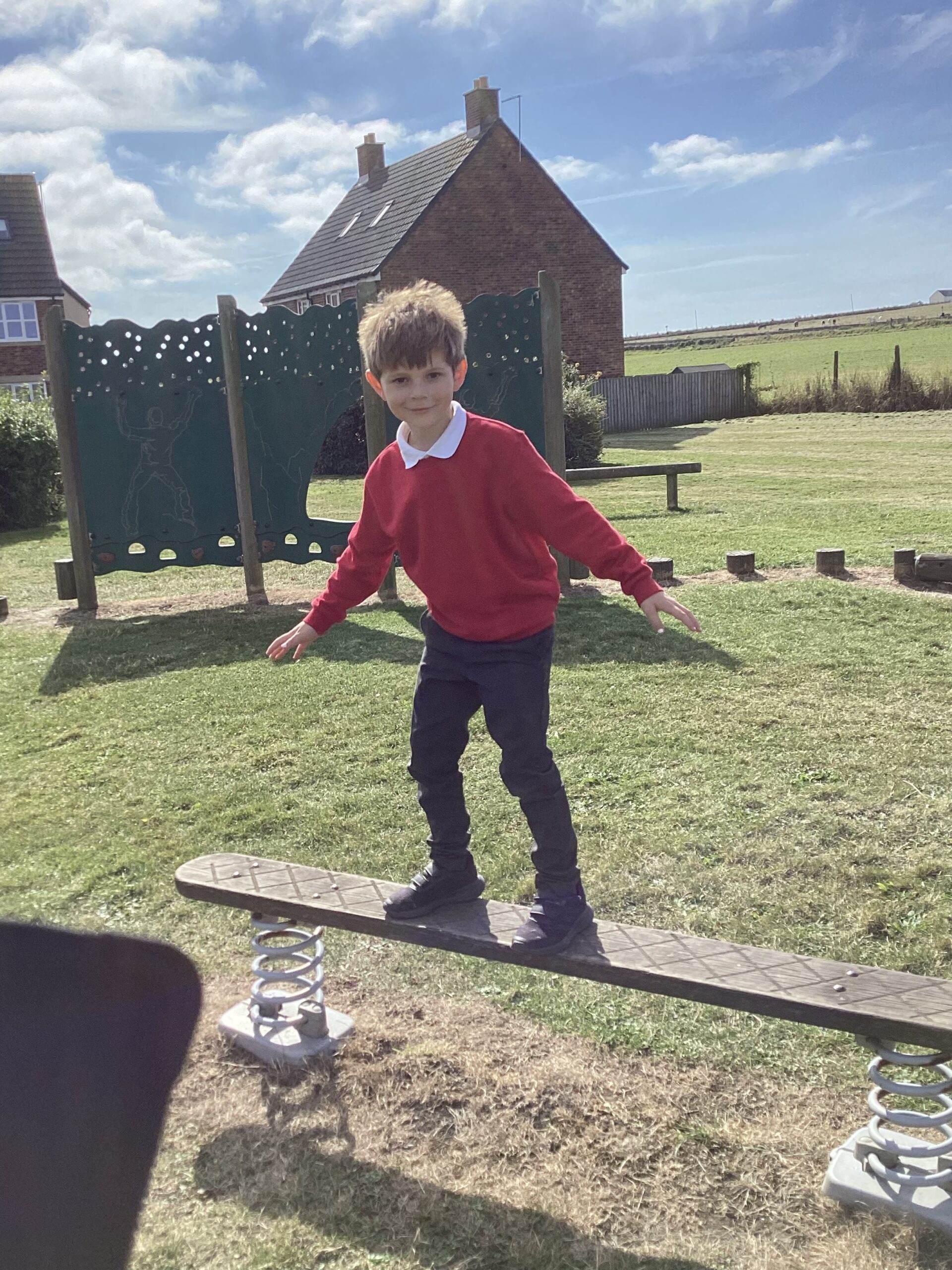
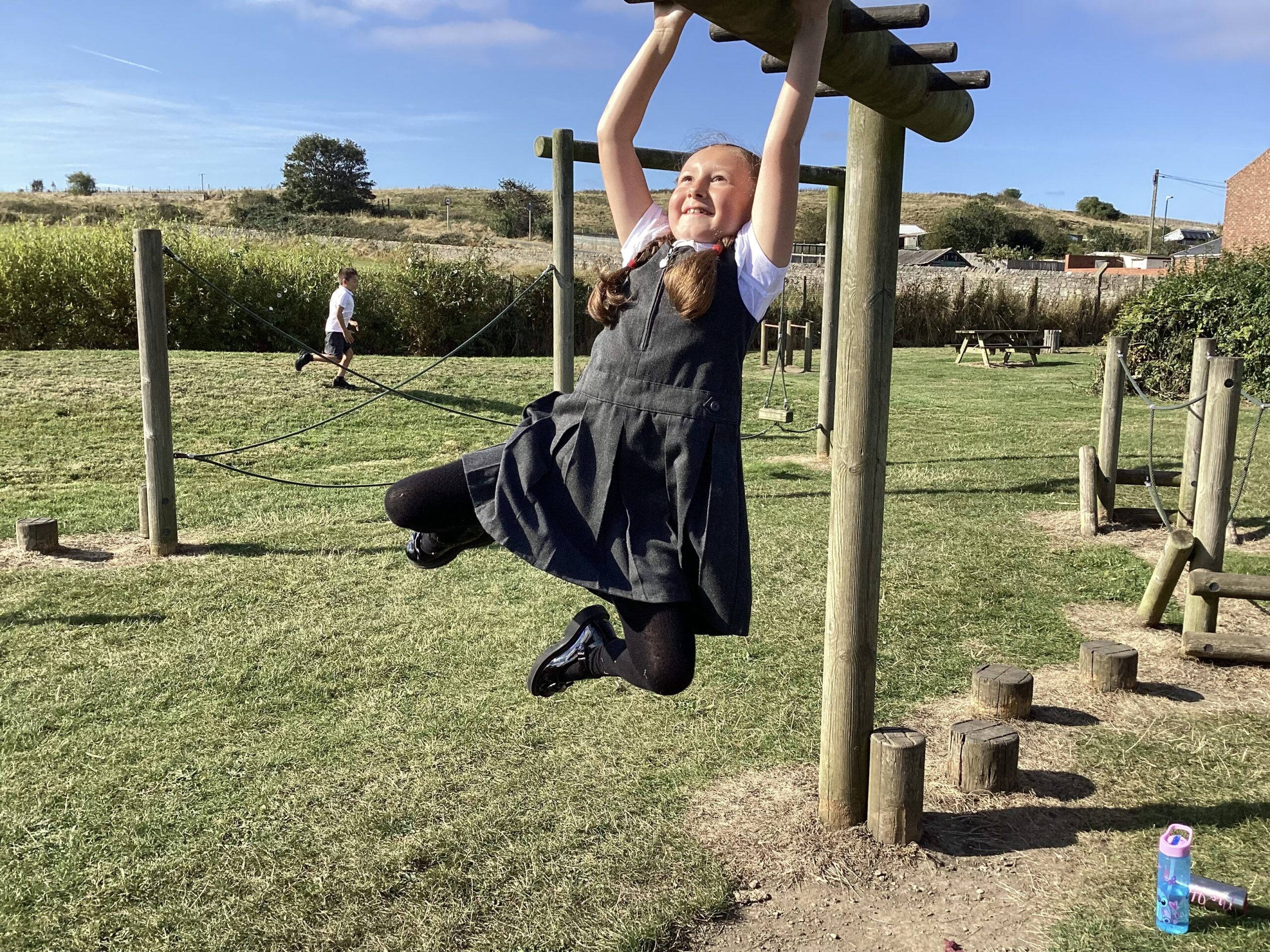
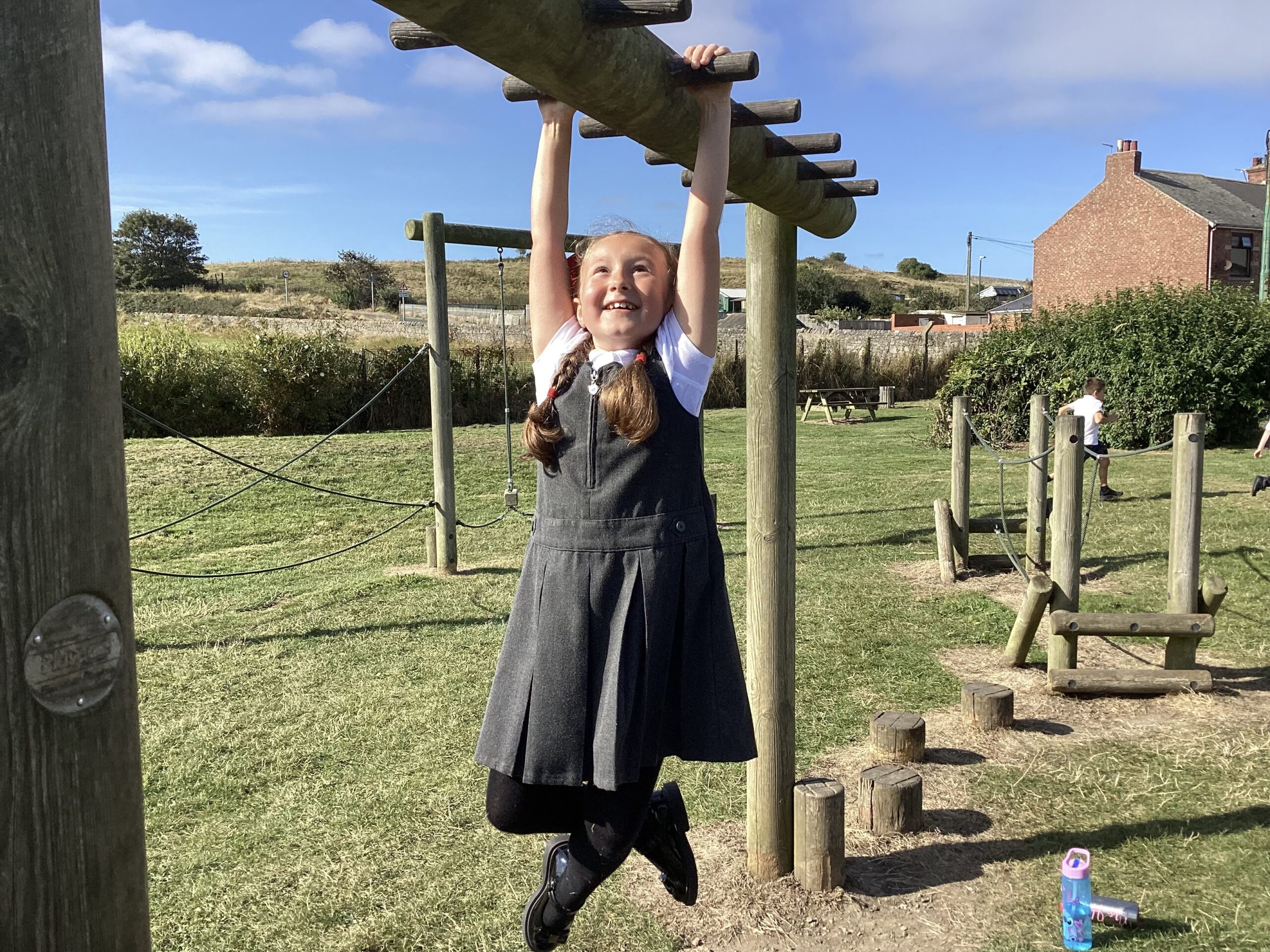
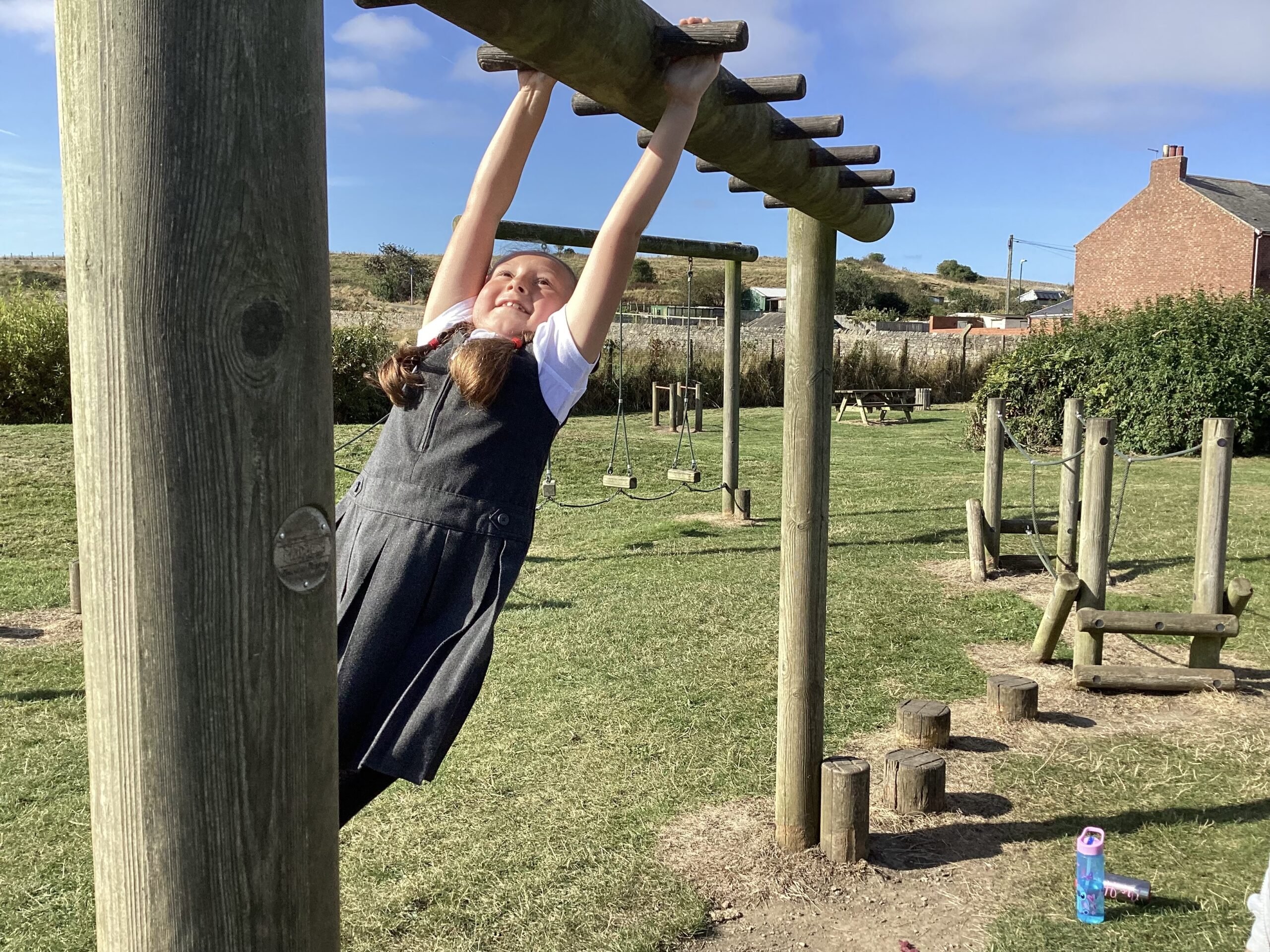
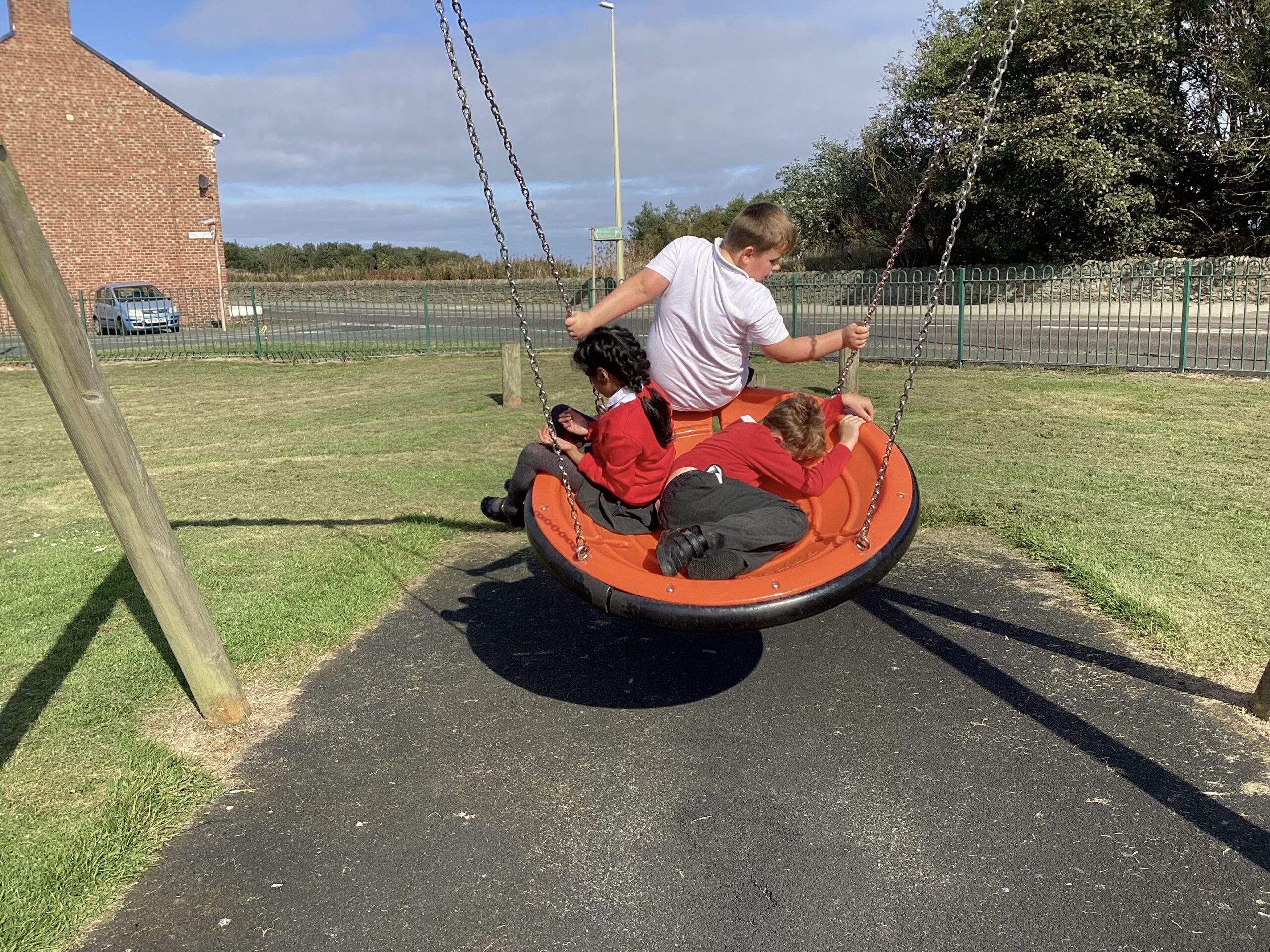
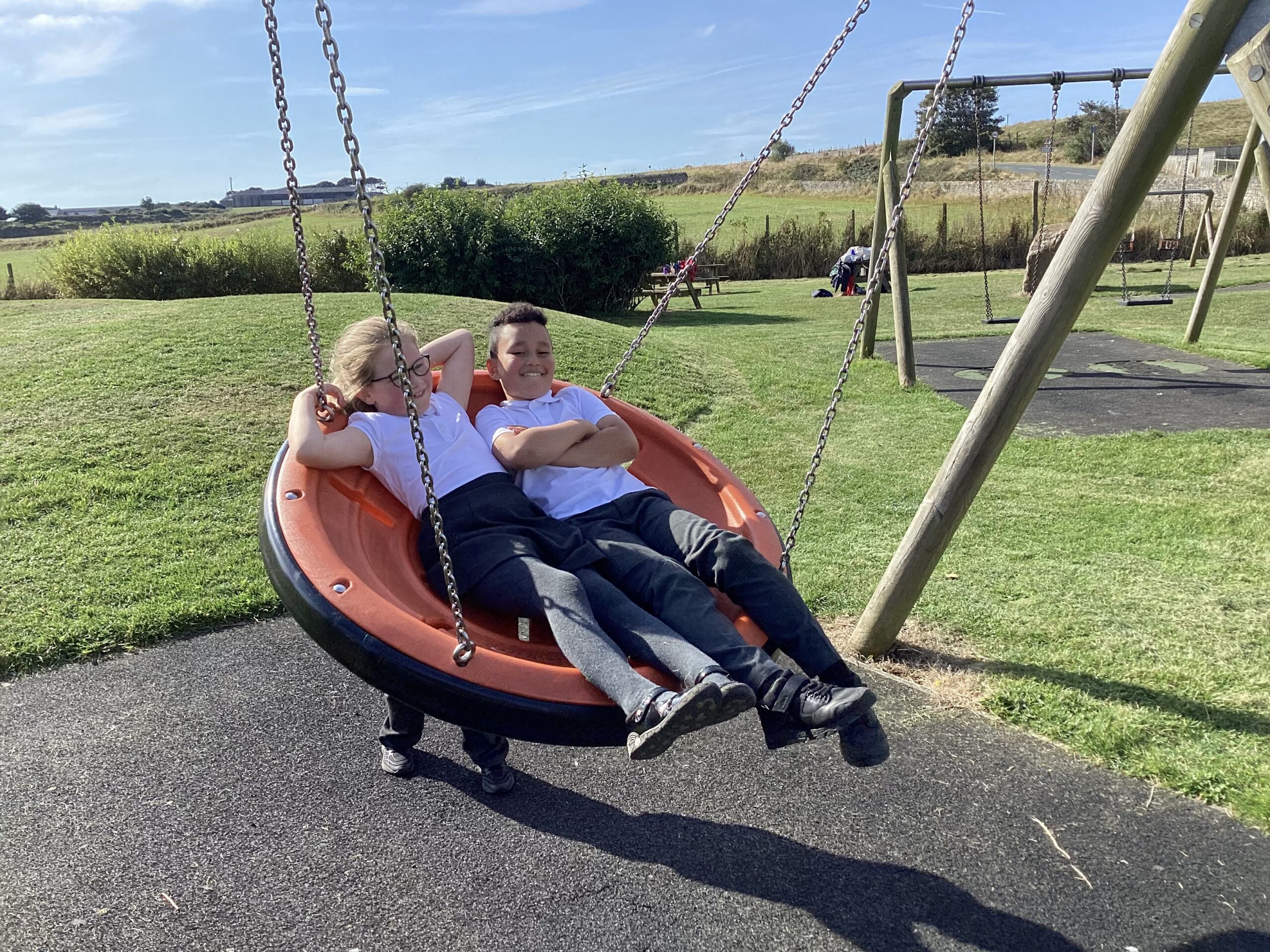
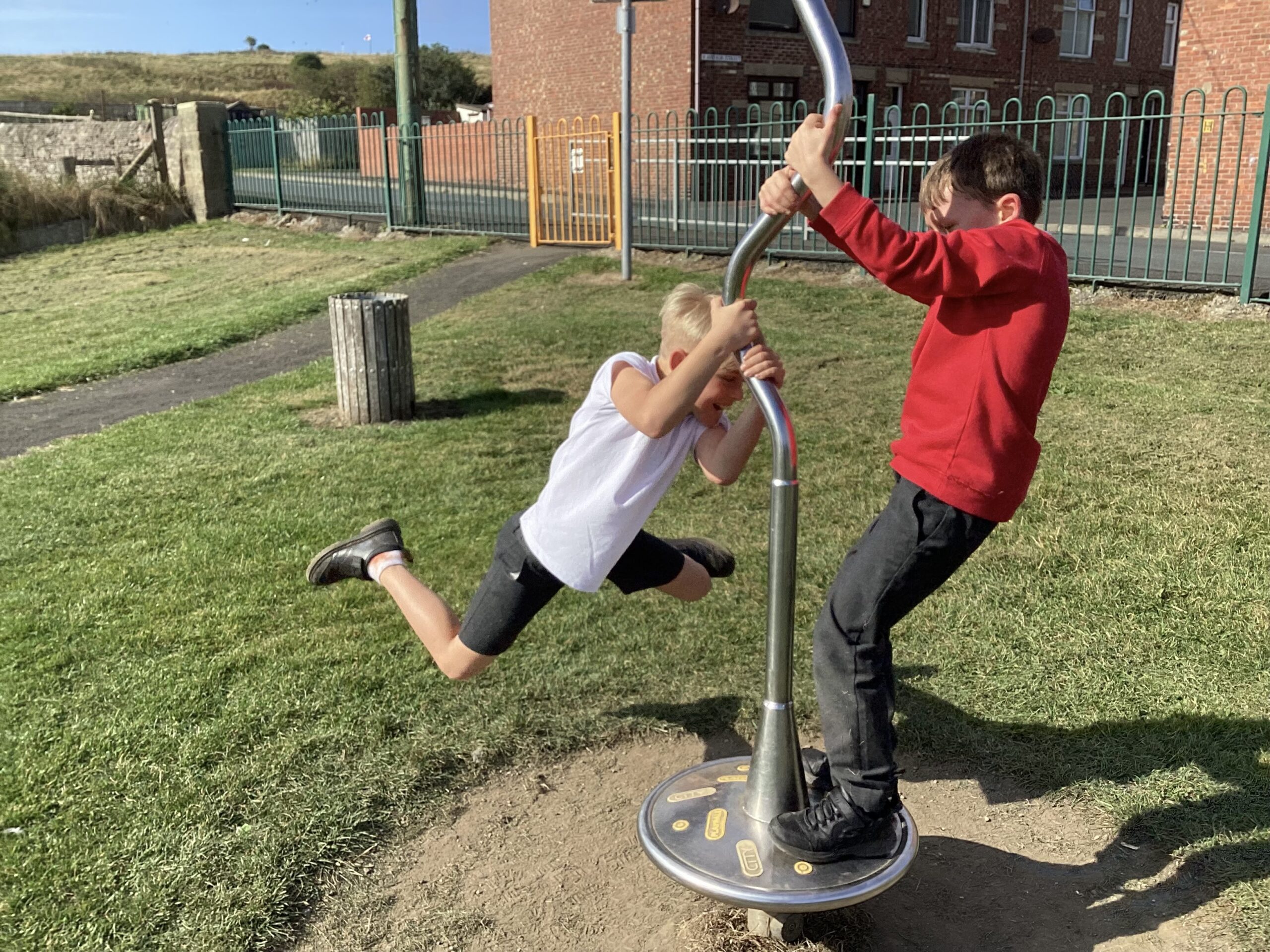
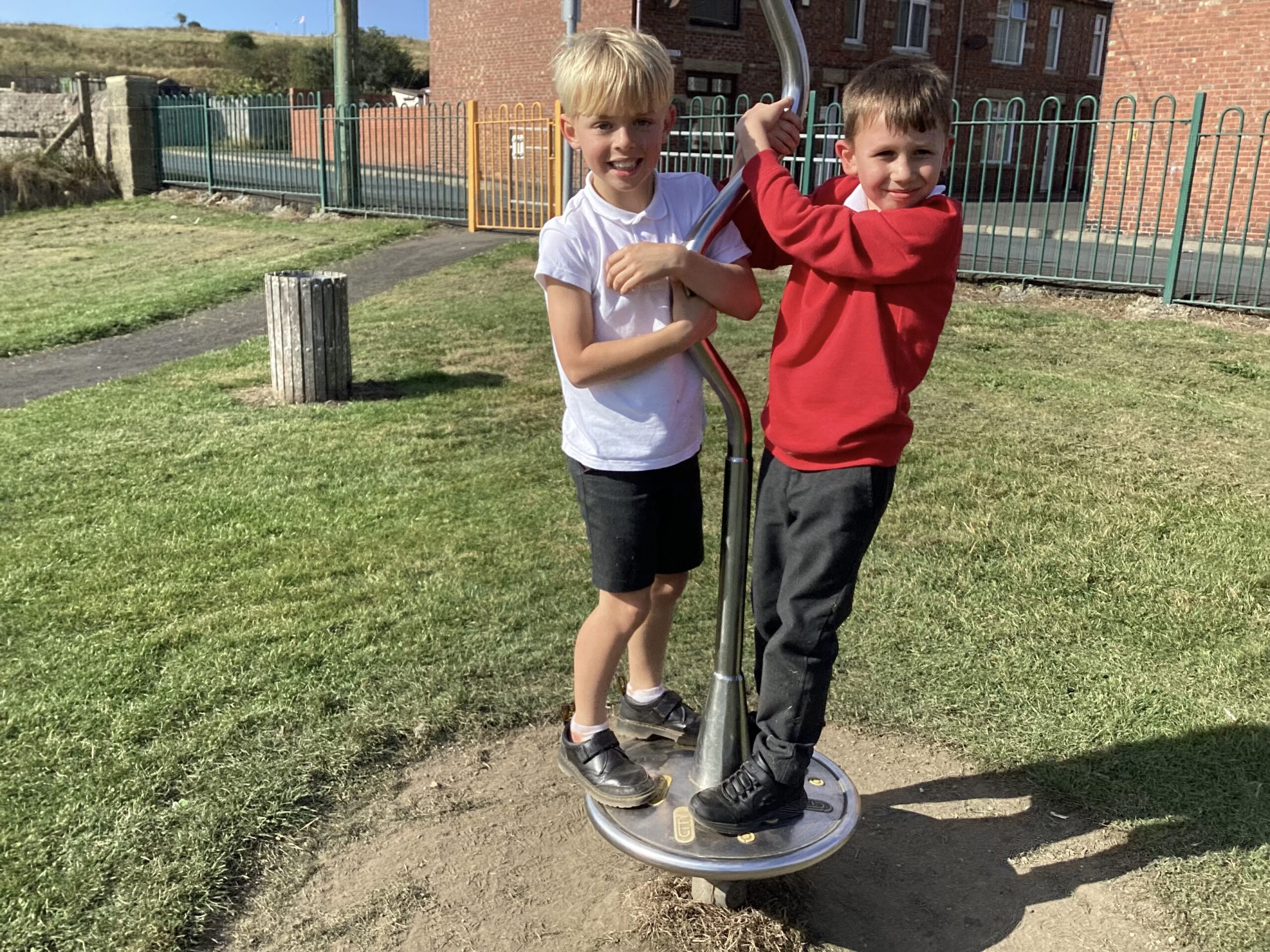
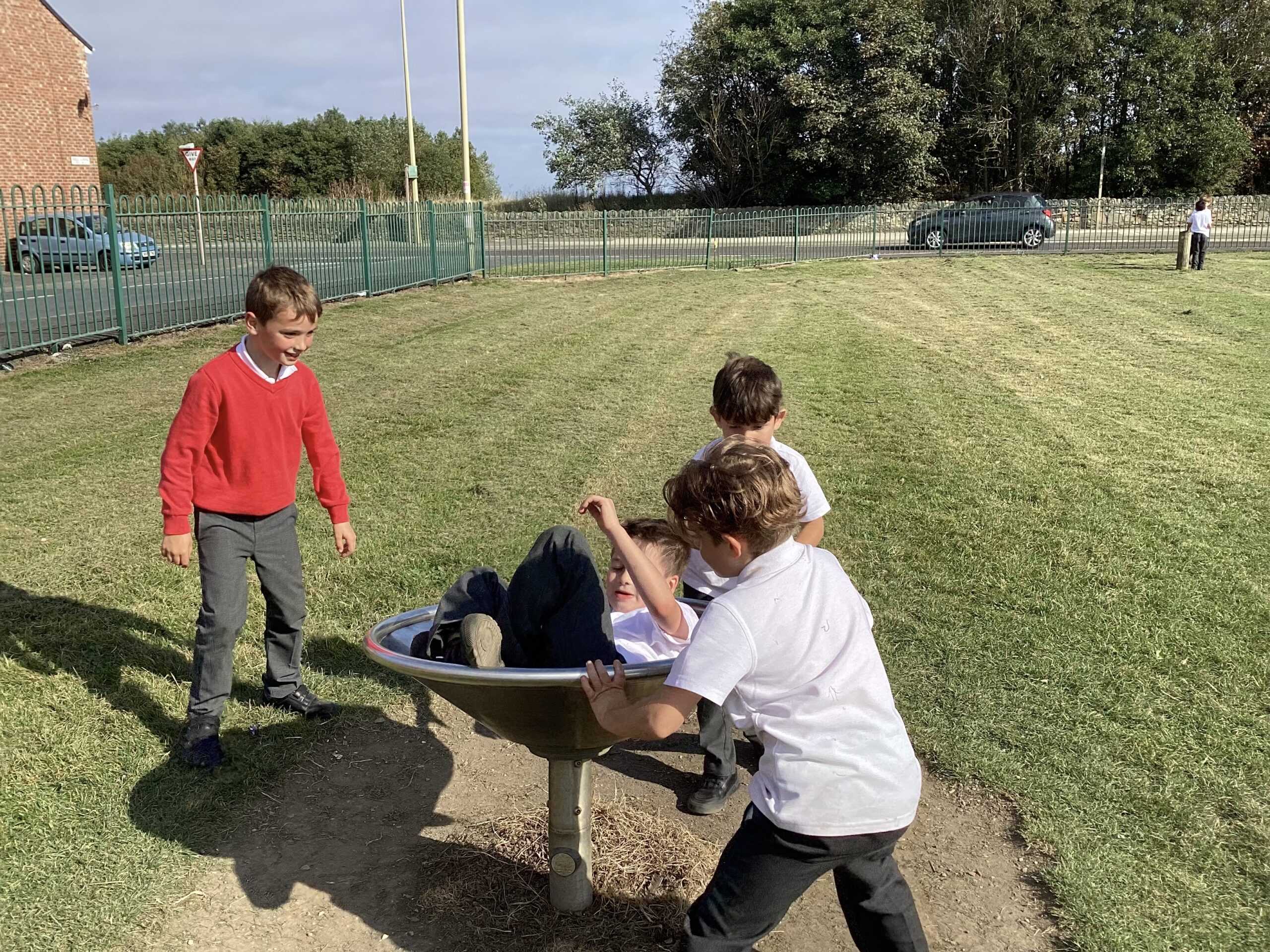
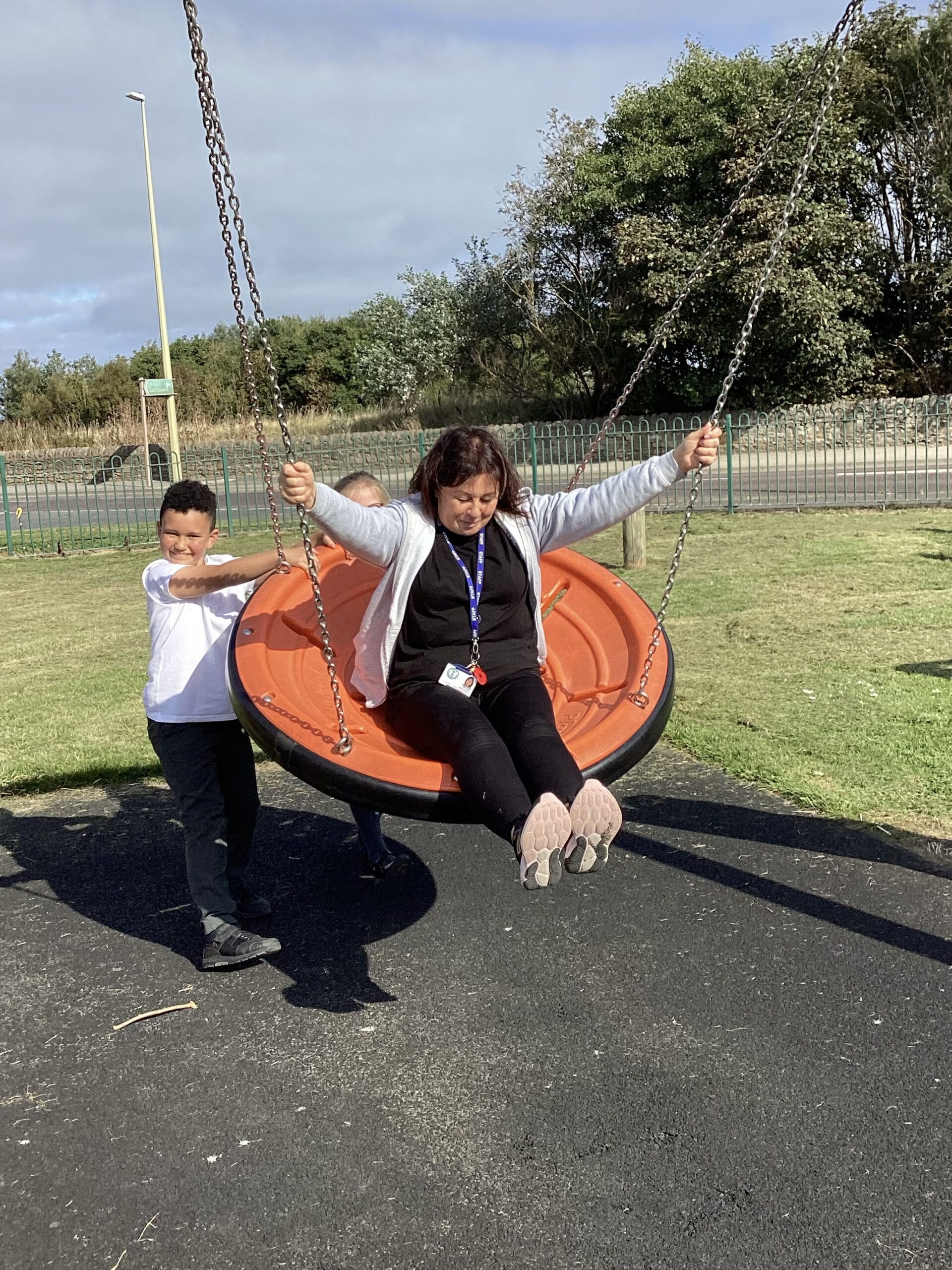
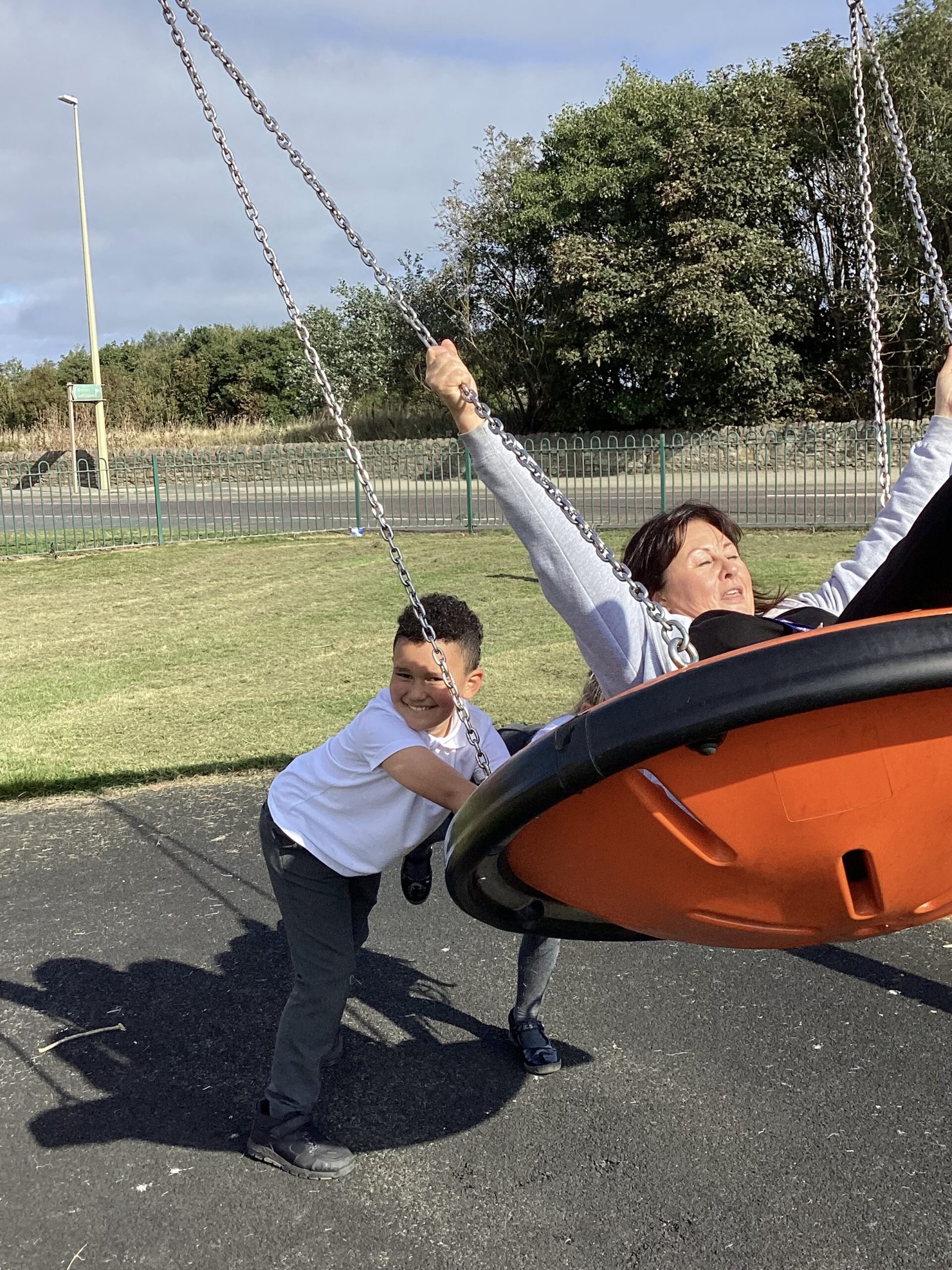
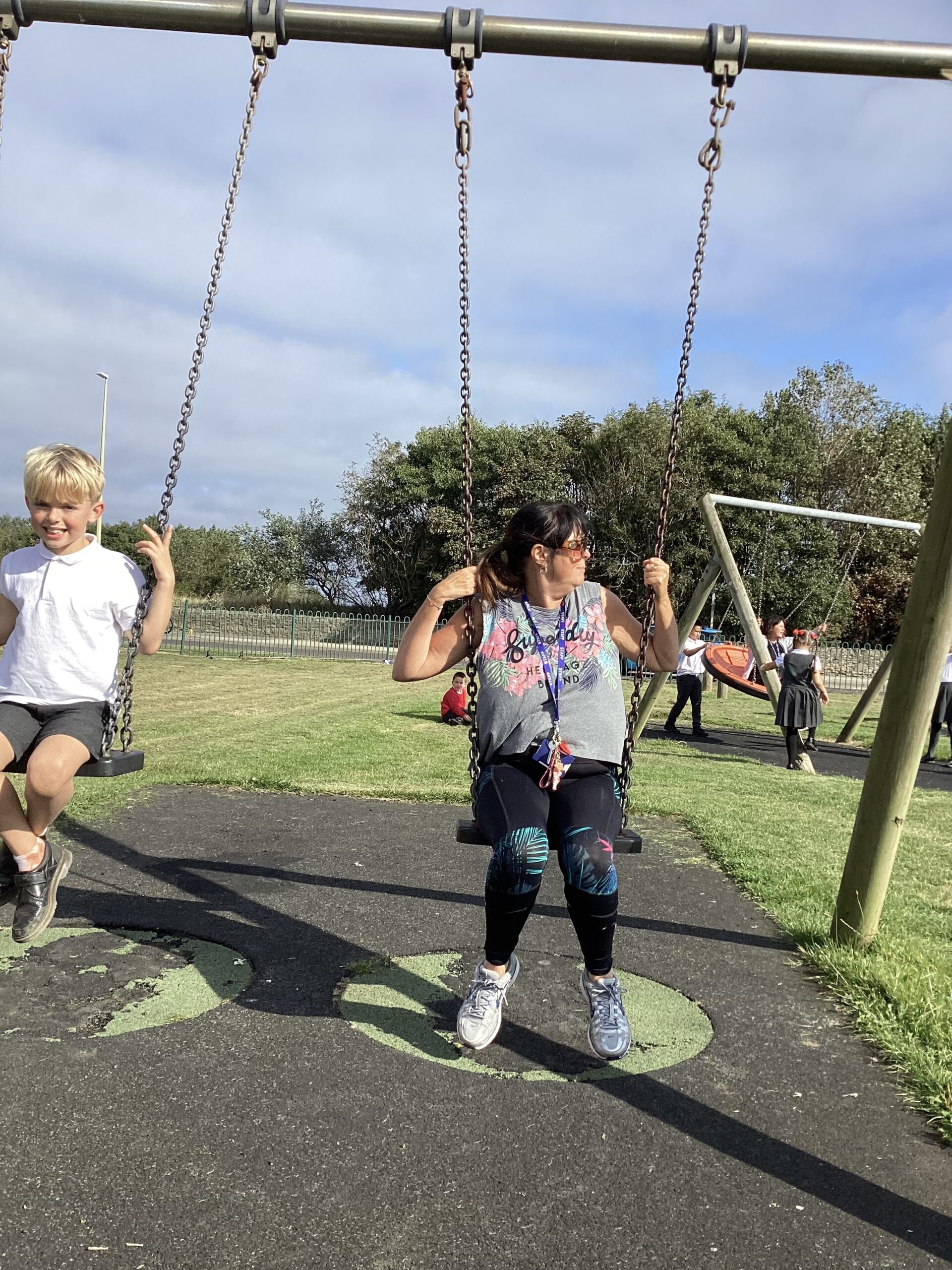
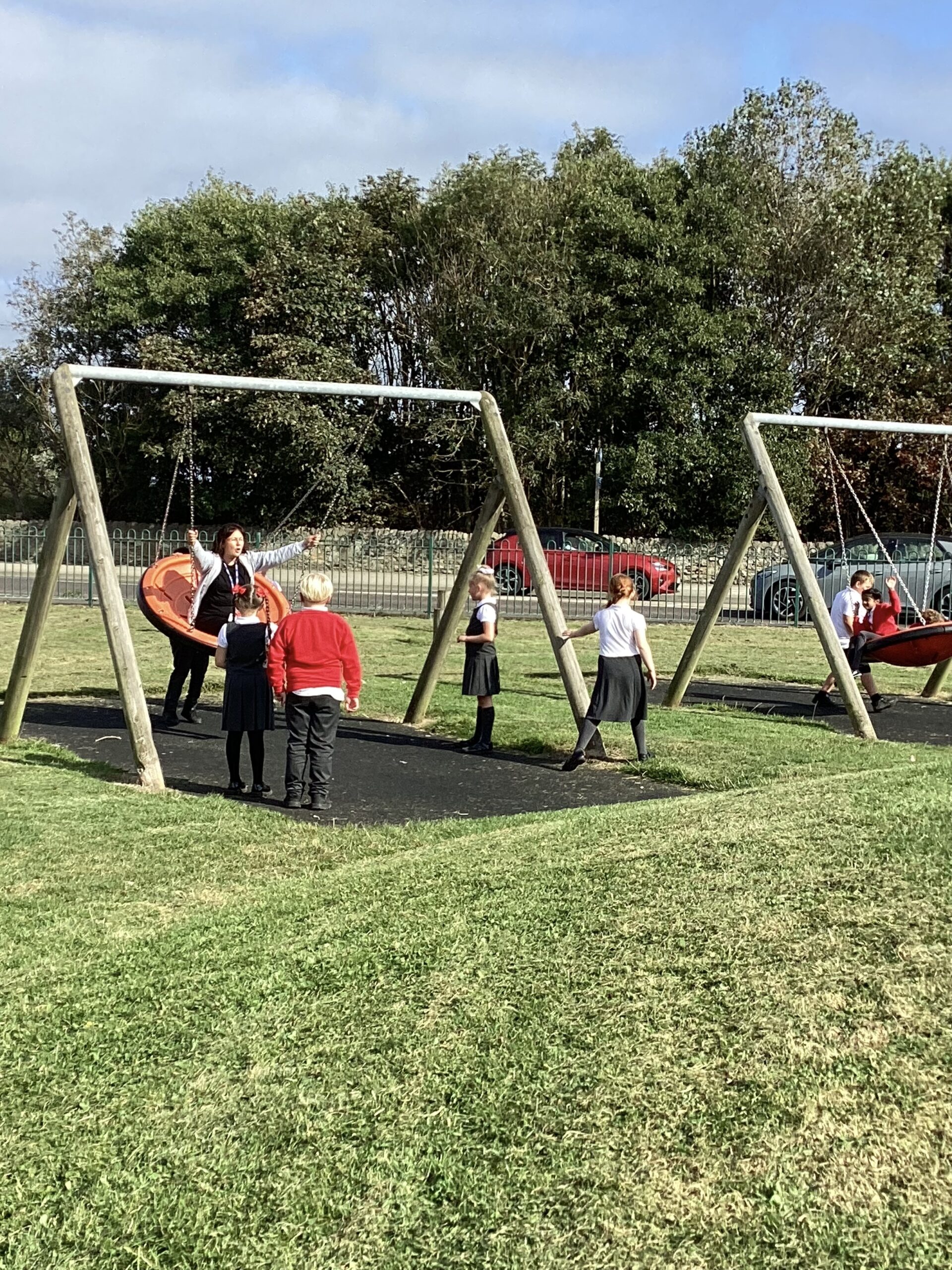
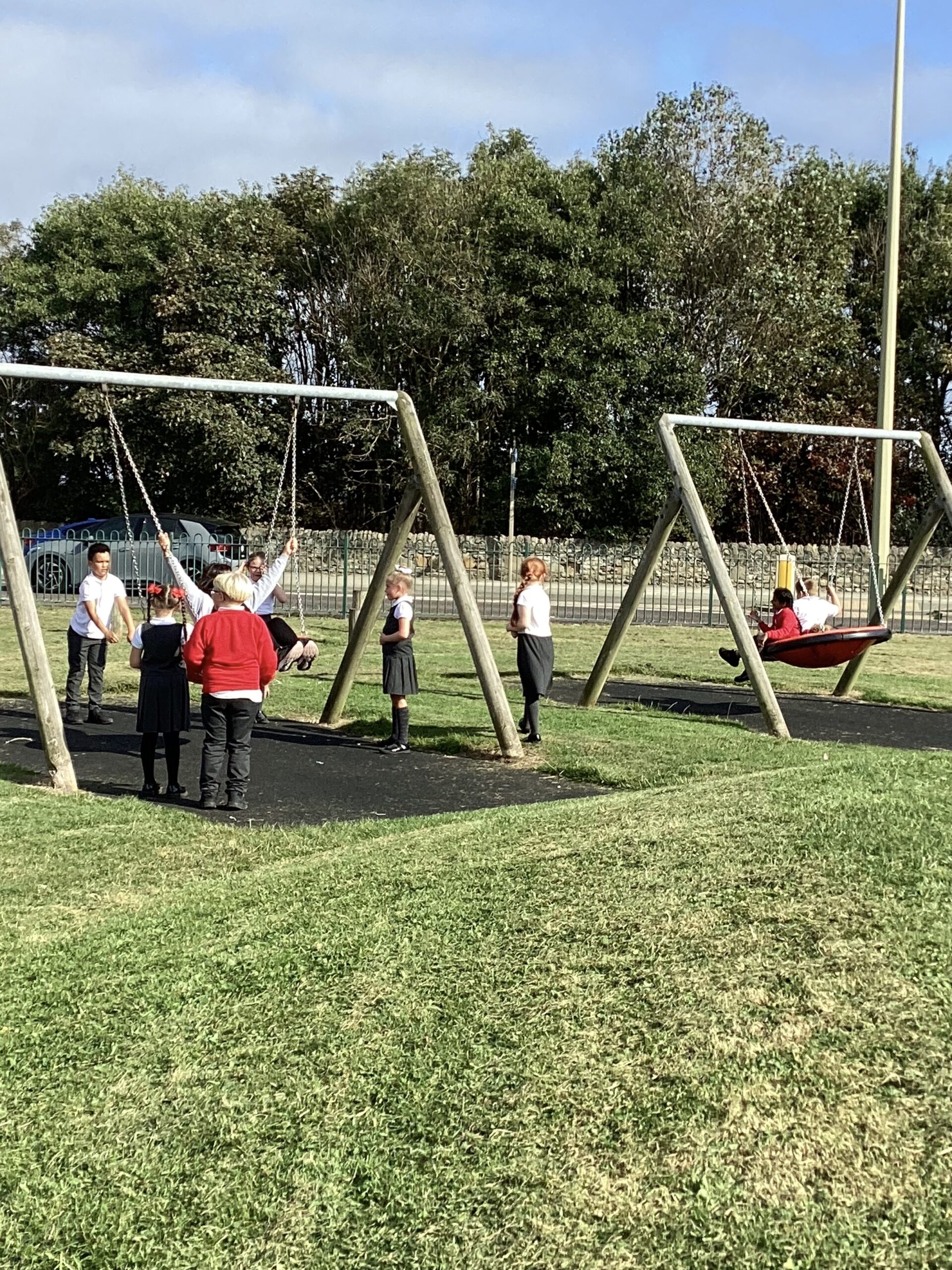
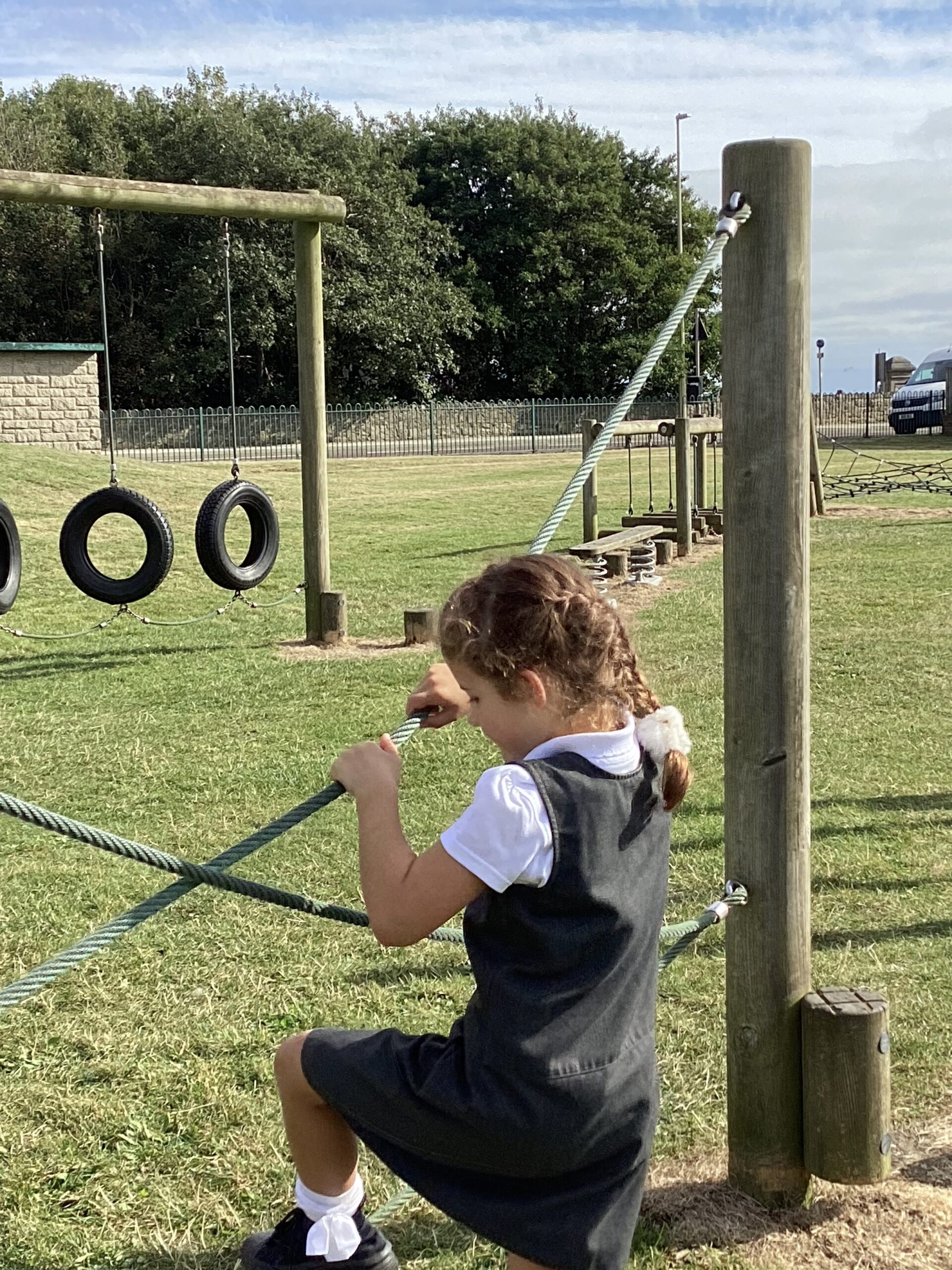
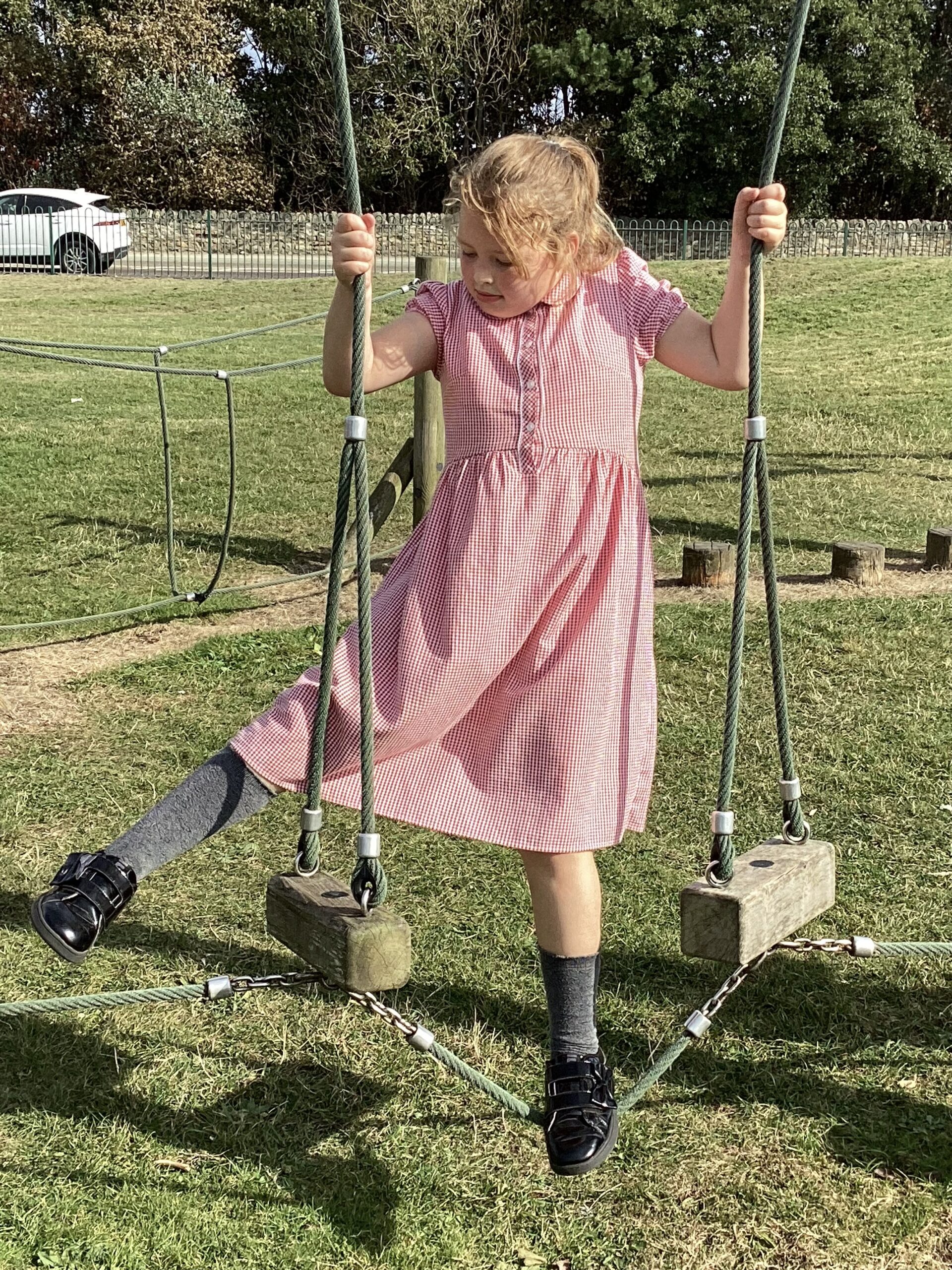
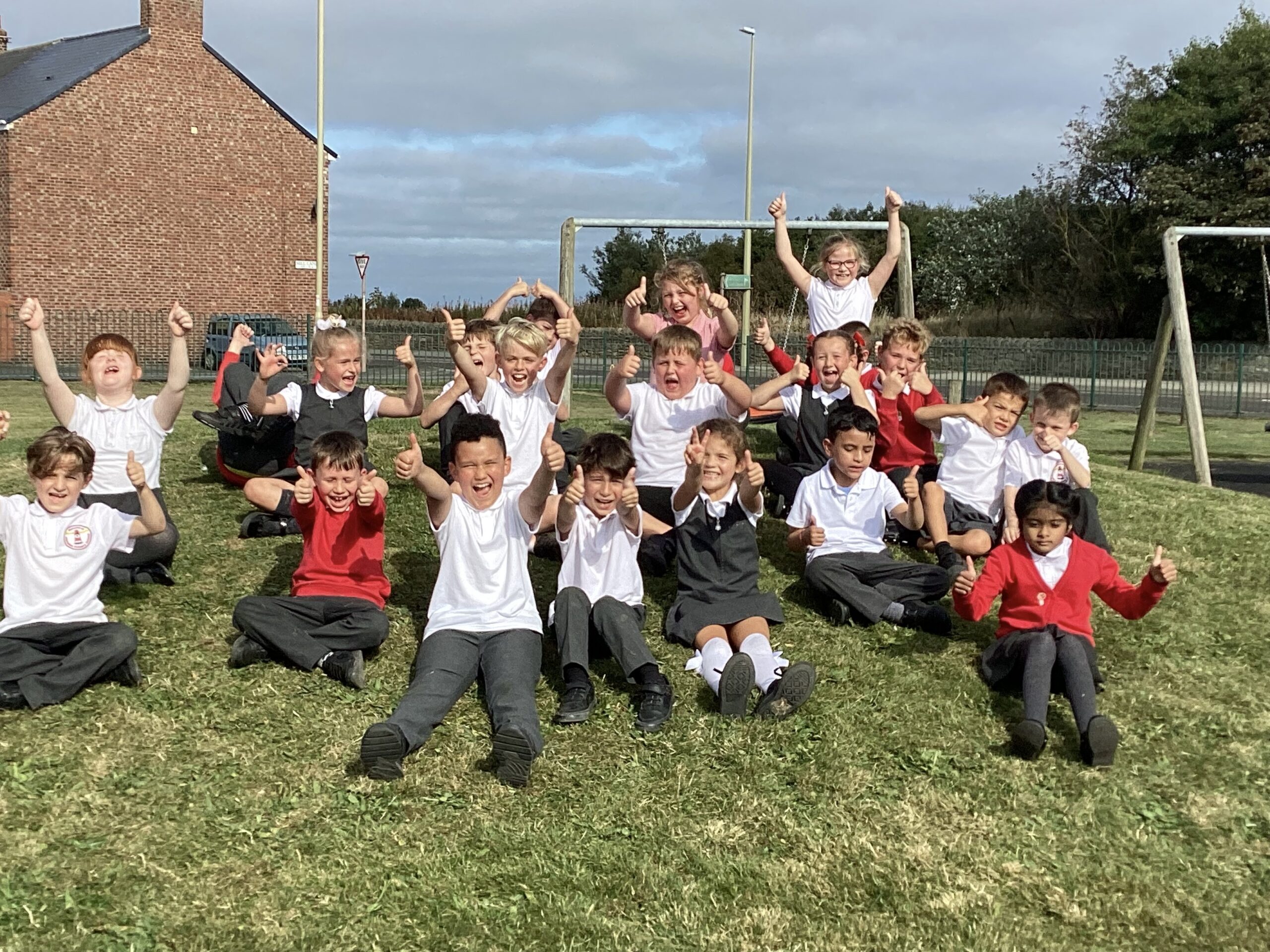
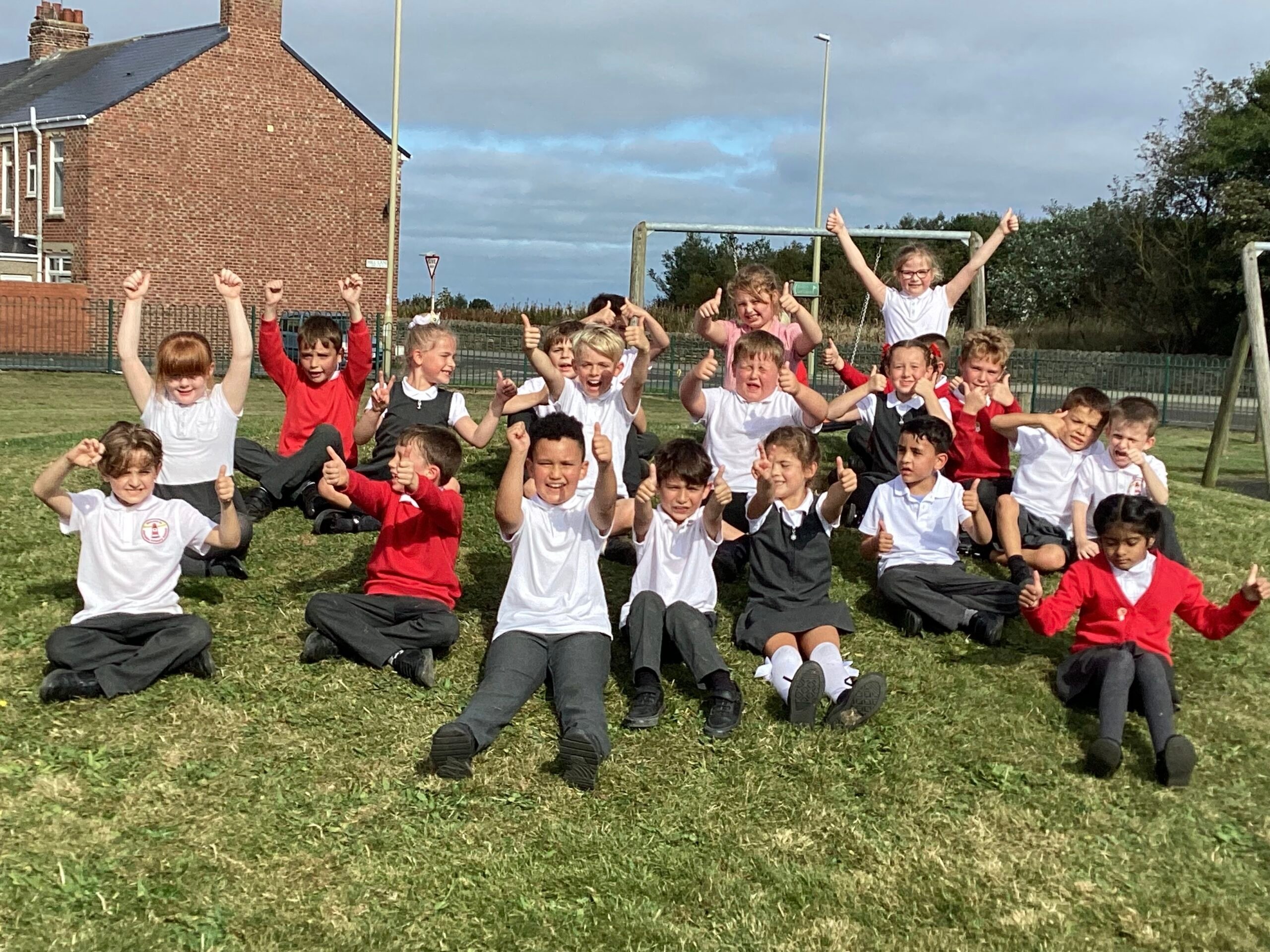
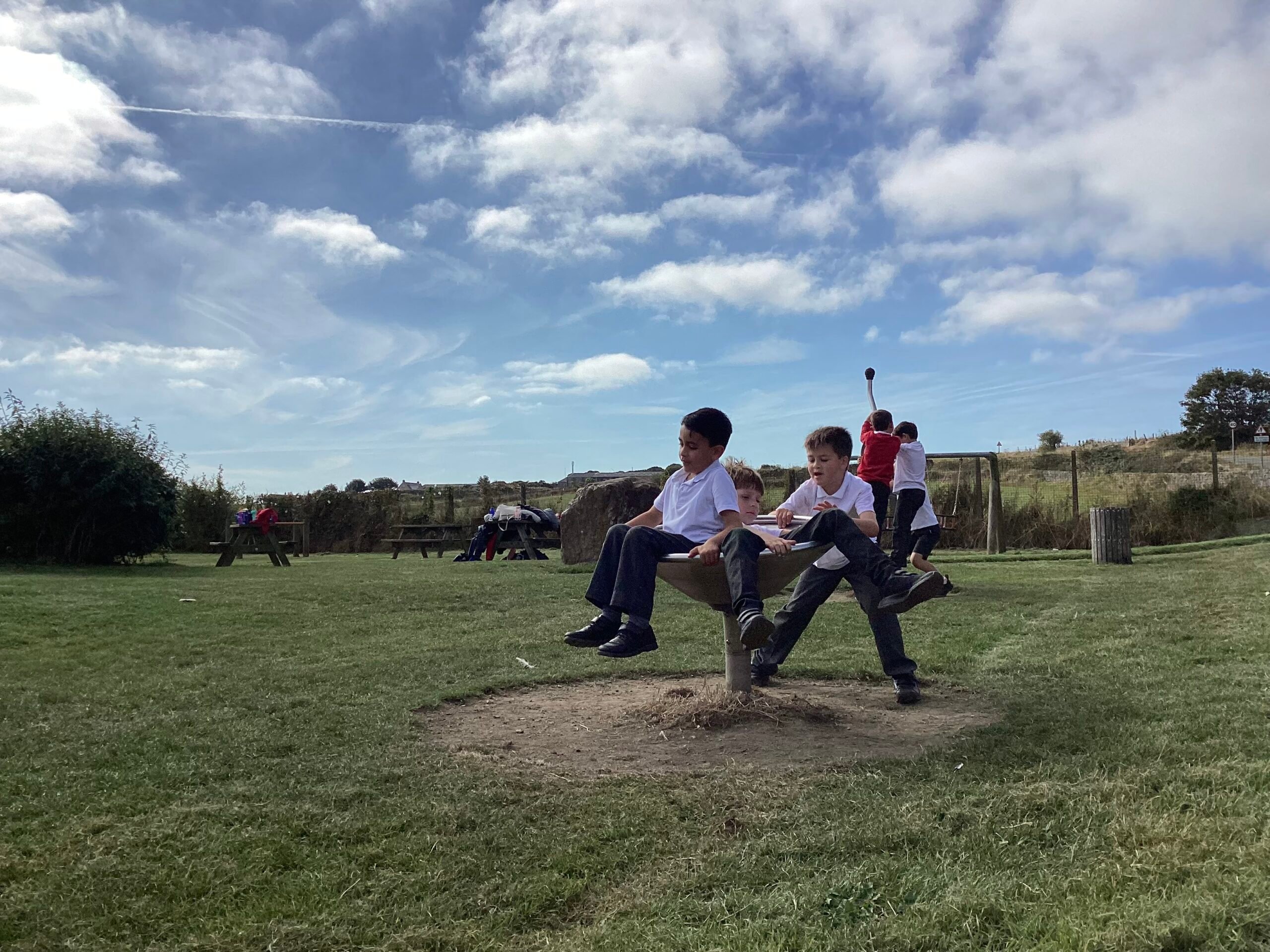
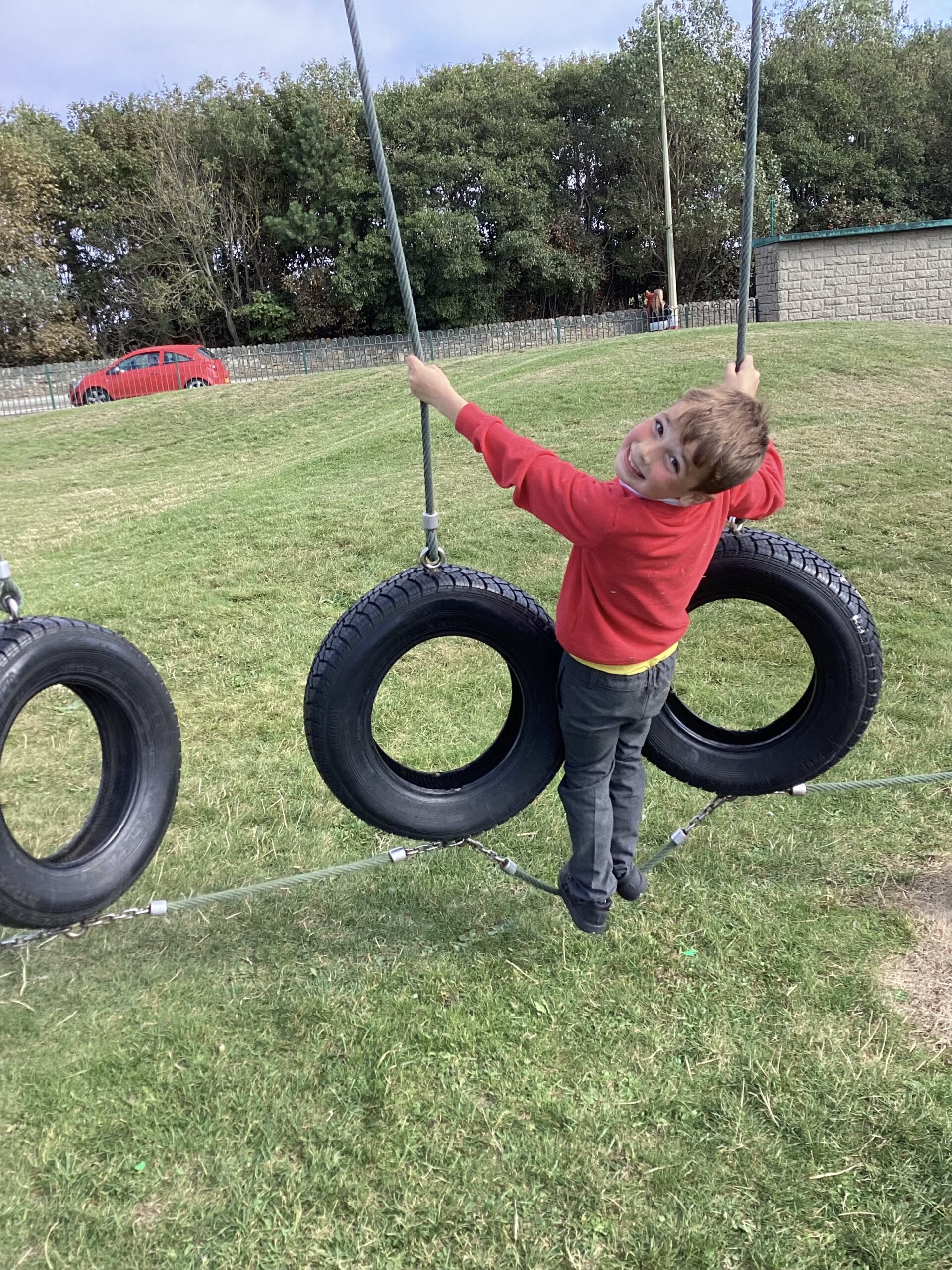
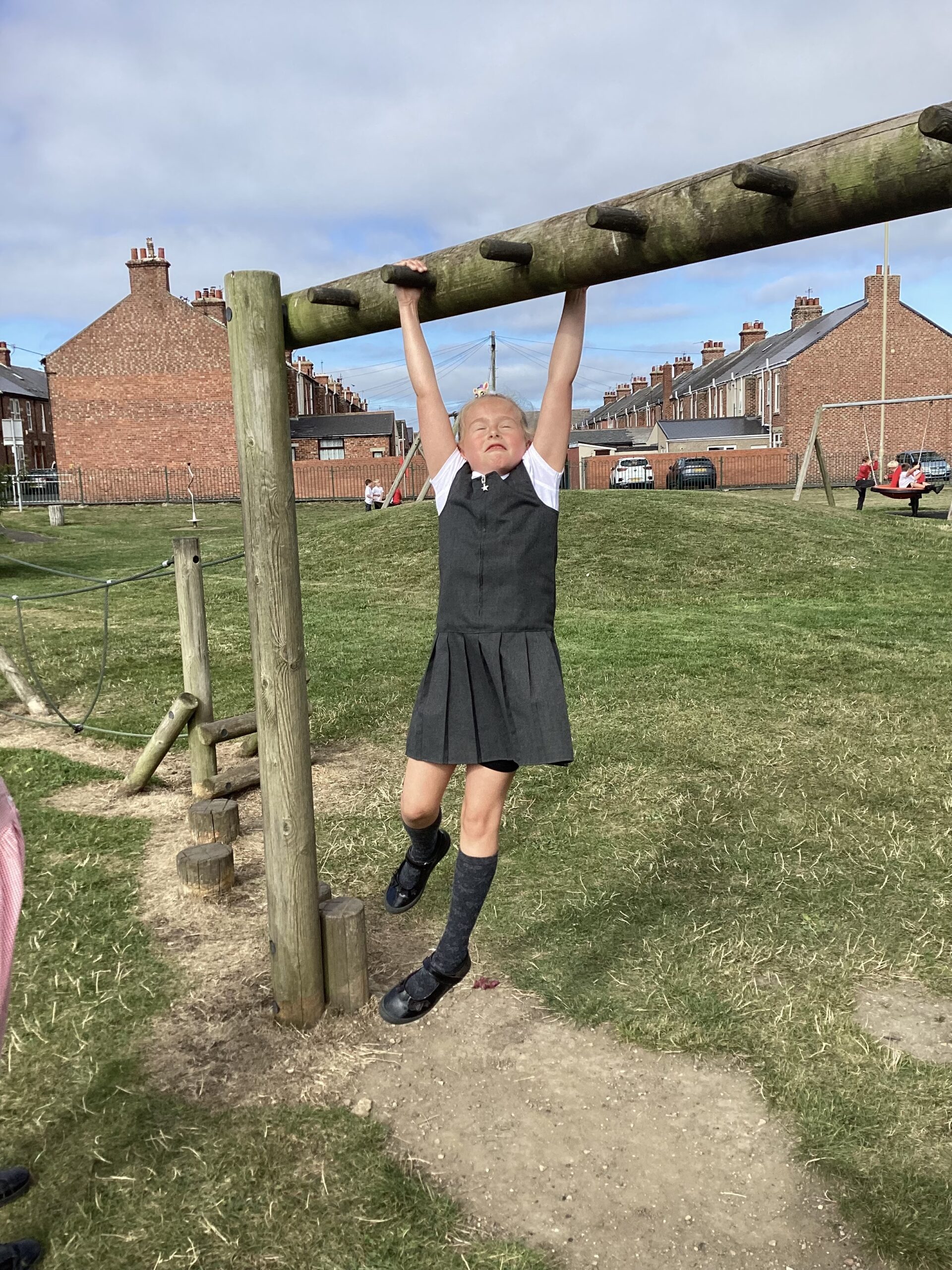
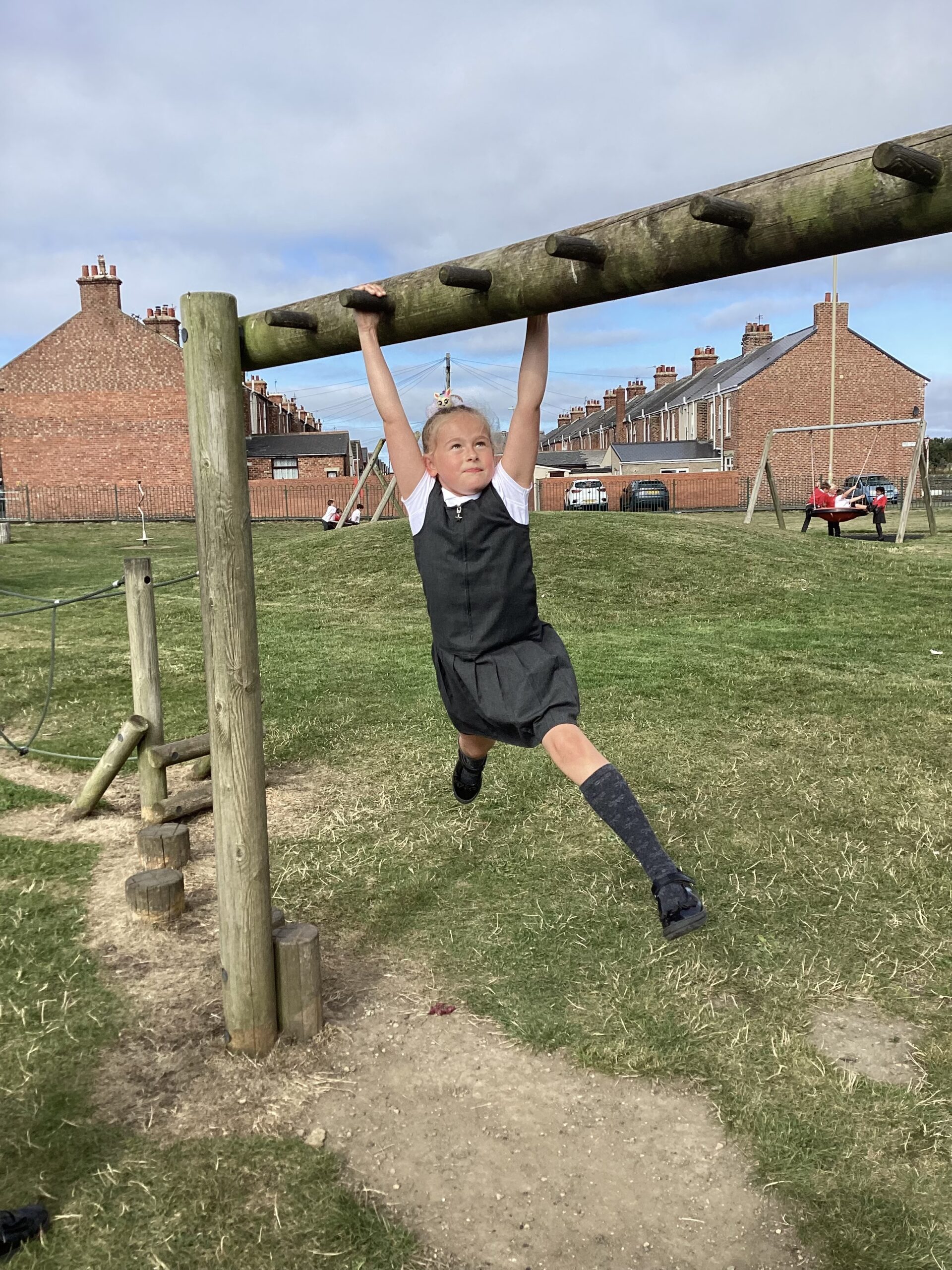
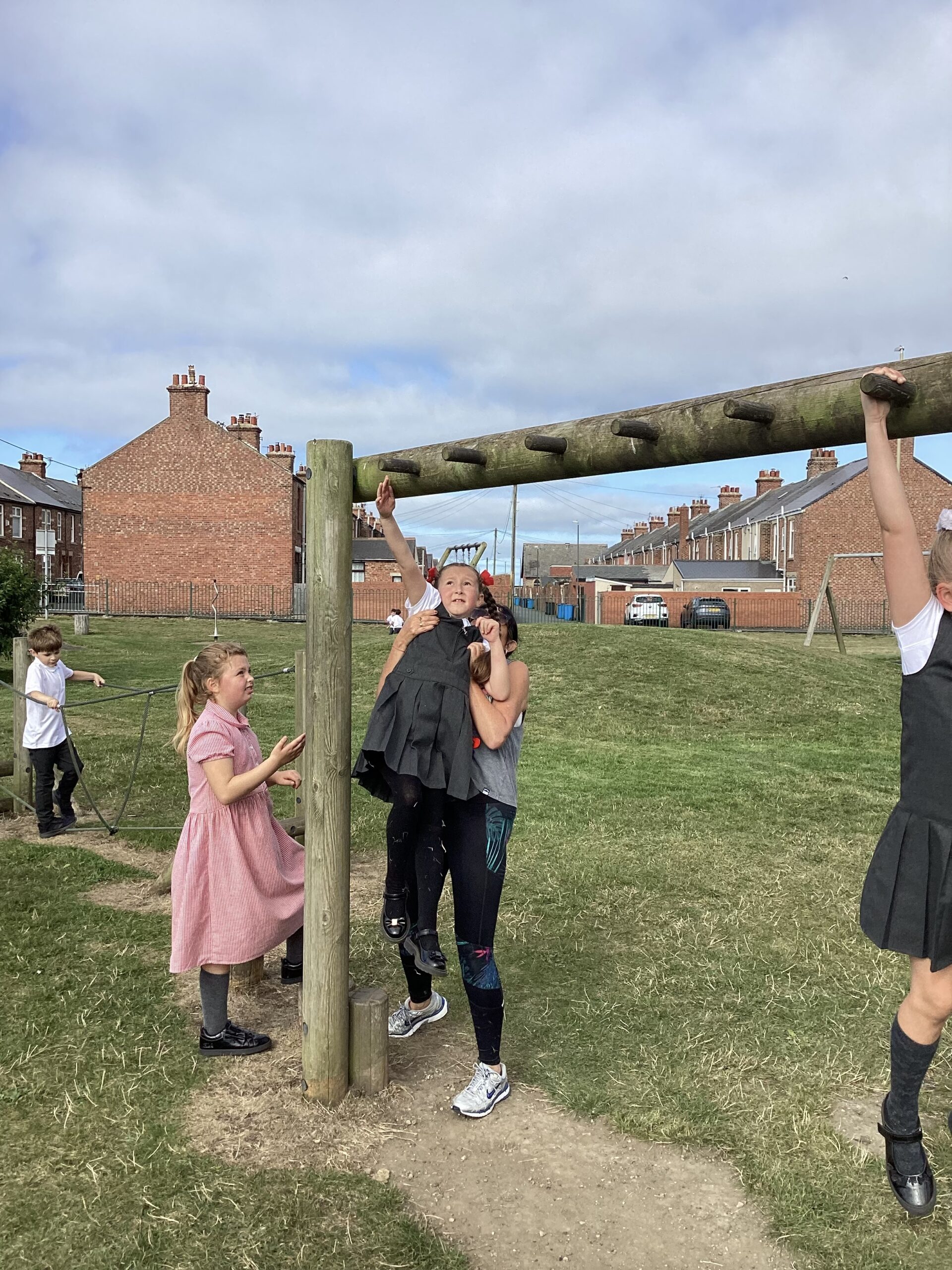
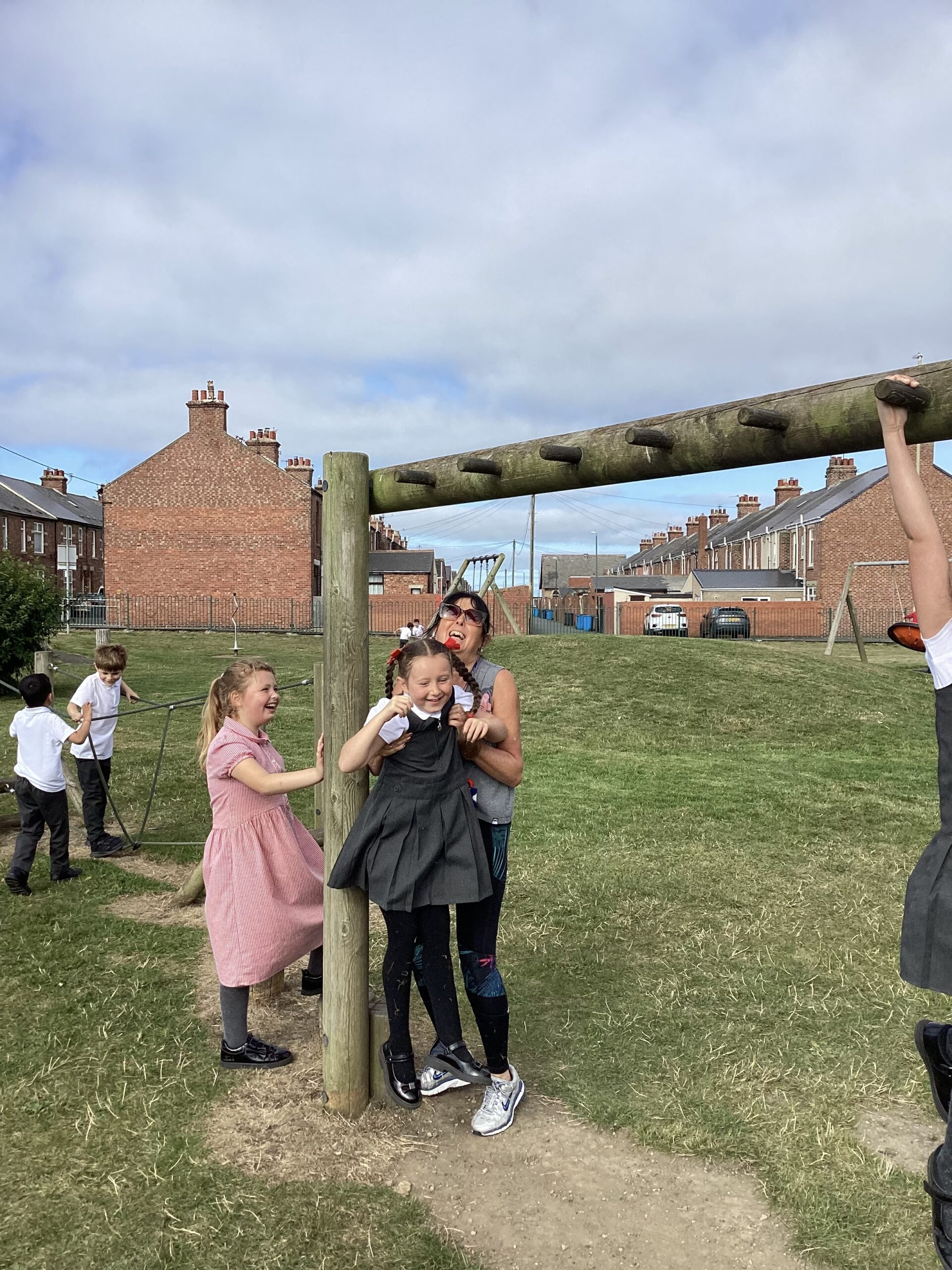
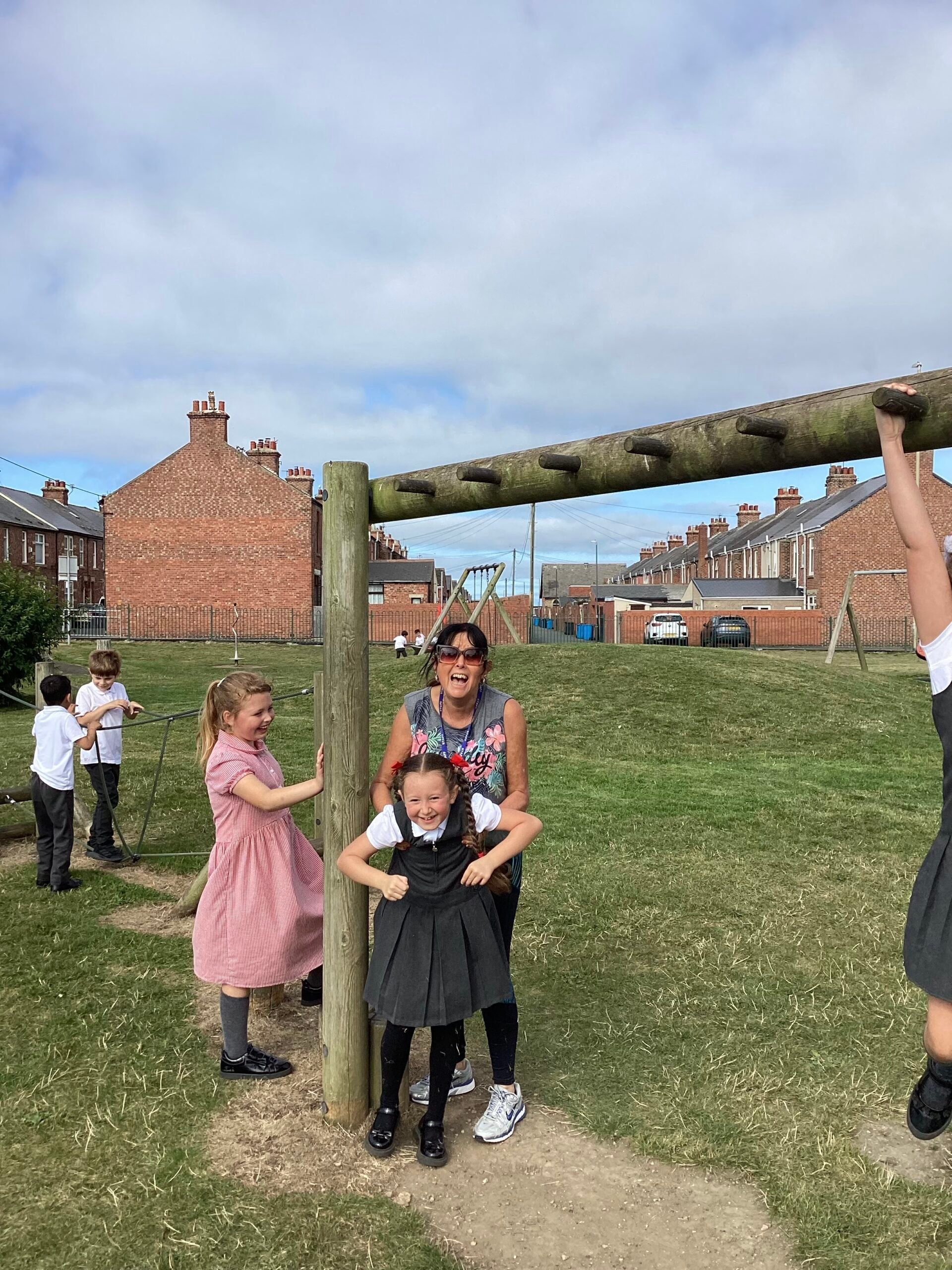
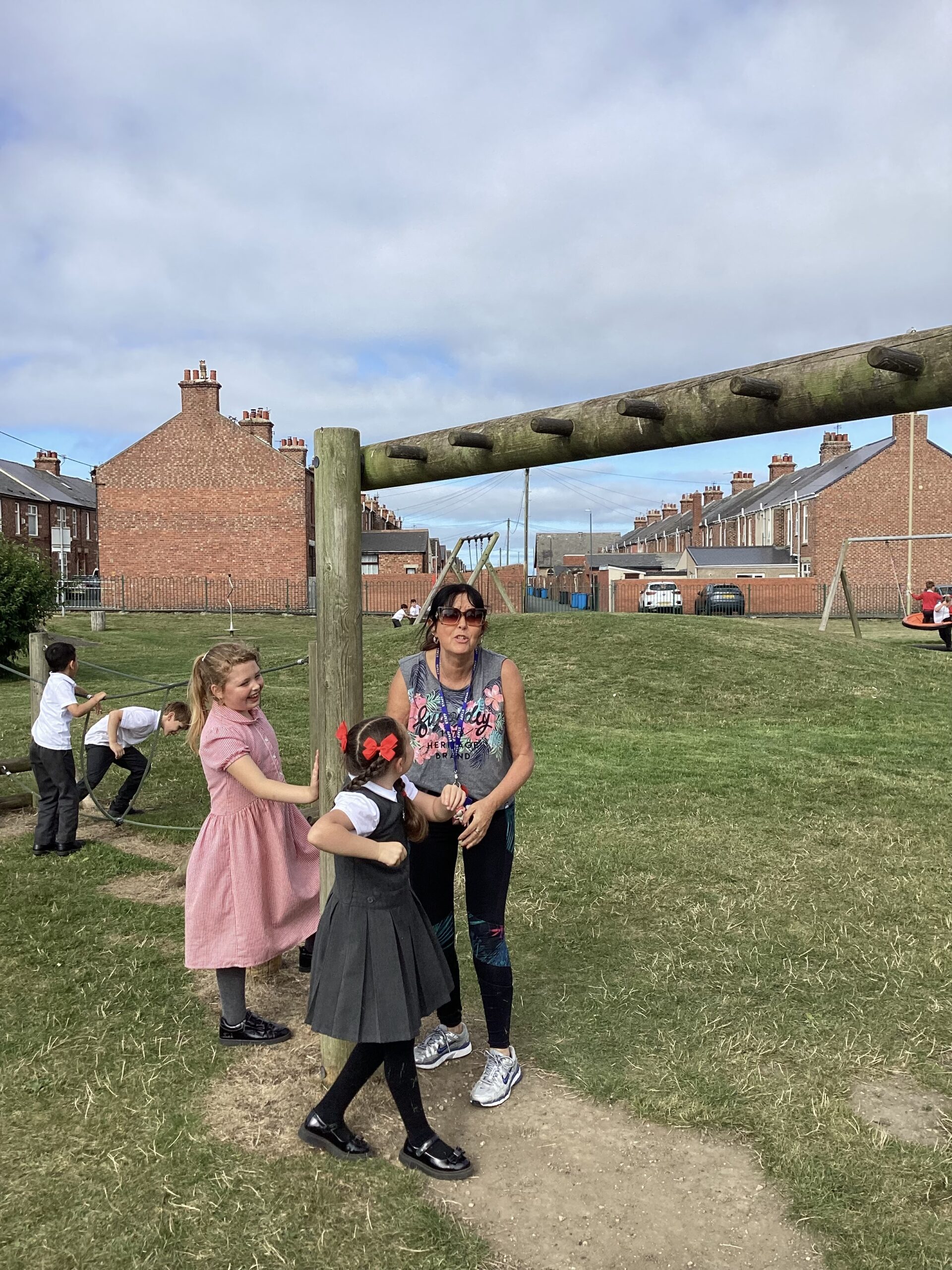
As reward for getting 100% attendance, Y3 decided to go on a little adventure to Laura’s park. They had an amazing time, pupils and staff!
Do you believe in magic? Do you believe numbers can be magic? Today, Y6 investigated what happens when we add, subtract and reverse non-palindromic numbers. Follow the steps below and see if your mind is blown!
PS a palindromic number is a number that reads the same forwards and backwards for example 232. You must use non-palindromic numbers for this investigation.
Let’s investigate!
1) Write a 3 digit non-palindromic number in your book.
2) Underneath, reverse the digits and write them down.
3) Use a column method to subtract the smaller number from the larger number.
4) Write this number.
5) Reverse this number.
6) Now add these two numbers in a column.
What number did you get? Is it a coincidence?
Is it always true that when we follow this process for non-palindromic numbers we get an answer of 1,089?
Investigate!
Always true, sometimes true, never true?
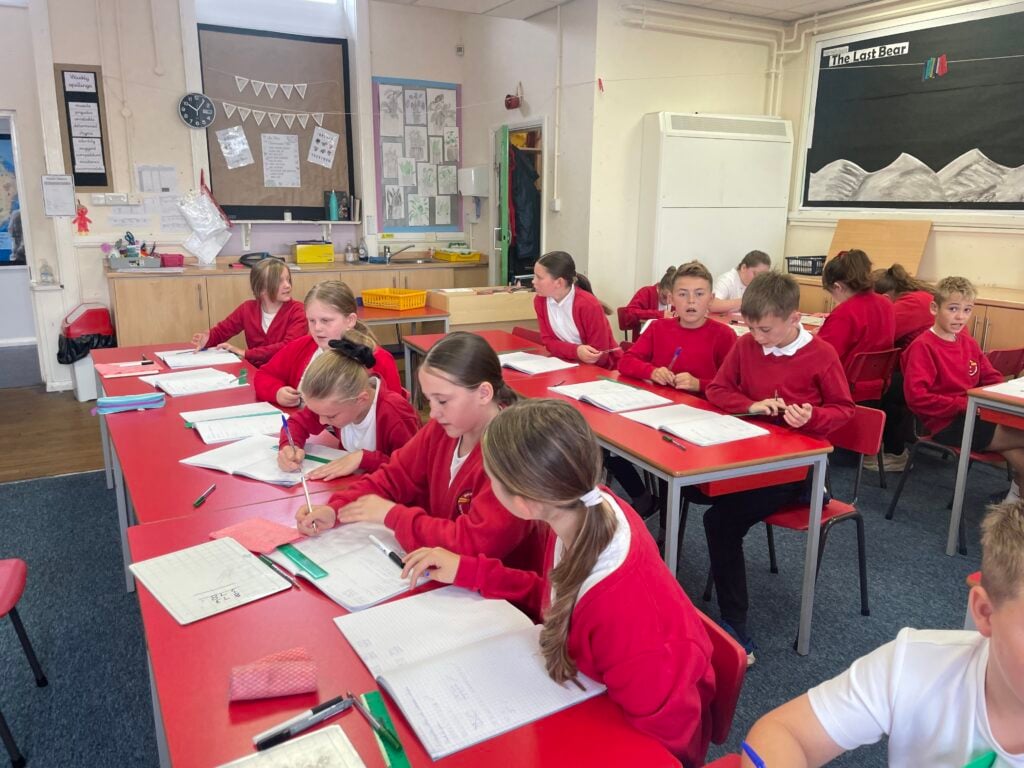
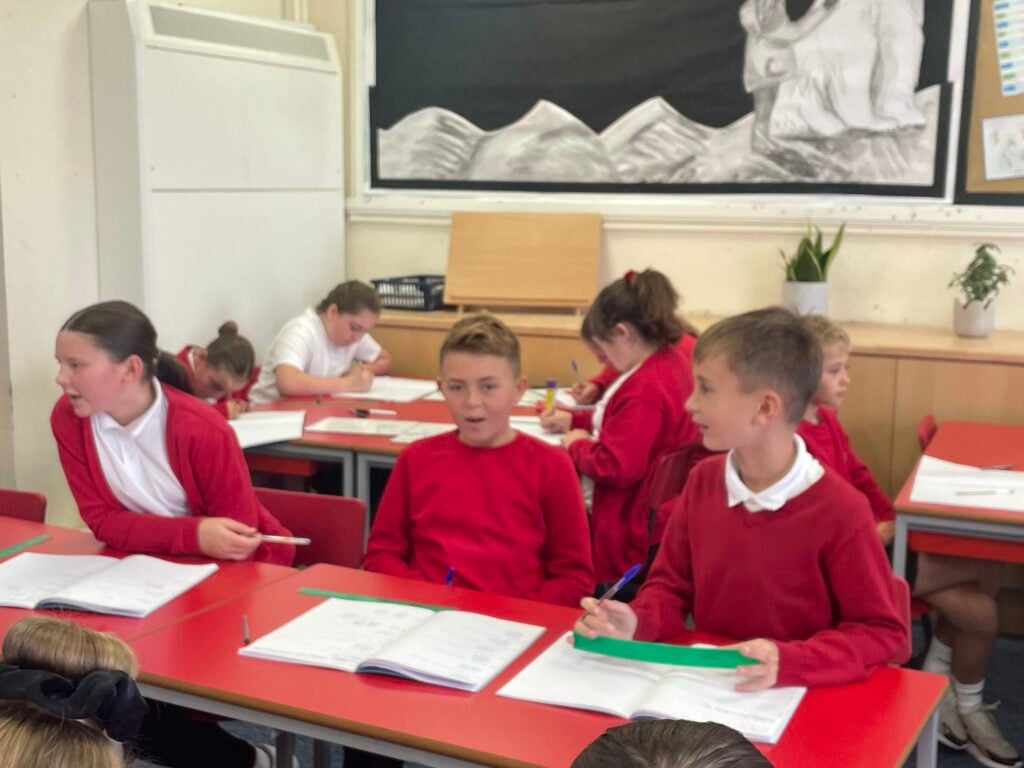
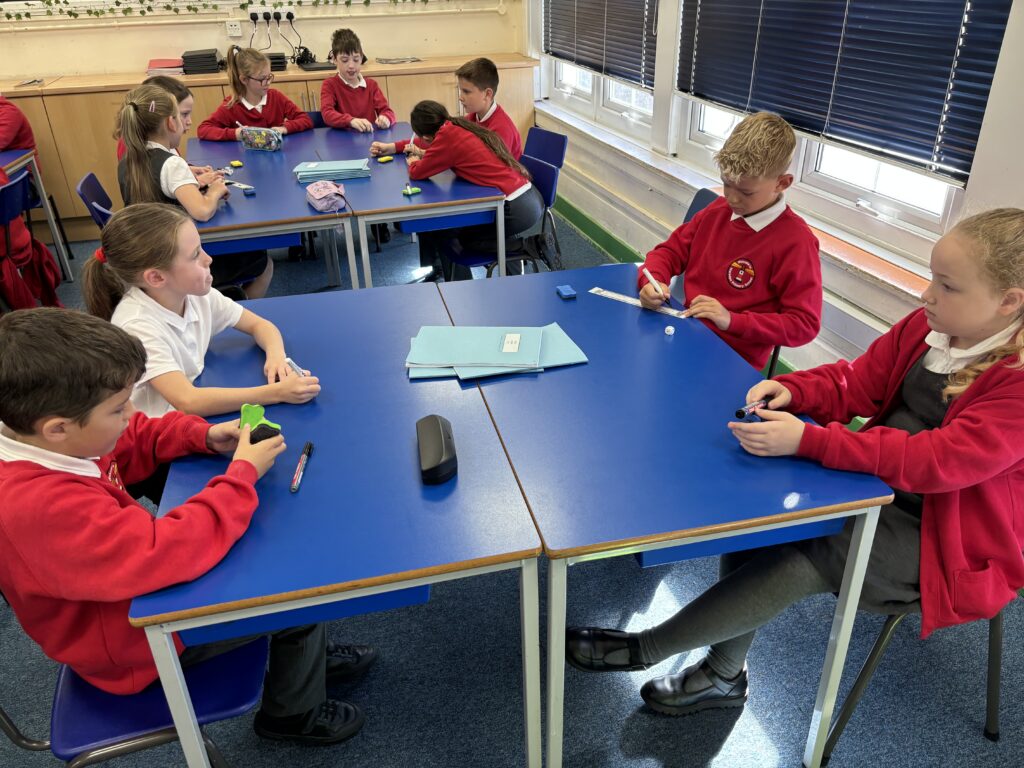
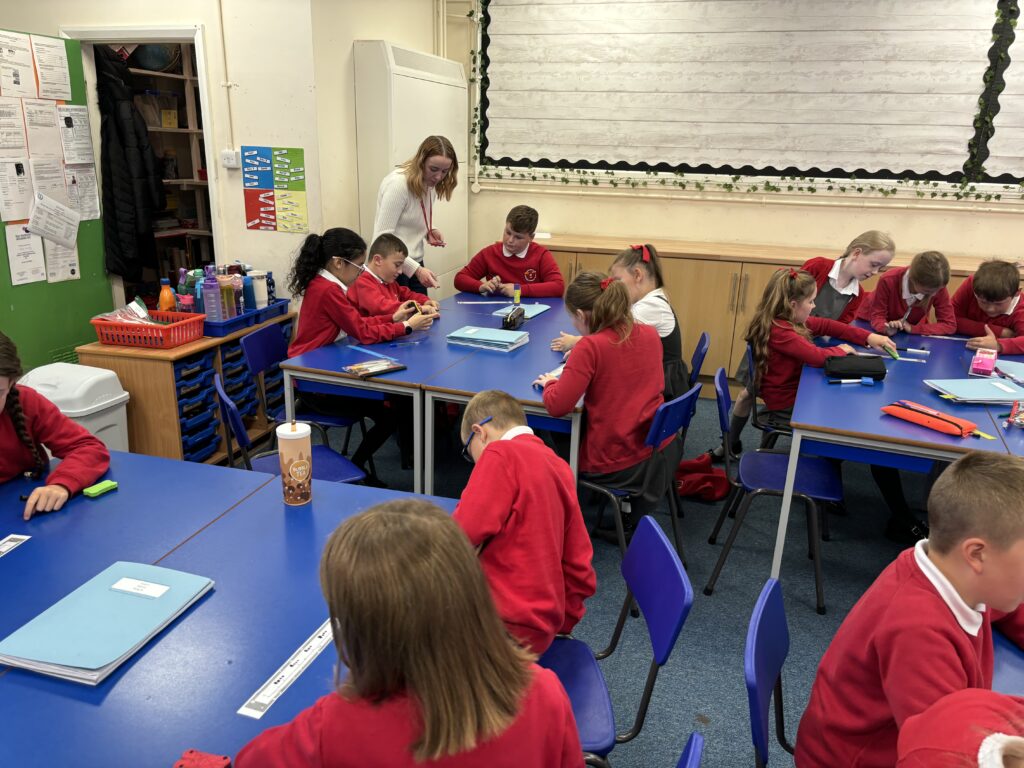
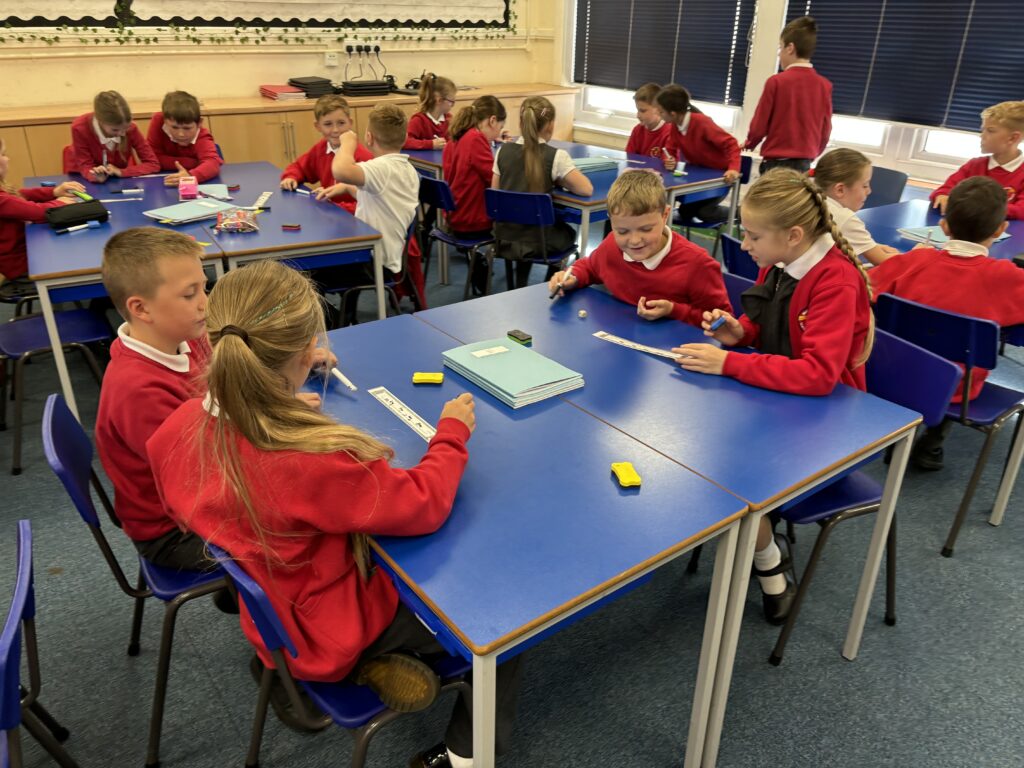
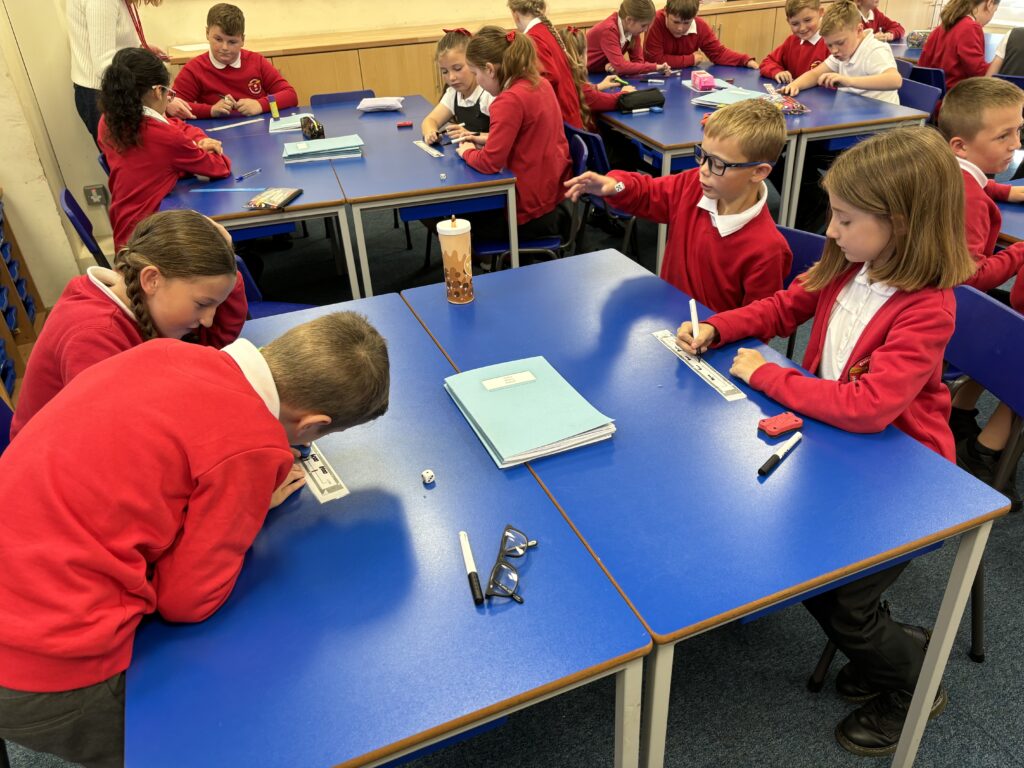
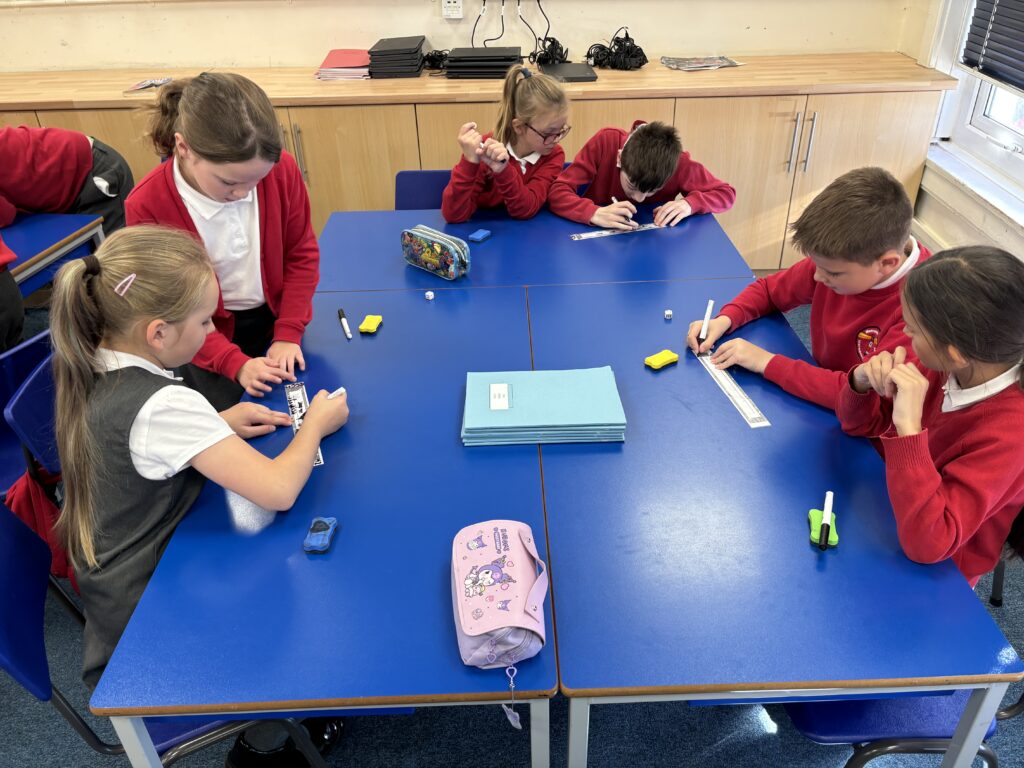
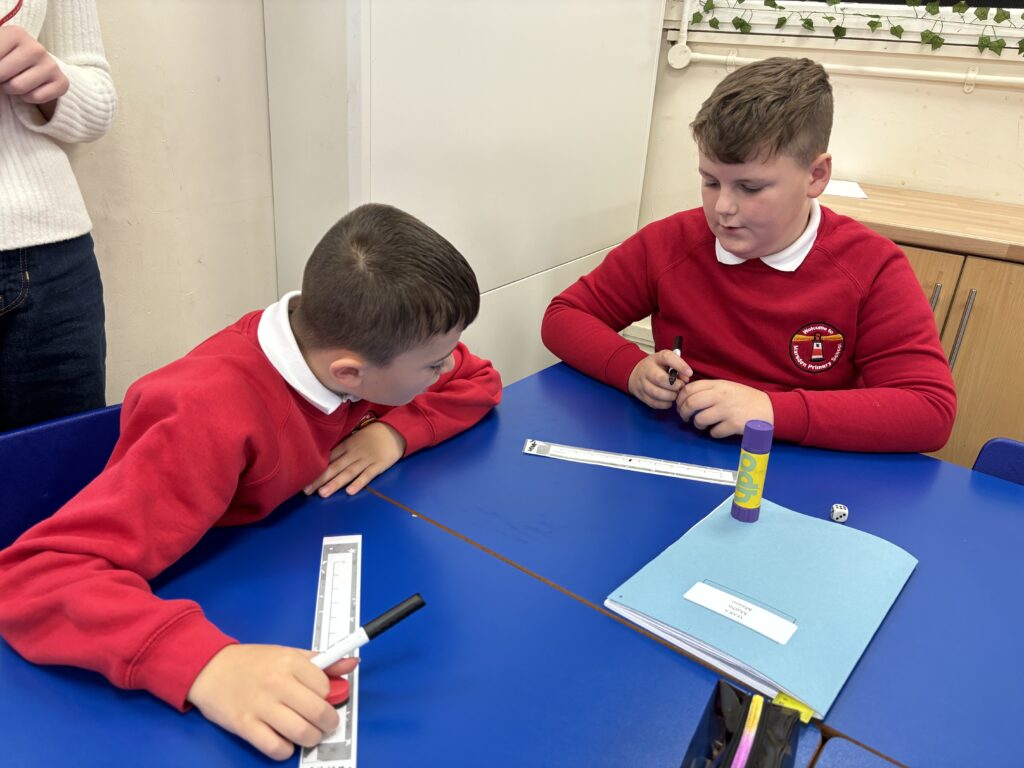
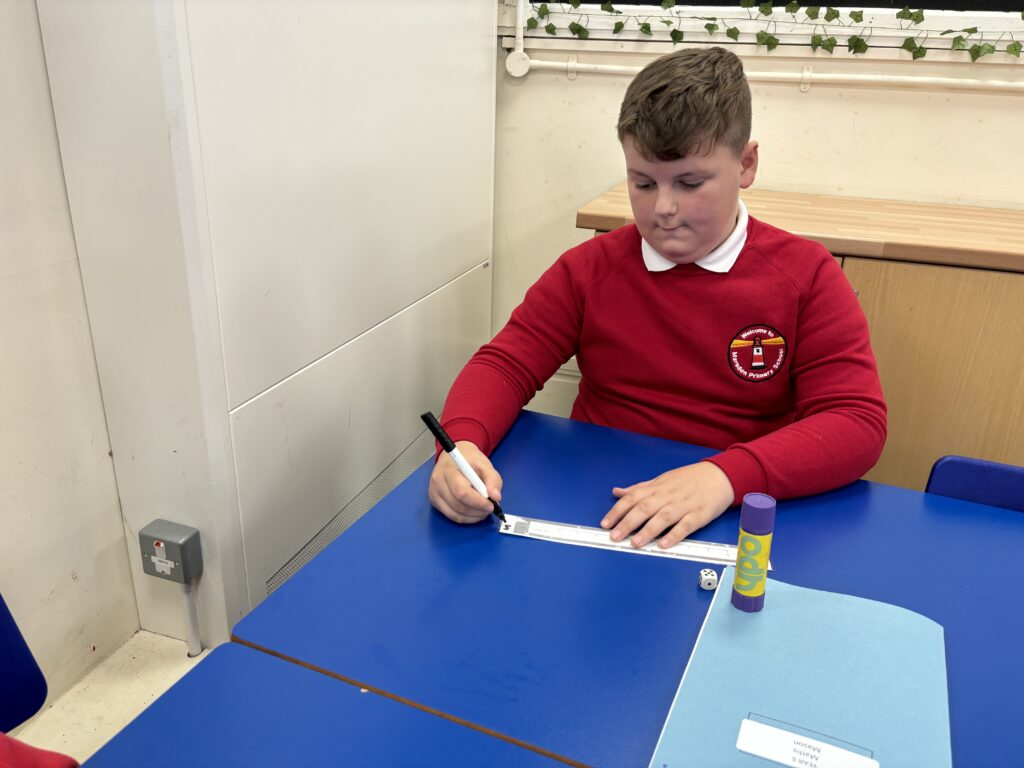
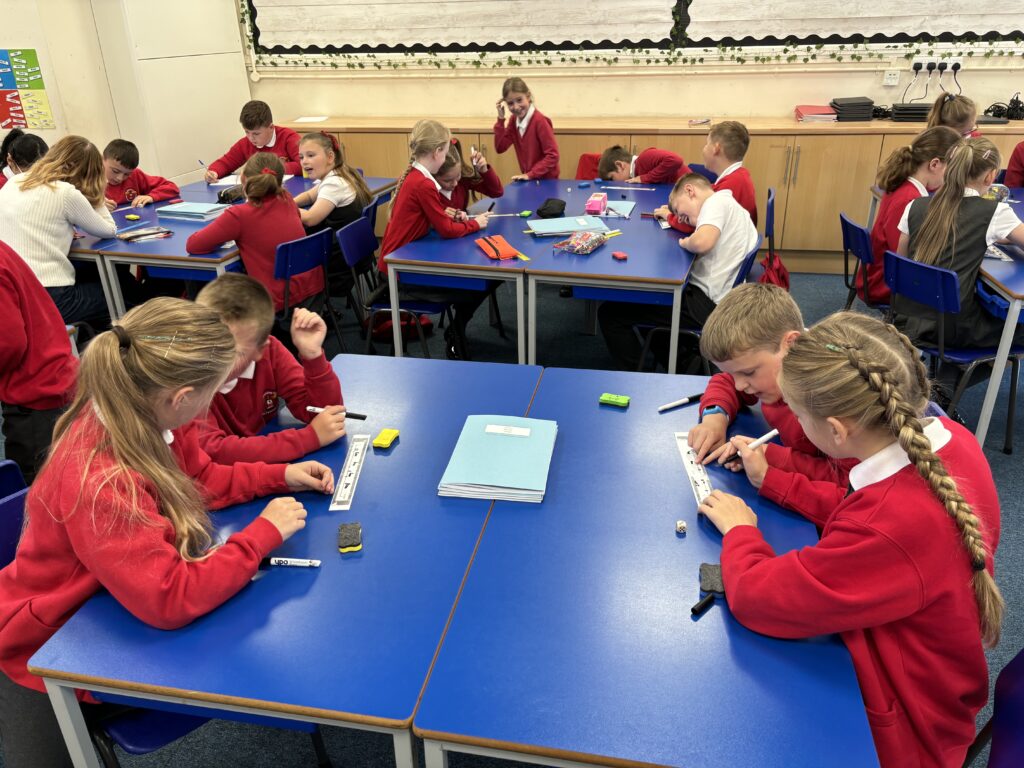
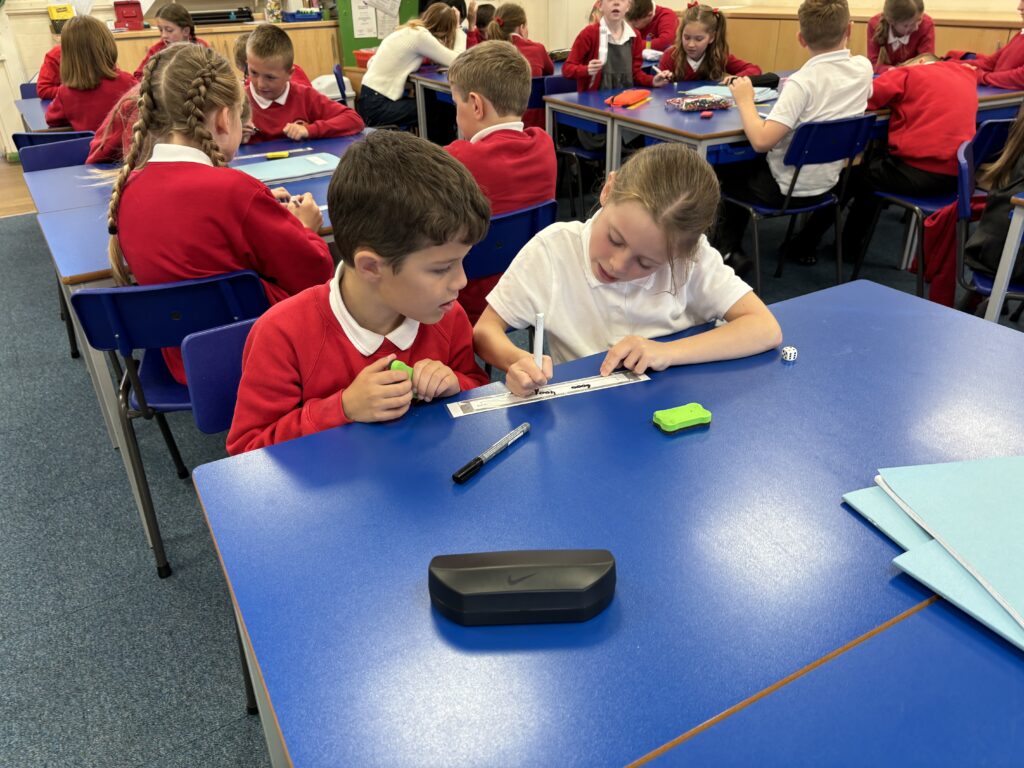
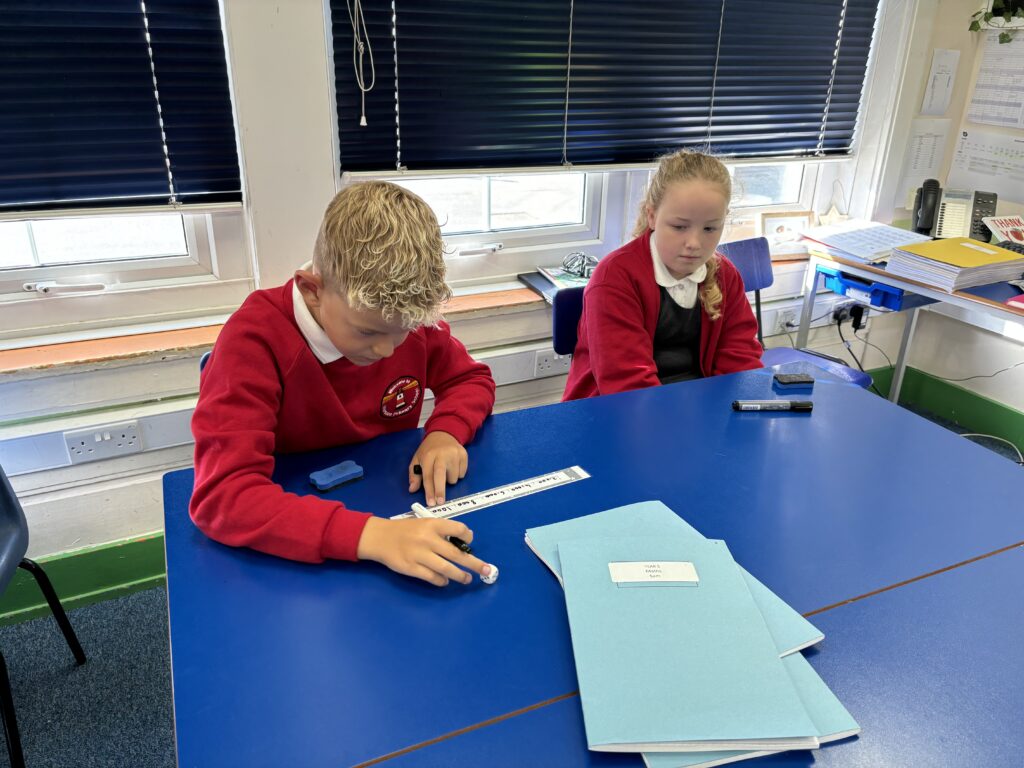
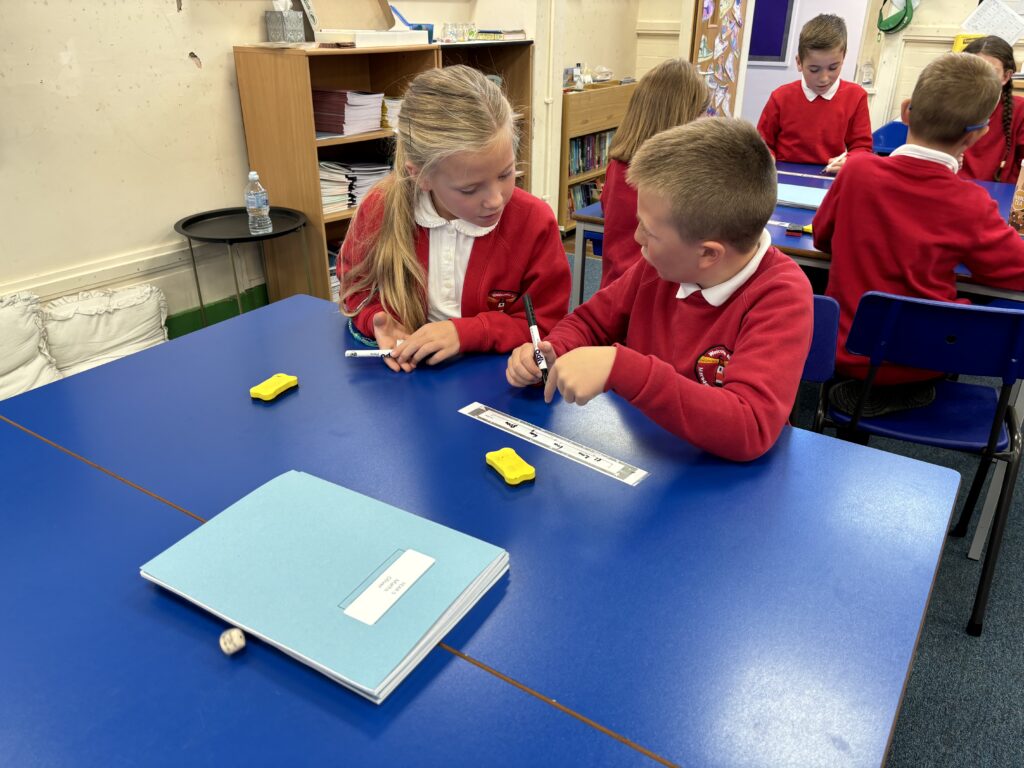
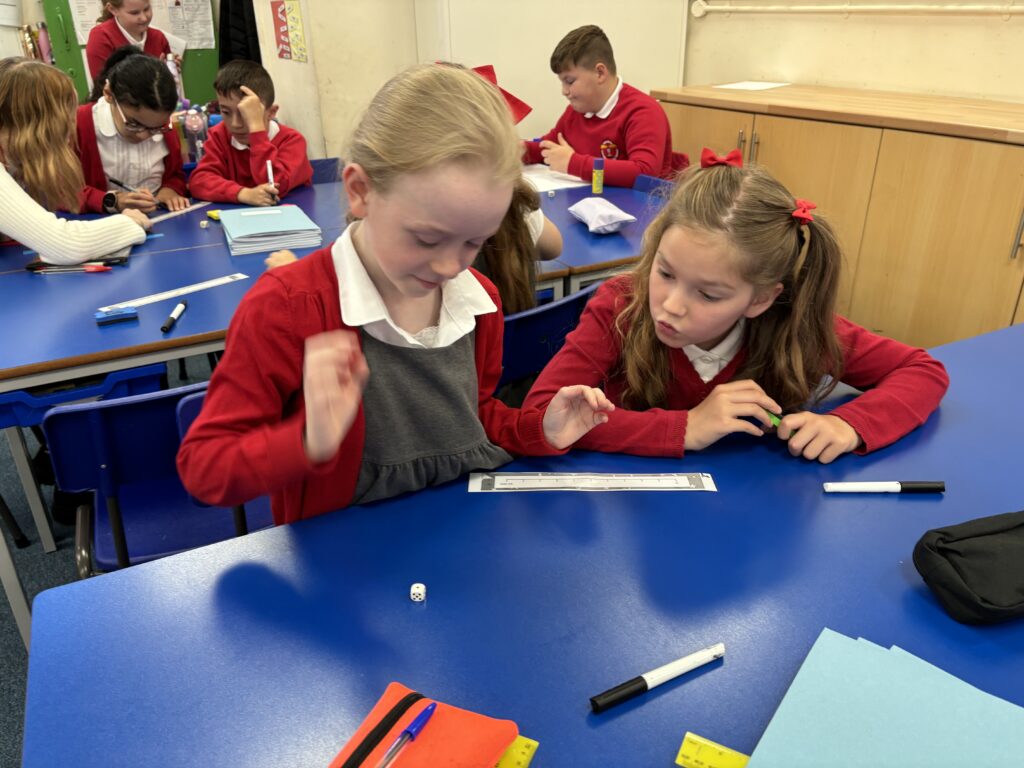
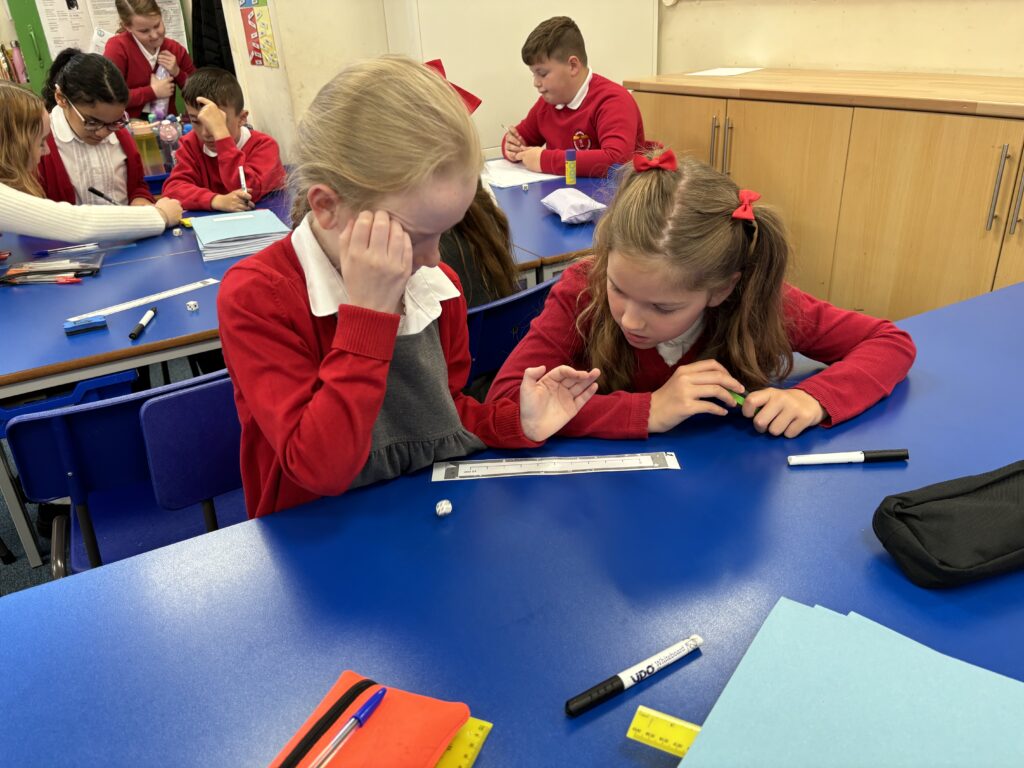
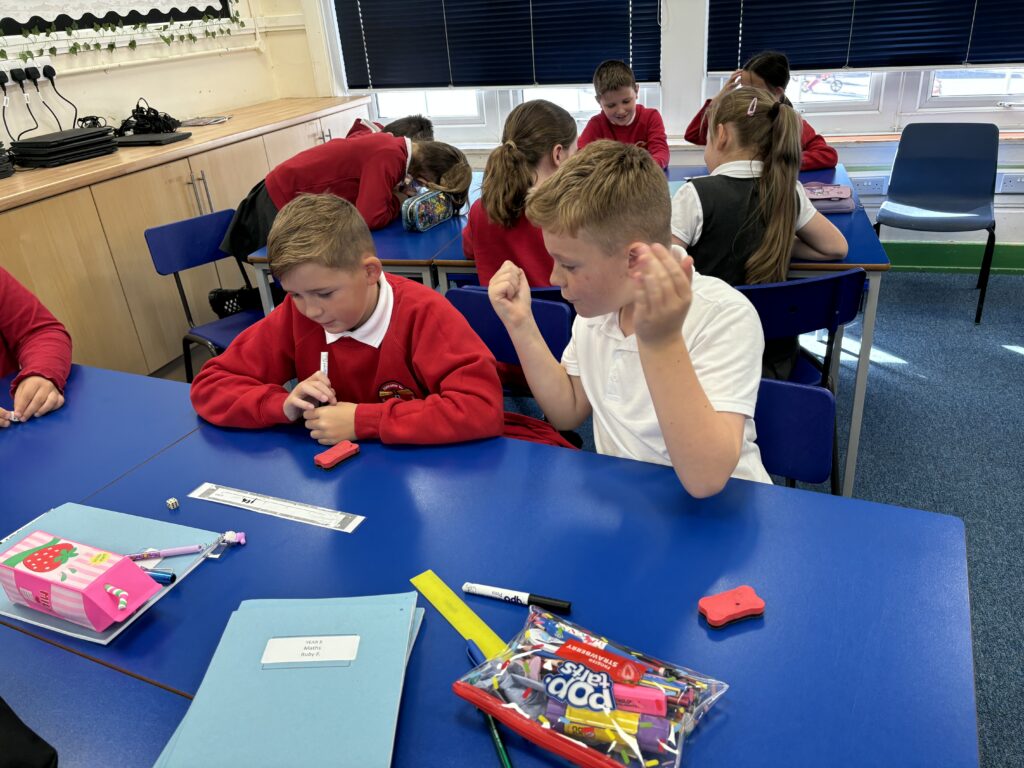
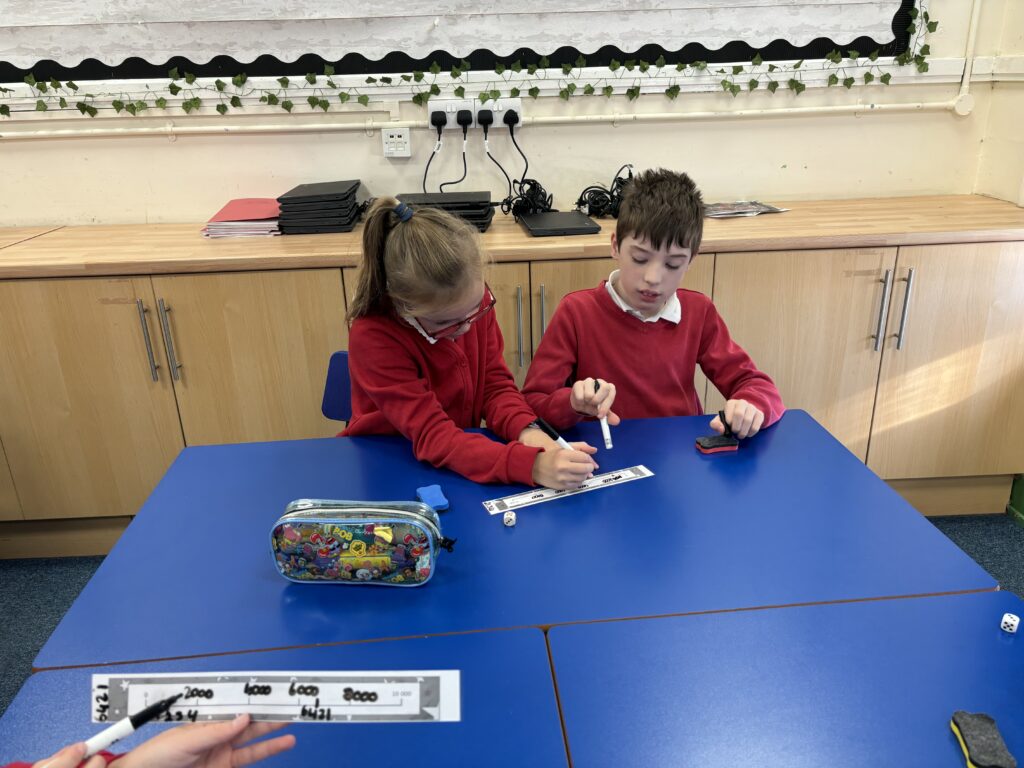
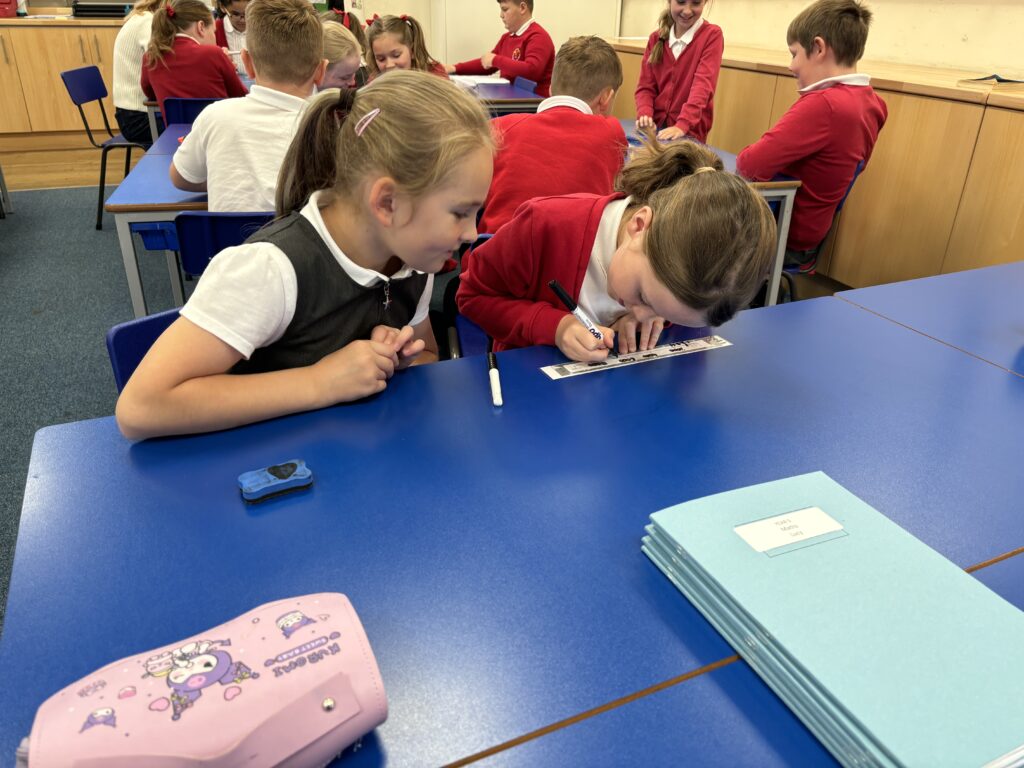
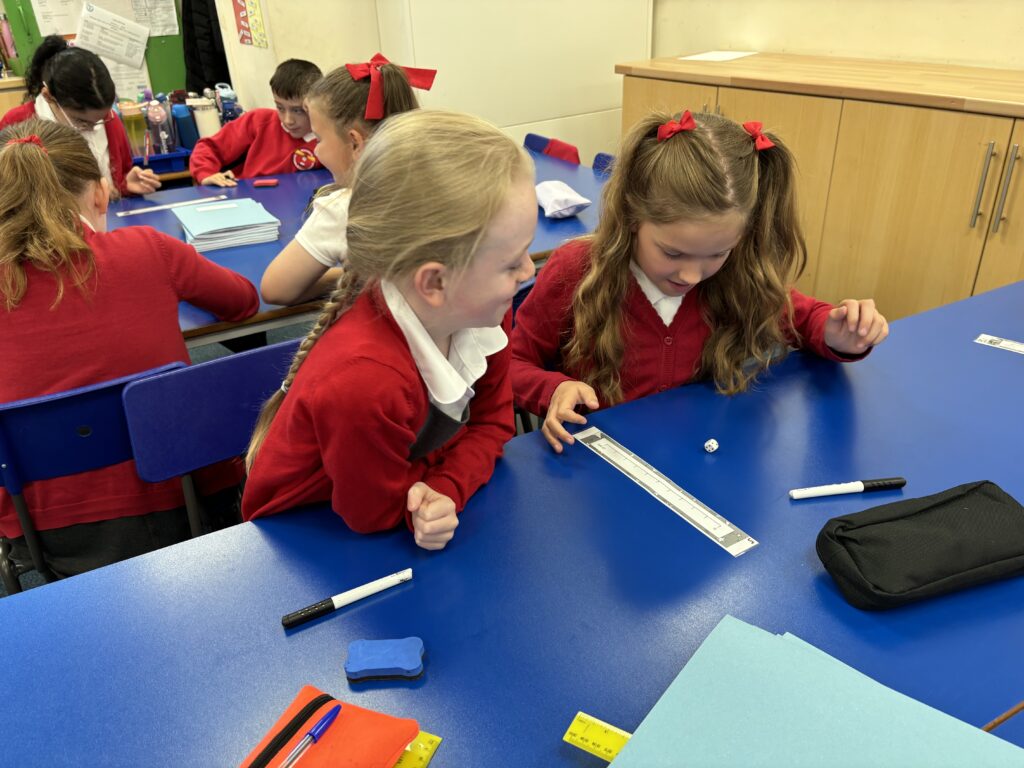
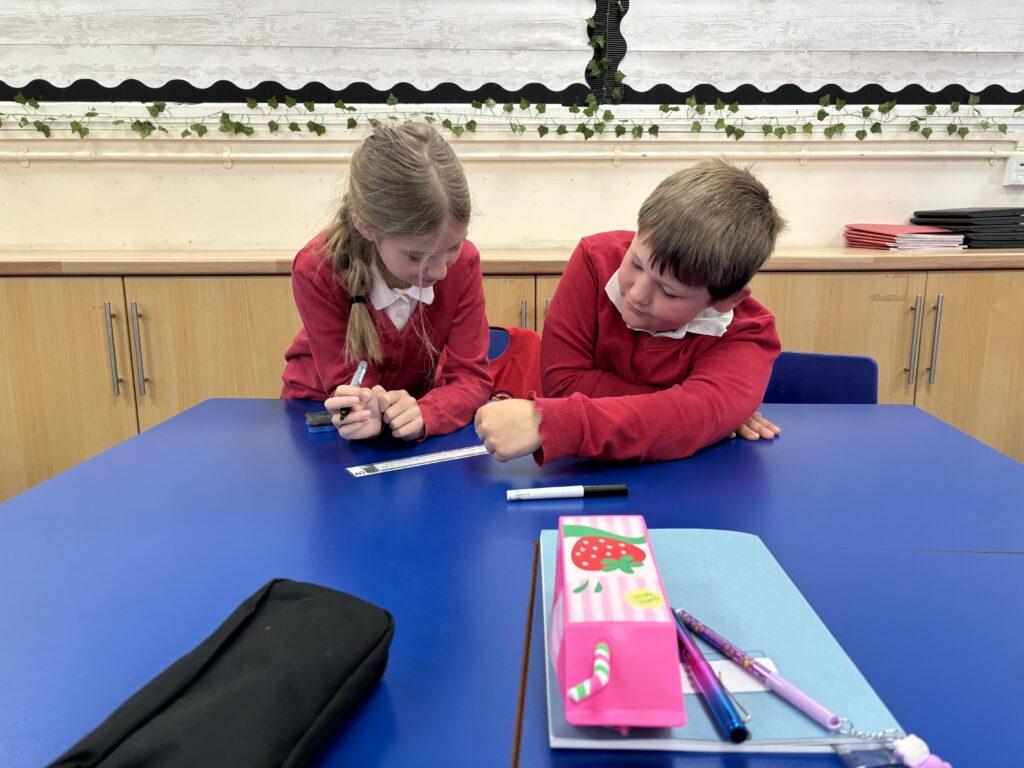
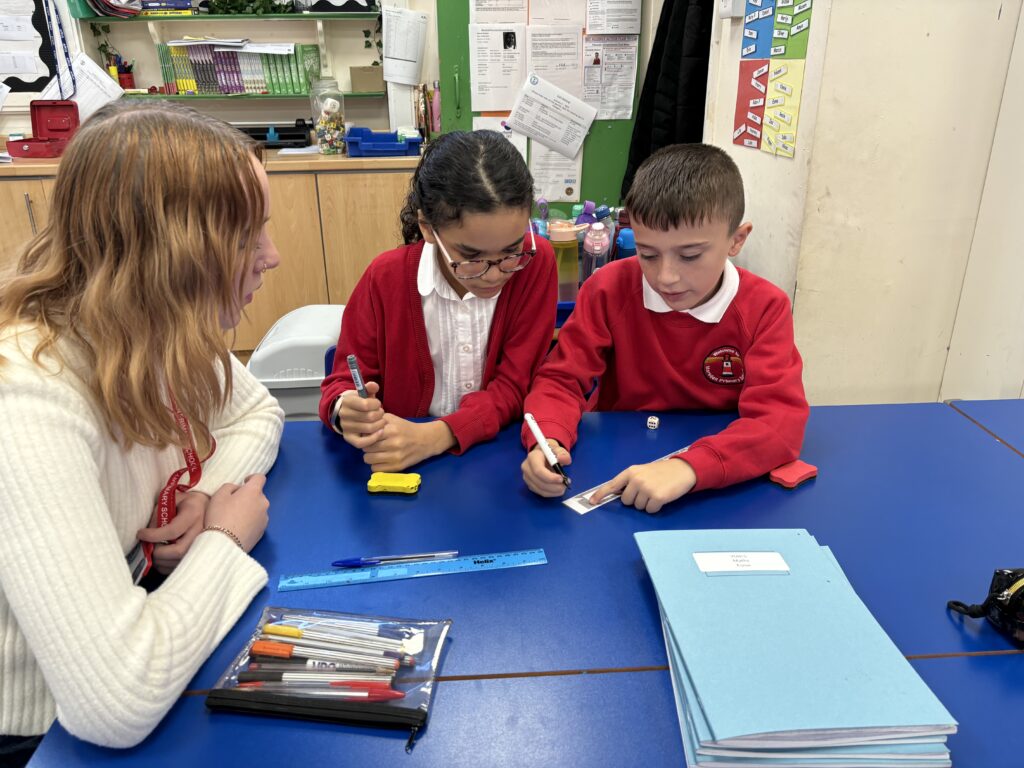
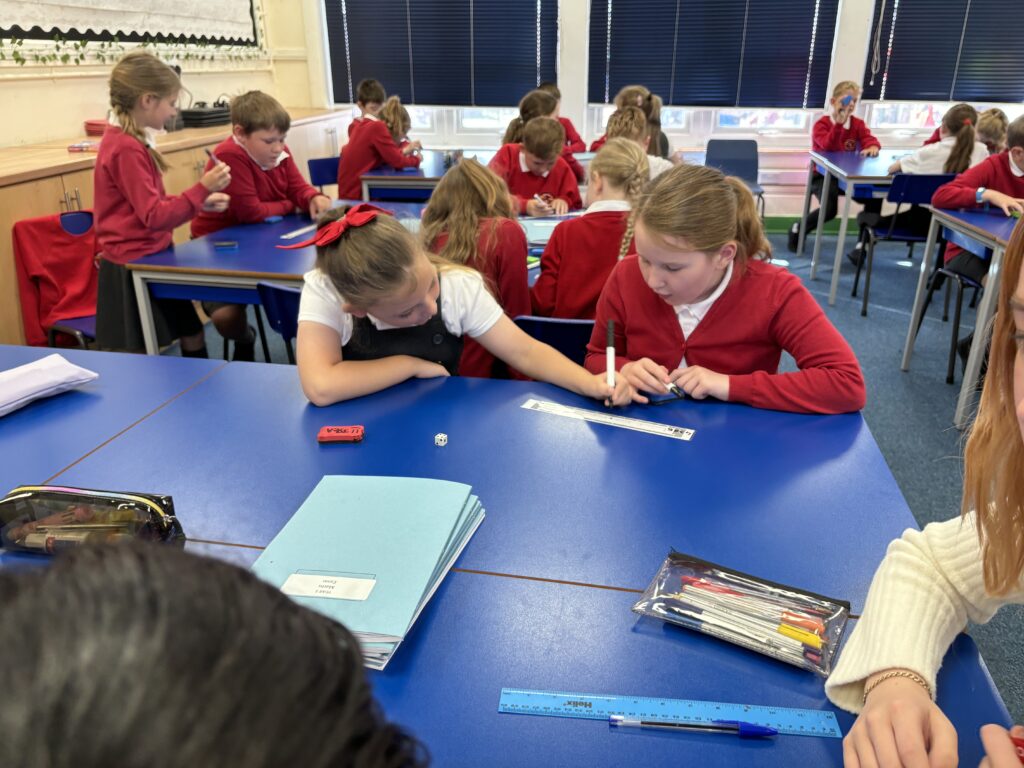
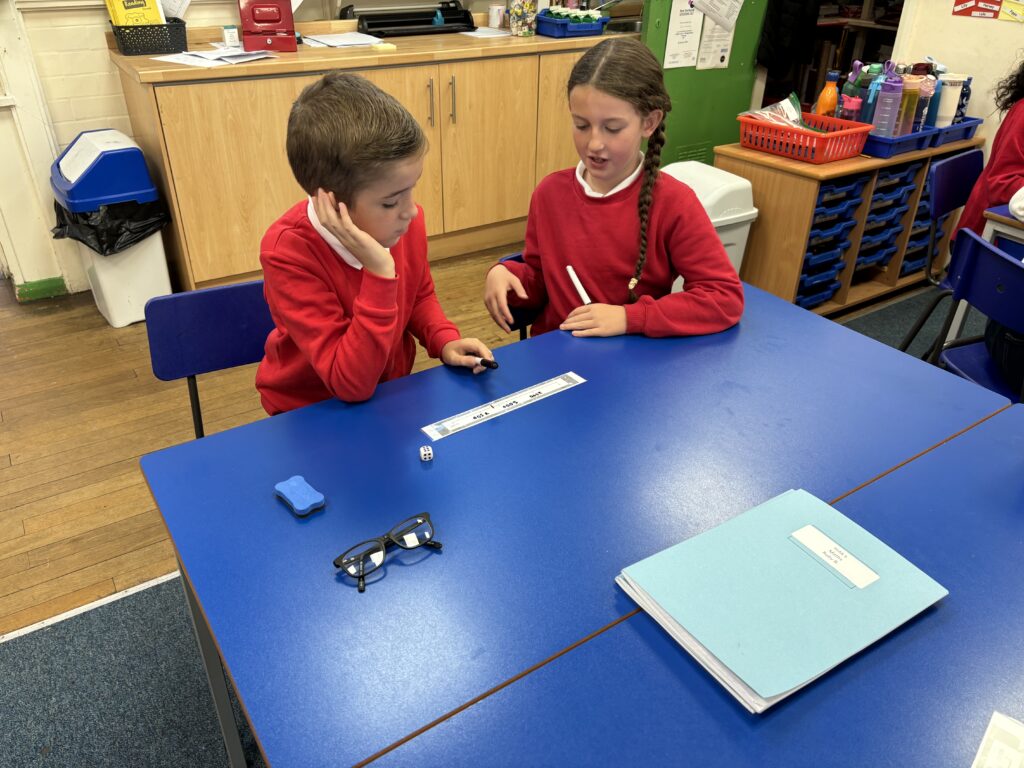
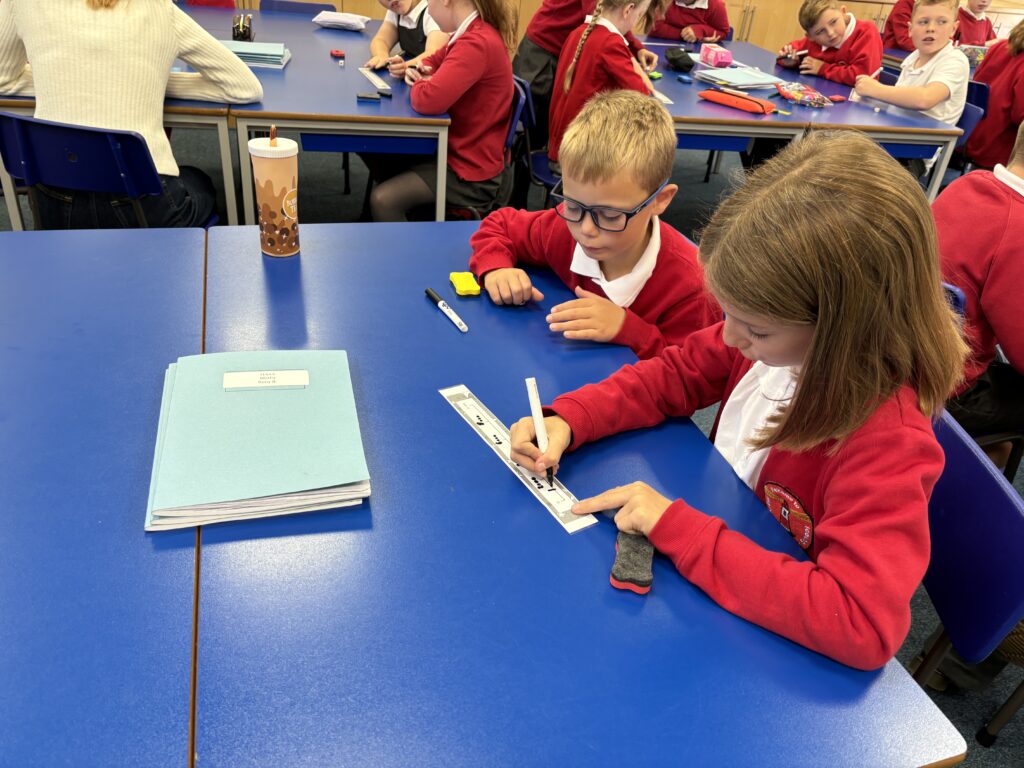
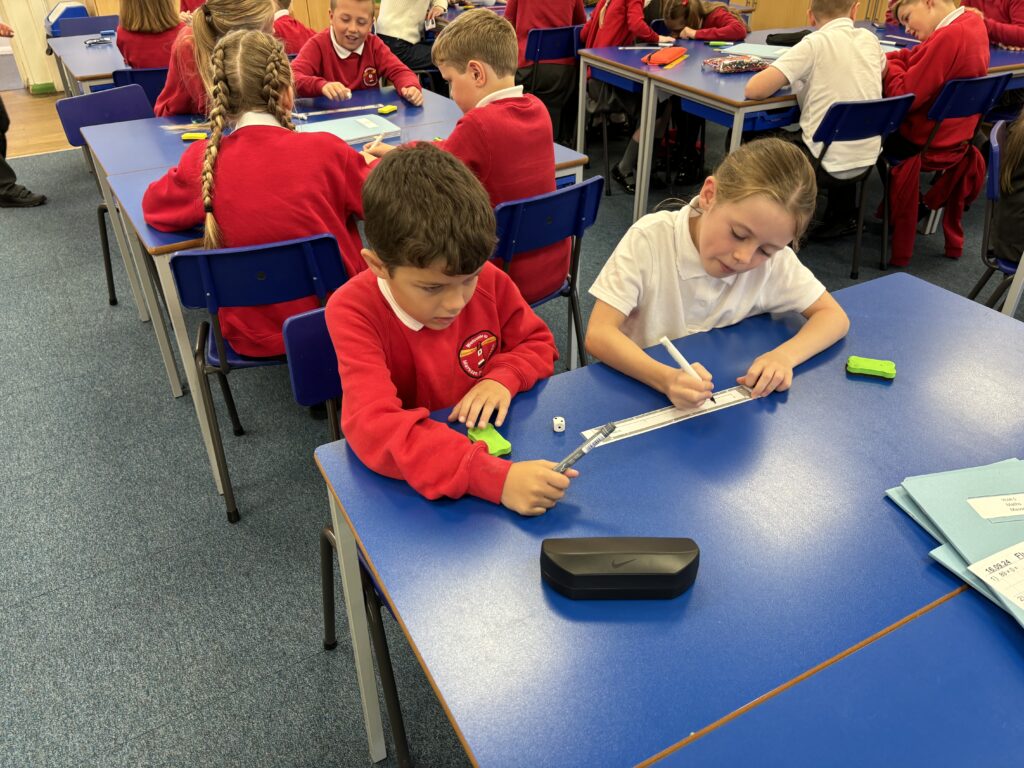
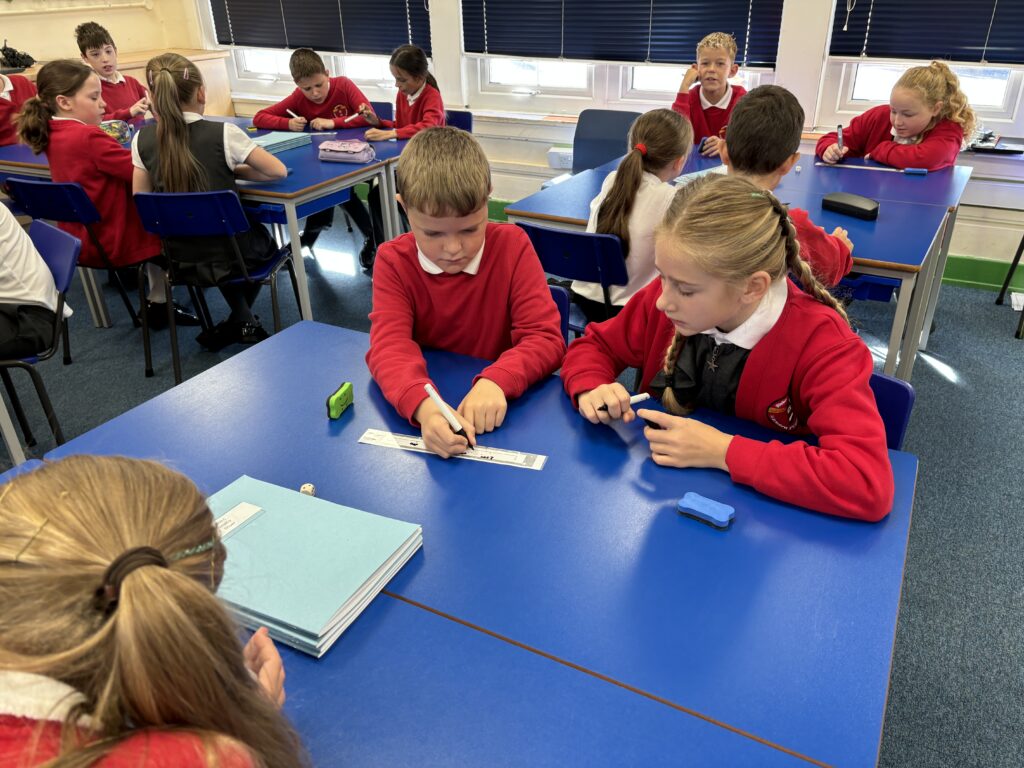
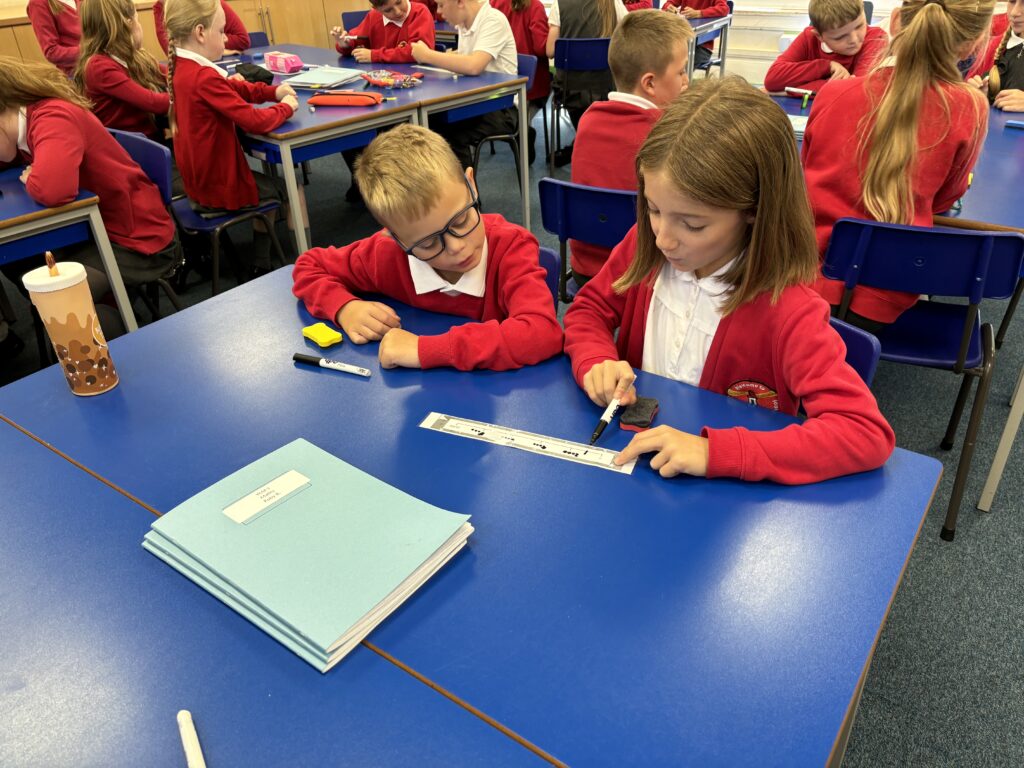
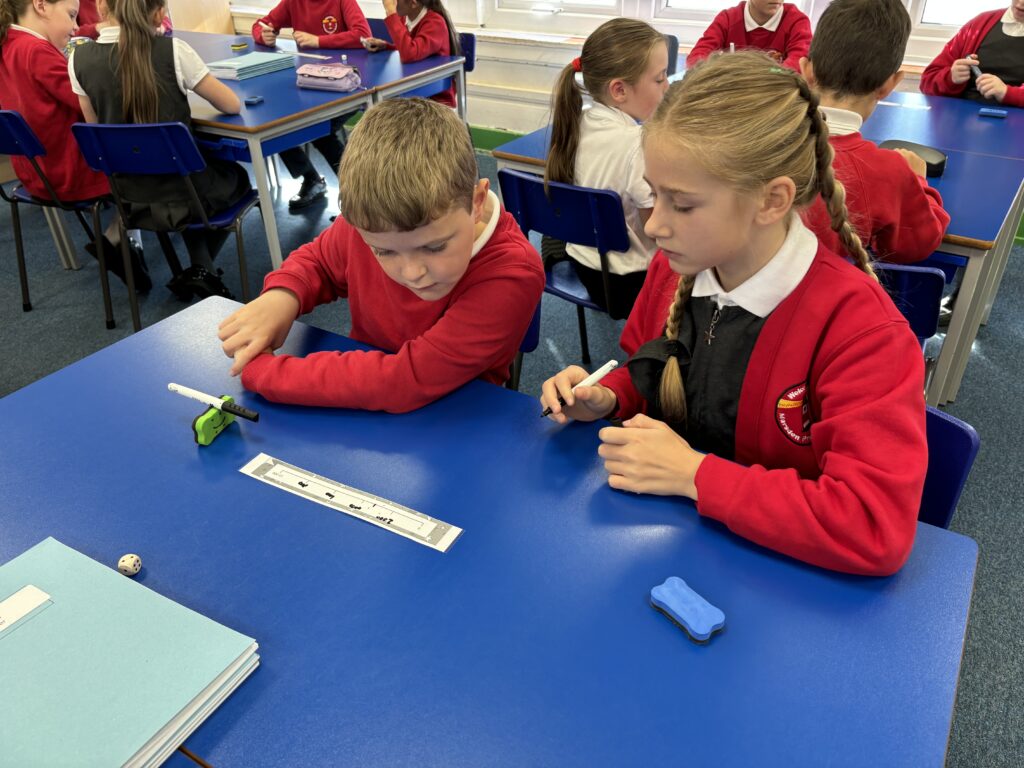
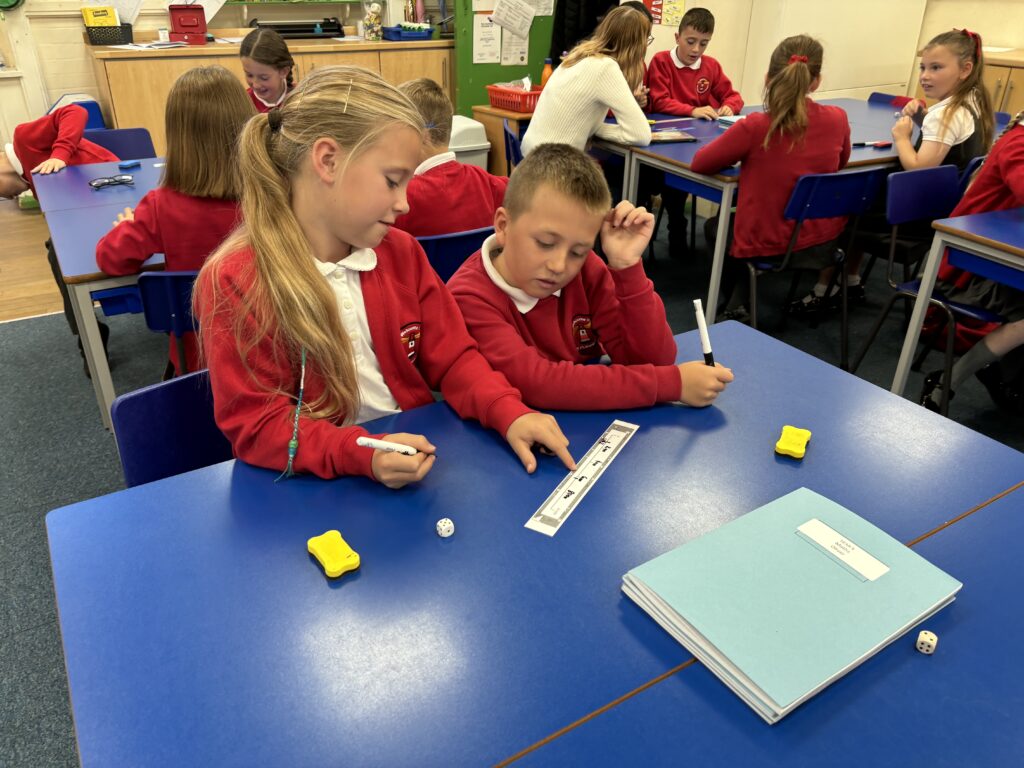
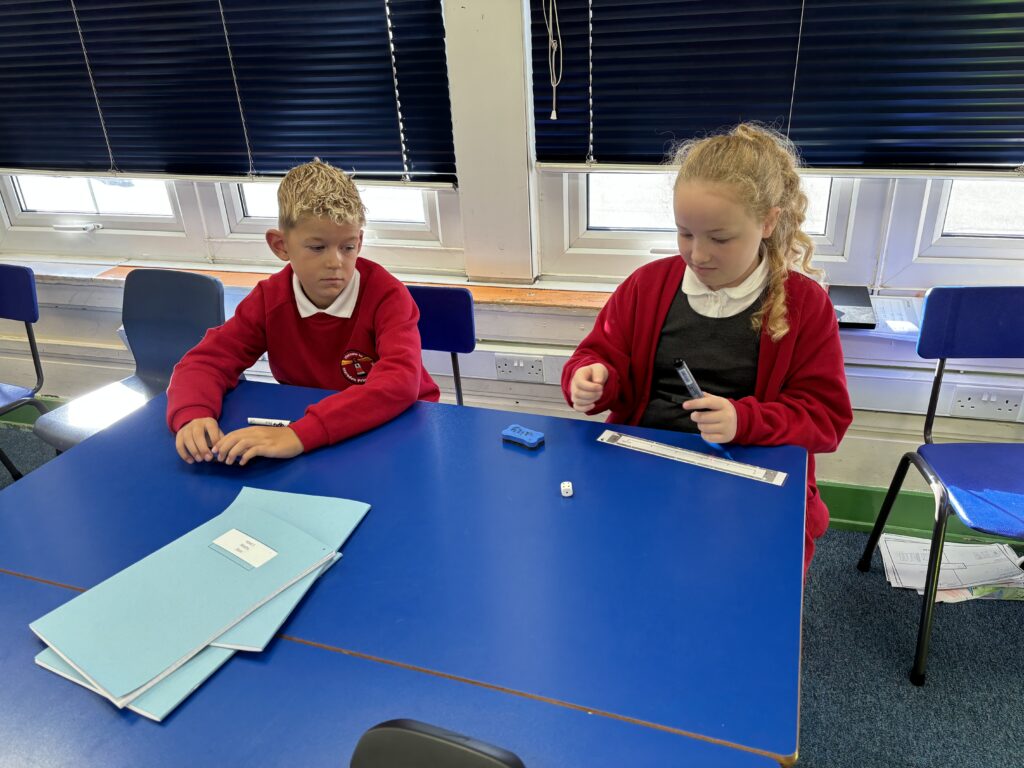
After learning about place value last week, Y5 tested their understanding of number lines. In pairs, they rolled the dice four times to get a four digit number. Then they had to work out where the number would go on their number line. They also had to work out the correct intervals on their number line up to 10,000.